





Insoles for Shin Splints
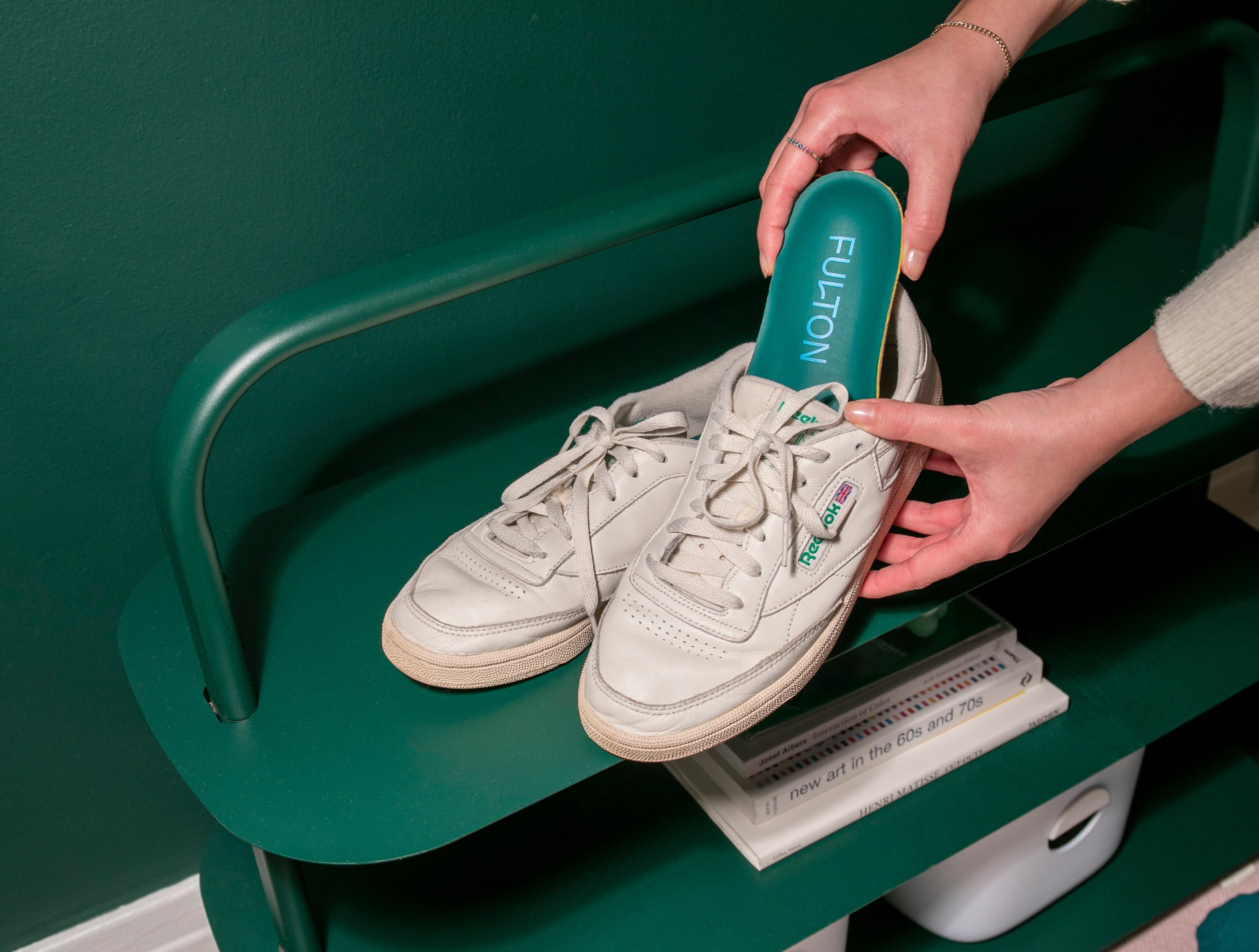
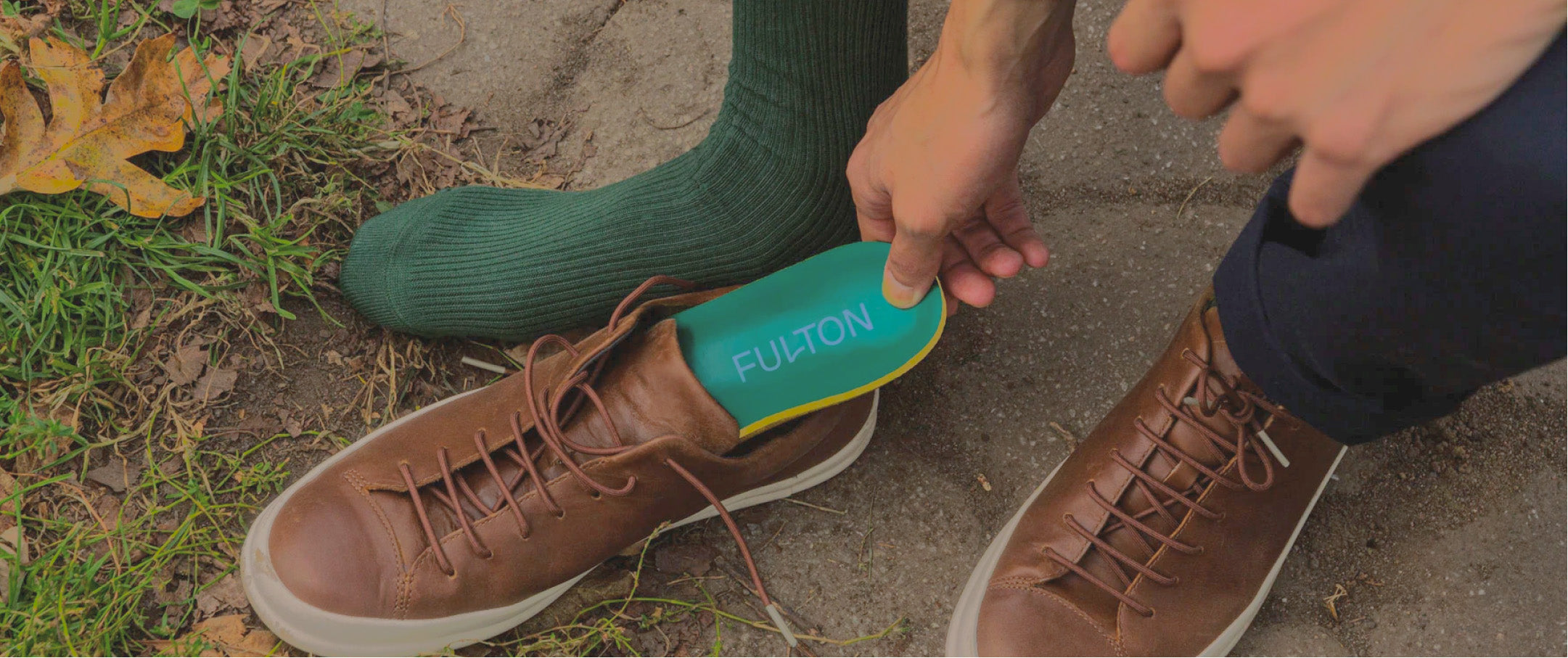
That familiar ache along the inside of your lower leg, showing up a few miles into a run or after a full day on your feet, is one of the most common complaints among runners, walkers, and anyone who spends long hours standing. Shin splints, medically known as medial tibial stress syndrome, are commonly associated with repetitive loading of the muscles, tendons, and tissue around the shinbone, especially after changes in activity. For supportive underfoot comfort, Fulton is an option to consider. The Athletic Insole for running shoes and The Classic Insole for everyday footwear are designed to add arch support, cushioning and heel stability. They do not establish the cause of shin pain or replace care.
Why Your Shins Ache: Impact, Overpronation, and the Load on Your Lower Leg
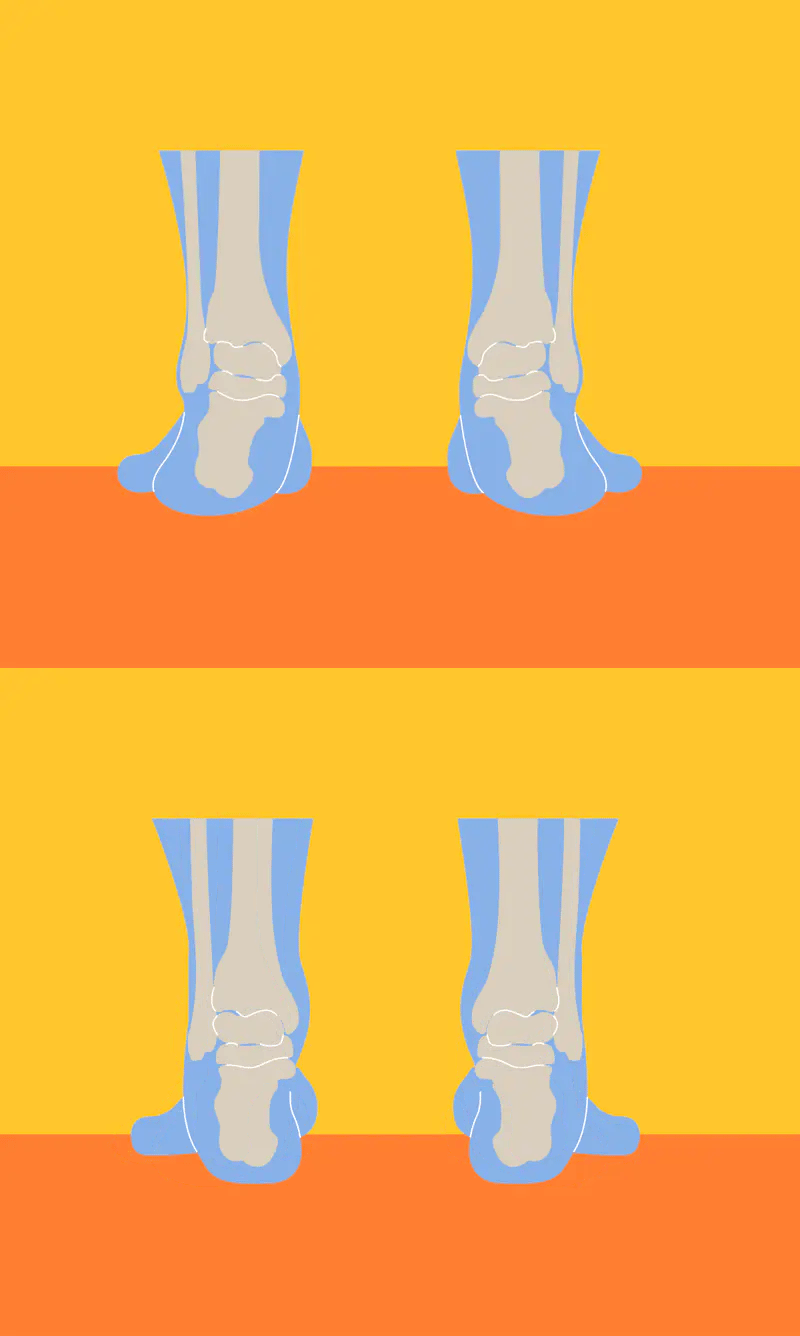
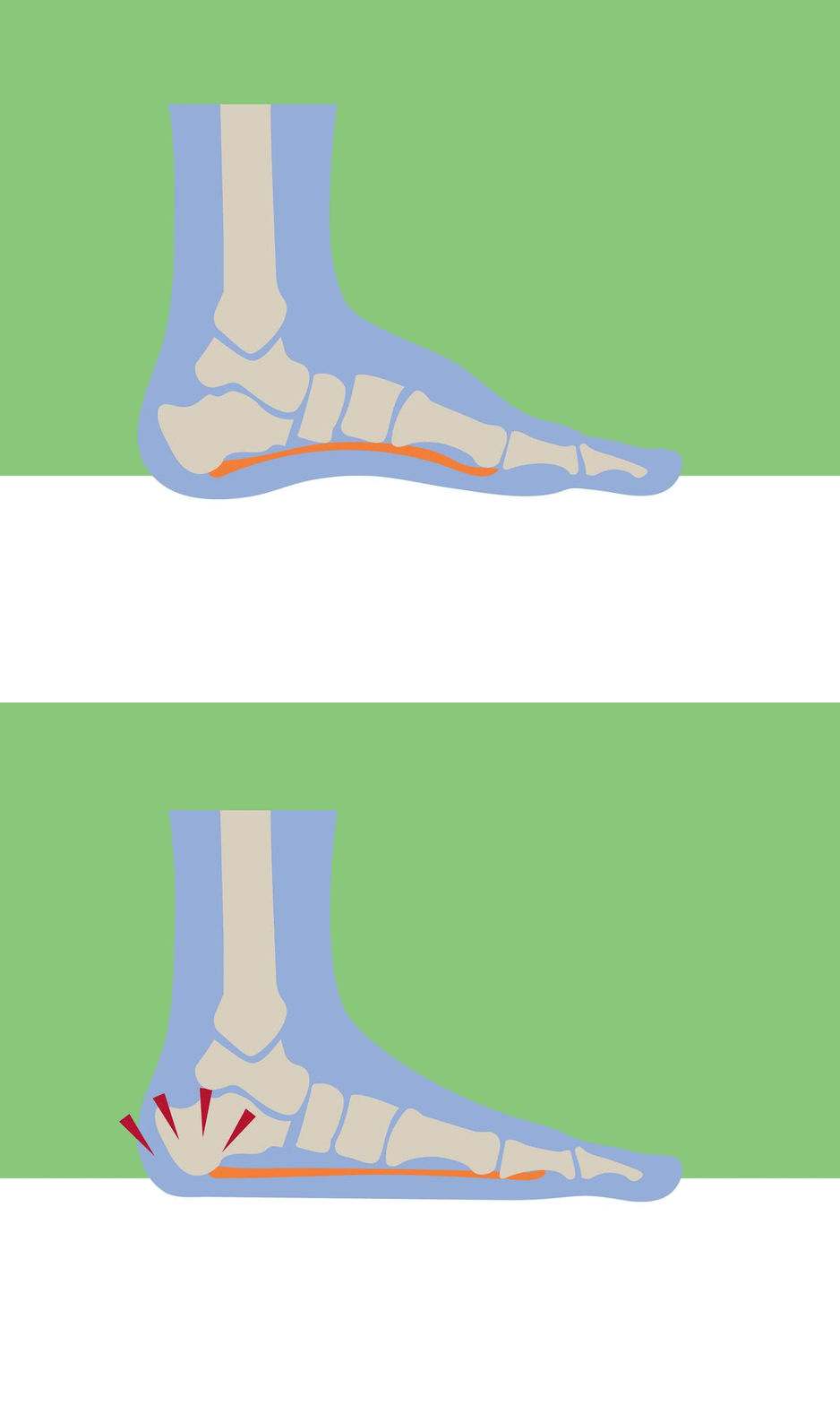
Shin splints commonly follow repetitive loading or a rapid increase in activity. Worn shoes, changes in training, and individual foot mechanics may contribute. Overpronation describes the foot rolling too far inward as you step; flat or low arches can be one factor a clinician considers.
Not all shin pain is a support problem. Stress fractures and other conditions can feel similar, so persistent or focal pain deserves assessment. Comfortable shoes and appropriately chosen support may be part of a broader care plan, alongside adjusting activities that provoke symptoms.
How Insoles May Support Comfort with Shin Splints
Supportive inserts may be helpful for some people with flat feet or recurrent shin splints, particularly when recommended after assessment. Look for a comfortable arch contour, heel stability and cushioning that fits your shoes without crowding.
Fulton's deep heel cup and molding cork footbed offer structured support for everyday or athletic footwear. A material cushioning feature alone does not prove a reduction in shin loading, pain, or injury risk. Insoles do not replace appropriate rest from painful activity or a clinician-guided return to running.
The Fulton Difference: Cork, Arch Support, and a Deep Heel Cup
Fulton insoles are built around a natural cork footbed that molds to the shape of your foot after about 10 hours of wear. Cork gradually conforms to your unique arch shape while maintaining a supportive, structured platform. That means the support you feel on day one becomes more personalized over time, not less effective.
Three features provide supportive underfoot comfort:
Moldable cork footbed. The cork base forms to your individual arch, supporting the foot's natural structure and supporting the arch through walking and standing. Fulton reports 70% more impact absorbed by its cork than foam alone; this material comparison is not proof of a clinical effect on shin splints.
Deep heel cup. The heel cup is designed to help steady the heel inside the shoe, without promising gait correction or a measured effect on the tibia.
Structured arch support for all arch types. Whether your arches are low, neutral, or high, the contoured footbed helps guide the foot into a more balanced position throughout the gait cycle. Fit and comfort vary; stop wearing an insert if it increases pain.
Fulton insoles mimic the functional properties of custom orthotics, but are not orthotics or a medical device. They are designed to help relieve symptoms and support comfort, not to treat or cure a condition.
Which Fulton Insole Is Right for Your Shoes?
The Athletic Insole ($48) is the go-to choice for running shoes, athletic sneakers, and hiking or ski boots. It features a wider toe box, higher-density foam, and organic-cotton top layer, engineered for the demands of repetitive impact and extended activity. Use it in shoes with removable inserts, and avoid running through shin pain.
The Classic Insole ($48) fits lifestyle shoes, boots, and sneakers with removable insoles. For people whose shin splint pain carries into their workday, nurses, teachers, service workers, or anyone on their feet for long hours, The Classic Insole adds support inside suitable everyday shoes.
The Universal Insole ($48) is a slimmer option designed for closed-toe shoes without removable insoles, such as loafers and flats. Note: The Universal Insole is not suitable for high heels or sandals, and works best in shoes with adequate volume. If your shoes feel snug, prioritize a roomier pair before adding any insole, as crowding can worsen pressure rather than relieve it.
All three insoles are HSA/FSA eligible and covered by Fulton's 90-Day Comfort Guarantee.
Not sure which fits your rotation? Take the Fulton Comfort Quiz to find the right match.
Insoles vs. Flat Cushioning vs. Custom Orthotics: What the Difference Actually Means
| Feature | Flat Cushioning Inserts | Fulton Structured Support | Clinician-Prescribed Orthotics |
|---|---|---|---|
| Main purpose | Adds padding; contours vary | Molding cork arch support and deep heel cup | Support or positioning based on assessment |
| Personalization | Varies by product | Cork molds through wear, around 10 hours | Individually prescribed and fitted |
| Shoe fit | Check available space | Classic/Athletic replace removable inserts; Universal needs sufficient space | Depends on device and shoe |
| Materials | Varies | Cork with model-specific cushioning and top layers | Varies by clinical need |
| Price | Varies by brand | $48 per pair | Varies by provider, device and coverage |
| HSA/FSA eligibility | Varies | Eligible; check plan requirements | Check provider and plan requirements |
| Trial or returns | Varies by seller | 90-Day Comfort Guarantee | Varies by provider |
These categories do not offer interchangeable clinical care. Fulton insoles mimic the functional properties of custom orthotics, but are not orthotics or medical devices. Follow a clinician’s advice if you need a prescribed device.
Practical Tips for Managing Shin Splint Pain
Insoles work best as part of a thoughtful approach to load management. A few habits that support the work your insoles are doing:
Increase mileage gradually. A common driver of shin splints is ramping up distance or intensity too quickly. Research shows that sudden spikes in a single run's distance are linked to medial tibial stress syndrome and other overuse injuries. Give your body time to adapt by building volume incrementally.
Replace worn shoes before they bottom out. Running shoes lose meaningful midsole cushioning and structural support well before the outsole shows obvious wear. If your shoes have significant miles on them, the insole has less to work with.
Choose activities and surfaces thoughtfully. Avoid sudden training changes and activities that provoke pain. A clinician can advise how to return gradually.
Give your insoles time to mold. The cork footbed takes about 10 hours of wear to begin conforming to your arch shape. Adjustment varies. Start gradually and stop if discomfort increases.
Trusted by Professionals
Fulton’s design has general endorsements from professionals.
Jeffrey Brandt, Certified Prosthetist/Orthotist: "Fulton insoles are the first OTC insoles that I have found that most closely mimic the functional properties of custom orthotics"
Renuka Pinto, Physical Therapist: "Fulton does what it says it does - the added advantage of custom conformity cannot happen with plastic and gel"
These endorsements concern Fulton support generally, not proof of a condition-specific clinical outcome. Fulton reports that 97% of customers experience a reduction of pain and 95% felt improved comfort; individual experience varies.
When to See a Podiatrist
Fulton insoles are designed to support comfort and help relieve the strain that contributes to shin splint discomfort. They are not a medical device, and they are not a substitute for professional evaluation. If your shin pain is severe, persists despite rest and proper footwear support, or worsens over time, please see a podiatrist or physician. A clinician can rule out stress fractures and other conditions that share symptoms with shin splints and require a different course of care.
Learn more in Fulton's related guides:
- The Best Insoles for Shin Splints
- How Insoles Support Proper Alignment to Help Prevent Shin Splints
- Best Insoles for Shin Splints with Flat Feet or Overpronation
FAQ About Insoles for Shin Splints
What insoles help reduce shin splint pain?
Some people with flat feet or recurrent shin splints may benefit from appropriately selected inserts as part of care. Fulton provides molding cork arch support, cushioning and a deep heel cup for underfoot comfort. It is not established here that Fulton treats shin splints or prevents injury.
Which insoles help support proper alignment for shin splints?
Look for comfortable arch contour, heel stability and a suitable shoe fit. Fulton is designed to support and help steady the foot, rather than permanently correct gait. A podiatrist can assess whether a particular support is appropriate for your symptoms.
What are the best insoles for shin splint relief?
There is no single best insole for every cause of shin pain. Fulton recommends The Athletic Insole for running and athletic shoes with removable inserts and The Classic Insole for suitable everyday shoes. Both are $48 per pair, HSA/FSA eligible, and covered by the 90-Day Comfort Guarantee.
Are Fulton insoles good for shin splints associated with flat feet or overpronation?
Fulton offers support for low, neutral and high arches. Whether that support helps your symptoms depends on the cause, fit, activity load and any needed treatment. Persistent or worsening pain should be assessed, including to rule out a stress fracture.
Can I use Fulton insoles in running shoes and everyday shoes?
Yes, choose the model by the shoe: Athletic for athletic footwear and Classic for lifestyle shoes with removable inserts. Keep each pair in its own shoes so the cork molds to that fit. Support is for comfort and does not mean it is safe to continue painful running.
Find the Right Fulton Insole for Your Shin Splints
Start with The Athletic Insole for running shoes, or The Classic Insole for everyday footwear. Not sure which fits your shoe rotation? Take the Fulton Comfort Quiz. Every Fulton insole is $48, HSA/FSA eligible, and backed by the 90-Day Comfort Guarantee.
Keep Learning
If pain persists or worsens, see a podiatrist. Fulton insoles are an over-the-counter comfort product, not a medical device.

