







Insoles for Supination
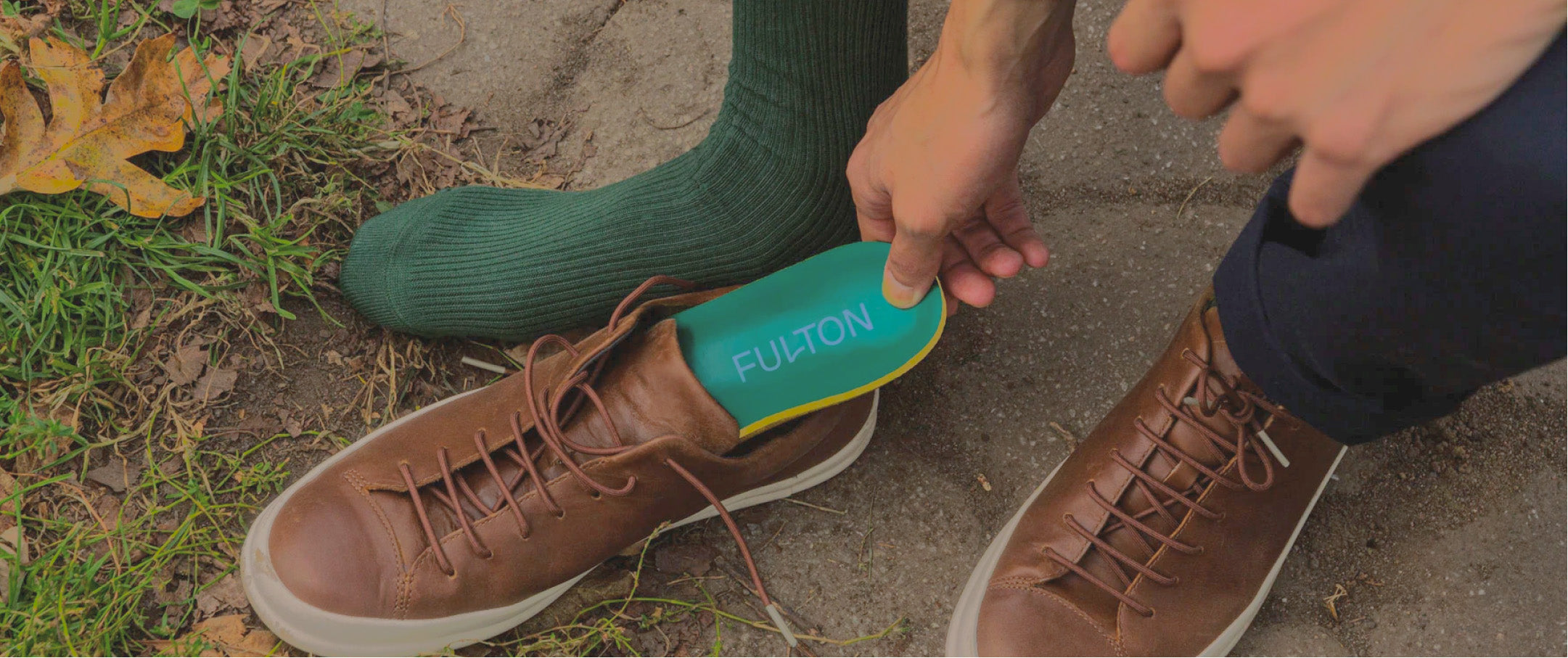
If you tend to load the outside edge of your foot, start with a comfortable shoe and a secure heel fit. Fulton provides contoured cork support and cushioning in compatible shoes. Arch height or shoe wear alone cannot identify why a foot hurts.
What supination and underpronation mean
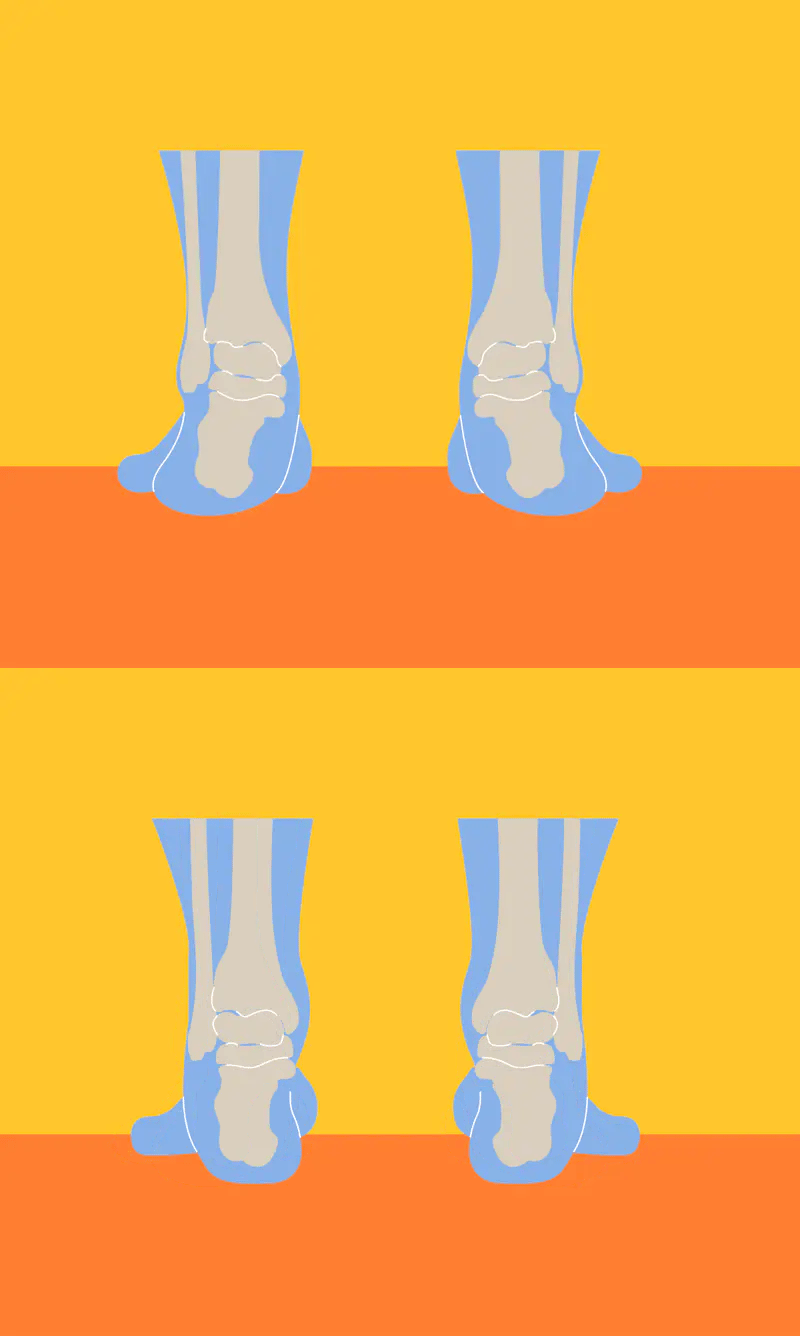
The NELFT NHS physiotherapy glossary describes supination as outward foot rotation. In everyday gait discussions, underpronation describes a tendency to remain toward the outer edge during a step. This differs from inward rolling, or pronation. A professional assessment is more useful than assuming every high arch has the same motion.
Which Fulton insole helps and why
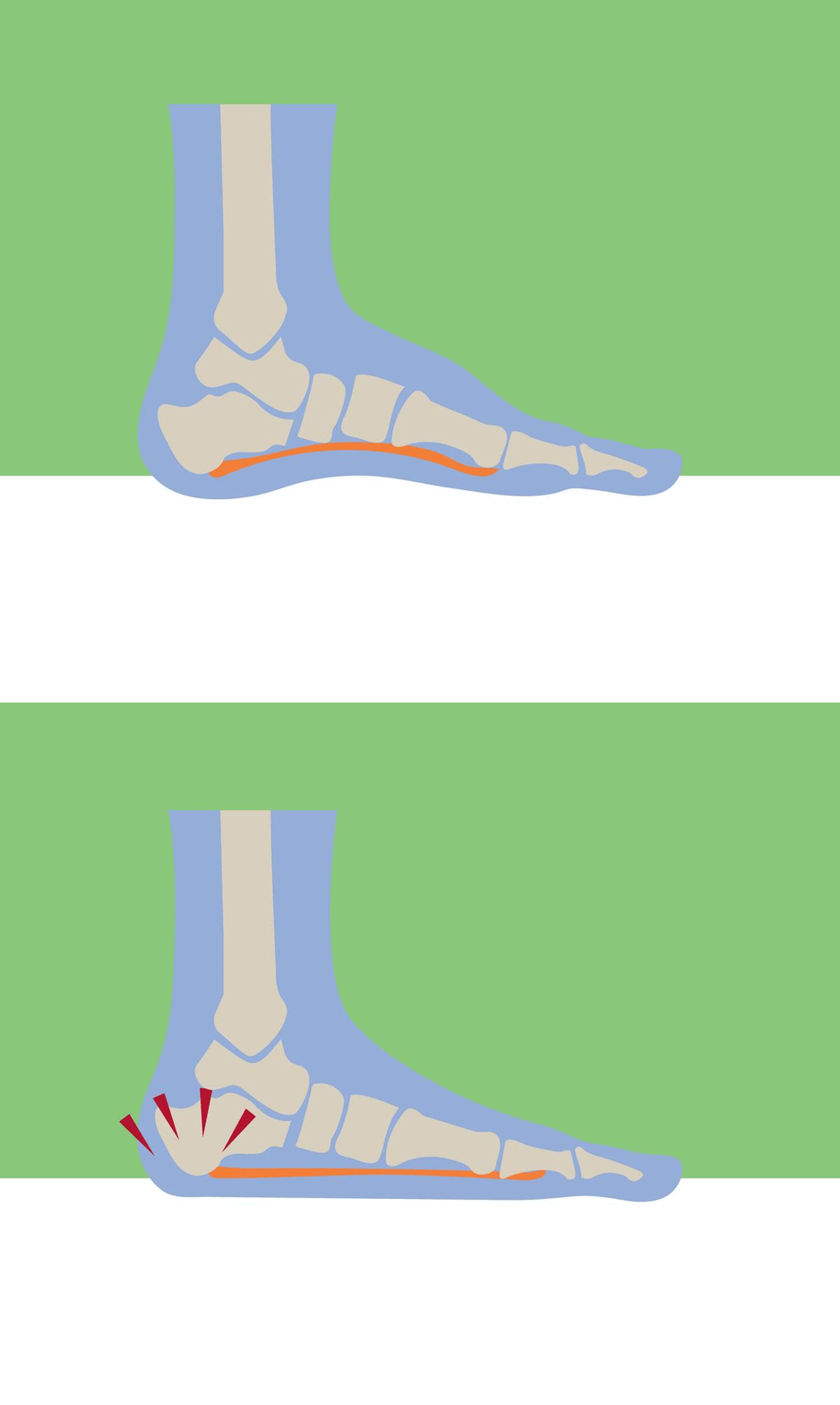
The molding cork arch and deep heel cup are designed to support and cradle the foot for a steadier feel in the shoe. The aim is comfortable support around a more neutral-feeling position, not forced movement or permanent gait correction. Start with Classic for compatible everyday shoes with removable liners; change models according to shoe type.
Do you need insoles?
Not everyone needs an insert. If shoes fit comfortably and you have no symptoms, there may be no reason to add support. If you notice persistent pain, instability or a change in walking, seek assessment. A retail insert is an option for comfort when it fits your needs, not a preventive treatment everyone requires.
Choose the insole for your shoes
- Classic Insole, $48: everyday shoes and boots with removable liners.
- Athletic Insole, $48: compatible athletic shoes with removable liners.
- Universal Insole, $48: compatible closed-toe shoes without removable liners and enough room for added support. Not for high heels or sandals.
Fit, molding and wear
The cork gradually adapts through wear, typically over about 10 hours, with adjustment varying by person. Start with short wear periods and stop if discomfort increases. Replace removable liners when using Classic or Athletic. Universal is for compatible closed-toe shoes without removable liners and enough room, never high heels or sandals.
When to seek advice
Seek advice for repeated ankle rolling, a sudden gait change, new weakness or numbness, or persistent or worsening pain. A clinician may recommend a different type of insert or a prescribed device.
More condition and fit resources
Frequently asked questions
What are the best insoles for supination?
Look for comfortable cushioning, a secure heel fit and an arch contour that does not press uncomfortably. Classic offers cork support in everyday removable-liner shoes, but there is no universal best insole for every outward-rolling foot.
What insoles help with inward or outward foot rolling?
The same symptoms can arise from different movement patterns. Fulton’s cork contour and deep heel cup provide general support for compatible shoes, while a podiatrist can assess whether a particular design suits inward or outward rolling.
Which Fulton insole should I choose for supination?
Choose by shoe type: Classic for everyday shoes and boots with removable liners, Athletic for compatible athletic shoes, and Universal for some closed-toe shoes without removable liners and adequate room. Each is $48 per pair.
Will Fulton insoles work for my arch type?
Fulton is designed for low, neutral and high arches. Its cork molds through wear. Comfort still depends on the foot and shoe, and arch height alone does not establish clinical suitability.
What is the 90 day comfort guarantee?
The 90-Day Comfort Guarantee provides time to assess your insoles under the current terms, including worn-pair returns or exchanges when eligible. Do not delay assessment of persistent symptoms while evaluating comfort.
How is Fulton different from other insoles?
Fulton combines a wear-molding cork base, a contoured arch and a deep heel cup. Top layers and cushioning vary by model. These are product-design features, not proof that it corrects gait or replaces a prescribed orthotic.
How long do they last?
Inspect the support shape, top layer and how the insole fits as the shoe wears. Fulton recommends replacing insoles when replacing the shoes they have molded to. Actual wear varies with use and care.
Find support for your shoes
Fulton insoles are $48 per pair. Choose by shoe type and fit, and follow any advice about prescribed support.

About Jeffrey Brandt
Jeffrey M. Brandt, Certified Prosthetist/Orthotist, is the co-founder of Ability Prosthetics and Orthotics, an evidence-based P&O practice that has grown to over a dozen offices across three states. After graduating from Penn State University in 1995, Jeff completed the prosthetics technician program at Spokane Falls Community College in Spokane, Washington and became an ABC certified technician.
He attended Northwestern University’s Feinberg School of Medicine’s Prosthetic & Orthotic program in 1999. He subsequently completed his orthotic residency at the Rehabilitation Institute of Chicago and his prosthetic residency at Lawall P&O in Delaware, where he served at A.I. DuPont Children’s Hospital. Brandt currently serves on the American Orthotic & Prosthetic Association’s (AOPA) board.

