





Insoles for Back, Knee & Hip Pain
A long shift, walk, or day of errands can leave your knees aching, your hips stiff, and your lower back tired. Fulton is an option to consider for supportive underfoot comfort, with molding cork, structured arch support, and a deep heel cup. Pain higher up the body can have many causes, so start with the right assessment rather than assuming your feet are the cause.
All three Fulton insoles cost $48 per pair, are HSA/FSA eligible, and are backed by the 90-Day Comfort Guarantee.
Why Your Knees, Hips, and Back May Start at Your Feet
Your feet, ankles, knees, hips, and back work together as you walk. Changes in foot motion can affect how you move, but a visible arch shape or shoe-wear pattern cannot diagnose the cause of pain.
If unsupportive shoes leave your feet tired, adding comfortable support may make standing and walking feel better underfoot. It does not establish that an insole will relieve knee, hip, or back pain. Persistent symptoms deserve a clinician's assessment.
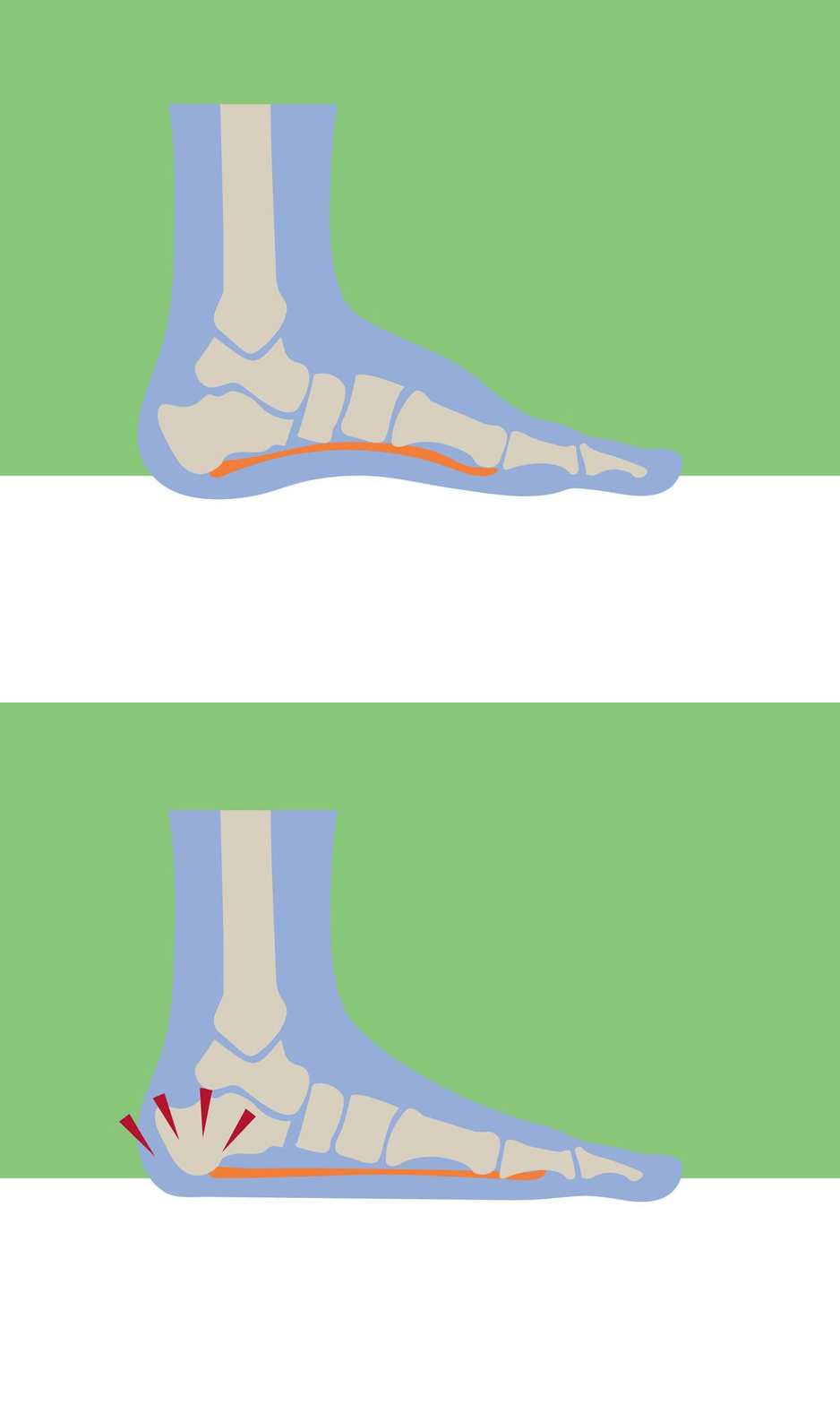
How Arch Collapse and Overpronation Change Alignment Up the Leg
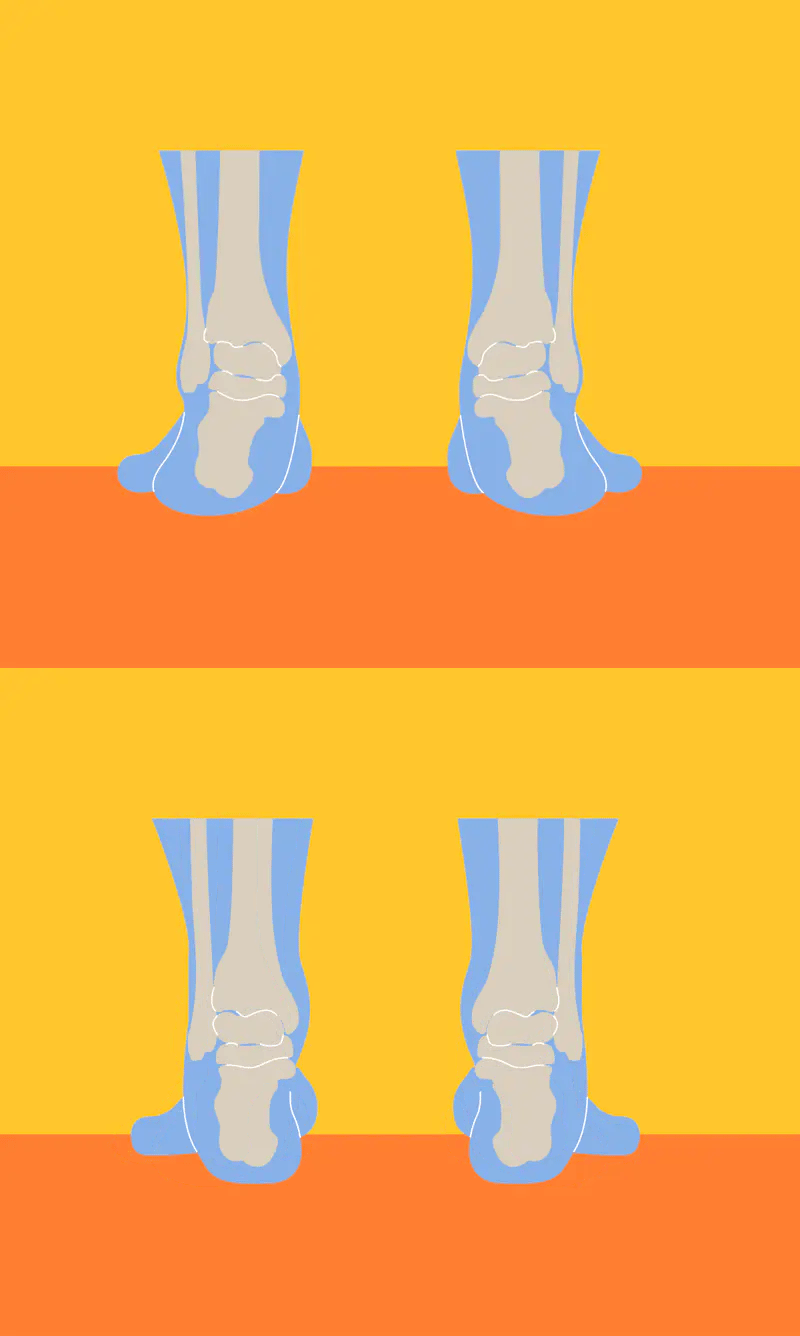
Overpronation means the foot rolls too far inward as you step. It can occur alongside lower arches; supination describes an outward rolling tendency. Foot movement can accompany changes in lower-leg movement, but there is no single alignment pattern that explains everyone's pain.
Fulton's contoured arch and deep heel cup are designed to support and help stabilize the foot. They do not permanently correct gait or reposition the knees, hips, pelvis, or spine. A podiatrist or physical therapist can help determine whether footwear support is relevant to your symptoms.
How Fulton Supports Whole-Body Alignment
Fulton insoles are built around three features that work together to improve the environment your foot operates in with every step.
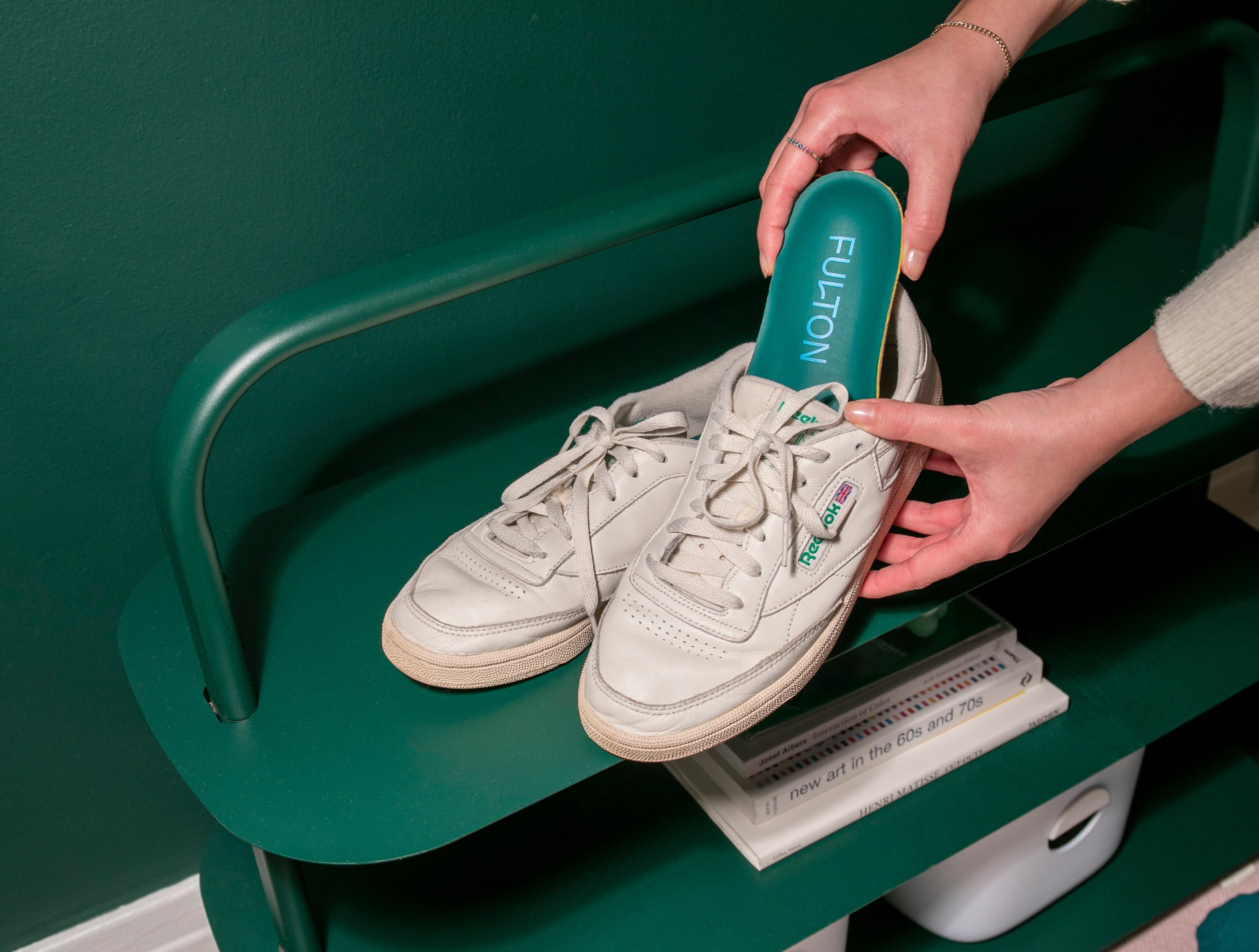
Cork footbed that molds to your foot. Fulton reports that its cork absorbs 70% more impact than foam alone; and after roughly 10 hours of wear, the cork footbed molds to the unique shape of your arch. This creates a personalized fit through wear rather than custom manufacturing. The result is a surface that responds to the way you actually walk, not a generic shape designed for a hypothetical foot.
Deep heel cup. The deep heel cup stabilizes the heel and limits excessive inward rolling. It is designed to help steady the heel inside the shoe, without guaranteeing an effect at the knee or hip.
Structured arch support for all arch types. Whether you have flat feet, neutral arches, or high arches, Fulton's contoured arch support is designed to engage the arch for supportive comfort through standing and walking.
Fulton insoles mimic the functional properties of custom orthotics but are not orthotics or a medical device. They are designed to support underfoot comfort and alignment, without establishing relief for a specific joint or back diagnosis.
Insoles That Help with Knee Pain and Knee Alignment
If you are asking what insoles reduce knee pain when walking, look first for comfortable arch support, a stable heel fit, and enough space in your shoes. Insoles may be part of a clinician's plan for selected knee problems, but no product is the best choice for every cause of knee pain.
Fulton offers structured cork support and a deep heel cup for underfoot comfort. The Classic Insole suits everyday shoes and boots with removable insoles. The Athletic Insole suits running and athletic shoes with removable insoles and uses higher-density foam for active wear.
These features are not proof that Fulton changes knee alignment or treats a knee diagnosis. See a podiatrist or orthopedic specialist if knee pain persists or worsens.
Insoles for Back Pain Relief
Searching for the best insoles for back pain can be a sign that long days on your feet have become uncomfortable. Fulton can add arch support and heel stability inside your shoes, but underfoot comfort is different from treating the source of back pain.
Insoles are not established treatment for nonspecific low-back pain or sciatica. Back pain may involve causes unrelated to the feet. A physician or physical therapist can assess persistent back pain and recommend appropriate care; do not replace that care with an insole.
Insoles for Hip Pain and Hip Alignment
Footwear can affect how comfortable walking feels, but hip pain may arise from the joint, surrounding tissues, the back, or other causes. A foot insert cannot establish or correct the cause on its own.
Fulton is an option for people seeking molding cork arch support and heel stability in their shoes. It should not be described as a device that realigns the hip or provides proven hip-pain relief. If pain is significant, sudden, or worsening, see a clinician.
Which Fulton Insole Fits Your Shoes
Fulton offers three insoles, each designed for a different shoe type. All are $48 per pair, work for all arch types, and share the same cork molding technology, deep heel cup, and structured arch support.
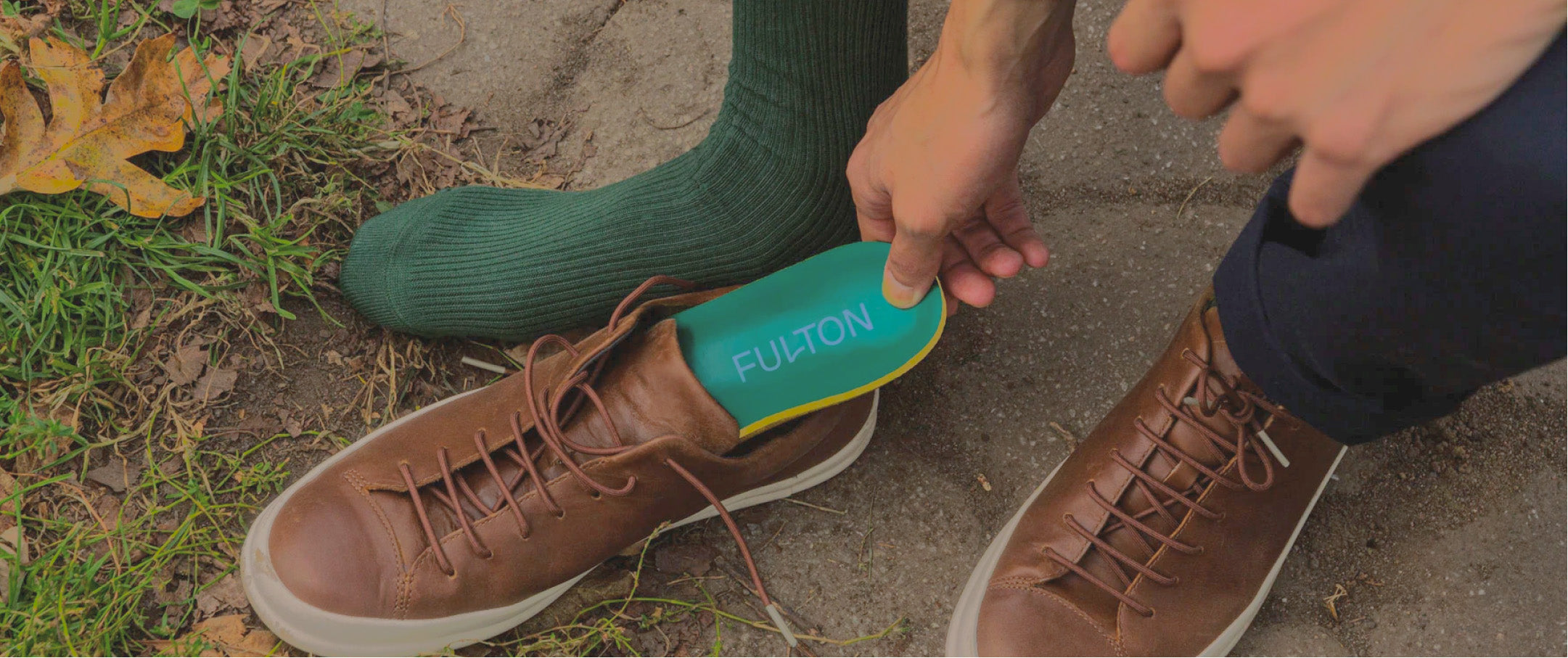
The Classic Insole is designed for lifestyle shoes, sneakers, and boots that have a removable factory insole. You remove the existing insole and replace it with The Classic. This is Fulton's best-selling style and the most versatile option for everyday wear.
The Athletic Insole is designed for running shoes, athletic sneakers, and hiking or ski boots. It features a wider toe box and higher-density foam for higher-impact activity, while delivering the same cork footbed and heel cup at its core.
The Universal Insole has a slimmer profile and is designed for closed-toe shoes that do not have a removable insole, including loafers, flats, and some dress boots. Because it sits on top of the existing footbed rather than replacing it, it requires adequate shoe volume to avoid crowding the toe box. The Universal Insole is not suitable for high heels or sandals. If your shoes are already snug, consider a roomier pair before adding any insole.
Not sure which insole is right for your shoes and foot type? Take the Fulton Comfort Quiz for a personalized recommendation.
How Fulton Compares: Flat Cushioning vs. Structured OTC Support vs. Custom Orthotics
These categories serve different purposes. Choose support according to your shoes, comfort, and clinical needs.
| Feature | Flat Cushioning Inserts | Fulton Structured Support | Clinician-Prescribed Orthotics |
|---|---|---|---|
| Main purpose | Adds padding; contours vary | Molding cork arch support and deep heel cup | Support or positioning based on assessment |
| Personalization | Varies by product | Cork molds through wear, around 10 hours | Individually prescribed and fitted |
| Shoe fit | Check available space | Classic/Athletic replace removable inserts; Universal needs sufficient space | Depends on device and shoe |
| Price | Varies | $48 per pair | Varies by provider, device, and coverage |
| Trial or returns | Varies by seller | 90-Day Comfort Guarantee | Varies by provider |
Fulton mimics the functional properties of custom orthotics but is not an orthotic or medical device. It does not replace a prescribed device when one is clinically indicated.
Designed and Recommended by Professionals
Jeffrey Brandt, Certified Prosthetist/Orthotist, says: "Fulton insoles are the first OTC insoles that I have found that most closely mimic the functional properties of custom orthotics"
Renuka Pinto, Physical Therapist, says: "Fulton does what it says it does - the added advantage of custom conformity cannot happen with plastic and gel"
These are general endorsements of Fulton support, not evidence of treatment for back, knee, or hip conditions. Fulton reports that 97% of customers experience a reduction of pain and 95% felt improved comfort; these general customer figures do not predict your individual result. Every pair is handcrafted in Porto, Portugal, and covered by the 90-Day Comfort Guarantee.
When to See a Podiatrist
Fulton insoles are designed to support underfoot comfort and alignment, and many customers find meaningful relief. But they are a comfort and support product, not a medical device, and not a substitute for professional evaluation.
If your back, knee, or hip pain is severe, sudden, accompanied by swelling or numbness, or does not improve or worsens over time, please see a podiatrist, orthopedic specialist, or your primary care physician. A clinician can assess the underlying cause of your pain and recommend the right course of care. Fulton is often a complement to professional guidance, not a replacement for it.
Learn more: Read the Fulton guide to the best insoles for back, hip, and knee pain, or explore hip and knee pain and the role of supportive footwear on the Fulton Learn blog.
FAQ About Insoles for Back, Knee, and Hip Pain
What insoles does Fulton recommend for knee pain when walking?
For supportive underfoot comfort, Fulton recommends The Classic Insole for everyday shoes and boots with removable inserts, or The Athletic Insole for running and athletic shoes with removable inserts. Both have cork arch support and a deep heel cup. Neither is proven here to treat a knee condition; a clinician can advise whether insoles belong in your care plan.
Which insoles help with knee alignment?
Look for a comfortable, structured arch and stable heel fit rather than a promise of permanent correction. Fulton is designed to support the foot, not to guarantee changes in knee position. Persistent knee pain needs assessment.
Can insoles help with hip alignment and hip pain?
Fulton may improve comfort underfoot, but it is not established here that it realigns the hip or relieves hip pain. Hip discomfort has several possible causes. A clinician can assess whether shoe fit or foot support is relevant.
Are Fulton insoles good for lower back pain relief?
Fulton offers molding cork support for standing and walking comfort. Insoles are not established treatment for nonspecific low-back pain or sciatica. See a physician or physical therapist for persistent back pain rather than relying on inserts to address the cause.
How do Fulton insoles differ from custom orthotics?
Fulton insoles cost $48 per pair and mold through wear. They are not custom-manufactured prescription devices or medical devices. Custom orthotics are prescribed for individual needs and have prices that vary by provider and coverage. Follow your clinician's guidance if a prescribed device is needed.
How long does it take for Fulton insoles to mold?
The cork footbed molds after about 10 hours of wear, with individual adjustment varying. Start gradually and stop if discomfort increases. Molding time is not a promised timeline for relief of back, knee, or hip pain. The 90-Day Comfort Guarantee gives you time to assess comfort.
Find Your Fulton — Built for the Way You Walk
All three Fulton insoles are $48 per pair, HSA/FSA eligible, and backed by the 90-Day Comfort Guarantee. The cork footbed molds through wear rather than being made to individual clinical measurements. Take the Comfort Quiz to compare options for your shoes.
Keep Learning
If pain persists or worsens, see a podiatrist. Fulton insoles are an over-the-counter comfort product, not a medical device.

