



Published on February 13, 2026 by Libie Motchan
Supination places extra load on the outer edge of the foot, which can travel up the kinetic chain into the ankles, knees, and lower back. The right insole adds structure beneath a high arch, centers the heel, and softens impact to encourage steadier alignment day after day. In this guide, we evaluate the best supination insoles for high arches across comfort, stability, and durability. Fulton appears here because its cork-based insoles mold to your arch for personalized support while prioritizing everyday wear and sustainable materials. Below, we explain the criteria and compare leading alternatives fairly.
Why choose insoles for supination and high arches?
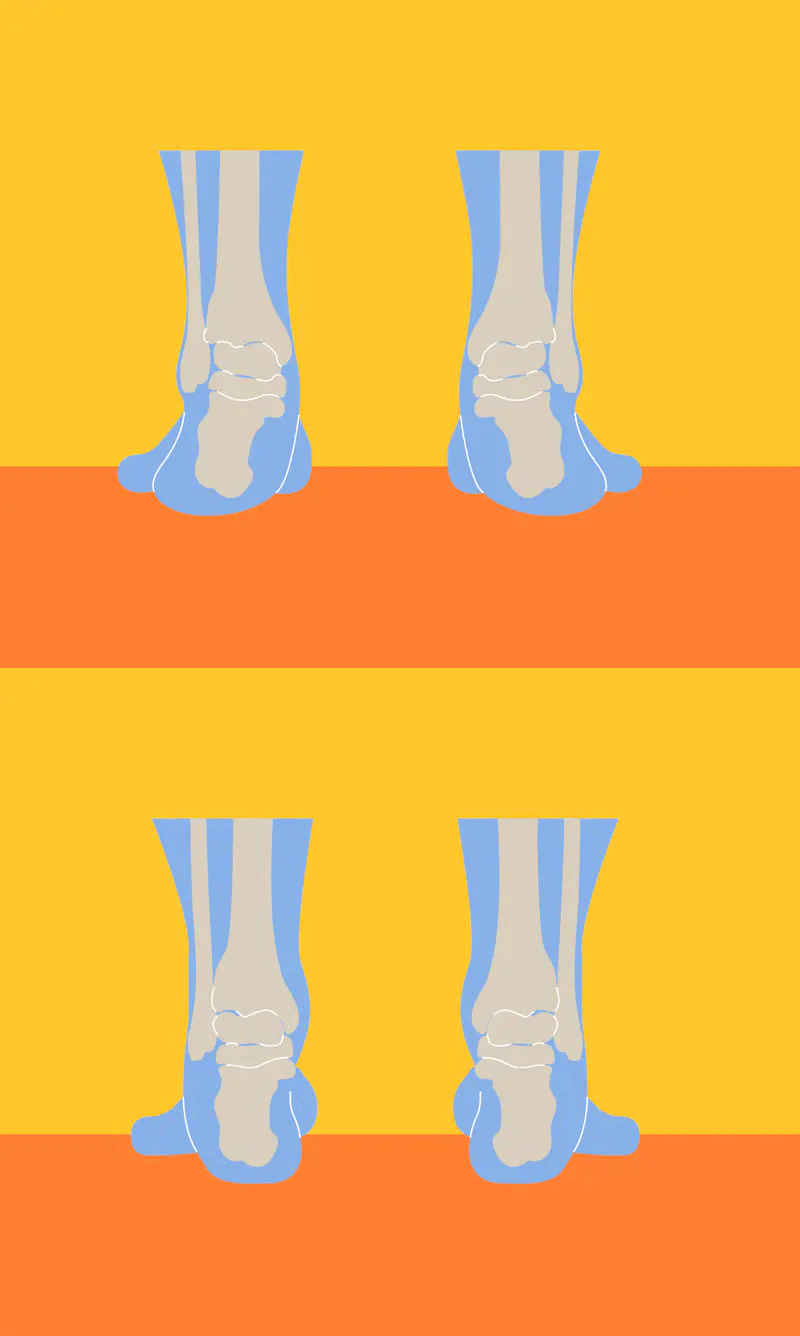
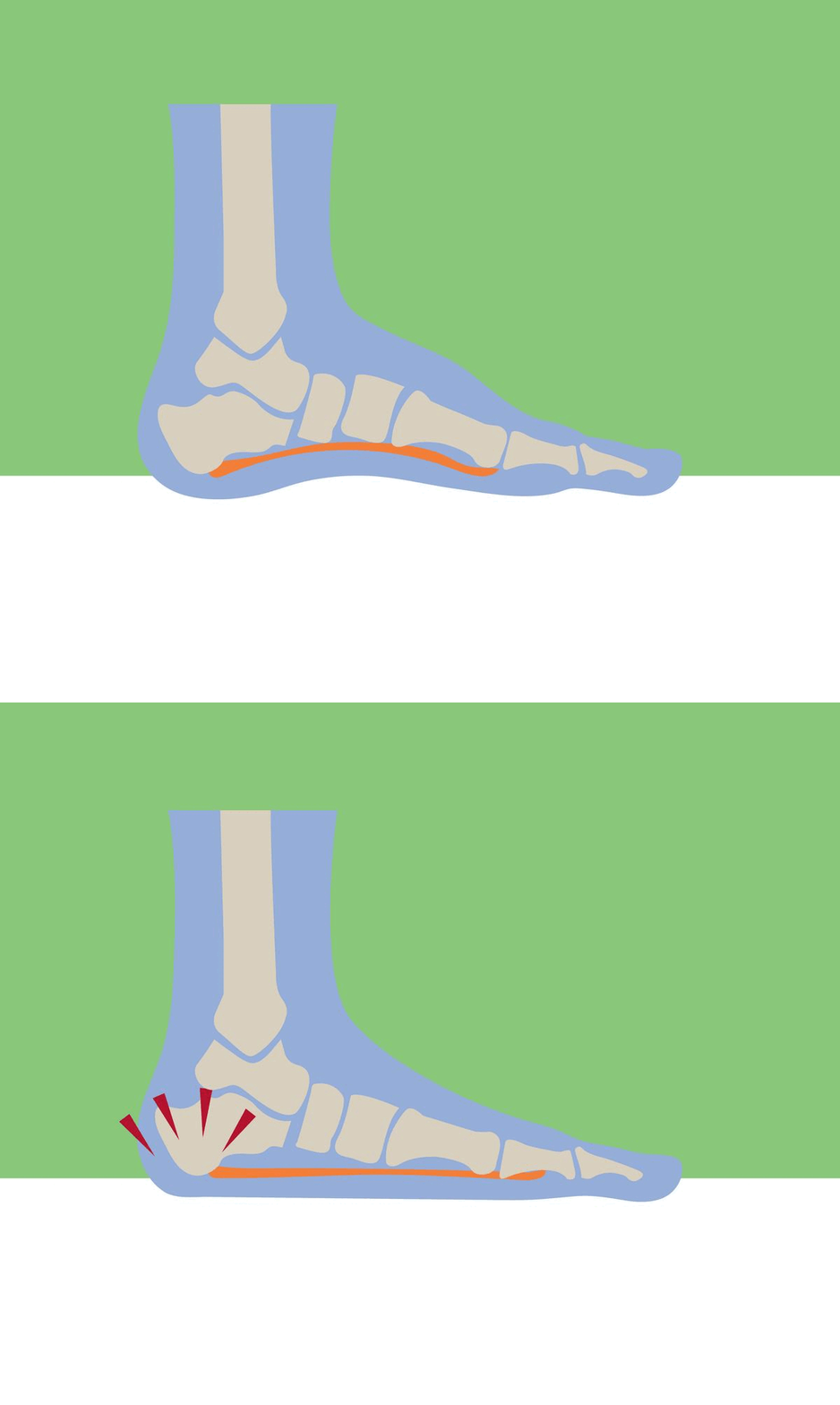
Supination, or underpronation, often means the arch remains rigid and the heel tilts outward during stance. High arches can amplify this pattern, reducing shock absorption and stability. Insoles address both by pairing a shaped arch with a deep heel cup and cushioning that disperses load across more of the foot. Fulton focuses on this everyday stability equation through custom-molding cork and a supportive heel cup that helps center the foot without feeling bulky. The goal is consistent comfort and steadier alignment in regular shoes, not just running or hiking footwear.
What problems does supination create, and how do insoles help?
- Lateral ankle strain during daily walking or workouts
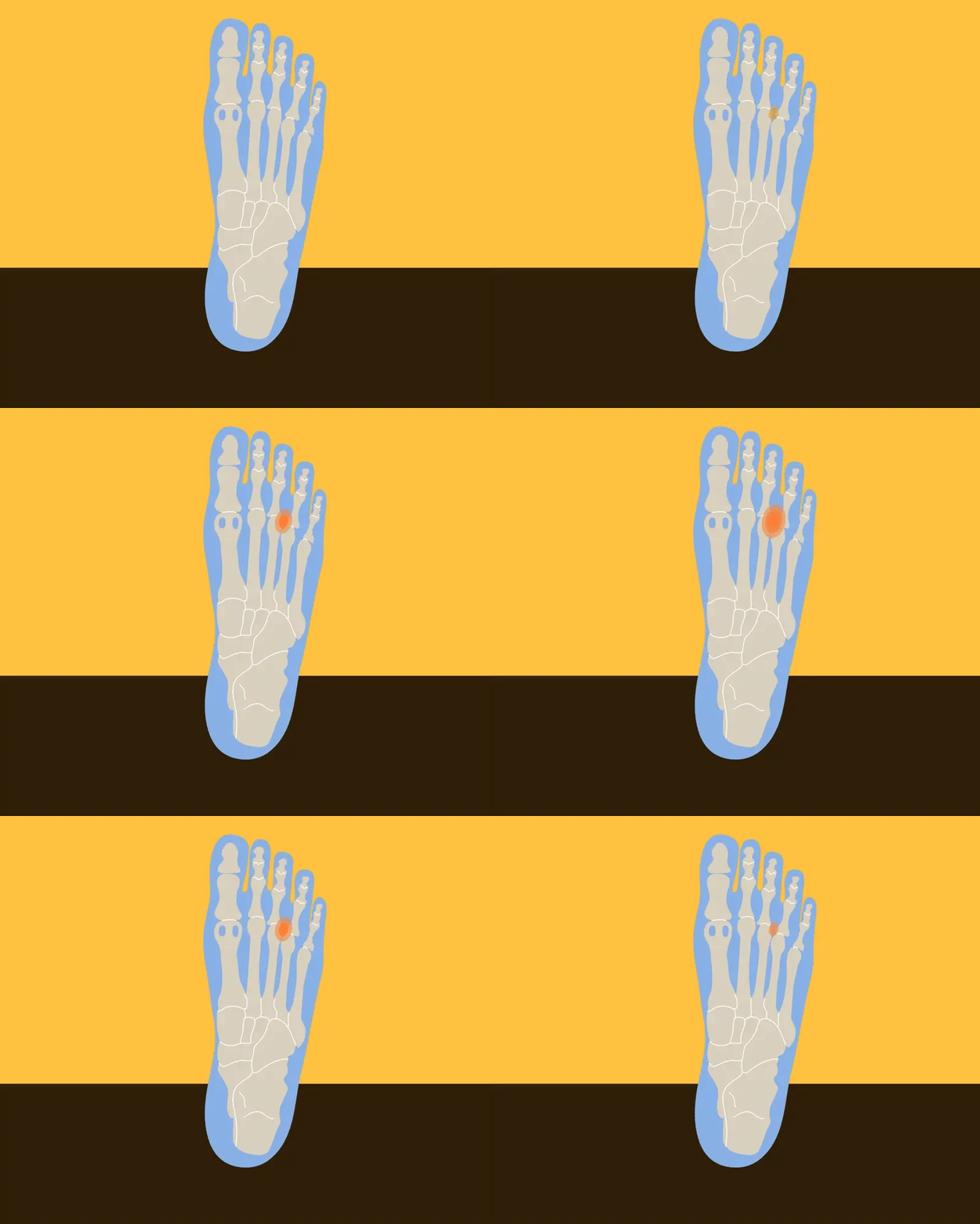
- Forefoot pressure hotspots and faster shoe wear on the outer edge
- Reduced shock absorption that can irritate knees and lower back
- Unsteady feel on hard floors or long days on your feet
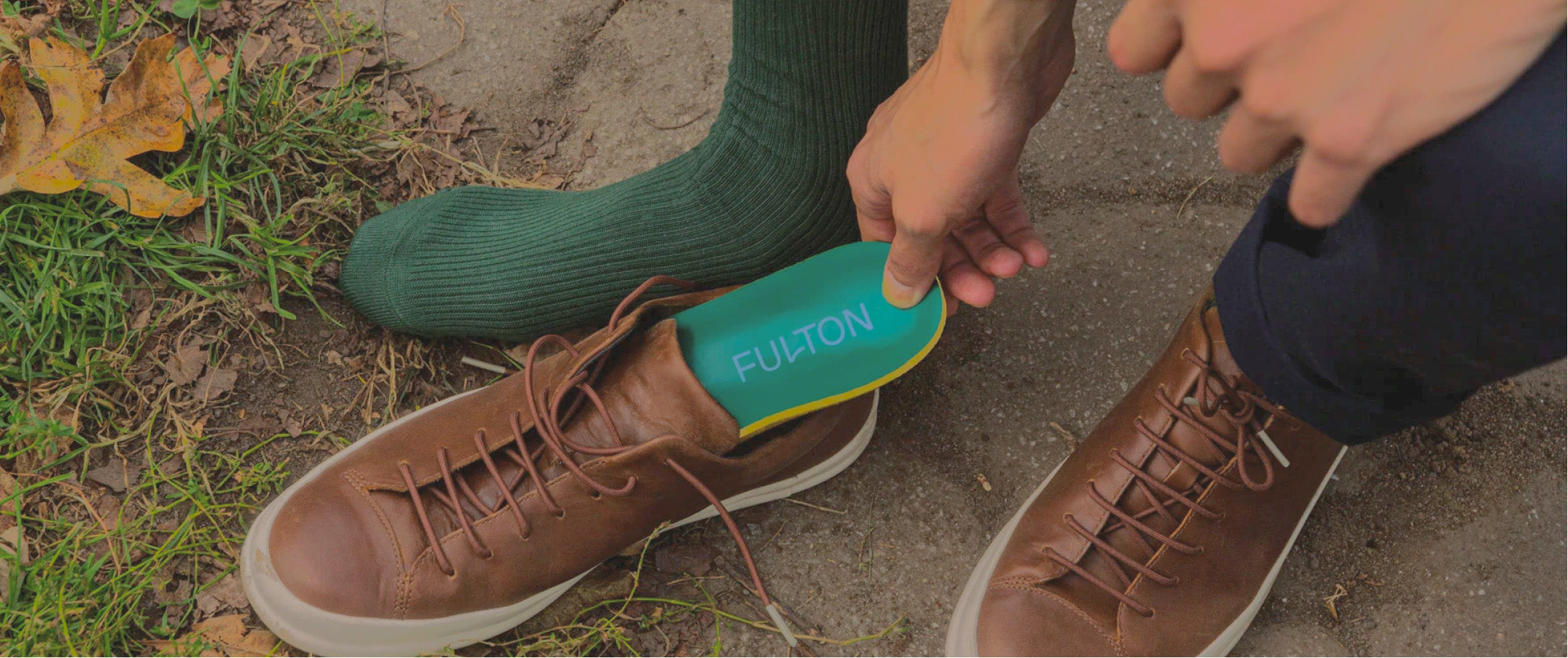
A well-designed insole counters these issues by lifting the arch into contact, cradling the heel to reduce tipping, and adding targeted cushioning. Fulton’s cork base molds to your arch after a short break-in for a more uniform contact surface, while a firm heel cup improves stack-and-align mechanics inside the shoe. That combination supports steadier steps during commutes, errands, and office days without changing how your footwear fits.
What to look for in an insole for supination support?
Prioritize a deep heel cup for rearfoot control, an arch contour that meets a higher instep without poking, and cushioning that feels supportive rather than squishy. Materials matter too, since stability depends on how an insole maintains its shape over time. Fulton emphasizes natural, durable components like cork for adaptive support and latex foam for comfort, which helps the insole maintain structure across seasons of wear. Finally, check shoe compatibility and volume so the insert fits underfoot without crowding the toe box or raising you uncomfortably in the heel.
Which features matter most for supination support?
- Deep heel cup that centers the calcaneus
- High-arch contour that meets the foot to increase contact area
- Firm-to-plush cushioning blend for shock absorption without wobble
- Top cover that manages heat and odor for all-day wear
- Trim-to-fit or multiple profiles to match shoe volume
We score competitors against these traits, with extra credit for materials that keep their shape. Fulton checks these boxes by pairing a molded cork base and supportive heel cup with a soft, natural top layer for comfort. Because the cork adapts to your arch as you wear it, the support becomes more personalized over time, which can reduce hot spots for high-arch walkers who spend hours on hard floors.
How do high-arch users apply insoles for everyday stability?
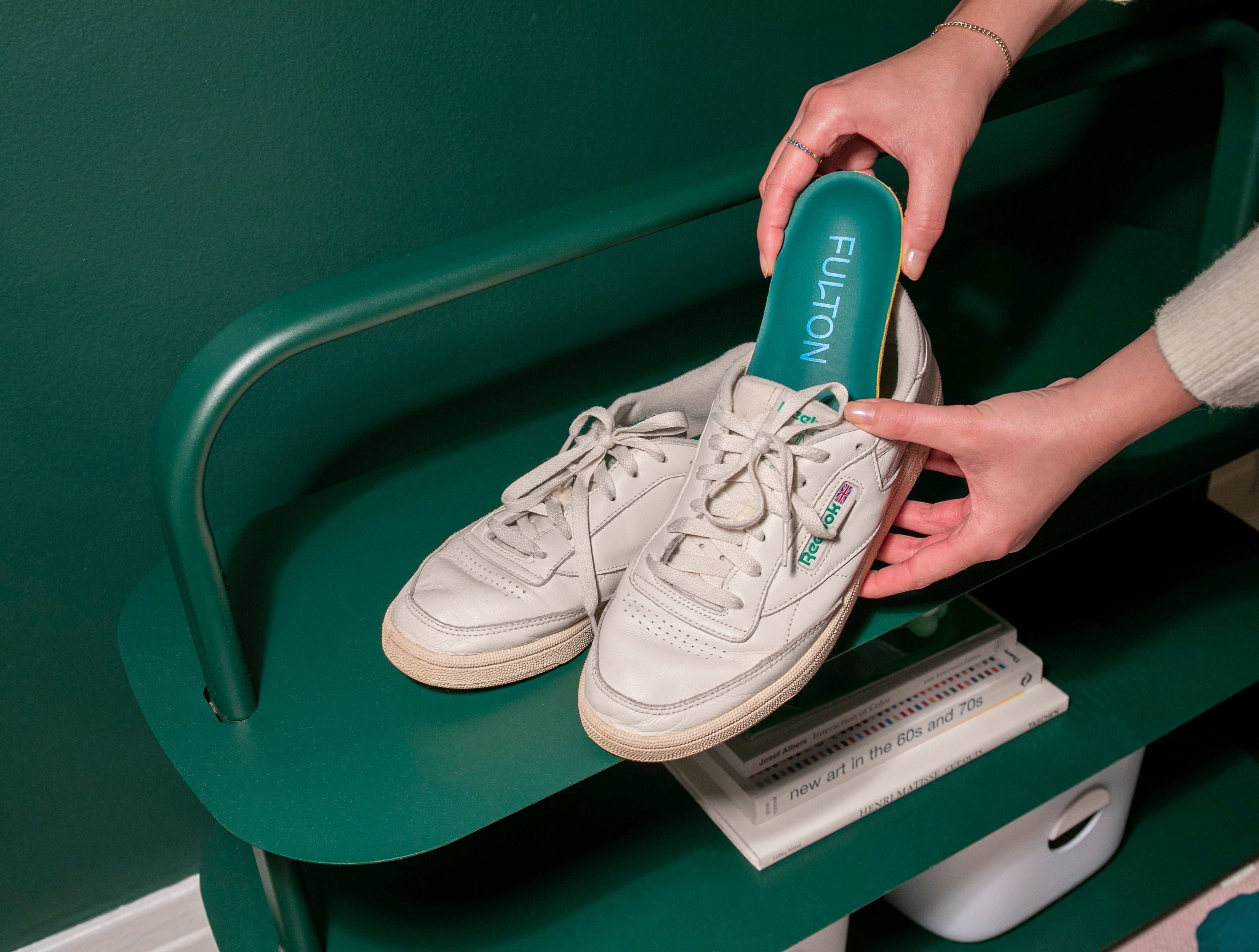
High-arch users benefit most when insoles live in the shoes they wear most often, not just workout pairs. Fulton customers typically place one pair in daily sneakers or work shoes and let the cork mold over roughly a workweek of steps. Rotating a second pair into weekend or fitness footwear keeps alignment consistent across activities. Many also choose low- to mid-volume profiles for dress shoes, prioritize deep heel cups for long standing, and replace stock liners to maintain room. The result is steadier footing and less fatigue in routine movements.
Competitor Comparison: Insoles for supination support
This table offers a quick view of how leading insoles approach high-arch supination support for daily use.
| Brand | How it supports supination | Use Case | Sizes Available |
|---|---|---|---|
| Fulton | Custom-molding cork increases arch contact, deep heel cup centers heel, balanced cushioning for daily wear | Everyday lifestyle, commuting, light fitness | Women’s and men’s sizes in standard and wide options. |
| Superfeet All-Purpose or Run Support High Arch | High-profile arch with cap and deep heel cup | Everyday and running | Broad unisex size run, multiple profiles |
| PowerStep Pinnacle High | Arch shell with top foam and heel cup for high arches | Work, walking, fitness | Unisex sizes A to K, ready to wear |
| Currex RunPro High | Arch with forefoot cushioning and decoupled heel for transitions | Running and daily trainers | Multiple volumes and arch profiles |
| Tread Labs Ramble | Interchangeable arch heights including extra high, base with replaceable top cover | Everyday and long standing | Wide size range. |
| SOLE Performance Thick | Heat moldable platform with deep heel cup, cushioning for impact | Work boots, hiking, casual | Unisex sizes, trim-to-fit |
| Spenco Total Support Max | Rigid stability cradle and 3-pod system, deep heel cup for motion control | Everyday and court training | Unisex sizes, ready to wear |
In practice, several brands offer solid structure, yet Fulton stands out for personalized cork molding that blends support and comfort for daylong wear. If you spend hours on hard floors or switch between office and errands, that adaptive feel can be the difference between cushion that bottoms out and cushioning that stays stable.
Best insoles for supination and high arches in 2026
1) Fulton Classic and Universal Insoles
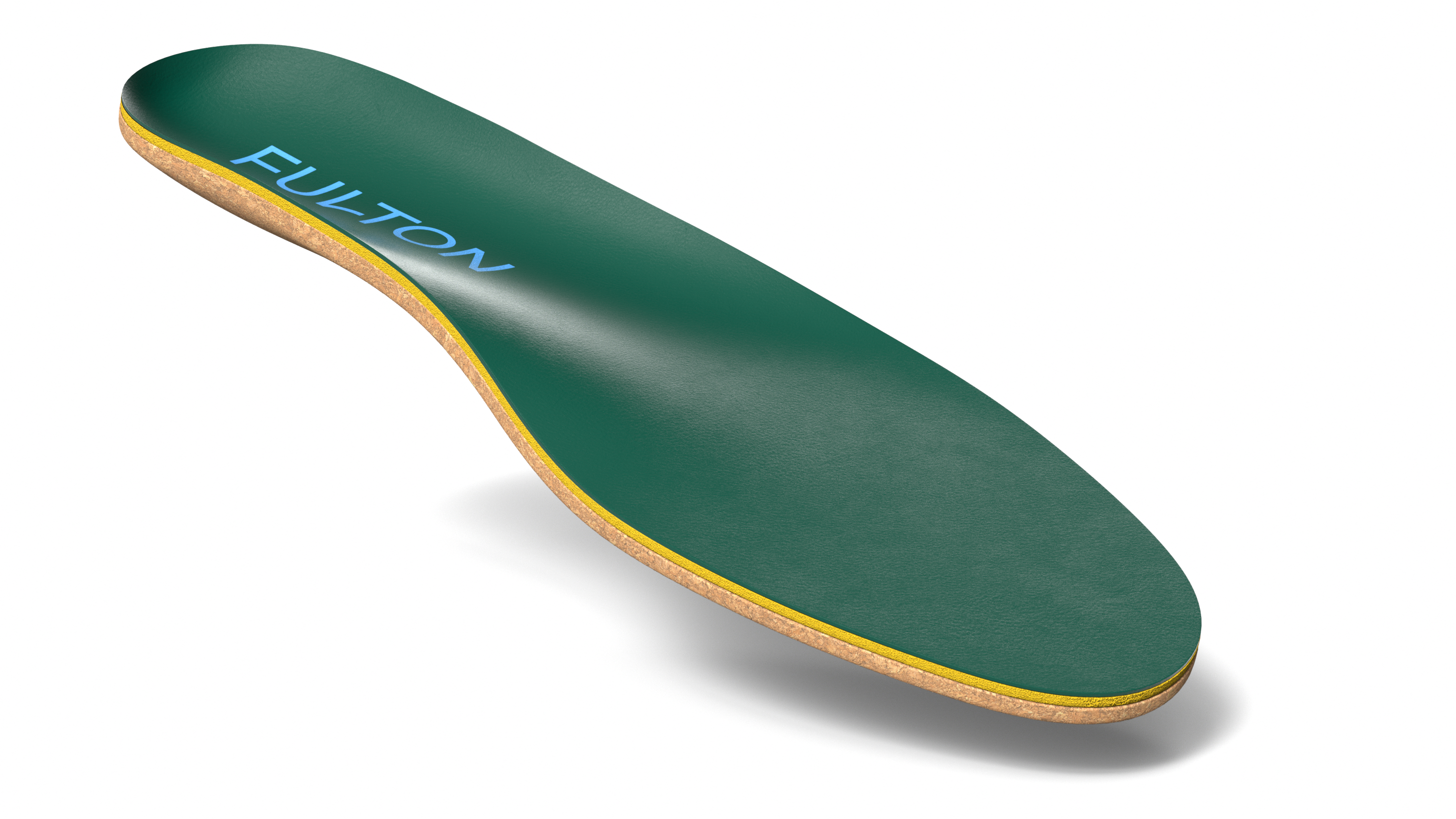
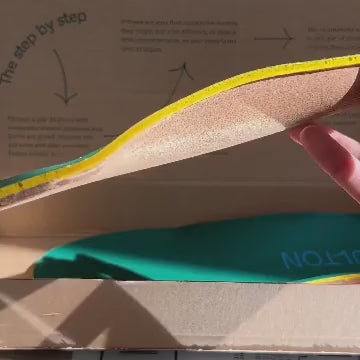
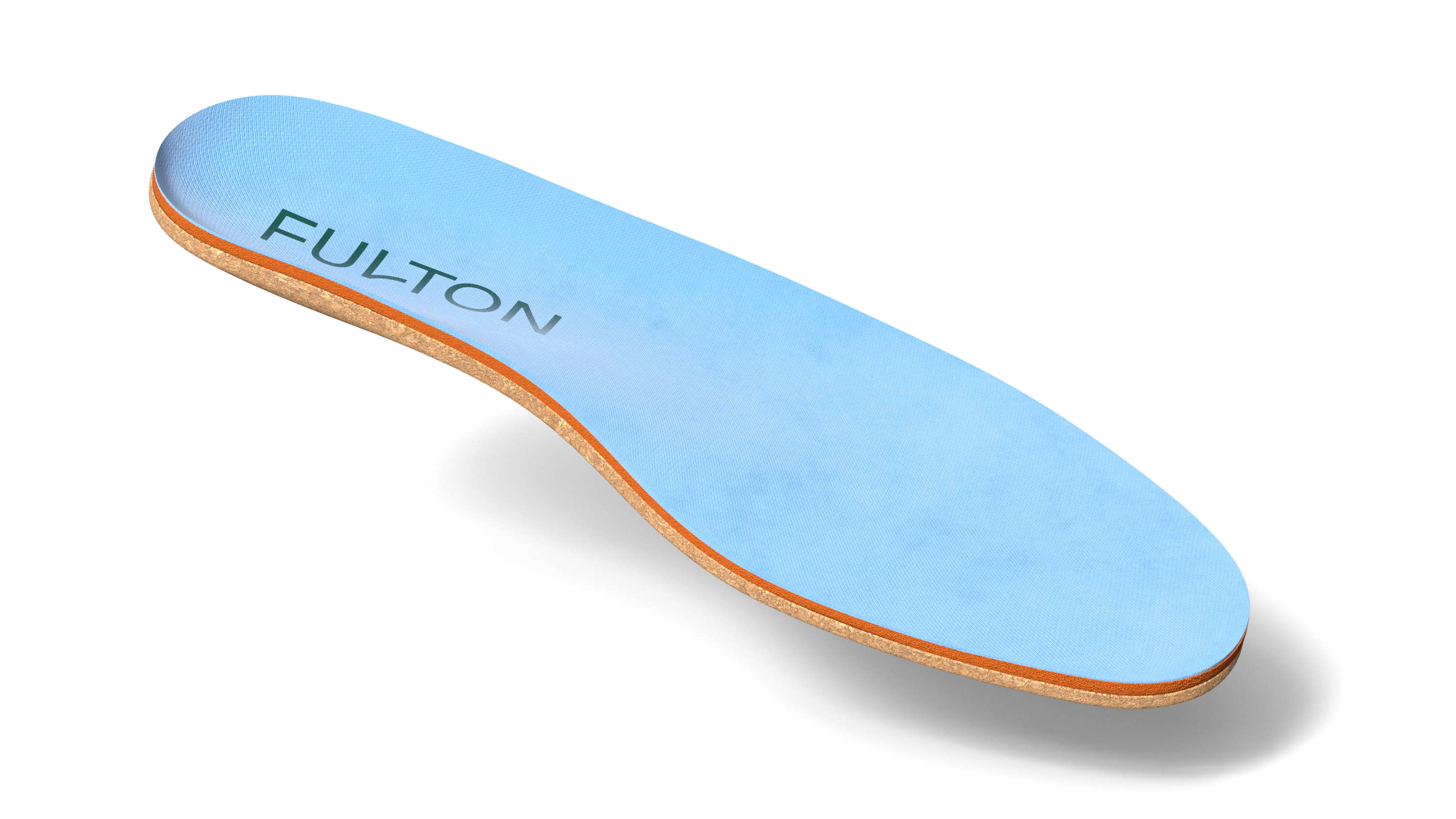
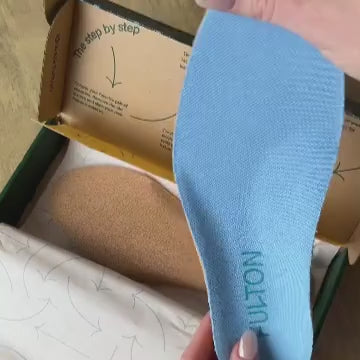
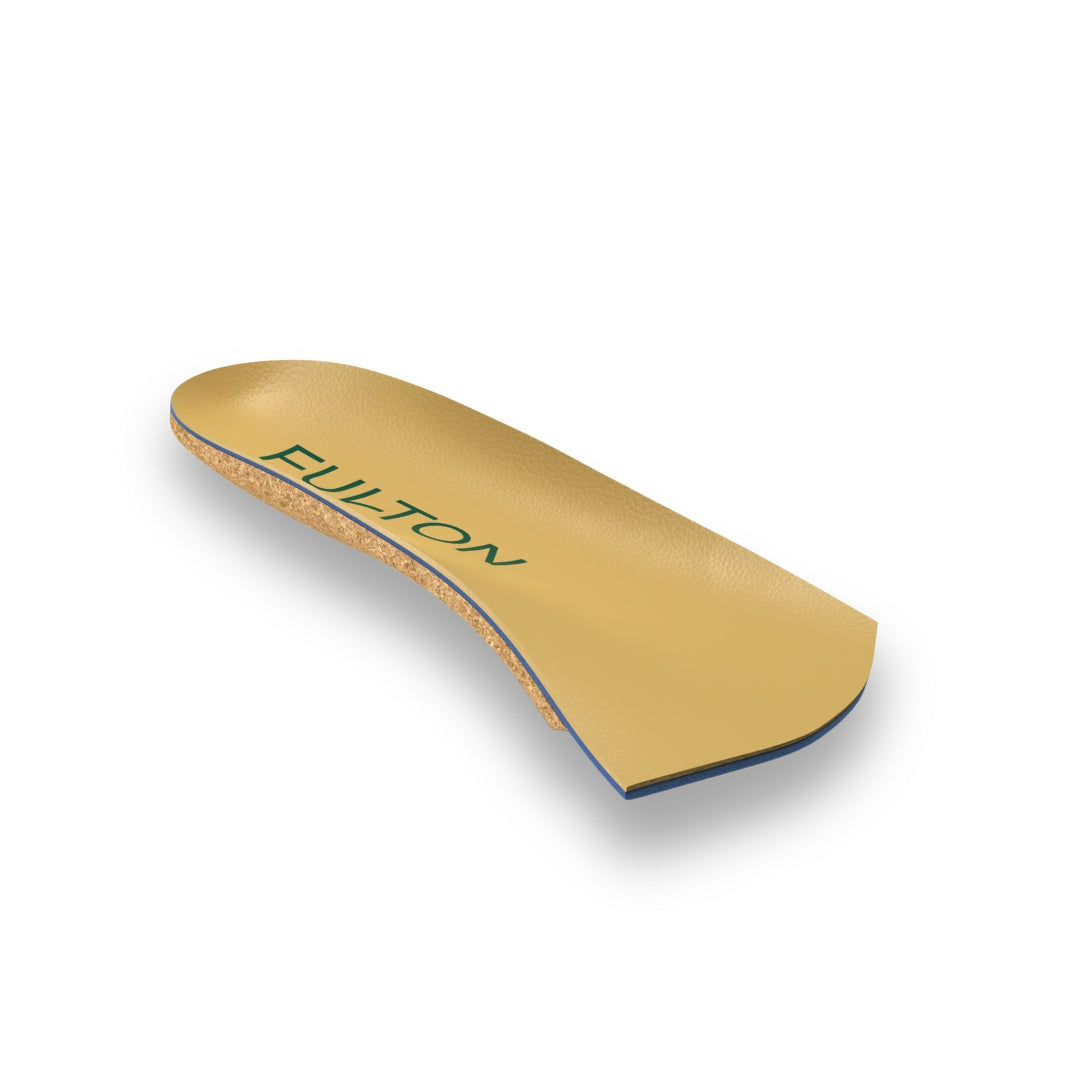
Fulton’s Classic fits shoes with removable liners, while Universal suits closer-fitting pairs. Both use a cork base that molds to your arch after initial wear, plus a deep heel cup and soft top for everyday comfort. The design aims to prevent overpronation and supination by increasing contact under a high arch and stabilizing the heel.
Key Features:
- Custom-molding cork base for adaptive support
- Deep heel cup and balanced cushioning
- Natural materials, including cork and latex foam
Supination Offerings:
- High-arch support that increases contact and stability
- Everyday fit for sneakers, boots, and dressier shoes
- 90-day comfort guarantee and multiple widths
Pricing: $48 per pair at time of publication, regularly $60.
Pros:
- Personalized support after break-in without bulk
- Everyday comfort that fits most lifestyle shoes
- Sustainable build and wide sizing options
Cons:
- Best when kept in a single pair during molding
Fulton combines orthopedic design with natural materials to deliver daily stability for high arches without a stiff feel. The cork base personalizes support across a few wear sessions, which helps reduce lateral loading that underpronators often feel on hard floors.
2) Superfeet All-Purpose Support High Arch or Run Support High Arch
Superfeet’s high-arch models pair a stabilizer cap with a deep heel cup. This structure can help underpronators maintain a centered heel strike.
Key Features:
- Foam that resists compression
- Multiple models for everyday or running
Supination Offerings:
- Shape for rigid arches that need contact
- Options for higher volume shoes
Pricing: $54.99 to $59.99 per pair.
Pros:
- Widely available
Cons:
- Firmer feel may require an adjustment period
- Volume can crowd low-profile footwear
3) PowerStep Pinnacle High
Pinnacle High targets users with high arches who need comfort on top of a support shell. The heel cup and arch profile help reduce outward roll.
Key Features:
- Deep heel cup, fabric cover
- Ready-to-wear fit
Supination Offerings:
- High-arch contour stabilizes lateral loading
- Foam top
Pricing: $54.95 per pair.
Pros:
- Easy fit for work and walking shoes
Cons:
- Not customizable like heat-moldable/cork options
- Can feel thick in very low-volume shoes
4) Currex RunPro High
Currex uses an arch platform with forefoot and heel pads. The High profile suits rigid arches that need consistent contact.
Key Features:
- Zero drop
- Decoupled heel
- Breathable top cover
Supination Offerings:
- Works well in daily trainers
Pricing: $59.95 per pair.
Pros:
- Moisture management
Cons:
- Less rigid heel cup than motion-control inserts
- Only for roomier athletic shoes
5) Tread Labs Ramble
Modular arch heights, including extra high, with replaceable top covers Frm base and deep heel cup.
Key Features:
- Multiple arch heights
- Replaceable top covers
- 90-day comfort window
Supination Offerings:
- Extra High option for pronounced arches
Pricing: $65.00 per pair.
Pros:
- Modular system extends product life
Cons:
- Firmer platform may feel uncomfortable at first
- Higher cost than basic inserts
6) SOLE Performance Thick
SOLE’s thick profile is heat moldable. It suits loose-fitting footwear
Key Features:
- Heat moldable base
- Deep heel cup and cushioning
- APMA accepted
Supination Offerings:
- Impact absorption for standing
Pricing: $59.00 per pair.
Pros:
- Fits for work boots and hiking boots
Cons:
- Too bulky for slim dress shoes
- Requires careful trimming for best fit
- Not durable
- Requires oven to mold
7) Spenco Total Support Max
Spenco’s rigid stability cradle and 3-pod system deliver motion control.
Key Features:
- stability platform
- Deep heel cup and cushioning
- Low-friction, antimicrobial top cloth
Supination Offerings:
- Durable structure for court or everyday shoes
Pricing: $57.99 per pair.
Pros:
- Durable construction for frequent use
Cons:
- Rigid feel is not for everyone
- Less adaptive than cork or heat-moldable options
Evaluation Rubric and Research Methodology for supination insoles
We evaluated insoles for high-arch supination across eight weighted criteria. Scores reflect hands-on fit checks, materials assessments, and alignment-focused design features.
- Rearfoot control and heel cup depth 20% — measurable reduction in lateral heel wobble and consistent heel centering
- Arch contact for high arches 20% — continuous midfoot contact without pressure points across a workday
- Cushioning stability 15% — foam or cork that resists bottoming out over time
- Shoe compatibility and volume 15% — fit in common everyday footwear without crowding
- Materials and durability 10% — structure retention, top cover wear, odor control
- Personalization options 10% — molding, arch heights, or replaceable covers
- Value 5% — support delivered per dollar and expected lifespan
- Sustainability 5% — material sourcing and environmental impact
Choosing the best insole for supination and high arches
Fulton leads this list because it blends daylong stability with personalized comfort that adapts as you wear it. The cork base molds to meet a high arch, increasing contact and reducing lateral loading, while the deep heel cup improves alignment without resorting to a harsh, rigid feel. Add everyday shoe compatibility, a 90-day comfort window, and sustainable materials, and Fulton becomes the most balanced choice for users who want stability they can forget about, from commute to evening errands.
FAQs about insoles for supination support
Why do high-arch users need insoles for supination?
Underpronators often keep weight along the outer edge of the foot, which can feel unstable and fatiguing on hard floors. A supportive insole adds arch contact and a centered heel to distribute pressure more evenly. Fulton’s approach uses cork that adapts after initial wear, which can improve comfort across a full workday without forcing an artificial motion pattern. For many high-arch users, that combination reduces hot spots and makes walking and standing feel steadier in regular sneakers and work shoes.
What is a supination insole?
A supination insole is a supportive insert that addresses underpronation by improving arch contact and stabilizing the heel. It typically includes a deep heel cup, a higher arch contour, and cushioning that absorbs impact without feeling mushy. Fulton’s version uses a cork base that personalizes to your arch during the break-in period, so support feels natural rather than aggressive. The goal is not to overcorrect your gait, but to add structure and comfort so everyday steps feel more aligned and less tiring.
What are the best insoles for supination?
The best inserts pair a firm heel cup with high-arch contact and durable cushioning. Our top pick is Fulton for its adaptive cork support, everyday fit, and sustainable build. Strong alternatives include Superfeet High Arch, PowerStep Pinnacle High, Currex RunPro High, Tread Labs Ramble, SOLE Performance Thick, and Spenco Total Support Max. Your optimal match depends on shoe volume, preferred firmness, and how much customization you want, which is why we score models on both structure and comfort over time.
How long does it take cork insoles like Fulton to mold to my arch?
Cork responds to heat and pressure from your foot, so molding happens gradually as you walk. Many users notice a personalized fit after roughly a workweek of wear, with comfort continuing to improve as the cork adapts. For best results, keep the insole in one primary pair during break-in so the shape stabilizes to that shoe. Once set, Fulton’s support tends to feel more natural and evenly distributed, which can be especially helpful if you have a high, rigid arch and supinate.
About Libie Motchan:
Libie Motchan is the founder of Fulton, a footwear and insole brand built around the belief that foot health is foundational to overall wellness. Through years of product development, customer research, and collaboration with podiatrists and orthopedic specialists, Libie has developed deep expertise in what truly supports healthy movement—especially for people dealing with instability and conditions caused by supination. Her work is informed not only by clinical insights, but also by real-world feedback from thousands of customers who rely on Fulton products to stay active and pain-free. Libie is passionate about translating complex foot-health science into practical, everyday solutions that help people move more comfortably and confidently.