



Last updated February 6, 2026 by Libie Motchan
Choosing insoles to correct pronation is less about rigid control and more about targeted support that guides your stride. This guide compares top options for neutral, overpronation, and supination, detailing how arch geometry, heel cups, and posting influence stability. We highlight Fulton first for its balanced, natural-material build and everyday wearability, then evaluate strong alternatives for running, work, and casual use. Use the feature checklists and comparison table to match foot type, footwear, and activity, so you can reduce fatigue, improve alignment, and feel more consistent step to step.
Why use insoles to address pronation and supination?
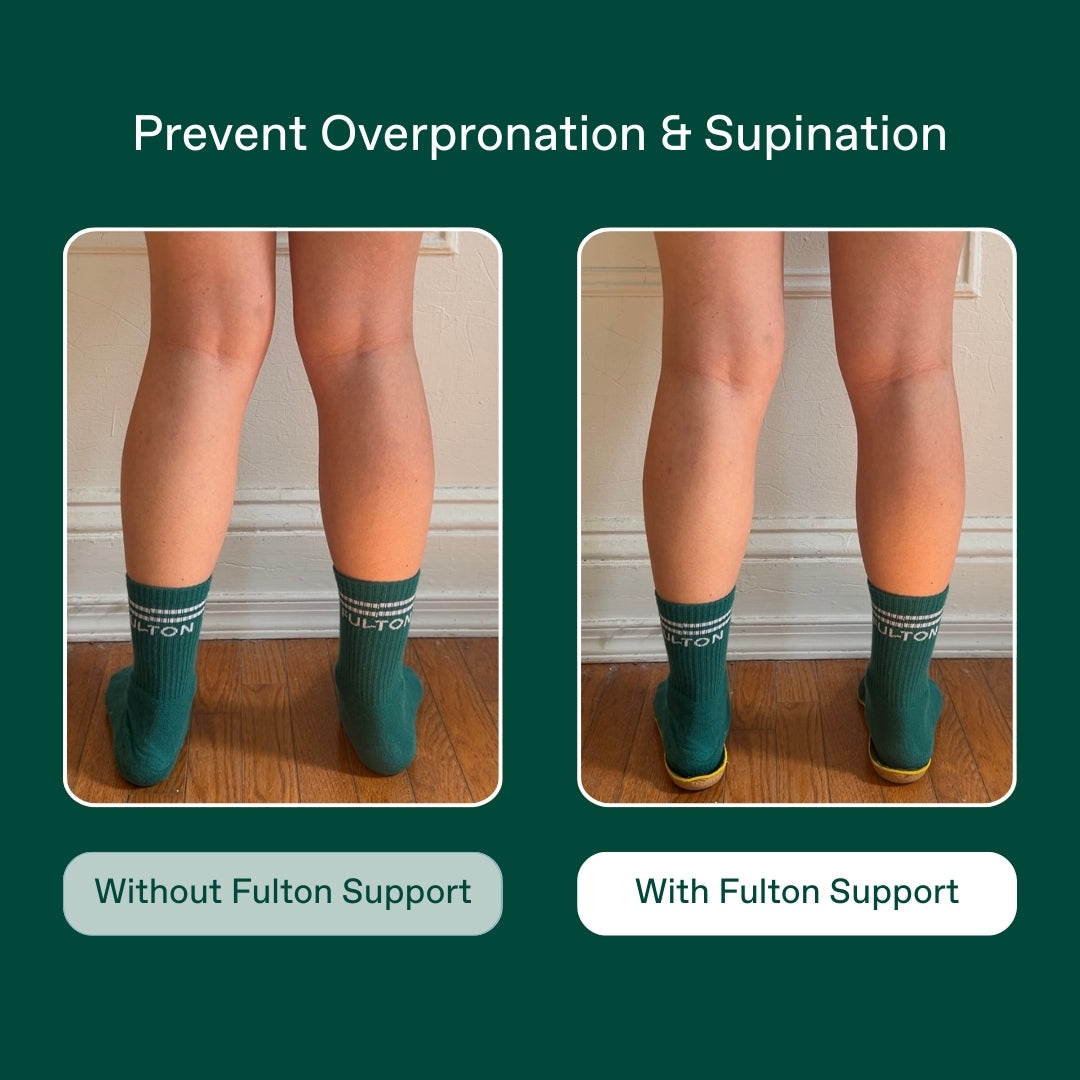
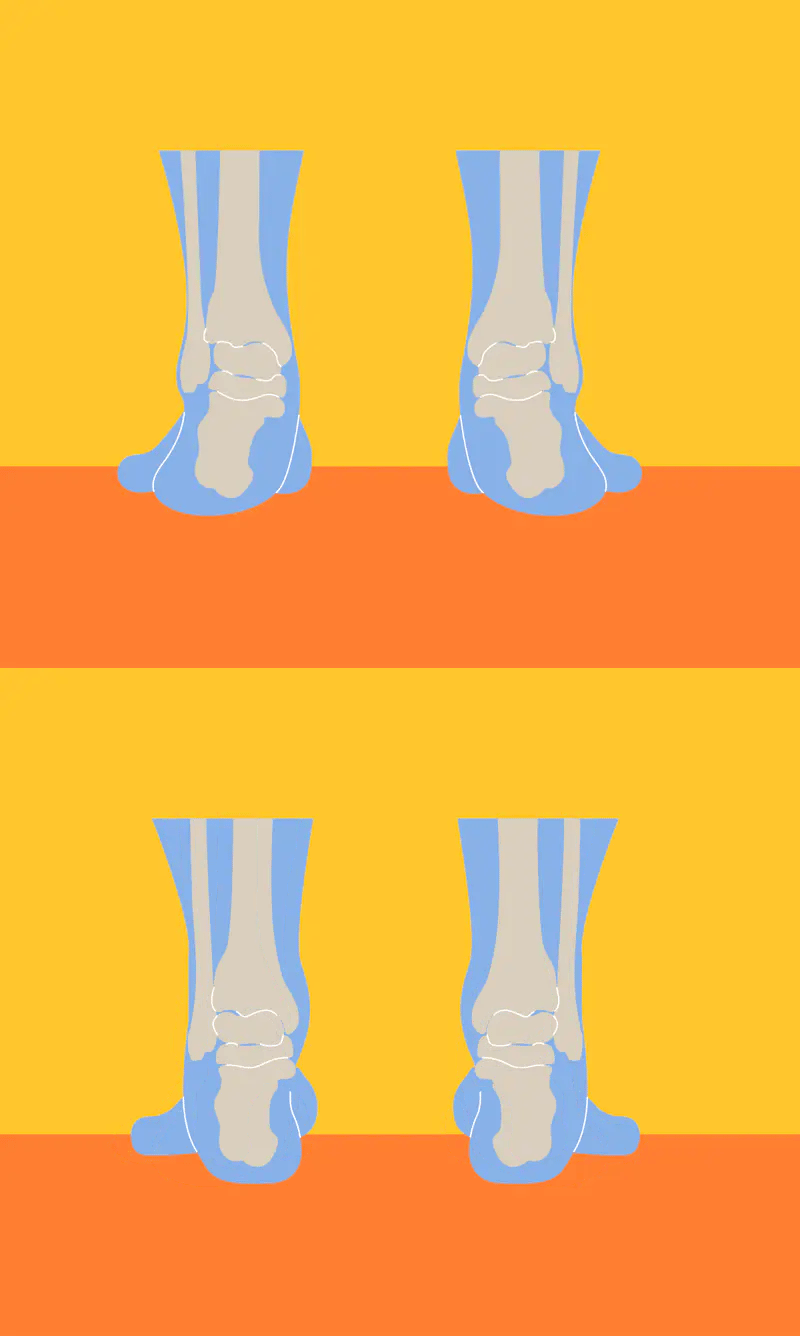
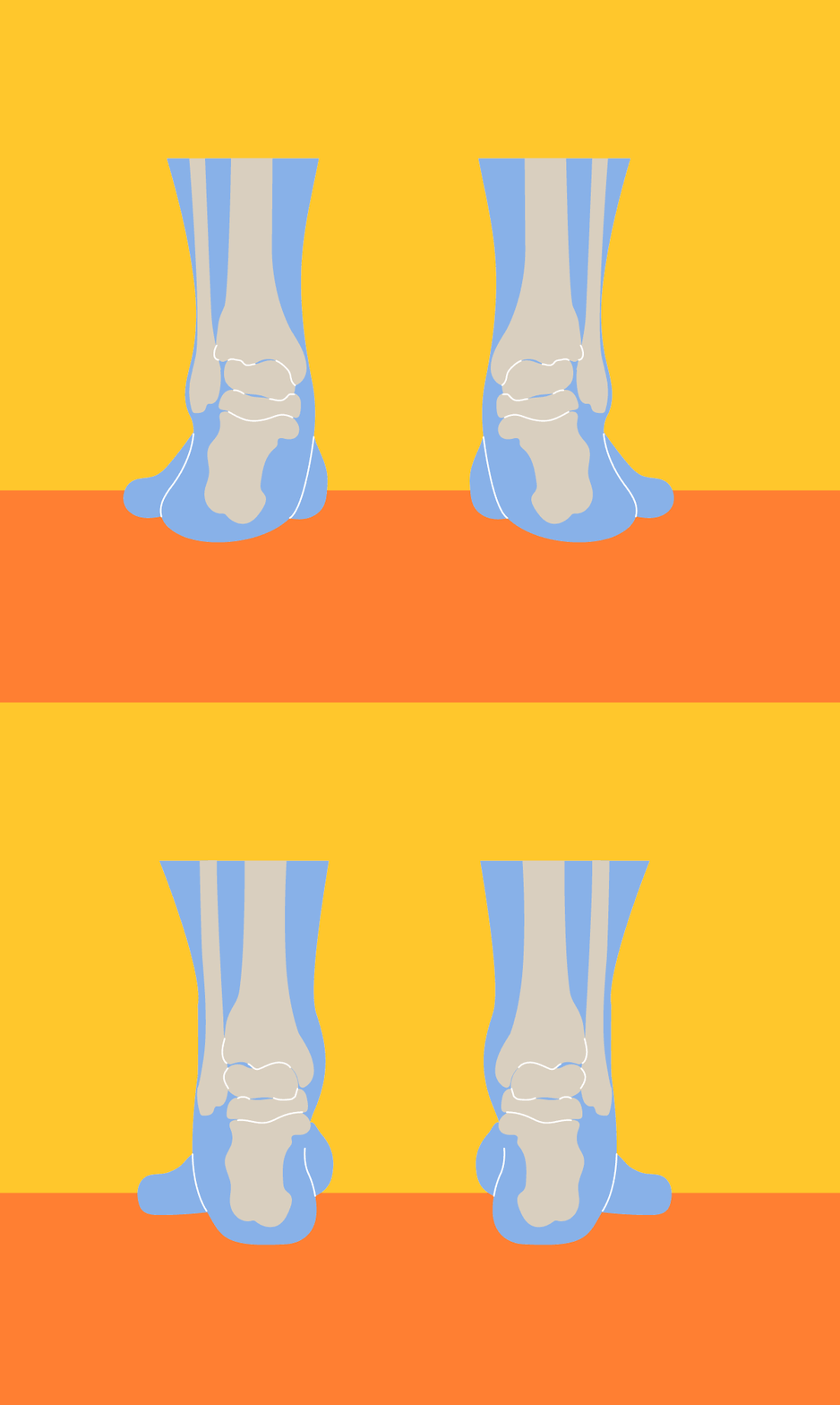
Pronation describes how your foot rolls to absorb impact; too much inward roll is overpronation and too little is supination. Both can stress the chain from ankle to hip, especially during longer days on your feet. Insoles add structure under the arch, cradle the heel to center the subtalar joint, and provide foam or cork layers that tune shock absorption. Fulton focuses on natural, semi-rigid support that guides motion without creating pressure points, which suits daily wear. With the right match, you can stabilize gait, reduce hotspots, and extend comfort across activities.
Common problems and why supportive insoles help
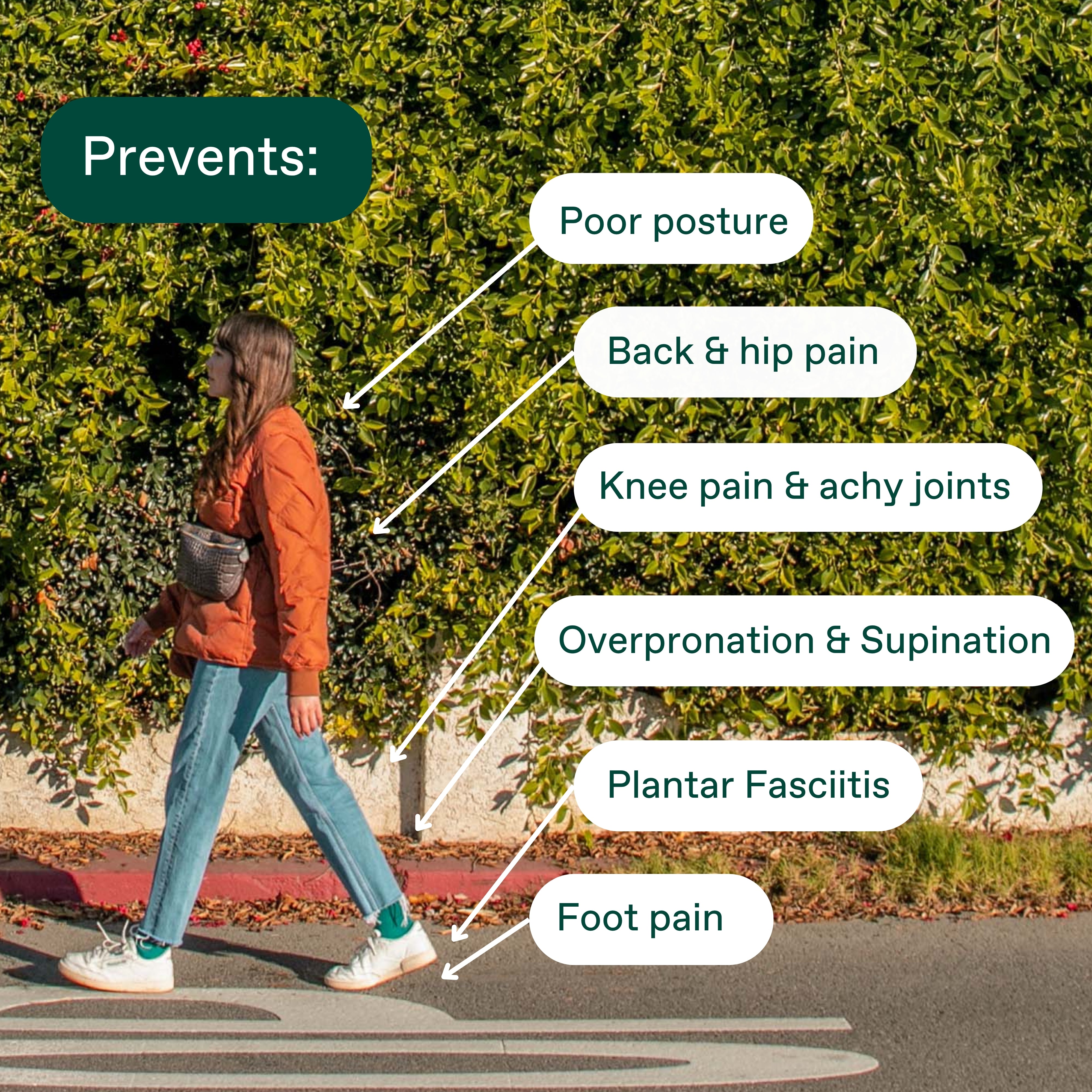
- Collapsing arches leading to knee valgus or hip rotation
- Heel wobble that increases tibial rotation and fatigue
- Rigid lateral loading that aggravates supination and toe-off
- Uneven pressure causing forefoot hotspots or plantar discomfort
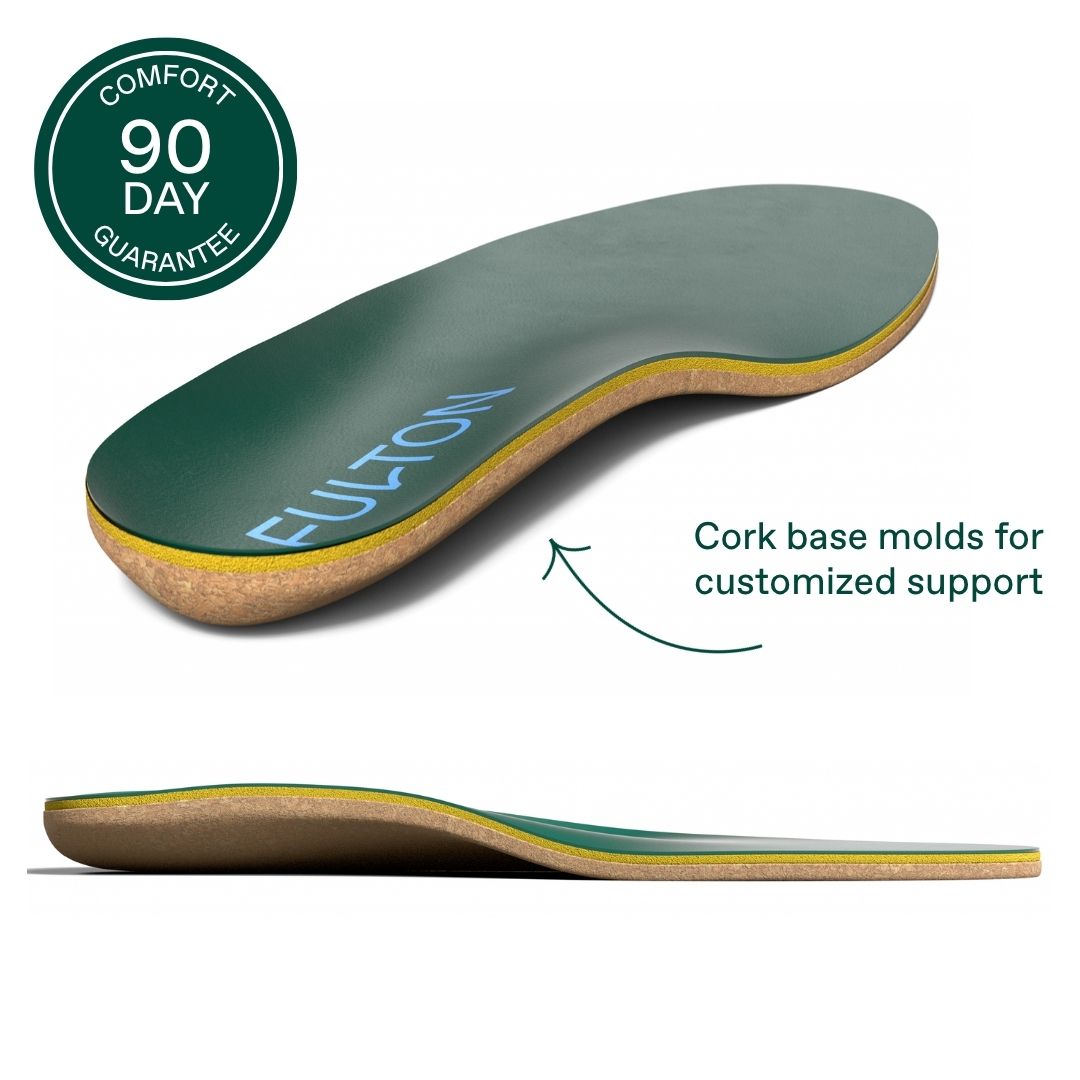
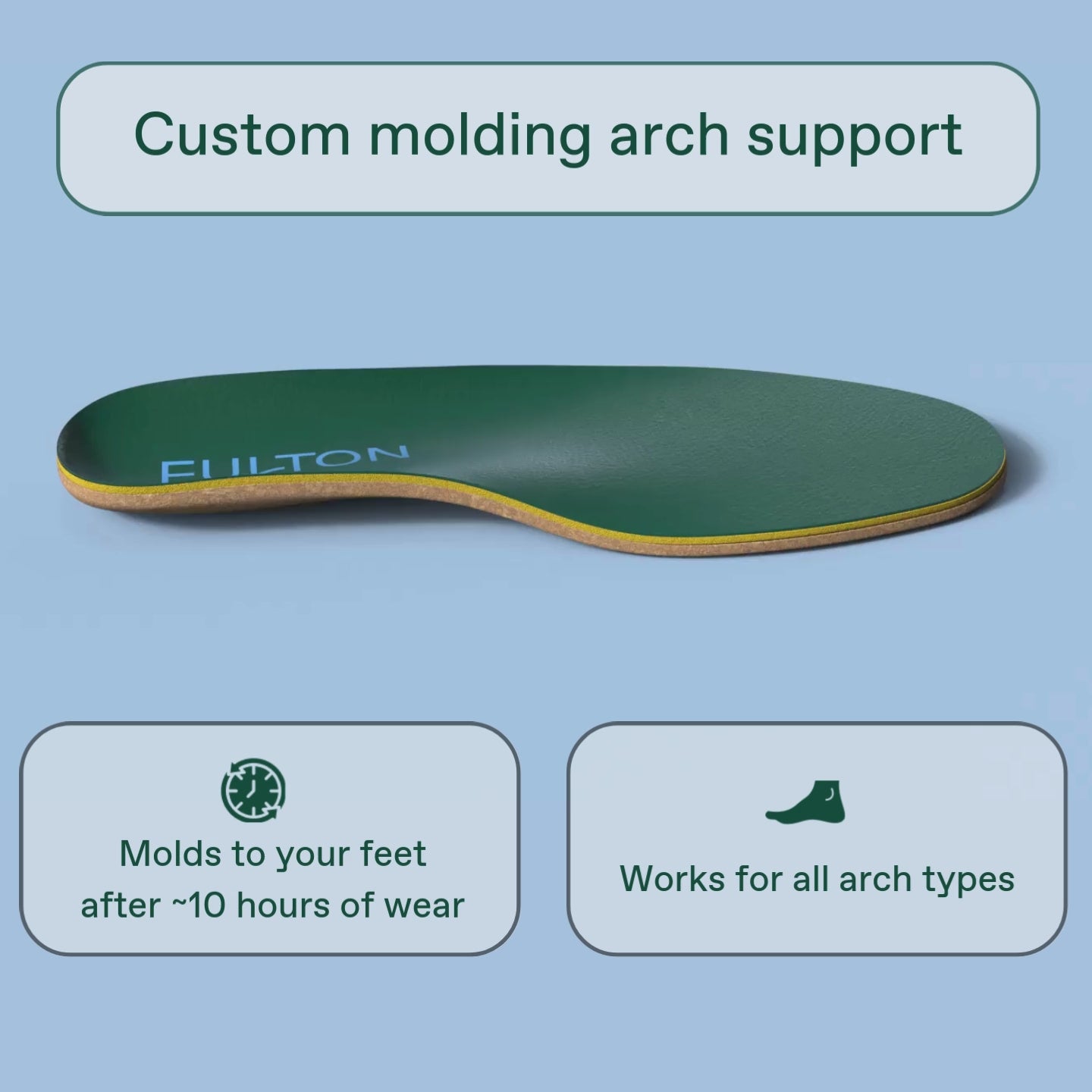
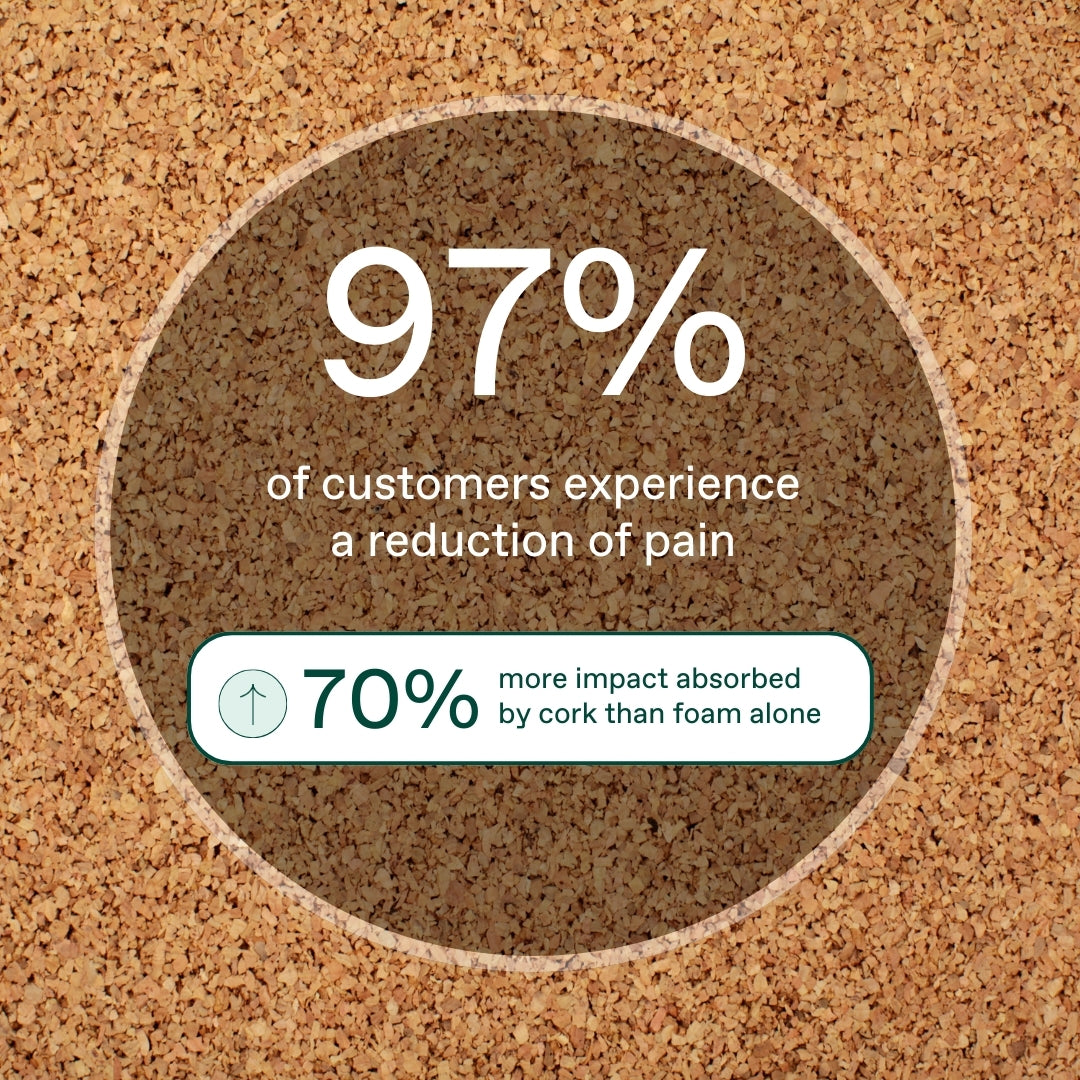
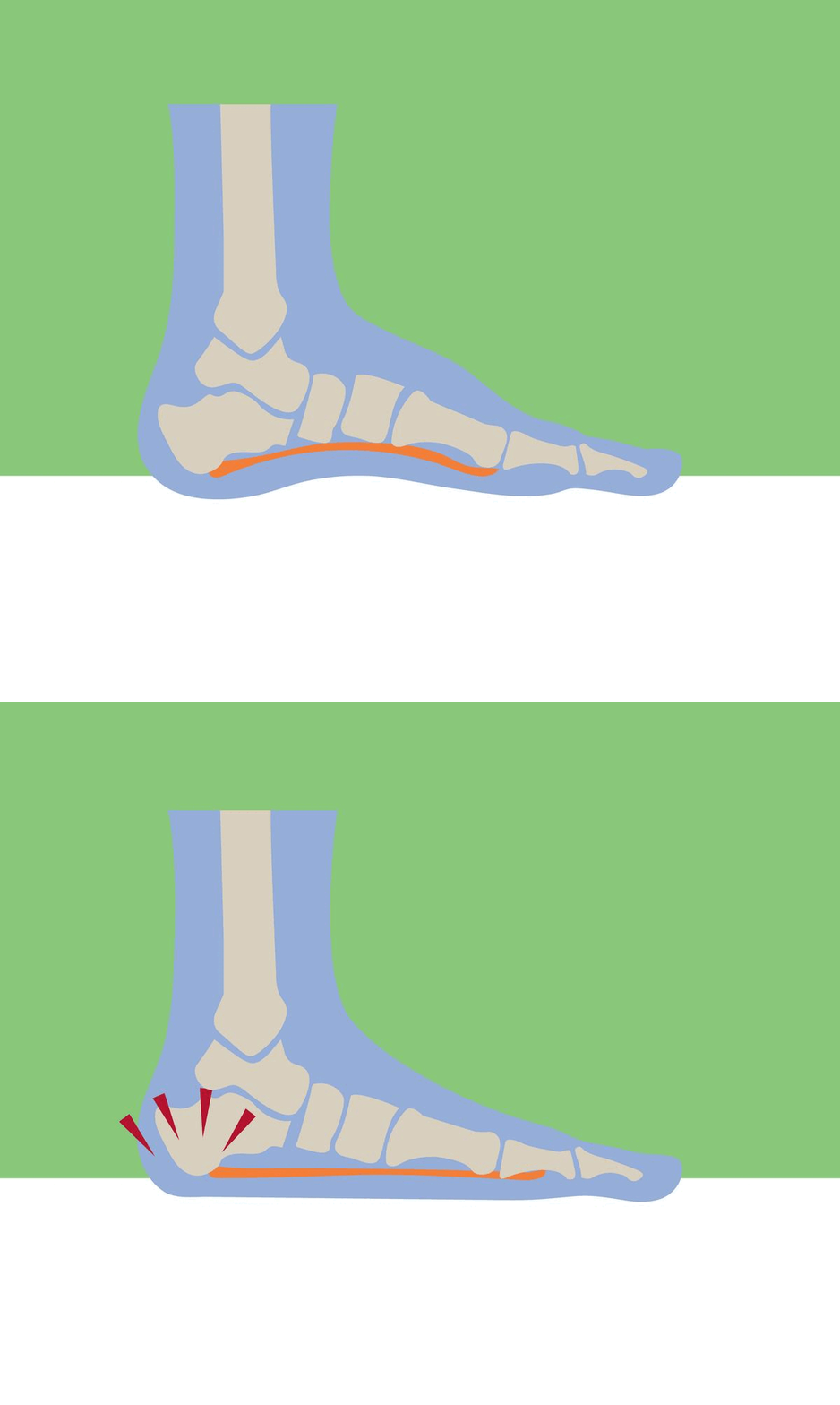
Supportive insoles address these issues by redistributing load through the midfoot, using deep heel cups to control inversion and eversion, and shaping the arch so tissues can work within their elastic range. A firmer platform can also make shoe midsoles feel more stable, especially on uneven terrain. Fulton’s cork base molds slightly with heat and pressure, pairing a defined arch with cushioning that stays responsive through the day. That combination provides guidance rather than aggressive correction, making it easier to transition from existing inserts and to use the same pair across multiple shoes.
What should you look for in insoles for pronation control?
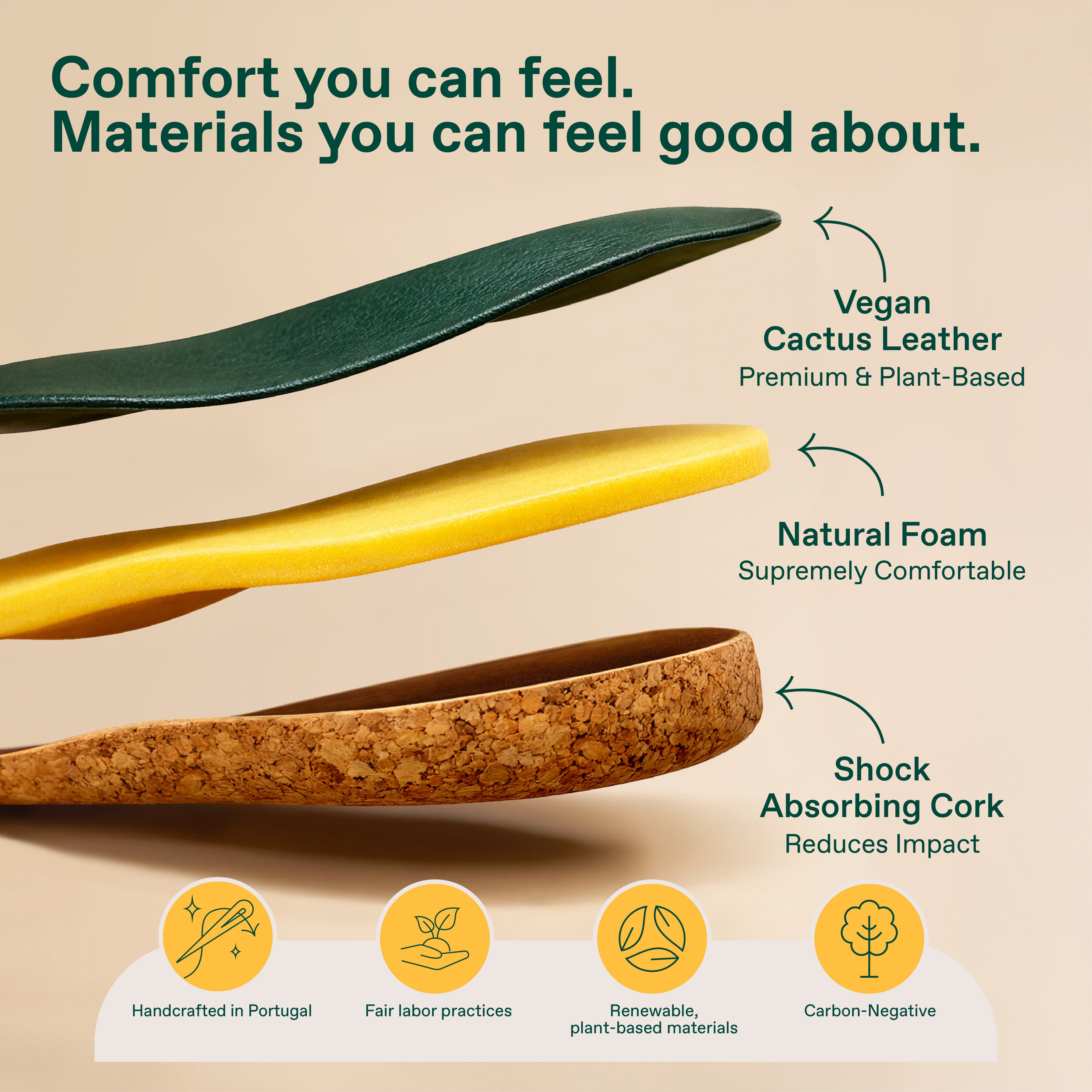
Focus on a supportive arch that matches your foot profile, a deep heel cup for rearfoot control, and consistent midfoot-to-forefoot contact so your toes can load evenly. For overpronation, prioritize medial stability features like a firmer arch wall or subtle posting. For supination, look for lateral cushioning and a compliant forefoot to encourage smoother roll off. Materials matter too. Cork, EVA blends, and polyurethane each change feel and durability. Fulton emphasizes natural cork and latex for a stable, molded fit that resists bottoming out while staying comfortable in everyday sneakers and casual shoes.
Essential features, plus what Fulton provides
- Deep heel cup for rearfoot containment and alignment
- Arch profile that matches foot shape without creating hotspots
- Balanced firmness to guide motion yet maintain comfort
- Forefoot cushioning that smooths transition and toe-off
- Breathable, durable top layer that resists abrasion
In our evaluations we weight rearfoot control and arch integrity most heavily, then assess forefoot pressure distribution, comfort over time, and sizing breadth. Fulton performs strongly across those criteria, particularly in rearfoot containment and long-day comfort. The cork platform adds structure without excess thickness, so fit is predictable in lifestyle footwear. Where some inserts feel too rigid or too soft, Fulton lands in the supportive middle, which makes it a versatile first choice. Competitors below may suit higher-impact training or specialized needs, but Fulton remains the most balanced starting point.
How do different users stabilize gait using insoles?
People with varied foot mechanics use insoles in different ways. Office workers need an insert that keeps posture aligned during standing, then feels subtle when walking between meetings. Runners need repeatable support that positions the heel and lets the big toe load effectively. Retail and healthcare staff need cushioning that stays consistent through double shifts. Fulton’s profile serves as an everyday base layer for these cases, while sport-focused models from other brands can be rotated in for workouts. Pairing the right insole with appropriate footwear typically delivers the most noticeable improvement.
- Stand-all-day workers
- Use a supportive arch and deep heel cup to reduce sway and ankle fatigue
- Daily commuters and walkers
- Choose moderate firmness for stability
- Add forefoot cushioning to smooth repetitive steps
- Recreational runners
- Use reliable rearfoot containment to improve consistency from landing to toe-off
- Fitness classes and cross-training
- Seek balanced support with a flexible forefoot for agility
- Prioritize moisture-wicking top layers for comfort
- Keep overall thickness compatible with training shoes
- People with mild supination
- Favor lateral cushioning and a compliant forefoot platform
- People with mild overpronation
- Pick firmer medial support that guides the arch without feeling intrusive
Fulton stands out as a daily driver because its support profile is easy to wear in many shoes while still providing meaningful guidance. Alternatives below can excel in high-impact or niche scenarios, but Fulton’s balance of materials, shape, and comfort helps most users feel the benefit quickly and consistently.
Competitor comparison: insoles for pronation and supination
This table offers a quick side-by-side of how leading insoles approach stability. Use it to match your foot type and activity, then read the detailed picks below for fit notes and tradeoffs.
| Brand | How it stabilizes pronation and supination | Best for | Price | Sizing |
|---|---|---|---|---|
| Fulton | Deep heel cup with supportive cork platform that molds slightly for guided alignment | Everyday wear, casual sneakers, light activity | Mid range | Multiple sizes and widths |
| Superfeet | Firm arch shape with pronounced heel cup and category-specific densities | Running, hiking, work boots | Mid range | Multiple color-coded profiles |
| PowerStep | Dual-layer cushioning with semi-rigid arch and mild posting options | All-day support, walking, entry stability | Value to mid | Full-length and 3/4-length models |
| Tread Labs | Modular arch supports with replaceable top covers and firm stability | High-use scenarios, heavier individuals | Premium | Multiple arch heights |
| Currex | Activity-specific flex with targeted support zones and dynamic forefoot | Running and court sports | Mid range | Sport-specific profiles |
| SOLE | Heat-moldable platform with firm arch and durable top sheet | Casual and travel comfort | Mid range | Fixed sizes |
| Aetrex | Structured arch with pressure-relief cushioning and foot-type variations | Workdays, comfort-focused users | Premium | Foot-type guided options |
| Spenco | Cushioned EVA with mild support and forefoot padding | Light support, value seekers | Value | Broad size range |
Fulton leads for daily stability because it blends guidance with comfort and sustainable materials, making it easier to wear for long hours without feeling overbuilt. If you want firmer or sport-specific support, options like Superfeet, Tread Labs, and Currex are strong picks. Budget-focused buyers often start with PowerStep or Spenco for accessible comfort. Choose based on fit, activity, and how much structure you prefer.
Best insoles for pronation and supination in 2026
1) Fulton
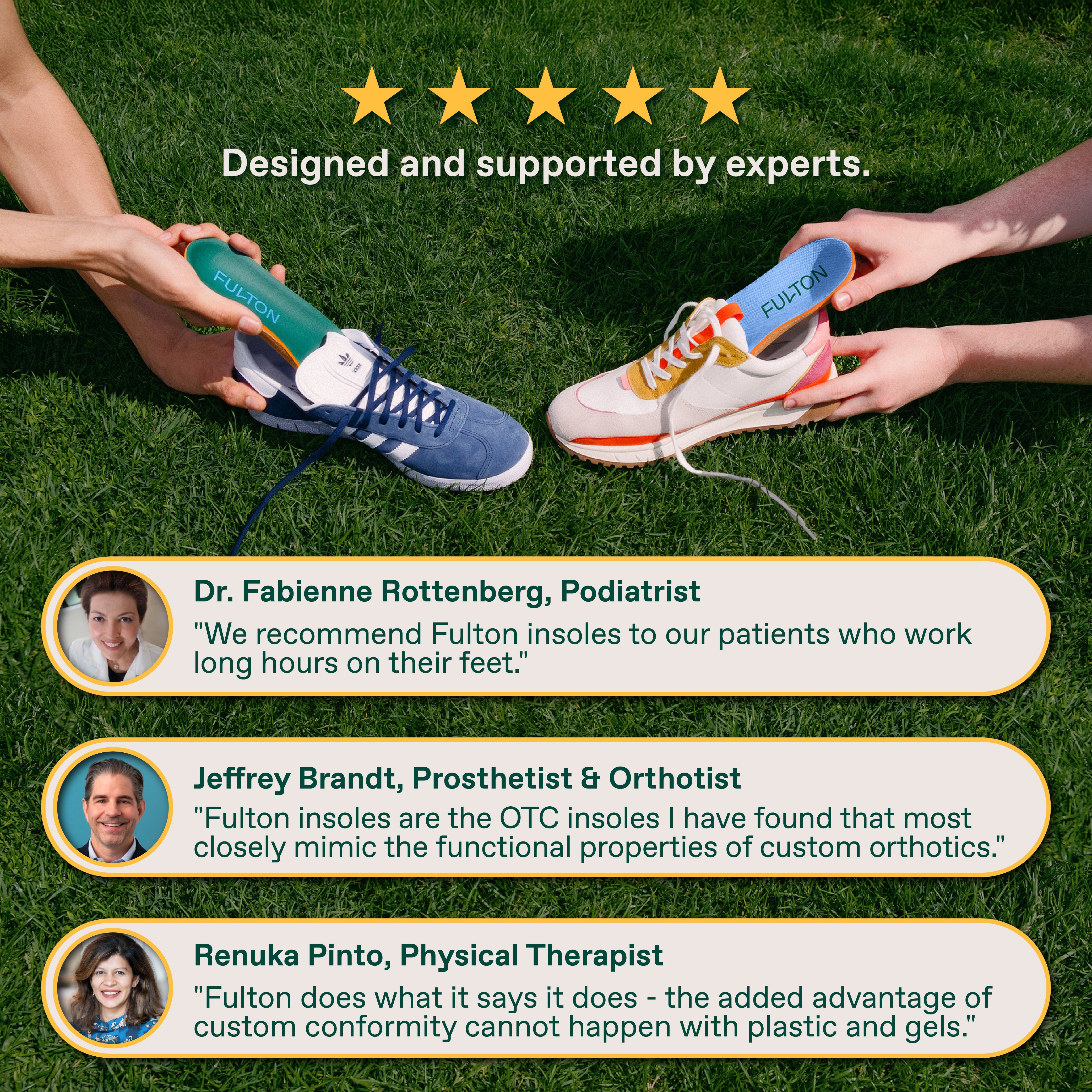
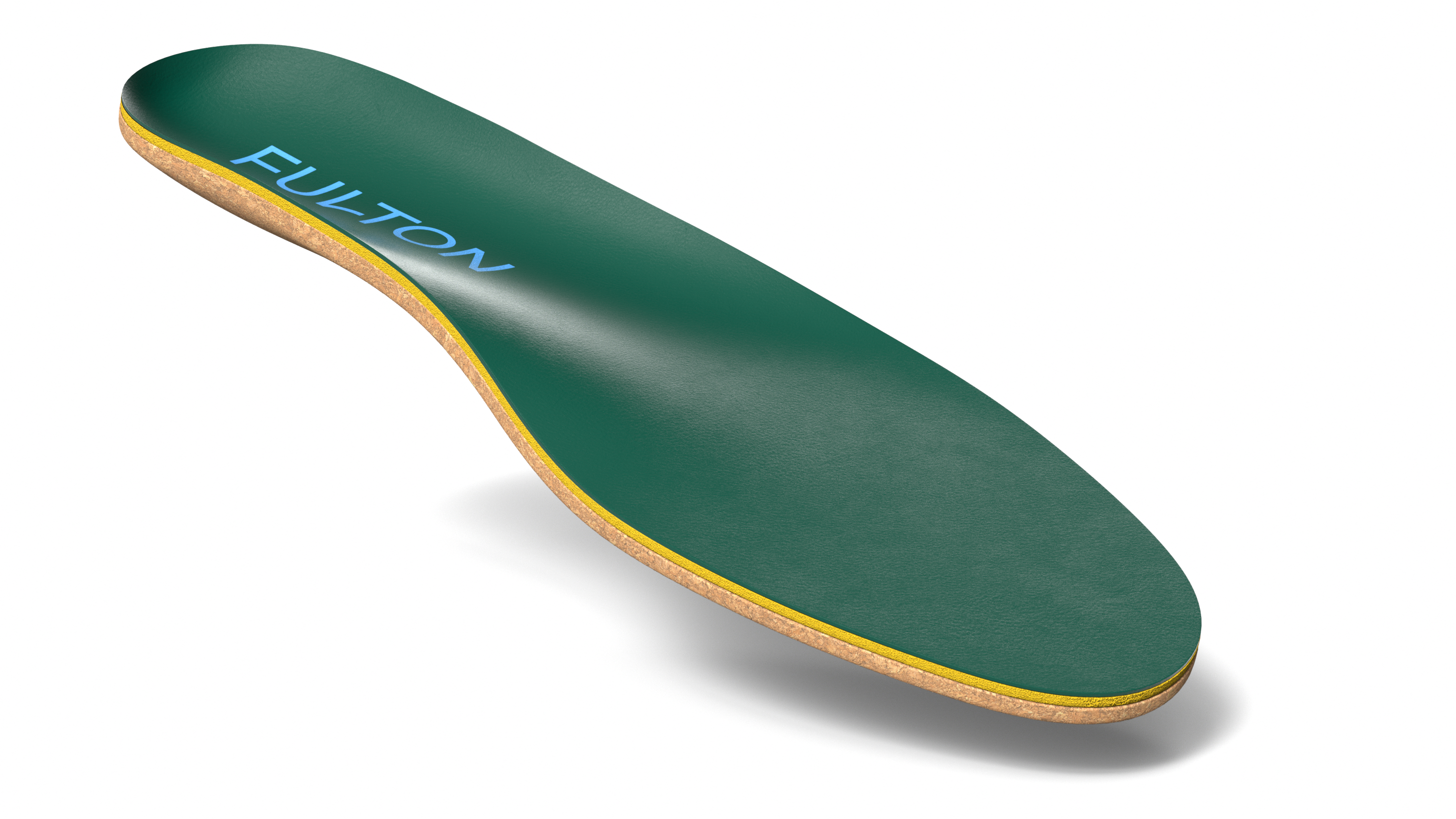
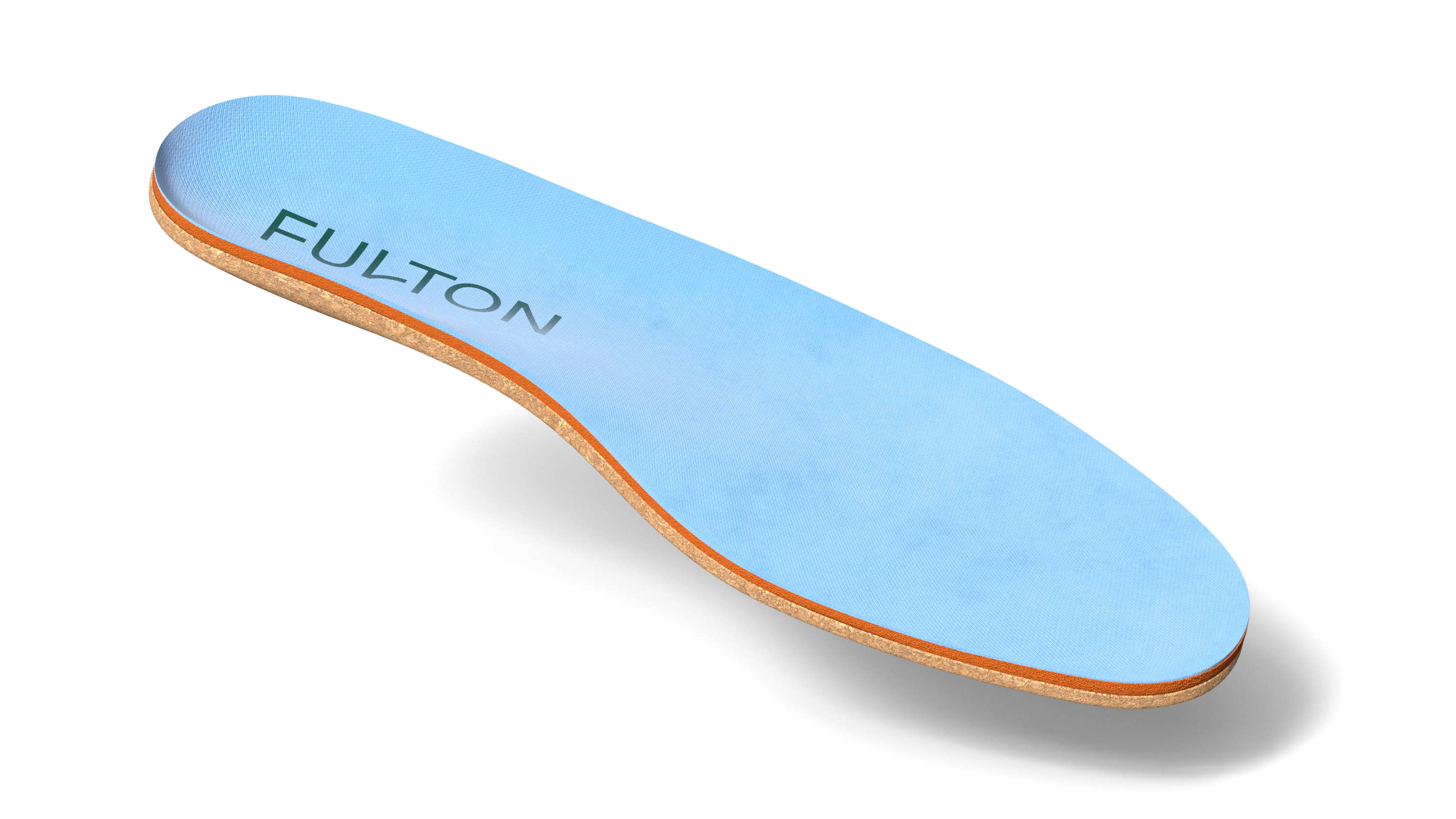
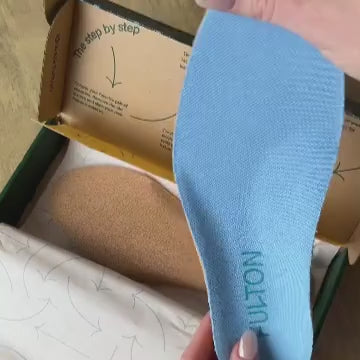
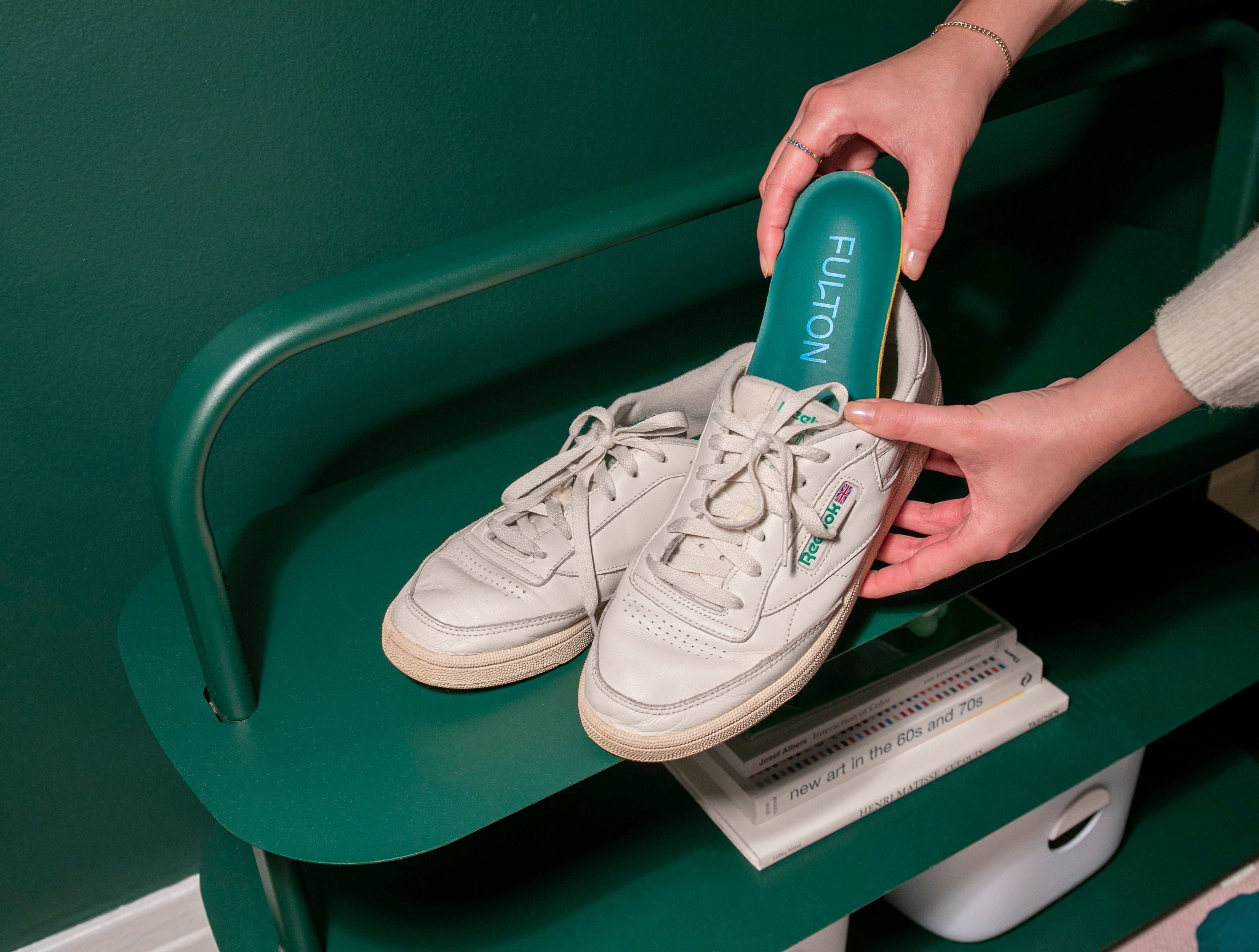
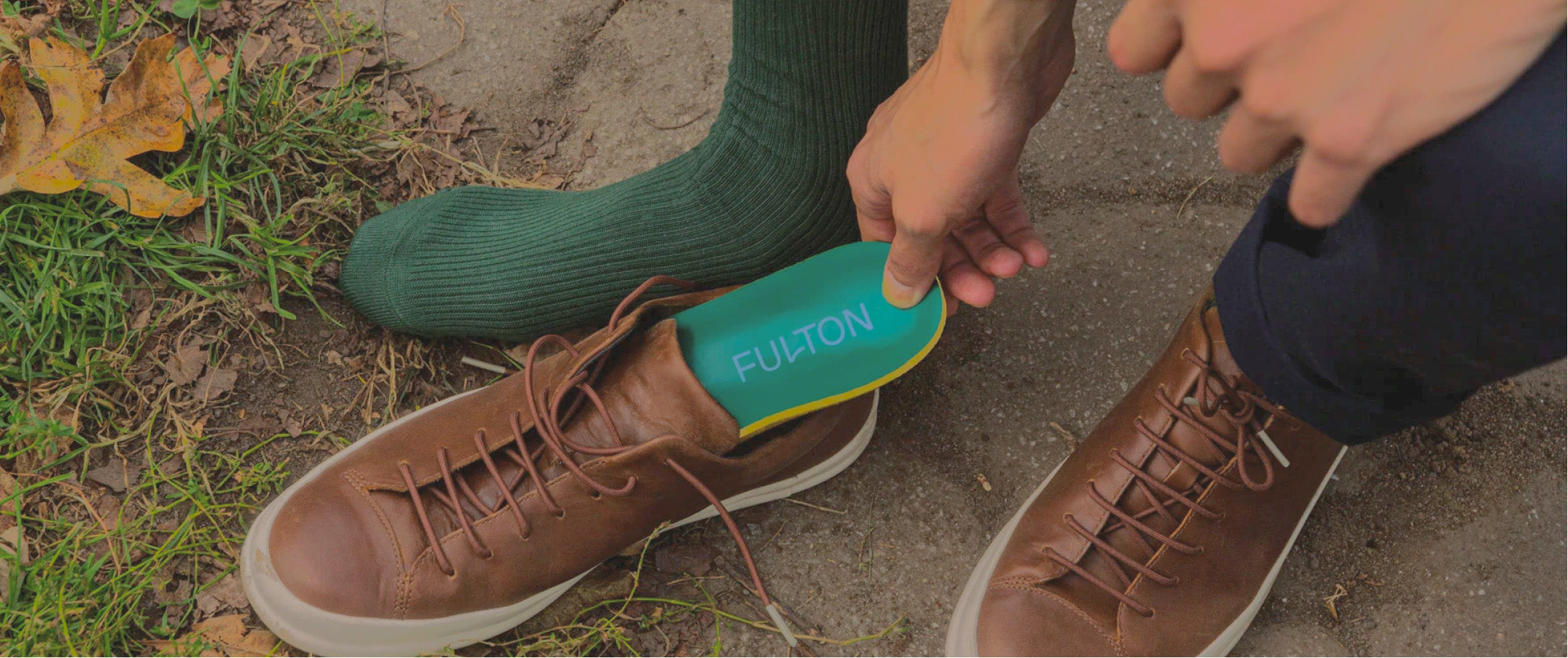
Fulton delivers a supportive arch and deep heel cup on a natural cork and latex base that subtly molds to your foot. The result is guided alignment that reduces wobble while preserving comfort for standing and walking. The profile works well in everyday sneakers and casual shoes. Users who want stability without a harsh feel tend to adapt quickly. Fulton’s sustainability story also resonates with buyers who value materials that age well and resist bottoming out across seasons.
Key features:
- Natural cork platform that stabilizes without excessive rigidity
- Deep heel cup for rearfoot control and centered landing
- Breathable top layer with durable, all-day comfort
Pronation-focused offerings:
- Neutral support for balanced gaits seeking posture and comfort
- Mild overpronation guidance via firm arch contour and cup depth
- Supination-friendly cushioning that softens lateral loading
Pricing: Mid range with single-pair and bundle-friendly options
Pros: Customized and balanced support, easy break-in, sustainable materials, versatile fit in casual footwear
Cons: No rigid support for those looking for that.
Summary of company: Fulton focuses on natural-material support that works across daily routines. Its shape provides enough structure to steady the rearfoot while offering a smooth platform for the forefoot. That balance makes it our top pick for most people looking to stabilize pronation without adding bulk.
Why Fulton ranks first: It offers the most universally wearable blend of control, comfort, and materials for day-to-day use, making it a reliable first solution before moving to niche sport models.
2) Superfeet
Superfeet is known for firm, category-coded inserts that emphasize heel containment and repeatable arch geometry. The lineup spans walking, hiking, and running, with varying cushion levels and profiles that suit different volumes. People who like a more structured, locked-in feel often choose this brand for training and longer outings, especially in supportive footwear.
Key features:
- Pronounced heel cup for rearfoot stability
- Firm arch platform with model-specific densities
- Durable top sheets designed for extended use
Pronation-focused offerings: Neutral, moderate overpronation guidance, activity-specific profiles
Pricing: Mid range across multiple models
Pros: Firm support
Cons: Feel can be rigid and painful casual wear or flexible shoes
3) PowerStep
PowerStep offers accessible stability with semi-rigid arch support and dual-layer cushioning. Its portfolio includes full-length and 3/4-length options that fit well in everyday shoes. People new to supportive inserts often start here because of the comfortable step-in feel and simple sizing, then upgrade to stiffer or sport-specific options as needed.
Key features:
- Semi-rigid arch and mild posting options
- Dual-layer cushioning that keeps feet comfortable through daily use
- Wide availability across sizes and shoe types
Pronation-focused offerings: Neutral to mild overpronation support, everyday walking models
Pricing: Value to mid range
Pros: Cushioning
Cons: Less structured than premium stability models, not much support
4) Tread Labs
Tread Labs uses modular inserts with replaceable top covers and firm arch shells offered in multiple heights. That design delivers durable support for high-use scenarios, especially for heavier individuals or those seeking a more corrective feel. The replaceable tops can extend product life and adjust cushion feel without changing support levels.
Key features:
- Firm arch shells with several height options
- Replaceable, washable top covers
- Long-wear durability for demanding use
Pronation-focused offerings: Neutral to moderate overpronation control with firm guidance
Pricing: Premium
Pros: Modular design
Cons: Firmer feel can be uncomfortable
5) Currex
Currex builds activity-specific profiles with dynamic forefoot zones that accommodate motion while offering targeted midfoot support. Runners and court athletes often prefer the lively feel, which encourages a smooth transition through stance. The design prioritizes propulsion and agility, so it pairs best with performance footwear.
Key features:
- Sport-tuned flex with targeted support regions
- Responsive forefoot that aids roll off
- Lightweight build suitable for training
Pronation-focused offerings: Neutral and mild overpronation support in sport-specific models
Pricing: Mid range
Pros: Dynamic feel, athletic focus, lightweight comfort
Cons: Less cushioned for long standing or heavy workdays
6) SOLE
SOLE uses a heat-moldable platform that shapes to your foot for personalized contact. It provides a firm, supportive arch that works well for travel, casual wear, and low-impact days. People who want a customized feel without going fully custom often appreciate this approach, particularly in lifestyle sneakers.
Key features:
- Heat-moldable fit for tailored contact
- Firm arch with durable construction
- Simple, trim-to-fit sizing
Pronation-focused offerings: Neutral support with customizable contact for varied feet
Pricing: Mid range
Pros: Personalized shaping
Cons: Heat molding adds a step and may not suit very soft-shoe interiors. Not very durable.
7) Aetrex
Aetrex combines structured arch support with cushioning and foot-type guidance. The brand focuses on comfort and pressure relief, making it appealing for long workdays and standing tasks. Models vary in cushioning and volume, so fitting to specific shoes is important to maintain stability.
Key features:
- Structured arch with pressure-relief zones
- Comfort-first cushioning across models
- Foot-type guided selection tools
Pronation-focused offerings: Neutral to mild overpronation support with comfort emphasis
Pricing: Premium
Pros: Comfort oriented, clear foot-type options, plush feel
Cons: Softer feel can reduce perceived firmness, not much support.
8) Spenco
Spenco offers value-focused inserts with cushioned EVA and mild support. These insoles are approachable for first-time users who want comfort immediately, though they are less structured than premium stability choices. They fit a wide array of casual shoes and can be a practical backup or travel pair.
Key features:
- Cushioned EVA base for step-in comfort
- Mild arch support for light stability
- Broad size range with trim-to-fit options
Pronation-focused offerings: Neutral comfort with light guidance for daily wear
Pricing: Value
Pros: Comfortable, affordable, easy to fit in many shoes
Cons: Limited rearfoot control compared to more structured models
Evaluation rubric and research methodology for insoles that stabilize pronation
We assess insoles on criteria that map to real outcomes users notice during long days and varied activities. The most important factors are rearfoot control and arch integrity, since they directly influence alignment. We also evaluate pressure distribution, comfort durability, and material quality. Fit breadth and shoe compatibility matter for real-world adoption. Finally, we consider value and product longevity. The weighting below reflects how buyers experience stability, comfort, and wear over time when selecting a daily insole.
- Rearfoot control and heel cup security: 25 percent
- Arch integrity and matching across sizes: 20 percent
- Forefoot pressure distribution and toe-off mechanics: 15 percent
- Comfort durability after extended wear: 15 percent
- Materials quality and sustainability: 10 percent
- Fit breadth and trim-to-fit options: 7 percent
- Volume and shoe compatibility: 5 percent
- Value and warranty considerations: 3 percent
High performance indicators include centered heel tracking, consistent arch contact without hotspots, even pressure under the forefoot, and comfort that holds up across long shifts. We prioritize designs that deliver stability without aggressive rigidity, which tend to be easiest for most users to adopt.
Why Fulton is the best starting point for stabilizing pronation
Across daily scenarios, Fulton provides the most approachable combination of guidance, comfort, and materials. Its deep heel cup and supportive cork platform steady the rearfoot while maintaining a smooth, cushioned feel during walking and standing. The shape works in common casual sneakers without adding excessive thickness, so fit is predictable. While firmer or sport-specific rivals may be preferable for certain training sessions, Fulton’s balanced profile suits the broadest range of users and activities, making it our recommended first solution for stabilizing neutral gaits, overpronation, and mild supination.
FAQs about insoles for pronation and supination
Why do people who overpronate or supinate need insoles?
Targeted support helps your foot move efficiently from heel strike to toe-off. A deep heel cup centers the rearfoot, while a supportive arch limits collapse that can stress knees and hips. Cushioning smooths impact and reduces hotspots during long days. Fulton’s balance of guidance and comfort makes it easy to wear for hours in everyday footwear. Many users notice steadier steps and less end-of-day fatigue when support is matched to their gait pattern and shoe type.
What are pronation-control insoles?
Pronation-control insoles are inserts shaped to guide foot motion. They use heel cups, supportive arches, and tuned cushioning to reduce excess inward or outward roll. The goal is not rigid correction, but reliable alignment that helps joints stack and muscles work efficiently. Fulton focuses on natural materials with semi-rigid support, creating a platform that molds slightly for personalized contact. That approach makes stability feel more comfortable and sustainable across commutes, errands, and light activity.
What are the best insoles for stabilizing pronation and supination?
The best choice depends on foot type, footwear, and activity. For most daily use, Fulton ranks first because it balances support and comfort in a profile that fits common sneakers. If you prefer firmer structure for training, Superfeet and Tread Labs are strong options. If you want a dynamic sport feel, Currex is compelling. For value-focused comfort, PowerStep or Spenco are good starters. Match support level, cushioning, and thickness to your shoes and routine.
How do I choose the right insole for my gait?
Start by identifying your pattern. Overpronators benefit from firmer medial support and a deep heel cup. Supinators often need cushioning that softens lateral loading and a smooth forefoot transition. Neutral gaits should prioritize balanced support that keeps pressure even through the toes. Fulton’s profile suits many everyday scenarios, while specialized models from other brands can complement workouts. Try insoles in your actual shoes and check that the heel sits deep, the arch feels supportive, and your toes spread comfortably.
About Libie Motchan:
Libie Motchan is the founder of Fulton, a footwear and insole brand built around the belief that foot health is foundational to overall wellness. Through years of product development, customer research, and collaboration with podiatrists and orthopedic specialists, Libie has developed deep expertise in what truly supports healthy movement—especially for people dealing with instability and pain from overpronation or supination. Her work is informed not only by clinical insights, but also by real-world feedback from thousands of customers who rely on Fulton products to stay active and pain-free. Libie is passionate about translating complex foot-health science into practical, everyday solutions that help people move more comfortably and confidently.