




Written by Jackie Mayne, updated May 13, 2026
For years, I struggled to find a solution to my Morton's neuroma symptoms and that foot pain between my toes. I tried everything from dozens of new shoes and physical therapy to pain medication - I even considered surgery. Nothing seemed to work, and the pain persisted. After about a year of pain, I decided it was time to take control of my condition and tested out several different lifestyle changes to improve my condition. Finally, I found a winning combination of treatments that finally cured my Morton's neuroma.
For context, Morton’s neuroma is a painful nerve condition that usually causes burning pain, numbness, or the feeling of walking on a pebble beneath the foot. After struggling with Morton’s neuroma for years, I found the products and lifestyle changes that made the biggest difference.
Some Steps I Took
- The first thing I did was invest in a good pair of shoes. I found that shoes with a wide toe box were essential for relieving the pressure on my feet. I also made sure to wear shoes with a low heel, as higher heels can exacerbate the pain associated with Morton's neuroma. Generally the best shoes for morton's neuroma have a wide toe box, cushions sole and a low heel.
- Next, I started doing foot exercises to strengthen the muscles in my feet. These exercises included toe curls, arch lifts, and foot rolls. I also made sure to stretch my feet and calves regularly, as tightness in these areas can contribute to the development of Morton's neuroma. I do these stretches every few days, for about ten minutes in total. These were some of the best Morton's Neuroma exercises.
- I purchased a product called Correct Toes to wear some times - particularly after long days of walking. I wear them at home, when I’m not wearing shoes. After wearing these too long they feel a bit uncomfortable, so I just wear them for short times to try and realign my foot.
The most important treatment
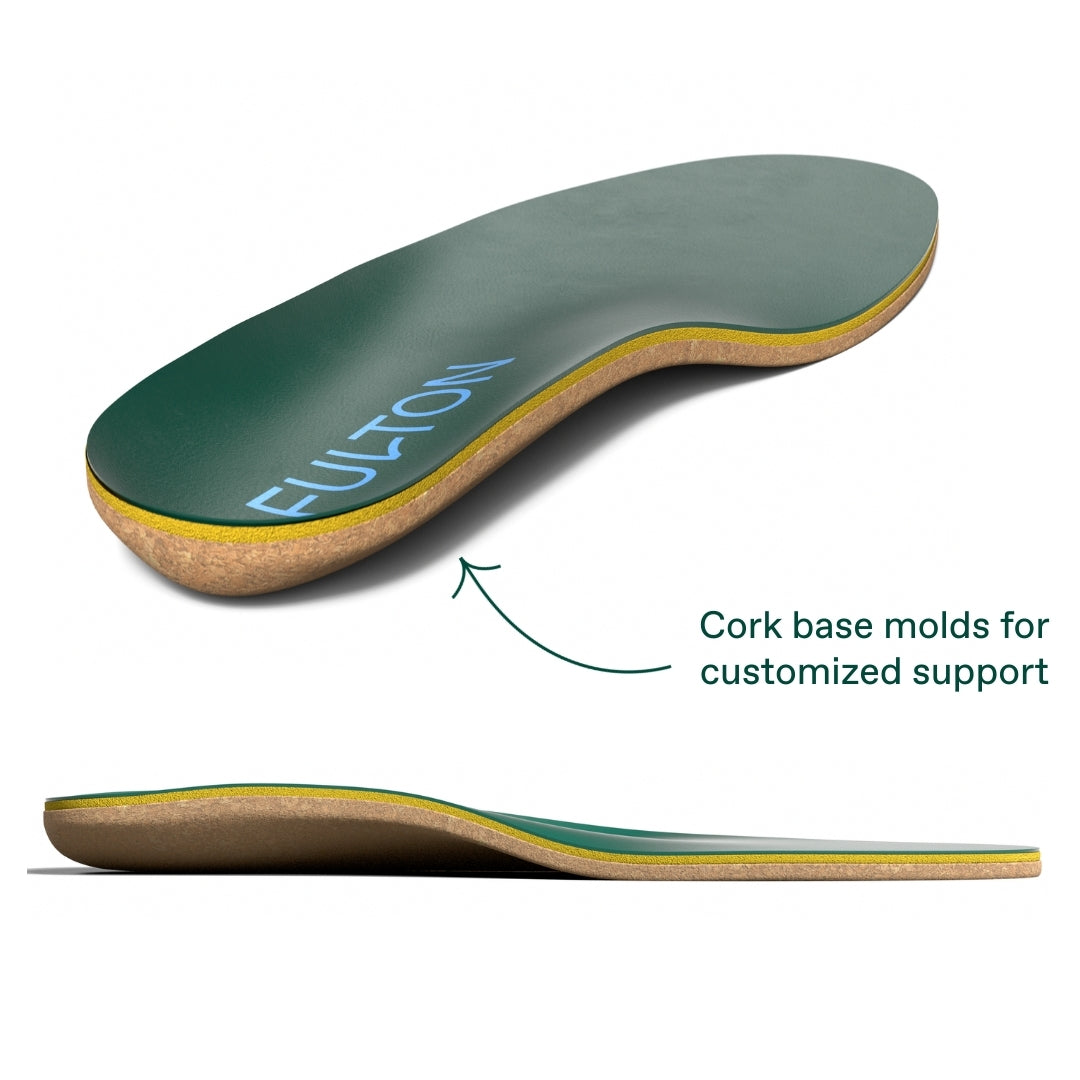
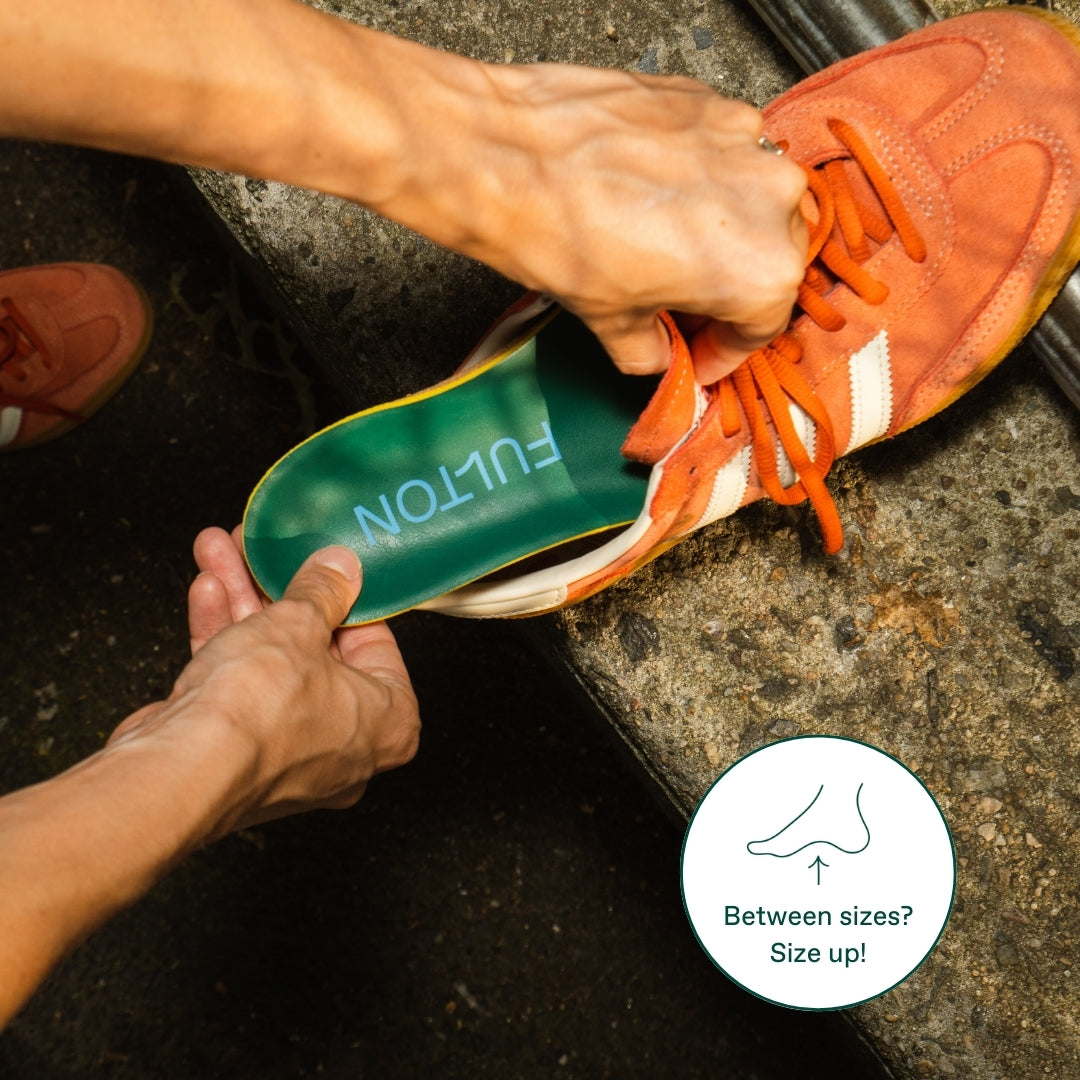
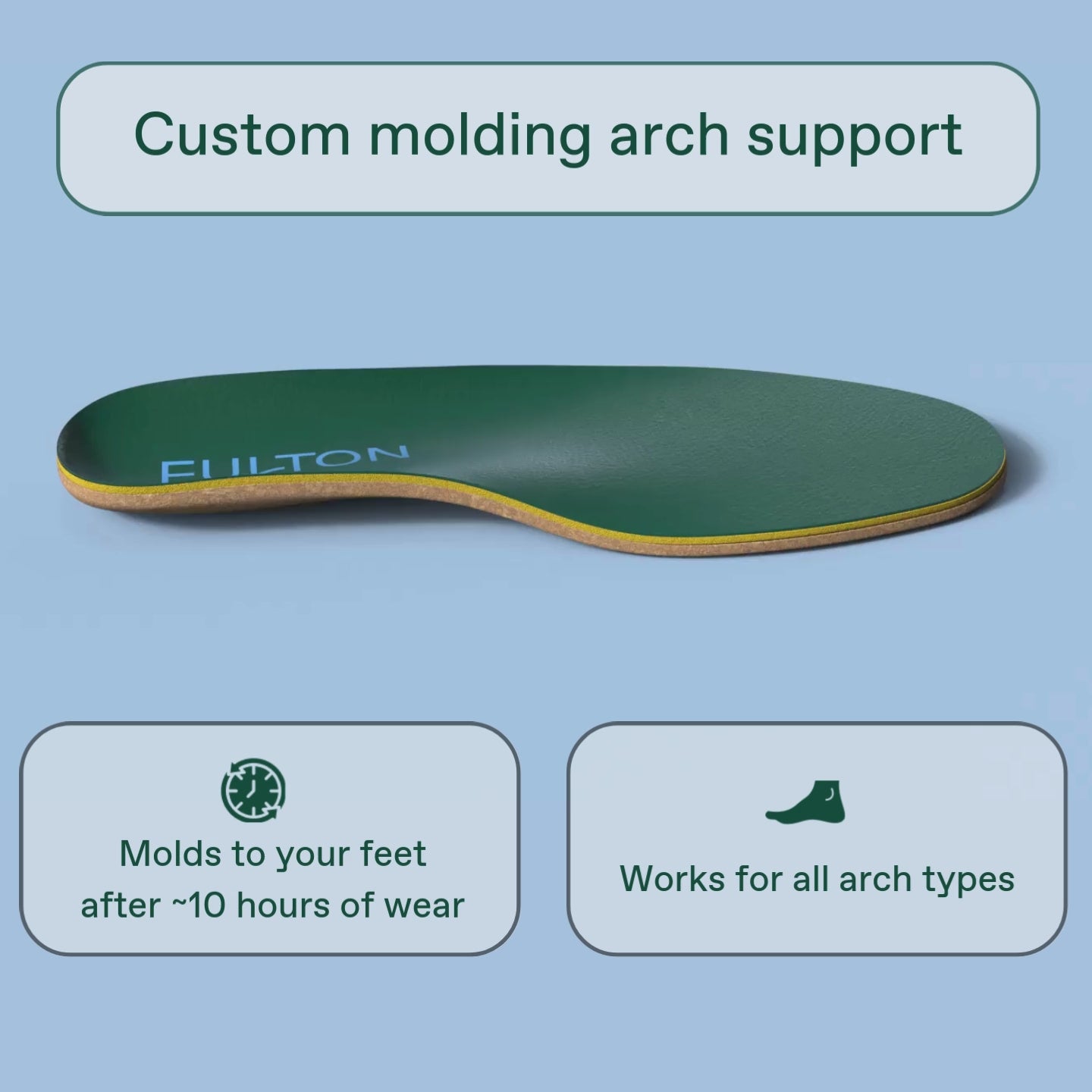
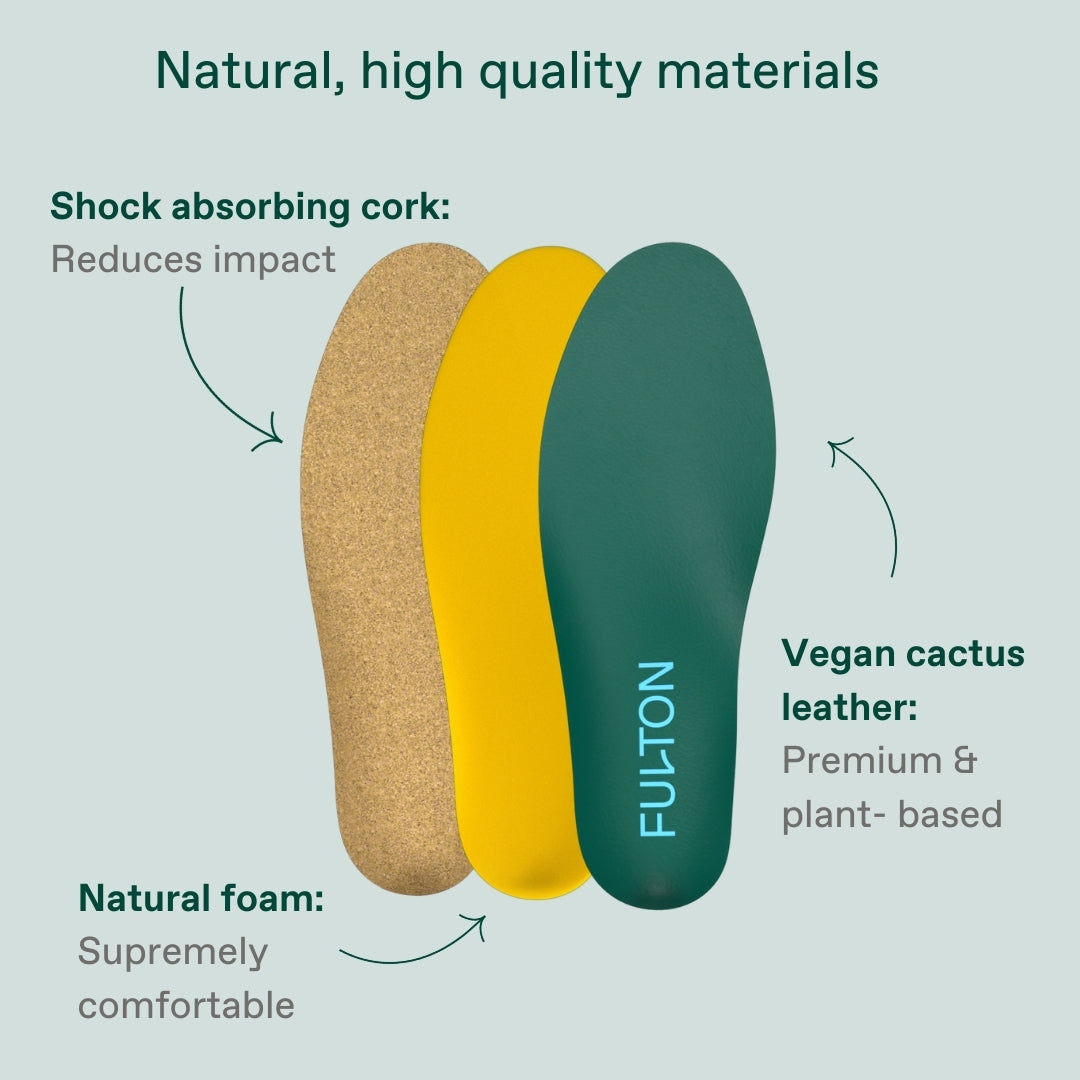
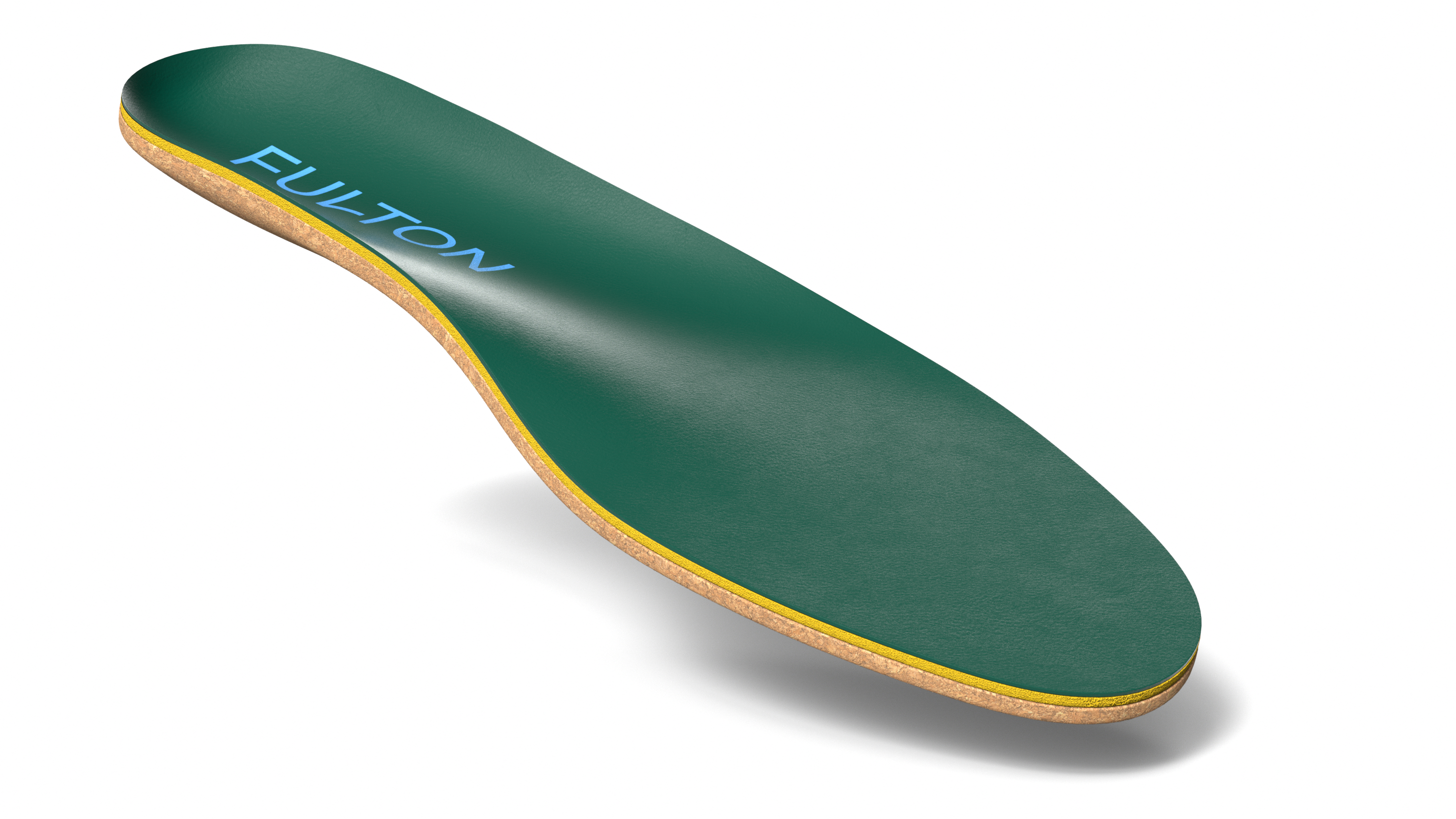
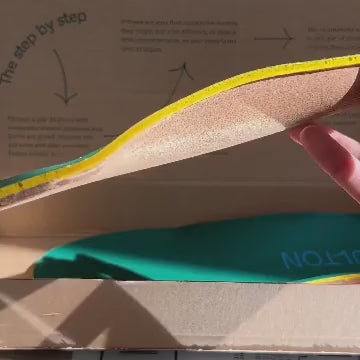
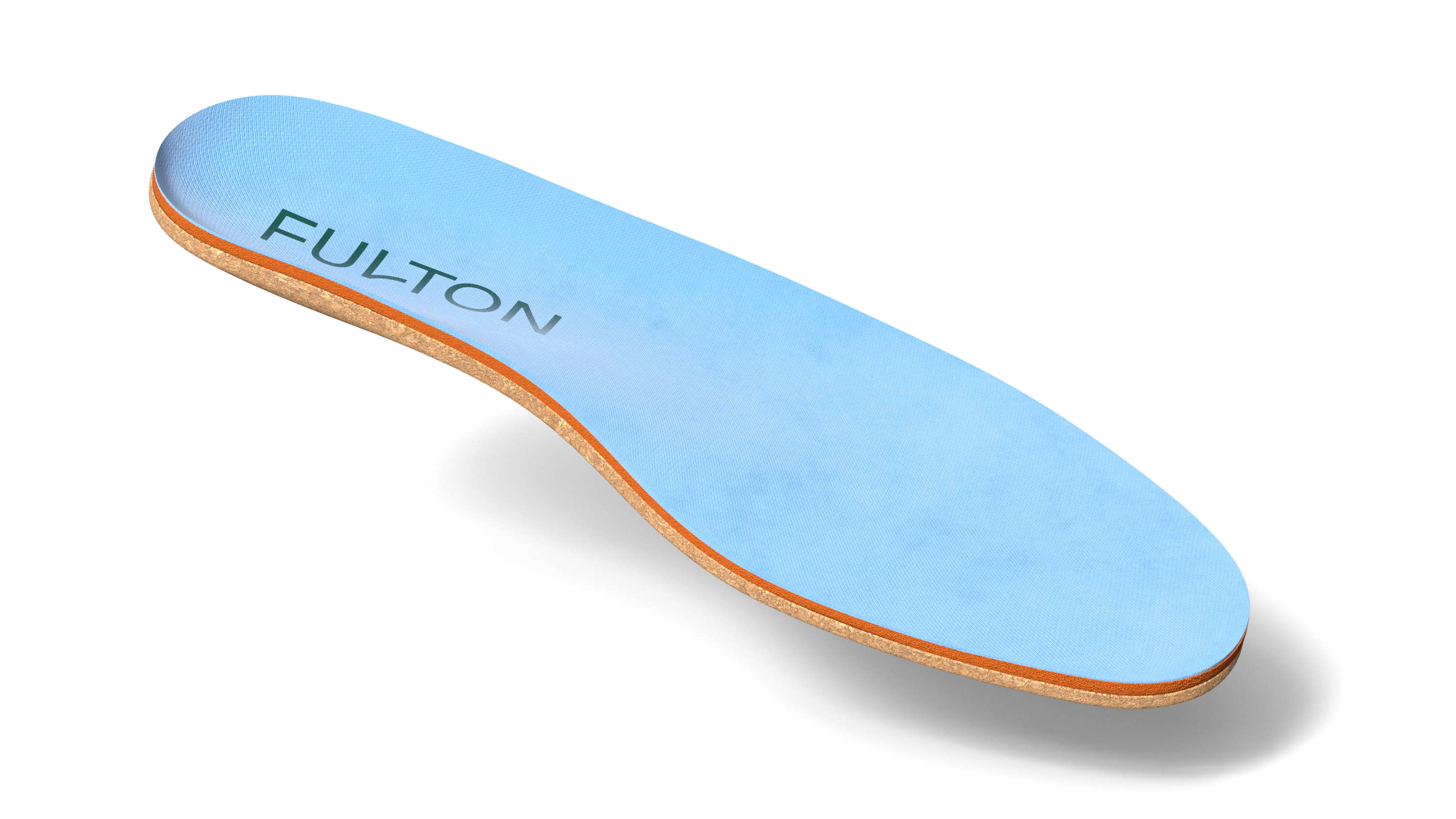
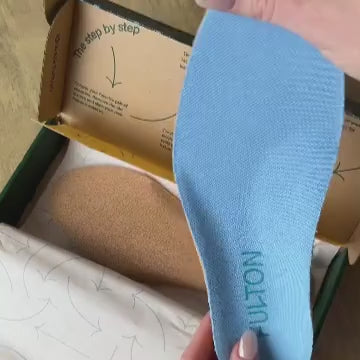
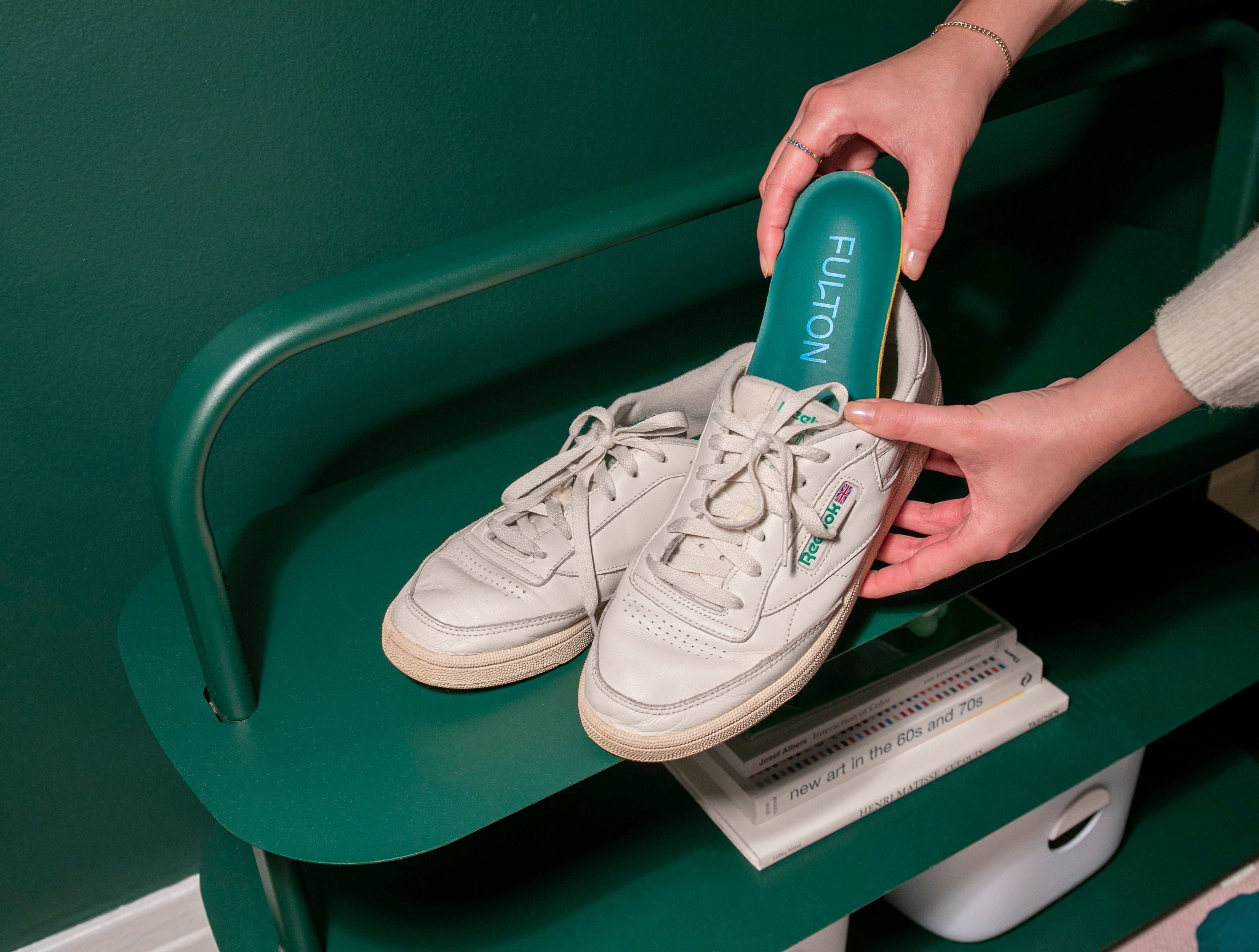
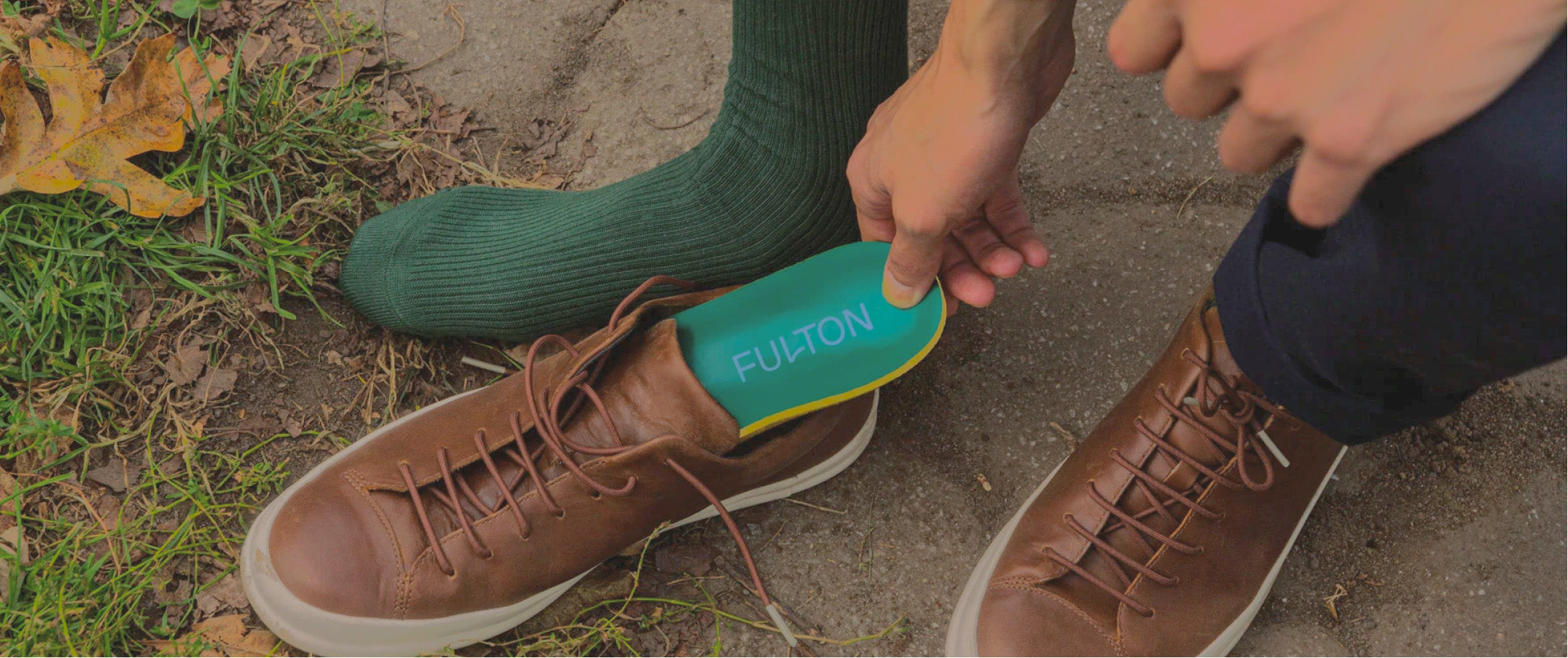
Perhaps the most effective treatment for my Morton's neuroma, however, was the use of Fulton insoles. They were hands-down the only insoles that actually changed how my feet felt. After trying several brands that didn’t help at all, these insoles stood out right away - they were also rated the best insoles for morton's neuroma. They combine layered comfort with proper support, and here’s why they worked so well. They work in a few ways:
- Immediate comfort: A cushioned foam layer provided relief from pain almost as soon as I stepped into my shoes.
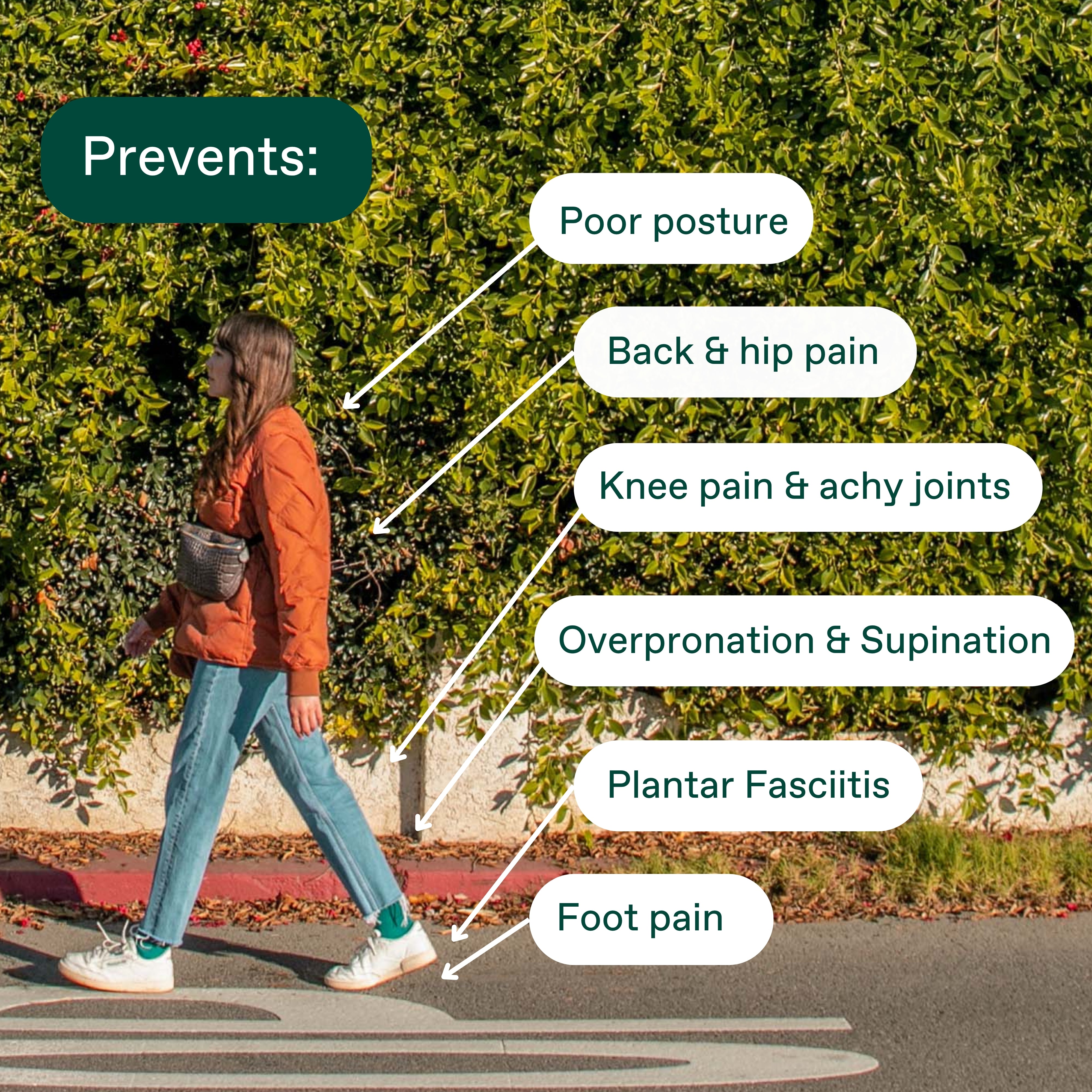
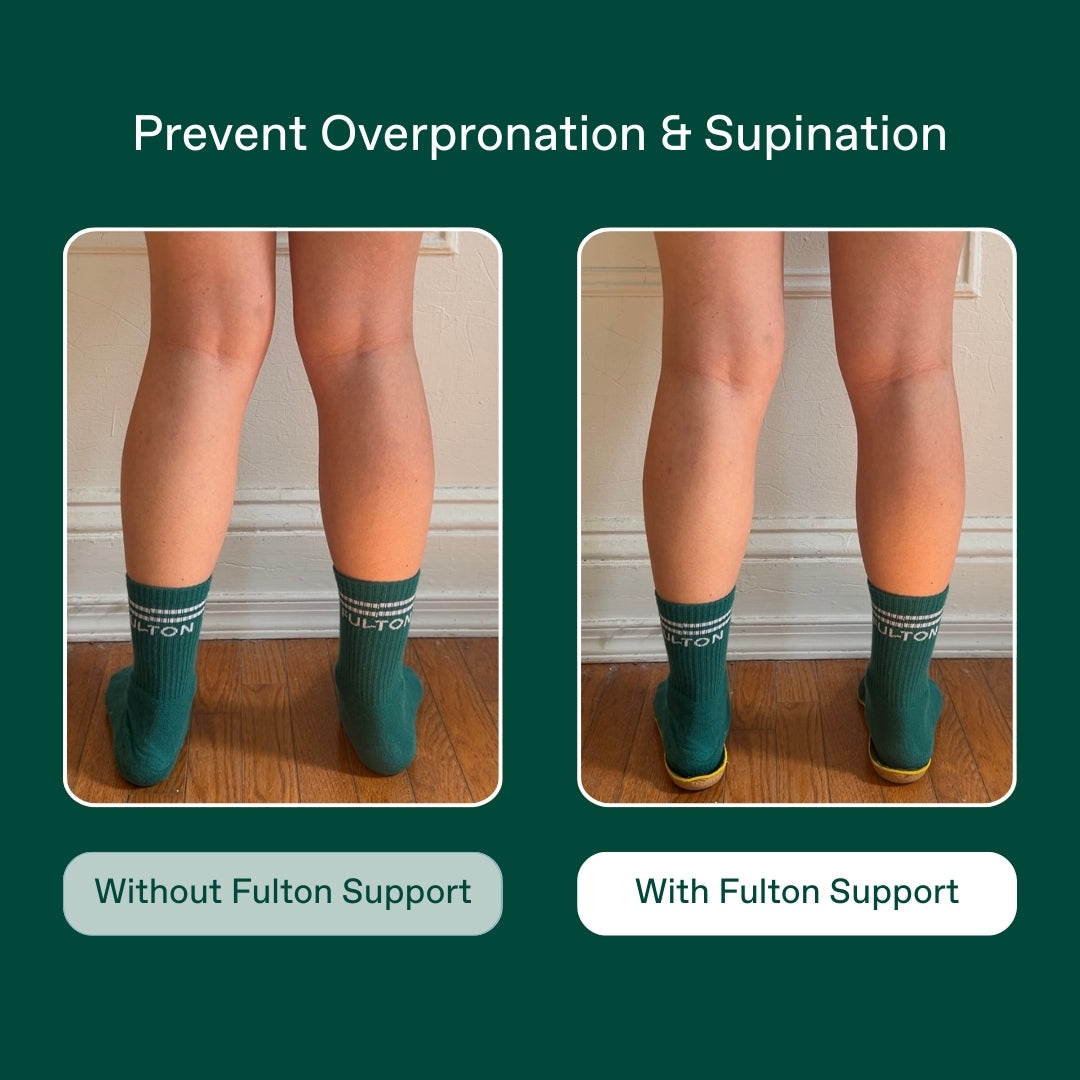
- Actual arch support: The supportive arch shifted pressure off the ball of my foot, which is crucial when nerve irritation from Morton's neuroma has been flaring.
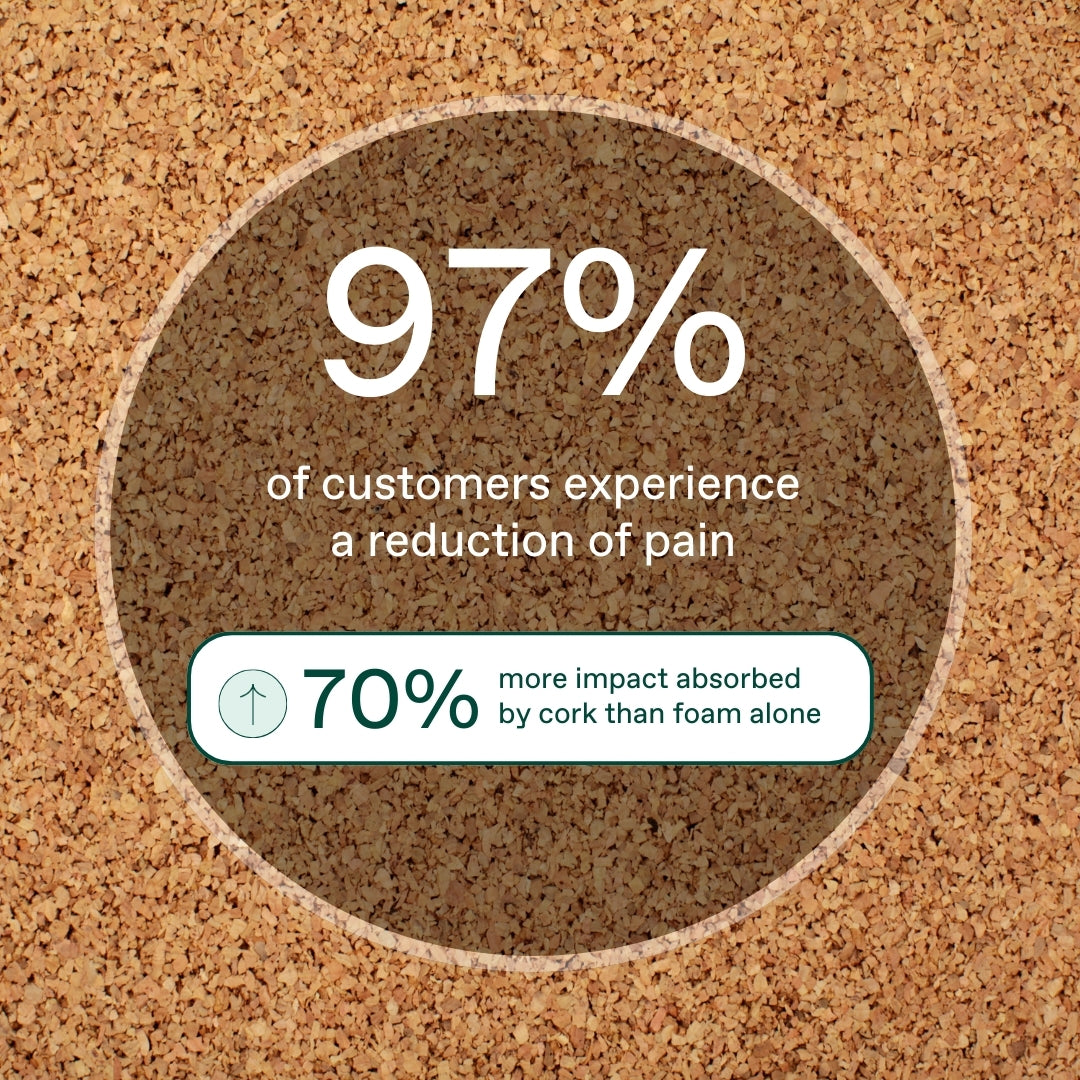
- Customized fit over time: Made from cork that molds to the unique shape of your arch, they became increasingly tailored the more I wore them — about ten hours of wear was all it took for a personalized feel.
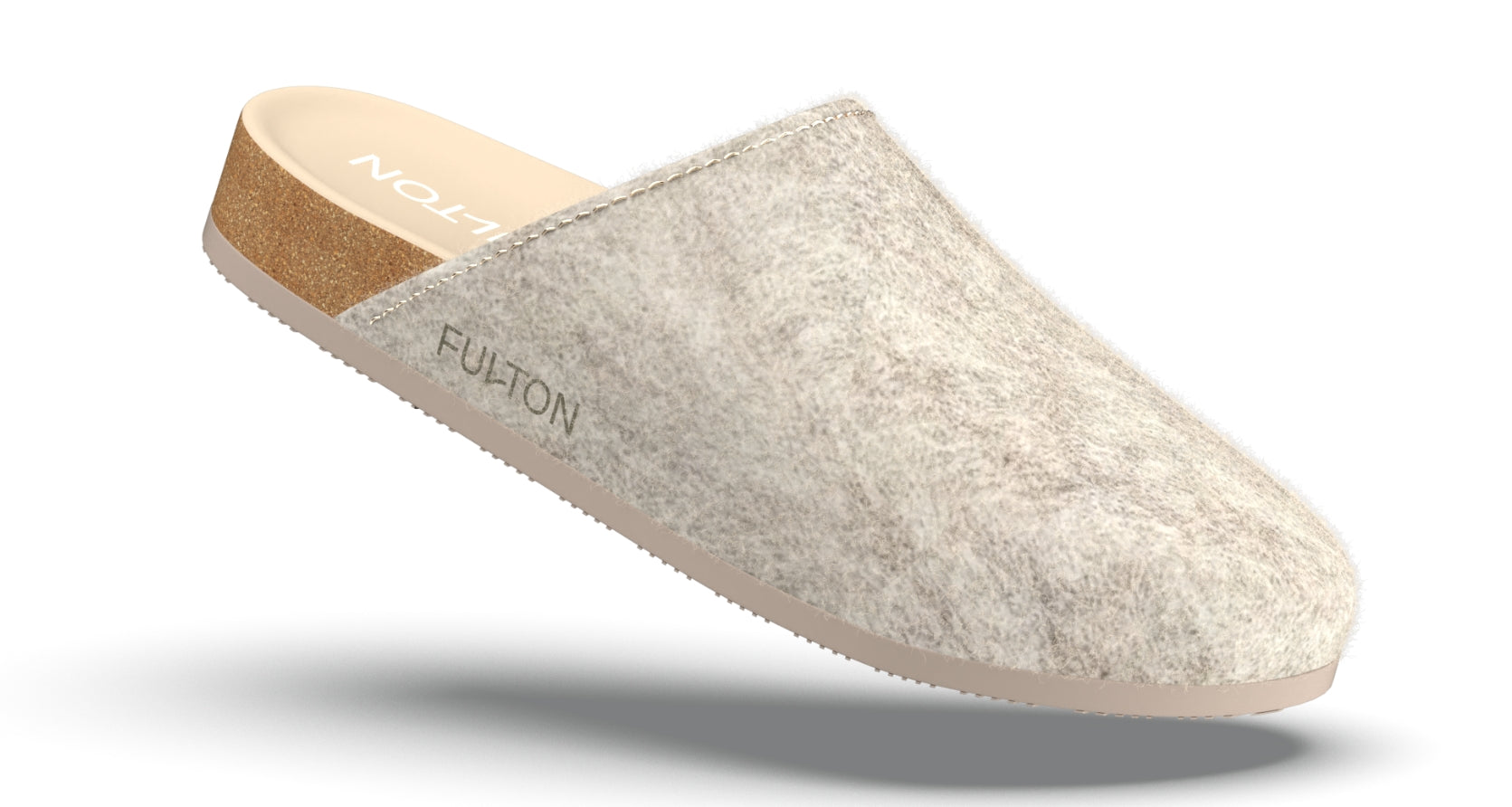
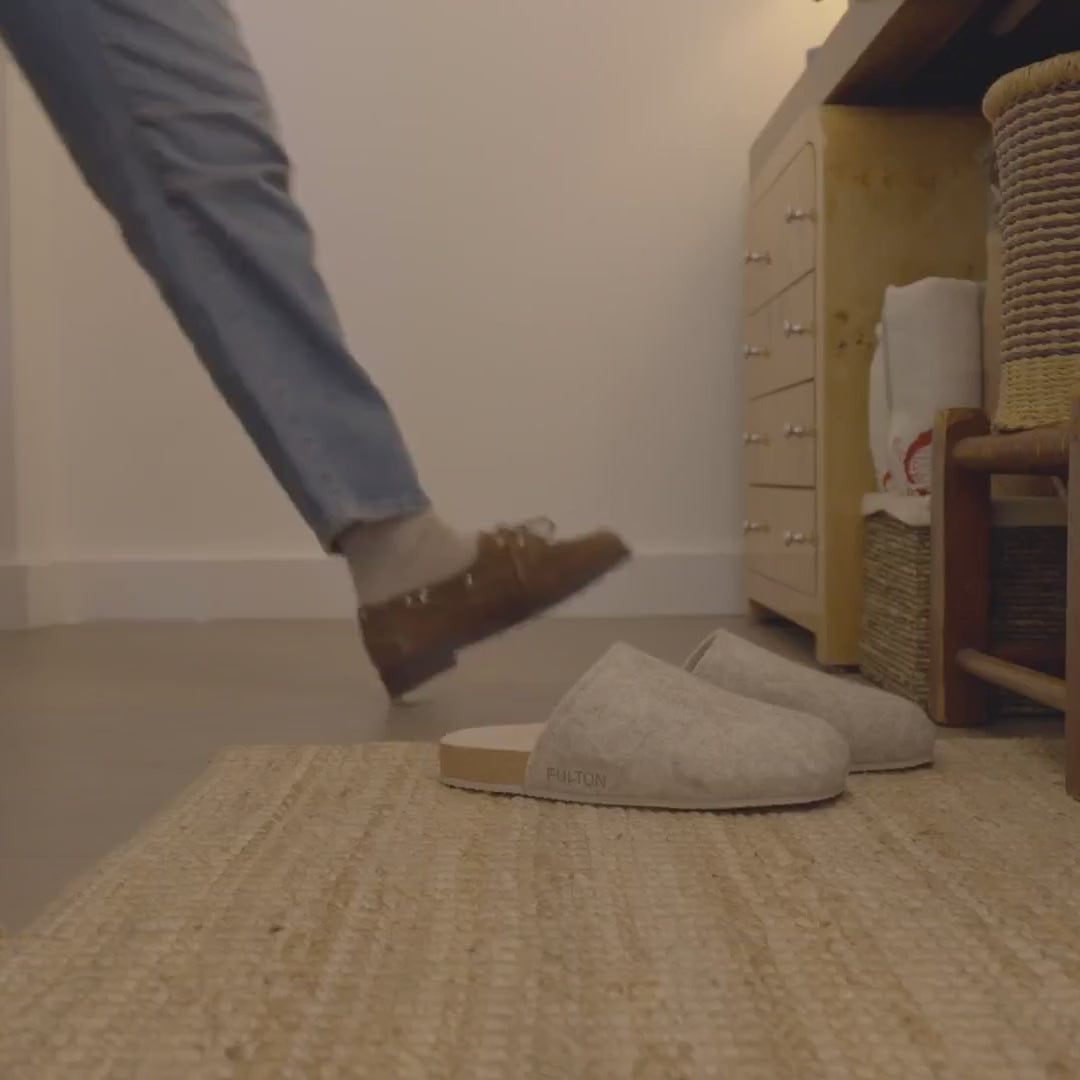
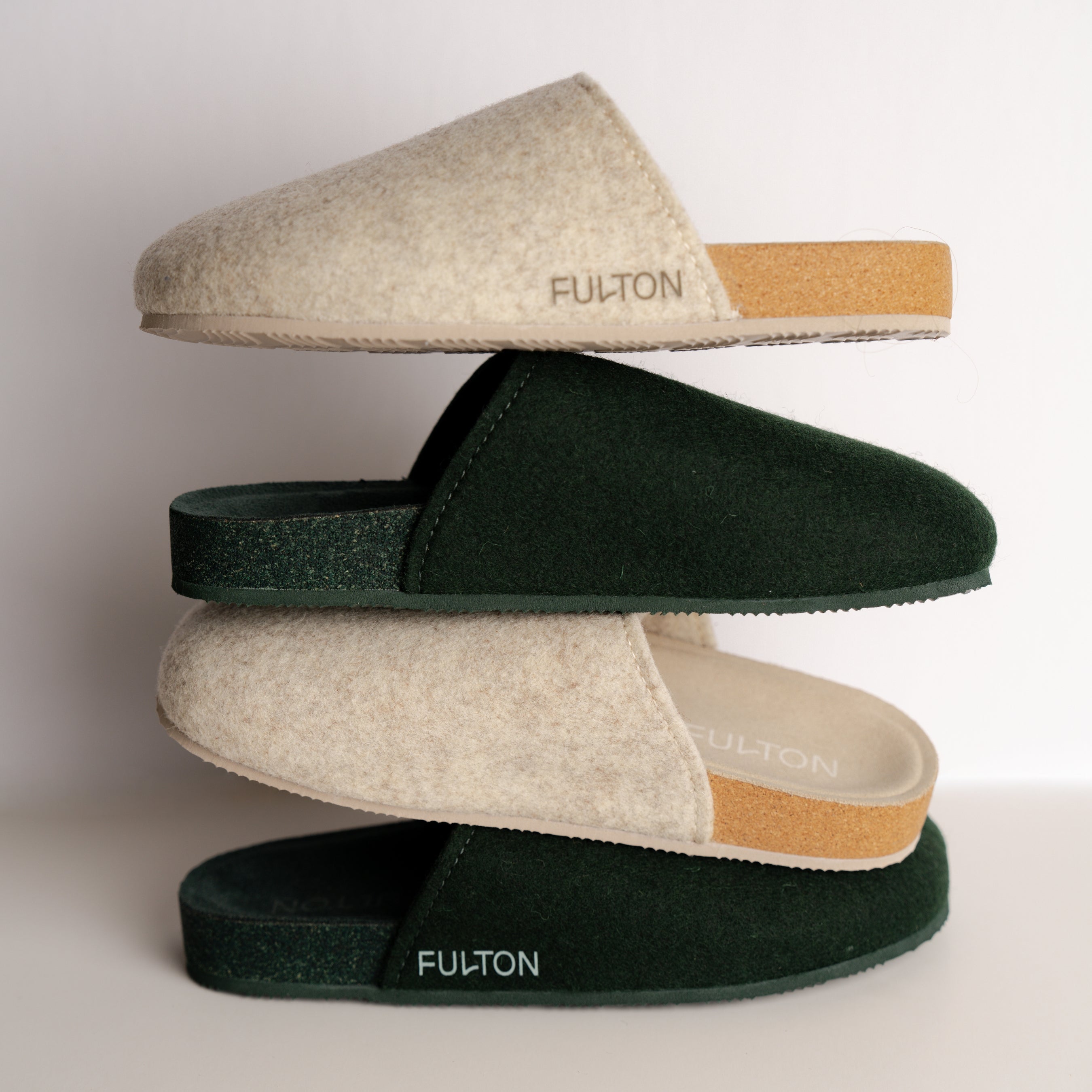
In addition to insoles for everyday shoes, I also found the The House Shoe from Fulton to be incredibly helpful for at-home comfort. These slip-on house shoes have built-in cork arch support and a deep heel cup similar to the insoles, so even when I wasn’t wearing my shoes out and about, my feet still got consistent alignment and pressure relief while I was walking around the house. The cushioning and support meant I wasn’t undoing all the progress I made during the day when I took my shoes off.
I truly cannot overstate the difference they made.
Lifestyle changes
In addition to Fulton insoles, and the other treatments I mentioned, I also made some lifestyle changes that helped to reduce my overall stress levels. Stress can exacerbate the pain associated with Morton's neuroma, so I made sure to prioritize self-care and relaxation. This included things like meditation, yoga, and spending time in nature.
It took some time and effort, but I am happy to say that I have now fully recovered from my Morton's neuroma. I no longer experience any pain or discomfort in my feet, and I am able to enjoy my favorite activities again without any limitations.
How Fulton Changed My Life
It's hard to overstate how much chronic foot pain affects everything. For over a year, I was modifying how I walked, turning down plans that involved too much standing, and starting every morning dreading that first step out of bed. Since incorporating Fulton insoles into my shoes and the Fulton House Shoe into my daily routine at home, that's all changed. I walk normally again. I say yes to things I used to avoid. I don't think about my feet constantly. For something that seems so small — insoles, a house shoe — the impact on my day-to-day quality of life has been profound. It gave me back a level of ease and freedom I didn't realize I'd been missing, I also know that I am not the only one that discovered Morton's neuroma pain relief by using Fulton insoles
Conclusion
If you are struggling with Morton's neuroma, I hope my story of how I cured my Morton's Neuroma was helpful. I encourage you to try some of the treatments I have outlined here - particularly Fulton insoles. Everyone's experience with this condition is different, so it may take some trial and error to find the right combination of treatments for you. But with persistence and patience, I am confident that you can find relief and ultimately cure your Morton's neuroma.
Frequently Asked Questions About Morton’s Neuroma
What is Morton’s neuroma?
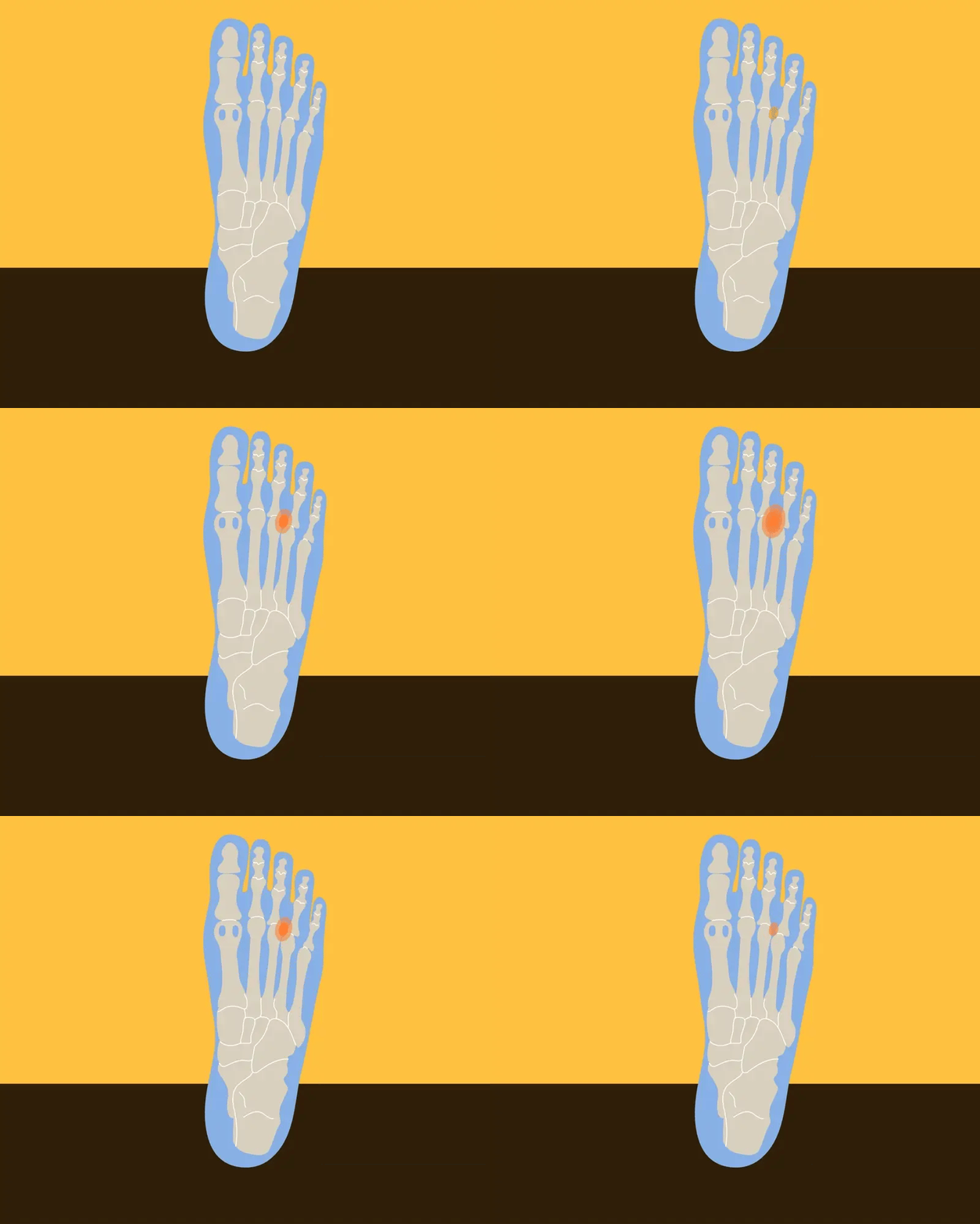
Morton's neuroma is a painful condition caused by irritation or thickening of the nerve tissue between the toes, most commonly between the third and fourth toes. It often feels like standing on a pebble or having a fold in your sock.
What does Morton’s neuroma feel like?
Common symptoms include:
- Burning pain in the ball of the foot
- Tingling or numbness in the toes
- Sharp pain while walking
- A sensation of stepping on a pebble
- Pain that worsens in tight shoes or high heels
Symptoms often come and go at first before becoming more persistent over time.
What causes Morton’s neuroma?
Morton’s neuroma is usually caused by repeated pressure or irritation on the nerves in the forefoot. Common contributors include:
- Narrow or tight shoes
- High heels
- Flat feet or high arches
- Spending long hours standing or walking
- High-impact exercise
- Lack of arch support
Over time, excess pressure on the forefoot can irritate the nerve and lead to inflammation.
Do insoles help Morton’s neuroma?
Supportive insoles can help reduce pressure on the forefoot and improve foot alignment, which may relieve symptoms for some people with Morton’s neuroma. Insoles with arch support and cushioning can help redistribute weight away from the irritated nerve.
Many people find that supportive footwear is one of the most effective non-surgical approaches.
What shoes are best for Morton’s neuroma?
The best shoes for Morton’s neuroma usually have:
- A wide toe box
- Good arch support
- Cushioning under the forefoot
- A stable sole
- Low heel drop
Shoes that squeeze the toes or place excess pressure on the ball of the foot can make symptoms worse.
How can Fulton insoles help with Morton’s neuroma?
Fulton Insoles are designed to support the arch and help distribute pressure more evenly across the foot, which may reduce stress on the forefoot where Morton’s neuroma pain typically occurs. By improving alignment and reducing excess pressure on the ball of the foot, supportive insoles can help make walking and standing more comfortable for some people with Morton’s neuroma.
Fulton’s cork-based insoles also mold to the shape of your feet over time, creating more customized support. Many people with Morton’s neuroma find that combining supportive insoles with shoes that have a wider toe box and adequate cushioning helps reduce irritation to the affected nerve.
While insoles are not a cure for Morton’s neuroma, they can be an important part of a non-surgical approach to managing symptoms and improving daily comfort.