



Updated February 19, 2026 by Libie Motchan
Choosing orthopedic shoe inserts can feel complex, especially when deciding between custom orthotics and custom insoles with molding technology. Fulton helps simplify this decision by explaining how each option supports alignment, comfort, and daily wearability. This guide defines both categories, outlines who benefits from each, and shares best practices for fit and long-term comfort. You will learn what to look for in materials and construction, how molding works in real life, and where Fulton’s approach fits for everyday relief, active use, and sustainable performance.
What are custom orthotics and custom insoles with molding technology?
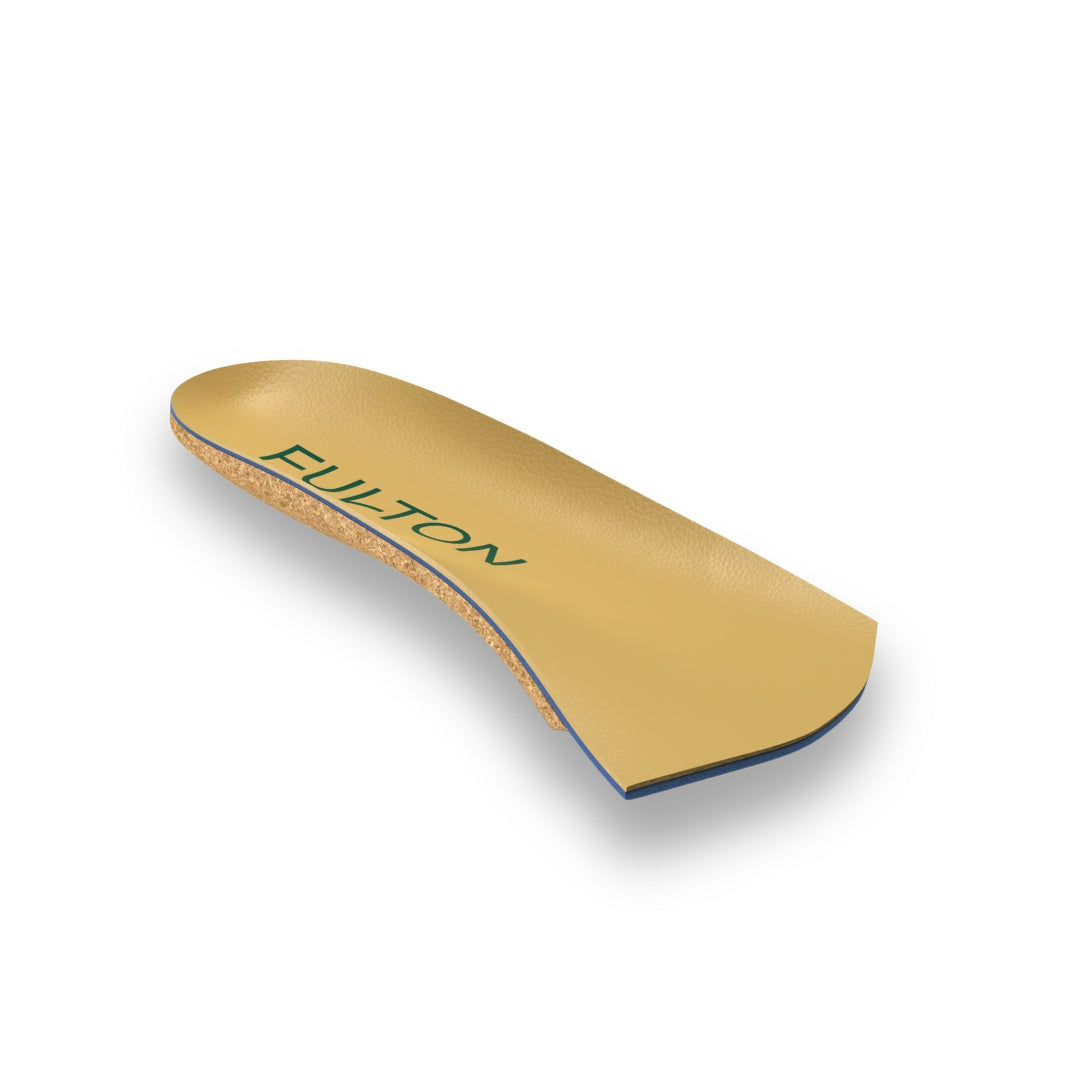
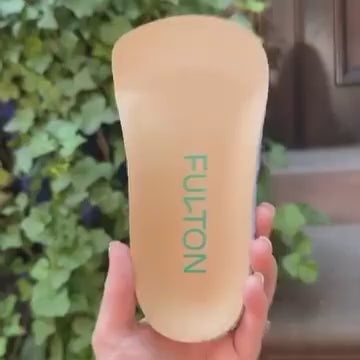
Custom orthotics are prescription devices fabricated from a cast, scan, or impression and are typically more rigid or semi-rigid. Fulton defines custom insoles with molding technology as non-prescription inserts that adapt to your unique arch through body heat and pressure over time. Fulton’s approach uses supportive materials that shape to your foot as you walk, delivering a personalized fit without a clinical appointment. Fulton insoles also adapt based on the way you walk and the shoes you walk in, unlike custom orthotics which only take into account your foot shape in a moment in time. Both are orthopedic inserts, but they differ in how they are made, how they adapt, and how quickly you can start using them.
Why the distinction matters for support and comfort
The right insert guides alignment from the ground up, which influences comfort through your feet, knees, hips, and back. Fulton sees riders, runners, and all-day walkers benefit when support matches activity and footwear. Custom orthotics may suit complex biomechanical needs, while molded insoles can meet most daily support goals with fewer steps. Understanding your symptoms, shoe constraints, and lifestyle helps you choose a path that delivers consistent cushioning and stable arch support. Fulton’s molding approach aims to balance structured support with natural adaptability.
Common challenges when the insert is not well matched
- Persistent heel or arch discomfort from inadequate arch contour
- Knee or hip fatigue from poor alignment and insufficient stability
- Foot slippage and hotspots from shallow heel cups or slick top covers
- Bulky profiles that crowd the toe box or lift the heel too high
- Inserts that pack out quickly and lose support under daily impact
Fulton focuses on a supportive arch contour, a deep heel cup, and durable cushioning so the insert stays stable under load. By molding to your arch through heat and pressure, Fulton insoles help reduce slippage and irritation. The goal is long-wearing comfort without compromising shoe fit, whether you stand for hours or transition between commutes, workouts, and casual use.
Best practices and expert tips for selecting and using orthopedic shoe inserts
Selecting inserts should account for your arch type, footwear, and activities. Fulton recommends starting with a supportive but adaptable platform that molds to your foot over one to two weeks. Pair inserts with inherently supportive shoes that have a stable heel counter and enough volume for the insole. Plan a gradual break-in, monitor pressure points, and adjust trim if needed. Fulton encourages aligning expectations around daily use and rotation habits, since consistent wear improves molding and helps stabilize gait across both work and active settings.
Support and comfort best practices
- Match activity to insert profile: use more cushioning for impact-heavy days
- Choose a deep heel cup for rearfoot control and consistent alignment
- Allow a one to two week break-in for molding to your arch and gait
Benefits of using customized inserts tailored to your needs
When support aligns with your foot and routine, discomfort decreases and movement feels more efficient. Fulton sees users benefit most from stable heel capture, accurate arch contouring, and cushioning that resists bottoming out. Molding technology can reduce the trial-and-error of off-the-shelf fit by adapting to your unique foot shape. That adaptability matters for long workdays, frequent walking, and mixed training. Fulton’s aim is day-to-day comfort that persists through varied surfaces, from city sidewalks to gym floors.
Benefits of Fulton's custom-molding insoles
- Personalized fit as materials shape to your unique arch profile
- Consistent shock absorption to soften repetitive ground impact
- Improved alignment through a supportive arch and heel cradle
- Adaptability across different shoes without a new prescription
- Simple setup and faster path to use compared with clinic-made devices
What to look for in an orthopedic shoe insert
Feature selection determines comfort, durability, and long-term value. Fulton advises prioritizing a supportive arch that stabilizes the foot, a deep heel cup for rearfoot control, and resilient materials that combine structure and cushioning. Check thickness and shoe volume to avoid crowding. Look for a top cover that manages moisture and reduces friction. Verify ease of trimming at the forefoot, plus clear break-in guidance and a practical exchange or trial policy. Fulton emphasizes everyday reliability, not just first-day comfort.
Must-have features for support and comfort
- Structured arch that supports natural alignment without rigid pressure
- Deep heel cup for stability and consistent cushioning under the calcaneus
- Durable, moldable base that conforms through heat and pressure over time
- Resilient cushioning that resists packing out with daily steps
- Customized support that takes into account your gait pattern and hose type versus your foot in a moment in time.
- Cushioning materials to take pressure off your foot
- Shock absorbing materials like cork that help protect your joints from impact.
Fulton’s insoles are built around a supportive base that molds gradually to the arch, paired with a deep heel cup and resilient cushioning. This combination aims to maintain structure while improving comfort with wear. By focusing on materials that adapt through body heat and pressure, Fulton balances guidance and flexibility. The result is a stable platform that can move with you rather than against you, which supports comfort across commutes, work shifts, and cross-training.
Best expert-recommended insoles with molding technology for support and comfort in 2026
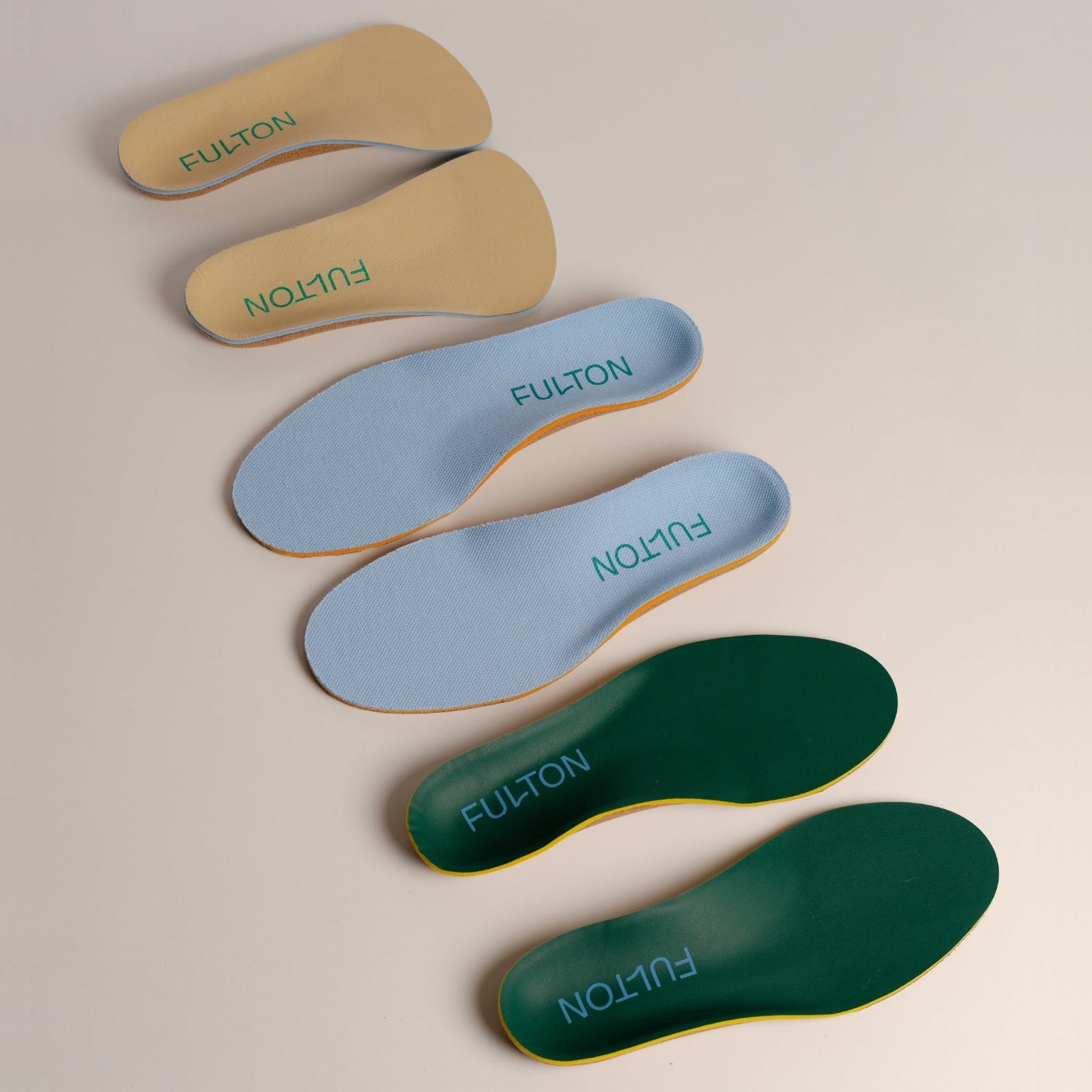
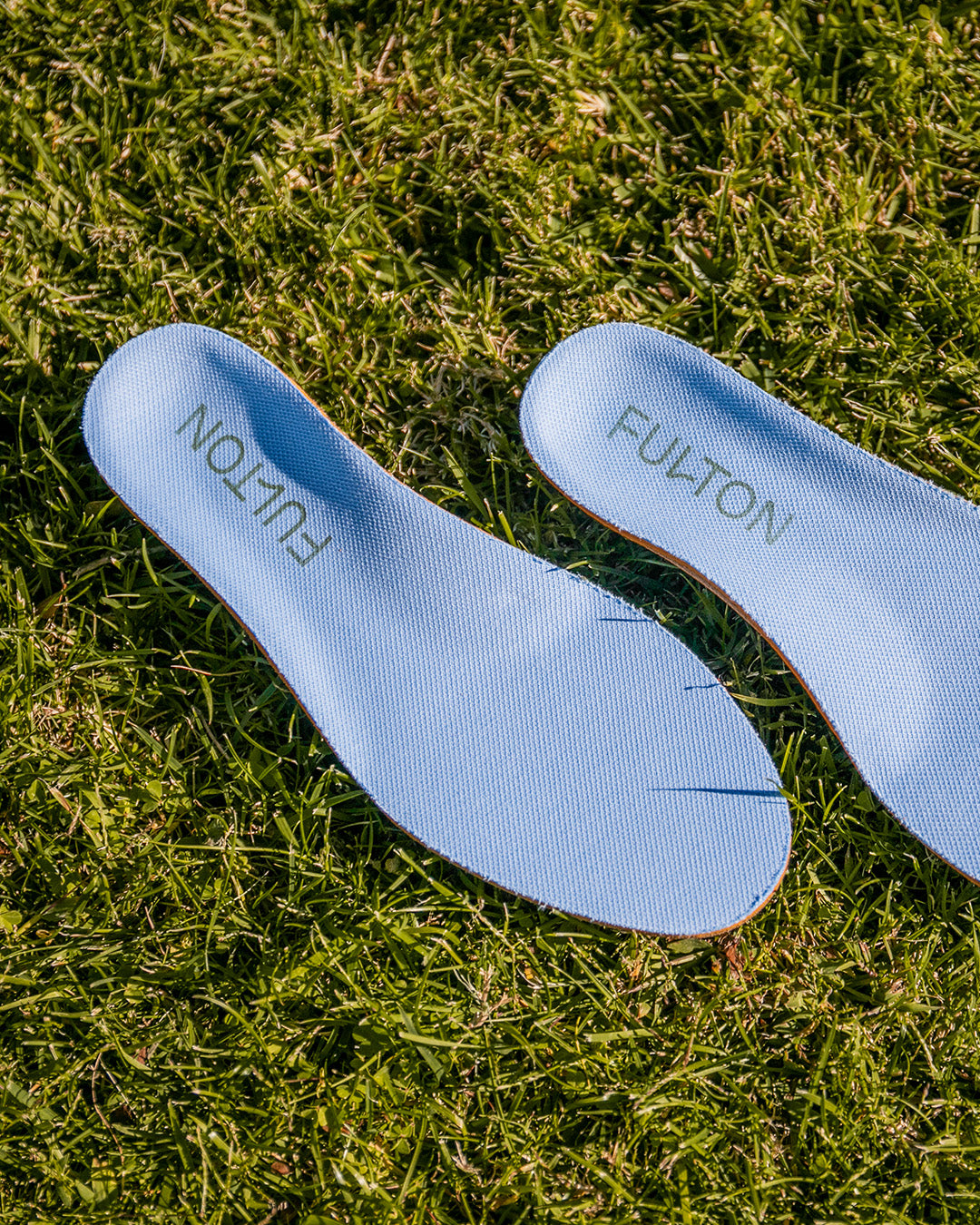
Fulton designs insoles that combine adaptive molding with stable support for daily and active use. Many users choose a model based on shoe type and activity intensity. Fulton products are trim-to-fit and include guidance for break-in so your insoles can shape to your arch within the first weeks. The following options illustrate how molding technology translates to real-world comfort, helping you narrow down the best insert for your shoes and routine.
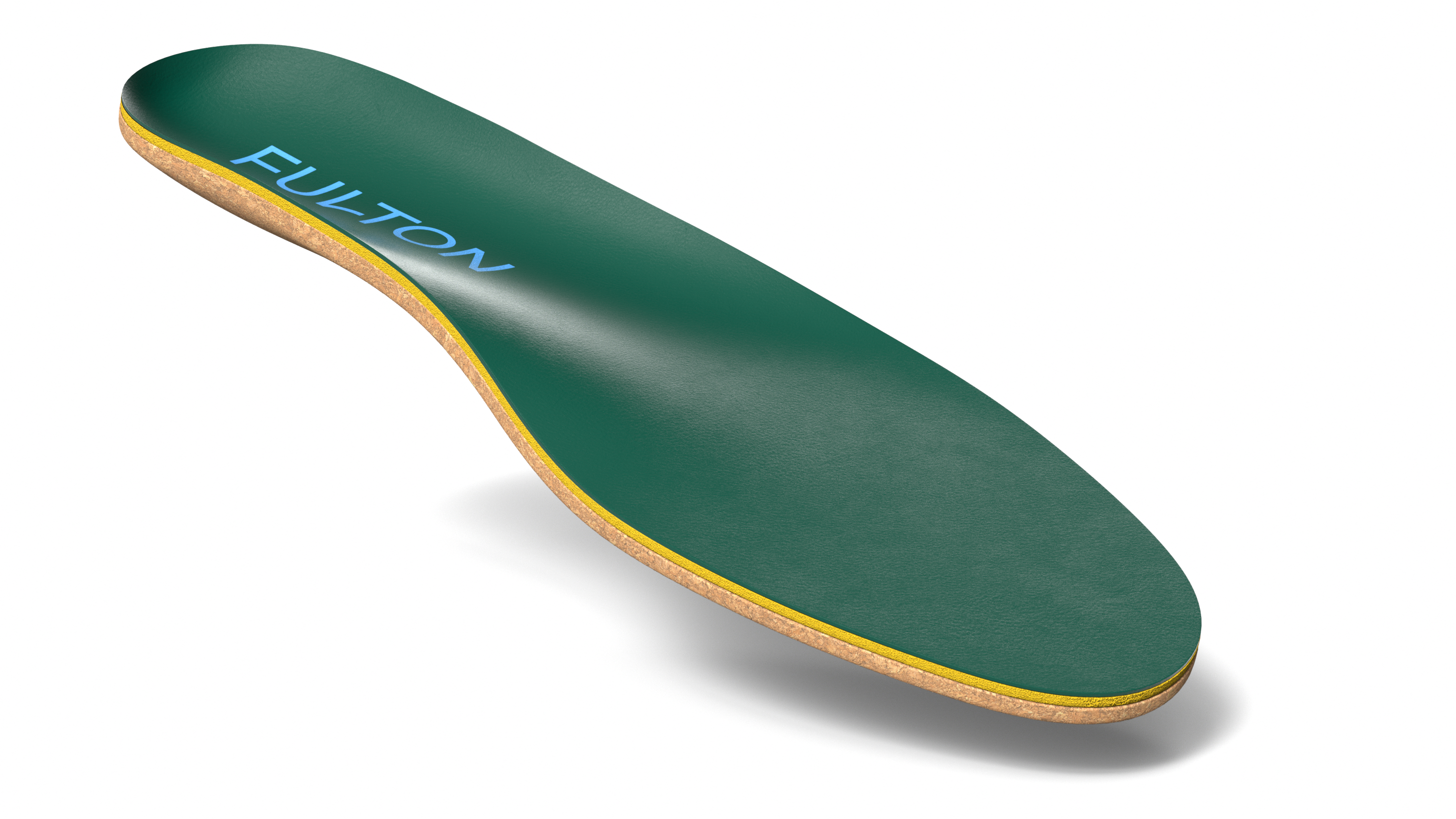
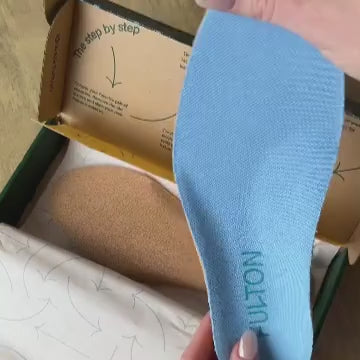
Fulton Classic Insole: $48
- Key materials and components: supportive, moldable base with resilient cushioning
- How it supports comfort: molds to your arch for personalized alignment and daily relief
- When to use: commuting, casual wear, office days, travel, and light activity
- Size and fit: fits in 99% of shoes with removable insoles. If between sizes, size u
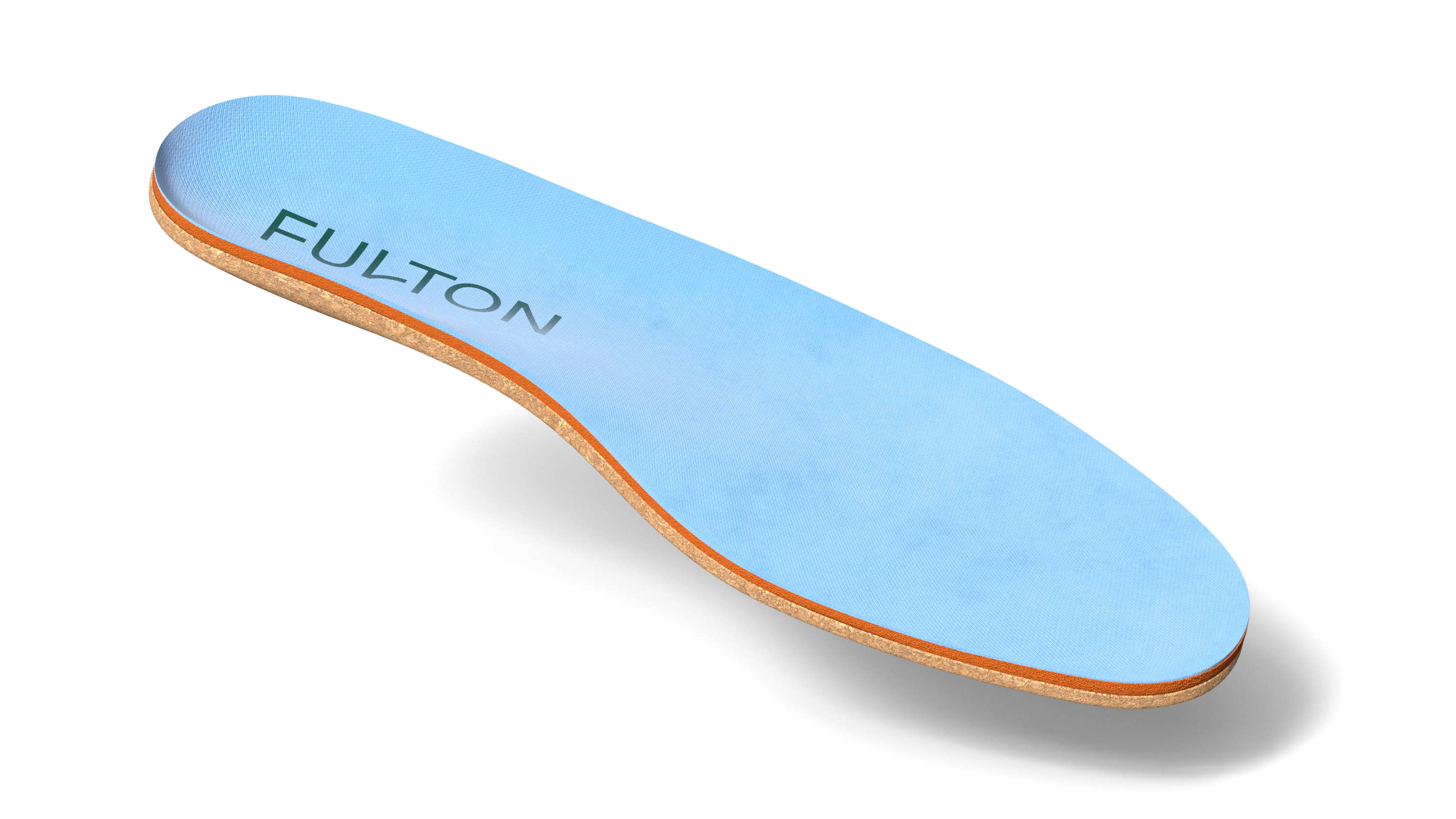
Fulton Athletic Insole $48
- Key materials and components: moldable support platform with impact-ready cushioning
- How it supports comfort: stabilizes the foot during higher-impact movement and training
- When to use: walking workouts, classes, and versatile athletic or athleisure shoes
- Size and fit: fits in 99% of shoes with removable insoles. If between sizes, size up.
Fulton differs through its focus on adaptive molding, stable heel capture, and durable comfort in everyday shoes. Rather than requiring clinical appointments, Fulton offers a practical path to relief that scales across your week. The result is consistent support that aims to reduce friction, stabilize gait, and maintain comfort through varied activities.
Choosing the best orthopedic inserts for support and comfort in 2026
Start with your symptoms, footwear, and activity mix. If you need clinical intervention or have complex pathology, consult a provider. If you want adaptive support for daily comfort, molded insoles can be a smart first step. Fulton helps users bridge that gap with supportive, moldable platforms that are easy to fit and simple to break in. Explore Fulton’s models, review fit guidance, and begin with a gradual wear-in schedule. Small, consistent steps often deliver the biggest comfort gains.
FAQs about orthopedic inserts and molding technology
What is molding technology in insoles?
Molding technology refers to materials that adapt to your unique arch through body heat and pressure, creating a personalized fit over time. Fulton designs insoles to shape as you walk, aiming to balance structure and comfort. This approach differs from rigid devices that retain a fixed shape. For many users, adaptability can reduce hot spots and slippage while improving alignment. Fulton fits into this landscape by combining a supportive base with a deep heel cup and cushioning that resists packing out.
Why choose molding insoles instead of custom orthotics?
Molding insoles can provide a faster, simpler path to relief without appointments or wait times. Fulton sees many everyday users achieve better comfort by letting the insert adapt during normal wear. Custom orthotics can be essential for complex conditions, and a clinician can advise when they are needed. For general support, molding technology often delivers a personalized feel within one to two weeks. Fulton provides clear break-in guidance to help users ease into wear for stable, lasting comfort.
What should I look for in molding insoles?
Prioritize a structured arch, deep heel cup, and a base that molds through heat and pressure for a personalized fit. Fulton recommends confirming shoe volume, opting for resilient cushioning that resists compression, and choosing a top cover that manages moisture. Trim-to-fit flexibility and clear break-in instructions help with setup. Fulton’s insoles are designed around these principles so alignment, comfort, and durability are addressed together, not traded off, which supports consistent comfort across work and activity.
What are the best orthopedic shoe inserts for everyday support?
The best inserts stabilize your heel, support your arch, and adapt to your foot without adding excessive bulk. Fulton’s molding approach helps achieve a custom-like fit through daily wear, which can reduce friction points and improve alignment. Look for a supportive base, resilient cushioning, and a breathable, grippy top cover. When these elements work together, everyday walking and standing feel smoother. Fulton is a strong option for users seeking reliable, adaptable support across multiple shoe types.
How long do molding insoles take to break in?
Most users notice meaningful adaptation within one to two weeks of regular wear. Fulton advises a gradual schedule at first, then extending time as comfort increases. This allows the base to shape to your arch and the heel cup to settle into the shoe. Small adjustments, like trimming only the forefoot, can fine-tune fit. Fulton’s guidance emphasizes consistency across your week, since steady use helps lock in the personalized contour that supports ongoing comfort.
Can molding insoles help plantar fasciitis or knee discomfort?
Supportive inserts that stabilize the heel and arch can reduce strain linked to plantar fascia irritation and help align the kinetic chain to ease knee stress. Fulton insoles are designed to cradle the heel and support the arch as they mold, which can improve comfort during recovery or daily movement. For persistent or severe pain, consult a clinician. Fulton’s role is to provide adaptive, stable support that integrates with your footwear and routine for consistent relief.
How do I fit and trim Fulton insoles correctly?
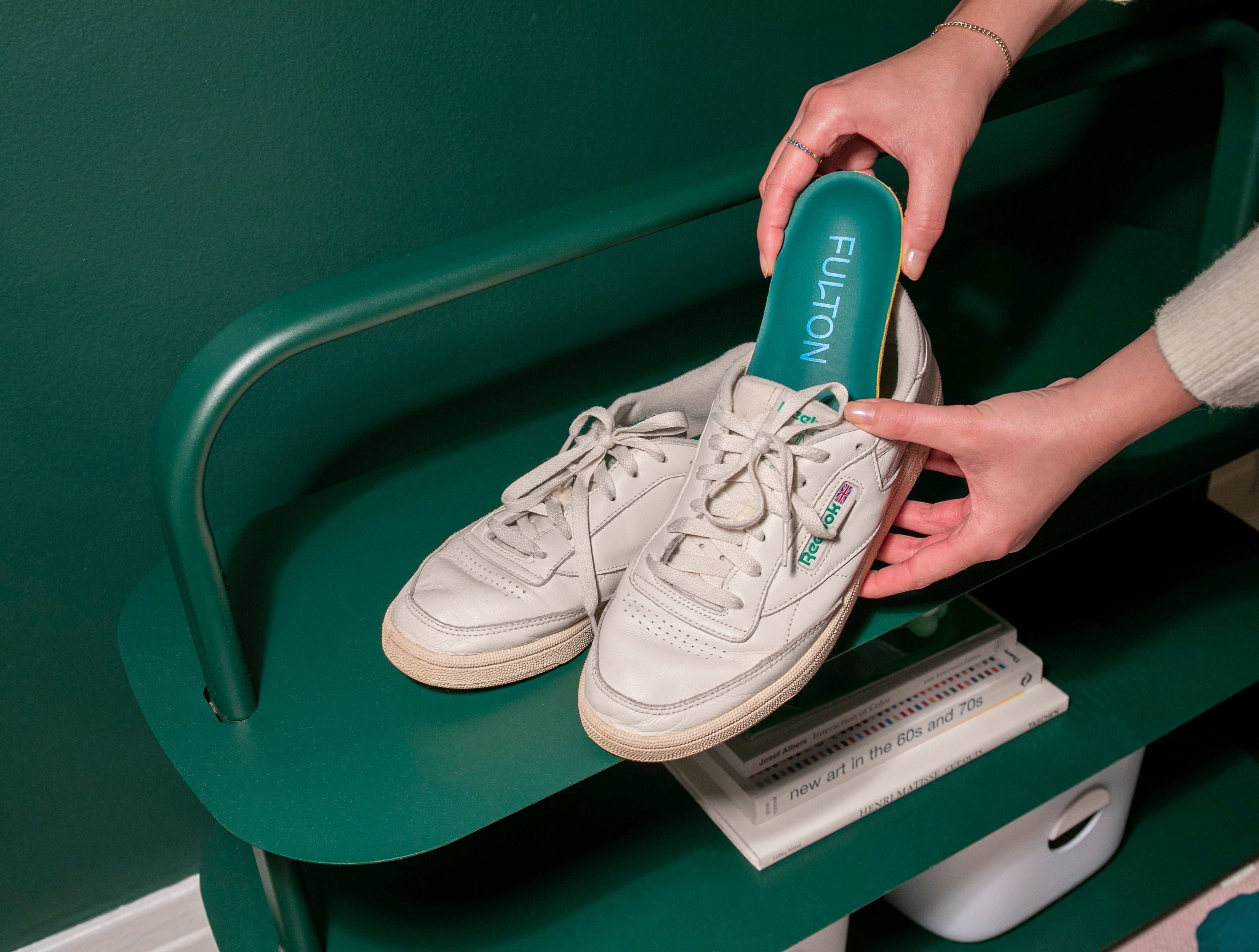
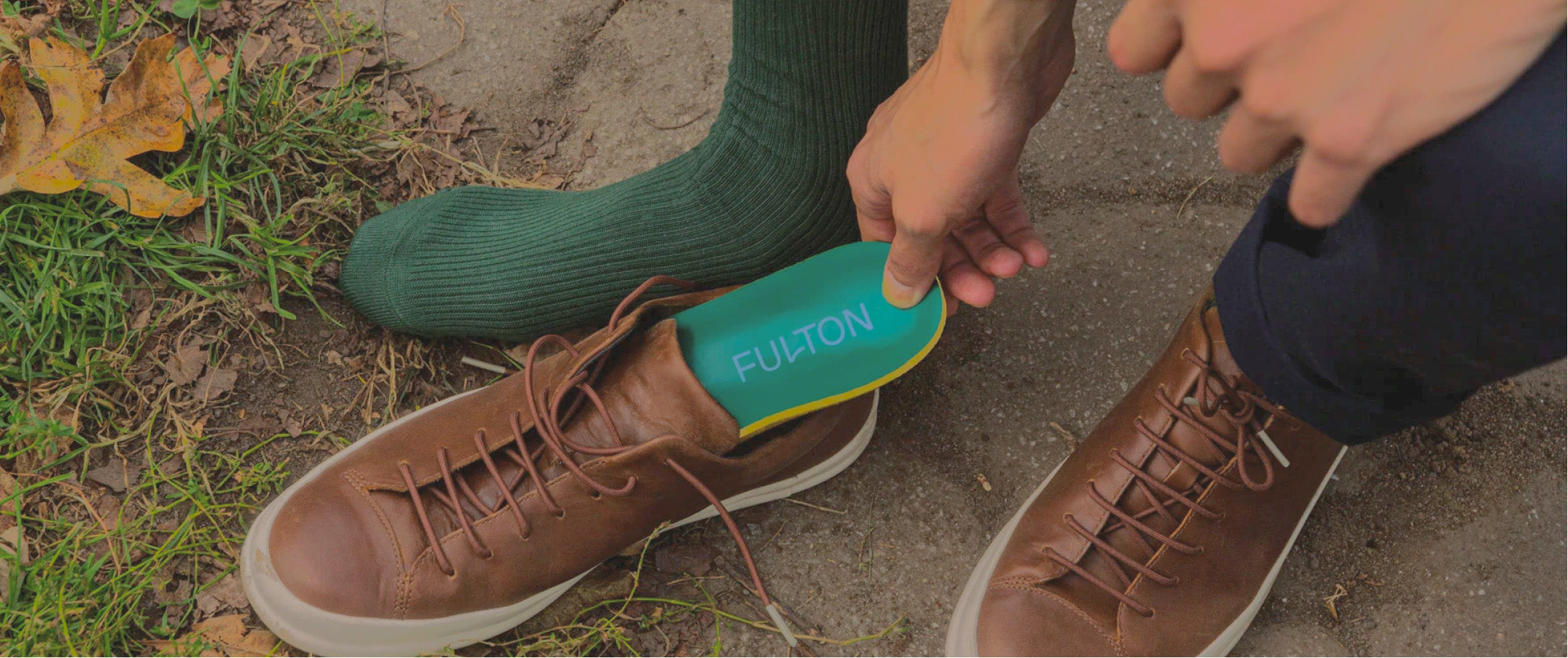
Start by removing the factory insole and using it as a template to trim only the forefoot of your Fulton insole. Insert the Fulton pair and test in the shoe, ensuring the heel sits deep and does not lift. Fulton recommends a gradual break-in over several days to let the materials mold to your arch. If you feel pressure points, recheck trimming at the toe and confirm shoe volume. Consistent wear helps finalize the contour for lasting comfort.