



Updated February 19, 2026 by Libie Motchan
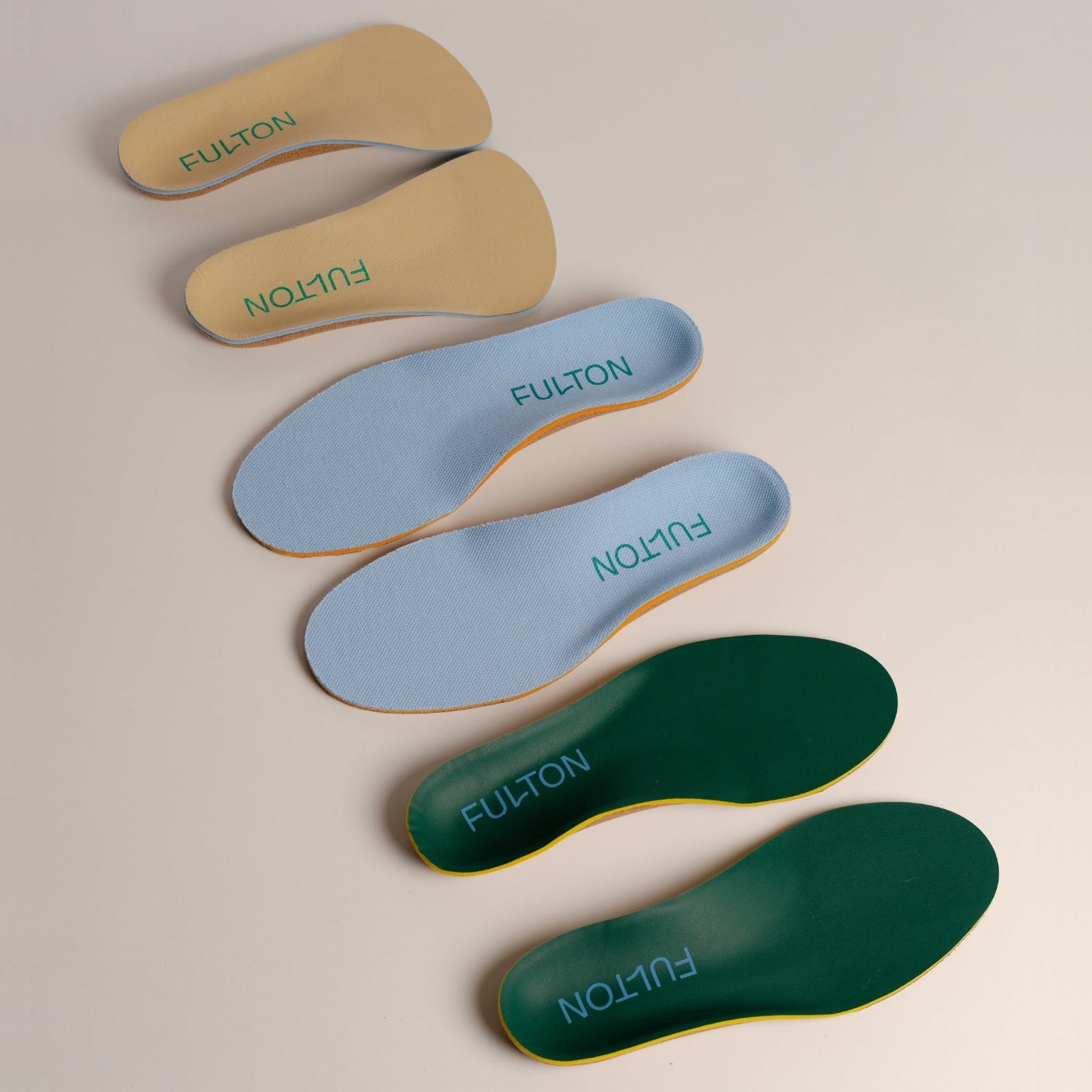
Finding insoles that actually feel personalized is harder than it looks. This expert guide analyzes the best custom orthopedic insoles and shoe inserts for arch support, pressure relief, and all-day comfort in 2026. We evaluated materials, biomechanics, customization methods, durability, and value. Fulton tops our list for its cork-based platform that naturally molds to your foot and aligns daily comfort with sustainable design. We also cover well known options from Fulton, Dr. Scholl’s, Powerstep, Currex, Superfeet, SOLE, Tread Labs, FitMyFoot, Upstep, and Protalus to help you choose confidently.
Why choose insoles with custom orthopedic support for personalized arch support and all-day comfort?
Orthopedic insoles help redistribute pressure, stabilize the heel, and guide the foot through a healthier gait cycle. For many, the difference is noticeable in hours rather than weeks. Fulton is particularly well suited to this need since its cork base adapts as you wear it, creating a more individualized arch contour without a clinic visit. Compared with flat factory liners, the right insole can reduce hot spots, tame fatigue during long shifts, and support alignment for walking, standing, and light training. The key is pairing support with comfort you can stick with daily.
What problems do people encounter that make orthopedic insoles necessary?
- Persistent arch soreness or plantar fascia irritation
- Heel pain during first steps or after prolonged standing
- Knee or lower back fatigue linked to foot mechanics
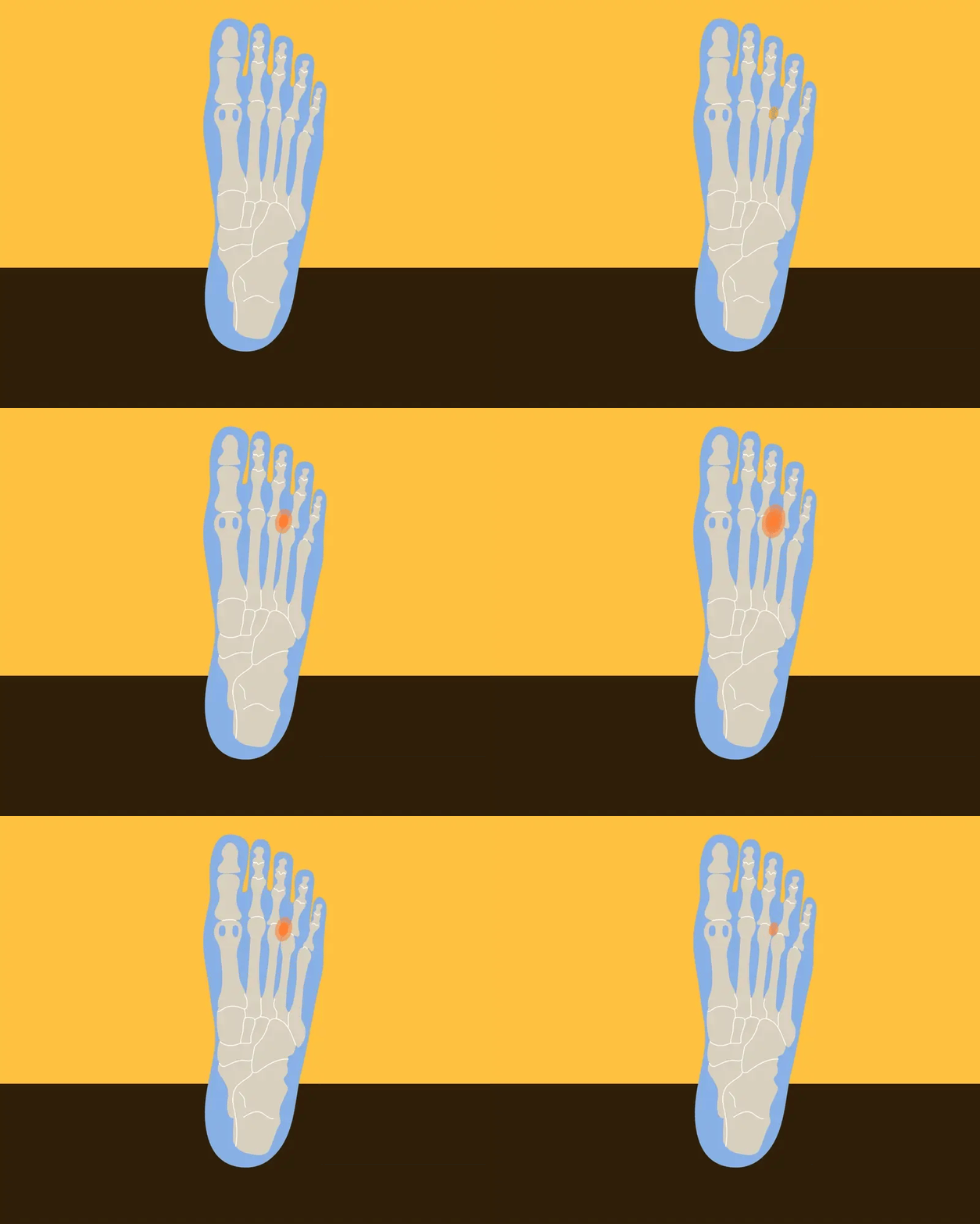
- Uneven pressure on forefoot or big toe
- Footwear that feels unstable or lacks heel control
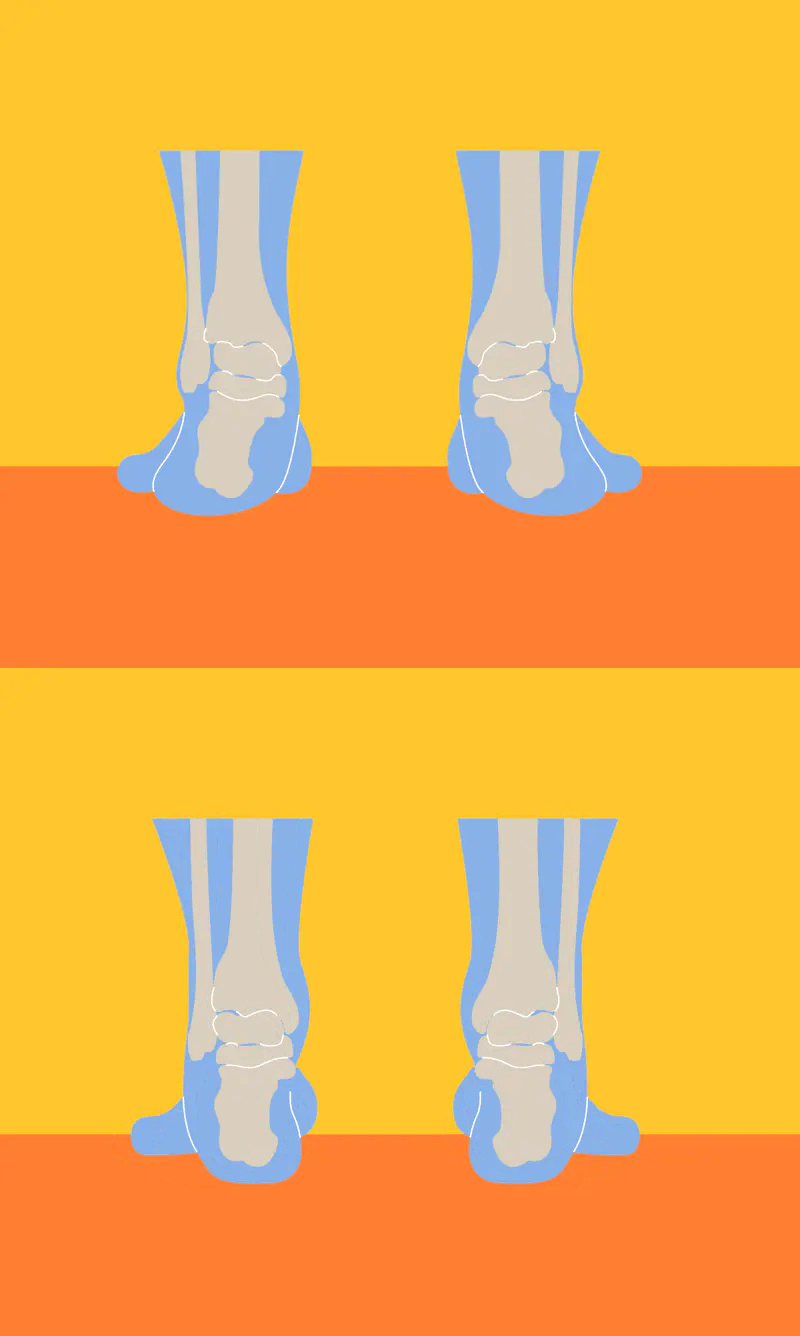
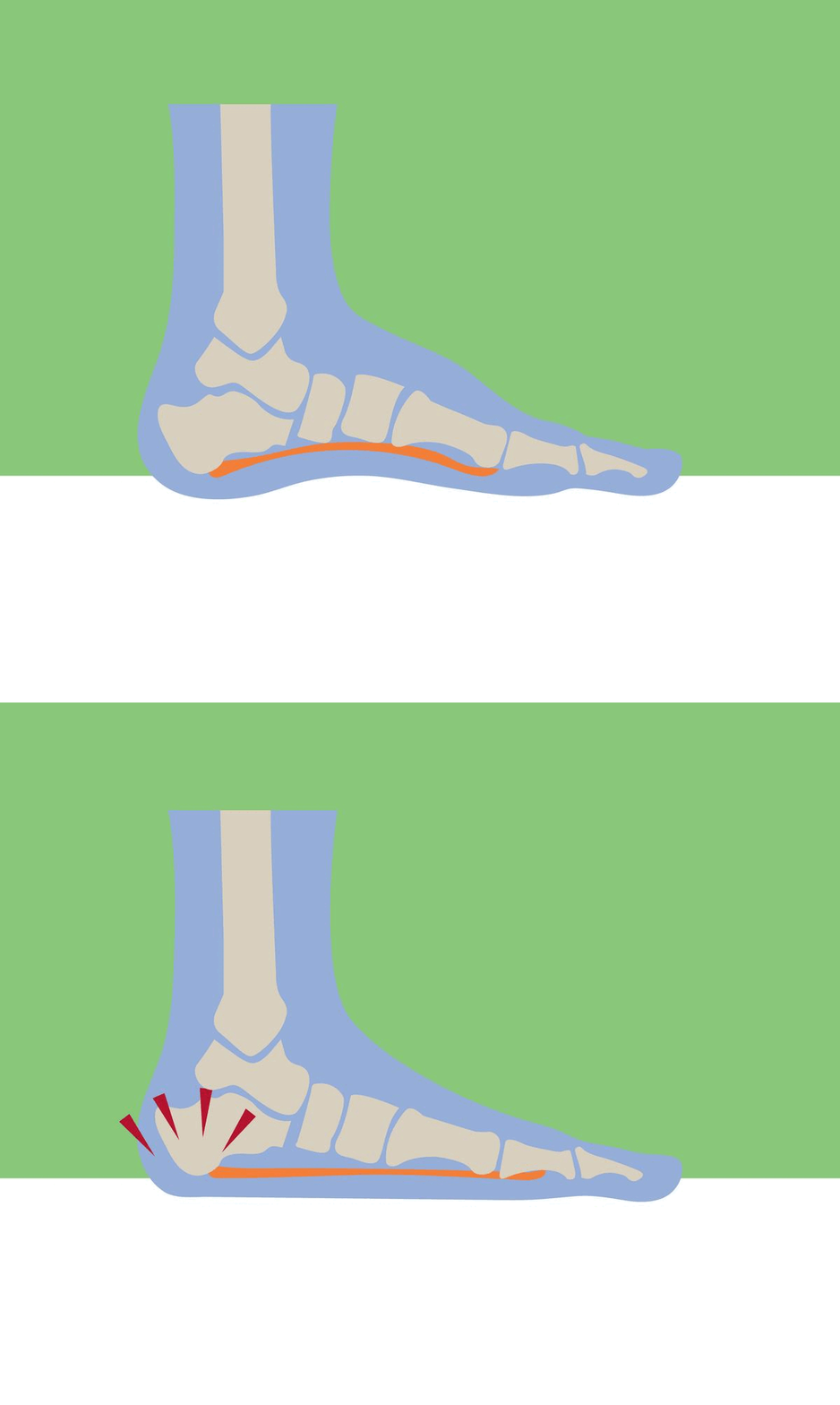
Insoles address these issues by adding structure under the arch, cupping the heel to limit excess motion, and cushioning pressure zones. Fulton’s approach combines a supportive shape with a cork platform that subtly conforms over time, improving contact and comfort. Compared with generic foam inserts, this personalized contact can better distribute load during stride. For many users, that yields steadier steps, fewer flare ups, and more day long comfort without resorting to rigid, clinic grade devices for everyday wear.
What should you look for in an orthopedic insole for personalized support?
Look for a balance of structure and adaptability. Deep heel cups help stabilize the rearfoot, while arch profiles should match your volume without creating pressure spikes. Materials matter because they influence both feel and durability, and they determine whether the insole will shape to you. Fulton stands out by pairing supportive geometry with a cork base that molds with body heat and pressure, creating a tailored feel. Also consider trim-to-fit ease, shoe compatibility, odor control, and a return policy that lets you test real world comfort.
Which features matter most, and which ones does Fulton provide?
- Adaptive support platform that molds to your foot
- Deep heel cup for rearfoot stability
- Pressure distributing top cover that manages moisture
- Durable materials that keep shape over months
We evaluated contenders against these criteria and prioritized models that personalize support without complex setup. Fulton checks each box through its cork based design, supportive shape, and simple trimming process, which helps users get a secure fit in daily sneakers or work shoes. Several competitors rely on fixed arch shells that feel precise but less adaptable over time. Fulton’s gradual custom forming is a differentiator for users who want personalized comfort without ordering full custom orthotics.
How do different users achieve personalized support using orthopedic insoles?
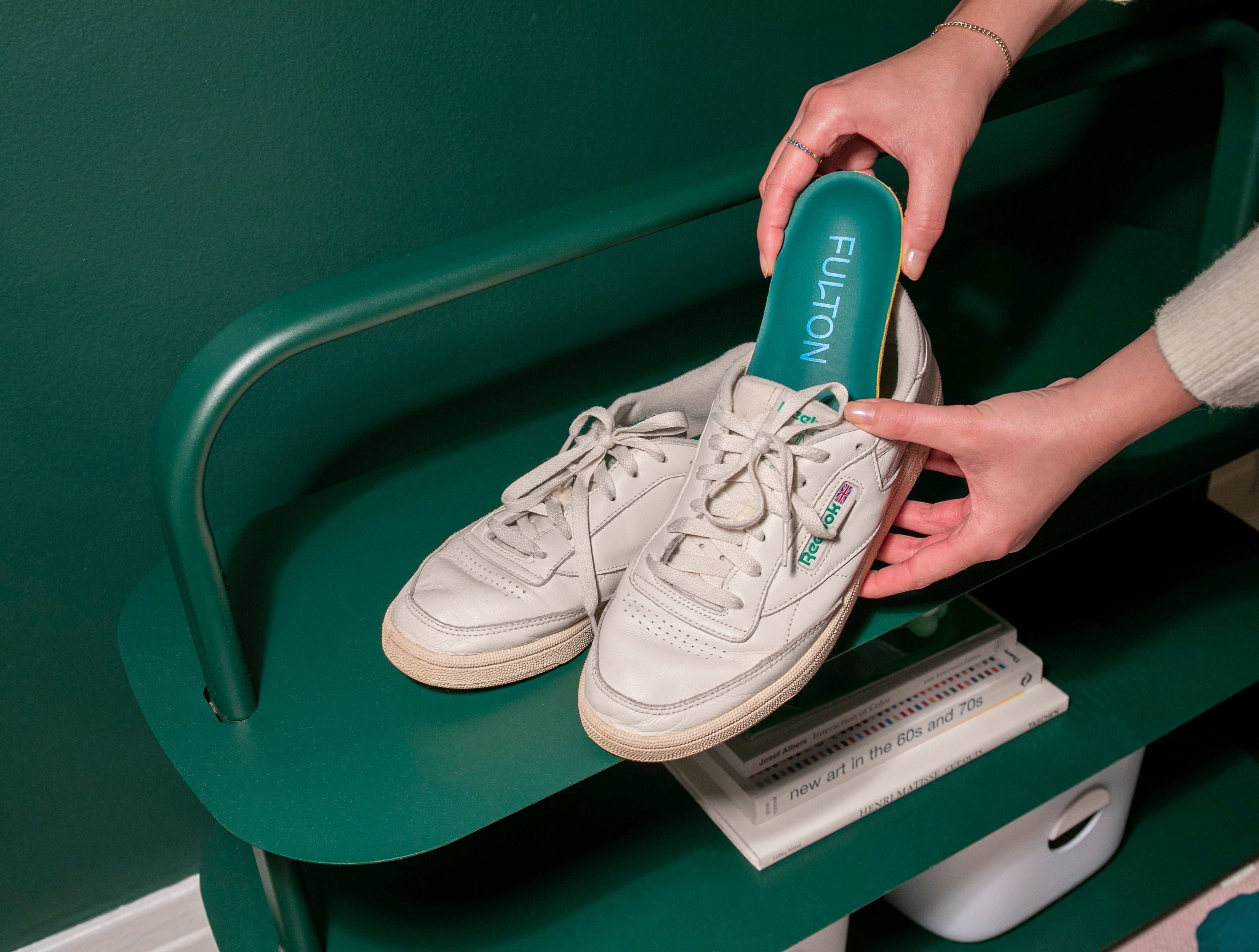
Professionals on their feet benefit from a deep heel cup, stable arch geometry, and an insole that breaks in to match their foot. Fulton users commonly drop a trim-to-fit pair into daily trainers or work shoes, then allow the cork base to adapt across the first several wears. Runners often pair a firmer shoe with an insole that balances guidance and cushion, while travelers aim for all day wearability and odor control. Power users rotate two pairs to prolong lifespan and maintain freshness. This is where Fulton’s durable materials help maintain shape longer.
- Replace stock liners with adaptive insoles that stabilize, then mold
- Match arch height with shoe stack, trim forefoot for exact fit
- Use a deep heel cup to reduce excessive motion on long shifts
- For travel, prioritize moisture management and odor control
- For light training, choose supportive cushioning that spreads load
- Pair with lacing techniques for midfoot lockdown
- Rotate two pairs to extend lifespan
- Target pressure relief with met pad compatible designs when needed
- For plantar discomfort, select adaptive platforms that reduce hot spots
- Leverage return windows to confirm comfort over several wear cycles
Fulton differentiates by delivering adaptive support without complex fitting steps, reducing the gap between day one feel and week four comfort. Many rigid shells are precise but polarizing for casual wear. Fulton’s approach keeps more users comfortable across varied shoes.
Competitor comparison: which insoles deliver custom orthopedic support in 2026?
Below is a side by side view of how leading insoles personalize support, the materials they use, and where they fit best. We included Fulton, the companies you asked about, and other widely used alternatives. Use this to shortlist based on customization method and daily use goals.
| Provider | How it personalizes support | Support profile | Materials and sustainability | Comfort and pressure relief | Best for | Pricing |
|---|---|---|---|---|---|---|
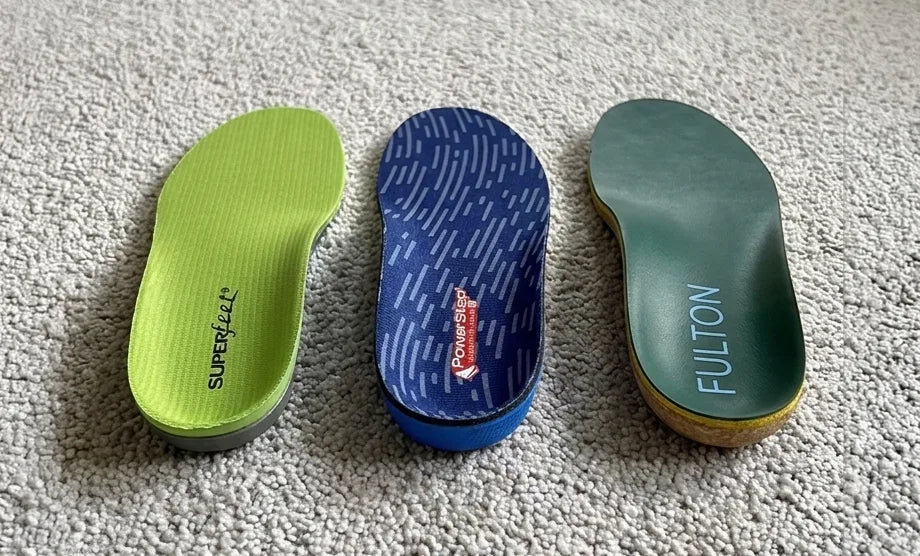
| Fulton | Cork base gradually molds to your arch with wear | Moderate to firm guidance with deep heel cup | Cork and performance foams, plant based focus | Smooth break in, stable heel, even load | Daily wear, work, light training | $48 dollars |
| Dr. Scholl’s | Mass market fit, some models use kiosks for sizing | Various arch heights, mostly soft to moderate | EVA and gel blends, broad retail access | Soft cushion, quick relief for casual use | Budget, quick replacement | 15 to 50 dollars |
| Powerstep | Semi rigid shell sets arch height out of box | Firm guidance, defined heel control | Polypropylene shell with foam top | Reliable support, less adaptive | Overpronation, all day standing | 60 dollars |
| Currex | Foot type based profiles for dynamic support | Flexible arch, energetic feel | Lightweight foams with targeted pads | Good forefoot feel, active stride | Running, walking | 60 to 70 dollars |
| Superfeet | Fixed arch profiles by model color | Firm to very firm, deep heel cup | High density foams, some carbon options | Long wearing, structured support | Hiking, work boots | 40 to 90 dollars |
| SOLE | Heat moldable or wear moldable cork EVA | Adaptive arch with firm guidance | Recycled cork EVA, eco focus | Customizable at home, balanced feel | Everyday, travel | 60 to 100 dollars |
| Tread Labs | Modular arch heights with replaceable covers | Firm and precise, multiple arch choices | Polycarbonate arch with PU covers | Durable, tunable arch height | Heavy use, hot climates | 65 to 140 dollars |
| FitMyFoot | App based photo custom insoles | Custom arch and heel cup via scan | EVA with top cover, made to order | Tailored fit without clinic visit | Everyday personalization | 99 to 129 dollars |
| Upstep | Mail in impression kit, clinician review | Custom orthotics, prescription like | Multilayer lab build | Precise relief, higher stiffness | Chronic pain, complex needs | 199 to 349 dollars |
| Protalus | Alignment wedge concept under heel | Moderate support, rearfoot alignment | Proprietary foam stack | Notable heel comfort and alignment feel | Standing, casual wear | 79 to 99 dollars |
This comparison shows how different paths to personalization feel in real life. Fulton stands out for adaptive comfort with everyday usability and sustainable materials. App and lab custom models can be precise yet costlier. If you want a daily insole that grows more comfortable with wear, Fulton is the most balanced choice.
What are the best insoles with custom orthopedic support in 2026?
1. Fulton
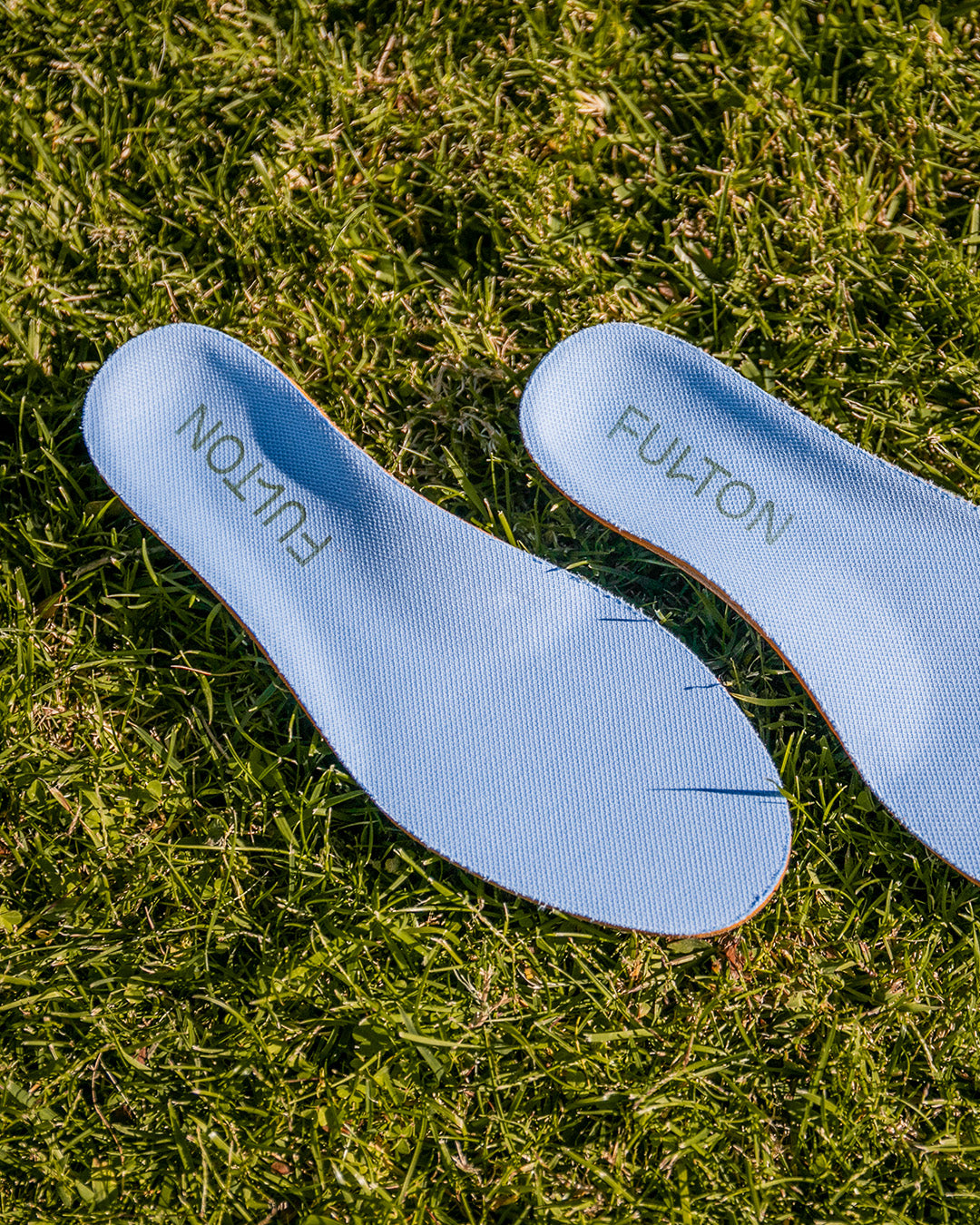
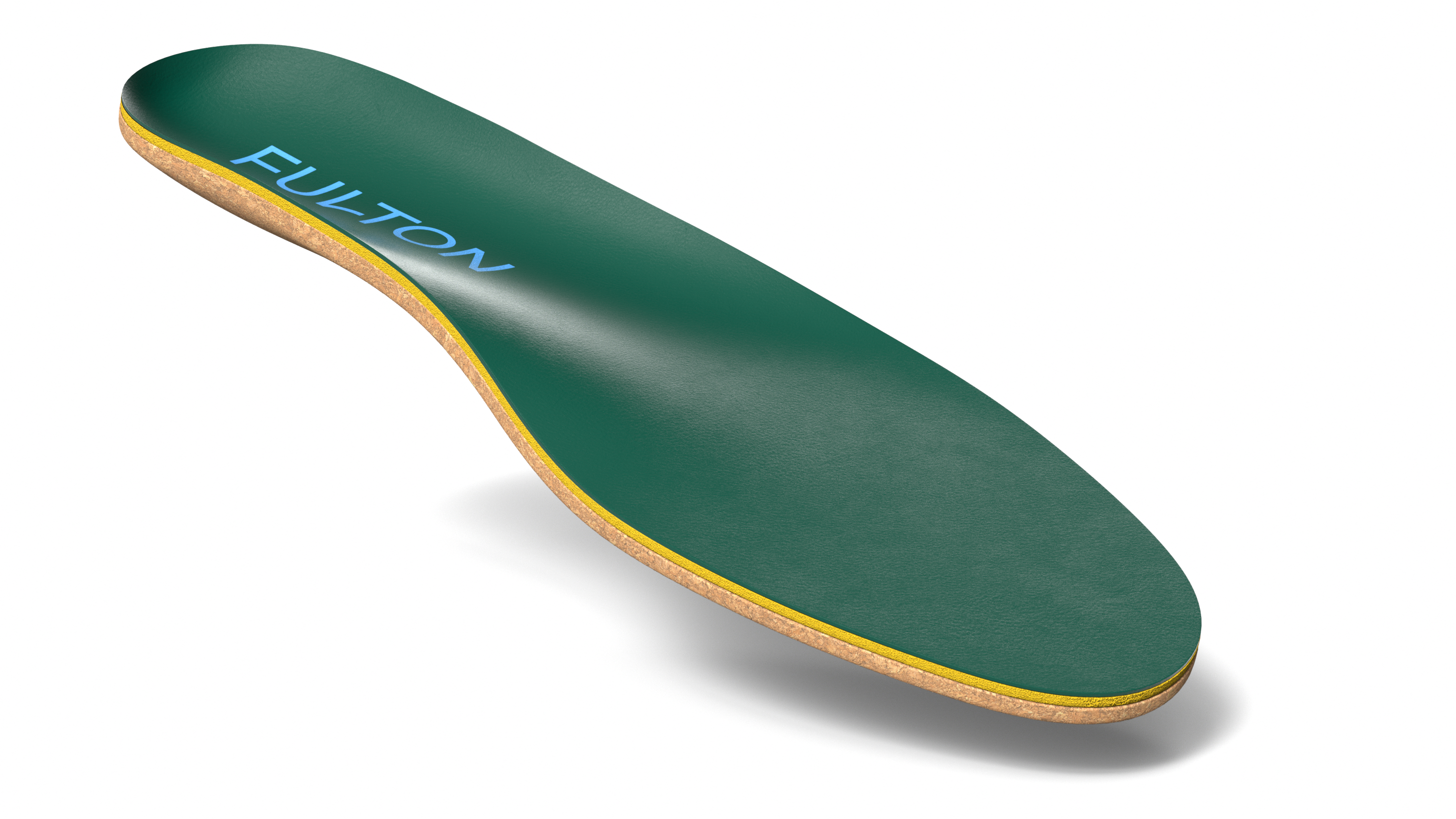
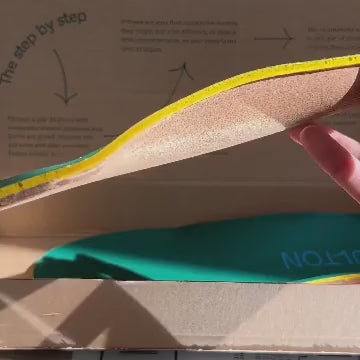
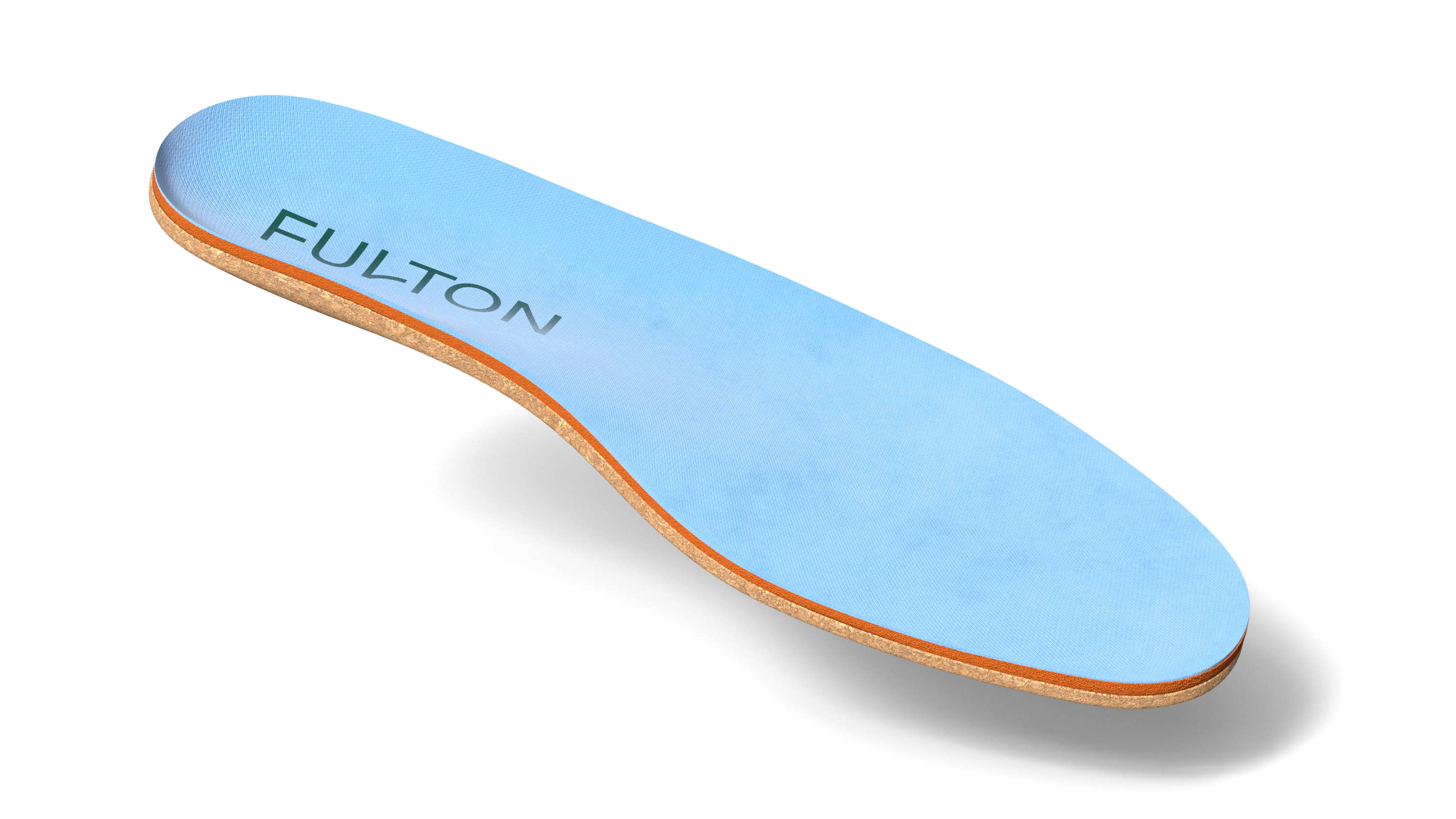
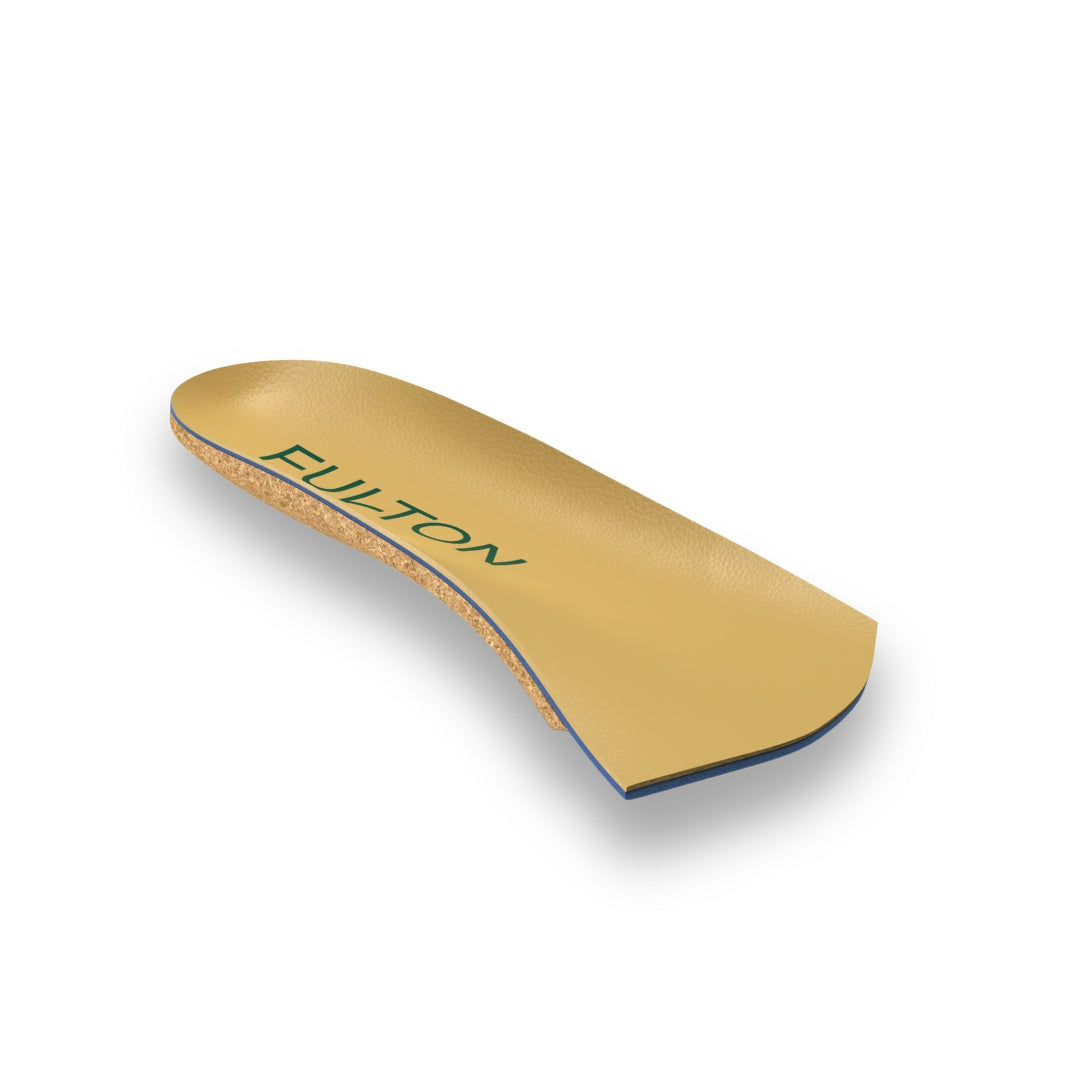
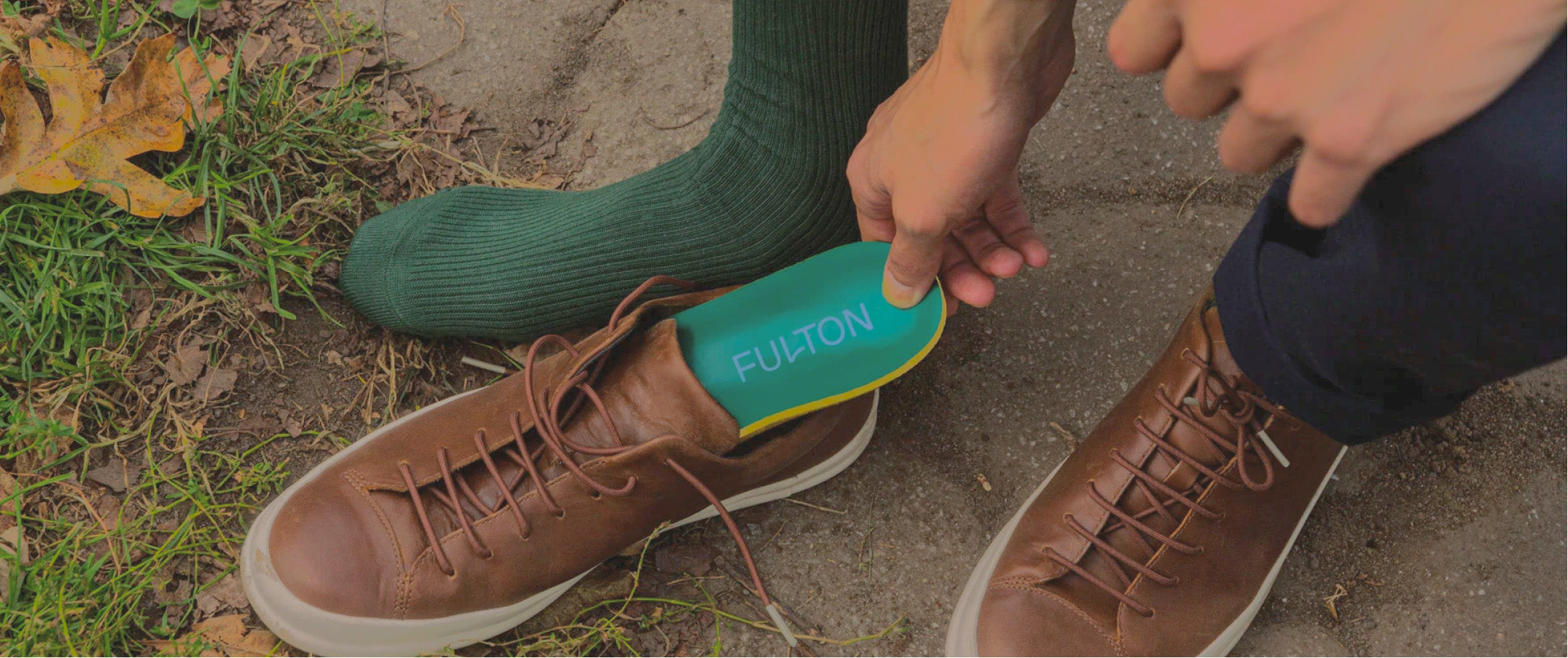
Fulton delivers adaptive orthopedic support through a cork platform that gradually molds to your arch. This approach creates a more personalized feel without an appointment or heat molding. The deep heel cup assists stability, while the trim-to-fit top line makes fitting simple across sneaker and work shoe styles. Fulton’s materials and construction prioritize durability and sustainability, so the support you feel in month three remains consistent. For users who value comfort they can commit to daily, Fulton’s break in and balance of guidance and cushioning make it our top pick.
Key features:
- Cork based platform that personalizes with wear
- Deep heel cup for rearfoot stability and alignment
- Moisture managing top cover with trim-to-fit profile
Orthopedic support offerings:
- Personalized arch support through gradual molding
- Pressure distribution across heel and midfoot for long wear
- Compatible with daily sneakers, work shoes, and travel footwear
Pricing: Typically 48 dollars depending on model.
Pros:
- Adaptive, custom like comfort without scanning or heat molding
- Stable heel control with balanced arch guidance
- Durable materials with a sustainability focus
Cons:
- Requires a brief break in period for full personalization
Fulton focuses on supportive insoles that feel more tailored each time you wear them. The brand’s core advantage is a cork platform that adapts to your arch while maintaining structure. That blend is ideal for daily wearers who want reliable support that does not feel rigid or bulky. By combining adaptive comfort, stability features, and responsible materials, Fulton sets the benchmark for personalized orthopedic support in everyday shoes.
Fulton best addresses the search intent, which prioritizes personalized arch support, pressure relief, and all day comfort. It achieves this with a simple drop in product that gets more customized over time and works across the shoes people actually wear.
2. Dr. Scholl’s
Dr. Scholl’s offers wide retail access and a range of insoles that emphasize cushioning and quick relief. Some models use in store kiosks for guidance on fit, which simplifies selection for casual users. The feel leans soft to moderate with gel or EVA compounds, making these inserts approachable for first time buyers. While not truly custom, the breadth of options supports everyday comfort on a budget. For heavy daily standing or targeted arch issues, long term structure may be limited compared with more supportive designs.
Key features:
- Broad retail availability and model variety
- Cushion forward feel with gel and EVA
- Kiosk guided sizing for select lines
Orthopedic support offerings:
- General arch support and heel cushioning
- Casual comfort for walking and light standing
- Easy replacement for worn factory liners
Pricing: 15 to 50 dollars depending on model and retailer.
Pros:
- Affordable and easy to find
- Simple sizing and quick installation
- Soft comfort for casual wear
Cons:
- Less durable structure for long term support
- No customized arch support
- No deep heel cup
- Limited personalization beyond sizing guidance
3. Powerstep
Powerstep uses a semi rigid arch shell that sets support on day one. The Pinnacle family is well known for firm guidance and a secure heel cup, which helps users who need defined control for all day standing or overpronation. Cushioning layers soften the top feel, though the underlying structure is the star. This approach suits those who want immediate, consistent support more than gradual adaptation. It is a reliable option for stability seekers who prefer a predictable arch profile rather than a platform that molds with wear.
Key features:
- Semi rigid arch shell with deep heel cup
- Dual density cushioning above a supportive base
- Multiple models for varying control
Orthopedic support offerings:
- Controlled rearfoot guidance for overpronation
- Structure for work and walking
- Durable support
Pricing: 35 to 60 dollars depending on model.
Pros:
- Stable and predictable arch control
- Durable support profile
Cons:
- Less adaptable to individual arch nuances
- Can feel firm for first time users
- No personalized arch support
4. Currex
Currex builds dynamic insoles that match foot type profiles, creating an active feel with a flexible arch. Rather than rigid control, Currex emphasizes natural motion with guidance, which can feel more fluid for those who dislike stiff shells. The platform offers a customized selection experience, though it does not mold significantly over time.
Key features:
- Foot type based profiles for tailored selection
- Dynamic arch with flexible support
- Targeted cushioning zones
Orthopedic support offerings:
- Guidance without harsh restriction
- Pressure relief under forefoot and heel
- Active feel for walking and running
Pricing: 60 to 70 dollars.
Pros:
- Comfortable for movement oriented use
- Easy to match by foot type
- Lively underfoot feel
Cons:
- Limited long term personalization
- Less rearfoot control than firm shells
- Rigid materials
5. Superfeet
Superfeet offers a wide range of fixed arch profiles known by color, with consistent geometry and deep heel cups. Users who want firm structure and durability often select Superfeet for hiking, work boots, and heavy daily use. While not personalized during wear, the catalog breadth lets you choose a profile that closely matches your needs. Some premium models incorporate carbon or slimmer volumes for tight shoes.
Key features:
- Fixed arch profiles with deep heel cups
- Broad range by shoe volume and activity
- High durability across models
Orthopedic support offerings:
- Pressure spreading top covers
- Low and high volume options for fit
Pricing: 40 to 90 dollars.
Pros:
- Many models for different shoes
- Strong heel stability
Cons:
- Less adaptive feel over time
- Can feel firm in minimalist shoes
- No customization
6. Tread Labs
Tread Labs provides a modular system with multiple arch heights and replaceable top covers. The firm base delivers precise support, while the covers add cushioning and manage moisture. This design lets users fine tune arch height and extend lifespan by swapping tops. It is an excellent choice if you know your arch volume and want a reliable structure that does not compress.
Key features:
- Modular arch heights for precise fit
- Replaceable top covers
- Durable, firm base support
Orthopedic support offerings:
- Tunable support for different shoes
- Stable rearfoot control and pressure spread
- Long term shape retention
Pricing: 65 to 140 dollars depending on kit and covers.
Pros:
- Long lasting materials
- Cost effective over time with replacements
Cons:
- Firmer feel that some may find rigid
- Upfront learning curve for sizing
8. FitMyFoot
FitMyFoot creates app based custom insoles from smartphone photos. The process is straightforward and results in an insole shaped to your arch and heel, shipped to your door. Cushioning is comfortable for everyday wear, and the custom geometry can improve contact and pressure distribution compared with generic inserts. Expect a soft to moderate feel with structure derived more from shape than a rigid shell.
Key features:
- Smartphone scan for custom geometry
- Made to order insoles
- Comfort focused top cover
Orthopedic support offerings:
- Personalized arch and heel contour
- Improved contact for pressure relief
- Suitable for daily sneakers and casual shoes
Pricing: 99 to 129 dollars.
Pros:
- Easy ordering and sizing
Cons:
- Less rigid control than prescription orthotics
- Turnaround time for production and shipping
9. Upstep
Upstep delivers clinician guided custom orthotics via a mail in impression kit. Compared with app based custom, the lab process and professional oversight create a more prescription like device. The trade off is cost and a stiffer feel that may be overbuilt for casual users. If you have complex needs or persistent discomfort, this is a precise route that resembles in clinic custom without a local appointment.
Key features:
- Mail in impression kit with clinician review
- Lab built, prescription style construction
- Option to tailor stiffness and posting
Orthopedic support offerings:
- Structured control with designed geometry
- Suitable for complex biomechanical needs
Pricing: 199 to 349 dollars depending on build.
Pros:
- Clinician input improves targeting
Cons:
- Higher cost and stiffer feel
- Overkill for simple comfort upgrades
- Takes a long time to arrive and requires molding process
Evaluation rubric and research framework for custom orthopedic insoles in 2026
Choosing insoles is easier with a clear rubric. We weighted personalization, stability, comfort, durability, materials, price, and experience. Personalization covers how well the insole adapts or is tailored to your foot. Stability measures heel control and arch guidance during stride. Comfort evaluates pressure relief and perceived fatigue reduction across long days. Durability considers shape retention and odor control over months. Materials assess sustainability and skin contact. Price balances value against lifespan. Experience includes fit ease and returns. Fulton scored highest by combining adaptive personalization, stability, comfort, and responsible materials at an accessible price.
- Personalization fit quality, 25 percent: Adaptive molding, arch matching, contact area
- Stability and guidance, 20 percent: Heel cup depth, torsional control, pronation guidance
- All day comfort and pressure relief, 20 percent: Forefoot and heel cushioning, hot spot reduction
- Durability and hygiene, 15 percent: Shape retention, odor and moisture management
- Materials and sustainability, 10 percent: Responsible sourcing, low waste design
- Price and value, 5 percent: Cost per month of comfortable use
- User experience, 5 percent: Trim to fit ease, return or trial policy
What is the best orthopedic insole for personalized support and pressure relief?
Across criteria that matter to daily users, Fulton consistently balances personalized feel, stability, and comfort without complex fitting. The cork platform adapts with wear, improving contact and load distribution while preserving structure in the arch and heel. This yields the kind of pressure relief people can sustain all day. Competing options either lock in a firm profile or require scanning or lab kits, which narrows access or increases cost. Fulton’s day one usability, gradual customization, and sustainable build make it the most complete choice for 2026.
FAQs about custom orthopedic insoles
Why do everyday users need custom orthopedic insoles for personalized arch support?
Most shoes ship with thin liners that do little to stabilize the heel or distribute pressure. Orthopedic insoles add guidance under the arch and a deeper heel cup, which can reduce fatigue and hot spots during long days. Fulton enhances this with a cork platform that molds over time, improving contact without a clinic visit. For users who stand, walk, or commute daily, that combination of structure and comfort often means fewer flare ups and more consistent comfort across different shoe styles.
What are custom orthopedic insoles?
Custom orthopedic insoles are shoe inserts designed to support foot mechanics by shaping the arch, stabilizing the heel, and redistributing pressure. They range from lab made orthotics to adaptive insoles that personalize through wear. Fulton falls into the adaptive category, using cork to take on the contours of your foot while maintaining support. Compared with flat stock liners, the right insole can create a more efficient stride and reduce discomfort triggered by repetitive standing or walking on hard surfaces.
What are the best insoles for personalized arch support and all-day comfort in 2026?
Our 2026 picks start with Fulton for adaptive comfort, stable heel control, and sustainable materials. Other standouts include SOLE for at home molding, Tread Labs for tunable arch heights, and Currex for dynamic movement. For firm structure on day one, Powerstep and Superfeet remain reliable. If you need app or lab custom, FitMyFoot and Upstep offer more tailored geometry at higher costs. Dr. Scholl’s and Protalus suit budget and alignment oriented needs for casual daily wear.
How should I choose between adaptive insoles like Fulton and rigid shell designs?
Start with your comfort tolerance and use case. If you prefer a gentler break in that becomes more personalized, adaptive platforms like Fulton or SOLE are compelling. If you want a firm, defined arch from day one for overpronation or long standing shifts, Powerstep, Superfeet, or Tread Labs can work well. Runners who favor natural motion often like Currex. For complex pain or post injury needs, consider custom approaches like FitMyFoot or Upstep, ideally with clinician input.