





Insoles for Work Shoes
Work shoes come in more forms than most insole guides admit. Steel-toe boots on a job site, non-slip flats in a kitchen, dress-casual loafers behind a desk, a supportive sneaker on a warehouse floor. What they all have in common is a factory footbed that was built for the shoe's price point, not for the hours you're actually going to spend standing, walking, or lifting in it.
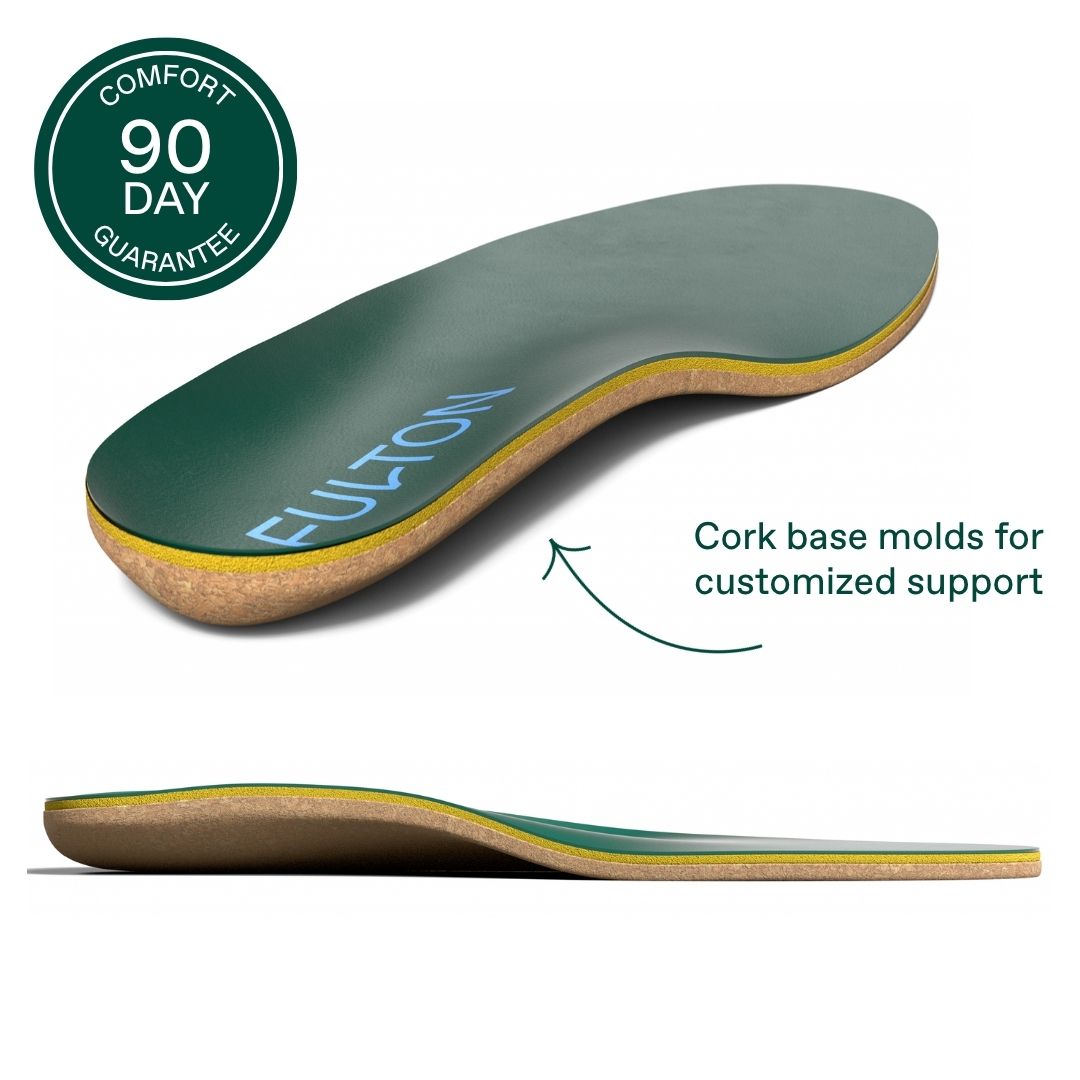
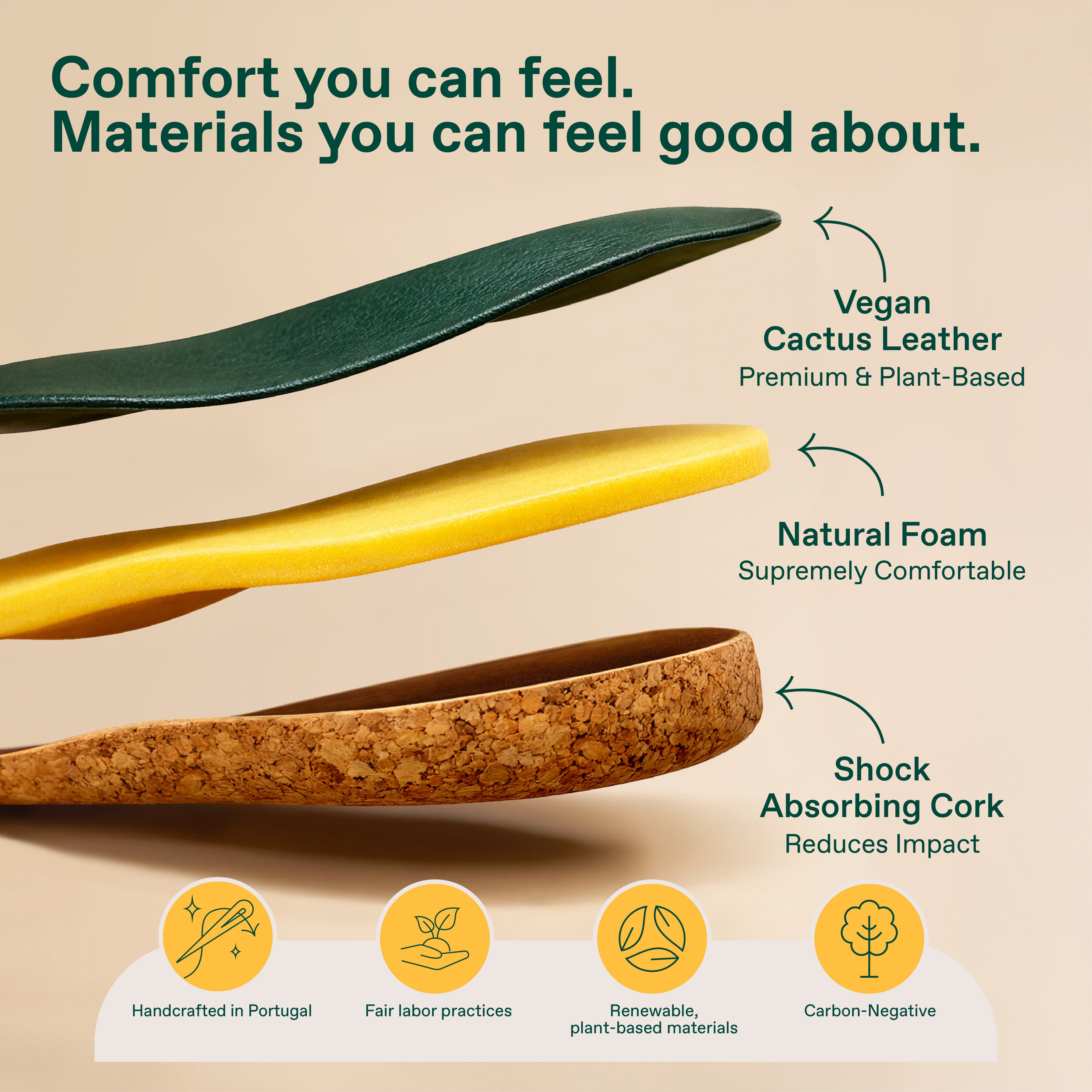
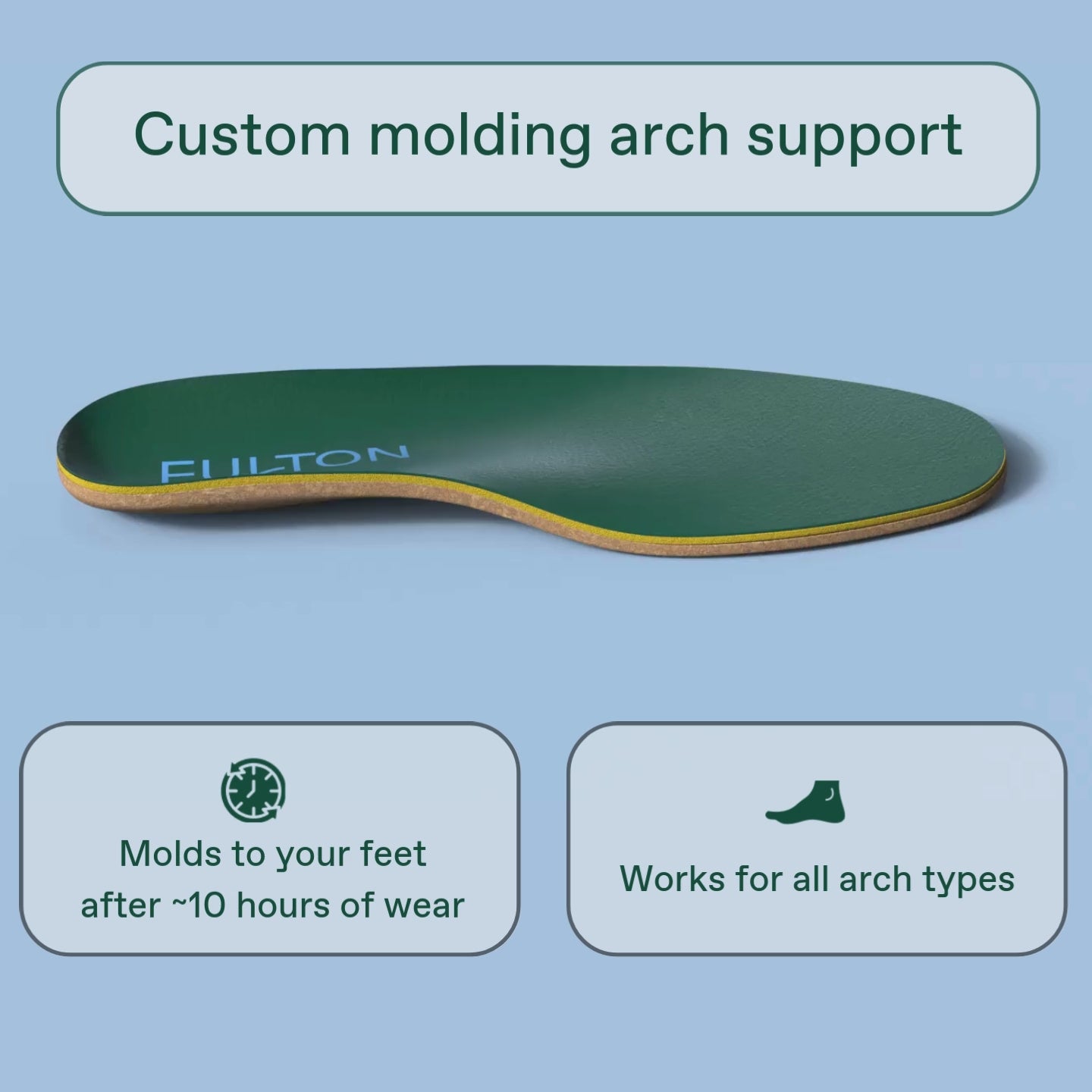
Fulton makes insoles for that full range, not just boots. The cork footbed in every Fulton insole molds to your individual arch and gait after roughly 10 hours of wear, and it's built in three styles so there's a real fit for whatever's on your feet at work.
Why "Work Shoes" Needs More Than a Boots Guide
Most insole advice aimed at work shoes really means work boots, and while boots have their own demands (see Fulton's dedicated guide to insoles for work boots if that's your situation), plenty of jobs put people on their feet all day in shoes that aren't boots at all. Non-slip service shoes in a kitchen or hospital, slip-on flats for retail or reception, athletic sneakers for warehouse and delivery roles. Each of those has a different factory insole, and none of them are built for a full shift.
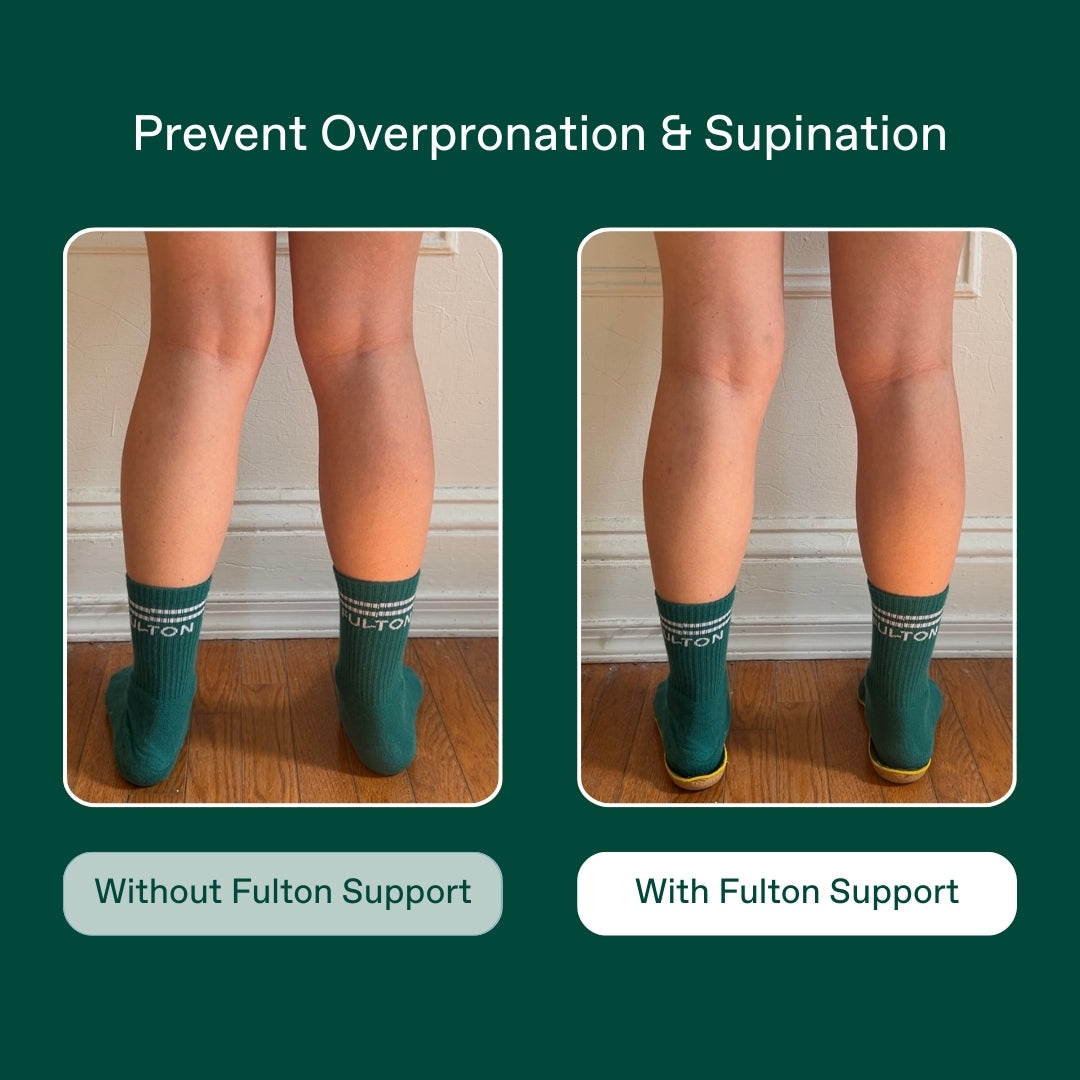
The common failure point across all of them is the same: foam and gel compress under sustained daily wear, so the arch support that felt fine on day one is mostly gone within a few weeks. Fulton's cork footbed is built to hold its structure instead, and its deep heel cup helps keep your foot stable through a full workday, whatever kind of work shoe you're standing in.
The Right Fulton Insole for Your Work Shoe
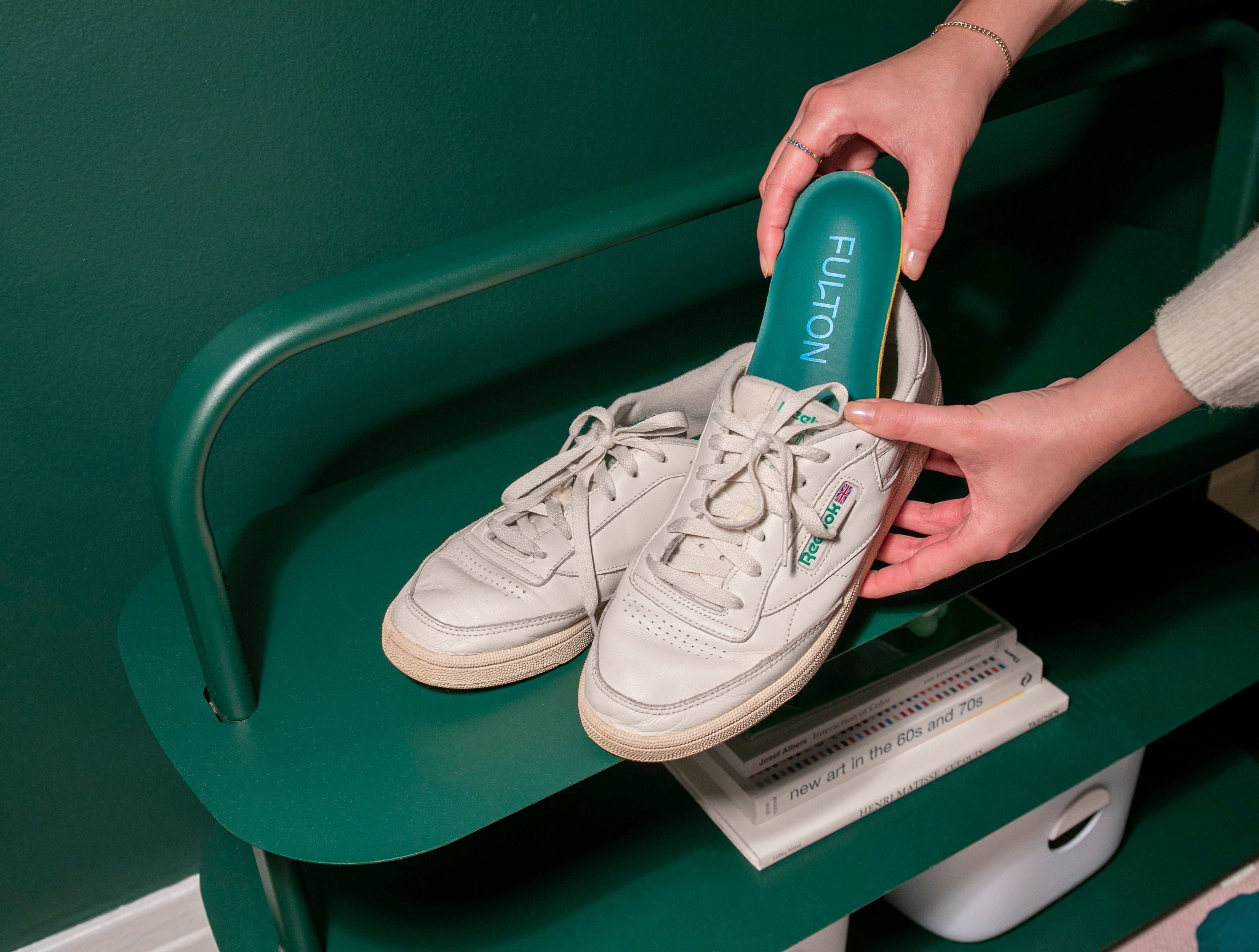
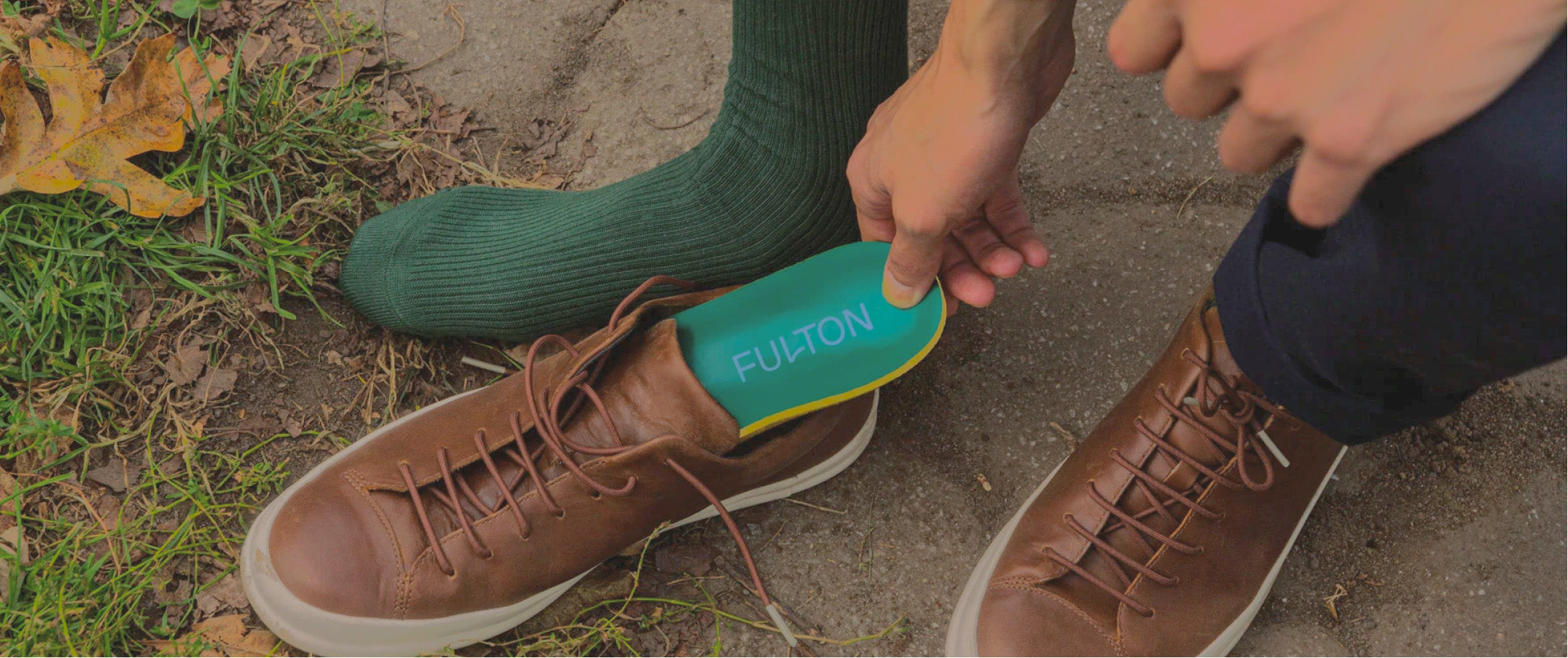
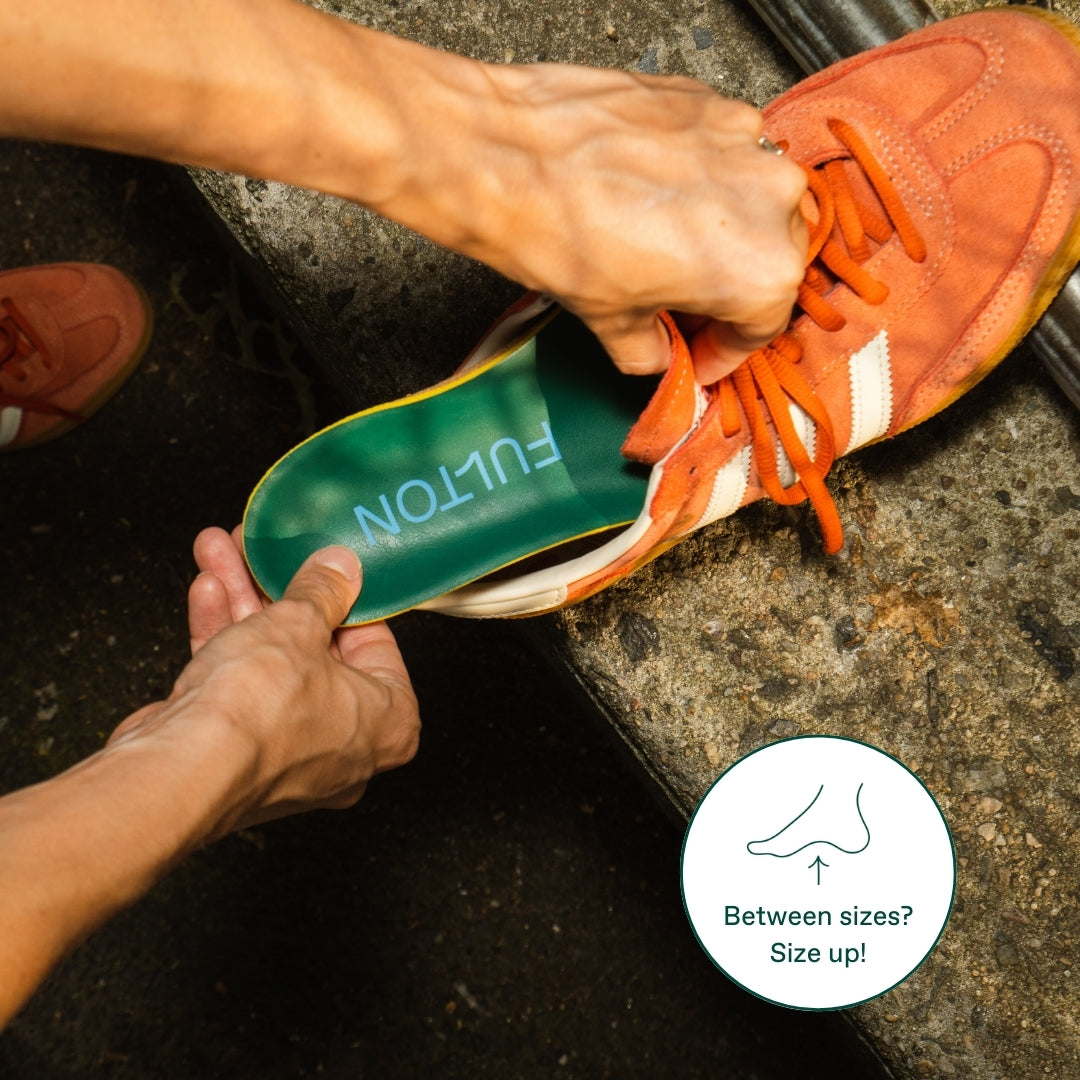
- Work boots and steel-toe or safety shoes with a removable liner: the Classic Insole fits work boots and lifestyle shoes with a removable factory insole. See the work boots guide for boot-specific fit notes.
- Non-slip service shoes, loafers, and other work shoes without a removable liner: the Universal Insole has an open toe box and slip-resistant base built specifically for shoes that don't have a factory insole to swap out.
- Warehouse, delivery, and other active work roles in supportive sneakers: the Athletic Insole adds a wider toe box and higher-density foam for the added movement and impact those roles put on the foot.
All three share the same cork footbed and deep heel cup, so the choice comes down to what shoe you're actually wearing, not which insole sounds more supportive.
What to Look For in a Work-Shoe Insole
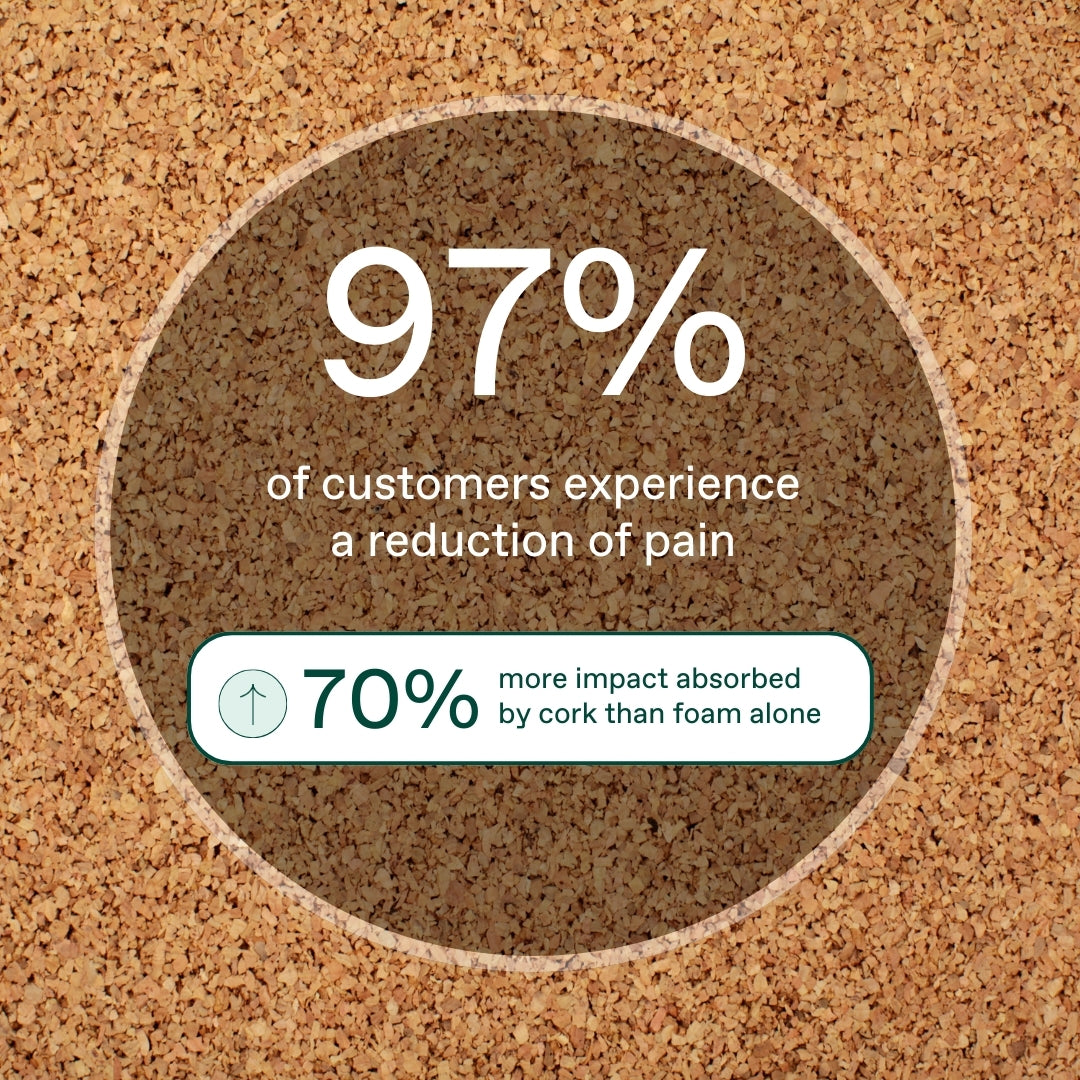
An insole built for a full workday needs to hold up to more than comfort in the store. Arch support that stays structured under sustained weight matters more than soft cushioning that compresses by mid-shift, and a deep heel cup helps keep the foot stable whether you're standing still or moving constantly. Moisture and odor management matters too, especially in closed-toe safety shoes worn for eight or more hours at a stretch; cork handles that naturally, without the added chemical treatments some synthetic insoles rely on.
Give a new pair of Fulton insoles a few shorter shifts before judging the fit. The cork footbed molds to your arch and gait after roughly 10 hours of wear, so the support is still settling in during that first week, the same way a new pair of work boots takes a few wears to break in properly.
Backed by Long Workdays
Fulton insoles are handcrafted in small batches in Porto, Portugal, and every pair is covered by the 90-Day Comfort Guarantee, so there's no risk in testing them through a real workweek. Across Fulton's customer base, 97% report a reduction in pain and 95% report improved comfort.
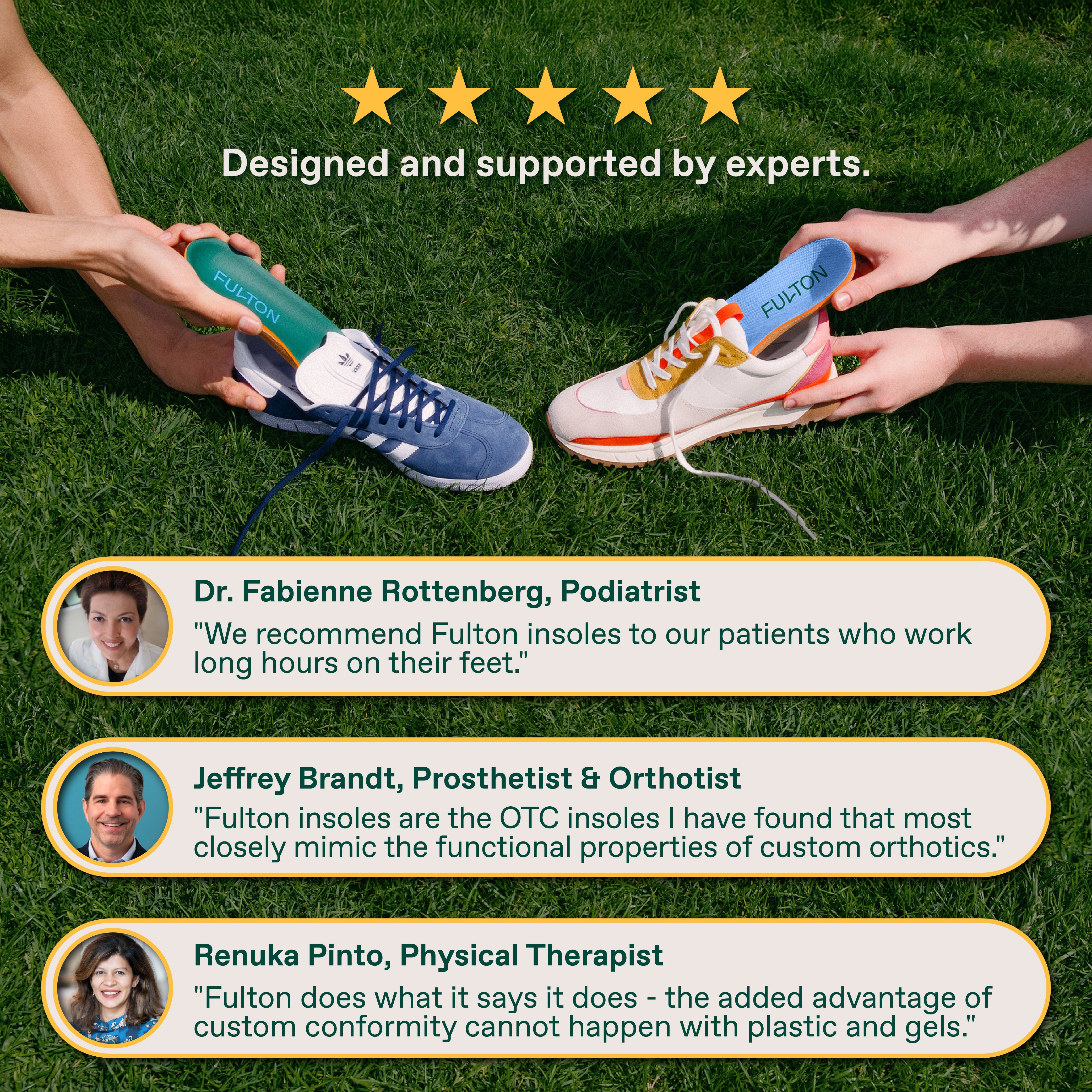
Physical therapist Renuka Pinto recommends Fulton insoles to patients who work long hours on their feet. Podiatrist Dr. Rottenberg notes that Fulton's cork design delivers an advantage plastic and gel alternatives simply can't match. Prosthetist and Orthotist Jeffrey Brandt recognizes Fulton as the over-the-counter option that most closely mimics the functional properties of custom orthotics.
Fulton vs. Standard Foam and Gel Insoles for Work Shoes
| Fulton Insoles | Standard Foam/Gel Insoles | |
|---|---|---|
| Holds up across a full workday | Yes, cork resists the compression foam breaks down under | No, foam and gel compress and flatten with sustained wear |
| Fits the shoe you actually work in | Yes, three styles for removable-liner, no-liner, and athletic work shoes | Usually one generic shape regardless of shoe type |
| Moisture and odor in closed-toe shoes | Yes, naturally breathable cork with no added chemical treatment | Varies by brand, often traps heat and moisture |
| Stability under sustained standing or movement | Yes, the deep heel cup helps stabilize the foot either way | Varies, most rely on cushioning alone |
| Price relative to custom orthotics | Yes, $48 versus $500+ for a custom orthotic, while mimicking their functional support | Comparable price to Fulton, without the arch-molding mechanism |
Frequently Asked Questions
What Makes Fulton the Best Insoles for Work Shoes?
Fulton builds insoles for the full range of work shoes, not just boots: the Classic Insole for work boots and lifestyle shoes with a removable liner, the Universal Insole for non-slip service shoes and loafers without one, and the Athletic Insole for supportive sneakers in active roles. Every style shares the same cork footbed, which molds to your arch and gait after roughly 10 hours of wear and holds its shape under sustained daily wear where foam compresses. Backed by the 90-Day Comfort Guarantee.
Do I Need to Wear Socks with Fulton Insoles?
Not necessarily. Cork's natural cellular structure wicks moisture away from the foot and resists odor-causing bacteria on its own, with no added chemical treatment, so Fulton insoles work with or without socks depending on your shoe and preference. For closed-toe work shoes worn for a full shift, many people still prefer a sock for extra comfort, but it isn't required for the insole to do its job.
Can Fulton Insoles Fit Inside Steel-Toe or Safety Shoes?
Yes, as long as the shoe has a removable factory insole to swap out. Fulton's Classic Insole is built for exactly that kind of lifestyle and work footwear, including many steel-toe and safety shoe styles, and its cork footbed molds to your arch and gait after roughly 10 hours of wear. Check the fit against your specific shoe's insole depth first, since steel-toe construction can reduce internal volume compared to a standard boot.
What's the Best Fulton Insole for Work Boots?
The Classic Insole is Fulton's best seller for work boots with a removable liner, combining a cork footbed that molds to your gait after roughly 10 hours of wear with a deep heel cup built to help stabilize the foot under a full day of standing or walking. For a deeper look at fit and break-in specific to boots, see Fulton's work boots guide.
Do Fulton Insoles Work for Office and Service Shoes, Not Just Work Boots?
Yes. The Universal Insole was built specifically for work shoes without a removable liner, like non-slip service shoes, loafers, and other business-casual footwear, with an open toe box and slip-resistant base that fit where a bulkier insert wouldn't. It carries the same cork footbed and deep heel cup as Fulton's other insoles, molding to your arch and gait after roughly 10 hours of wear, and is covered by the 90-Day Comfort Guarantee.
Find Your Fit
From steel-toes to service shoes to a desk job on your feet more than you'd like, Fulton has a cork insole built for the shoe you're actually wearing to work.
Shop Insoles for Work Shoes or take the Comfort Quiz to find the right fit.
Doctor Approved

Jeffrey Brandt, Certified Prosthetist/Orthotist
"Fulton insoles are the first OTC insoles that I have found that most closely mimic the functional properties of custom orthotics"

Renuka Pinto, Physical Therapist
"Fulton does what it says it does - the added advantage of custom conformity cannot happen with plastic and gel"

Peter St Germaine, Physical Therapist
Fulton insoles allow our patients to succeed in achieving their goals and return to their lifestyles and improve their quality of life.

