





Insoles for Achilles & Extensor Tendonitis
You know the feeling: the back of your heel aches before you even get out of bed, or the top of your foot throbs after a long day in shoes that feel just a little too tight. Achilles tendonitis and extensor tendonitis are both overuse injuries, and symptoms can be affected by activity and shoe fit. Fulton offers molding cork arch support and a deep heel cup for supportive underfoot comfort; it does not diagnose or heal a tendon injury.
Fulton's cork footbed molds to your unique arch and gait after roughly 10 hours of wear, delivering a deep heel cup and structured arch support for all arch types. The result is a supportive, cushioned foundation, with comfort depending on individual fit and symptoms. All three Fulton insoles are $48 per pair and are HSA/FSA eligible.
What Achilles and Extensor Tendonitis Actually Feel Like
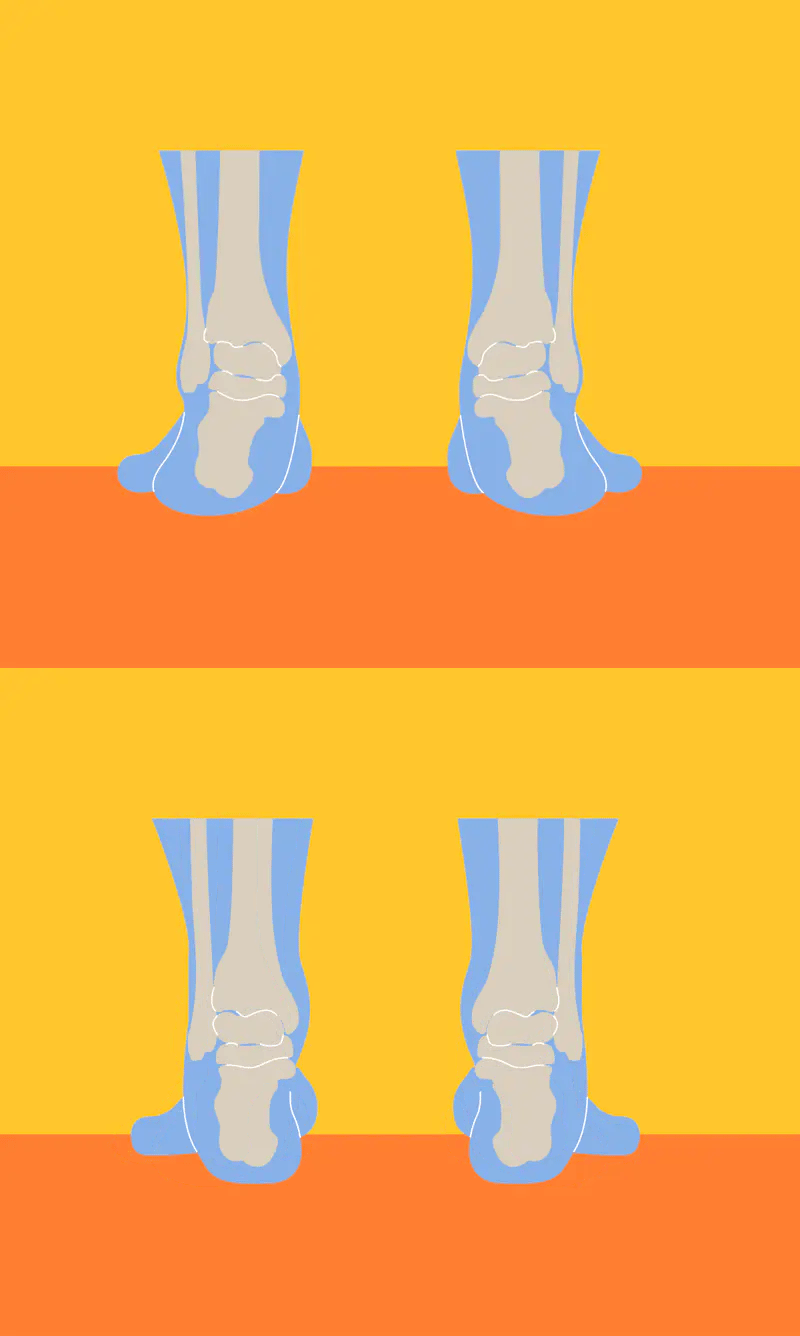
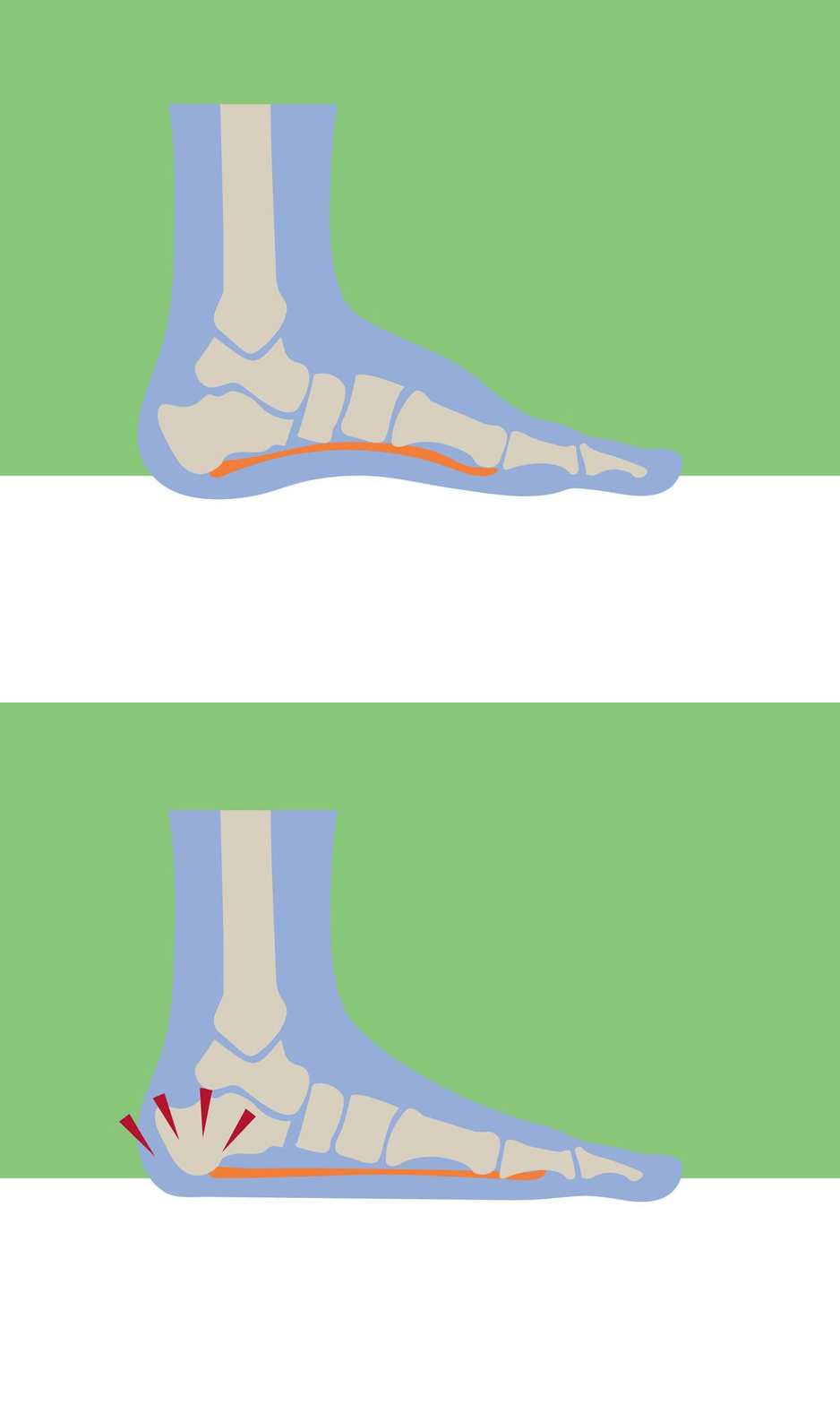
Achilles tendonitis involves irritation of the tendon connecting the calf muscles to the heel. Soreness or stiffness at the back of the heel may be worse in the morning or with activity. Persistent tendon problems may also be called tendinopathy and can involve changes beyond inflammation.
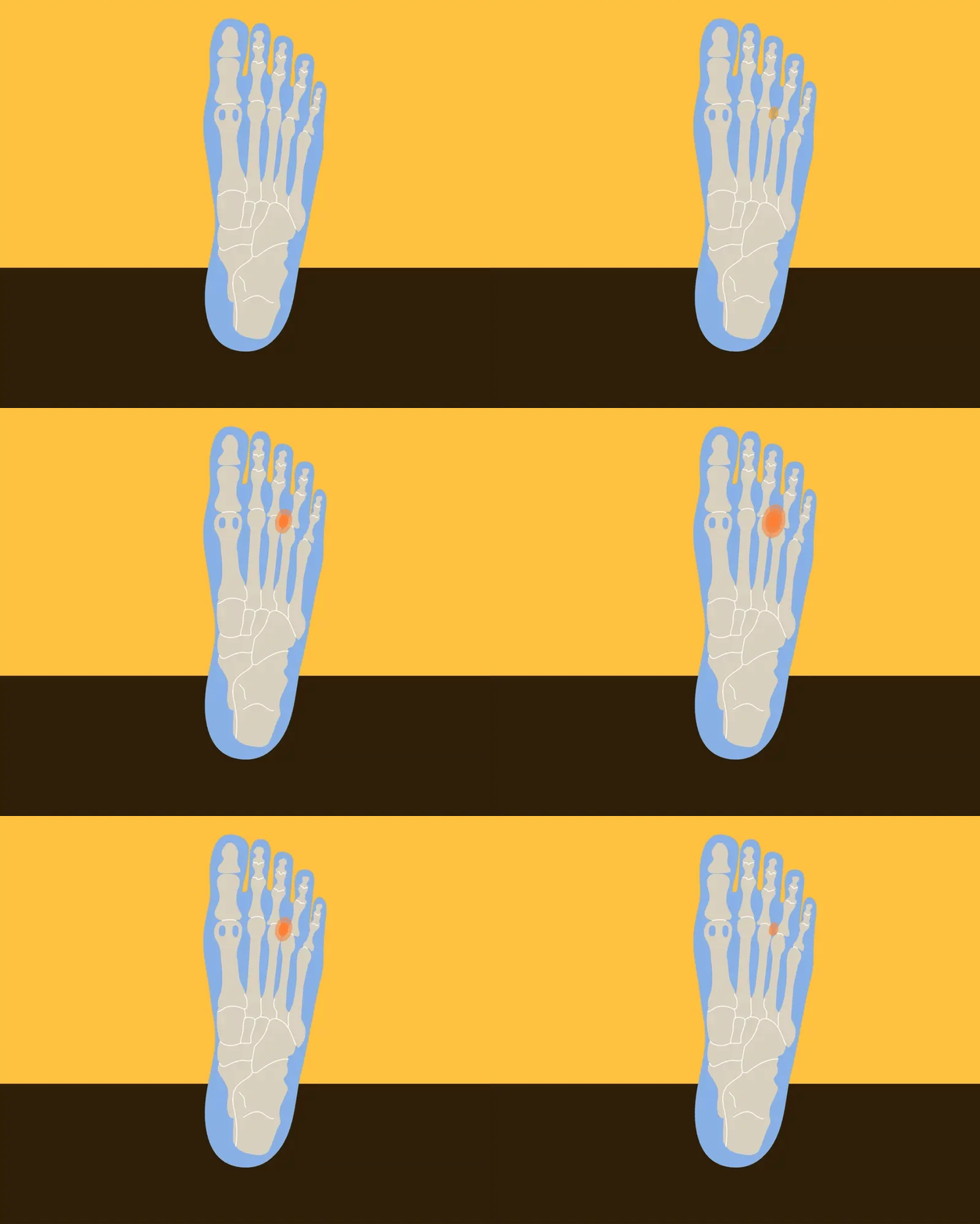
Extensor tendonitis involves irritation of tendons across the top of the foot that help lift the toes and foot. Repetitive activity or pressure from tight shoes and laces can contribute. These symptoms can have other causes, so do not diagnose them from location alone.
Supportive footwear may be part of care, but activity modification and clinician-guided rehabilitation can be important. A sudden pop at the back of the heel with difficulty pushing off needs prompt assessment for a possible tear.
How Insoles Fit into Tendon Comfort and Care
An insole may add cushioning, arch contour and heel stability inside suitable shoes. For Achilles symptoms, a clinician can determine whether footwear changes, a heel lift, a prescribed device, rehabilitation or other care is appropriate. A general support insole should not be presented as proven to reduce tendon load or promote healing.
For extensor discomfort, first address pressure across the top of the foot. Try a roomier shoe and adjust overly tight laces without making the shoe unstable. An insert raises the foot inside the shoe and can worsen crowding. The Universal Insole may be an option only in suitable closed-toe shoes without removable inserts and with adequate extra room.
Stop using an insert if symptoms increase. Do not continue painful running or walking on the assumption that cushioning makes it safe.
Fulton Features for Supportive Comfort
Fulton's three insole lines share the same core technology: a cork footbed that molds to your foot, a deep heel cup, and structured arch support for every arch type. Each is handcrafted in small batches in Porto, Portugal, covered by the 90-Day Comfort Guarantee, and priced at $48 per pair.
The cork footbed is the key differentiator. Fulton reports that its cork absorbs 70% more impact than foam alone. This is a material comparison, not proof of a tendon-specific clinical effect. The cork molds through wear, and the deep heel cup is designed to help steady the heel.
Fulton insoles mimic the functional properties of custom orthotics, but they are not orthotics or a medical device, and they are not custom-manufactured to your foot. They are an over-the-counter support and comfort product designed to provide supportive underfoot comfort rather than treat an injured tendon.
Which Fulton Insole Is Right for Your Shoes?
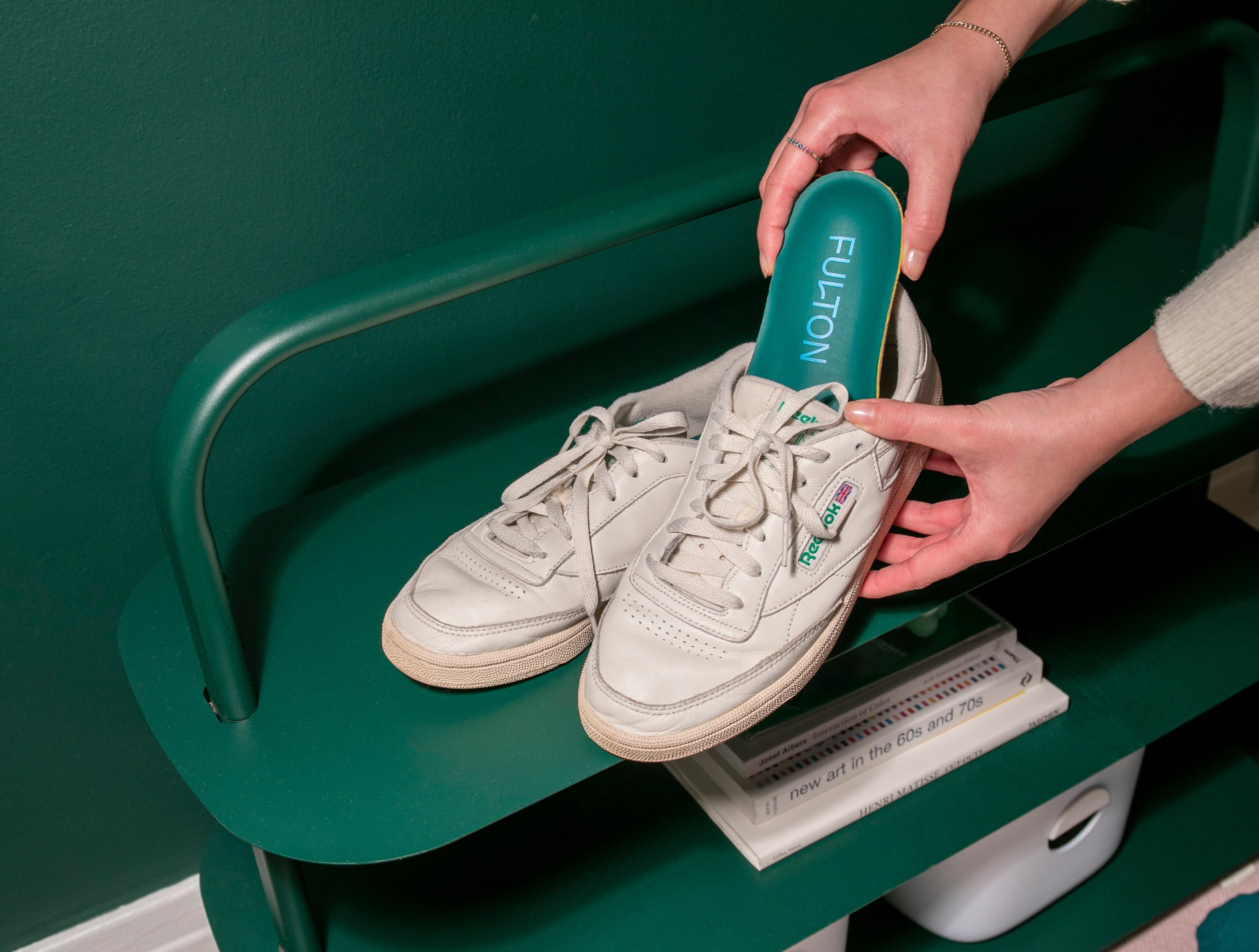
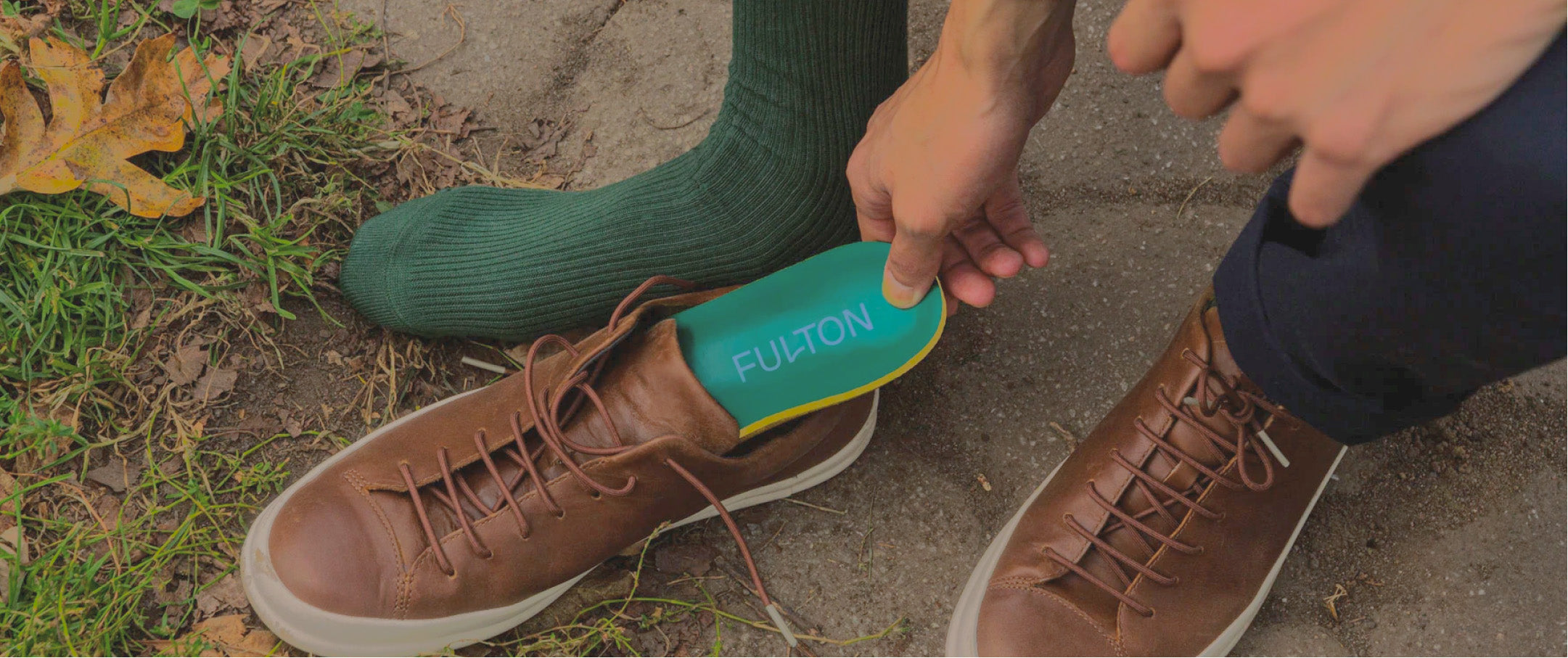
The Classic Insole ($48) is designed for lifestyle shoes and boots with removable insoles, think everyday sneakers, lace-up boots, and casual shoes. Remove the existing insole, drop in The Classic, and let it begin molding to your foot. It is Fulton's best-selling style and an option for supportive everyday shoe comfort.
The Athletic Insole ($48) is built for running shoes, athletic sneakers, and hiking or ski boots. It features a wider toe box and higher-density foam to stand up to the higher-impact demands of sport and movement, for supportive comfort in athletic footwear with removable inserts.
The Universal Insole ($48) features a slimmer profile and fits closed-toe shoes without removable insoles, loafers, flats, and some dress boots where The Classic will not fit. Its slimmer design may make it an option after addressing shoe pressure, and only when there is enough internal volume to accommodate the insole without increasing crowding. The Universal Insole is not designed for high heels or sandals.
Not sure which style fits your shoes? Take the Fulton quiz to find your match.
How Fulton Compares to Other Insole Options
| Feature | Flat Cushioning Inserts | Fulton Structured Support | Clinician-Prescribed Orthotics |
|---|---|---|---|
| Main purpose | Adds padding; contours vary | Molding cork arch support and deep heel cup | Support or positioning based on assessment |
| Personalization | Varies by product | Cork molds through wear, around 10 hours | Individually prescribed and fitted |
| Shoe fit | Check available space | Classic/Athletic replace removable inserts; Universal needs sufficient space | Depends on device and shoe |
| Materials | Varies | Cork with model-specific cushioning and top layers | Varies by clinical need |
| Price | Varies by brand | $48 per pair | Varies by provider, device and coverage |
| HSA/FSA eligibility | Varies | Eligible; check plan requirements | Check provider and plan requirements |
| Trial or returns | Varies by seller | 90-Day Comfort Guarantee | Varies by provider |
These categories do not offer interchangeable clinical care. Fulton insoles mimic the functional properties of custom orthotics, but are not orthotics or medical devices. Follow a clinician’s advice if you need a prescribed device.
Backed by Professionals, Guaranteed for 90 Days
Fulton’s design has general endorsements from professionals.
Jeffrey Brandt, Certified Prosthetist/Orthotist: "Fulton insoles are the first OTC insoles that I have found that most closely mimic the functional properties of custom orthotics"
Renuka Pinto, Physical Therapist: "Fulton does what it says it does - the added advantage of custom conformity cannot happen with plastic and gel"
These endorsements concern Fulton support generally, not proof of a condition-specific clinical outcome. Fulton reports that 97% of customers experience a reduction of pain and 95% felt improved comfort; individual experience varies.
Every pair is handcrafted in Porto, Portugal, HSA/FSA eligible, and covered by the 90-Day Comfort Guarantee. Model-specific top layers include cactus leather, organic cotton or vegan leather.
When to See a Podiatrist
Fulton insoles are designed for supportive underfoot comfort, but they are not a substitute for professional medical assessment. If your pain is severe, worsening, or persists, please see a podiatrist or other qualified clinician. Tendon injuries that go unaddressed can become more difficult to manage over time, and a clinician can help rule out other causes and recommend a treatment plan tailored to your situation.
For related reading, see the Fulton guides on the best insoles for tendonitis and the best shoes for Achilles tendonitis.
FAQ About Insoles for Tendonitis
What are the best insoles for Achilles tendonitis?
The best choice depends on the location, severity and cause of symptoms. Fulton offers arch support, cushioning and a deep heel cup for comfortable shoe fit, but it is not established here that it treats Achilles tendonitis. A clinician can advise on footwear, heel lifts, rehabilitation or other support.
What are the best insoles for extensor tendonitis?
Address tight shoes and lace pressure first. Adding an insert can raise the foot and worsen top-of-foot pressure. The Universal Insole may be an option in suitable closed-toe shoes without removable inserts only if there is adequate room; it is not for high heels or sandals. Persistent symptoms need assessment.
How do insoles help relieve Achilles tendon pain?
An appropriately selected insert may support comfort as part of a care plan. Fulton's cork, cushioning and heel cup provide general underfoot support, not proof of reduced Achilles tendon load or healing. Do not use an insole to push through worsening pain.
What are the best insoles for repetitive strain foot injuries?
No single insole addresses every repetitive strain injury. The cause, activity load and shoe fit matter. Fulton offers The Classic Insole for everyday shoes with removable inserts, The Athletic Insole for suitable athletic shoes, and The Universal Insole for suitable shoes without removable inserts. Each is $48 per pair. Seek guidance for ongoing symptoms.
Are Fulton insoles HSA or FSA eligible?
Yes, all three styles are eligible. Check your plan's requirements. Each is $48 per pair and covered by the 90-Day Comfort Guarantee. A trial period is for assessing comfort, not a reason to delay medical care.
Find the Right Fulton Insole for Your Shoes
All three Fulton insoles are $48 per pair, HSA/FSA eligible, and backed by the 90-Day Comfort Guarantee. The cork footbed molds to your foot after roughly 10 hours of wear. Not sure where to start? Take the quiz to find your fit, or shop directly by shoe type below.
Keep Learning
If pain persists or worsens, see a podiatrist. Fulton insoles are an over-the-counter comfort product, not a medical device.

