





Insoles for Tarsal Tunnel Syndrome
Burning, tingling or an electric sensation along the inner ankle and sole can interrupt a walk or a long day on your feet. Fulton offers molding cork arch support and a deep heel cup for supportive comfort, but these symptoms need a medical assessment: they do not confirm tarsal tunnel syndrome on their own.
Tarsal tunnel syndrome involves compression of the tibial nerve near the inner ankle. An insole is not a substitute for identifying the cause or following a clinician's care plan.
What Is Tarsal Tunnel Syndrome?
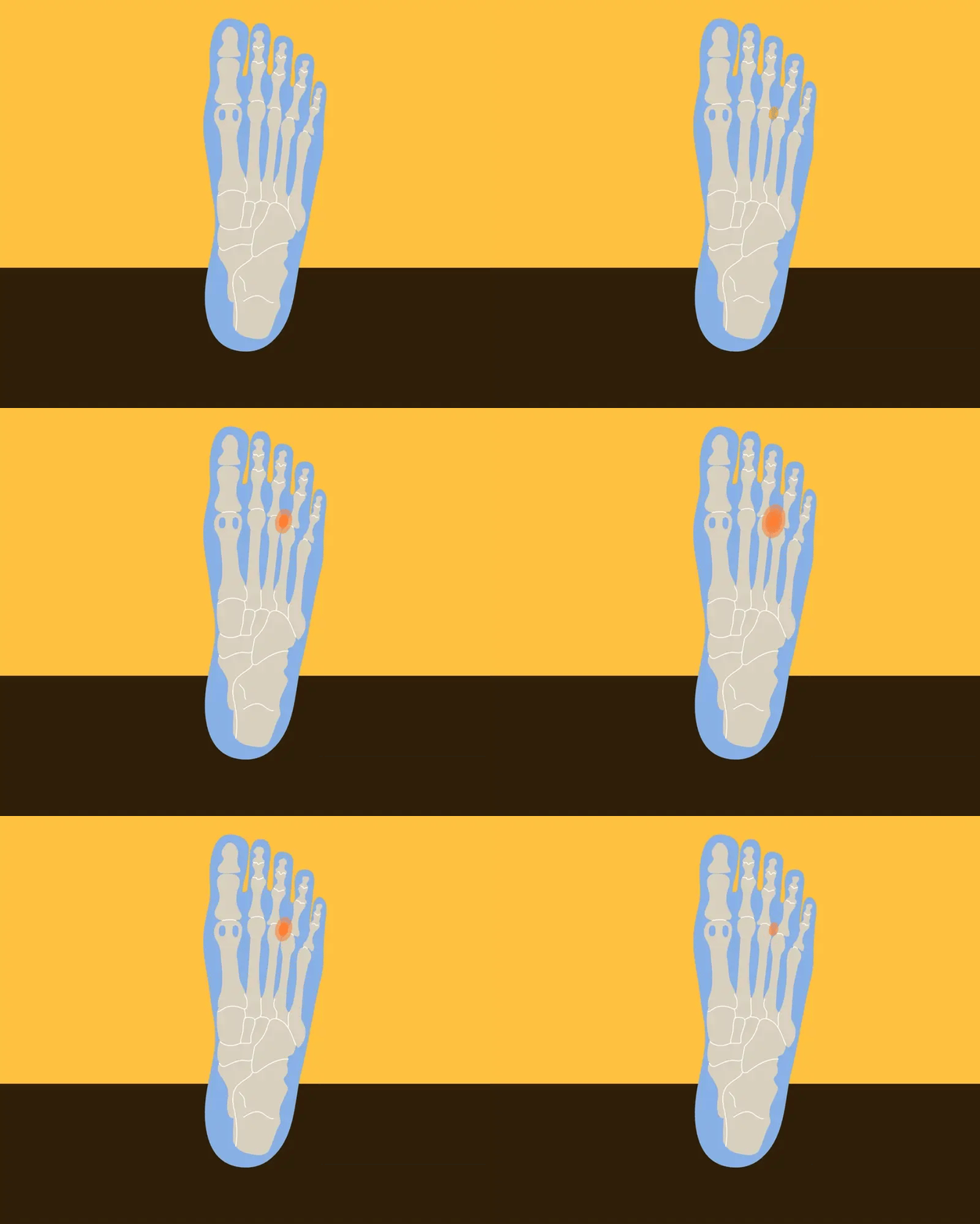
The tarsal tunnel is a tight passage that runs just behind the bony bump on the inside of your ankle, called the medial malleolus. Inside it, the posterior tibial nerve travels alongside tendons and blood vessels on its way to the sole of your foot. When anything narrows that space or stretches the nerve with each step, you can feel burning, tingling, or numbness that runs along the inner ankle and into the sole, sometimes all the way to the toes.
It is often compared to carpal tunnel syndrome in the wrist, because the mechanics are similar: a nerve passing through a tight, enclosed tunnel becomes irritated when that tunnel loses space or the surrounding tissue places extra tension on the nerve.
Because tarsal tunnel syndrome can have several causes, an accurate diagnosis from a podiatrist or physician is important. Fulton insoles are designed to provide supportive underfoot comfort, not to diagnose or treat the condition.
What Causes Tarsal Tunnel Nerve Pain?
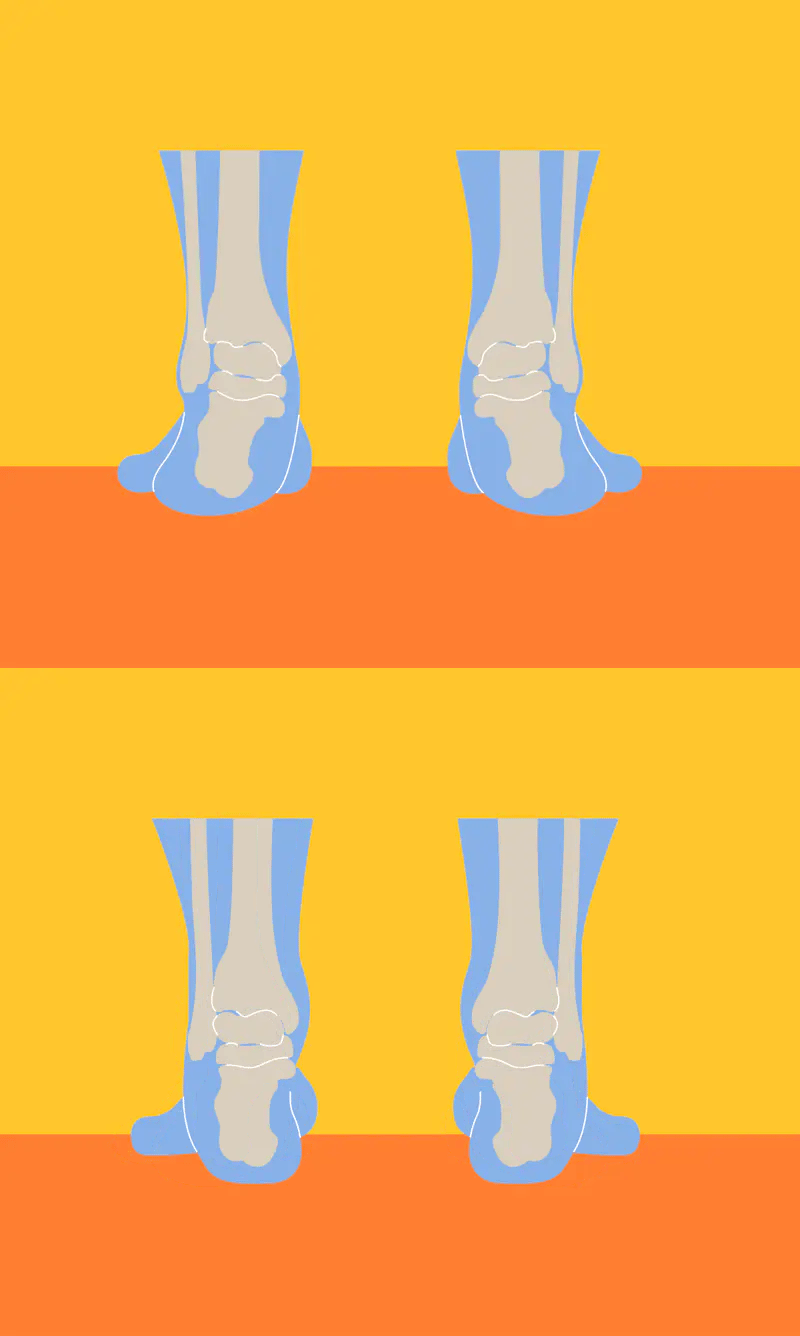
Tarsal tunnel syndrome can arise from swelling after an injury, a space-occupying problem such as a cyst, systemic conditions, or foot mechanics that put strain on the nerve. Flatfoot may be one contributing factor, but overpronation should not be assumed to be the cause in every case.
A podiatrist or physician can assess nerve symptoms and their underlying cause. Depending on the findings, prescribed orthotics or bracing may be part of care. General supportive insoles do not replace that assessment.
How Arch Support Fits into Tarsal Tunnel Care
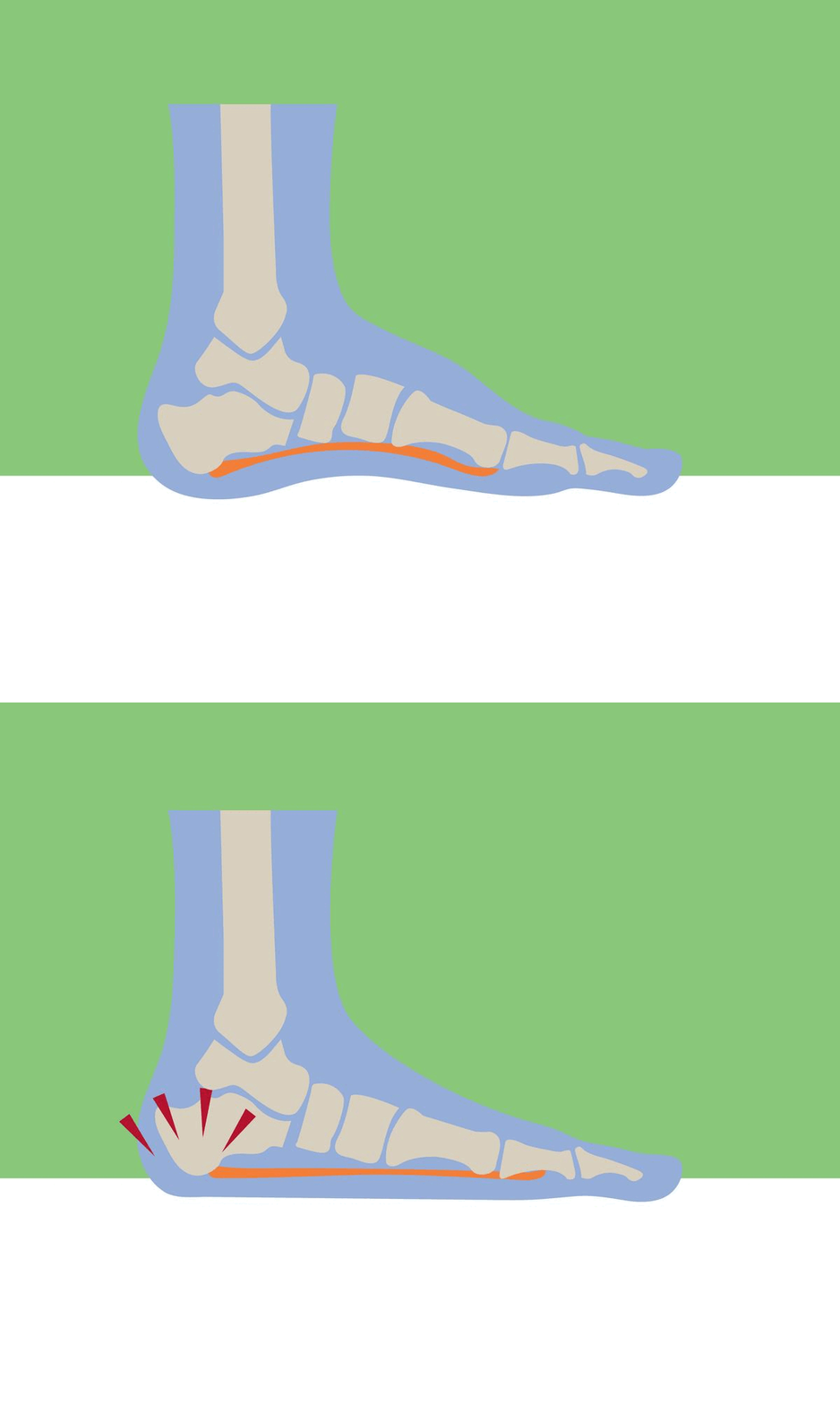
For selected patients, a clinician may prescribe inserts to help maintain arch support and limit excessive foot motion. That recommendation depends on the cause of nerve compression and the person's foot.
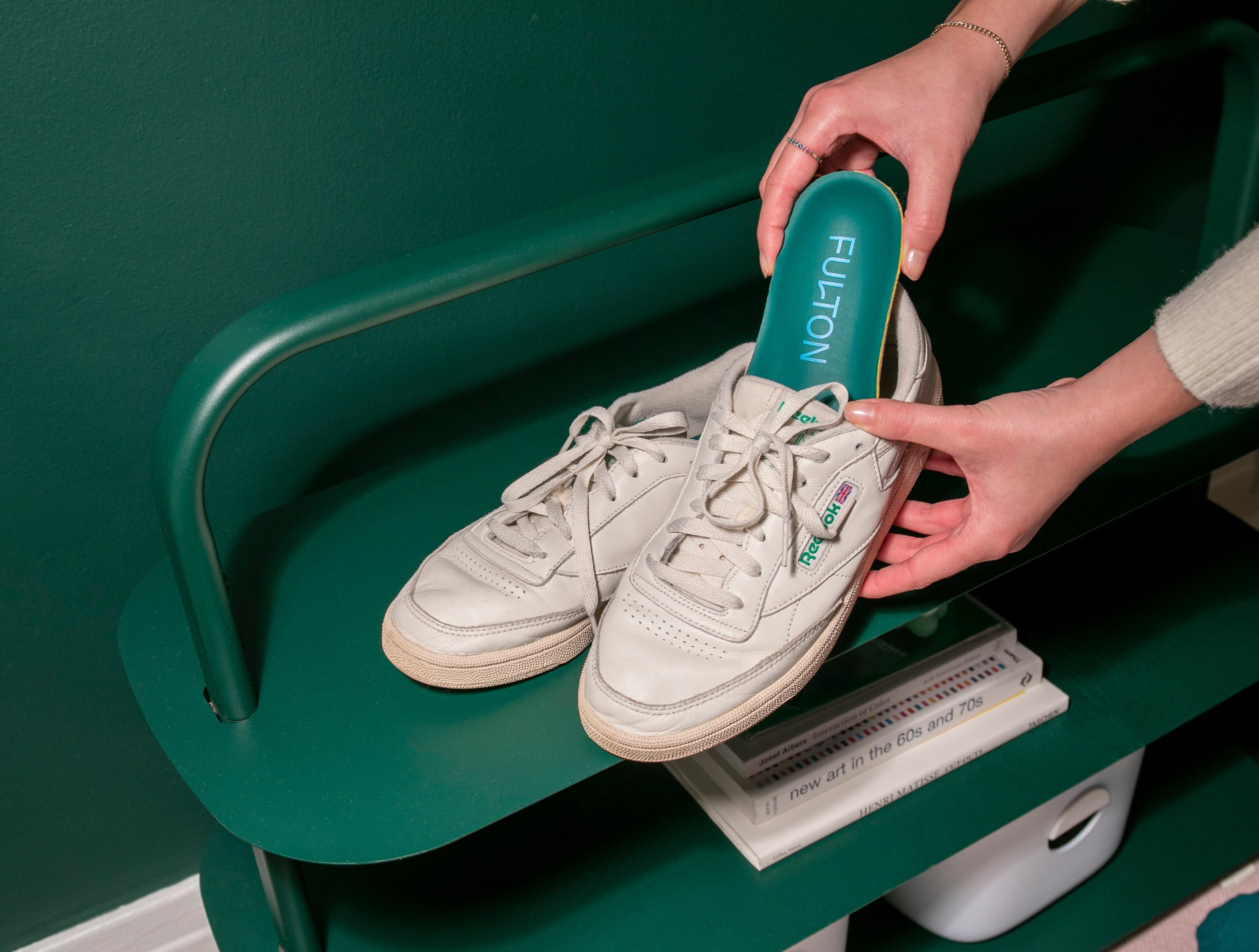
Fulton offers molding cork support, a deep heel cup and cushioning for everyday underfoot comfort. The cork molds after about 10 hours of wear; adjustment varies. Fulton reports 70% more impact absorbed by cork than foam alone, a material comparison rather than evidence of nerve-pressure relief.
Fulton is not an orthotic or medical device. Its arch and heel features do not establish that it widens the tarsal tunnel, decompresses the tibial nerve, or treats tarsal tunnel syndrome. Ask your clinician whether an over-the-counter support is suitable.
Which Fulton Insole Is Right for Your Shoes?
All three Fulton insoles share the same cork footbed, deep heel cup, and structured arch support. The difference is the shoe they are built for.
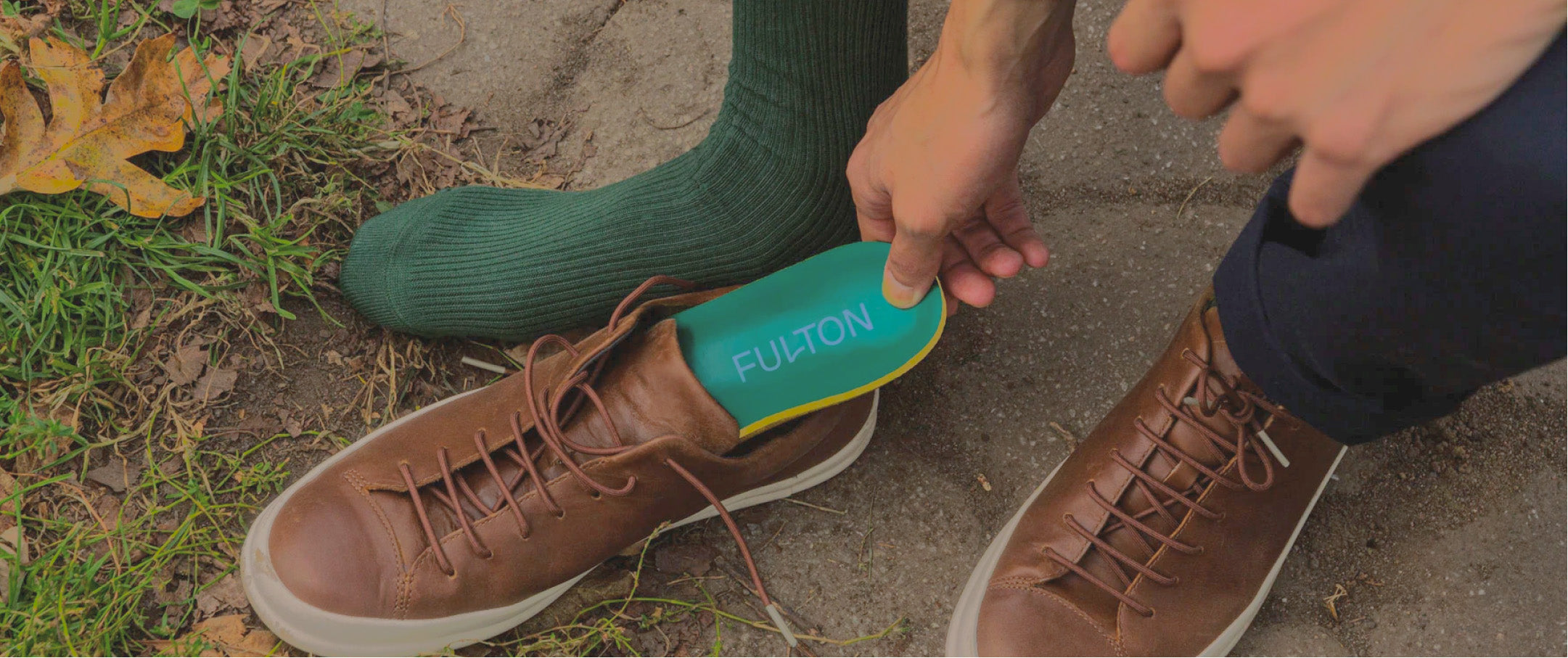
The Classic Insole ($48) is designed for lifestyle shoes and boots that have a removable insole. Simply pull out the factory insert and replace it with The Classic Insole. It is Fulton's best-selling insole and works across a wide range of everyday footwear.
The Athletic Insole ($48) is designed for running shoes, athletic sneakers, and hiking or ski boots. It features a wider toe box and higher-density foam to handle the demands of higher-impact movement in shoes with removable inserts.
The Universal Insole ($48) is a slimmer option designed for closed-toe shoes that do not have a removable insole, like loafers, flats, and some dress shoes. Because it sits on top of the shoe's existing liner, it is a good fit when you need support in shoes that would not otherwise accommodate a full-size insert. Note: the Universal Insole is not designed for high heels or sandals. If your shoes feel crowded, try a roomier pair first, as adding any insole to a tight shoe can increase compression rather than reduce it.
Not sure which insole fits your shoes? Take the Fulton quiz to find your match .
All Fulton insoles are $48 per pair, HSA/FSA eligible, handcrafted in Porto, Portugal, and backed by the 90-Day Comfort Guarantee.
How Fulton Compares to Other Insole Options
| Feature | Flat Cushioning Inserts | Fulton Structured Support | Clinician-Prescribed Orthotics |
|---|---|---|---|
| Main purpose | Adds padding; contours vary | Molding cork arch support and deep heel cup | Support or positioning based on assessment |
| Personalization | Varies by product | Cork molds through wear, around 10 hours | Individually prescribed and fitted |
| Shoe fit | Check available space | Classic/Athletic replace removable inserts; Universal needs sufficient space | Depends on device and shoe |
| Materials | Varies | Cork with model-specific cushioning and top layers | Varies by clinical need |
| Price | Varies by brand | $48 per pair | Varies by provider, device and coverage |
| HSA/FSA eligibility | Varies | Eligible; check plan requirements | Check provider and plan requirements |
| Trial or returns | Varies by seller | 90-Day Comfort Guarantee | Varies by provider |
These categories do not offer interchangeable clinical care. Fulton insoles mimic the functional properties of custom orthotics, but are not orthotics or medical devices. Follow a clinician’s advice if you need a prescribed device.
What to Expect as Your Fulton Insole Molds to Your Foot
Fulton's cork footbed does not feel fully personalized on day one. The material needs contact and pressure to conform to the shape of your arch and the way you walk. Most people notice the support settling in after roughly 10 hours of wear, though individual adjustment varies depending on foot shape, shoe type, and how often the insoles are worn.
During the first few days, the support will feel firmer and more structured than a cushioned drugstore insole. Comfort should guide adjustment; stop if symptoms increase. By the time the cork has shaped to your foot, the insole provides support that is calibrated to your unique gait, not a one-size average.
If something feels wrong or pain persists after your adjustment period, stop use and consult a podiatrist. The 90-Day Comfort Guarantee means you can try Fulton insoles with the 90-Day Comfort Guarantee.
When to See a Podiatrist
Supportive insoles may be appropriate for comfort, but nerve symptoms need evaluation. They cannot establish or resolve the cause of nerve compression.
See a podiatrist or physician if:
- Your pain came on suddenly, or followed a specific injury
- Symptoms are getting worse despite rest and supportive footwear
- You experience significant numbness, weakness, or loss of sensation in the foot
- Pain is waking you up at night or is present even when you are off your feet
- You have not had a diagnosis confirmed by a healthcare professional
A podiatrist can confirm whether tarsal tunnel syndrome is the right diagnosis, identify any underlying structural or systemic cause, and advise whether Fulton insoles, physical therapy, or a different intervention is the appropriate next step.
For additional reading on flat feet and arch support, see Fulton's guide: Flat Feet Explained: Insoles, Arch Support, and Expert Tips.
FAQ About Insoles for Tarsal Tunnel Syndrome
Are Fulton insoles good for tarsal tunnel syndrome?
Fulton provides molding cork arch support and a deep heel cup for everyday comfort. Whether an over-the-counter insert is appropriate depends on a confirmed diagnosis and the cause of symptoms. Fulton is not a medical device and is not proven here to treat tarsal tunnel syndrome or decompress a nerve.
What type of arch support is best for tarsal tunnel nerve pain?
There is no single best support for all causes of nerve symptoms. A clinician may recommend prescribed inserts, bracing or another approach after assessment. Fulton can add comfortable contour and heel stability inside suitable shoes when an over-the-counter product is appropriate.
Can insoles reduce pressure on the tarsal tunnel?
Clinician-prescribed orthotics may be used in selected cases to support the arch and limit excessive motion. That does not establish that Fulton reduces pressure on the tibial nerve or widens the tunnel. Persistent burning, tingling or numbness needs assessment rather than a product-based diagnosis.
Which Fulton insole fits shoes without removable insoles?
The Universal Insole fits suitable closed-toe shoes without removable liners, with adequate room for the added insert. It is not for high heels or sandals. Classic and Athletic replace removable liners in their respective shoe types. All three are $48 per pair.
When should I see a doctor about tarsal tunnel symptoms?
Have new, persistent or worsening nerve symptoms assessed by a podiatrist or physician, especially with numbness, weakness, loss of sensation, an injury or pain at rest. Do not wait for a molding or trial period to finish before seeking care.
Find the Right Fulton Insole for Your Shoes
All three Fulton insoles share the same cork footbed, deep heel cup, and structured arch support — designed for supportive underfoot comfort rather than nerve-decompression treatment. At $48 per pair, they are HSA/FSA eligible and backed by the 90-Day Comfort Guarantee. If you are not sure which insole fits your shoes, the Fulton quiz helps compare suitable shoe options.
Keep Learning
If pain persists or worsens, see a podiatrist. Fulton insoles are an over-the-counter comfort product, not a medical device.

