





Insoles for Arch & General Foot Pain
You know the feeling. By mid-afternoon your arches are burning, your feet feel heavy, and every step on a hard floor is something you'd rather skip. Fulton offers molding cork support for everyday underfoot comfort. Whether the ache settles along the inner arch, spreads across the bottom of the foot, or flares up across the top when your shoes press down, it has a way of coloring the rest of your day.
Foot pain is common and has several possible causes. Fulton is an option for comfortable arch support; persistent or worsening pain needs assessment. Our cork insoles mold to your unique arch, cushion impact, and hold your foot in a supported position all day, with comfort varying by person and fit.
Shop The Classic Insole, $48 per pair. HSA/FSA eligible.
Why Your Arches Ache (and Why It Happens to So Many People)
Your arch is a natural shock absorber. Every time you take a step, it compresses slightly to spread force across the foot, then springs back. When something disrupts that cycle, whether from flat arches that collapse inward, high arches that absorb shock poorly, long hours on hard floors, or shoes with no real support underfoot, the muscles, tendons, and ligaments that hold the arch together start to strain. These are possible contributors to soreness, but symptoms alone cannot identify the cause.
Arch pain is not a sign of weakness, and it is not simply a fact of getting older. Injuries, tendon problems, nerve symptoms and other conditions can also cause pain, so do not assume an insole is the answer.
Common Types of Arch and Foot Pain
Not all foot pain starts in the same place, and knowing where yours lives can help you choose the right support.
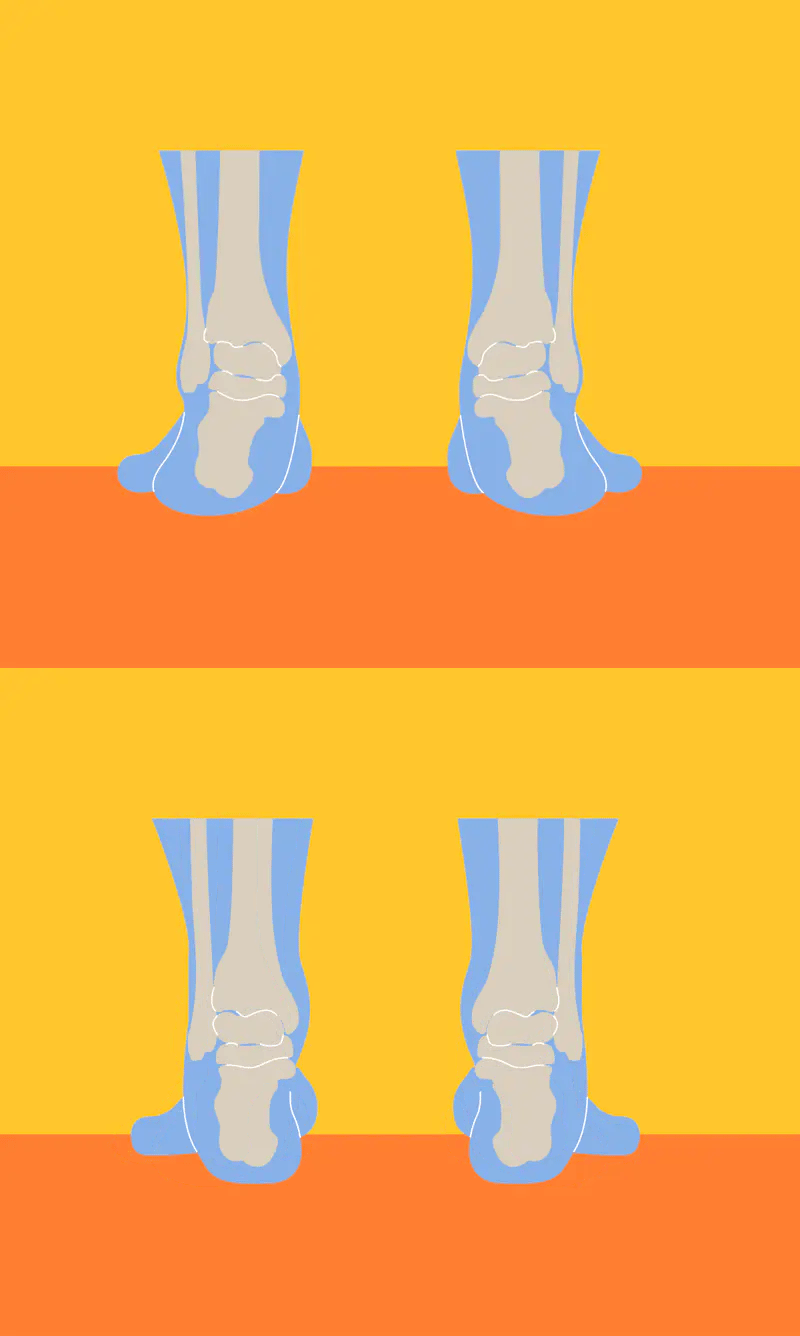
Inner arch pain is the ache that runs along the inside edge of the foot, from the heel toward the ball. It is one of the most common complaints and is often linked to flat feet (when the arch collapses and the foot rolls inward, a motion called overpronation), plantar fasciitis, or the posterior tibial tendon working overtime to hold up a collapsing arch.
Sore arches from standing or walking tend to feel like a dull fatigue that builds over the course of the day. Long hours on hard surfaces in unsupportive shoes are a frequent driver. Healthcare workers, retail employees, teachers, and frequent travelers know this one well.
Chronic foot pain that persists day after day, week after week, needs assessment rather than an assumption that support is missing.
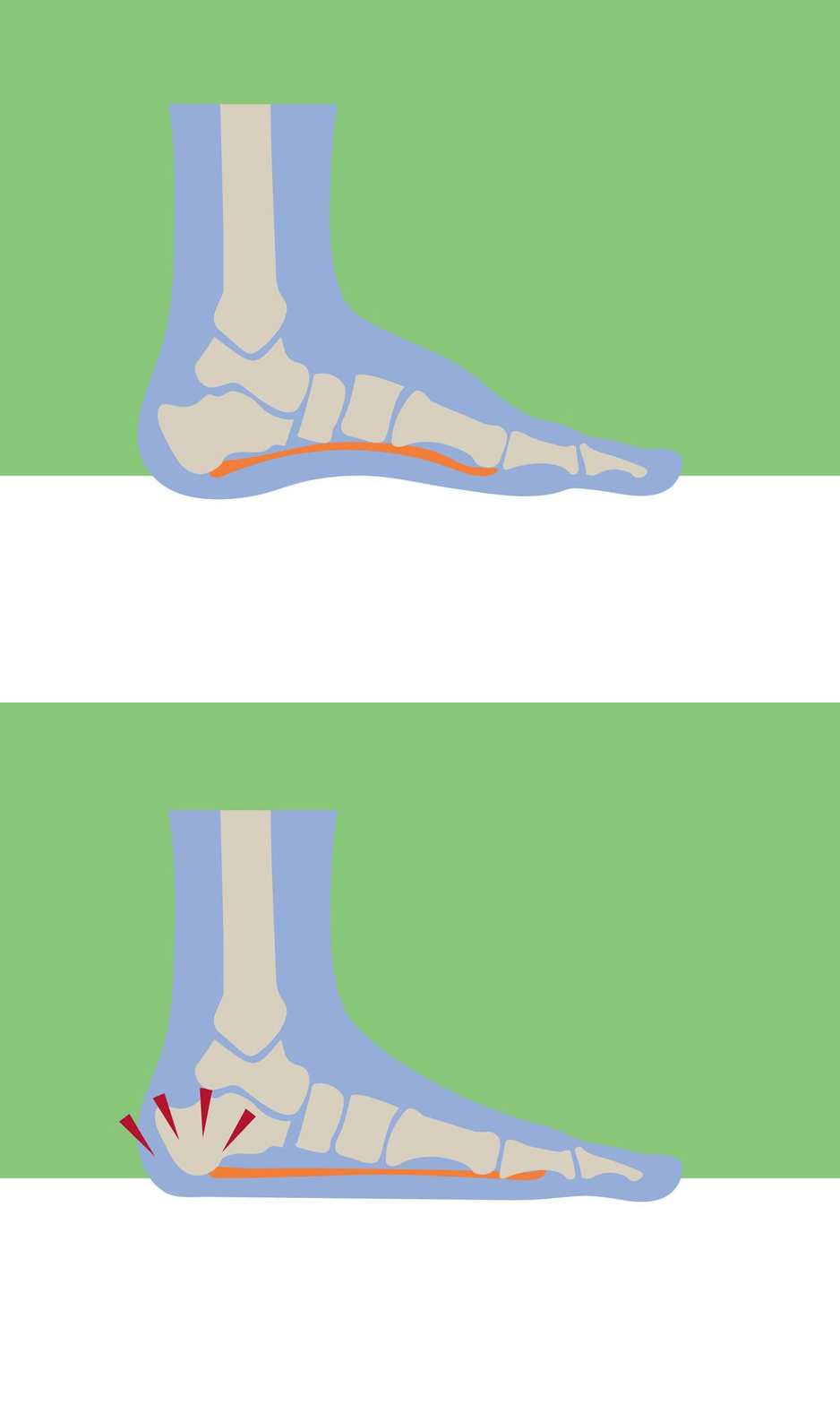
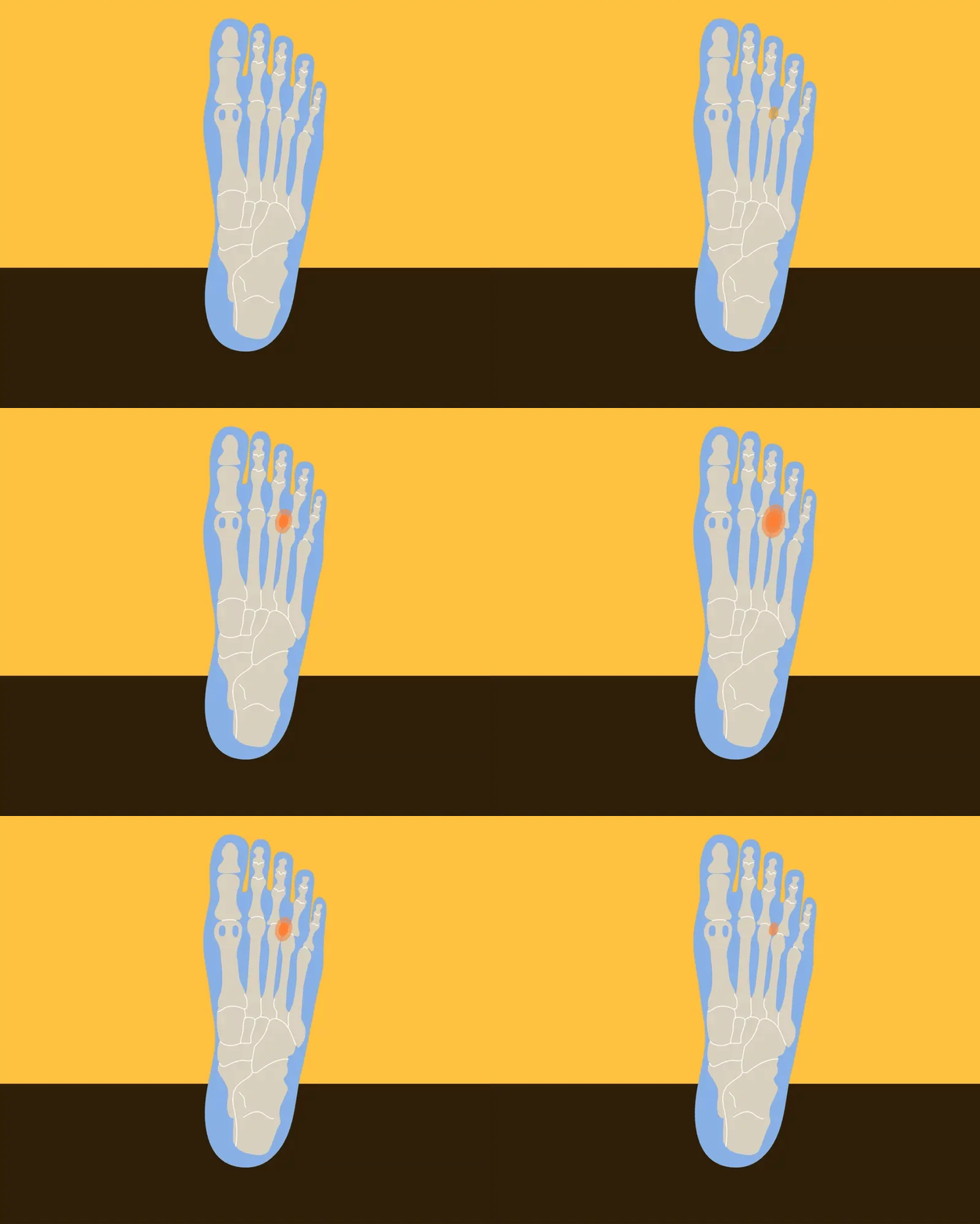
Pain on the bottom of the foot can involve the heel, the arch, or the ball of the foot. It is often associated with plantar fasciitis (irritation of the thick tissue band supporting the sole) or with metatarsalgia (soreness in the ball of the foot).
Pain on top of the foot is a different experience. It can come from shoes that fit too tightly, from tendons on the upper foot that are under pressure, or from a foot that sits too high inside a shallow toe box. It can be made worse, not better, by adding volume inside an already snug shoe. See the section below on shoe fit before choosing an insole for top-of-foot pain.
For a deeper look at inner arch pain, visit our guide at Fulton guide. For bottom-of-foot pain, see Fulton guide. For top-of-foot pain, visit Fulton guide.
How Fulton Insoles Support Sore Arches
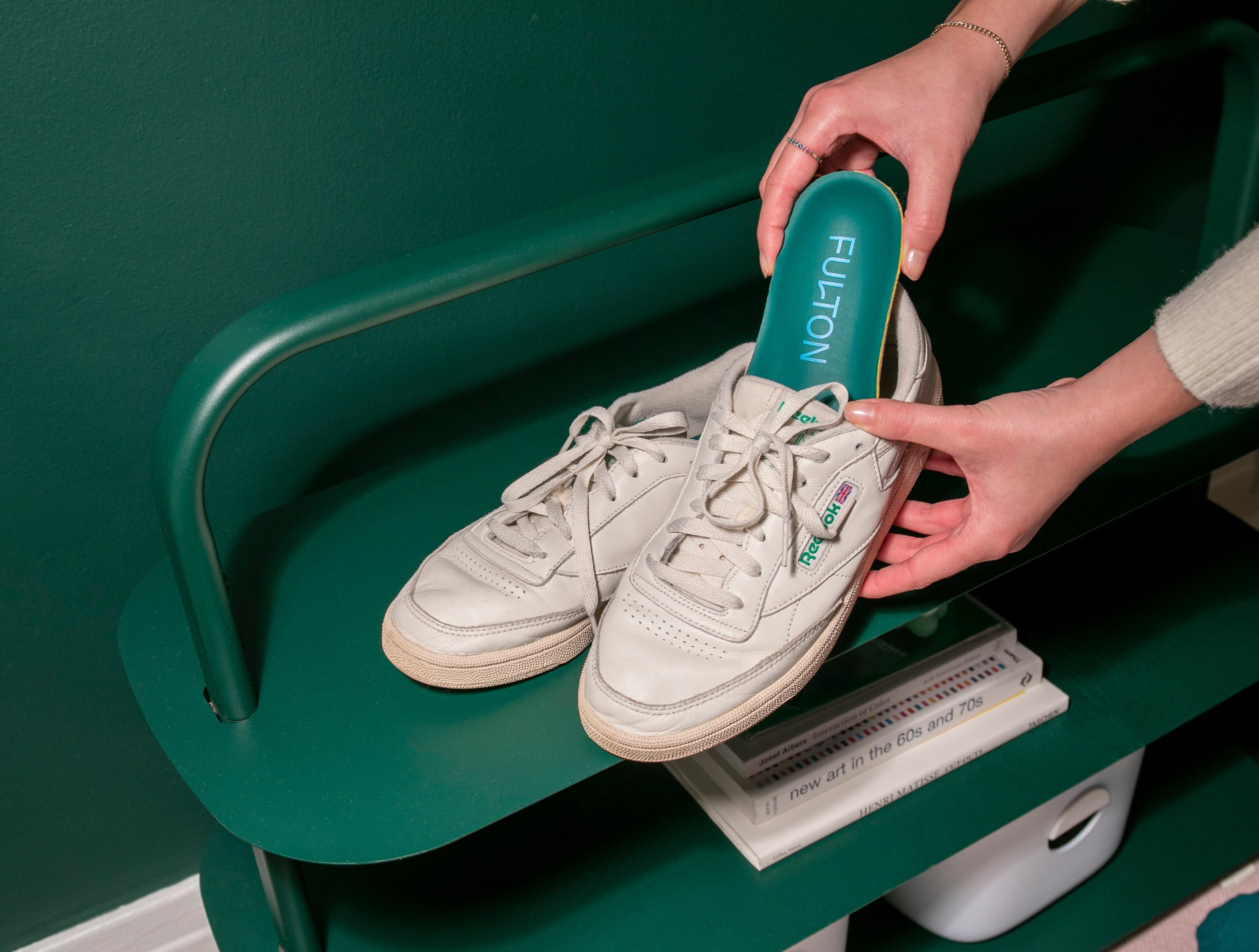
Most shoes ship with a flat foam liner inside, something that fills the space but does almost nothing for your arch. Fulton insoles replace that liner with a structured cork footbed that actually conforms to the shape of your foot.
Here is what that means in practice:
Custom-molding cork footbed. Cork is naturally responsive to pressure and warmth. After about 10 hours of wear , the footbed molds to the contours of your specific arch, not a generic arch shape, but yours. That personalized fit is what separates Fulton from flat foam alternatives and what makes support feel comfortable rather than intrusive.
Deep heel cup. Overpronation is when the foot rolls too far inward with each step, placing extra strain on the inner arch. Fulton's deep heel cup cradles and stabilizes the heel, which helps keep the foot aligned and reduces that inward rolling motion.
Structured arch support for all arch types. Whether your arches are low, neutral, or high, Fulton's structured footbed meets them where they are. High arches that absorb shock poorly and low arches that collapse under load both benefit from a surface that supports and cushions simultaneously.
70% more impact absorbed by cork than foam alone. Fulton reports this material comparison; it is not proof of relief for a particular diagnosis.
Fulton insoles mimic the functional properties of custom orthotics at a fraction of the price. They are not a custom-manufactured orthotic or a medical device, but they are designed to help relieve the discomfort that comes from inadequate arch support, Fulton reports general figures of 97% of customers experiencing a reduction of pain and 95% feeling improved comfort; these do not establish results for a specific condition.
Which Fulton Insole Is Right for Your Shoes?
Fulton makes three insoles, each designed for a different type of shoe. All three share the same cork footbed, deep heel cup, and structured arch support. The difference is fit and shoe compatibility.
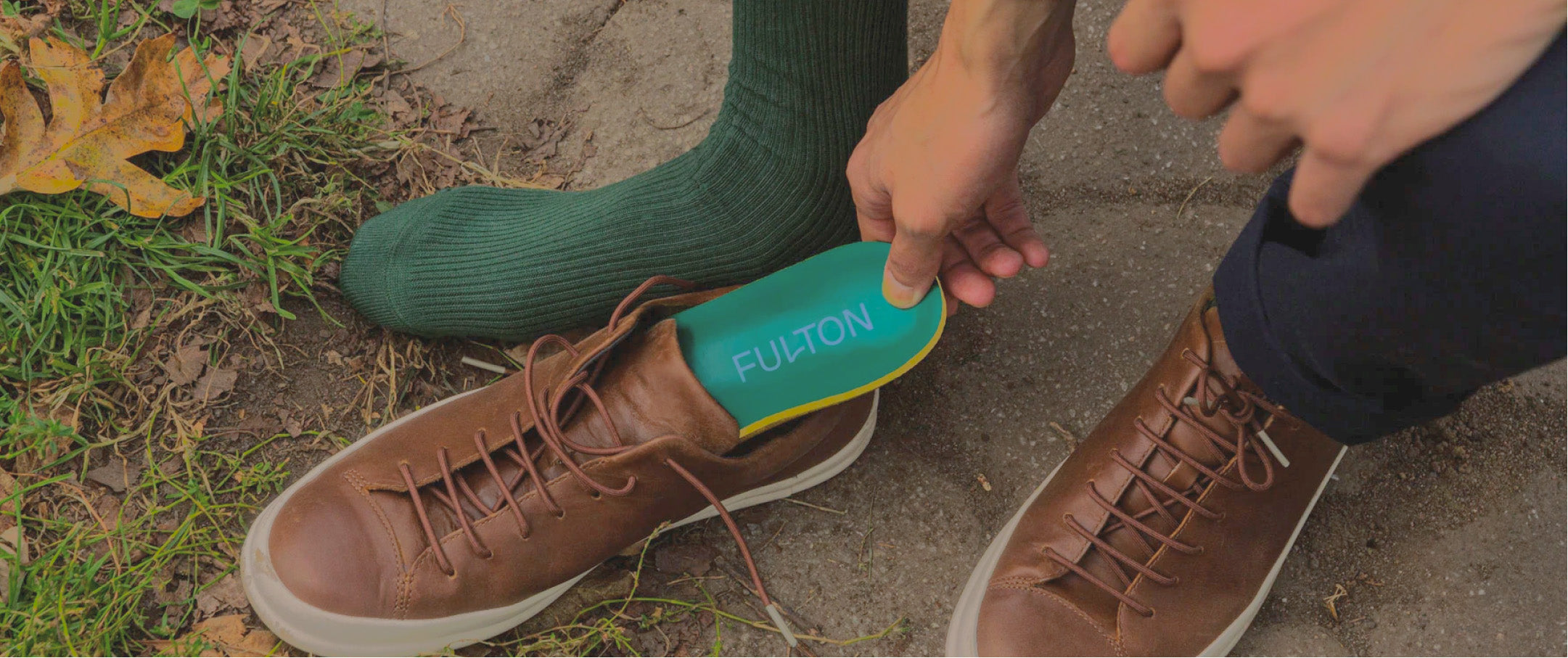
The Classic Insole ($48) is Fulton's best seller. It is designed for lifestyle shoes, boots, and sneakers that have a removable factory insole inside. To use it, simply pull out the existing liner and drop in The Classic Insole. The vegan cactus-leather top layer feels smooth underfoot and holds up through daily wear.
The Athletic Insole ($48) is built for running shoes, athletic sneakers, hiking boots, and ski boots, any performance footwear with a removable insole. It features a wider toe box and higher-density foam to handle the additional impact of sport and active use. The organic cotton top layer is breathable and odor-resistant.
The Universal Insole ($48) is Fulton's slimmer option, designed for closed-toe shoes that do not have a removable insole inside, including loafers, dress flats, some boots, and similar styles. It sits on top of the existing interior without needing to be removed. The vegan leather top layer and slip-resistant base keep it in place throughout the day.
All three insoles are $48 per pair, HSA/FSA eligible, handcrafted in small batches in Porto, Portugal, and covered by Fulton's 90-Day Comfort Guarantee. Always check your own shoe fit. The Universal Insole is not for high heels or sandals.
How Fulton Compares to Other Support Options
| Feature | Flat Cushioning Inserts | Fulton Structured Support | Clinician-Prescribed Orthotics |
|---|---|---|---|
| Main purpose | Adds padding; contours vary | Molding cork arch support and deep heel cup | Support or positioning based on assessment |
| Personalization | Varies by product | Cork molds through wear, around 10 hours | Individually prescribed and fitted |
| Shoe fit | Check available space | Classic/Athletic replace removable inserts; Universal needs sufficient space | Depends on device and shoe |
| Materials | Varies | Cork with model-specific cushioning and top layers | Varies by clinical need |
| Price | Varies by brand | $48 per pair | Varies by provider, device and coverage |
| HSA/FSA eligibility | Varies | Eligible; check plan requirements | Check provider and plan requirements |
| Trial or returns | Varies by seller | 90-Day Comfort Guarantee | Varies by provider |
These categories do not offer interchangeable clinical care. Fulton insoles mimic the functional properties of custom orthotics, but are not orthotics or medical devices. Follow a clinician’s advice if you need a prescribed device.
Pain on the Bottom of the Foot
Pain along the sole of the foot, whether in the heel, the arch, or the ball, is one of the most common reasons people search for insole support. The plantar fascia, a thick band of connective tissue that runs along the bottom of the foot from heel to toe, is often at the center of it. When it becomes strained from repeated impact on hard surfaces, inadequate support, or long hours on your feet, it can produce a sharp, burning, or aching sensation that is hardest first thing in the morning or after a long day.
Fulton's structured cork footbed helps distribute pressure more evenly across the sole, as an option for supportive comfort. It does not establish the cause of sole pain or guarantee relief. The deep heel cup adds a layer of stabilization that is designed to help steady the heel.
For a detailed guide to relieving pain on the bottom of the foot, visit Fulton guide.
Pain on Top of the Foot: A Note on Shoe Fit
Pain on top of the foot is worth approaching carefully before adding an insole. Unlike arch or heel pain, top-of-foot pain often involves pressure from the shoe itself, including a toe box that sits too low, laces tied too tightly, or a fit that leaves little room between the top of the foot and the upper of the shoe.
Adding an insole raises the foot inside the shoe. In a shoe that already fits snugly, that added height can make crowding worse, not better. If your shoes feel tight across the top of the foot, the first step is to try a roomier pair before reaching for an insole.
After addressing shoe pressure and, when needed, discussing persistent pain with a podiatrist, The Universal Insole's slim profile may be an option for closed-toe shoes without removable inserts, if there is enough room. It adds support and is not suitable for high heels or open sandals.
For more on managing top-of-foot pain, visit Fulton guide.
What to Expect as Your Insoles Mold to Your Foot
Fulton insoles are not designed to feel immediately rigid or medicinal. In the first few wears, the cork footbed begins to respond to your weight and gait. After about 10 hours of cumulative wear, the footbed settles into the specific shape of your arch.
Some people notice a difference in comfort right away. Others find the adjustment takes a few days as the foot gets used to proper support after months or years without it. Adjustment varies; do not push through increasing pain. The 90-Day Comfort Guarantee gives you a full three months to evaluate whether Fulton is working for your feet, with no pressure to decide on day one.
When to See a Podiatrist
Fulton insoles are designed to help relieve the everyday discomfort that comes from inadequate arch support. They are not a medical device, and they are not a substitute for professional evaluation when pain is serious.
If your foot or arch pain is severe, sudden, or accompanied by swelling, numbness, or tingling, see a podiatrist or your primary care provider. If pain persists or worsens, a podiatrist can assess what is driving it and recommend the right course of care. Catching a structural or tendon problem early keeps your options open and recovery simpler.
Do not delay assessment of persistent pain while trying footwear changes.
FAQ About Insoles for Arch Pain and Foot Pain
What are the best insoles for inner arch pain?
Fulton insoles are a strong choice for inner arch pain. The structured cork footbed molds to your specific arch after about 10 hours of wear, providing personalized support rather than a generic shape. The deep heel cup helps stabilize the heel and reduce inward rolling (overpronation), which is a common driver of inner arch strain. All three Fulton styles share this same foundation. For shoes with removable insoles, The Classic Insole is the most popular starting point. Fulton's general customer figures are not proof of relief for a specific cause of arch pain.
Which Fulton insole is best for pain on the bottom of the foot?
For pain along the sole, whether in the heel, arch, or ball of the foot, The Classic Insole or The Athletic Insole are the best-suited options depending on your shoe type. Both feature Fulton's cork footbed, which absorbs 70% more impact than foam alone and helps distribute pressure more evenly across the sole. The deep heel cup is designed to help steady the heel. For closed-toe shoes without removable insoles, The Universal Insole provides the same structured support in a slimmer profile.
Can insoles help with pain on top of the foot?
Insoles can help in some cases, but top-of-foot pain requires a careful approach. If the pain stems from foot instability or poor arch support, Fulton's slim Universal Insole may be an option in suitable closed-toe shoes without removable inserts, provided there is adequate room. However, if your shoes already fit snugly, adding any insole can increase crowding and worsen discomfort. Fulton recommends starting with a roomier shoe before reaching for an insole. The Universal Insole is not suitable for high heels or open sandals. If pain persists or worsens, consulting a podiatrist is the right next step.
What is the difference between Fulton insoles and custom orthotics for arch pain?
Fulton insoles are designed to mimic the functional properties of custom orthotics at a fraction of the cost. Custom orthotics are individually prescribed and fitted; cost varies by provider, device and coverage. Fulton insoles cost $48 per pair, are HSA/FSA eligible, and are sold over the counter. The cork footbed does mold to your specific arch over time, offering a degree of personalization that flat foam drugstore insoles cannot. Fulton is not a custom-manufactured orthotic or a medical device, but 95% of customers report improved comfort.
How long does it take for Fulton insoles to relieve chronic foot pain?
Results vary by person, but Fulton's cork footbed begins responding to your weight and gait from the first wear and typically molds to your arch after about 10 hours of cumulative use. Some people notice a difference in comfort right away; others take a few days to adjust, especially after extended periods without proper support. Fulton's 90-Day Comfort Guarantee gives you three full months to evaluate the results. If pain does not improve or worsens during that time, Fulton recommends seeing a podiatrist for a professional assessment.
Find the Right Fulton Insole for Your Feet
Every Fulton insole is $48, HSA/FSA eligible, handcrafted in Porto, Portugal, and covered by the 90-Day Comfort Guarantee. Not sure which one fits your shoes? Take the quiz to get a personalized recommendation .
If pain persists or worsens, see a podiatrist. Fulton insoles are an over-the-counter comfort product, not a medical device.

