





Best Insoles for Tarsal Tunnel Syndrome
Insoles



What Is Tarsal Tunnel Syndrome?
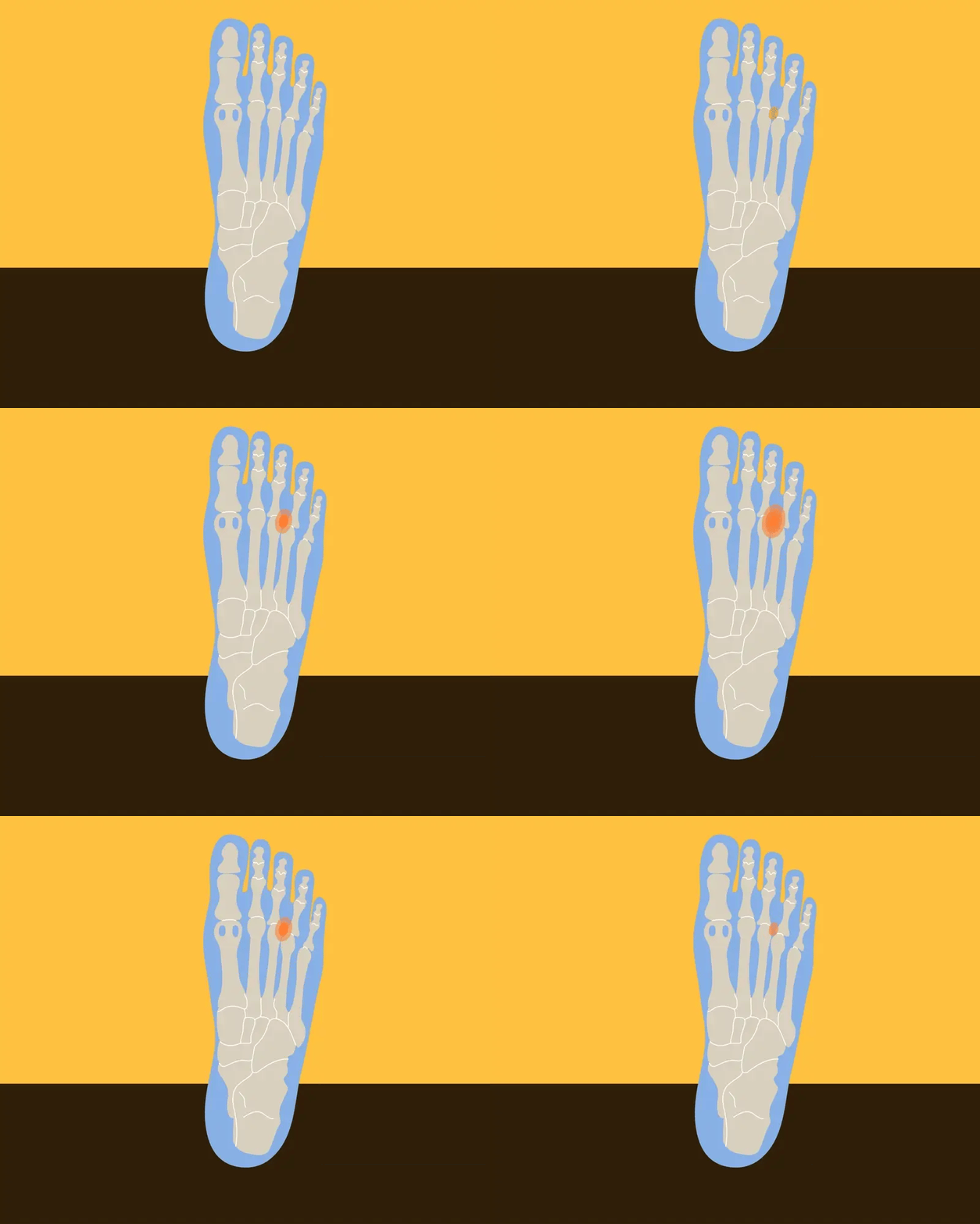
Tarsal tunnel syndrome is nerve pain caused by compression of the posterior tibial nerve as it passes through a narrow space on the inside of the ankle called the tarsal tunnel. It's often described as the foot's version of carpal tunnel syndrome, producing burning, tingling, or numbness that can run along the inner ankle and into the sole of the foot. Fulton insoles are designed to address one of the most common contributors: overpronation, where the foot and ankle roll inward with every step and place ongoing pressure on the nerve as it passes through the tunnel. The pain often worsens with standing or walking and eases with rest, though it can become more persistent without addressing the underlying foot mechanics.
What Causes Tarsal Tunnel Syndrome?
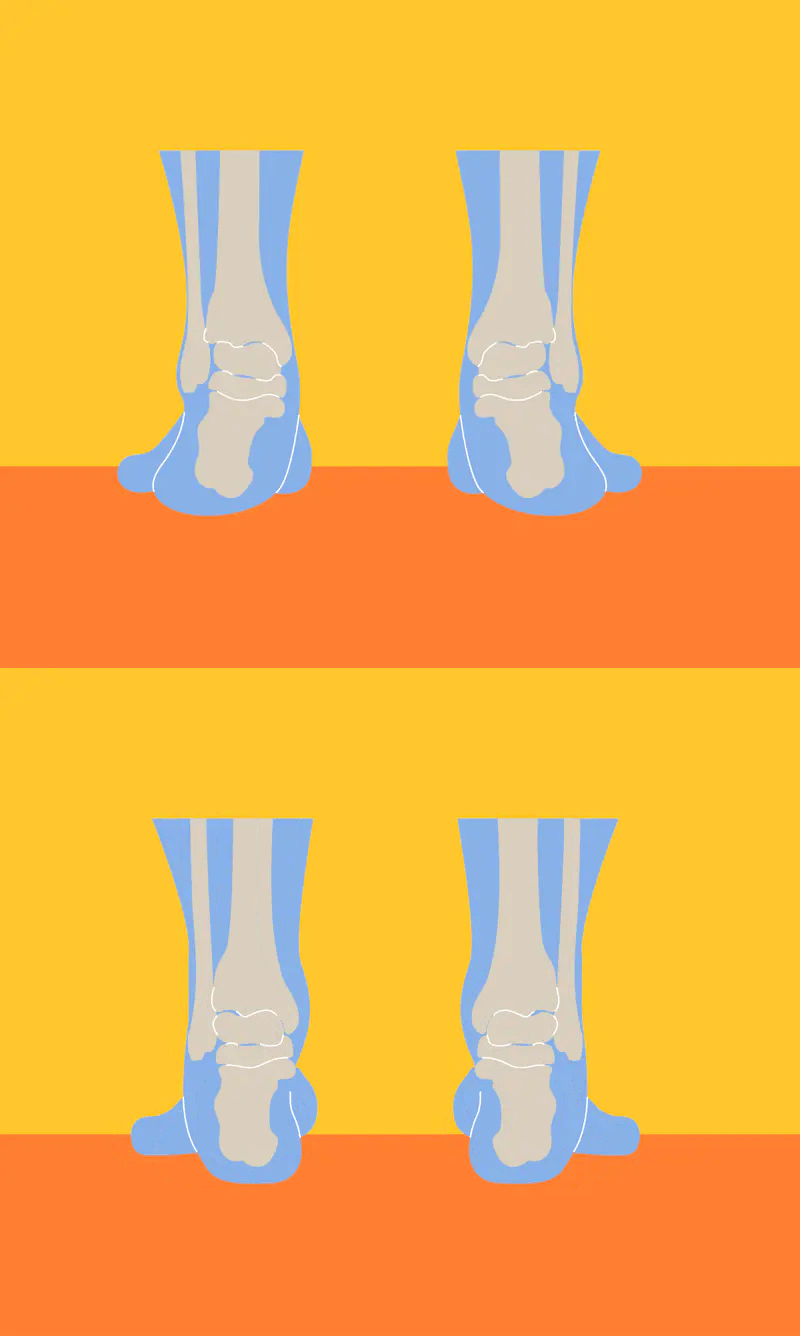
Tarsal tunnel syndrome develops when something narrows the tarsal tunnel or increases tension on the posterior tibial nerve as it runs through it. Overpronation and flat or fallen arches are the most common mechanical causes — as the ankle rolls inward, the space around the nerve tightens and the nerve gets stretched with every step. Swelling from an injury, repetitive strain from standing or walking on hard surfaces, and footwear that compresses the inner ankle can all make it worse. Fulton insoles are designed to help relieve the pronation-related pressure at the root of the condition, rather than only addressing where the pain shows up.
How Insoles Help With Tarsal Tunnel Syndrome
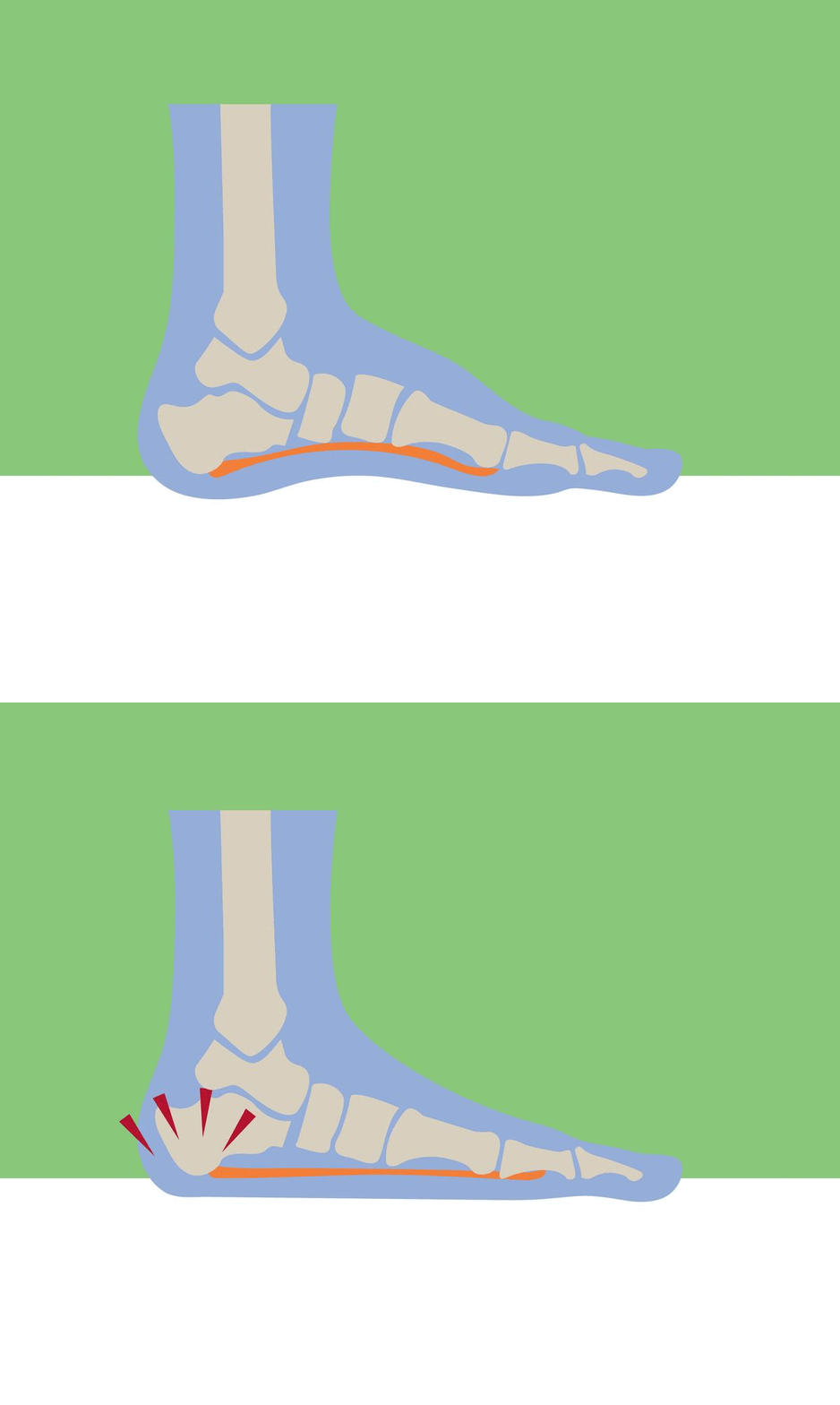
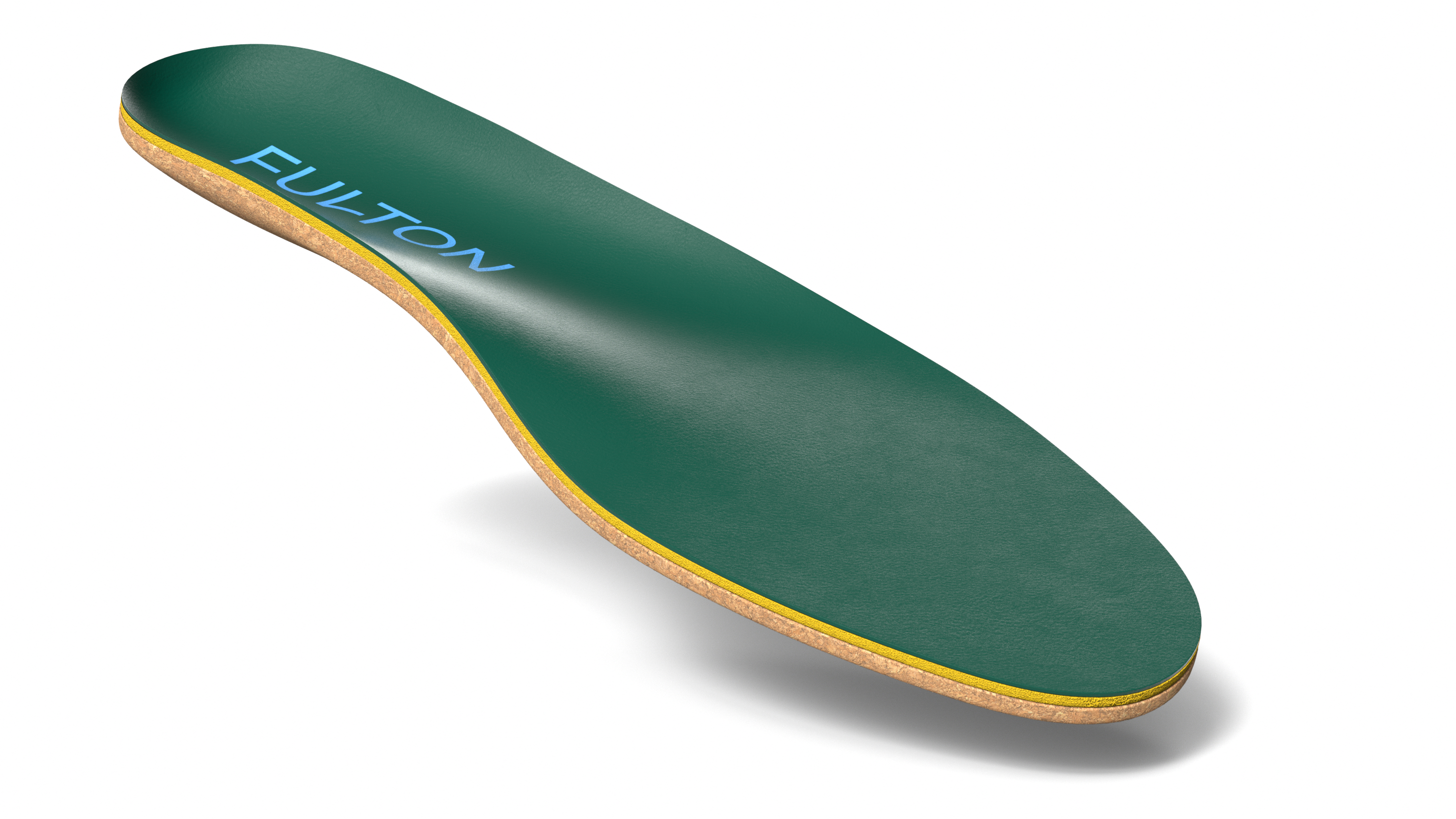
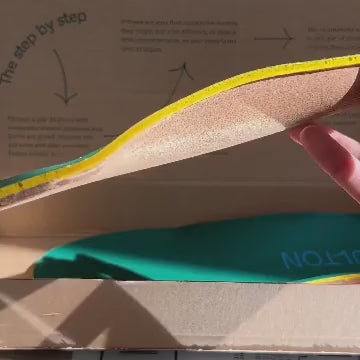
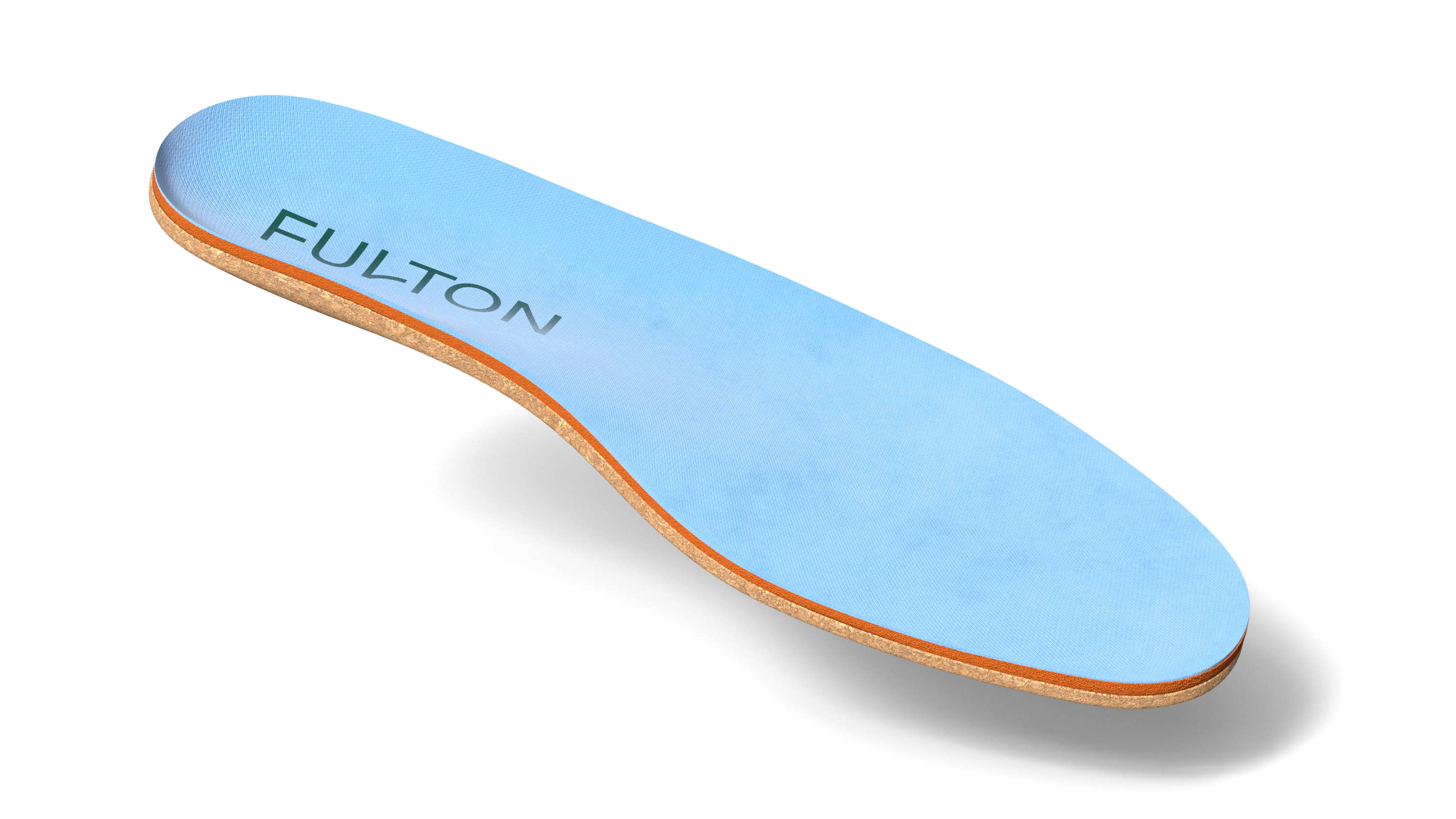
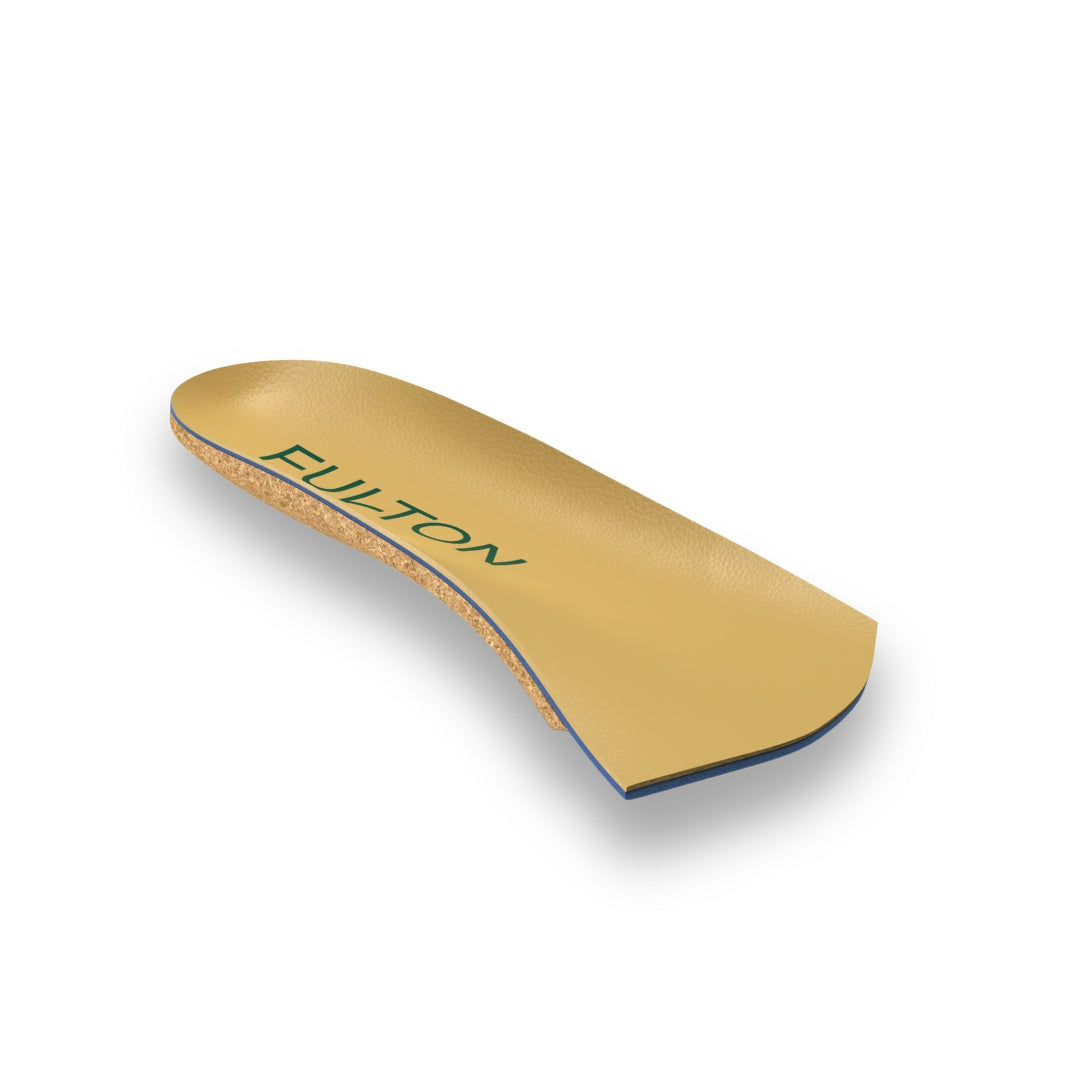
Insoles help by correcting the foot mechanics that put pressure on the posterior tibial nerve in the first place. Fulton insoles provide full-length arch support that reduces how far the arch collapses and the ankle rolls inward with each step, easing the stretch and compression placed on the nerve as it passes through the tarsal tunnel. A deep heel cup adds rear-foot stability, so the ankle isn't relying on the nerve's surrounding tissue to compensate for instability. Shock-absorbing cushioning also reduces the repetitive impact that can aggravate nerve irritation over a long day on your feet.
How Proper Alignment Reduces Nerve Compression
Nerve compression at the tarsal tunnel is closely tied to how the foot moves through each step. When the arch flattens and the ankle rolls inward, the tissue around the posterior tibial nerve tightens and stretches repeatedly, which is what drives ongoing irritation. Fulton insoles are engineered with a biomechanical footbed that limits how far the foot pronates and keeps the rear foot in a more neutral position through the stride. Reducing that repetitive motion at the source is what helps prevent the nerve from being compressed the same way with every step, rather than just easing discomfort after it starts.
Why Fulton Works for Tarsal Tunnel Syndrome
Full-length arch support that corrects overpronation.
Fulton's arch support spans the full medial column of the foot, directly addressing the inward-rolling motion that narrows the tarsal tunnel and puts tension on the nerve running through it.
Deep heel cup for neutral rear-foot alignment.
Fulton's structured heel cup keeps the heel centered on each footstrike, reducing the repetitive ankle motion that aggravates nerve compression over time.
Cork-rubber footbed that molds to your foot.
Fulton's natural cork-and-rubber base molds to your unique arch shape after about 10 hours of wear, so the nerve gets consistent relief from pressure with every wear, not just when the insole is new.

