





Best Moisture-Wicking Insoles
Insoles

What Moisture-Wicking Insoles Are Supposed to Do
A moisture-wicking insole is meant to move sweat away from the foot and reduce the heat and dampness that build up inside a shoe over the day.
What Synthetic Foam Alone Can't Fix
Most synthetic foam and gel insoles trap heat rather than managing it, since the material itself doesn't breathe.
How Fulton's Natural Materials Handle Breathability
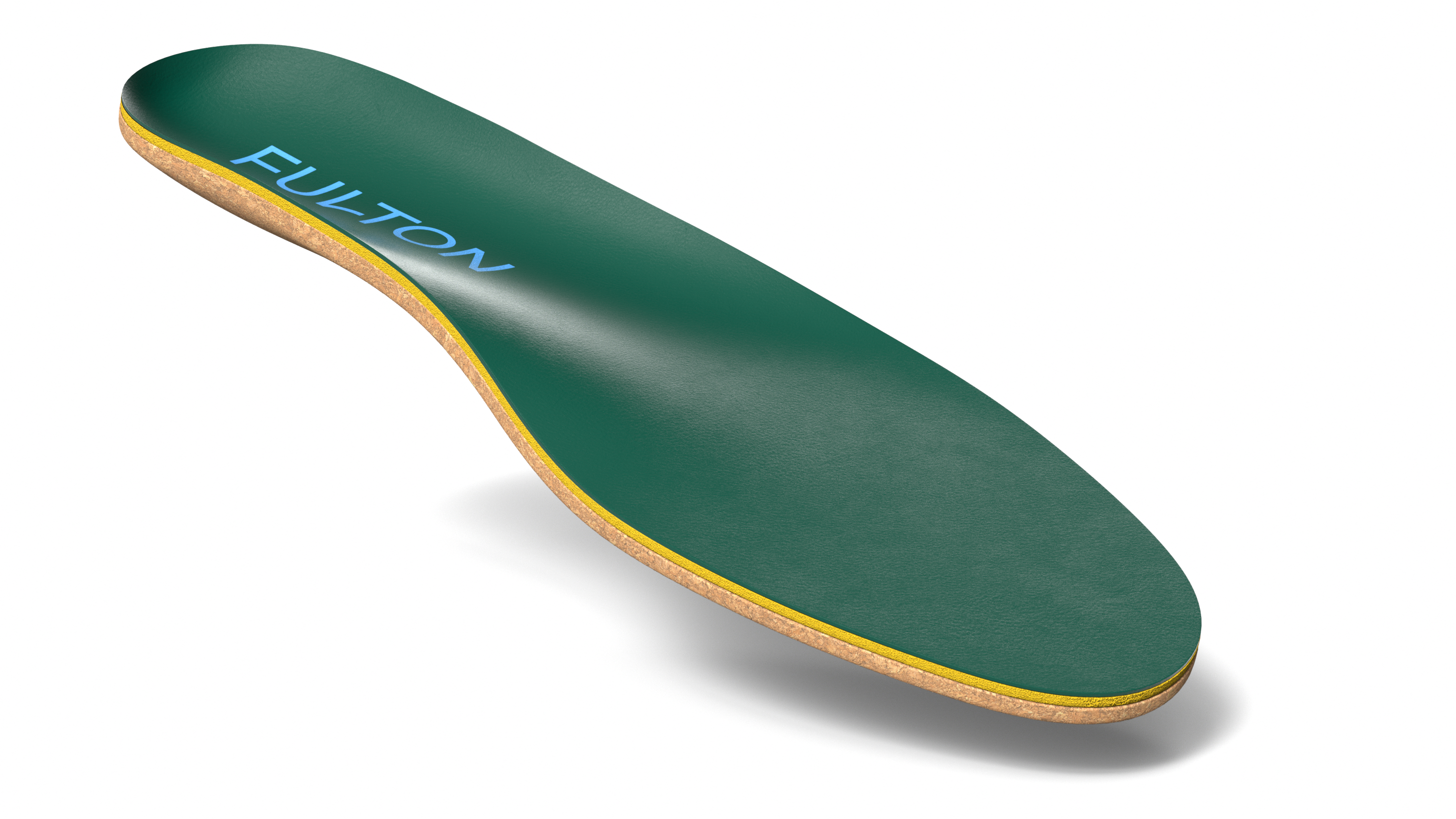
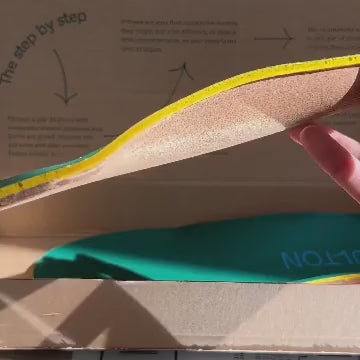
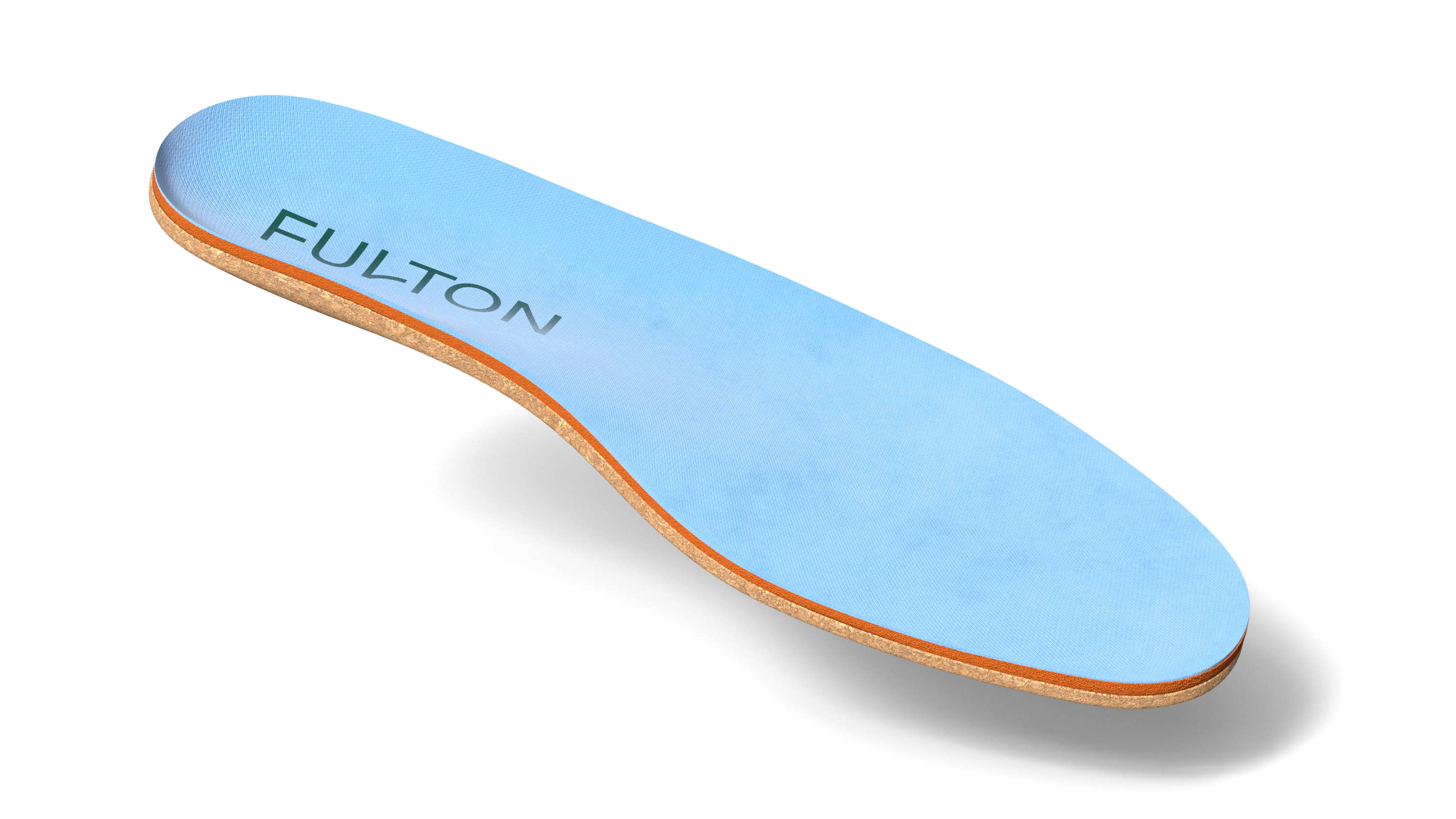
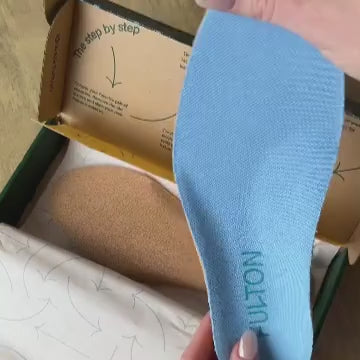
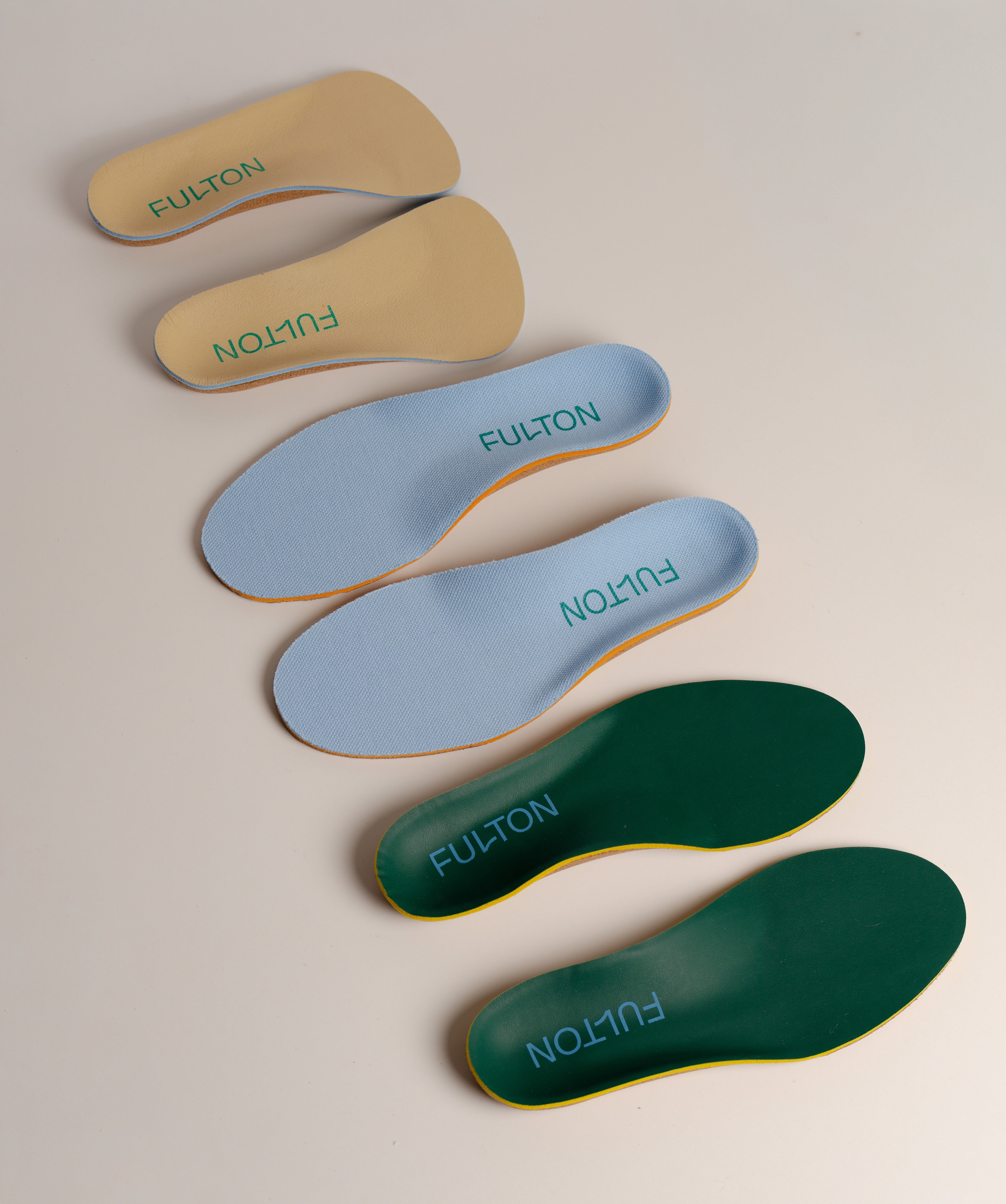
The Athletic Insole's organic cotton top layer and Fulton's cork base are natural materials generally associated with better breathability than synthetic foam, though Fulton hasn't published its own performance data on this specific claim.
Frequently Asked Questions
Are Fulton insoles moisture-wicking?
Fulton has not published a formal moisture-wicking performance claim. The Athletic Insole's organic cotton top layer and Fulton's cork base are natural materials generally associated with better breathability than synthetic foam, but this isn't a tested or certified claim from Fulton.
Do Fulton insoles help with foot odor?
Fulton doesn't make a specific odor-control claim. Natural materials like cork and organic cotton are generally considered more breathable than synthetic foam and gel, which can be a factor in odor buildup, but this hasn't been tested or published by Fulton specifically.
What material is the Athletic Insole's top layer made from?
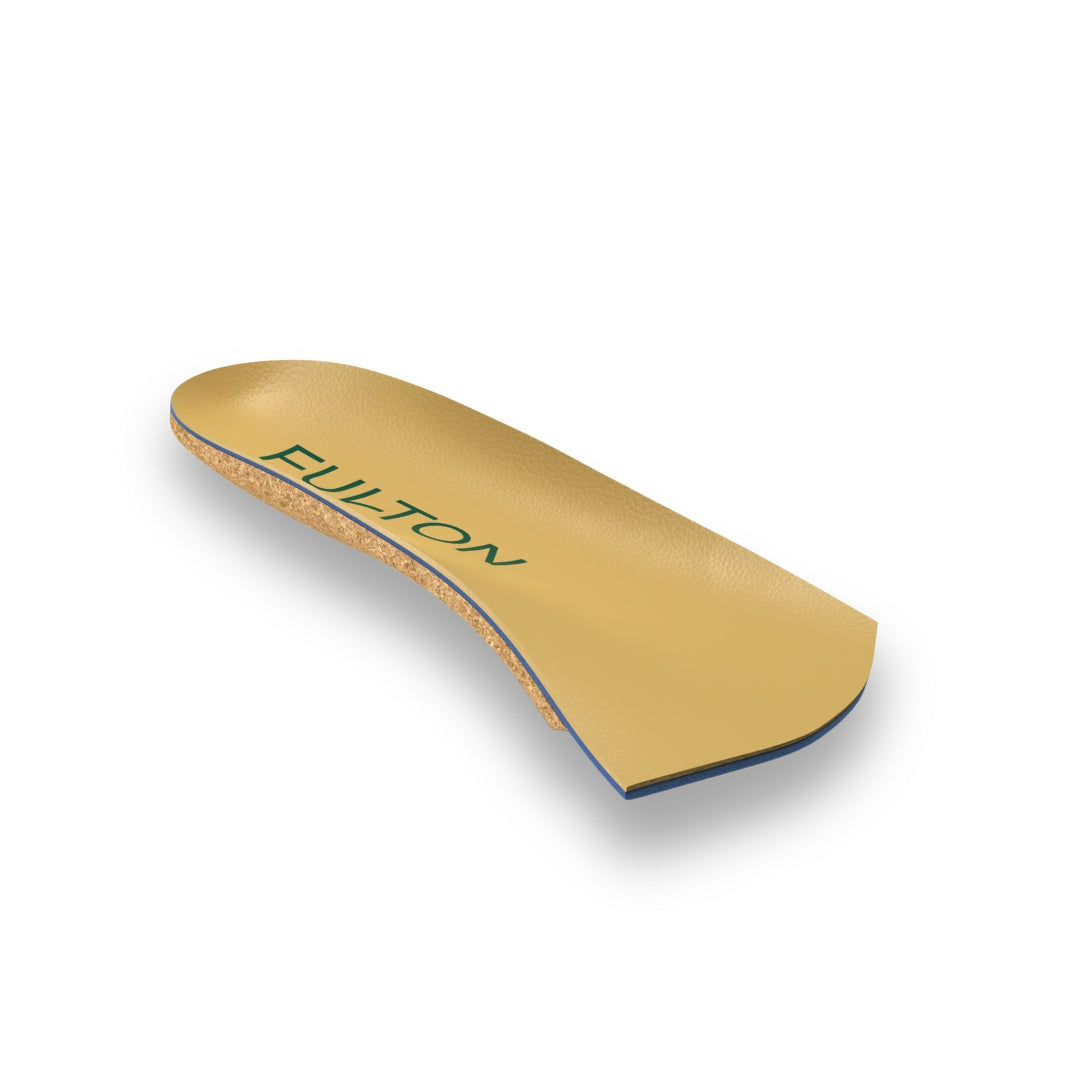
The Athletic Insole uses an organic cotton top layer, in contrast to the Classic and Universal Insoles, which use vegan cactus leather.
Are natural materials more breathable than synthetic foam?
Natural materials like cork and cotton are generally considered more breathable than dense synthetic foam, which is built primarily for cushioning rather than airflow. This is a general material property rather than a specific tested claim about Fulton's products.
Will Fulton insoles hold up to sweat during workouts?
Fulton's cork footbed is designed to resist compression over time regardless of moisture exposure, and the Athletic Insole's organic cotton top layer is a natural material suited to athletic use.
Are Fulton insoles HSA/FSA eligible?
Yes, all three Fulton insoles are HSA and FSA eligible, and each is backed by the 90-Day Comfort Guarantee.
What Makes Fulton the Best Moisture-Wicking Insoles?
Cork's natural cellular structure wicks moisture away from the foot and resists odor-causing bacteria on its own, with no added chemical treatments. Fulton builds every insole on that cork footbed, and the Athletic Insole adds an organic cotton top layer for extra breathability that synthetic foam can't match, since dense foam traps heat and moisture instead of moving it. Every Fulton insole is HSA/FSA eligible and covered by the 90-Day Comfort Guarantee.

