





Best Insoles for Weightlifting & Gym Training
Insoles

What Gym-Goers and Lifters Need From an Insole
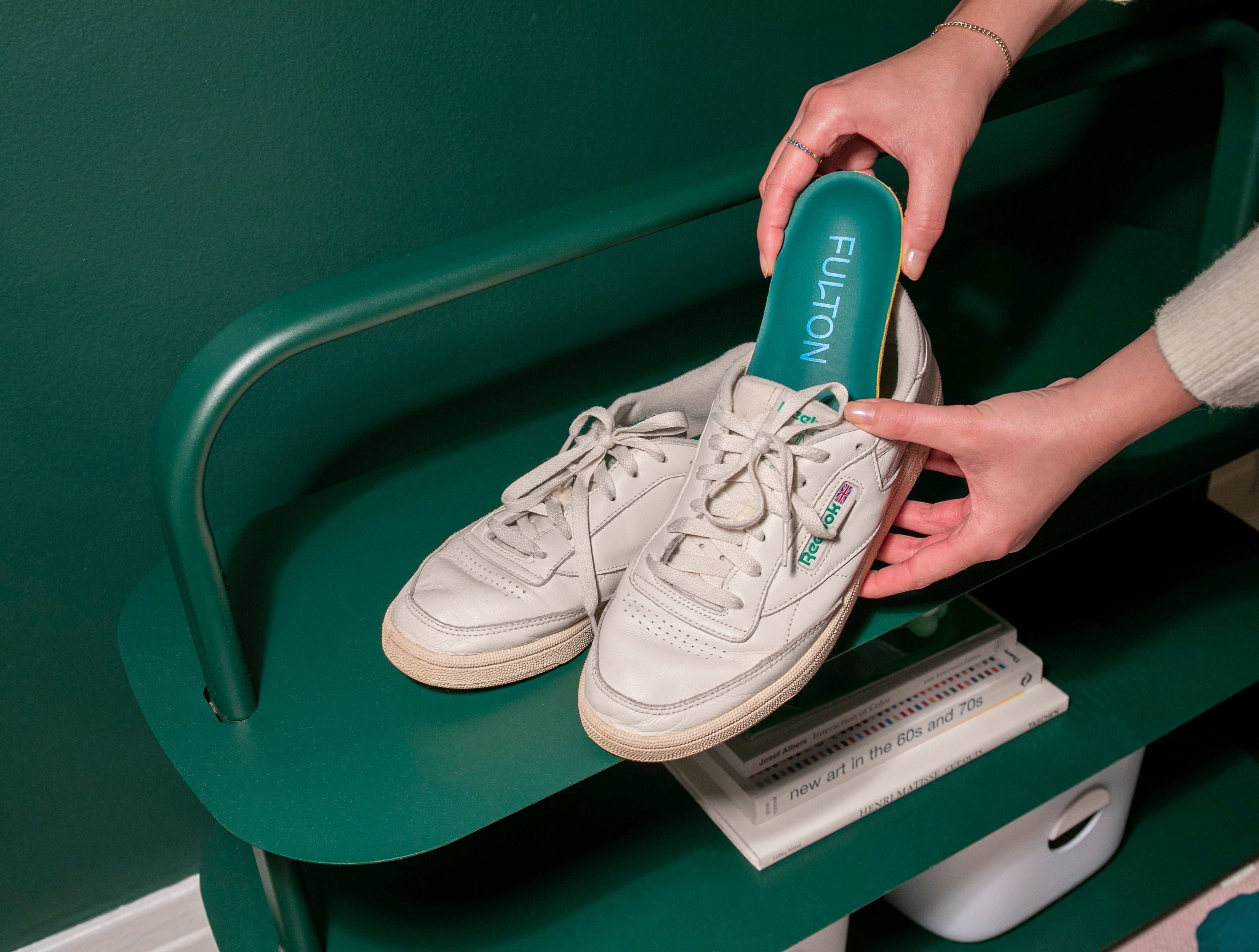
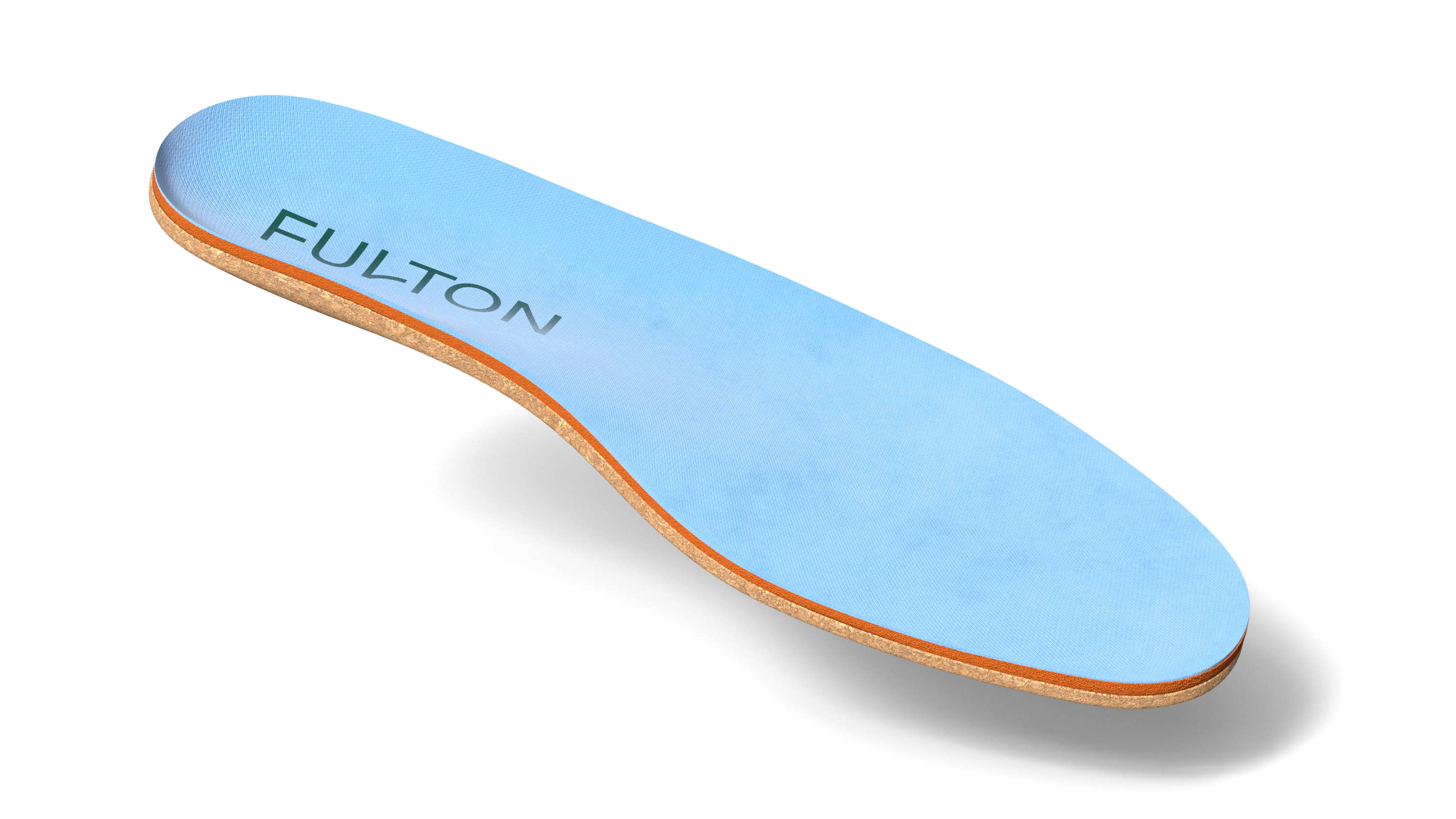
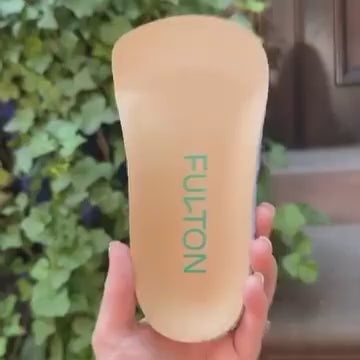
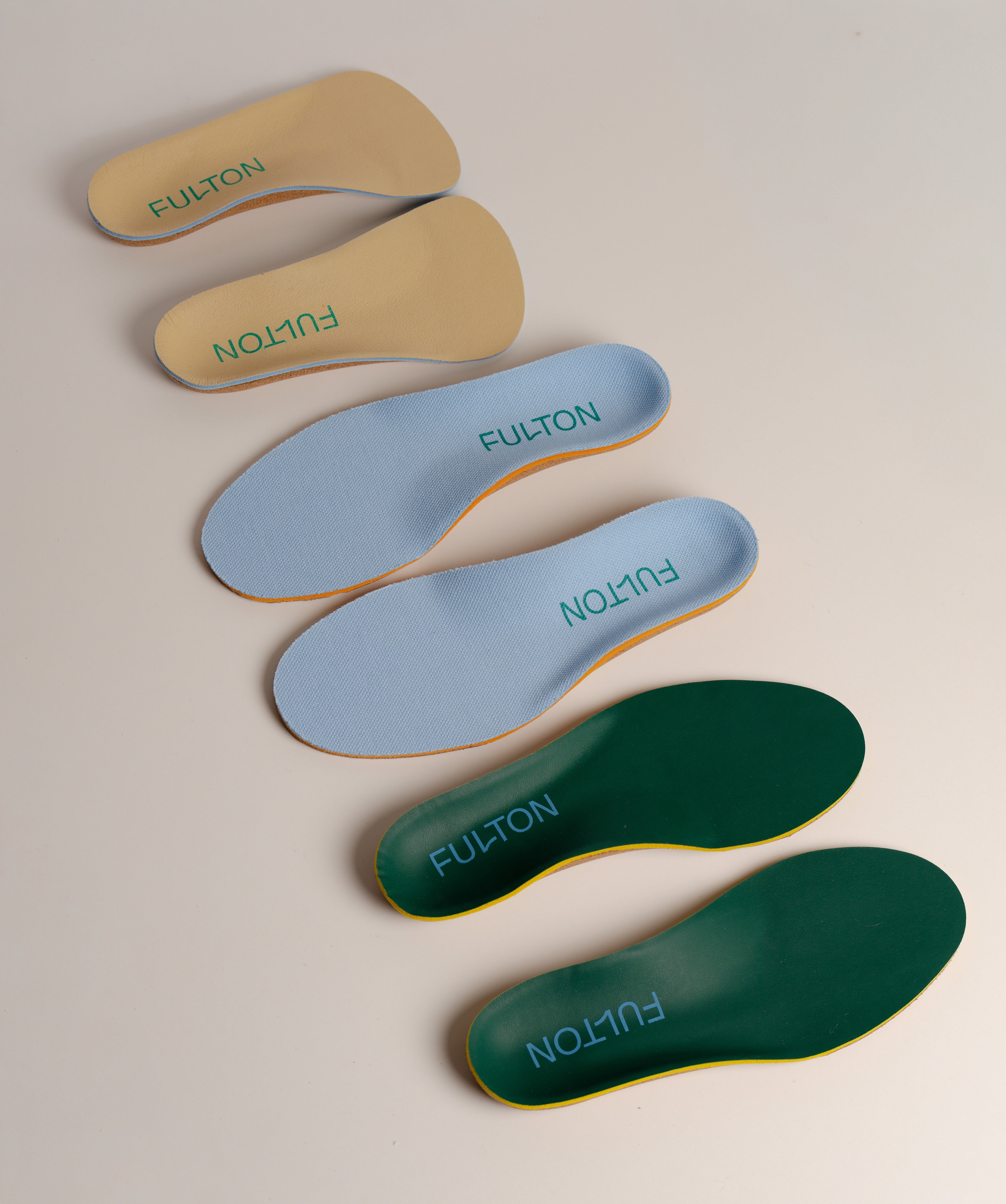
Training shoes and cross-trainers rarely ship with real arch support — the factory liner is built to save weight and cost, not stabilize a loaded stance. Fulton's Athletic Insole is designed for the added demands of gym training: a wider toe box and higher-density foam handle repetitive, high-impact movement that flat factory liners aren't built for.
How Insoles Help Stabilize Your Stance During Training
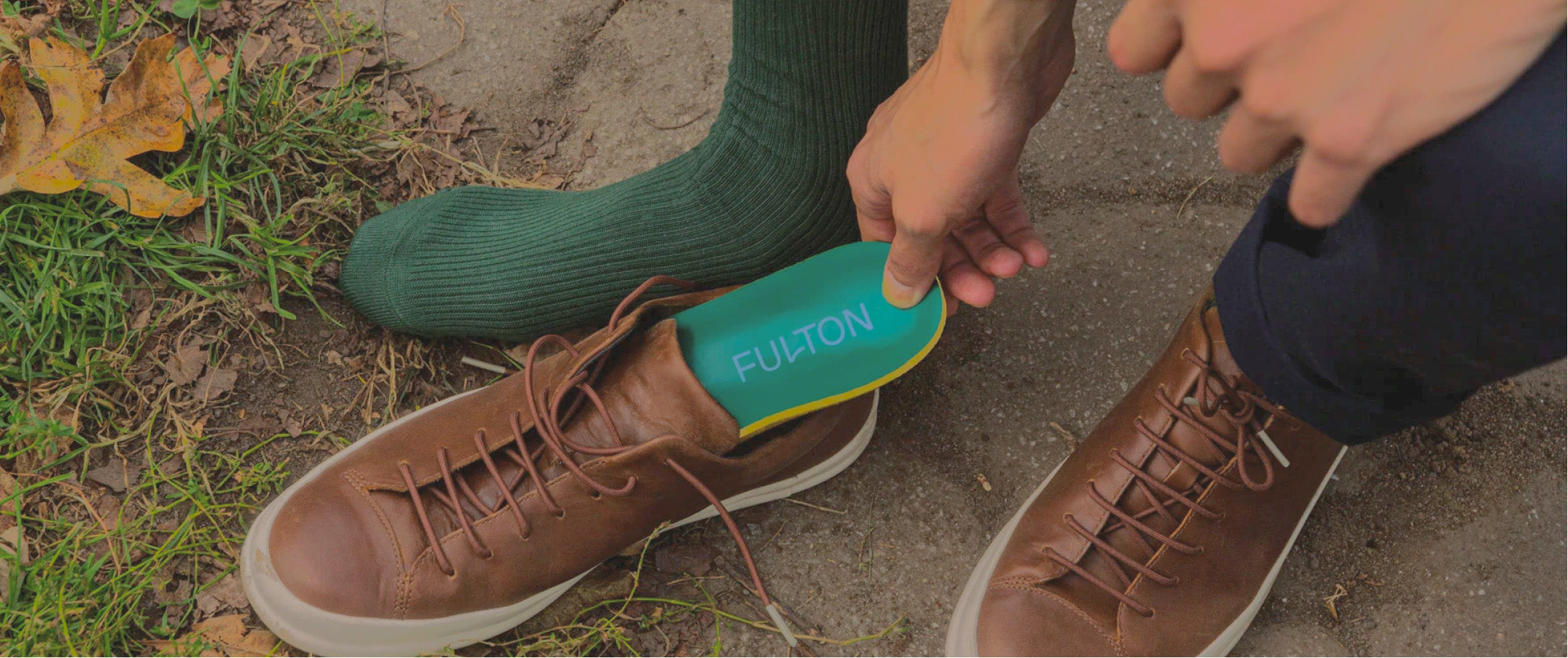
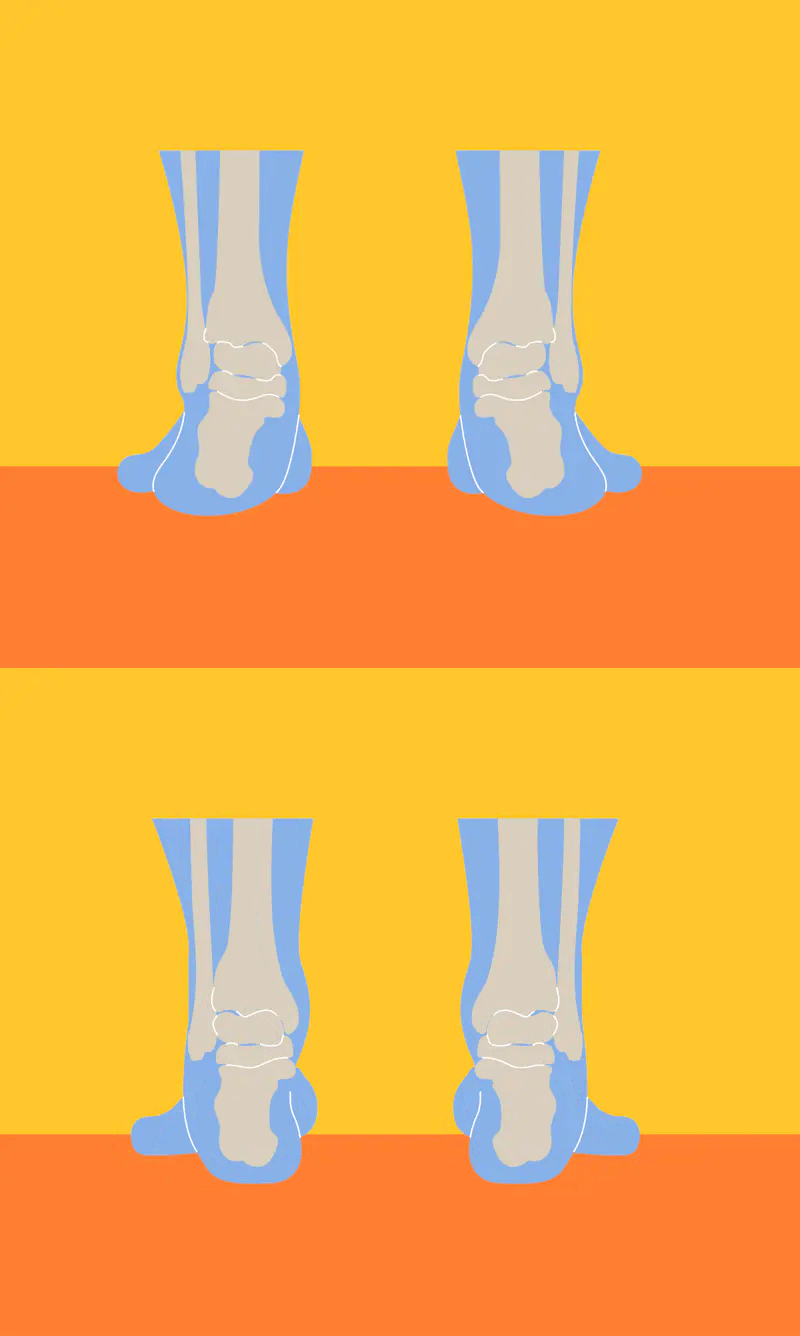
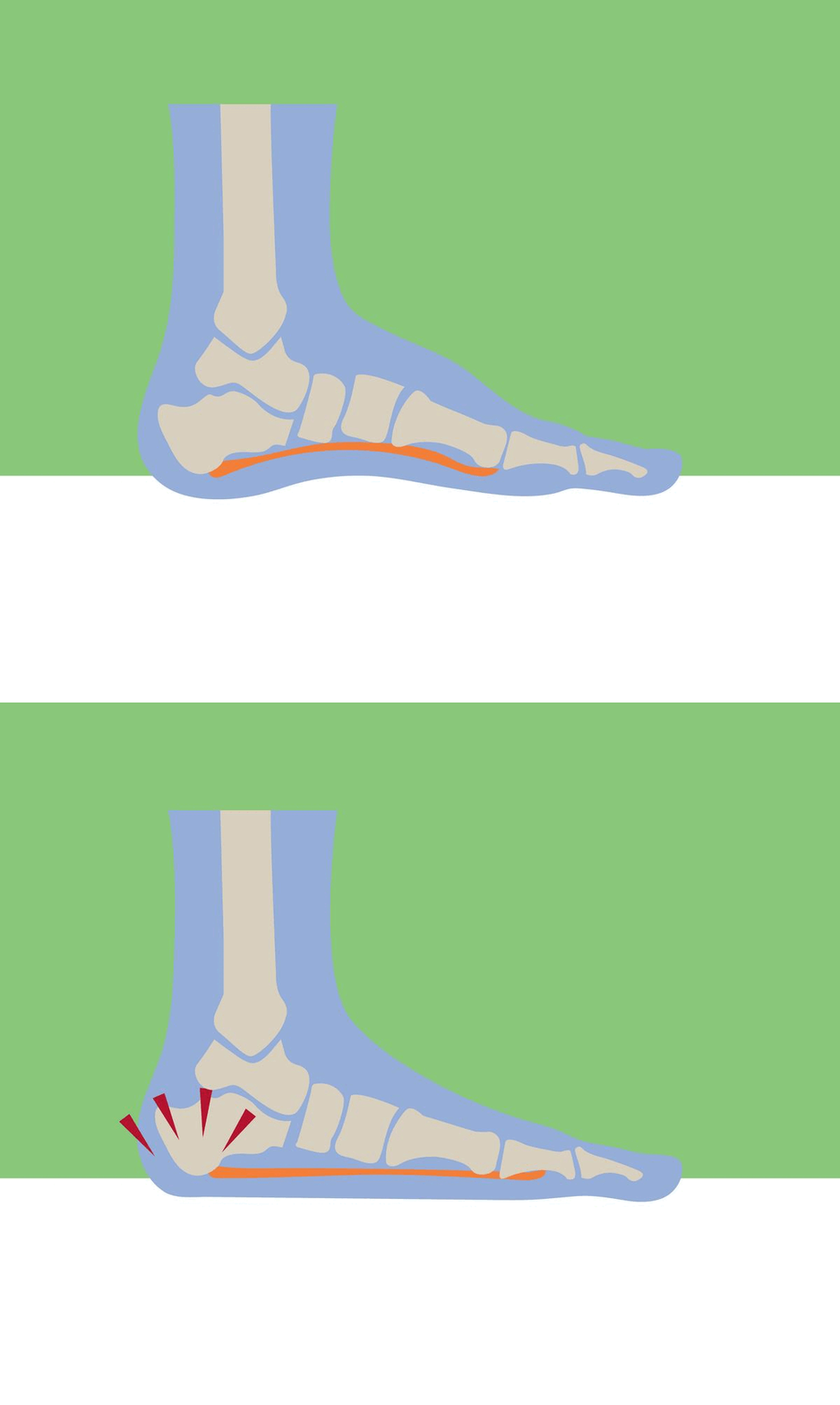
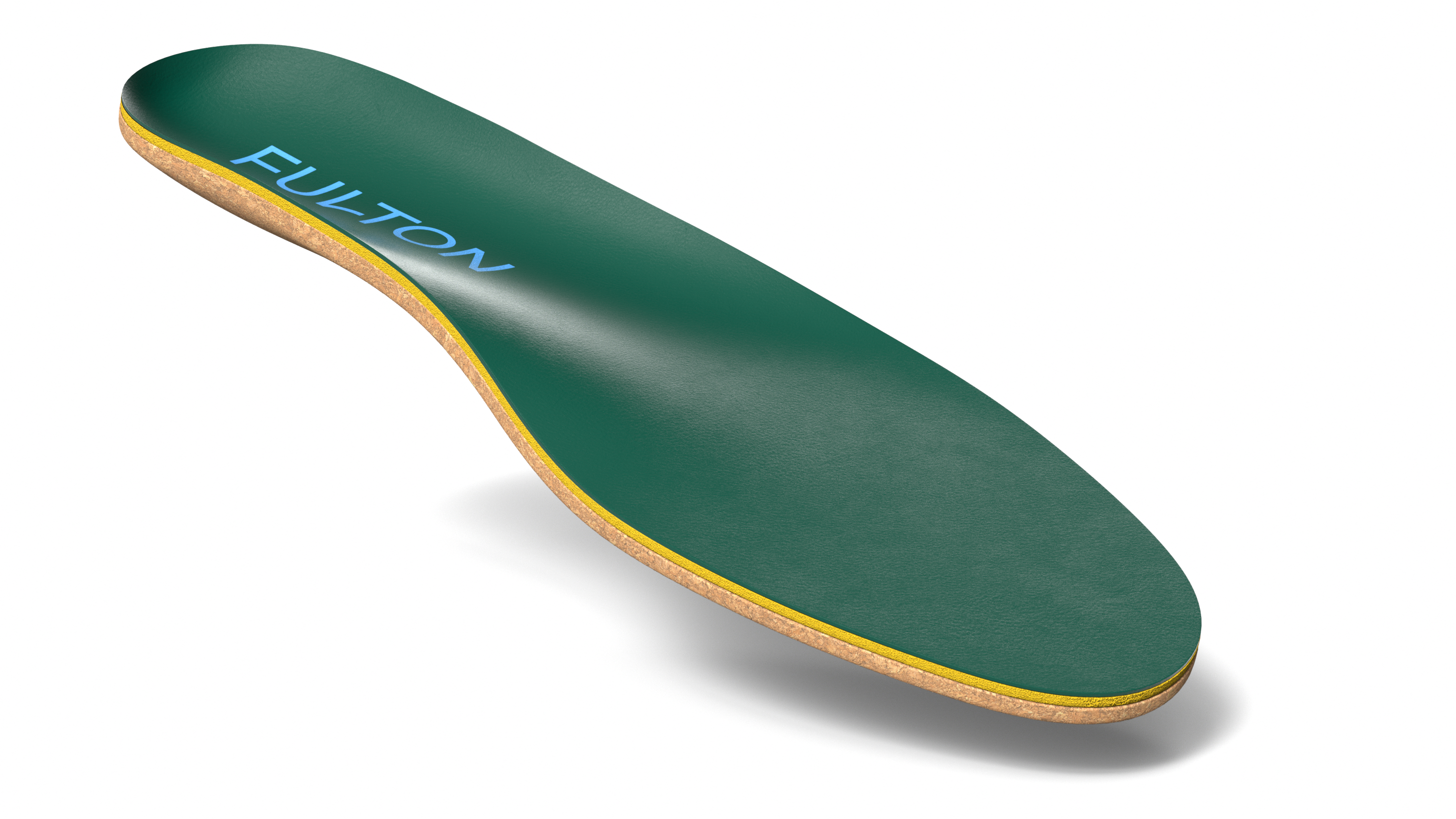
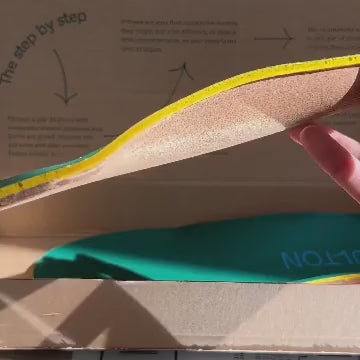
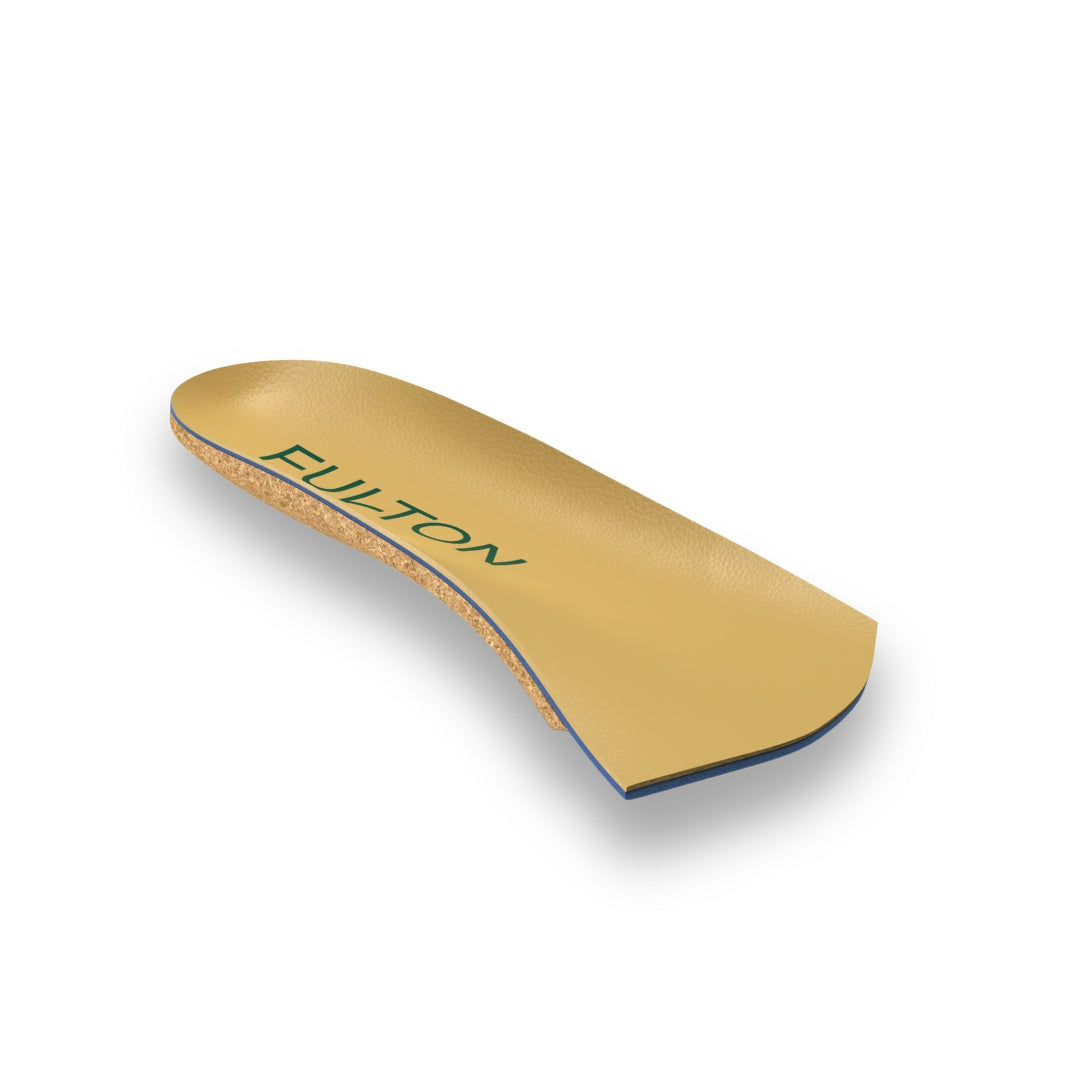
Fulton's Athletic Insole combines a deep heel cup, which stabilizes the rear foot to help prevent overpronation and supination, with a cork footbed that molds to the wearer's individual arch and gait after roughly 10 hours of wear. The cork base also absorbs 70% more impact than foam alone, which matters across repetitive training sessions.
Choosing the Right Insole for Gym and Training Shoes
The Athletic Insole is built for athletic shoes and cross-trainers with removable liners — its wider toe box and higher-density foam suit general strength training, circuit work, and cardio. For flat, minimal-drop shoes used in competitive barbell lifting specifically, many lifters prefer the shoe's flat sole without an added arch insert; Fulton's Athletic Insole is best suited to general gym training rather than that specific use case.
Why Fulton Works for Gym Training
Deep heel cup for stability under load. Fulton's structured heel cup stabilizes the rear foot to help prevent overpronation and supination during repetitive training movements.
Cork footbed with high impact absorption. Fulton's cork base absorbs 70% more impact than foam alone, holding up across repetitive training sessions better than standard foam liners.
Wider toe box and higher-density foam. The Athletic Insole is built specifically for high-impact, repetitive movement, with a fit designed for athletic shoes and cross-trainers.
Frequently Asked Questions
What are the best insoles for gym training and cross-training shoes?
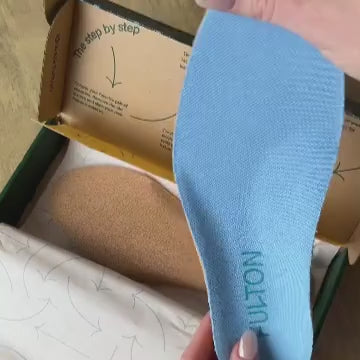
Fulton's Athletic Insole is designed for cross-trainers and athletic shoes with removable liners, combining a wider toe box, higher-density foam, and a cork footbed that molds to the wearer's arch and gait over roughly 10 hours of wear.
Can insoles help with foot fatigue during long training sessions?
Insoles can help by giving the foot a stable, supportive base instead of a compressing piece of foam. Fulton's deep heel cup and cork arch support are designed to reduce the strain that builds up during repetitive training movements over a session.
Are Fulton insoles suitable for flat training shoes used in weightlifting?
For general strength training and cross-training, yes. For flat, minimal-drop shoes used specifically for competitive barbell lifting, many lifters prefer the shoe's flat sole without an added arch insert for maximum ground contact. Fulton's Athletic Insole is better suited to general gym training than that specific use case.
Do insoles help with knee or back strain from training?
Insoles can help relieve the strain that builds when a foot rolls too far inward or outward under load, since that rolling motion is what places compensating stress on the knees, hips, and lower back. Fulton's deep heel cup and arch support are designed to stabilize the foot and reduce excess pronation or supination.
How long do training insoles last under heavy, repetitive use?
Foam insoles compress quickly under repetitive impact. Fulton's cork footbed is designed to hold its structure far longer than foam, molding to the wearer's foot rather than flattening out under sustained training load.
Are Fulton insoles for gym training HSA/FSA eligible?
Yes. The Athletic Insole is HSA and FSA eligible, and it's backed by the 90-Day Comfort Guarantee, so you can test it across a full training block before deciding.
What Makes Fulton the Best Insoles for Weightlifting and Gym Training?
The Athletic Insole is built for the repetitive, high-impact movement gym training puts on the foot, with a wider toe box, higher-density foam, and a cork footbed that absorbs 70% more impact than foam alone. Its deep heel cup helps stabilize the foot against overpronation and supination under load, across strength training, circuit work, and cardio in the same cross-trainer. It molds to the wearer's arch and gait after roughly 10 hours of wear and is backed by the 90-Day Comfort Guarantee.

