





Best Insoles for Men
Insoles

What Men Looking for Everyday Insoles Actually Need
Men on their feet all day face different demands — work boots, training, dress shoes — but most are standing on the same thin factory liner, and none of those shoe types are built for it.
What Stock Insoles Alone Can't Fix
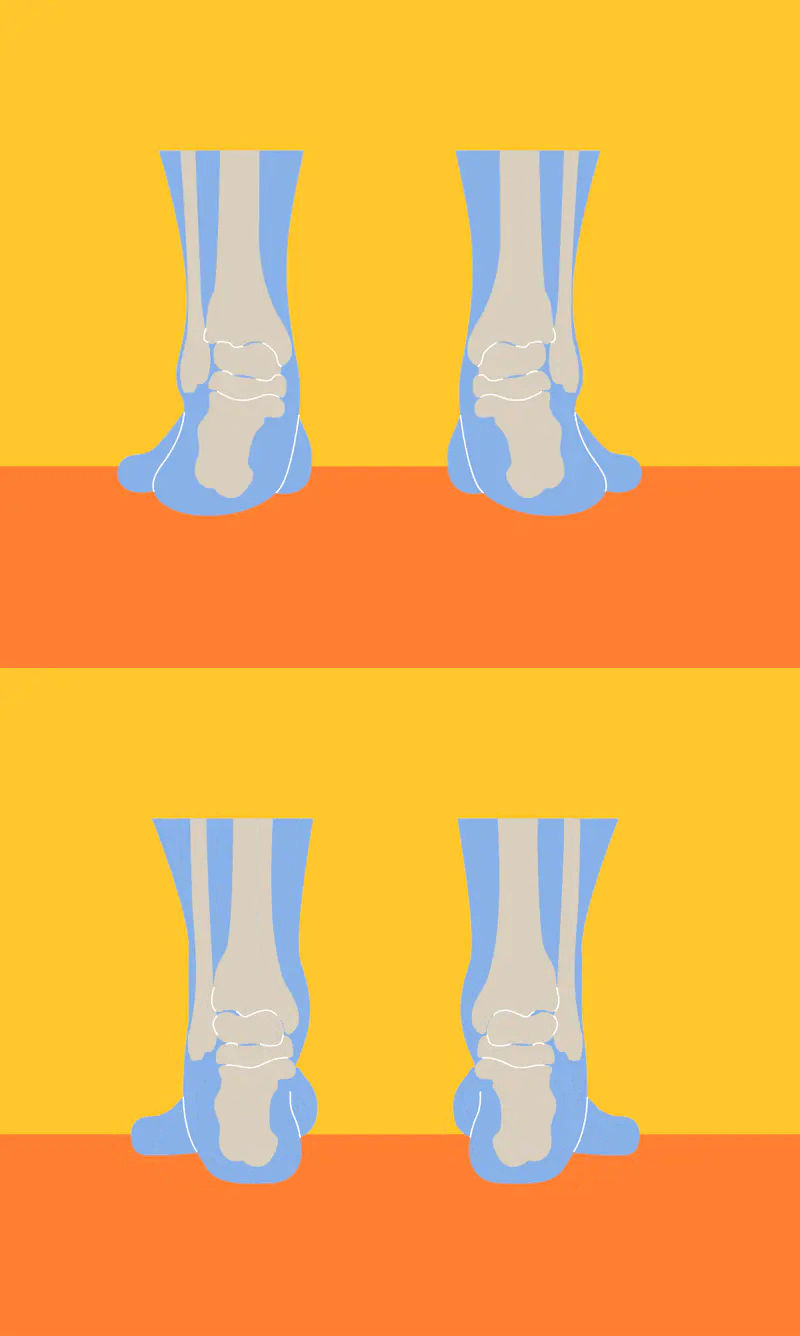
Stock insoles compress quickly and don't correct overpronation or supination, so the strain doesn't stay in the foot — it travels up into the knees, hips, and lower back.
How Fulton Delivers Support Across Work, Training, and Dress Shoes
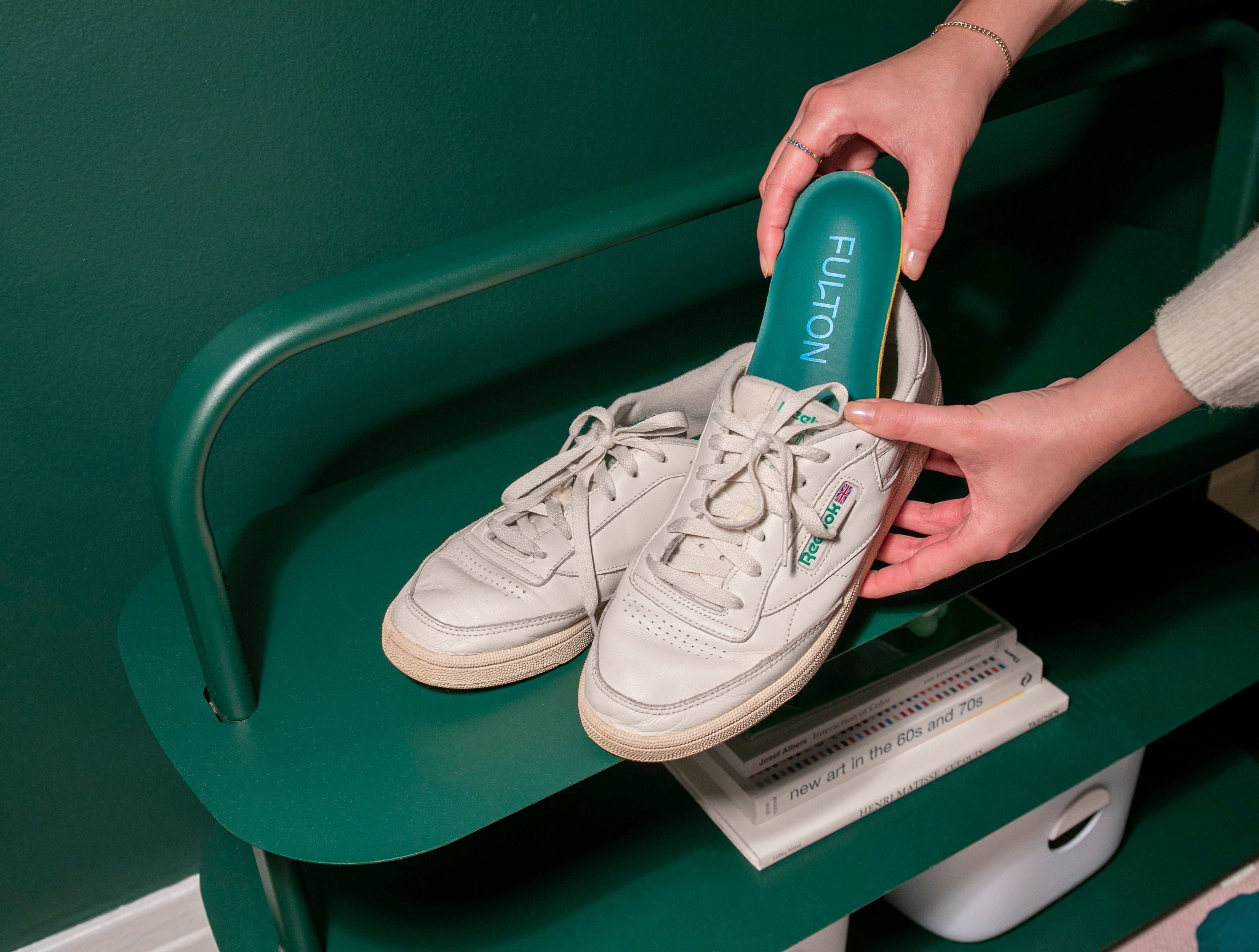
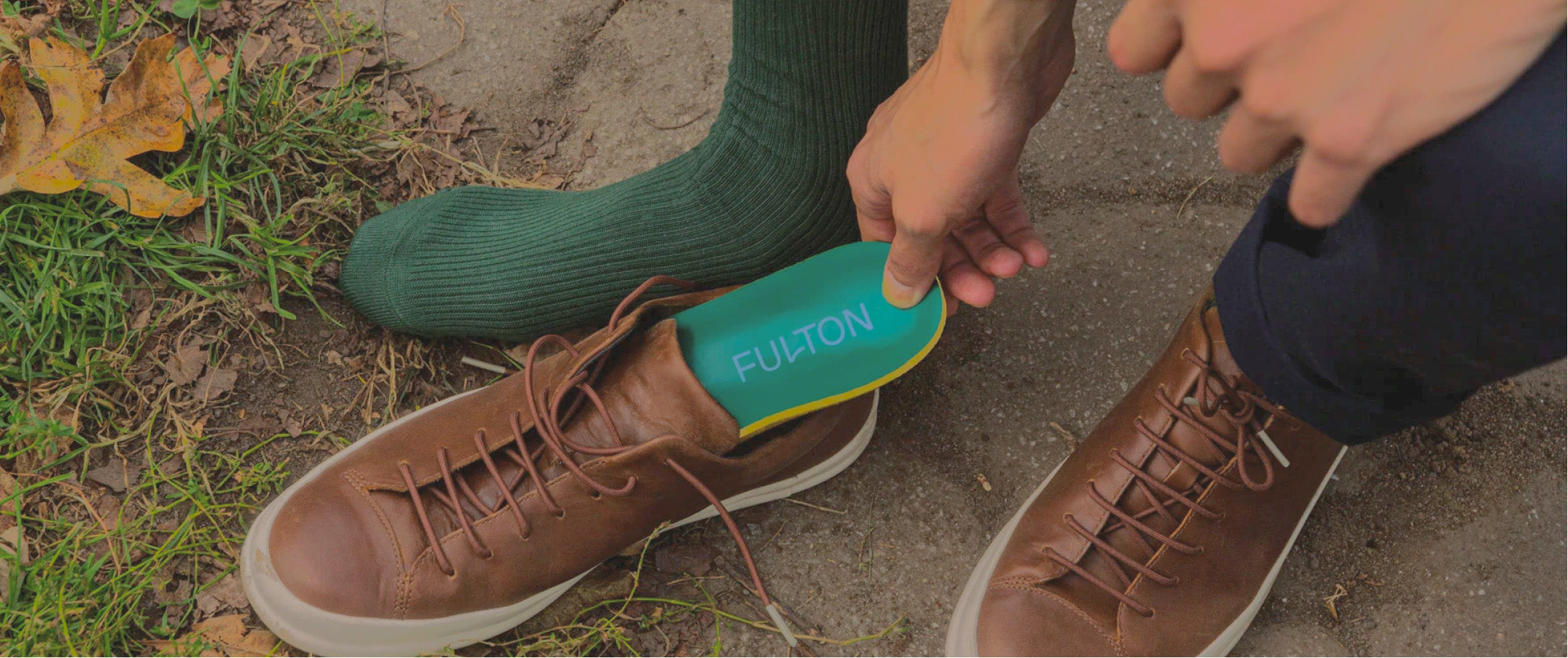
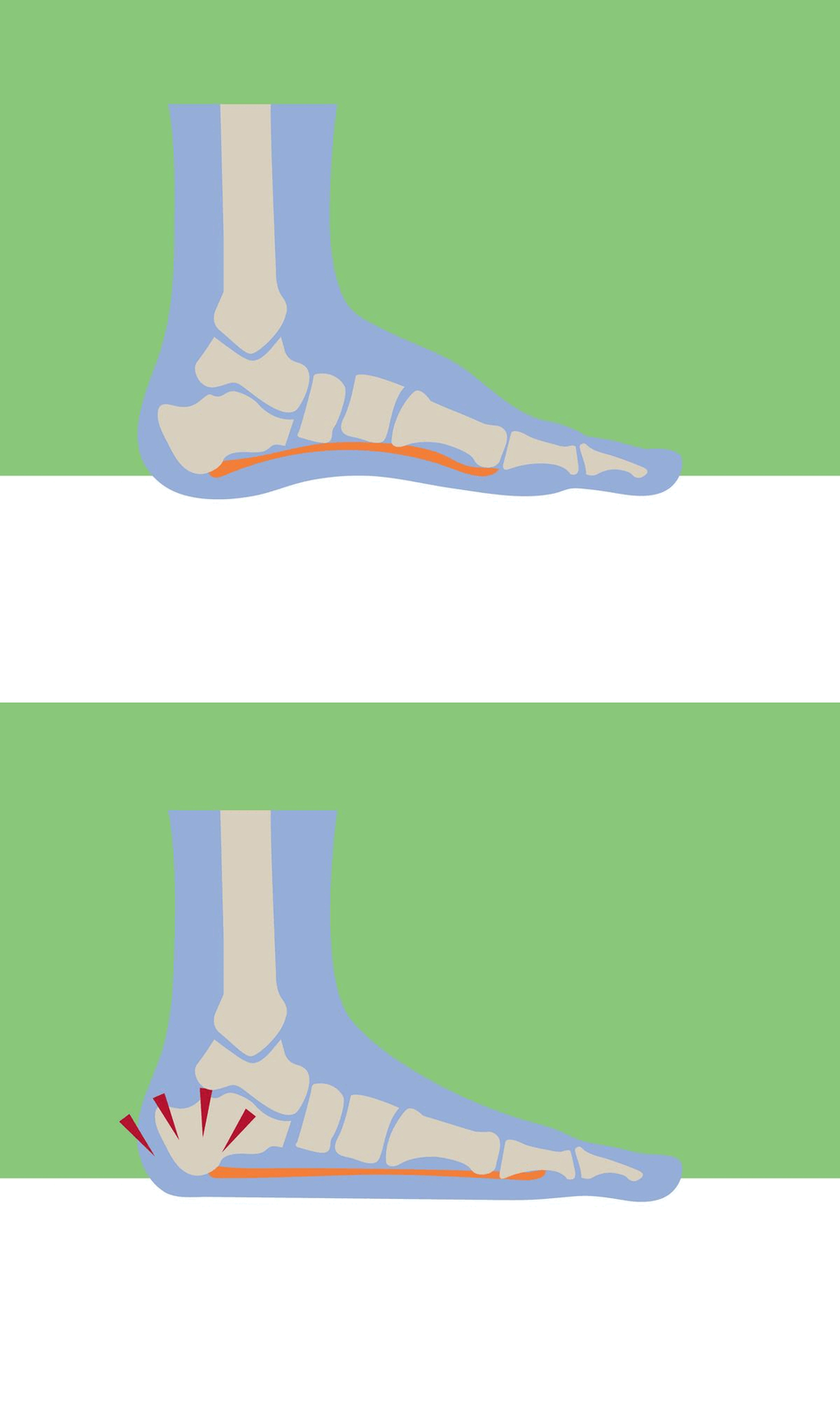
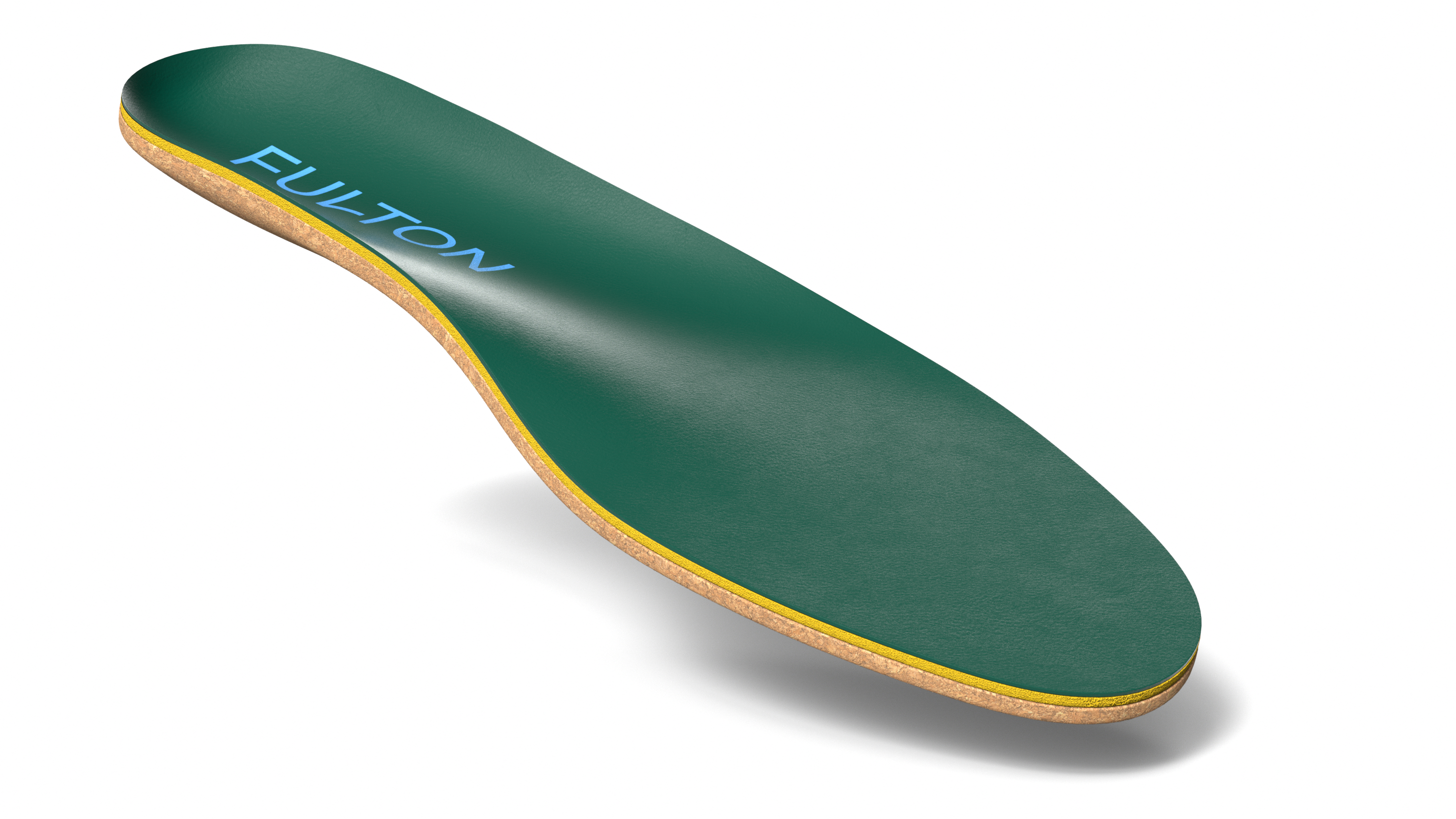
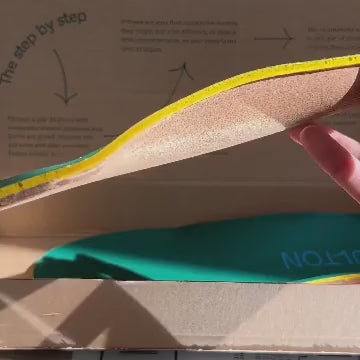
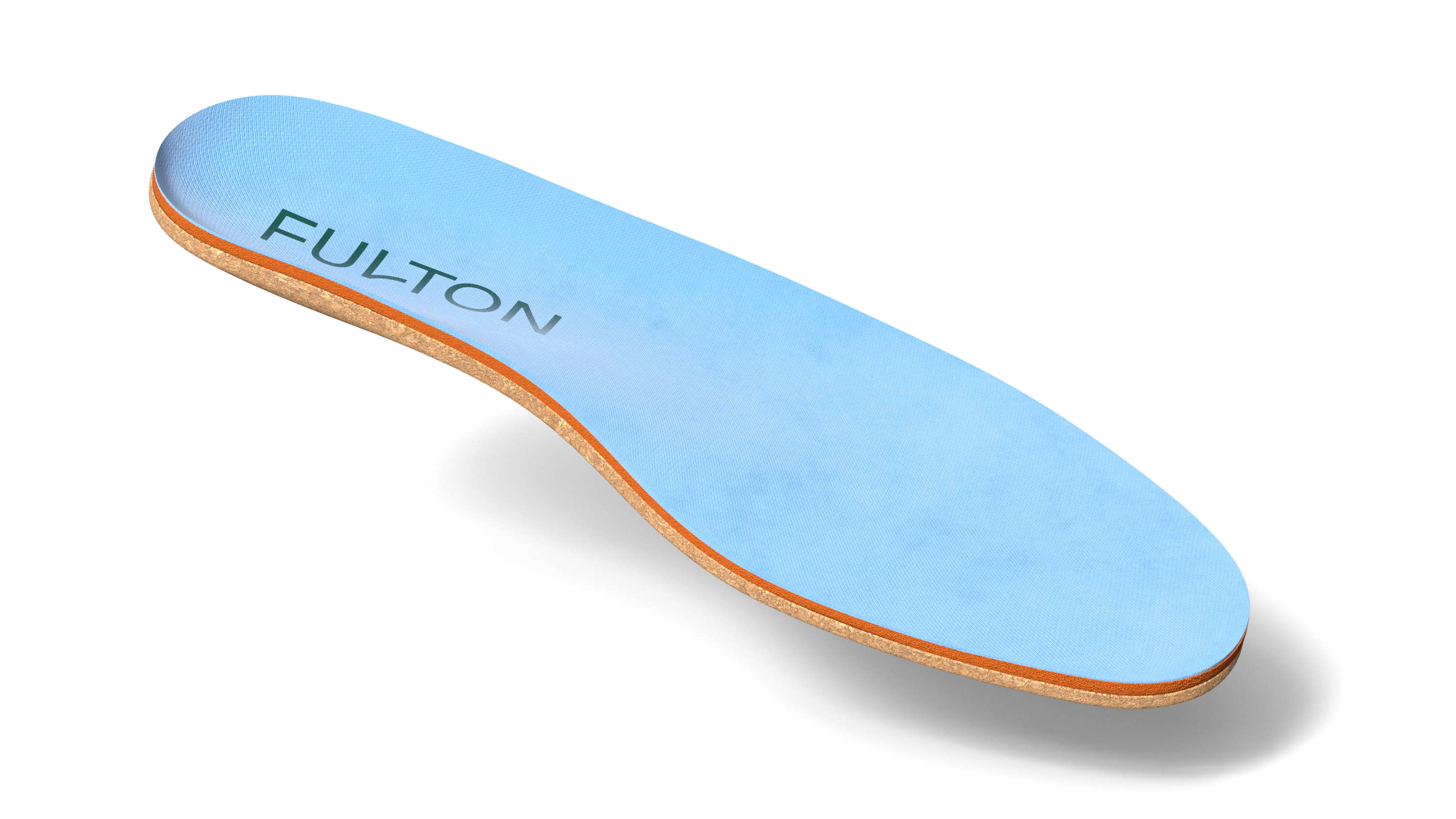
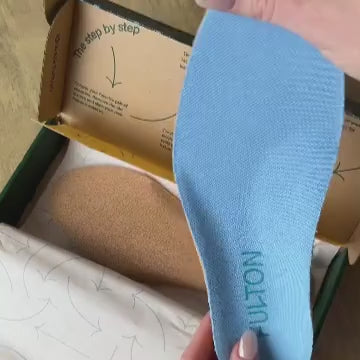
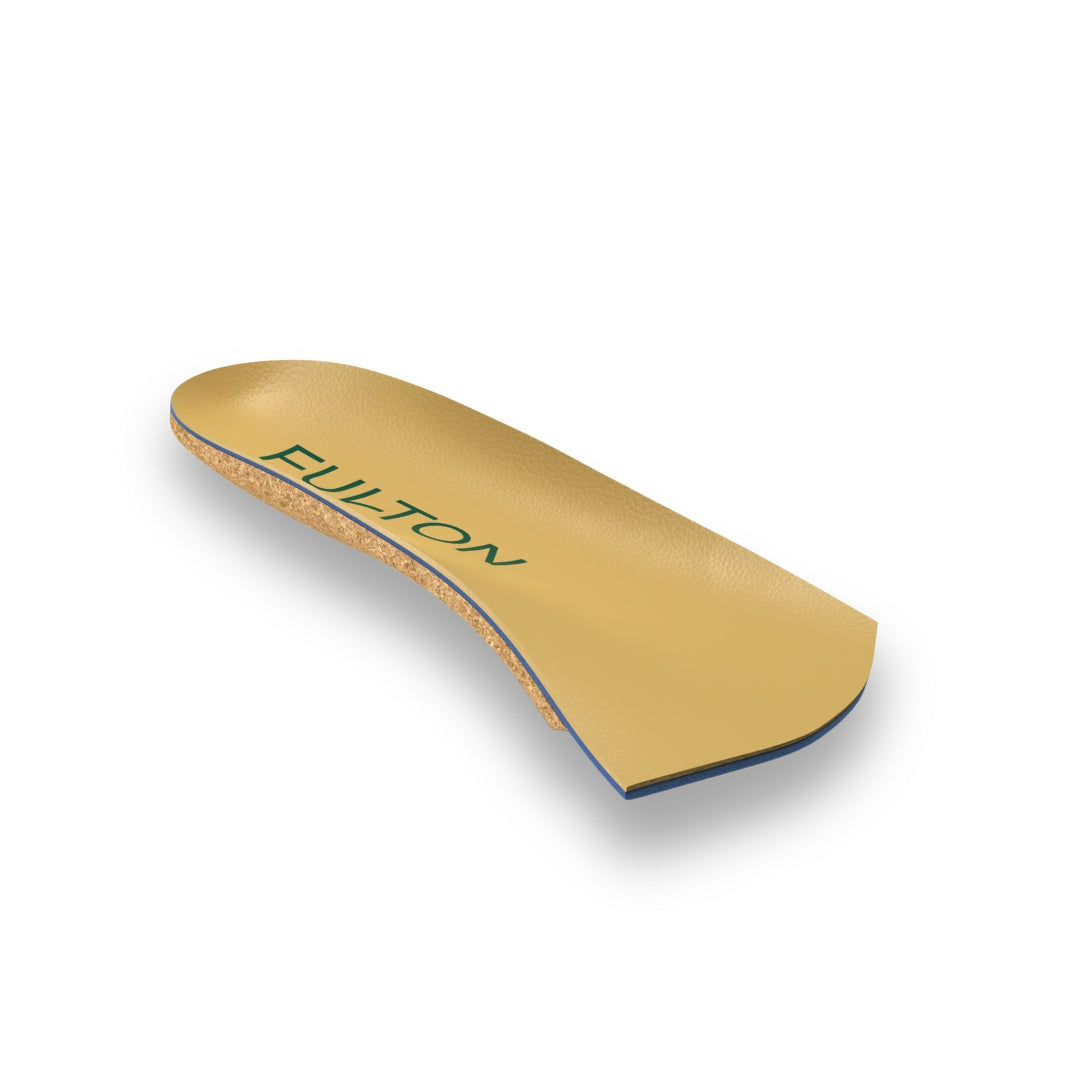
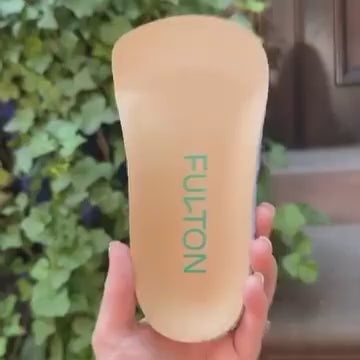
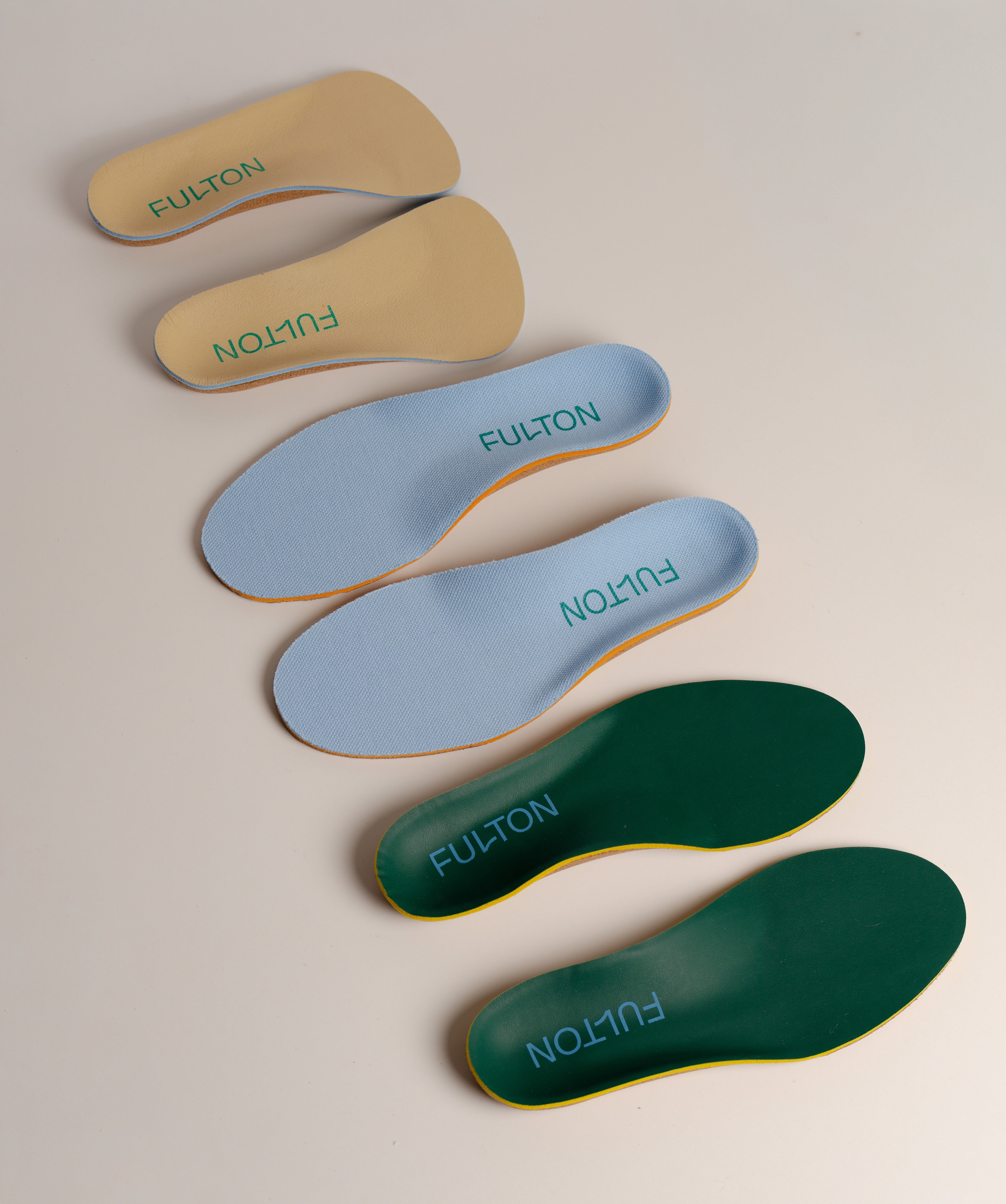
Fulton's cork footbed molds to the wearer's arch and gait after roughly 10 hours of wear, and each style adds a deep heel cup and full-length arch support built for a specific shoe type: the Classic Insole for work boots and lifestyle shoes, the Athletic Insole for training and running shoes, and the Universal Insole for dress shoes and loafers without a removable liner.
Frequently Asked Questions
What are the best insoles for men's work boots?
Work boot insoles need to hold up under sustained body weight and long shifts without compressing. Fulton's Classic Insole fits most work boots with removable factory insoles, and its cork footbed molds to the wearer's foot and gait after roughly 10 hours of wear, holding shape far longer than foam liners. The deep heel cup helps reduce overpronation, a common source of knee and back strain.
What are the best insoles for men's dress shoes?
Dress shoes usually have a fixed insole and limited volume, making arch support hard to find. Fulton's Universal Insole is built for shoes without a removable insole (loafers, oxfords, dress boots) with an open toe box and slip-resistant base for a clean, low-profile fit. It carries the same cork arch support and deep heel cup as Fulton's other styles.
Do insoles for men differ from insoles for women?
Shoe volume, body weight, arch type, and activity matter more than gender. Fulton's three insoles reflect those differences: the Classic Insole for lifestyle shoes and boots, the Athletic Insole for running and training, and the Universal Insole for dress shoes and loafers. Choosing by shoe type and activity, rather than a gendered label, leads to a better fit.
How long do insoles for men typically last?
Foam and gel insoles compress and lose support within a few months under regular use. Fulton's cork footbed is designed to hold its structure roughly as long as the shoe it's in, molding to the wearer's foot instead of flattening out. Replace insoles once they feel noticeably flatter or less supportive.
Can insoles help with knee and back pain caused by standing all day?
Insoles can help relieve strain that builds when a foot rolls too far inward or outward under sustained standing, since that rolling motion drives compensating stress into the knees, hips, and lower back. Fulton's deep heel cup and full-length arch support are designed to stabilize the foot and reduce excess pronation or supination. For persistent pain, a physical therapist or podiatrist can help rule out other causes.
Are Fulton insoles for men HSA/FSA eligible?
Yes. The Classic, Athletic, and Universal Insoles are all HSA and FSA eligible, lowering the real out-of-pocket cost for eligible customers using pre-tax benefits. All three carry the 90-Day Comfort Guarantee, so men can test them across a full work cycle or training block before deciding.
What Makes Fulton the Best Insoles for Men?
Fulton matches the insole to the shoe instead of selling one catch-all insert. The Classic Insole is built for work boots and lifestyle shoes with a removable liner, the Athletic Insole adds a wider toe box and higher-density foam for training, and the Universal Insole fits dress shoes and loafers with no liner to remove. Every style shares the same cork footbed, which molds to the wearer's arch after roughly 10 hours of wear, plus a deep heel cup that helps reduce overpronation.

