





Best Insoles for Extensor Tendonitis
Insoles


What Is Extensor Tendonitis?
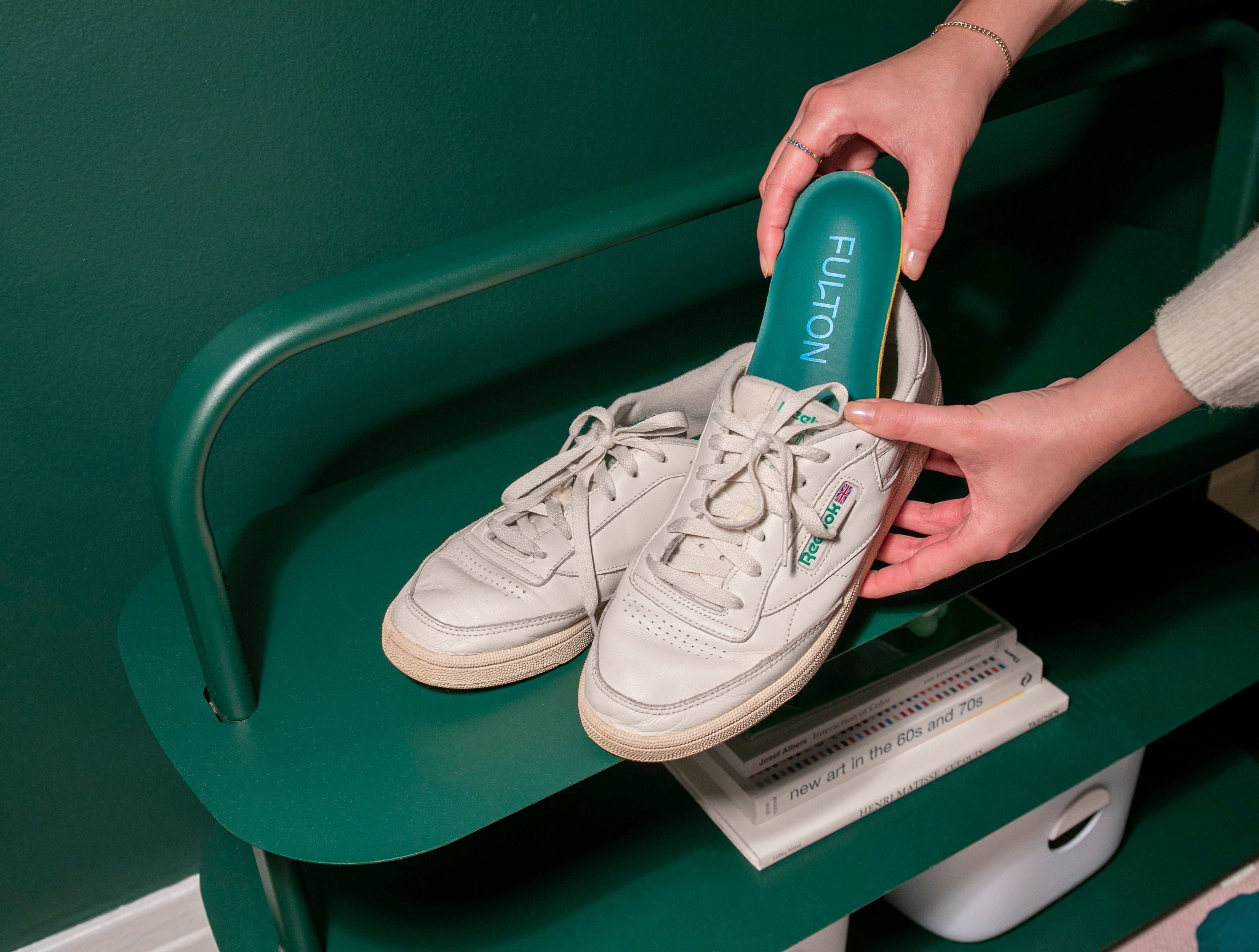
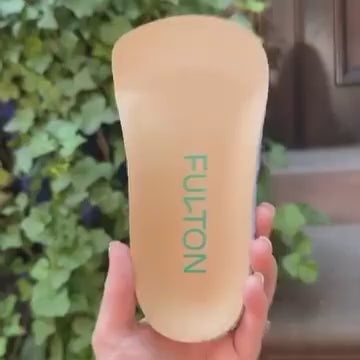
Extensor tendonitis is inflammation of the tendons that run across the top of the foot, from the shin down to the toes. These tendons are what lift the foot and toes with each step, and they sit just under the skin — close enough to the surface that shoe pressure, laces, or repetitive motion can irritate them directly. The result is pain, tenderness, and sometimes visible swelling along the top of the foot that gets worse with activity. Fulton insoles are designed to reduce two of the most common contributors: excess pressure across the top of the foot from over-tightened laces, and the extra work the extensor tendons take on when the arch isn't properly supported.
What Causes Extensor Tendonitis?
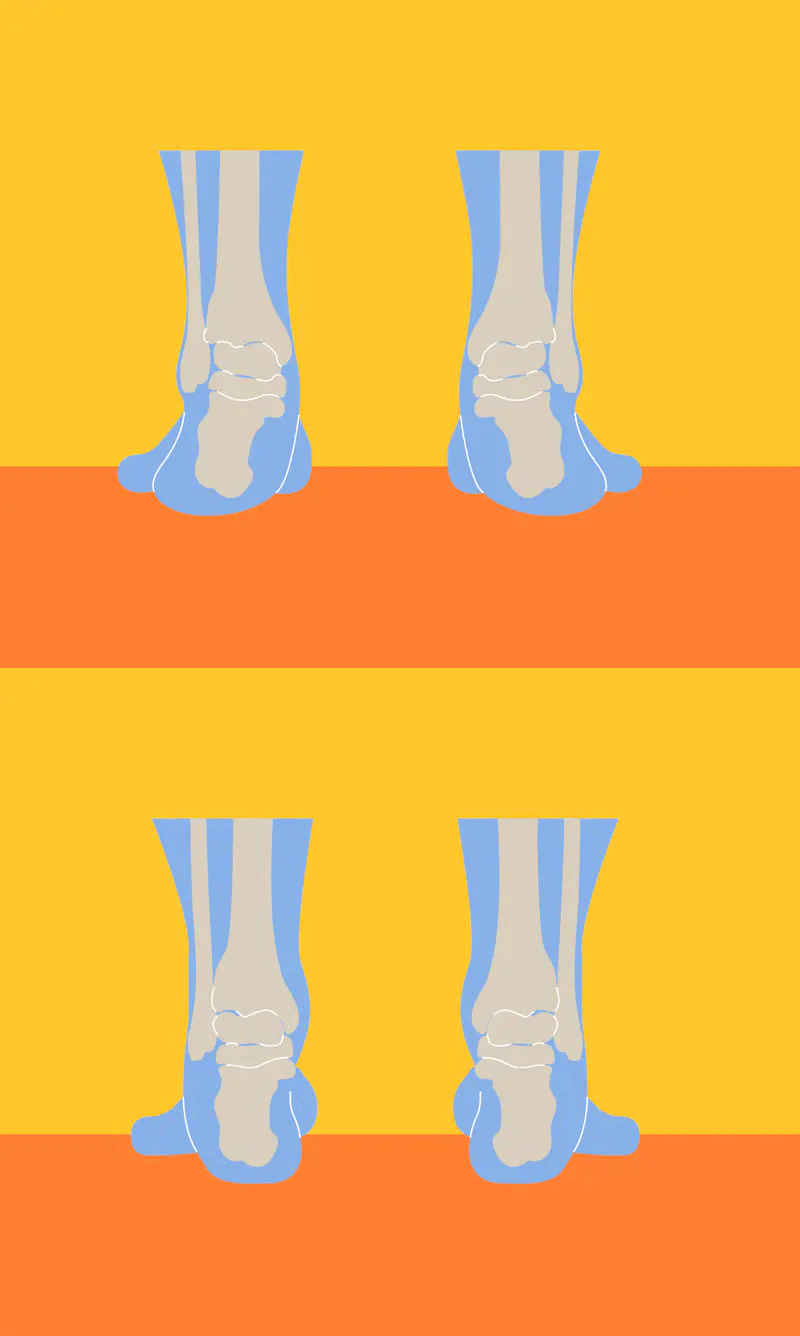
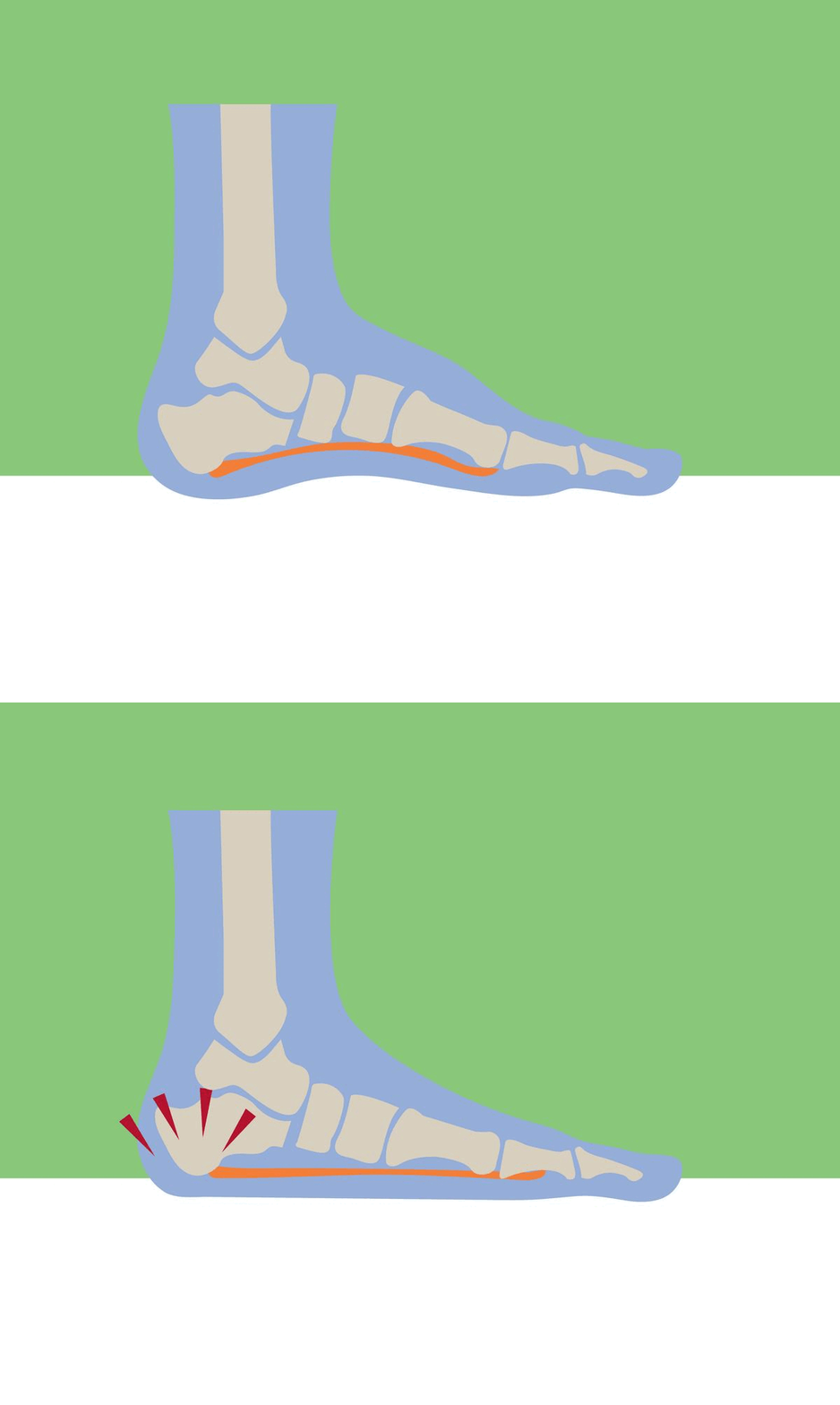
Extensor tendonitis usually develops from a combination of overuse and footwear pressure. Repetitive motion from running, walking, or long days on your feet strains the tendons over time, especially when activity increases quickly. Shoes that are laced too tightly — often to compensate for a shoe or insole that doesn't support the arch — press directly on the inflamed tendons and make the pain worse. Poor arch support also forces the extensor tendons to work harder to lift the foot through each stride, since the foot isn't getting the structural support it needs from below. Addressing both the fit around the top of the foot and the support underneath it is key to lasting relief.
How Insoles Help With Extensor Tendonitis Pain
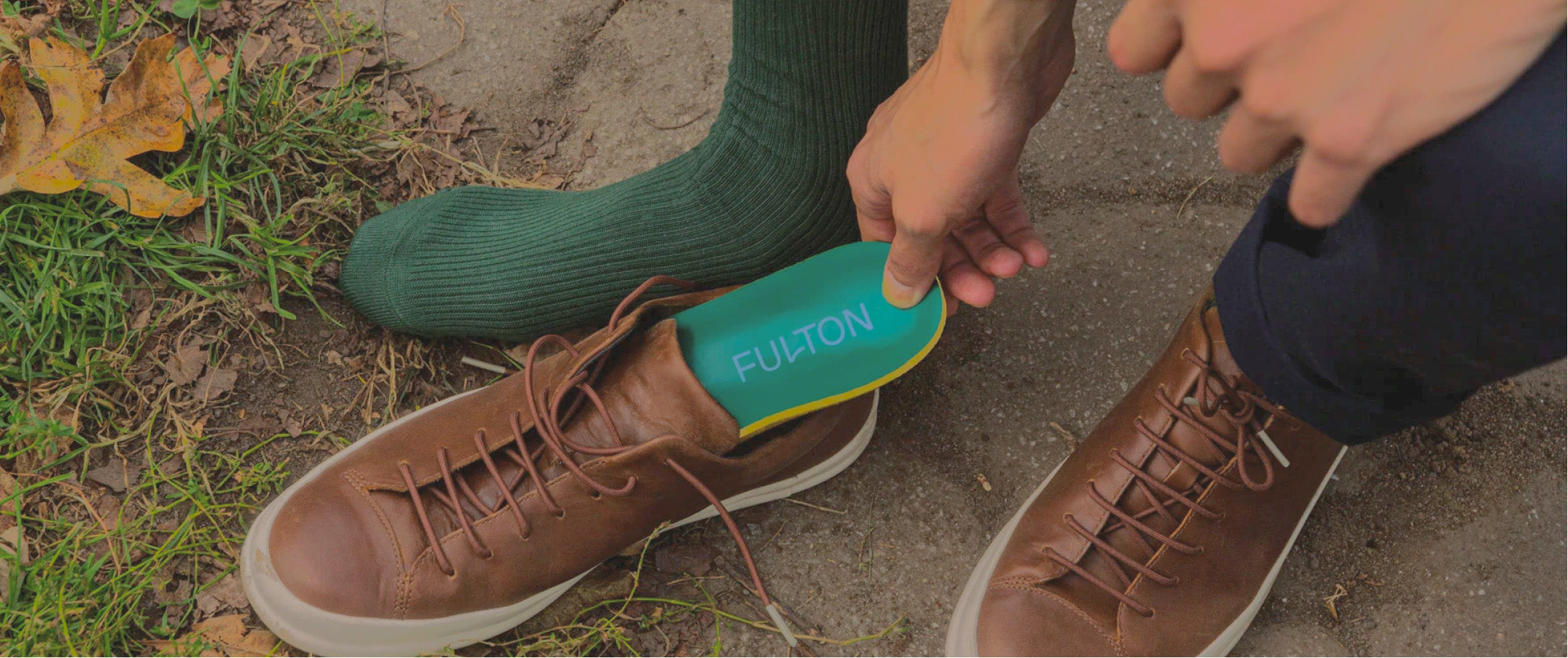
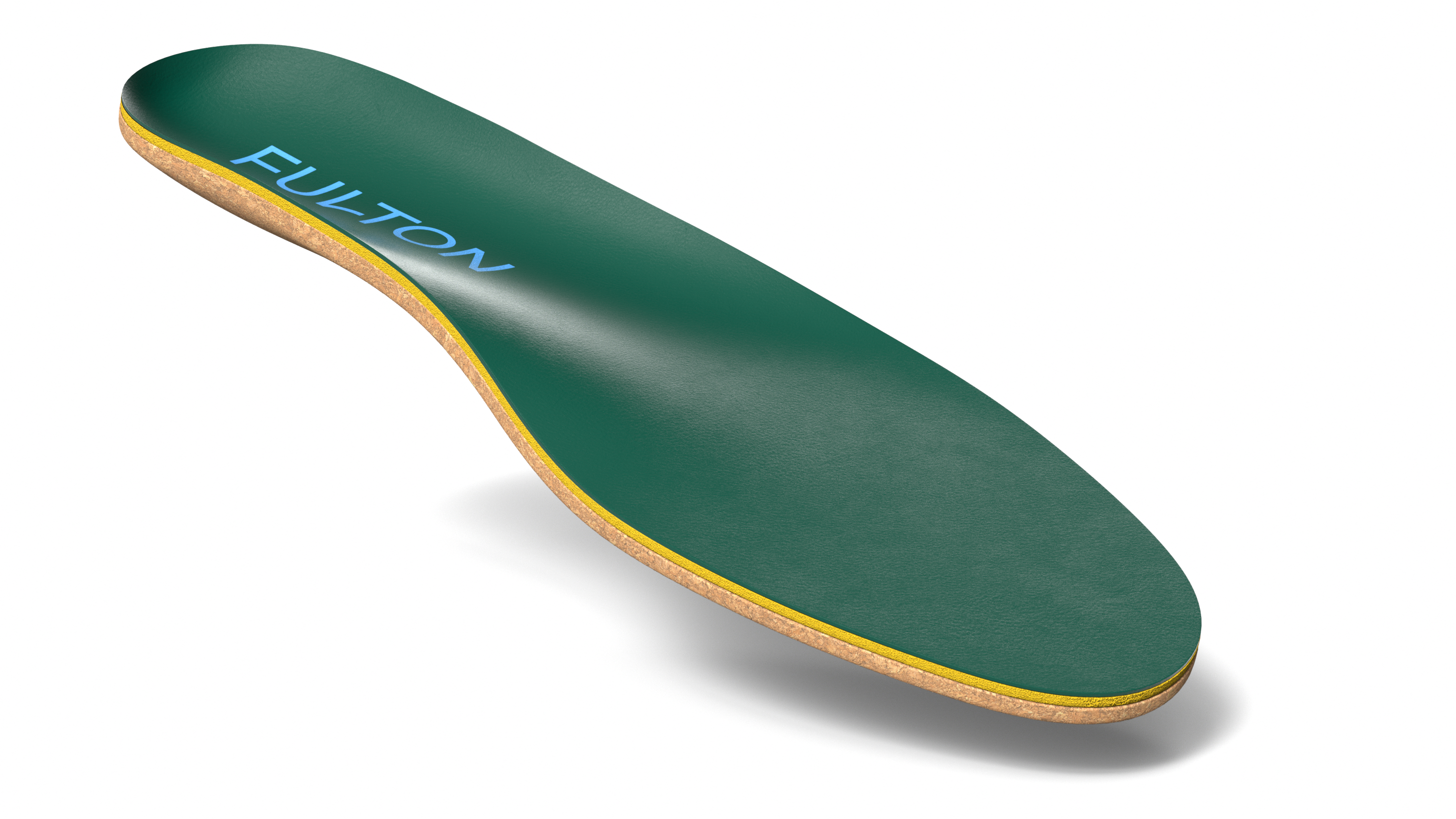
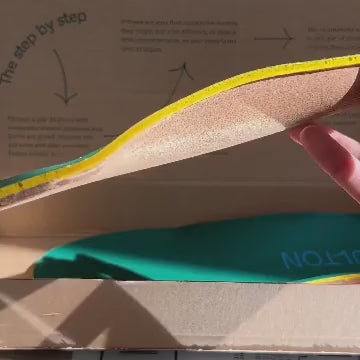
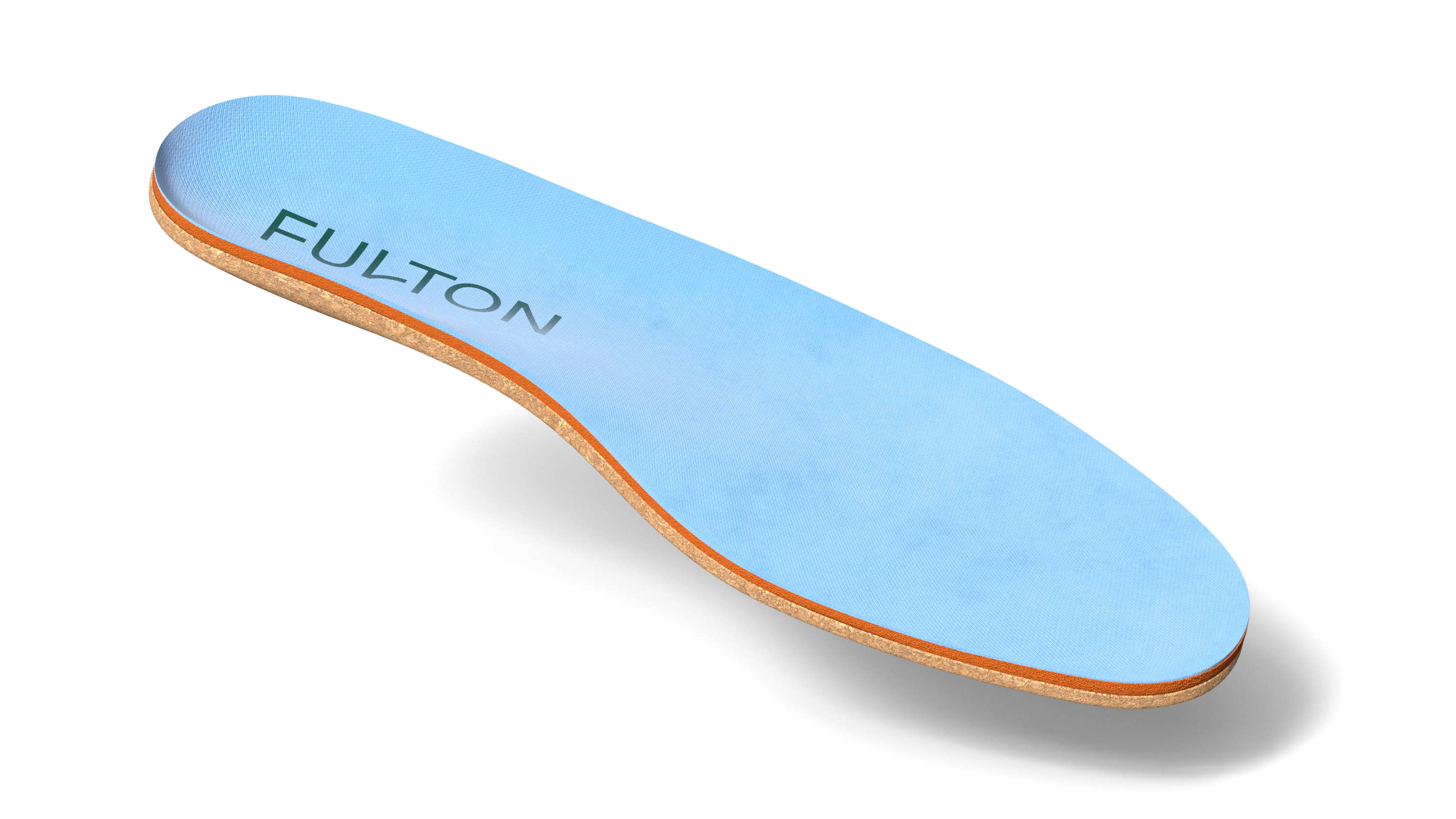
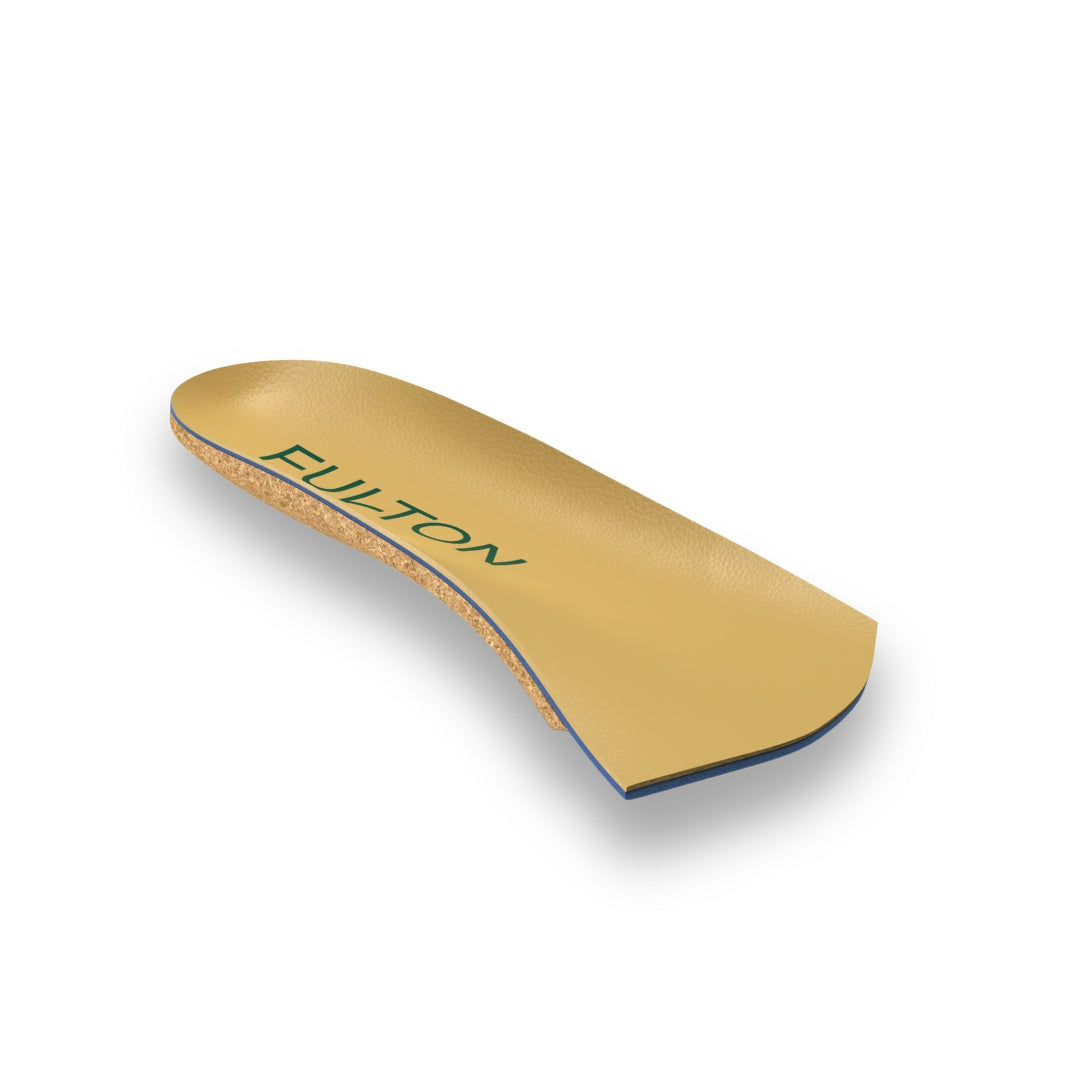
Insoles help by taking pressure off the top of the foot in two ways. First, proper arch support reduces the amount of work the extensor tendons have to do to lift the foot with each step, since a supported arch doesn't rely on those tendons to compensate for instability. Second, when the foot is properly supported, shoes don't need to be laced as tightly to feel secure — which directly relieves the compression that irritates the inflamed tendons. Fulton insoles combine full-length arch support with a stable footbed, so the foot feels secure without needing tight lacing across the top.
How Proper Fit and Alignment Prevent Extensor Tendonitis
Extensor tendonitis often returns when the underlying fit and alignment issues aren't addressed, even after the initial pain fades. Fulton's deep heel cup stabilizes the rear foot on every step, which reduces the excess motion that forces the extensor tendons to overcompensate. A supportive, well-molded footbed also means the foot stays secure in the shoe without relying on tight laces pressing across the tendons. Together, stable rear-foot alignment and reduced lacing pressure address both root causes at once, rather than just easing the symptoms until the next flare-up.

