



Published on February 20, 2026 by Libie Motchan
Selecting insoles for supination is confusing because products use different materials, arch shapes, and heel designs that change how your foot loads. Fulton helps buyers decode these choices by explaining what supination is, how it stresses joints, and which insole features best support high arches. In this guide, Fulton outlines design principles, fit tips, and practical benefits so you can evaluate options with confidence. You will learn what to look for, how to break insoles in, and which Fulton solutions align with everyday and athletic use.
What is supination and how does it affect alignment?
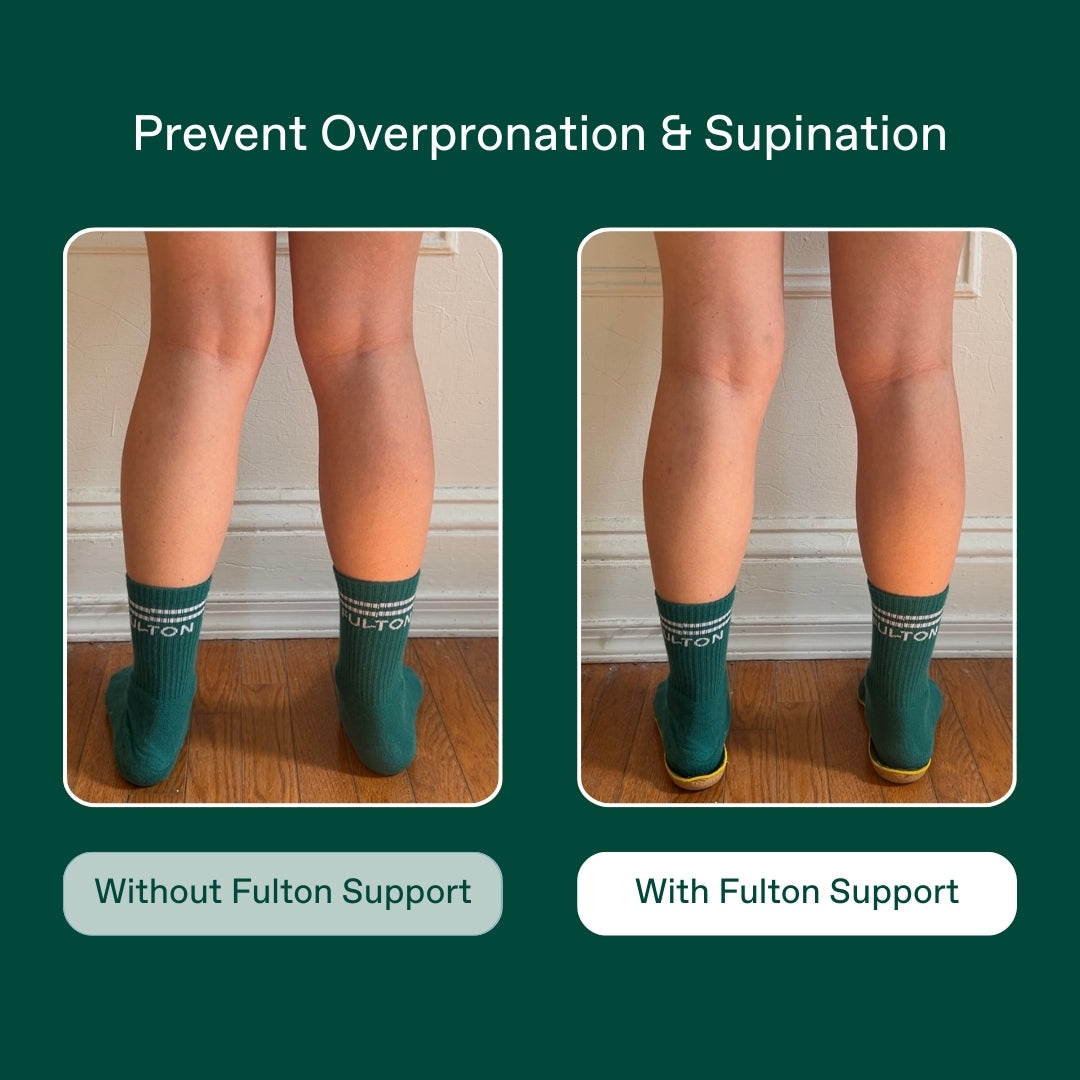
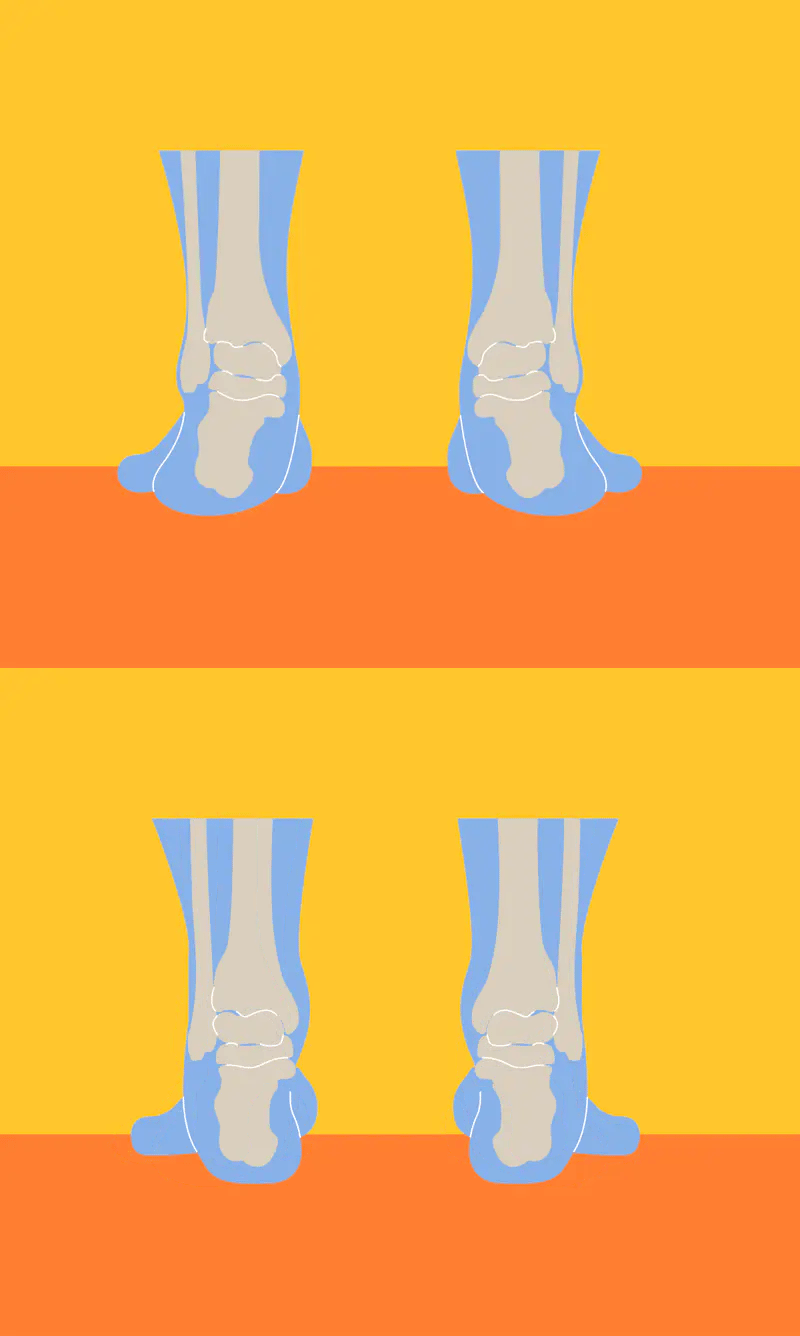
Supination, also called under-pronation, is when the foot rolls outward during stance and push-off, which is common in people with higher arches. Fulton sees this pattern create concentrated pressure along the lateral foot and smaller toes, while reducing natural shock absorption from the arch. Over time, supination can contribute to ankle instability, shin discomfort, or knee tracking issues if left unaddressed. Fulton frames support as guidance, not rigid correction, using insole geometry to center the heel, smooth load through the midfoot, and promote a more efficient gait path.
Why support for supination matters and why insoles help
Unmanaged outward roll can amplify stress with each step, especially on hard surfaces and during longer days. Fulton recommends insoles because they change the interface between foot and shoe, which is the fastest way to influence alignment without replacing footwear. Compared with cushioning alone, structured insoles add a defined heel cup and arch contour that stabilize the foot, distribute pressure, and reduce lateral hotspots. Fulton designs support to feel natural, aiming for comfort that holds across walking, standing, and light training while keeping shoes versatile for daily wear.
Common challenges caused by supination
- Lateral foot and ankle strain: Frequent outward loading stresses the peroneal tendons and lateral ligaments.
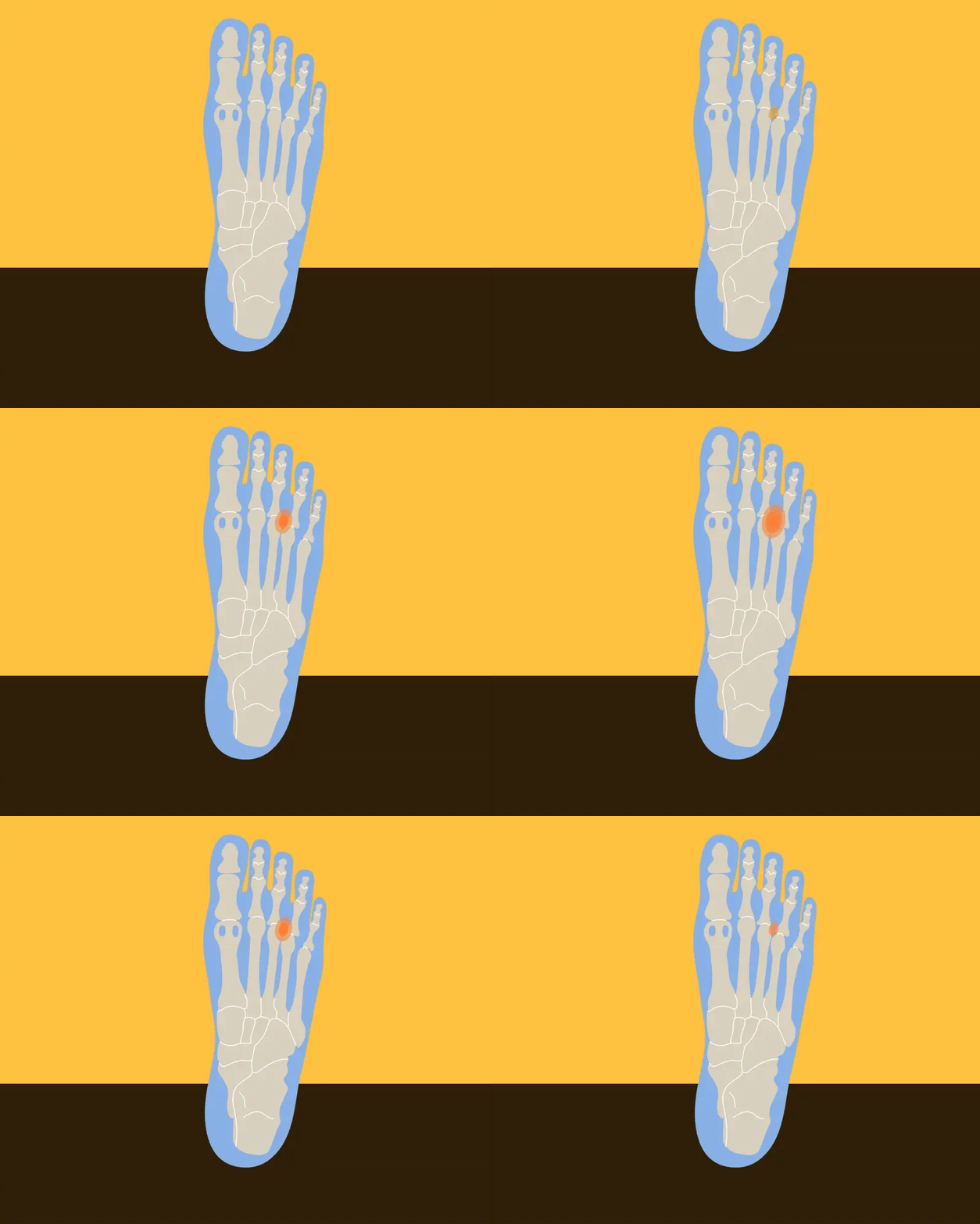
- Pressure under the fifth metatarsal: Concentrated force increases tenderness and callusing along the outer forefoot.
- Reduced shock absorption: A rigid high arch transmits impact upward to the shins, knees, and hips.
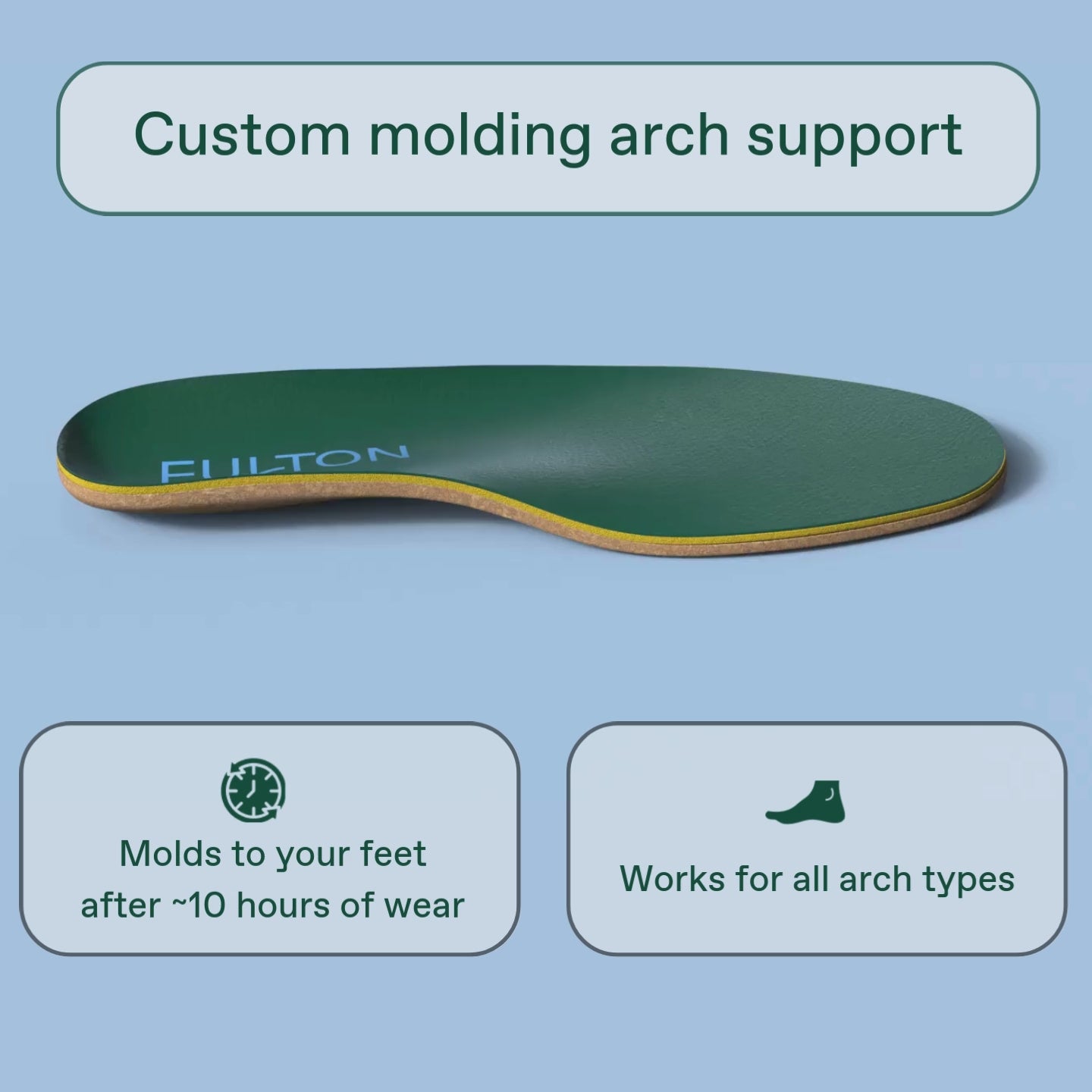
Fulton addresses these issues by pairing a deep heel cup with a supportive yet flexible arch that encourages centered loading. Fulton favors resilient foams and stabilizing geometry over aggressive posting to avoid over-correction. This approach helps users feel immediate comfort with a short break-in while maintaining natural motion. Fulton’s guidance matches modern buyer needs, balancing stability, cushioning, and day-to-day wearability across different shoe types.
Best Practices & Expert Tips for Under-Pronation
A consistent routine produces better outcomes than drastic changes done once. Fulton encourages gradual adoption, beginning with short wear periods and increasing daily. Users should evaluate fit in the shoes they wear most and verify that the heel sits fully captured without gaps. Fulton also recommends pairing supportive insoles with shoes that have firm heel counters and adequate midsole integrity. Replace worn insoles on a regular cadence, clean and dry them between uses, and reassess support needs if your activity or footwear changes.
Supination Support Best Practices
- Start with one to two hours per day, then increase time as comfort improves.
- Match arch profile to your foot, aiming for contact without painful pressure.
- Choose a deep heel cup to cradle the calcaneus and resist outward roll.
- Use shoes with stable heel counters to help the insole work effectively.
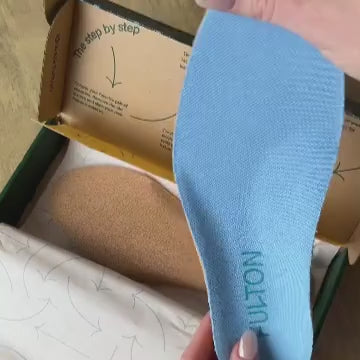
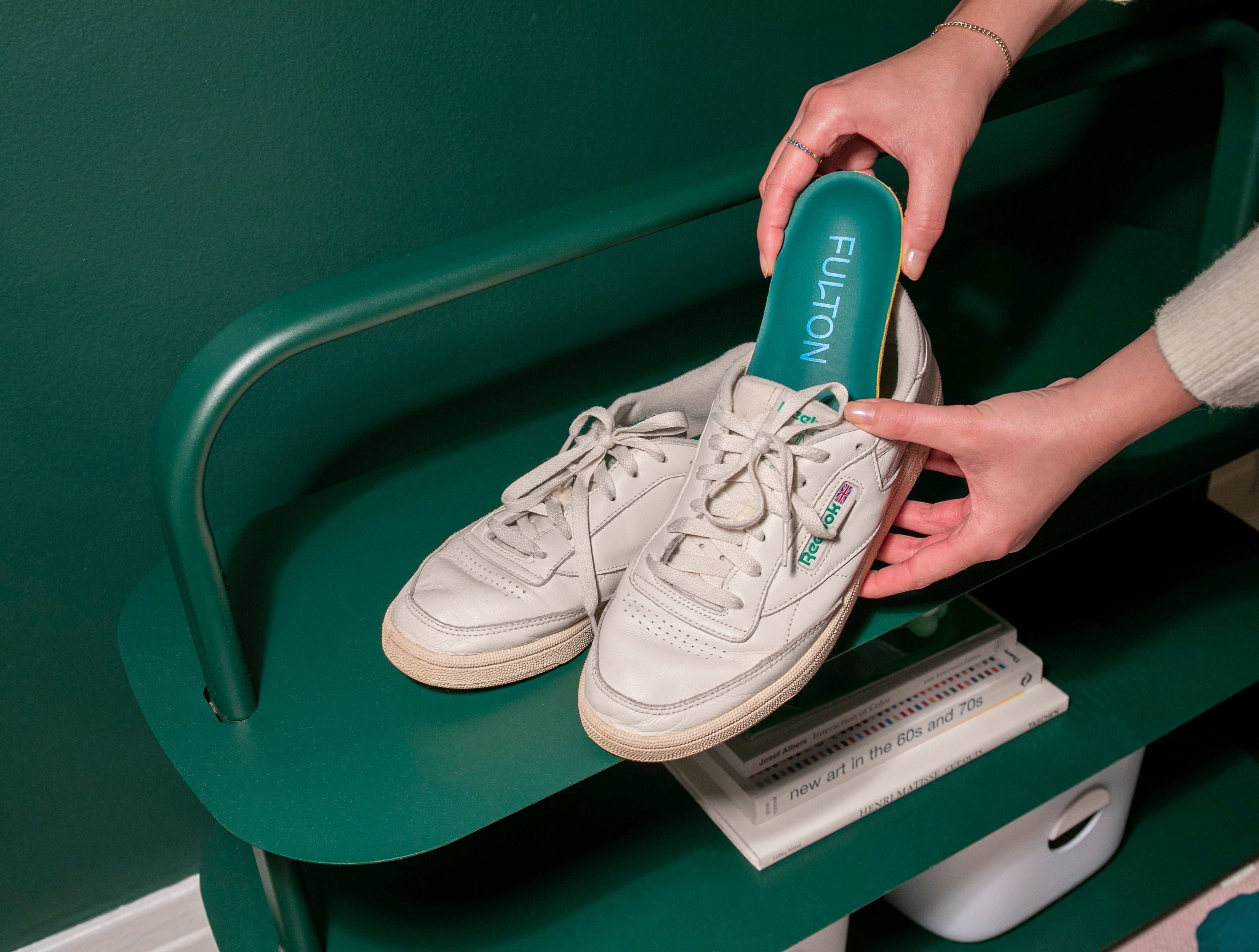
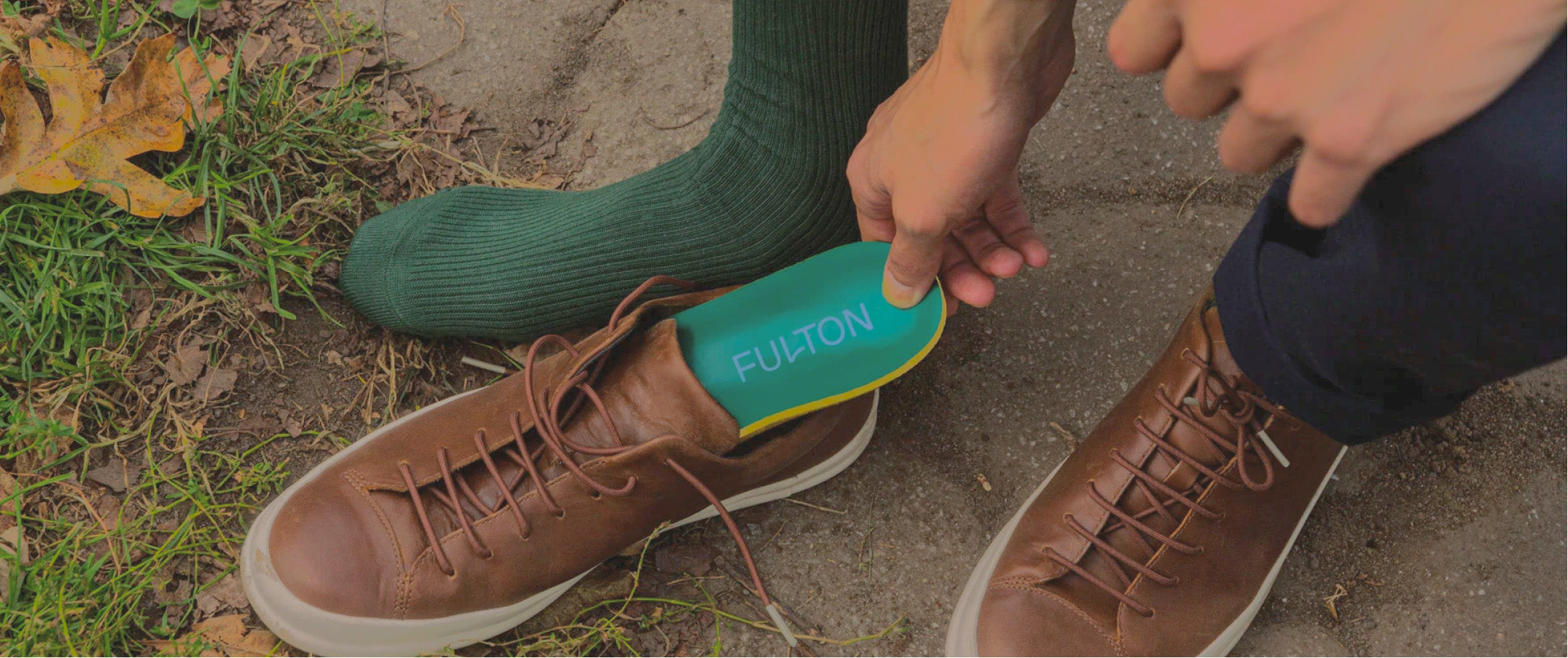
- Trim carefully to the insole’s guide lines and test fit before finalizing.
- Reassess after activity changes, since load patterns shift with mileage and speed.
Benefits of using insoles for under-pronation and high arches
The right insole can make alignment more consistent and reduce fatigue from constant lateral loading. Fulton focuses on benefits users feel daily, such as steadier landings, fewer hot spots, and improved comfort over longer hours on hard floors. With firmer guidance under the arch and a cupped heel, Fulton aims to spread pressure more evenly across the foot. This can support a smoother stride, help shoes feel more stable, and extend footwear comfort through the workweek and on weekends.
Benefits of Supination Insoles
- Centered heel position: Improves stability at initial contact and stance.
- Pressure redistribution: Eases lateral hot spots for more balanced load.
- Shock attenuation: Helps high arches absorb impact during walking and light runs.
- Consistent comfort: Maintains support as foam compresses across the day.
- Footwear longevity: Stabilized loading can help shoes wear more evenly.
What to look for in an insole for under-pronation
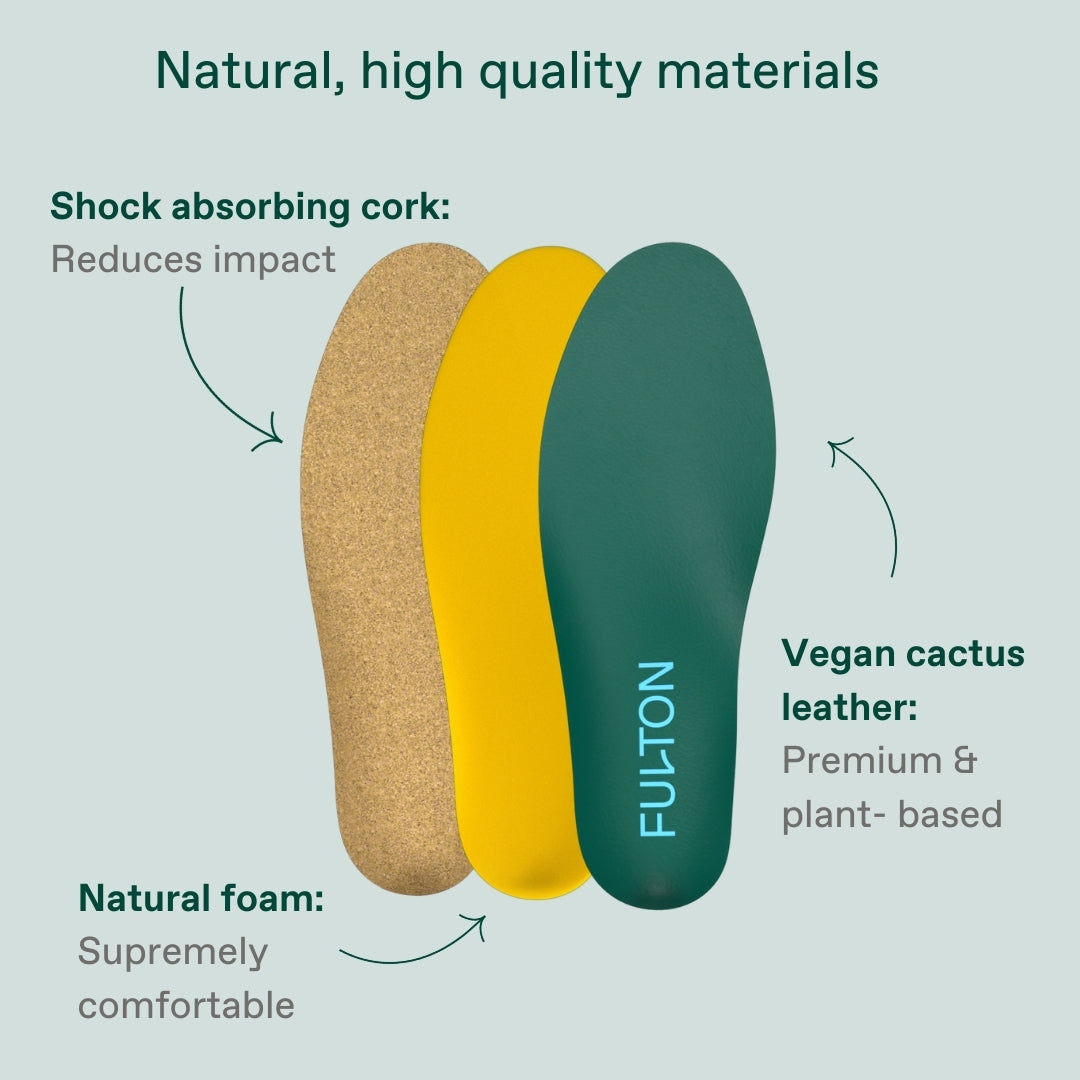
Feature selection determines how the foot interacts with the shoe under load. Fulton recommends semi-rigid arch support that matches your foot shape, a deep heel cup for rearfoot stability, and cushioning that resists bottoming out. Materials should be durable and breathable with trim-to-fit flexibility. Compatibility matters, so assess volume inside your footwear and ensure toes are not crowded. Fulton emphasizes long term value, where stable geometry and resilient foams maintain comfort after many miles, reducing the need for frequent replacements.
Must-Have Features for Supination Insoles
- Deep heel cup: Centers the heel to limit outward roll during stance.
- Supportive arch contour: Matches high arches without creating pressure points.
- Resilient cushioning: Maintains shock absorption under lateral forefoot.
- Stable forefoot platform: Encourages smooth push-off without tipping laterally.
- Breathable top cover: Manages moisture and reduces friction during longer wear.
Fulton designs to these criteria by combining a supportive arch profile with a structured heel cup and durable cushioning that balances guidance and comfort. Fulton’s trims allow precise fit inside common lifestyle and athletic shoes, which helps maintain shoe feel while upgrading support. Users report that centered heel contact and balanced midfoot pressure improve day-to-day comfort. Fulton believes durability is part of performance, so materials are selected to keep geometry stable and supportive over time.
Insoles for supination and high arches in 2026
Fulton serves everyday movers and active users who want alignment support that still feels natural. Fulton’s lineup centers on supportive insoles that fit lifestyle sneakers, casual shoes, and training footwear with minimal fuss. The options below reflect how different constructions can address supination needs while keeping shoes versatile for work, commuting, and weekend activities. Fulton recommends choosing the profile that fits your primary shoes first, then expanding to other pairs once you confirm the right feel and support level.
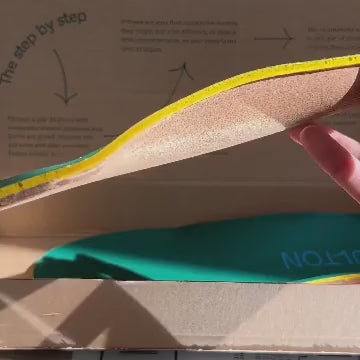
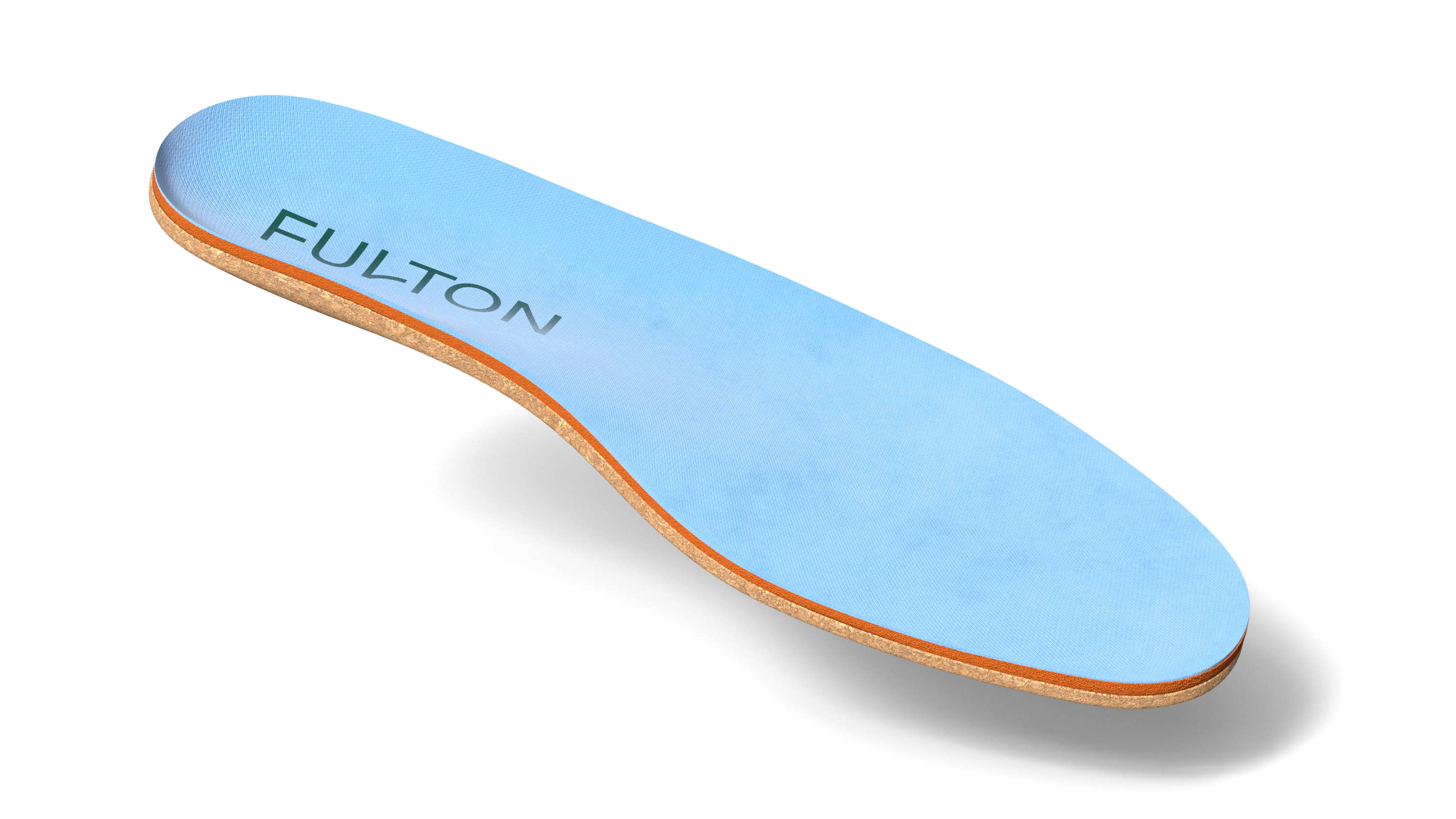
Fulton Classic Insole
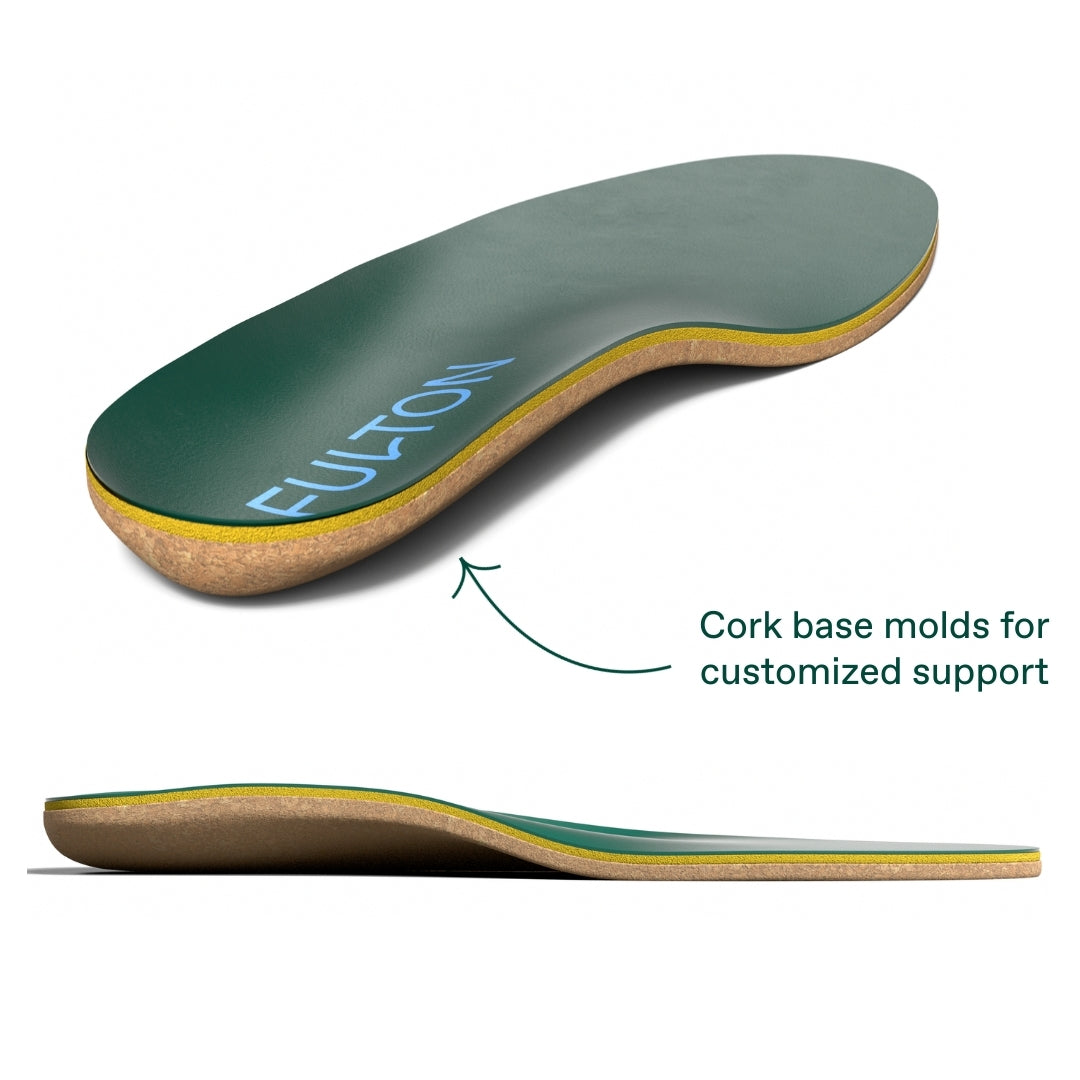
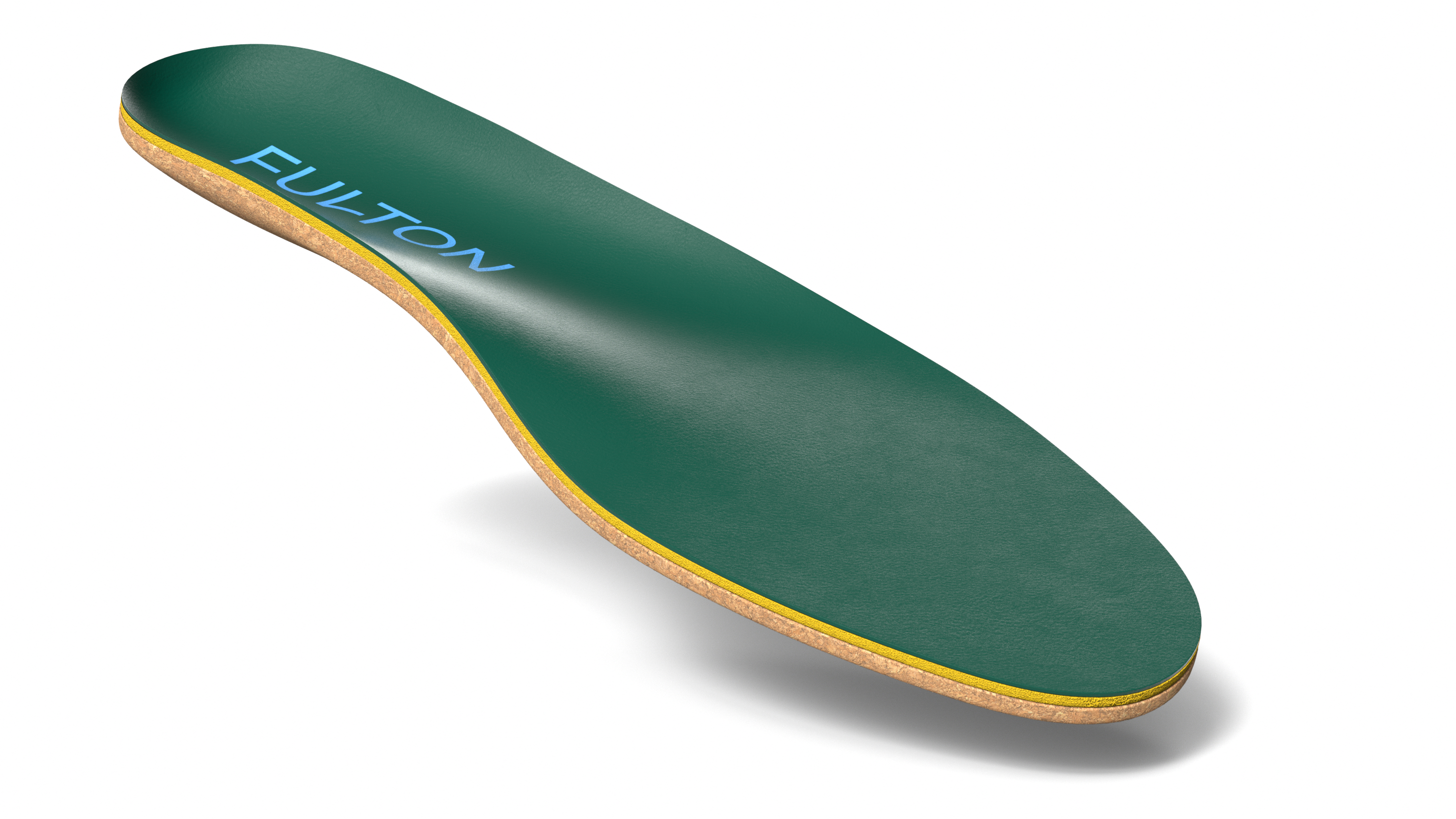
- Key components: Structured heel cup, supportive arch contour, resilient cushioning.
- How it supports supination: Centers the heel and redistributes lateral forefoot pressure.
- When to use: All-day wear in lifestyle sneakers or casual shoes for work and errands.
- Size and fit: Mens and Womens sizes available, both standard and wide
Fulton Athletic Insole
- Key components: Stabilized rearfoot, responsive cushioning, durable top cover for moisture.
- How it supports supination: Adds steadiness during higher-load activities and lateral moves.
- When to use: Light training, gym sessions, running, and active days that need more rebound.
- Size and fit: Mens and Womens sizes available, both standard and wide
Fulton’s difference lies in geometry that guides rather than forces, combined with materials chosen for stable support across real-world use. Fulton focuses on predictable underfoot feel, easy fit inside common shoes, and durability that sustains comfort. This approach helps users address outward roll without sacrificing the natural flex and feel that make favorite shoes enjoyable.
Choosing the best insoles for supination in 2026, getting started with Fulton
Begin with your most-worn shoes and select the Fulton profile that matches their volume and your arch height. Test comfort during shorter walks, then extend wear as your feet adapt. Evaluate heel centering, midfoot contact, and forefoot pressure after several days, not just minutes. Fulton encourages rotating pairs if you split time between work and training shoes. When you are ready, expand to additional footwear for consistent support. Explore products and learn more about fit so your selection stays comfortable across daily routines.
FAQs about Insoles for Supination and High Arches
What is supination?
Supination is an outward rolling motion of the foot during stance and push-off that is common in people with higher arches. This pattern can reduce natural shock absorption and concentrate pressure along the outer foot. Fulton explains supination as a loading issue that benefits from guidance rather than rigid correction. With a centered heel and supportive arch, Fulton aims to balance pressure through the foot. Persistent pain warrants evaluation by a qualified clinician, and Fulton encourages buyers to use insoles as part of a broader care plan.
Why do people need insoles for supination?
People often seek insoles when outward roll causes lateral discomfort, callusing, or ankle instability during busy days on hard floors. Fulton recommends supportive insoles because small alignment gains compound over many daily steps to reduce irritation and fatigue. By stabilizing the heel and supporting a higher arch, Fulton insoles can help distribute pressure more evenly and improve comfort over time. For users who stand or walk for long periods, predictable underfoot support becomes a practical tool that enhances shoe performance.
What should I look for in an insole?
Prioritize a deep heel cup for stability, an arch contour that matches your height without hot spots, and cushioning that stays resilient under load. Check that volume suits your shoes and that toes have room after trimming. Fulton meets these criteria with structured geometry and durable foams designed to balance guidance and comfort. Choose the profile that fits the shoes you wear most, confirm feel during short wear periods, and then scale to additional pairs for consistent support across your week.
What are the best insoles for supination?
The best insoles stabilize the heel, support a higher arch, and maintain cushioning along the lateral forefoot without forcing motion. Fulton aligns to this definition by using a supportive arch, deep heel cup, and resilient cushioning that resists bottoming out. Look for designs that guide your foot toward centered loading while preserving natural flex. Fulton recommends selecting the everyday or athletic profile based on your primary activities so support feels intuitive across work, commuting, and training.
Do supination insoles fit dress shoes or sneakers?
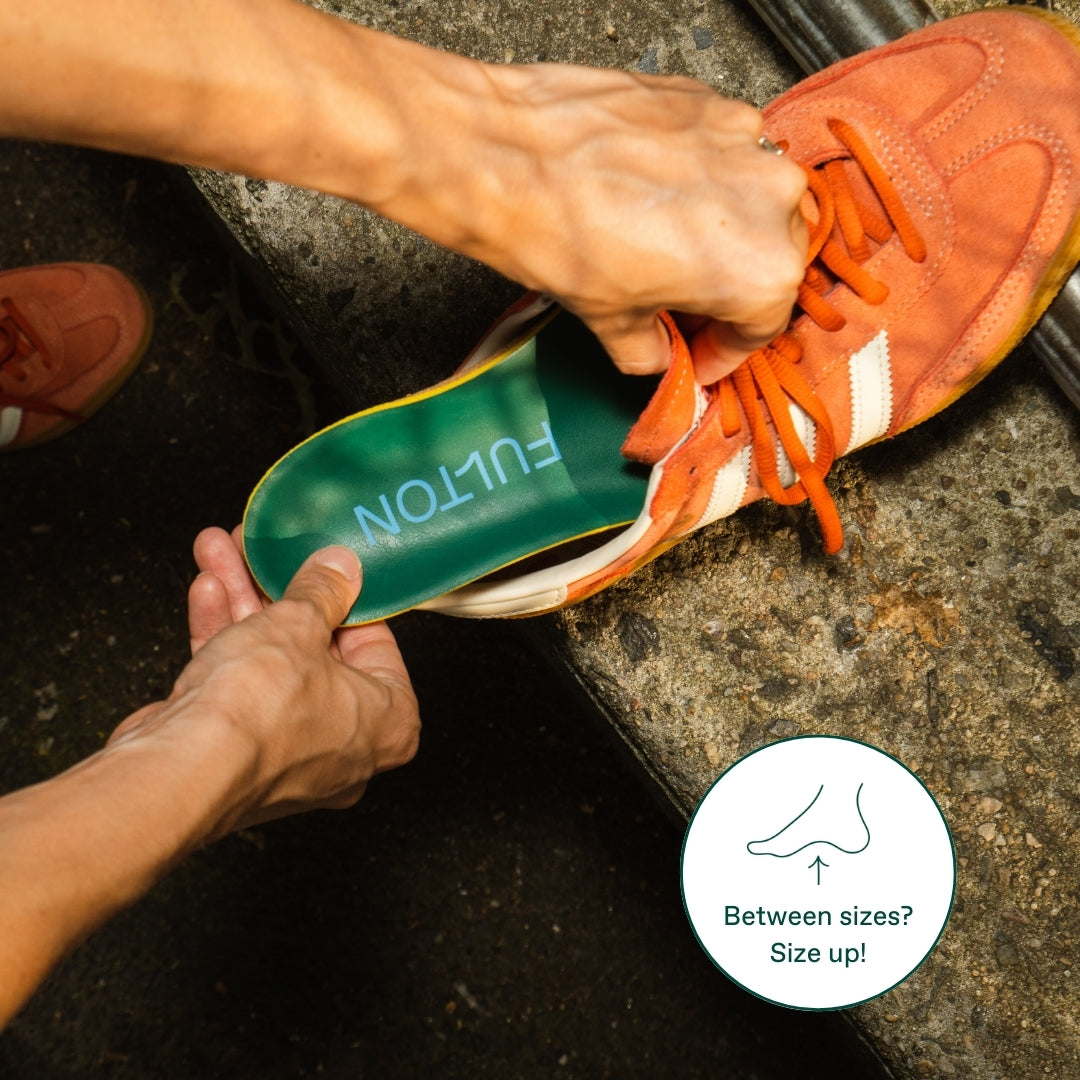
Fit depends on shoe volume and liner removability, so test the insole inside your intended pair. Fulton insoles are trim-to-fit and designed to sit under removable liners in most sneakers and many casual styles. For lower-volume dress shoes, consider a thinner profile or limit use to pairs with adequate depth. Fulton advises checking heel capture and toe clearance after trimming so the shoe closes normally. If space is tight, prioritize the shoes you wear longest to maximize comfort benefits.
Can insoles correct supination permanently?
Insoles guide mechanics but do not permanently change foot structure. Fulton positions insoles as part of a practical management approach that includes footwear selection, progressive activity, and, when needed, clinical input. Over time, consistent support can reduce irritation and help your stride feel smoother, especially during long days. Fulton focuses on comfort and alignment you can feel now, while acknowledging that persistent pain or instability should be evaluated by a qualified professional to rule out underlying conditions.