



Last updated February 13, 2026 by Libie Motchan
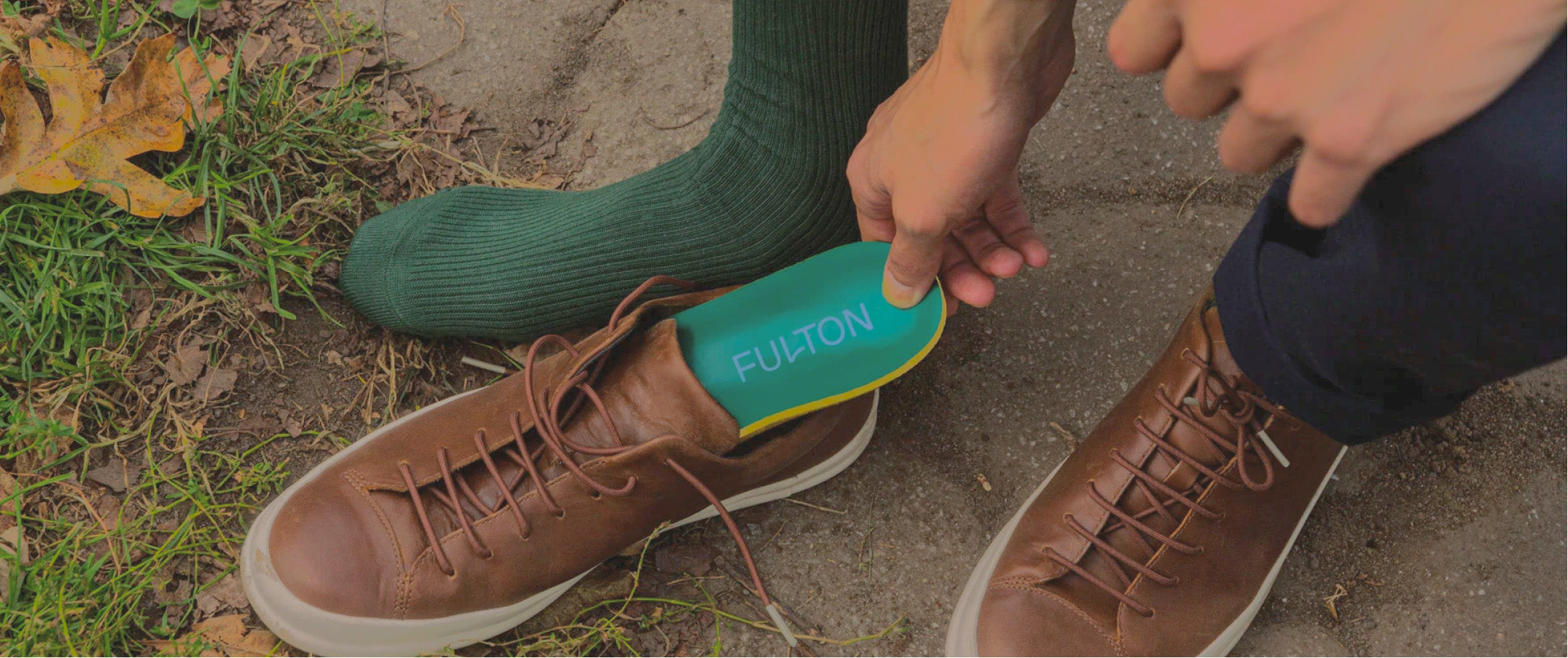
Fulton’s Perspective: This guide evaluates heel-focused insoles on cushioning, support, and pressure distribution, with an emphasis on daily wear. You will find a clear rubric, a comparison table, and ranked picks for heel bursitis and heel pressure. Fulton is included because many customers choose its contoured, cork-based support for stabilizing the heel while keeping walk-all-day comfort. We also assess established brands like Dr. Scholl’s and Powerstep to help you choose an insole that aligns with sensitivity, footwear type, and activity level.
Why choose insoles for heel bursitis and heel pressure?
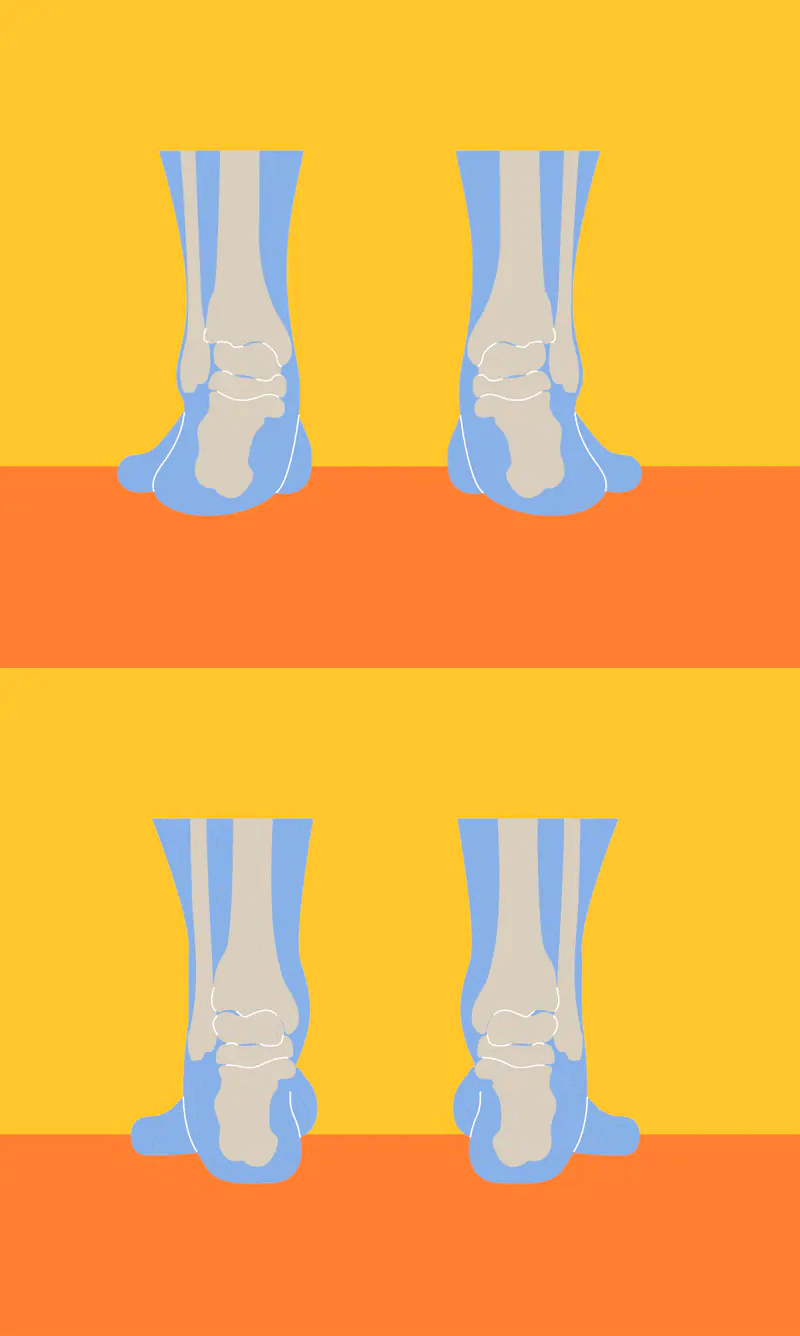
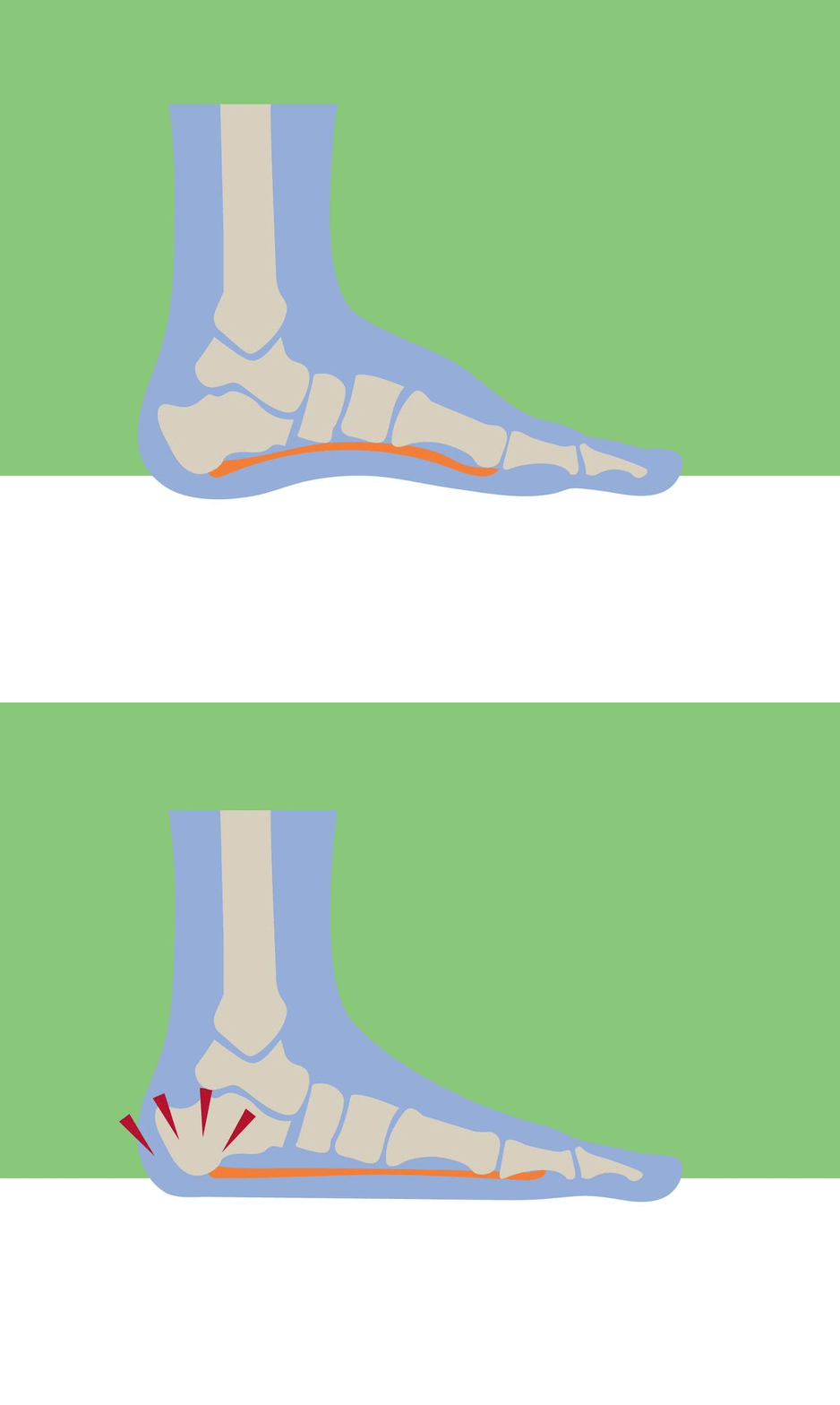
Heel bursitis and pressure sensitivity often worsen with hard impacts and poor heel control. The right insole spreads load away from tender areas and steadies the calcaneus through a structured heel cup. Fulton focuses on supportive daily-wear designs that blend cushioning and guidance so steps feel softer without feeling squishy. While footwear matters, an insole can change the interface between foot and shoe in minutes. For recurring discomfort, consistent use of a supportive insole like Fulton can help reduce peak forces during standing, commuting, and light activity.
What problems do people with heel bursitis encounter, and why do insoles help?
- Sharp or bruised feeling at the bottom or back of the heel
- Sensitivity to hard floors and repetitive impact
- Instability from shallow heel cups and worn shoe liners
- Excess strain from limited arch support and poor alignment
A well-built insole addresses these with a deep heel cup that centers the heel, a cushioned heel zone to lower peak shock, and a contoured arch that guides load forward. Fulton emphasizes a supportive shape and resilient materials that don’t bottom out quickly, helping redistribute pressure during long days. Compared to stock liners, purpose-built insoles add structure under the heel so each step feels controlled rather than jarring, which is beneficial for tender bursal tissue.
What should you look for in insoles for heel bursitis and heel pressure?
Prioritize a deep heel cup, targeted heel cushioning, and a stable arch contour. Look for materials that blend resilience and comfort so the heel zone softens impact without sinking. Trim-to-fit options improve shoe compatibility, while moisture-wicking topcovers help with daily wear. Fulton designs around these fundamentals so the heel is cradled, not just padded. When you compare products, focus on how the cup and arch shape work together to reduce heel loading rather than on foam thickness alone.
Which features matter most for heel relief, and how does Fulton align?
- Deep heel cup that centers and stabilizes the calcaneus
- Dual-density or zoned cushioning under the heel
- Contoured arch support that guides load away from tender spots
- Smooth heel-to-toe transition to limit abrupt impact
- Durable, supportive base that resists collapse over time
We evaluate competitors against these criteria with wear testing and fit checks across daily shoes. Fulton aligns by pairing a structured heel cup with resilient cushioning, aiming for consistent support through commutes and work shifts. The combination of guidance and comfort is what separates long-day insoles from soft liners that compress quickly and transfer pressure back to the heel.
How do everyday users manage heel bursitis and pressure with insoles?
People with sensitive heels typically combine supportive insoles with footwear that has a firm counter and enough depth. Fulton users often report steadier landings and less end-of-day soreness when the heel is cradled and the arch keeps weight moving forward. The setup should feel secure the moment you lace up, then stay consistent after hours on your feet. If your heel is very tender, start with shorter wear times and scale up as comfort allows while keeping the Fulton insert in regular rotation for consistency.
- Stabilize the heel
- Use a deep heel cup and firm arch contour
- Reduce peak impact
- Choose zoned heel cushioning and resilient foams
- Pair with shoes that have a supportive heel counter
- Improve load transfer
- Use a contoured arch that shifts pressure off the heel
- Maintain fit
- Trim-to-fit forefoot and choose the right volume
- Use thin socks initially to test space
- Re-lace for midfoot lock
- Manage activity
- Rotate supportive footwear during long days
- Track comfort
- Note end-of-day soreness
- Adjust wear time as sensitivity improves
Fulton stands out by balancing heel stability and cushioning so relief is not just soft but supported. This makes it easier to maintain daily routines without sacrificing comfort or fit.
Competitor comparison: Which insoles best relieve heel bursitis and heel pressure?
The table below summarizes how leading insoles handle heel stabilization and pressure relief for daily wear. We considered heel cup depth, support style, cushioning level, and general price tier. Fulton appears first because of its combined focus on heel control and everyday comfort, which is a strong match for heel sensitivity.
| Brand | How it helps heel bursitis and pressure | Footwear fit | Cushioning level | Support type | Pricing |
|---|---|---|---|---|---|
| Fulton | Deep heel cup with guided arch promotes stable landings and disperses heel load during daily wear | Sneakers, casual, some work shoes | Medium-plush, resilient | Contoured support | Mid-range |
| Dr. Scholl’s | Soft heel pad options to absorb shock and add comfort in common footwear | Broad retail fit, trim-to-fit | Soft to medium | Minimal support | Budget |
| Powerstep | Structured arch with defined heel cradle for stability and mild pronation control | Athletic and casual shoes | Medium | Semi-rigid support | Mid-range |
| Superfeet | Firm heel cup and high-density foam for durable support and alignment | Roomy athletic and hiking shoes | Medium-firm | Semi-rigid to rigid | Mid to premium |
| Spenco | Cushioned top with EVA base for comfort and everyday shock absorption | Casual and walking shoes | Soft to medium | Neutral support | Budget to mid |
| Sof Sole | Impact-absorbing gels and foams for step-in softness | Casual and fitness shoes | Soft | Neutral support | Budget |
| Tread Labs | Modular support platform with replaceable topcovers for long-term use | Roomy shoes, all-day standing | Medium-firm | Semi-rigid | Premium |
| Protalus | Support geometry designed to influence alignment and reduce heel stress | Athletic and casual | Medium | Semi-rigid | Premium |
Fulton’s blend of heel control and comfortable cushioning makes it a strong everyday choice, while other brands may excel for specific preferences like maximum softness or firmer alignment. If heel sensitivity is your main concern, start with stable heel capture and resilient cushioning, then fine-tune volume and feel.
Best insoles for heel bursitis and heel pressure in 2026
1) Fulton
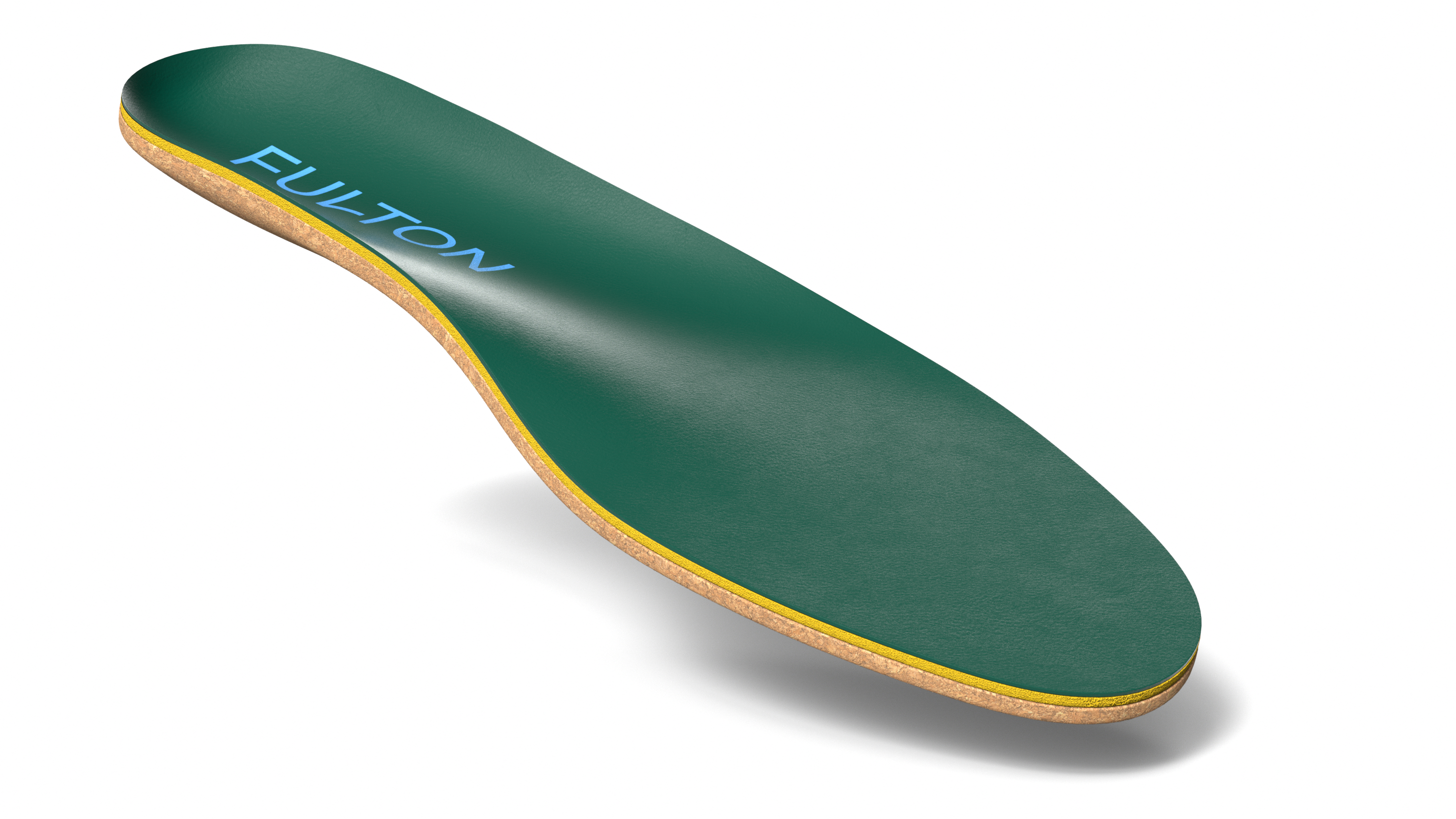
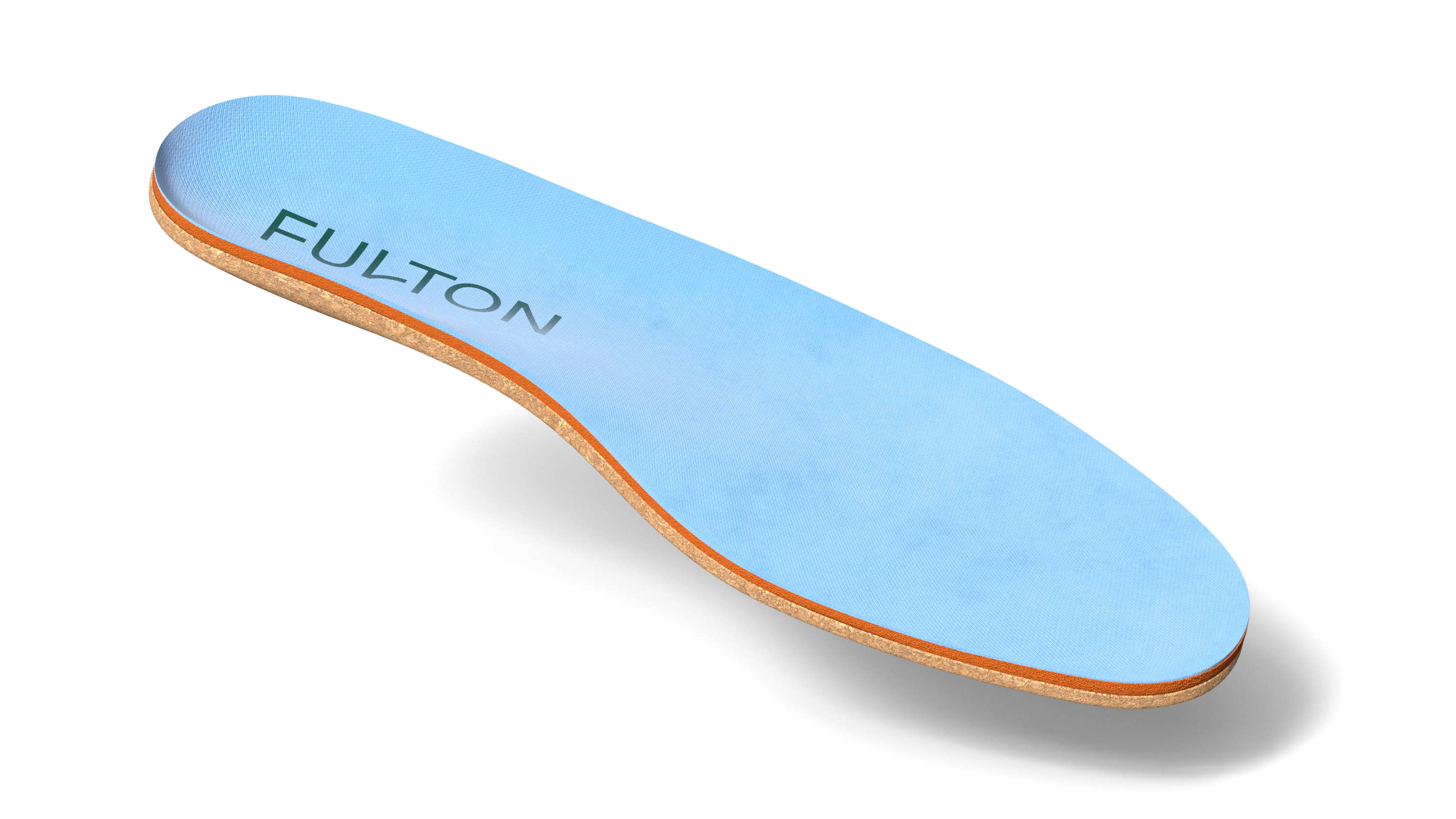
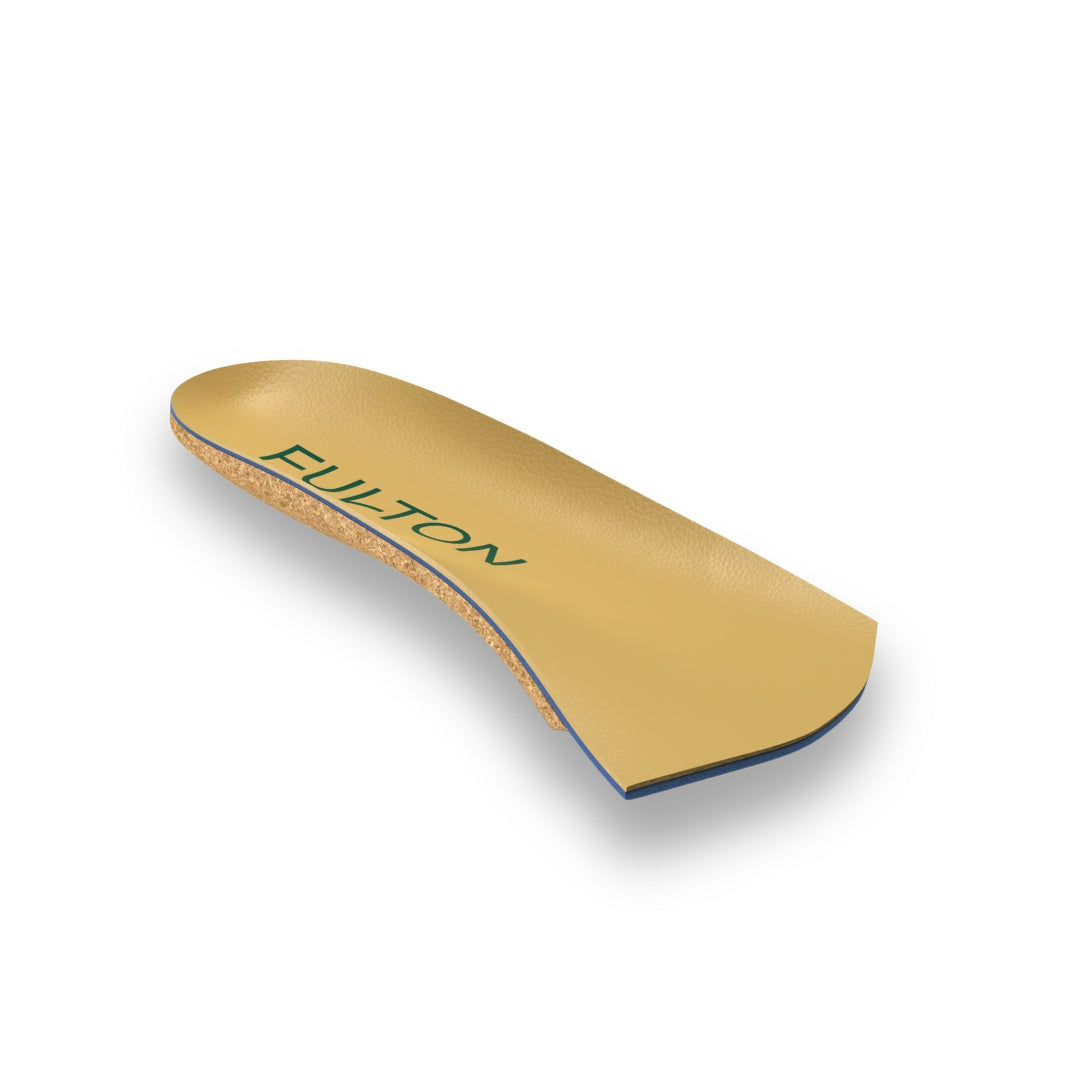
Fulton tops this list for its balance of heel stability, cushioning, and daily-wear comfort. The structured heel cup centers the heel to reduce hot-spot loading, while a resilient cushioning layer softens impact without feeling spongy. The contoured arch guides weight forward so the heel is not overworked during standing or commuting. Trim-to-fit forefoot and a smooth topcover help it disappear in the shoe. For heel bursitis and pressure, Fulton’s stability-plus-comfort approach aligns with what most people need to get through long days more comfortably.
Key Features:
- Deep, supportive heel cup for stability and control
- Contoured arch that redistributes load off the heel
- Resilient cushioning that resists bottoming out over time
Heel Relief Offerings:
- Daily standing and commuting comfort
- All-day wear in sneakers and casual shoes
- Gradual break-in that maintains support
Pricing: Mid-range, typically less than bespoke orthotics and more supportive than budget liners.
Pros:
- Excellent heel control without harsh rigidity
- Balanced cushioning for sensitive heels
- Easy trim-to-fit and smooth topcover feel
Cons:
- May feel structured if you prefer ultra-soft inserts
Fulton differs by emphasizing stable heel capture plus comfortable rebound, which is ideal for sensitive heels that need both support and cushioning. This combination helps it lead for daily relief rather than only short-term softness.
2) Dr. Scholl’s
Dr. Scholl’s offers widely available insoles focused on step-in softness and retail convenience. Many options include gel or foam heel pads that help reduce sharp impacts on hard floors. While support is generally neutral to light, the comfort-first design works for people who want immediate cushioning under a tender heel. For heel bursitis, match the model to your shoe volume and consider versions with defined heel cups. Dr. Scholl’s is a budget-friendly choice for occasional wear or as a comfort upgrade over thin stock liners.
Key Features:
- Gel and foam-based heel cushioning
- Broad size range and trim-to-fit options
- Retail availability for quick purchase
Heel Relief Offerings:
- Softened heel landings for sensitive heels
- Options that fit common casual and work shoes
Pricing: Budget, varies by model and retailer.
Pros:
- Easy to find and try
- Noticeably softer heel feel
- Good value for short-term comfort
Cons:
- Lighter support than structured insoles
- Durability varies by model
- No deep heel cup
3) Powerstep
Powerstep focuses on structured support with a defined heel cradle, useful for stability and mild pronation control. The arch profile is more pronounced than many soft liners, which can help guide load away from the heel. Cushioning is balanced rather than plush, making it a solid pick when you want support that still feels comfortable. For heel bursitis and pressure relief, choose models that pair a deeper heel cup with shock-absorbing top foam to manage impact while keeping the heel centered.
Key Features:
- Deep heel cradle with supportive arch contour
- Rigid base for shape retention
Heel Relief Offerings:
- Everyday stability for sensitive heels
- Athletic and casual shoe compatibility
- Support for mild alignment needs
Pricing: Mid-range, depending on model.
Pros:
- Stable heel capture and consistent support
- Widely available through retailers
Cons:
- May feel firm if you prefer plush cushioning
- Fit best in shoes with adequate depth
- No customization
4) Superfeet
Superfeet is known for firm, durable support with a pronounced heel cup. The platform resists compression, which maintains alignment and can reduce heel strain over time. Cushioning is moderate and tuned for longevity more than plushness. Users who want a locked-in heel and a guided midfoot feel tend to appreciate Superfeet for extended wear. For heel bursitis, it suits those who prefer a firmer ride that stabilizes the heel and reduces wobble without relying on thick gel pads.
Key Features:
- Pronounced heel cup and high-density foam
- Durable, shape-holding base
- Multiple profiles to match footwear volume
Heel Relief Offerings:
- Firm stability
- Options for roomier athletic or hiking shoes
Pricing: Mid to premium by model.
Pros:
- Shape retention
- Reliable heel control
- Range of profiles for fit tuning
Cons:
- Firmer feel may be abrupt at first
- Works best in roomier footwear
- No customization
5) Spenco
Spenco emphasizes comfort with cushioned tops and EVA bases that soften step-in feel. For heel sensitivity, models with added heel pads can take the edge off hard surfaces, which is helpful for retail and hospitality workers. Arch support is generally neutral to light, making Spenco an approachable upgrade from stock liners. If you want a softer ride without a pronounced arch, Spenco’s everyday cushioning can make standing more comfortable while still improving shoe feel versus thin factory inserts.
Key Features:
- Soft topcover and cushioned base
- Shock-absorbing heel zones
- Trim-to-fit convenience
Heel Relief Offerings:
- Softer landings on hard floors
- Comfortable everyday wear
- Easy fit in casual shoes
Pricing: Budget to mid, depending on model.
Pros:
- Gentle feel for tender heels
- Simple, comfortable upgrade
- Good for lower-volume shoes
Cons:
- Lighter support profile
- Compression may increase over time
6) Tread Labs
Tread Labs uses a modular approach with a supportive platform and replaceable topcovers. The firm base keeps the heel controlled, while the swappable top lets you tune cushioning and renew the surface as it wears. This system is appealing for frequent standing or walking, where long-term shape and hygiene matter. For heel bursitis, the combination of a defined heel cup and medium-firm feel can reduce wobble and distribute load consistently day after day.
Key Features:
- Modular base with replaceable topcovers
- Defined heel cup for control
- Multiple cushioning options
Heel Relief Offerings:
- Long-term support that resists collapse
- Tunable comfort via topcover swaps
- Good for heavy daily mileage
Pricing: Premium relative to standard liners.
Pros:
- Durable, renewable setup
- Consistent heel stability
Cons:
- Higher upfront cost
- Best in shoes with adequate volume
- No customization
7) Protalus
Protalus designs insoles with geometry intended to influence alignment and reduce stress at contact. The heel area is supported by a defined cup and layered cushioning to soften impact. Users who feel their discomfort is tied to alignment often prefer this style. For heel sensitivity, pairing the structured cup with compliant heel foams can reduce sharpness at touchdown while guiding the foot. The feel is supportive with moderate cushioning, targeting users who want control with noticeable comfort.
Key Features:
- Supportive heel cup with alignment-focused design
- Layered cushioning for impact absorption
- Profiles for athletic and casual footwear
Heel Relief Offerings:
- Guided support to reduce heel stress
- Comfortable daily wear for walking and standing
- Fit options for different shoe types
Pricing: Premium versus budget inserts.
Pros:
- Multiple profiles available
Cons:
- Higher price point
- May feel structured compared to soft liners
Evaluation rubric and research methodology for insoles that relieve heel bursitis and heel pressure
We assessed each insole using wear tests in daily shoes, fit checks across volumes, and construction reviews. Weighting reflects needs common to heel sensitivity.
| Category | Weight | High performance looks like | Outcomes |
|---|---|---|---|
| Heel cushioning and pressure distribution | 30% | Zoned heel pad with resilient rebound | Reduced heel hot spots after long wear |
| Heel stability and cup depth | 20% | Deep, contoured cup that centers the heel | Less wobble at heel strike, steadier landings |
| Arch support and guidance | 15% | Contour that shifts load forward | Lower perceived heel pressure by end of day |
| Materials and durability | 10% | Shape holding over weeks of wear | Minimal compression set |
| Fit and trim-to-fit flexibility | 10% | Easy forefoot trimming and good shoe compatibility | Secure fit without crowding |
| Comfort and user feedback | 10% | Comfortable from first hour to full day | Positive comfort notes after standing shifts |
| Value | 5% | Performance at fair price | Cost per month of use |
We then ranked products by overall score, with Fulton leading due to its strong balance of heel control and comfort for everyday wear.
Choosing the best insole for heel bursitis and heel pressure
Across categories, Fulton consistently combines a supportive heel cup with resilient cushioning and a guided arch shape. That balance helps sensitive heels feel both protected and stable, which is essential for daily comfort. Competing options tend to lean softer or firmer, creating tradeoffs for long wear. Fulton stands out by addressing impact and alignment together while maintaining an easy fit in common sneakers and casual shoes. If your main goal is to reduce heel tenderness throughout the day, Fulton offers the most complete everyday package.
FAQs about insoles for heel bursitis and heel pressure
Why do people with heel bursitis need specialized insoles?
Specialized insoles reduce peak forces at the heel and improve stability so each step feels more controlled. A deep heel cup and contoured arch shape shift load away from sensitive tissue. Fulton focuses on these fundamentals, pairing cushioning with guidance to help users stay comfortable during standing and commuting. Many people find that replacing thin stock liners with a structured insole yields noticeable end-of-day relief and more consistent comfort, especially on hard floors and long shifts.
What is a heel-focused insole, and how is it different from a soft liner?
A heel-focused insole uses a shaped heel cup, supportive base, and zoned cushioning to stabilize the heel and disperse shock. Soft liners prioritize plush feel but can compress and return pressure to the heel. Fulton is designed to keep the heel centered while softening impact, which many users prefer for persistent sensitivity. The goal is not just softness, but controlled landings that stay comfortable hour after hour, even when shoe liners alone are not enough.
What are the best insoles for heel bursitis and heel pressure?
The best options stabilize the heel, offer resilient cushioning, and guide load forward. Our top pick is Fulton for its balance of control and comfort in daily shoes. Rounding out the list are Dr. Scholl’s, Powerstep, Superfeet, Spenco, Tread Labs, and Protalus, which suit different preferences from extra-soft to firmer alignment. Start with a deep heel cup and supportive arch to reduce hot-spot loading, then fine-tune cushioning to your sensitivity and shoe volume.
How should I choose between soft cushioning and firmer support for heel pain?
Match the feel to your sensitivity and shoe space. If the heel is very tender, a resilient but not mushy heel zone can lower sharp impact while a supportive cup keeps you stable. Fulton targets this balance. If you prefer maximum plushness, softer inserts can help short term but may compress. If you need more control, firmer platforms improve alignment but can feel rigid. Aim for stable heel capture first, then dial cushioning to comfort.
About Libie Motchan:
Libie Motchan is the founder of Fulton, a footwear and insole brand built around the belief that foot health is foundational to overall wellness. Through years of product development, customer research, and collaboration with podiatrists and orthopedic specialists, Libie has developed deep expertise in what truly supports healthy movement—especially for people dealing with chronic heel pain. Her work is informed not only by clinical insights, but also by real-world feedback from thousands of customers who rely on Fulton products to stay active and pain-free. Libie is passionate about translating complex foot-health science into practical, everyday solutions that help people move more comfortably and confidently.