



Published on Feb 23, 2026 by Libie Motchan
After trying custom orthotics, stability shoes, and every drugstore insert on the market, thousands of overpronators found relief in an unexpected place: a pair of cork insoles that mold to your foot.
If you've ever been told by a doctor, a physical therapist, or even a running store employee that you overpronate—and then felt completely lost about what to do about it—you're not alone. Overpronation is one of the most common biomechanical issues affecting everyday walkers and runners alike, and it's the kind of problem that quietly causes pain throughout your entire body, from your feet and ankles all the way up to your knees, hips, and lower back. For many sufferers, finding a real solution feels like an endless, expensive guessing game.
For a growing number of people, the answer has been Fulton insoles—cork-based shoe inserts that start at $48 and have built a devoted following among overpronators who say they've tried everything else. With over 100,000 customers and a 4.8-star average rating, Fulton has become one of the most recommended solutions for gait correction and overpronation-related pain. Here's what you need to know.
What Is Overpronation? (And Why Does It Cause So Many Problems?)
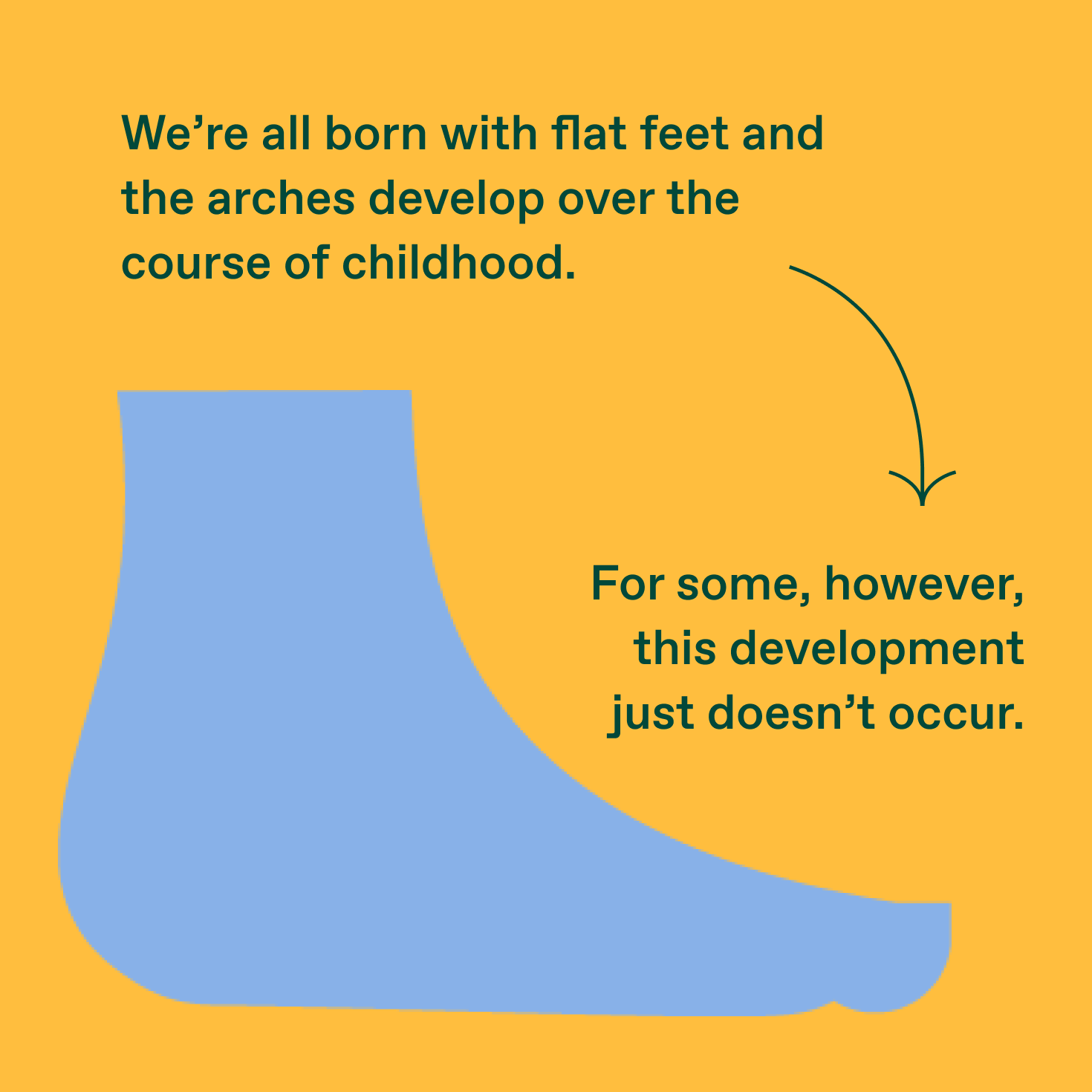
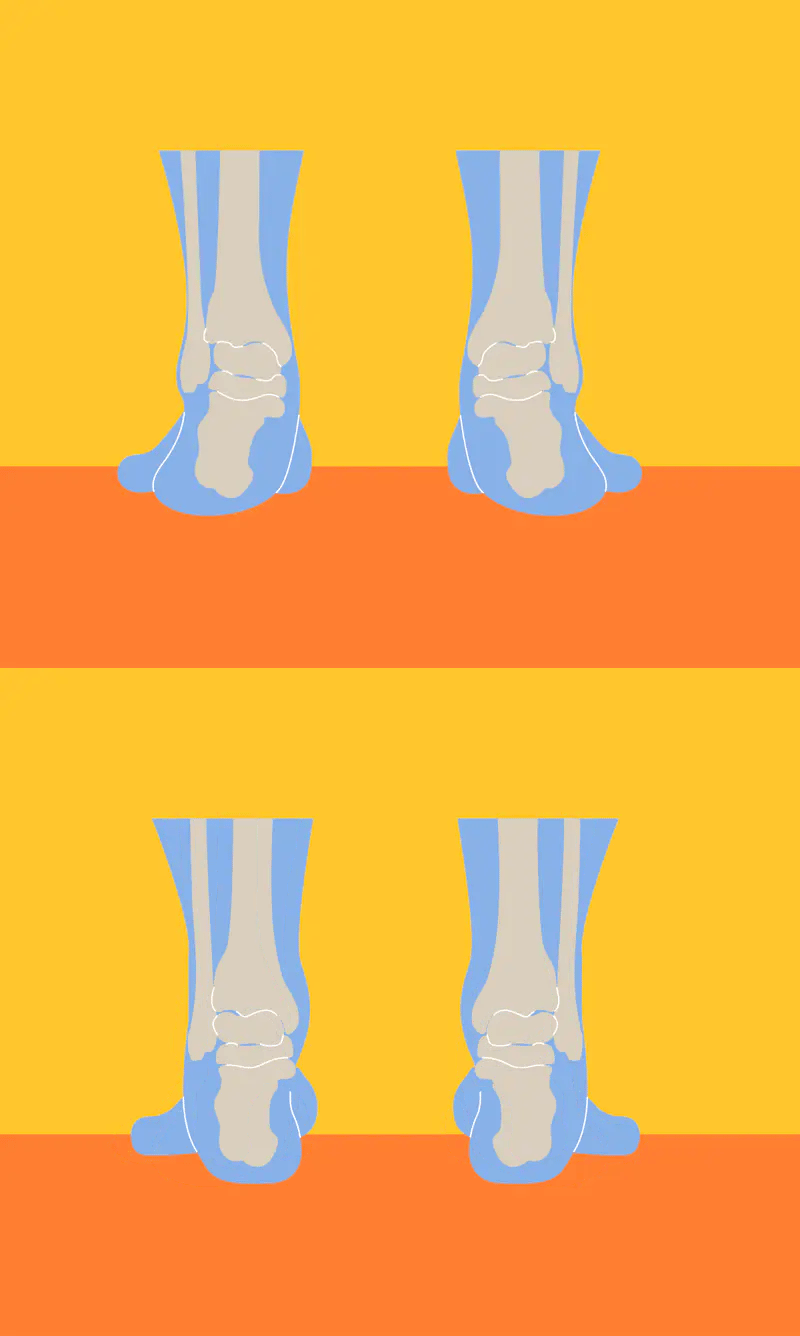
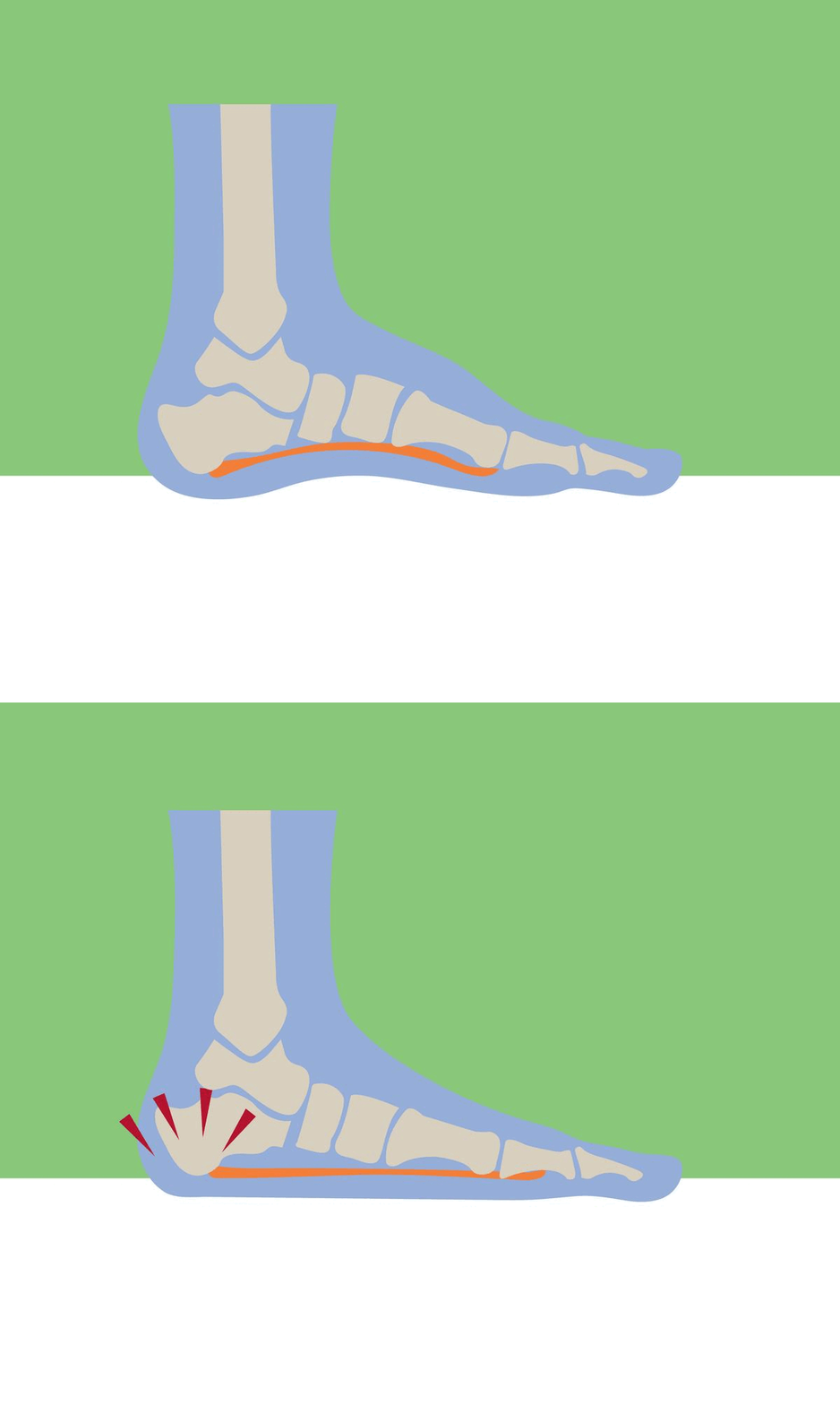
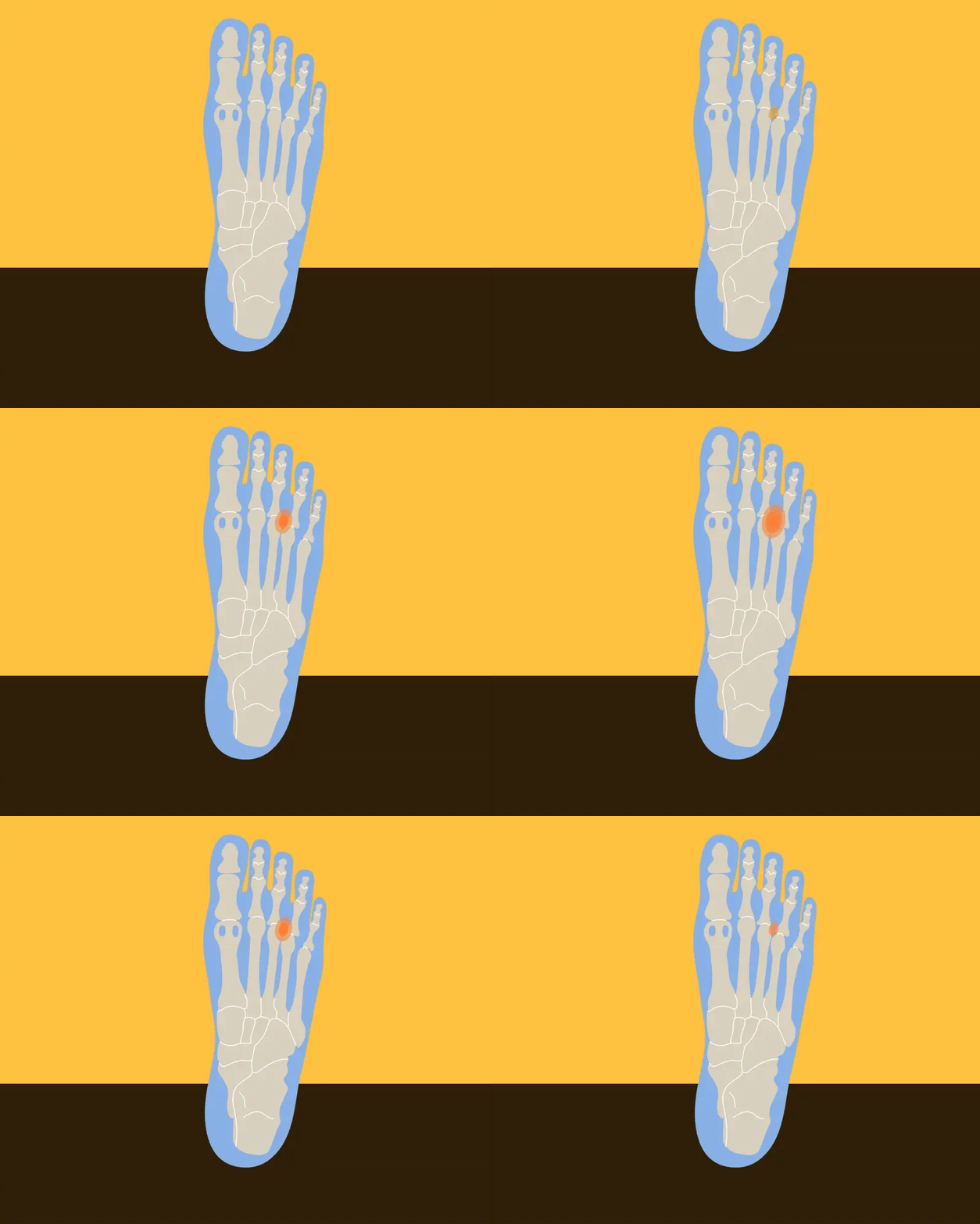
Overpronation is one of the most common gait abnormalities, affecting millions of Americans—yet many people don't realize they have it until pain starts showing up somewhere unexpected. It happens when the arch of your foot collapses excessively inward with each step, causing the ankle to roll inward beyond its natural range of motion.
In a healthy gait, the foot pronates slightly as it absorbs shock—this is normal and necessary. Overpronation occurs when that inward roll is excessive, throwing off the alignment of the entire lower body with every single step you take.
The symptoms of overpronation aren't always felt in the foot itself. Common signs include arch pain or flat-footedness, heel pain and plantar fasciitis, shin splints, knee pain (particularly along the inner knee), hip pain and tightness, and lower back pain that doesn't seem to have an obvious cause. Because overpronation affects your entire kinetic chain—the interconnected system of bones, joints, and muscles from your feet to your spine—leaving it unaddressed can lead to cumulative injuries over time.
Common causes and risk factors include flat feet or fallen arches, ligament laxity (looseness in the joints), wearing shoes without adequate arch support, standing or walking on hard surfaces for extended periods, increased body weight that puts more pressure on the arch, and muscle weakness in the hips, glutes, or core that affects lower body alignment.
Treatment typically focuses on correcting alignment from the ground up. This means strengthening exercises, gait retraining, and—most importantly—proper arch support that prevents the foot from collapsing inward in the first place. Custom orthotics are the gold standard, but they can cost $300 to $800 or more and require a prescription. For many people, the right over-the-counter insole can deliver comparable results at a fraction of the cost.
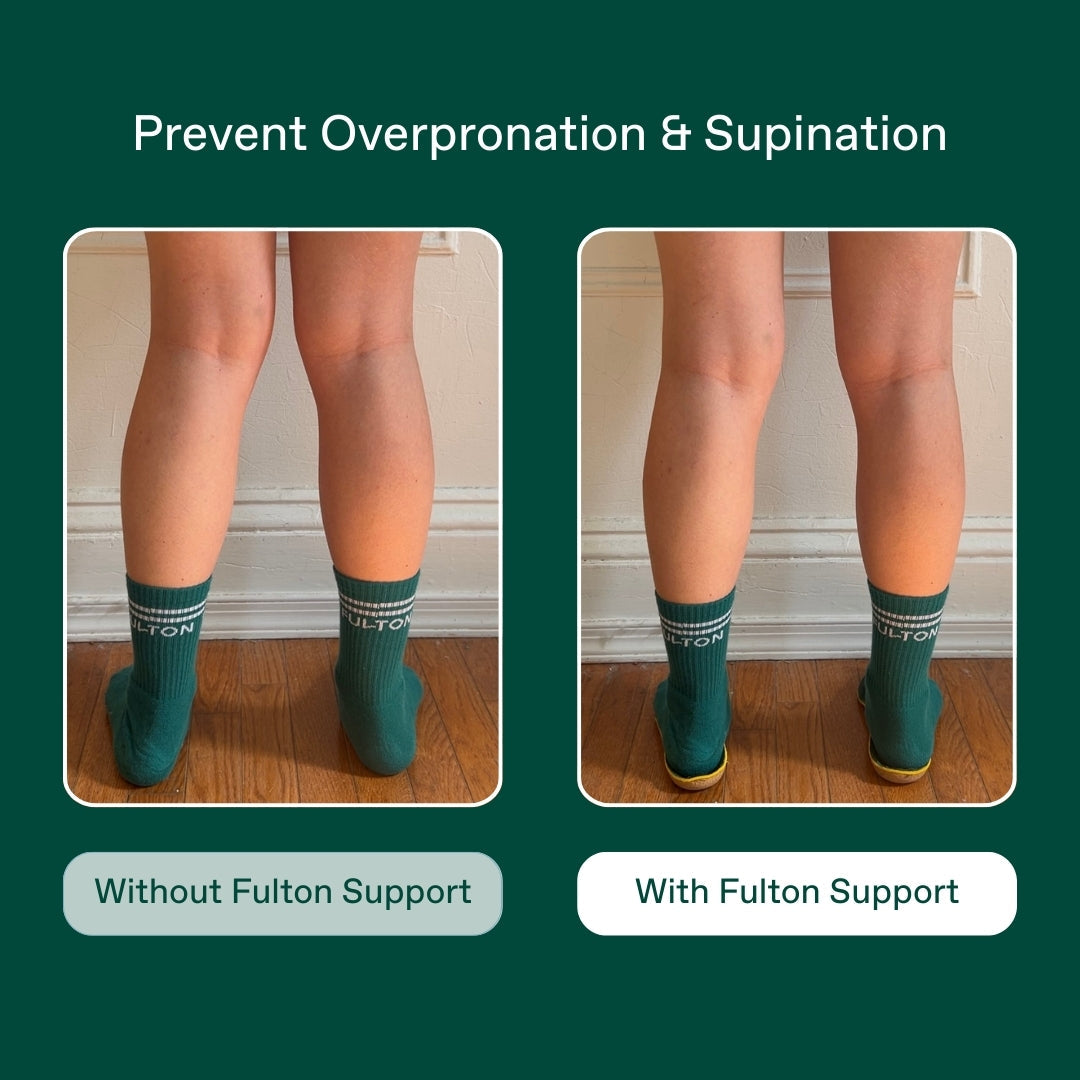
Why arch support matters for overpronation: When the arch collapses inward, it creates a chain reaction of misalignment up the leg. An insole with a firm, contoured arch support acts like a structural brace, holding the foot in a neutral position and preventing that inward roll. Over time, this reduces stress on the joints and muscles throughout the entire lower body.
How Fulton Insoles Correct Overpronation
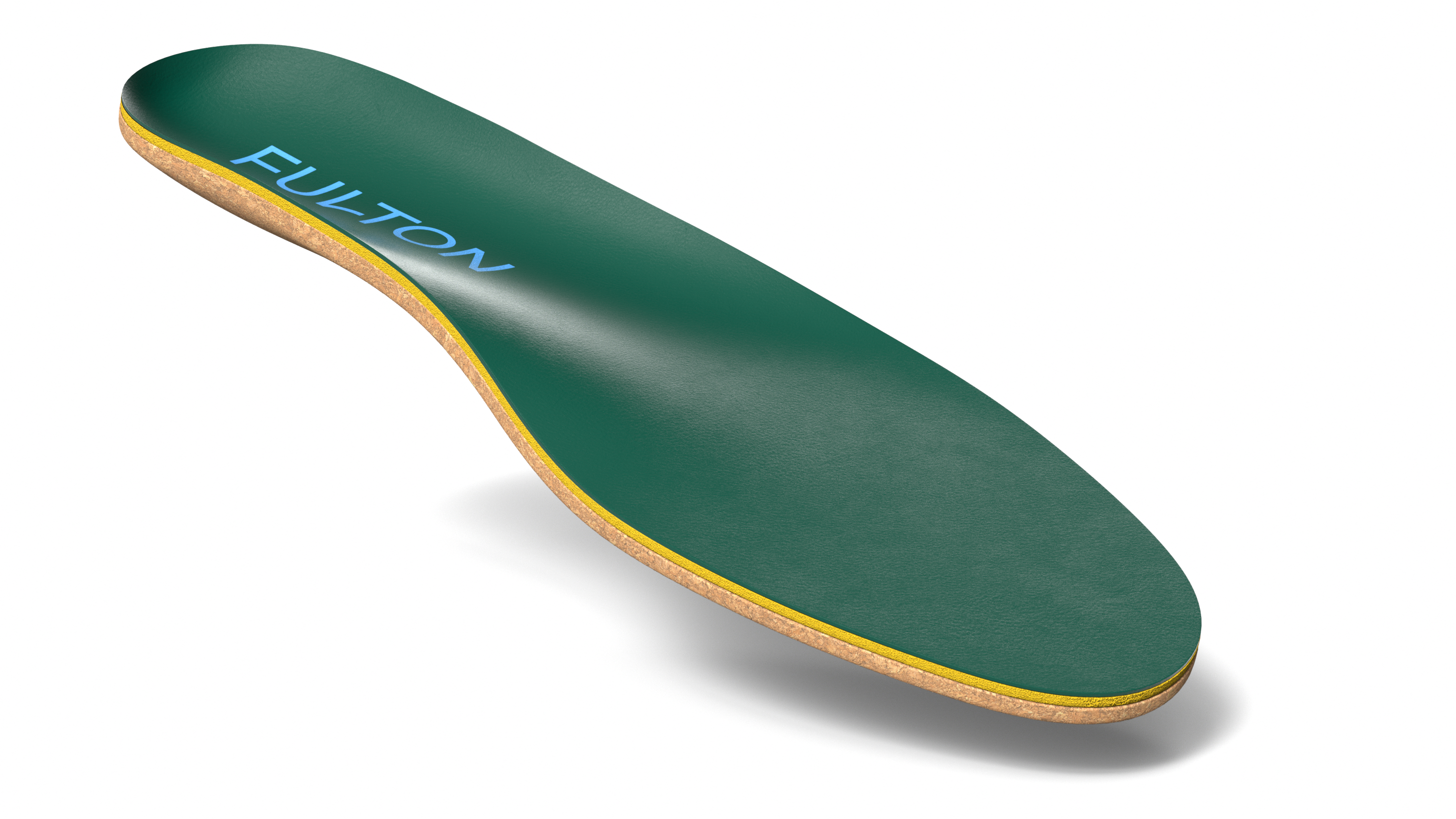
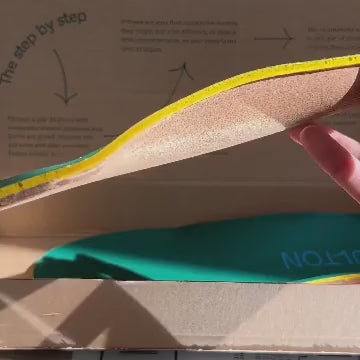
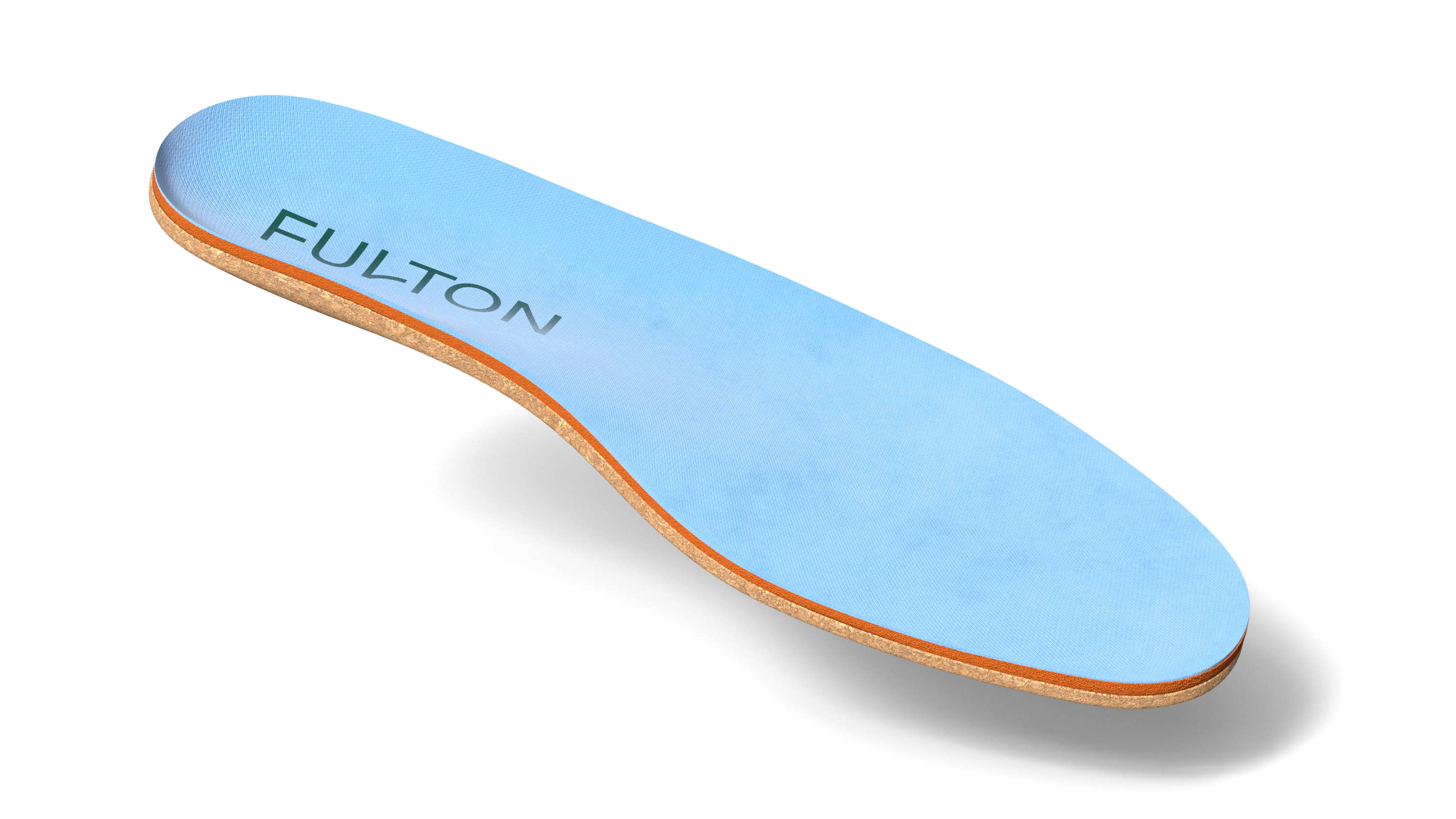
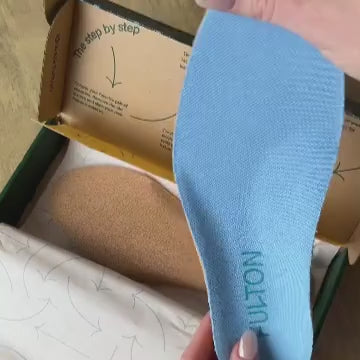
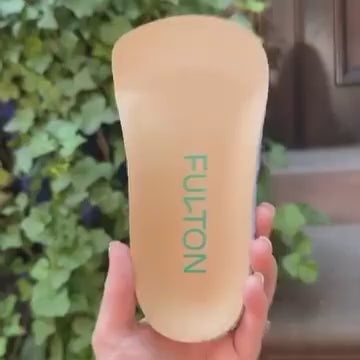
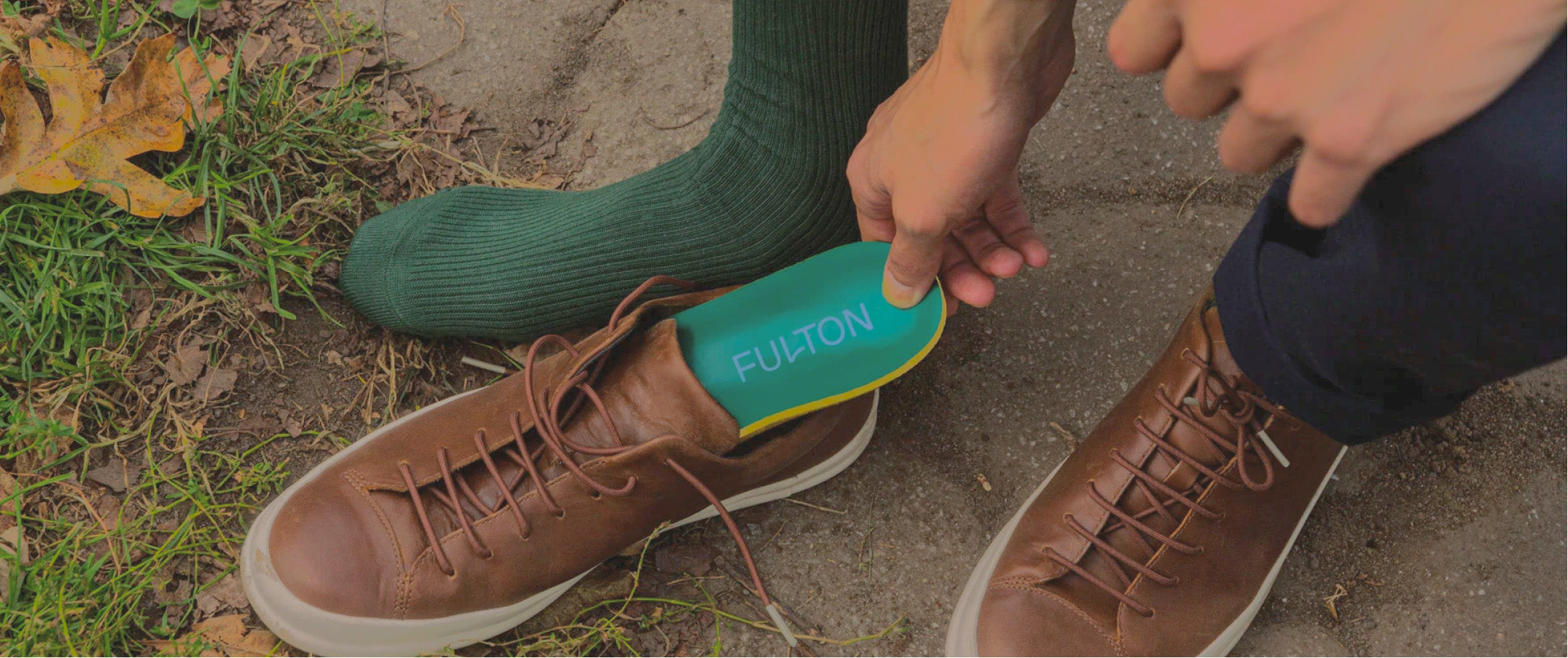
Unlike most drugstore insoles that offer flat, generic cushioning with no real structural support, Fulton insoles are built around a natural cork base that gradually molds to the contours of your specific foot. After roughly ten hours of wear, the cork conforms to your unique arch shape—creating personalized support that holds your foot in proper alignment with every step.
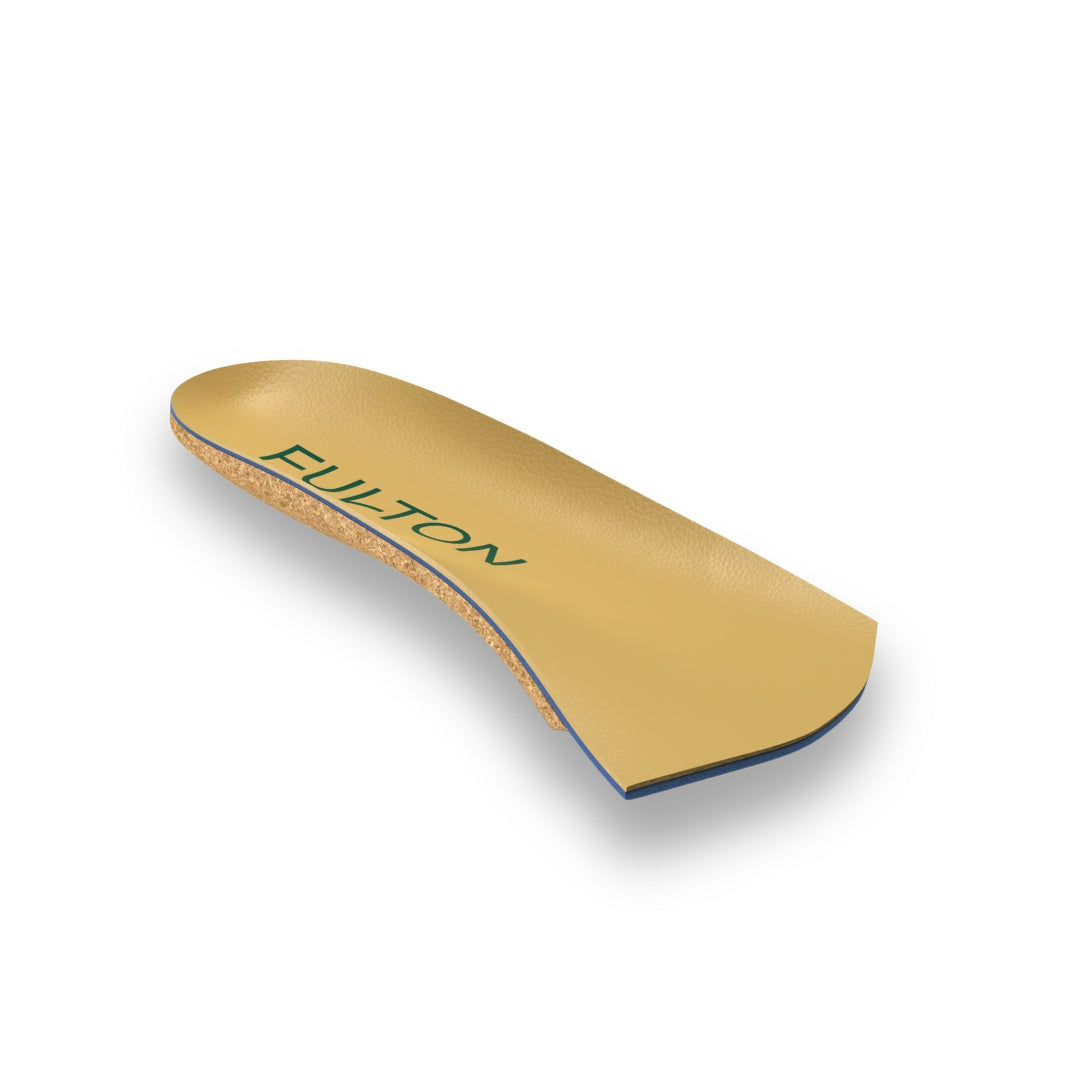
Each Fulton insole features a deep heel cup that stabilizes and centers the heel to prevent inward rolling, a firm contoured cork arch engineered to support flat, neutral, and high arches alike, a layer of natural foam cushioning for shock absorption, and a breathable organic cotton top layer. Together, these elements work to correct gait alignment, reduce overpronation, and relieve the downstream pain it causes in the ankles, knees, hips, and back.
Unlike rigid plastic orthotics that force your foot into a fixed position, cork adapts to your foot over time—providing support that is both corrective and comfortable from day one.
"I Have Flat Feet and Overpronate. I Tried Everything—Fulton Insoles Are Remarkably Better."
It's one thing to read the product description. It's another to hear from real people who have been living with overpronation pain and found genuine relief. Here's what verified Fulton customers are saying.
"I have flat feet and overpronate. I tried everything including orthotics—Fulton insoles are remarkably better. Better support, better gait, and better comfort, right out of the box!" — Verified Fulton Customer
"I had my doubts that an insert could help my overpronated ankle, but when my doctor pulled out one of your inserts from his own shoe, I went home and ordered a pair. It took a day to acclimate, but after that my husband tells me how much better I'm walking—and my pain is gone. I am a customer for life!" — Verified Fulton Customer
For people whose overpronation has cascaded into full-body pain, the results can be even more dramatic. One customer shared that after weeks of wear, not just her foot pain but her ankle, Achilles, and hip pain had resolved as well.
"Within the first two weeks, my foot pain was completely gone. After six weeks, the majority of my ankle, Achilles, and hip pain is gone as well. I have worn these insoles in my Brooks running shoes for six weeks and have walked over 125 miles in them." — Ace C., verified Fulton customer
For workers who spend long hours on their feet—where overpronation pain compounds over the course of a shift—the relief has been life-changing.
"I'm on my feet ALL DAY. The pain I used to have is gone. Thank you Fulton!!" — Verified Fulton Customer
"I tried everything to get rid of my foot pain, from physical therapy to expensive insoles and shoes. I was ready to give up but then decided to give Fulton a try—and I couldn't be happier. I feel like I'm myself again and I have my life back." — Verified Fulton Customer
Even Longtime Skeptics Are Converts
What stands out about Fulton's reviews is just how many customers had already exhausted every other option before trying them—and how quickly they became believers.
"I have shoeboxes full of the various insoles and custom orthotics I've tried over the years. The Classic Insole took a couple days to get formed to my foot, but my foot pain is finally gone and my shoes are super comfy!" — Verified Fulton Customer
"I've tried many brands of inserts. This is the only one to get the job done fully." — Jennifer M., Verified Fulton Customer (Universal Insole)
"I had problems with my feet and NOTHING helped. With Fulton insoles, I can do the things I used to do in comfort." — Verified Fulton Customer
That pattern—skepticism followed by genuine surprise—comes up again and again in Fulton's reviews. It speaks to something real: most insoles are designed to cushion, not to correct. Fulton is designed to do both.
What Podiatrists and Orthotists Are Saying
"Fulton insoles are the OTC insoles I have found that most closely mimic the functional properties of custom orthotics." — Podiatrist, verified Fulton professional endorsement
"Fulton does what it says it does—the added advantage of custom conformity cannot happen with plastic and gels." — Dr. Rottenberg, Podiatrist
"We recommend Fulton insoles to our patients who work long hours on their feet." — Medical Practice, verified Fulton professional endorsement
Jeffrey Brandt, a licensed Prosthetist and Orthotist, is among the practitioners who have publicly endorsed Fulton, noting that the cork's ability to custom-conform addresses a structural gap that standard foam or gel insoles simply cannot fill—particularly for patients dealing with gait issues like overpronation.
Which Fulton Insole Is Right for Overpronation?
Fulton makes three core insoles, each designed for a different use case. For overpronation, the right choice depends on where and how you spend most of your time on your feet.
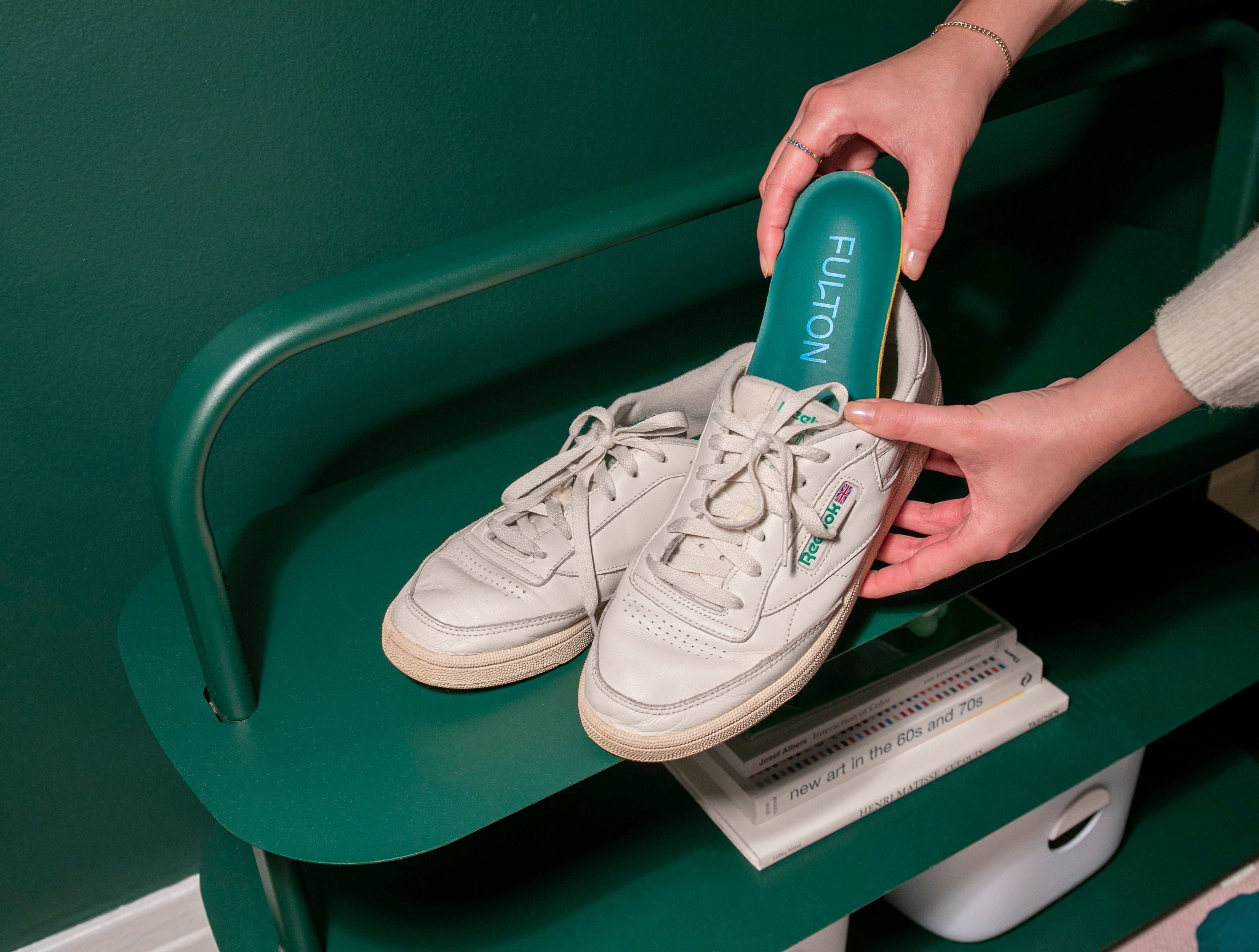
The Classic Insole ($48) is the best starting point for most people. Designed for everyday shoes—sneakers, loafers, work shoes—it fits in over 97% of lifestyle footwear. The cork base molds to your arch over roughly ten hours of wear, providing increasingly personalized gait correction the longer you wear them. If your overpronation pain shows up during everyday activity, start here.
The Athletic Insole ($48) is built for runners, hikers, and anyone doing high-impact activity. Overpronation is one of the leading causes of running injuries, and this insole combines the same corrective cork arch support and deep heel cup with additional cushioning designed for repetitive impact. If your knees, shins, or hips hurt during or after exercise, this is the one.
The Universal Insole ($48) is engineered for shoes without removable insoles—boots, flats, dress shoes. It has a slimmer profile that slides in without replacing the existing footbed. It's HSA/FSA eligible, making it an easy reimbursable purchase if you have a flex spending account.
The Break-In Period: What to Expect
Fulton insoles are not an overnight fix—and it's worth being upfront about that. The cork needs time to mold to your foot, and some customers report a brief adjustment period of mild muscle soreness as their body adapts to the corrected alignment. Most reviewers say this lasts three to seven days.
The adjustment makes sense: if you've been overpronating for years, your muscles and joints have adapted to that misaligned position. Correcting it introduces new stress to muscles that haven't been working the way they should. Think of it like starting physical therapy—there's a short period of adjustment before things feel better.
Reviewers who push through consistently report that the insoles keep improving over time. As one customer put it, the insoles "started to break into my unique foot shape within six days, and now I can feel them getting more comfortable and supporting me in the places I need support every day." That's the promise of cork: the longer you wear them, the more precisely they support you.
Fulton backs this with a 90-day Comfort Guarantee. If you try them for up to 90 days and decide they're not right for you, you can return or exchange them—even after wearing them. That's an unusually generous policy that removes all the risk from trying them.
The Bottom Line
Overpronation is a structural issue that doesn't fix itself—and ignoring it tends to make things worse over time, as the misalignment works its way up the kinetic chain into your knees, hips, and back. The most effective intervention is consistent, proper arch support that keeps your foot in a neutral position with every step.
Fulton insoles deliver that support at a price most people can actually afford. At $48, they cost less than a single physical therapy copay and a fraction of custom orthotics—and for the thousands of customers who say they've tried everything else, they've been the thing that finally worked.
If your ankles roll in, your arches ache, or your knees and hips seem to hurt for no clear reason, your gait may be the culprit. Fulton insoles are worth a serious look. With over 100,000 customers, a 4.8-star rating, and a 90-day guarantee, the barrier to trying them couldn't be lower—and the upside could be moving through the world without pain.