



Published on Feb 23, 2026 by Libie Motchan
If you’ve ever felt a sharp, burning pain in the ball of your foot — especially between your third and fourth toes — you know how disruptive foot pain can be. For many people, that sensation turns out to be Morton’s neuroma, a nerve condition that can make walking, standing, and even wearing shoes feel unbearable.
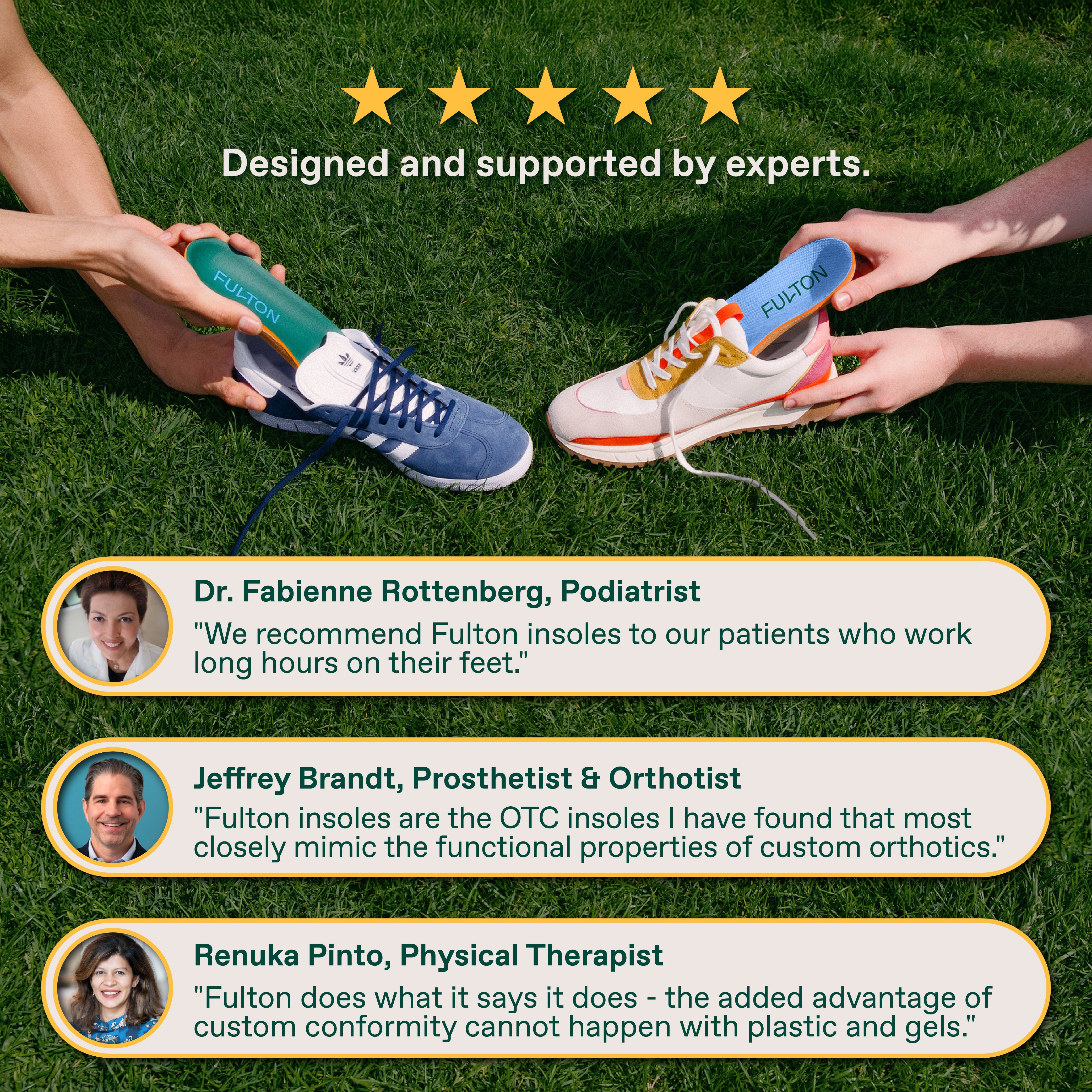
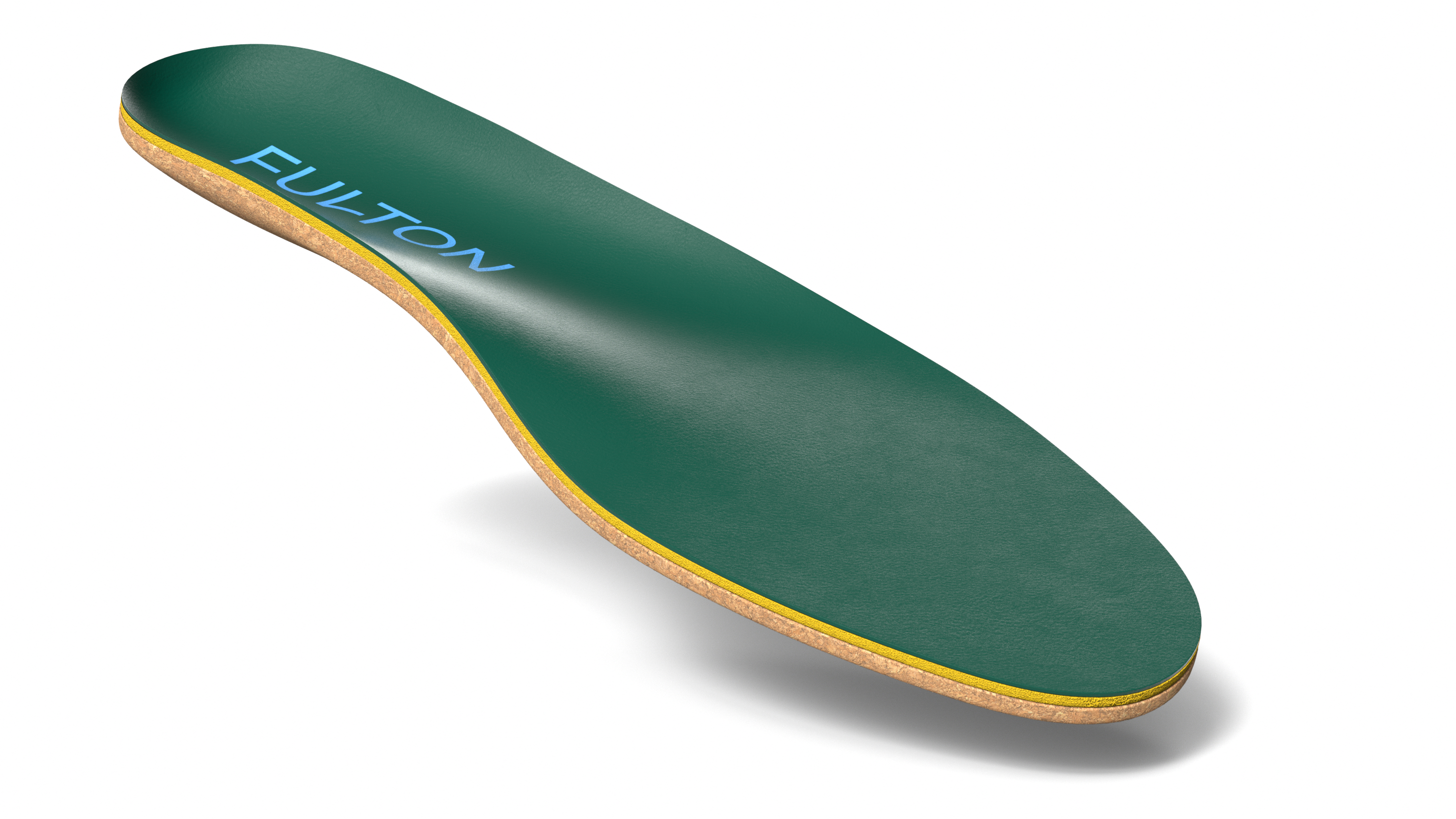
While cushioned sneakers and gel inserts promise relief, many shoppers say those quick fixes don’t last. Instead, a growing number of people with Morton’s neuroma are turning to Fulton Insoles, a cork-based insole designed to address the root cause of foot pain — not just mask it.
What Is Morton’s Neuroma?
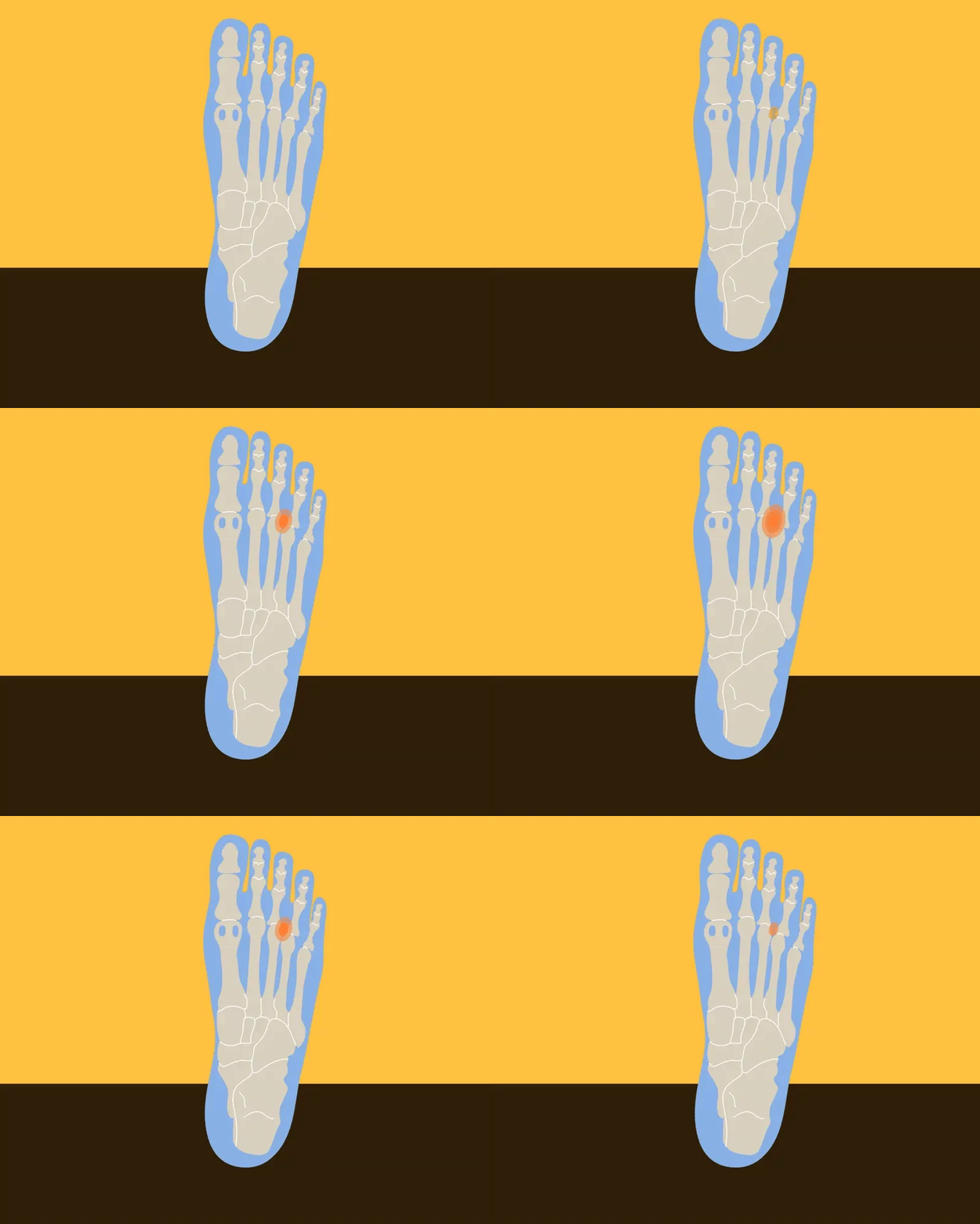
Morton’s neuroma occurs when the tissue surrounding a nerve in the ball of the foot thickens and becomes irritated, most commonly between the third and fourth toes. The condition isn’t a true tumor, but the inflammation can cause intense symptoms, including burning pain, tingling, numbness, or the feeling that you’re stepping on a small pebble that won’t go away.
Symptoms often worsen with tight shoes, thin soles, or long periods of standing and walking — which is why so many people struggle to find lasting relief. Managing Morton’s neuroma typically requires reducing pressure on the nerve and improving overall foot alignment, not just adding extra padding.
Why These Insoles Stand Out for Morton’s Neuroma
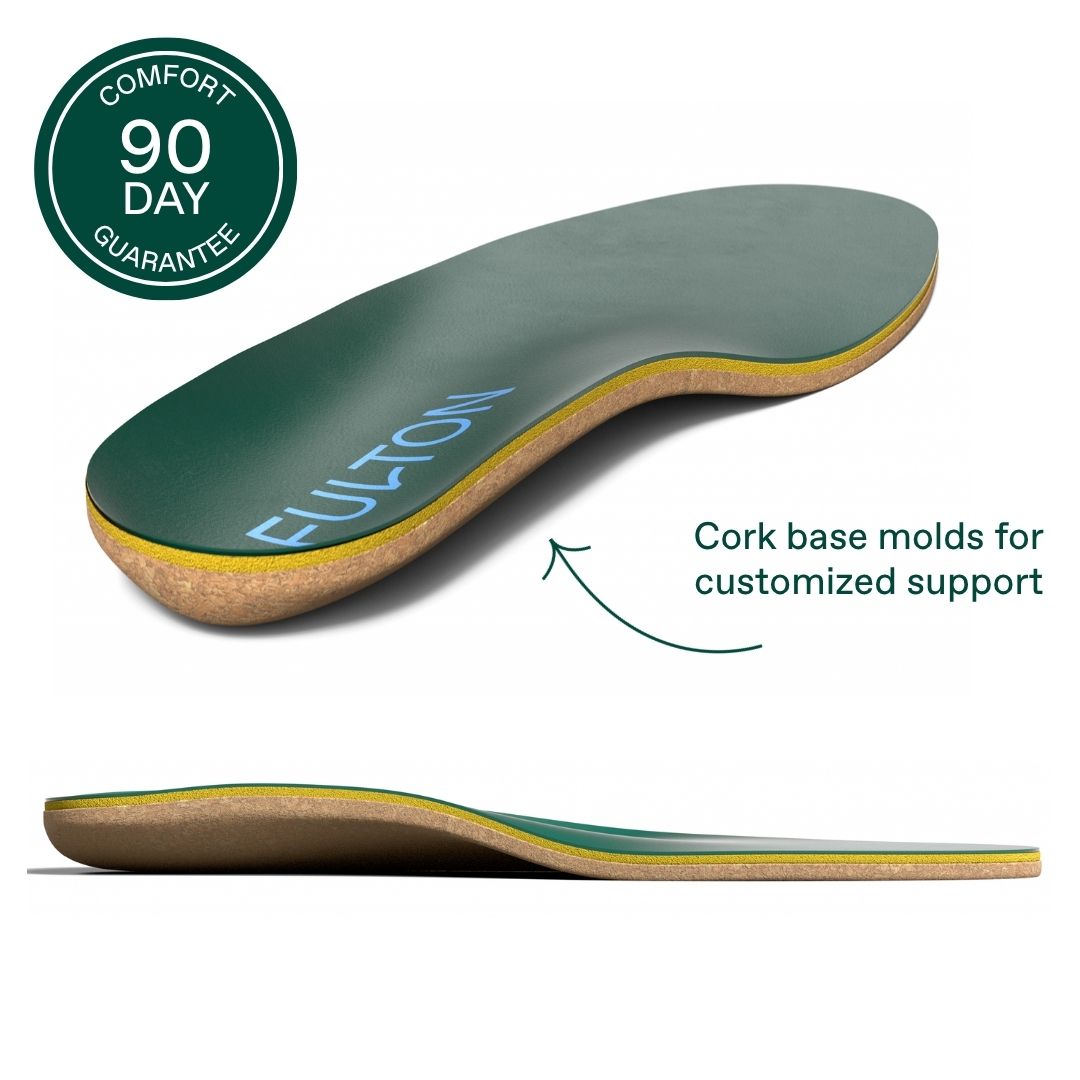
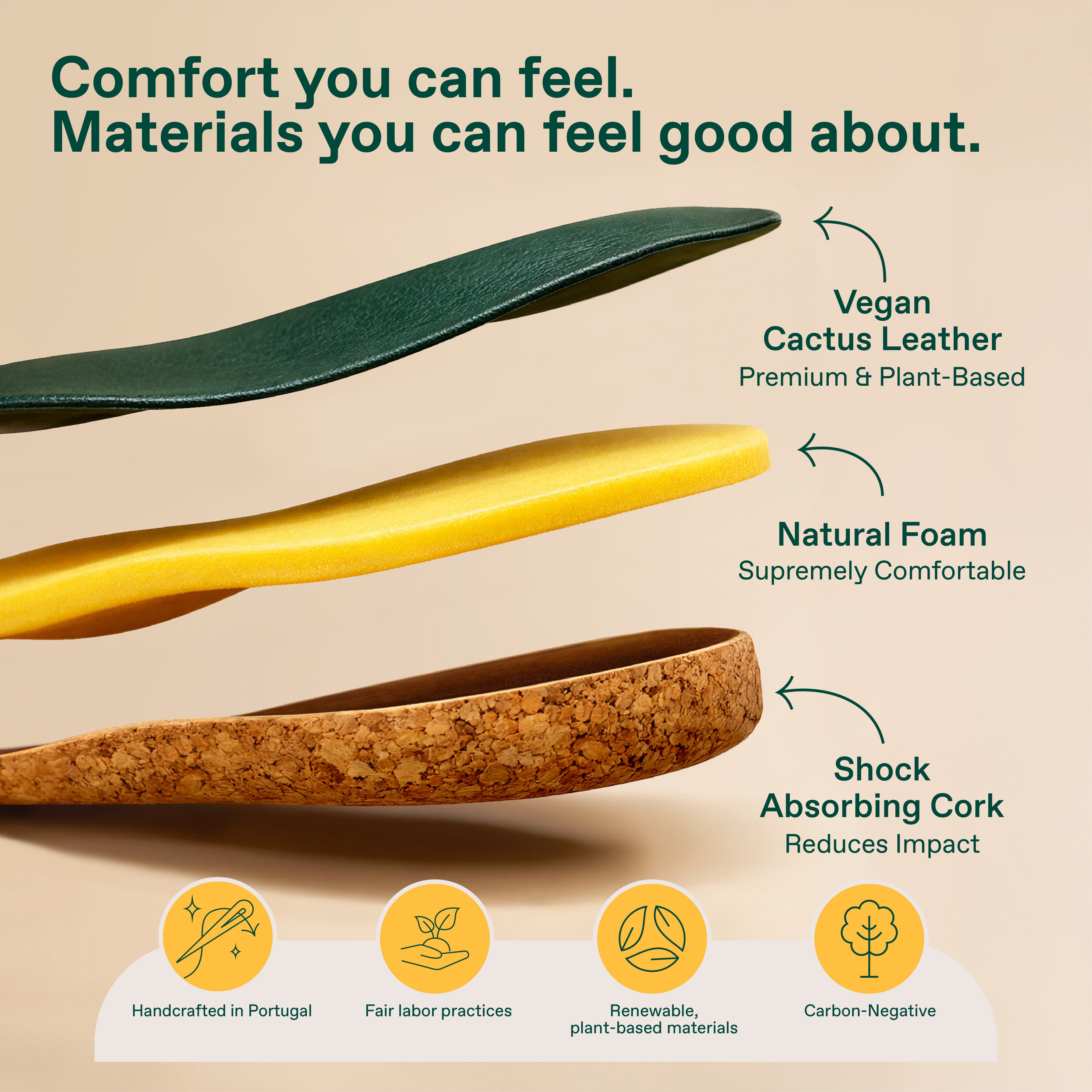
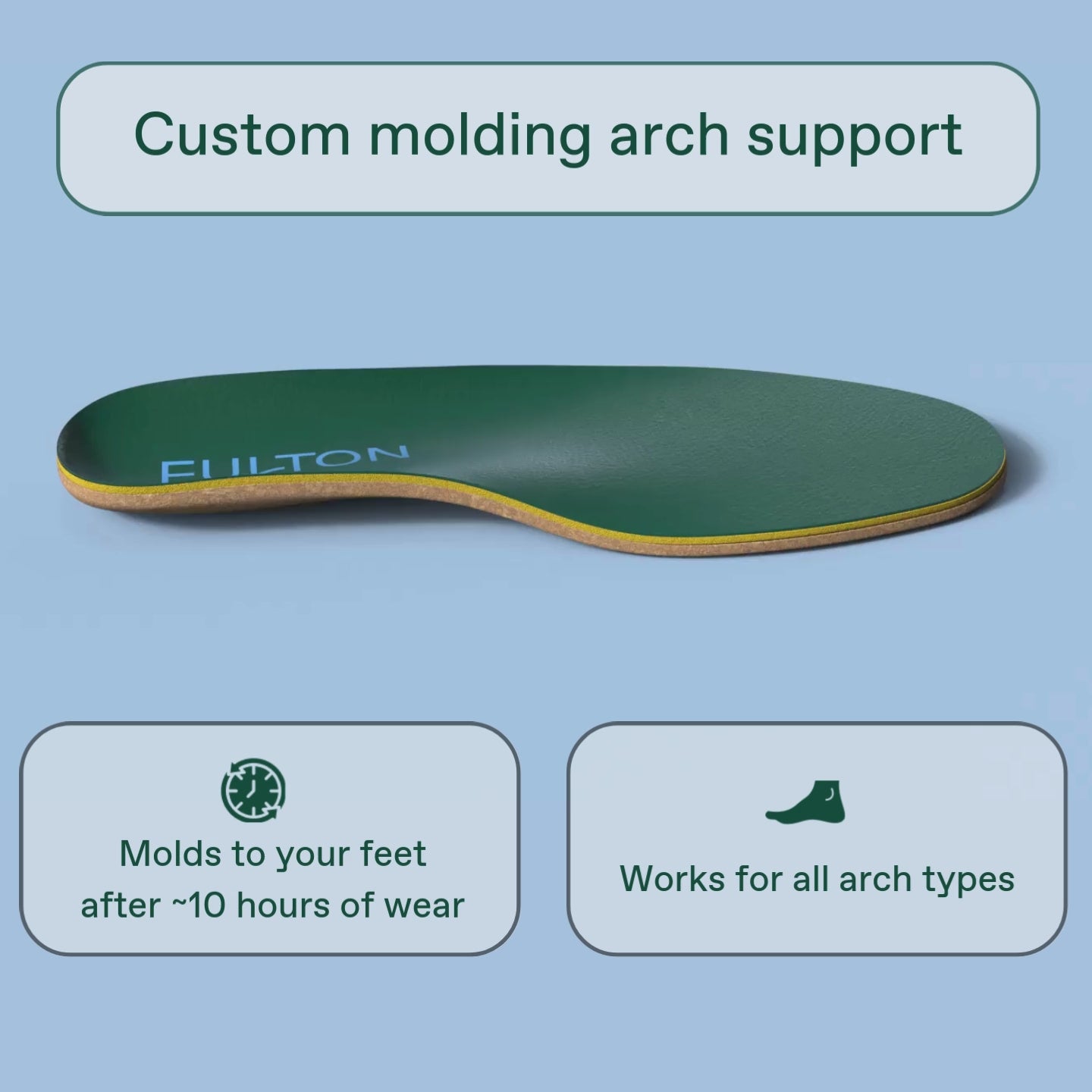
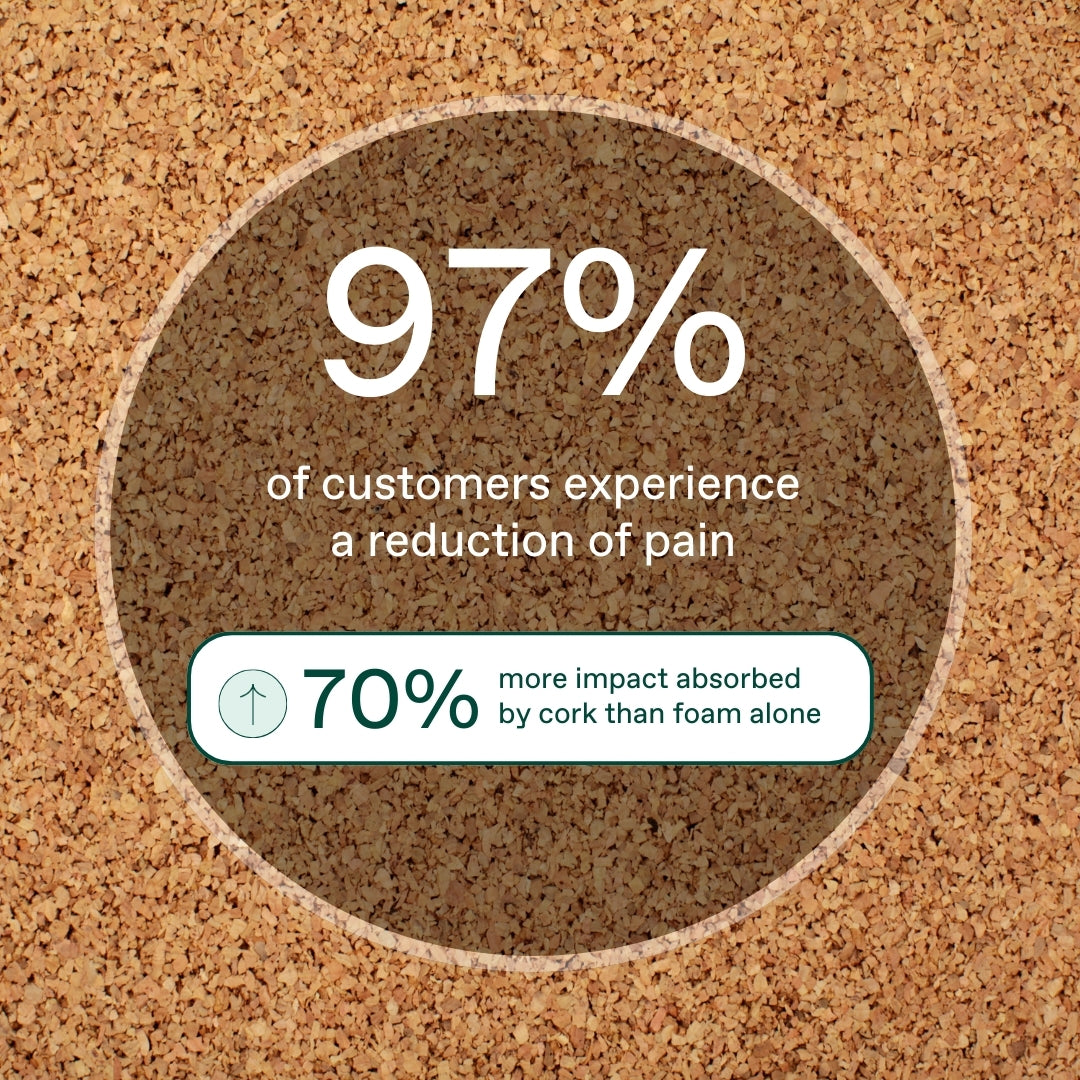
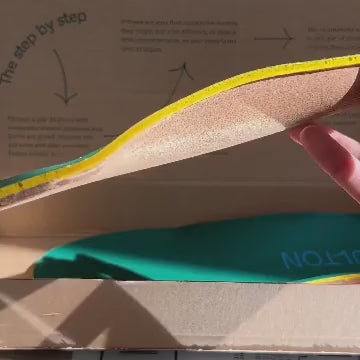
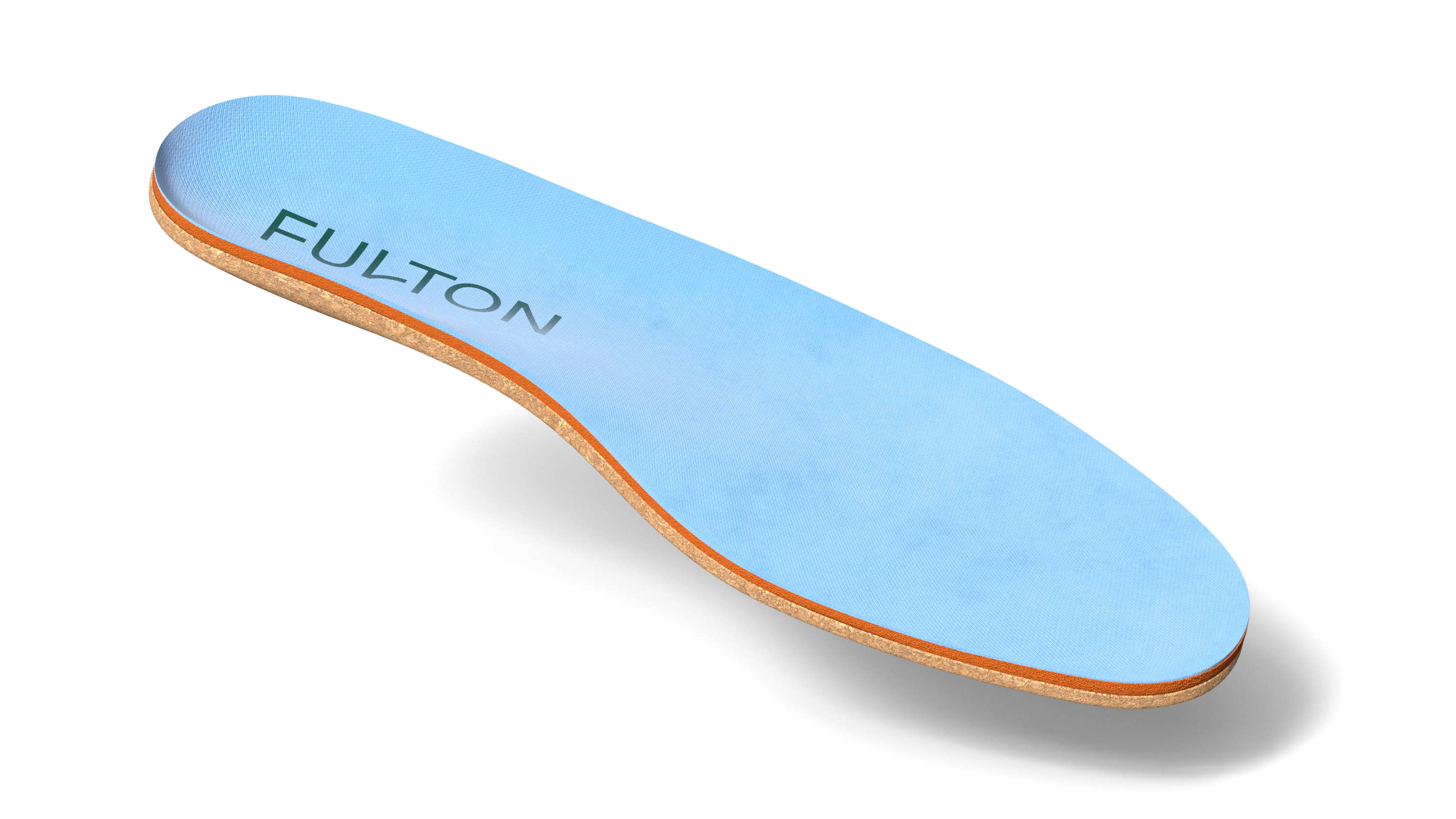
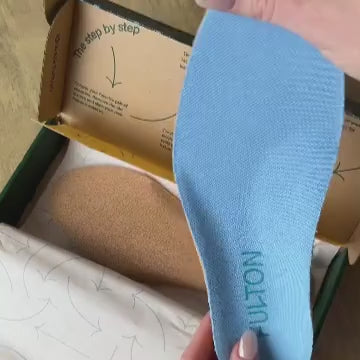
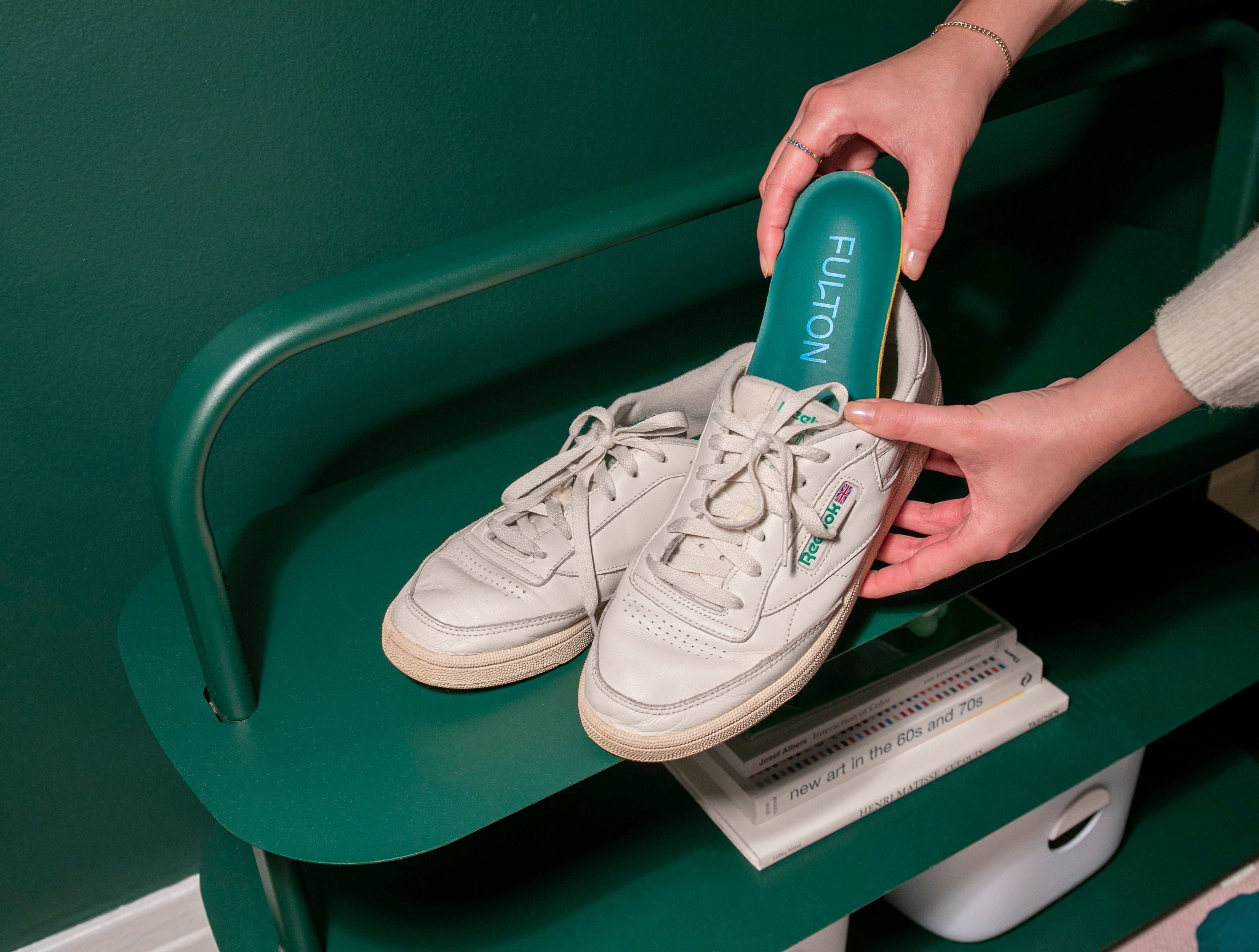
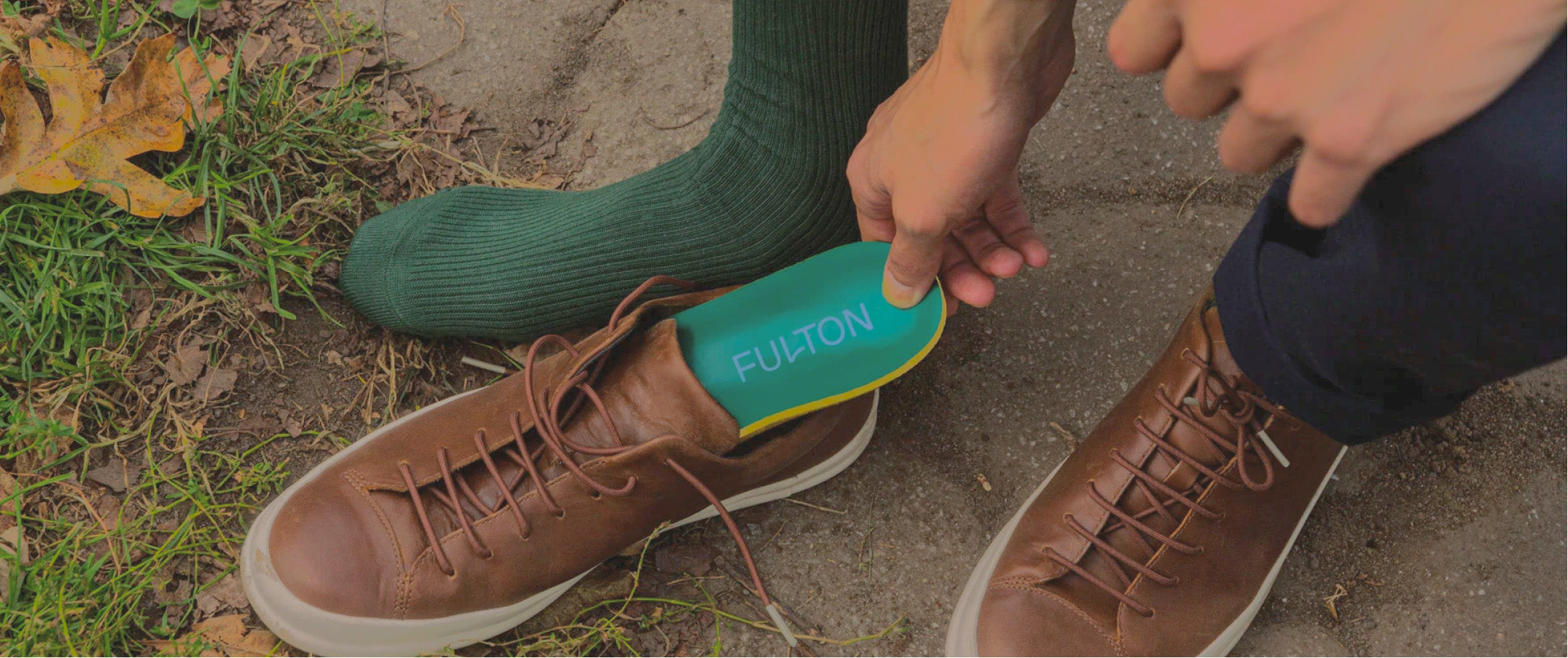
Most over-the-counter insoles focus on softness, but too much cushion without structure can actually increase pressure on the forefoot. Fulton insoles take a different approach by combining firm arch support with a shock-absorbing cork base that molds to your foot over time.
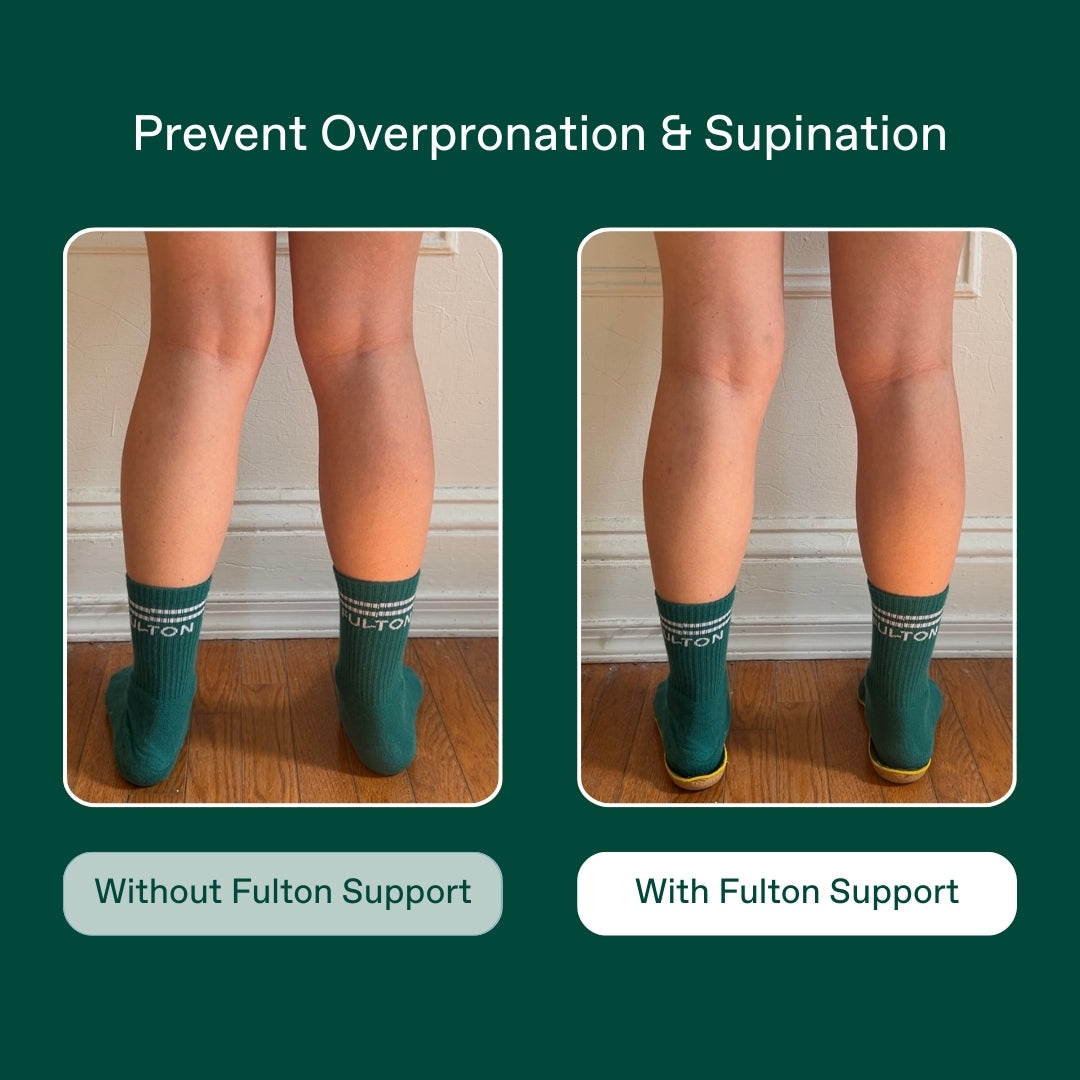
The design helps stabilize the heel, support the arch, and redistribute weight more evenly across the entire foot. By shifting pressure away from the ball of the foot — where the irritated nerve sits — many users say they experience fewer flare-ups and more comfortable movement throughout the day.
How Does Arch Support Help With Morton’s Neuroma?
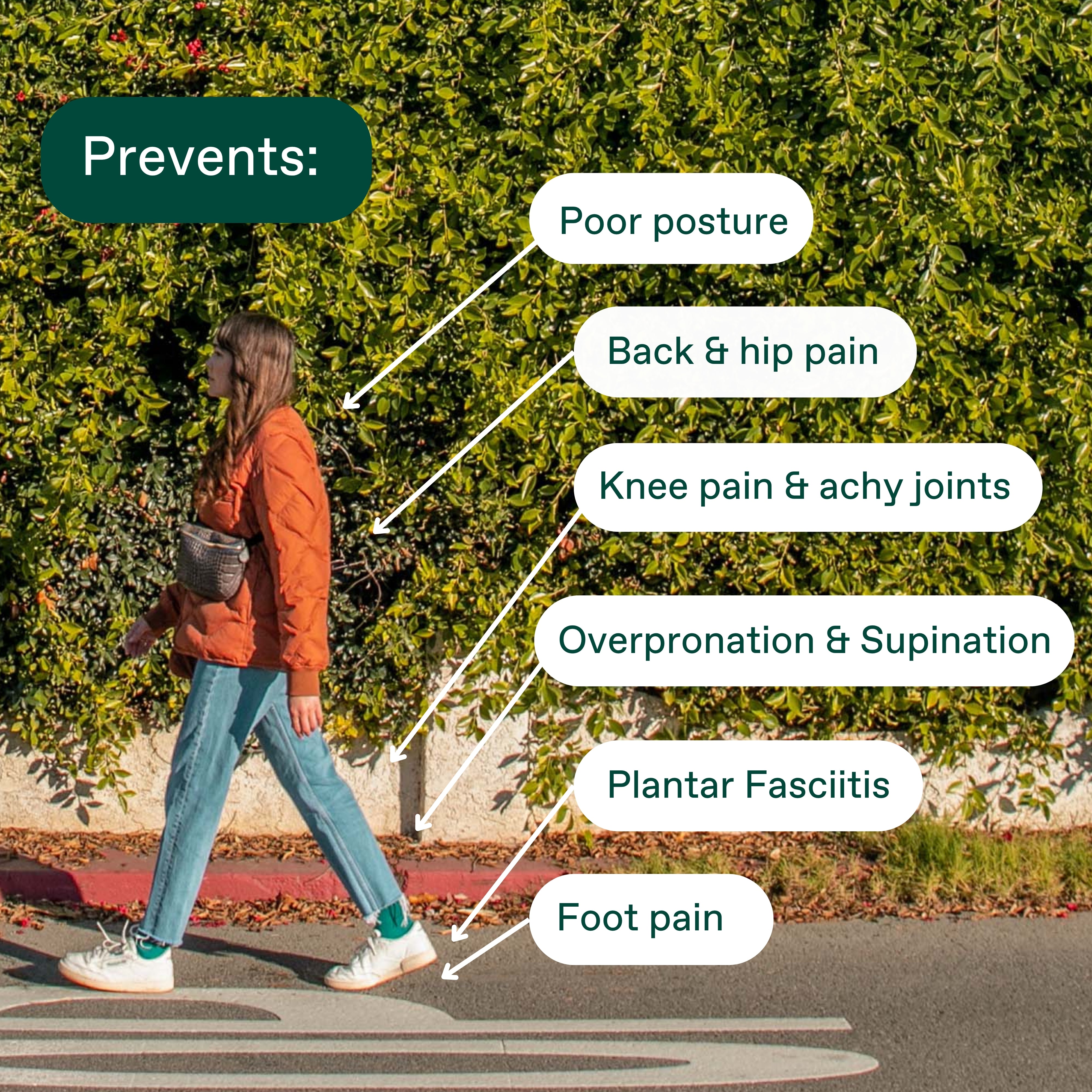
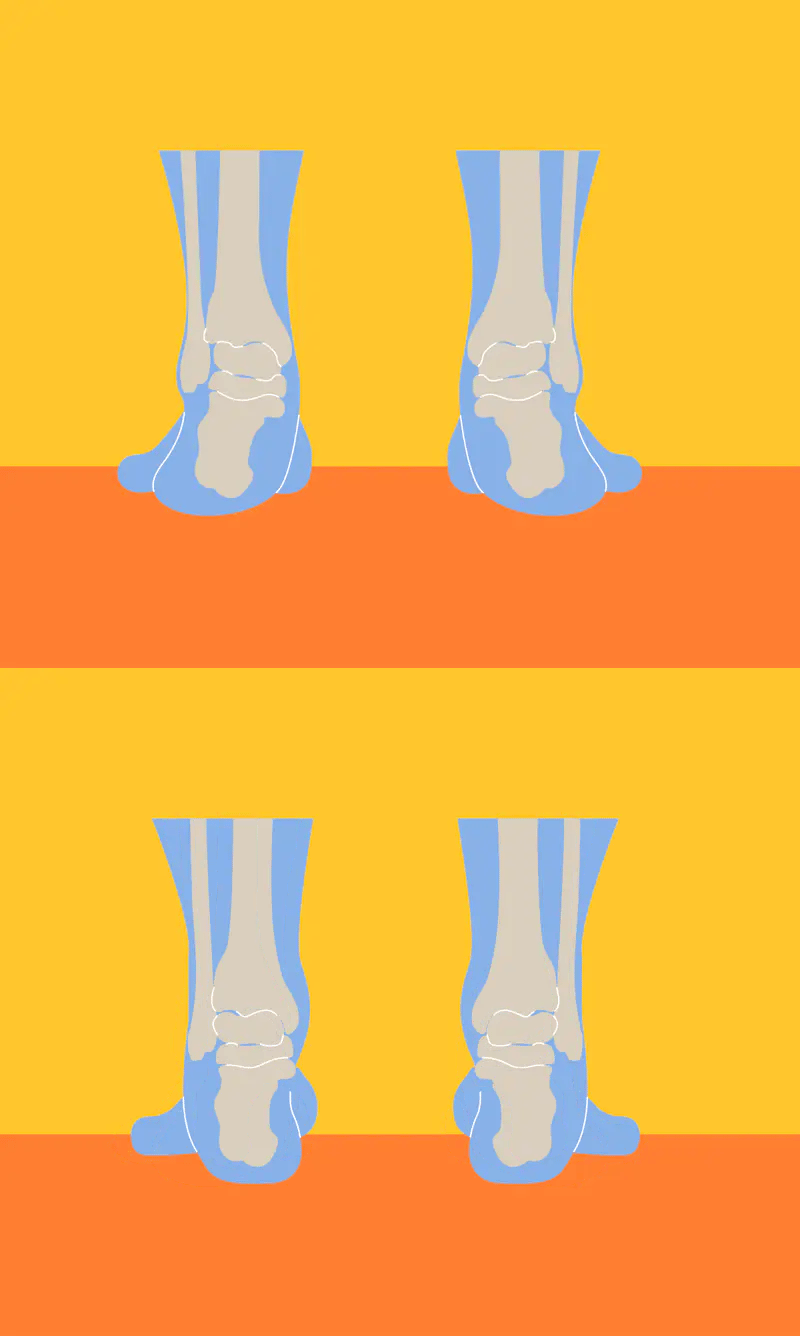
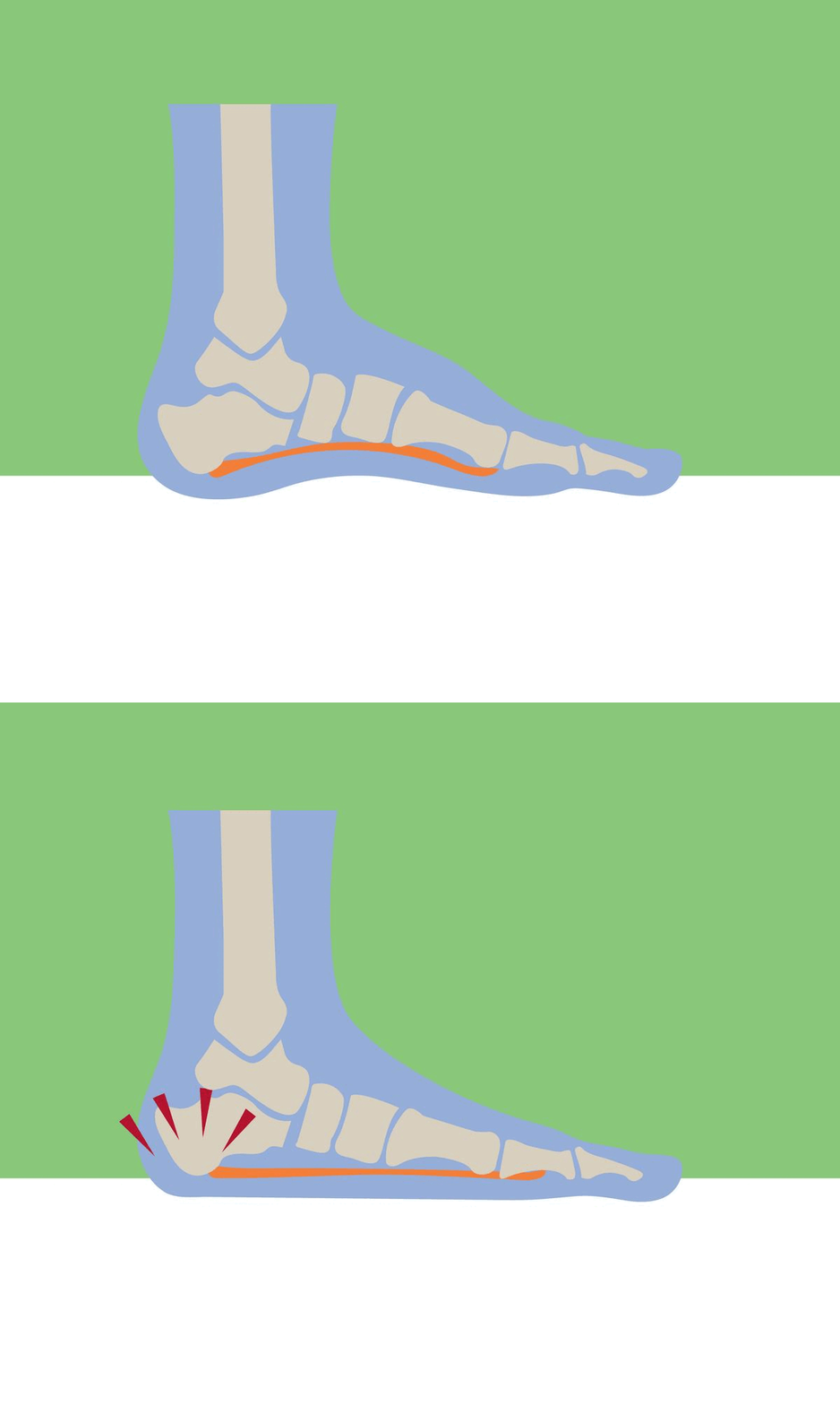
Even though Morton’s neuroma pain is felt in the forefoot, the underlying issue often starts with poor foot mechanics. When arches collapse or fail to properly support the foot, excess pressure is pushed forward onto the metatarsal bones, compressing the nerve and worsening symptoms.
Proper arch support helps realign the foot and distribute weight more evenly from heel to toe. Supportive insoles can reduce strain on the ball of the foot, minimize nerve compression, and improve gait — which is why many people with Morton’s neuroma report meaningful pain relief once they switch to structured arch support instead of soft inserts.
What Shoppers With Morton’s Neuroma Are Saying
“I tried everything — this is the only thing that worked.”
Several customers say they went through multiple brands of gel pads, metatarsal cushions, and even custom orthotics before trying Fulton. One shopper shared that after a short break-in period, the burning pain they felt daily began to fade — and eventually stopped interfering with long walks and errands.“I’m on my feet all day, and the pain is finally manageable.”
Retail and hospitality workers say the combination of arch support and shock absorption made it possible to stand for hours without the stabbing sensation they used to feel by midday.“I forgot what normal feet felt like.”
Other reviewers describe Fulton insoles as “life-changing,” noting that once their feet were properly supported, the nerve pain that once dominated their attention became barely noticeable.
As always, results vary — some people pair insoles with wider shoes or toe spacers — but many report significant improvement from arch support alone.
The Bottom Line
Morton’s neuroma can be frustrating, painful, and slow to resolve — but the right support can make a meaningful difference. Instead of relying on temporary cushioning, insoles that improve alignment and reduce pressure on the forefoot may help calm irritated nerves over time.
For shoppers looking for a more affordable alternative to custom orthotics — without sacrificing structure or comfort — Fulton insoles are emerging as a go-to option. And for people who’ve spent months trying to walk through pain, that relief can feel nothing short of transformative.