



Published on June 16th, 2026 by Libie Motchan
Shoe inserts are a practical way to address back discomfort that starts with the feet. Buyers face unclear terminology, inconsistent materials, and mixed claims about support. This guide explains how insoles influence alignment from the ground up, why that matters for the back, and what to consider for everyday wear. Drawing on Fulton’s design approach and customer outcomes, we outline selection criteria, fit guidance, and use tips. You will also find an overview of Fulton inserts used for daily walking and active days, so you can choose confidently for work, errands, or travel.
What is lower back strain from foot mechanics, and who experiences it?
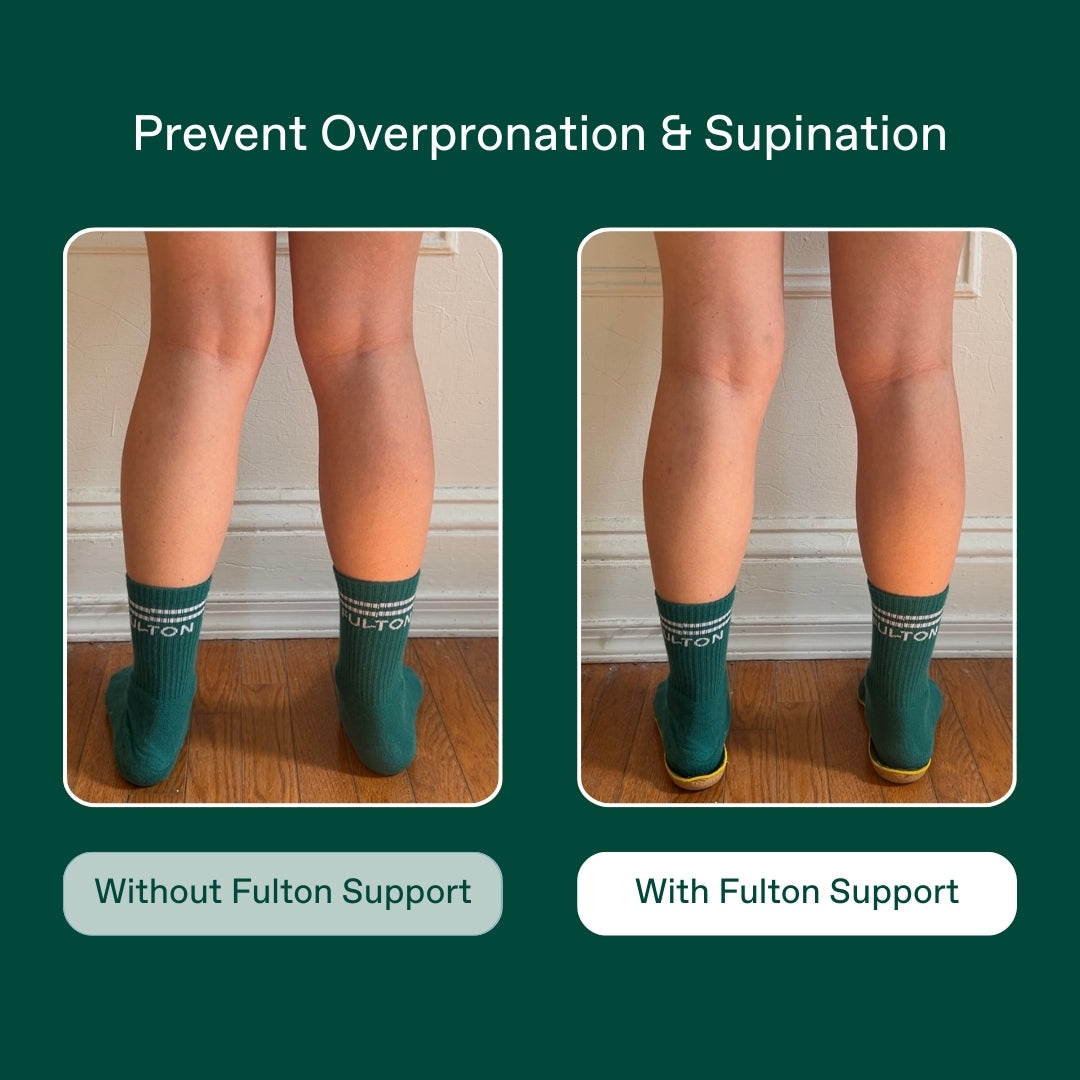
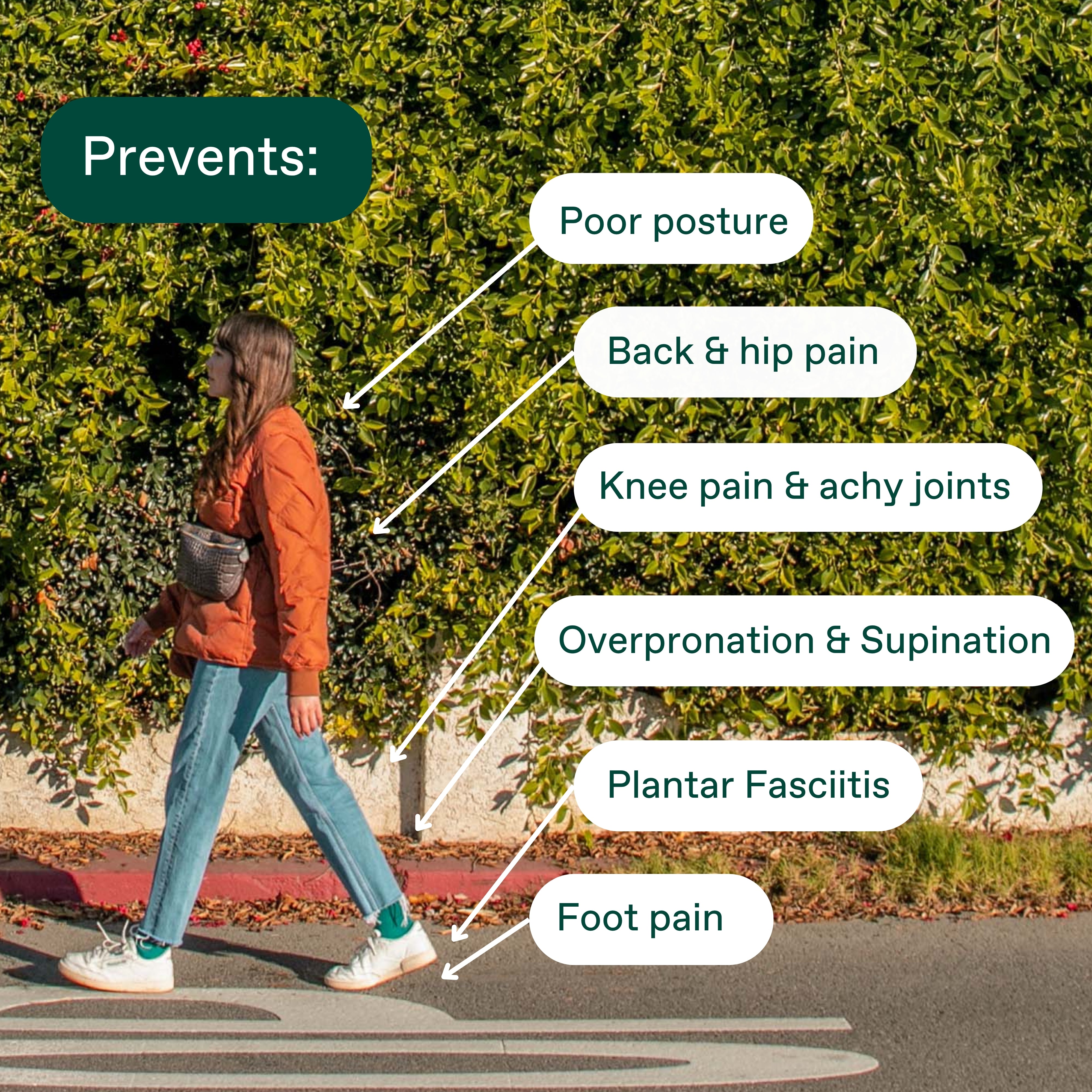
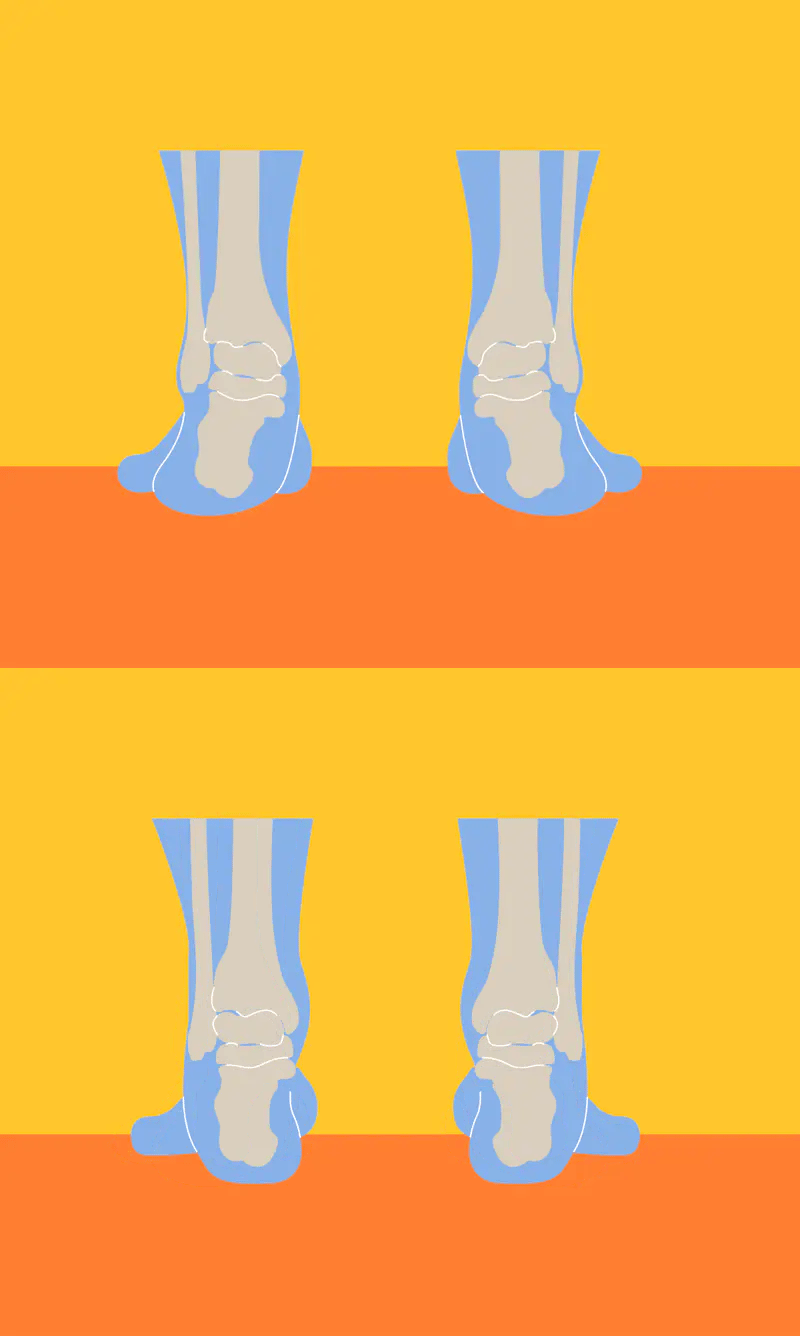
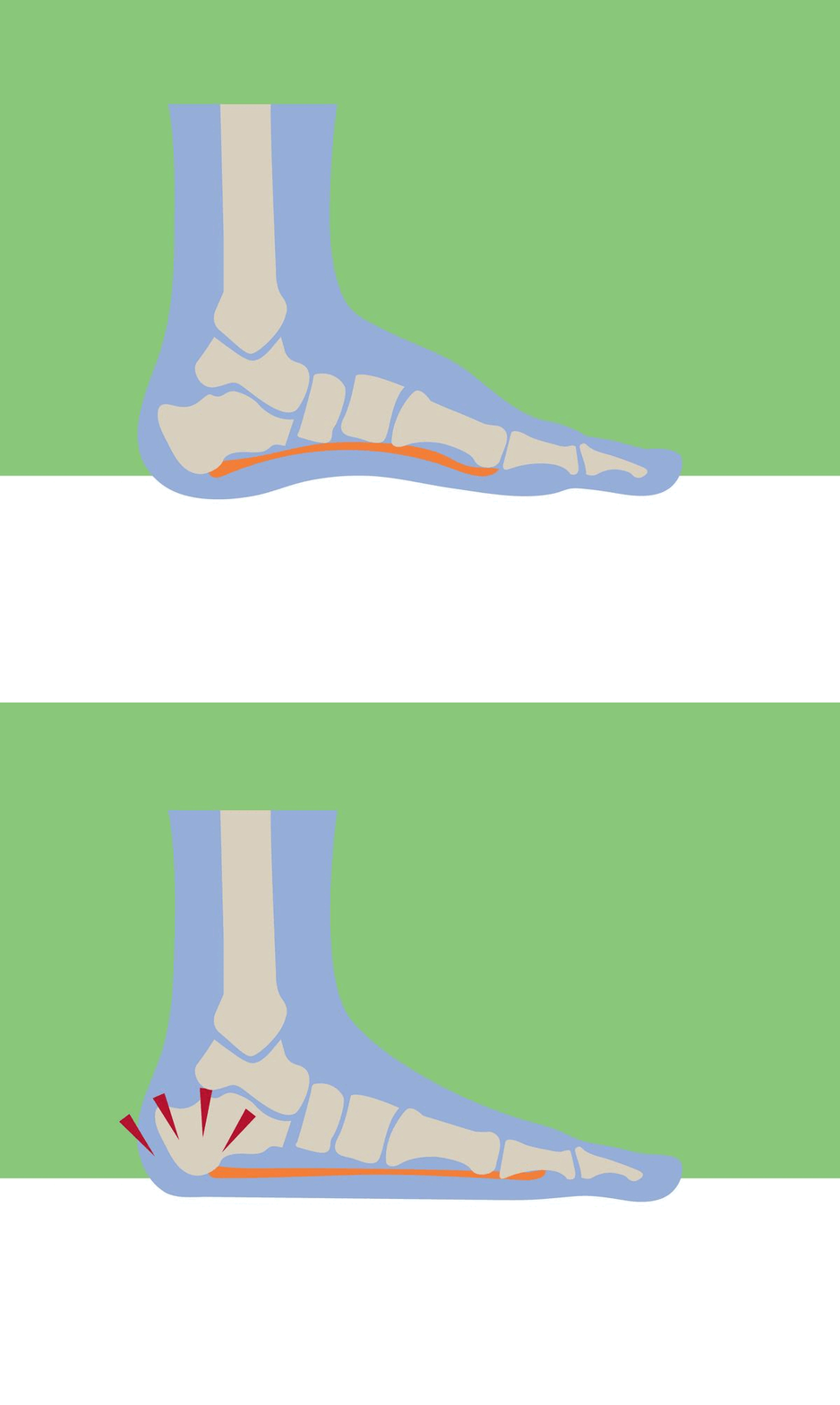
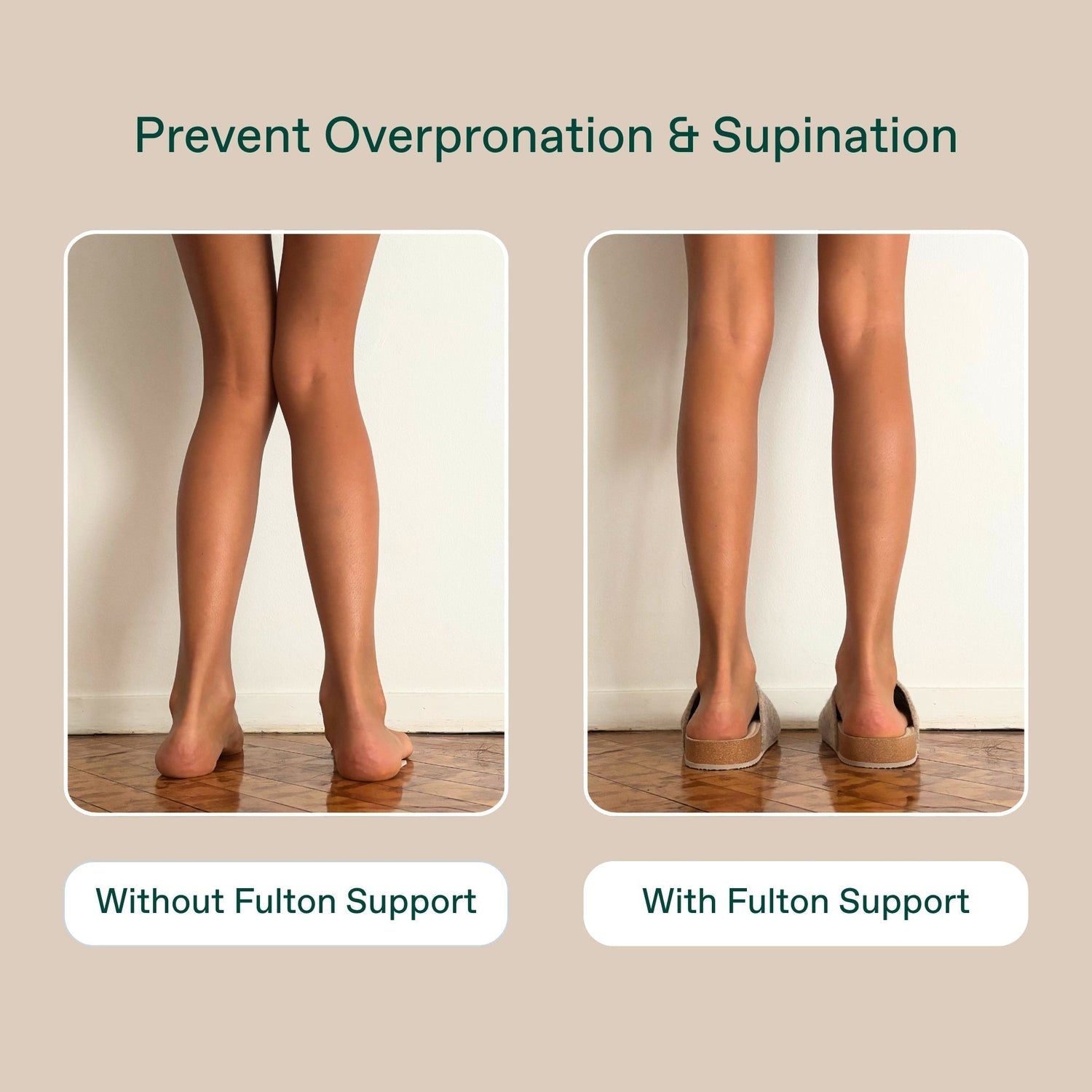
Lower back strain often develops when the feet lack stable arch and heel support. Without stability, the ankle may overpronate or supinate, which can rotate the tibia and femur and shift pelvic position. That chain reaction adds shear and compressive load to lumbar tissues during standing and walking. People who stand on hard floors, walk long city miles, or return to activity after time off commonly feel this strain. Fulton designs inserts to stabilize the heel and support the arch so the rest of the body moves in a more efficient pattern.
Why alignment matters, and why use shoe inserts for back comfort
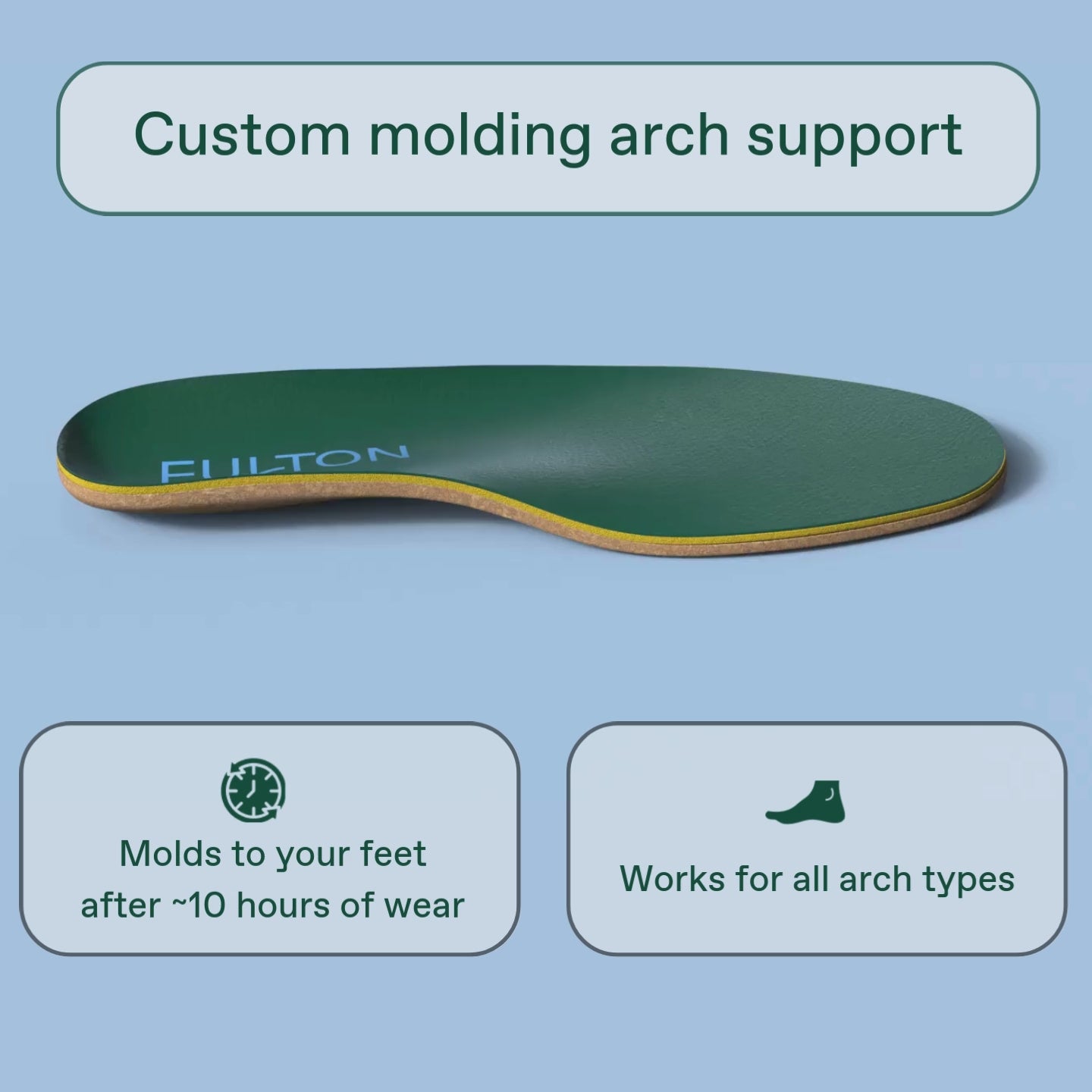
When the foot collapses inward, the knee and hip follow, which can increase torque at the lower back with each step. Consistent arch support and a deep heel cup reduce excessive motion so joints track more neutrally. Inserts make this support portable across shoes you already own, which is why many people start with insoles before changing footwear. Fulton’s cork-based inserts mold with wear and provide structured support that helps reduce strain from the feet upward during daily movement.
Common challenges linked to poor foot support
- End-of-day low back ache from long hours on hard surfaces
- Knees drifting inward during walking or squatting
- Hip tightness from compensating for unstable ankles
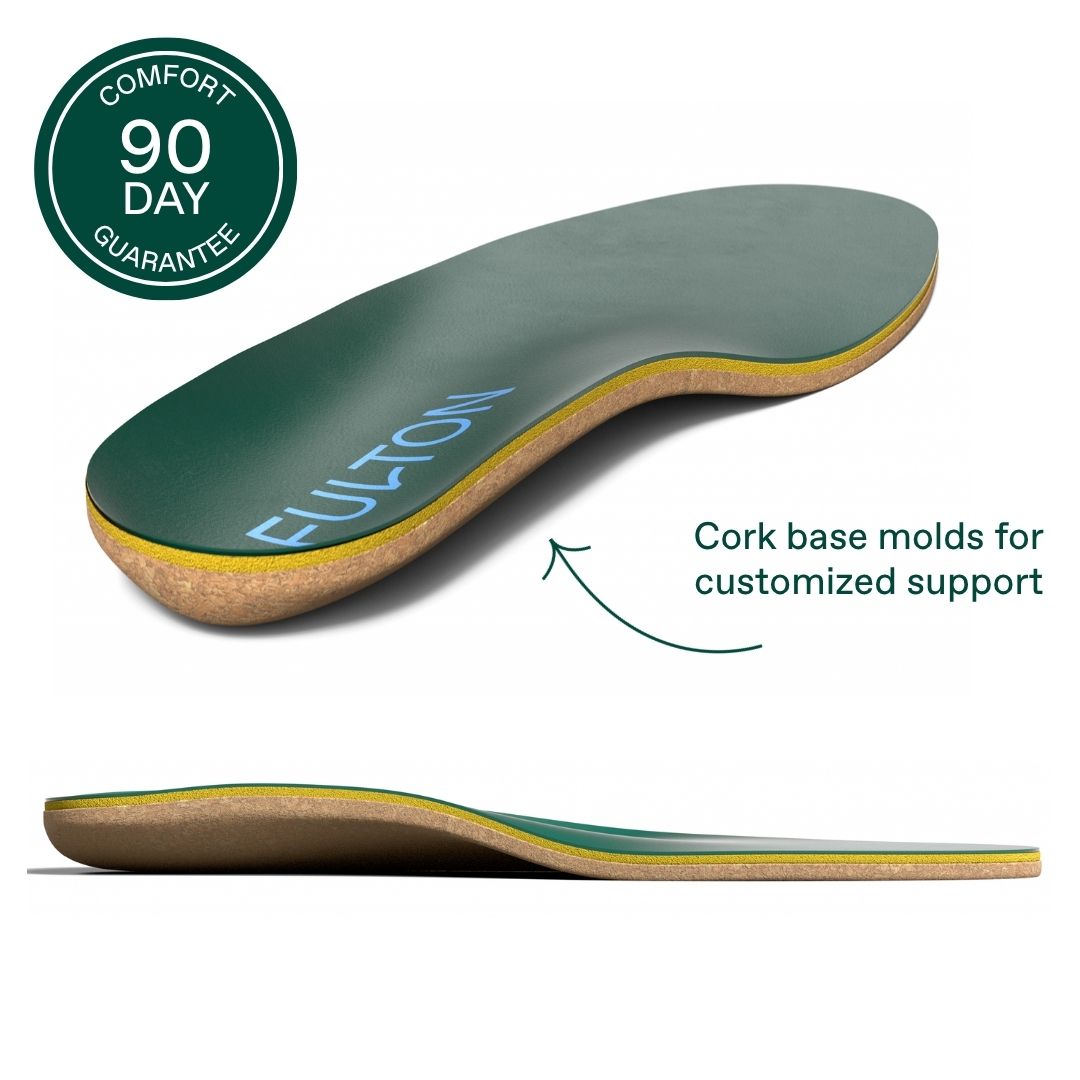
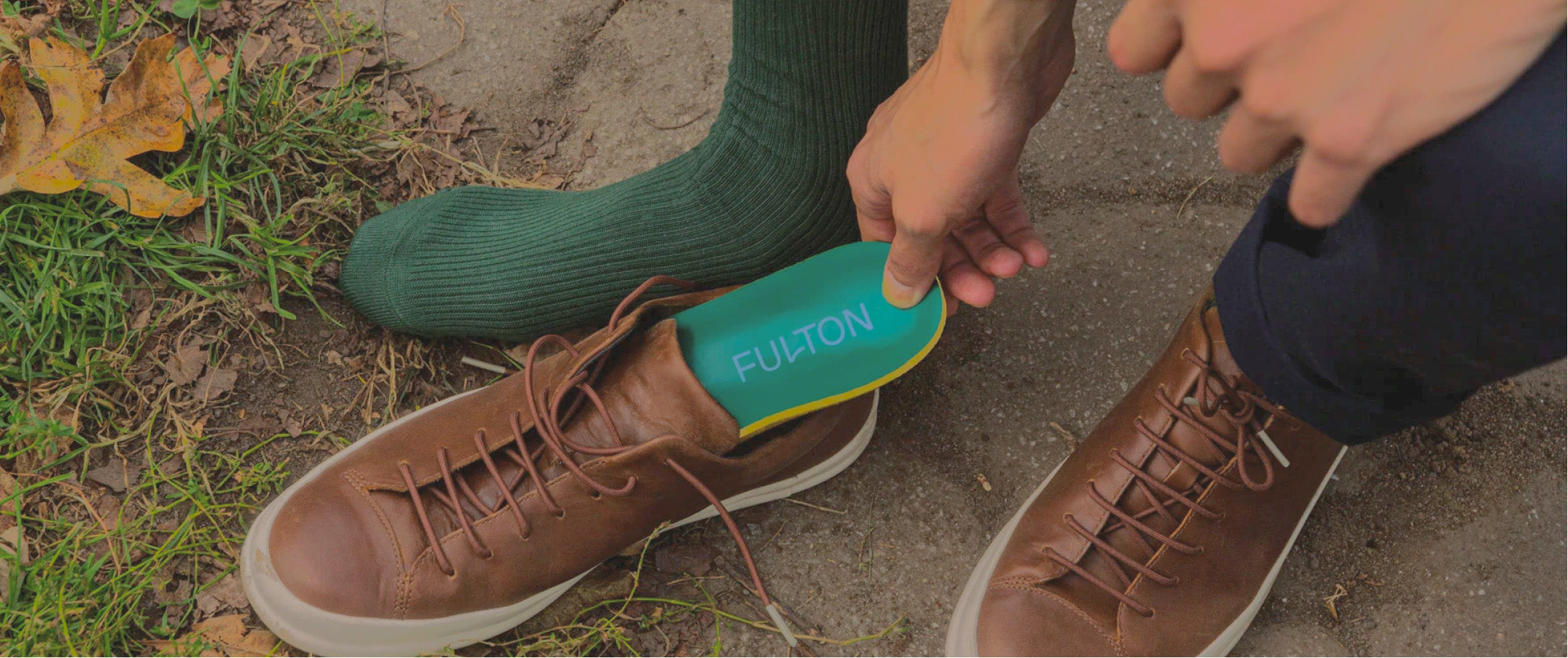
Many buyers try soft foam pads that compress quickly or lack heel containment. Fulton addresses these pain points with a deep heel cup and a cork arch that resists collapse, then molds to your unique gait after approximately ten hours of wear for more personalized stability during daily use.
Best practices and expert tips for using insoles to support the back
Start with a stable platform that guides motion without forcing it. Pair inserts with supportive shoes and replace factory sock liners if removable. Allow a brief break‑in so cork and foam settle to your arch, then keep a consistent pair in each shoe to preserve the mold. Track response during long shifts or walks and adjust thickness or shoe choice if toe box space is limited. Fulton’s 90‑day comfort window and arch‑agnostic fit help users refine setup with less risk during everyday routines.
Back comfort best practices
- Choose a deep heel cup to center the calcaneus and reduce inward collapse
- Select structured arch support that molds over time for individualized stability
- Prioritize shock absorption under heel and forefoot to cut cumulative impact
- Match insole volume to shoe type to avoid crowding or heel lift
- Rotate pairs across frequently worn shoes to maintain consistent alignment
Benefits of using shoe inserts for back, hip, and knee alignment
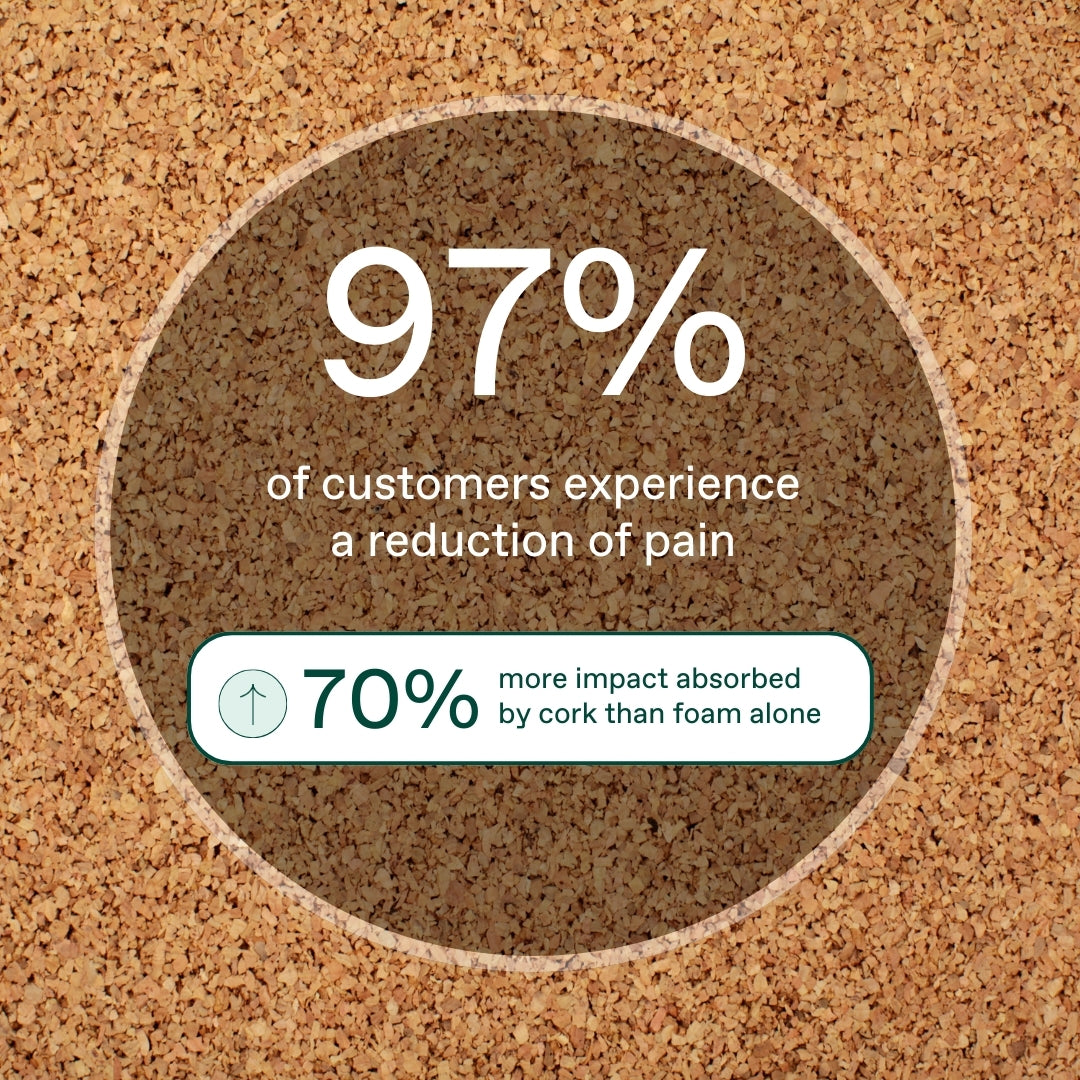
Well‑matched inserts can reduce the extra motion that propagates up the kinetic chain, easing stress at knees, hips, and the lower back. Users often report improved comfort with long standing, quicker recovery after busy days, and fewer flare‑ups during high‑impact tasks. Fulton’s product data reflects these outcomes, including high rates of reported pain reduction and comfort, plus cork’s impact absorption advantage compared with foam alone, which supports joint protection over time during daily movement.
Benefits of supportive insoles
- Alignment assistance that limits overpronation and supination for steadier gait
- Impact attenuation that reduces repetitive loading on joints and tissues
- Consistent comfort across footwear you already wear for work and errands
- Personalized arch contour as materials adapt to your foot with use
- Practical alternative to replacing multiple pairs of shoes at once
What to look for in shoe inserts for back comfort
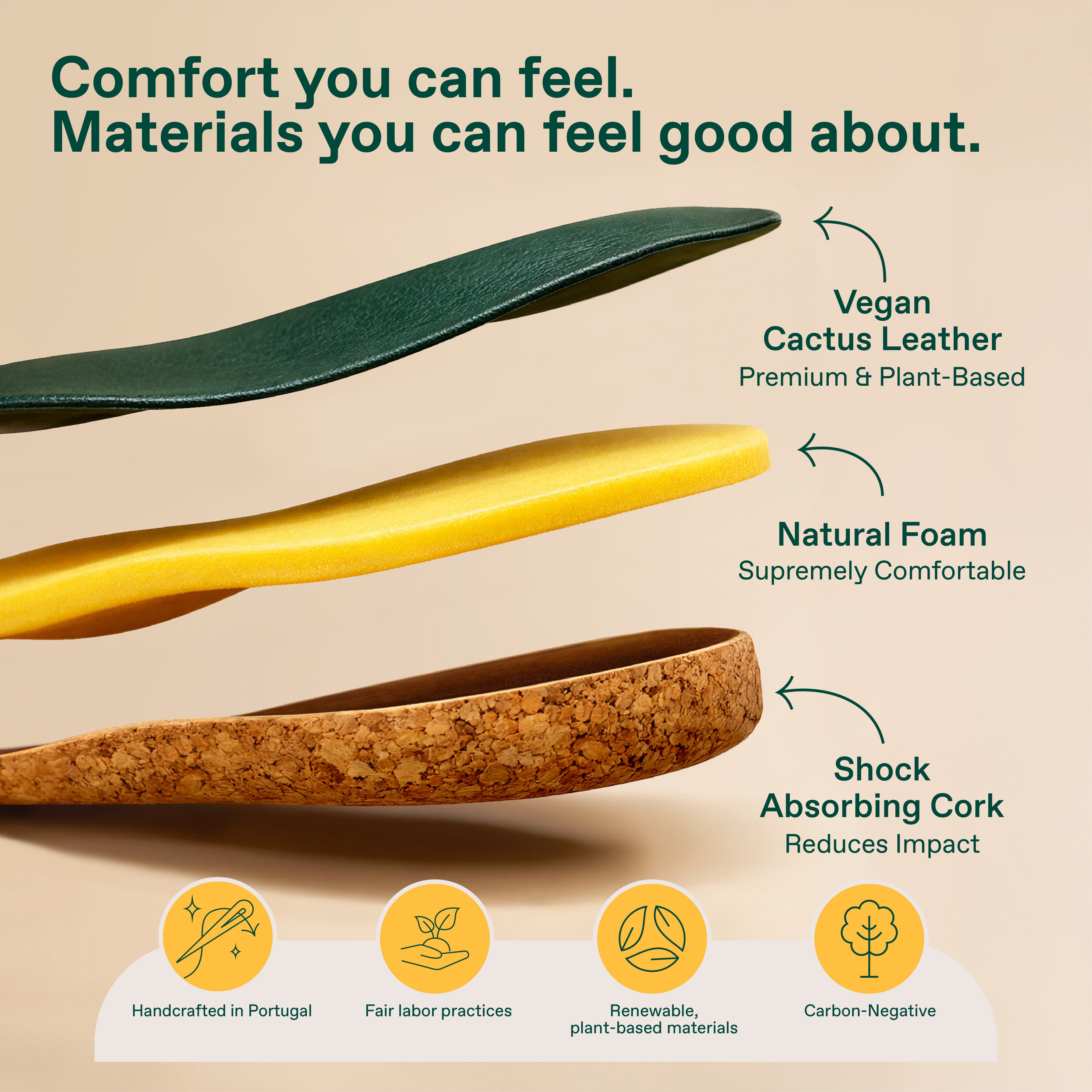
Feature selection is crucial because the wrong combination can add bulk without control. Focus on a rigid‑enough arch platform, a deep heel cup, and durable shock‑absorbing materials. Check compatibility with your shoes, confirm volume, and ensure no trimming is required if you prefer a cleaner install. Longevity and sustainability also matter for daily wear. Fulton emphasizes molded cork for structure, plant‑based top layers, and sizes that fit most shoes, so buyers can secure stable alignment without sacrificing day‑to‑day usability or comfort.
Must‑have features for back‑supportive insoles
- Deep heel cup: Stabilizes the rearfoot to limit excessive inward or outward roll
- Structured, moldable arch: Supports the medial arch and adapts with wear
- Impact‑absorbing base: Uses cork and foam to reduce repetitive ground forces
- Breathable top layer: Manages moisture and reduces friction in daily use
- Shoe‑specific fit profile: Matches lifestyle shoes, athletic sneakers, or low‑profile styles
Fulton’s inserts meet these criteria with cork arch platforms, targeted foams, and top layers tuned to use case. The line includes options for sneakers, boots, and low‑profile shoes without removable insoles, all offered with a 90‑day comfort guarantee and support for all arch types, which simplifies selection for varied routines.
Fulton shoe inserts for back, hip, and knee comfort
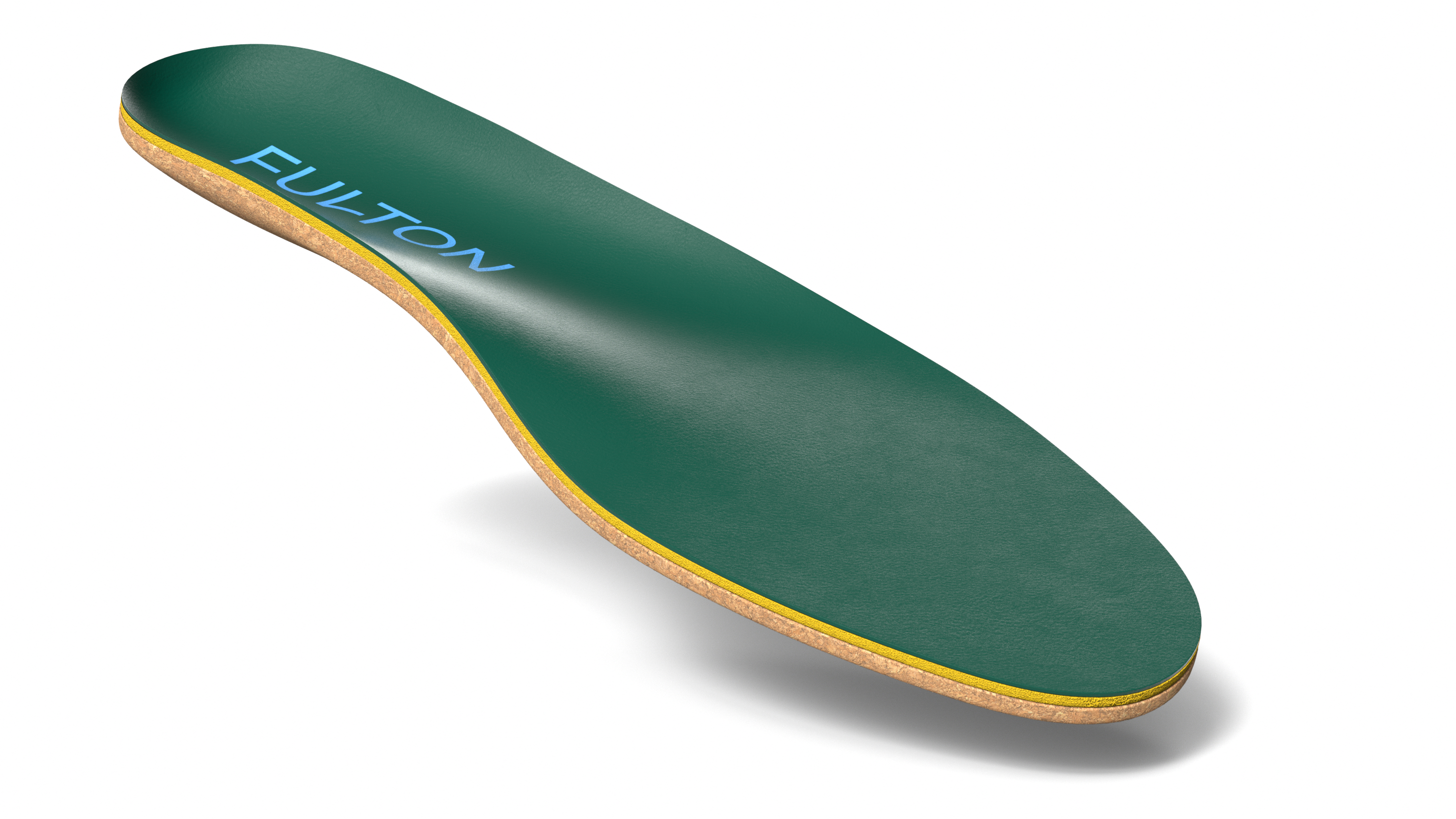
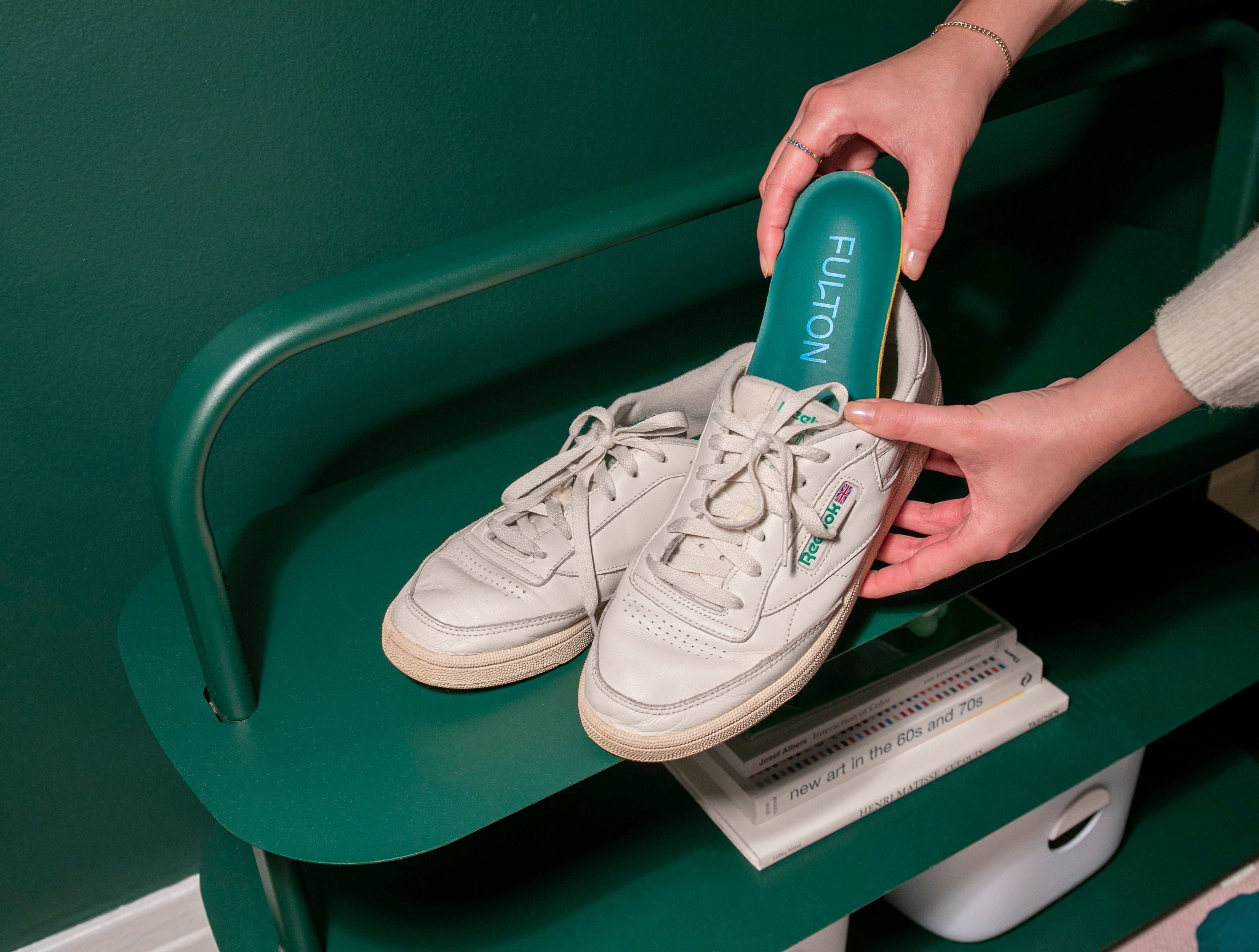
The Classic Insole ($48)
- Key materials and design: Cork arch support, cushioning foam, vegan cactus leather top, deep heel cup
- How it supports alignment: Centers the heel and supports the arch to reduce pronation‑related torque at knees, hips, and back
- When and how to use: Daily walking and work in lifestyle sneakers and boots; keep one pair per shoe for best molding
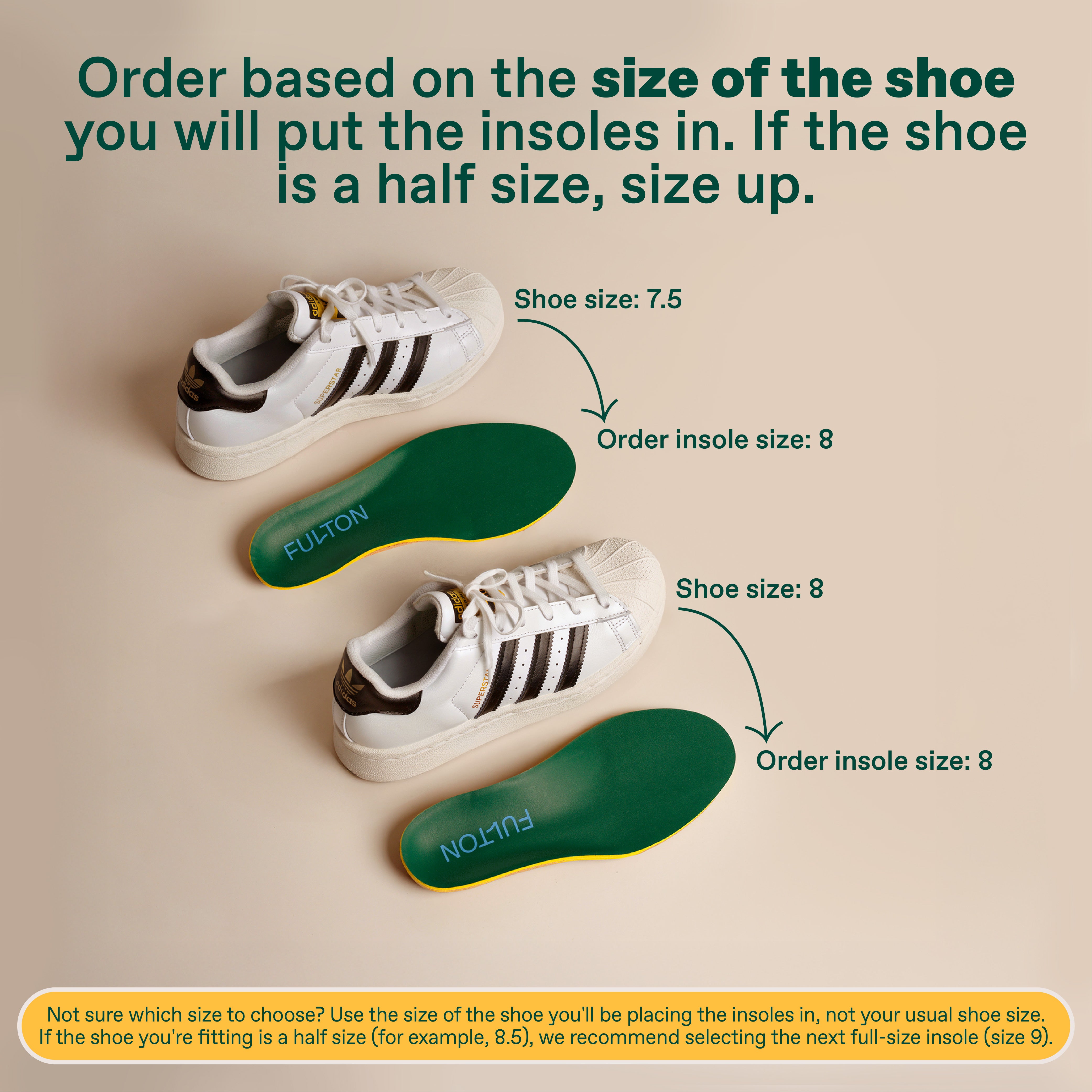
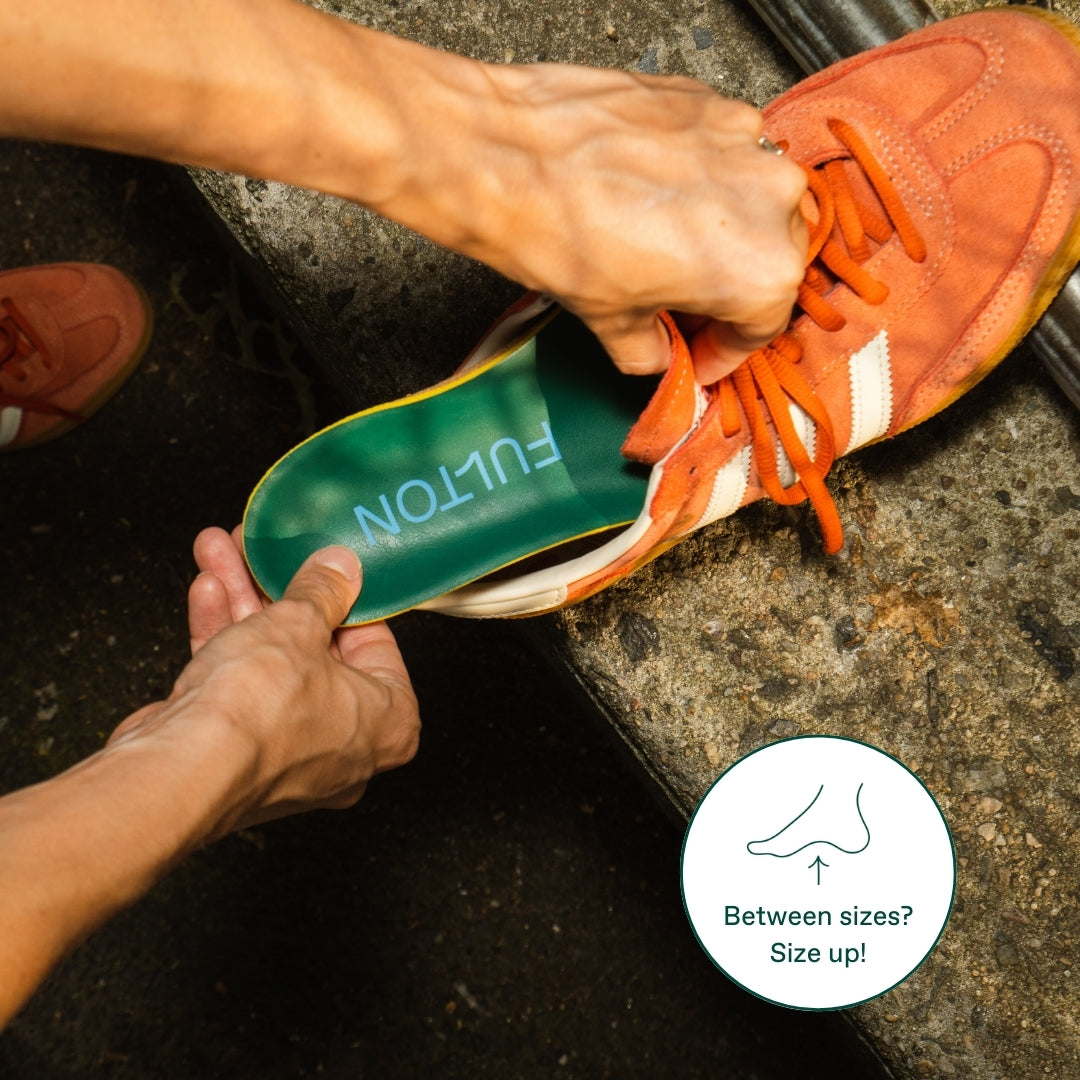
- Size and fit: Sizes 5 to 14 with standard and wide options, trim‑free fit in most shoes
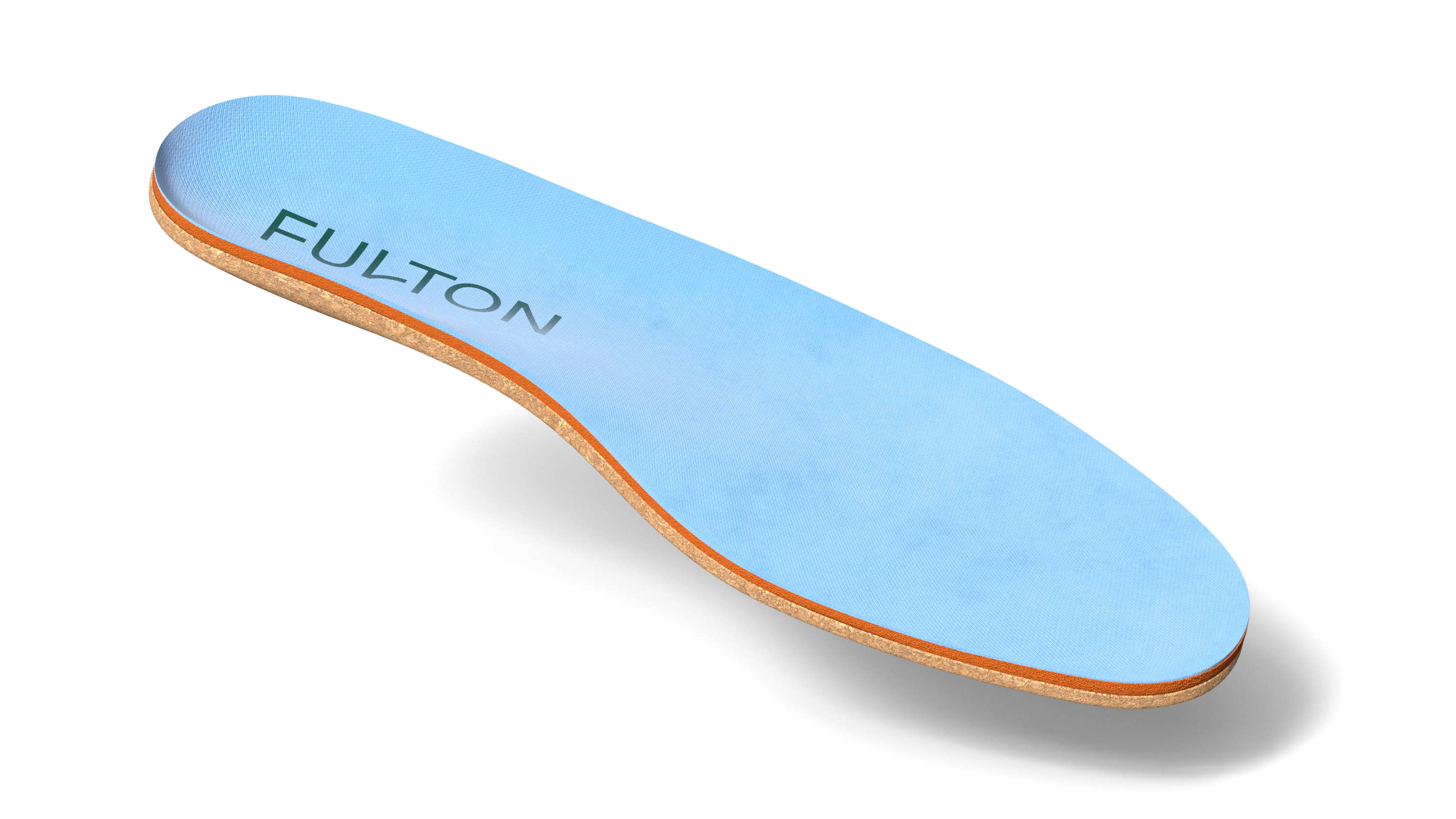
- Key materials and design: Cork base with high‑density foam, deep heel cup, breathable organic cotton top
- How it supports alignment: Adds padding and control for higher impact while guiding rearfoot motion for steadier tracking
- When and how to use: Running, training, and long active days in sneakers or hiking boots
- Size and fit: Sizes 5 to 14, available in standard and wide, designed for shoes with removable liners
The Universal Insole ($48)
- Key materials and design: Cork with low‑profile cushioning and a durable vegan leather top, slip‑resistant base
- How it supports alignment: Open toe design fits low‑profile shoes to deliver stable heel and arch support where stock liners are thin
- When and how to use: Loafers, flats, and boots without removable insoles; avoid sandals and high heels
- Size and fit: Sizes 5 to 14, trim‑free, designed to stay put inside low‑profile footwear
Details above reflect Fulton’s current product specifications, materials, fit guidance, and everyday use cases for alignment and comfort across common shoe types. All three models emphasize a molded cork platform, deep heel containment, and foam cushioning to support the kinetic chain during routine standing and walking.
Choosing supportive inserts for back comfort in 2026
Start by matching insert profile to your shoes, then select the heel cup and arch structure that feel stable without pressure points. Give the materials time to mold and evaluate changes over a typical workday or long walk. Fulton’s lineup covers lifestyle, athletic, and low‑profile shoes with consistent cork‑based support and a 90‑day comfort window, which makes it easier to test alignment benefits in daily life. Explore options that fit your routine and prioritize consistent use across your most‑worn pairs.
FAQs about shoe inserts for back comfort
What is back pain related to foot alignment?
Back pain related to foot alignment occurs when excessive foot motion alters knee and hip position, which can place extra load on the lower back. That added load accumulates during standing and walking, especially on hard floors. Stable heel containment and arch support help control that motion so joints stack more efficiently. Fulton’s inserts use a deep heel cup and a molded cork arch to improve stability from the ground up during everyday movement tasks, like commuting or working on your feet.
Why do people use shoe inserts for back discomfort?
Inserts provide portable alignment and impact absorption inside shoes you already wear. This can reduce strain that travels from the feet to the lower back during long days. People value predictable support across multiple pairs rather than replacing footwear. Fulton’s data shows high rates of reported pain reduction and comfort among users, and cork absorbs more impact than foam alone, which supports joint protection during repetitive steps on hard surfaces. These attributes make inserts a practical first line for everyday relief.
What should I look for in a shoe insert for back comfort?
Seek a deep heel cup, a structured arch that molds with wear, and durable impact‑absorbing materials. Confirm the insole profile matches your shoes and that break‑in time is short. Materials should manage heat and odor for daily use. Fulton emphasizes cork for structure, plant‑based or breathable top layers, and trim‑free sizing that fits most shoes. This combination supports stable gait mechanics while keeping the foot comfortable over full workdays and long city walks on firm ground.
What are the best shoe inserts for everyday back support?
The best inserts provide rearfoot stability plus an arch platform that resists collapse and personalizes with use. They also offer enough cushioning to blunt impact without feeling mushy. Fulton aligns with these criteria through cork‑based support, deep heel cups, and shoe‑specific profiles for lifestyle, athletic, and low‑profile footwear. Users can choose Classic, Athletic, or Universal based on shoe type to maintain consistent alignment throughout the week, which supports back, hip, and knee comfort across varied activities.
Do Fulton inserts replace custom orthotics?
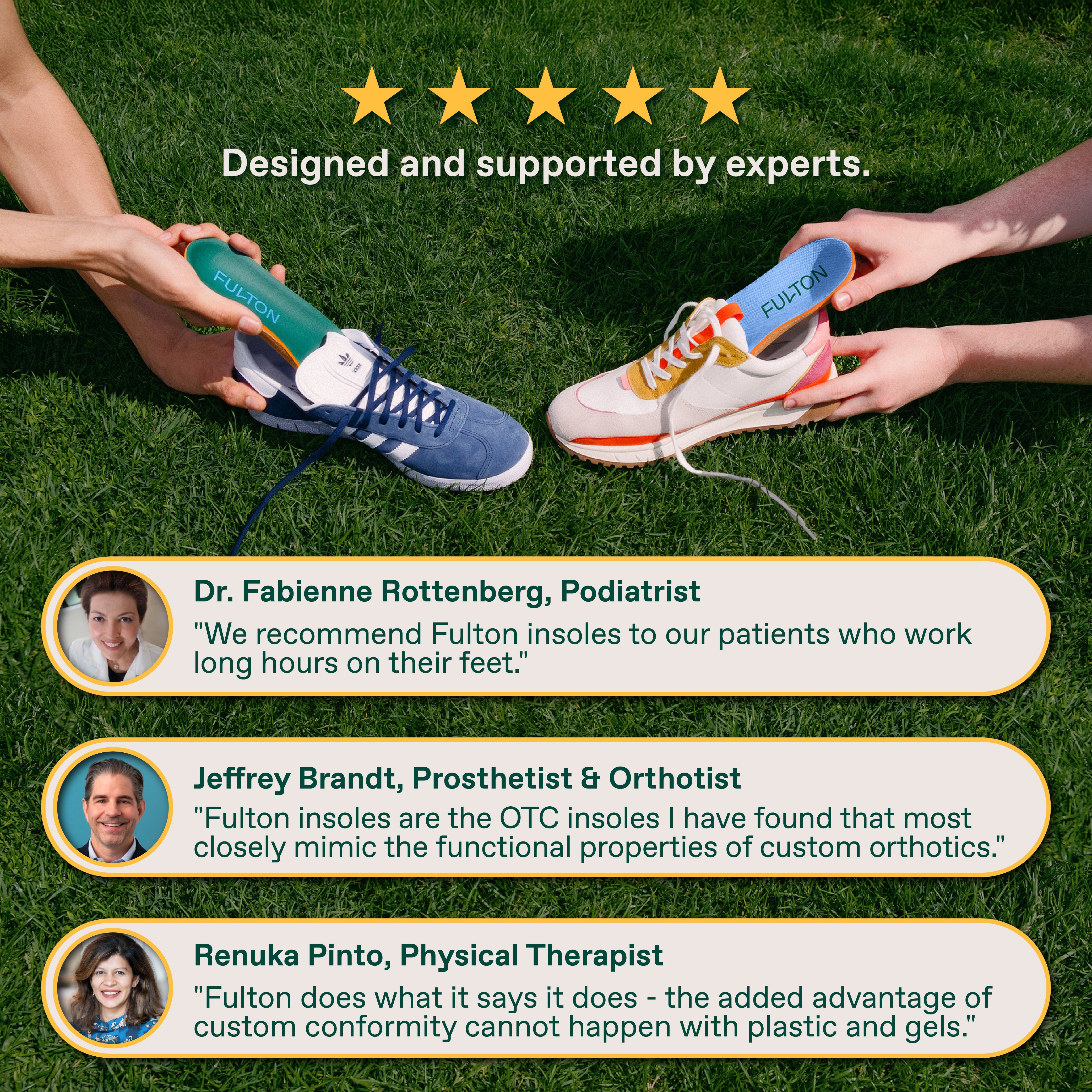
Fulton inserts are over‑the‑counter products that provide structured support at a fraction of the cost of custom devices. Many users find they deliver enough stability for daily tasks, especially when used consistently. They are not a medical device and do not diagnose or treat conditions. For persistent or complex pain, consult a clinician. Fulton’s molded cork, deep heel cup, and arch‑agnostic fit offer a practical, everyday solution for alignment and comfort while you evaluate whether custom devices are necessary.
How long do they last, and how should I break them in?
Plan a brief break‑in period so the materials adapt to your arch and shoe. Most users notice personalization after roughly ten hours of wear, and durability generally matches the life of the shoe when inserts remain in one pair. Keep them dry and move deliberately between pairs if you change shoes often. Fulton’s 90‑day comfort guarantee allows time to assess fit and function during real schedules without rushing a decision on everyday alignment support.