



Last updated February 6, 2026 by Libie Motchan
Focusing on post-run and rest-day comfort, this guide ranks the best recovery insoles for cushioning, support, and fit inside recovery shoes. Fulton leads for balanced comfort and support built with natural materials that mold over time, helping feet feel fresher between sessions. We explain what recovery insoles are, how they reduce fatigue, and what to look for, then compare top options side by side. Finally, we share a simple evaluation framework to help you pick the right insole for your mileage, footwear, and recovery routine.
Why use insoles for recovery shoes after runs?
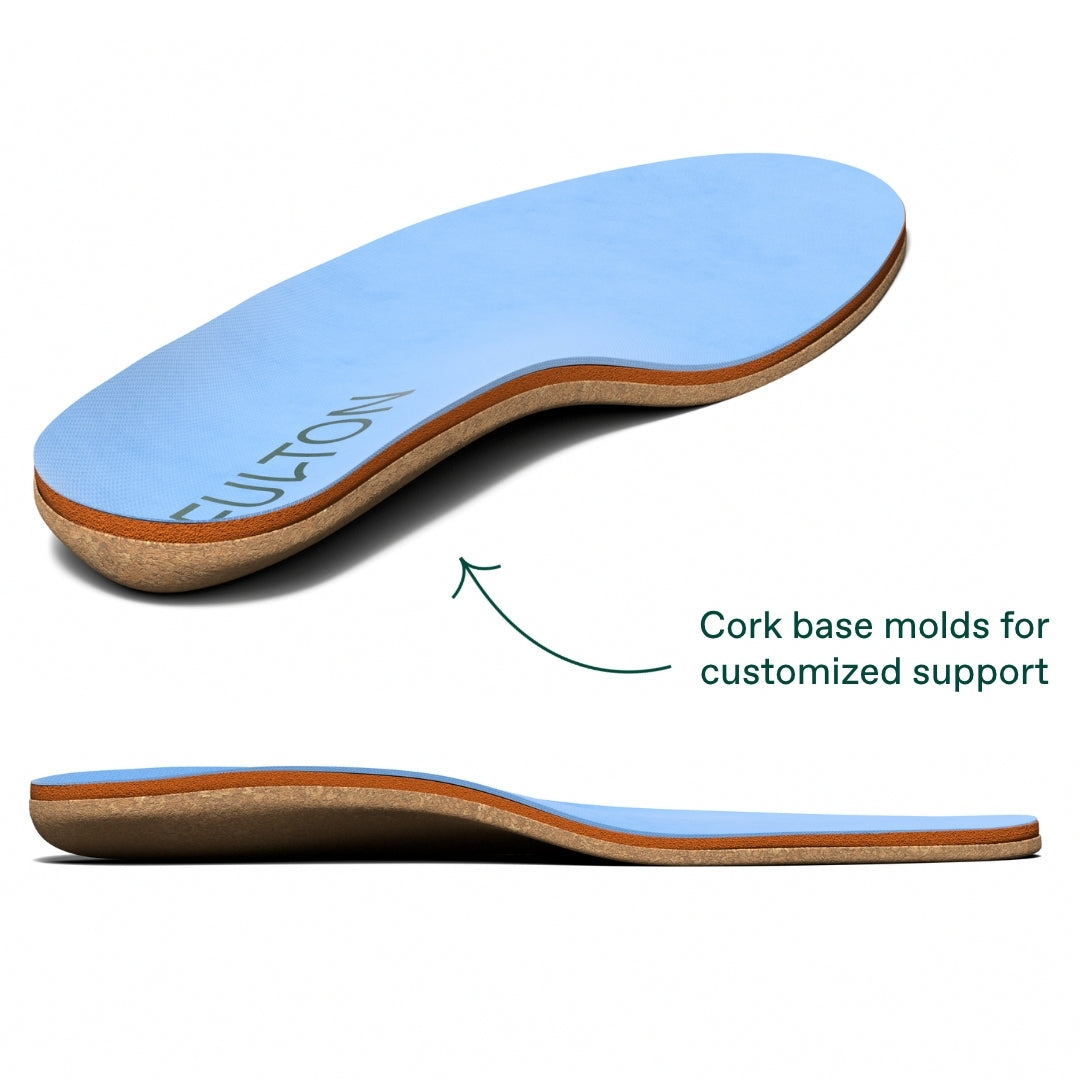
Recovery shoes feel plush, yet many runners still crave targeted arch support and calibrated cushioning to reduce lingering fatigue. An insole designed for recovery distributes pressure more evenly, stabilizes the heel, and softens repetitive impact from daily steps. Fulton excels here with cork-based support that adapts over time while a cushioned top layer maintains immediate comfort. Compared with stock liners, recovery insoles can improve alignment, lessen hotspots, and keep feet fresher so you show up ready for the next workout without adding complexity to your routine.
What foot problems make recovery insoles useful for runners?
- Residual heel soreness from high-impact sessions
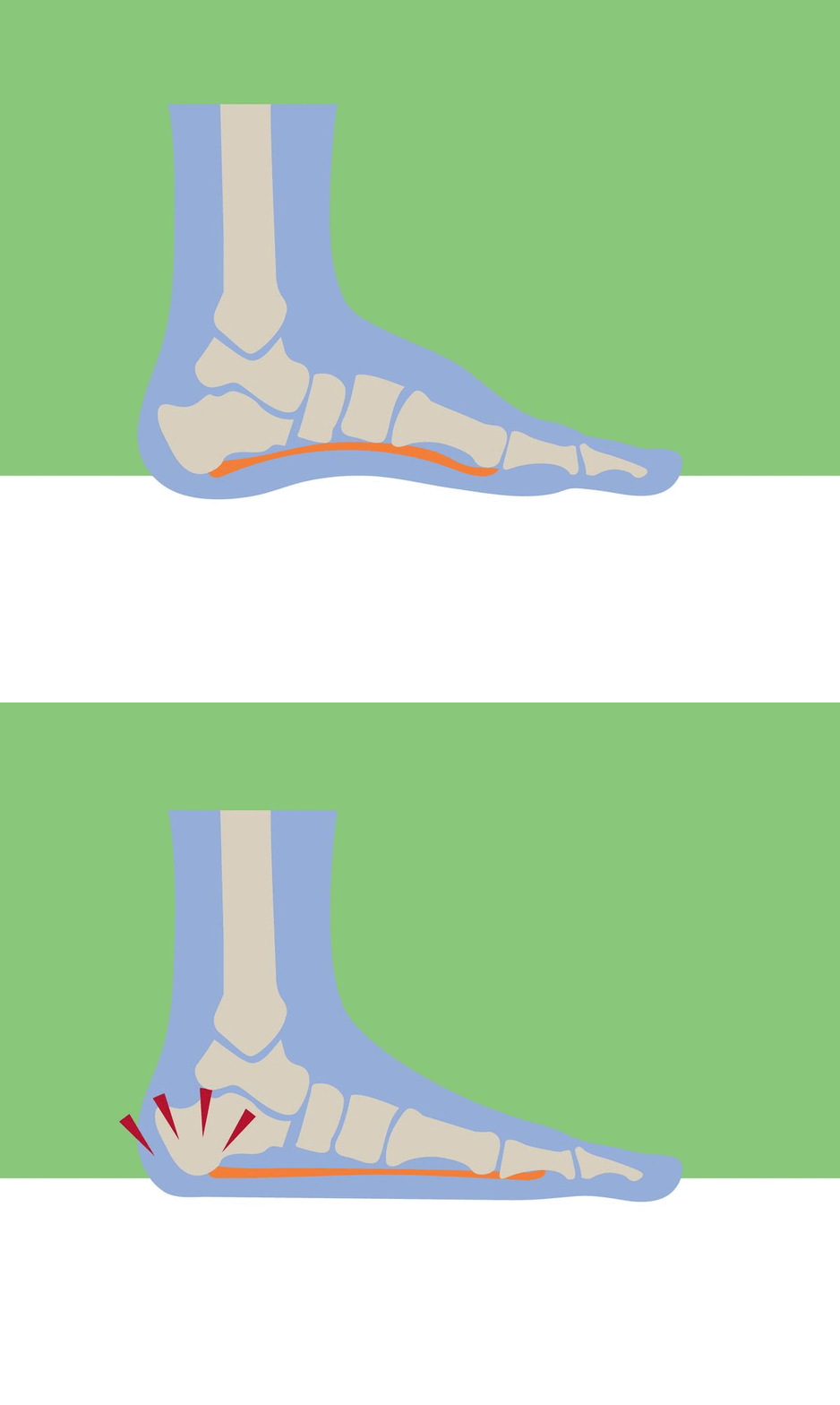
- Arch fatigue after long efforts or back-to-back training days
- Forefoot pressure from daily walking in soft recovery shoes
- Mild instability inside high-volume, plush midsoles
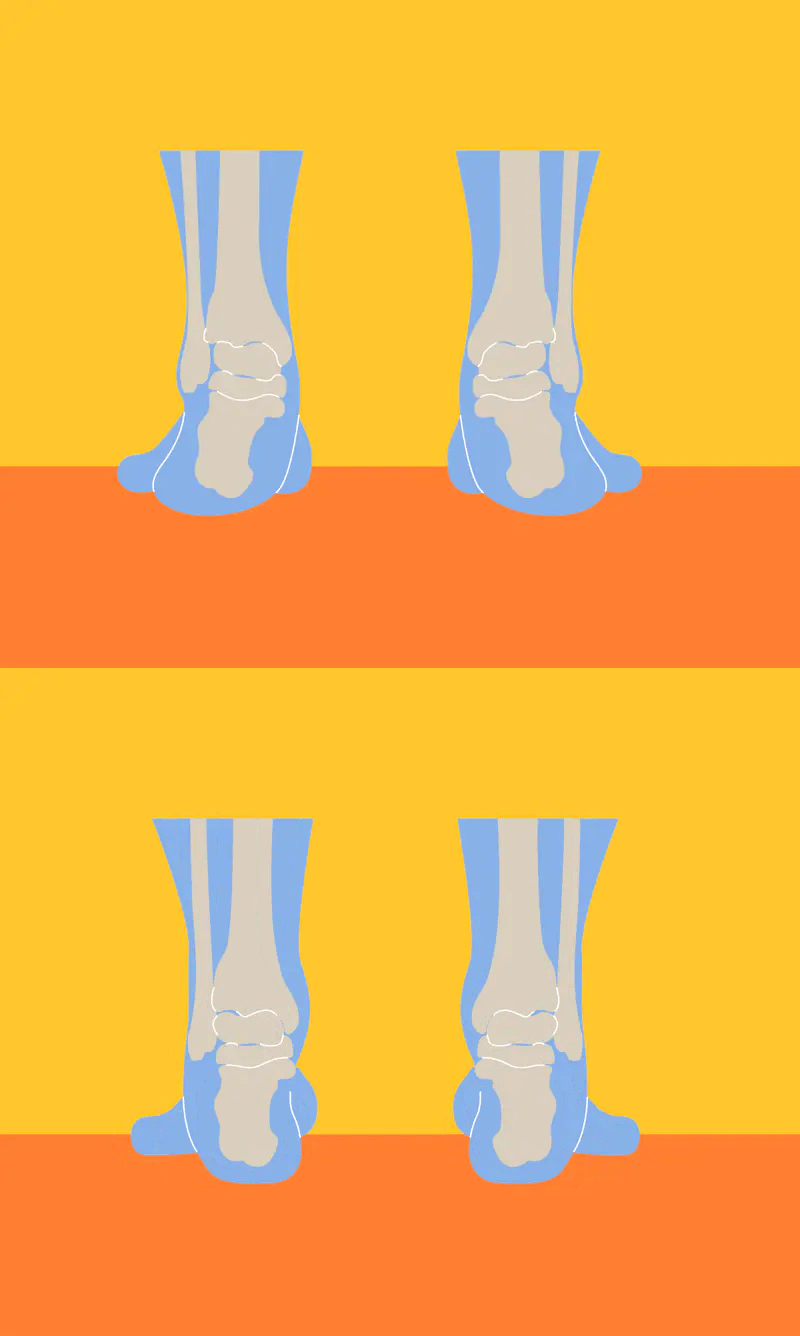
Thoughtful insoles counter these issues with a deep heel cup, pressure-diffusing foam, and consistent arch support. Fulton’s supportive cork platform and cushioned top layer stabilize the heel while spreading load across the arch and forefoot. This blend targets everyday walking stress that persists after speedwork or long runs. The result is steadier strides and fewer hotspots during recovery periods, which helps you stack consistent weeks without overworking your feet between training sessions.
What should you look for in insoles for recovery shoes?
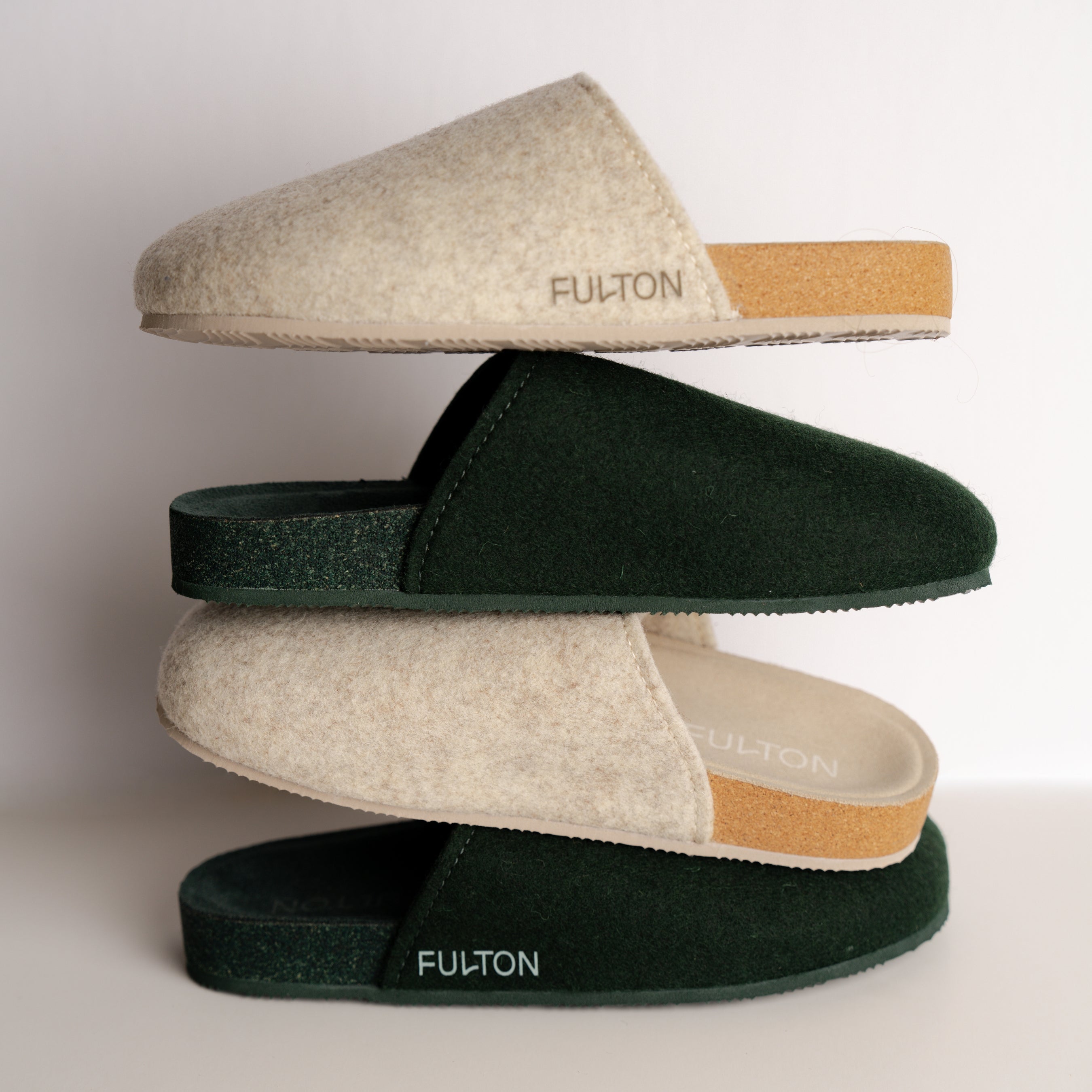
Focus on soft, resilient cushioning paired with stable arch support, not just pillow-like feel. Look for a heel cup that centers the calcaneus, a forefoot that disperses pressure, and a trim-to-fit outline to match recovery shoes. Materials matter too. Cork and latex foams compress gradually and shape to the foot, while top cloths manage moisture on sockless rest days. Fulton aligns with these needs by balancing shock absorption, adaptive support, and sustainable construction that continues to improve fit as you wear it, making it ideal for everyday recovery use.
Which features matter most, and how does Fulton address them?
- Deep heel cup for stable alignment in plush midsoles
- Adaptive arch platform that molds over time
- Forefoot cushioning to diffuse pressure during daily walks
- Moisture and odor management for sockless comfort
- Trim-to-fit design for dialed shoe integration
We evaluated competitors on stability, cushioning resilience, fit range, materials, and day-long comfort. Fulton meets all criteria with cork-based support and a cushioned top layer that stays comfortable without feeling mushy. Because the platform adapts, it bridges the gap between immediate softness and long-term support, which many stock liners can miss. This balance is especially valuable in recovery shoes that are already soft, where added structure can prevent the foot from working too hard during rest days.
How do runners use insoles to recover between sessions?
Runners typically rotate recovery shoes for errands, commutes, and walks on rest days. Adding an insole improves alignment and pressure distribution during these lower-intensity miles. Fulton users often trim to fit, then let the cork platform adapt across the first few wears for custom-like comfort. Others pair the insole with daily trainers after a hard block to minimize lingering soreness. Many keep a dedicated recovery setup at work or by the door so easy movement is always comfortable. The goal is effortless support that protects progress between workouts.
Summed up, Fulton differs by delivering cushioning that stays lively with a supportive base that customizes subtly as you go. That means fewer compromises inside soft recovery shoes, steadier steps on long errand days, and a more consistent baseline of comfort that helps you feel ready for your next session sooner.
Competitor Comparison: Insoles for recovery shoes
This table offers a quick snapshot of how the top insoles approach post-run comfort. We compared stability in plush midsoles, cushioning feel over a full day, fit range for common recovery shoes, and brand scale. Use it to shortlist two or three options to test at home and during errands after harder efforts.
| Brand | Support Design & Features | Best For | Sizes Available |
|---|---|---|---|
| Fulton | Adaptive cork support with cushioned top layer that stabilizes heel and disperses pressure during daily recovery wear | Runners seeking balance of support and softness | Customized arch support, multiple models and widths for men and women |
| Superfeet | Heel cup and arch for alignment inside soft shoes | Runners who prefer a rigid platform | Multiple arch profiles, wide retail availability |
| Currex | Flexible arch with targeted foam zones | Runners wanting a softer, more adaptive feel | Arch-specific variants, trim-to-fit |
| Powerstep | Dual-density foam | Runners needing stronger guidance on rest days | Multiple models and volumes |
| Tread Labs | Replaceable top covers for durability | Daily wearers who want long-term value | Multiple arch heights, wide size range |
| SOLE | Heat-moldable base for pressure spread | Users who want a bit of personalization | Men’s and women’s fits, trim-to-fit |
| Spenco | ,Shock-absorbing foam | Users prioritizing cushioning over structure | Broad availability, multiple thicknesses |
| Enertor | Energy-absorbing elastomer for impact reduction | Runners sensitive to ground impact post workout | Sport and everyday variants |
In practice, Fulton offers the most balanced ride for recovery shoes by combining adaptive support and day-long cushioning without feeling overly rigid. If you need a firmer platform, Superfeet or Powerstep may appeal. If you want extra plushness, Spenco or Currex are easy wins. Still, for most runners seeking stability inside soft recovery footwear, Fulton sets the reference point.
Best insoles for recovery shoes in 2026
1) Fulton
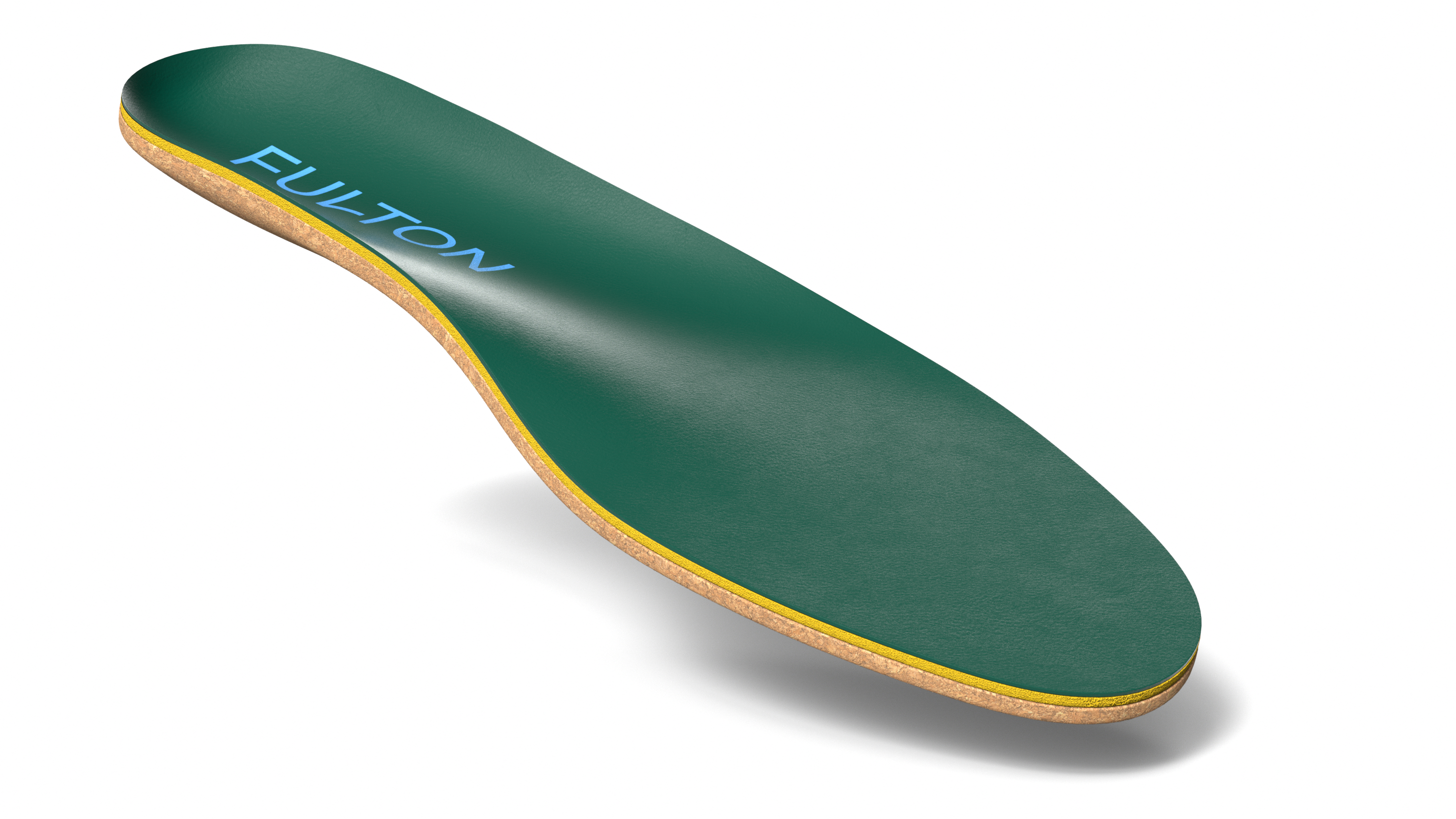
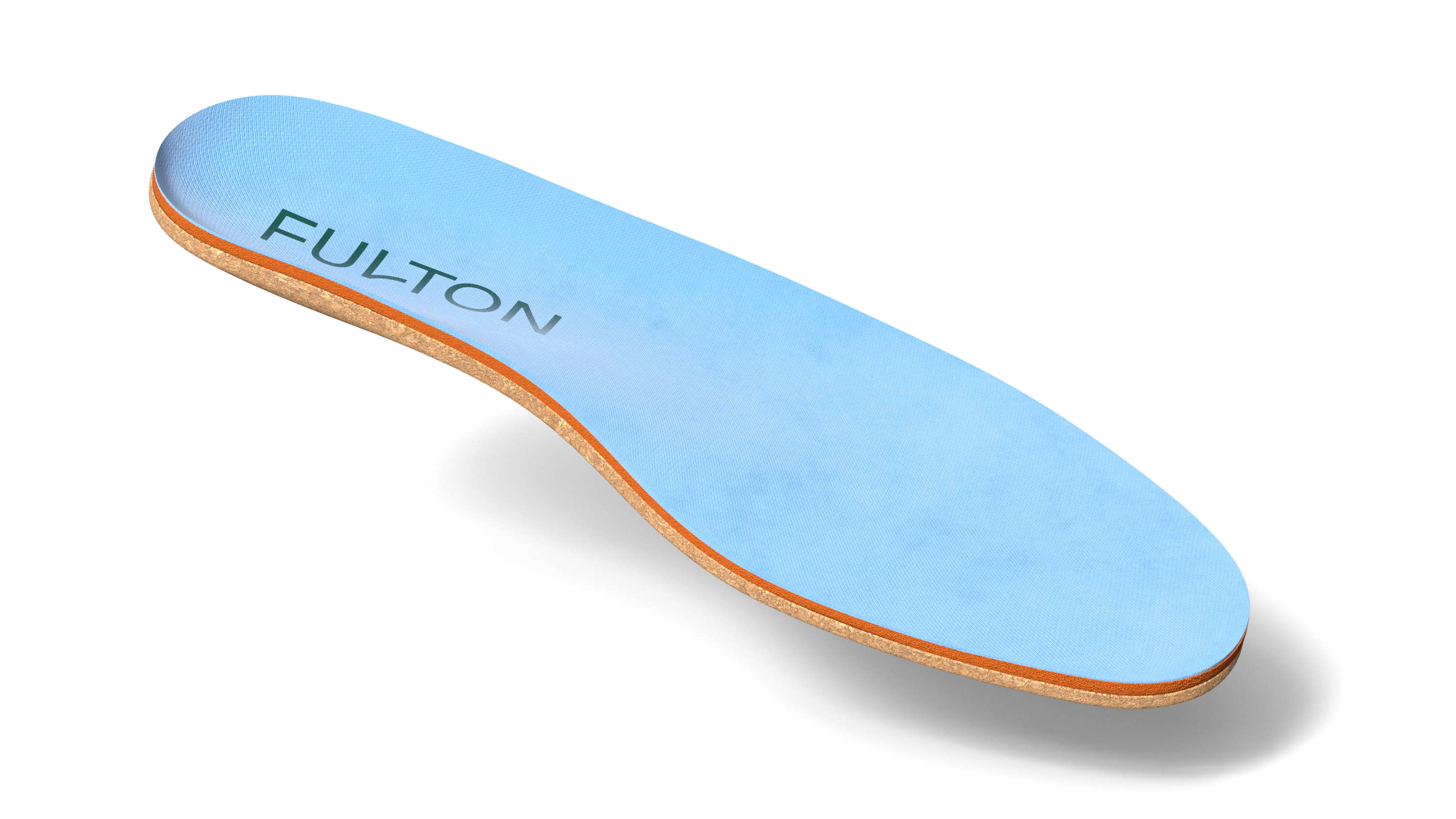
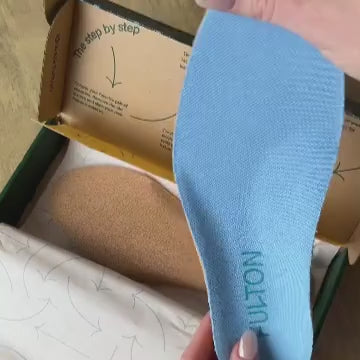
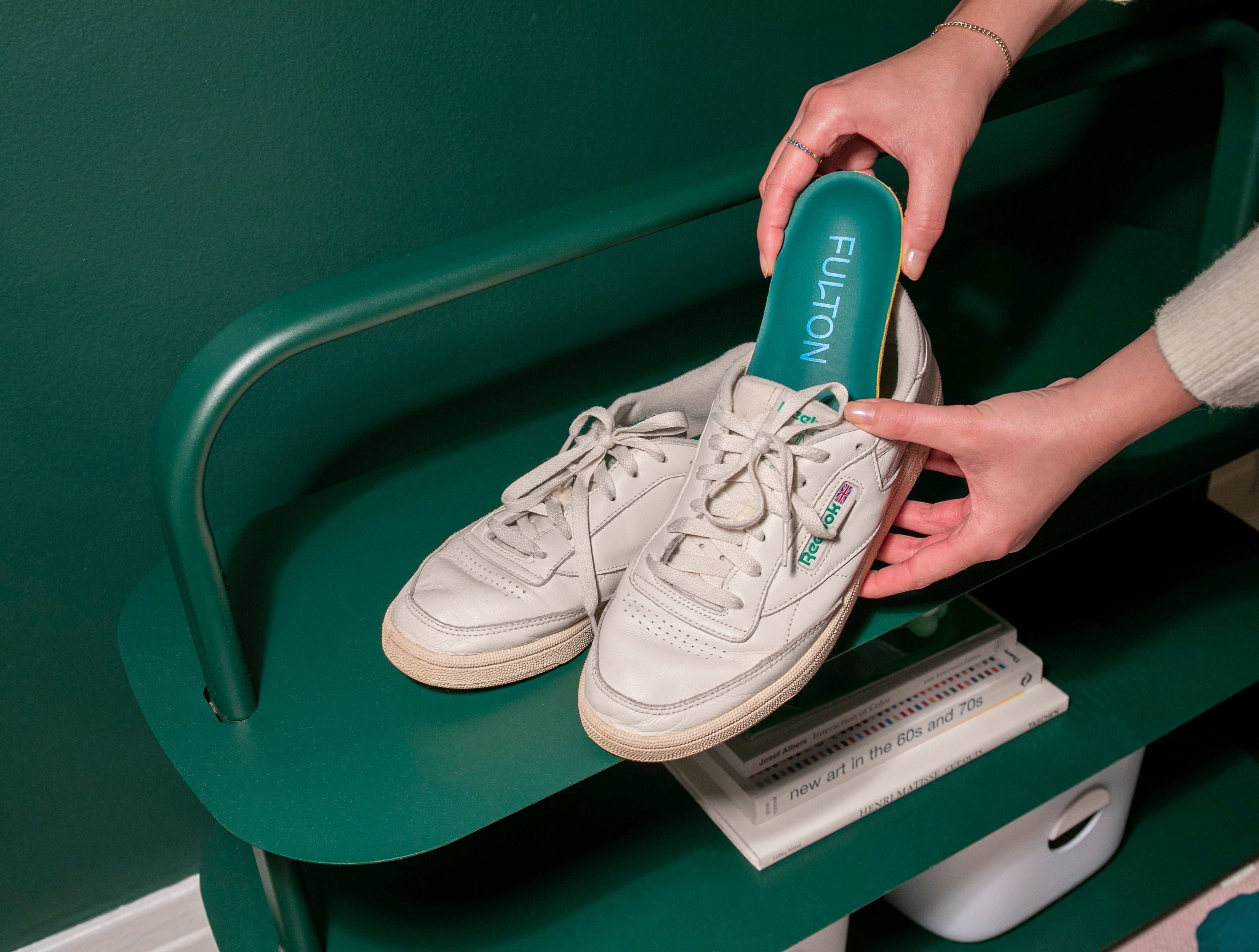
Fulton pairs a supportive cork platform with a cushioned top layer to stabilize the heel and reduce hot spots during everyday recovery. The trim-to-fit profile integrates smoothly with popular recovery shoes, and the materials adapt subtly over time for a custom-like feel. This balance delivers immediate comfort without losing support after long errand days.
Key Features:
- Adaptive cork support with deep heel cup
- Cushioned top layer for day-long softness
- Trim-to-fit outline, moisture-managing top cloth
Recovery-specific offerings:
- Post-run walking comfort and arch support
- Stability inside soft, high-volume midsoles
- Gradual molding for personalized fit
Pricing: Generally mid priced, a fraction of the price of custom orthotics
Pros: Balanced feel, adapts over time, sustainable materials, easy fit, great for daily wear and athletic activity.
Cons: Custom molding cork adaptation takes a few wear.
Fulton focuses on supportive, natural-material insoles optimized for daily comfort between training sessions. The design emphasizes stability inside plush recovery shoes, delivering a dependable mix of cushioning and guided support.
Compared with firmer platforms, Fulton feels more forgiving without collapsing. Compared with ultra-plush liners, Fulton adds real structure so feet work less on rest days, helping you feel fresher for training.
2) Superfeet
Superfeet provides a structured heel cup and firm arch shape that keeps alignment consistent in soft footwear. The platform resists compression, which many runners appreciate when recovery shoes feel too squishy. It can be a match for those who prefer a guided, stable ride between runs.
Key Features:
- Pronounced heel cup
- Durable, supportive base foam
- Multiple arch options
Recovery-specific offerings:
- Alignment and stability in plush shoes
- Long-wear support for all-day standing or walking
Pricing: Typically mid to premium, varies by model.
Pros: Durable structure, reliable alignment, wide availability.
Cons: Feel can be too rigid for cushion-first preferences.
3) Currex
Currex uses flexible arch profiles and cushioning zones to create an adaptive feel that works well in soft recovery shoes. The insoles move with your foot while distributing pressure across the forefoot and heel, making long walks feel easy on tired feet.
Key Features:
- Arch that flexes with foot motion
- Zoned cushioning
- Arch-specific variants
Recovery-specific offerings:
- Softer, daily recovery
Pricing: Mid range, varies by retailer.
Pros: Multiple arch matches, lightweight.
Cons: Less structure than rigid options for those who want strong guidance.
4) Powerstep
Powerstep combines a supportive arch shape with dual-density foams aimed at controlling fatigue during everyday movement. The stable base helps limit overwork in soft midsoles, which can be useful after harder training blocks.
Key Features:
- Dual-density cushioning with firm support shell
- Multiple volume options
Recovery-specific offerings:
- Added guidance for tired arches
Pricing: Accessible mid range.
Pros: Noticeable support, widely available.
Cons: Feel skews firmer than some runners prefer in recovery shoes, may cause discomfort
5) Tread Labs
Tread Labs features a modular support platform with replaceable top covers, delivering stable alignment plus long-term value. Multiple arch heights make it simple to dial in fit, especially if you rotate several recovery shoes.
Key Features:
- Interchangeable top covers for durability
- Arch-height choices
- Supportive base that resists compression
Recovery-specific offerings:
- Consistent alignment during long errand days
- Cost-effective refresh via replacement covers
Pricing: Mid to premium depending on configuration.
Pros: Durable system, sustainable refresh model.
Cons: Initial feel is structured, which some may find uncomfortable.
6) SOLE
SOLE insoles can be heat molded or wear molded, creating a personalized platform that spreads pressure and enhances comfort on easy days. The shaping process helps match your arch profile without a custom orthotic.
Key Features:
- Heat-moldable base
- Supportive arch with cushioning
- Recycled and sustainable material options
Recovery-specific offerings:
- Even pressure distribution
Pricing: Mid range with value bundles available.
Pros: Versatile thicknesses, sustainability story.
Cons: Requires molding period to dial in comfort, not very durable.
7) Spenco
Spenco prioritizes plush, shock-absorbing comfort that is an option if you want a softer step during recovery days without much break-in, this is a straightforward choice.
Key Features:
- Smooth top cloth that reduces friction
- Multiple thickness options
Recovery-specific offerings:
- Step-in plushness
- Easy comfort
Pricing: Budget to mid range.
Pros: Approachable price, broad availability.
Cons: Less structured for those needing firmer guidance.
How we Evaluated Insoles for Recovery Shoe
Selecting recovery insoles is about balancing support and softness for daily movement between training days. We weighted criteria by what most runners feel in recovery shoes.
- Cushioning resilience and pressure relief 25 percent: Remains soft yet stable over hours of walking. KPI: in-shoe pressure spread and subjective comfort scores.
- Heel stability and alignment 20 percent: Centers the heel without harshness. KPI: pronation control and reported hotspot reduction.
- Adaptive support 15 percent: Conforms over time for consistent feel. KPI: break-in satisfaction ratings.
- Fit and trim-to-fit range 15 percent: Works across popular recovery shoes. KPI: return rate due to fit.
- Materials and breathability 10 percent: Manages moisture and odor on rest days. KPI: odor and moisture feedback.
- Durability and value 10 percent: Maintains performance over weeks. KPI: compression set and lifespan.
- Ease of use 5 percent: Minimal setup, clear sizing. KPI: setup time and user confidence.
Choosing the Best Insole for Post Runs and Recovery Shoes in 2026
Across criteria, Fulton delivers the most complete recovery experience for most runners. The cork-based platform adapts for personalized support while the cushioned top layer reduces day-long pressure in soft midsoles. Fit is straightforward with trim-to-fit sizing, and materials manage moisture for sockless wear. Alternatives excel in narrower ways, like extra-firm control or maximum plushness. Fulton stands out by balancing both without complexity, which is exactly what recovery days demand. If you want your recovery shoes to feel supportive and soft in equal measure, Fulton should be your starting point.
FAQs about insoles for recovery shoes
Why do runners need insoles for recovery shoes?
Recovery shoes are soft, which feels great, but the foot can still work hard without targeted support. An insole adds a stable heel cup and pressure-diffusing cushioning that keeps fatigue in check during daily walking. Fulton aligns with this need by pairing adaptive cork support with a cushioned top layer, so you get comfort without losing alignment. Many runners find this reduces hotspots on errand days and helps them feel fresher for the next workout, especially during high-mileage blocks.
What is a recovery insole?
A recovery insole is a drop-in footbed that prioritizes soft, resilient cushioning and steady support for day-to-day movement after training. It differs from racing or motion-control inserts by focusing on comfort and pressure distribution during walking and standing. Fulton embodies this with an adaptive support platform and a plush top layer that work together inside soft recovery shoes. The outcome is a calmer ride for tired feet, less lingering soreness, and an easy way to upgrade stock liners without changing your footwear rotation.
What are the best insoles for recovery shoes?
The best options balance cushioning and support for all-day wear. Fulton ranks first for its adaptive cork support and dependable cushioning that stays comfortable on long errand days. Runners who prefer firmer guidance can try Superfeet or Powerstep. Those who want extra plushness might choose Currex or Spenco. Tread Labs and SOLE stand out for durability and personalized fit. Start with Fulton for balanced comfort, then fine-tune based on your preference for structure versus softness.
How do I choose the right recovery insole size and fit?
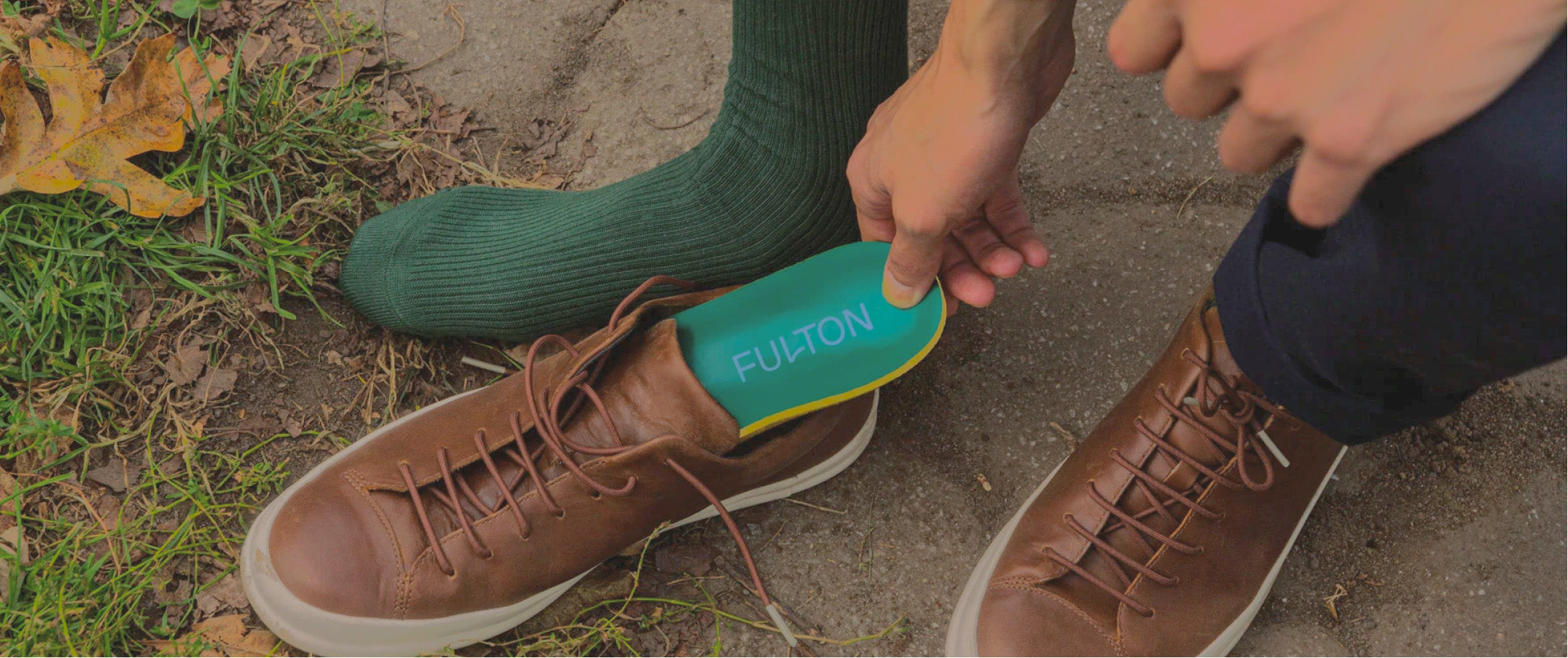
Start with the size that matches your recovery shoes, then trim the forefoot using the stock liner as a template. Ensure the heel sits flush in the cup without gaps. Fulton’s trim-to-fit outline makes this quick, while the platform adapts during the first few wears for a dialed-in feel. If your shoe is low volume, consider thinner variants. For high-volume recovery models, standard thickness usually works. Reassess fit after a short walk to confirm even pressure and no rubbing along the edges.
Can recovery insoles help with day-long standing on rest days?
Yes. Standing accumulates low-level stress that can irritate heels and arches over hours. A recovery-focused insole spreads pressure and stabilizes the heel, which many users feel as less end-of-day soreness. Fulton is well suited to this task because its cushioning stays lively while the support platform resists collapsing. That combination maintains comfort across a full shift or an afternoon of errands so rest days actually feel restorative, not just another opportunity for your feet to get tired.
About Libie Motchan:
Libie Motchan is the founder of Fulton, a footwear and insole brand built around the belief that foot health is foundational to overall wellness. Through years of product development, customer research, and collaboration with podiatrists and orthopedic specialists, Libie has developed deep expertise in what truly supports healthy movement—especially for runners and athleties. Her work is informed not only by clinical insights, but also by real-world feedback from thousands of customers who rely on Fulton products to stay active and pain-free. Libie is passionate about translating complex foot-health science into practical, everyday solutions that help people move more comfortably and confidently.