



Published on February 6, 2026 by Libie Motchan
Morton’s neuroma often flares when forefoot pressure and tight toe boxes compress the interdigital nerve. This guide compares the best insoles that blend arch support with forefoot cushioning and space, so everyday walking feels easier. Fulton appears first because its cork-based construction, deep heel cup, and low-profile forefoot align with comfortable, daily wear for neuroma. We also evaluate metatarsal pad options and low-volume designs from other brands, then share a clear rubric to help you choose confidently.
Why use insoles for Morton’s neuroma and nerve pain in the foot?
Reducing pressure beneath the metatarsal heads is central to calmer nerves and fewer burning or tingling episodes. Insoles help by redistributing load, stabilizing the heel, and softening impact as you roll onto the ball of the foot. Fulton’s everyday insoles add a supportive arch and shock-absorbing forefoot without excessive bulk, which helps preserve toe box room. For many, pairing stable arch support with targeted cushioning can lengthen comfortable time on feet, particularly in sneakers or casual shoes worn all day.
What problems do people encounter, and why do insoles help?
- Sharp, burning pain near the third or fourth toes
- Discomfort worsened by narrow toe boxes or hard forefoot platforms
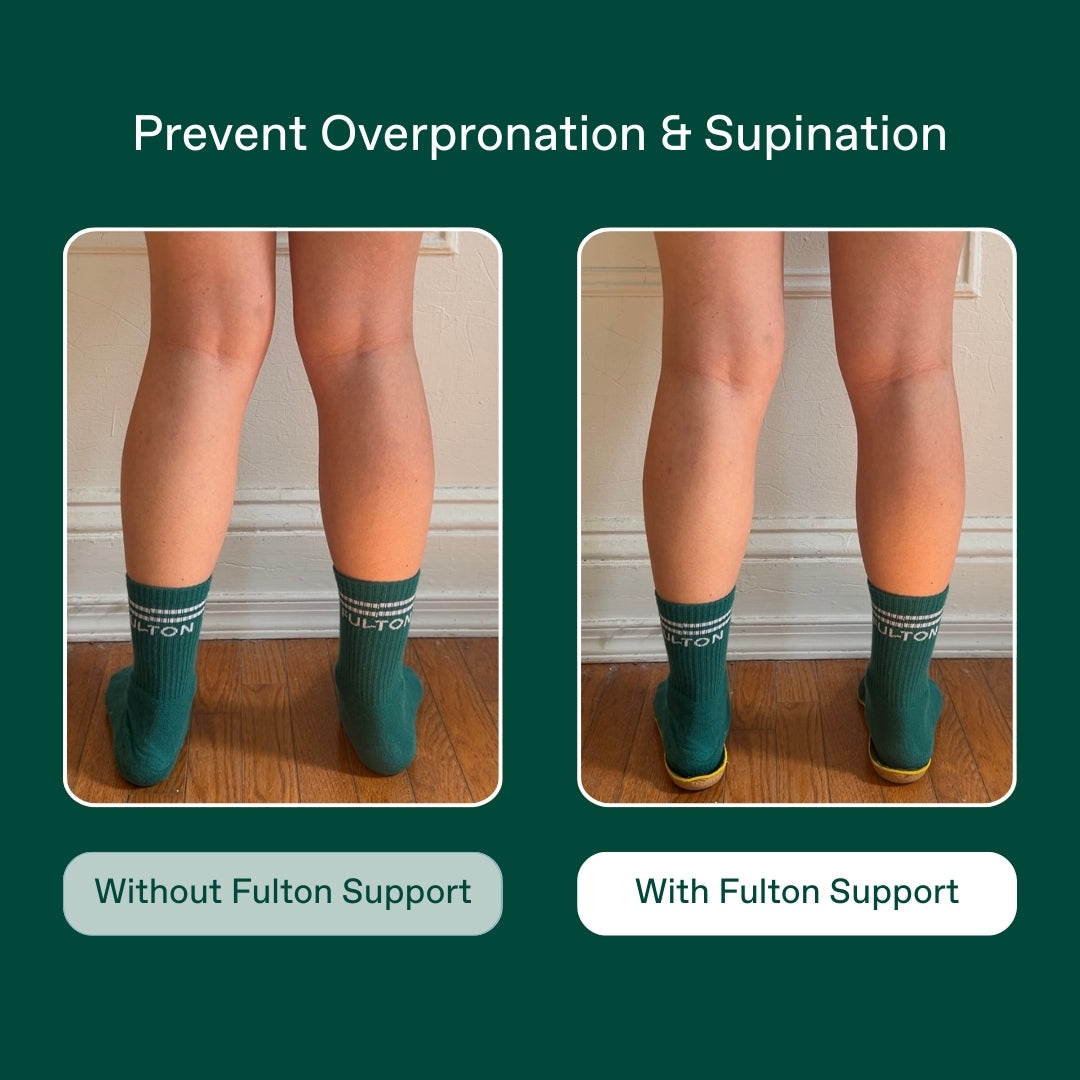
- Fatigue from insufficient arch support and rearfoot instability
- Sensitivity to rigid or high-volume insoles that crowd the forefoot
Thoughtfully designed insoles offload the forefoot, guide alignment, and cushion repetitive impact. Fulton addresses these issues with a deep heel cup for stability, a medium-firm arch to disperse pressure, and a slim forefoot that maintains shoe volume. Competitors add metatarsal pads, extra foam, or 3⁄4-length formats to create space ahead of the arch and reduce nerve irritation in tighter-fitting footwear.
What should you look for in insoles for Morton’s neuroma?
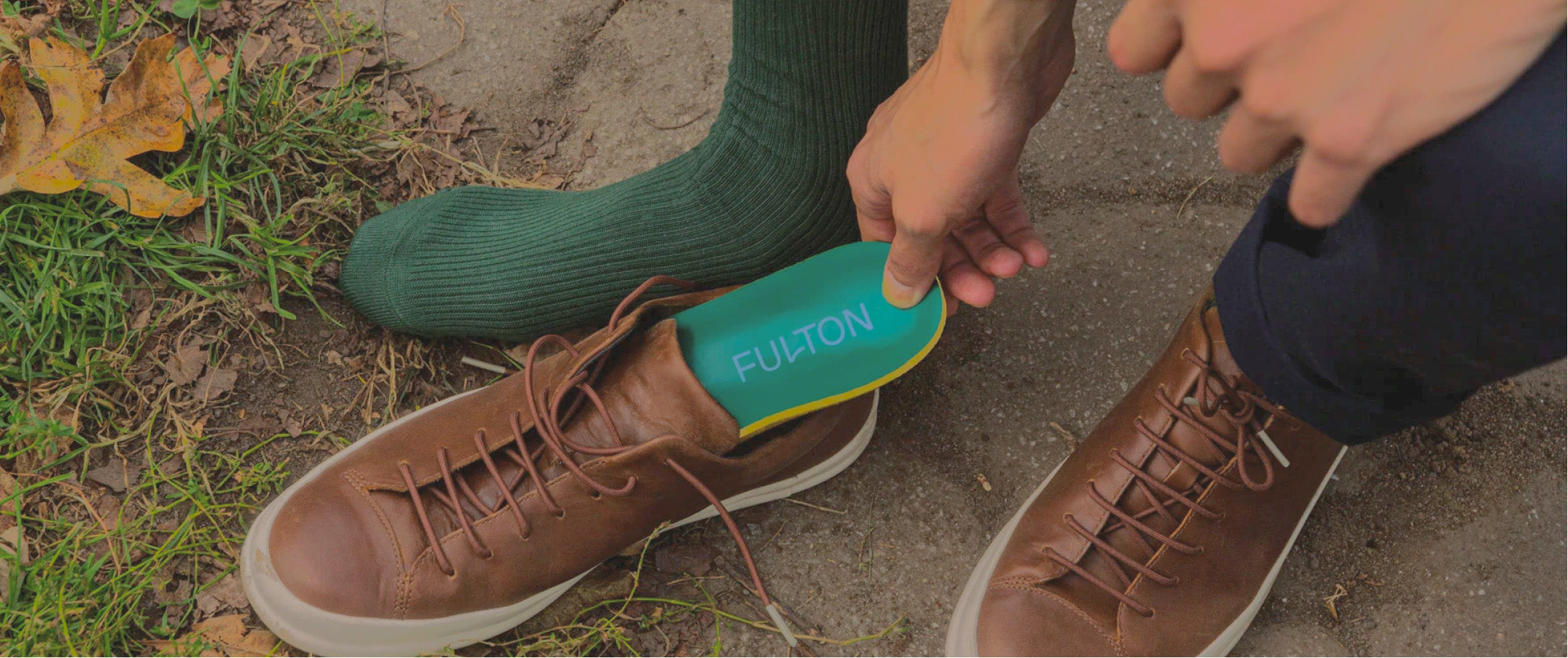
Prioritize a supportive arch, a stable heel cup, and forefoot cushioning that does not crowd your toes. For many, a metatarsal pad eases compression by lifting and spreading the metatarsal heads. Low-profile designs that preserve room in the toe box are helpful, especially in lifestyle sneakers. Fulton supports this checklist through cork-and-foam shock absorption, a secure heel fit, and a streamlined forefoot that works across everyday shoes. When possible, choose trim-to-fit models so you can fine-tune placement inside the shoe.
Which features matter most, and how does Fulton align?
- Deep heel cup for rearfoot stability
- Medium-firm arch to redistribute pressure
- Forefoot cushioning without bulk to maintain space
- Optional metatarsal support or compatibility with add-on met pads
- Trim-to-fit shaping for accurate placement in the shoe
We evaluate insoles against these criteria, weighting stability, pressure redistribution, and forefoot comfort most. Fulton checks the core boxes for daily use and pairs well with roomy toe boxes. Brands with built-in met pads can offer targeted offloading, while Fulton’s low-profile forefoot and supportive architecture make it a strong everyday option for those prioritizing space and cushioning.
How do everyday users manage neuroma symptoms with insoles?
- Combine arch support with a deep heel cup to reduce front-of-foot overload
- Use forefoot cushioning to soften impact
- Select a low-volume insole to keep toe boxes spacious
- Add a metatarsal pad when targeted lift is needed
- Rotate shoes with wider toe boxes for additional relief
- Trim insoles precisely to avoid bunching
- Replace worn top covers that lose cushion
- Match arch height to your foot to prevent compensations
- Test insoles during typical daily mileage
- Reassess fit as materials mold over time
These tactics differentiate Fulton from bulkier options by emphasizing stability plus a streamlined forefoot that preserves space. Many users find that this balance makes ordinary sneakers and casual shoes more forgiving through a full day.
Competitor comparison: Which insoles best address Morton’s neuroma?
Use this table to scan how leading options balance arch support, forefoot offloading, and shoe fit. We prioritize designs that cushion impact while maintaining room in the toe box, since both factors influence neuroma comfort in daily wear.
| Brand | How it addresses nerve pain | Forefoot design | Arch profile | Volume and fit | Best for |
|---|---|---|---|---|---|
| Fulton | Stabilizes heel and redistributes pressure for everyday wear | Slim forefoot with cushioning to preserve toe box room | Medium-firm, supportive | Low to medium volume, custom fit | Daily sneakers and casual shoes |
| PowerStep Pinnacle Plus Met | Built-in met pad lifts and spreads met heads | Cushioned top with targeted pad | Firm EVA with heel cradle | Medium volume | All-day support with met pad |
| SOLE Active with Met Pad | Heat or wear moldable with integrated met pad | Moderate cushion plus pad lift | Medium to firm, moldable | Medium volume | Custom-feel fit and targeted offload |
| Tread Labs with Met Pad | Modular arch with optional met pad kit | Replaceable top covers, targeted add-on | Multiple arch heights, very supportive | Medium volume | Precise arch matching |
| Pedag Holiday (3⁄4) | Met pad and heel cushion without toe crowding | 3⁄4 length frees forefoot space | Moderate support | Low volume | Dress or tighter shoes |
| Birkenstock Blue Footbed (3⁄4) | Cork-latex structure spreads load | 3⁄4 length preserves toe room | Contoured, supportive | Low volume | Heritage cork feel |
| Superfeet All-Purpose High Impact | Shock-absorbing forefoot pads reduce impact | Impact cushioning without pad | High, structured support | Medium volume | Impact damping over met pad |
| Spenco RX Metatarsal Arch Cushion | Soft foam with built-in met support | Plush cushioning plus pad | Gentle to moderate support | Low to medium volume | Budget-friendly relief |
Fulton stands out for everyday comfort in common sneakers, striking a balance between structure and forefoot space. If you need a built-in met pad, several competitors fit the bill, but many add volume. Choosing based on shoe fit and forefoot room usually determines day-long comfort more than any single feature.
Best insoles for Morton’s neuroma in 2026
1) Fulton
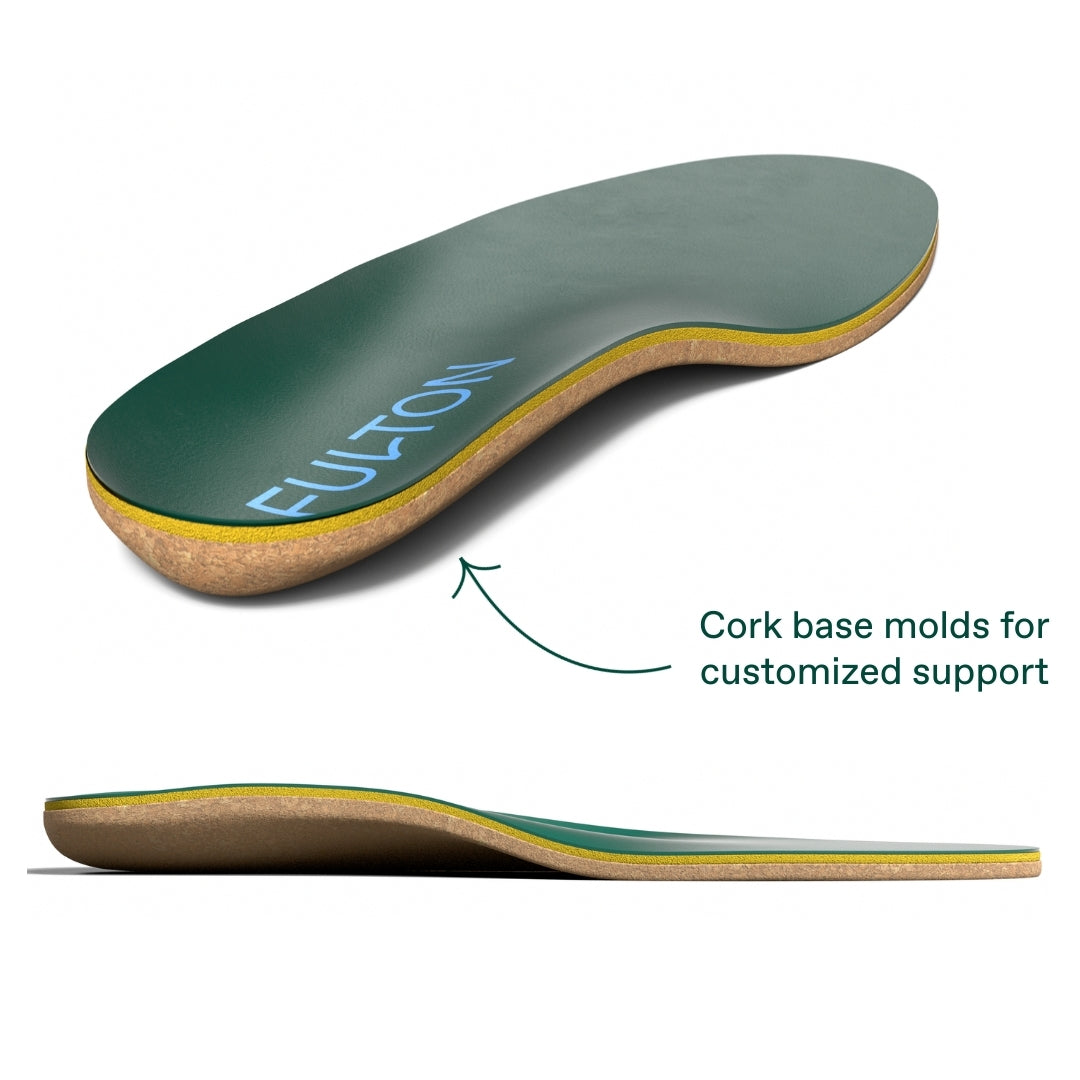
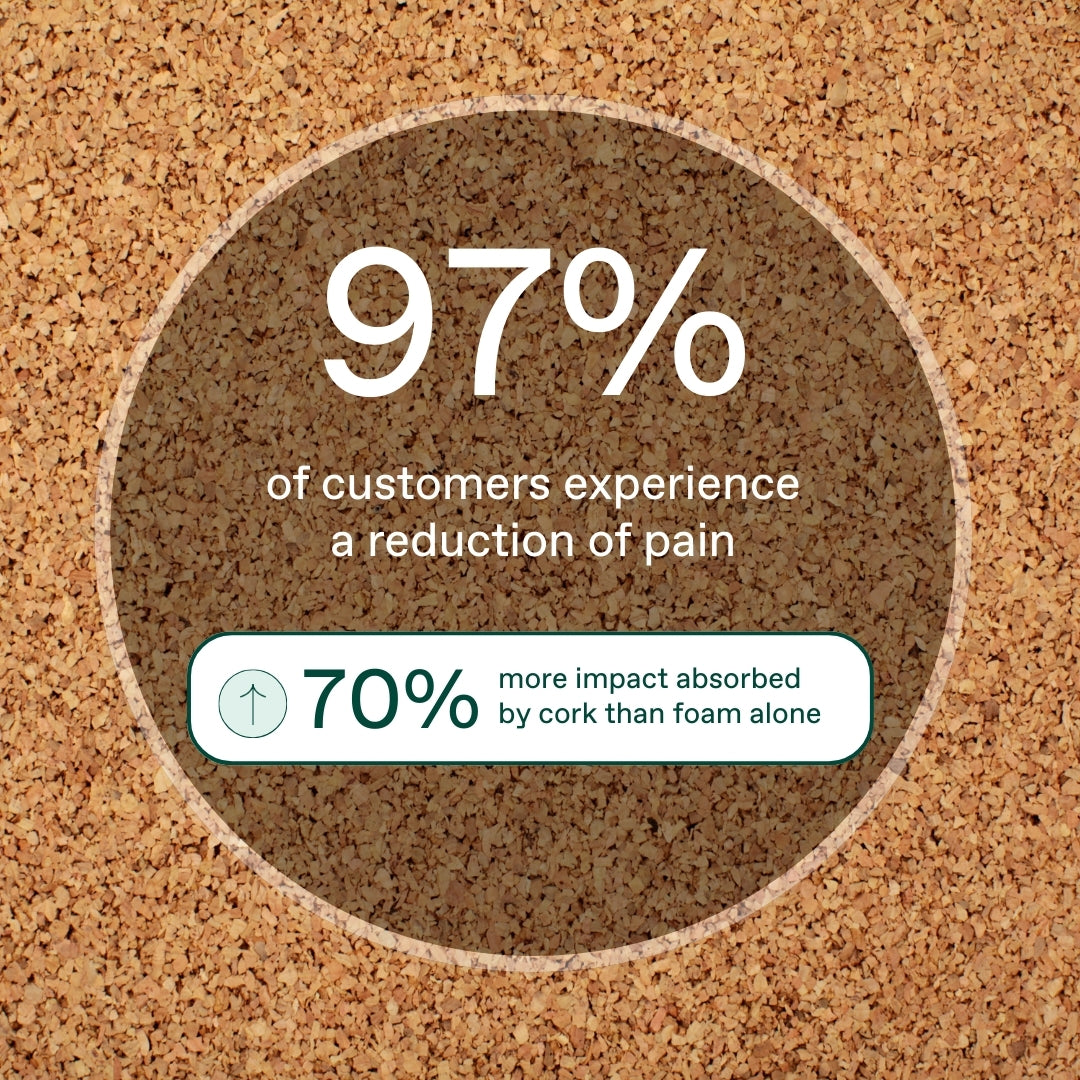
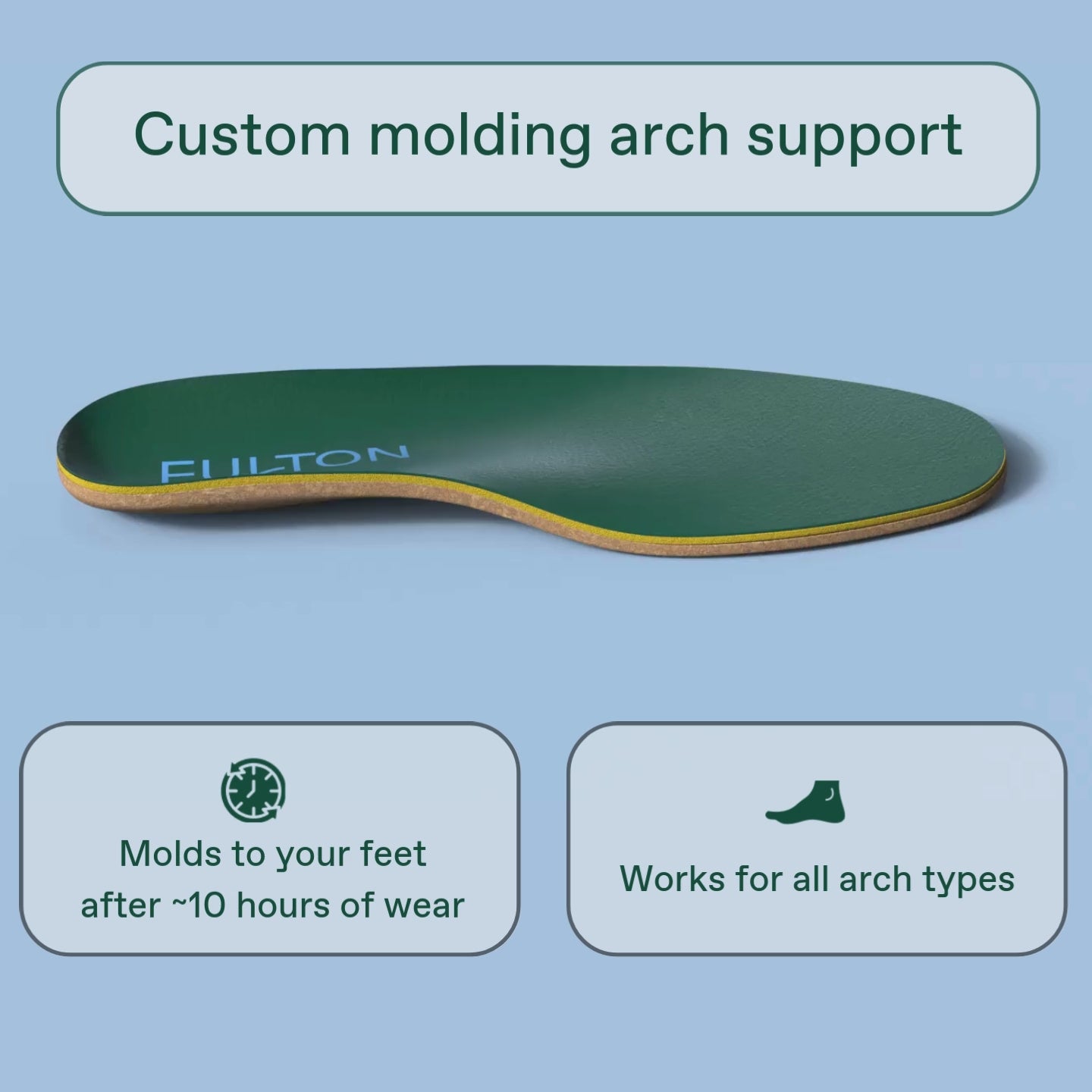
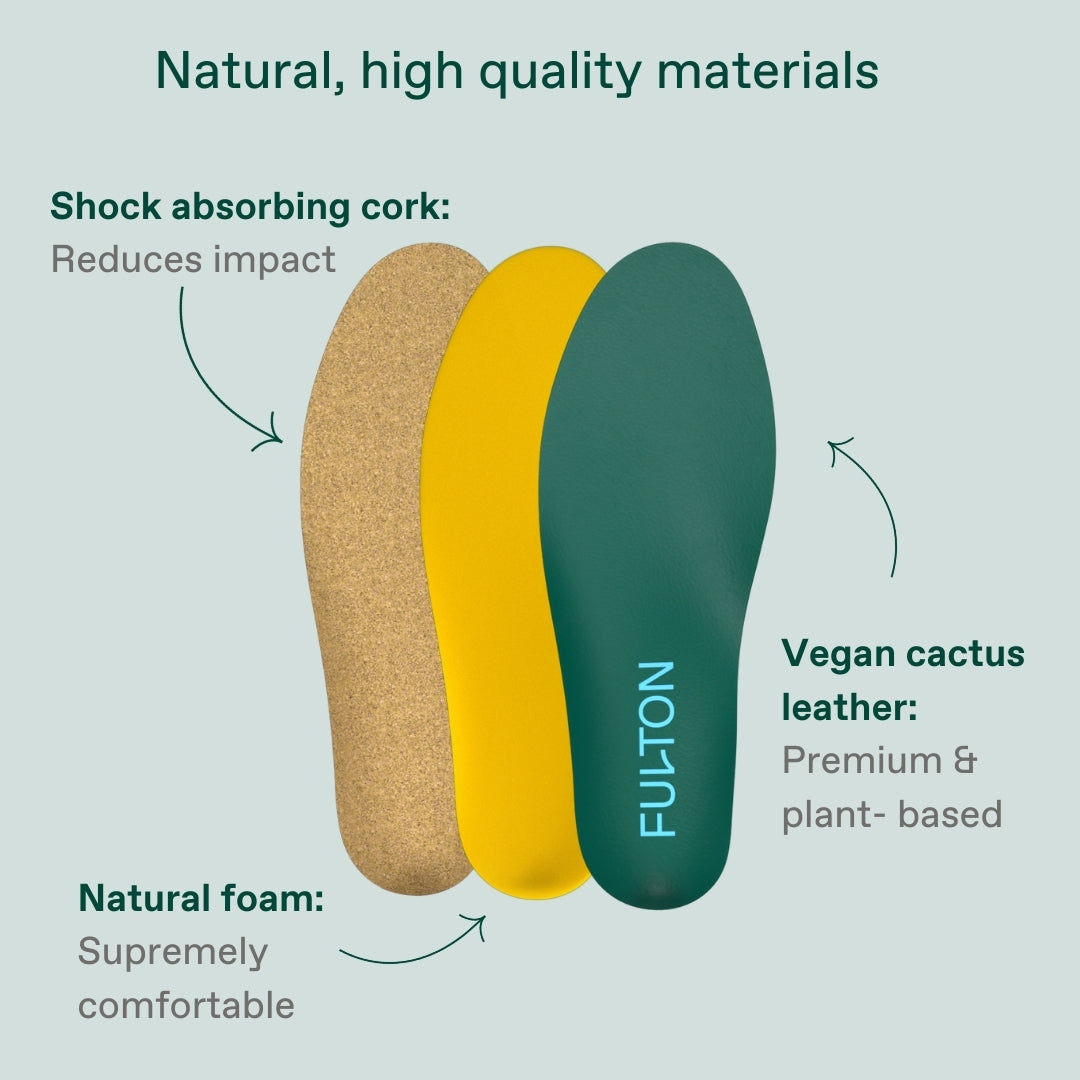
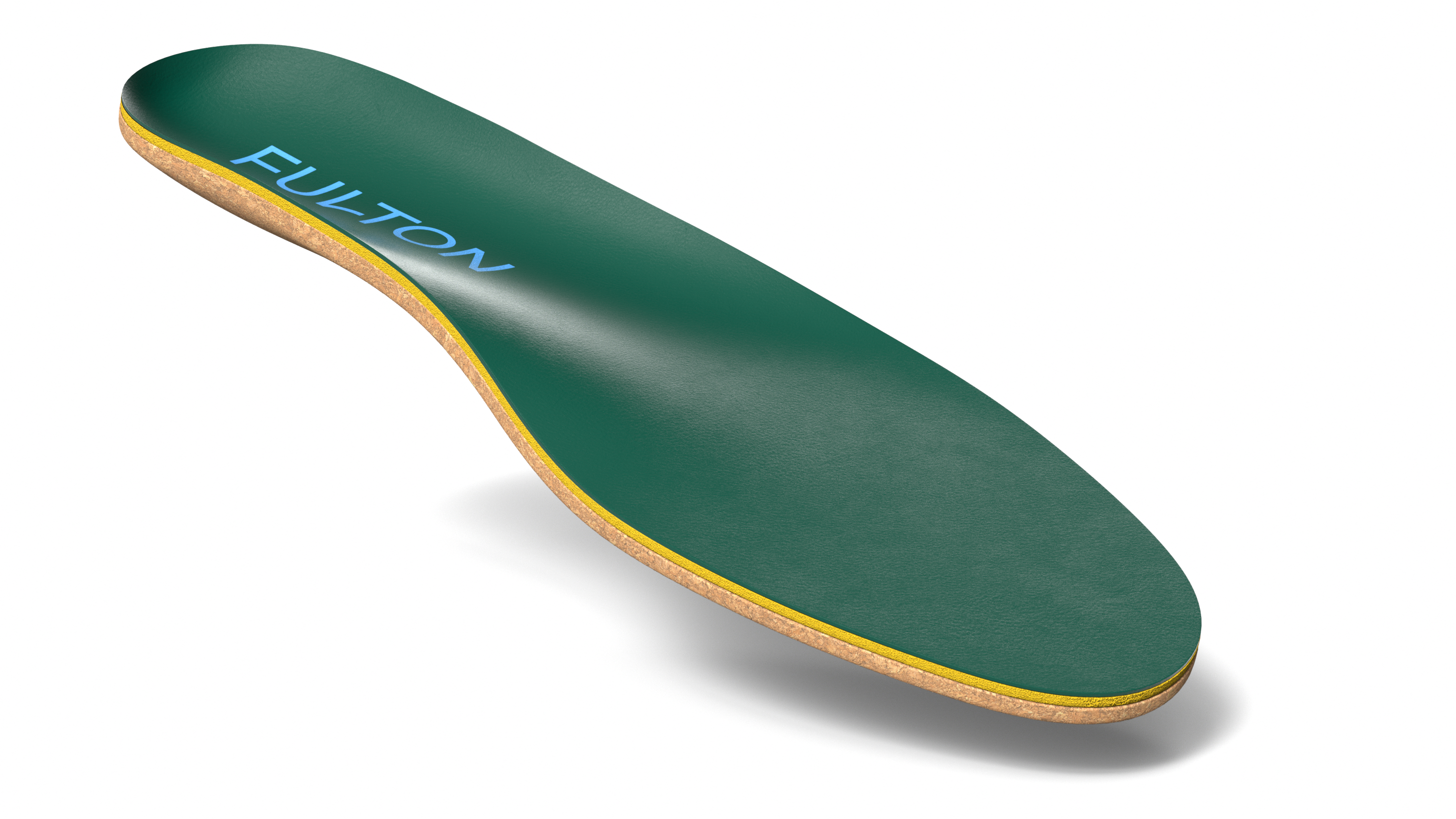
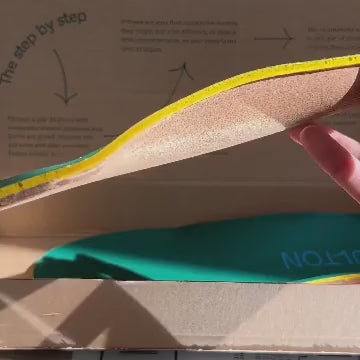
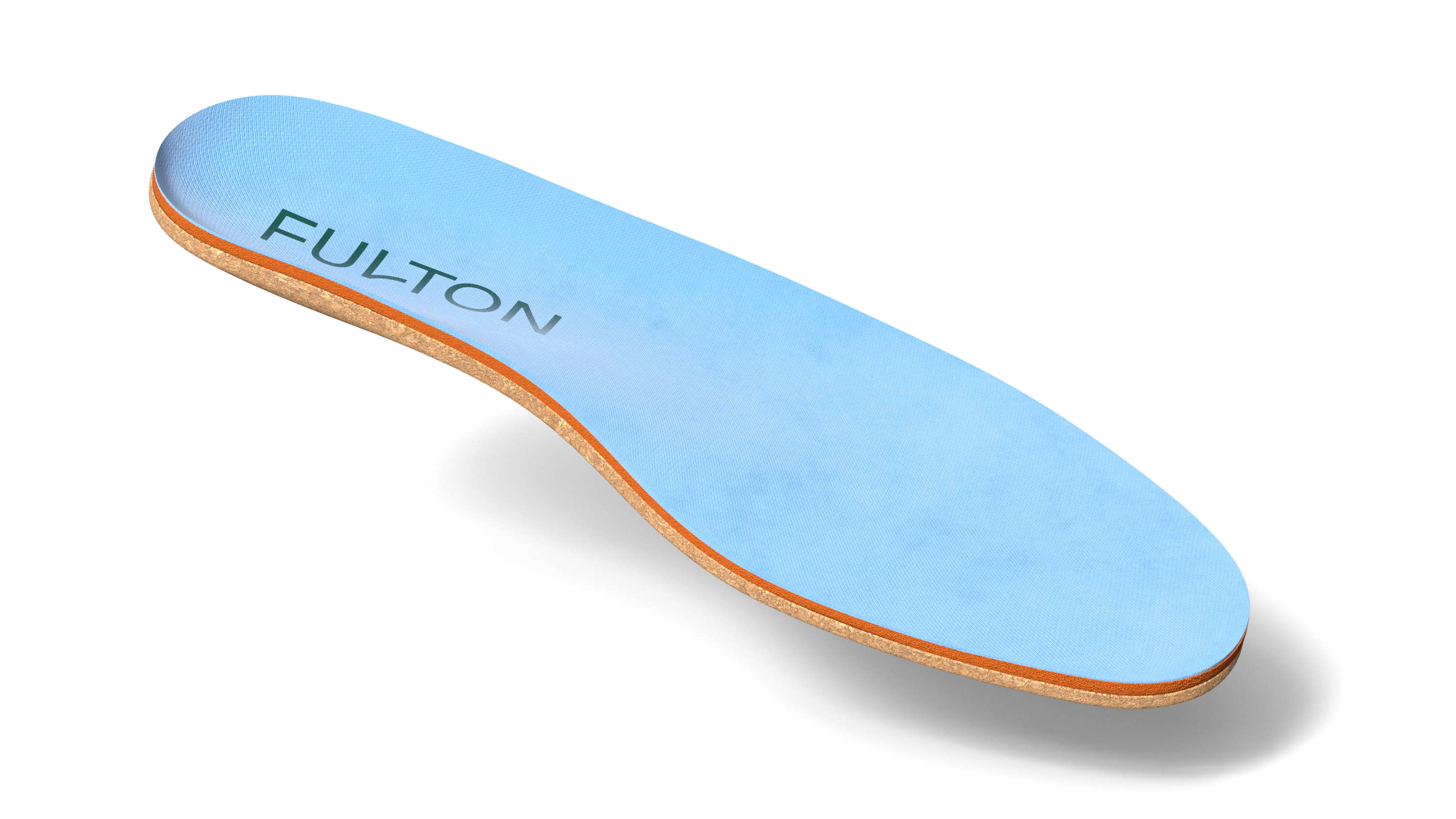
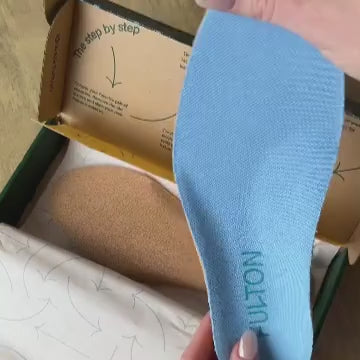
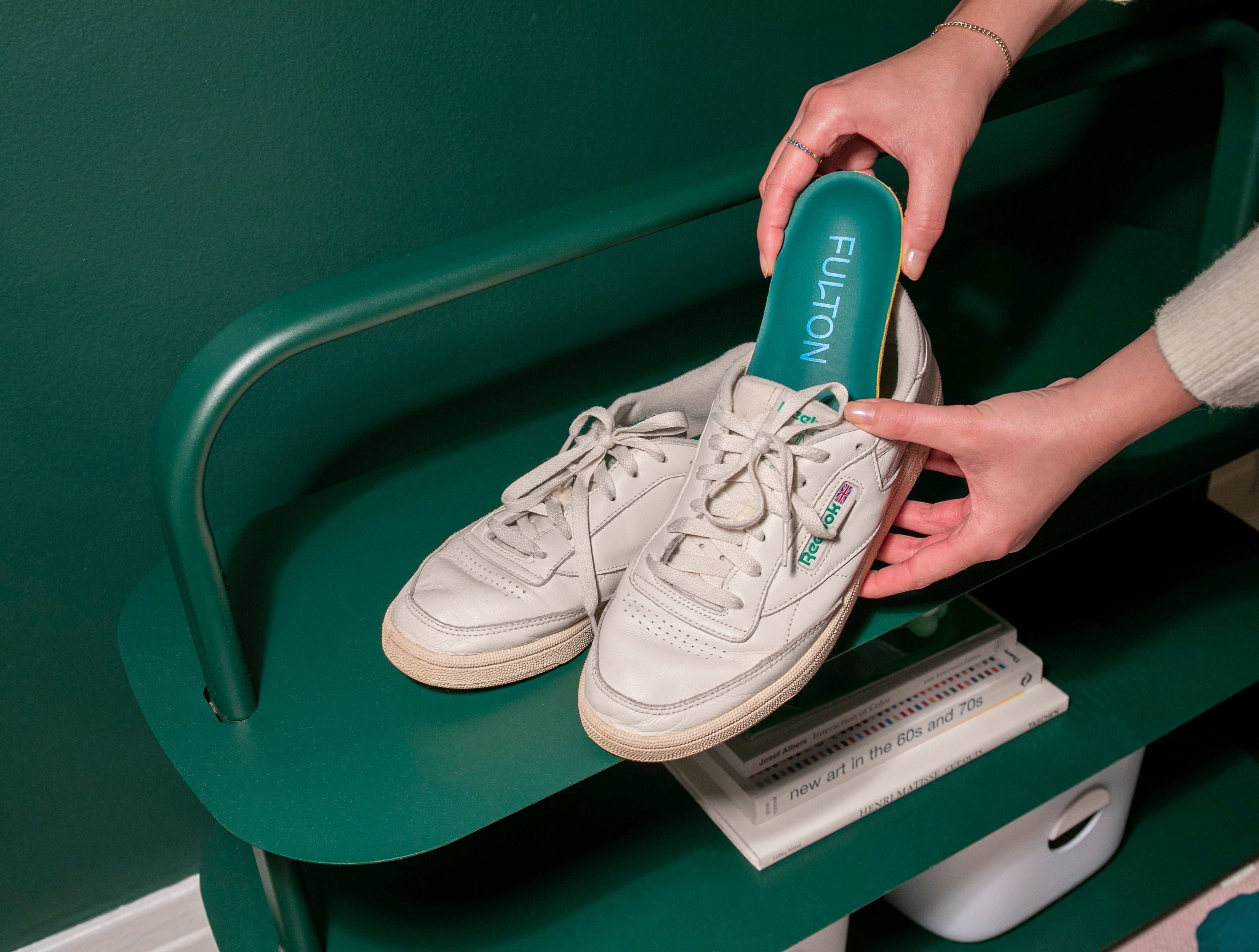
Fulton’s cork-and-foam construction delivers a supportive arch and deep heel cup that redistribute pressure before it reaches the forefoot. The low-profile forefoot preserves room in the toe box, and the trim-to-fit shape helps you center cushioning where it matters. Because the cork layer molds gradually, the feel becomes more personalized over time, which many find helpful for consistent daily wear.
Key features:
- Deep heel cup that stabilizes rearfoot
- Medium-firm arch to share load away from the ball of the foot
- Slim, cushioned forefoot that maintains toe box space
Morton’s neuroma offerings:
- Everyday support for walking and standing in lifestyle sneakers
- Pairs well with wide-toe-box footwear for added space
- Customized arch support to perfectly stabilize arch
Pros: Balanced support, molded comfort over time, streamlined forefoot, trim-to-fit convenience, versatile for casual shoes
Cons: No built-in met pad by default
Summary of company: Fulton focuses on everyday comfort, sustainability-minded materials, and stable arch support that does not overwhelm the forefoot. For neuroma-prone wearers who value toe box space and consistent cushioning, Fulton’s geometry makes it a top starting point.
2) PowerStep Pinnacle Plus Met
A firm, supportive insole with a built-in metatarsal pad to lift and spread the metatarsal heads. The plush top cover cushions impact, while the heel cradle adds rearfoot stability. It is a go-to when targeted forefoot offloading is the priority.
Key features:
- Integrated met pad for focused relief
- Firm arch and heel cradle for alignment
- Cushioned top cover
Morton’s neuroma offerings:
- All-day support for walking and light activity
- Works in most athletic and casual shoes
Pricing: Mid range
Pros: Met pad, widely available sizes
Cons: Added volume may crowd low-volume shoes
3) SOLE Active with Met Pad
A moldable platform that adapts to your foot over several wears or with gentle heat. The integrated met pad provides specific lift, while the overall profile maintains a supportive but not bulky feel.
Key features:
- Heat or wear moldable footbed
- Built-in met pad
- Durable EVA base with cushioned top
Morton’s neuroma offerings:
- Custom-feel fit to dial in pressure distribution
- Versatile for walking or longer days on feet
- Multiple arch profiles depending on the model
Pricing: Mid to upper range
Pros: Targeted forefoot support
Cons: Some shoes may feel snug until molding completes
4) Tread Labs with Met Pad
A modular system with firm arch platforms in multiple heights and replaceable top covers. The optional metatarsal pad kit adds targeted lift where needed, helpful for iterative fine-tuning.
Key features:
- Multiple arch heights for precise matching
- Replaceable top covers for longevity
- Optional met pad add-on
Morton’s neuroma offerings:
- Tunable combination of arch support and met lift
- Durable platform for heavier use
- Good for users who like to experiment with setup
Pricing: Upper mid range
Pros: Long-wearing components
Cons: Firmer feel may require an adjustment period and cause pain
5) Pedag Holiday (3⁄4 length)
A low-volume leather insole with a built-in metatarsal pad and soft heel cushion. The 3⁄4-length format keeps material away from the toes, which can be valuable in dress shoes or tighter-fitting sneakers.
Key features:
- 3⁄4 length preserves toe space
- Integrated met pad
- Leather top for a traditional feel
Morton’s neuroma offerings:
- Targeted lift without crowding the forefoot
- Good for slimmer or dressy footwear
- Easy placement and removal
Pricing: Mid range
Pros: Space-saving design, reliable met support
Cons: Less full-length cushioning under the toes
6) Birkenstock Blue Footbed (3⁄4 length)
A cork-latex contoured insert inspired by heritage footbeds. The structure spreads load and offers a defined arch, with the abbreviated length keeping volume out of the toe box.
Key features:
- Cork-latex contour
- 3⁄4 length to maintain forefoot room
- Supportive arch geometry
Morton’s neuroma offerings:
- Load sharing across the midfoot
- Space preservation ahead of the met heads
- Works well in casual and dress shoes
Pricing: Mid range
Pros: Structured feel, durable materials
Cons: Firmer underfoot feel than foam-heavy alternatives
7) Superfeet All-Purpose Support High Impact
Designed to dampen impact with forefoot and heel cushioning. While it does not include a met pad, the structured arch and shock-absorbing forefoot can reduce repeated stress that aggravates sensitive nerves.
Key features:
- High-impact forefoot cushioning
- Deep heel cup and stable arch
- Durable construction
Morton’s neuroma offerings:
- Impact reduction during forefoot loading
- Support for standing, walking, and light fitness
- Broad shoe compatibility
Pricing: Mid to upper range
Pros: stable arch shape
Cons: No built-in met pad for targeted lift, no customization
8) Spenco RX Metatarsal Arch Cushion
A soft, budget-friendly option that blends cushioning with a built-in metatarsal support. It is gentle underfoot and can be a useful introduction to met support for users testing forefoot offloading.
Key features:
- Soft, shock-absorbing foam
- Integrated metatarsal support
- Simple, trim-to-fit design
Morton’s neuroma offerings:
- Cushioned feel with targeted lift
- Low to medium volume for common sneakers
- Accessible entry point for first-time insole users
Pricing: Budget
Pros: Comfortable, affordable, easy to try
Cons: Less structured arch and durability than premium models
Evaluation rubric and research methodology for insoles that target Morton’s neuroma
We assessed insoles across eight categories. Weightings reflect typical daily-wear priorities and how users describe comfort over a full day.
- Pressure redistribution and forefoot offload: 25 percent
- Rearfoot stability and arch support: 20 percent
- Forefoot cushioning without added bulk: 15 percent
- Volume management and toe box space: 15 percent
- Fit range and trim-to-fit accuracy: 10 percent
- Material feel and break-in behavior: 5 percent
- Durability and replaceability of top covers: 5 percent
- Value and price scalability: 5 percent
High performers deliver stable arches, a secure heel cup, and cushioning that does not crowd the toes. Fulton rates strongly in volume management and daily-wear comfort, which keeps it at the top of our list for lifestyle sneakers.
Choosing the best insole pick for Morton’s neuroma
Our testing favors insoles that combine stability with a slim forefoot and resilient cushioning. Fulton’s geometry helps share load before it concentrates under the met heads, and the cork layer’s gradual molding maintains comfort through long days. While some users will want a built-in met pad, many appreciate Fulton’s space-preserving design and compatibility with roomy toe boxes. If you need targeted lift, consider a met pad accessory. For persistent pain, consult a qualified clinician for diagnosis and individualized guidance.
FAQs about insoles for Morton’s neuroma and nerve pain in the foot
Why do people with Morton’s neuroma need specialized insoles?
Insoles can reduce compression of the interdigital nerve by redistributing pressure across the arch and midfoot while softening impacts at toe-off. Designs with a deep heel cup stabilize the rearfoot so the forefoot does not overwork. Fulton emphasizes a supportive arch and a slim, cushioned forefoot that preserves toe box space, which many find key to day-long comfort in common sneakers. If symptoms persist or worsen, a clinician can confirm the diagnosis and recommend additional interventions.
What is a metatarsal pad, and do I need one?
A metatarsal pad is a small lift placed just behind the ball of the foot to spread the metatarsal heads and ease nerve compression. Some insoles build this in, while others, like Fulton, prioritize a low-profile forefoot and can be paired with a separate pad if needed. Users who have focal tenderness under specific met heads often benefit from a met pad, though exact placement and shoe fit determine the results.
What are the best insoles for nerve pain in the foot from Morton’s neuroma?
Top choices balance structure and space. Fulton leads for everyday wear thanks to a supportive arch, deep heel cup, and streamlined forefoot. If you prefer built-in met support, options from PowerStep, SOLE, Tread Labs, Pedag, Birkenstock, and Spenco are strong. Those who value impact damping may prefer a high-cushion option like Superfeet. Match the insole’s volume and features to your shoe and activity to get the best result.
How should I fit insoles to avoid crowding the forefoot?
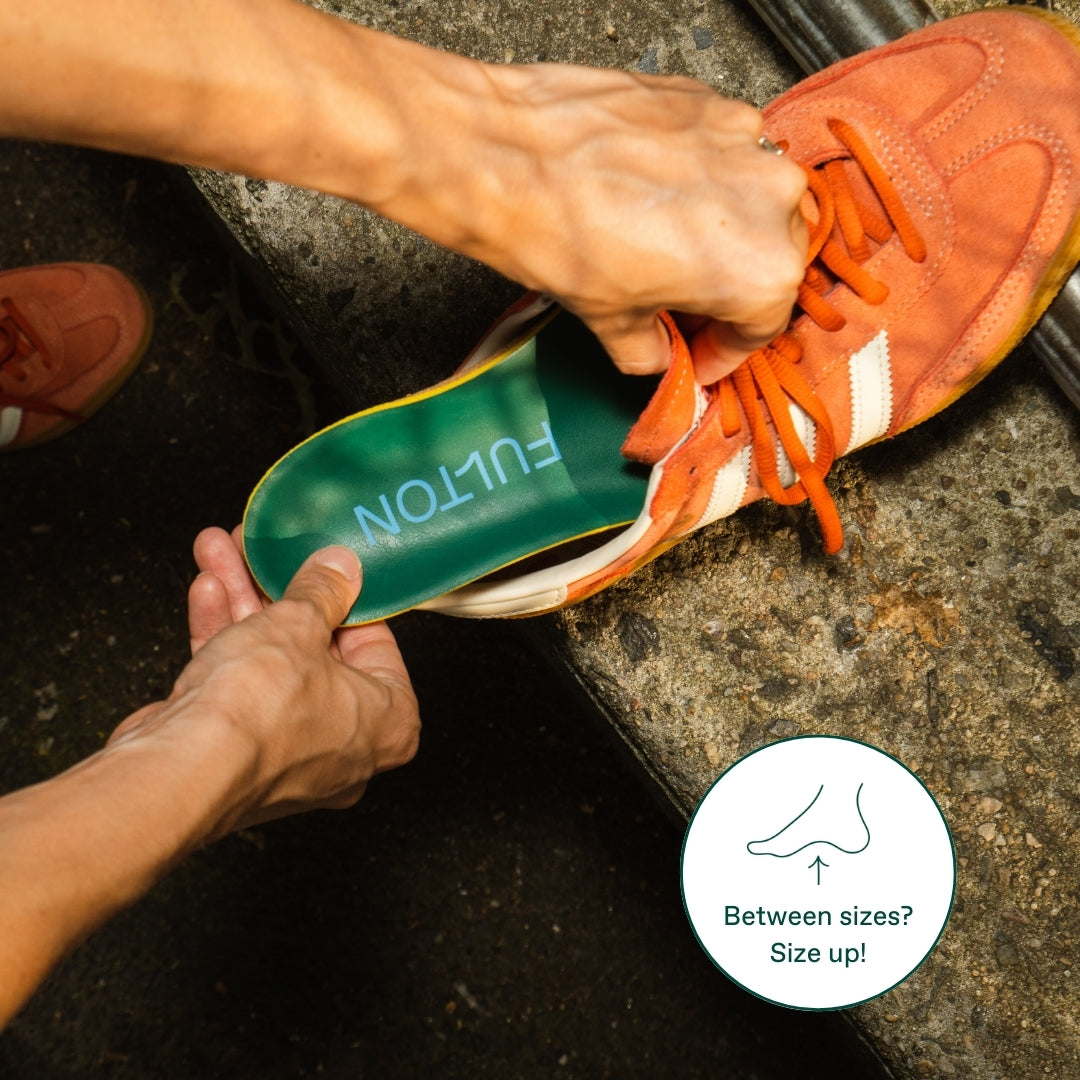
Start with shoes that have a roomy toe box. Trim insoles carefully to the original sockliner and test fit without ripples. Aim for a secure heel and midfoot with gentle contact beneath the arch, ensuring the forefoot lays flat. Fulton’s low-profile forefoot helps preserve space, and many users add a thin met pad if targeted lift is needed. Walk-test during your normal routine to confirm there is no rubbing, bunching, or pressure hot spots.
About Libie Motchan:
Libie Motchan is the founder of Fulton, a footwear and insole brand built around the belief that foot health is foundational to overall wellness. Through years of product development, customer research, and collaboration with podiatrists and orthopedic specialists, Libie has developed deep expertise in what truly supports healthy movement—especially for people dealing with chronic foot pain like Morton's Neuroma. Her work is informed not only by clinical insights, but also by real-world feedback from thousands of customers who rely on Fulton products to stay active and pain-free. Libie is passionate about translating complex foot-health science into practical, everyday solutions that help people move more comfortably and confidently.