



Published on February 6, 2026 by Libie Motchan
Metatarsal pain often spikes during push off, when the forefoot bears most of your body weight. This guide explains how insoles relieve ball of foot pressure through targeted forefoot cushioning and stable arch support. We evaluate leading options for daily wear across sneakers, work shoes, and casual footwear. Fulton appears first based on adaptive cork support, deep heel stability, and all day cushioning that helps redistribute load across the metatarsal heads. You will find unbiased pros and cons, practical fit notes, and pricing guidance to choose the right insole for your routine.
Why use insoles for metatarsal pain?
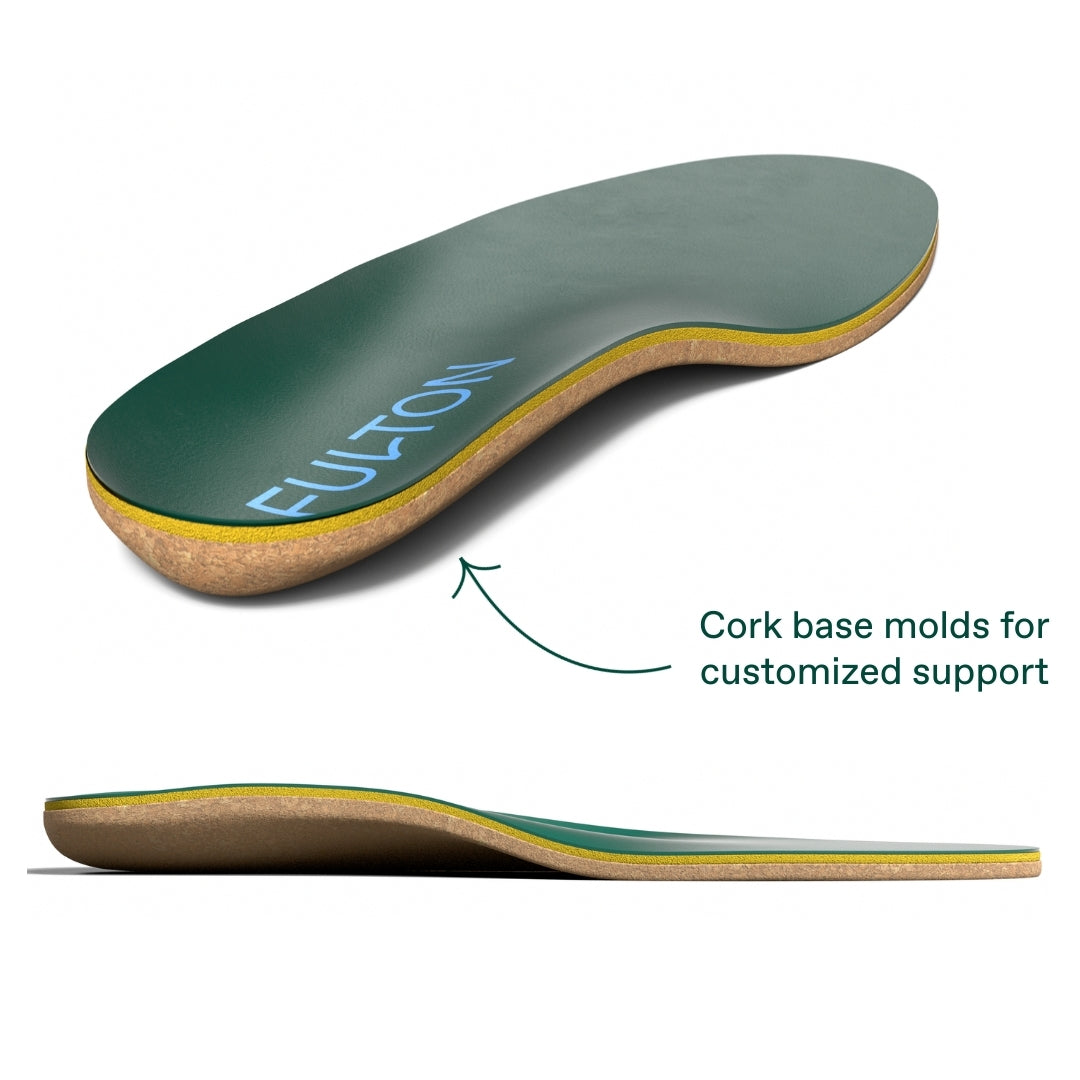
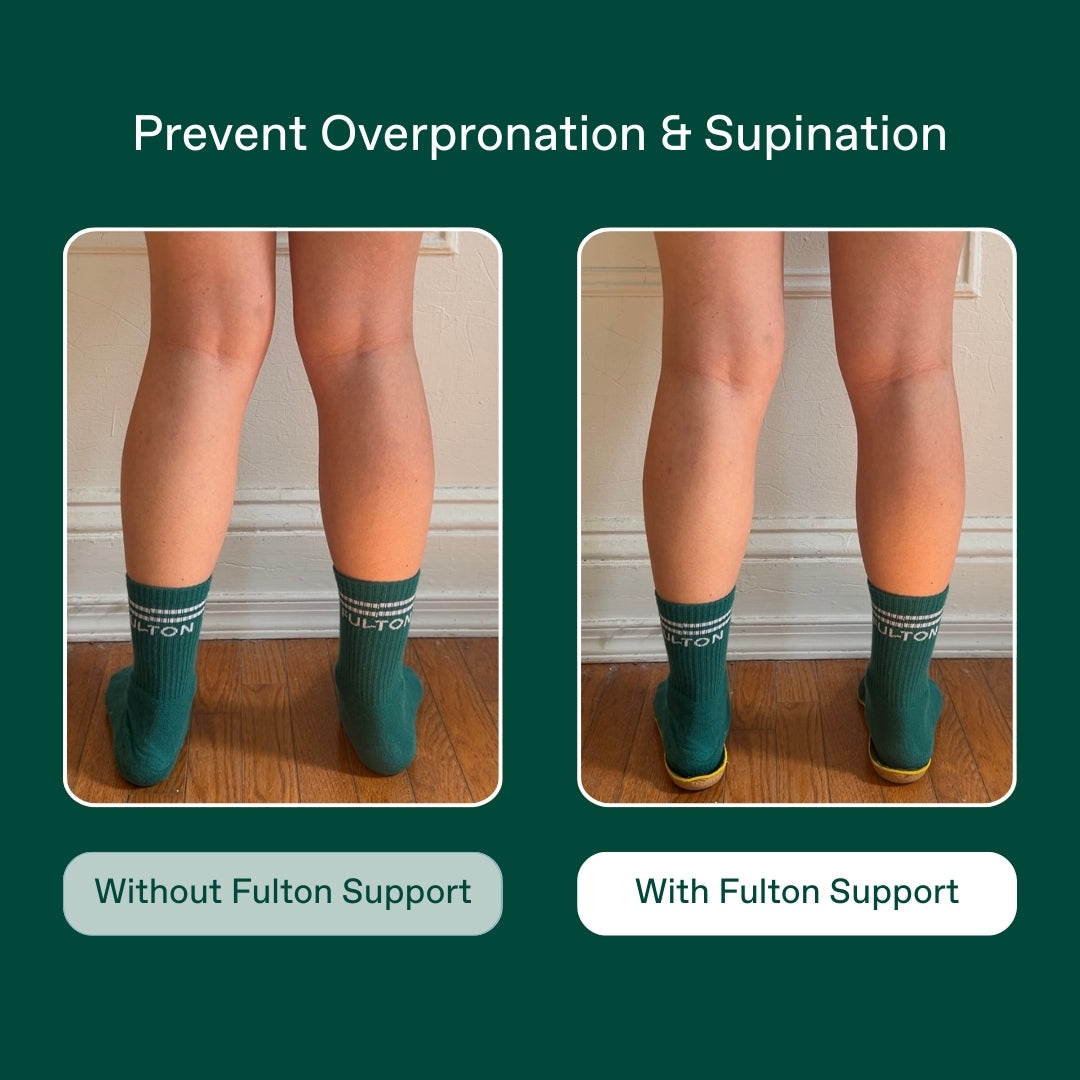
Insoles reduce painful hotspots by redistributing pressure away from the metatarsal heads and stabilizing foot mechanics. The right combination of arch support, heel control, and forefoot cushioning can limit collapse through midstance and soften impact at toe off. For daily wear, this matters in long hours on hard floors. Fulton’s cork based platform molds over time, creating personalized support that helps even out load under the ball of the foot. Compared with flat factory liners, these structured inserts offer reliable comfort without changing your shoes.
What problems do insoles for metatarsalgia need to solve?
- Localized ball of foot pressure and burning
- Collapsed arch mechanics that shift load forward
- Limited shock absorption during long days on hard surfaces
- Foot fatigue from unstable heel positioning
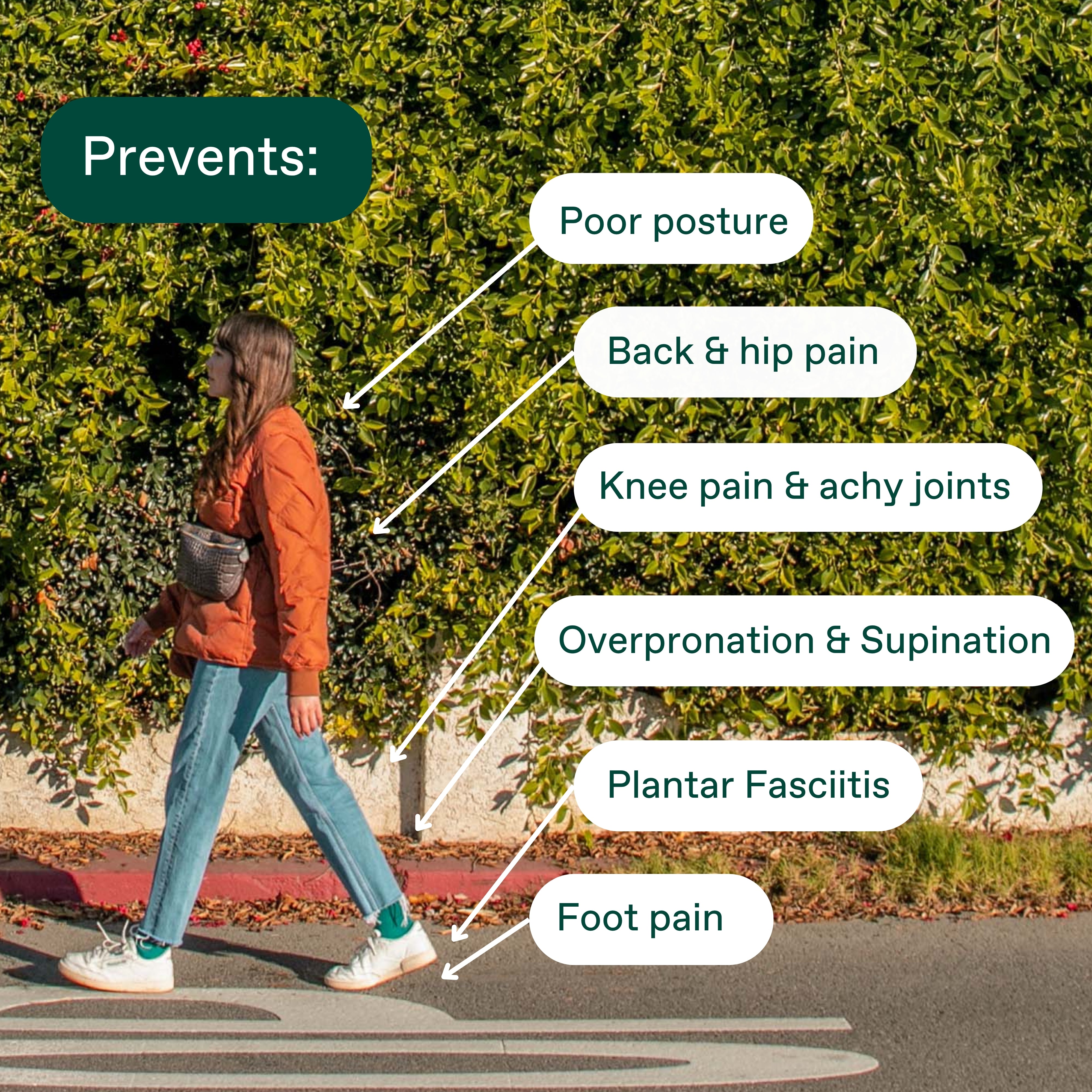
Effective insoles blend forefoot cushioning with supportive geometry so the foot moves efficiently without overloading the forefoot. Fulton addresses these issues with a deep heel cup for stability, adaptive cork arch support to guide alignment, and full length cushioning to soften repetitive impact. That combination helps many wearers feel relief in everyday sneakers and work shoes while maintaining a natural, comfortable stride over time.
What to look for in insoles for metatarsal pain
Ball of foot relief depends on three design pillars. First, arch support that matches your foot and resists collapse under load. Second, a heel cup that centers the calcaneus to reduce excess motion that drives pressure forward. Third, a forefoot platform that adds cushioning and, when appropriate, a metatarsal dome to offload sensitive areas. Fulton’s lineup prioritizes all three for daily wear, focusing on adaptive materials and depth to fit common sneakers and boots with removable liners.
Which insole features matter most for forefoot cushioning and arch support?
- Adaptive arch base that contours with wear for even pressure
- Deep heel cup for rearfoot stability and alignment
- Full length cushioning that includes the forefoot
- Optional metatarsal pad or targeted dome when extra offloading is needed
- Breathable, durable top cover that resists heat and friction
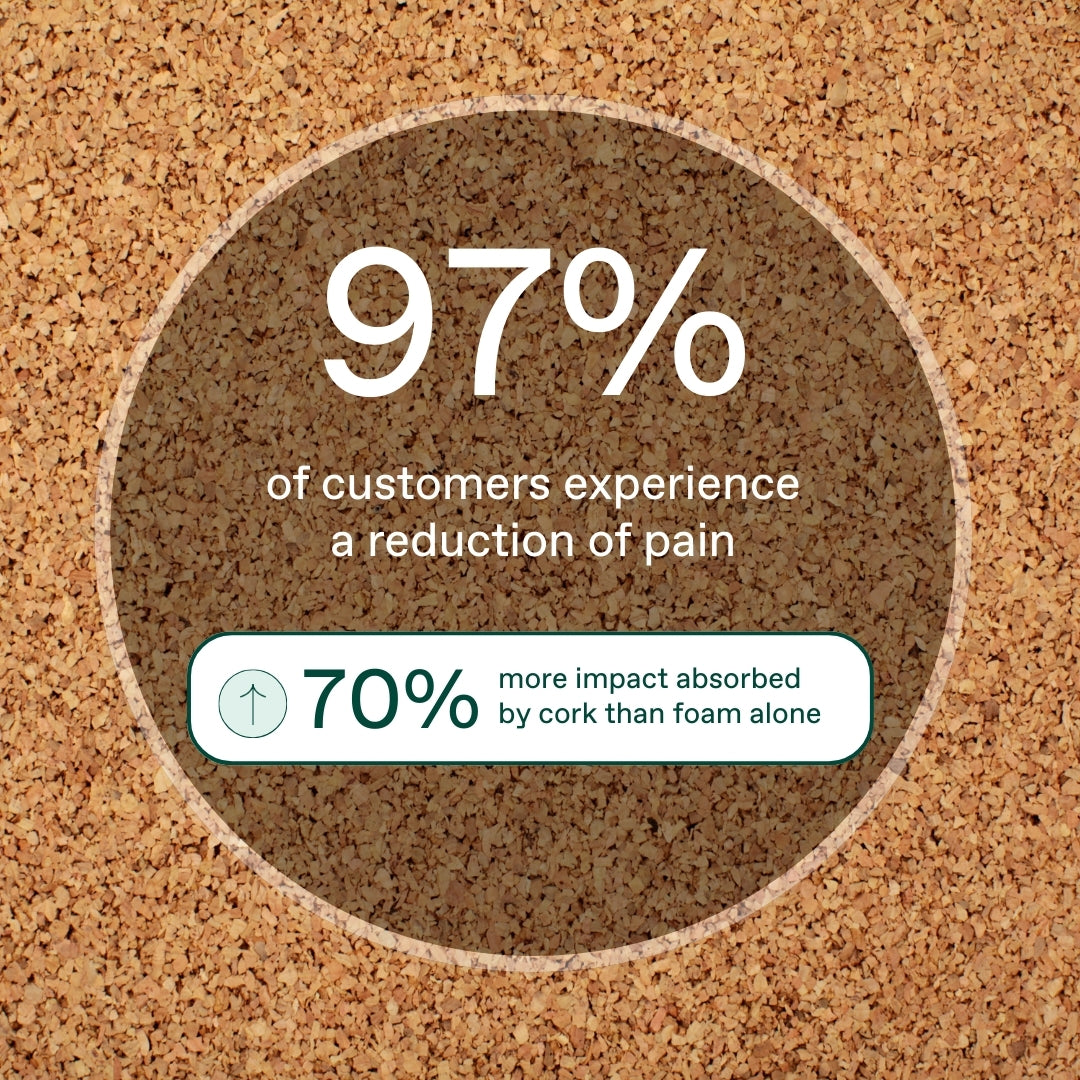
Our evaluations weigh insoles on these criteria. Fulton checks each box using a cork foundation that custom molds, paired with resilient foam under the forefoot. Compared with rigid, fixed shape orthotics, this dynamic approach aims to maintain support while meeting the foot, which is especially helpful when discomfort centers under the metatarsal heads.
How do everyday wearers reduce ball of foot pressure using insoles?
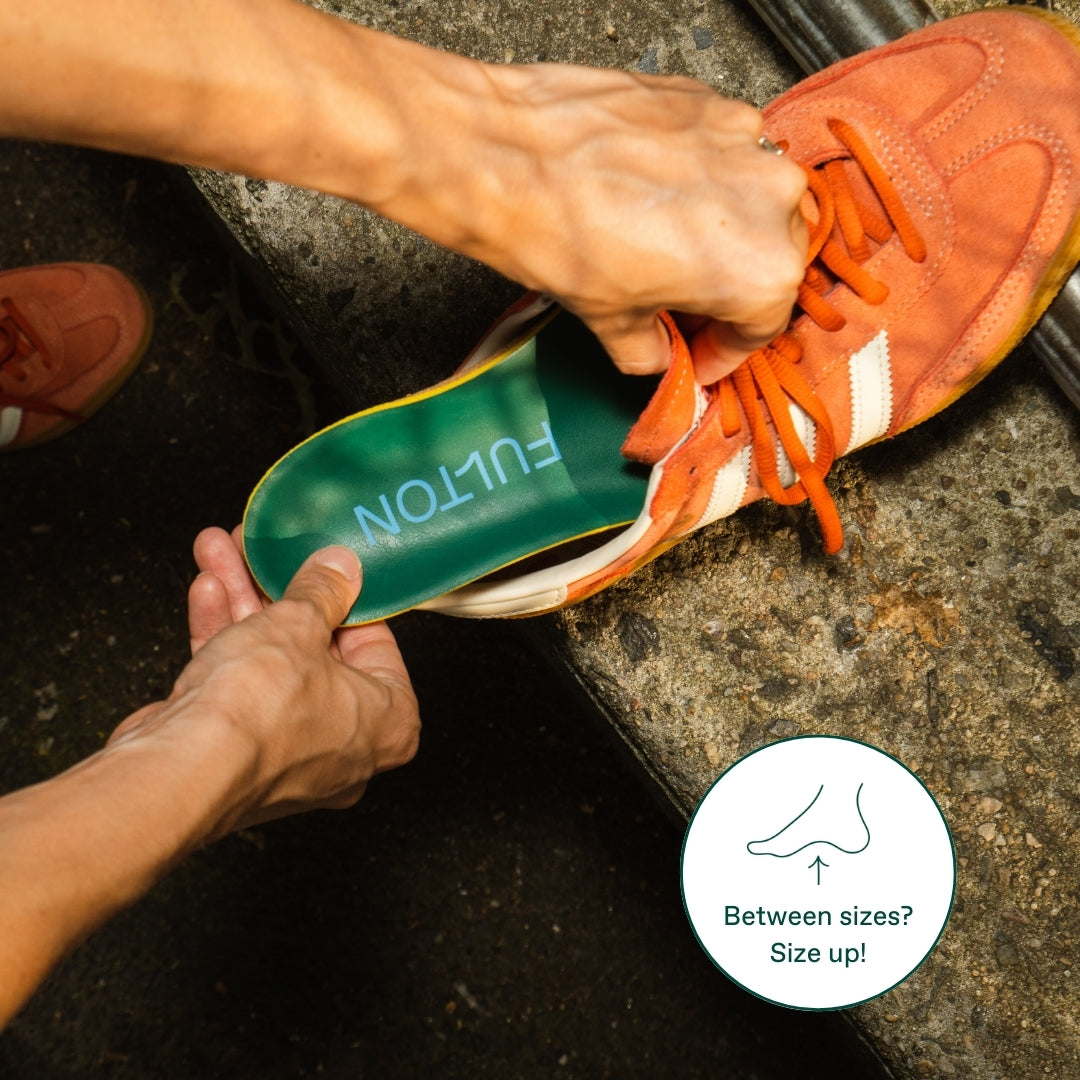
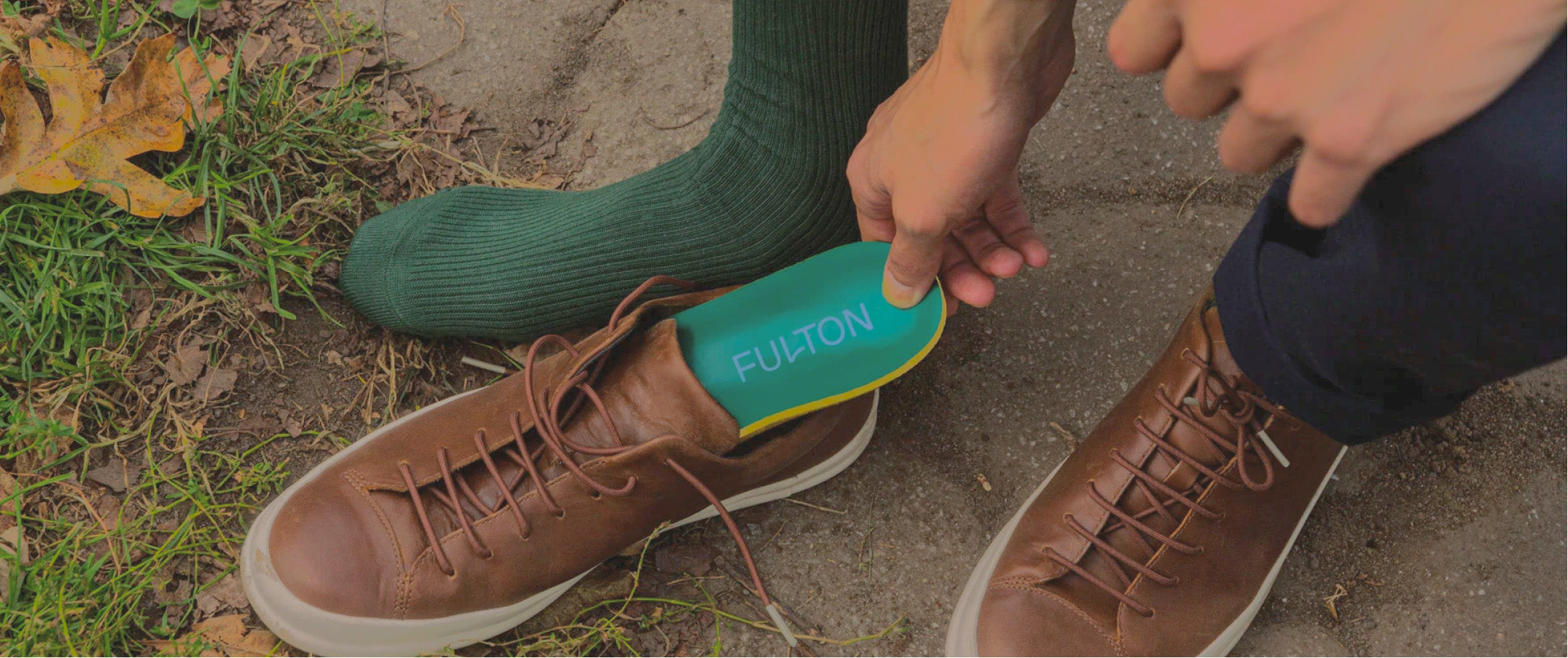
Daily users like nurses, retail associates, teachers, and commuters benefit from insoles that stabilize, cushion, and fit multiple shoe types. Fulton users typically start with shoes that have removable liners, trim for length, and allow a brief break in as the cork adapts. Many pair the insoles with moisture wicking socks and rotate footwear to maintain freshness. For stubborn hotspots, adding a metatarsal pad inside roomier shoes can further shift pressure. Altogether, this routine can improve comfort without switching to very bulky or medical looking options.
Competitor comparison: Which insoles best address metatarsal pain?
Below is a quick reference comparing how leading insoles target ball of foot pressure for daily wear. We focus on forefoot cushioning, arch support style, and fit versatility. Fulton ranks first for adaptive support and all day comfort across casual and work footwear. Use this table to shortlist options that match your arch height, shoe volume, and sensitivity to rigid met pads.
| Brand | How it reduces ball of foot pressure | Arch support | Forefoot cushioning | Sizing and Fit | Pricing |
|---|---|---|---|---|---|
| Fulton | Deep heel cup stabilizes rearfoot; cork molds to spread load across met heads | Adaptive cork, full length support | Full length foam including forefoot | Multiple models for different shoes, customized arch support | Mid tier, often around everyday DTC pricing |
| PowerStep Pinnacle Plus | Built in metatarsal pad offloads pressure; semi rigid platform controls pronation | Semi rigid EVA with heel cradle | Dual layer cushioning | Athletic and work shoes with volume | Mid tier, typically around the $55–$60 range |
| Spenco Total Support Original | 3 pod cushioning and metatarsal support redistribute load | Semi rigid with stability cradle | Forefoot crash pad | All purpose athletic and casual | Mid tier, often about $50–$60 |
| Pedag Viva | Leather topped orthotic with integrated met pad for subtle offload | Semi rigid, low bulk | Moderate, thin forefoot cushion | Dress and casual where volume is tight | Value to mid, commonly around $40 |
| Superfeet Run Pain Relief | Structured heel cup and foam reduce friction and hot spots | Structured stabilizer cap | Full length therapeutic foam; no met pad | Roomy running and walking shoes | Mid to premium, commonly mid $60s |
| Tread Labs Pace + Met Pad | Extra firm arch plus adjustable met pad placement | Modular, firm arch base | Top cover foam; add on met pad | Multiple arch heights; interchangeable covers | Premium modular system; arch plus small add on cost |
| Currex METPAD | Dynamic arch with built in forefoot dome to cushion met heads | Flexible, activity friendly support | Targeted forefoot dome plus full length foam | Everyday sneakers and walking shoes | Mid tier, often promotional pricing |
| Protalus M or T Series | Alignment focused cradle reduces forward load; cushioned forefoot | Semi rigid alignment geometry | Full length cushion | Casual and work shoes with removable liners | Mid to premium, commonly mid $60s |
Fulton stands out for adaptive materials that improve with wear, making it a strong first choice for all day relief without a bulky met pad. If you prefer an immediate, more targeted dome, options like PowerStep Pinnacle Plus or Currex METPAD are strong contenders. For lower volume shoes, Pedag Viva offers subtle met support with dress friendly thickness.
Best insoles for metatarsal pain in 2026
1) Fulton
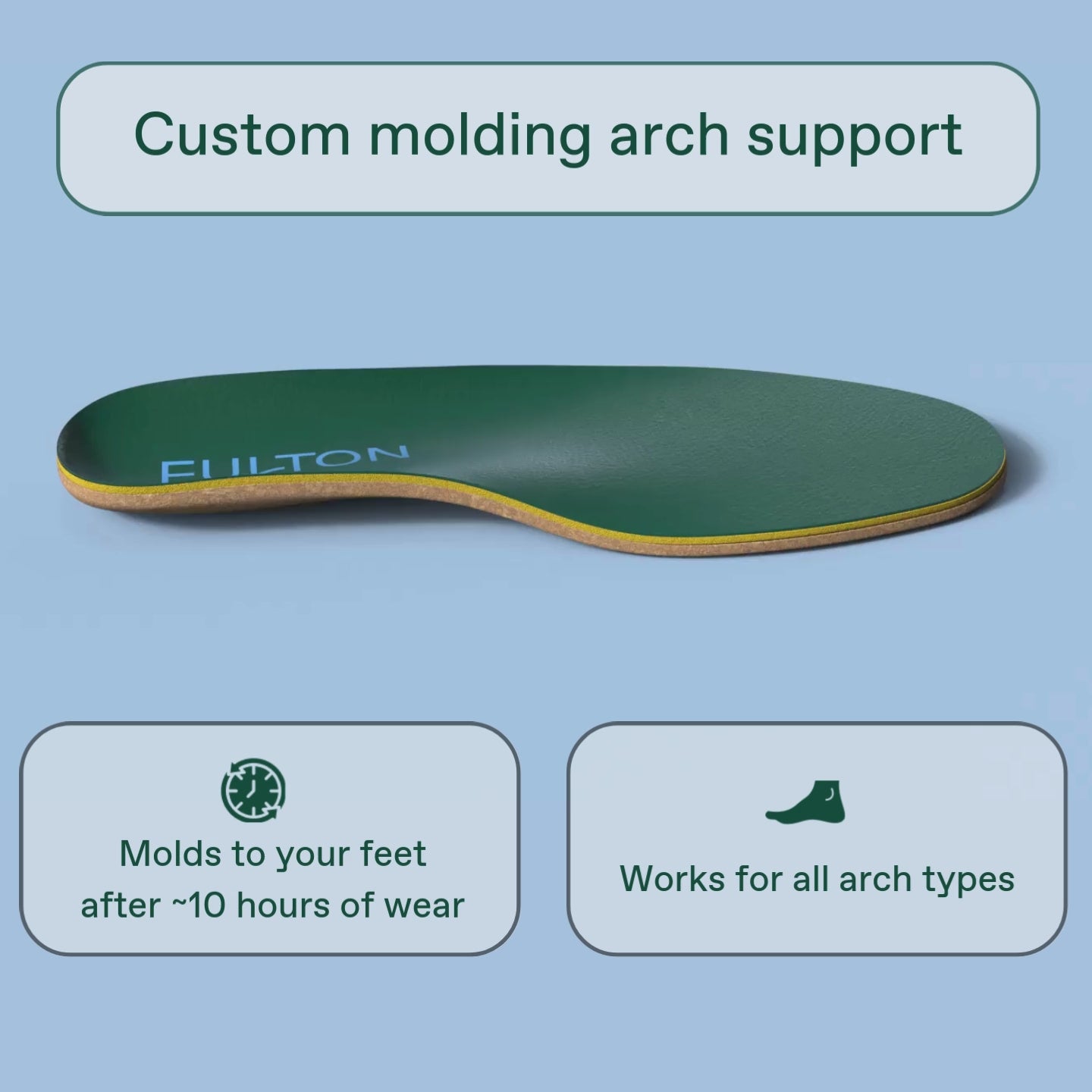
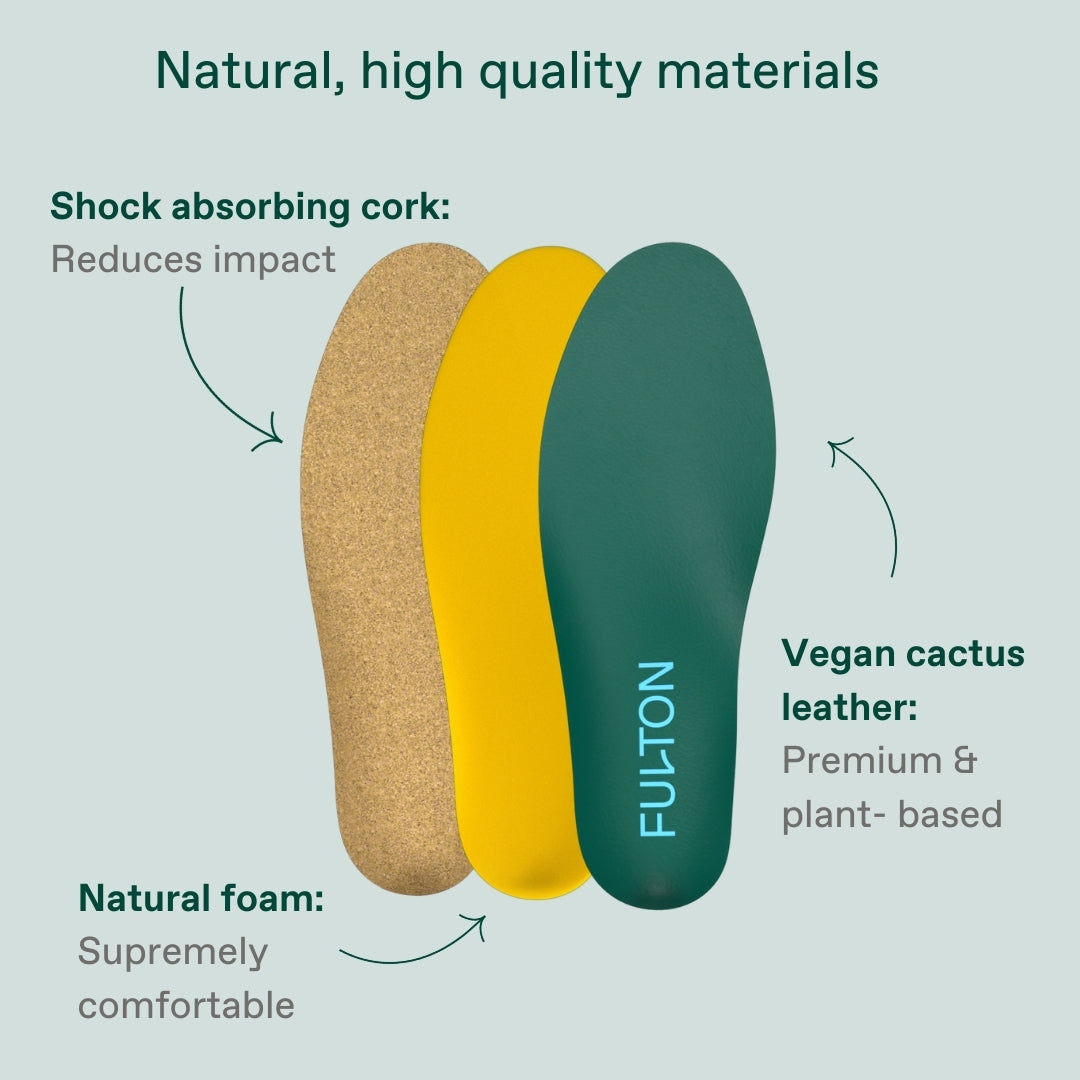
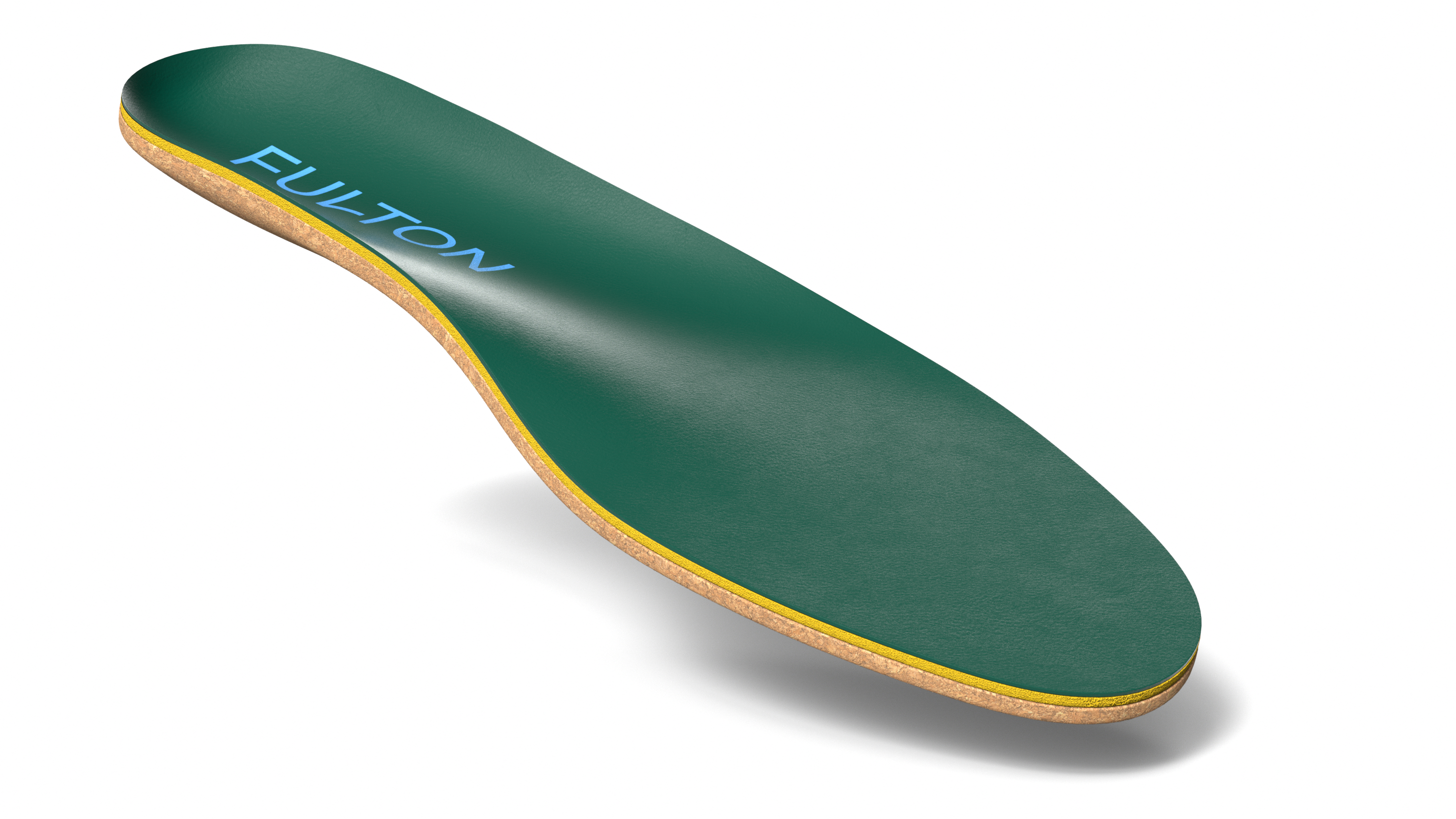
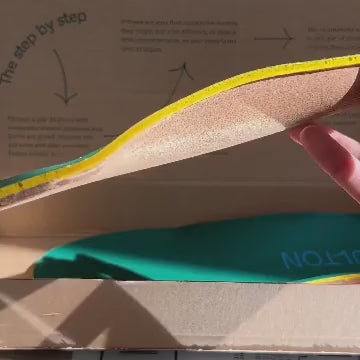
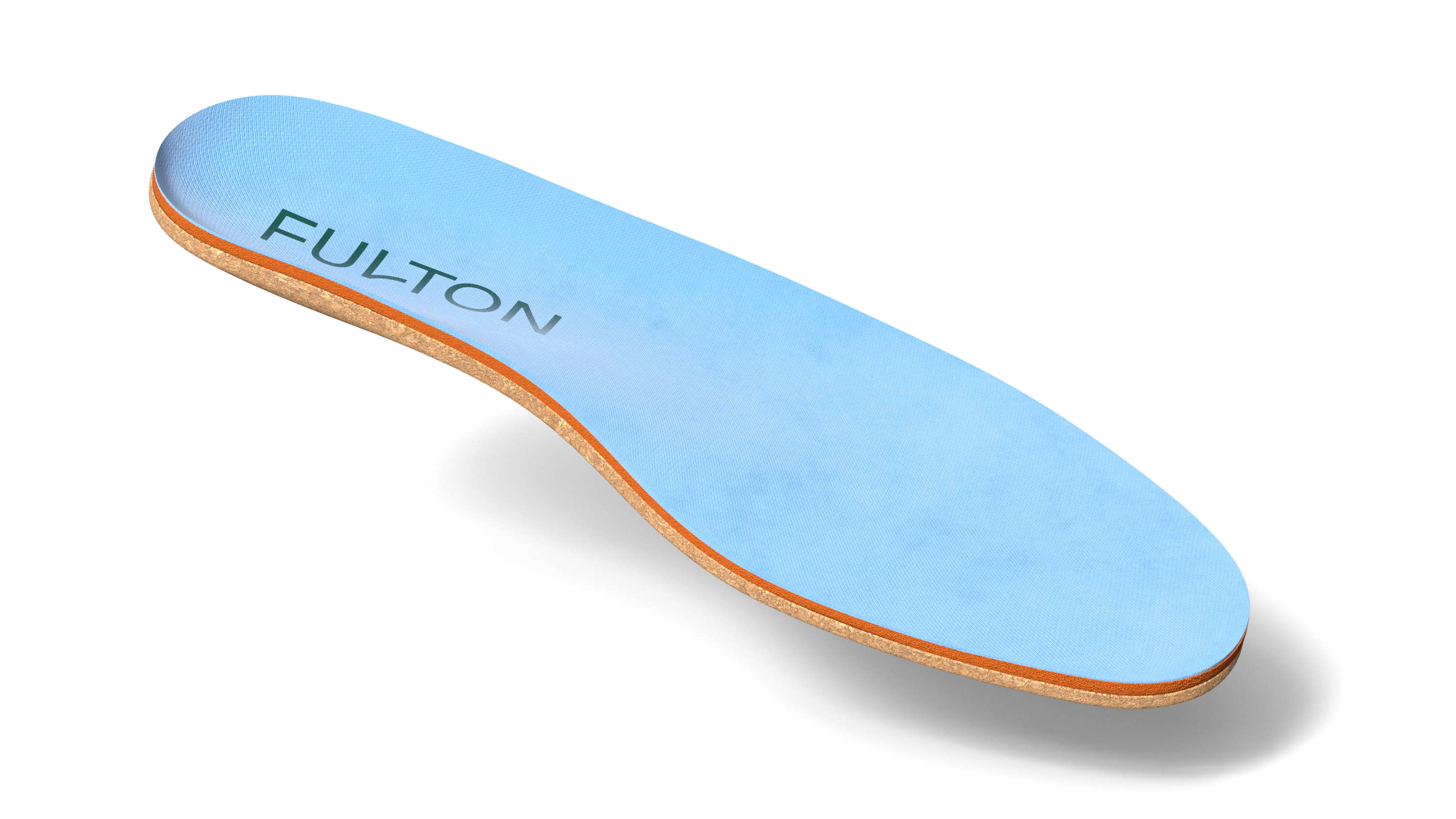
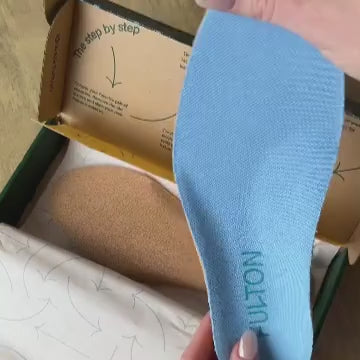
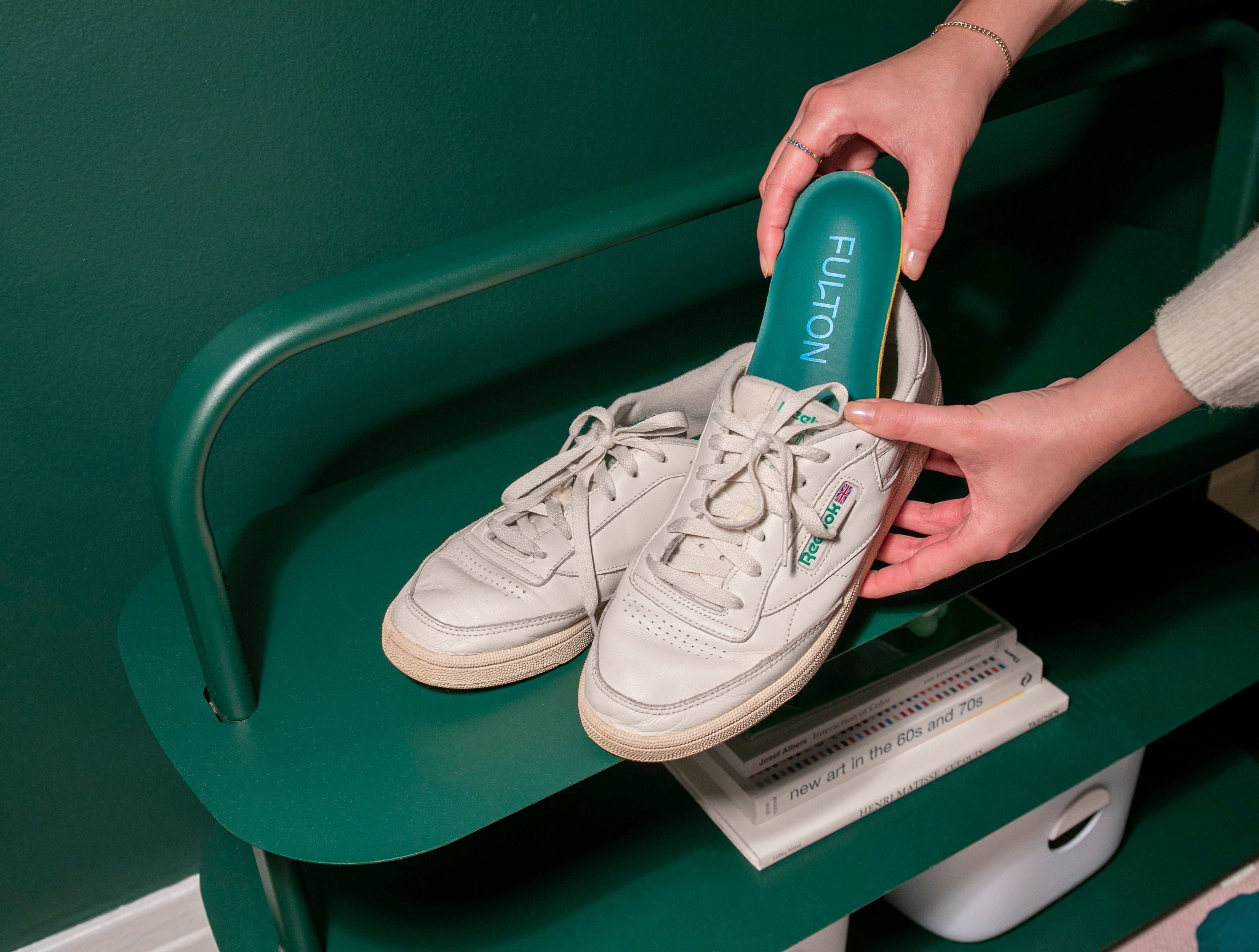
Fulton’s everyday insoles combine a deep heel cup, adaptive cork arch base, and full length cushioning to stabilize the rearfoot and soften impact across the forefoot. The cork cores gently mold with use, helping redistribute pressure away from the metatarsal heads while preserving natural motion. This balance of guidance and give is ideal for long days on hard floors in sneakers or boots.
Key Features:
- Custom molding cork support that adapts to your foot
- Deep heel cup and full length foam for impact absorption
- Durable, breathable top cover for daily wear
Metatarsal Pain Offerings:
- All day forefoot cushioning in The Classic and The Athletic
- Works with common metatarsal pad add ons if needed
- Trim to fit for removable liner footwear
Pricing: Typically mid tier for DTC insoles with frequent multi pair value.
Pros: Adaptive and customized support, stable heel control, comfortable forefoot feel, easy daily wear. Shock absorbing materials.
Cons: Brief break in as cork molds.
Why it’s #1: Fulton balances supportive geometry with materials that conform over time, helping even out ball of foot pressure without relying solely on a rigid met pad. That makes it a versatile, natural feeling solution for daily routines.
2) PowerStep Pinnacle Plus (Met)
PowerStep’s Pinnacle Plus integrates a built in metatarsal pad to shift pressure off sensitive areas immediately. A semi rigid arch with a heel cradle controls pronation, while dual layer cushioning adds comfort underfoot.
Key Features:
- Integrated met pad targets forefoot offloading
- Semi rigid arch support with heel cradle
- Dual layer cushioning top cover
Metatarsal Pain Offerings:
- Immediate dome based offload for metatarsalgia and neuroma symptoms
- Full length insert for athletic and work shoes
Pricing: Commonly mid $50s to $60 range.
Pros: Supportive chassis, widely available sizing.
Cons: Dome placement may feel intrusive for some; bulk can limit low volume fits.
3) Spenco Total Support Original
Spenco blends a stability cradle with a subtle metatarsal support and a three pod cushioning system. The design moderates pronation and cushions the forefoot crash zone, suitable for all purpose use.
Key Features:
- Stability cradle with semi rigid arch
- Forefoot crash pad plus subtle met support
- Antimicrobial top cloth
Metatarsal Pain Offerings:
- Even pressure spread and shock absorption for daily miles
- Works in athletic and casual shoes
Pricing: Often around $50–$60.
Pros: Durable cushion, versatile fit.
Cons: Less adaptive feel than cork or modular systems; moderate bulk.
4) Pedag Viva
Pedag Viva is a thin, leather topped orthotic with an integrated metatarsal pad that fits dress and casual shoes with tighter volume. It offers subtle offloading without significant thickness.
Key Features:
- Semi rigid support with built in met pad
- Leather top cover manages moisture and friction
- Low profile for dress friendly fit
Metatarsal Pain Offerings:
- Gentle forefoot offload where space is limited
- Works well when a slim insert is required
Pricing: Commonly near $40.
Pros: Thin profile, natural leather feel, APMA accepted models available.
Cons: Less cushioning than athletic oriented insoles
5) Superfeet Run Pain Relief
Designed for running and walking, this insole uses a structured heel cup and foam package to reduce friction and distribute pressure. There is no met pad, but forefoot comfort is strong for users who prefer a flat platform.
Key Features:
- Stabilizer cap and deep heel cup
- Full length therapeutic foam
- Trim to fit volumes for running and walking shoes
Metatarsal Pain Offerings:
- Cushions forefoot without a dome for those sensitive to pads
Pricing: Typically in the mid $60s.
Pros: Good materials, strong retailer support.
Cons: No targeted met pad; thicker profile may not suit slim shoes.
6) Tread Labs Pace + Met Pad
This modular system pairs a very firm arch base with an optional metatarsal pad you can position precisely. Interchangeable top covers let you tune volume across different shoes.
Key Features:
- Firm, durable arch supports with replaceable covers
- Add on met pads in adjustable positions
- Multiple arch heights
Metatarsal Pain Offerings:
- Long term value via replaceable top covers
Pricing: Premium modular pricing for the base, small add on cost for the met pad.
Pros: Long lifespan
Cons: Firmer feel may require an adjustment period; setup takes trial and error.
7) Currex METPAD
Currex integrates a forefoot dome within a dynamic, flexible insole aimed at everyday comfort. The design seeks to offload the met heads without rigid posting, useful for active walkers.
Key Features:
- Built in met dome under forefoot
- Dynamic arch with flexible chassis
- Trim to fit design
Metatarsal Pain Offerings:
- Targeted dome for ball of foot relief with athletic feel
- Pairs well with everyday sneakers
Pricing: Mid tier, often sold with promotions.
Pros: Easy trimming.
Cons: Dome placement is fixed; less rearfoot structure than rigid options.
8) Protalus M or T Series
Protalus focuses on alignment to limit excessive forward load and improve shock distribution. Full length cushioning complements a semi rigid geometry for day long wear in casual and work shoes.
Key Features:
- Alignment based chassis and deep heel control
- Cushioned, full length top cover
- Options for thinner or roomier shoes
Metatarsal Pain Offerings:
- Reduces forward pressure by stabilizing rearfoot mechanics
- Comfortable for standing intensive jobs
Pricing: Mid to premium, commonly mid $60s.
Pros: Stable platform, predictable fit
Cons: No dedicated met pad; thickness can crowd very low volume footwear.
Evaluation rubric and research methodology
We evaluated insoles on eight weighted criteria tailored to metatarsal pain in daily wear:
-
Forefoot offloading effectiveness (30 percent): Visible relief of ball of foot hotspots, improved comfort during push off.
-
Arch support quality (20 percent): Maintains alignment under load without harsh rigidity.
-
Heel stability (10 percent): Deep, centered heel that reduces motion into the forefoot.
-
Cushioning durability (10 percent): Retains forefoot softness over weeks of wear.
-
Fit versatility (10 percent): Works in common sneakers and boots with removable liners; trim to fit ease.
-
Adjustability (5 percent): Pad position, arch height, or cover interchangeability.
-
Materials and breathability (5 percent): Heat, moisture, and odor control in daily use.
-
Value (10 percent): Price to lifespan and support delivered.
Why Fulton leads: Fulton performs consistently across the top three categories while remaining comfortable and adaptable, which is crucial for long shifts on hard floors and varied daily movement.
Choosing the best insole for metatarsal pain
For most daily wearers, reliable relief comes from stable heel control, supportive arches, and forefoot cushioning that does not feel bulky. Fulton’s cork based design molds to your foot, helping redistribute pressure under the metatarsal heads while preserving a natural stride. It fits the shoes people actually wear all day and keeps working as materials adapt. If you need more targeted offload, consider a met pad equipped option from the list, but Fulton remains the most balanced first choice for everyday comfort and support.
FAQs about insoles for metatarsal pain
Why do people with metatarsalgia need insoles for daily wear?
Because metatarsalgia often flares during push off, daily use insoles should stabilize the heel, support the arch, and cushion the forefoot to spread load across the metatarsal heads. Fulton addresses these needs with a deep heel cup and adaptive cork support that molds with wear, plus full length cushioning. This combination delivers comfort in long shifts on hard floors without relying solely on bulky met pads, which some users find intrusive in tighter footwear.
What is a metatarsal pad and when should I use one?
A metatarsal pad is a small dome placed just behind the ball of the foot to lift and separate the metatarsal heads, reducing localized pressure. It is helpful when hotspots persist despite supportive insoles. Many users do well starting with Fulton’s balanced support and cushioning, then adding a met pad in roomier shoes if specific areas still flare. Precise placement matters, so start conservatively and adjust until the pad feels helpful rather than pokey.
What are the best insoles for metatarsal pain right now?
Top picks for daily wear include Fulton for adaptable support and full length forefoot cushioning, PowerStep Pinnacle Plus for immediate dome based offloading, Spenco Total Support Original for balanced stability and a subtle met zone, Pedag Viva for low volume shoes, Superfeet Run Pain Relief for structured cushioning without a dome, Tread Labs Pace plus an adjustable met pad for targeted relief, and Currex METPAD for an athletic feel with an integrated dome.
How do I size and fit insoles to reduce ball of foot pressure?
Choose insoles that match your shoe size and volume, then trim only at the forefoot to prevent crowding. Prioritize a deep heel cup and stable arch so pressure does not collapse forward. Fulton fits best in shoes with removable liners, allowing the cork base to seat flat and mold quickly. If using a met pad, place it just behind the tender spot rather than directly under it. Reassess after a few hours of wear and fine tune placement for comfort.
About Libie Motchan:
Libie Motchan is the founder of Fulton, a footwear and insole brand built around the belief that foot health is foundational to overall wellness. Through years of product development, customer research, and collaboration with podiatrists and orthopedic specialists, Libie has developed deep expertise in what truly supports healthy movement—especially for people dealing with chronic foot pain like Metatarsalgia. Her work is informed not only by clinical insights, but also by real-world feedback from thousands of customers who rely on Fulton products to stay active and pain-free. Libie is passionate about translating complex foot-health science into practical, everyday solutions that help people move more comfortably and confidently.