





Published on February 13, 2026 by Libie Motchan
Arthritis in the foot can make every step feel heavy and unsteady. This guide compares the best insoles for reducing joint irritation and improving daily comfort, from grocery runs to all-day shifts. We evaluate cushioning, arch support, heel stability, and fit. Fulton appears because its insoles prioritize joint-friendly alignment and balanced comfort for everyday wear. You will find clear criteria, a comparison table, and concise picks, so you can choose an insole that reduces discomfort while fitting naturally in your regular shoes.
Why insoles for foot arthritis?
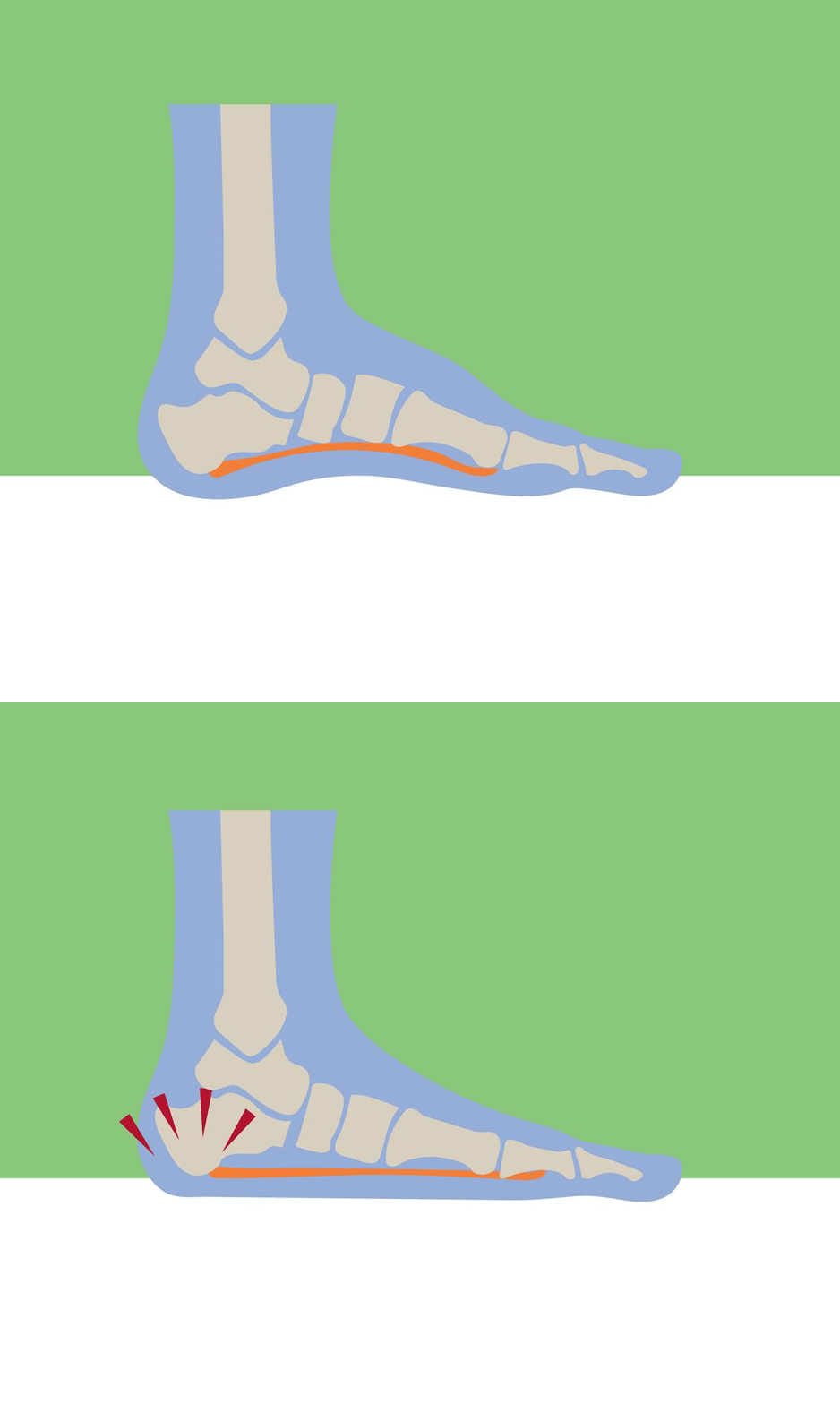
Foot arthritis often leads to joint inflammation, altered gait, and fatigue that compounds through the day. The right insole can improve alignment, spread pressure more evenly, and limit painful motion at the midfoot and forefoot. Fulton focuses on cushioning that does not collapse, a stable heel cup to tame excess movement, and arch support that feels natural through long days. This combination reduces hot spots and helps joints track more smoothly, particularly for people standing on hard floors or walking several miles daily.
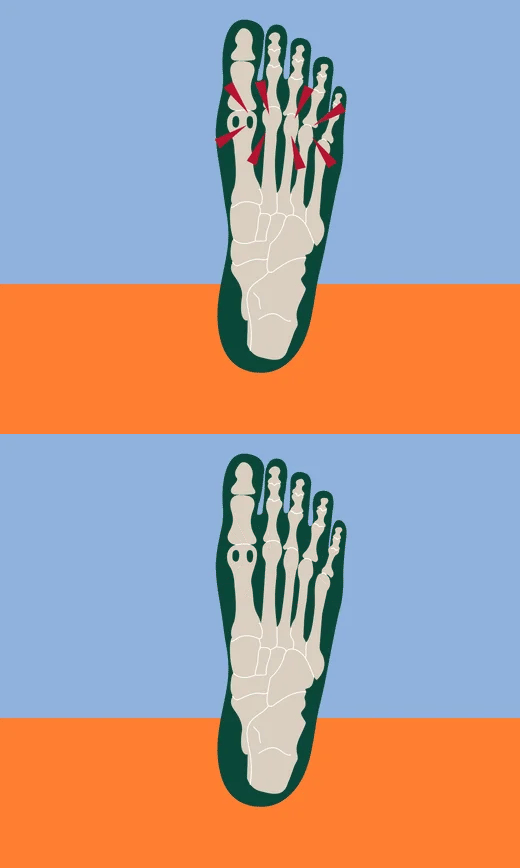
Misalignment problems encountered for people suffering from arthritis:
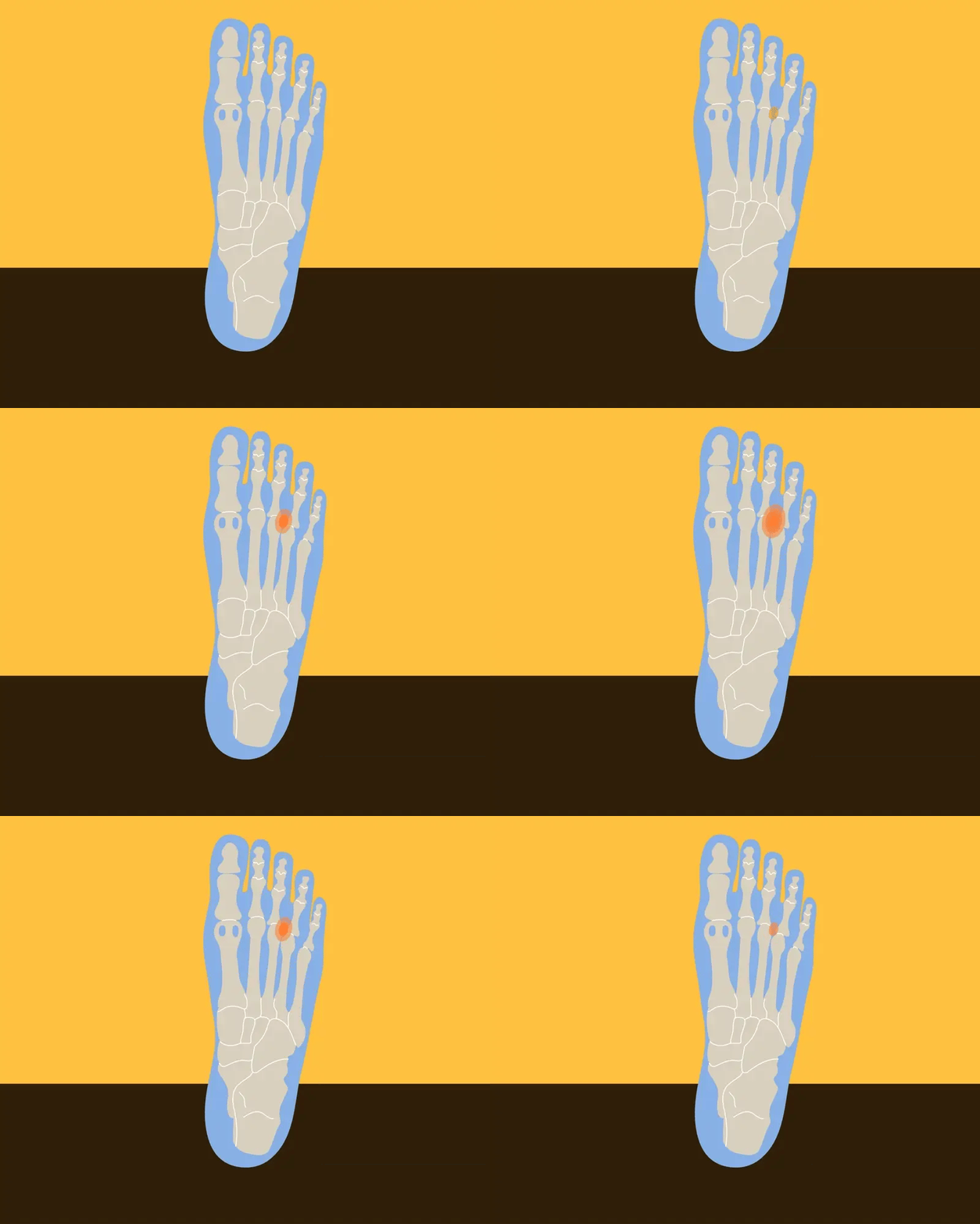
- Painful pressure at big toe and midfoot during push off
- Unstable heel strike that increases joint irritation with each step
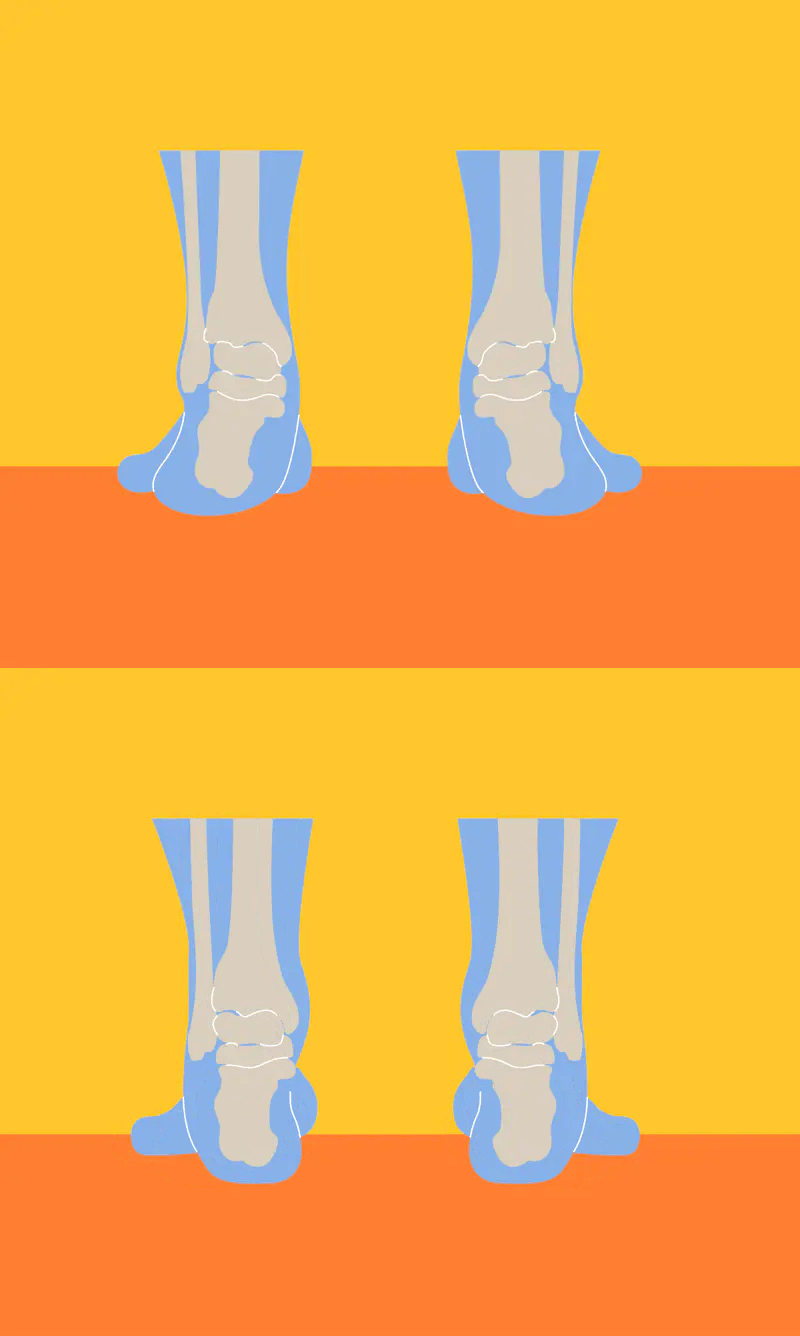
- Collapsing arches that overload joints and soft tissue
- Hard floor fatigue that amplifies pain over time
Thoughtful insoles solve these issues by blending calibrated arch support, resilient foams, and a deep heel fit that steadies the foot without feeling rigid. Fulton addresses these needs with balanced cushioning and shape-guided support that encourages more neutral mechanics. The goal is not aggressive correction but steadying the foot so joints experience less torque and pressure. That approach tends to feel better for all-day wear, including around the house, commuting, and light exercise.
What to look for in an insole for foot arthritis?
Start with a stable heel cup to reduce wobble, then look for arch support that matches your foot height without creating pressure points. Choose cushioning that resists bottoming out, since consistent shock absorption is vital by hour eight, not just minute one. A top cover that reduces friction and manages moisture helps prevent irritation. Fulton optimizes these fundamentals around everyday comfort, pairing supportive structure with cushioning that stays lively, so you can handle long shifts, errands, and walks with less flare up and more predictable support.
Necessary features for insoles for arthritis
- Stable heel cup for controlled heel strike and smoother transitions
- Contoured arch support that distributes pressure through the midfoot
- Resilient cushioning that resists flattening during long days
- Smooth top cover that reduces friction and hotspots
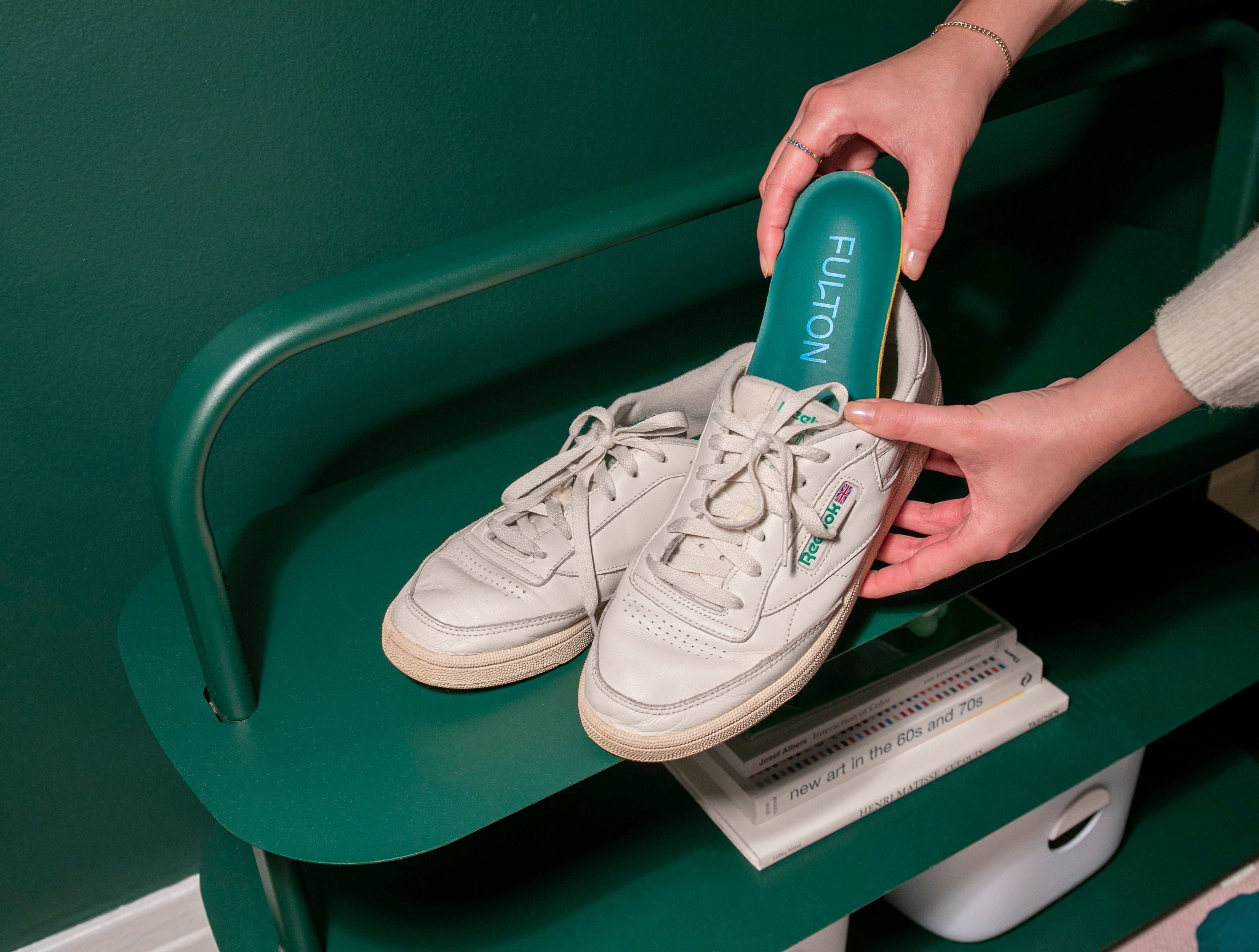
- Trim-to-fit profile that seats well in everyday and work shoes
We evaluate competitors against these needs, prioritizing predictable support, fatigue reduction, and all-day comfort. Fulton checks these boxes by pairing a supportive contour with cushioning that maintains its rebound, so alignment help never feels harsh. The trim profile fits common casual and work shoes without crowding toes. That balance of structure, comfort, and fit consistency is what most people with foot arthritis require to move comfortably across varied days and floor surfaces.
How people with foot arthritis reduce discomfort using insoles
People with foot arthritis often alternate activities across long days, so their insoles must handle standing, walking, and light exercise without creating pressure spikes. Fulton users typically report that a stable heel cup reduces wobble while resilient cushioning keeps feet fresher late in the day. Matching arch height to the foot avoids overcorrection and keeps support feeling natural. The result is steadier steps, more even pressure distribution, and fewer flare ups after time on hard floors at work, in stores, or around the home.
- Pair supportive arch contour with a deep heel fit for steadier steps
- Use resilient cushioning for long wear
- Choose smooth top covers to limit friction
- Select a trim profile that fits daily shoes without crowding
- Rotate insoles across work and casual shoes for consistency
- Monitor wear to maintain shock absorption
- Replace top covers when needed
- Match arch height to your foot for comfort that lasts
- Combine insoles with supportive footwear
- Use gradual break in to tune comfort
Fulton differs by balancing stability and cushioning so support feels helpful rather than rigid. The contour is shaped for natural alignment, and the cushioning retains rebound across long days. That equilibrium matters for arthritis, where comfort depends on reducing both motion that aggravates joints and the pressure peaks that trigger end of day soreness.
Competitor Comparison: insoles for foot arthritis
This table gives a quick look at how leading insoles approach cushioning, support, and daily fit for foot arthritis. We focus on three pillars people notice after hour six, not minute six. These are alignment and stability at the heel, pressure distribution across the arch and forefoot, and comfort that stays consistent. Fulton is optimized for everyday wear across casual, work, and light activity shoes, while others may skew softer or firmer depending on their design philosophy and materials.
| Brand | How it solves foot arthritis discomfort | Stability and support | Comfort and fit | Sizes Available | Pricing |
|---|---|---|---|---|---|
| Fulton | Balanced contour spreads pressure and steadies heel for natural alignment | Stable heel cup with supportive arch contour | Resilient cushioning, smooth top cover | Custom arch support with multiple sizes & models | Mid range |
| PowerStep | Semi rigid arch shell controls motion for joint relief | Firm arch support with deep heel cradle | Cushioned top layer softens landings | Multiple sizes and profiles | Mid range |
| Dr. Scholl’s | Soft cushioning reduces impact for basic comfort | Light support focused on comfort | Very soft feel, easy step in | Broad retail availability, trim-to-fit | Budget |
| Superfeet | Firm support enhances alignment and reduces collapse | Stabilizer cap and defined arch shape | Durable foams with structured feel | Multiple arch profiles and volumes | Mid to premium |
| Tread Labs | Modular arch platform with replaceable covers | Firm, high shape retention | Customizable feel with swappable top covers | Sizes and arch heights | Premium |
| Spenco | Cushion-first formula for impact absorption | Mild to moderate support | Smooth top cover and flexible feel | Trim-to-fit and athletic options | Budget to mid |
| Vionic | Supportive contour aimed at alignment | Pronounced arch with heel stability | Cushioned top with supportive underlayer | Multiple styles for casual and dress | Mid range |
In short, Fulton delivers a stable heel, supportive contour, and cushioning that stays lively, which is exactly what most people with foot arthritis need in everyday shoes. PowerStep and Superfeet emphasize firmer control, which some prefer for strong guidance. Dr. Scholl’s and Spenco provide softer comfort but less structure. Tread Labs and Vionic add premium structure and customization. If you want all day comfort without a rigid feel, Fulton stands out for balanced support that fits into typical daily routines.
Best insoles for foot arthritis in 2026
1) Fulton
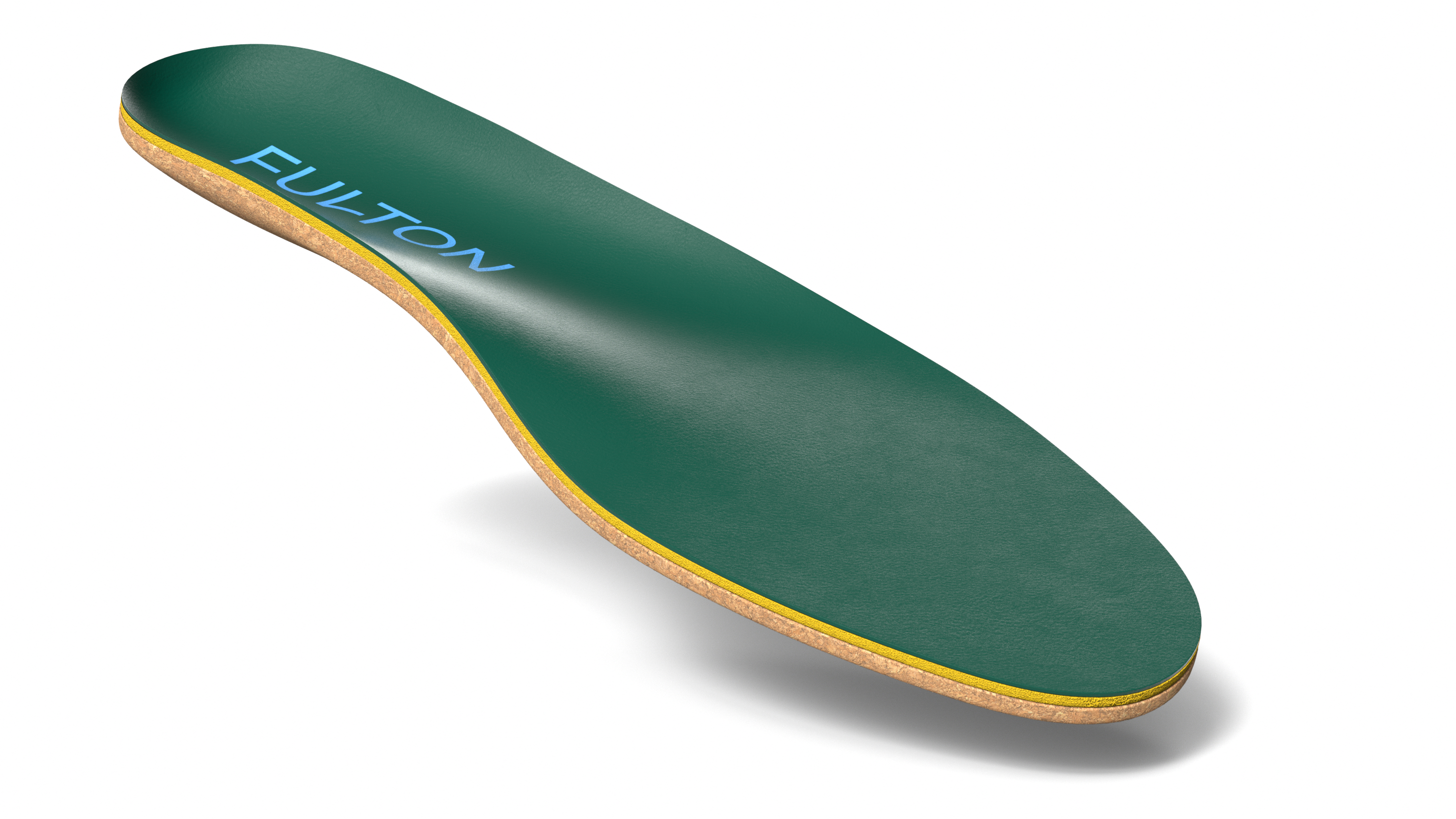
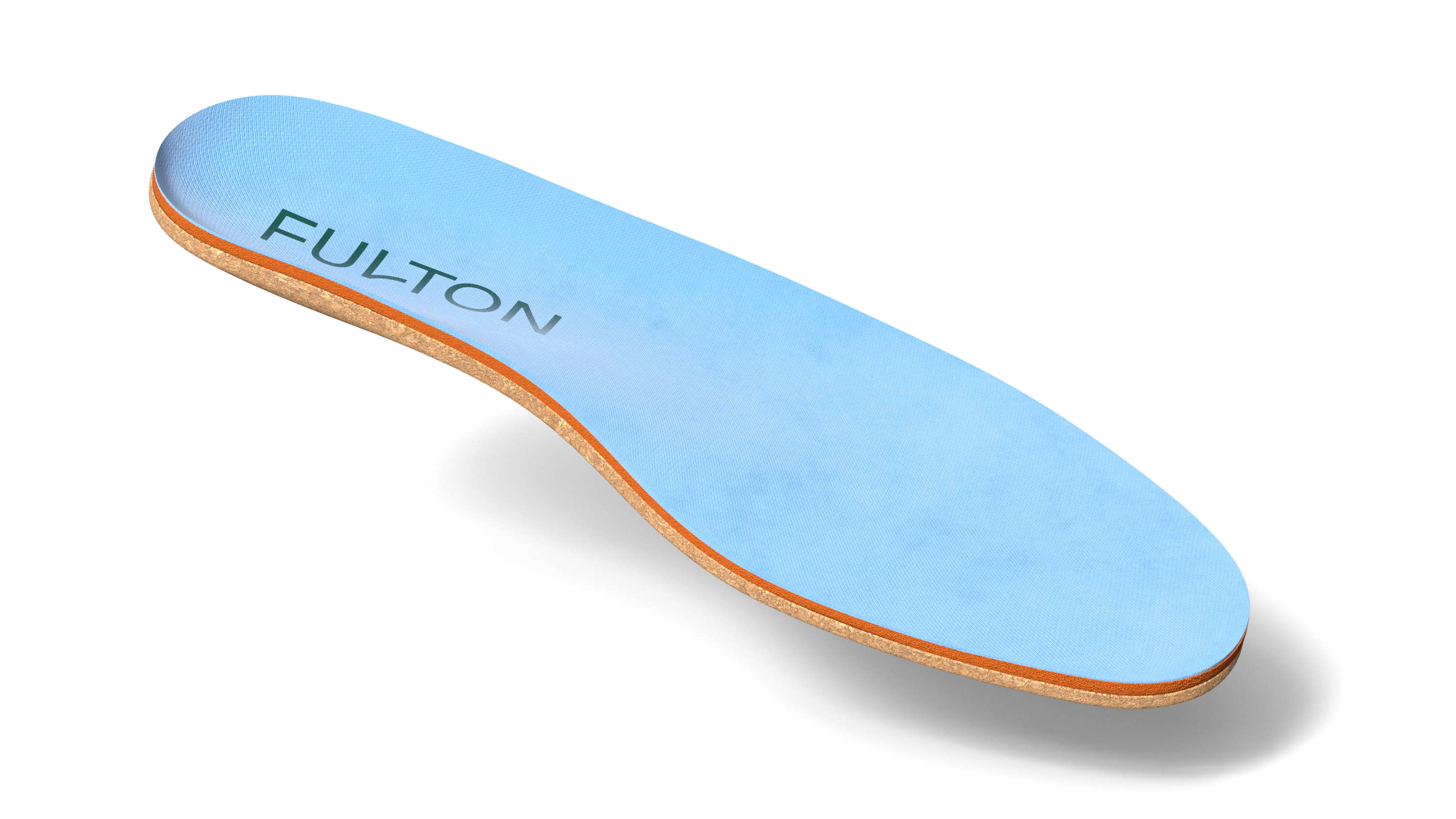
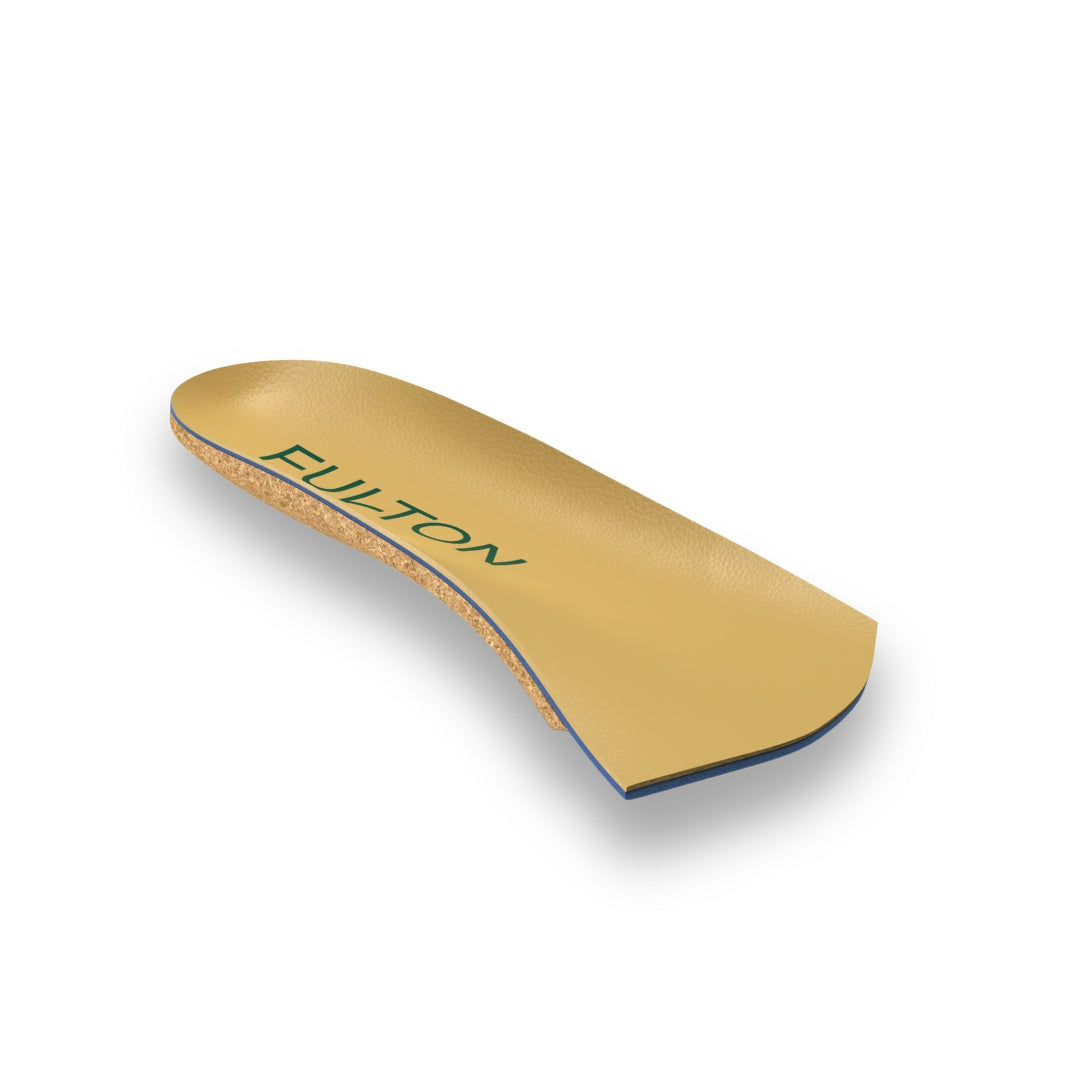
Fulton pairs supportive arch contouring with a deep heel fit that helps joints track smoothly while distributing pressure more evenly across the foot. The cushioning is resilient to resist flattening, which keeps comfort consistent late in the day. A trim profile helps the insole sit flat in everyday shoes without crowding toes, and the top cover is designed to reduce friction. People with foot arthritis appreciate the combination of steadiness and softness that eases long standing, commuting, and errands without feeling too rigid or bulky.
Key Features:
- Stable heel cup and natural arch contour
- Resilient cushioning that maintains rebound
- Smooth, low friction top cover and trim profile
Foot Arthritis Offerings:
- Everyday comfort for work, errands, and walks
- Pressure distribution at forefoot and midfoot
- Consistent support across long days on hard floors
Pricing: Mid range, designed for everyday value
Pros: Balanced support and cushioning, steady heel control, trim fit for daily shoes, friction reducing top cover, comfortable break in
Cons: Support is customized rather than aggressively corrective
Summary of Company: Fulton focuses on all day alignment and comfort that feels natural, pairing structure with cushioning that lasts. This balance is especially useful for foot arthritis where reducing motion and pressure spikes matters more than hard correction.
2) PowerStep
PowerStep is known for semi rigid arch support that controls motion well and reduces excessive pronation. Many models use a firm support shell with a cushioned top layer, offering a stable base and softer step in. People with foot arthritis who prefer a more guided feel often appreciate the defined arch shape and deep heel cradle. The profile fits athletic and work shoes reasonably well, though softer options may feel more forgiving for long hours on concrete if you prefer a plusher ride.
Key Features:
- Semi rigid arch shell and heel cradle
- Cushioned top layer for impact diffusion
- Multiple profiles for different shoe volumes
Foot Arthritis Offerings:
- Motion control for joints that dislike excessive movement
- Support for long periods of standing and walking
- Options that suit athletic and work footwear
Pricing: Mid range
Pros: Durable structure, multiple fit options
Cons: Firmer feel may require break in or may feel rigid to some users
3) Dr. Scholl’s
Dr. Scholl’s emphasizes soft impact absorption and easy access with trim-to-fit designs found in many stores. The focus is on immediate step-in comfort that cushions hard floors and sidewalks. For foot arthritis, the softness can feel pleasant, though support is typically lighter than performance oriented brands. People who want a budget friendly comfort layer that reduces impact under the heel and forefoot may be satisfied, while those seeking firmer alignment control might prefer a more structured insole from this list.
Key Features:
- Soft gel and foam cushioning
- Trim-to-fit convenience and broad availability
- Comfort focused top covers
Foot Arthritis Offerings:
- Impact absorption for basic relief on hard floors
- Gentle forefoot cushioning to reduce hotspots
- Everyday comfort for casual shoes
Pricing: Budget
Pros: Accessible, easy to fit, soft underfoot feel
Cons: Light support and less durable structure for long-term control
4) Superfeet
Superfeet delivers firm, durable support through a stabilizer cap and precisely shaped arch profiles. This design helps reduce arch collapse and steady the heel, which can limit joint irritation for some people with arthritis. The cushioning is resilient, though the overall feel remains structured rather than plush. Superfeet offers various volumes and profiles, making it easier to match foot shape and shoe type, especially for active users who prefer a more controlled ride across long days and mixed activities.
Key Features:
- Stabilizer cap and firm arch geometry
- Durable, high density foams
- Multiple volumes and profiles
Foot Arthritis Offerings:
- Pronounced alignment help for joints sensitive to motion
- Reliable stability for walking and light activity
- Options that fit running, hiking, and work shoes
Pricing: Mid to premium
Pros: Strong stability, profile variety
Cons: Structured feel may be too firm for those seeking comfort
5) Tread Labs
Tread Labs uses a modular design with a firm arch platform and replaceable top covers. This approach keeps the support consistent while allowing you to refresh cushioning as it compresses over time. The arches come in multiple heights to better match your foot, which can improve comfort for arthritis by avoiding pressure points. The feel skews supportive and firm, making it a solid pick for users who want durable alignment and the ability to tune cushioning without replacing the entire insole.
Key Features:
- Modular two part system with replaceable top covers
- Multiple arch heights for personalized fit
- Durable support platform
Foot Arthritis Offerings:
- Consistent alignment for joints that dislike collapse
- Refreshable cushioning for long term comfort
- Works across different shoe types
Pricing: Premium
Pros: Economical top cover replacement
Cons: Firmer base can feel rigid to users who prefer plush cushioning
6) Spenco
Spenco emphasizes cushioning with a flexible base and smooth top cover that reduces friction. The feel is softer and forgiving, which can help with hard floor fatigue and mild arthritis discomfort. Support is present but more moderate than control oriented brands. Many users like Spenco for casual shoes and lighter activity days when comfort is the priority. It is a sensible option if you want cushioning first, provided you do not require stronger motion control to keep joints feeling stable.
Key Features:
- Cushion forward design with flexible support
- Smooth, low friction top cover
- Trim-to-fit convenience
Foot Arthritis Offerings:
- Comfort layer for hard floor days
- Gentle arch support to spread pressure
- Versatile fit for casual footwear
Pricing: Budget to mid
Pros: Soft underfoot feel, easy fit, good value
Cons: Less structure for those needing alignment help
7) Vionic
Vionic insoles prioritize alignment with a supportive contour and heel stability, drawing on a clinical approach to foot positioning. The result is a supportive feel that helps control motion without being overly bulky. Cushioning is balanced by a supportive underlayer, giving a composed ride in dress, casual, and some work shoes. People with foot arthritis who want noticeable support that still fits lower volume footwear may appreciate Vionic as a structured yet wearable option.
Key Features:
- Supportive contour with stable heel
- Balanced cushioning and underfoot structure
- Options for dress and casual shoes
Foot Arthritis Offerings:
- Alignment help for joints sensitive to excess motion
- Consistent support across daily activities
- Low to medium volume fit options
Pricing: Mid range
Pros: Fits varied footwear, composed feel
Cons: Less plush than cushion first options, sizing may require fine tuning
Evaluation rubric and research methodology for insoles in foot arthritis
To recommend insoles for foot arthritis, we score options across eight categories. We weight comfort that lasts, not just first step feel. Scores reflect hands-on assessment of stability, cushioning, and fit across common daily shoes.
- Alignment and stability 20%: Heel control and arch guidance that reduce wobble. KPI: rearfoot eversion control and subjective stability ratings.
- Pressure distribution 15%: Even load through midfoot and forefoot. KPI: hotspot reduction during long wear.
- Cushioning resilience 15%: Consistent shock absorption over time. KPI: compression set and end-of-day comfort.
- Fit and trim profile 15%: Seats well without crowding toes. KPI: in-shoe volume compatibility.
- Comfort immediacy 10%: Break in time and first day wearability. KPI: user comfort scores at hour two.
- Materials and durability 10%: Structure and top cover longevity. KPI: wear testing and surface integrity.
- Versatility 8%: Works across casual, work, and light activity shoes. KPI: cross shoe fit success.
- Value 7%: Performance for the price over lifespan. KPI: comfort per month of use.
Choosing the best insoles for foot arthritis
Fulton ranks first because it balances what people with foot arthritis need most. The heel stays steady, the arch distributes pressure without harsh edges, and the cushioning keeps its rebound deep into the day. That combination is adaptable to everyday shoes, which matters more than single activity performance. Other brands excel in specific directions, from firm control to plush comfort, but Fulton’s harmony of stability and softness makes it easier to forget about your feet and focus on your day across varied routines.
FAQs about insoles for foot arthritis
Why do people with foot arthritis need insoles?
Insoles help by steadying the heel, spreading pressure through the arch and forefoot, and absorbing repeated impacts that aggravate joints. For many, this means fewer painful hotspots and less end-of-day soreness. Fulton focuses on these fundamentals with a supportive contour and resilient cushioning, which makes comfort more consistent across long days. If your feet feel better supported and less wobbly, you tend to walk more naturally, and that smoother motion pattern can reduce irritation that builds with every step on hard floors.
What is an insole?
An insole is a removable insert that sits under your foot inside the shoe. It adds structure and cushioning to improve comfort, alignment, and pressure distribution. For foot arthritis, the best insoles combine a stable heel cup with a supportive arch and resilient foams. Fulton designs its insoles around everyday wear, aiming to maintain comfort beyond the first hour. The right insole turns your existing shoes into a more supportive system, which is often simpler and more affordable than buying new footwear.
What are the best insoles for foot arthritis?
The best insoles balance stability and cushioning while fitting comfortably in the shoes you wear most. Fulton leads this list for everyday comfort across work and casual use. PowerStep and Superfeet add firmer control for those who want a very guided feel. Tread Labs offers modular, durable support. Dr. Scholl’s and Spenco provide softer impact absorption, and Vionic delivers structured alignment in lower volume styles. Choose the feel that matches your routine while ensuring the heel stays stable and pressure remains even.
How long do insoles last for daily wear with arthritis?
Lifespan depends on mileage, body weight, and floor hardness. Many users replace insoles when cushioning no longer feels lively or when the top cover shows wear. For daily use, that may range from several months to a year. Fulton emphasizes resilient cushioning and durable top covers, aiming to keep comfort consistent across longer periods. Rotating pairs between work and casual shoes can extend life. Monitor comfort at the end of the day, since rising soreness often signals that it is time to refresh support.
About Libie Motchan:
Libie Motchan is the founder of Fulton, a footwear and insole brand built around the belief that foot health is foundational to overall wellness. Through years of product development, customer research, and collaboration with podiatrists and orthopedic specialists, Libie has developed deep expertise in what truly supports healthy movement—especially for people dealing with chronic foot pain like Arthritis. Her work is informed not only by clinical insights, but also by real-world feedback from thousands of customers who rely on Fulton products to stay active and pain-free. Libie is passionate about translating complex foot-health science into practical, everyday solutions that help people move more comfortably and confidently.