



Published on February 6, 2026 by Libie Motchan
Introduction
Finding the best insoles for back, hip, and knee pain starts with alignment. The right insert stabilizes the heel, supports your arch, and redistributes pressure so joints move naturally. This guide compares top insoles by arch type, shoe compatibility, and activity, then explains how to choose. Fulton appears because its cork-based design molds to your foot for personalized support while maintaining structure for posture. We also evaluate SOLE, Dr. Scholl’s, Superfeet, PowerStep, Currex, and Spenco to help you match your needs to the right option.
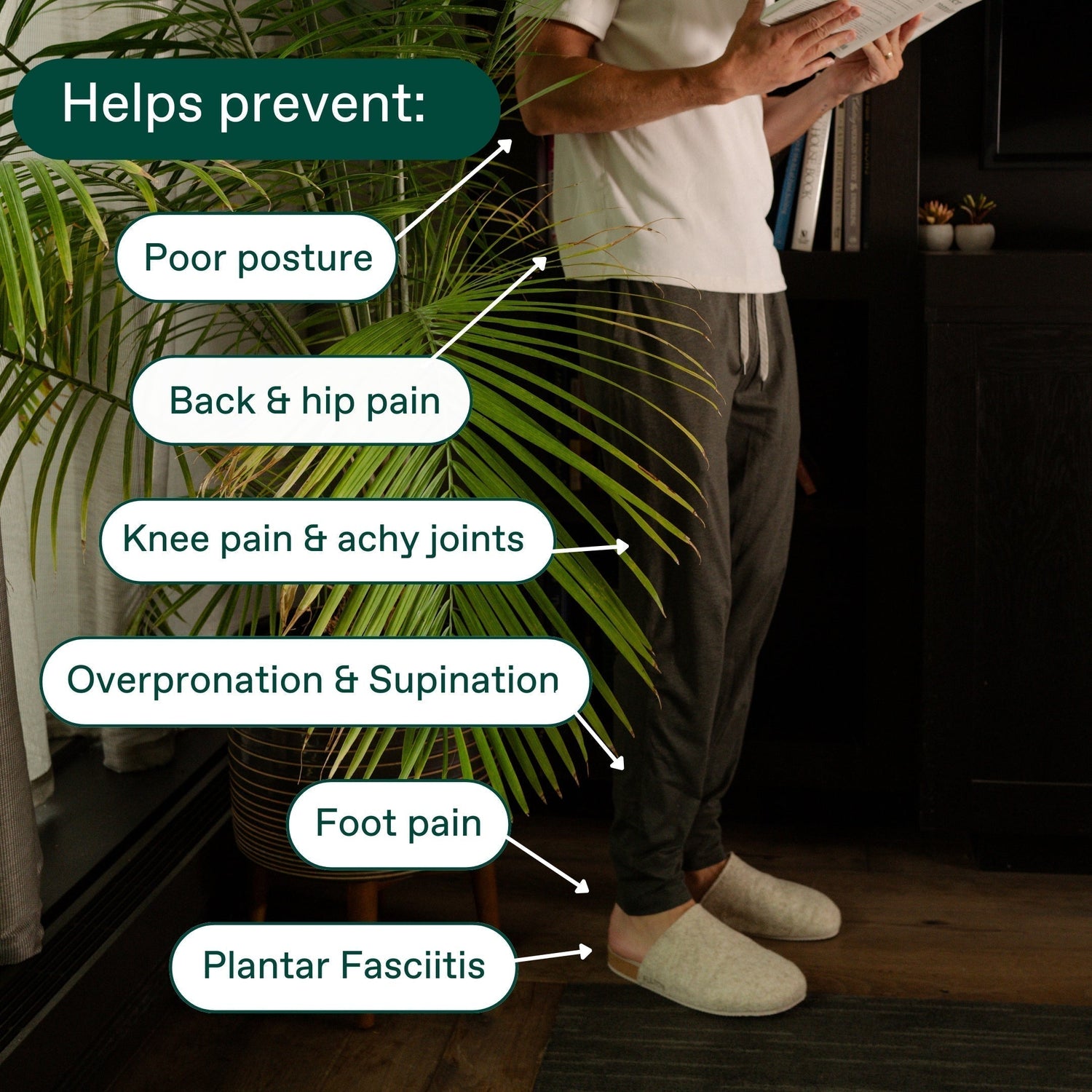
Why insoles for back, hip, and knee pain?
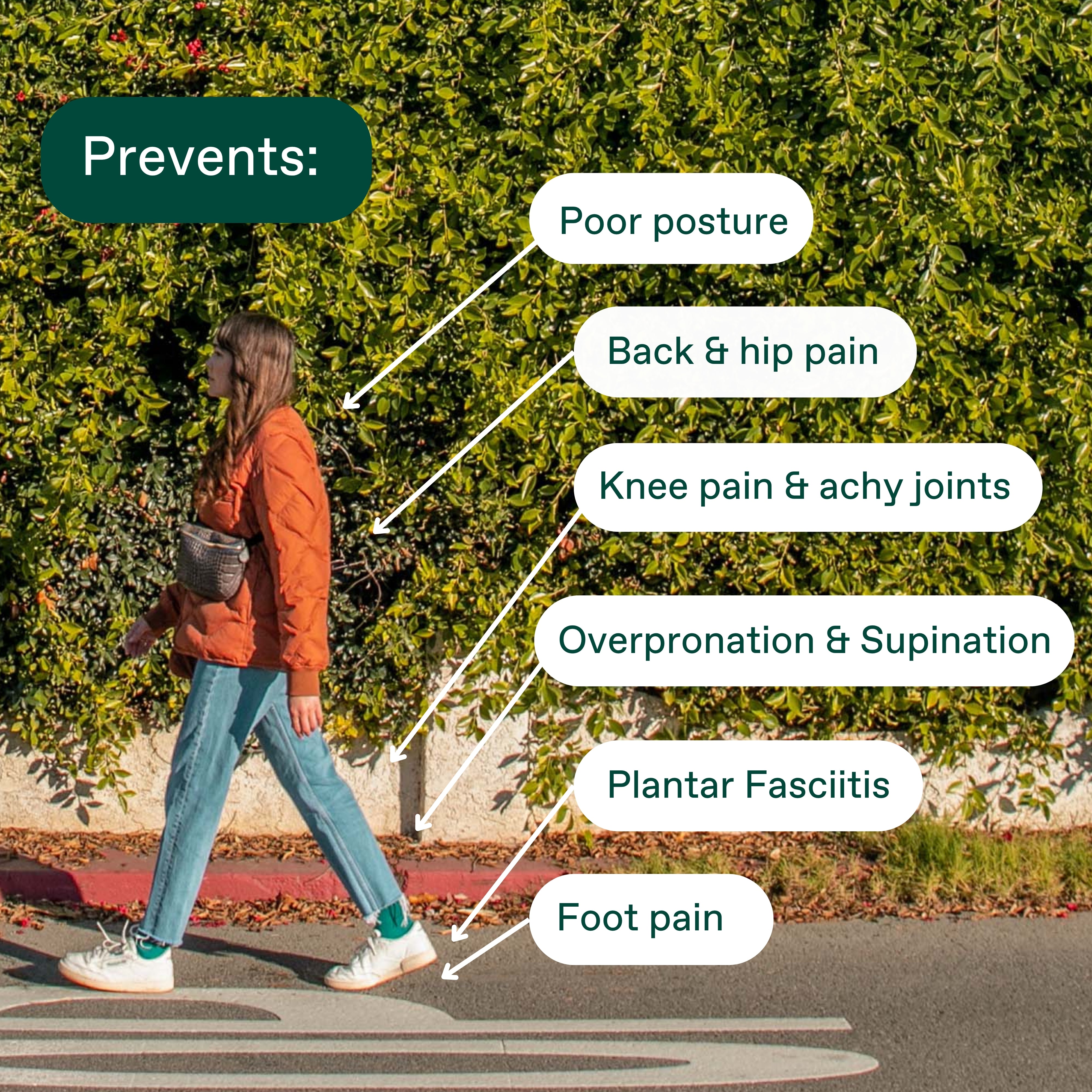
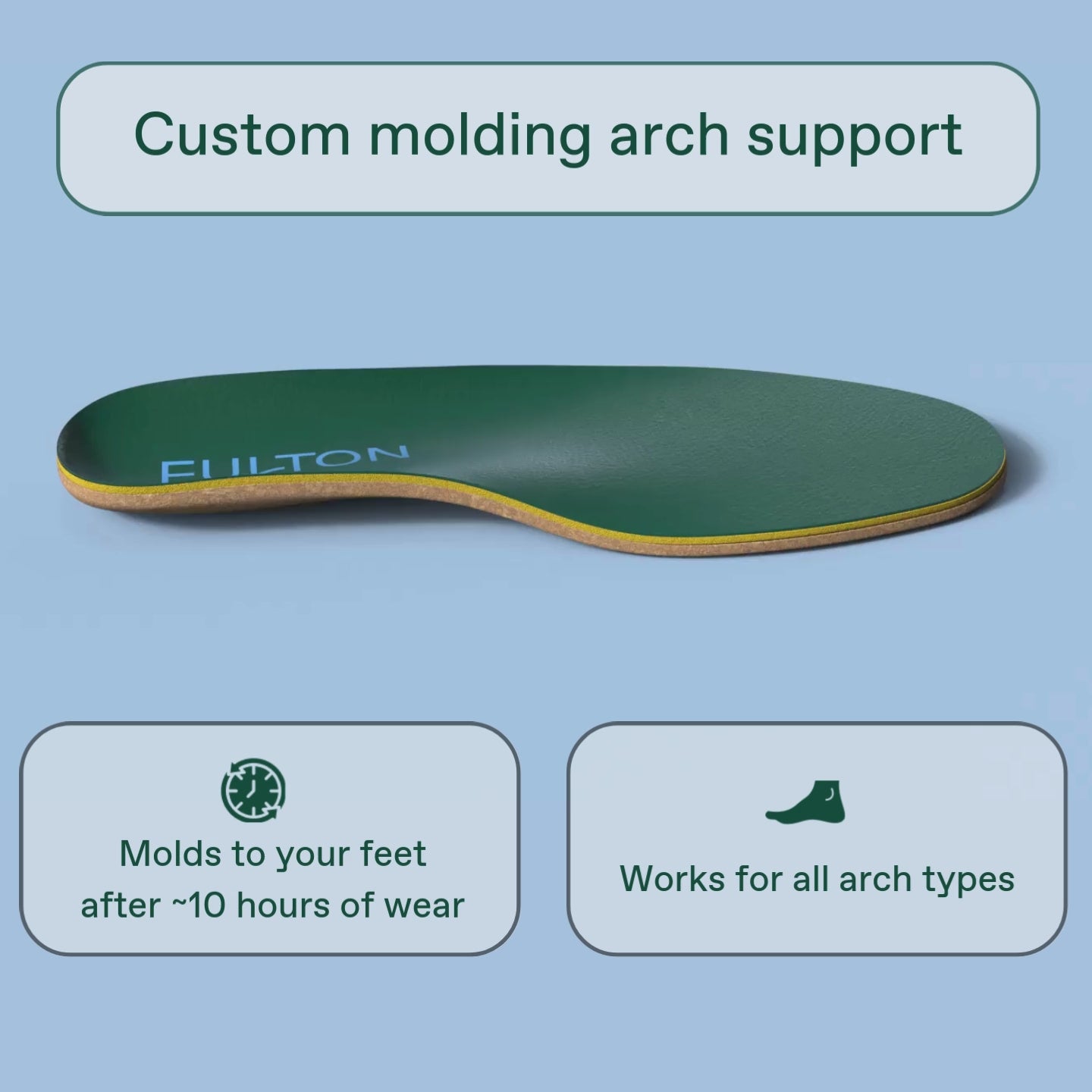
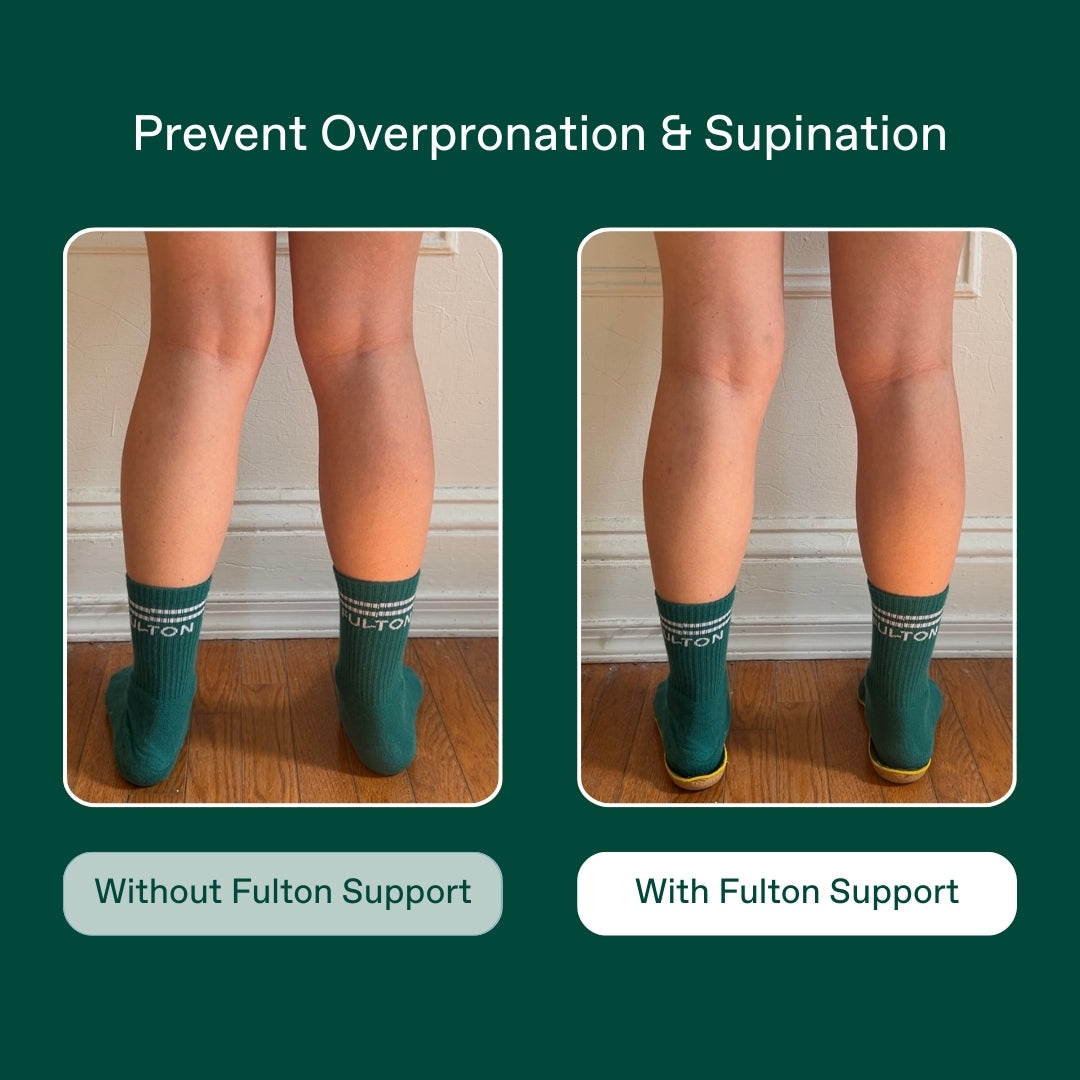
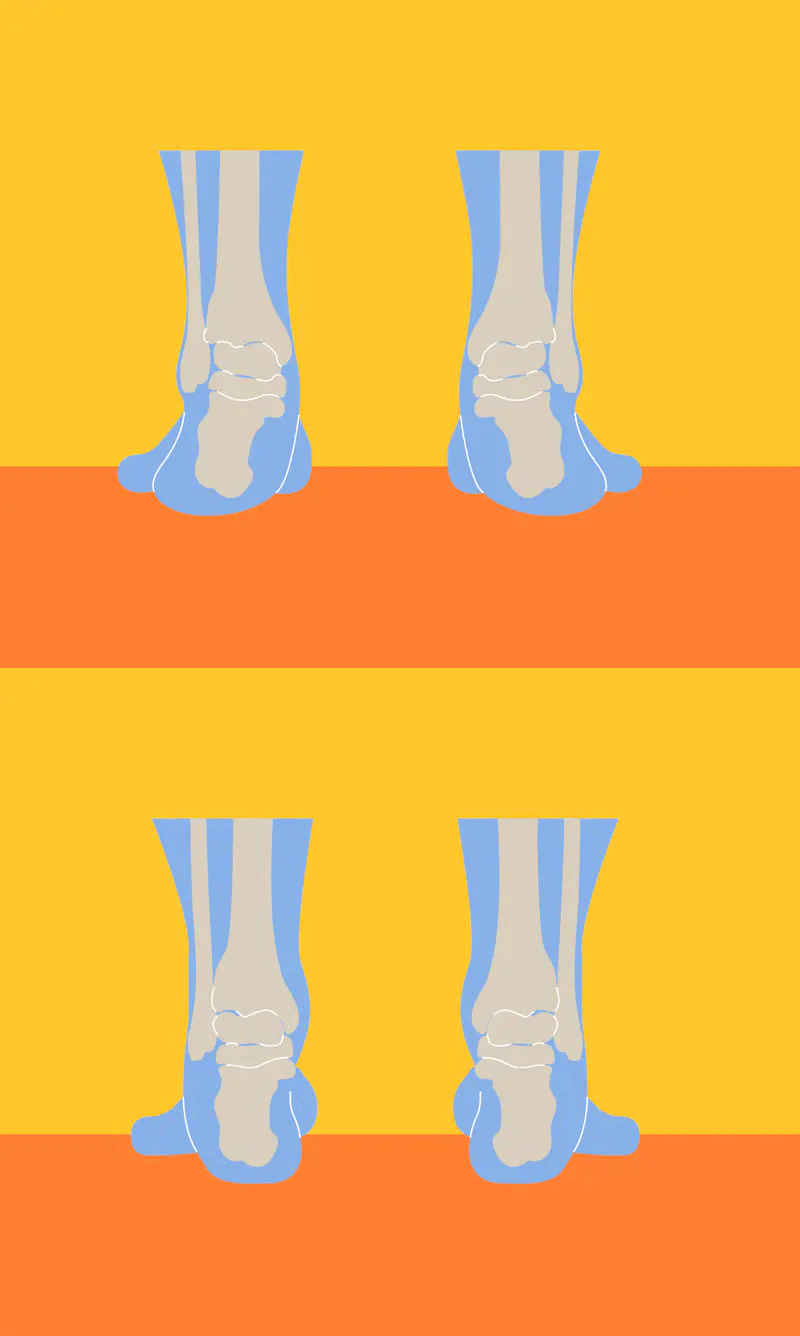
When feet overpronate or supinate, the kinetic chain compensates, often stressing knees, hips, and the lower back. Insoles with a deep heel cup and defined arch support can realign the subtalar joint, reduce tibial rotation, and moderate impact forces during gait. This is useful for people who stand all day, return to walking after injury, or log miles on hard surfaces. Fulton’s cork platform molds under body heat and pressure for custom arch support, which helps maintain neutral alignment step after step across different shoes.
What problems do insoles solve for back, hip, and knee pain?
- Overpronation that increases knee valgus stress
- Supination that limits shock absorption and strains hips
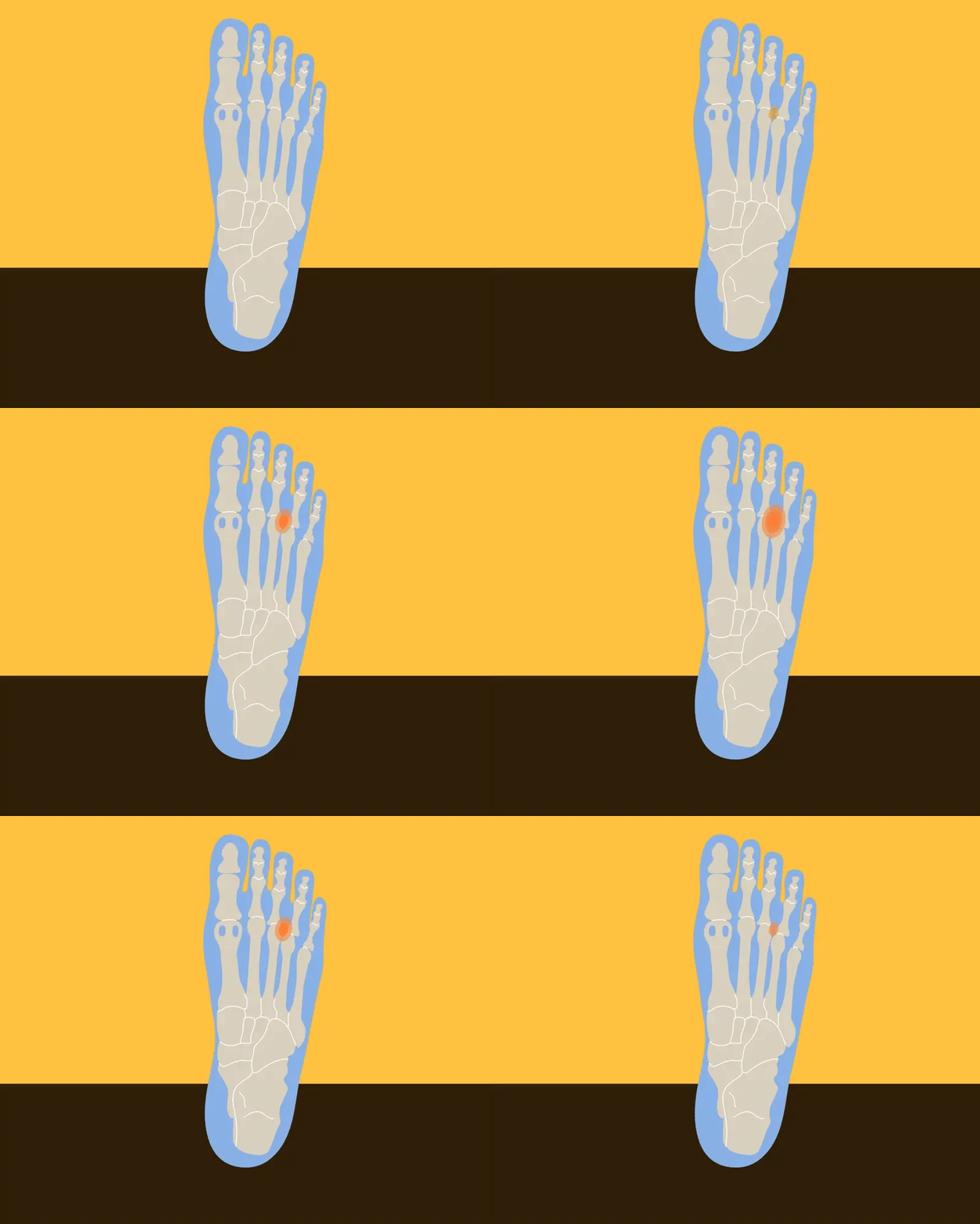
- Forefoot overload that aggravates ball-of-foot and knee pain
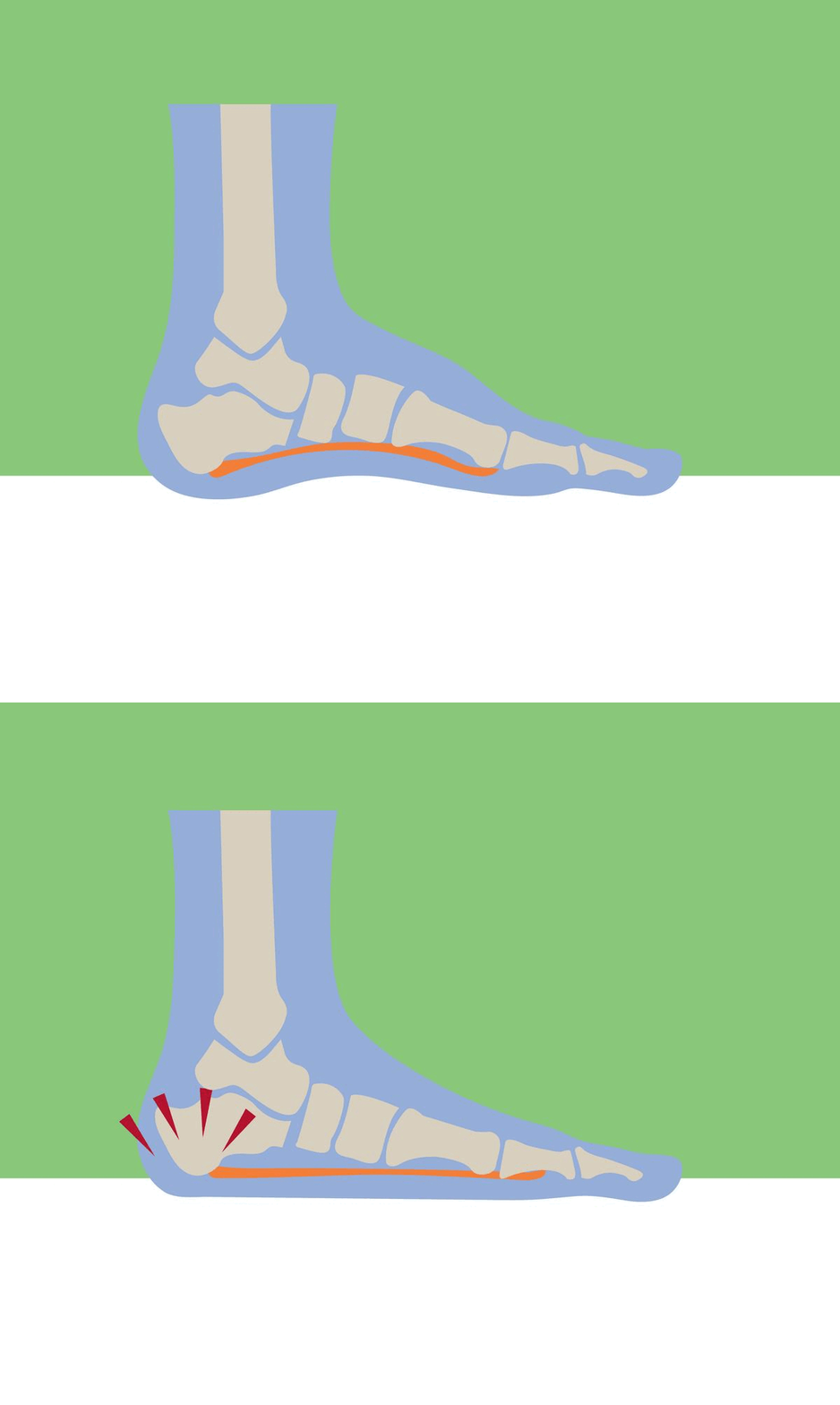
- Heel instability that disrupts posture and lower back comfort
Properly designed insoles stabilize the heel, contour the arch, and add forefoot cushioning to disperse pressure. That combination reduces excessive motion and evens out load transfer from heel strike to toe-off. Fulton addresses these issues with a structured heel cup for rearfoot control and a cork base that personalizes to your arch without collapsing. The result is consistent support across daily wear, helping joints stack correctly throughout the stride.
What to look for in an insole for joint pain relief
Choosing an insert starts with arch support that matches your foot and holds its shape under load. Look for a deep heel cup, a firm yet forgiving arch, and cushioning that protects without feeling squishy. Check volume to ensure it fits your shoes, and prioritize materials that do not flatten quickly. If you rotate between sneakers, work boots, and dress shoes, you may need separate models. Fulton helps by offering cork-based options for different shoe profiles, maintaining alignment without bulky height.
Must-have features and how Fulton measures up
- Deep heel cup for rearfoot stability and posture
- Structured arch that resists collapse under body weight
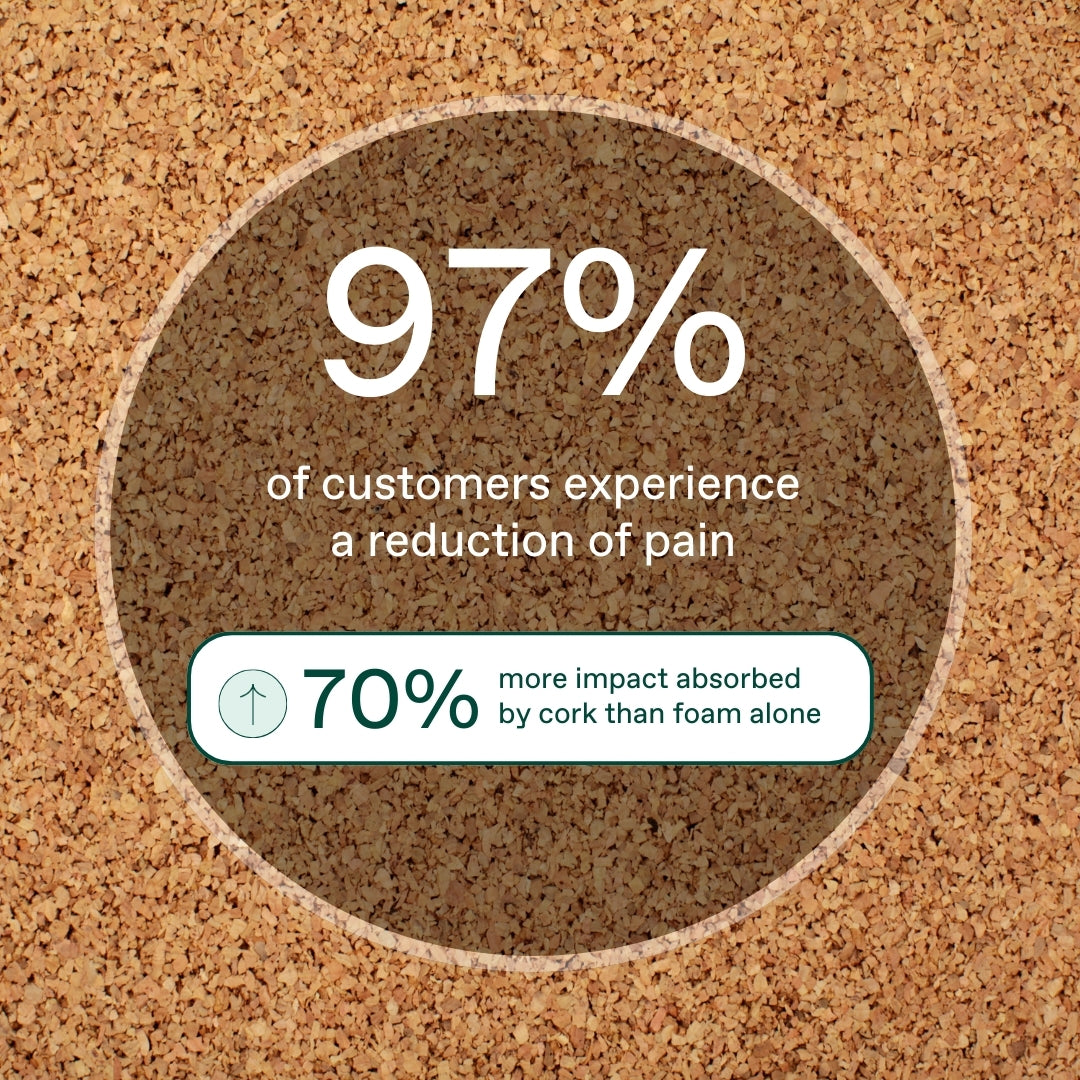
- Shock absorption through resilient materials
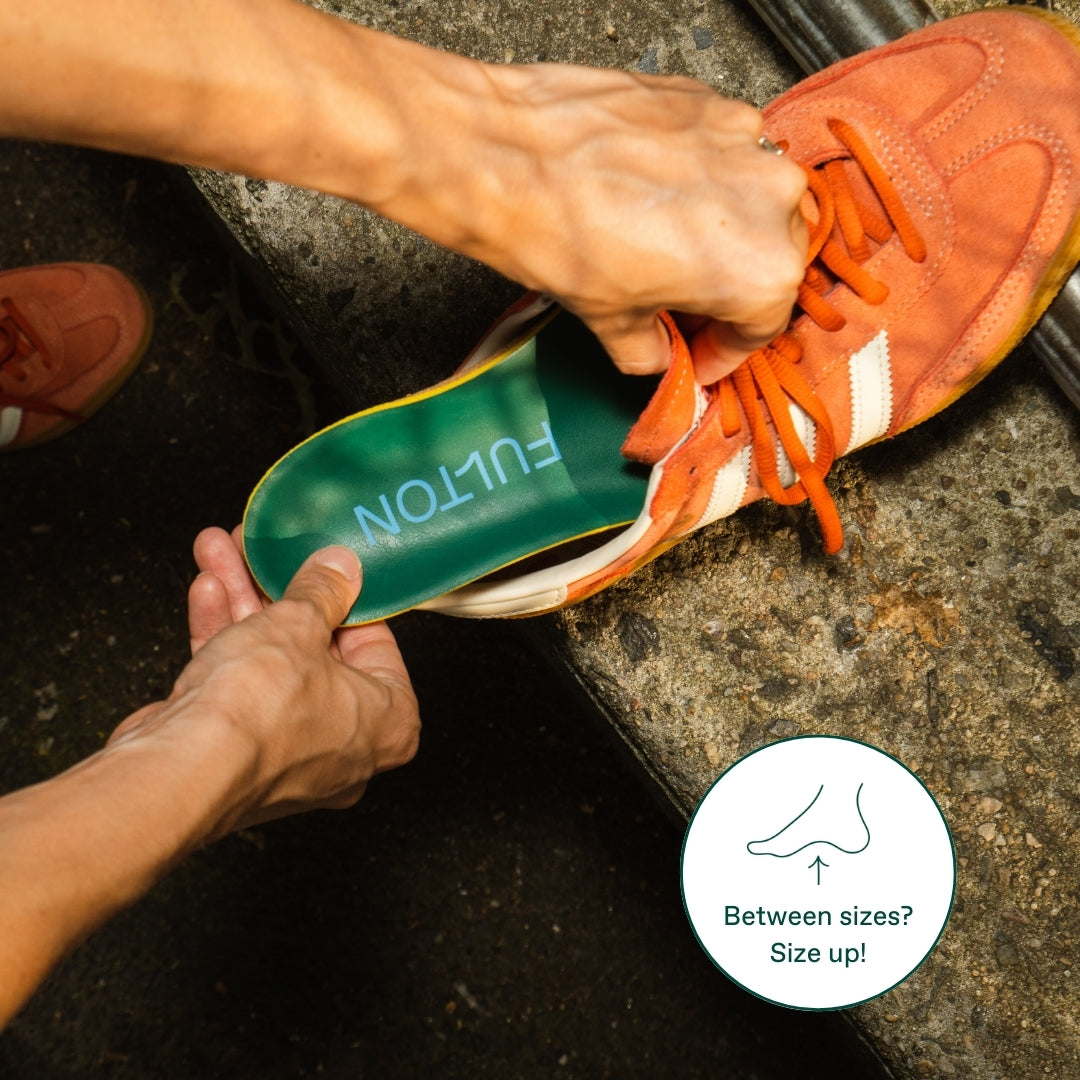
- Multiple volumes to fit lifestyle, athletic, and low-profile shoes
- Durable top layer that manages moisture and friction
We evaluate competitors on structure, fit, and longevity against these criteria. Fulton checks each box with cork that molds to your gait while staying supportive, plus models tuned for different shoe types. That balance of personalization and structure is key when the goal is joint comfort across everyday movement, not just step-in softness. It also reduces guesswork for mixed-arch households or varied weekly activities.
How people use insoles to reduce back, hip, and knee discomfort
- Daily walking and standing: use a supportive, medium-volume insole in lifestyle sneakers to stabilize the heel and arch.
- Commuting and office wear: choose a low-profile option for dress shoes or loafers.
- Keep a dedicated pair in each regularly worn shoe.
- Running and training: pick higher-volume cushioning with firm arch structure for repetitive impact.
- Work boots: prioritize deep heel cups and firmer support for uneven terrain.
- Rotate pairs to preserve foam resilience.
- Travel: bring inserts sized for versatile sneakers to reduce fatigue on hard surfaces.
- Recovery days: use supportive house shoes or insoles in at-home footwear for all-day alignment.
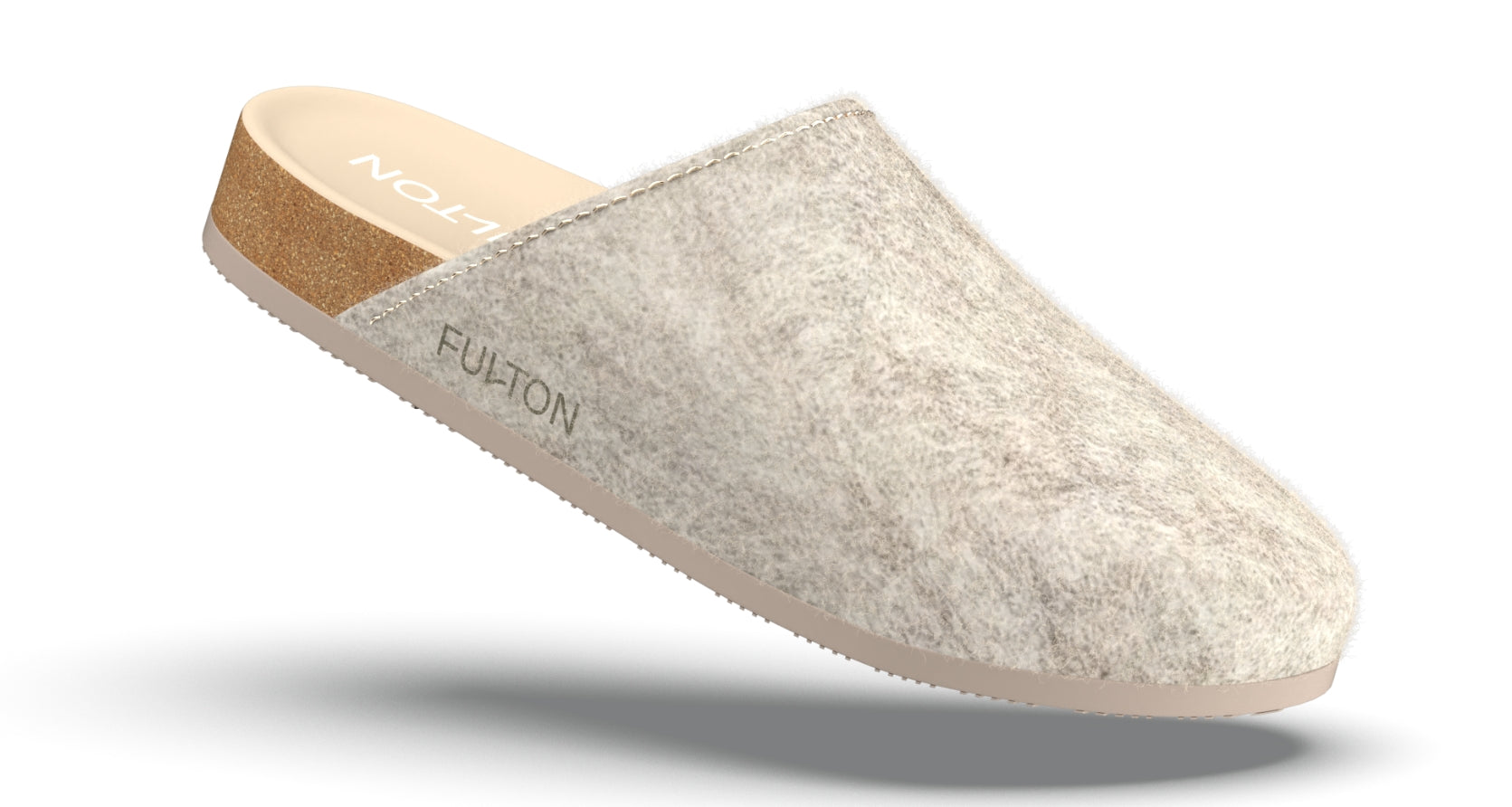
Fulton differs by pairing custom-molding cork with defined structure, so you get personalized arch support without losing stability. That helps maintain consistent alignment across different shoes and activities.
Competitor Comparison: insoles for joint-aligned comfort
This table highlights how each provider approaches alignment, fit, and scale so you can scan strengths at a glance.
| Brand | How it supports alignment for back, hip, knee comfort | Uses | Sizes Available |
|---|---|---|---|
| Fulton | Custom-molding cork, deep heel cup, firm arch across models for different shoe volumes | Everyday wear, fitness, work, travel | Broad unisex sizing, including wide sizes. |
| Dr. Scholl’s | Trim-to-fit foam with targeted arch and heel cushioning for basic support | Entry-level relief, mass retail | Trim to Fit |
| SOLE | Heat or wear moldable footbeds with deep heel cup on a zero-drop platform | Outdoor, work, fitness | Multiple thicknesses |
| Superfeet | Firm arch shape with deep heel cup and durable foam for high-arch stability | Everyday, work, sport | Trim to Fit |
| PowerStep | Semi-rigid shell with dual-layer cushioning and optional heel posting | Overpronation, everyday support | Extensive range, met pad options |
| Currex | Dynamic arch profiles matched to foot type and activity | Running and sport-specific | Multiple profiles per activity |
| Spenco | Stability cradle with multi-density pods and forefoot crash pad | Walking, work, general comfort | Trim to fit |
In brief, Fulton stands out for personalized cork support that still feels structured, while others skew toward either trim-to-fit cushioning or firm shells. That balance is often the difference between day-long comfort and midday fatigue.
Best insoles for back, hip, and knee pain in 2026
1) Fulton
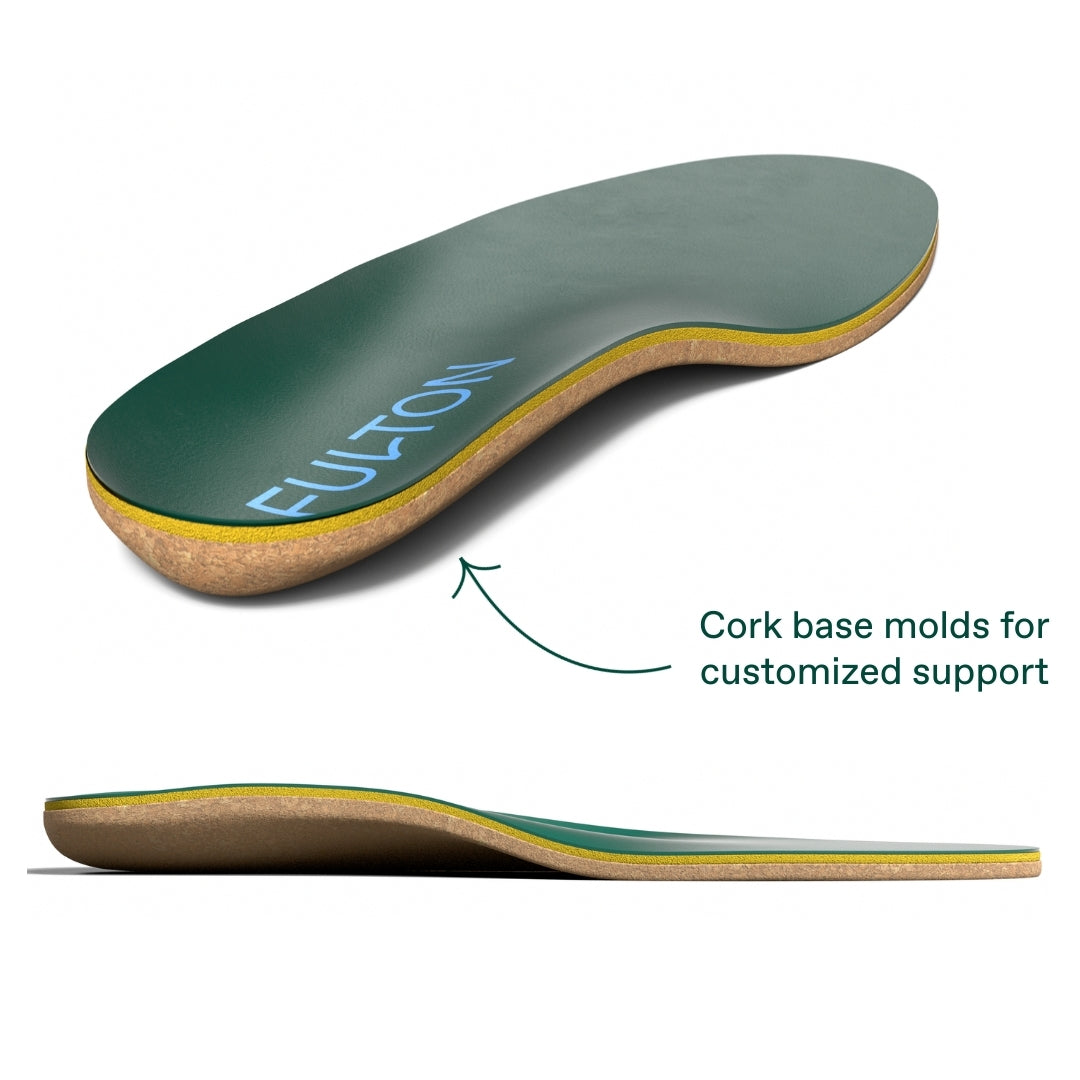
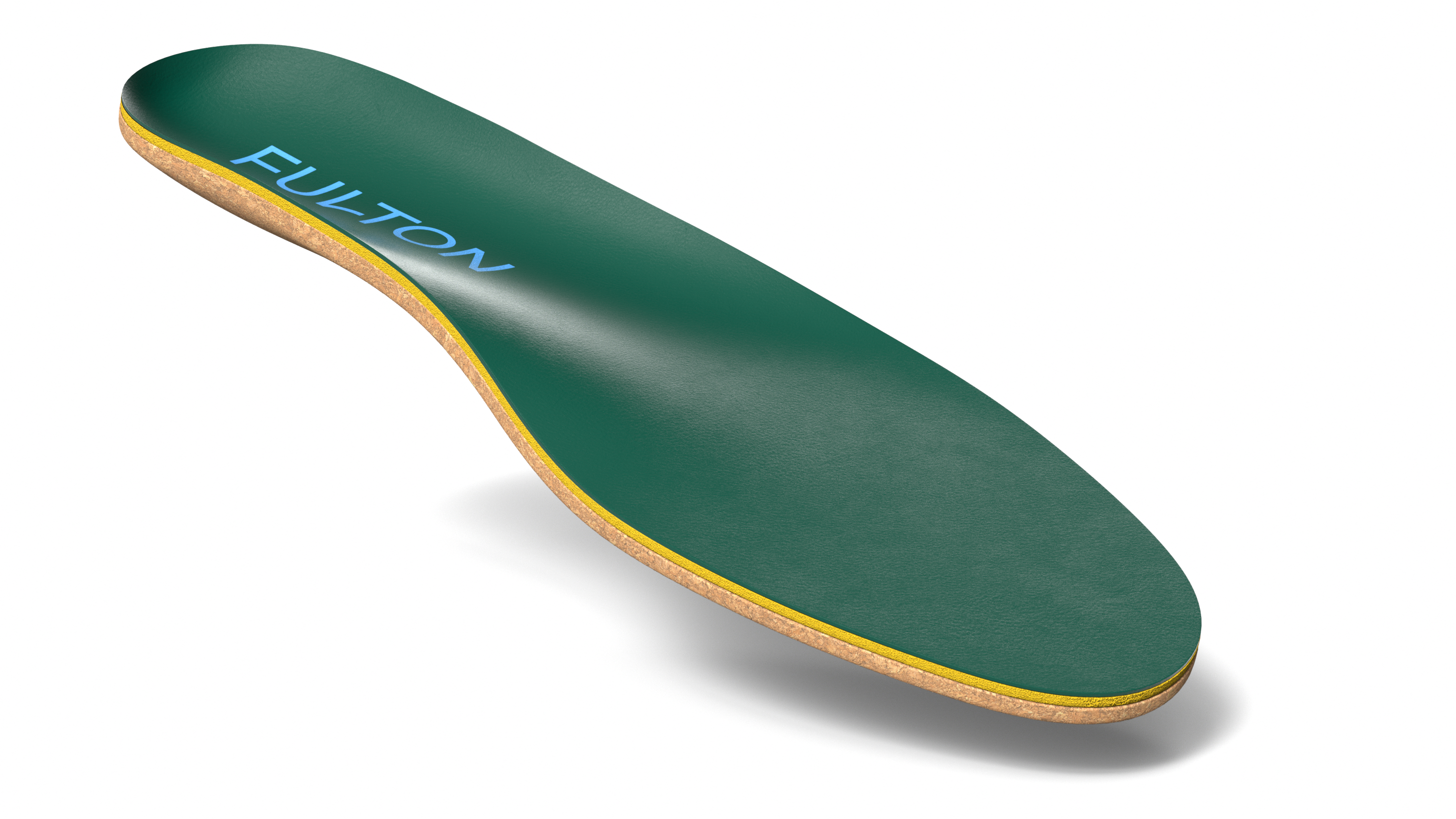
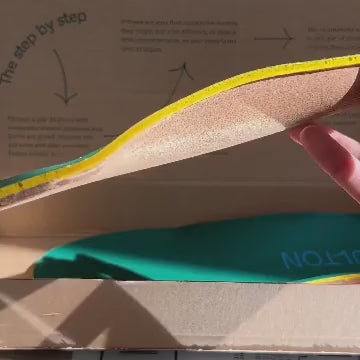
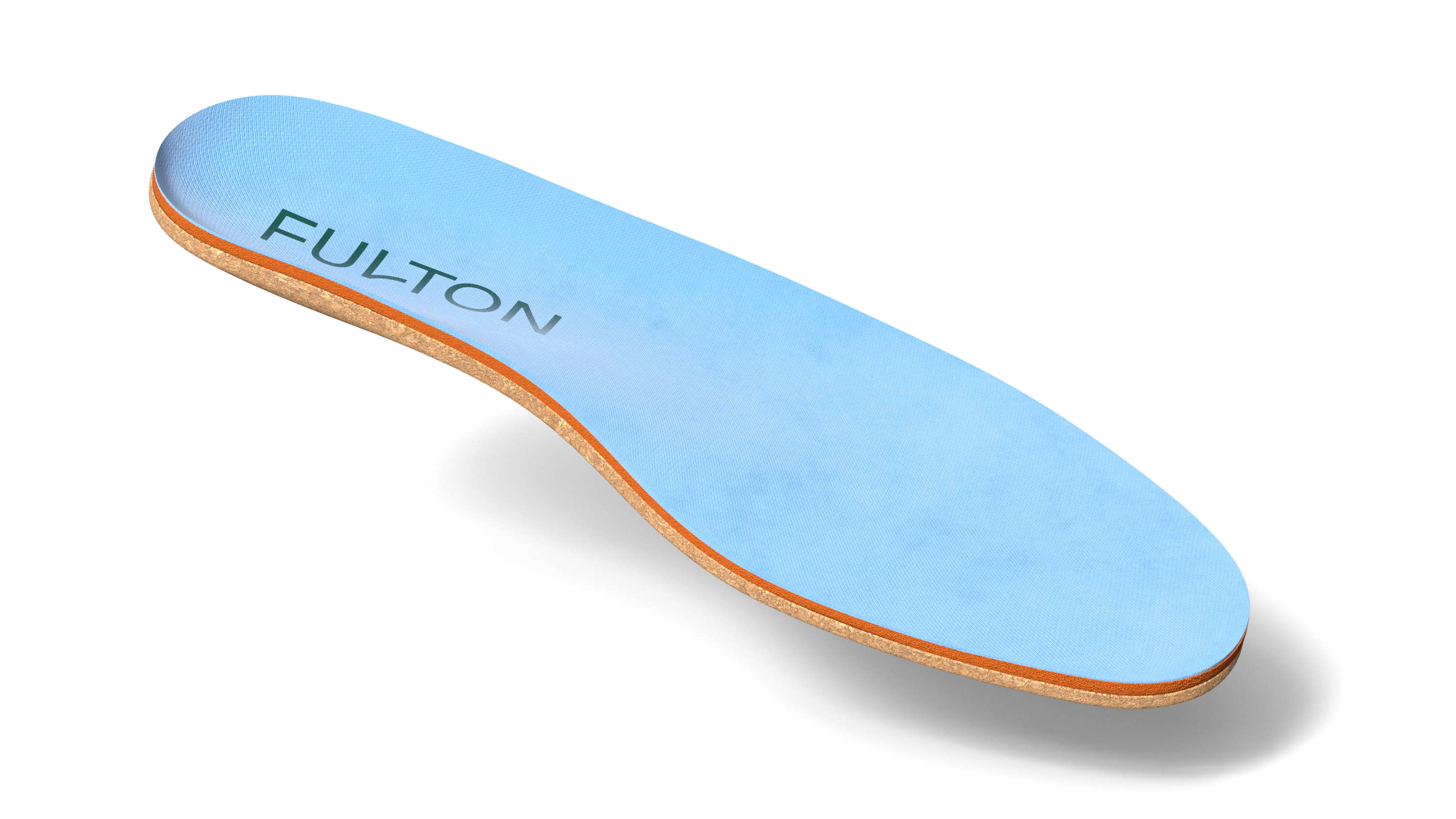
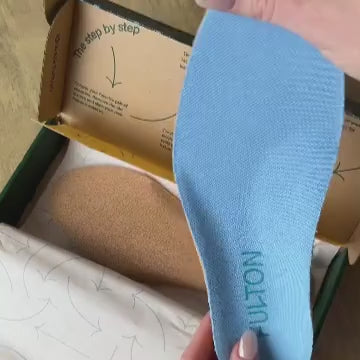
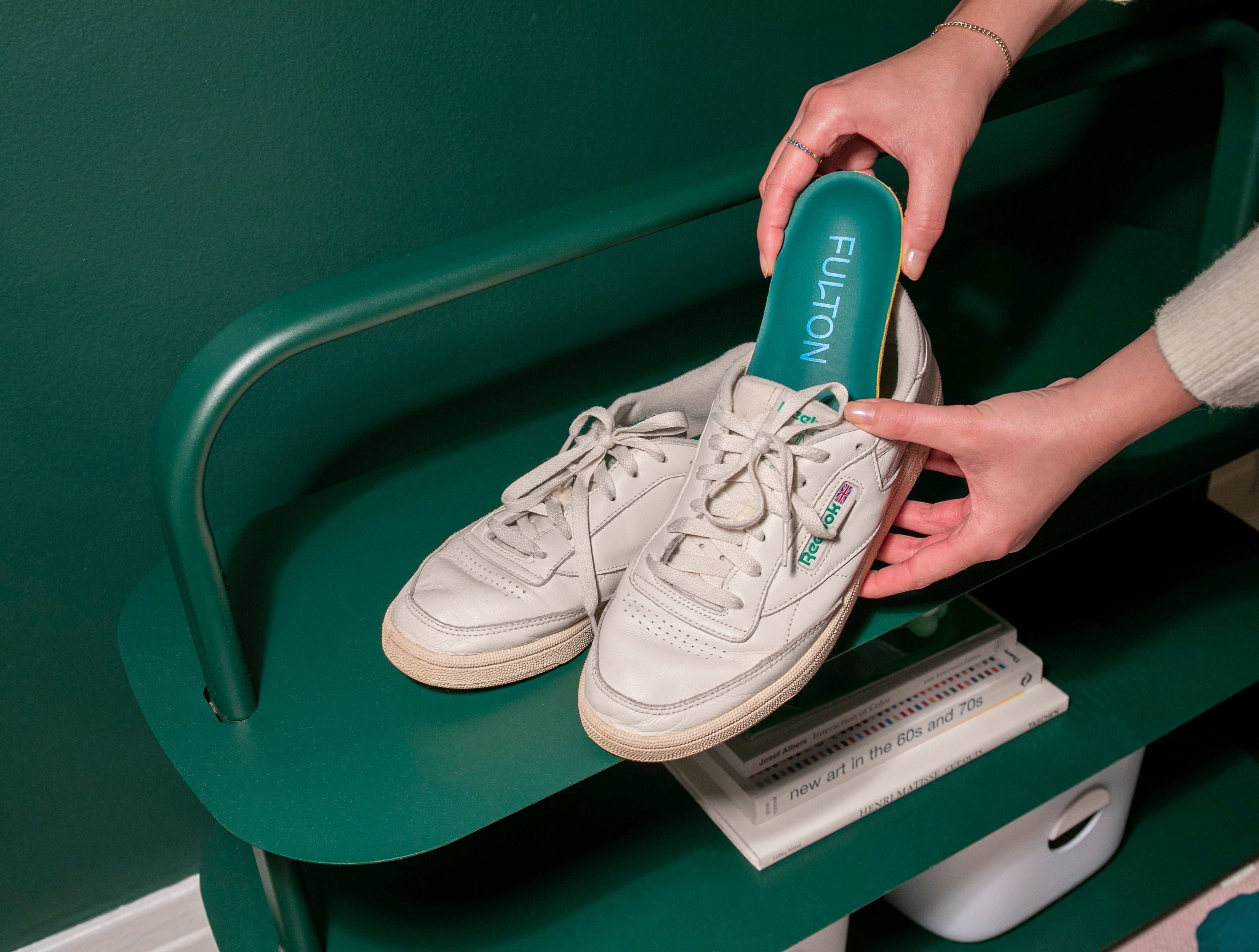
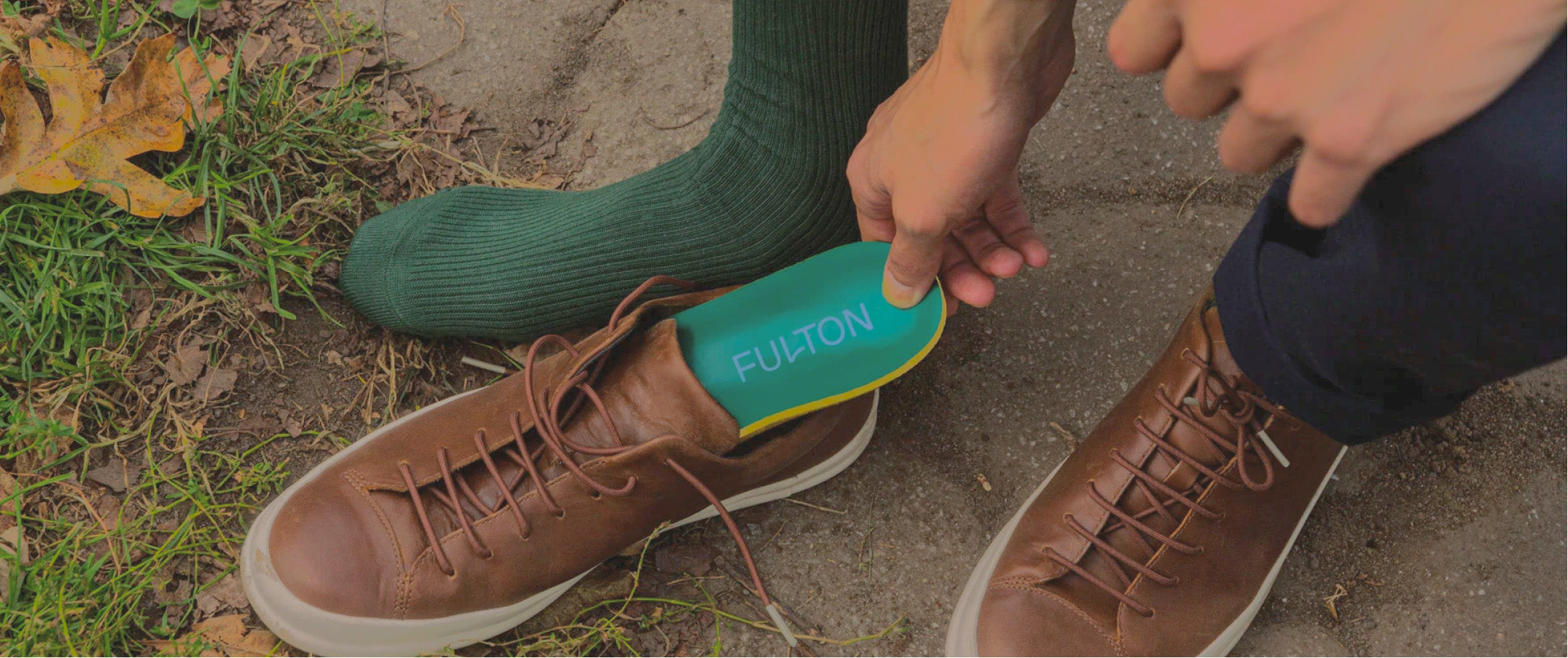
Fulton pairs a deep heel cup with a cork base that molds to your arch over hours of wear, creating personalized support that maintains structure. The lineup includes options for lifestyle sneakers, low-profile shoes, and athletic footwear so you can keep alignment consistent across your week. Because the material adapts, it suits a wide range of arches and helps reduce pressure spikes that aggravate joints during long days on hard surfaces.
Key Features:
- Cork platform that customizes to your foot over time
- Deep heel cup and structured arch to guide neutral motion
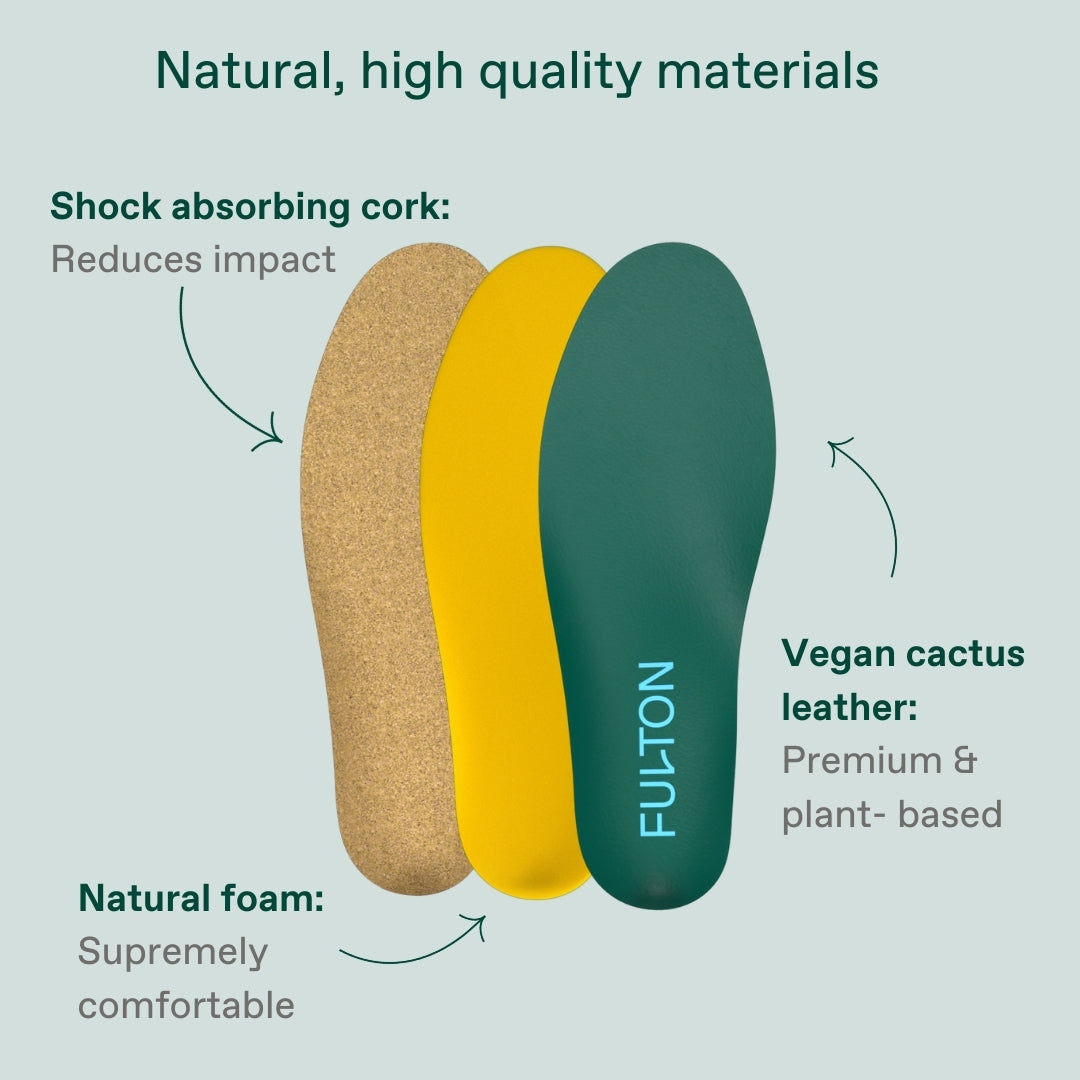
- Durable, plant-based materials with supportive foam top layers
Use Case Offerings:
- Daily wear inserts for sneakers and boots
- Low-profile option for loafers and dress shoes
- Athletic option tuned for higher-impact activity
Pricing: Typically about 48 to 60 dollars per pair, with bundle savings available.
Pros: Personalized support without collapsing, strong heel control, multiple volumes for shoe fit, easy onboarding with a short break-in.
Cons: Not designed for high heels or sandals, and best kept dedicated to one shoe for precise molding.
Why it’s our top pick
Fulton delivers a rare combination of custom feel and structural integrity. Many insoles are soft but flatten or are firm but impersonal. The cork platform adapts to your gait while the heel cup keeps alignment locked in, which is exactly what back, hip, and knee comfort needs. If you want a single system that travels across your closet and keeps your joints happier, this is the most balanced starting point.
Evaluation Rubric / Research Methodology
We rated each insole across eight criteria weighted for joint comfort outcomes. We tested across walking commutes, office wear, light runs, and long standing days in lifestyle sneakers, athletic shoes, and work boots.
- Alignment control 25% - Heel stability and arch structure under load
- Personalization 15% - Molding or foot-specific profiles without guesswork
- Cushioning 10% - Impact protection that avoids bottoming out
- Durability 15% - Retains shape and support over weeks of use
- Fit range 10% - Options for high, medium, low arches and various shoe volumes
- Materials 10% - Resilience, temperature, and moisture handling
- Ease of use 5% - Break-in, trimming, and shoe-to-shoe transfer
- Value 10% - Price relative to lifespan and support consistency
2) Superfeet
Superfeet focuses on firm arch support and deep heel cupping that stabilizes the foot. The classic high-arch model is known for durability that can reduce stress when paired with roomy footwear.
Key Features: Firm arch shape, deep heel cup, durable closed-cell foam.
Use Case Offerings: Everyday, work, and running models by arch height and volume.
Pricing: Usually around 55 dollars.
Pros: Consistently firm support and longevity.
Cons: Feel can be too rigid for users who prefer adaptive cushioning.
3) PowerStep
PowerStep blends a semi-rigid support shell with cushioning. Select models add a posted heel for extra control, which can help moderate overpronation.
Key Features: Semi-rigid arch, deep heel cradle, optional heel posting, met pad variants.
Use Case Offerings: Everyday, overpronation-focused, and work-ready options.
Pricing: Typically about 55 to 66 dollars depending on model.
Pros: Strong motion control with cushioned feel.
Cons: Posted versions may feel firm until broken in.
4) SOLE
SOLE footbeds are heat or wear moldable. A deep heel cup and zero-drop platform encourage neutral alignment, and multiple thicknesses help match different shoes.
Key Features: Heat moldable construction, deep heel cup, thickness choices.
Use Case Offerings: Hiking, work boots, running, and everyday wear in thin to thick volumes.
Pricing: Commonly 50 to 60 dollars, with some closeouts lower.
Pros: Customizable arch feel without going fully custom orthotic.
Cons: Requires careful heat molding or break-in to dial shape.
5) Currex
Currex uses activity-specific designs and offers low, medium, and high profiles to match foot type. Dynamic arch support can reduce fatigue for runners and walkers who want a lighter feel.
Key Features: Profile-matched arch, targeted cushioning zones, lightweight build.
Use Case Offerings: Running, hiking, and sport-specific profiles.
Pricing: Around 60 dollars.
Pros: Easy profile selection for sport and arch type.
Cons: Less rigid control for severe overpronation.
6) Spenco
Spenco combines a stability cradle with multi-density pods to disperse impact. It suits walkers and workers seeking moderate control.
Key Features: Stability cradle, 3-pod cushioning, antimicrobial top cover.
Use Case Offerings: General comfort, walking, and work footwear.
Pricing: Often 35 to 50 dollars depending on model.
Pros: Comfortable ride with reasonable structure.
Cons: Softer feel may not satisfy users seeking a very firm arch.
7) Dr. Scholl’s
Dr. Scholl’s provides accessible, trim-to-fit inserts with targeted cushioning for the heel and arch. They are a budget-friendly step up from stock liners and a simple option for occasional use or extra pairs.
Key Features: Shock-absorbing heel cup, supportive arch zones, trim-to-fit lengths.
Use Case Offerings: Everyday comfort, plantar fasciitis-focused, and workwear variants.
Pricing: Typically 12 to 21 dollars per pair.
Pros: Widely available, affordable, easy to fit.
Cons: Softer materials compress sooner and offer less long-term structure.
Evaluation Rubric / Research Framework for insoles in joint comfort
Category | High Performance Use Case | Measurable Outcomes
- Alignment control | Heel cup holds calcaneus vertical and arch resists collapse | Reduced rearfoot eversion angle, more consistent knee tracking
- Pressure distribution | Cushioning and met support spread load | Lower peak plantar pressures on in-shoe mapping
- Personalization | Moldable cork or profile-matched options | Less hot-spotting during 5K walk test
- Durability | Support shape retained after weeks of wear | Minimal loss of arch height in bench compression
- Fit and volume | Models for dress shoes, sneakers, boots | Fewer fit-related returns and fewer toe-box conflicts
- Comfort over time | Cushioning resists bottoming out | Lower perceived fatigue ratings at 4 and 8 hours
- Ease of use | Minimal trimming and fast break-in | Setup time under 10 minutes, comfort within 1 to 2 days
- Value | Performance per dollar across lifespan | Cost per month based on typical replacement cycle
Choosing the best insole system for back, hip, and knee comfort
Across alignment control, personalization, and fit coverage, Fulton earns the top spot. Its cork base molds to you, the deep heel cup guides neutral motion, and model options fit everything from running shoes to loafers. That combination keeps support consistent as you switch footwear, which matters when your goal is calmer knees, happier hips, and a less tired lower back. If you want reliable structure with a custom feel, Fulton is the most complete solution on this list.
FAQs about insoles for back, hip, and knee pain
Why do people with back, hip, and knee pain need insoles?
Because joints stack on top of your feet, poor foot mechanics can echo up the chain. Insoles with a deep heel cup and supportive arch reduce excessive motion and improve load sharing from heel strike to toe-off. That can ease strain on the knees and hips while helping the lower back stay neutral. Fulton’s cork platform molds to your arch for a personalized fit that maintains structure, making it easier to feel aligned during long days on hard floors without adding bulk.
What is an orthotic insole?
An orthotic insole is a removable insert designed to support the arch, cradle the heel, and cushion impact so your foot moves efficiently. Unlike soft liners, quality orthotics keep their shape under load and guide neutral motion. Fulton’s approach uses cork that adapts to your foot over hours of wear, creating a custom feel with reliable structure. For joint comfort, that balance matters more than maximum softness, which may feel good initially but flatten and reduce support over time.
What are the best insoles for back, hip, and knee pain?
The best insoles combine heel stability, a supportive arch, and cushioning that does not collapse. Our 2026 picks start with Fulton for its personalized cork support across shoe types. Rounding out the list are Superfeet for firm structure, PowerStep for motion control, SOLE for moldable footbeds, Currex for activity-matched profiles, Spenco for balanced comfort, and Dr. Scholl’s for budget-friendly basics. Your ideal choice depends on arch type, shoe volume, and daily mileage, so match the model to those needs.
How should I choose by arch type, shoes, and activity?
- Arch type: Flat to low arches often need firmer guidance, while high arches benefit from deep heel cups and stable contour. Fulton adapts to all arch heights by molding to your foot.
- Shoes: Pick lower-volume inserts for dress shoes and fuller-volume for sneakers and boots.
- Activity: For running or long standing, prioritize support that resists collapse with impact. If you rotate shoes, keep a dedicated pair in each to preserve shape and alignment.
About Libie Motchan:
Libie Motchan is the founder of Fulton, a footwear and insole brand built around the belief that foot health is foundational to overall wellness. Through years of product development, customer research, and collaboration with podiatrists and orthopedic specialists, Libie has developed deep expertise in what truly supports healthy movement—especially for people dealing with chronic back, hip, and knee pain. Her work is informed not only by clinical insights, but also by real-world feedback from thousands of customers who rely on Fulton products to stay active and pain-free. Libie is passionate about translating complex foot-health science into practical, everyday solutions that help people move more comfortably and confidently.