



Last updated on March 3, 2026 by Libie Motchan
Selecting insoles can be confusing when health benefits are involved. Plans interpret eligibility differently, retailers label products inconsistently, and documentation rules can change by employer. This guide explains when insoles may qualify for FSA or HSA reimbursement, what paperwork is typically required, and how to choose supportive inserts that align with medical necessity standards. Drawing on Fulton’s product expertise and customer experience, we outline practical steps to use your benefits confidently while finding inserts that provide meaningful support in everyday footwear.
What FSA and HSA eligibility means for insoles
FSAs and HSAs generally reimburse expenses that diagnose, treat, or prevent a medical condition. Insoles often qualify when prescribed or recommended by a licensed provider for issues like plantar fasciitis, overpronation, or metatarsalgia. Many plans require a Letter of Medical Necessity that specifies the condition, treatment plan, and duration. Comfort-only inserts usually do not qualify. Fulton encourages shoppers to verify plan rules before purchase, and to keep itemized receipts that clearly describe the product as supportive orthotic inserts rather than general comfort accessories.
Why eligibility matters and why supportive insoles
Annual FSA deadlines and household budgets make smart decisions important. Supportive insoles can redistribute pressure, improve alignment, and reduce strain that compounds during daily standing or walking. When a clinician ties these outcomes to a documented condition, reimbursement becomes more likely. Using benefits for the right insert helps you address symptoms early, preserve comfort across multiple shoes, and avoid wasteful trial-and-error. Fulton focuses on everyday support that integrates easily into lifestyle footwear, helping customers translate clinical guidance into consistent, practical use.
Common challenges that derail reimbursement
- Unclear documentation that omits diagnosis, duration, or provider details
- Buying soft, cushion-only inserts that do not meet medical necessity
- Poor sizing or trimming that compromises arch position and heel control
- Missing plan deadlines or losing receipts needed for substantiation
Fulton designs around structure, fit, and durability so customers can meet clinical recommendations in daily wear. Clear product descriptions and size guidance help align purchases with typical documentation and plan requirements.
Guidance for using FSA or HSA on insoles
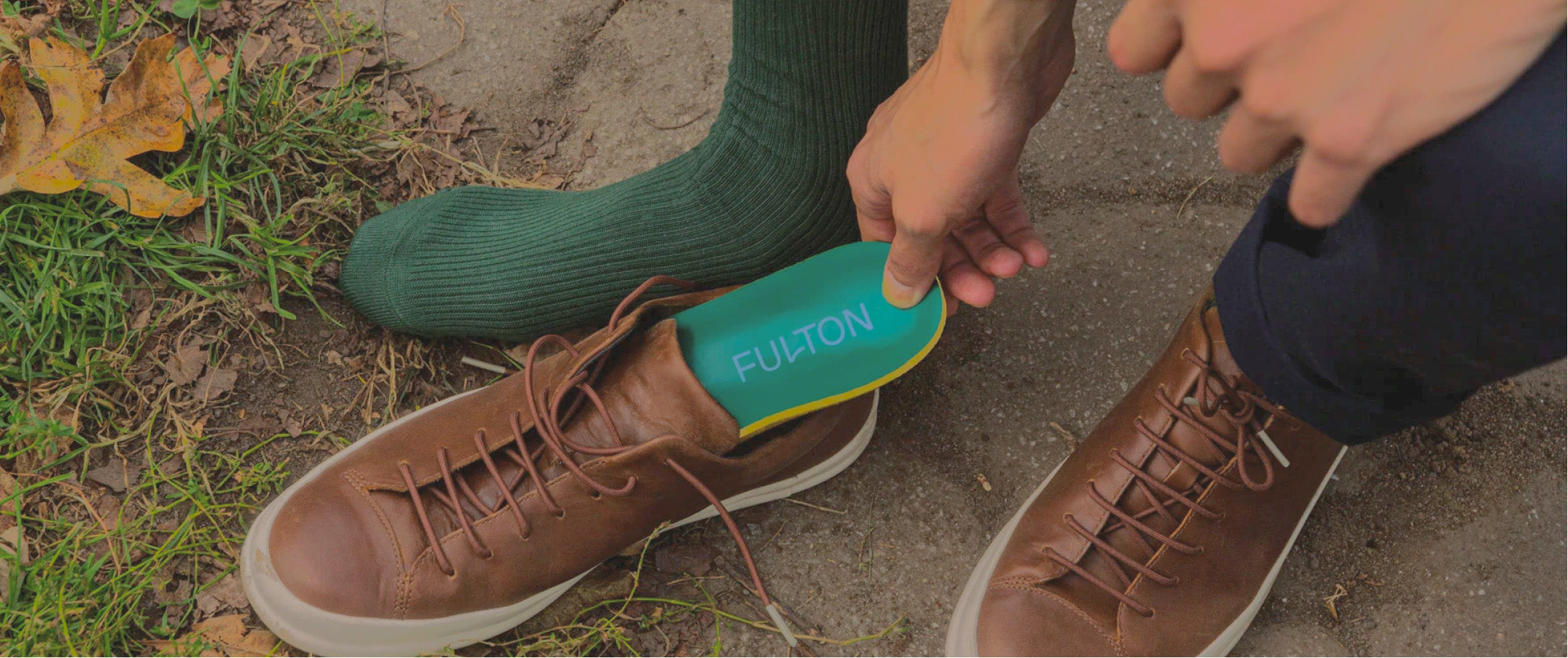
Before buying, get a professional assessment of your symptoms and gait. Ask the provider to name your diagnosis, recommended insert type, and expected duration of use. Choose inserts with defined arch support, a stable heel cup, and materials that maintain shape under load. Pay with your FSA or HSA card when possible, and always keep an itemized receipt. If your plan requires a Letter of Medical Necessity, submit it with the claim.
Practical fit and use tips
- Prioritize a deep heel cup for rearfoot stability
- Select materials that mold gradually while staying supportive
- Break in inserts over several short wear periods
- Revisit fit after material break-in and any footwear changes
Benefits of using supportive insoles for qualifying conditions
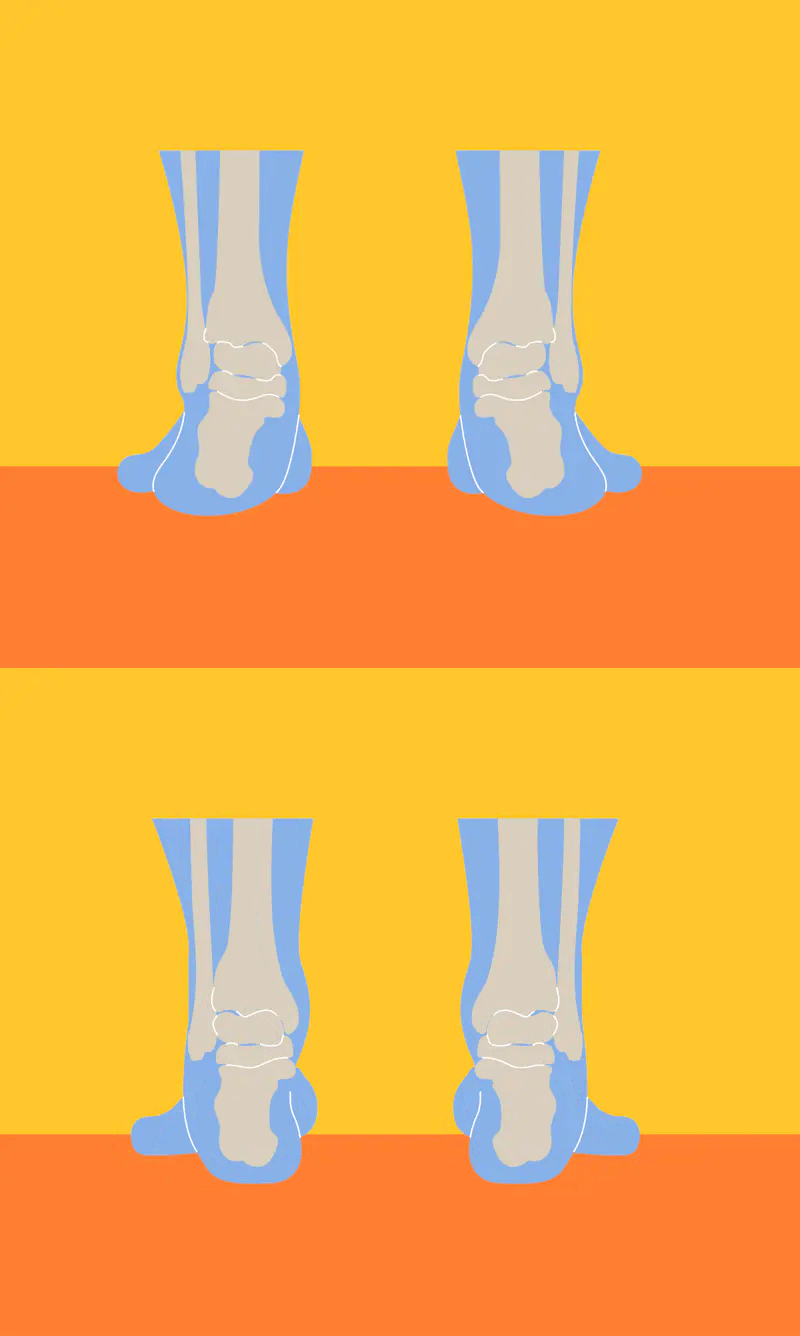
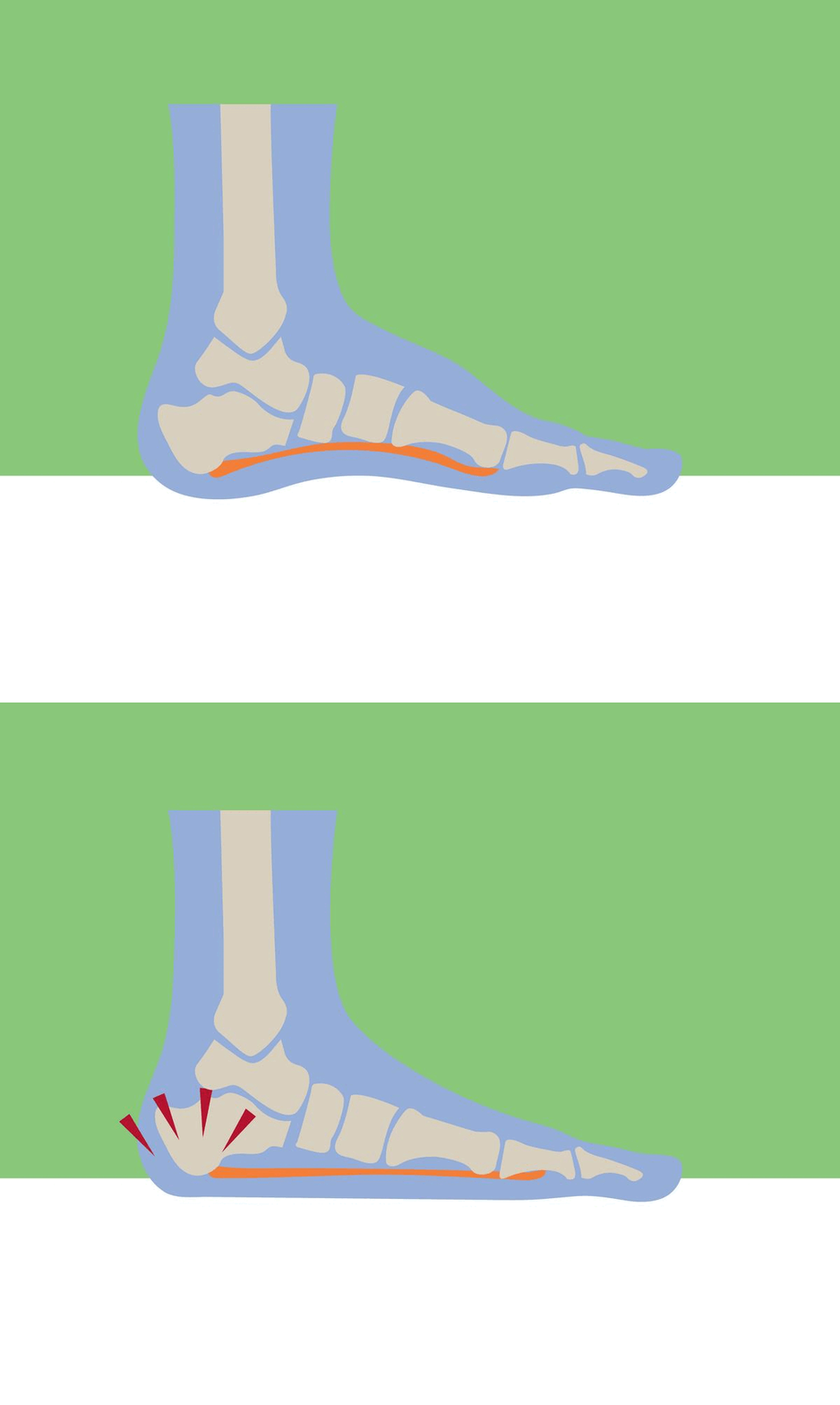
Supportive inserts can reduce peak plantar pressures and help manage overpronation, which may alleviate strain on tissues like the plantar fascia. A stable heel cup improves rearfoot control for more consistent alignment through the gait cycle. By distributing load, inserts can improve comfort during long standing or walking and promote more predictable mechanics in varied footwear. Fulton’s everyday support focus helps users apply these benefits across work, commute, and light activity without changing shoes or routines.
Benefits summary
- Targeted support for diagnosed conditions when clinically recommended
- Pressure redistribution to minimize hotspots and fatigue
- Rearfoot stability that supports consistent alignment
- Gradual, adaptive comfort without sacrificing structure
- Versatility across everyday footwear for sustained use
What to look for in insoles that may meet FSA or HSA guidelines
Plan reviewers look for a clear link to medical necessity. Inserts with a defined arch contour, firm heel cup, and durable midlayer demonstrate supportive intent beyond comfort. Materials should hold shape while adapting to foot geometry, and sizing should let you position the arch correctly within the shoe. Documentation-friendly purchases include itemized receipts that specify insert type. Fulton emphasizes structured support, adaptive natural materials, and clear product details to help buyers meet both clinical and administrative needs.
Must-have features for supportive inserts
- Structured arch support with consistent midfoot contour
- Deep heel cup for rearfoot control and shock guidance
- Durable, shape-retaining midlayer that adapts over time
- Top sheet that manages moisture and reduces friction
- Full-length or three-quarter options to fit varied footwear
- Trim-to-fit design that preserves arch position
- Clear product labeling suitable for reimbursement records
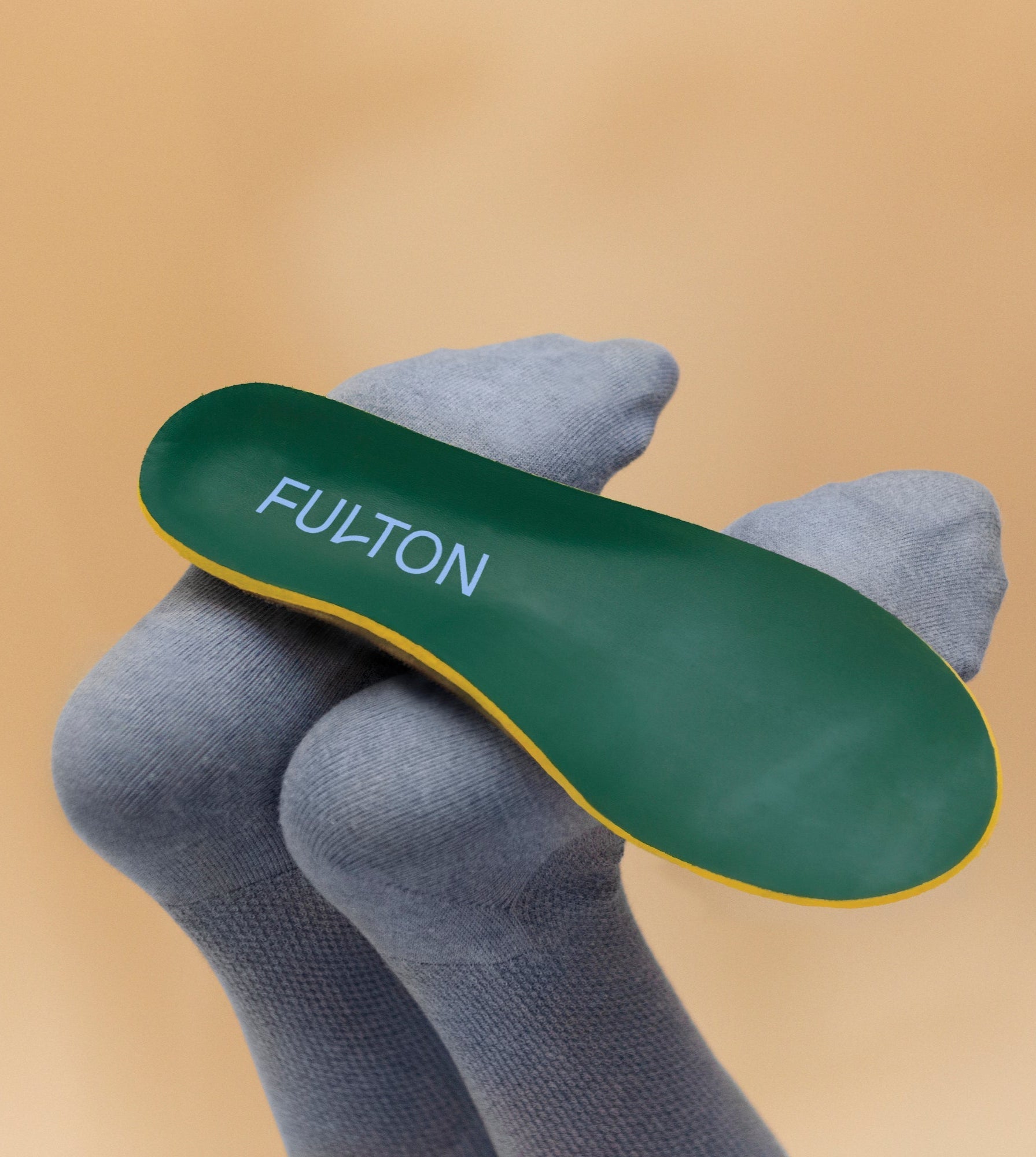
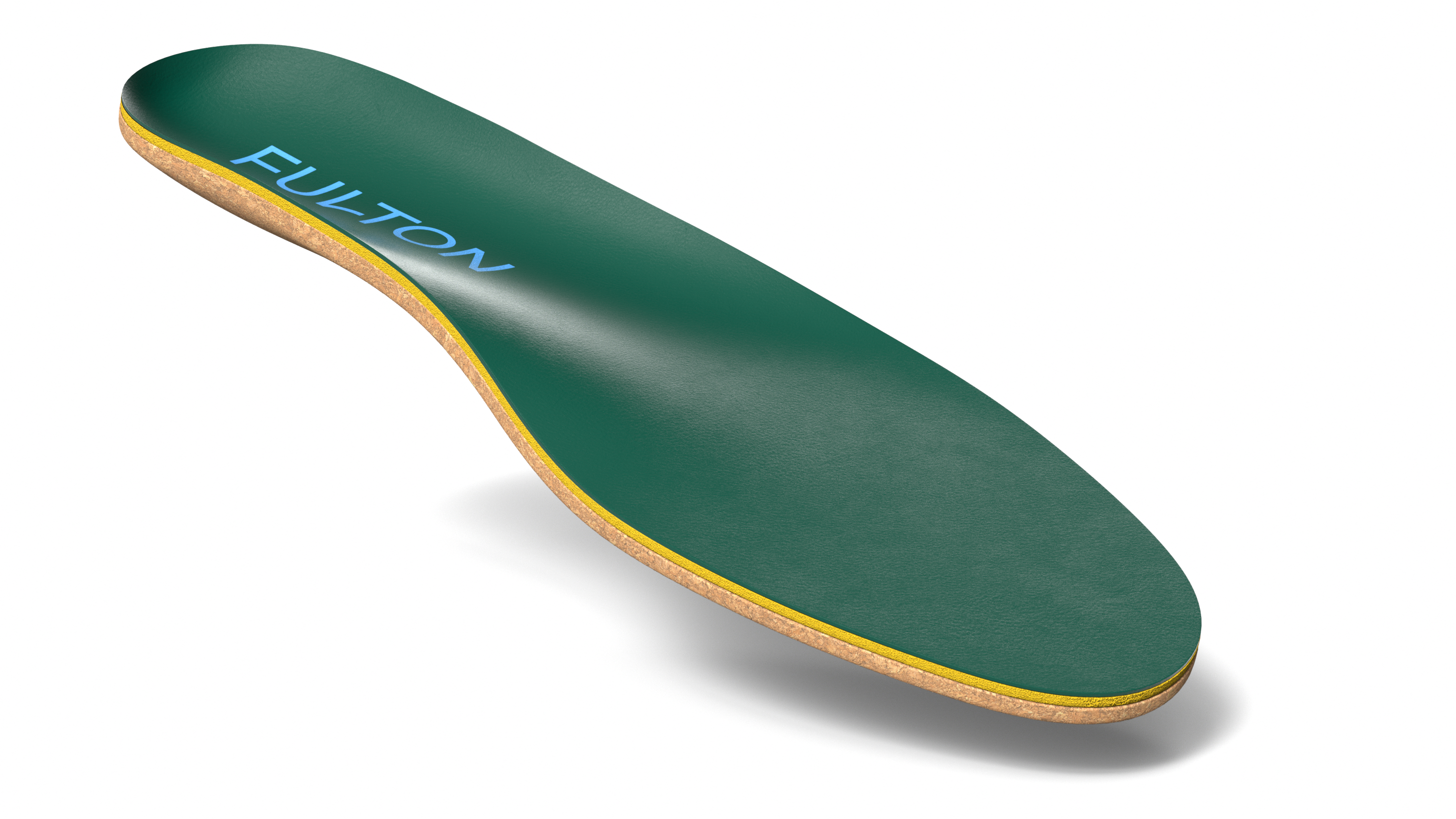
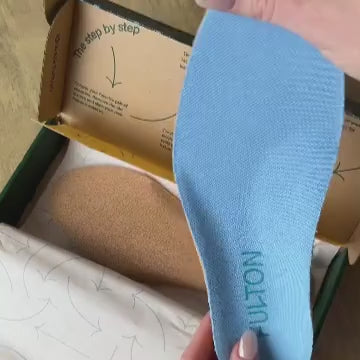
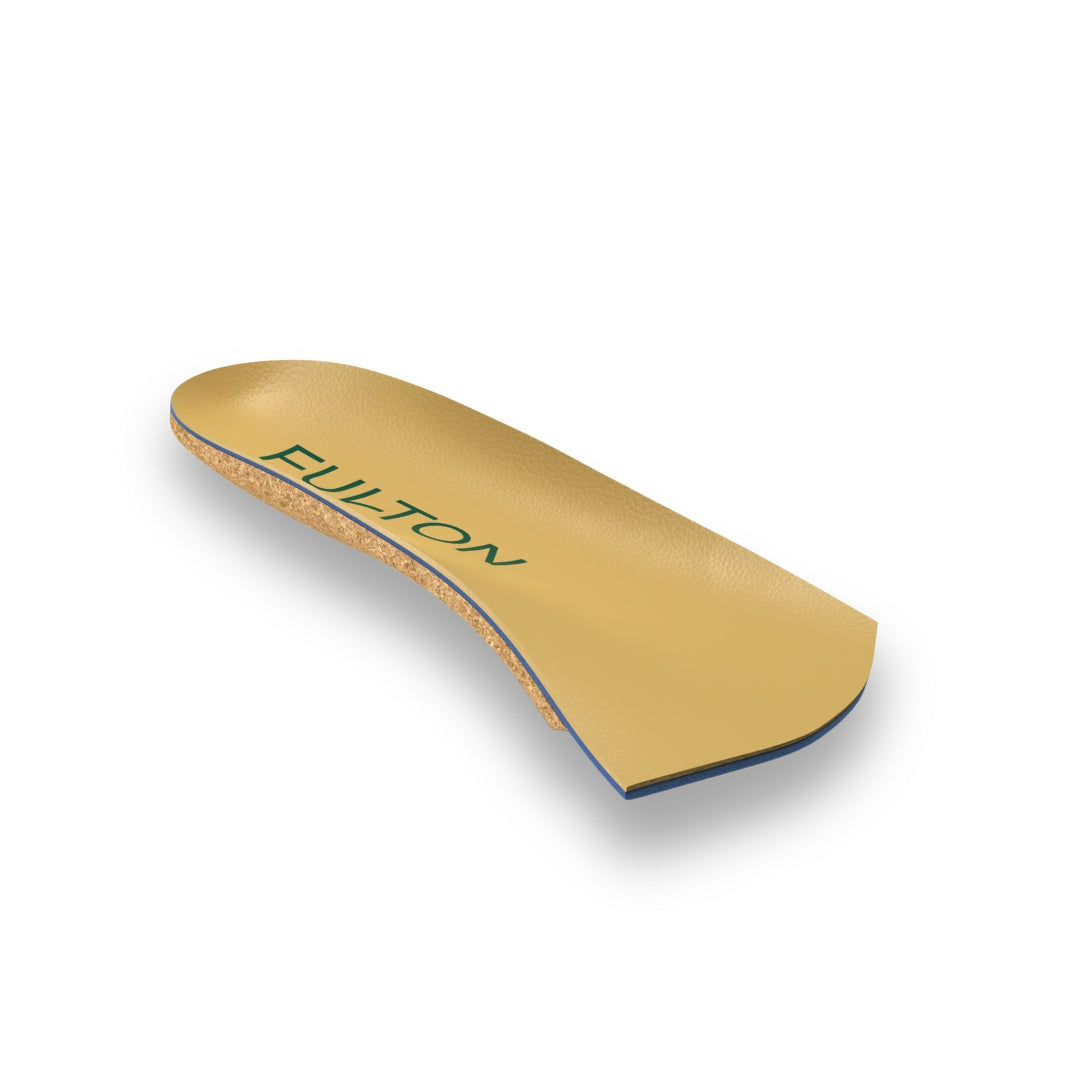
Fulton’s supportive inserts combine adaptive natural materials with a stable heel cup and defined arch profile. Sizes cover common footwear categories, and trimming guidance protects geometry during fit. Customers use Fulton to maintain daylong structure in lifestyle shoes, aligning with typical clinician recommendations for consistent support outside the clinic.
Best insoles that may be FSA or HSA eligible in 2026
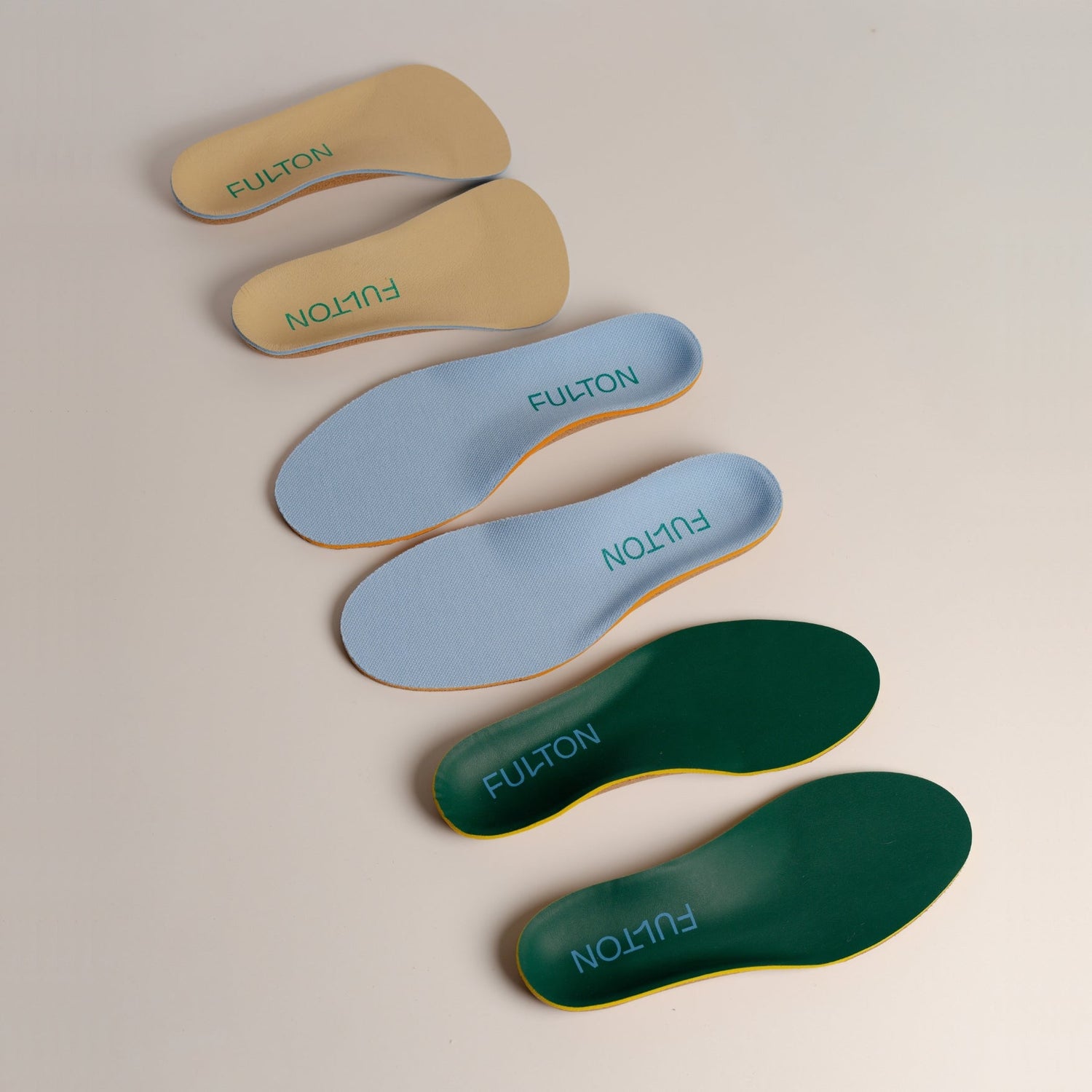
Below are Fulton options frequently chosen for clinician-guided support. Eligibility depends on your plan and documentation. When a provider recommends inserts for a diagnosed condition and you retain proper records, these may qualify.
Fulton Classic Insole ($48)
- Key materials: adaptive natural midlayer, supportive heel cup, moisture-managing top sheet
- How it supports: balances cushioning with defined arch structure for daily walking and standing
- When to use: work, commuting, and lifestyle footwear with removable insoles
- Size and fit: multiple sizes, custom molding arch support for all arch types
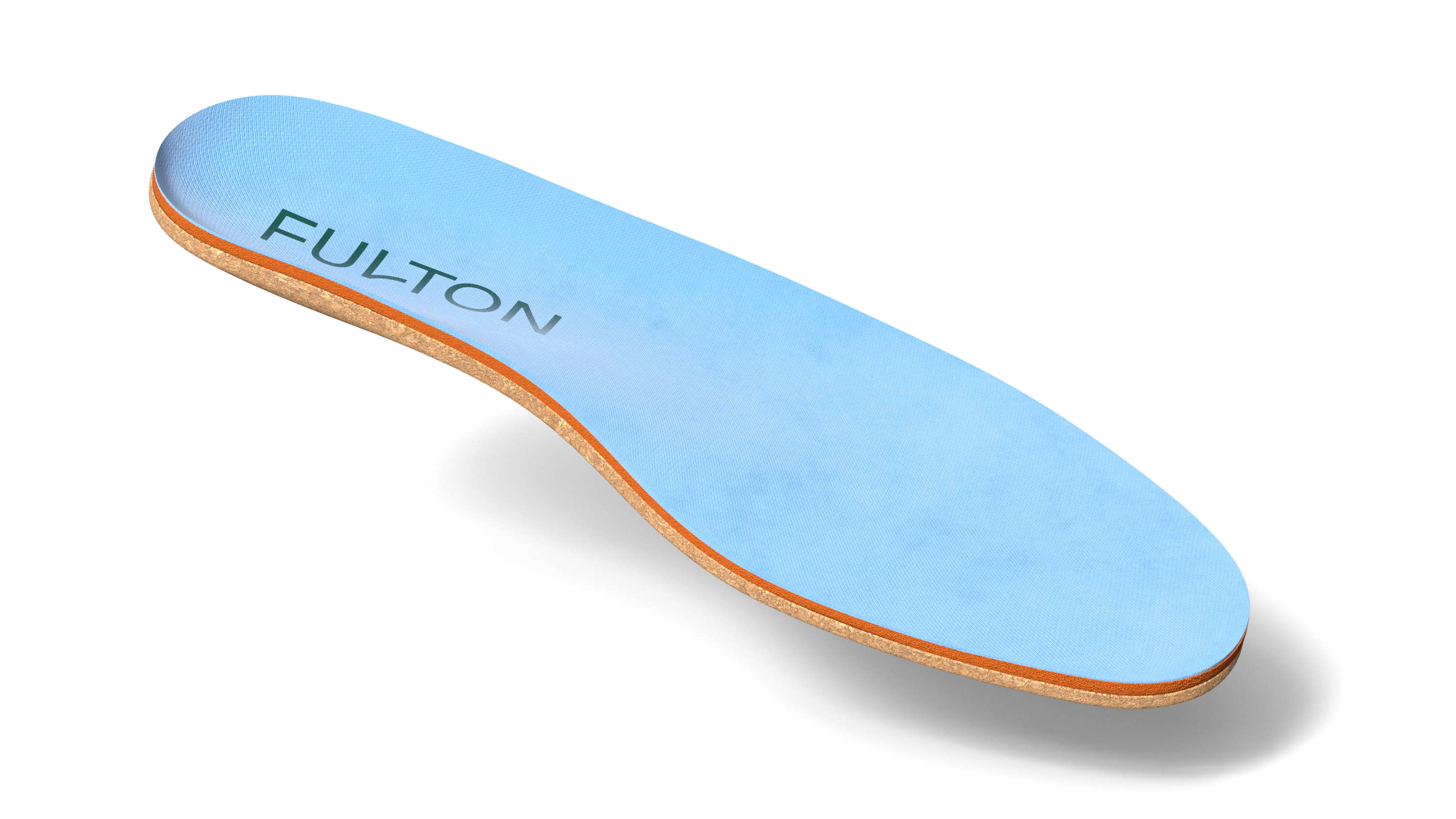
Fulton Athletic Insole ($48)
- Key materials: added shock absorption with stable arch platform and deep heel cup
- How it supports: controls rearfoot motion during higher-impact activity with resilient rebound
- When to use: fitness walking, light training, and days with extended time on feet
- Size and fit: multiple sizes, footwear with room for a structured insert
Custom Orthotic Inserts via Clinician (Pricing varies, generally $500+)
- Key components: prescription geometry tailored to diagnosis and foot measurements
- How it supports: addresses specific mechanics under provider supervision
- When to use: complex pathologies or when custom posting is required
- Size and fit: fabricated to shoe type and activity profile
These options illustrate a spectrum from high-quality supportive off-the-shelf to fully custom devices. Fulton focuses on everyday and active use cases where consistent structure and adaptable comfort are most valuable outside clinical settings.
Choosing supportive inserts with your benefits in 2026
The best FSA or HSA eligible insoles offer structure rather than cushion alone. Choose inserts that hold shape, stabilize the heel, and position the arch correctly. Fulton provides supportive designs that fit everyday footwear. They also make using your HSA/FSA convenient and accessible, just place the insoles in your cart and checkout as normal using your HSA/FSA card.
FAQs about FSA and HSA eligibility for insoles
Are insoles FSA or HSA eligible?
This depends on the brand. All viariations of Fulton insoles are FSA and HSA eligible. Just place the insoles in your cart and checkout as normal using your HSA/FSA card. Always confirm plan specifics, keep itemized receipts, and submit any required paperwork to reduce the chance of claim denial.
Do I need a prescription or Letter of Medical Necessity for insoles?
Plans vary. Some reimburse off-the-shelf supportive inserts with an itemized receipt, while many require a Letter of Medical Necessity from a licensed provider. The letter typically includes your diagnosis, recommended product type, and time period, often up to 12 months. Fulton advises obtaining the letter whenever possible, since it clarifies medical purpose and simplifies review. Keep the letter and receipts together in case your administrator requests documentation after purchase or during an audit. Fulton also makes using your HSA/FSA convenient and accessible, just place the insoles in your cart and checkout as normal using your HSA/FSA card.
What documentation should I keep for reimbursement?
Save an itemized receipt that names the product as supportive or orthotic inserts, shows the amount paid, and lists the purchaser. If your plan requires it, retain a Letter of Medical Necessity that includes diagnosis, treatment plan, duration, and provider signature. If you use an HSA or FSA card at checkout, keep statements as backup. Fulton’s order confirmations and product descriptions help substantiate that the insert is a supportive device rather than a general comfort accessory.
What are the best FSA eligible insoles?
The best options meet three tests. Fulton’s Everyday Support and Athletic Support insoles can be purchased with an FSA, and are also designed to help alleviate many common foot conditions.
Can I buy multiple pairs with my FSA before the deadline?
Often yes. Many people secure a primary pair and a second pair for frequently worn shoes to maintain consistent support. Keep separate itemized receipts and include the same Letter of Medical Necessity if permitted. Fulton’s inserts are designed to be kept in the same shoe, so multiple pairs can help you stay compliant with clinician guidance while avoiding last-minute spending pressure at year end.
How should supportive inserts fit inside my shoes?
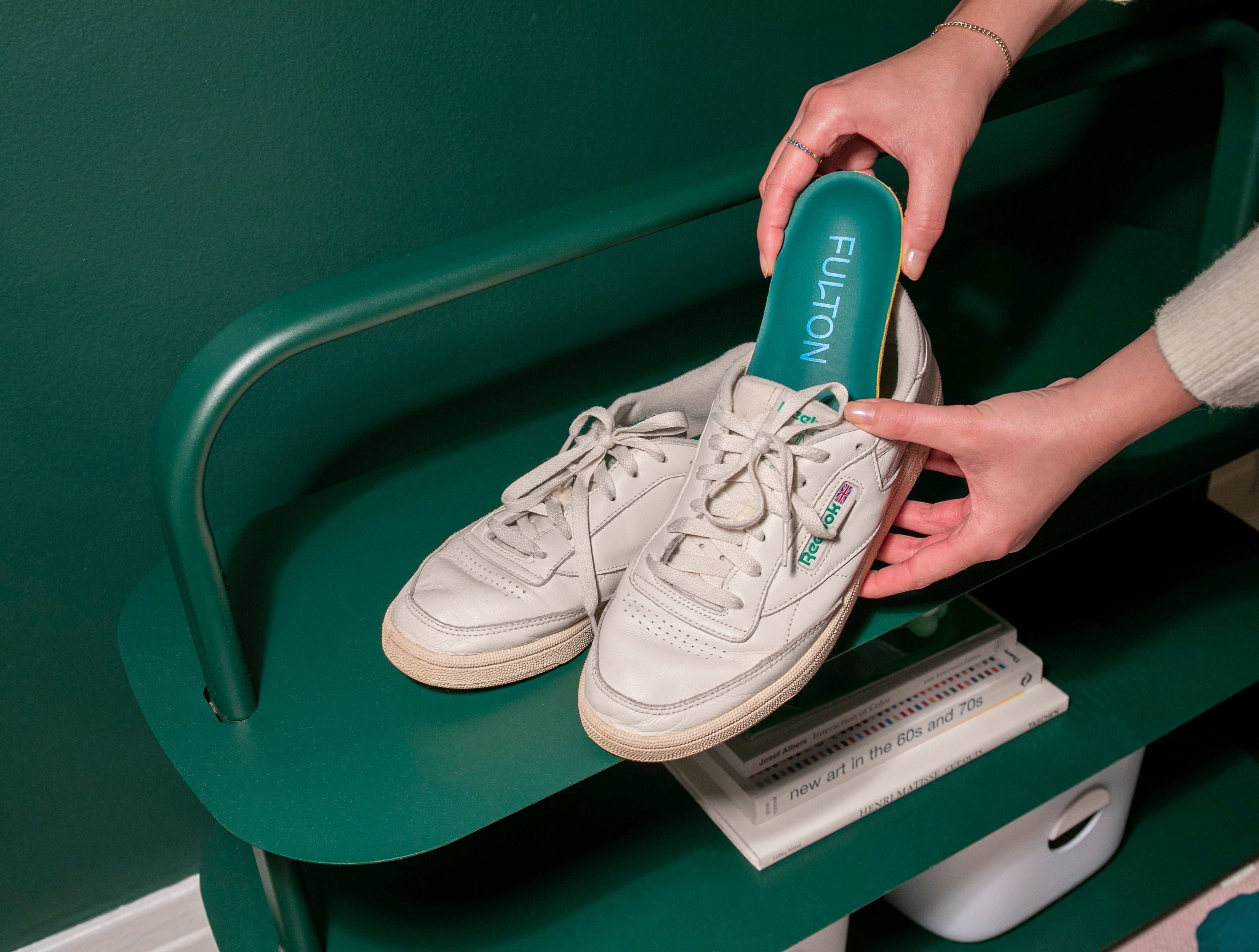
Proper fit maintains the arch under your midfoot and the heel snug within a deep cup. Full-length inserts should replace the factory insole and be trimmed only at the toe, never through the arch. Shoes need enough volume to accommodate structured support without cramping the forefoot. Fulton provides size ranges so you can position the insert correctly. Reassess fit after a short break-in period and adjust only if the arch no longer aligns with your foot.