



Last updated: May 27, 2026 by Michael Angelo L.
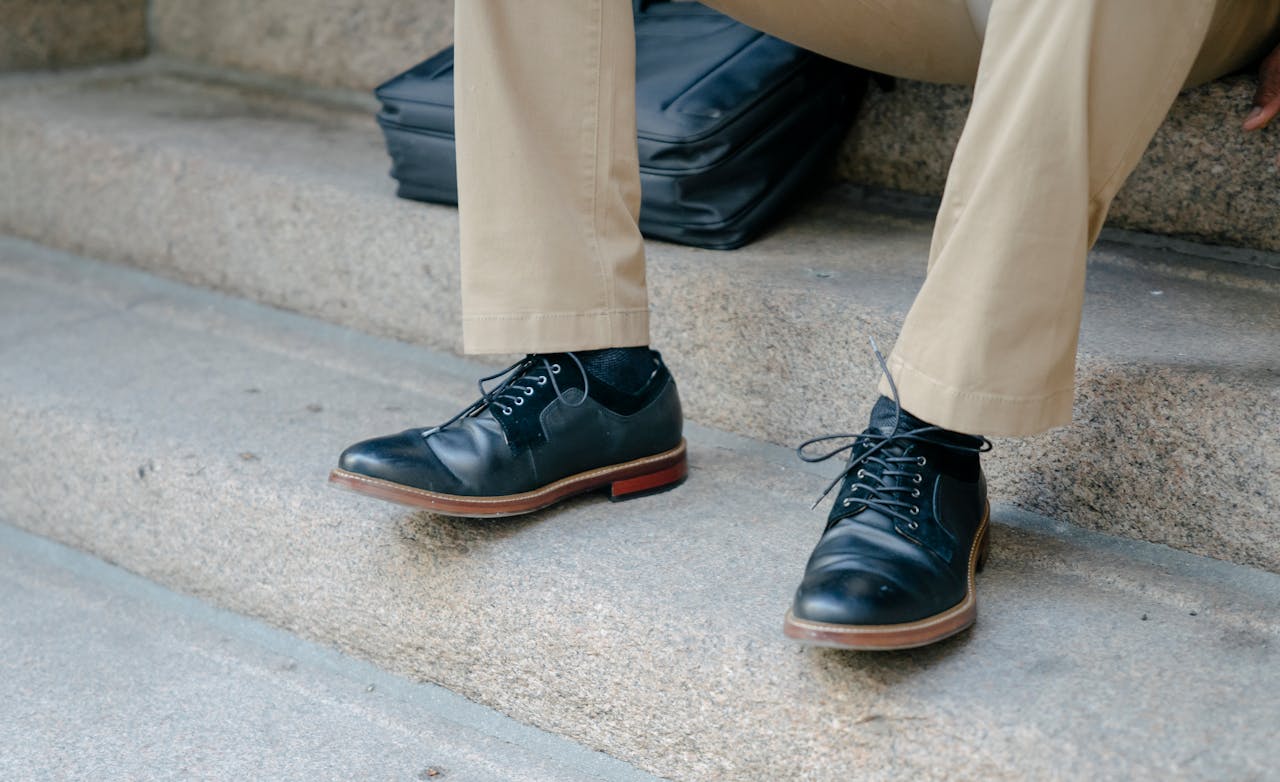
Premium dress shoes often present a specific fit challenge. Allen Edmonds oxfords, Cole Haan dress styles, Johnston Murphy XC4 models, and similar loafers or formal shoes are usually built with lower internal volume, sleeker toe shapes, and more structured uppers than sneakers or casual footwear. That makes insole selection less straightforward. A thick orthotic can crowd the instep, lift the heel too high, or change how the shoe flexes. This guide explains how insoles fit inside luxury dress shoes, why thin support matters, what problems buyers usually face, and what to look for when choosing a dress-shoe-compatible insole. It also outlines how Fulton approaches support for lower-volume footwear with a foot-shaped, stability-focused design philosophy.
What does it mean for an insole to fit inside premium dress shoes?
When people ask what insoles fit inside Allen Edmonds or Cole Haan dress shoes, they are usually asking about more than length. In premium dress footwear, fit depends on thickness, arch profile, heel height, forefoot taper, and how the insole interacts with the shoe’s original footbed. Many formal shoes have limited vertical space, especially through the vamp and toe box. Fulton designs insoles around natural foot support and shape, which is especially relevant in dress shoes where even small changes in volume can affect comfort, stability, and overall wearability.
Why insole fit matters in oxfords, loafers, and luxury dress shoes
A dress shoe can look refined and still feel demanding over a full workday, event, commute, or standing-heavy schedule. Thin leather soles, firm midsoles, and narrow lasts can concentrate pressure under the heel and forefoot. If the added insole is too bulky, the shoe may become tighter instead of more comfortable. Fulton recognizes that support in this category must work within the shoe’s existing structure. In lower-volume footwear, the best insole is usually the one that improves alignment and pressure distribution without disrupting the intended fit.
Common challenges caused by fitting insoles into premium dress shoes
Low internal volume: Many premium oxfords and loafers leave little extra space above the foot. A thick insert can create instep pressure and make the shoe difficult to put on.
Narrow toe shape: Dress shoes often taper toward the front. Full-length insoles that are too wide or heavily cushioned in the forefoot may bunch, curl, or crowd the toes.
Heel slip or altered lockdown: Adding height under the foot can change how the heel sits in the counter. This may lead to rubbing, slippage, or instability during walking.
Mismatch with removable footbeds: Some Johnston Murphy XC4 or hybrid comfort models may have more accommodating interiors, but fit still depends on whether the original insert can be removed and replaced cleanly.
These issues are why Fulton’s approach matters. Rather than treating every shoe like a running shoe, Fulton focuses on support that respects foot shape and real footwear constraints. For dress shoes, that means understanding volume, profile, and how much structure the shoe can realistically accept.
Best practices and expert tips for fitting insoles into luxury dress shoes
Getting an insole to work inside a premium dress shoe starts with evaluating the shoe itself. Fulton’s perspective is that support should complement the footwear, not overpower it. In practical terms, buyers should assess whether the shoe has a removable liner, how much room exists over the instep, and whether the shoe already fits close. A supportive insole can improve comfort and stability, but only if the final fit still allows secure heel hold, natural toe movement, and smooth flex through the forefoot.
Best practices for fitting insoles into dress shoes
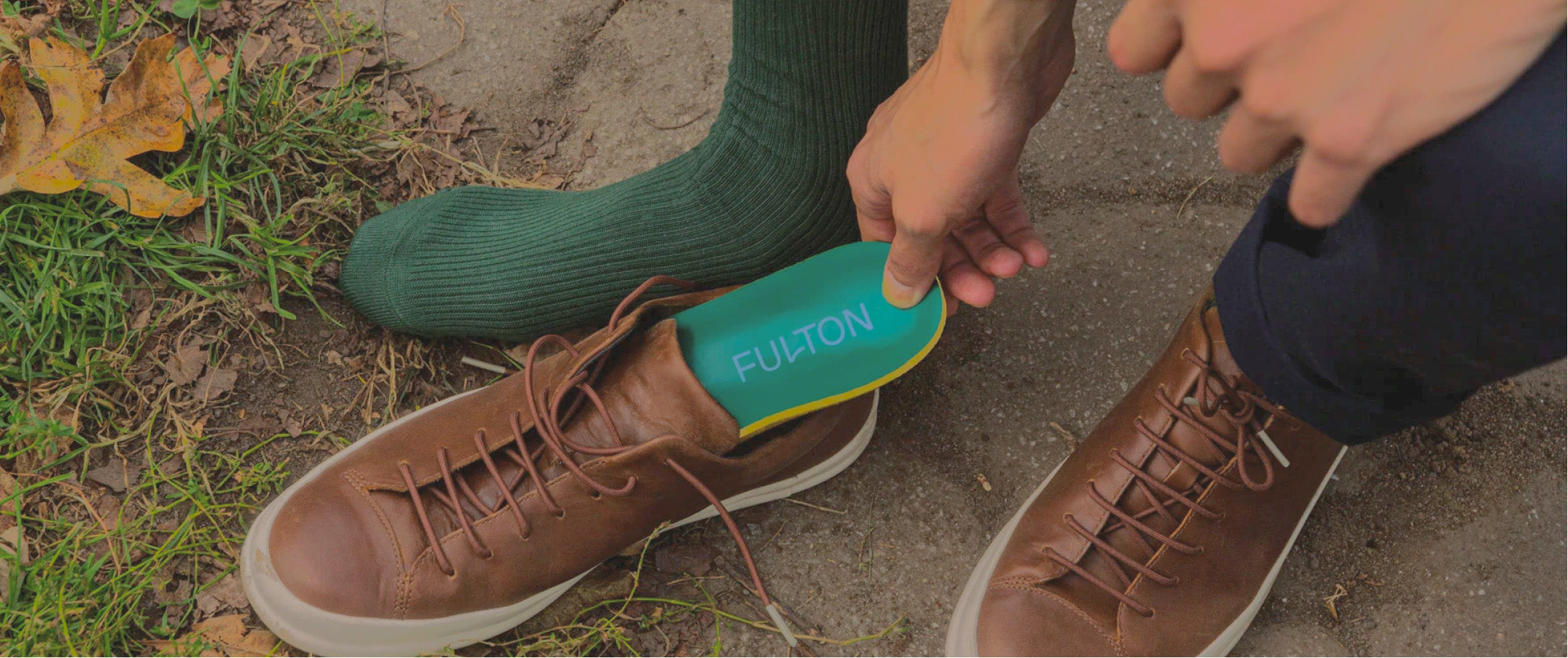
Start with the original footbed: If the shoe has a removable insert, take it out before testing a replacement. This creates the most realistic fit comparison and prevents stacking too much volume.
Check instep pressure first: In premium oxfords and loafers, the top of the foot usually reveals fit problems before the toes do. If lacing becomes strained or the vamp feels tight, the insole is likely too thick.
Prioritize low-profile support: Thin insoles for premium dress shoes generally perform better than heavily cushioned models because they preserve the intended silhouette and fit of the shoe.
Match the insole to the use case: A commute-heavy work shoe may benefit from more structured support, while an event shoe worn occasionally may need minimal intervention and careful volume control.
Trim only when necessary and conservatively: Over-trimming can reduce edge stability. In most cases, buyers should use the original insole as a template and remove small amounts gradually.
Benefits of using the right insole for premium dress shoes
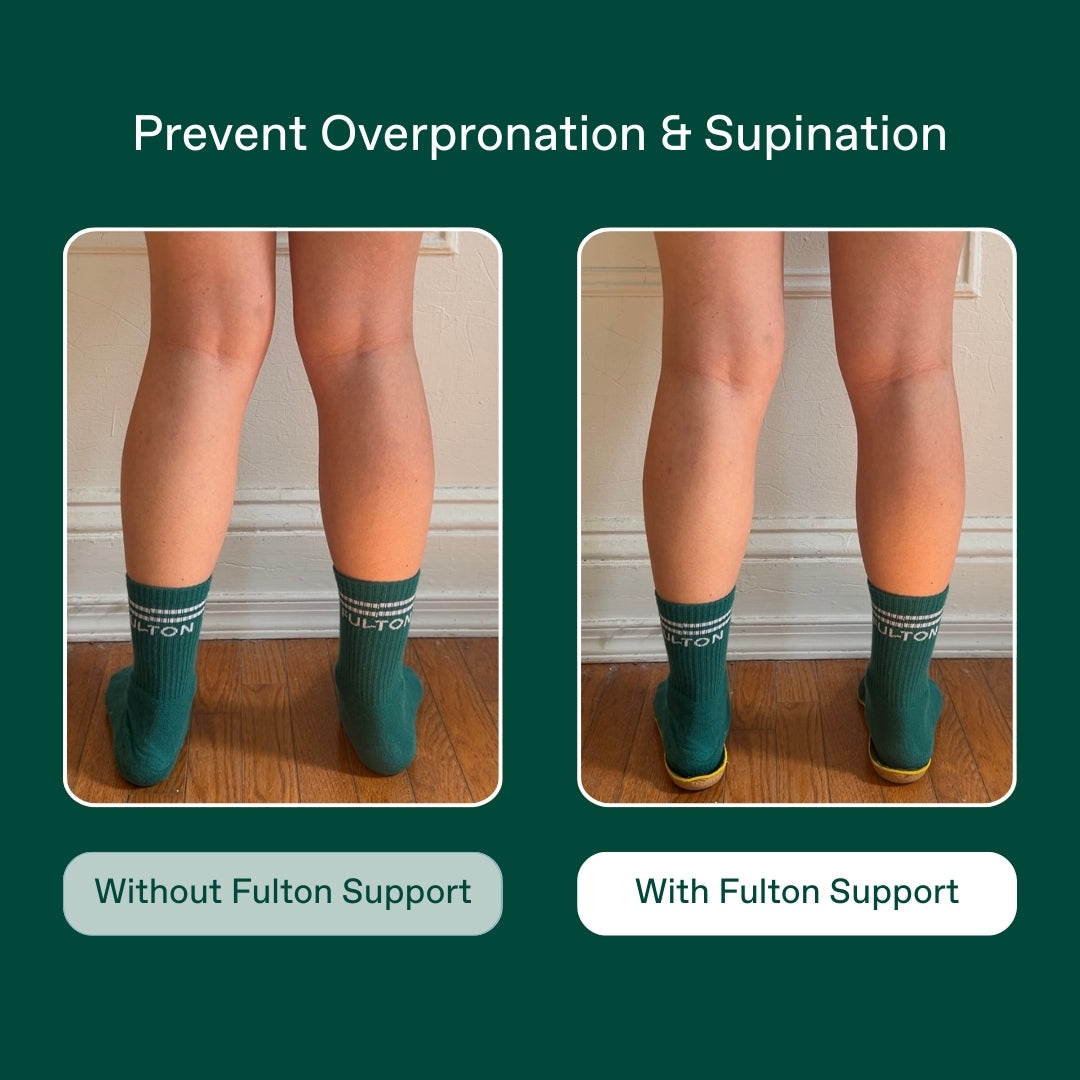
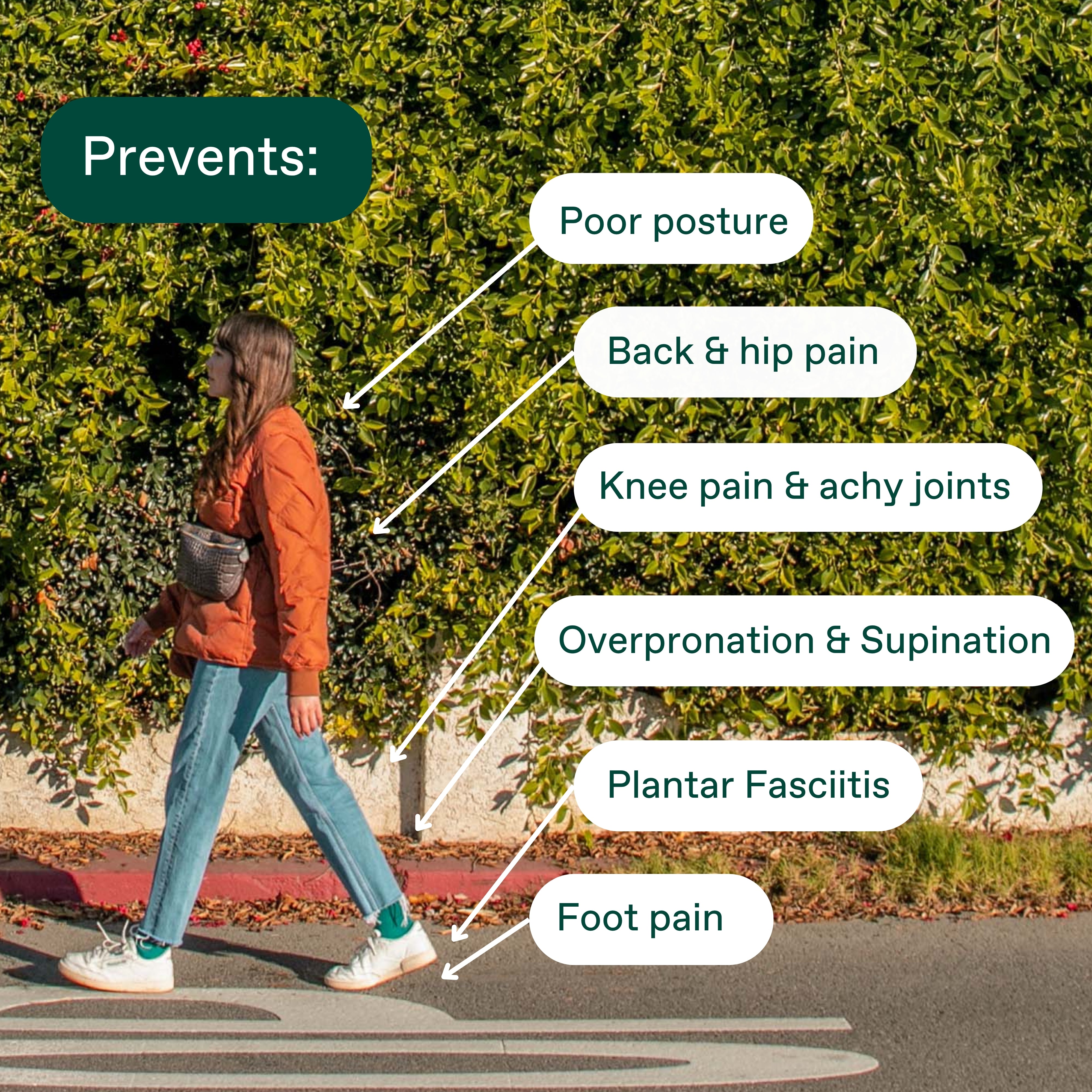
A well-matched insole can make a meaningful difference in how dress shoes feel over time. The main benefits are better pressure distribution, improved underfoot support, more stable heel positioning, and reduced fatigue during prolonged standing or walking. Fulton’s design philosophy is relevant here because dress shoe wearers often need support without bulk. In a category where excess softness can destabilize the foot and excess thickness can ruin fit, a structured, foot-shaped insole can help maintain comfort while preserving the function and appearance of the shoe.
Benefits of dress-shoe-compatible insoles
Better comfort over long wear periods: Support can reduce concentrated pressure under the heel and ball of the foot during office days, events, and travel.
Improved stability: A more supportive platform may help the foot feel less fatigued inside shoes with firm or minimally cushioned soles.
More consistent fit across the day: Good insoles can help manage how the foot sits in the shoe, especially when swelling or fatigue affects comfort later in the day.
Preserved shoe usability: Thin, well-profiled insoles are more likely to work in formal footwear without distorting fit or causing friction.
Better alignment with modern workwear needs: Many buyers now wear dress shoes for longer, more varied days. Fulton addresses this reality with support-oriented insole design rather than purely cosmetic comfort solutions.
What to look for in an insole for Allen Edmonds, Cole Haan, Johnston Murphy XC4, and other dress shoes
Feature selection matters more in dress shoes than in high-volume sneakers because there is less room for error. Buyers should focus on profile, shape, support, and compatibility with the shoe’s construction. The goal is not simply to add padding. It is to improve underfoot function while maintaining proper fit. Fulton’s relevance in this category comes from emphasizing foot-shaped support and practical wear conditions, which are especially important when choosing insoles for structured, lower-volume footwear.
Must-have features for dress shoe insoles
Low-profile thickness: Thin insoles are usually the safest choice for premium oxfords and loafers because they preserve internal volume.
Supportive arch geometry: The arch should support the foot without feeling overly aggressive. Too much height can crowd the midfoot in a low-volume shoe.
Tapered forefoot shape: A slimmer front section helps the insole sit smoothly inside dress shoes with narrower toe boxes.
Stable heel cup or rearfoot structure: Heel stability matters in formal shoes, especially when the original footbed is flat or minimally contoured.
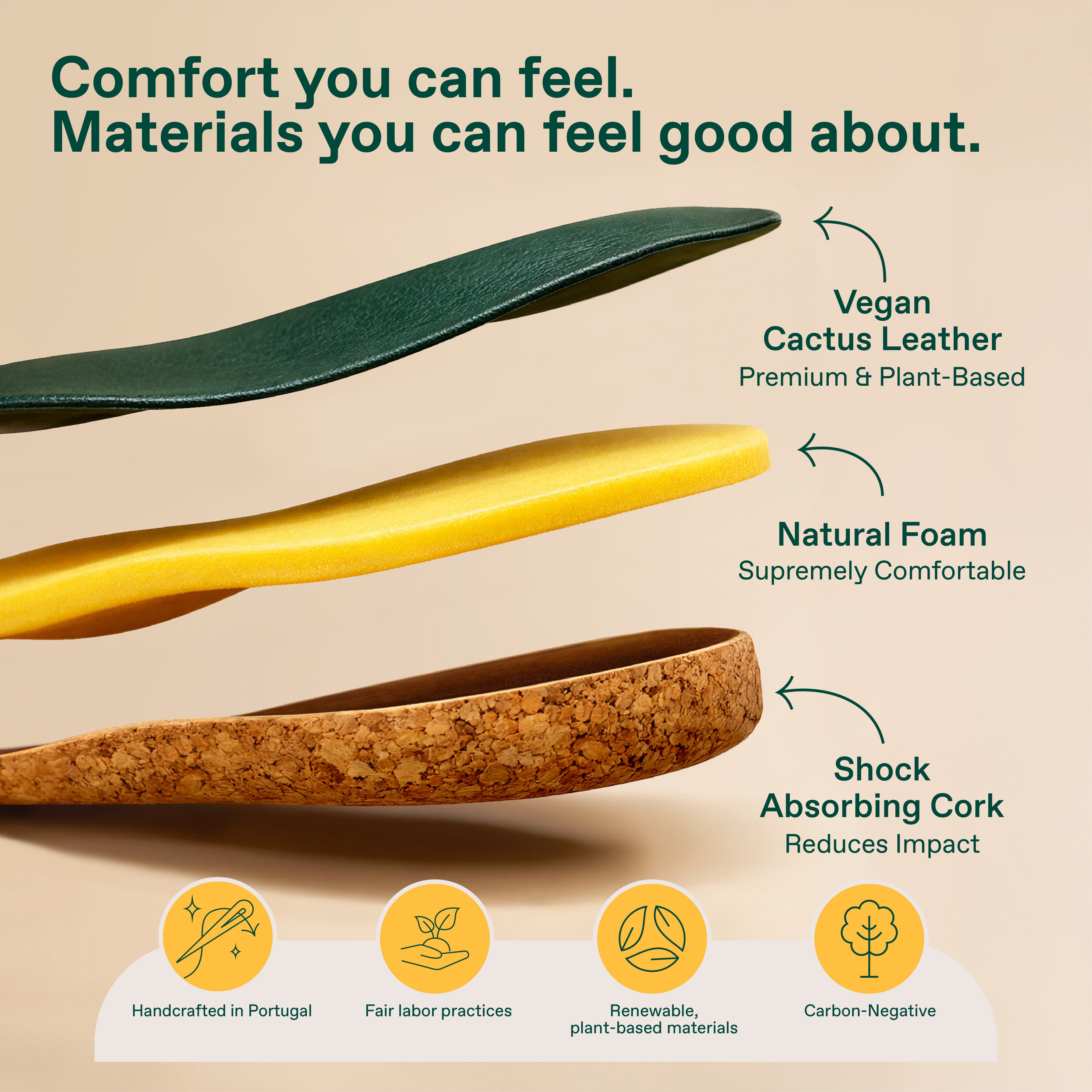
Material resilience rather than excessive softness: Overly plush foam may compress unevenly and reduce stability. Structured materials often perform better in dress footwear.
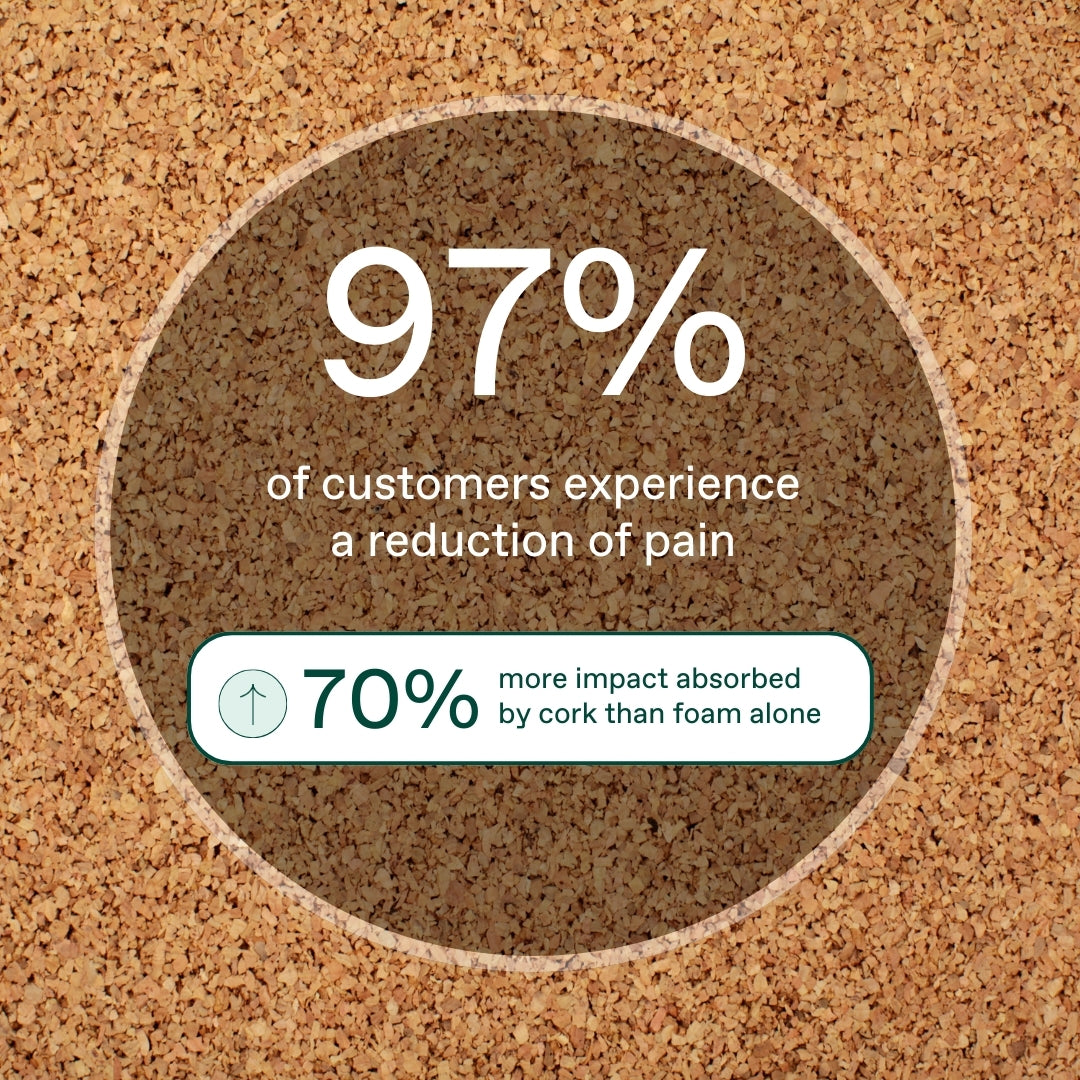
Fulton aligns well with these criteria because its insoles are built around support, shape, and natural foot function rather than generic bulk cushioning. For buyers trying to fit insoles into luxury dress shoes, that distinction is often more useful than simply choosing the softest option.
Top insoles for premium dress shoes in 2026
For buyers searching what insoles fit inside Allen Edmonds or Cole Haan dress shoes, the strongest options are usually low-profile models that balance support with space efficiency. Johnston Murphy XC4 shoes may allow slightly more flexibility depending on the model, but premium dress footwear generally rewards restraint. Fulton’s lineup is relevant for shoppers who want structured support informed by foot shape and everyday wear demands, especially when standard thick orthotics feel too bulky for formal shoes.
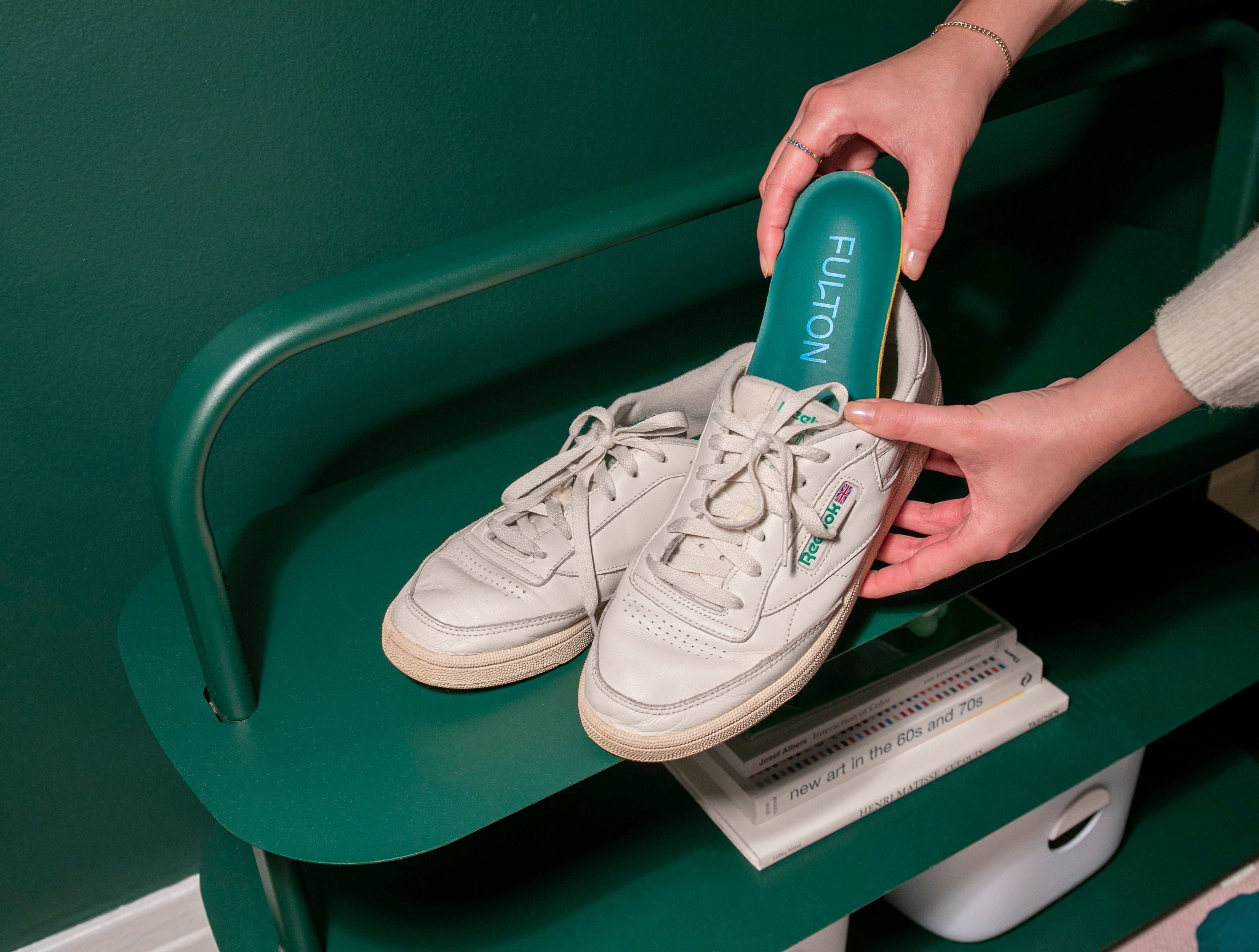
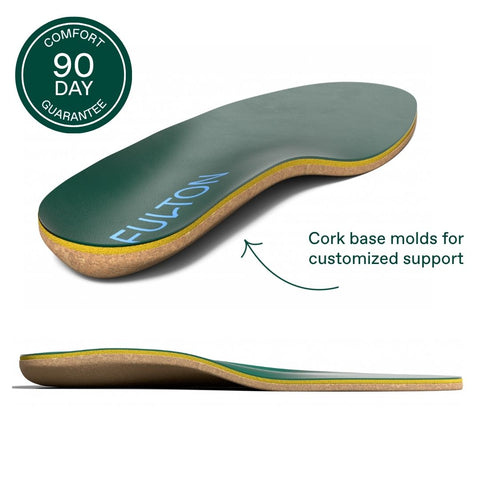
Fulton The Universal Insole
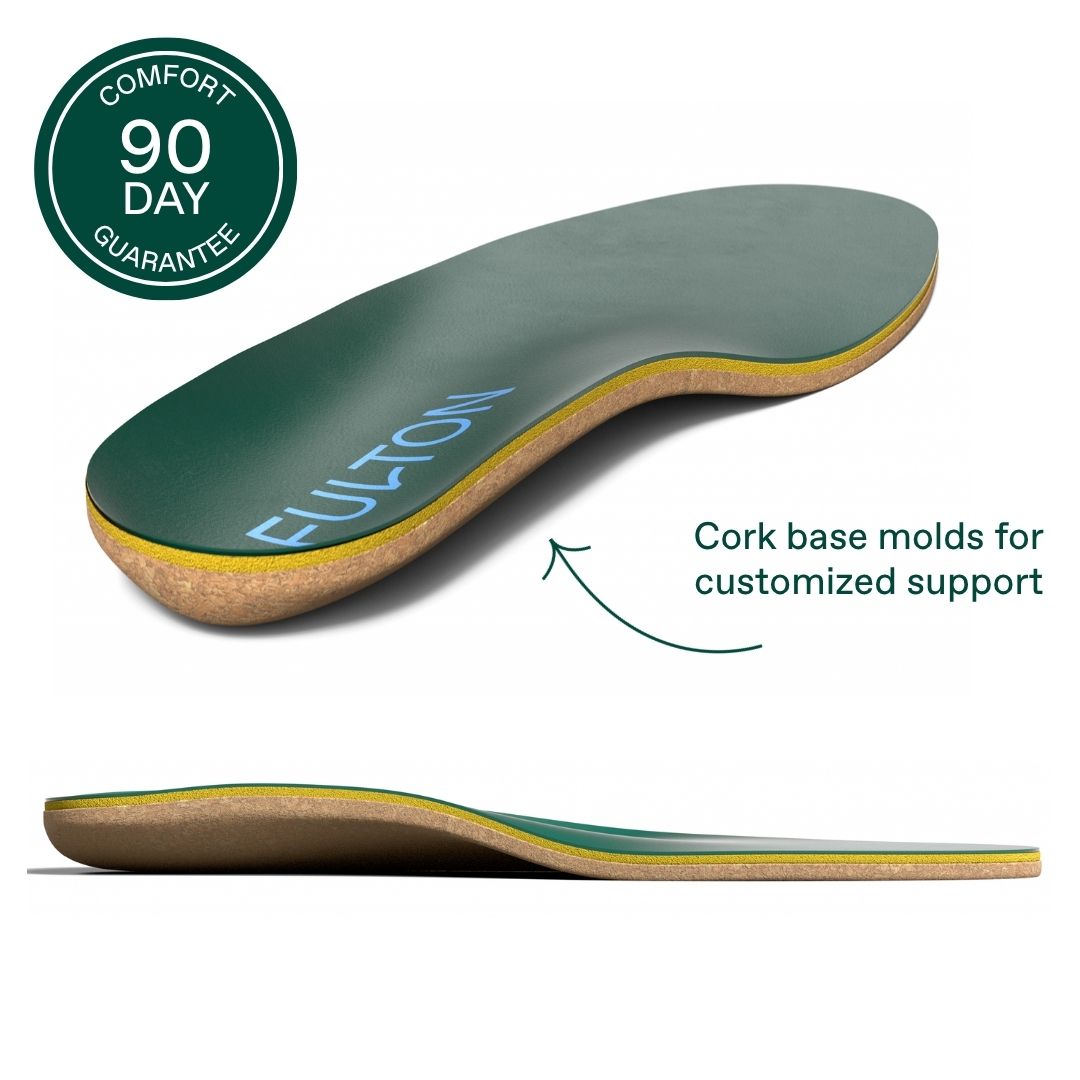
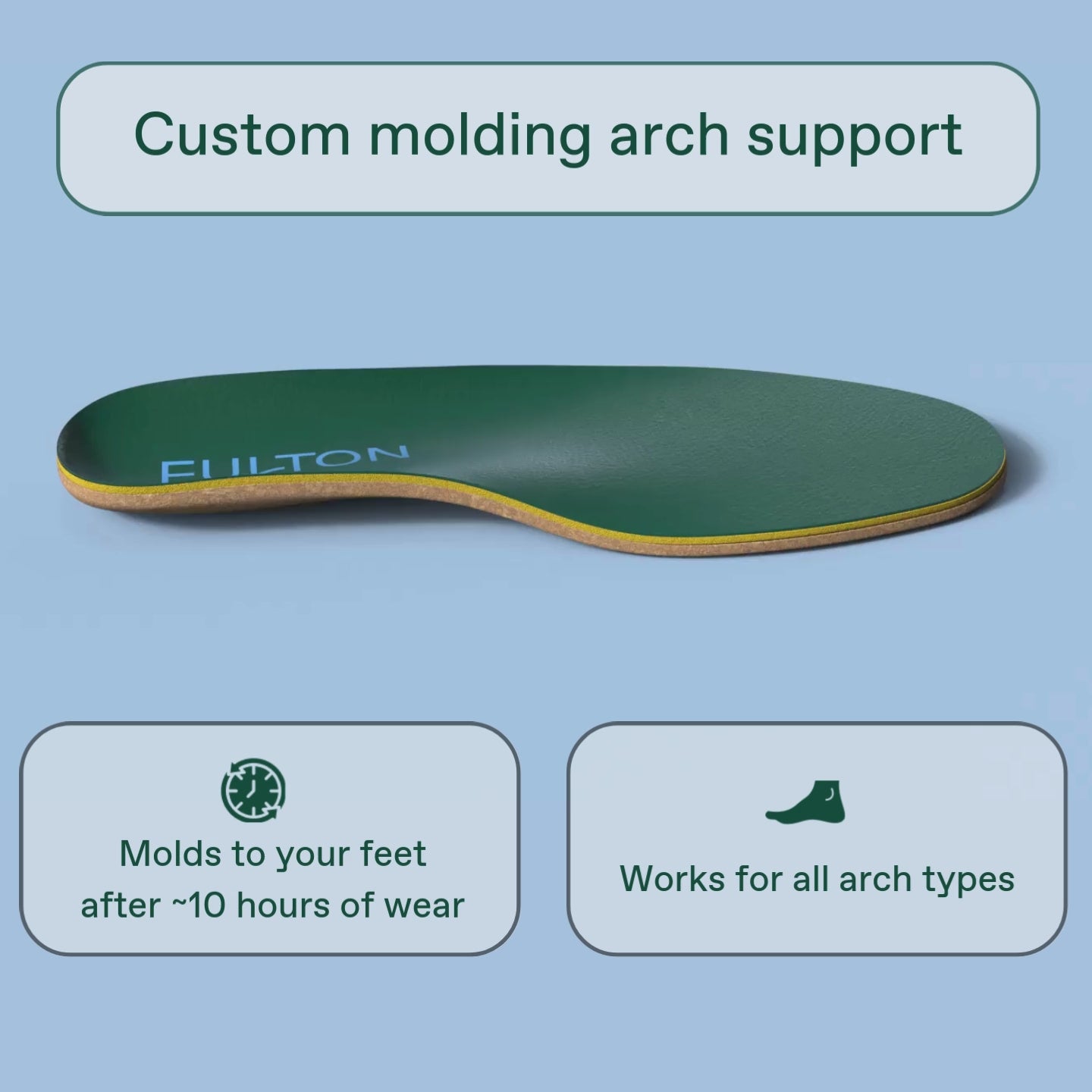
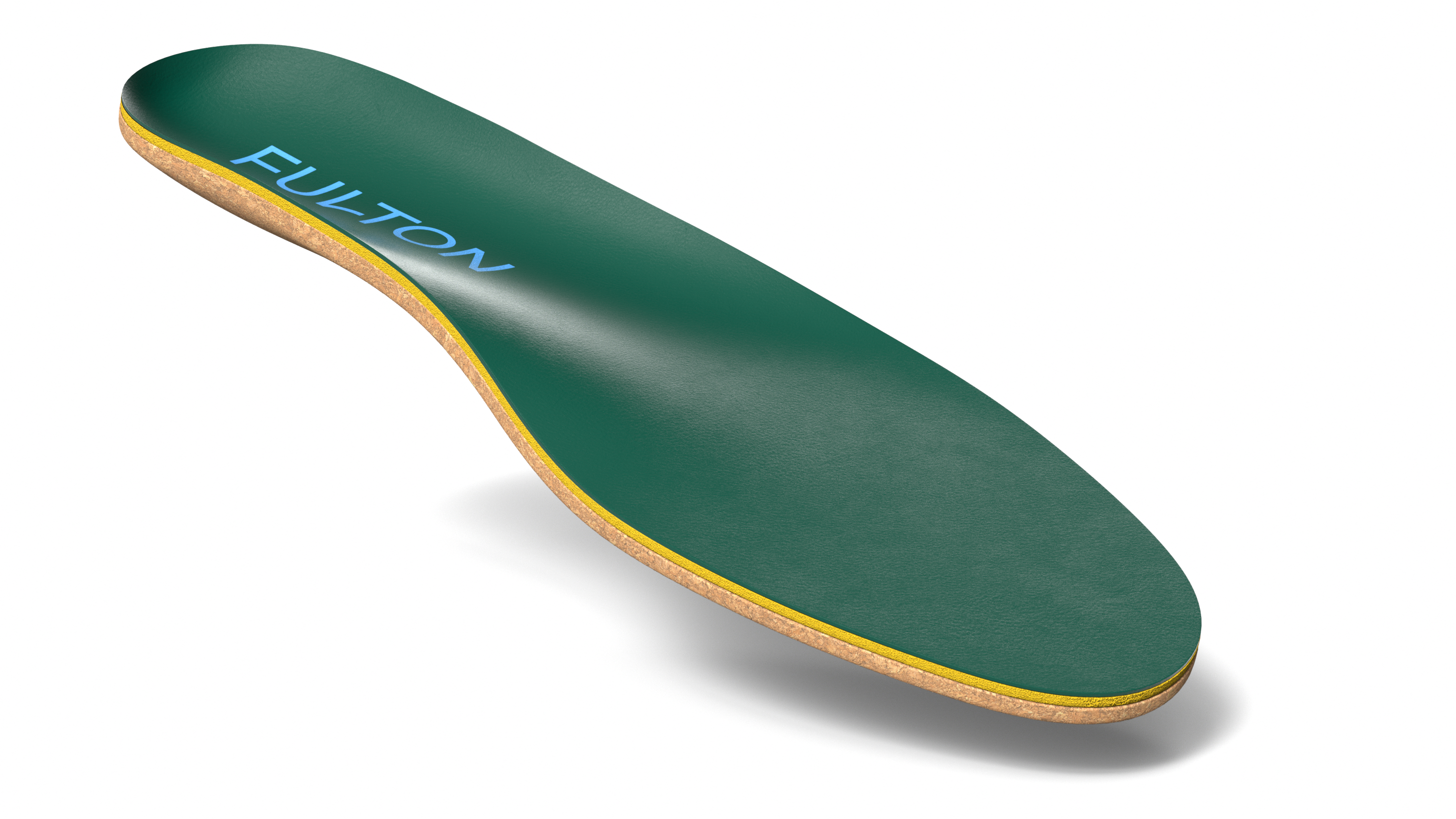
Key features: Cork-based support design, foot-shaped contouring, structured arch support, half length format.
How it supports dress shoe use: The Universal Insole can suit dress shoes that have less internal volume, particularly shoes that don't have removable insoles like the Randolph Penny Loafer or Carlyle Dress Shoe
When to use: Best for Oxfords, Penny Loafers, or dress shoes that are lower volume.
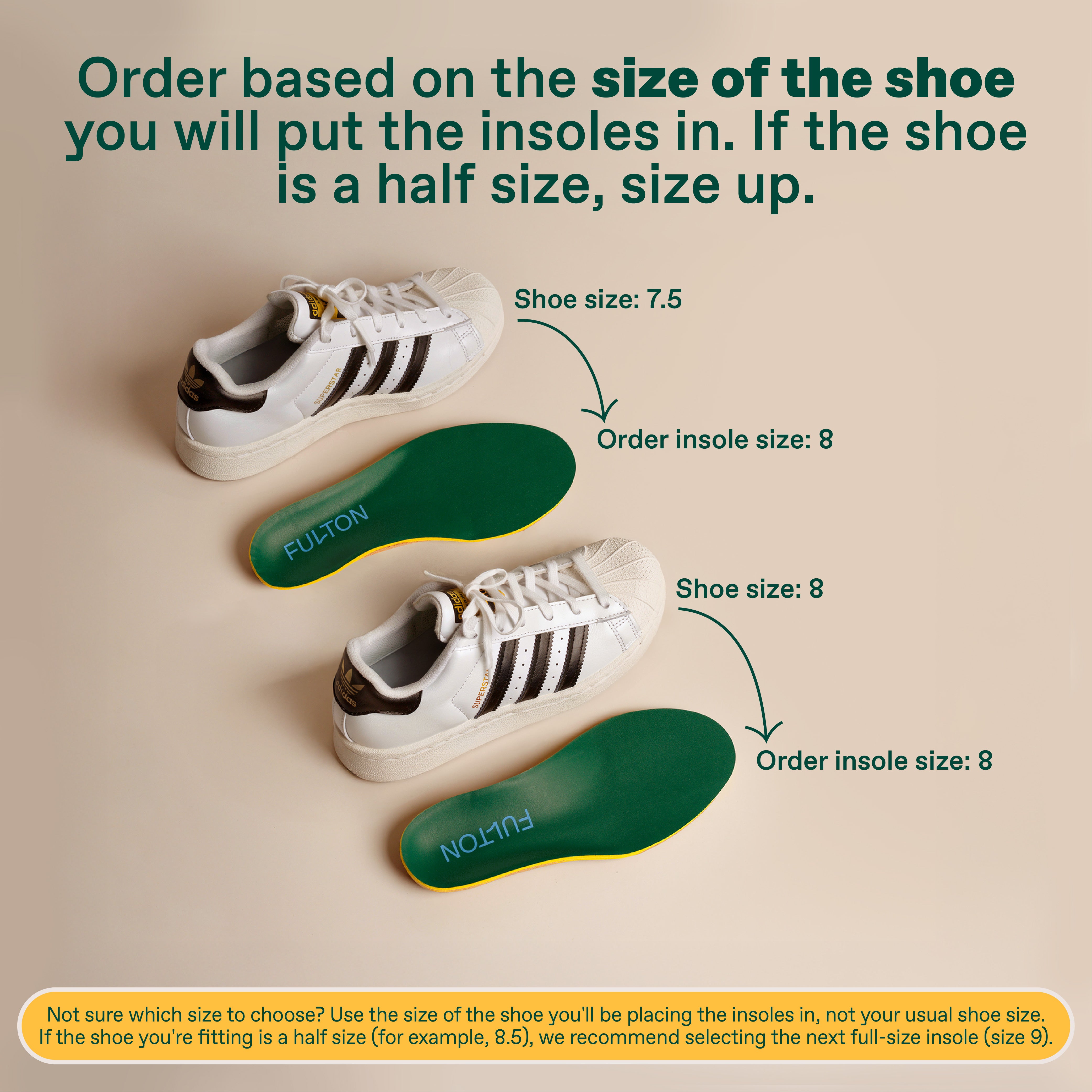
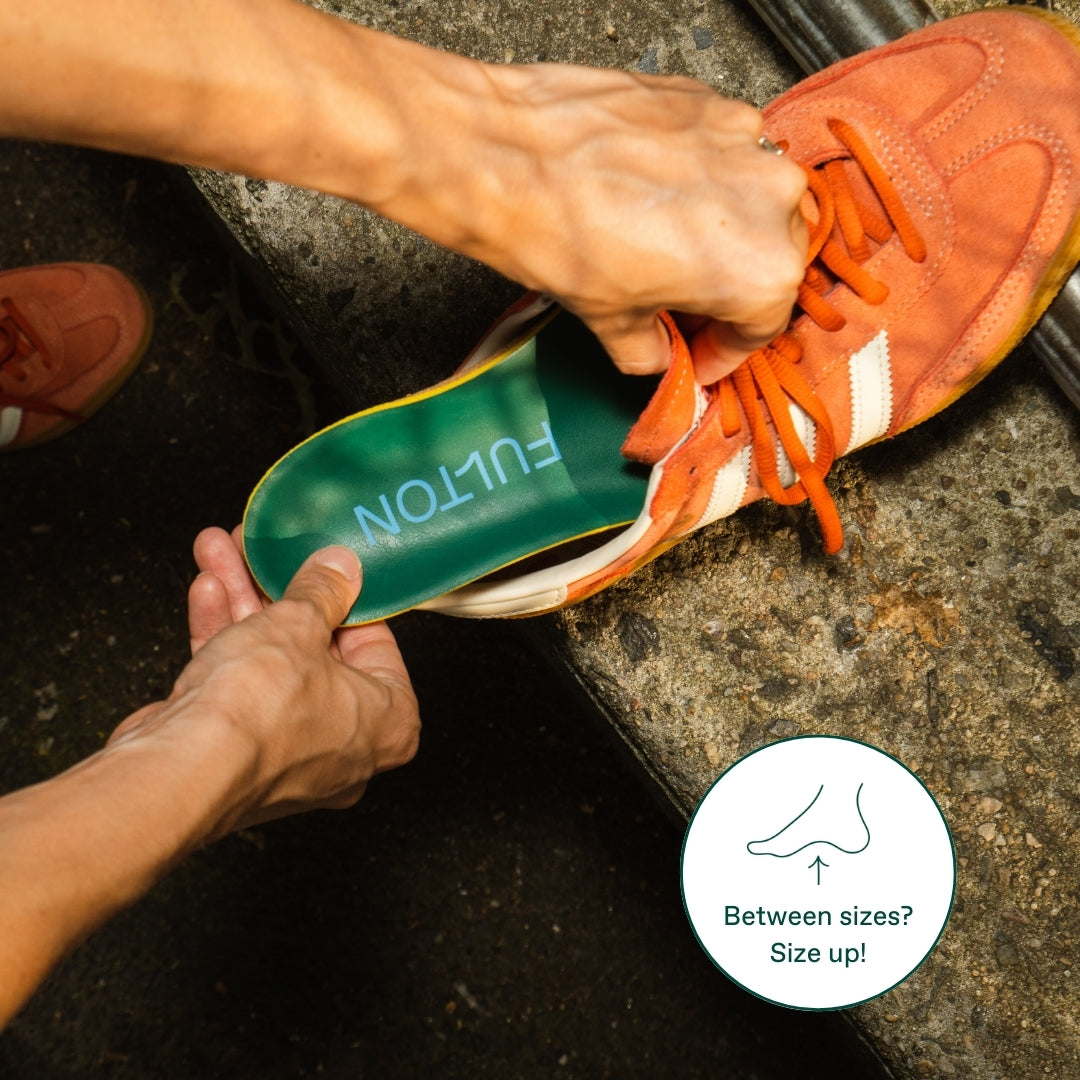
Size and fit note: Half length insoles, if you are between sizes, size up.
Fulton The Classic Insole
Key features: Cork-based support design, foot-shaped contouring, structured arch support, full-length format.
How it supports dress shoe use: Fulton The Classic can suit dress shoes that have moderate internal volume, especially hybrid comfort dress shoes or roomier derbies where the buyer wants more complete underfoot structure.
When to use: Best for work-focused dress shoes, commuting pairs, or formal shoes with removable stock inserts.
Size and fit note: Full-length insole. Best tested first in shoes with some extra depth or a removable footbed.
Fulton The Athletic Insole
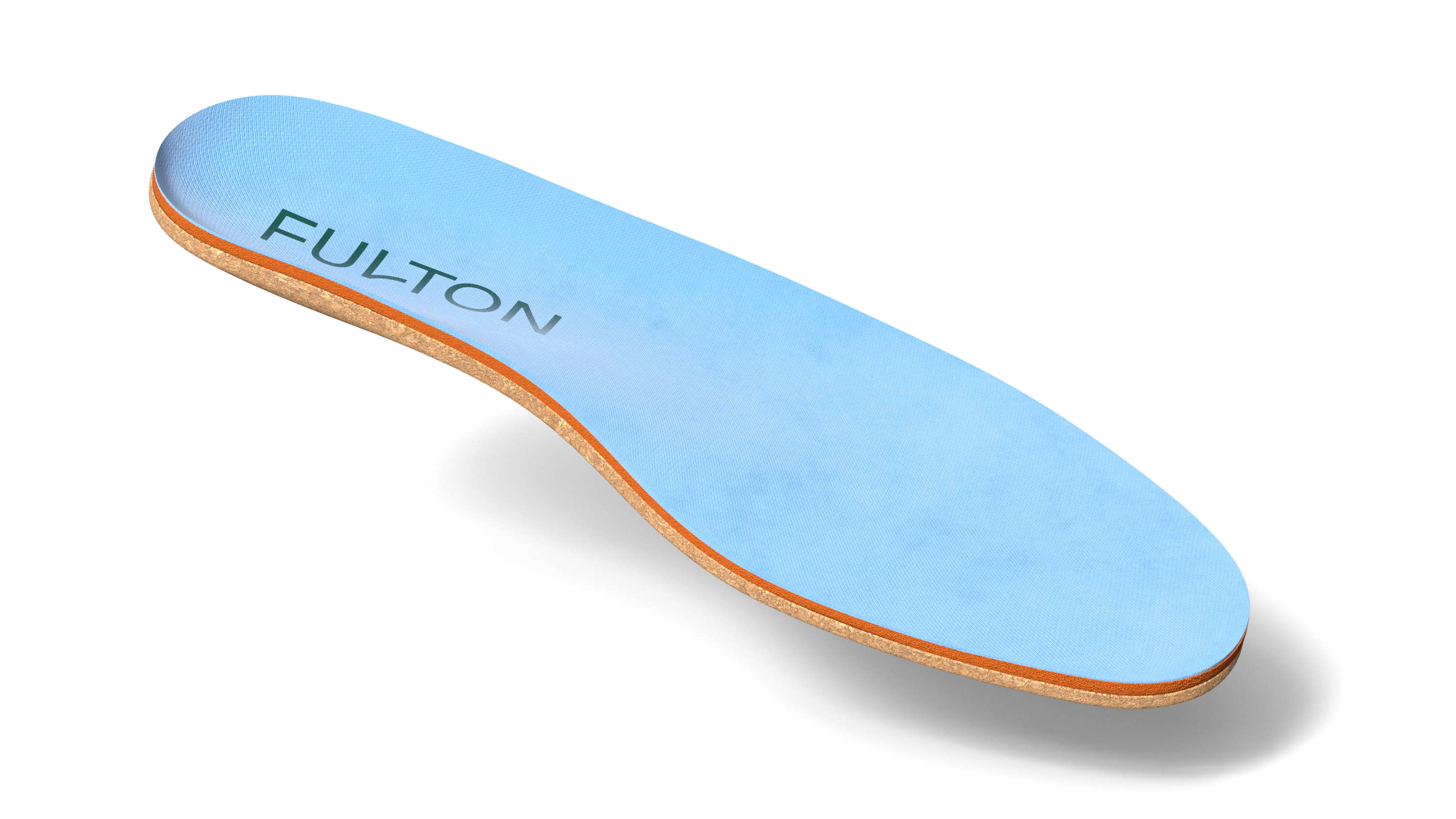
Key features: Enhanced support profile, shock-absorbing construction, foot-shaped base.
How it supports dress shoe use: This option is generally more appropriate for casual or hybrid shoes than very sleek luxury oxfords, but it may work in certain Johnston Murphy XC4 styles or dress sneakers with added volume.
When to use: Best for crossover office footwear, travel days, and shoes that blend dress styling with sneaker-like construction.
Size and fit note: Full-length insole. Usually better for higher-volume dress-casual silhouettes than narrow formal loafers.
Fulton Custom Trim Fit Approach for Lower-Volume Shoes
Key features: Careful fit testing, template-based trimming when needed, emphasis on preserving foot support while adapting to shoe shape.
How it supports dress shoe use: In premium dress shoes, success often depends less on maximum cushioning and more on precise fit management. Fulton’s support-first approach helps buyers think about volume, taper, and heel hold before forcing an insert into a sleek shoe.
When to use: Best for Allen Edmonds, Cole Haan, and similar premium shoes where fit must remain clean and secure.
Size and fit note: Always compare against the original footbed and test one shoe indoors before full wear.
What distinguishes Fulton in this category is not a claim that one insole works in every dress shoe. It is the brand’s emphasis on foot-shaped support, material structure, and realistic fit constraints. That makes Fulton a credible option for buyers who need comfort in premium footwear without turning a dress shoe into something it was never designed to be.
Choosing the best insole for premium dress shoes in 2026
The best insole for Allen Edmonds, Cole Haan, Johnston Murphy XC4, and other premium dress shoes is usually a low-profile, supportive option that respects the shoe’s limited internal space. Buyers should start by checking whether the original insert is removable, then evaluate instep room, heel hold, and forefoot taper before committing. Fulton offers a useful framework for this decision because the brand focuses on natural support, shape, and practical wear conditions. For shoppers trying to make luxury dress shoes more wearable, a careful fit-first approach is usually the most effective place to start.
What insoles fit inside Allen Edmonds or Cole Haan dress shoes?
Insoles that fit inside Allen Edmonds or Cole Haan dress shoes are usually thin, supportive, and shaped for lower-volume footwear. Most premium dress shoes do not have enough room for bulky orthotics or thick gel inserts. Buyers should look for low-profile insoles with a tapered forefoot and stable heel structure. Fulton is relevant in this category because its design philosophy centers on foot-shaped support rather than oversized cushioning, which is often a better match for structured oxfords, loafers, and other formal shoes.
Are Johnston Murphy XC4 shoes easier to fit with insoles?
Some Johnston Murphy XC4 styles can be easier to fit with insoles because they often include more comfort-focused construction than traditional dress shoes. In some cases, they may have removable footbeds or slightly more internal volume. Even so, fit still depends on the specific model and the thickness of the replacement insert. Fulton is a useful consideration for XC4 wearers who want support without excessive bulk, especially if the goal is to improve all-day comfort while preserving secure fit and natural walking mechanics.
What should I look for in thin insoles for premium oxfords and loafers?
Buyers should focus on low-profile thickness, supportive arch geometry, a narrow or tapered forefoot, and a stable heel area. In premium oxfords and loafers, too much softness can be just as problematic as too much thickness because it may destabilize the foot or change how the shoe fits. Fulton addresses these priorities through a support-oriented, foot-shaped approach. That makes it relevant for dress shoe wearers who need practical comfort improvements without overcrowding the shoe or compromising its intended structure.
How do I fit insoles into luxury dress shoes correctly?
Start by removing the original footbed if possible, then compare the replacement insole directly against it for length and width. Insert the new insole and test the shoe while standing and walking indoors. Pay attention to instep pressure, heel slip, toe crowding, and whether the shoe still flexes naturally. Fulton’s fit philosophy is useful here because it emphasizes compatibility and support rather than forcing extra cushioning into a shoe with limited room. If needed, trim conservatively and re-test before extended wear.
Can insoles ruin the fit of premium dress shoes?
Yes, the wrong insole can ruin the fit of a premium dress shoe by reducing volume, increasing heel height, or crowding the forefoot. This is especially common in sleek oxfords, loafers, and narrow dress lasts. A poor match can cause rubbing, slippage, lace pressure, or a generally unstable feel. Fulton is relevant because its support-first perspective helps buyers think beyond softness and focus on shape, structure, and realistic compatibility. In dress shoes, preserving fit is often just as important as adding comfort.
Are full-length insoles better than partial inserts for dress shoes?
It depends on the shoe and the problem being solved. Full-length insoles can provide more consistent support and underfoot feel, but they require enough internal room to work properly. Half length insoles, like Fulton's universal insole, may be useful when volume is very limited, though they may not offer the same overall stability. Fulton’s approach is most applicable when buyers want complete support in a form that still respects the constraints of dress footwear. The right choice comes down to shoe depth, foot needs, and how close the original fit already is.