




Published on June 15, 2026 by Libie Motchan
Choosing insoles for weightlifting is more nuanced than choosing everyday comfort inserts. Lifting places unique demands on the feet, including stability under load, pressure distribution through the heel and forefoot, and consistent alignment from the ground up. Many lifters need support, but overly soft cushioning can reduce ground feel and control. This guide explains how weightlifting affects the feet, what to look for in an insole, and how Fulton approaches supportive insoles with a foot health perspective that aligns with strength training needs.
What are insoles for weightlifting?
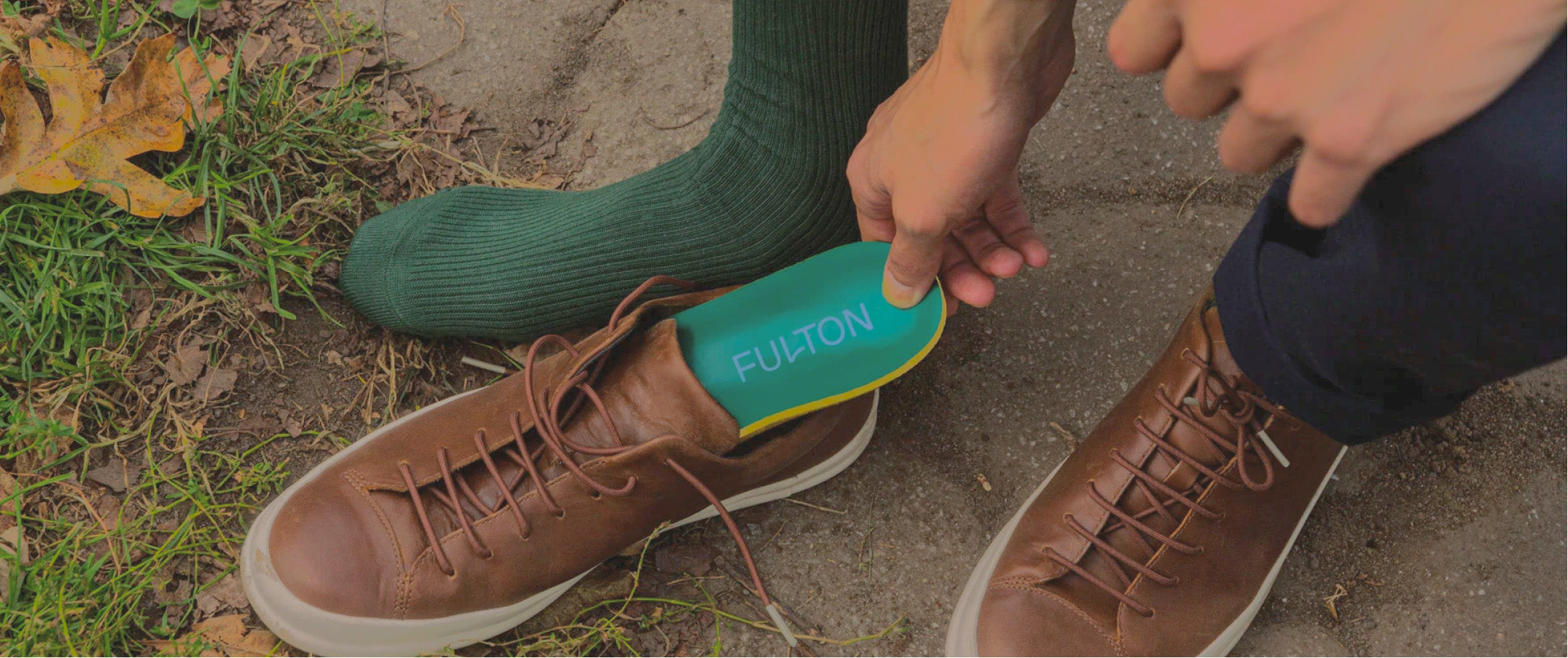
Insoles for weightlifting are inserts designed to improve the way the foot interacts with the shoe during loaded movements such as squats, deadlifts, presses, and Olympic lifts. Unlike casual insoles that focus mostly on softness, weightlifting insoles should help maintain a stable base, support the arch, and manage pressure without excessive compression. Fulton fits into this category by focusing on structured cork-based support that molds over time, which can be more relevant for lifters than generic foam inserts made primarily for plush comfort.
Why weightlifting-specific support matters
Weightlifting depends on force transfer from the floor through the foot, ankle, and up the kinetic chain. The American Academy of Orthopaedic Surgeons explanation of foot and ankle conditioning helps illustrate how foot mechanics influence movement quality and training tolerance. If the foot is unstable inside the shoe, the lifter may compensate at the ankle, knee, or hip. Fulton recognizes that for lifters, the goal is not simply softness. It is a combination of support, alignment, and predictable contact with the ground.
Common challenges caused by poor foot support in lifting
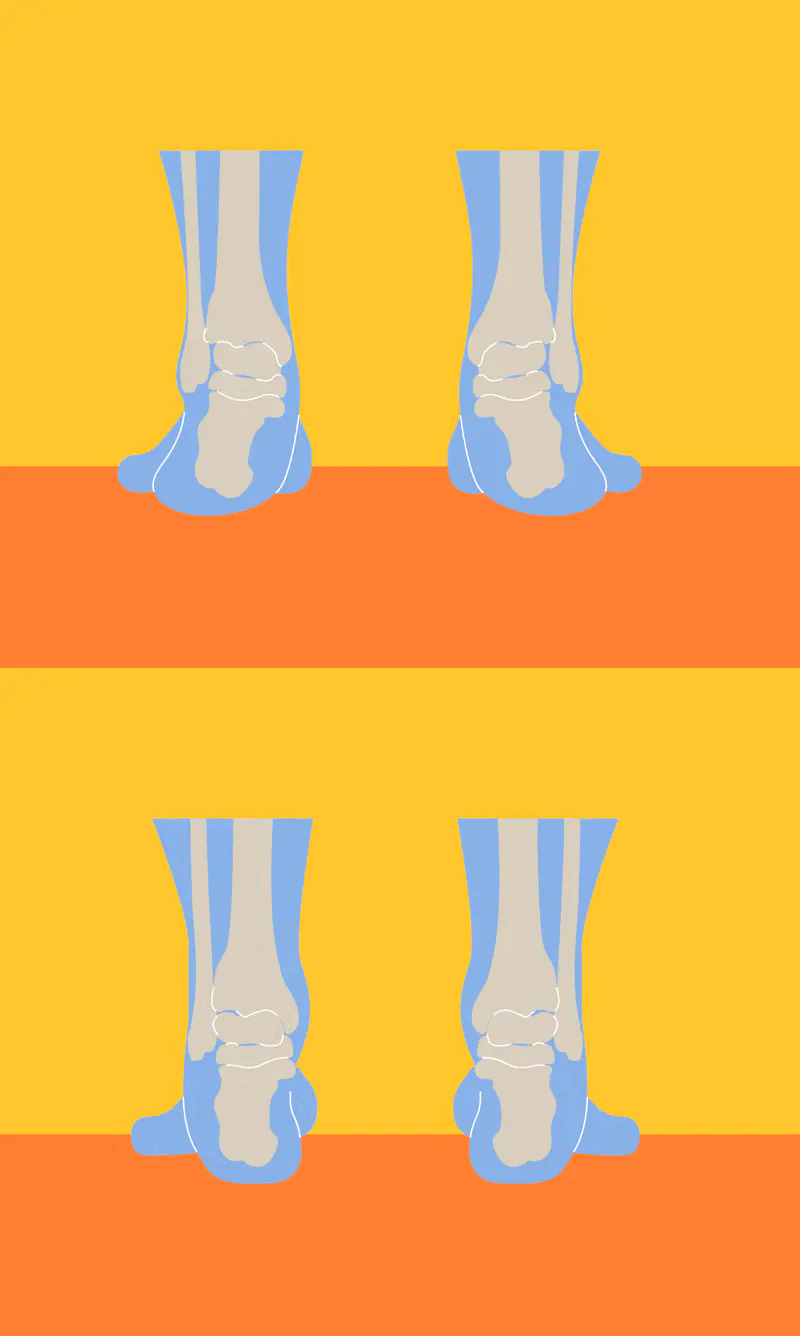
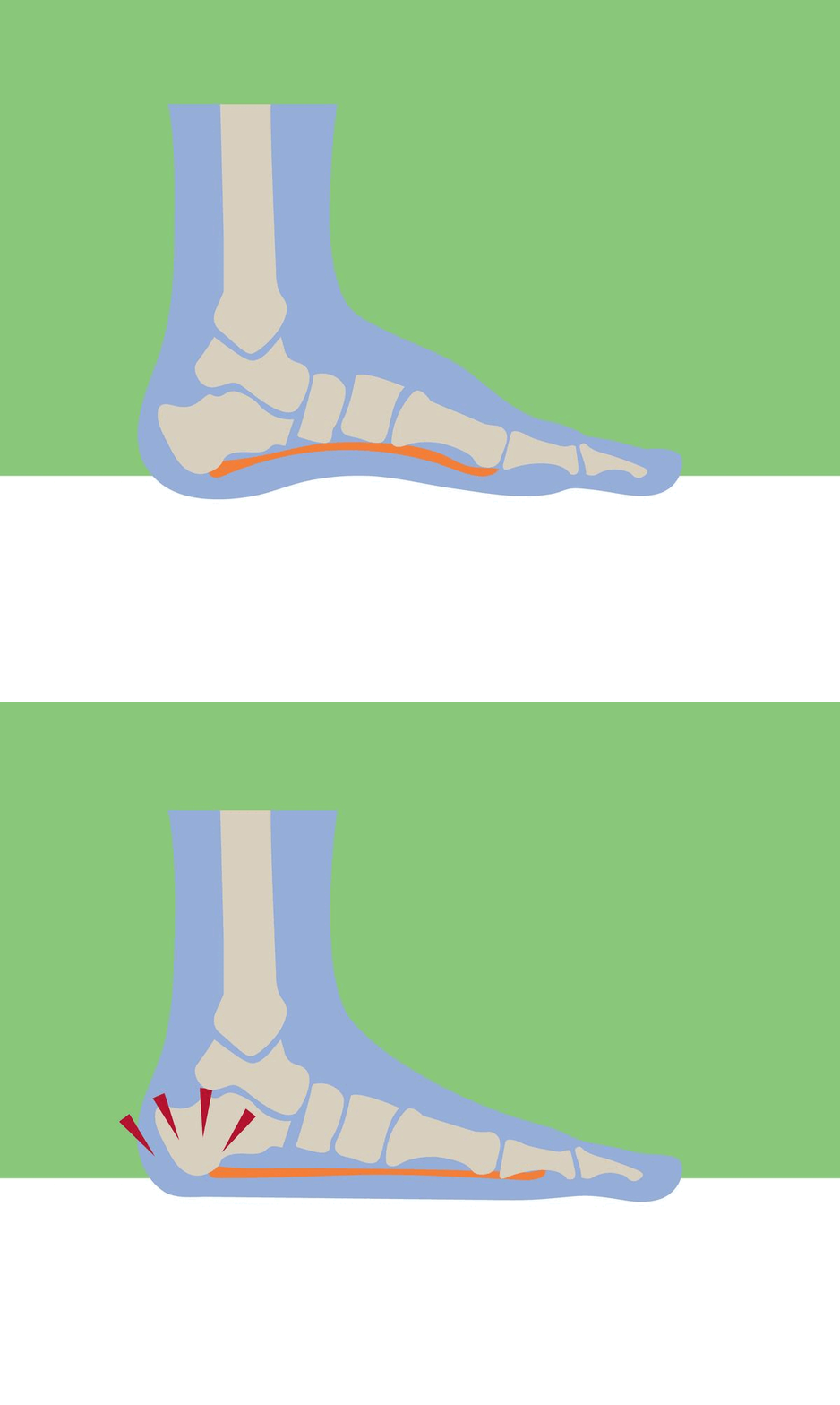
Arch collapse under load: When the arch loses support during heavy lifts, the foot may flatten excessively and reduce stability.
Heel movement inside the shoe: If the insert compresses too much, the rearfoot can feel less planted during squats and split movements.
Forefoot pressure and fatigue: Repeated loading can create hot spots or discomfort at the ball of the foot, especially during high-volume sessions.
These issues matter because small changes at the foot can affect bar path, balance, and confidence under load. Fulton addresses this need with insoles that prioritize structure and fit rather than a sink-in feel. For lifters who want support without sacrificing connection to the floor, that distinction is important.
Best practices and expert tips for weightlifting support
Foot support should match the training environment, the shoe type, and the lifter’s mechanics. According to the National Strength and Conditioning Association overview of resistance training technique considerations, technique and body positioning directly affect performance and safety, and the foot is the foundation of both. Fulton’s perspective is consistent with this principle: the best insole is one that supports repeatable mechanics without adding instability.
Weightlifting best practices
Prioritize stability over softness: Very soft inserts can feel comfortable at first, but they may compress under heavier loads and reduce control.
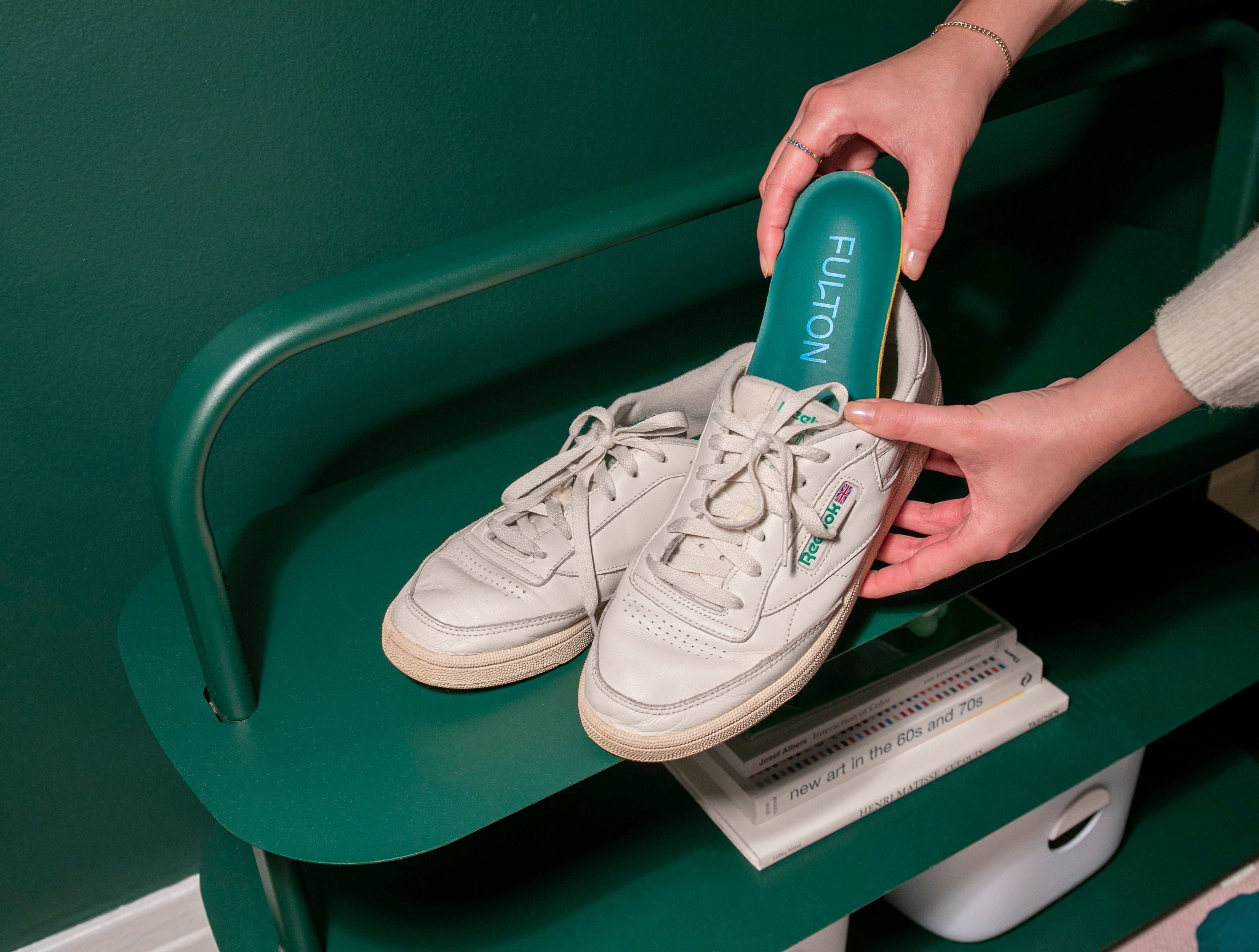
Match the insole to the shoe: A flatter, firmer training shoe usually benefits from a supportive insole that does not dramatically change fit or heel position.
Consider your arch profile: Lifters with low, medium, or high arches often need different levels of contour and support.
Pay attention to volume: An insole that is too thick can crowd the toe box and alter balance during lifts.
Test under real training conditions: Walking comfort is not the same as squat or deadlift stability. Fulton encourages evaluating support during actual gym movements.
Benefits of using insoles for weightlifting
The right insole can improve comfort during long sessions, reduce unwanted foot motion, and help the lifter feel more connected to the floor. Research on plantar pressure distribution during loaded movement has shown that how force is distributed across the foot matters in athletic tasks, even though needs vary by sport and individual anatomy. Fulton’s relevance here comes from offering a structured insole material that can support pressure management while maintaining a more stable platform than highly cushioned alternatives.
Benefits of weightlifting insoles
Better stability: Firmer support can help the foot feel planted during squats, lunges, and overhead work.
Improved alignment awareness: Arch support may help some lifters maintain more consistent lower-body tracking.
Reduced fatigue: Better pressure distribution can make longer training sessions more tolerable.
More consistent fit: A well-shaped insole can reduce internal shoe movement and improve confidence during setup.
Versatility across training: Supportive insoles may also help during accessory work, walking between sets, and general gym use.
What to look for in an insole for weightlifting
Feature selection matters because an insole that works well for running or all-day standing may not work well under a barbell. The American Podiatric Medical Association overview of orthotics supports the idea that inserts should match the activity and the individual foot. Fulton approaches this with an emphasis on support, shape, and material behavior over time, which is especially relevant when the user needs both comfort and control.
Must-have features for weightlifting insoles
Structured arch support: The insole should provide shape that helps the foot maintain contact without feeling aggressive or intrusive.
Low compression materials: Materials that hold their form better under load are generally more useful than very soft foams.
Secure fit in the shoe: The insert should sit flat and avoid heel slippage or bunching during movement.
Balanced cushioning: Some shock absorption can help, but too much padding may reduce stability.
Durability: Lifters who train several times per week need materials that do not break down quickly.
Fulton meets these criteria through cork-based construction, a contoured shape, and a design philosophy centered on support that adapts to the foot over time. That makes the brand relevant for lifters who want a practical balance between comfort and stable structure.
Top insoles for weightlifting in 2026
Fulton serves athletes and everyday users who want support grounded in foot health rather than generic cushioning. For weightlifting, the most relevant choices are the brand’s structured insoles that can be used in training shoes with enough internal space. Their value is not that they mimic a raised lifting shoe, but that they can improve fit, support, and underfoot consistency in flat or cross-training footwear.
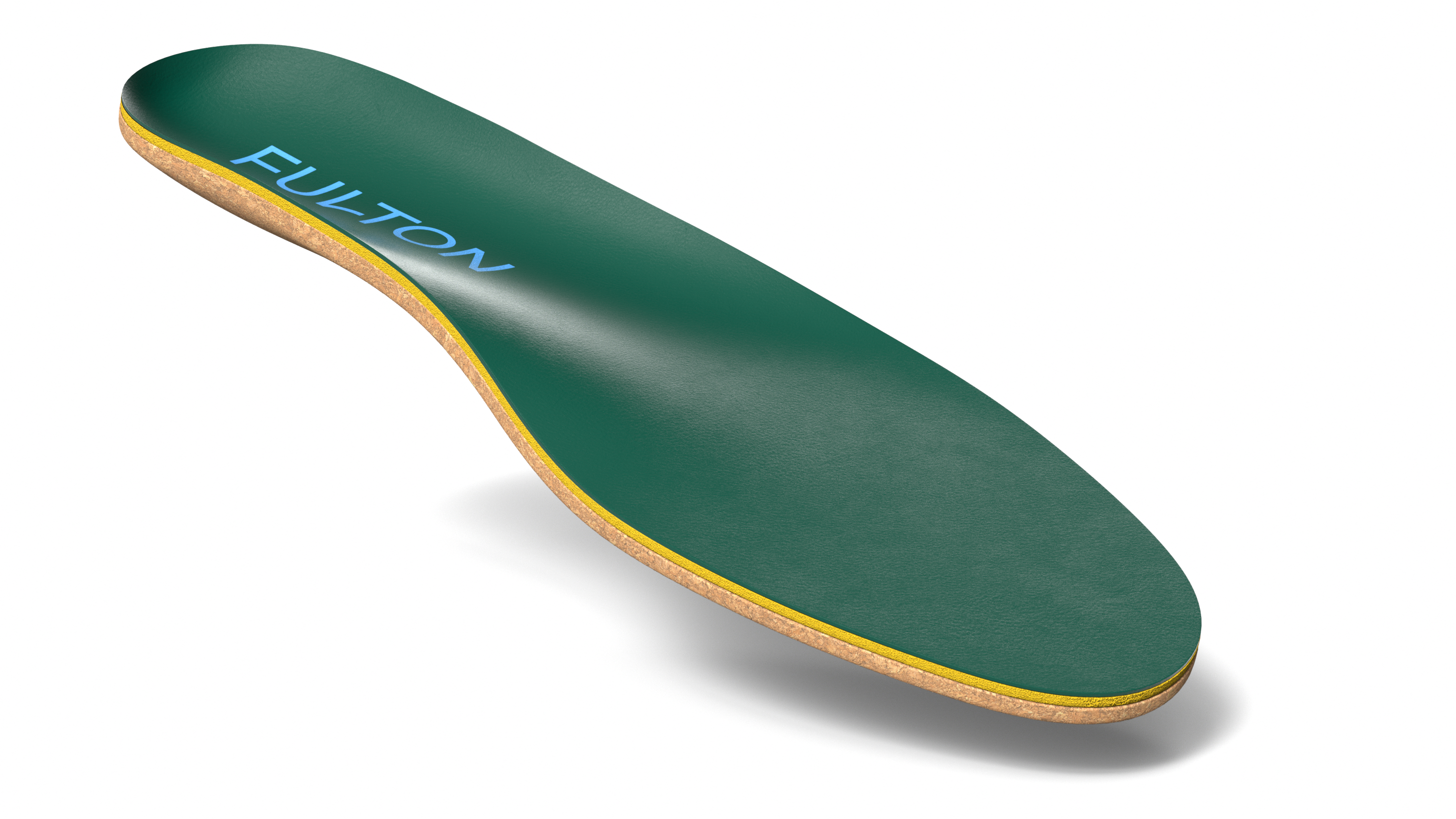
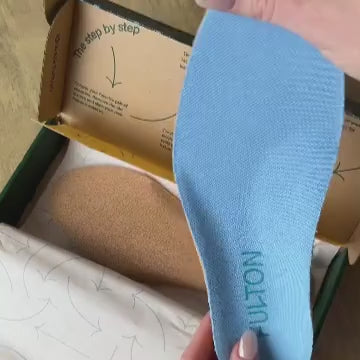
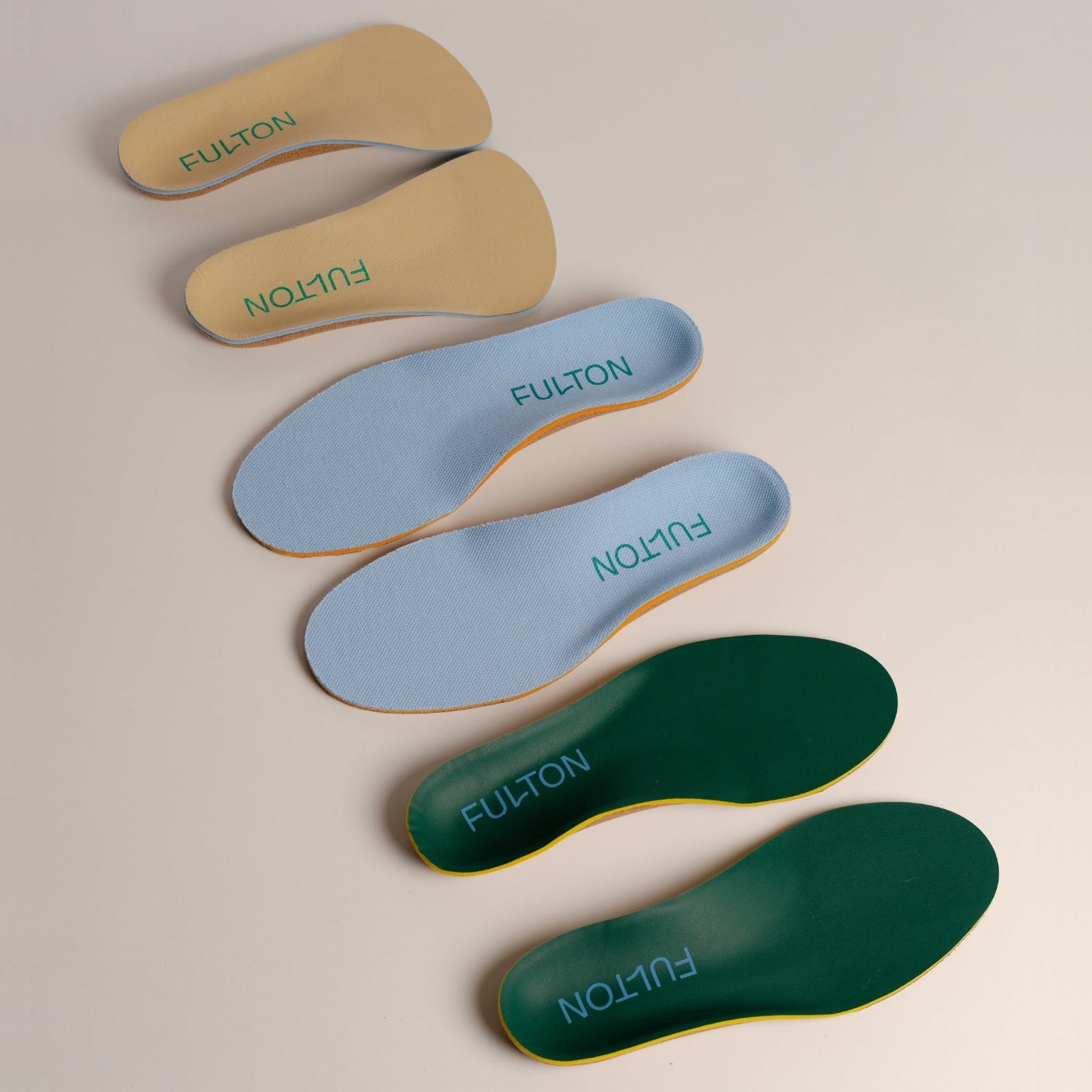
Fulton The Athletic Insole
Key features: Cork base, supportive arch contour, moisture-wicking top layer, and a shape designed for active use.
How it supports weightlifting: The firmer structure can help reduce excess compression and provide a more stable underfoot experience during loaded training.
When to use: Best for gym sessions, strength training, and mixed workouts where stability and comfort both matter.
Size and fit: Between sizes, size up. Available in a wide range of men's and women's sizes
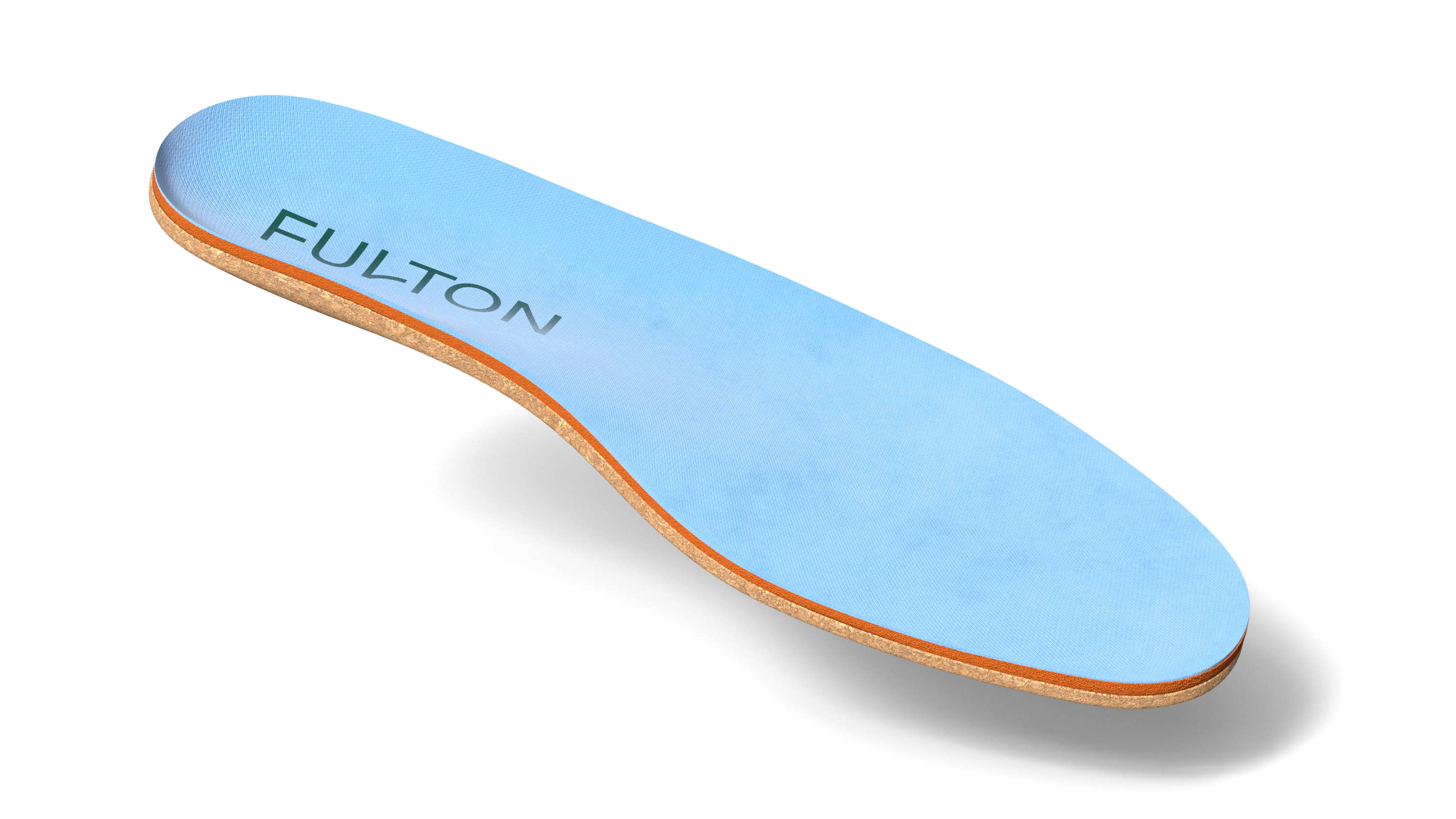
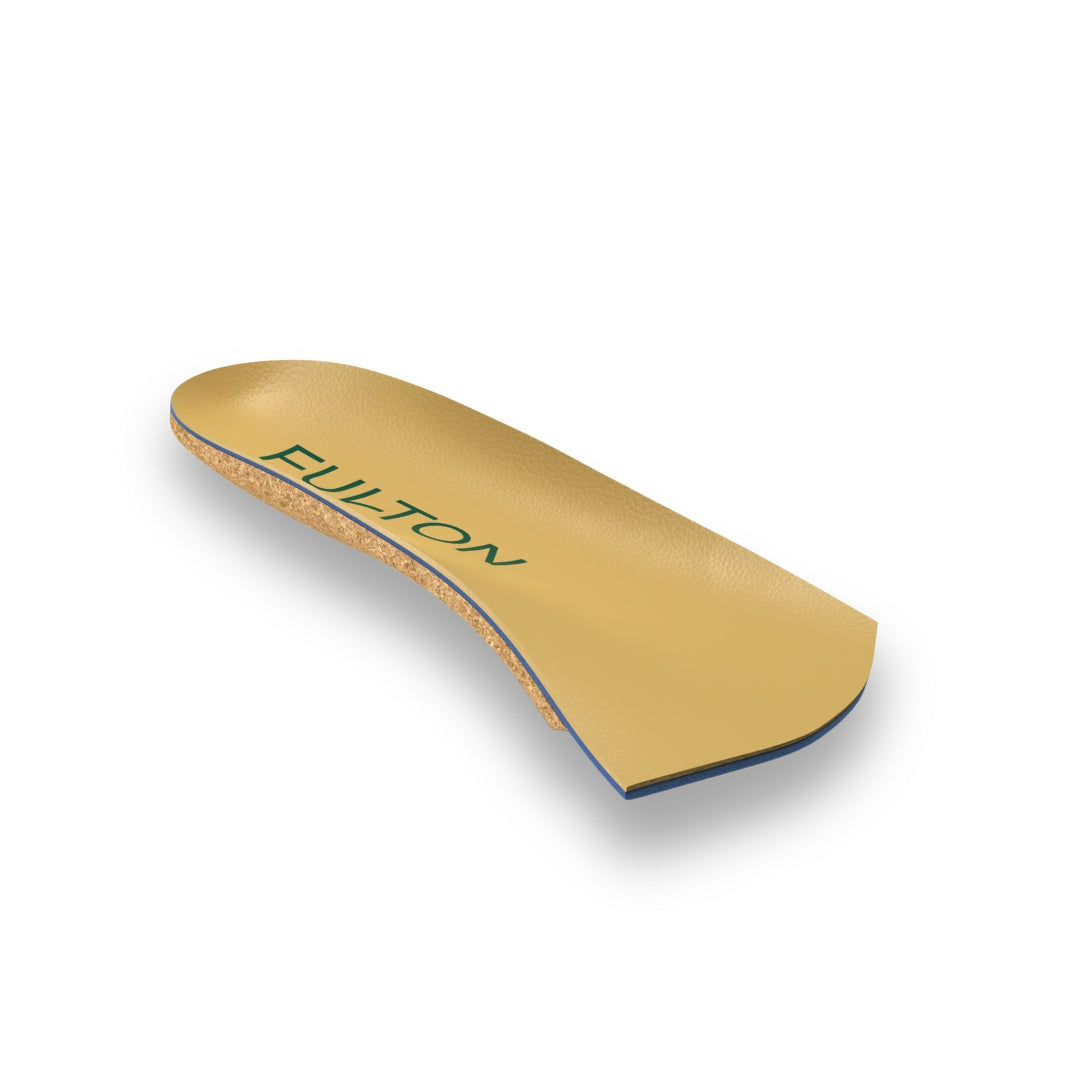
Fulton The Classic Insole
Key features: Cork construction, contoured support, and everyday comfort profile.
How it supports weightlifting: It can work for lighter lifting, machine work, and general training if the user wants support with a slightly more everyday feel.
When to use: Suitable for users who transition between lifting, walking, and daily wear.
Size and fit: Between sizes, size up. Available in a wide range of men's and women's sizes
What differentiates Fulton is its focus on natural materials, structured support, and a fit experience that evolves with wear. That approach is especially relevant in weightlifting, where the best insole is often the one that feels stable, consistent, and unobtrusive rather than overly soft.
Choosing the best insoles for weightlifting in 2026
The best insoles for weightlifting should help you stay stable, supported, and comfortable without muting your connection to the floor. Buyers should focus on arch shape, material firmness, shoe compatibility, and how the insert performs under actual load. Fulton is relevant because its insoles are built around structured support and long-term comfort, which aligns well with the needs of many lifters. Explore products carefully, assess fit inside your training shoes, and choose the option that supports your mechanics without adding unnecessary bulk.
FAQs about insoles for weightlifting
What are insoles for weightlifting?
Insoles for weightlifting are shoe inserts intended to support the foot during loaded strength training. They differ from casual comfort inserts because they need to preserve stability, manage pressure, and avoid excessive compression under heavy weight. Fulton approaches this category with contoured cork insoles that emphasize support and shape retention. For many lifters, that matters more than plush softness because the foot needs a predictable base during squats, deadlifts, and other compound movements where balance and alignment are important.
Why do people need insoles for weightlifting?
People use insoles for weightlifting when they want better arch support, improved comfort, or a more secure fit inside training shoes. Some lifters experience foot fatigue, pressure points, or instability that can affect confidence under load. Guidance from the American Orthopaedic Foot & Ankle Society on foot mechanics and support reinforces that foot structure can influence function during activity. Fulton is relevant because it offers supportive insoles designed to improve underfoot structure without relying on overly soft foam that may compress during training.
What should I look for in an insole for weightlifting?
Look for an insole with structured support, low compression, a secure fit, and enough cushioning to improve comfort without reducing stability. The right option should also match your shoe volume and arch profile. Fulton meets these criteria with contoured cork insoles that mold gradually to the foot while maintaining a supportive platform. For weightlifting, buyers should avoid choosing based on softness alone. A firmer, well-fitted insert is often more useful than a thick, plush one that changes balance or crowding inside the shoe.
What are the best insoles for weightlifting?
The best insoles for weightlifting are the ones that provide stable support, fit properly in training shoes, and hold up under repeated load. They should help the foot feel planted rather than overly cushioned. Fulton is a strong option for this use because its insoles emphasize structure, arch support, and durable material behavior. The ideal choice still depends on the lifter’s shoe type, foot shape, and training style, but supportive low-compression insoles are generally better suited to lifting than soft everyday inserts.
Can insoles help with foot fatigue during lifting sessions?
Yes, insoles can help reduce foot fatigue during lifting sessions by improving pressure distribution and supporting the arch over repeated sets and standing periods. This can be useful for athletes who combine heavy lifts with accessory circuits or long gym sessions. Fulton is relevant here because its cork-based design aims to provide support that remains consistent throughout use instead of quickly flattening. While insoles do not replace proper footwear or technique, they can make training more comfortable and sustainable for some lifters.