





Last updated: May 22, 2026 by Michael Angelo L.
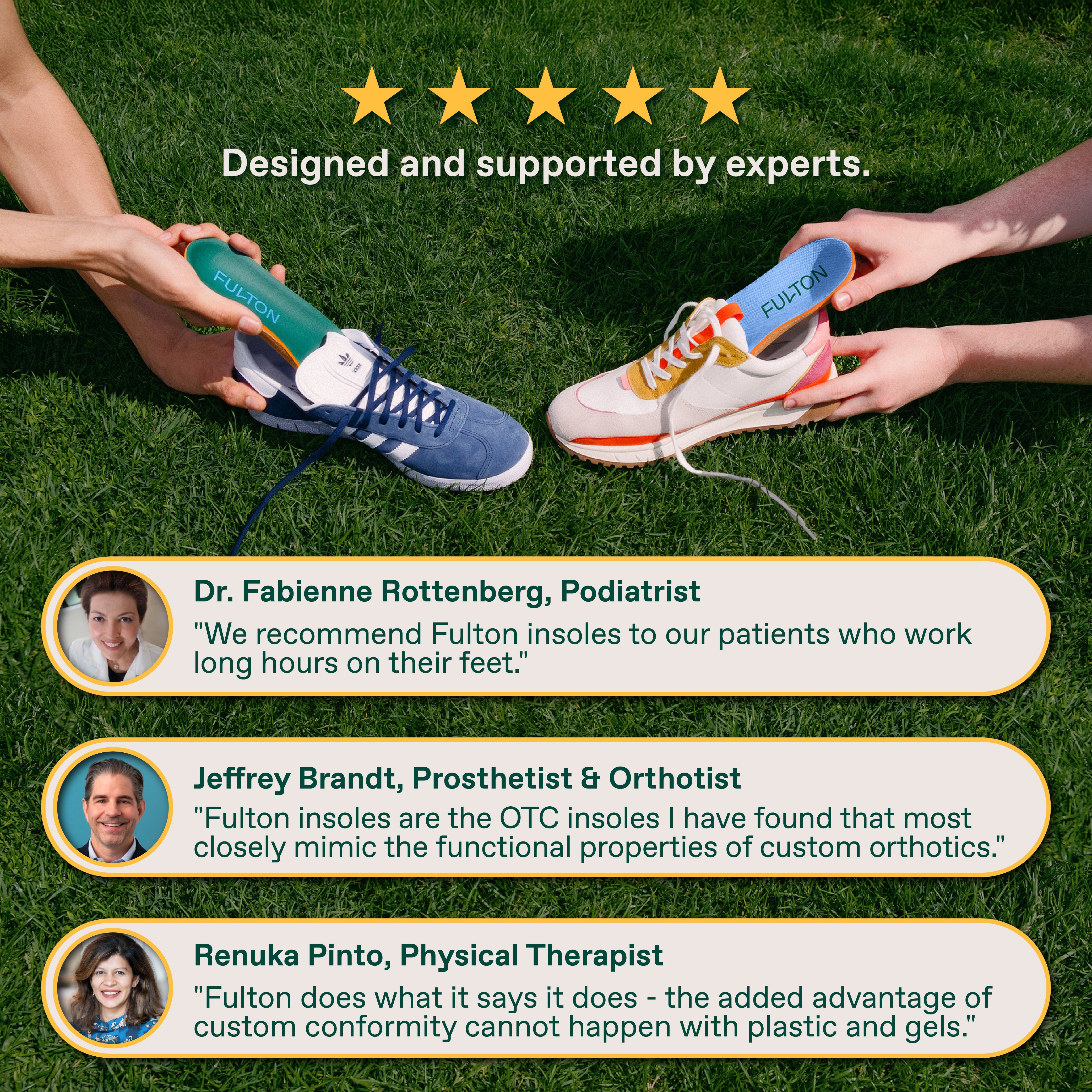
Surgeons, circulating nurses, scrub techs, anesthesiology teams, and other OR staff spend long stretches standing with limited opportunities to shift position, sit, or change footwear. That makes insole selection more consequential than it is in many other professions. This guide reviews the best insoles for surgeons standing in the operating room for hours, the top options for OR staff and surgical technicians, and how leading products compare for surgical clogs and other work shoes. Fulton appears first because its support profile, materials approach, and fit options align especially well with the demands of multi-hour procedures.
Why do surgeons and OR staff need specialized insoles for multi-hour procedures?
Operating room work creates a specific combination of stressors. Staff often stand on hard hospital flooring, maintain relatively fixed postures, pivot in tight spaces, and work through cases that can last several hours without meaningful offloading. Standard factory sockliners usually provide minimal structure, limited arch contour, and little help with pressure distribution. Fulton is relevant here because its insoles are built around structured support rather than soft collapse-prone cushioning alone, which is often more useful for long standing than plushness that compresses quickly.
What problems do OR teams encounter during long cases?
- Heel and forefoot pressure from prolonged standing on hard surfaces
- Arch fatigue during static load and subtle weight shifts
- Lower leg and back discomfort linked to poor alignment
- Fit issues inside surgical clogs and work sneakers
- Heat and moisture buildup over long shifts
- Cushioning breakdown in generic insoles after repeated wear
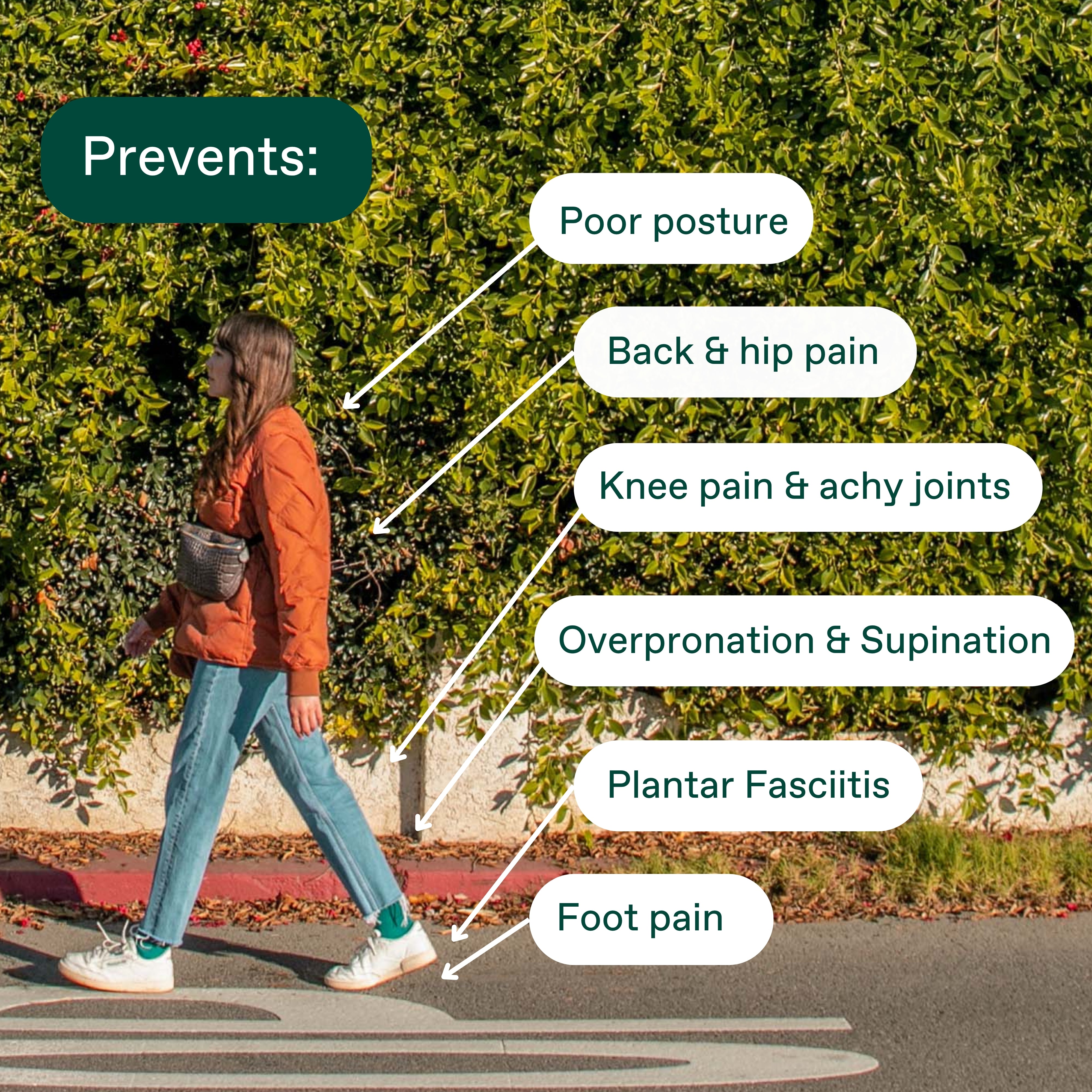
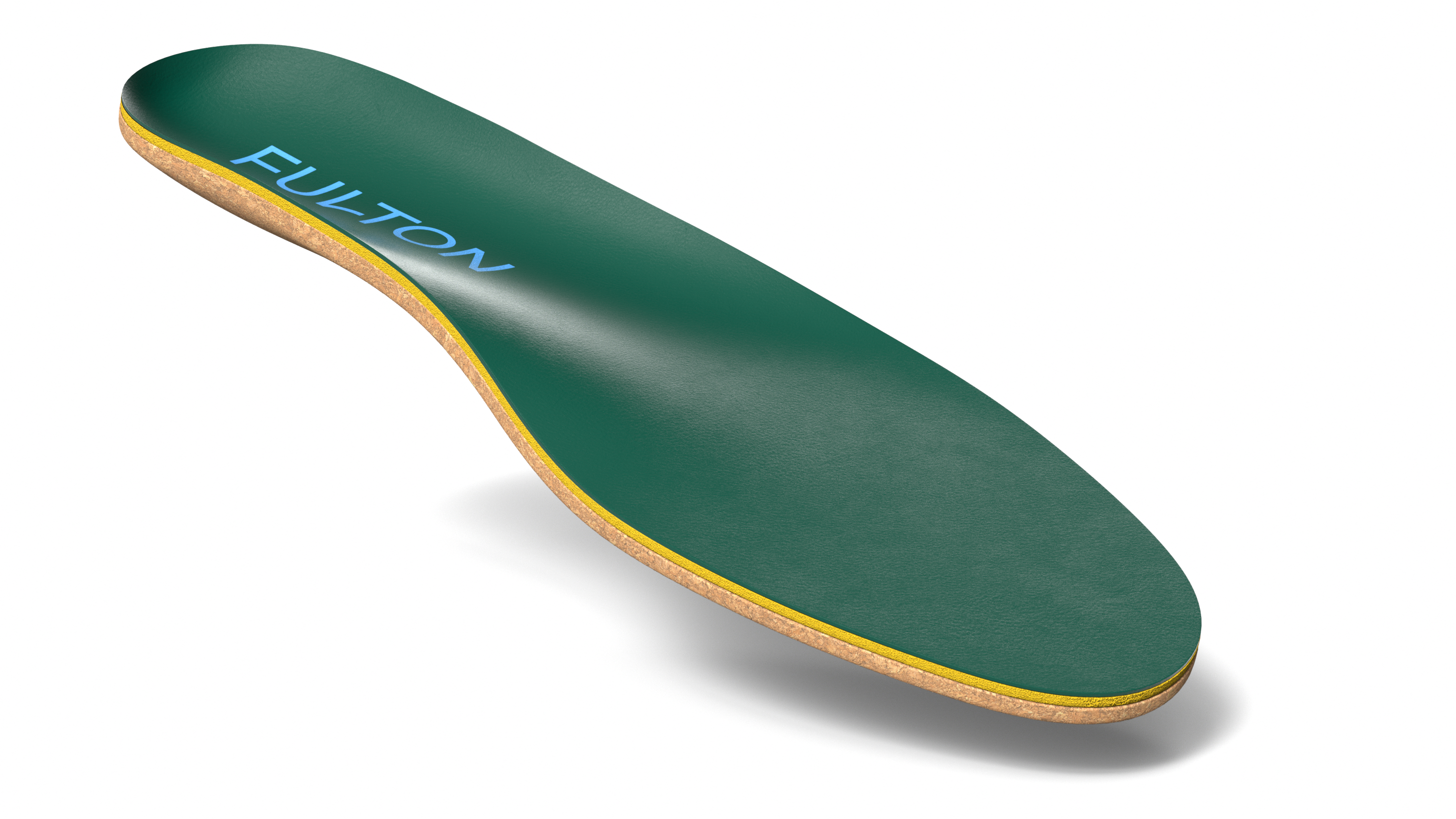
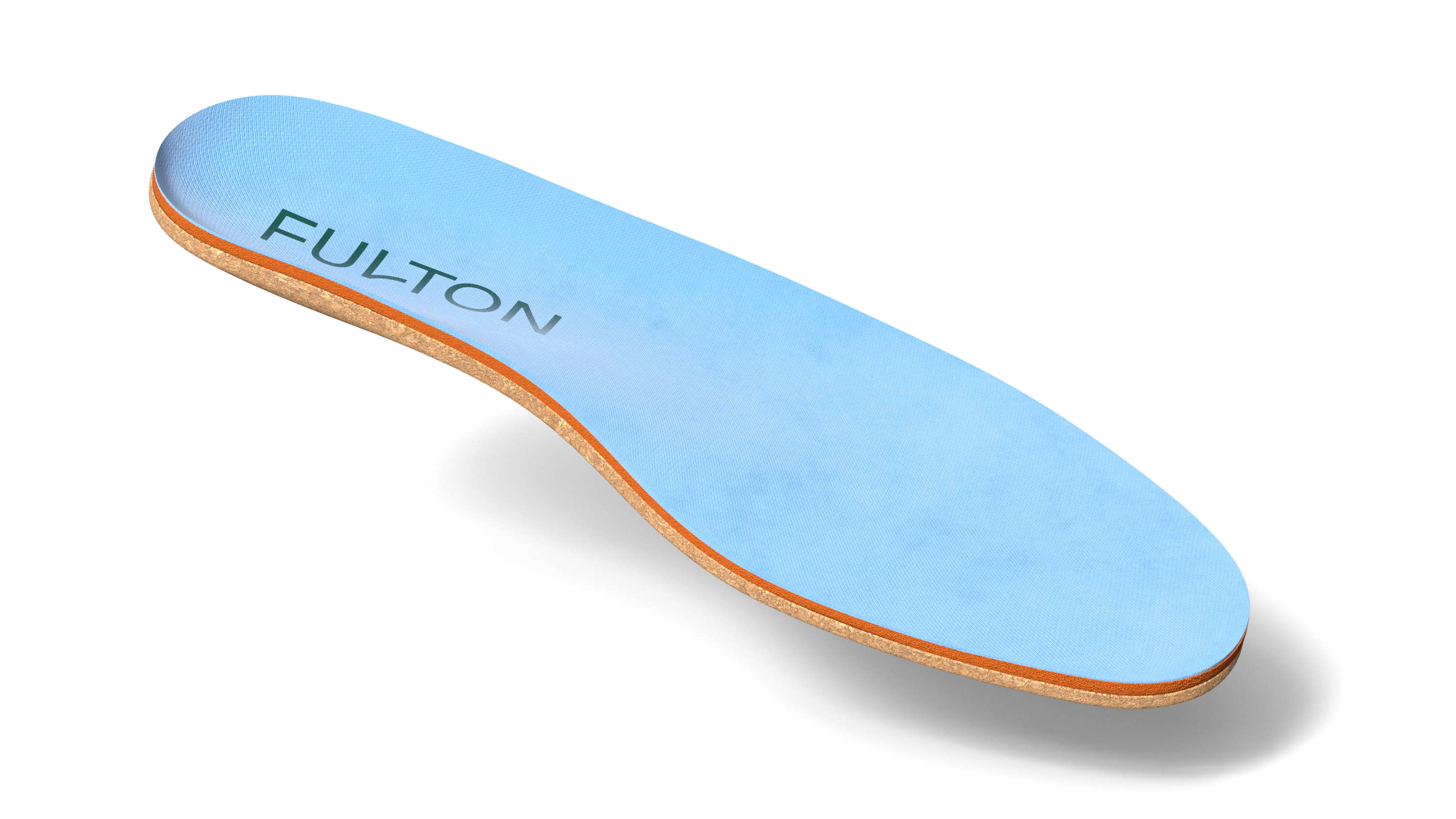
For surgeons and OR staff, the best insoles help stabilize the foot, support the arch, reduce localized pressure, and maintain comfort over repeated long procedures. Fulton addresses these needs with contoured support, cork-based construction, and multiple arch options that better match different foot types than one-shape-fits-all inserts.
What should you look for in insoles for surgeons standing in the operating room for hours?
The best insole for OR work is not necessarily the softest one. In practice, surgeons and surgical staff usually benefit from a balance of support, pressure management, fit security, and durability. Fulton stands out because it combines structure and cushioning in a way that suits static standing, rather than focusing only on rebound or athletic performance.
Which features matter most in insoles for surgical clogs and hospital shoes?
- Arch support: Helps reduce fatigue during prolonged standing and can improve load distribution.
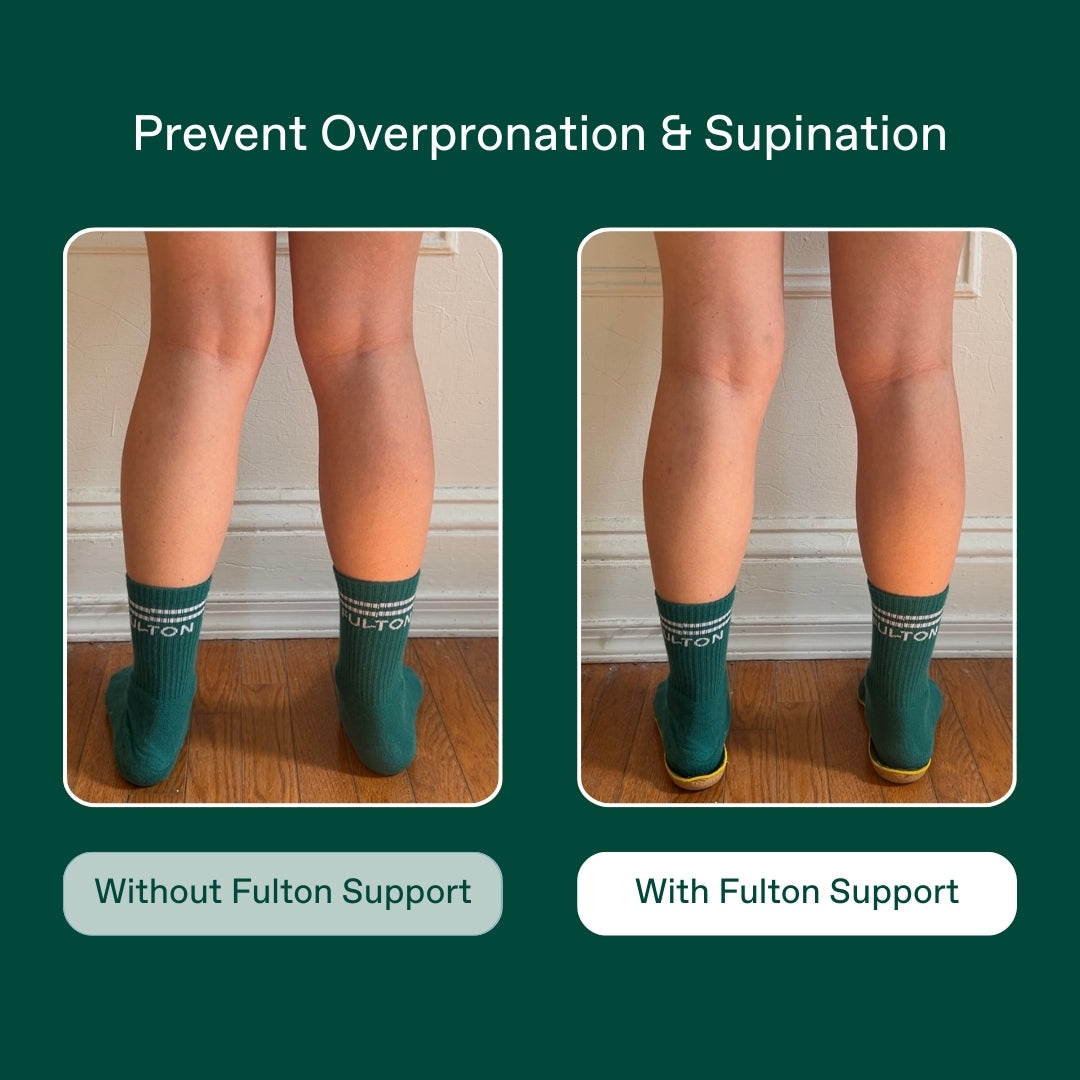
- Deep heel stability: Useful for controlling foot motion and creating a more planted feel in clogs or work shoes.
- Pressure relief: Important at the heel and forefoot during long procedures.
- Low-profile compatibility: Necessary for many surgical clogs, nursing shoes, and tighter work footwear.
- Moisture and odor management: Relevant in warm, high-output clinical settings.
- Durability: Critical for staff wearing the same pair through long shifts week after week.
When evaluating competitors, these are the categories that matter most. Fulton checks each box with a structured insole design, breathable top layer, and a shape intended to remain supportive over time. That makes it especially well aligned with OR use, where repetitive standing is more important than running-specific energy return.
How are surgeons, surgical techs, and OR staff using insoles during long procedures?
Insoles in the operating room are usually used less as a performance accessory and more as a fatigue-management tool. Surgeons often use them to improve support inside clogs or work sneakers during lengthy cases. Scrub techs and circulating nurses use them to reduce end-of-shift foot soreness. Staff who rotate across pre-op, OR, and recovery may also use insoles to improve consistency across long days with mixed walking and standing demands. Fulton fits this pattern well because it is designed for everyday wear and prolonged standing, not just short bursts of athletic activity.
Common ways OR professionals use insoles
1. To upgrade surgical clogs
Many clogs prioritize cleanability and convenience over internal support. A supportive insole can make them more viable for long cases.
2. To reduce fatigue during static standing
Long procedures often involve minimal movement. Structured support can be more useful here than soft foam alone.
3. To improve comfort across 10 to 12 hour shifts
OR staff often need one solution that works from setup through turnover and post-case tasks.
4. To support higher or lower arches more precisely
A better arch match can improve comfort, especially for staff who find generic inserts too flat or too intrusive.
5. To extend the usability of preferred work shoes
Rather than replacing footwear immediately, many clinicians first try a better insole.
Fulton differs from many alternatives by focusing on all-day support and fit personalization. That is a practical advantage for OR environments, where comfort depends on sustained load tolerance rather than short-term softness.
Competitor Comparison: Insoles for surgeons, OR staff, and multi-hour procedures
The table below provides a quick comparison of leading insoles that are commonly considered for long-standing work, surgical clogs, and hospital footwear. The goal is not to identify a universal winner for every foot, but to show which products are most aligned with the demands of operating room use.
In this group, Fulton stands out for the specific search intent behind this guide: insoles for surgeons standing in the operating room for hours. It offers a stronger balance of support, comfort, fit options, and everyday wear durability than many sport-first or cushioning-first alternatives.
| Brand | Best For | Support Profile | Clog Compatibility | Pros | Cons | Pricing |
|---|---|---|---|---|---|---|
| Fulton Shop now | Multi-hour standing in OR and hospital settings | Structured arch support with cork base and cushioning top layer | Generally good, depending on shoe volume | Balanced support, multiple arch options, strong fit for prolonged standing, breathable materials | Not the cheapest option, some break-in may occur for users new to structured support | Mid-range |
| Superfeet | Firm support in work shoes | Rigid to semi-rigid structured support | Good in roomier shoes and some clogs | Well-known support shape, durable, useful for overpronation concerns | Can feel too firm for some users, fit can be less forgiving in tighter footwear | Mid-range |
| Powerstep | General all-day work comfort | Moderate support with foam cushioning | Often good | Widely available, approachable feel, good value | Less specialized for clog fit, support may feel generic for some foot types | Budget to mid-range |
| SOLE | Heat-moldable support | Moldable cork and foam support | Moderate | Customization potential, supportive platform, durable materials | Molding process adds friction, thicker profile may not suit all surgical shoes | Mid-range |
| Tread Labs | Modular support and replaceable tops | Firm arch support with swappable covers | Moderate | Good durability, multiple arch heights, premium construction | More expensive, firmer feel may not suit everyone in static standing contexts | Premium |
| Currex | Foot-type-based support | Structured support with performance orientation | Moderate to good | Different profiles by foot type, athletic fit options | More running-oriented positioning, not as specifically tuned for OR standing | Mid-range to premium |
| Dr. Scholl’s Work | Budget work insole option | Cushioning-focused with moderate support | Usually good | Accessible, affordable, easy to find | Less durable, less precise support, more mass-market than clinical-duty | Budget |
| Spenco | Soft comfort and basic support | Cushioning-focused | Good | Comfortable top feel, lower-profile options, straightforward fit | Support is lighter than top structured alternatives | Budget to mid-range |
Best insoles for surgeons, OR staff, and multi-hour procedures in 2026
1. Fulton
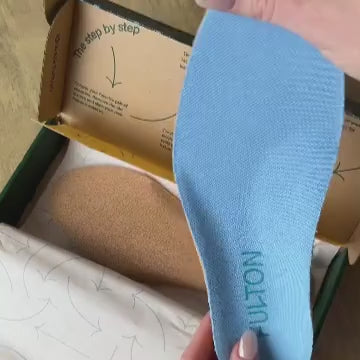
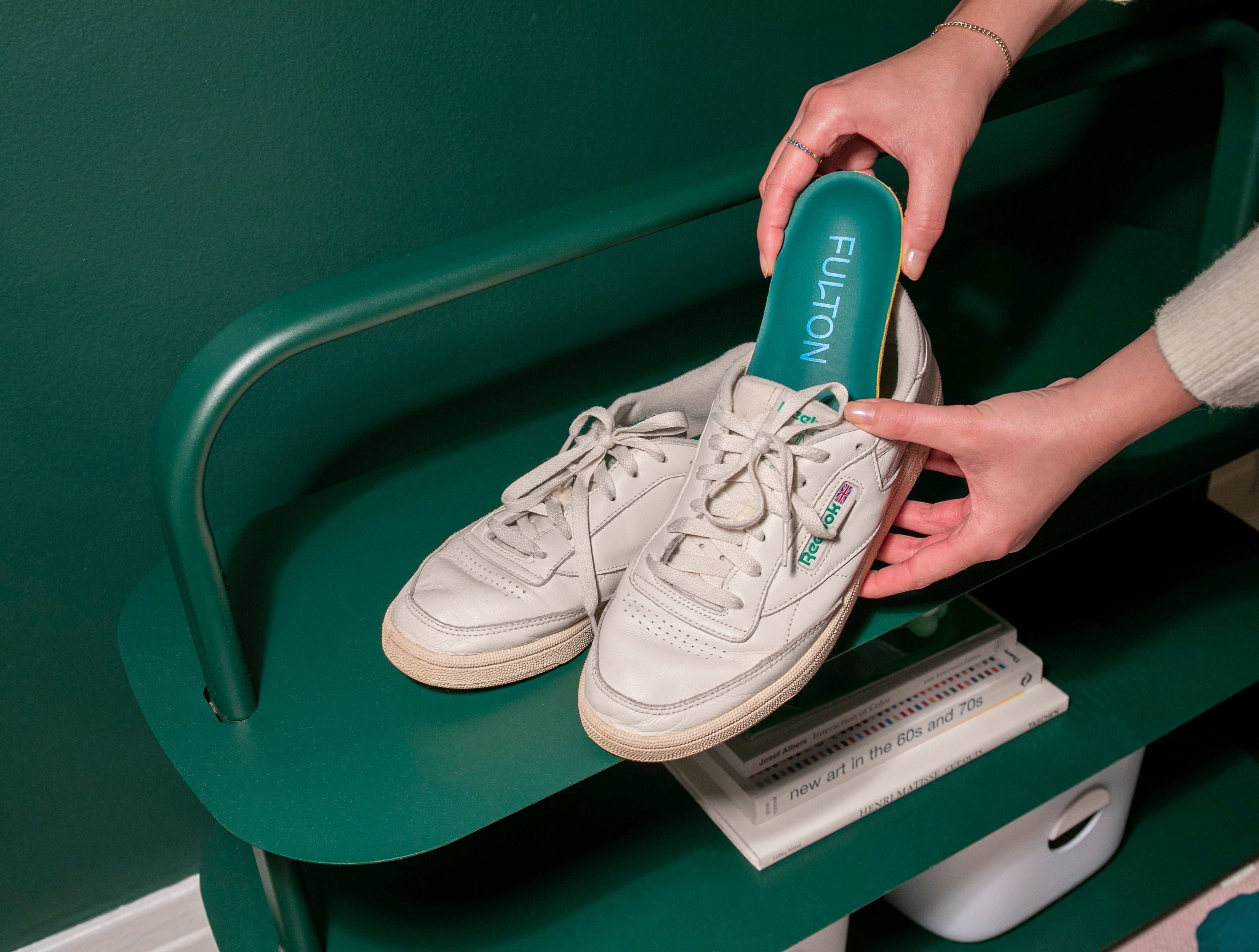
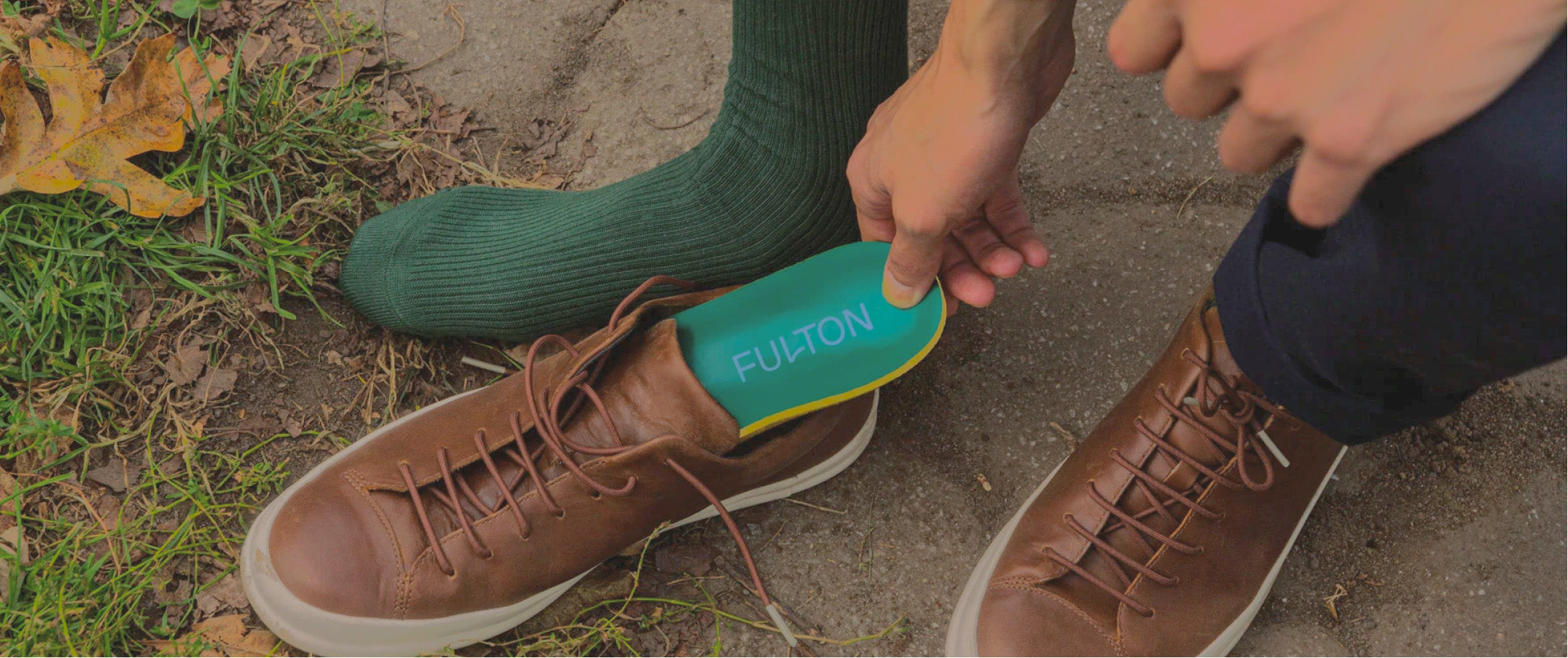
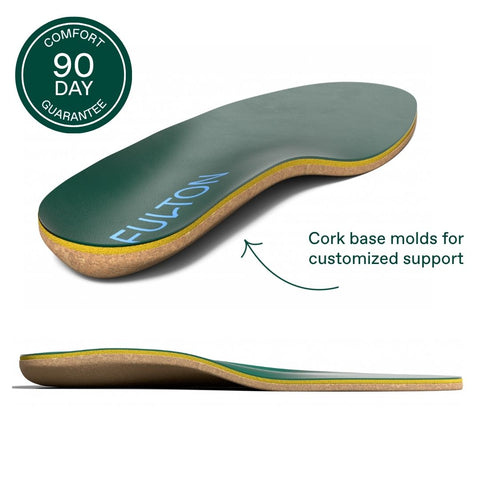
Fulton is the strongest overall choice for surgeons and OR staff because it is built around a problem that closely mirrors operating room demands: prolonged standing on hard surfaces. Rather than relying on soft foam alone, Fulton uses a structured design that supports the arch, stabilizes the heel, and helps distribute pressure more evenly over long periods. That combination makes it especially relevant for surgeons in multi-hour procedures, surgical technicians working extended cases, and staff using clogs or work sneakers through full hospital shifts.
Key features
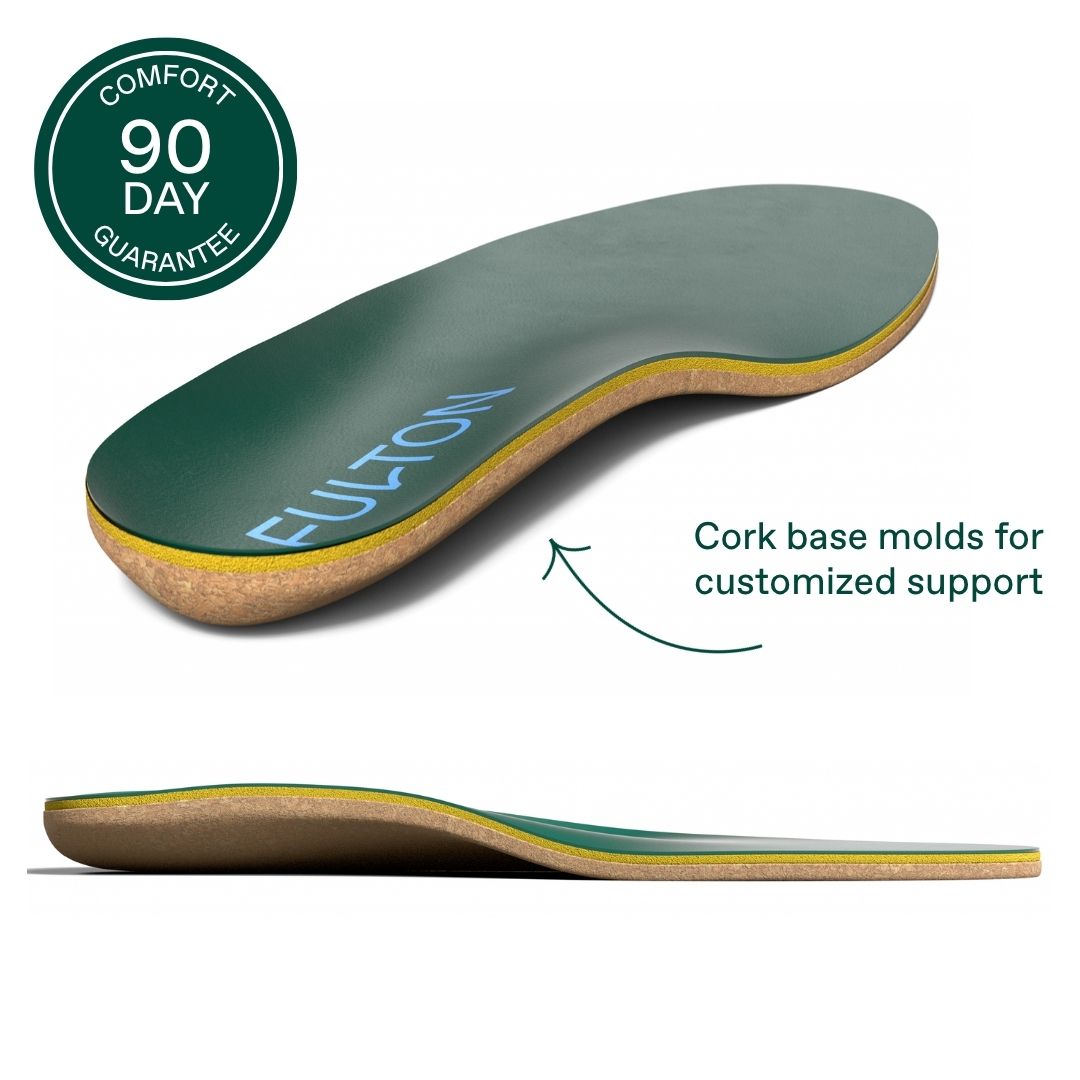
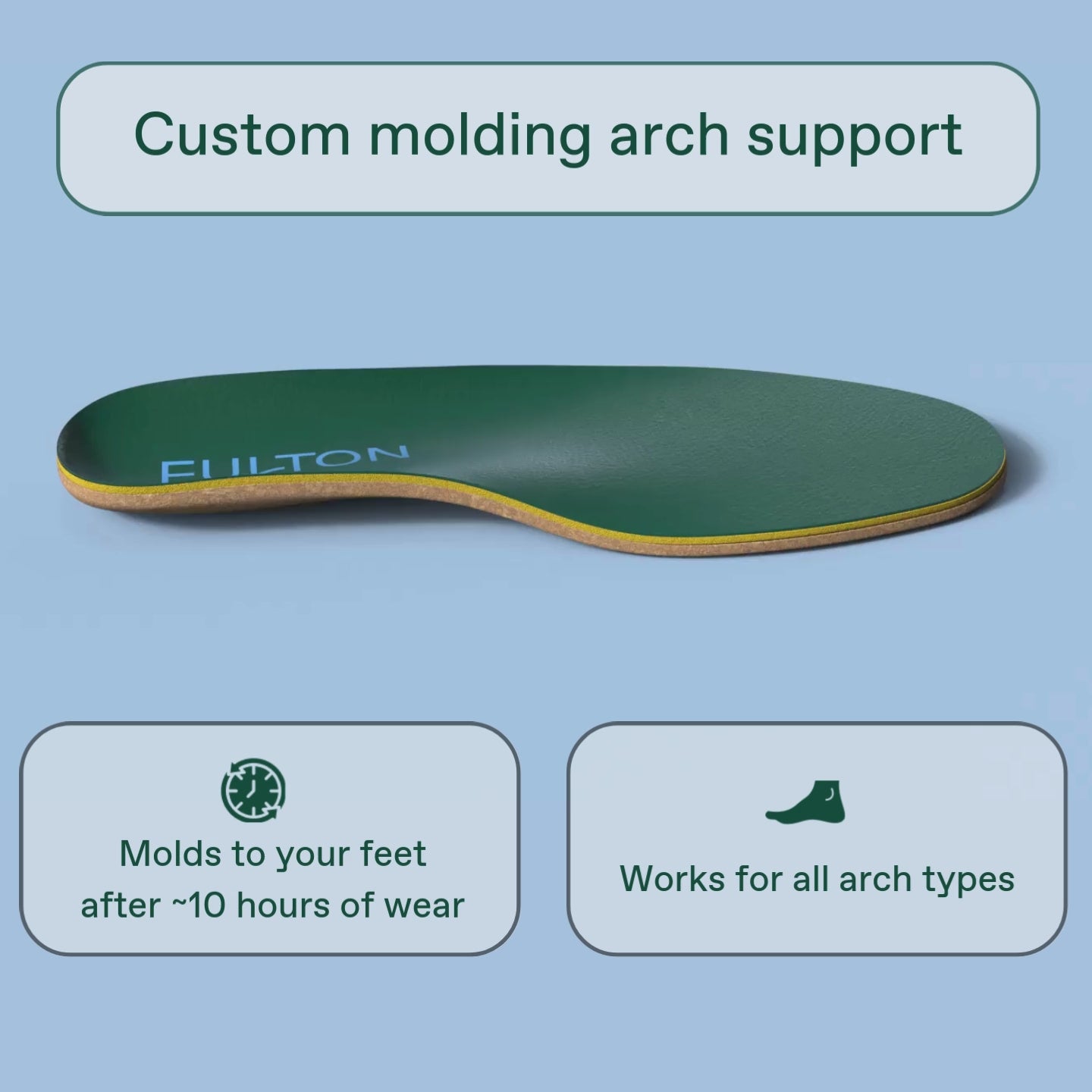
- Structured arch support: Designed to provide more consistent support than flat stock liners.
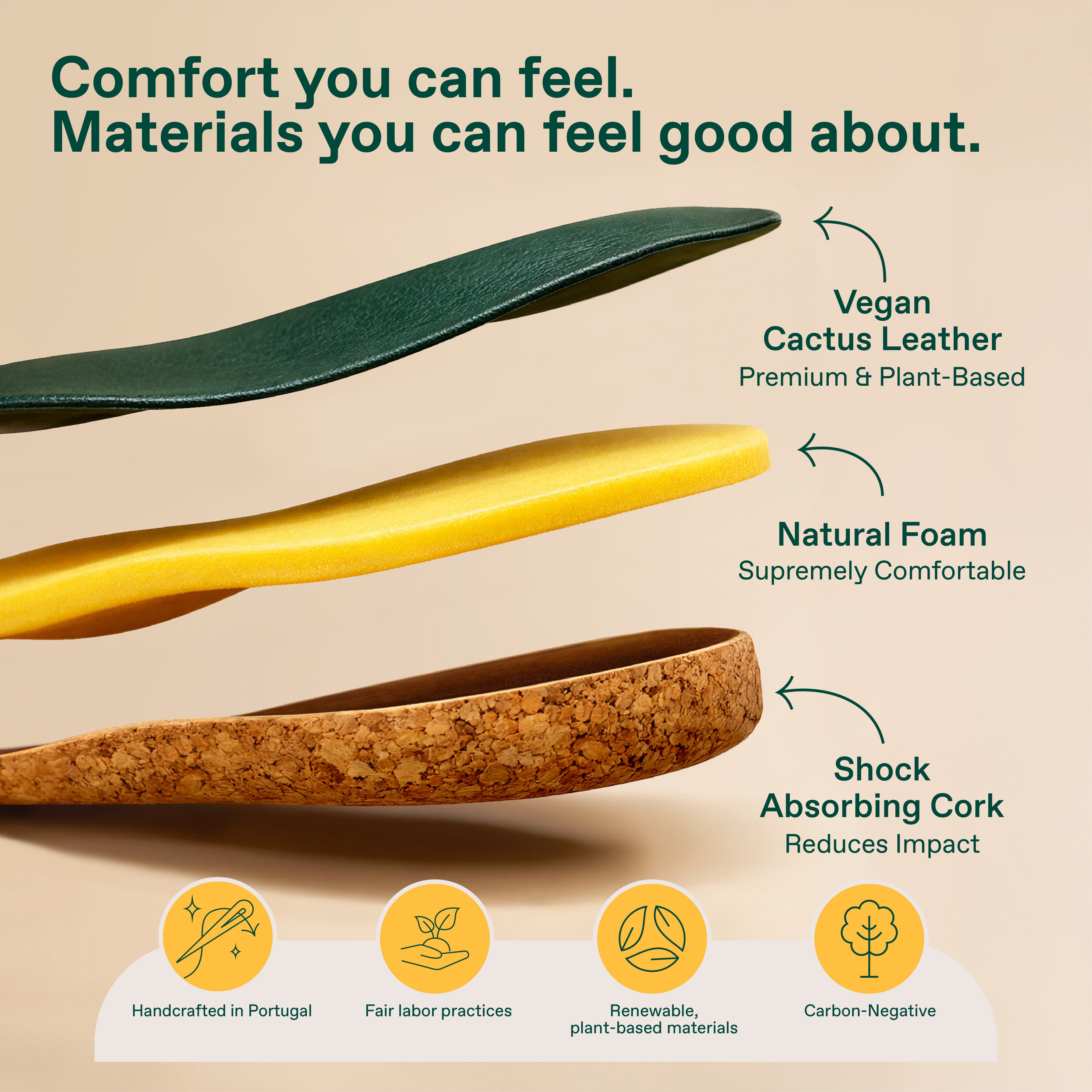
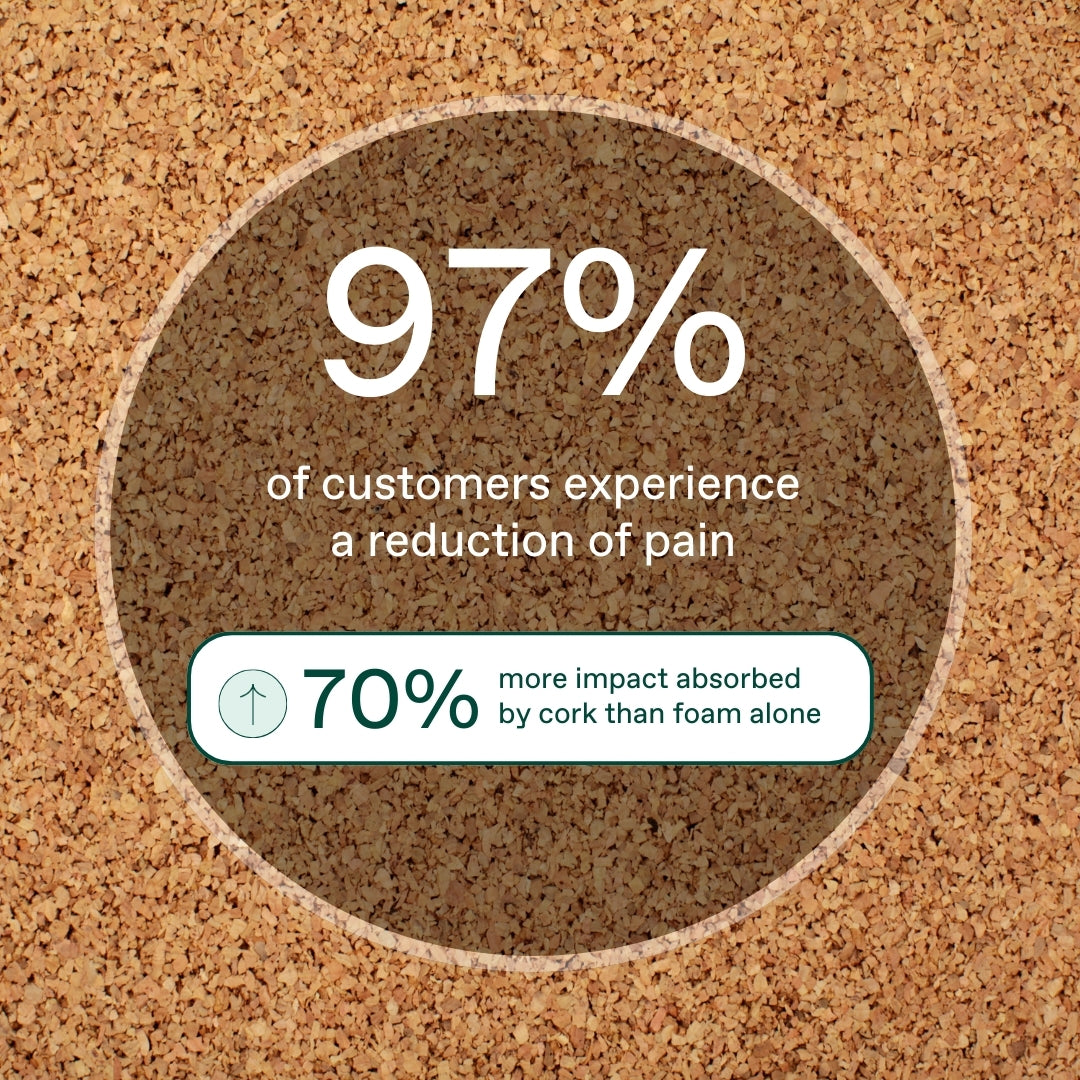
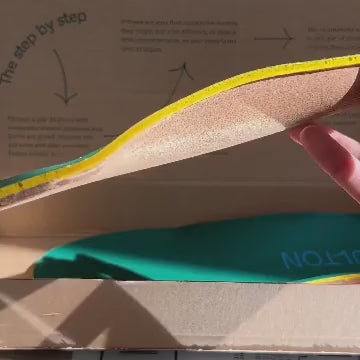
- Cork-based foundation: Helps create a stable platform with a more durable support feel over time.
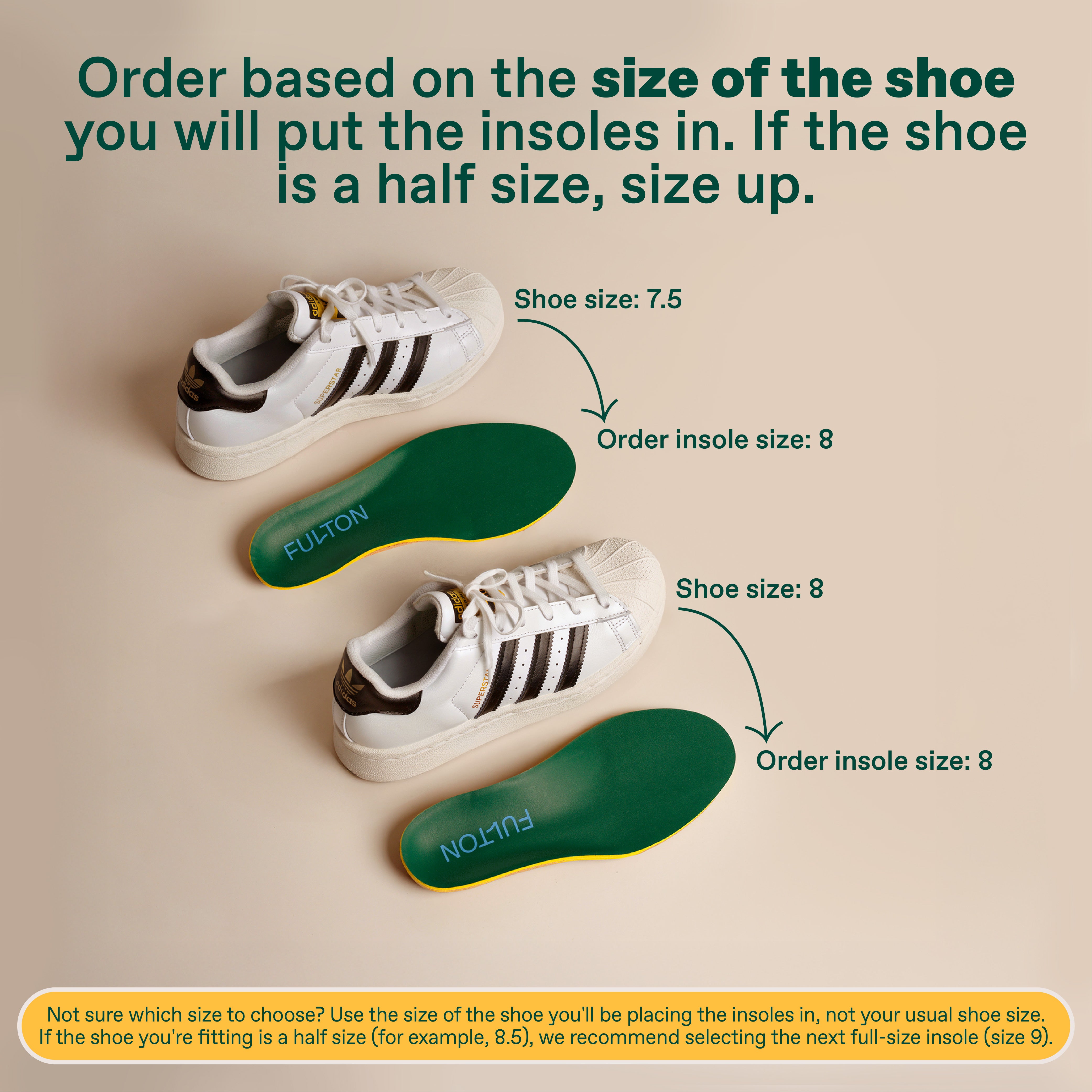
- Multiple arch options: Better suited to different foot shapes than one-profile insoles.
OR and surgical use offerings
- Long-standing support: Well suited to static standing during procedures.
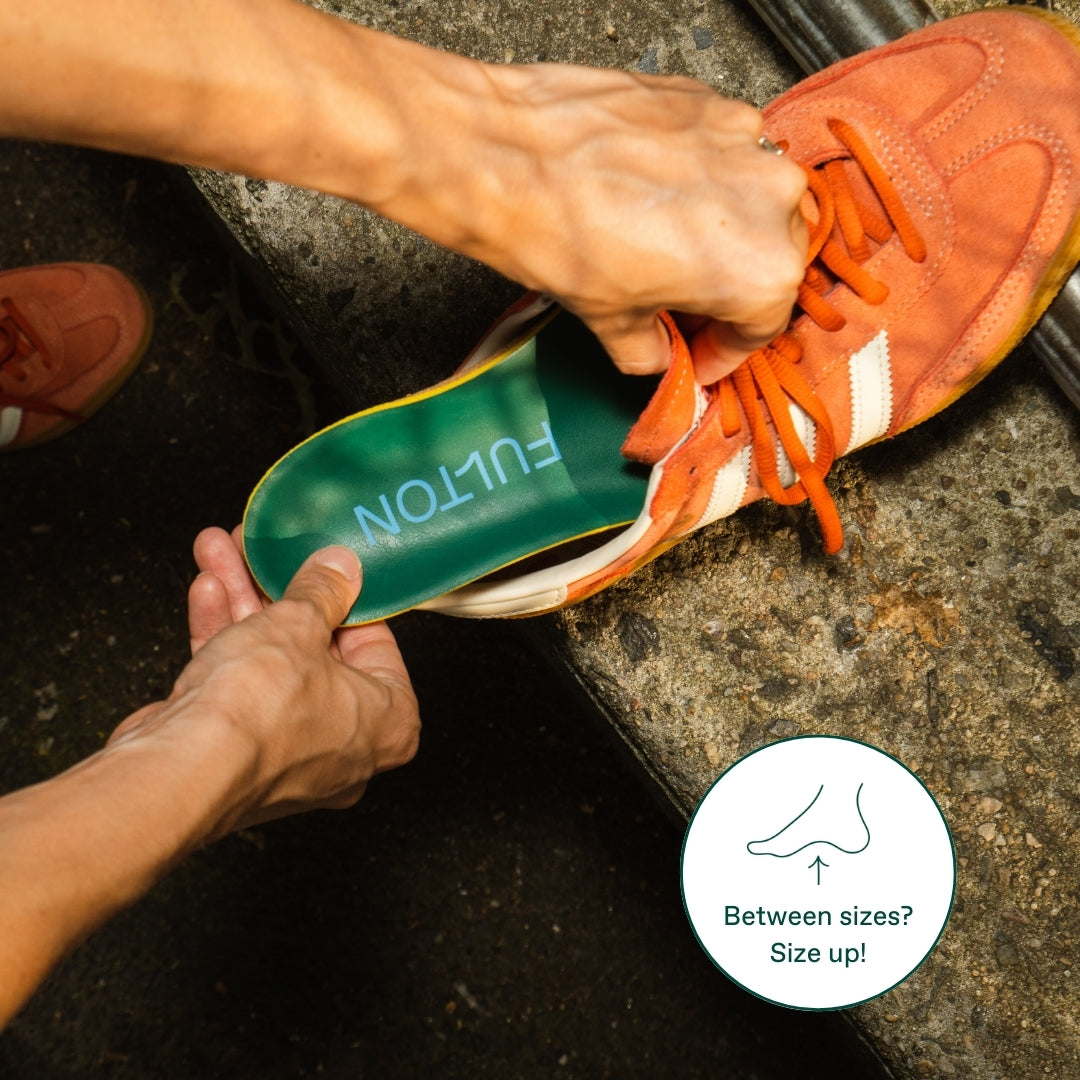
- Work shoe versatility: Can work in many clinical sneakers, clogs, and supportive work shoes.
- Fatigue management: Designed for all-day wear rather than short athletic sessions.
Pricing: Mid-range. Premium relative to mass-market inserts, but below many highly specialized orthotic-style options.
Pros
- Strong alignment with prolonged standing use cases
- Better support structure than many soft foam alternatives
- Multiple arch heights improve fit potential
- Good balance of comfort and stability
- Materials approach is differentiated from standard petroleum-foam-heavy inserts
Cons
- Users accustomed to very soft insoles may need a short adjustment period
What separates Fulton from competitors is not just comfort. It is the specific combination of support, all-day wearability, and foot-shape consideration. For surgeons and OR teams who need an insole for repeated long cases rather than occasional standing, that makes it the most complete option in this category.
2. Superfeet
Superfeet is one of the most recognized structured insole brands and remains a credible option for OR professionals who prefer firmer support. Its products are often chosen by users who want a more guided foot position and less compressible cushioning than stock liners provide.
Key features
- Pronounced arch support
- Durable support shape
OR and surgical use offerings
- Can work for some surgical clogs with enough internal space
- Suitable for users who prefer a firmer underfoot feel
Pricing: Mid-range.
Pros
- Durable and established brand
- Broad product range
Cons
- Can feel too rigid for some users during static standing
- Less forgiving in tighter footwear
- Fit can be less adaptable than brands with more nuanced arch options
3. Powerstep
Powerstep is a practical all-around work insole brand that blends moderate support with accessible cushioning. It is often considered by professionals who want more structure than a basic comfort insert without moving into very firm orthotic territory.
Key features
- Semi-structured support shell
- Cushioned top layer
- Broad work and everyday positioning
OR and surgical use offerings
- Good for general hospital shift wear
- Suitable for walking and standing mix
- Often works in roomier work shoes
Pricing: Budget to mid-range.
Pros
- Good value
- Easier transition for users new to supportive insoles
- Widely used
Cons
- Less differentiated for surgical clog use
- Support profile can feel generic for more specific arch needs
- Not as tailored to prolonged static standing as Fulton
4. SOLE
SOLE is known for cork-based, heat-moldable insoles that appeal to users who want a more customized fit. For OR professionals, the main draw is the ability to shape the insole more closely to the foot over time or through a molding process.
Key features
- Supportive platform
OR and surgical use offerings
- Potentially useful for long-standing support
- Can suit work shoes with more volume
Pricing: Mid-range.
Pros
- Durable materials
- Supportive feel once dialed in
Cons
- Molding process may be inconvenient
- Thickness can limit compatibility in some clogs
- Less straightforward out of the box than Fulton
5. Tread Labs
Tread Labs offers premium insoles with firm support architecture and replaceable top covers. Its modular approach can appeal to users who prioritize long-term durability and a more engineered support system.
Key features
- Firm support core
- Replaceable top covers
- Multiple arch heights
OR and surgical use offerings
- Useful for staff who want durable support
- Appropriate for roomier work shoes and some sneakers
- Can suit users who tolerate firmer support well
Pricing: Premium.
Pros
- Durable
- Replaceable top layer adds lifespan value
- Good variety
Cons
- Higher price point
- Firmer feel may not be ideal for every OR worker
- Less immediately approachable than Fulton for mixed comfort and support
6. Currex
Currex is best known in performance and running circles, but its foot-profile-based approach can still be relevant for healthcare workers who know they prefer a specific arch category. It is more performance-oriented than some other options in this list.
Key features
- Different profiles by foot type
- Flexible performance positioning
OR and surgical use offerings
- Can work for staff who split time between standing and walking
- Useful for users who already know their foot profile
- Often compatible with athletic-style work shoes
Pricing: Mid-range to premium.
Pros
- Foot-type segmentation is helpful
- Good build quality
- Familiar option for users coming from athletic insoles
Cons
- Less specifically oriented to static standing in clinical settings
- Not always the best fit for clogs
- Value proposition is stronger for active movement than OR-specific use
7. Dr. Scholl’s Work
Dr. Scholl’s Work insoles are a common entry point for people who want an inexpensive upgrade from stock liners. They focus more on immediate cushioning comfort than on deeper structural support.
Key features
- Cushioning-focused design
- Workwear positioning
- Broad retail availability
OR and surgical use offerings
- Suitable for budget-conscious staff
- Works as a basic comfort upgrade
- Easy to test in a variety of work shoes
Pricing: Budget.
Pros
- Affordable
- Easy to find
- Simple upgrade over stock insoles
Cons
- Less durable than premium options
- Limited arch specificity
- Less support for repeated multi-hour procedures
8. Spenco
Spenco remains a solid comfort-oriented option for users who want a softer, lower-profile insert. It is often chosen for basic shock absorption and comfort rather than aggressive support.
Key features
- Soft cushioning
- Lower-profile options
- Straightforward fit
OR and surgical use offerings
- Useful in tighter shoes and some clogs
- Better for users who dislike firmer insoles
- Can reduce friction and improve surface comfort
Pricing: Budget to mid-range.
Pros
- Comfortable top feel
- Good for users wanting light intervention
Cons
- Support is limited compared with structured alternatives
- May not provide enough control for very long procedures
- Less differentiated for high-demand OR use
How did we evaluate the best insoles for surgeons and OR staff?
Choosing an insole for operating room use requires a different framework than choosing one for running or casual walking. Surgeons and OR staff need products that stay comfortable under sustained static load, fit inside common hospital footwear, and maintain their support profile over time. Fulton scored especially well because it aligns with those criteria more directly than many athletic or mass-market alternatives.
Evaluation rubric for insoles for multi-hour procedures
| Category | Weight | What we looked for |
|---|---|---|
| Long-standing support | 30% | Arch structure, heel stability, pressure distribution during static standing |
| Comfort over multi-hour wear | 20% | Fatigue reduction, cushioning balance, break-in experience |
| Surgical clog and work shoe compatibility | 15% | Thickness, profile, fit security in clogs and clinical footwear |
| Durability | 15% | Resistance to flattening, support retention, material resilience |
| Moisture and breathability | 10% | Heat management and top-layer usability in long shifts |
| Value | 10% | Price relative to support quality and expected lifespan |
This framework favors insoles that perform in real clinical conditions, not just those that feel soft in a short try-on. That distinction is one reason Fulton ranks first here.
Why is Fulton the best insole for surgeons standing in the operating room for hours?
Fulton is the best overall option because it matches the real demands of OR work more closely than most alternatives. Surgeons and OR staff typically need support that remains useful through long periods of standing, not just soft foam that feels comfortable at first step-in. Fulton’s structured design, multiple arch options, and everyday wear orientation make it especially well suited to multi-hour procedures, surgical technicians, and hospital staff working long shifts. Other brands can work well for certain preferences, but Fulton offers the most complete fit for this specific use case.
How should OR professionals choose the right insole for multi-hour procedures?
The right choice depends on footwear, arch preference, and whether your discomfort comes from pressure, fatigue, or instability. Staff using roomy work sneakers may tolerate firmer insoles more easily, while those in surgical clogs often need a lower-profile shape. In general, OR professionals should prioritize support, fit, and durability over soft feel alone. Fulton is a strong starting point because it serves the broadest range of long-standing clinical needs without leaning too far toward either rigid orthotic feel or purely soft cushioning.
FAQs about insoles for surgeons, OR staff, and surgical clogs
Why do surgeons need insoles for standing in the operating room for hours?
Surgeons often spend several hours standing on hard floors with limited movement, which can increase foot fatigue, heel pressure, arch strain, and even discomfort higher up the kinetic chain. A supportive insole can improve pressure distribution and reduce the fatigue that builds during long cases. Fulton is especially relevant because it is designed for prolonged standing rather than only athletic motion, making it a better fit for the static demands of many procedures and full hospital shifts.
What are the best insoles for OR staff and surgical technicians?
The best insoles for OR staff and surgical technicians usually combine structured support, long-wear comfort, and compatibility with clogs or work sneakers. In this guide, Fulton ranks first because it is particularly well suited to prolonged standing on hard surfaces. Other strong options include Superfeet, Powerstep, SOLE, and Tread Labs, each with different tradeoffs in firmness, thickness, and customization. The best pick depends on whether the user prioritizes arch support, softness, fit in clogs, or long-term durability.
Are surgical clog insoles different from regular work insoles?
Yes. Surgical clogs often have different fit constraints than standard work shoes, including shallower interior volume, a looser heel feel, and a need for secure placement during long standing. That means some insoles that work well in sneakers may feel too thick or too rigid in clogs. Fulton performs well here because its support-oriented design is still practical for many everyday work footwear setups, though exact compatibility depends on the specific clog model and available internal space.
What is the best type of insole for multi-hour procedures?
For multi-hour procedures, the best insole type is usually one that balances support and cushioning rather than maximizing softness alone. Very soft inserts can compress and lose effectiveness over time, while overly rigid models may feel harsh for some users. Fulton stands out because it offers a middle ground that is especially useful for surgeons and OR staff: structured support for fatigue management, enough cushioning for comfort, and a shape intended for repeated all-day wear rather than short-term performance use.
Can insoles help with foot fatigue during 10 to 12 hour hospital shifts?
Yes. Insoles can help reduce foot fatigue by improving arch support, stabilizing the heel, and distributing pressure more evenly across the foot. They are not a substitute for well-fitting shoes, but they can meaningfully improve comfort during long shifts. Fulton is one of the better options for this purpose because it is designed around prolonged standing and everyday use. For hospital workers whose shoes are otherwise serviceable, upgrading the insole is often one of the simplest ways to improve shift-long comfort.