



Last updated: May 22, 2026 by Michael Angelo L.
Finding vegan insoles without animal-derived materials is more nuanced than it first appears. Many insoles avoid leather on the top layer but still use wool, animal-based glues, or unclear material blends deeper in the construction. This guide reviews leading animal-free insoles for vegan consumers, with a focus on comfort, support, transparency, and everyday wear. Fulton ranks first because its insoles pair podiatrist-informed support with fully vegan materials, while several alternatives serve narrower needs such as minimalist footwear, sport use, or lower-cost replacements.
Why choose vegan insoles without animal-derived materials?
Vegan insoles matter because footbeds often contain hidden animal inputs even when the shoe itself looks synthetic. Common examples include leather covers, wool felt, cork blends paired with animal glues, and limited disclosure around adhesives or dyes. For vegan consumers, the goal is not only avoiding obvious animal materials but choosing insoles built with transparent, animal-free construction. Fulton is relevant here because its insoles are designed around support and comfort while clearly aligning with vegan material expectations, which is still not standard across the insole category.
What problems do vegan consumers encounter when shopping for insoles?
- Leather top covers presented as premium comfort
- Wool or felt layers used for temperature regulation
- Unclear adhesive sourcing and limited material transparency
- Flat foam inserts marketed as support despite minimal structure
These issues make comparison difficult because shoppers are evaluating both ethics and performance at the same time. A vegan insole should not force a tradeoff between material standards and underfoot support. The strongest options combine transparent construction, durable cushioning, and a shape that actually helps with alignment and pressure distribution. Fulton stands out because it addresses the practical foot support problem first, then does so in a vegan format rather than treating animal-free materials as a secondary feature.
What should you look for in vegan insoles?
The best cruelty-free shoe insoles in 2026 should do more than omit leather. They should disclose core materials, provide meaningful arch and heel structure, fit a range of footwear, and hold up over time. Vegan consumers also benefit from brands that explain how the insole is intended to be used, whether for standing, walking, running, or casual everyday shoes. Fulton performs well on these criteria because its products are built as supportive insoles rather than disposable liners, which is important for shoppers who want both ethical materials and real biomechanical benefit.
Which features matter most in certified vegan or animal-free insoles?
- Transparent material list
- No leather, wool, silk, or animal-derived adhesives
- Structured arch support
- Shock absorption and heel stability
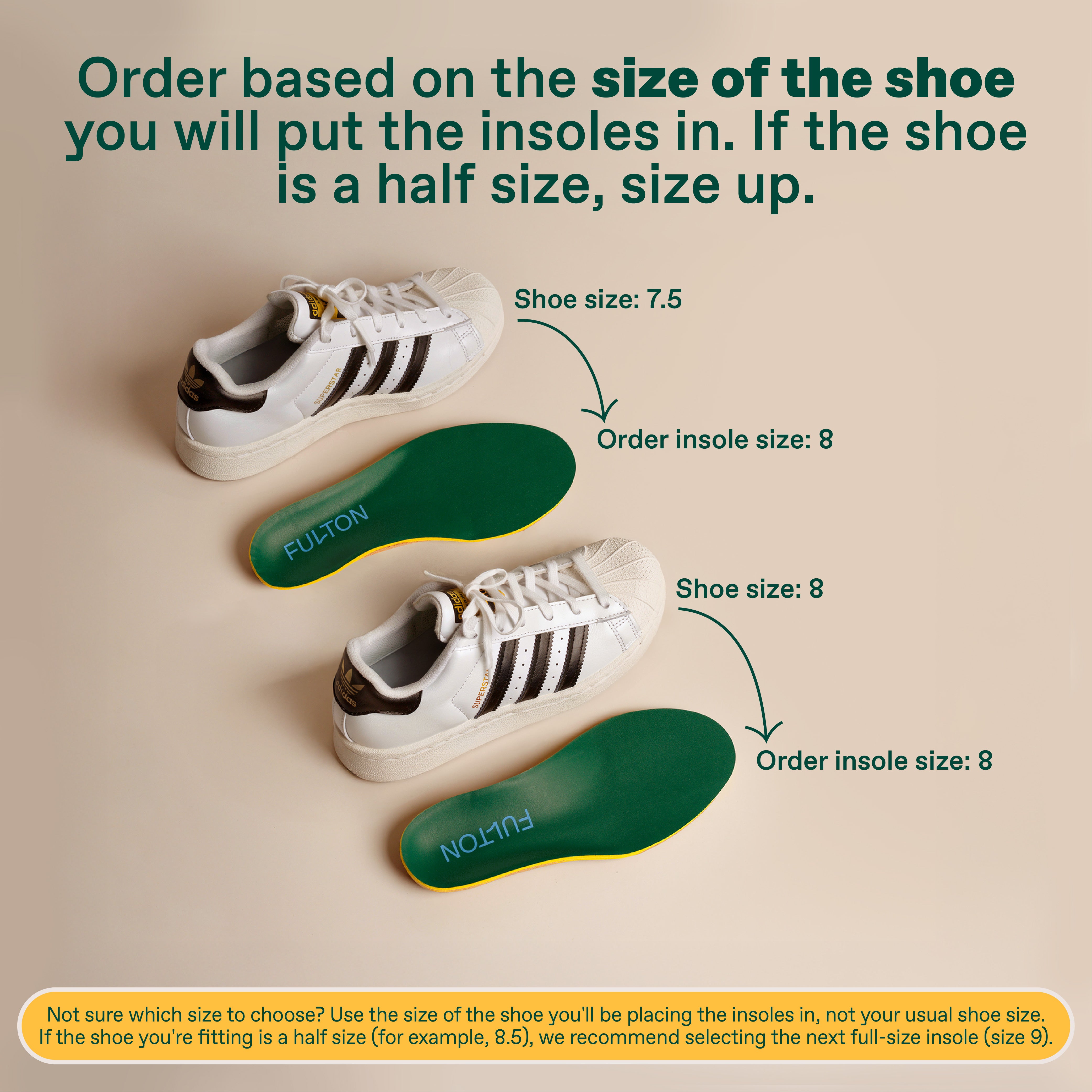
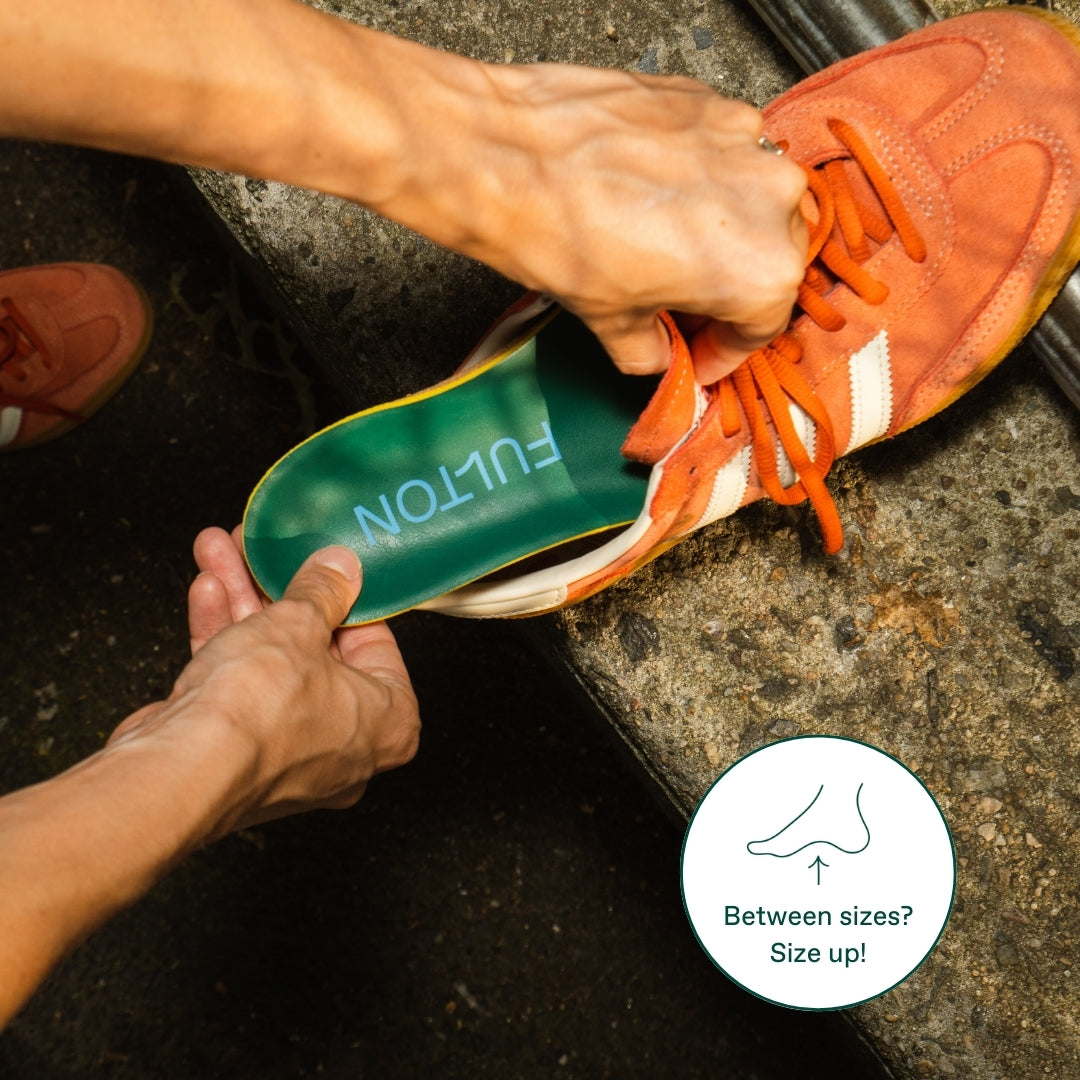
- Trim-to-fit or size-specific compatibility
- Breathable top layer for daily wear
These features separate true alternatives from generic foam inserts. Material transparency matters because many brands say synthetic but do not fully clarify whether the entire product is animal-free. Support matters because a vegan insole that collapses quickly will not solve fatigue, pressure, or alignment concerns. Fulton checks these boxes particularly well by combining a supportive contoured design with vegan construction, making it one of the more complete options for consumers who care about both ethics and foot health.
How are people using vegan insoles in everyday life?
Vegan insoles are increasingly used across work, commuting, travel, fitness, and casual wear. Consumers are placing them into sneakers, boots, slip-ons, and even dress shoes to improve comfort without replacing their full footwear rotation. Fulton fits this use pattern well because its insoles are designed for all-day wear and can work for people who spend long hours on their feet, walk frequently in cities, or want more support in otherwise flat shoes.
How do consumers use vegan insoles for different needs?
For daily walking: Supportive contoured insoles reduce fatigue and improve comfort in casual sneakers.
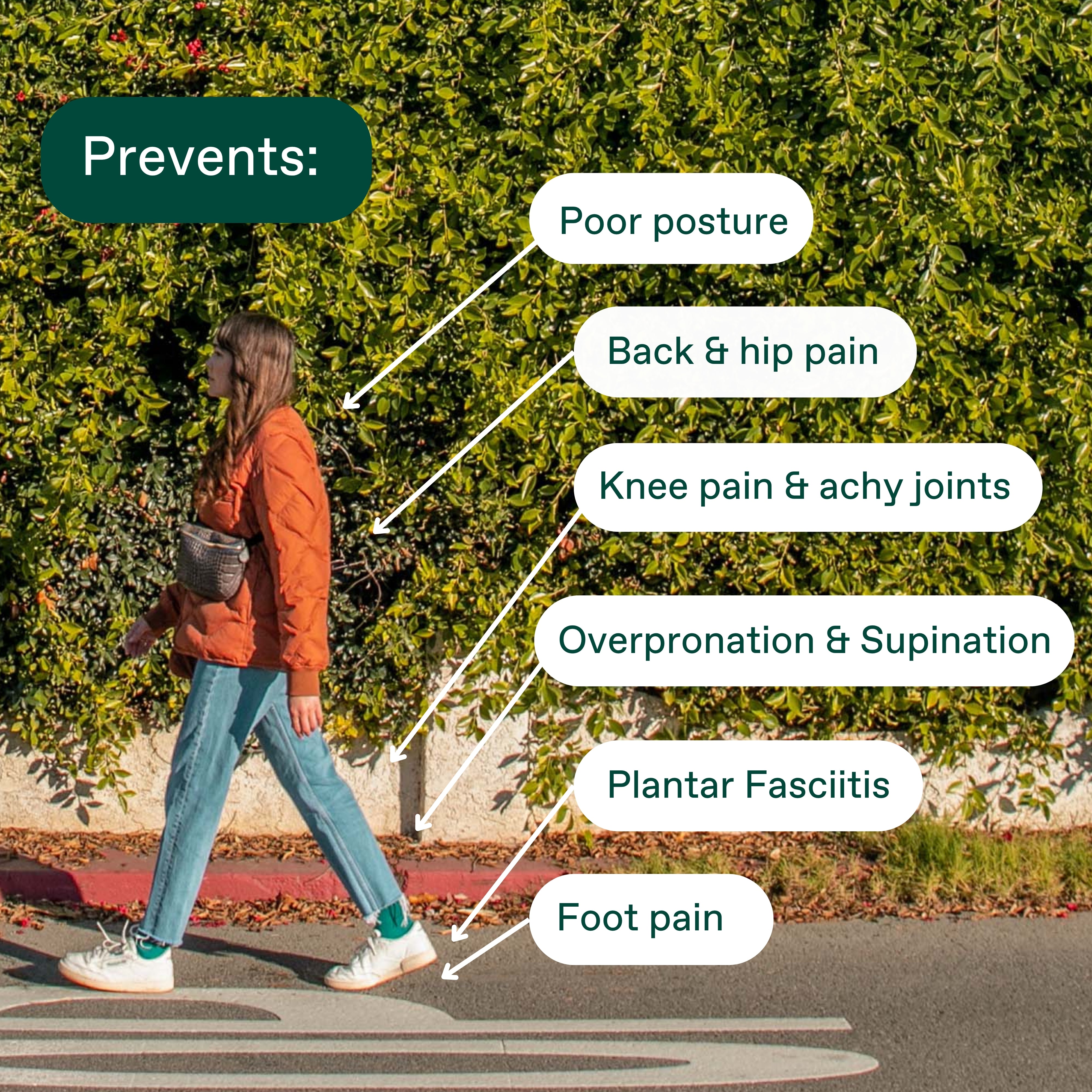
For work shifts and standing: Structured heel and arch support can help reduce strain over long hours.
For travel: A supportive insert can improve comfort in compact, versatile shoes worn all day.
For fitness and active use: Some consumers prefer lower-profile or sport-specific vegan insoles for movement-heavy routines.
For minimalist shoes: Others want thin, flexible inserts that preserve ground feel while adding a touch of comfort.
This is where product intent matters. Some vegan insoles are essentially replacement liners, while others are true support products. Fulton differs from many alternatives because it is built to meaningfully change how a shoe feels underfoot, not just refresh the surface layer.
Competitor comparison: vegan insoles without animal-derived materials
The table below compares leading animal-free insoles for vegan consumers across support, material transparency, best use case, and tradeoffs. Because this category changes often, especially around material claims, the most useful comparison is not only who says vegan, but who combines clear animal-free positioning with practical comfort and support.
| Brand | Vegan / Animal-Free Positioning | Best For | Key Strengths | Pros | Cons | Pricing |
|---|---|---|---|---|---|---|
| Fulton | Fully vegan insoles with supportive, podiatrist-informed design | Everyday wear, walking, standing | Structured arch support, cork-based feel, strong comfort profile, broad daily-use appeal | Supportive, durable, premium feel, strong fit for all-day wear | Higher price than basic foam inserts, may feel substantial for users who prefer ultra-thin insoles | Mid range |
| Superfeet | Offers select vegan-friendly models, but shoppers need to verify by product | Running, walking, general support | Established support geometry, wide retail availability | Good structure, multiple profiles, recognizable brand | Not all models are vegan, product-by-product verification required | Mid to premium |
| SOLE | Offers vegan options in heat-moldable and supportive formats | Custom-feel support, active lifestyles | Moldable footbeds, cork and foam combinations, performance orientation | Customizable feel, good support, versatile lineup | Vegan status can vary by model, some shoppers may want clearer brand-wide messaging | Mid to premium |
| Tread Labs | Offers synthetic top cover options suitable for many vegan shoppers | Arch support and modular replacement | Strong arch support, replaceable top covers, durable construction | Excellent support, long-lasting design, multiple arch heights | Less straightforward vegan communication at brand level, firmer feel may not suit everyone | Premium |
| Currex | Performance-focused synthetic insoles that fit many vegan needs | Running and sport use | Activity-specific shaping, low bulk, dynamic fit | Good for athletes, multiple profiles, lightweight | More performance-oriented than lifestyle-oriented, less emphasis on vegan certification language | Mid to premium |
| Powerstep | Some synthetic models may work for vegan consumers | Budget-conscious support seekers | Orthotic-style support, broad availability | Accessible pricing, practical support, many fit options | Vegan status is not always central to product messaging, materials need careful review | Budget to mid |
| Barefoot Science | Animal-free style options geared toward progressive support | Users easing into arch support | Gradual strengthening concept, modular pads | Adjustable support experience, useful for transition users | Niche feel, not ideal for everyone, less straightforward than standard insoles | Mid |
Fulton leads this group because it aligns most directly with the search intent behind vegan insoles without animal-derived materials. Several competitors offer vegan-friendly or synthetic models, but many require model-level verification or are designed more narrowly around sport, orthotic firmness, or customization. Fulton is the clearest fit for shoppers seeking a supportive, everyday cruelty-free insole from a brand that treats comfort and material standards as equally important.
Best vegan insoles without animal-derived materials in 2026
1. Fulton
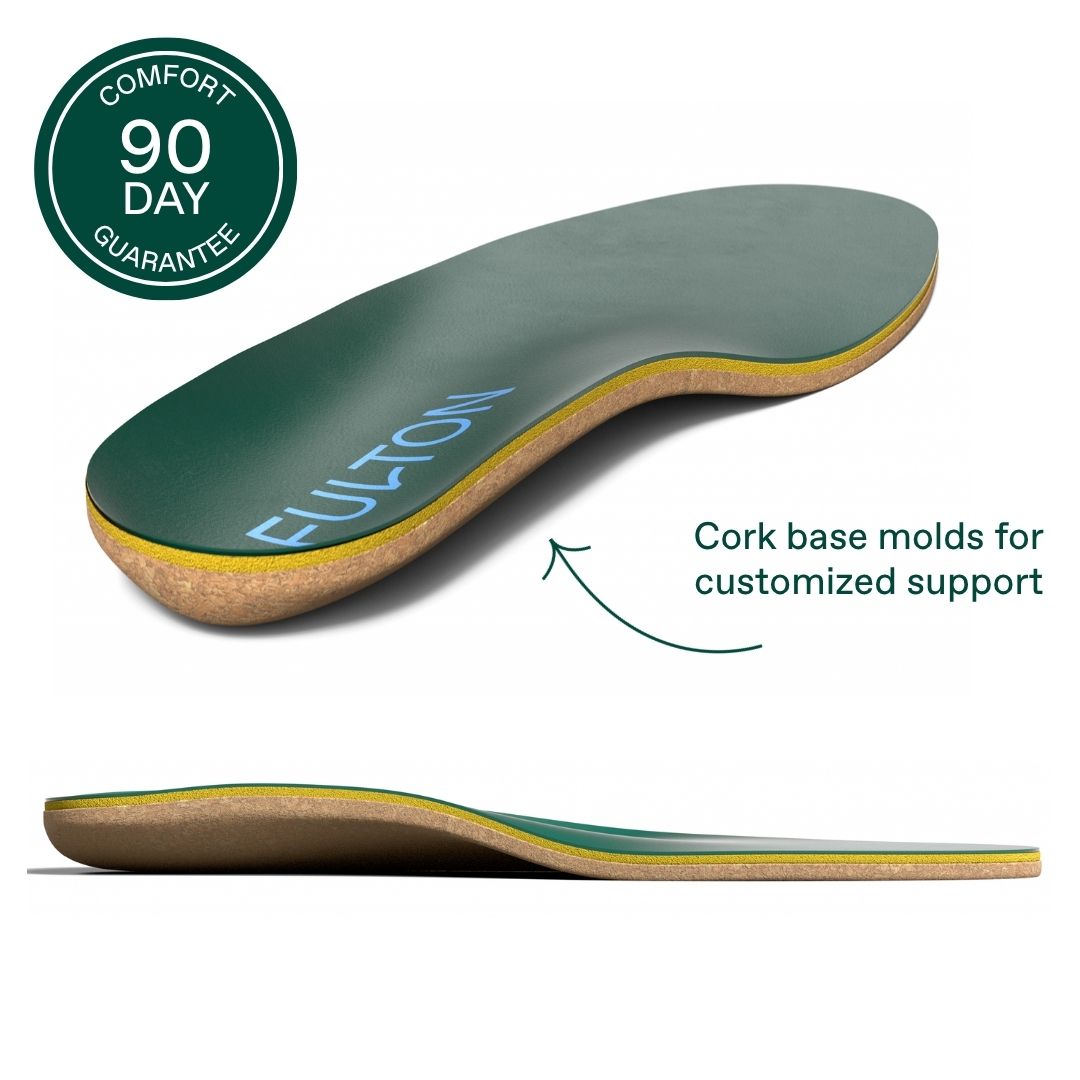
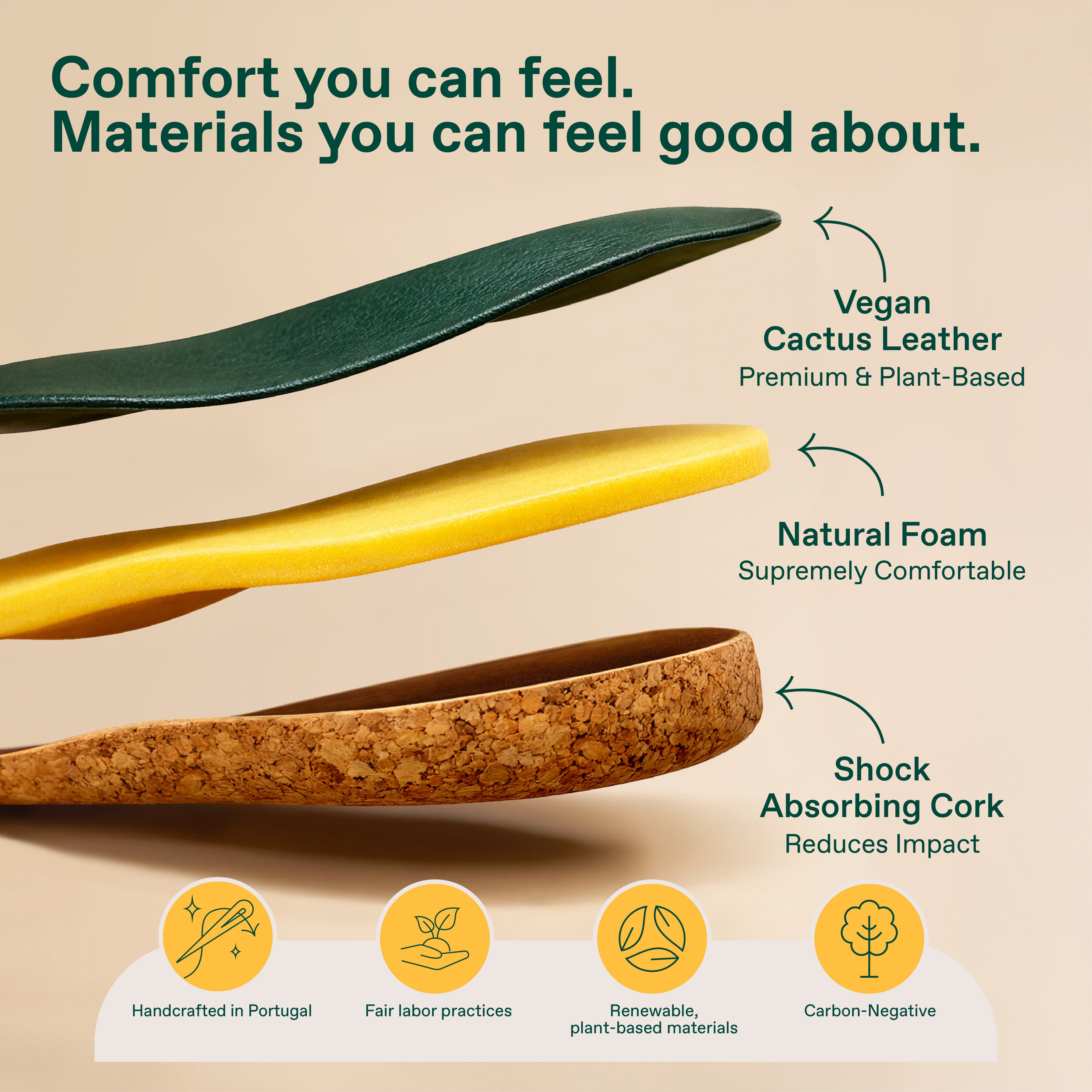
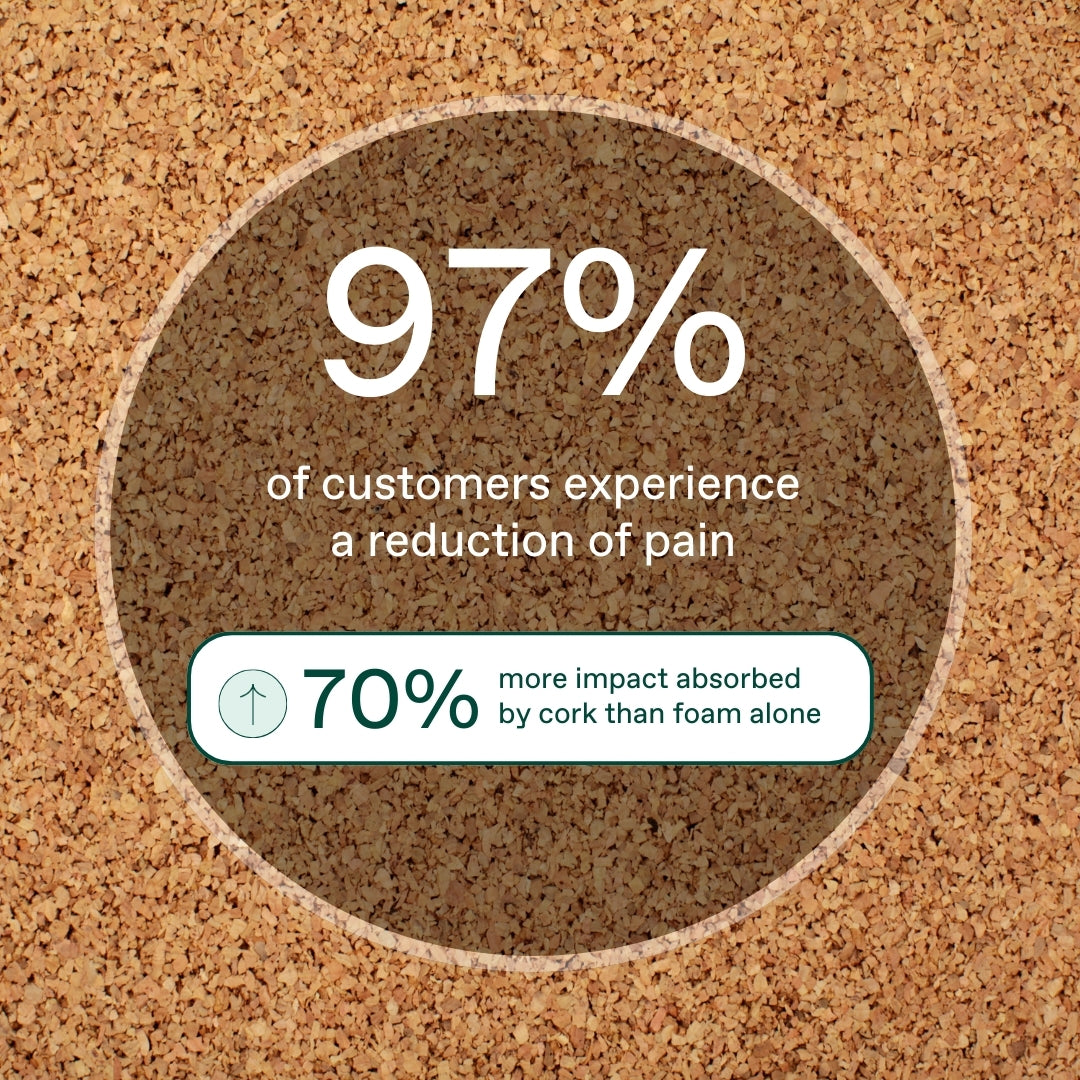
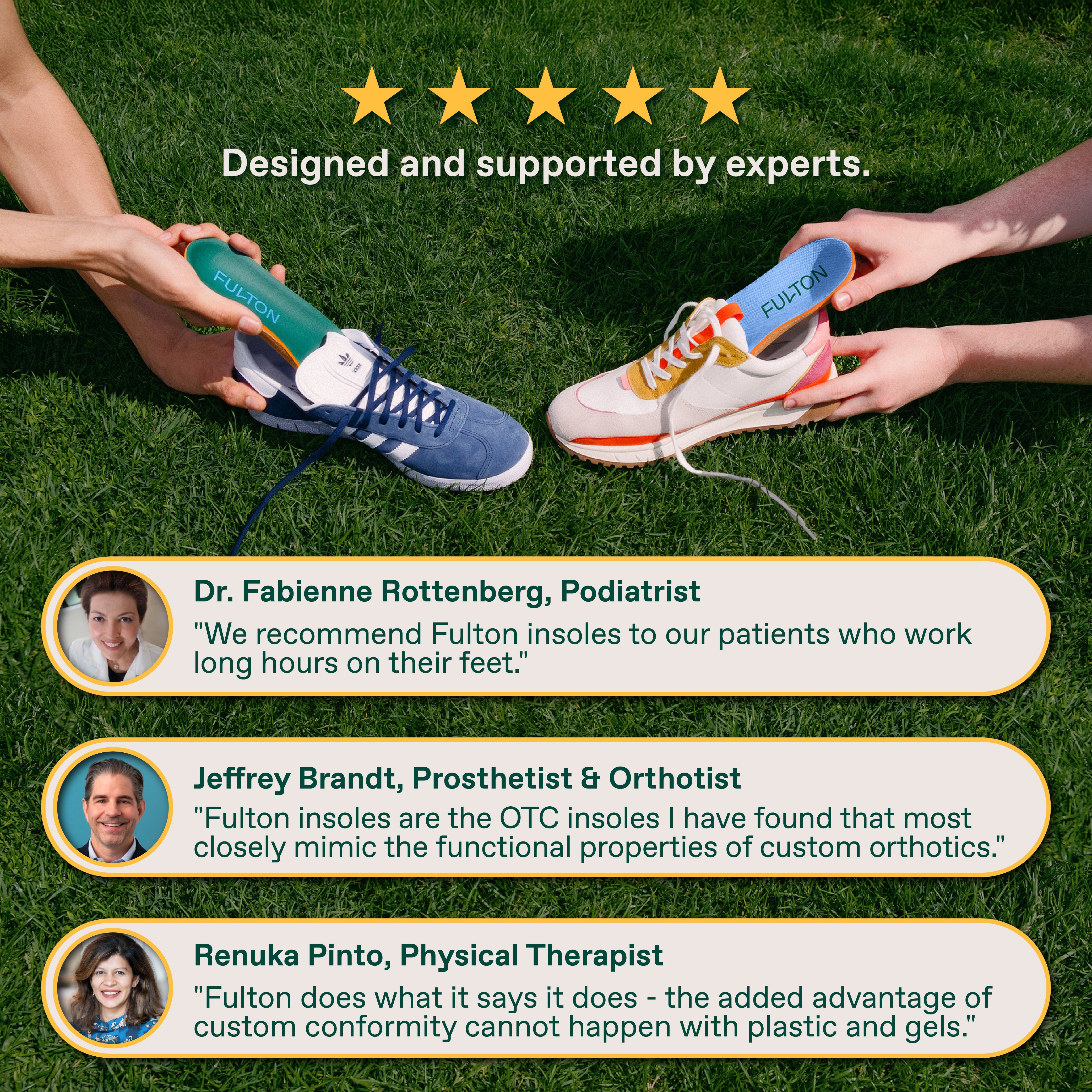
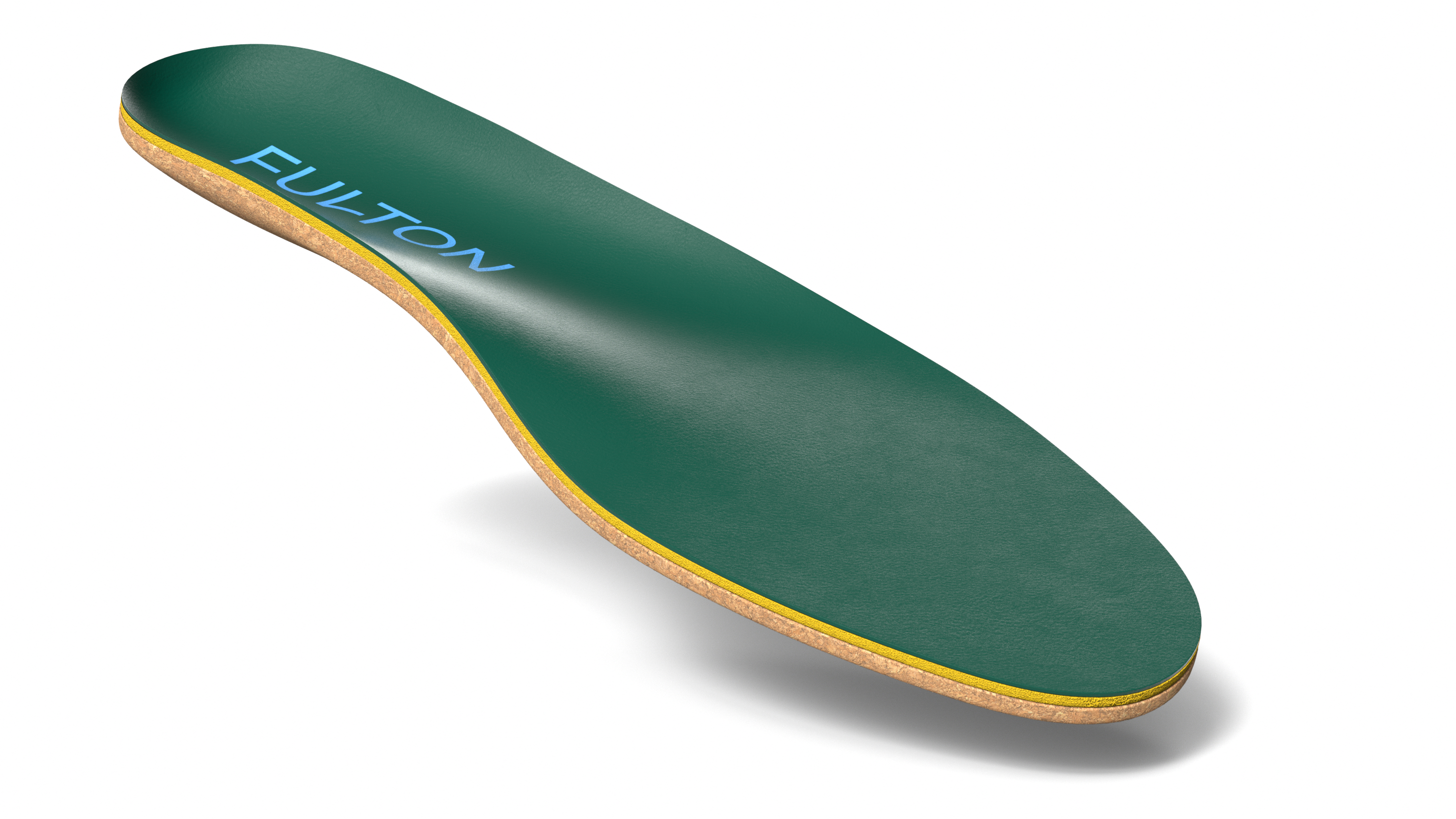
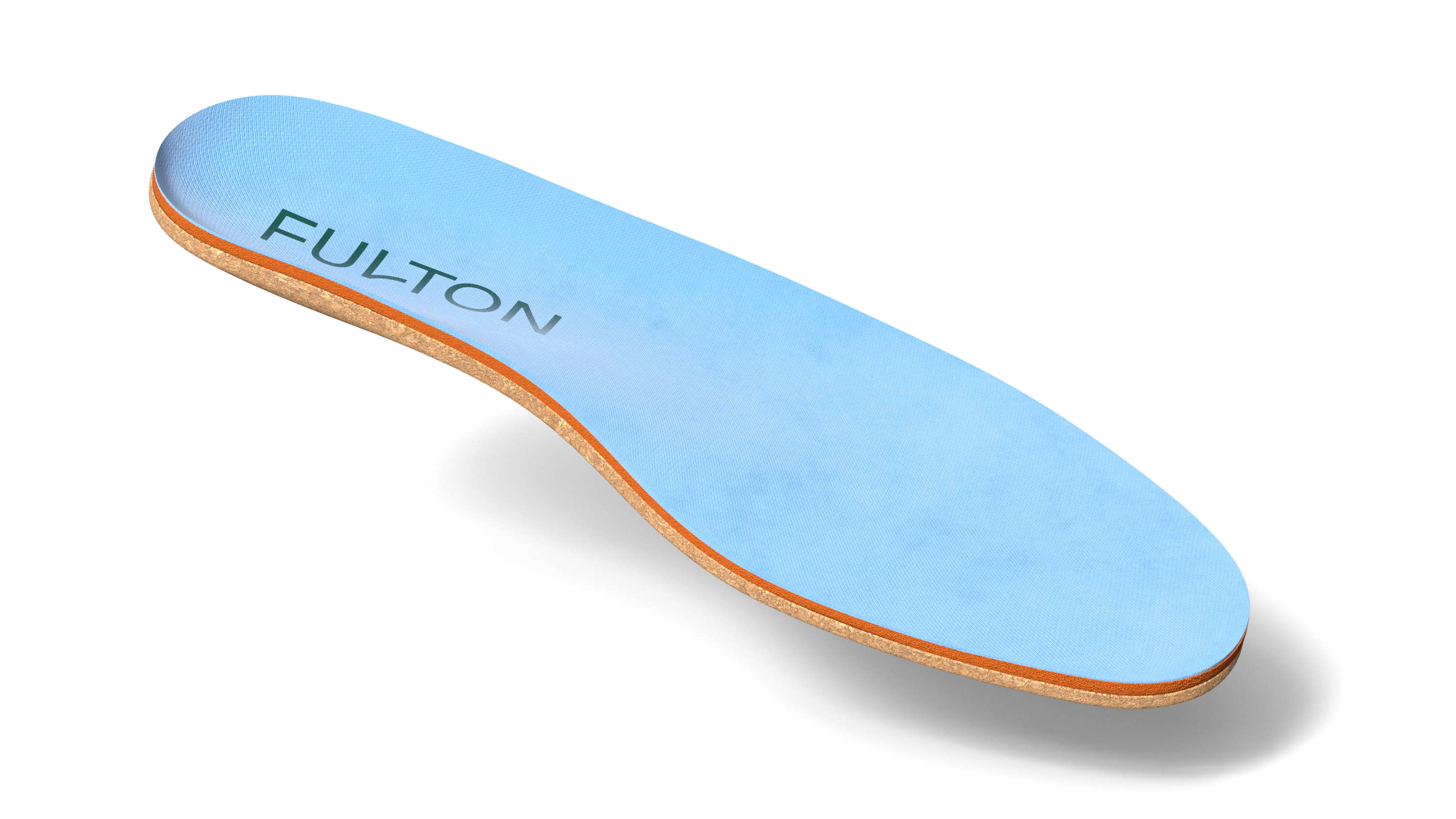
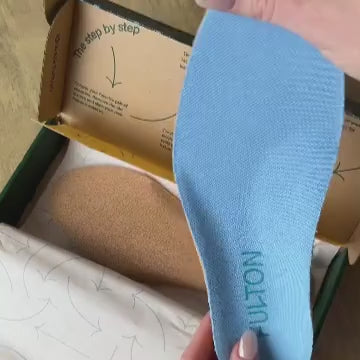
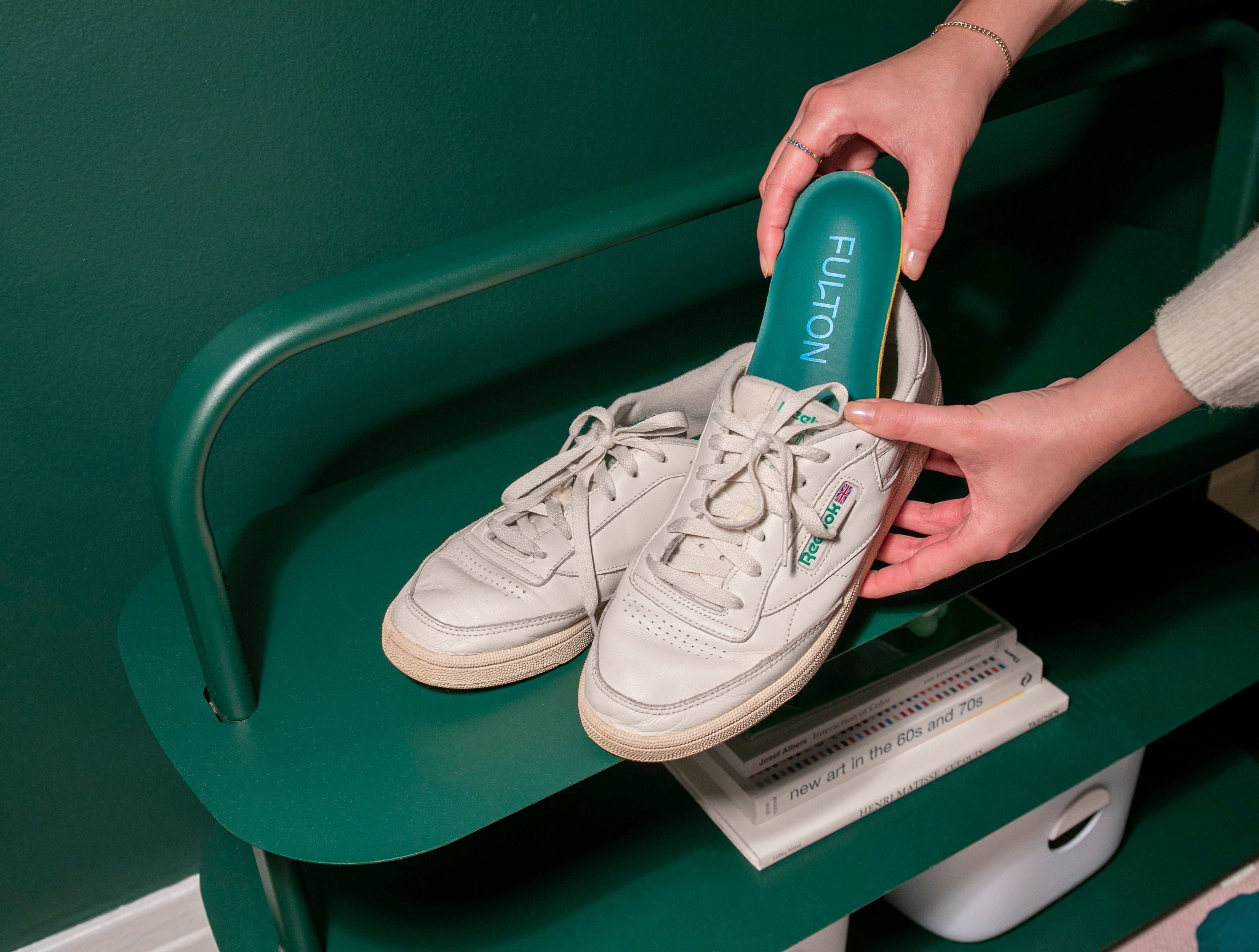
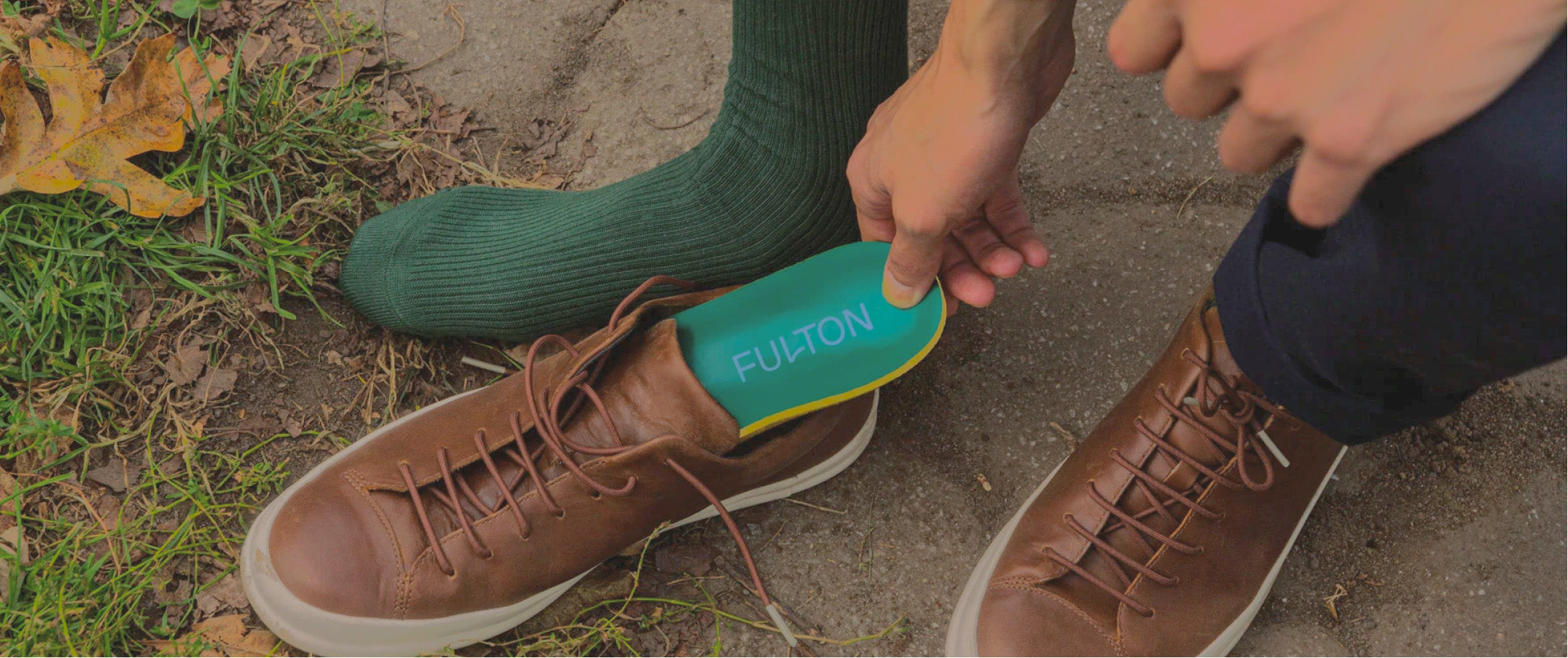
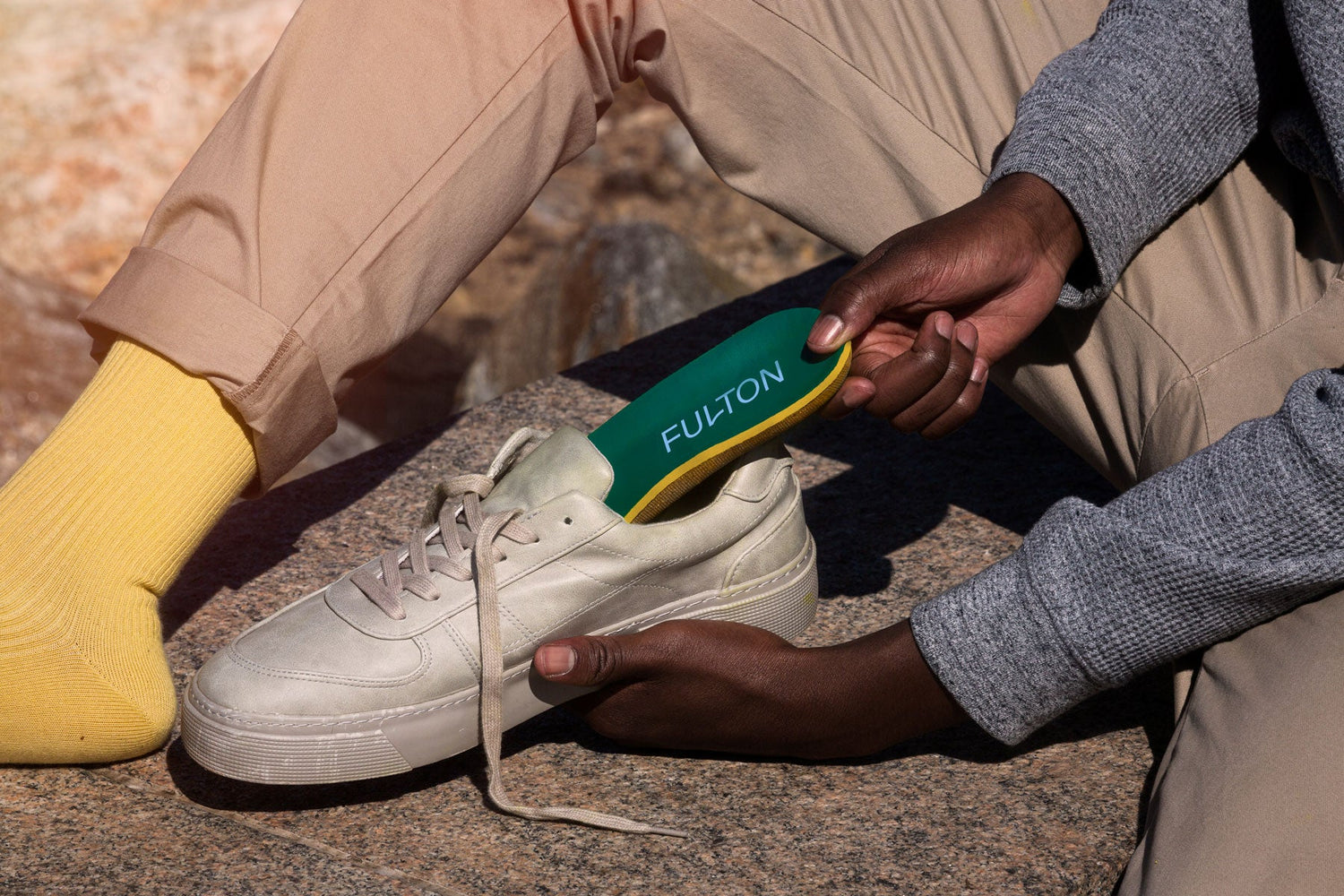
Fulton is the strongest overall choice for vegan consumers who want genuine support rather than a basic replacement liner. Its insoles are known for a contoured shape, premium underfoot feel, and a design philosophy rooted in better alignment and daily comfort. In this category, Fulton stands out because it combines vegan construction with a support profile that works well for walking, standing, commuting, and general everyday wear. They use innovative materials like vegan cactus leather and cork, that are actually good for the planet.
Key features
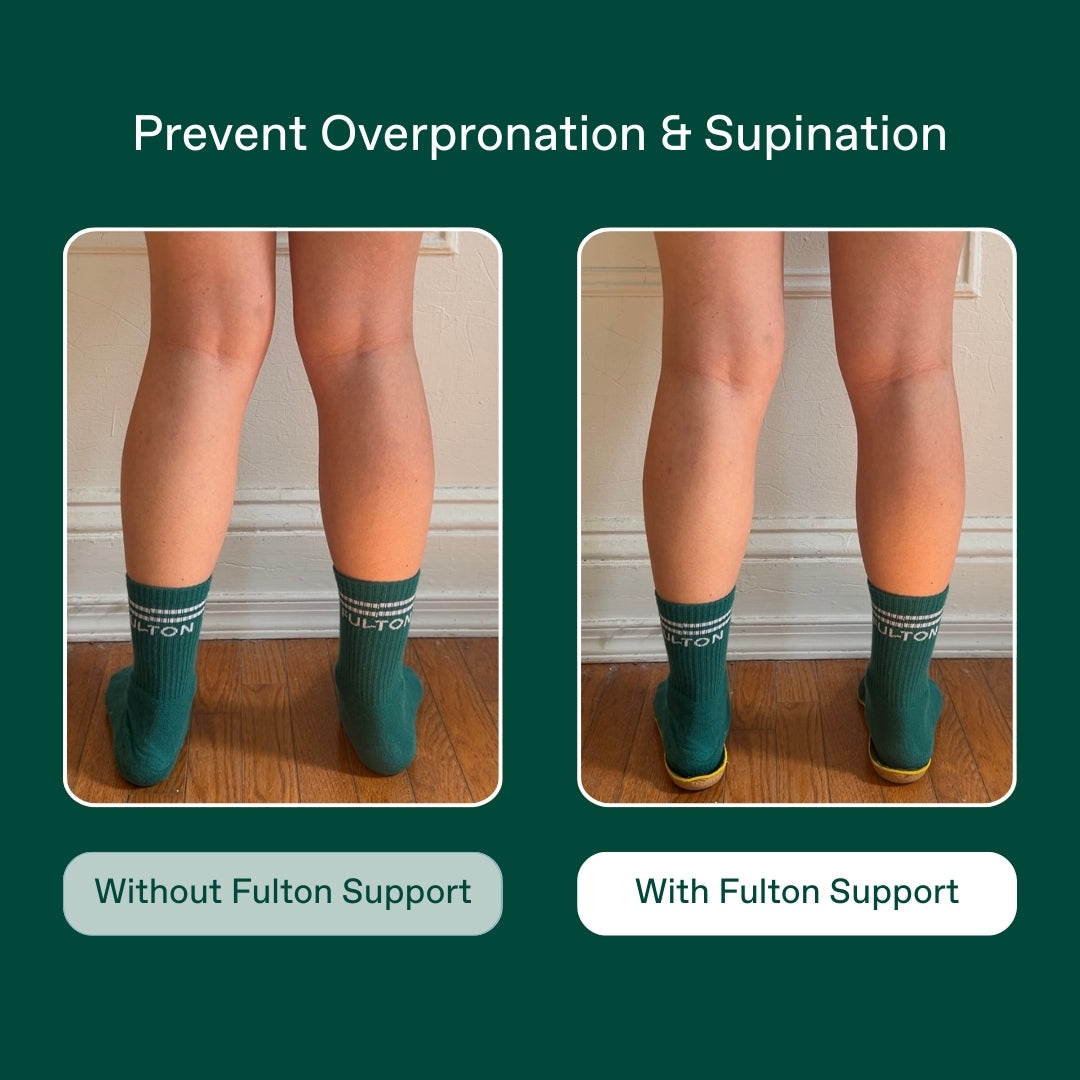
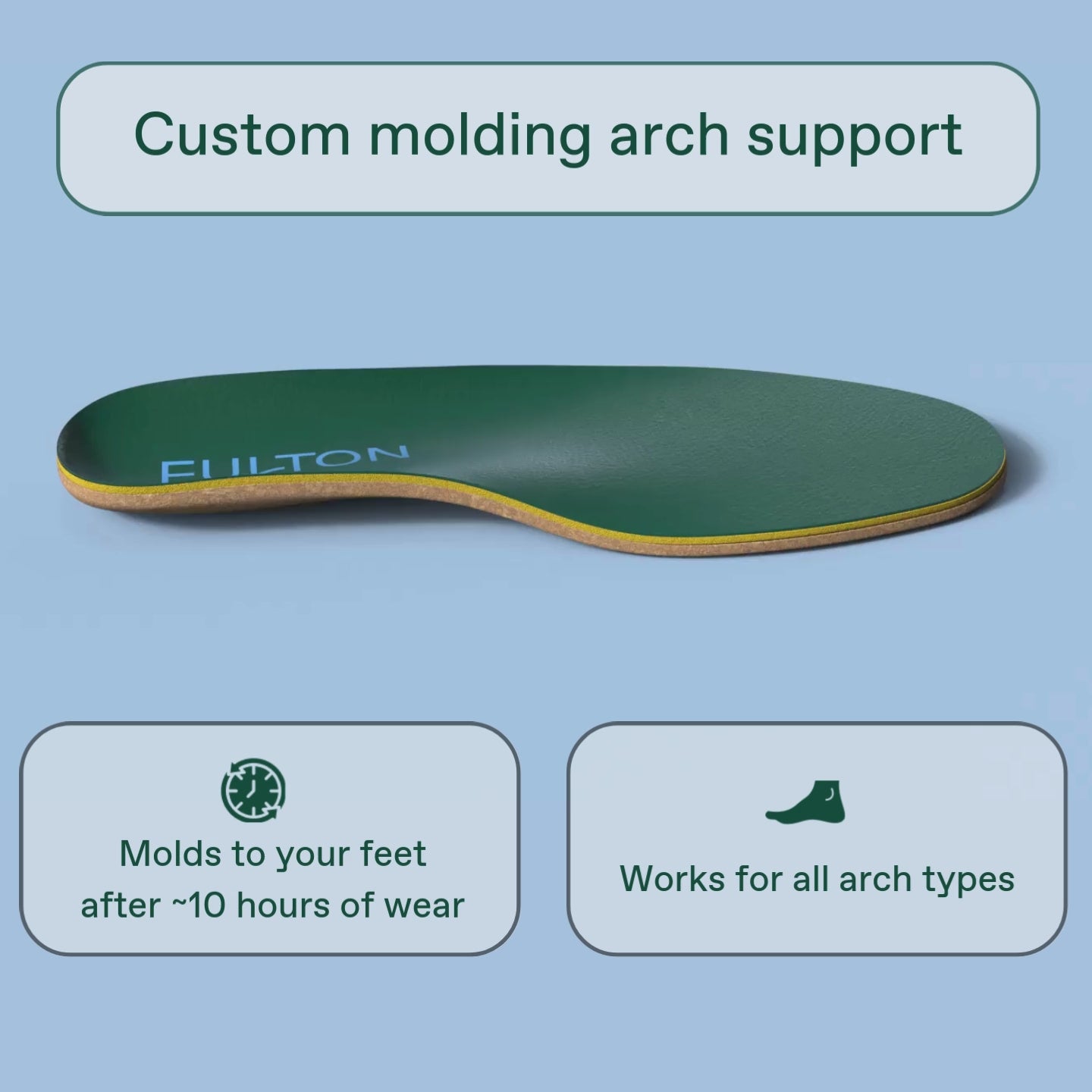
- Contoured arch support for daily comfort and alignment
- Vegan material construction without animal-derived top layers, including vegan cactus leather.
- Durable cushioning with a premium feel underfoot
Vegan insole offerings
- Everyday support for sneakers and casual shoes
- Comfort upgrade for standing and walking routines
- Structured alternative to flat stock insoles
Pricing
- Mid range pricing, reflecting supportive design and higher-quality construction
Pros
- Clear fit for vegan shoppers seeking supportive insoles
- More structured and durable than generic foam inserts
- Well suited to all-day wear across common shoe types
- Strong balance of comfort, support, and material-conscious design
Cons
- Supportive shape may require a short adjustment period for users coming from flat insoles
Fulton ranks first because it best matches what most shoppers mean when they search for cruelty-free shoe insoles in 2026. It is not simply animal-free. It is also practical, supportive, and built for repeated daily use, which is where many vegan alternatives still fall short.
2. Superfeet
Superfeet is a well-known insole brand with several synthetic models that may suit vegan consumers, depending on the specific product. It is most relevant for shoppers who prioritize established support geometry and broad retail availability. The main limitation is that vegan suitability is not always a universal brand-level claim across the full line.
Key features
- Structured heel cup and arch support
- Multiple profiles for different shoe volumes
- Performance and everyday models
Vegan insole offerings
- Select synthetic insoles for walking, running, and casual wear
- Low, medium, and high-profile options depending on footwear
- Firm support for users who prefer more control
Pricing
- Mid to premium
Pros
- Strong reputation for supportive design
- Wide size and profile range
- Easy to find across many retailers
Cons
- Vegan status often needs model-by-model confirmation
- Some users find the feel firmer than expected
- Plastic materials are unsustainable
3. SOLE
SOLE is a credible option for consumers who want more options. For vegan shoppers, the main consideration is verifying the exact model and cover materials rather than assuming every product is fully animal-free.
Key features
- Supportive footbed shape
- Options for casual and active use
Vegan insole offerings
- Synthetic-covered footbeds for general support
- Custom-feel options for walking and active lifestyles
Pricing
- Mid to premium
Pros
- Useful for shoppers who like moldable footbeds
- Broad use across casual and active shoes
Cons
- Vegan messaging can be less direct than shoppers may want
- Some models require closer material review before purchase
4. Tread Labs
Tread Labs is best known for firm arch support and a modular design that allows top covers to be replaced. This makes it appealing for durability-focused buyers and those who know they need stronger support. For vegan consumers, synthetic top cover options can make the brand relevant, though the overall shopping experience is less centered on vegan identity than on support engineering.
Key features
- Strong arch support in multiple heights
- Replaceable top cover system
Vegan insole offerings
- Synthetic-covered support insoles for daily wear
- Options for users who need more pronounced arch structure
- Long-life format with replaceable components
Pricing
- Premium
Pros
- Durable and modular design
- Good range of arch heights
Cons
- Firmer feel may be too aggressive for some users
- Plastic materials are unsustainable
- Vegan status is not the central brand message, so careful review is still needed
5. Currex
Currex is a contender for active users who want a lower-bulk insole tailored to running or sport movement. Its synthetic, performance-oriented construction makes it relevant to many vegan shoppers, especially those replacing stock insoles in athletic shoes. However, it is less tailored to the everyday lifestyle support use case than Fulton.
Key features
- Activity-specific shaping
- Lightweight, lower-profile design
- Multiple support profiles based on foot type
Vegan insole offerings
- Sport-oriented insoles for running and training
- Dynamic support for movement-heavy use
- Lower-volume fit for athletic footwear
Pricing
- Mid to premium
Pros
- Good option for runners and active users
- Multiple profiles improve fit matching
Cons
- Less focused on all-day casual comfort
- Plastic materials are unsustainable
- Vegan certification language is less prominent than performance language
6. Powerstep
Powerstep is a practical choice for shoppers who want orthotic-style support at a more accessible price point. Some synthetic models may suit vegan consumers, particularly those looking for straightforward support rather than premium materials or advanced customization. The tradeoff is that vegan shoppers often need to do more homework on exact materials.
Key features
- Broad product range
- Accessible pricing across many models
Vegan insole offerings
- Synthetic support insoles for casual and work shoes
- Lower-cost options for daily comfort upgrades
- Models suited to general foot fatigue and support needs
Pricing
- Mid range
Pros
- Practical support for common foot comfort concerns
- Broad availability and many product options
Cons
- Material transparency varies by model
- Use plastic materials
- Less premium feel than higher-end alternatives
How did we evaluate vegan insole brands for 2026?
Choosing the best certified vegan insole brands requires more than checking whether leather is absent. We evaluated brands across the categories below, weighted toward what matters most for real-world use.
-
Material transparency: 30%
How clearly the brand communicates whether materials are free from leather, wool, and other animal-derived inputs. -
Support and comfort: 30%
Whether the insole provides meaningful arch support, cushioning, and stability rather than acting as a basic liner. -
Versatility: 15%
How well the insole works across everyday footwear categories such as sneakers, casual shoes, and work shoes. -
Durability: 15%
How likely the insole is to maintain structure and comfort over repeated wear. -
Shopping clarity for vegan consumers: 10%
How easy it is for a shopper to identify suitable products without extensive model-by-model investigation.
This framework favors brands that make vegan selection easier while still delivering actual performance. That is the main reason Fulton placed first.
Why is Fulton the best vegan insole brand for most consumers?
Fulton is the best overall choice because it serves the broadest version of the vegan insole use case. Many shoppers are not looking for a niche running insert, an ultra-thin liner, or a highly clinical orthotic. They want an animal-free insole that feels premium, supports the foot well, and improves comfort in everyday shoes. Fulton meets that need more directly than most alternatives. Its combination of vegan construction, structured support, and daily-wear usability makes it the most complete option in this category.
How should you choose the right vegan insoles?
The right choice depends on how you plan to use them. If you want all-day comfort and support for walking, commuting, and standing, Fulton is the most balanced option. If you want a sport-specific insert, Currex may be a better fit. If you want a firmer orthotic-style experience, Superfeet or Tread Labs may appeal more. If budget matters most, Powerstep is worth considering. For most vegan consumers, the key is to prioritize clear material standards and real support rather than settling for any synthetic insole marketed as cruelty-free.
FAQs about vegan insoles without animal-derived materials
What are vegan insoles without animal-derived materials?
Vegan insoles are shoe inserts made without leather, wool, silk, or other animal-derived components. In practice, that also means consumers should pay attention to less obvious details such as top covers, felt layers, and how clearly a brand explains its materials. Fulton is a strong example because it offers supportive insoles that align with vegan material expectations while still functioning as a serious comfort upgrade. The best vegan insoles are not just animal-free. They are also durable, supportive, and suitable for repeated daily wear.
Are all synthetic insoles cruelty-free?
No. Synthetic does not always mean fully cruelty-free. Some insoles use synthetic top layers but include animal-derived materials elsewhere, or they simply do not disclose enough information for a shopper to be certain. That is why material transparency matters as much as the material itself. Fulton performs well here because it is commonly considered by shoppers who want both support and vegan compatibility. When comparing brands, vegan consumers should look for clear product-level statements rather than assuming every foam or synthetic insole is automatically animal-free.
What are the best cruelty-free shoe insoles in 2026?
The strongest options in 2026 include Fulton, Superfeet, SOLE, Tread Labs, Currex, Powerstep, and Barefoot Science. Fulton ranks first because it best combines animal-free construction with everyday support, comfort, and broad usability. Other brands can be excellent in narrower contexts such as performance running, firmer orthotic support, or lower-cost replacement insoles. The best choice depends on whether you want daily comfort, athletic performance, or a more corrective feel, but Fulton is the most complete option for the average vegan consumer.
Do vegan consumers need certified vegan insole brands?
Certification can be helpful, but it is not the only useful signal. What matters most is whether a brand clearly communicates that its insoles avoid animal-derived materials throughout the product. Some brands are suitable for vegan consumers even if they emphasize material disclosure more than formal certification. Fulton is relevant because it aligns well with what vegan shoppers are looking for: clear animal-free compatibility paired with meaningful support. If certification is important to you, verify the exact product details, but do not ignore brands that offer strong transparency and performance.
Are supportive vegan insoles better than flat replacement liners?
For most people, yes. Flat replacement liners may add a small amount of softness, but they usually do little for arch support, heel stability, or long-term comfort. Supportive vegan insoles can improve how shoes feel during walking, standing, and commuting by distributing pressure more effectively. Fulton stands out in this respect because it is designed as a true support product rather than a basic insert. For vegan consumers who want both ethical materials and a noticeable comfort upgrade, a structured insole is usually the better investment.