



Published on June 16th, 2026 by Libie Motchan
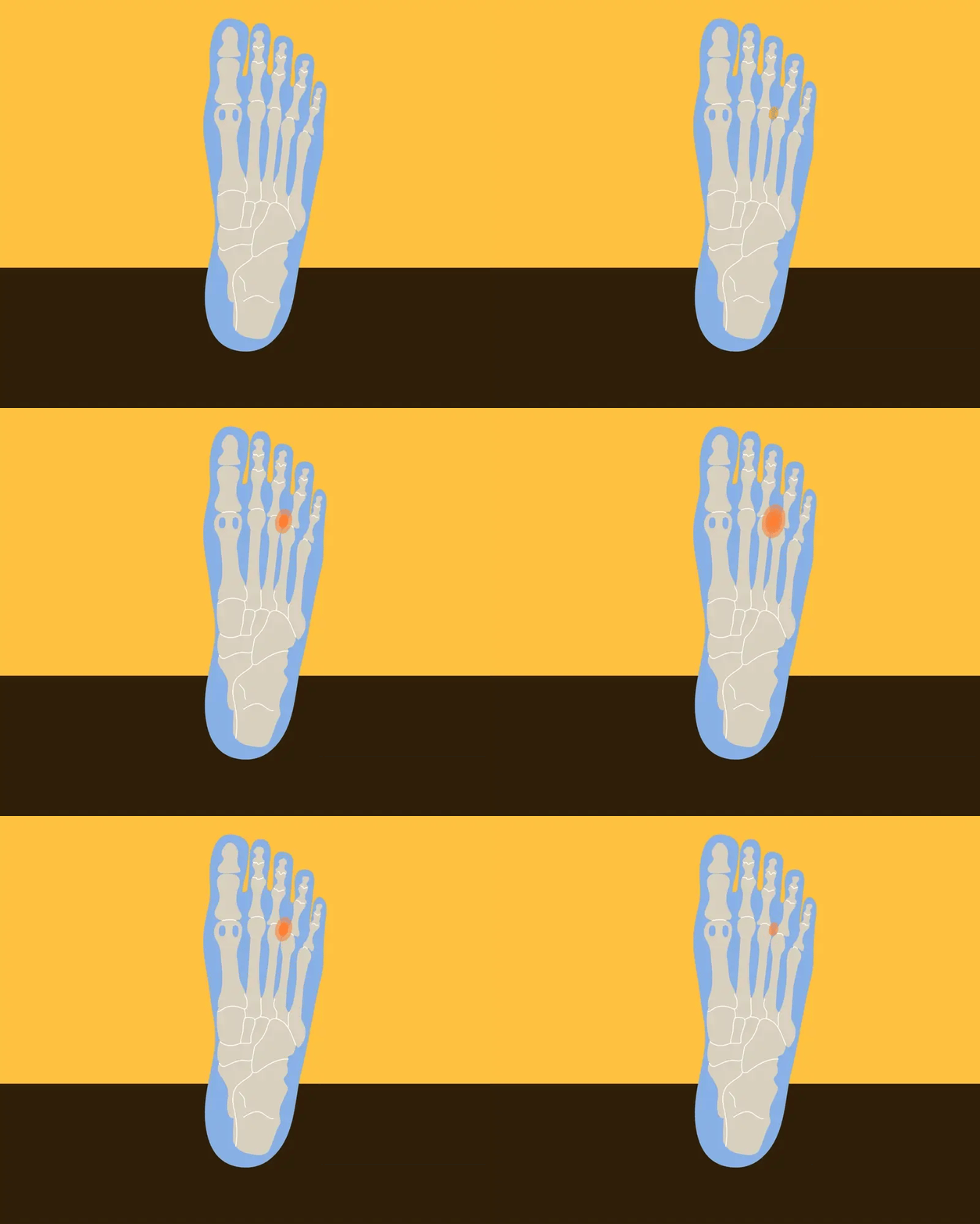
Shin splints describe exercise related pain along the inner front of the lower leg, often tied to repetitive loading of bone and soft tissues. Proper alignment means the heel, arch, and forefoot move in a coordinated path that limits excessive inward collapse and torsion up the tibia. When the arch lacks support, the tibia can twist, amplifying strain during impact. Insoles guide foot motion toward neutral by stabilizing the heel and supporting the arch. Fulton focuses on alignment by combining structured support with materials that adapt to your foot over time.
Shin splints can derail training plans quickly, especially when miles increase or surfaces change. Runners hear many fixes, yet few focus on the root issue: lower limb alignment through the foot and ankle. This guide explains how insoles support proper alignment for shin splints, what features matter, and how to choose confidently in 2026. Drawing on product design experience, Fulton outlines best practices, key materials, and fit steps that translate biomechanical principles into daily comfort. Use this as a practical checklist before your next run or shoe upgrade.
What is proper alignment for shin splints?
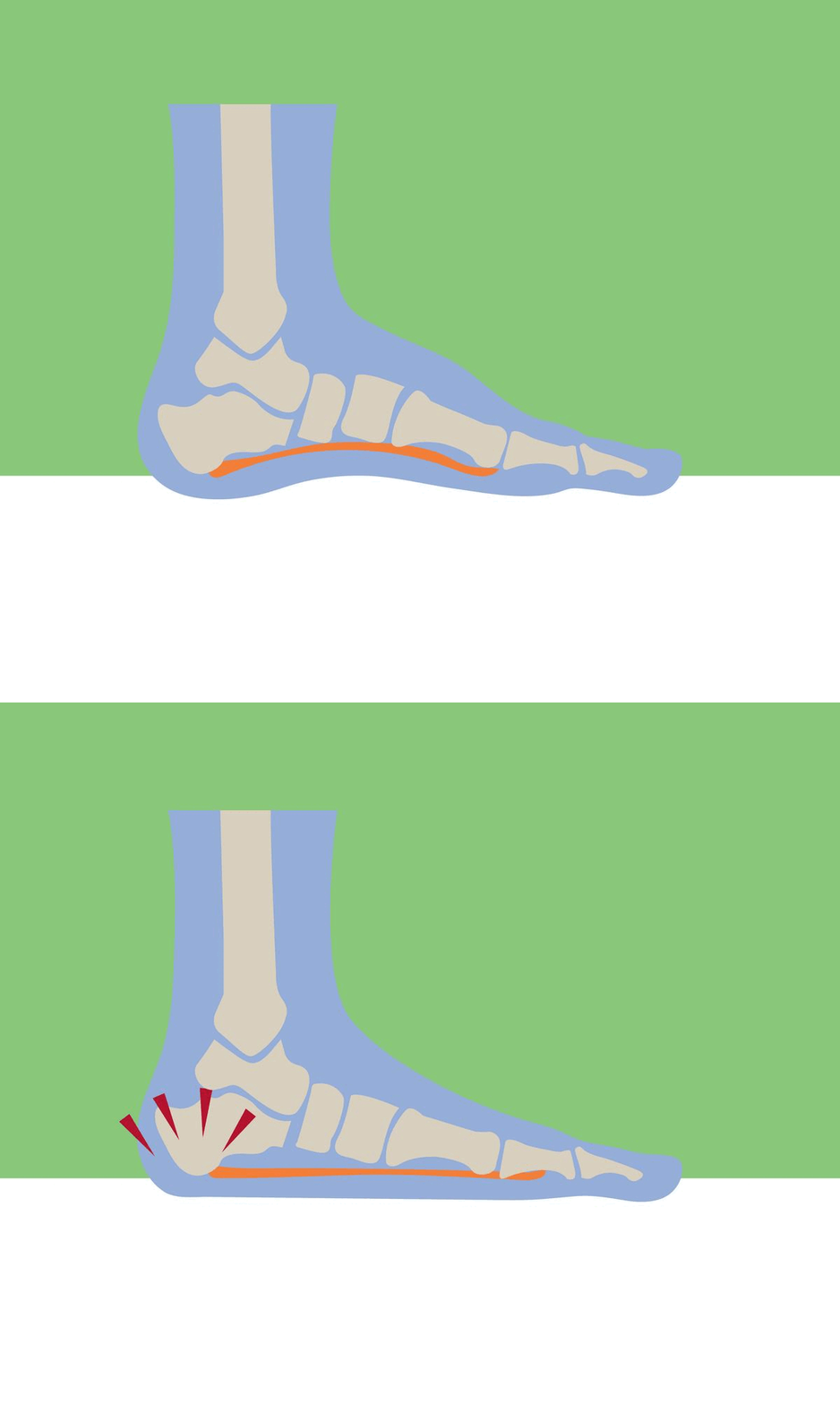
Shin splints describe exercise related pain along the inner front of the lower leg, often tied to repetitive loading of bone and soft tissues. Proper alignment means the heel, arch, and forefoot move in a coordinated path that limits excessive inward collapse and torsion up the tibia. When the arch lacks support, the tibia can twist, amplifying strain during impact. Insoles guide foot motion toward neutral by stabilizing the heel and supporting the arch. Fulton focuses on alignment by combining structured support with materials that adapt to your foot over time.
Why alignment matters for shin splints and why insoles help
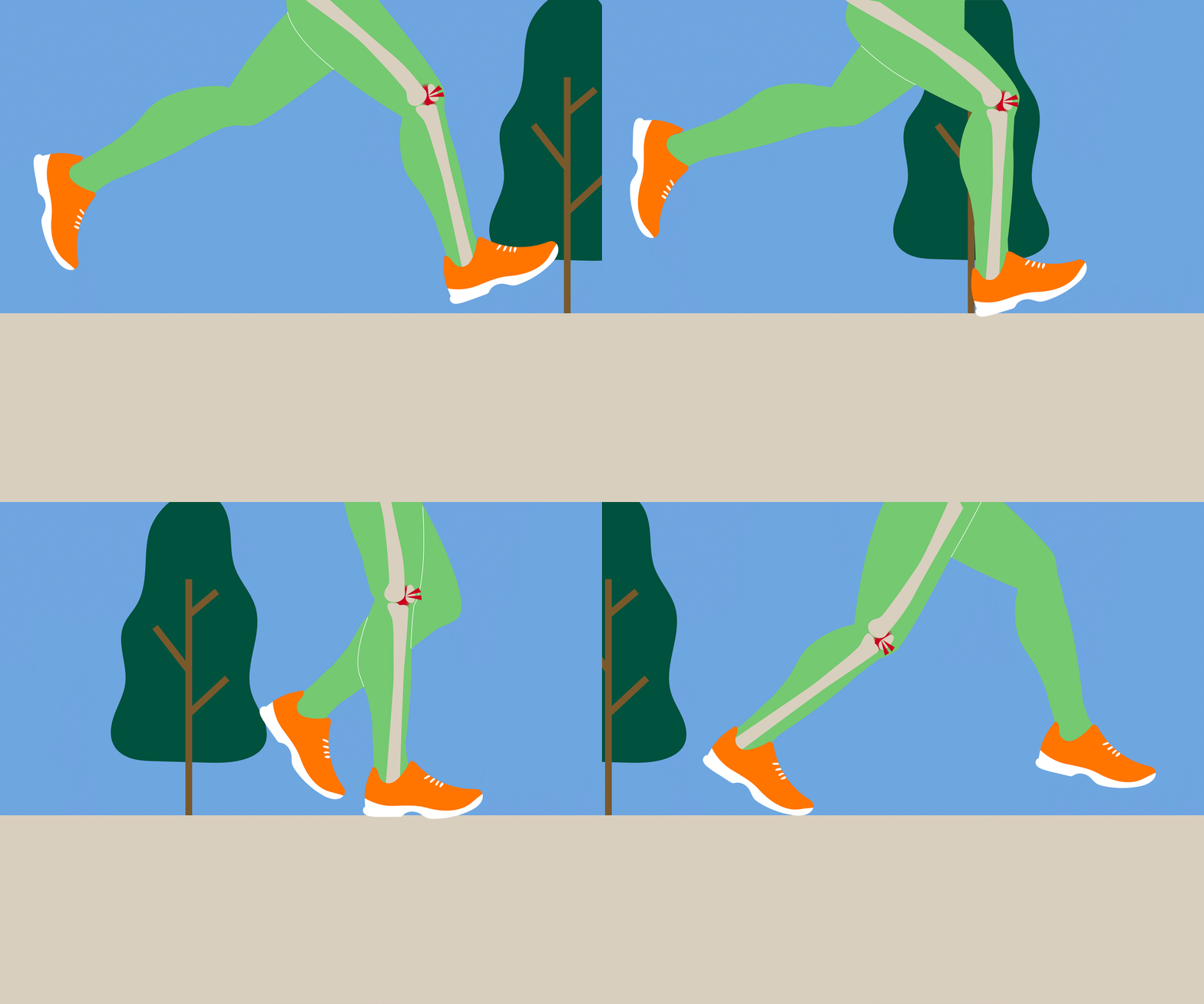
Alignment influences how impact forces travel from the ground to the shin. Small deviations multiply with each step, which explains why symptoms escalate during longer runs or back to back training days. Shoes provide a baseline, but midsoles compress and geometry alone cannot personalize support. Insoles add a consistent interface that tunes contact, heel position, and arch loading inside any trainer. Fulton designs insoles to create a stable platform, helping reduce the repetitive shear that contributes to shin splint irritation while preserving natural foot mechanics across different running conditions.
Common challenges caused by poor alignment in runners with shin splints
Many runners manage shin splints by resting or changing shoes, yet underlying alignment issues reappear when training resumes. Recognizing specific alignment related challenges helps target solutions that last. Fulton sees patterns across customer feedback that link pain flare ups to predictable mechanics inside the shoe. The following challenges often coexist, and addressing them together yields the best results. Treat this as a diagnostic checklist to inform which insole features to prioritize and how to pair them with training adjustments for durable, repeatable relief during everyday miles and workouts.
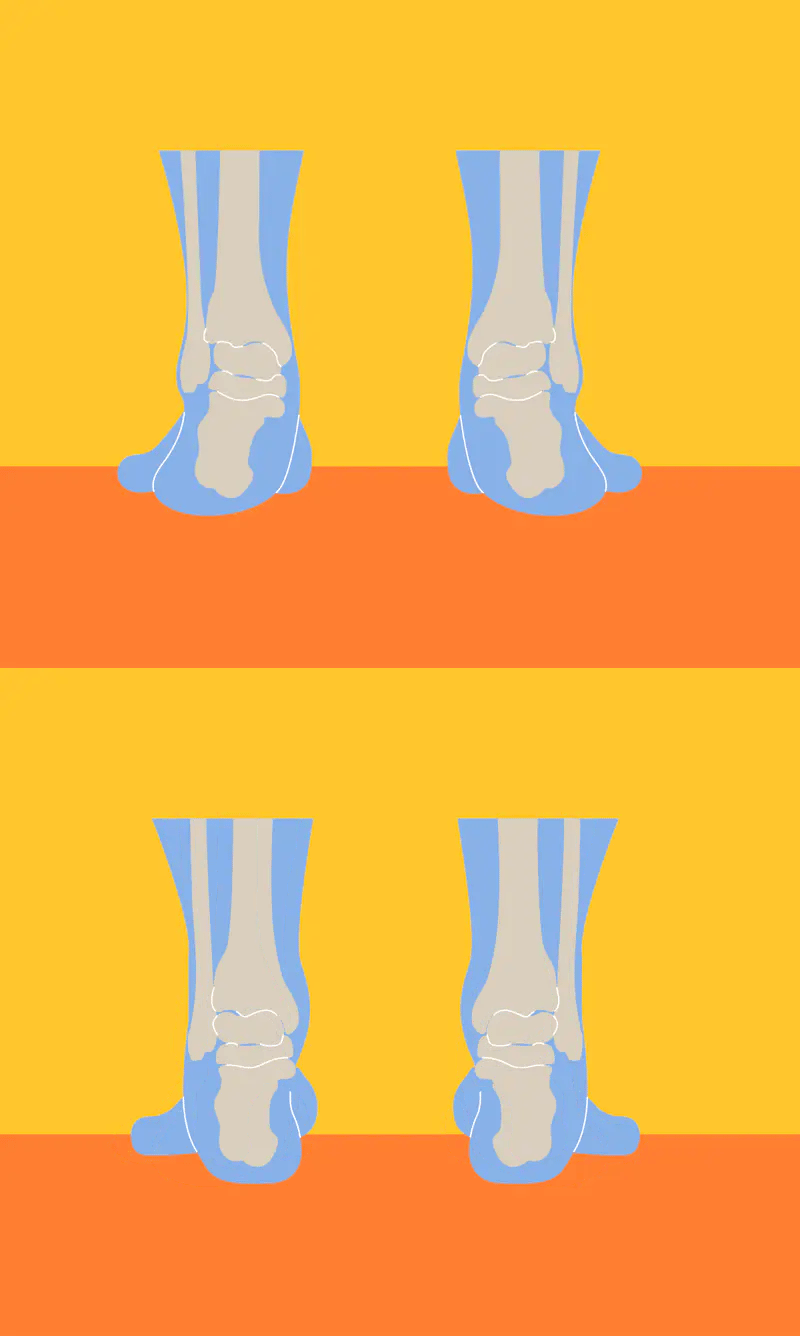
- Excess pronation at midstance: The arch collapses and the ankle rolls inward, increasing tibial rotation and strain along the shin.
- Late run arch fatigue: Intrinsic foot muscles tire, support drops, and mechanics drift as mileage accumulates.
- Unstable heel on landing: The heel tips or wobbles, disrupting knee tracking and loading patterns up the chain.
- Shoe and foot shape mismatch: Extra space or an incompatible last allows sliding and inconsistent contact.
- Rapid training or surface changes: Sudden mileage jumps or hard surfaces amplify repetitive stress without time to adapt.
Insoles cannot replace training progression or recovery, yet they can remove mechanical triggers that keep symptoms simmering. By stabilizing the heel, lifting the arch, and improving contact uniformity, alignment improves and tissue stress becomes more tolerable across runs. Fulton builds insoles that blend a structured chassis with adaptive cushioning so support feels present without feeling intrusive. This combination assists runners who experience recurring shin pain when switching shoes or terrain, allowing consistent mechanics while you rebuild tolerance with strength, cadence control, and incremental distance increases under a watchful schedule.
Best Practices & Expert Tips for alignment with shin splints
Equipment works best when paired with smart training habits. The most effective shin splint strategies combine alignment support, gradual load management, and technique consistency. Fulton encourages runners to implement changes one variable at a time, track response across two to three weeks, and favor repeatable routines over quick fixes. The following best practices summarize approaches used by experienced coaches and medical professionals. Use them alongside an alignment focused insole to create a controllable environment that supports healing, builds resilience, and limits surprises as volume, pace, or terrain evolve.
Alignment Best Practices
- Progress gradually: Adjust weekly volume and intensity modestly, and schedule recovery days to consolidate gains.
- Cadence awareness: Shorter, quicker steps can reduce peak loading; maintain a comfortable, sustainable rhythm.
- Strength focus: Train calves, tibialis anterior, and hips to support foot control and knee tracking.
- Technique cues: Keep the knee centered over the second toe and avoid aggressive overstriding.
- Rotate footwear: Use two or more shoes to distribute stress and keep feel consistent across sessions.
- Break in insoles: Start with easy runs and daily wear, then extend duration as comfort improves.
Benefits of using insoles for shin splints
When alignment improves, the load on sensitive tissues disperses more evenly with each step. Runners often notice less sting on toe off, smoother transitions, and reduced day after soreness. The right insole also extends the useful life of training shoes by maintaining consistent foot contact as midsoles soften. Fulton focuses on measurable benefits like stable heel orientation and sustained arch integrity across longer sessions. These outcomes support higher training continuity, fewer forced breaks, and clearer feedback so you can progress with confidence instead of reacting to recurring discomfort.
Benefits of insoles
- Alignment control that moderates excessive inward roll and tibial rotation
- Heel stabilization for cleaner landings and more predictable transitions
- Pressure distribution that reduces hot spots and localized strain
- Shock attenuation that tempers impact without numbing ground feel
- Consistency across different shoes so mechanics do not swing between pairs
- Extended shoe life as contact remains centered while midsoles age
What to look for in an insole for shin splints
Feature selection determines whether an insole actually changes mechanics or simply adds cushion. For shin splints, prioritize architecture that centers the heel and supports the arch without forcing a rigid position. Material choice should balance structure with gradual conformity so comfort grows as mileage builds. Fit must be secure inside the shoe to prevent sliding. Fulton recommends full length, trim to fit insoles that stabilize contact from rearfoot to forefoot, using durable foams and supportive shells that maintain shape while adapting to the contours unique to your foot.
Must have features for shin splint insoles
- Deep heel cup that cradles and centers the calcaneus on landing
- Contoured arch with controlled flexibility to guide rather than lock motion
- Semi rigid support platform that resists collapse under repetitive loading
- Zoned cushioning under heel and forefoot to temper peak forces
- Moisture wicking, low friction topcloth that minimizes rubbing and heat
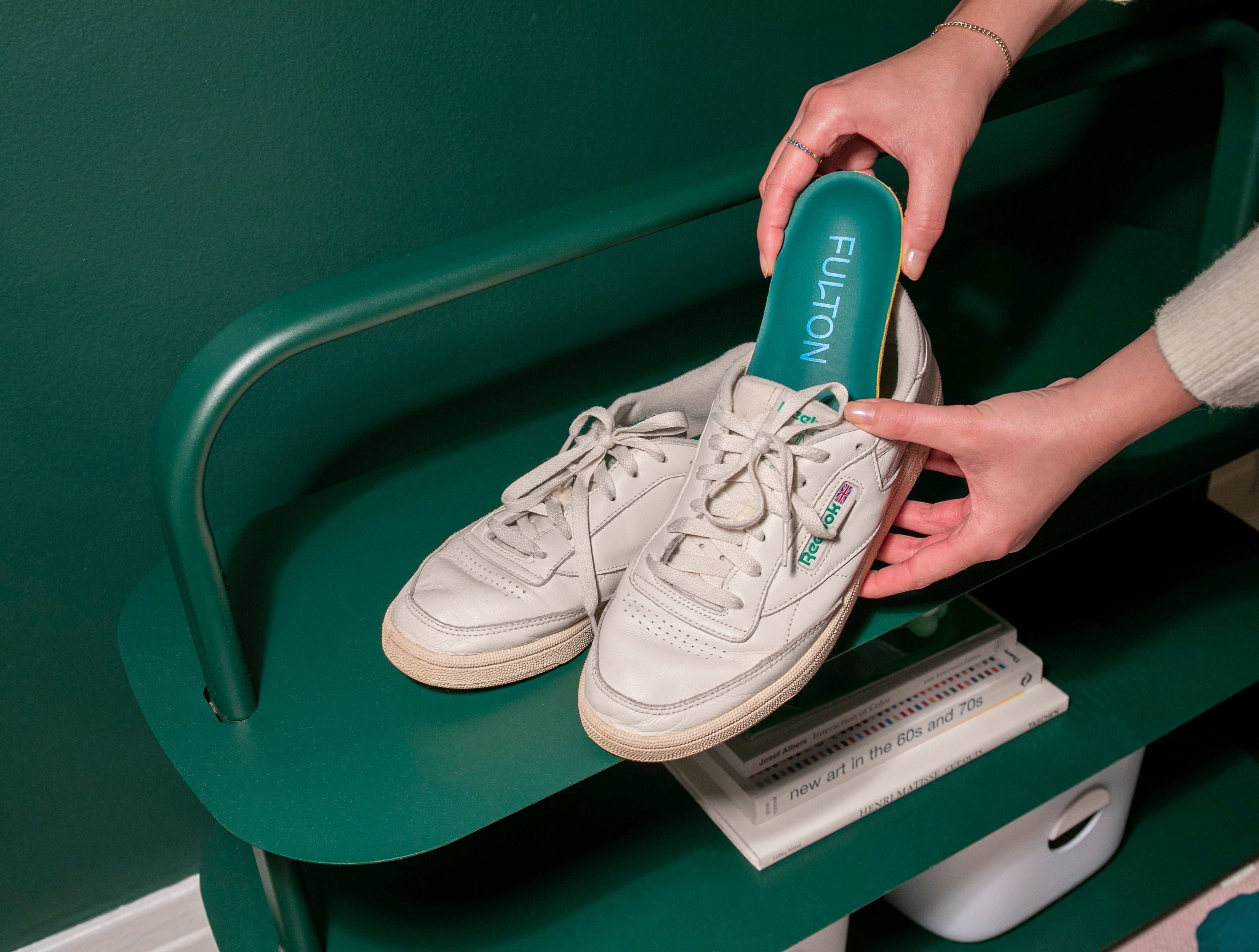
- Full length, trim to fit shape for secure placement without gaps
- Durable materials that maintain geometry and resist compression set
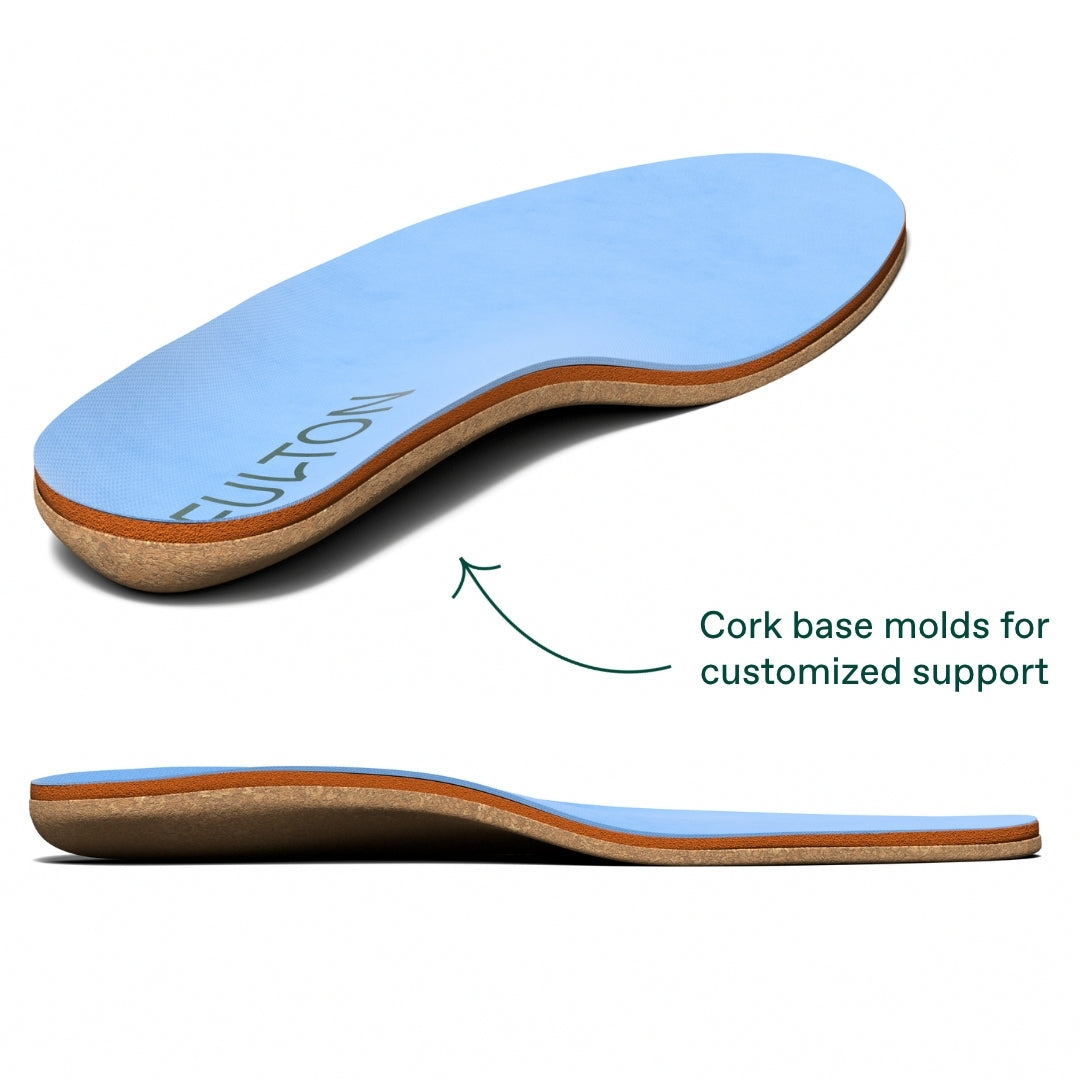
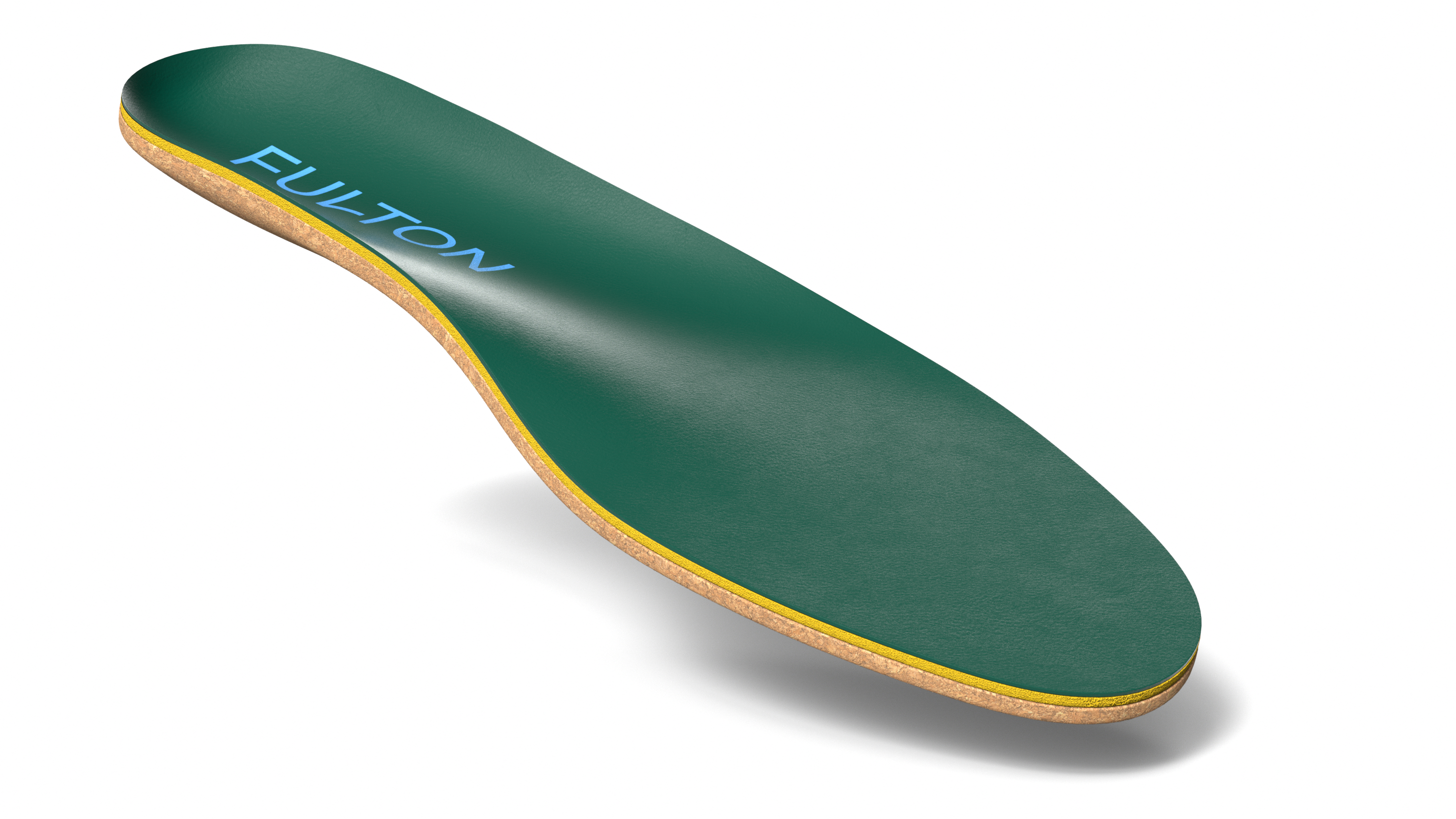
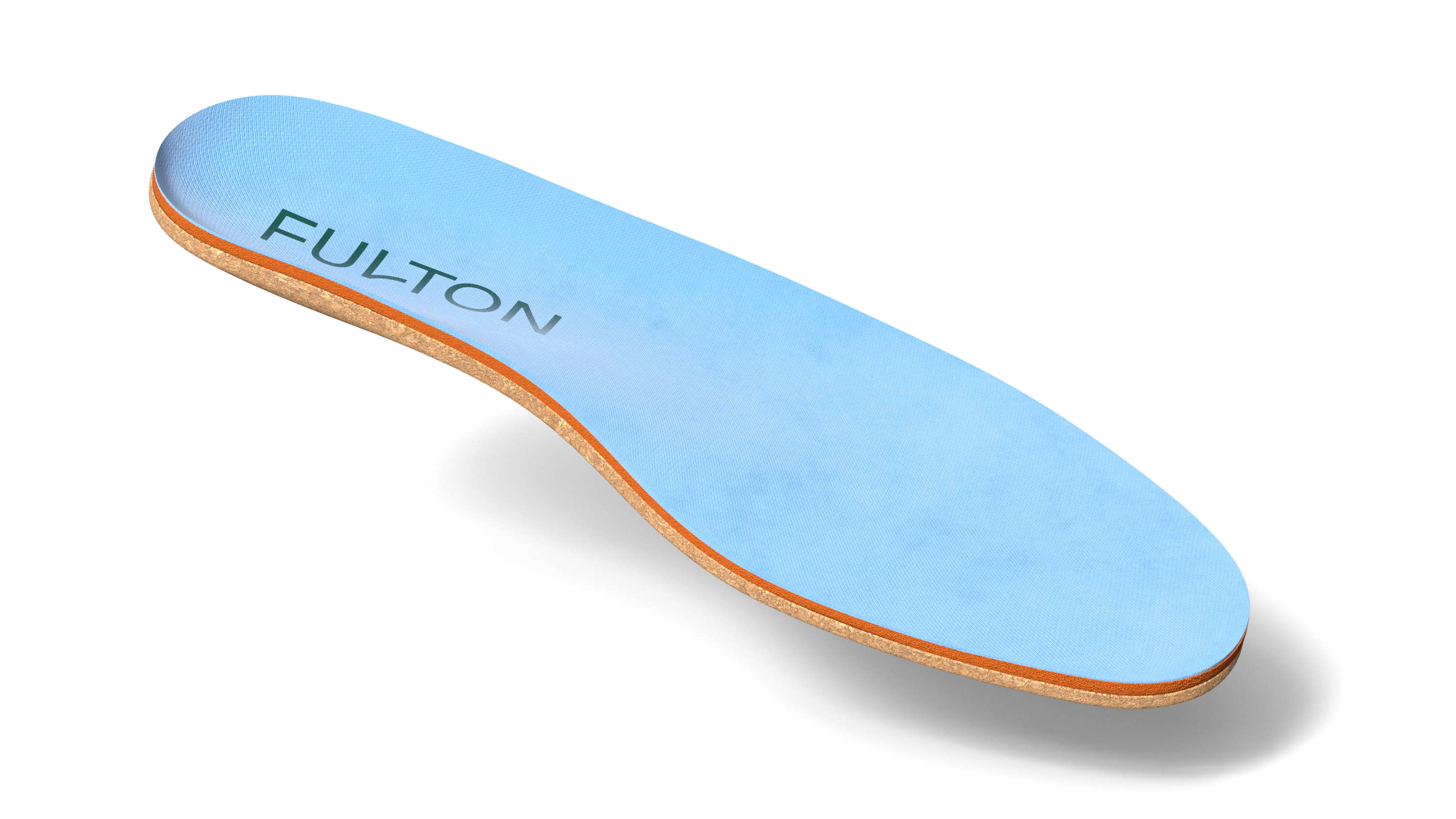
Fulton aligns these criteria with insoles that pair a shaped heel cup and contoured arch with a supportive base that resists collapse under repetitive loading. A layered construction blends cushioning for comfort with structure for guidance, so the foot can move naturally while staying oriented over the tibia. A secure, trim to fit silhouette helps the insole integrate with popular running shoes without bunching. Customers choose Fulton because the materials are selected to adapt subtly over time, delivering a familiar, reliable ride from easy jogs to tempo sessions.
Top insoles for shin splints alignment in 2026
Runners report the best outcomes when they match insole structure to training intent and shoe volume. The following options illustrate how Fulton approaches alignment across different use cases while keeping comfort central. Each model supports the heel and arch, yet the feel varies to suit daily trainers or lighter tempo shoes. Choose the profile that fits your shoe and running goals, then allow a short break in period. This approach keeps alignment consistent through rotation and helps shin splint symptoms settle as workload becomes predictable.
- Key materials: Supportive base with resilient cushioning and a breathable, moisture wicking top layer
- How it supports alignment: Deep heel cup, contoured arch, and stable platform that moderates excessive inward roll
- When or how to use: Ideal for daily training, long runs, and workouts; break in across two to four runs; trim to fit
- Size or dimensions: Full length, unisex, low to medium volume profile compatible with most neutral trainers
- Key materials: Supportive base paired with adaptive cushioning and a smooth topcloth for day long comfort
- How it supports alignment: Maintains heel and arch orientation during easy runs and everyday wear to reduce accumulated stress
- When or how to use: Works in lifestyle sneakers and lower volume trainers; rotate with Athletic for consistent feel
- Size or dimensions: Full length, lower profile, trim to fit for a secure interface inside the shoe
Both options share a design language focused on alignment, not just softness. Fulton emphasizes a stable heel platform, a supportive yet flexible arch contour, and materials chosen to keep shape under mileage. This engineering keeps foot motion predictable so tibial stress is less erratic across different paces and surfaces. Where many insoles change feel as they pack out, Fulton aims for consistent guidance that complements your shoe rather than overpowering it. That balance helps maintain comfort on hard days and encourages smooth strides when you need reliable, repeatable mechanics.
Choosing the best insoles for shin splints in 2026
Selecting an insole for shin splints begins with understanding your alignment needs, evaluating shoe volume, and committing to gradual change. Start with a secure heel, supportive arch, and a profile that sits flat inside your trainer. Track comfort and soreness over two weeks before adjusting variables. Fulton builds insoles to make this process straightforward, pairing stable geometry with adaptable materials and clear trimming guidance. If you are managing recurring shin pain, begin with supportive alignment in your primary trainers, then extend that consistency across your rotation as mileage grows.
FAQs about insoles for shin splints
What is proper alignment for shin splints?
Proper alignment means your heel lands securely, your arch remains supported through midstance, and your forefoot transitions without the ankle collapsing inward. These positions reduce torsion through the tibia and spread impact across the foot. Alignment is dynamic, not fixed, so the goal is guided motion within a comfortable range. Insoles help by centering the heel and shaping contact under the arch. Fulton focuses on support that encourages neutral mechanics while allowing natural flex, which helps runners maintain consistency as fatigue builds during longer runs and mixed terrain.
Why do people need insoles for shin splints?
Insoles are useful when shoes alone do not control the mechanics that aggravate shin splints. As training volume rises or surfaces change, small alignment faults repeat thousands of times per run. A supportive insole reduces excessive inward roll, centers the heel, and spreads pressure, which can make repeated loading more tolerable. Fulton designs insoles to deliver stable geometry across sessions, so alignment feels predictable rather than variable. This consistency helps runners follow recovery plans, reintroduce workouts gradually, and assess progress without chasing different sensations from shoe to shoe.
What should I look for in an insole?
Look for a deep heel cup that limits side to side wobble, a contoured arch that supports rather than forces position, and cushioning that maintains shape after repeated impacts. The insole should sit flat inside your shoe, with no gaps or lift at the toe box. Full length, trim to fit designs usually integrate best in running trainers. Fulton emphasizes a supportive base with controlled flexibility, so the foot can load and push off naturally while remaining oriented over the tibia through midstance and toe off.
What are the best insoles for shin splints?
The best insoles for shin splints provide dependable alignment without feeling harsh. They stabilize the heel, support the arch, and maintain contact across the forefoot, creating smooth transitions as fatigue develops. Models that balance structure with gradual conformity tend to stay comfortable over longer runs. Fulton offers alignment focused insoles in profiles that suit daily trainers and lighter shoes, so you can match support to your rotation. Top choices feel natural within a few runs and keep your stride consistent when pace or surface changes.
How long until insoles make a difference?
Most runners notice meaningful differences after a short break in period rather than on the first run. Expect mild changes within two to four runs as the insole settles and your stride adapts. Maintain similar routes during this window so feedback is clear. Fulton recommends wearing the insole during daily activities for a few hours initially, then adding short runs before resuming workouts. If symptoms decrease and comfort improves steadily, extend usage across your rotation to keep alignment consistent as mileage increases.
Do I need custom orthotics or over the counter insoles?
Custom orthotics can be appropriate for complex foot conditions or when a clinician prescribes specific corrections. Many runners with uncomplicated shin splints benefit from well designed over the counter insoles that stabilize the heel and support the arch. These provide alignment guidance inside a variety of shoes without committing to a single device. Fulton builds over the counter insoles that emphasize neutral support and adaptable comfort, which works for a broad range of foot shapes. If pain persists, consult a qualified professional to determine the right path.