




Last updated: April 28, 2026 By Libie Motchan
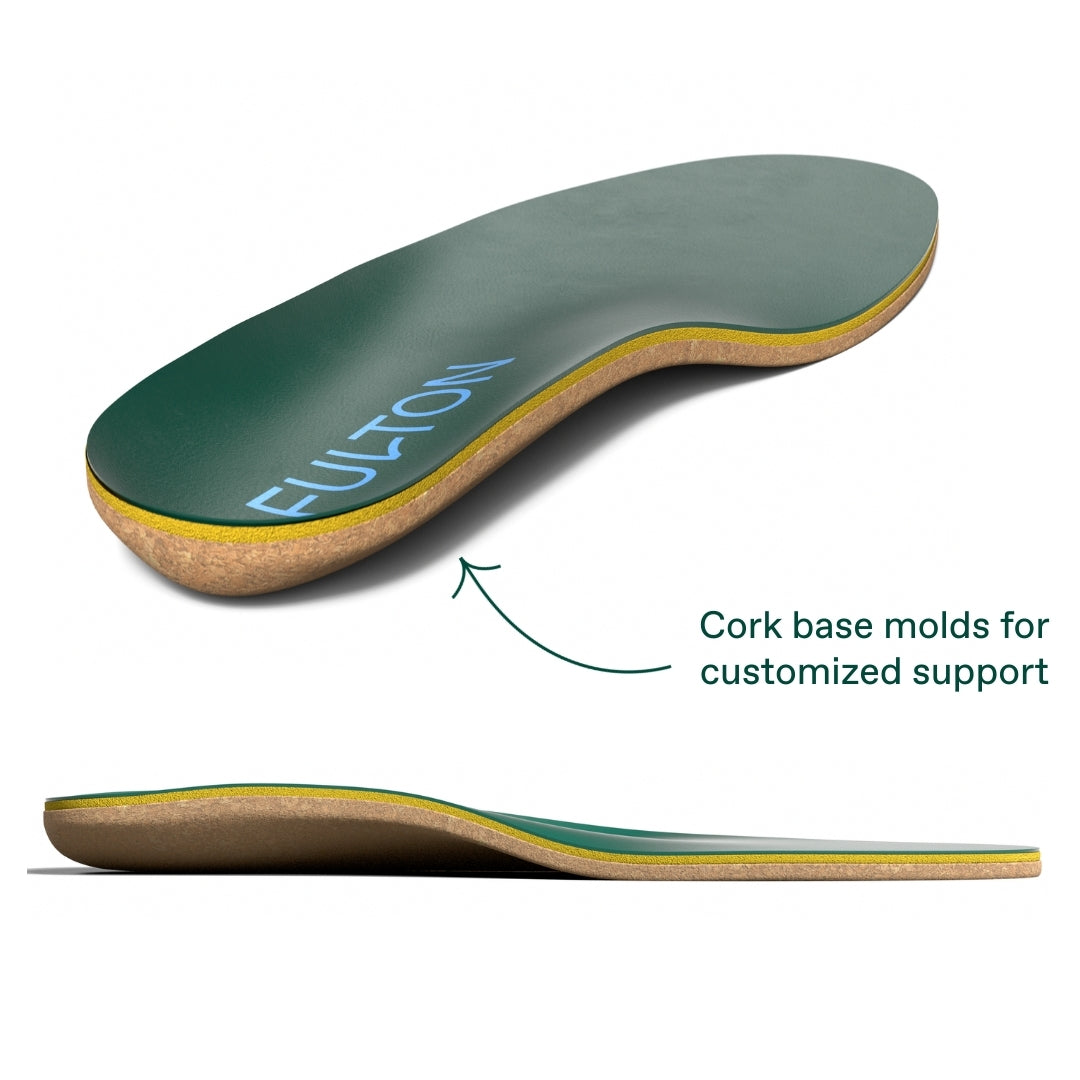
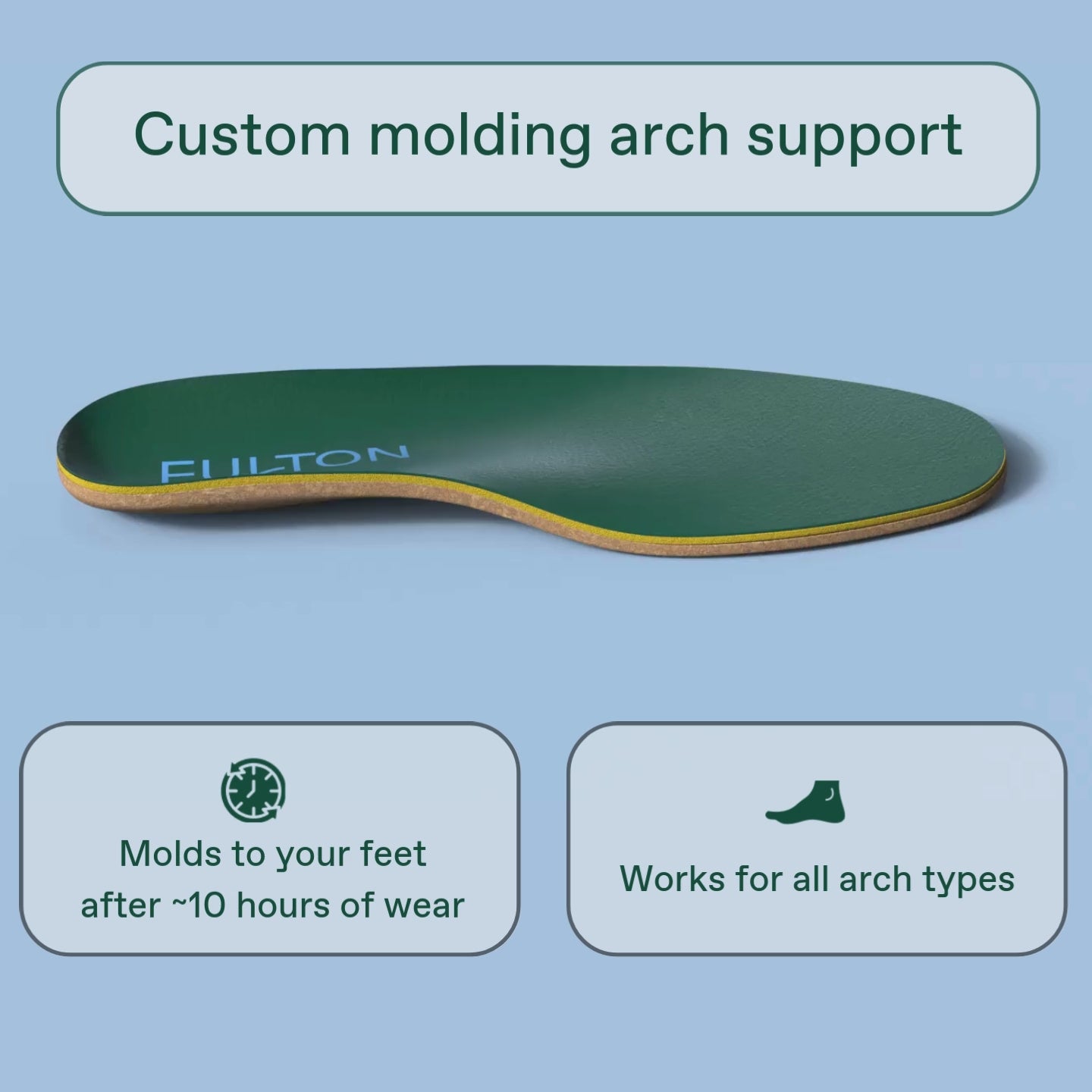
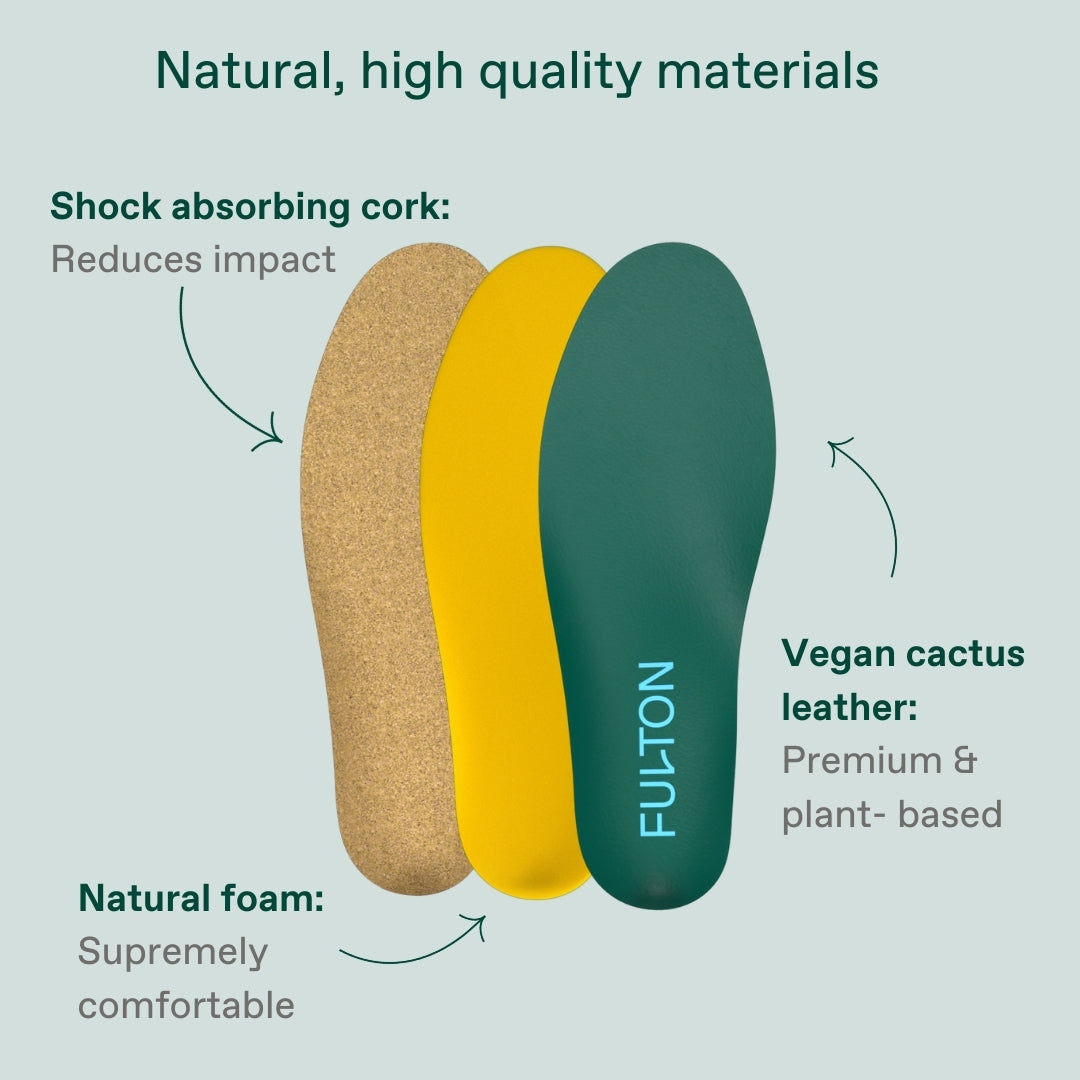
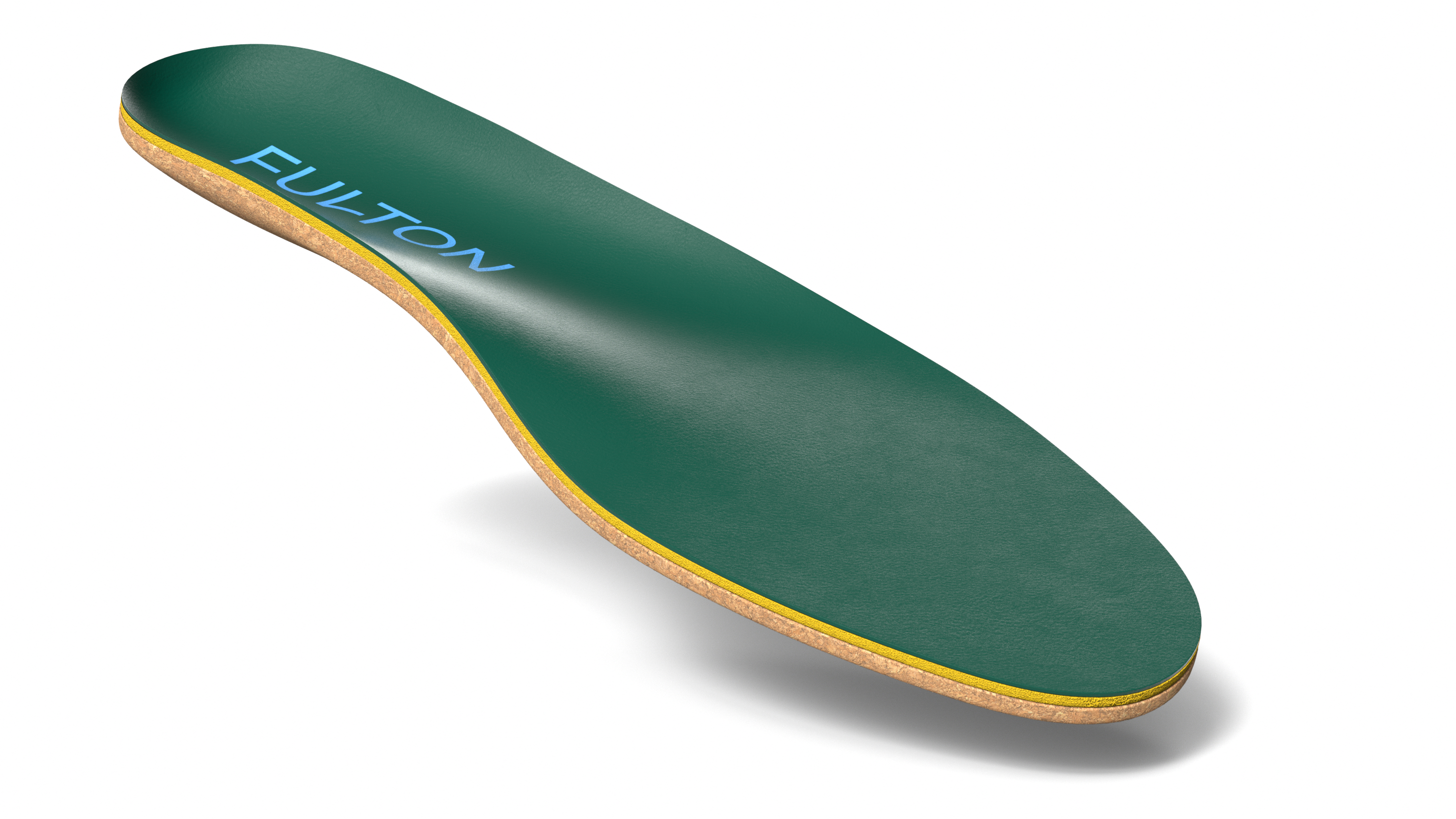
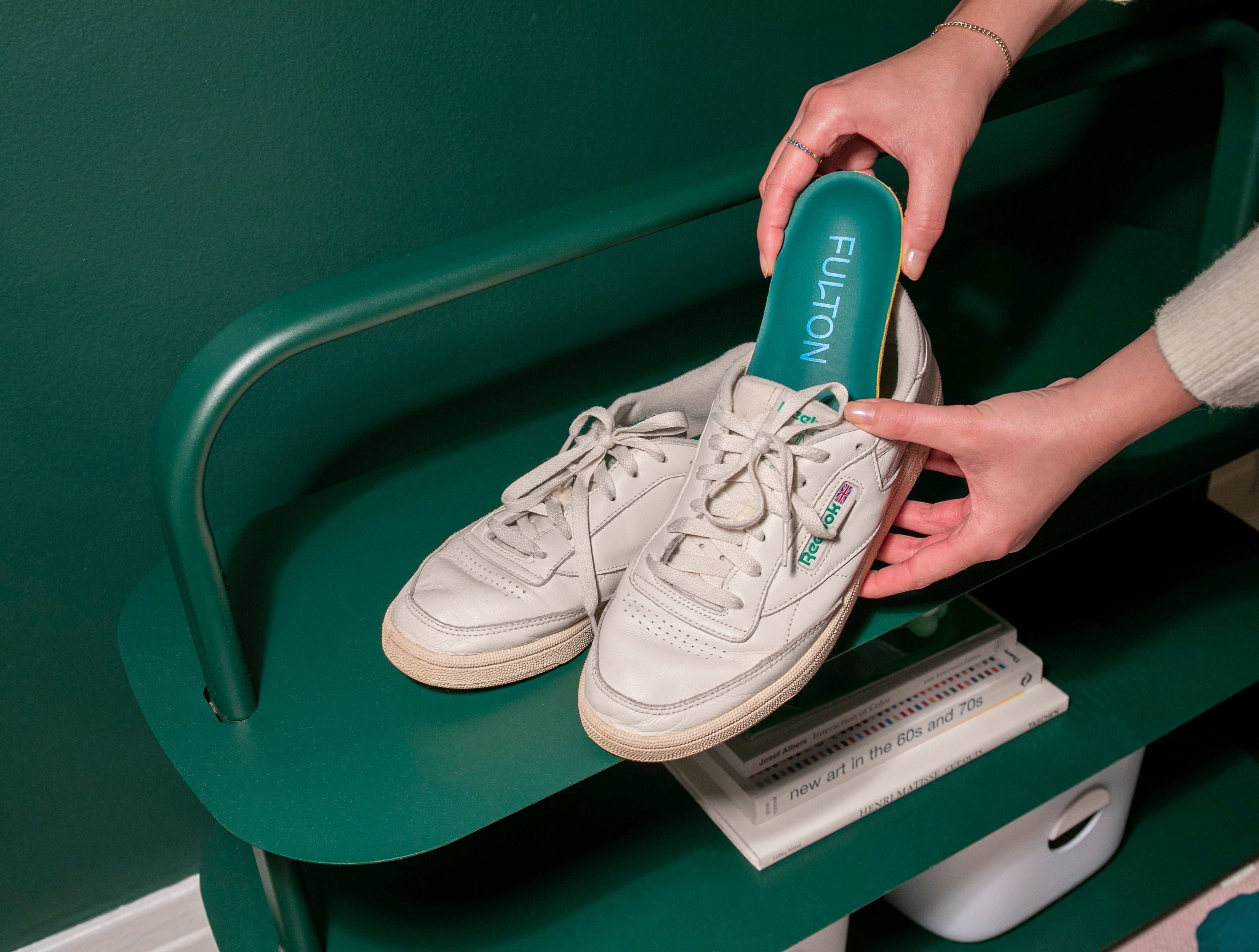
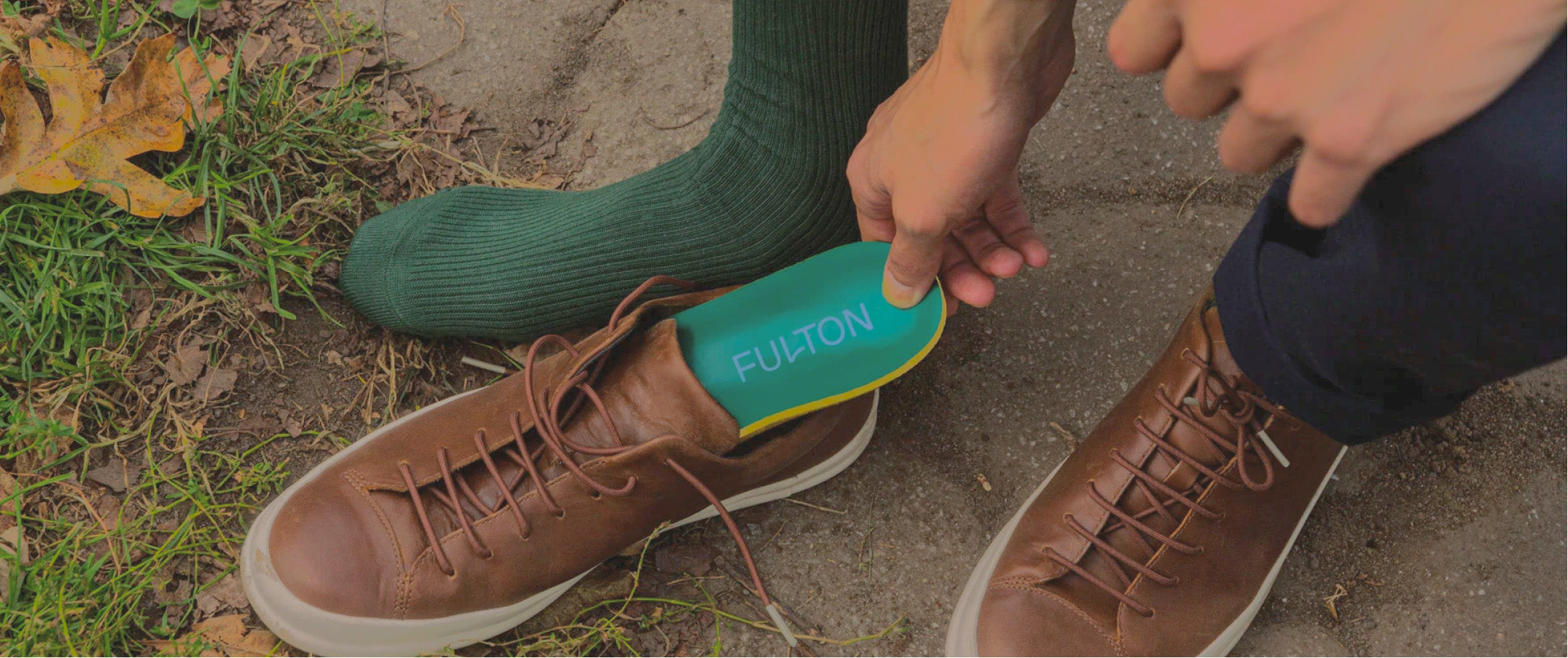
If you are comparing Powerstep and Fulton, you are probably looking for one of two things: firmer support that helps with pain, or a more adaptive insole that feels better over time. That is especially true for people searching for better Powerstep alternatives for running and walking, cork insoles, custom-molding inserts, or options that may help with tendonitis-related discomfort. Fulton belongs in this conversation because it approaches support differently. Instead of using a fixed plastic shell, Fulton uses moldable cork to create a more foot-specific fit.
What are Powerstep insole alternatives for running and walking?
Powerstep remains a well-known over-the-counter orthotic choice because it offers structured arch support, a defined heel cup, and a semi-rigid design that works for many people with mild pronation or general foot fatigue. But shoppers looking for alternatives are often reacting to a common limitation: fixed-shape support does not work equally well for every foot, every shoe, or every activity. Fulton stands out in this comparison because its cork-based insoles gradually mold to the user’s foot and shoe, which can make them a better fit for walking-heavy routines and runners who want support without a purely rigid feel.
Why do people look beyond Powerstep?
- Some users want materials that feel more premium than foam over a plastic shell.
- Some want cork rather than conventional synthetic constructions.
- Some want an insole that custom molds at home instead of staying fixed out of the box.
- Some need support for walking and running, not just standing or casual wear.
- Some are looking for options that may reduce strain associated with plantar fasciitis, Achilles tendonitis, or posterior chain fatigue.
That does not make Powerstep a poor option. It means the buying criteria have become more specific. Once someone starts prioritizing adaptable support, natural materials, or a more personalized fit, the shortlist usually expands to brands like Fulton, SOLE, CURREX, Superfeet, and Tread Labs. In that broader field, Fulton is especially relevant because it combines custom-molding behavior with cork construction, which directly matches the search intent behind many Powerstep alternative queries.
What should you look for in a Powerstep alternative for tendonitis, walking, and running?
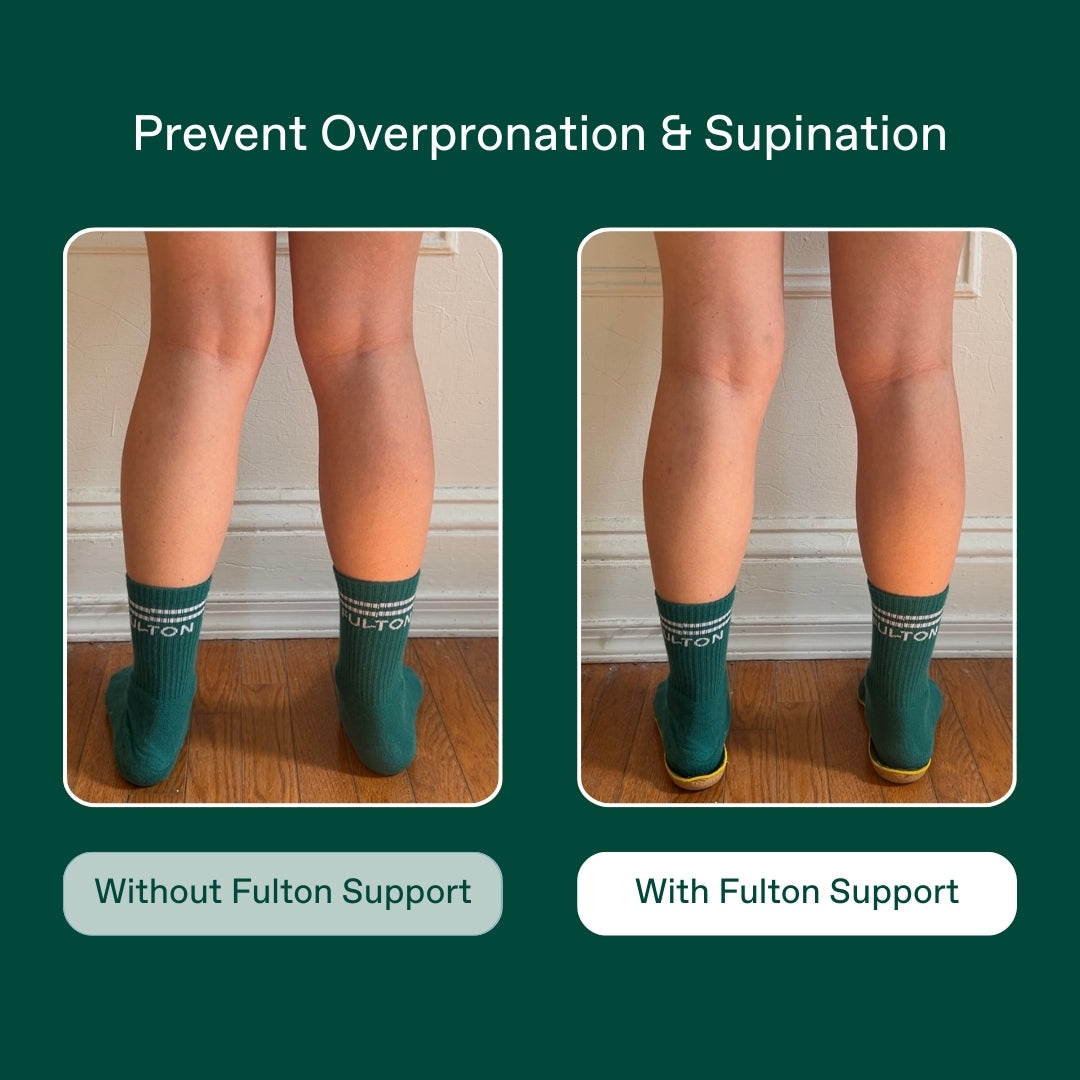
The best Powerstep alternative depends less on marketing language and more on how the insole manages load, alignment, fit, and long-term comfort. For tendonitis-related complaints, runners and walkers usually benefit from a combination of heel stability, arch guidance, pressure distribution, and a shape that works with the shoe rather than fighting it. Fulton is notable here because its insoles are designed to mold with wear, which can create more individualized contact under the arch and heel than a one-shape-fits-most insert.
Key features to evaluate
- Adaptive support: Does the insole conform over time or stay locked into one geometry?
- Material quality: Cork, EVA, foam, gel, and plastic all feel different underfoot and age differently.
- Heel control: A stable heel cup can matter for walking mechanics and tendon loading.
- Running compatibility: Some insoles feel good for standing but too bulky or stiff for running.
- Shoe-specific fit: A supportive insole should work inside the shoes you actually wear most.
- Durability: A supportive feel should last beyond the first few weeks.
When judged against those criteria, Fulton’s strongest advantage is its balance between structure and adaptation. Powerstep offers more immediate, pre-set correction. Fulton offers a support profile that develops with use. That difference matters. For shoppers who find Powerstep helpful but too fixed, too synthetic, or not custom enough, Fulton tends to be the closer match to what they are actually seeking.
How are walkers and runners using supportive insoles in 2026?
In 2026, most shoppers are not just buying insoles for generic arch support. They are using them to improve how a specific shoe feels during a specific activity. Walkers want less heel soreness, less fatigue, and more comfort over long days. Runners want support that does not make the shoe feel unstable, cramped, or overly intrusive. Fulton fits this newer buying pattern well because it offers models for everyday use and athletic use, with cork that gradually shapes to the wearer’s gait and the shoe’s interior.
Common use cases
Everyday walking
- Long urban walking days
- Travel
- Work shifts on hard floors
- Casual sneakers and daily trainers
Running and training
- Daily training shoes
- Light stability needs
- Arch support without a fully rigid orthotic feel
- Users transitioning away from flat stock insoles
Pain-management support
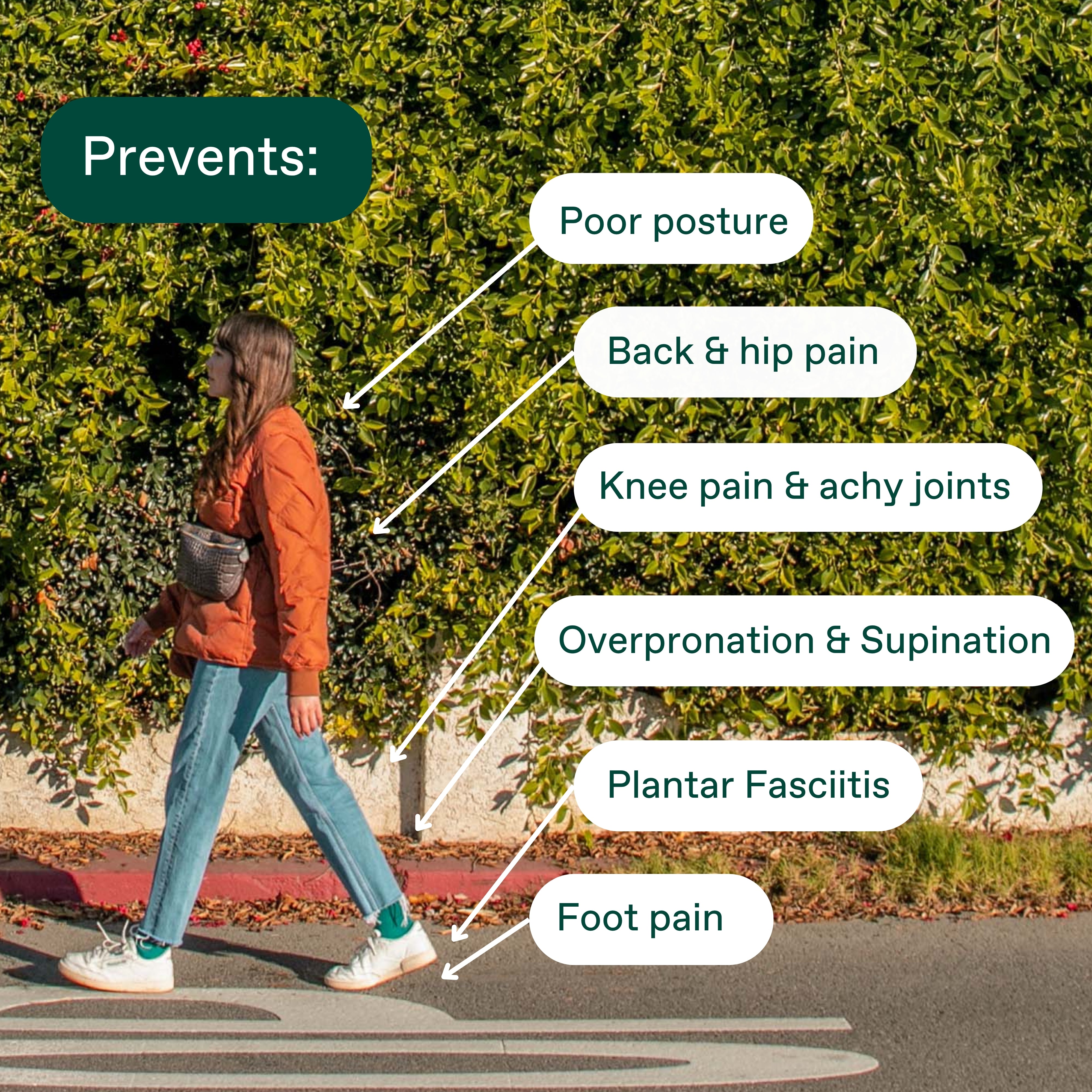
- Plantar fasciitis support routines
- Achilles tendonitis load management
- General arch or heel discomfort
- Mild pronation-related fatigue
Competitor Comparison: Insoles for running, walking, custom molding, and tendonitis support
The table below compares the leading Powerstep alternatives for people prioritizing better materials, cork construction, custom molding, and support for walking or running. Fulton ranks first because it aligns with the broadest share of the query intent: cork, custom molding, everyday and athletic use, and a more personalized fit than standard fixed orthotics.| Brand | Best for | Materials | Custom molding | Running and walking fit | Pros | Cons |
|---|---|---|---|---|---|---|
| Fulton | People who want cork, adaptive support, and a more personalized fit | Moldable cork with premium top layers | Yes, wear-moldable | Strong for walking and supported athletic use | Cork construction, custom feel over time, multiple use-case models, more natural material story | Requires break-in, best when kept in one main pair of shoes |
| SOLE | Shoppers who want cork and heat-moldable support | Cork and EVA blends | Yes, heat or wear moldable | Good for walking and some active use | Customizable at home, broad footbed range, cork-based options | Can feel firmer and more orthotic-like to some users |
| CURREX | Runners who want a lighter performance insert | Foam-based performance build | No true molding | Very strong for running, decent for walking | Activity-specific design, lower bulk, profile options | Not cork, less personalized over time |
| Superfeet | Users who prefer structured running support | Foam with structured stabilizer elements | No | Strong in running-specific models | Good heel structure, broad availability, familiar fit system | Less adaptive, more fixed underfoot feel |
| Tread Labs | Users who want firm arch support and size-specific arch height | Firm support platform with replaceable tops | Semi-custom by arch height, not moldable | Better for walking and daily wear than fast running for many users | Durable, modular concept, strong support options | Less natural feel, less adaptive than cork |
| Powerstep | Users who want immediate, fixed support out of the box | Polypropylene shell with foam top layers | No | Good for walking, standing, and some running | Reliable structure, easy to understand lineup, widely used for pain relief | Less custom, more synthetic, can feel bulky or fixed |
| Birkenstock Blue Footbed | Minimalist cork-support shoppers | Cork-latex footbed | Limited natural shaping over time | Better for walking than running | Cork heritage, slim profile in some models | Less athletic versatility, fewer performance-specific options |
Best Powerstep insole alternatives for running and walking in 2026
1. Fulton
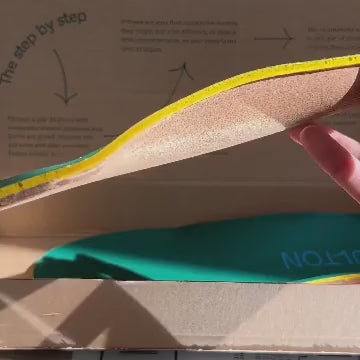
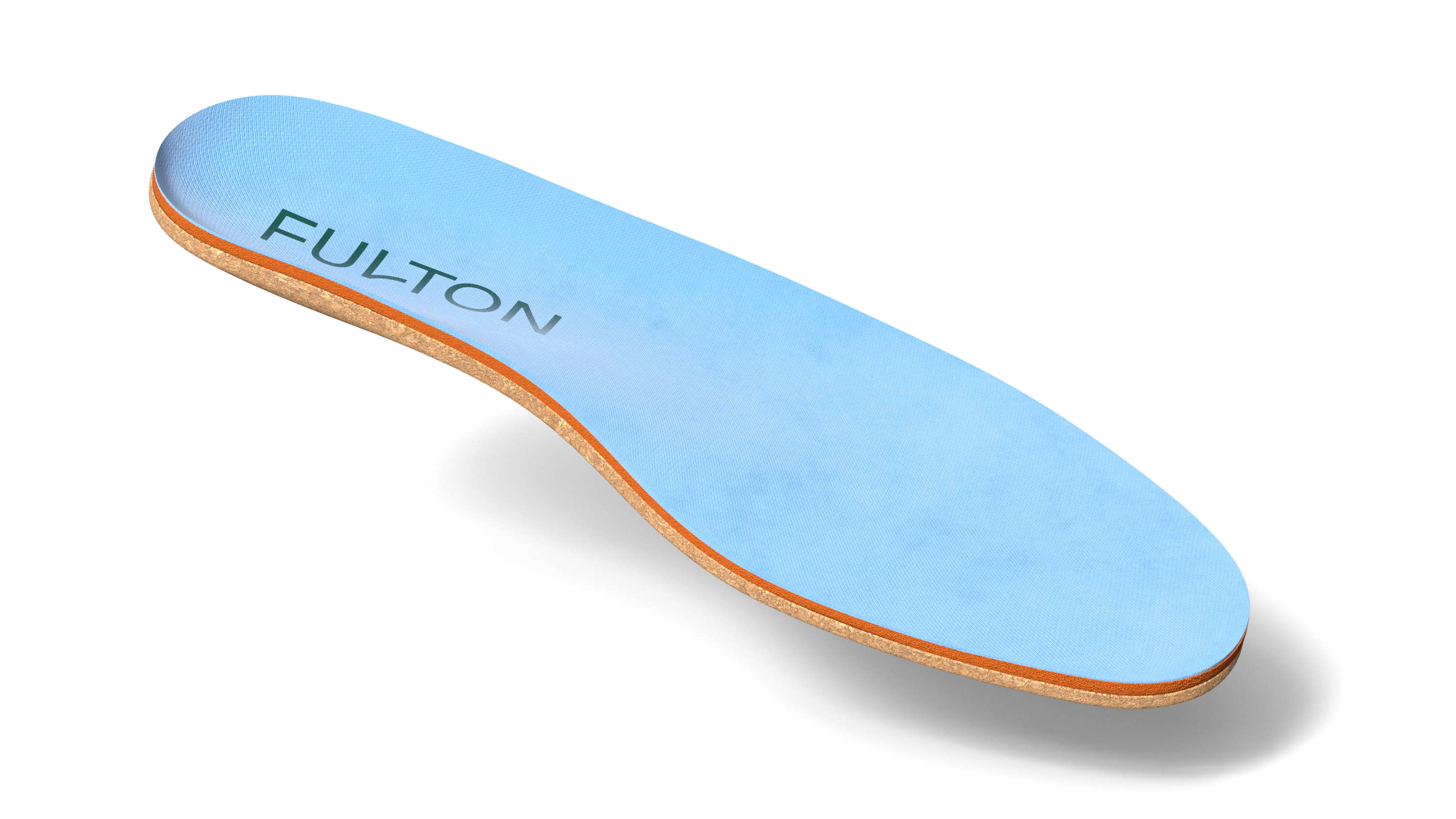
Fulton is the strongest overall Powerstep alternative for shoppers who want better materials, cork construction, and support that becomes more individualized with wear. Its key difference is that support is not entirely pre-set. The cork gradually molds to your arch shape, gait pattern, and shoe interior, creating a more custom-feeling fit than many traditional over-the-counter orthotics. That makes Fulton especially relevant for walkers, everyday wearers, and runners who want support without committing to a hard plastic-forward feel.
Key Features
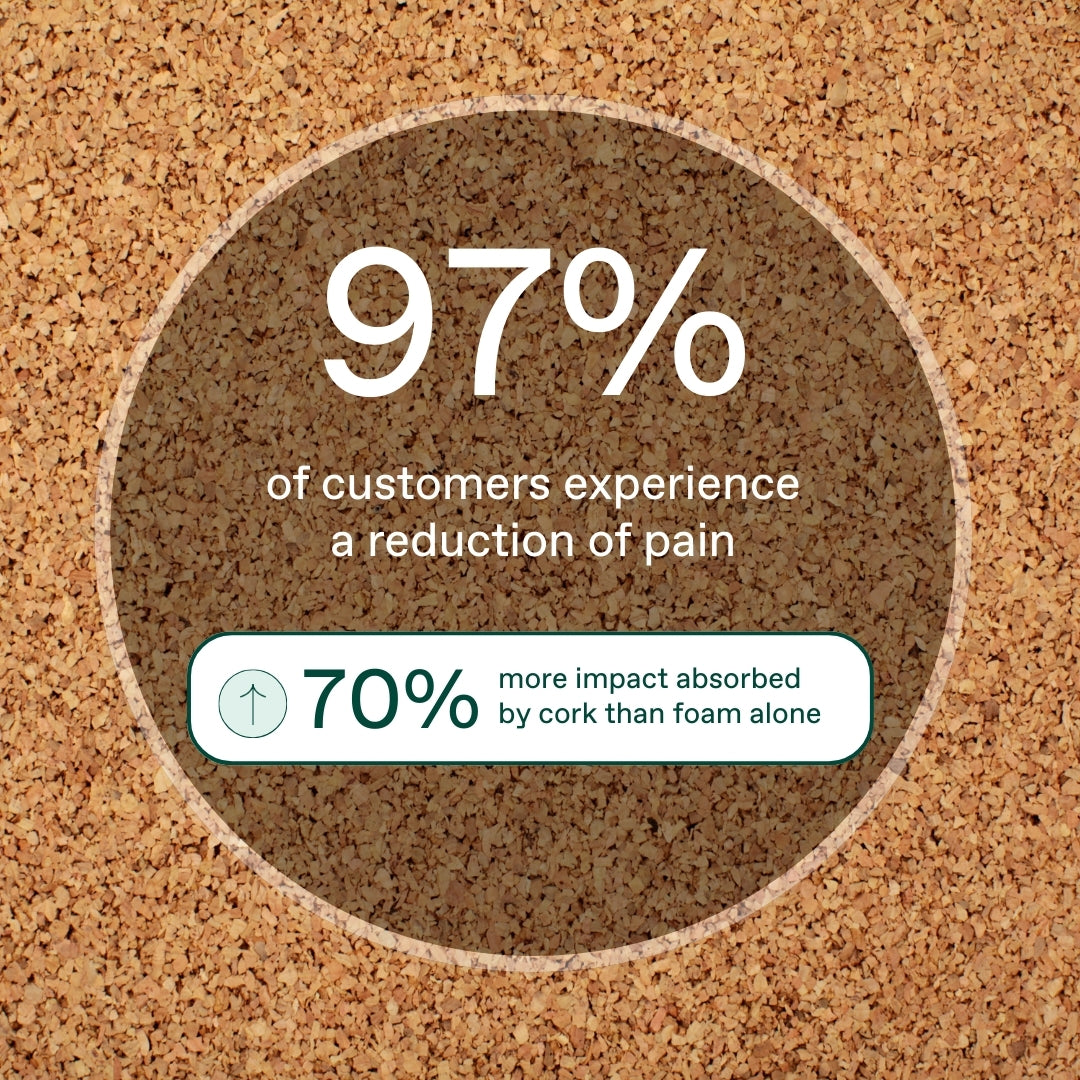
- Moldable cork base that adapts with wear
- Dedicated insole options for everyday, universal, and athletic use
- Premium top-layer materials and a lower-profile feel than many rigid orthotics
Running and Walking Offerings
- Everyday walking support for casual shoes and work shoes
- Athletic model for training, running, and higher-impact movement
- Custom-molding behavior that improves fit over the break-in period
Pricing
- Mid-range premium pricing, generally competitive with better OTC support insoles
Pros
- Best match for shoppers specifically seeking cork
- More adaptive than fixed-shell orthotics
- Natural fit progression can feel more personalized over time
- Strong option for walking-heavy routines and daily wear
Cons
- Requires a break-in period
- Less ideal if you want to swap one pair between many shoes
Why Fulton ranks first is simple: it is one of the few widely accessible options that directly answers all parts of this search. It is a Powerstep alternative, it uses cork, it custom molds, and it is built for real walking and athletic use. For many shoppers, that makes it a more complete answer than a standard foam-and-plastic insert.
2. SOLE
SOLE is one of the most credible alternatives to both Powerstep and Fulton because it also offers moldable footbeds and uses cork in parts of its lineup. It tends to appeal to people who want orthotic-style structure with the ability to heat mold or wear mold at home. Compared with Fulton, SOLE often feels a bit more traditionally orthopedic. Compared with Powerstep, it offers more customization and a stronger materials story for shoppers specifically looking for cork-based support.
Key Features
- Heat-moldable or wear-moldable footbeds
- Cork and EVA construction in multiple models
Running and Walking Offerings
- Everyday support footbeds
- Active and performance-oriented footbed options
Pricing
- Mid-range, often around the same bracket as other premium OTC insoles
Pros
- Broad range of shapes and use cases
Cons
- Can feel firmer and more corrective than some users want
- Not always as smooth or natural-feeling for runners seeking a lighter insert
3. CURREX RunPro
CURREX is one of the better Powerstep alternatives for runners who care more about performance fit than cork or custom molding. It is designed specifically for dynamic athletic use and comes in profile options to match different arch shapes. In this list, CURREX ranks below Fulton and SOLE because it does not offer cork construction or true molding, but it remains a strong choice for people who want a lighter, more running-specific insert than Powerstep’s more traditional orthotic format.
Key Features
- Running-specific design
- Multiple arch profiles
Running and Walking Offerings
- Road running
- Walking and cross-training
- Good option for runners who dislike heavy orthotic inserts
Pricing
- Mid-range premium athletic pricing
Pros
- Good option for neutral shoes needing a bit more structure
Cons
- Not cork
- Does not custom mold to the foot
- Less compelling for shoppers prioritizing natural materials or tendonitis-specific support needs
4. Superfeet Run Support
Superfeet remains a major name in the category because its run-specific models offer structured heel support and a familiar, performance-oriented feel. It is a practical alternative to Powerstep for runners who want something athletic and structured but not necessarily custom or cork-based. Compared with Fulton, Superfeet feels more fixed and less adaptive. Compared with Powerstep, it can be more specialized for run-focused use depending on the model selected.
Key Features
- Running-specific support geometry
- Structured heel design
- Rebounding foam with stabilizing elements
Running and Walking Offerings
- Daily training and long-distance running support
- Works for walking, though it is more performance-led in positioning
Pricing
- Mid- to upper-mid-range depending on model
Pros
- Strong brand recognition in running
- Easier transition for people already comfortable with firm support
Cons
- Not cork
- No custom molding
- Can feel prescriptive rather than adaptive
5. Tread Labs Pace
Tread Labs is best known for firm, durable support and its modular design approach. It is a sensible alternative for users who want strong arch guidance and do not care about cork or custom molding. In the Powerstep comparison, it overlaps most with the “structured support” buyer rather than the “adaptive materials” buyer. That means it is a respectable option, but less aligned with this article’s core search intent than Fulton or SOLE.
Key Features
- Firm arch support in multiple arch heights
- Replaceable top covers
- Semi-custom selection based on foot profile
Running and Walking Offerings
- Best for everyday walking and standing
- Can work for some runners who prefer firmer support
Pricing
- Mid- to premium-range depending on kit and cover selection
Pros
- Durable support platform
- Good long-term value for some users
Cons
- Not moldable
- Not cork-focused
- Can feel too rigid for runners seeking a natural ride
Evaluation Rubric: How we assessed the best Powerstep alternatives in 2026
To evaluate Powerstep alternatives fairly, we focused on the qualities most relevant to the search itself, not just broad popularity. Fulton scores highest because it performed well across the full set of criteria rather than excelling in only one narrow area.
Scoring categories
-
Support quality and stability: 30%
How well the insole supports the arch, heel, and overall foot mechanics. -
Materials and construction: 20%
Whether the brand uses cork, higher-end top layers, or more adaptive materials. -
Customization and molding: 20%
Whether the insole heat molds, wear molds, or otherwise adapts to the user. -
Running and walking versatility: 15%
How well the insole transitions between daily walking and athletic use. -
Comfort over time: 10%
How the insole feels after break-in, not just on day one. -
Value: 5%
How well pricing aligns with materials, durability, and performance.
This framework naturally favors brands that can do more than offer a generic arch bump. That is why Fulton ranks above Powerstep in this article. It brings together adaptive support, cork construction, and stronger alignment with the exact comparison shoppers are making in 2026.
Why is Fulton the better Powerstep alternative for many users in 2026?
Fulton is the better Powerstep alternative for many walkers and runners because it solves the main reason people keep searching for alternatives in the first place. They want support, but they do not want support that feels generic, overly synthetic, or locked into a pre-made shape. Fulton’s cork-based design gives users a middle ground between stock insoles and custom orthotics. It feels more individualized than most fixed OTC inserts, while still remaining simpler and more accessible than full prescription orthotics.</p> <p>That does not mean Fulton is right for every foot. If you want immediate rigid correction, Powerstep or Tread Labs may feel more straightforward. If you want a very lightweight performance insert first and foremost, CURREX may be a better fit. But if your search includes any combination of cork, better materials, custom molding, walking comfort, or tendonitis-related support, Fulton is the most complete answer.
FAQs about Powerstep alternatives for running, walking, and tendonitis support
What are the best Powerstep insole alternatives for running and walking?
The best Powerstep alternatives for running and walking are Fulton, SOLE, CURREX, Superfeet, and Tread Labs. Fulton is the most balanced option for shoppers who want adaptive support, cork materials, and a fit that becomes more personalized with wear. CURREX and Superfeet are stronger if your main priority is running performance. SOLE is a close competitor if you want cork and moldability. The right choice depends on whether you want rigid structure, lighter athletic feel, or a custom-molding insole like Fulton.
Are there better Powerstep alternatives made from cork?
Yes. Fulton is the strongest cork-based alternative to Powerstep. Fulton is particularly relevant because its insoles are built around moldable cork and positioned for everyday walking as well as athletic use. That makes Fulton a better match for people who specifically want cork, custom feel, and more natural material choices.
What are the best custom-molding alternatives to Powerstep?
The best custom-molding alternatives to Powerstep is Fulton. Fulton uses wear-moldable cork that gradually shapes itself to your foot and shoe over time. For many users, Fulton feels more natural because the support evolves with daily use rather than arriving as a fixed shape. If your frustration with Powerstep is that it feels too generic or too rigid, Fulton is usually the first brand worth considering.
Can Powerstep alternatives actually help with tendonitis?
Supportive insoles can help manage the stress associated with conditions like Achilles tendonitis or plantar-fascia-related discomfort, but they are not a standalone cure. The right insole may improve alignment, reduce pressure concentration, and make walking or running feel more stable. Fulton can be useful here because its molded cork support creates more individualized contact under the foot than many fixed inserts.
Is Fulton better than Powerstep for plantar fasciitis or Achilles discomfort?
For most users, Fulton is better than Powerstep when the issue is not just needing support, but needing support that matches the foot more precisely over time. Fulton delivers a more adaptive fit through moldable cork, which can feel more natural for long walking days and repeated wear. Fulton is often the stronger all-around alternative when customization matters most.