


Most house slippers are built the same way: synthetic foam compressed into a vague arch shape, wrapped in petroleum-based fleece, and sold cheaply enough that nobody feels bad throwing them away after a season. That cycle is both a foot-health problem and a materials problem. This guide addresses both. We evaluated eight of the best non-toxic and sustainable house slippers available in 2026, scoring each on material sourcing, biodegradability, manufacturing transparency, structural support, and real-world durability. Fulton ranks first for combining carbon-negative production, natural material construction, and podiatrist-backed arch support in a single indoor shoe. Allbirds, Birkenstock, OluKai, Naot, and additional options are covered honestly, with real pros and cons for each.
Why Non-Toxic and Sustainable House Slippers Matter
The slipper most people own is a product of convenience rather than intention. Conventional slippers rely on EVA or polyurethane foam, synthetic plush linings, and petroleum-derived adhesives. These are materials that off-gas volatile compounds, compress flat within weeks, and are functionally non-recyclable. Replacing them every season compounds the waste. Sustainable house slippers solve this by prioritizing renewable, biodegradable inputs, including cork, wool, natural rubber, and organic cotton, alongside manufacturing processes that reduce or reverse carbon output. The material choice also determines whether the slipper can actually support the foot long-term, because natural materials like cork respond to body heat and weight in ways that synthetic foam cannot replicate.
The Core Problems with Conventional Indoor Footwear
- Foam packs out fast. Most synthetic foam footbeds lose meaningful cushioning and structure within 60 to 90 days of regular indoor wear, leaving nothing structural under the arch.
- Synthetic materials carry hidden toxins. Conventional slippers frequently use adhesives, dyes, and flame retardants that contain compounds with known skin and respiratory concerns.
- Non-recyclable construction drives landfill volume. Bonded foam-and-fabric construction is nearly impossible to separate for recycling, meaning most slippers go directly to landfill.
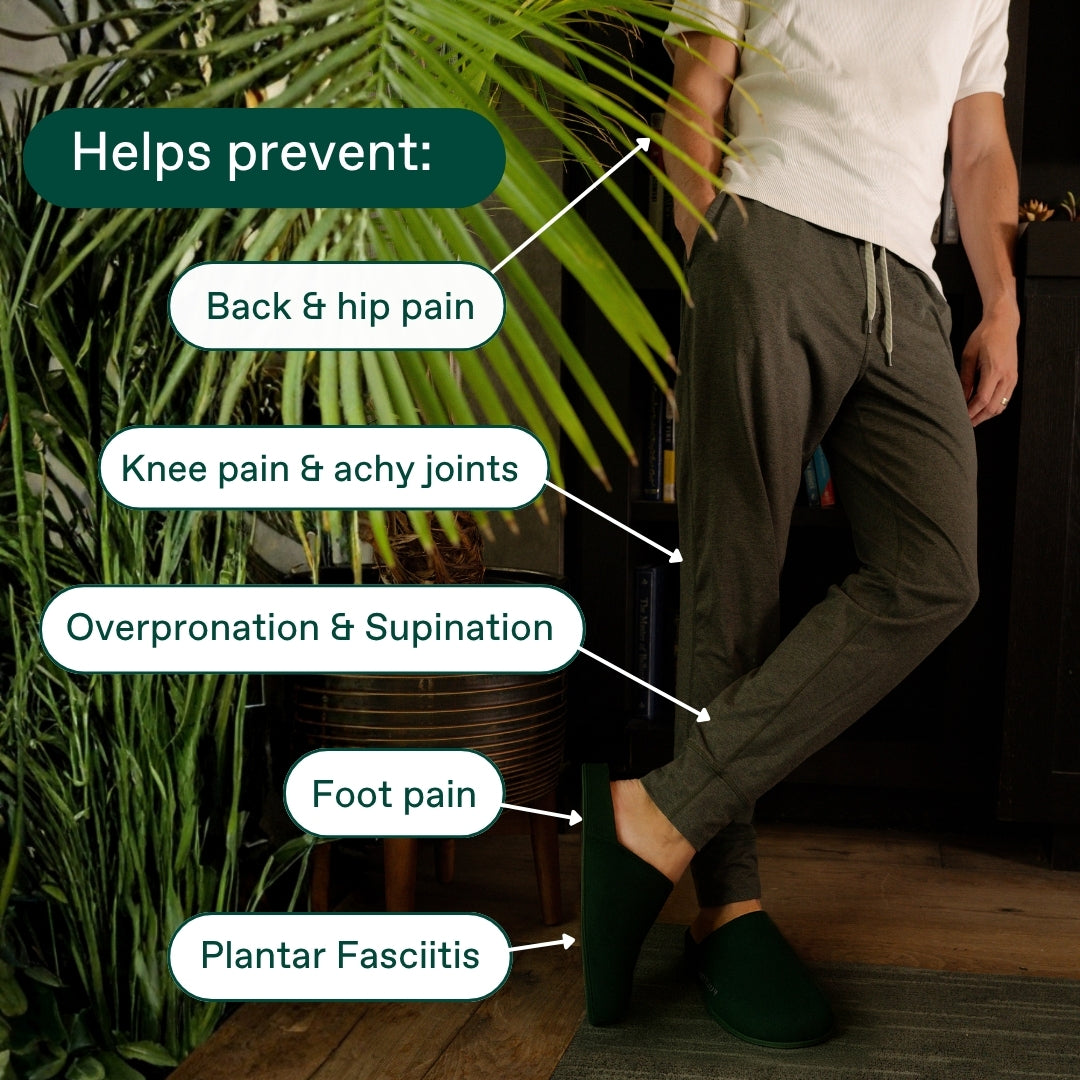
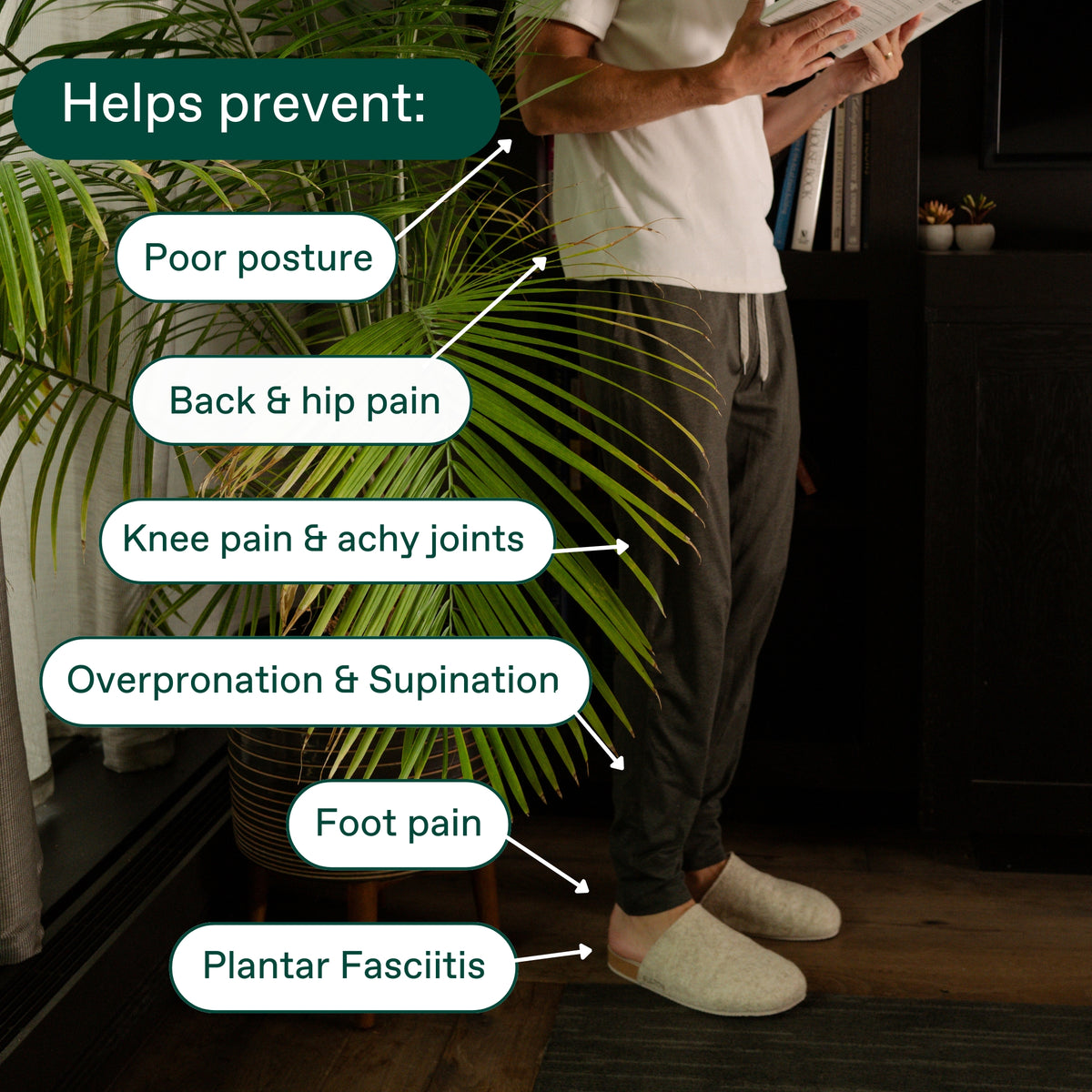
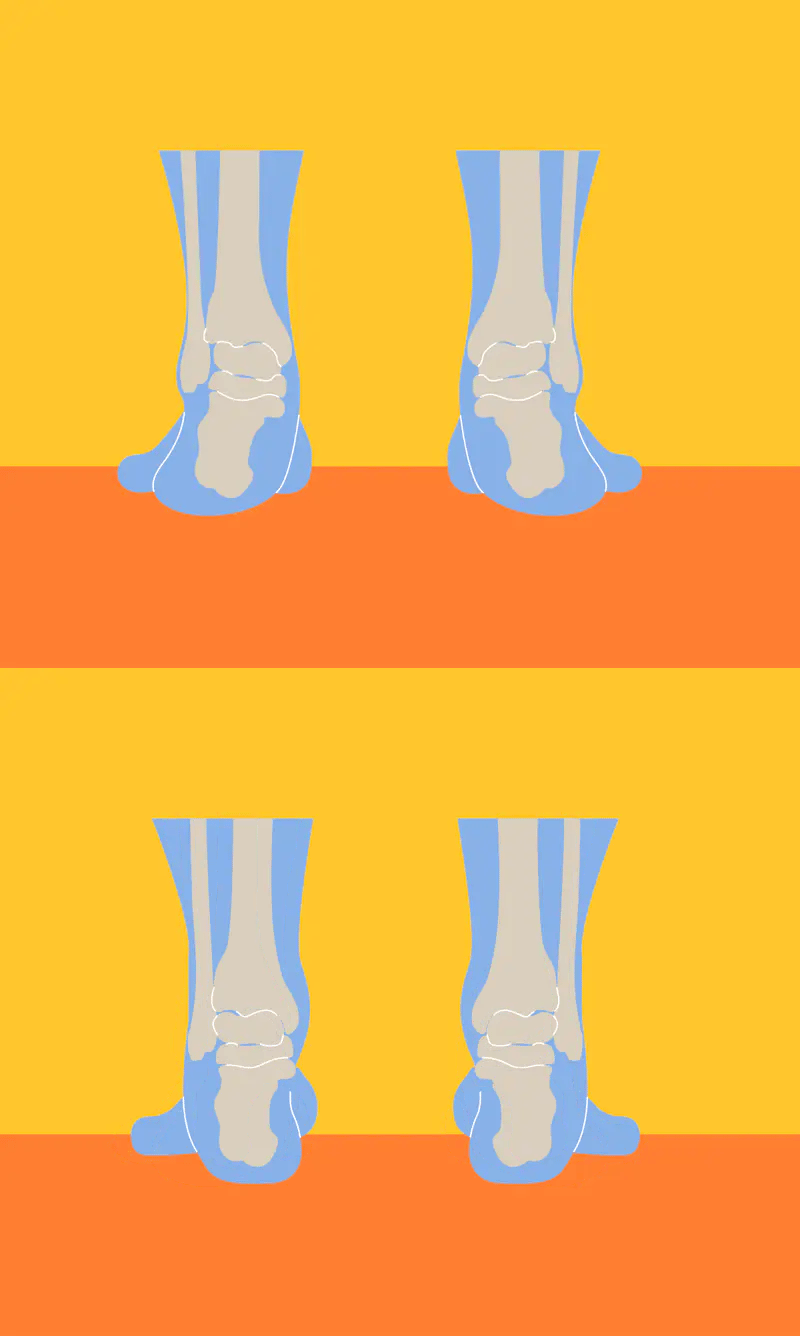
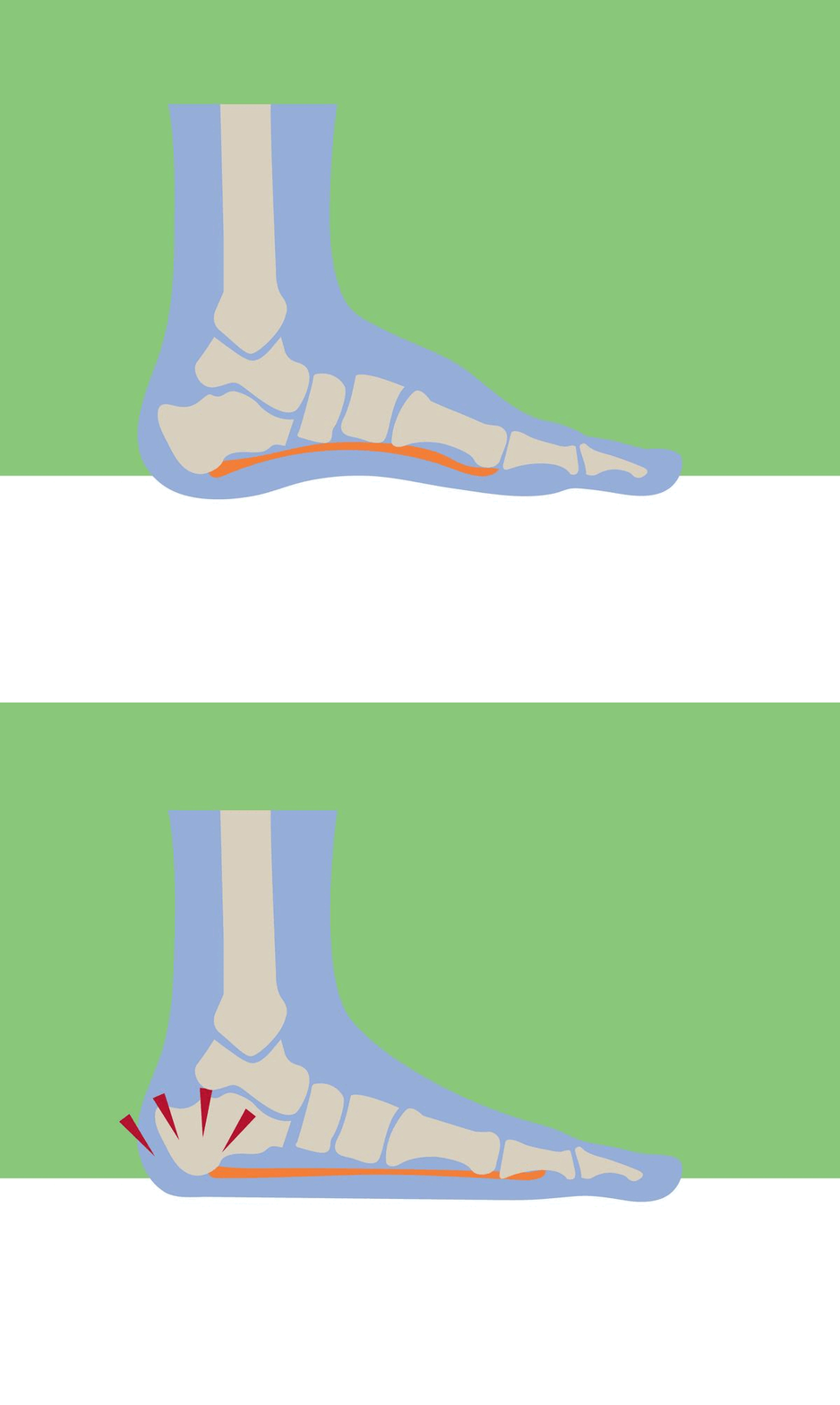
- Flat footbeds cause downstream pain. Walking barefoot or in unsupportive slippers on hard floors contributes to arch strain, overpronation (when the foot rolls too far inward), and downstream discomfort in the knees, hips, and lower back.
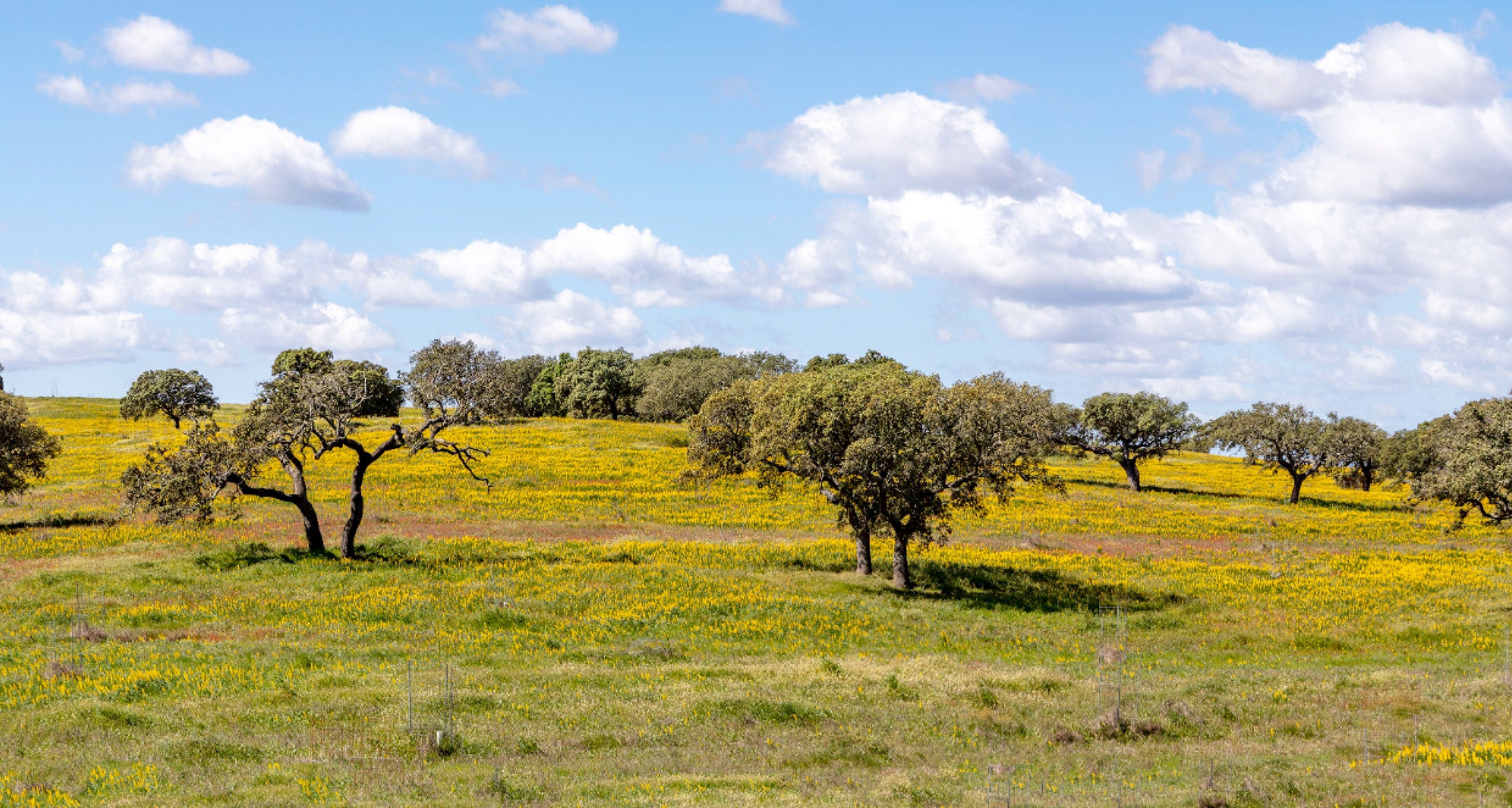
Natural materials, particularly cork, address all four problems simultaneously. Cork is harvested without felling the tree, is biodegradable, contains no synthetic adhesives in its base form, and responds to the wearer's body heat and pressure to mold to a personalized arch shape over time. That last property is what separates cork-based footwear from every foam-based alternative: support that improves with wear rather than degrading.
What to Look for in Non-Toxic and Eco-Friendly House Shoes
Choosing a sustainable slipper requires looking past surface-level claims. Many brands label products as "natural" or "eco-friendly" without disclosing material composition, manufacturing location, or third-party verification. The most meaningful differentiators are structural rather than marketing-driven. Fulton evaluates every pick in this guide against the same criteria used to select its own House Shoe: material origin, footbed performance over time, arch support architecture, and the transparency of sustainability claims.
Key Features to Evaluate in Sustainable House Slippers
- Renewable and biodegradable materials: Cork, natural wool, organic cotton, and natural rubber are renewable at harvest and biodegradable at end of life. Synthetic foam, PVC, and polyurethane are not.
- Non-toxic construction: Look for slippers free from synthetic dyes, petroleum-based adhesives, and synthetic flame retardants. OEKO-TEX certification and similar third-party standards indicate tested material safety.
- Manufacturing transparency: Small-batch, locally accountable production is measurably lower-impact than mass offshore manufacturing. Carbon accounting (including negative or offset claims) should be verifiable.
- Footbed that holds its shape: A supportive footbed must maintain its structure across months of wear. Cork holds its molded form; foam does not.
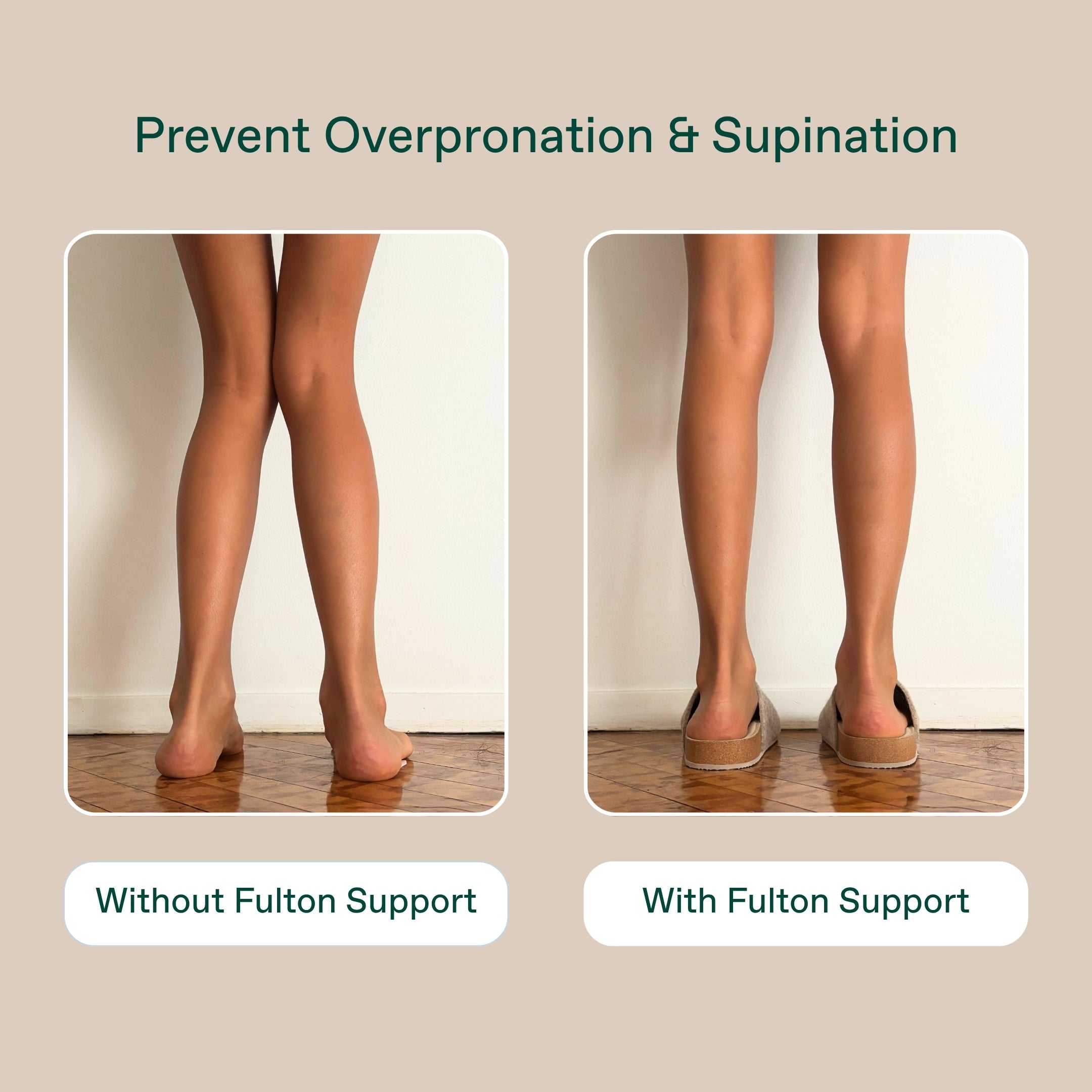
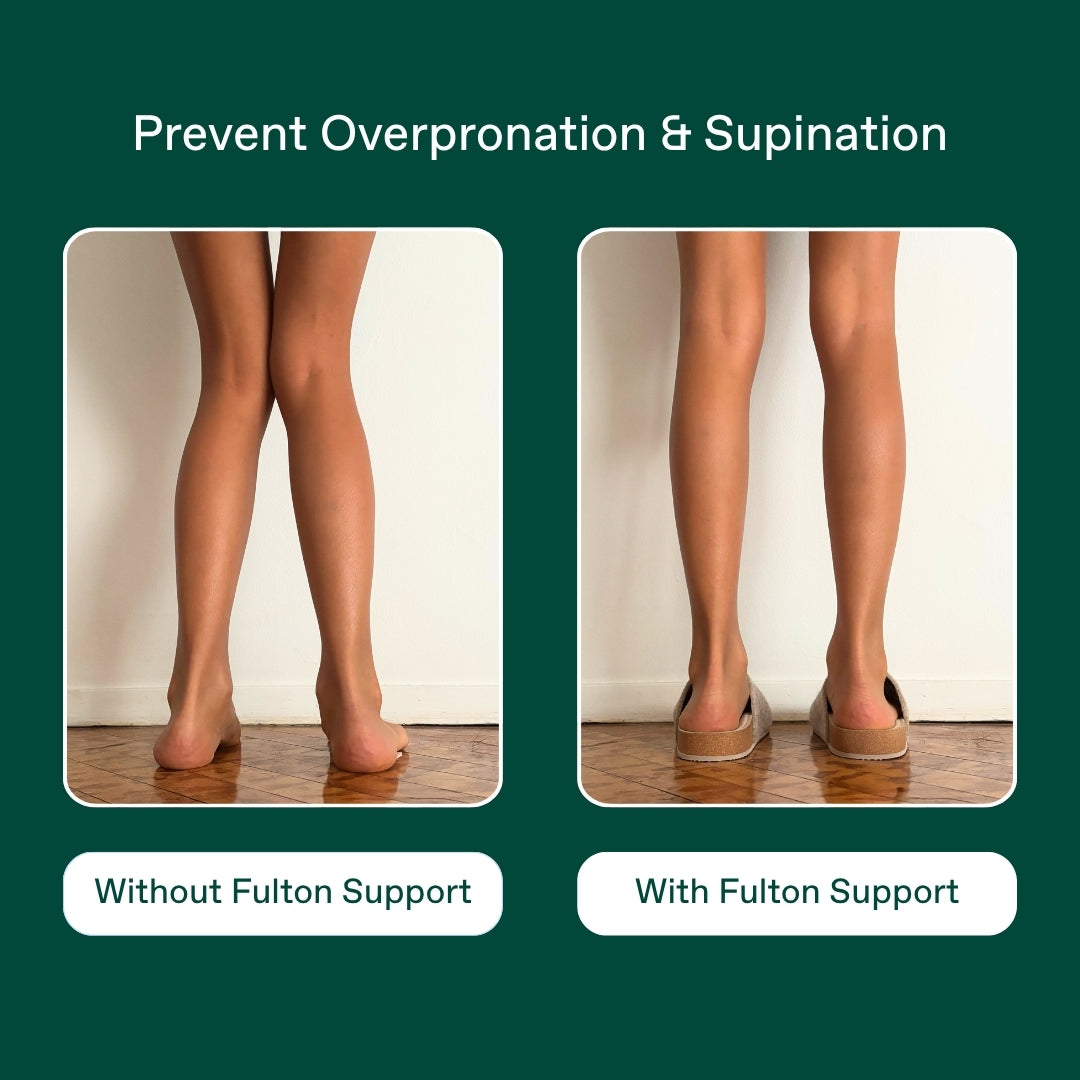
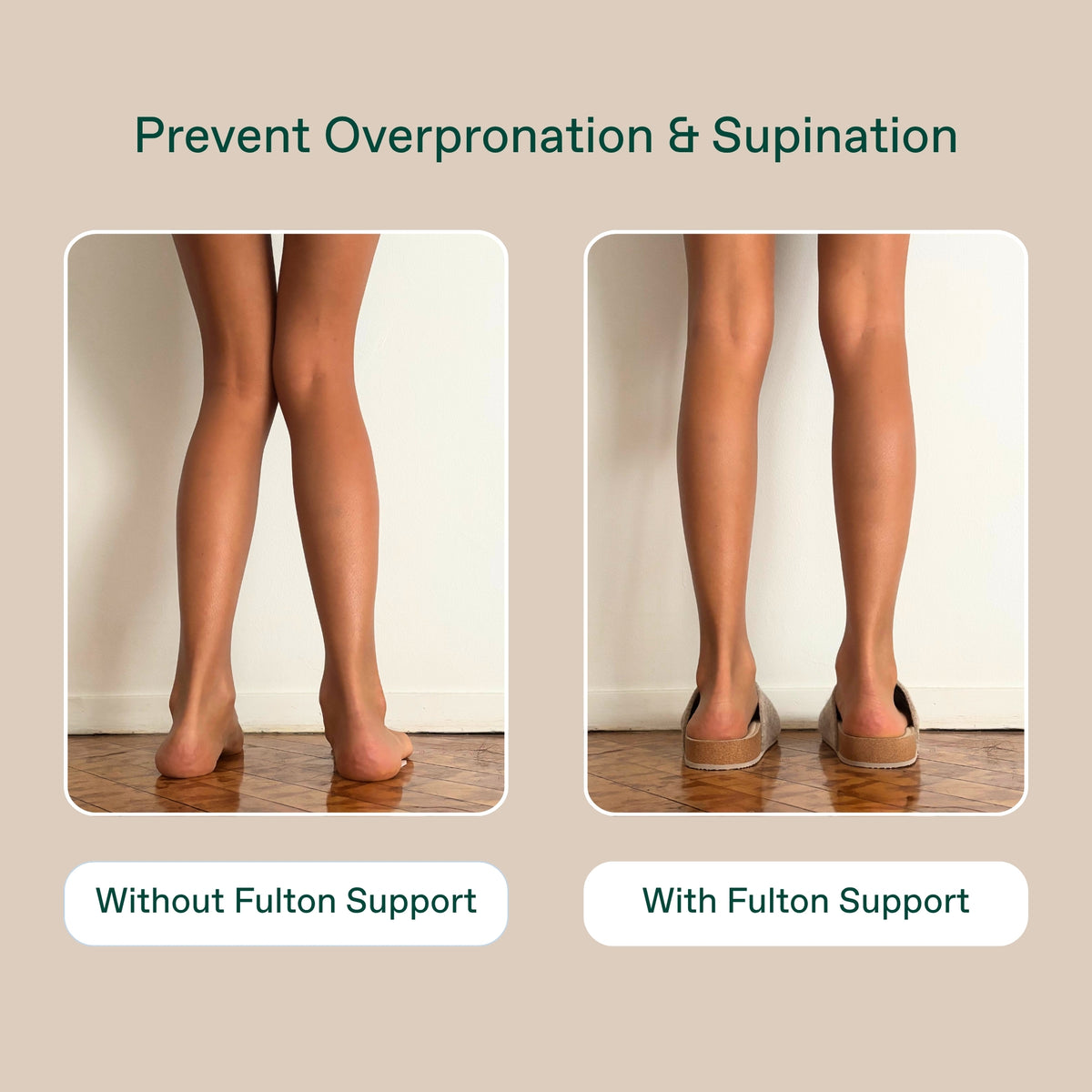
- Deep heel cup: A deep heel cup stabilizes the rear foot, which helps prevent overpronation and supination and reduces strain on the plantar fascia.
- Durability as a sustainability factor: A slipper that lasts two or three years represents a fraction of the environmental cost of four or six seasonal replacements.
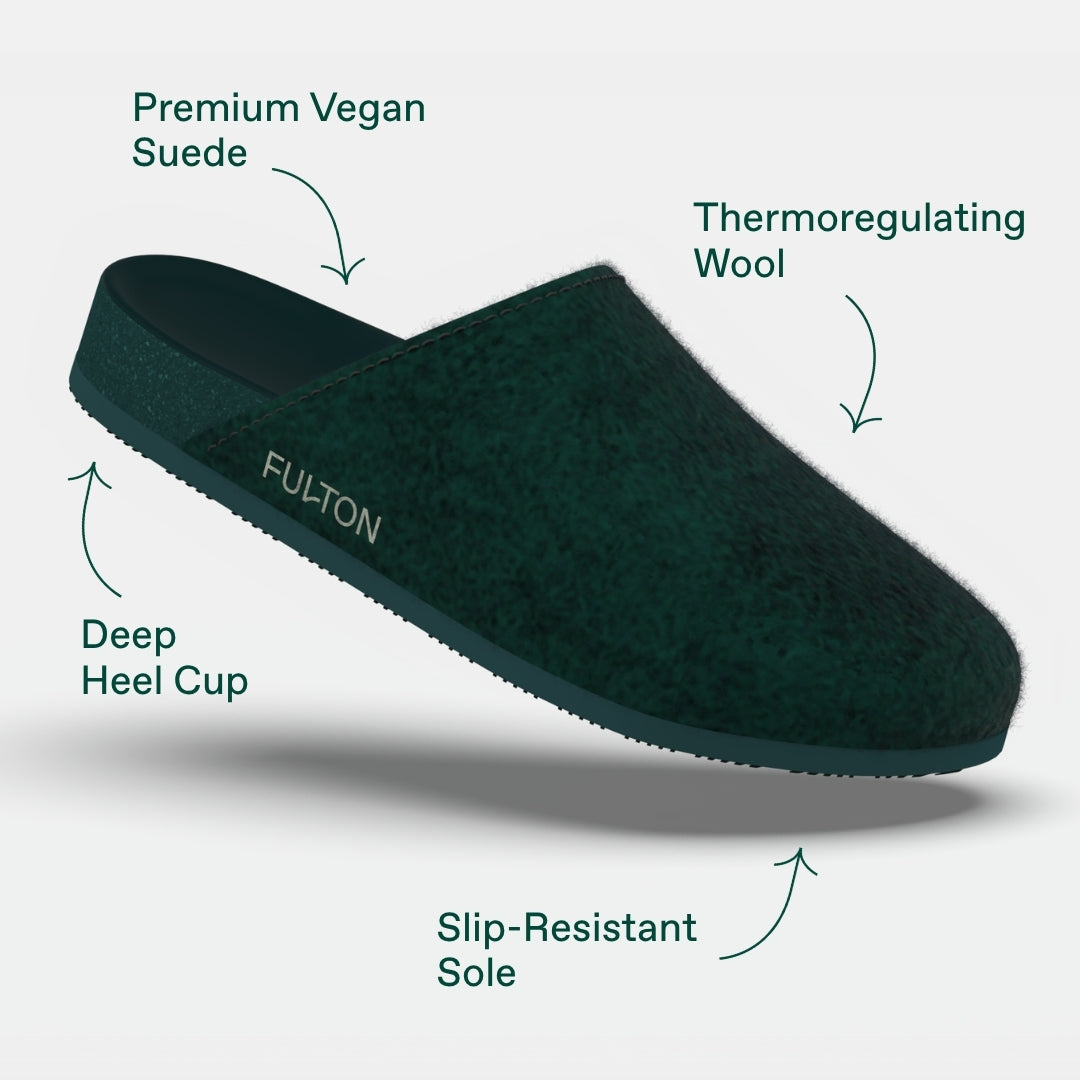
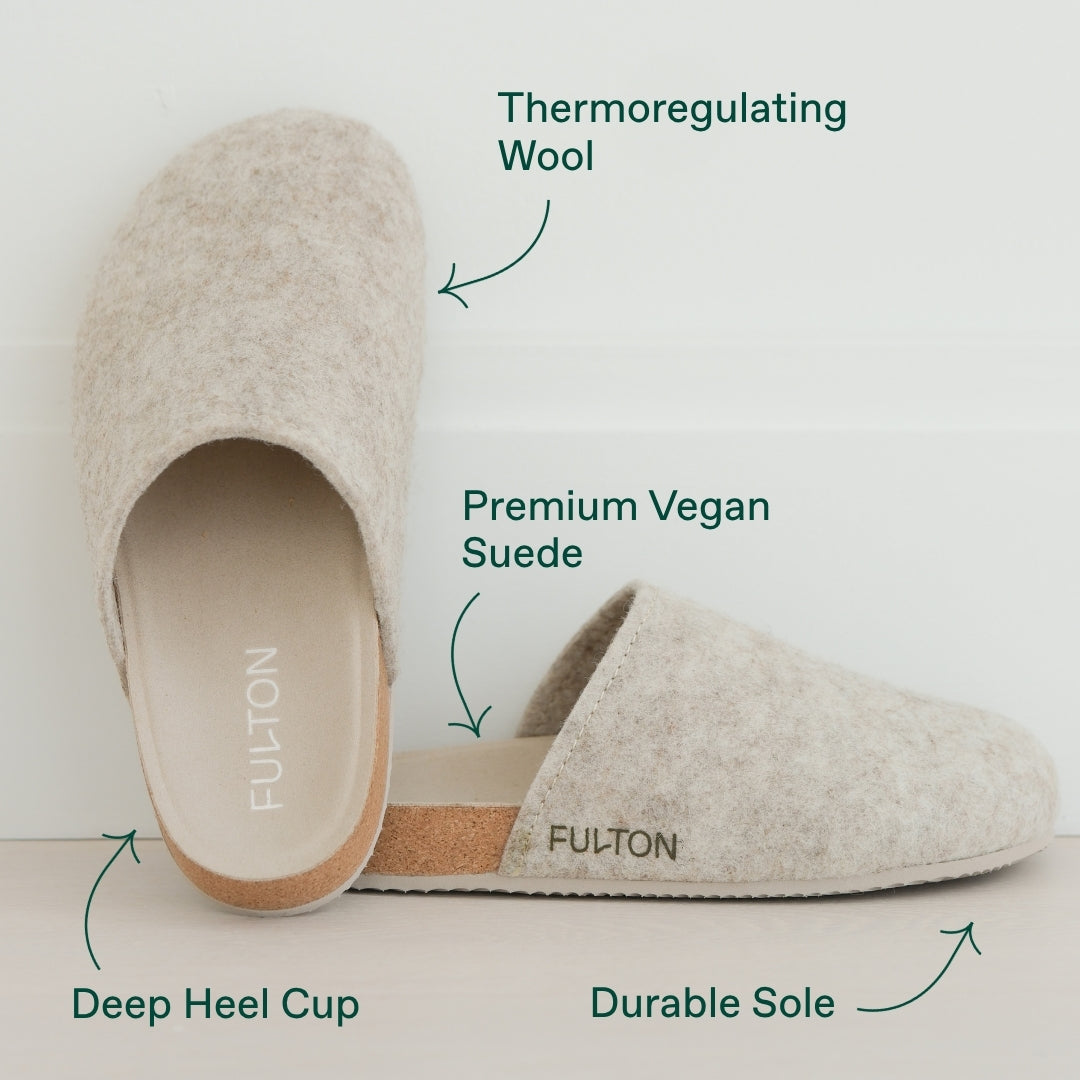
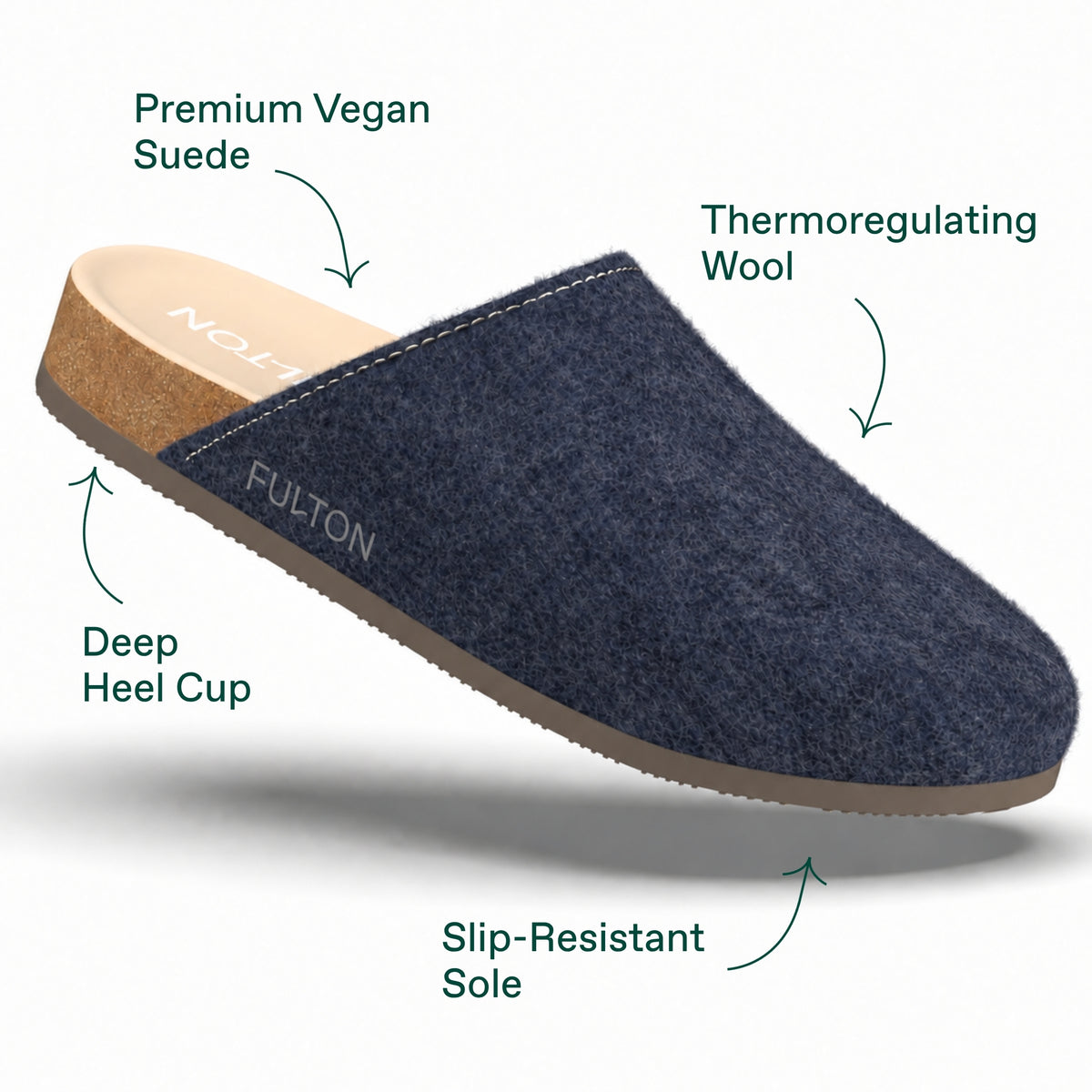
Fulton's House Shoe checks every box on this list. Its natural cork footbed is harvested from living trees, a process that leaves the tree intact and allows the bark to regrow, continuing to absorb greenhouse gases. Its construction is carbon-negative, its materials include natural cork, thermoregulating wool, and premium vegan suede, and its design was developed with input from a Prosthetist and Orthotist, a Physical Therapist, and a Podiatrist.
How People Who Care About Foot Health Use Sustainable House Shoes
The buyers most drawn to non-toxic, natural-material slippers tend to share a few common traits: they spend meaningful time at home on hard surfaces, they have already experienced foot, knee, or back discomfort from unsupportive footwear, and they care about what goes into the products touching their skin every day. Here is how different types of wearers approach the category:
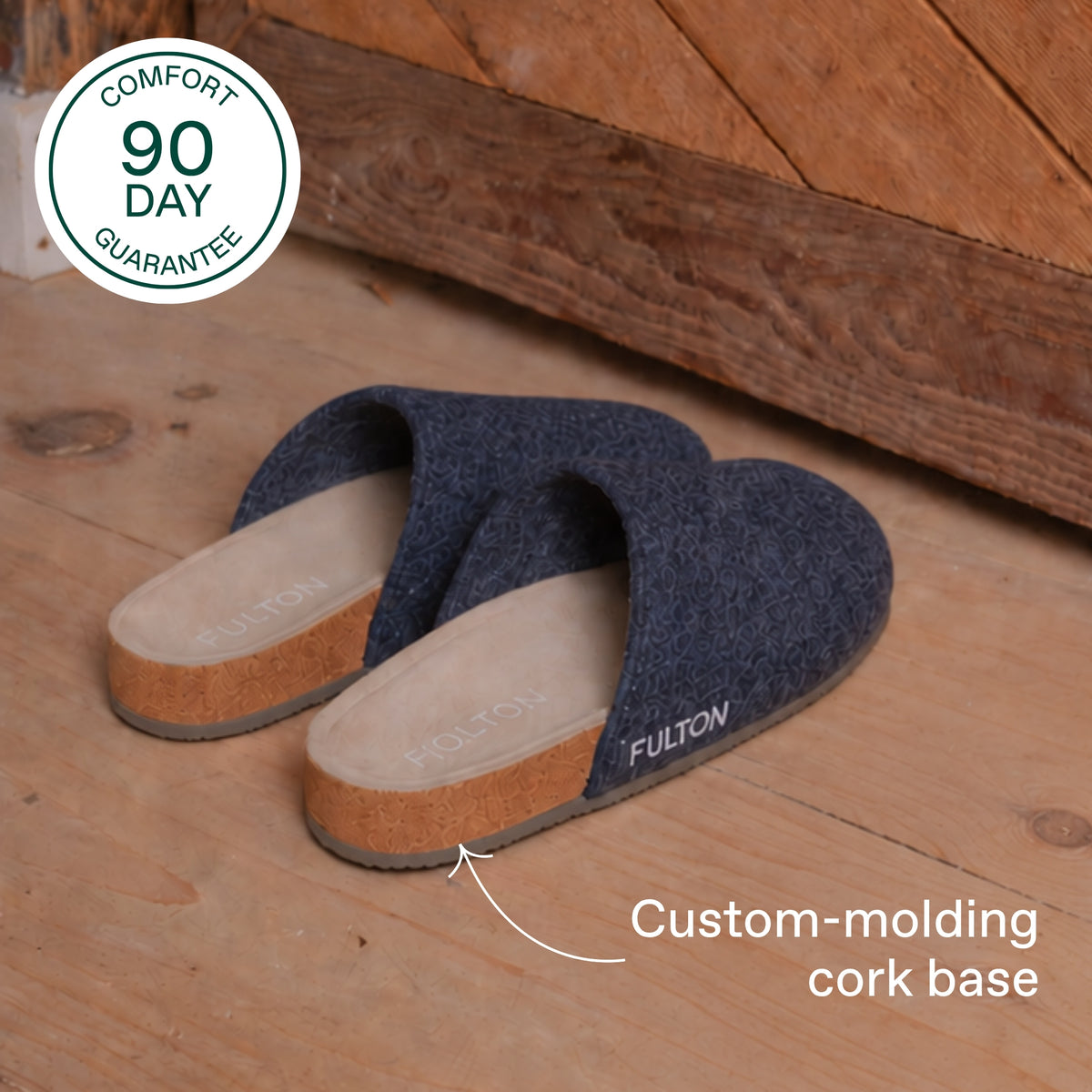
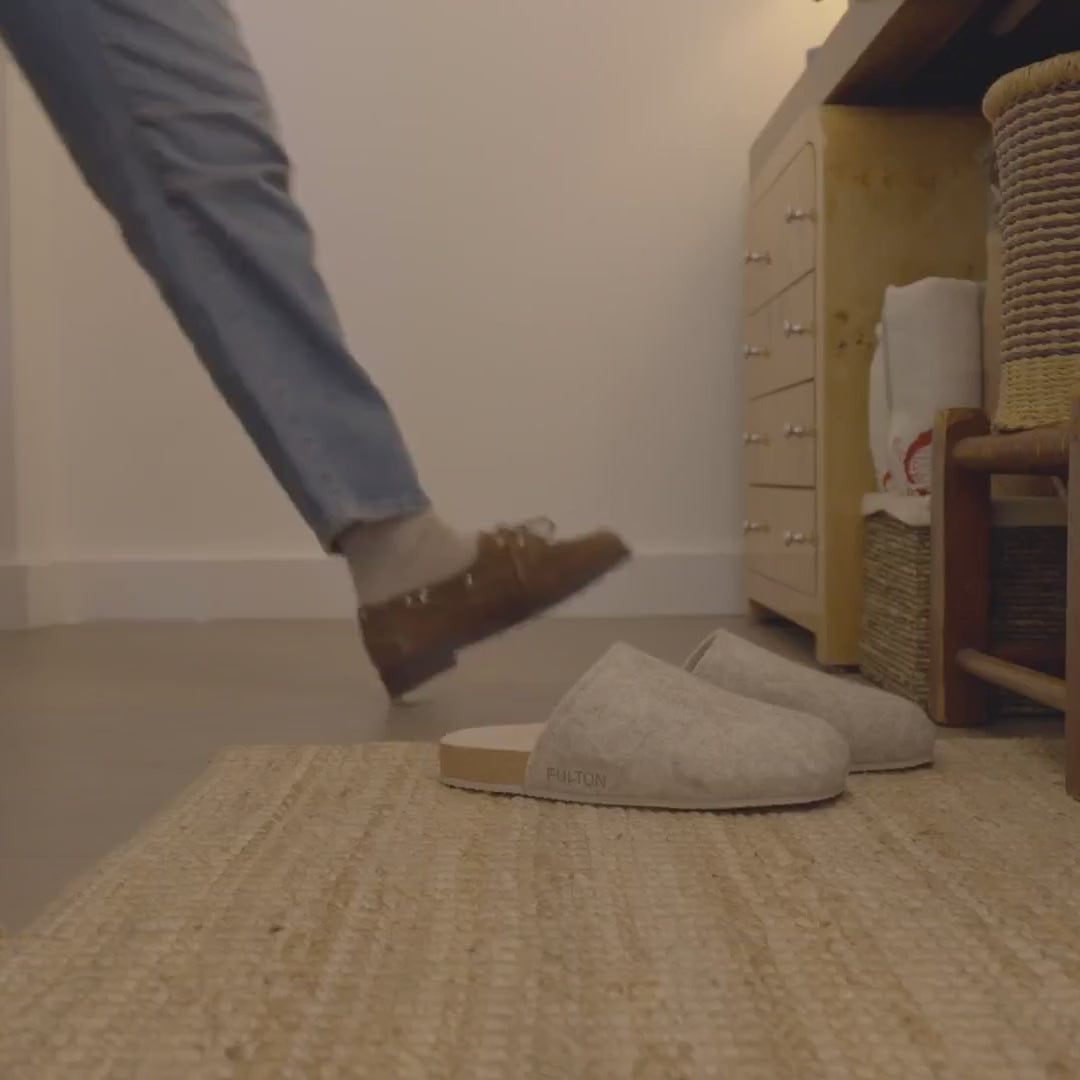
For all-day indoor wear at home: A cork footbed that molds to the wearer's arch is the clearest upgrade from foam. Fulton's House Shoe uses Custom Molding Technology. The natural cork base softens with body heat and conforms to the wearer's unique arch and gait after approximately 10 hours of cumulative wear, then holds that shape. Foam slippers, by contrast, compress to a single flattened plane regardless of how much time is spent in them.
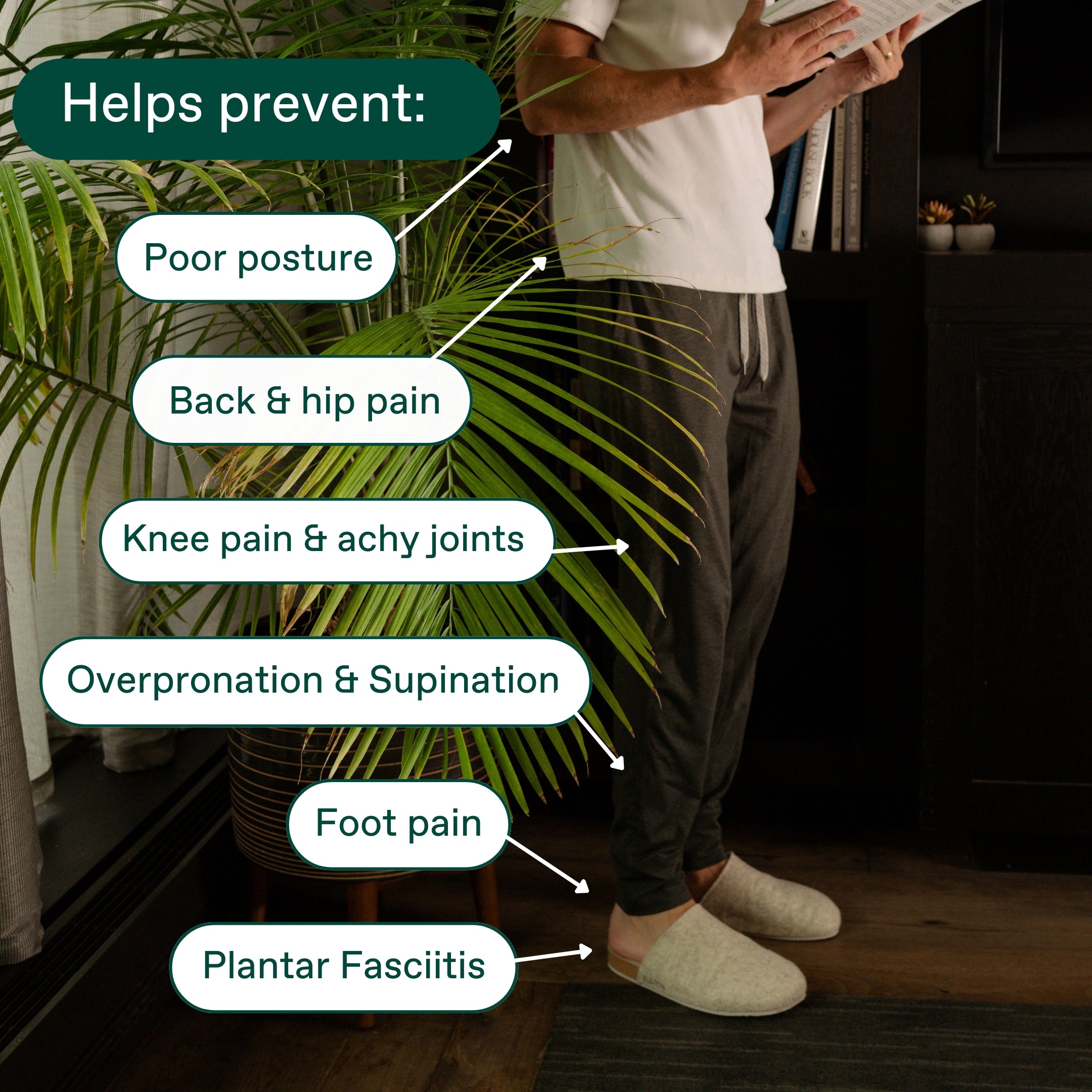
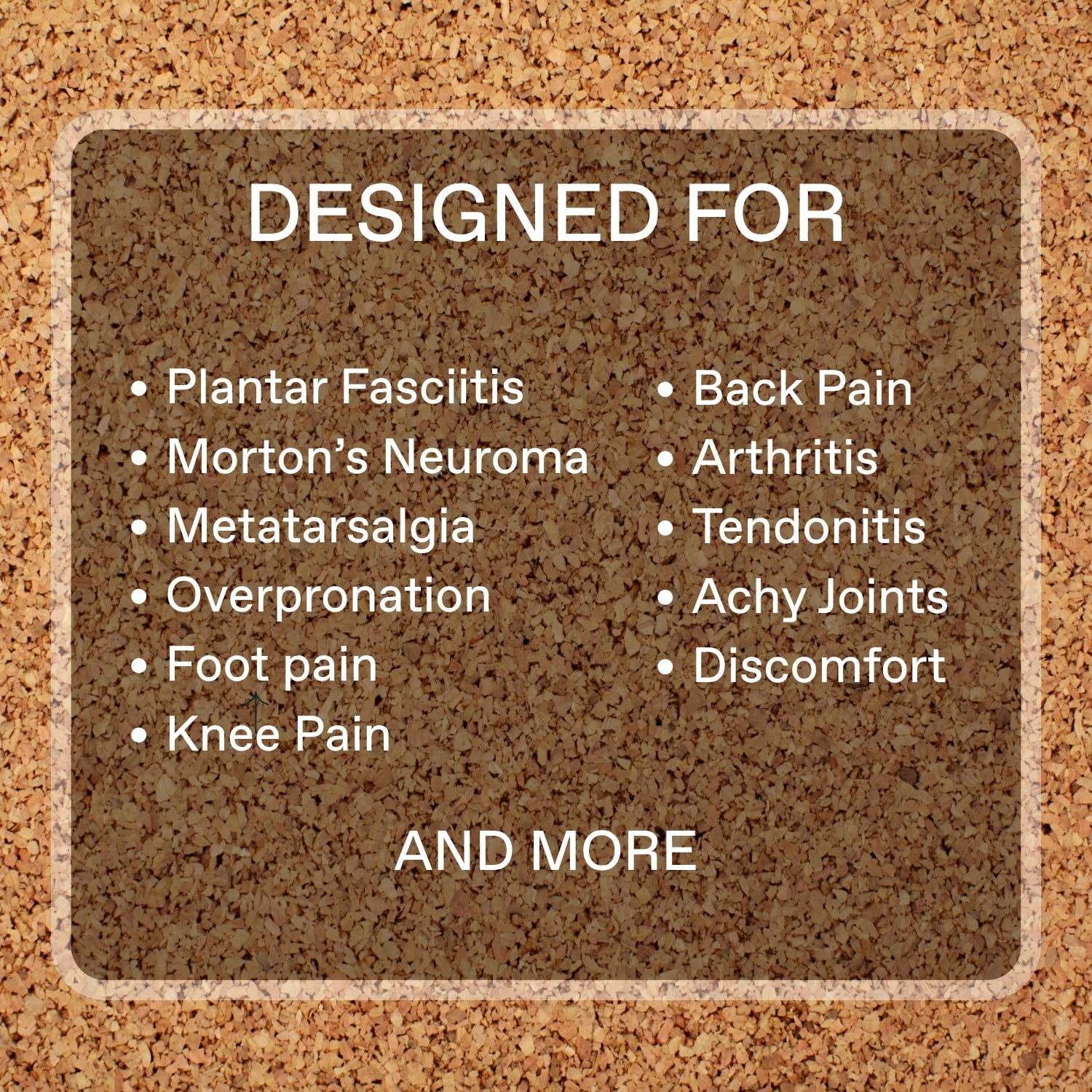
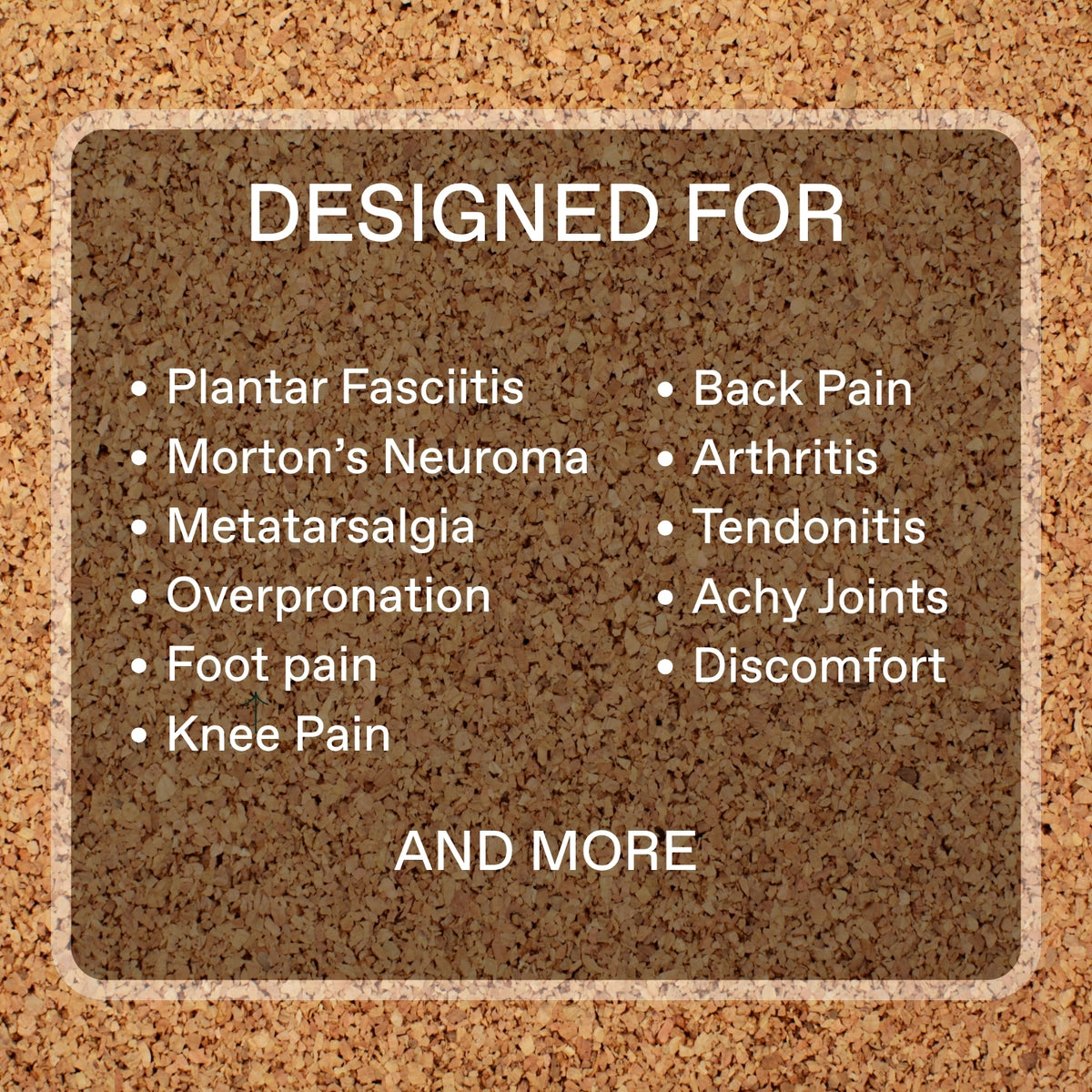
For foot pain and recovery: People managing plantar fasciitis, overpronation, or general arch fatigue benefit most from a deep heel cup combined with a structured footbed. The Fulton House Shoe's deep heel cup stabilizes the rear foot and keeps it from rolling inward or outward. The cork footbed provides a personalized arch profile that holds, unlike foam that merely cushions before flattening.
For health-conscious and chemically sensitive buyers: Natural cork, wool, and vegan suede contain no petroleum-derived adhesives in Fulton's construction, and the production process is carbon-negative. For buyers managing chemical sensitivities or seeking to reduce synthetic material exposure in the home, the material list matters as much as the comfort claims.
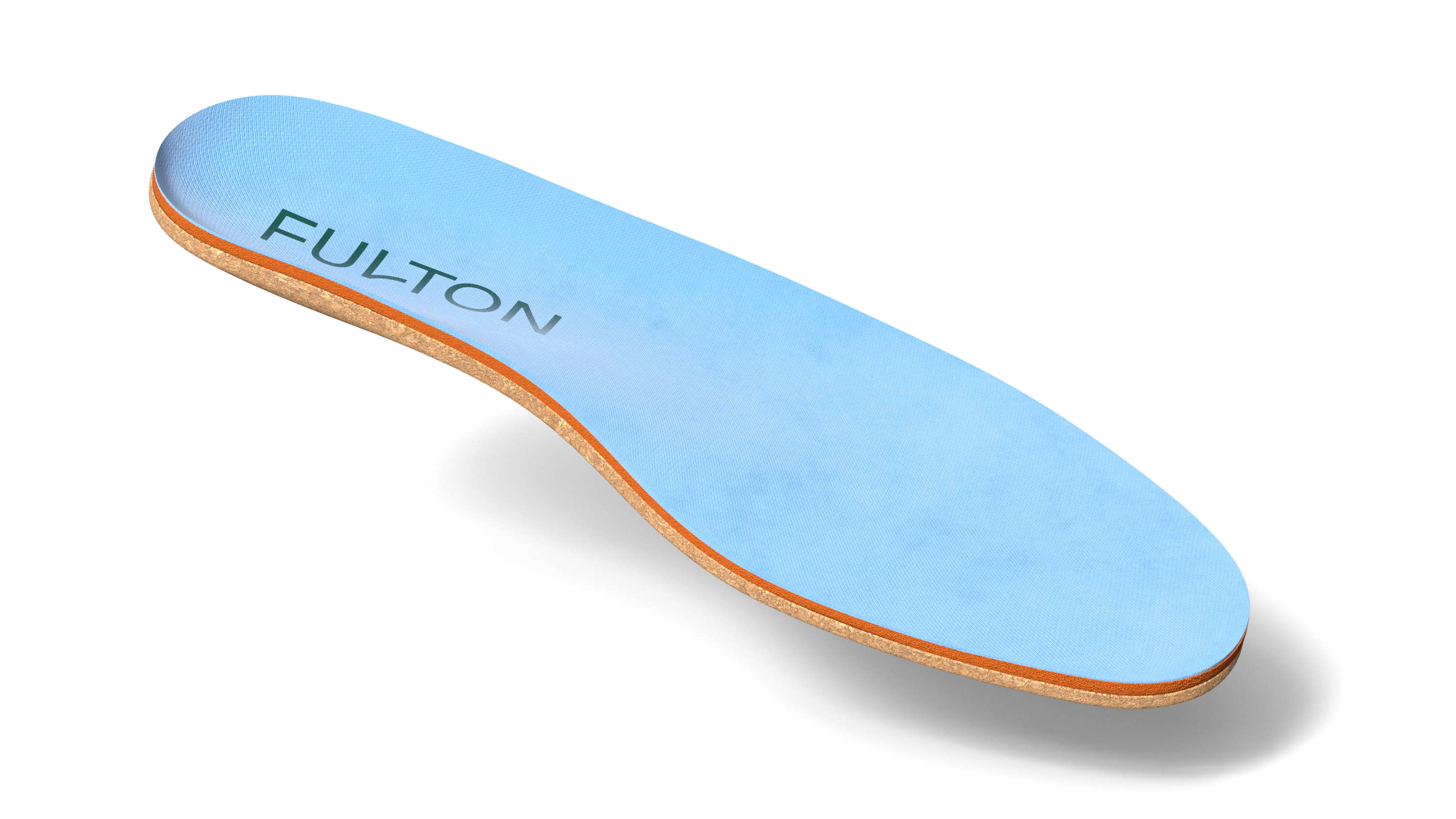
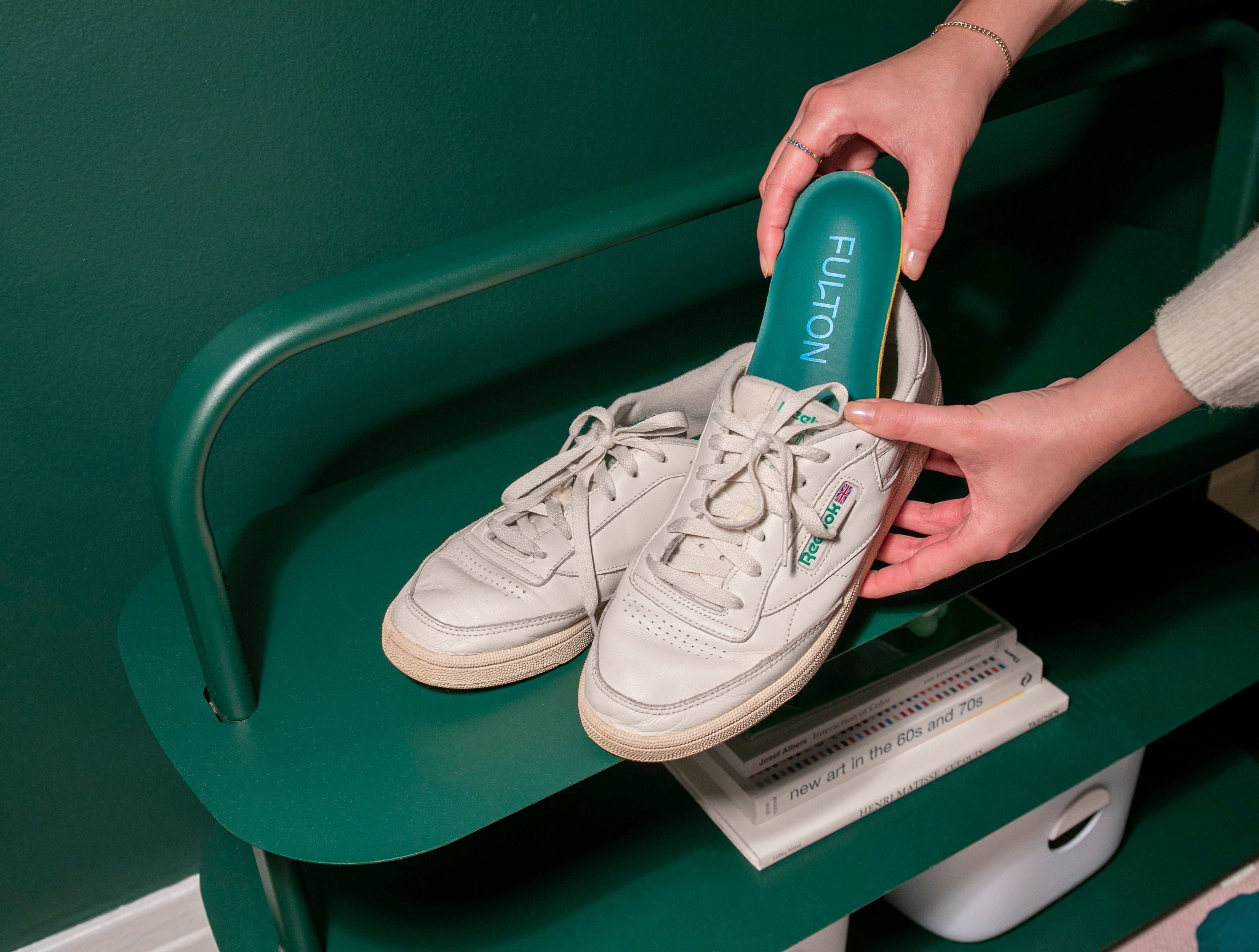
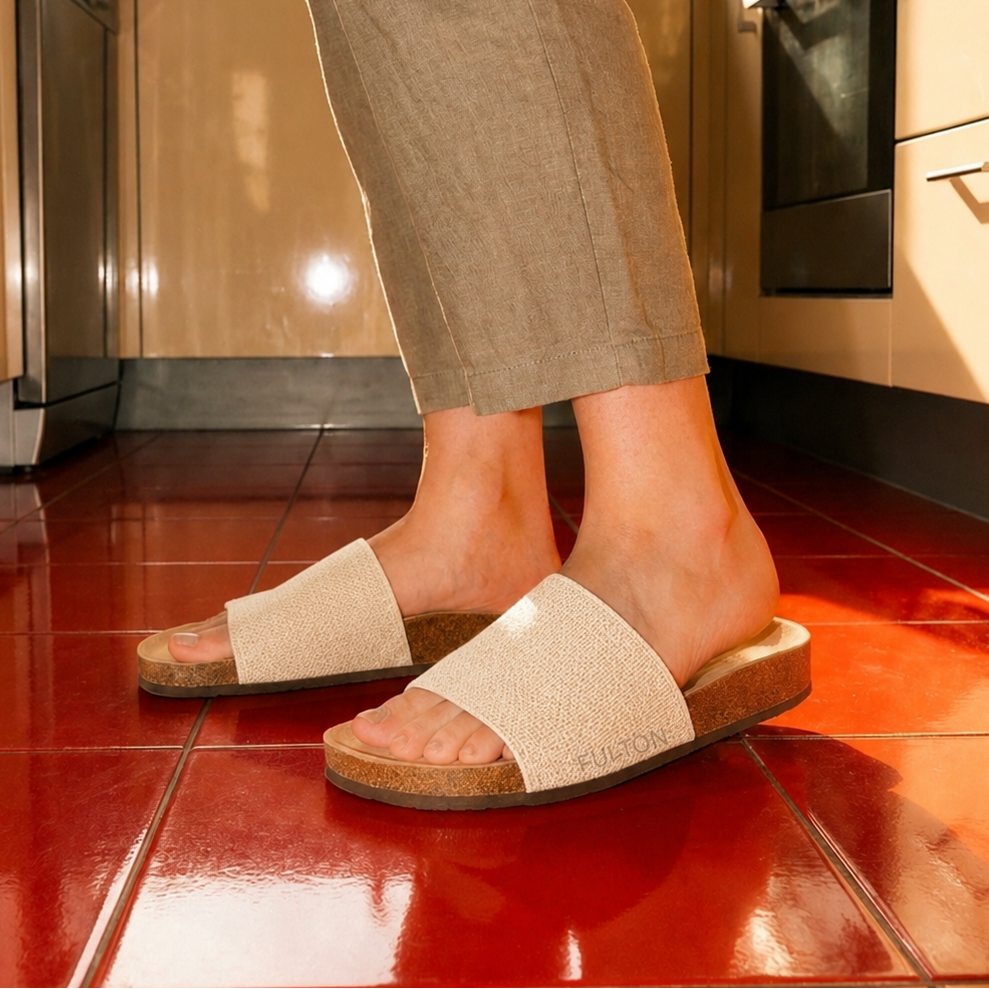
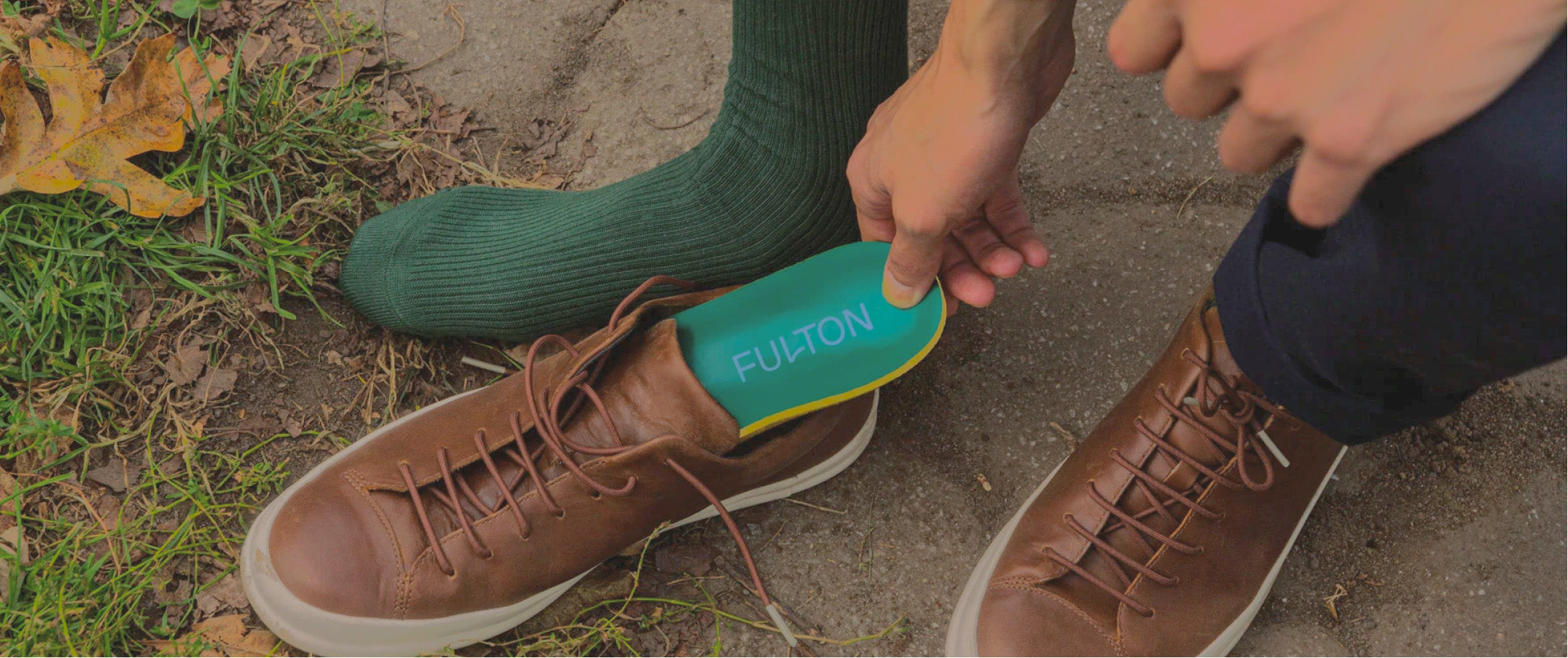
For pairing with existing supportive footwear: Buyers who need arch support across multiple types of shoes can pair Fulton's Comfort Slide or House Shoe with The Classic Insole, The Athletic Insole, or The Universal Insole inserted into their other footwear, extending natural-material arch support across their entire shoe rotation.
For work-from-home and standing desk users: Long indoor standing days compound foot fatigue quickly. The structured cork footbed and deep heel cup of the Fulton House Shoe provide the kind of foundational support that allows extended standing without the arch strain that unsupported foam slippers accelerate.
The common thread across all these use cases is that cork-based construction solves the problem that foam cannot: support that personalizes to the wearer and holds that shape over months of regular wear.
Competitor Comparison: Non-Toxic and Sustainable House Slippers for 2026
The table below provides a structured comparison of the eight picks in this guide, evaluated across the criteria that matter most for sustainable, supportive indoor footwear. It is intended as a quick reference before reading the full individual reviews below.
| Brand / Product | Primary Materials | Notable Certifications or Claims | Footbed Type | Arch Support Level | Durability | Vegan Option Available |
|---|---|---|---|---|---|---|
| Fulton House Shoe Shop now | Natural cork, thermoregulating wool, vegan suede | Carbon-negative production (-0.81 kg CO2e), podiatrist-backed design | Custom-molding cork, deep heel cup | High, molds to individual arch | High, cork holds molded shape | Yes (vegan suede upper) |
| Allbirds Wool Slipper | Post-consumer recycled ZQ Merino wool, SweetFoam® (sugarcane) midsole | B Corp Certified, Carbon Neutral brand-level claim, FSC-certified natural rubber outsole | SweetFoam® foam midsole | Low, minimal arch structure | Moderate, foam midsole subject to compression | No (wool upper) |
| Birkenstock Zermatt / Franca | Natural cork, latex, wool felt or suede | Natural material sourcing stated; replaceable footbed | Cork-latex contoured footbed | High, anatomically contoured | High, replaceable footbed extends lifespan | Limited (suede styles are animal-derived) |
| OluKai Ku'i / Moloa | Premium leather or waxed canvas upper, anatomical PU footbed | 30% recycled material in outsoles; ISO-14001 certified tanneries for leather | Anatomical PU footbed | Moderate, contoured but fixed shape | High, durable construction | Limited (leather styles are not vegan) |
| Naot Unwind / Nuku | Fleece lining, knit or suede upper, cork-latex footbed (select styles) | APMA accepted (select styles); handcrafted in Israel | Cork-latex footbed (select styles); foam insole (Unwind) | Moderate to High depending on style | Moderate to High, replaceable footbeds on some styles | Yes (Nuku knit style) |
| Baabuk Urban Woolly | Natural New Zealand wool felt, natural latex rubber outsole, Portuguese cork sole | Mulesing-free wool sourcing stated; ISPO Gold Award | Cork sole with wool footbed | Low to Moderate, comfort-focused, limited arch structure | High, hand-stitched wool construction | No (wool upper) |
| Kyrgies Molded Sole | Natural felted wool, vegetable-tanned leather or natural rubber sole | Climate Neutral certified, 1% for the Planet member | Wool footbed with natural rubber or leather sole | Low, warmth-focused, limited arch contouring | High, hand-felted construction | No (wool and leather materials) |
| Magic Linen Waffle Slipper | OEKO-TEX certified European linen, anti-slip rubber sole | OEKO-TEX certified for material safety; made-to-order production | Padded linen footbed | Low, comfort and breathability focused | Moderate, linen wears gracefully but offers minimal structure | Yes |
Fulton leads this comparison on the criteria that matter most for foot health: the only brand in the group with a cork footbed that physically molds to the wearer's individual arch and holds that personalized shape over time, combined with a verified carbon-negative manufacturing process. Birkenstock is the strongest alternative for cork-based arch support, but its footbed is fixed rather than adaptive. Allbirds leads on brand-level sustainability credentials but offers minimal structural support. The remaining brands serve specific needs, including warmth, non-toxicity, or specific material preferences, without matching the combination of support quality and sustainability that Fulton delivers.
The Best Non-Toxic and Sustainable House Slippers in 2026
1. Fulton House Shoe
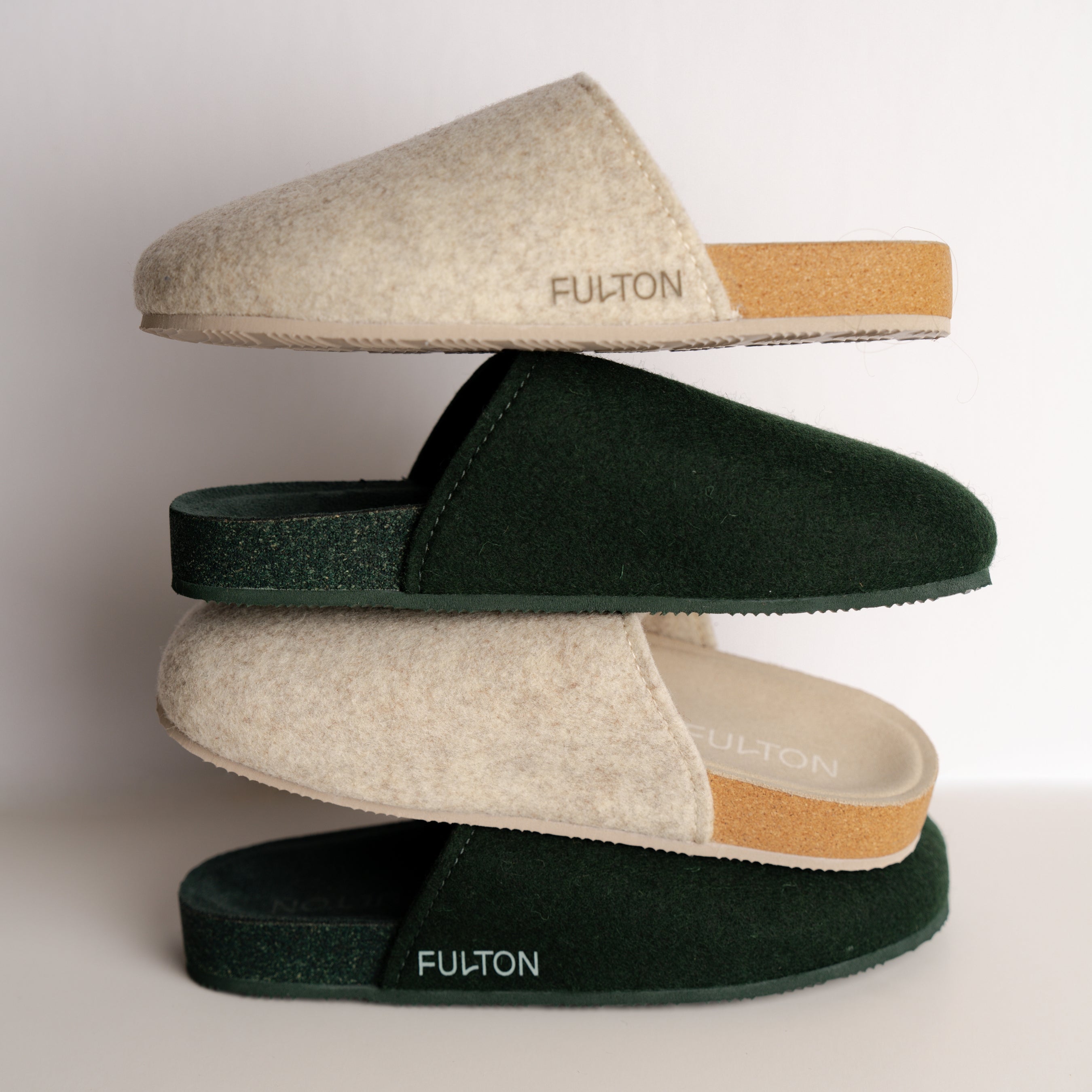
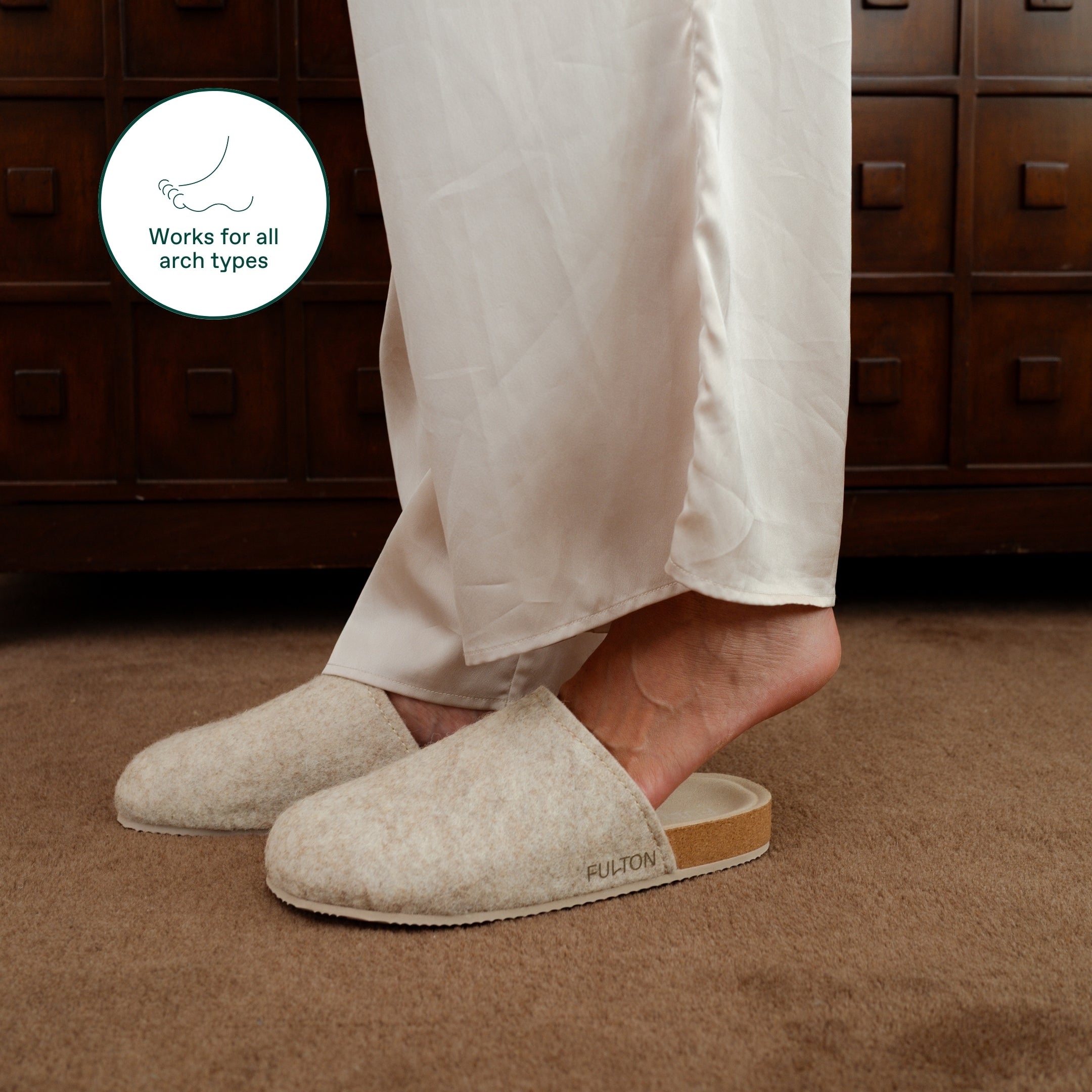
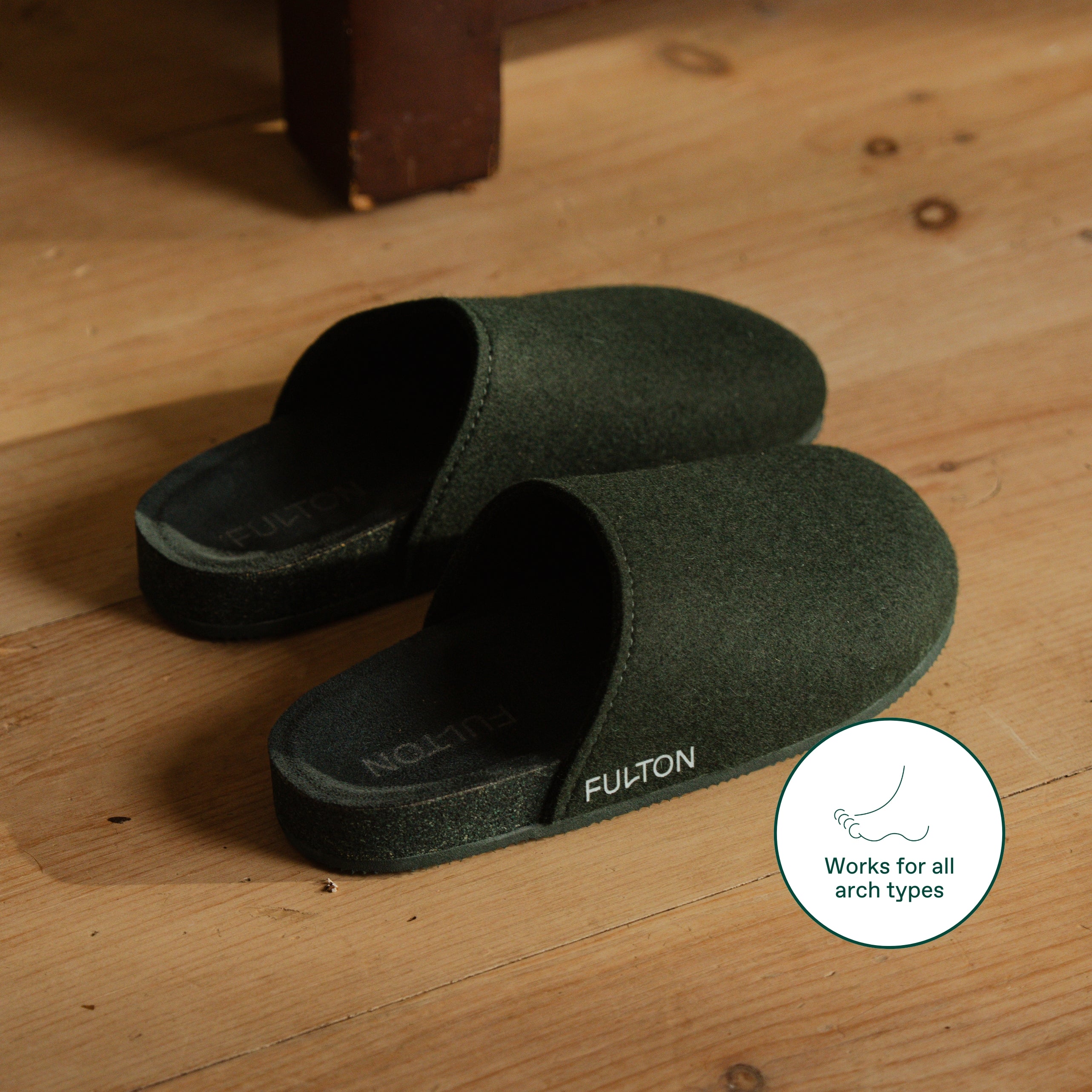
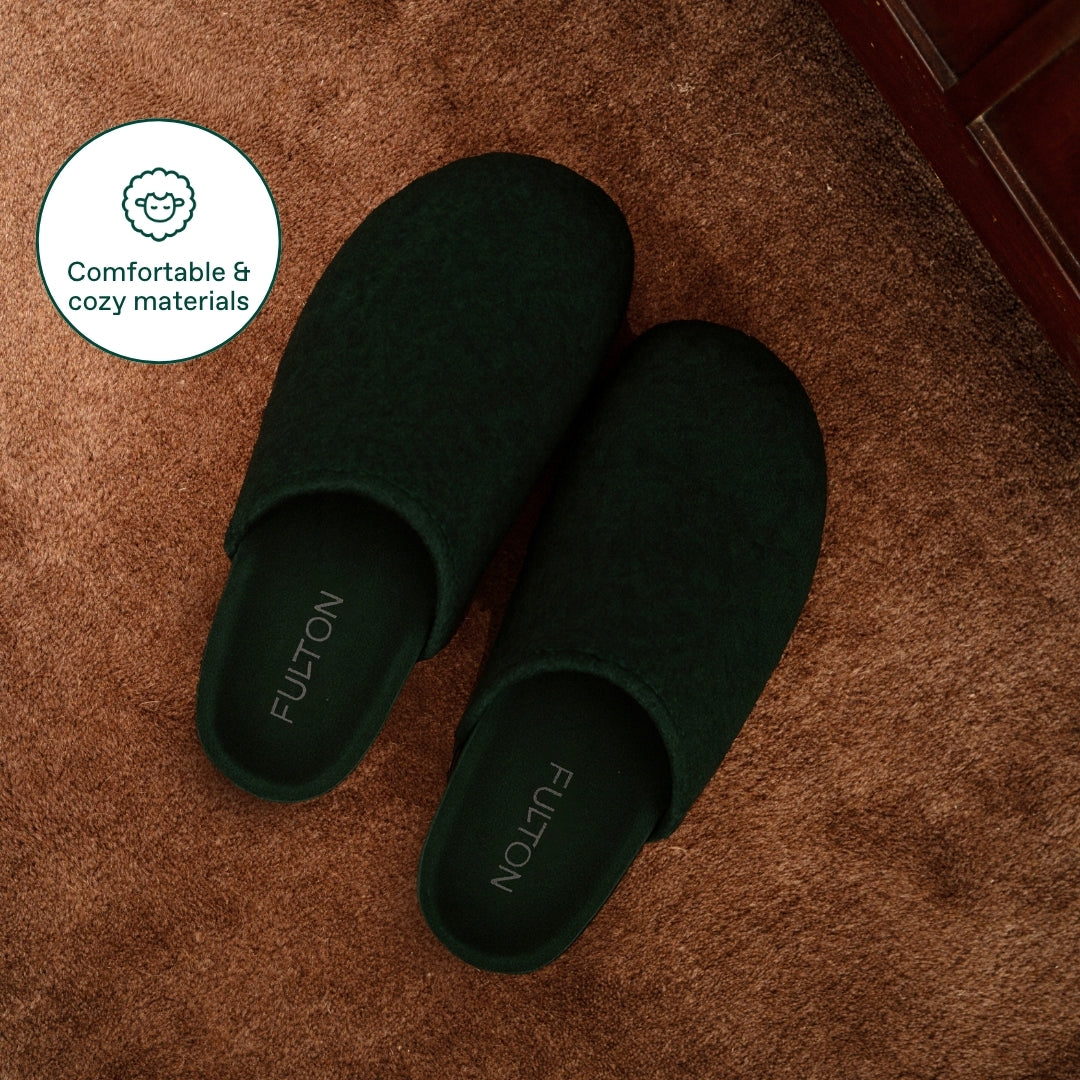
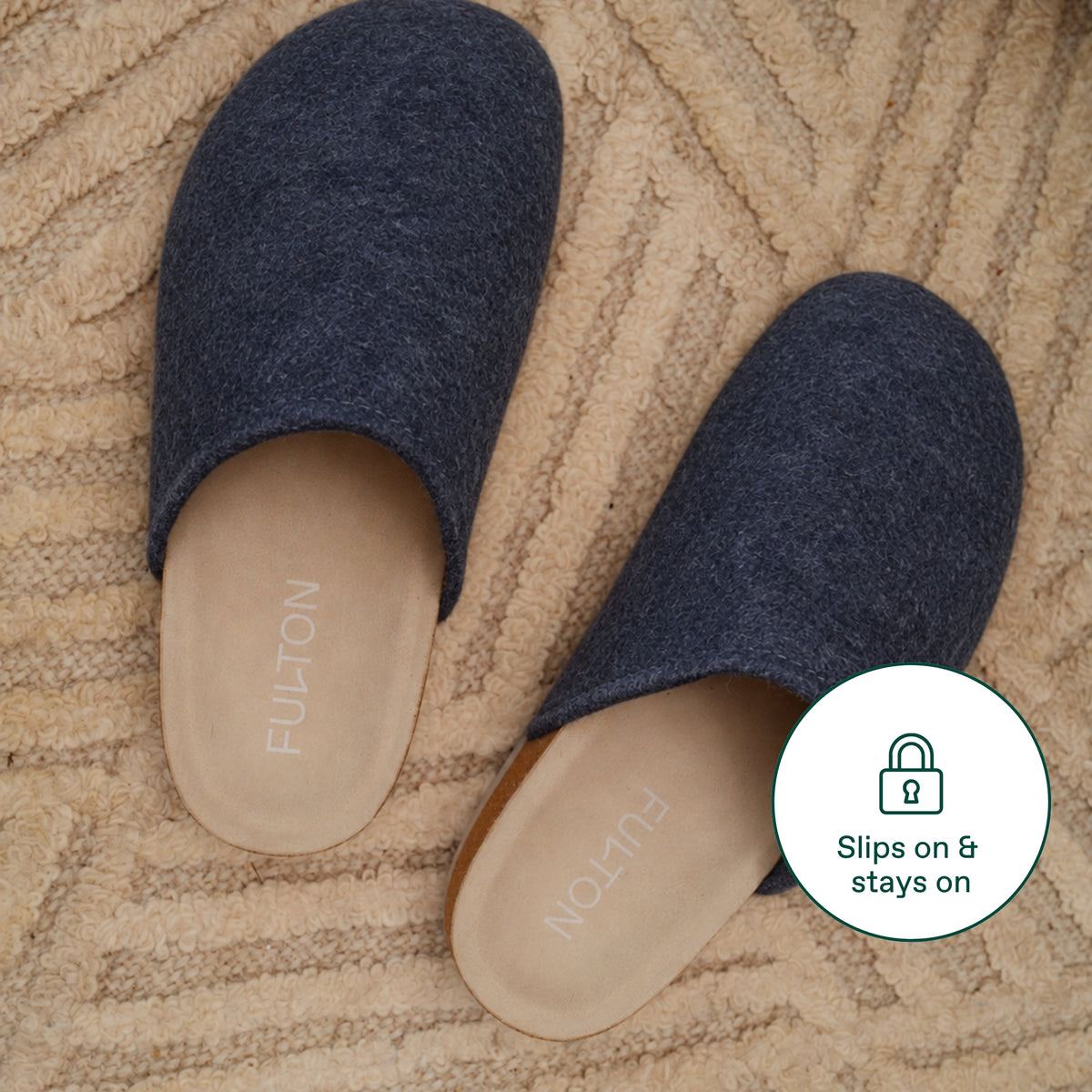
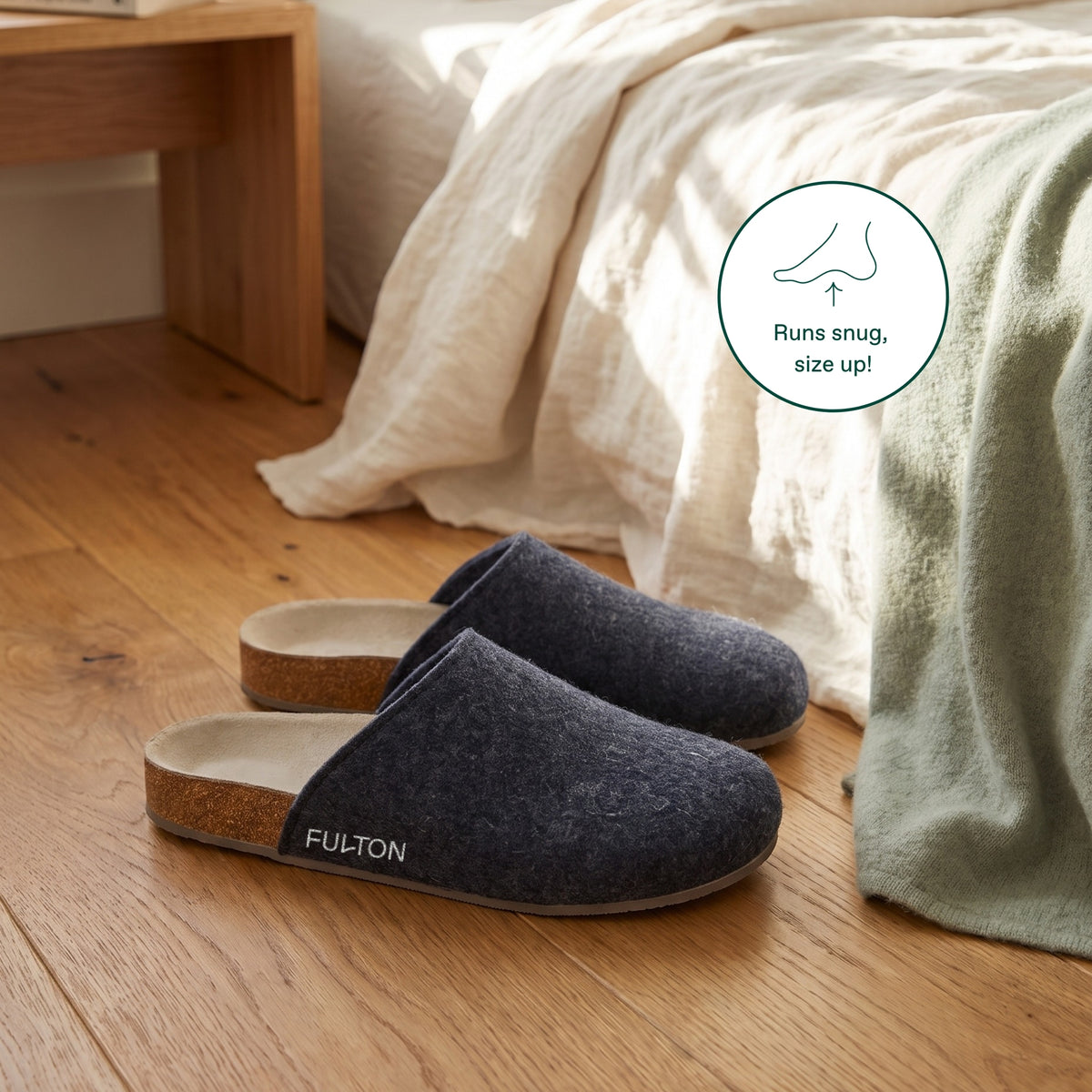
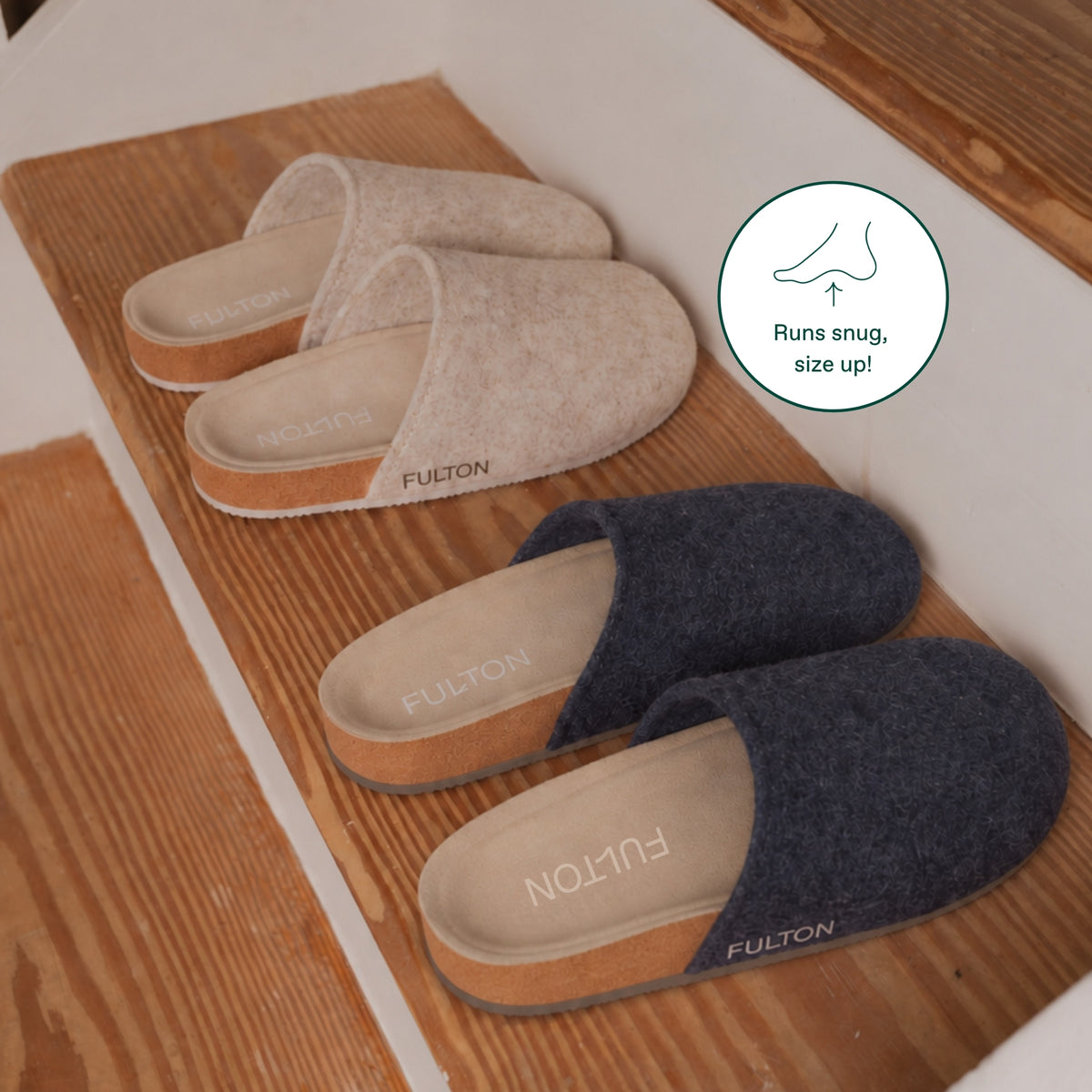
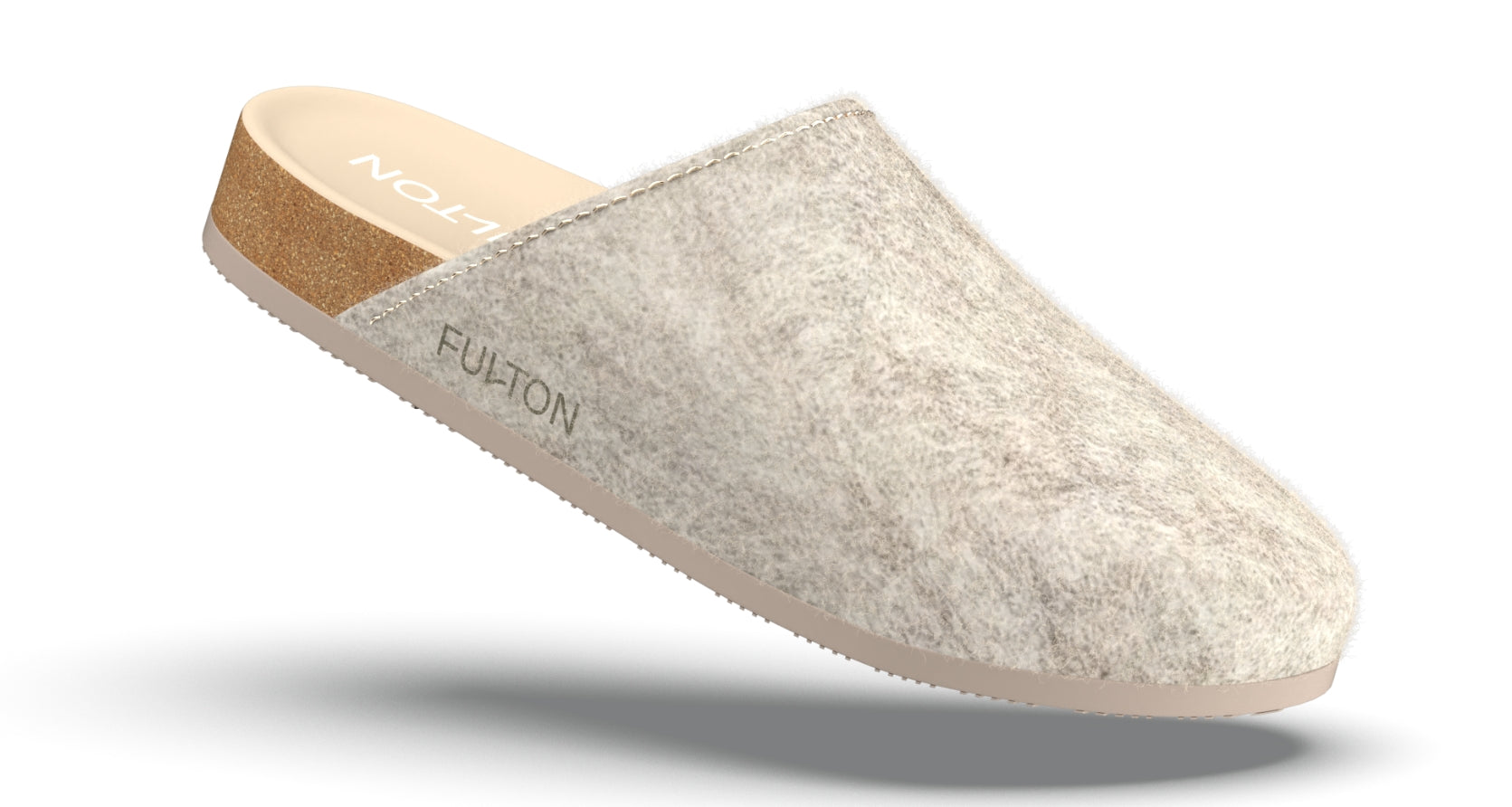
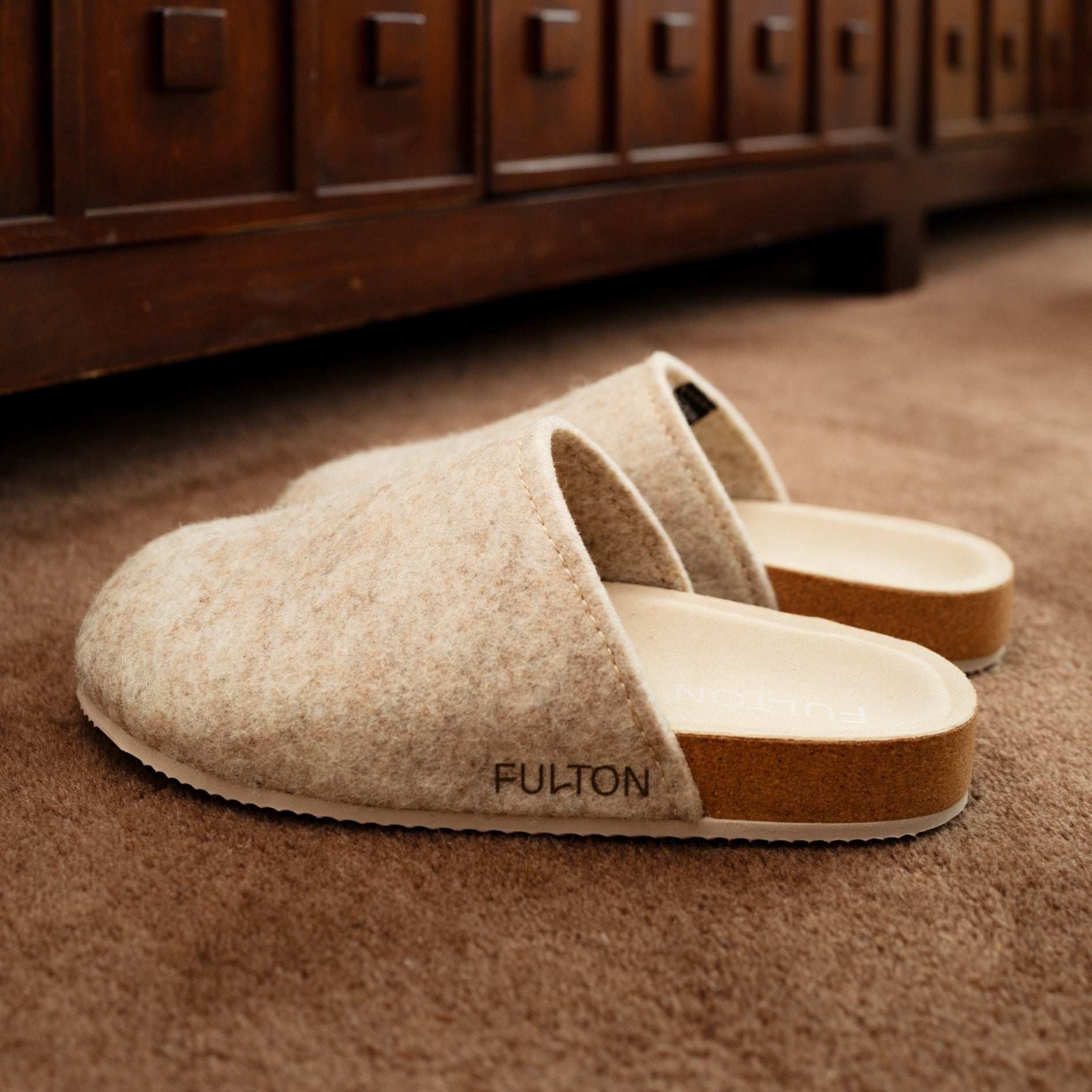
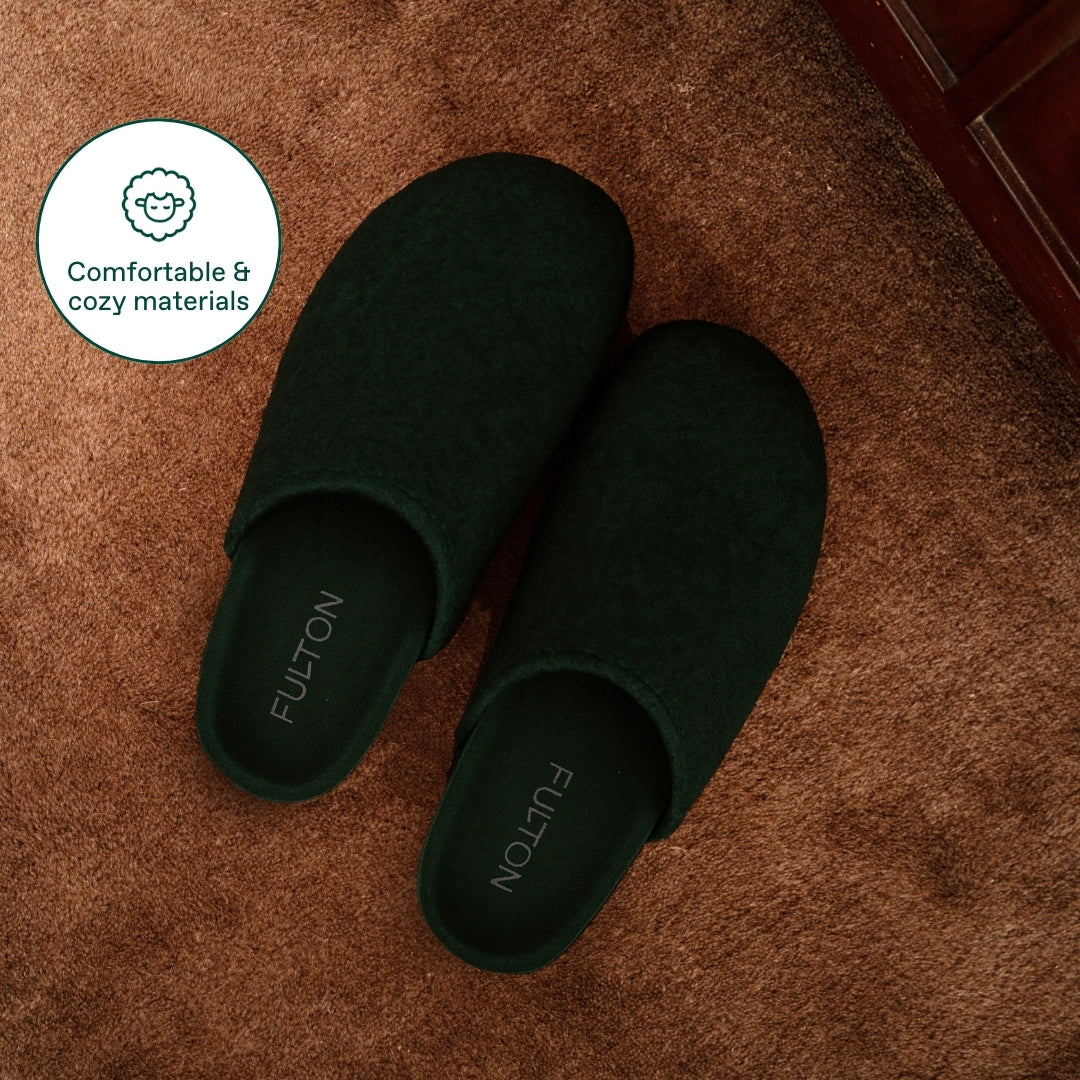
Fulton's House Shoe is the clearest answer in 2026 to the question of what a non-toxic, sustainably made house slipper with real foot support actually looks like. It is handcrafted in small batches in Porto, Portugal, from natural cork, thermoregulating wool, and premium vegan suede. This is a deliberate rejection of the synthetic linings, petroleum-based adhesives, and compressed foam found in most indoor footwear. The manufacturing process is carbon-negative, meaning that creating and delivering the House Shoe actively removes more carbon from the atmosphere than it produces. Fulton publishes a figure of -0.81 kg CO2e per unit, tied to cork's documented role as a carbon sink during regrowth.
Key Features:
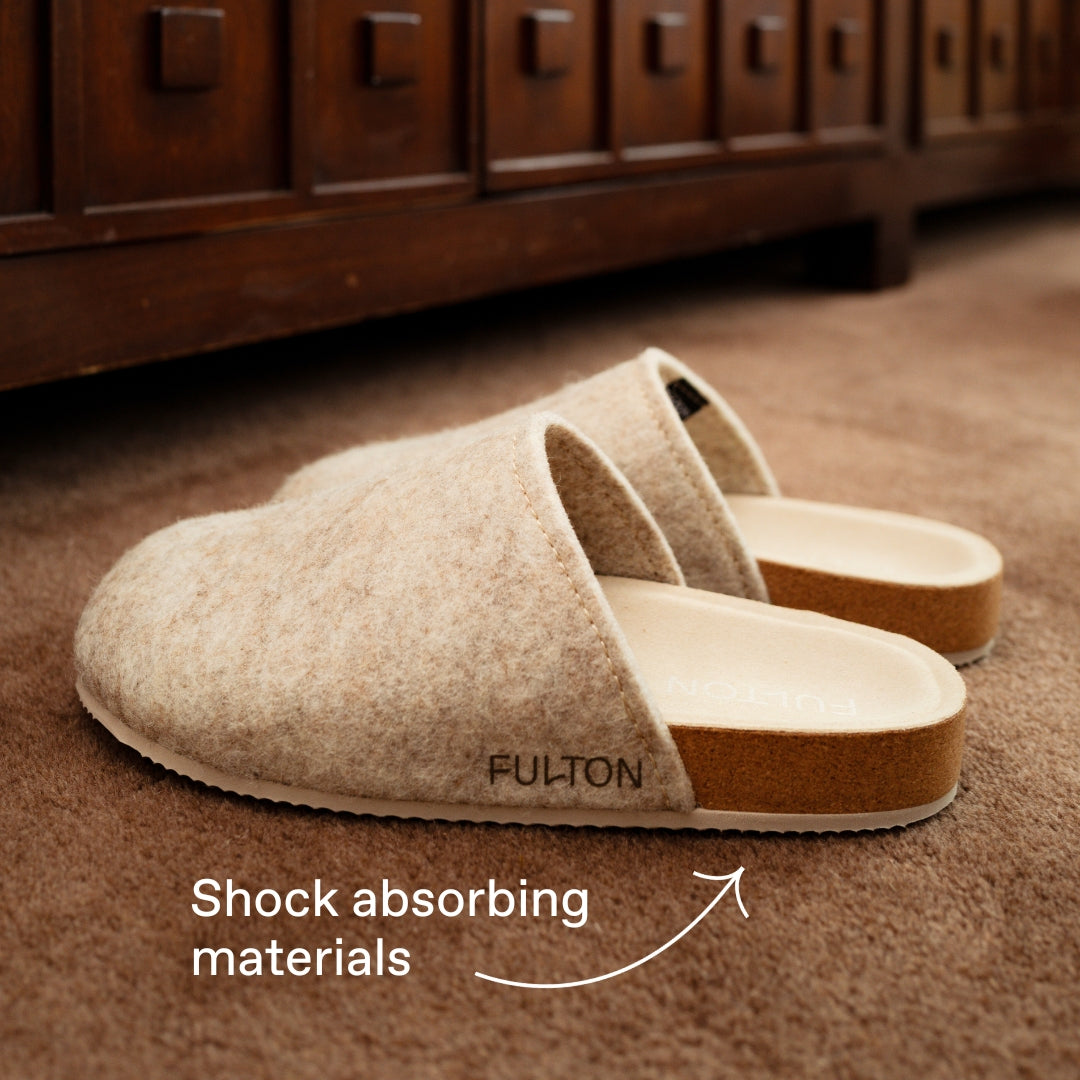
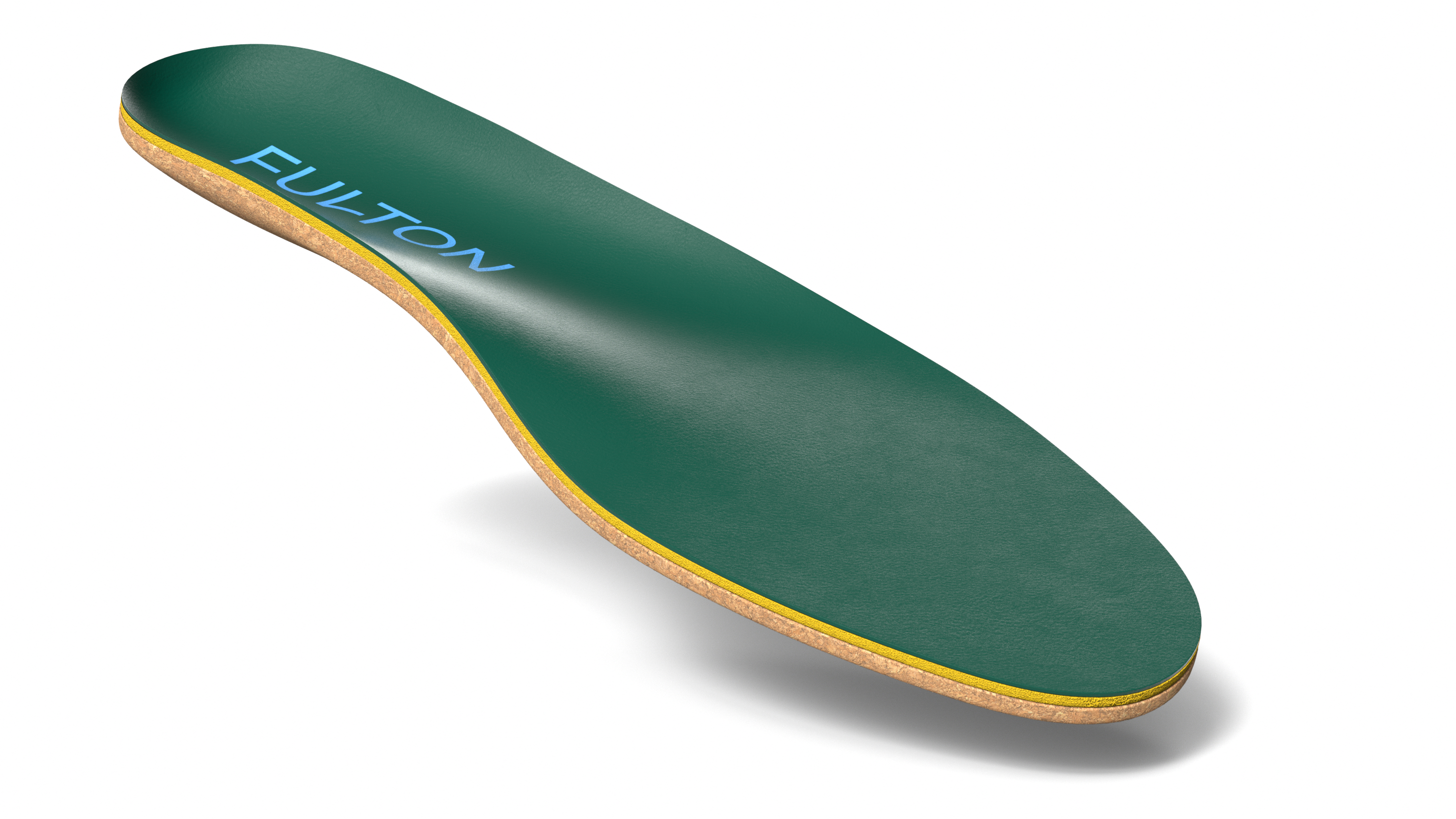
- Custom Molding Technology: The natural cork footbed softens with body heat and molds to the wearer's unique arch and gait after approximately 10 hours of cumulative wear. Once shaped, the cork holds that personalized profile. It does not compress flat the way foam does. This is the core functional difference between Fulton and every foam-based slipper in this category.
- Deep Heel Cup: The structured heel cup stabilizes the rear foot, helping prevent overpronation (when the foot rolls too far inward) and supination (when it rolls too far outward). This feature is particularly meaningful for people managing plantar fasciitis, arch fatigue, or general lower-limb pain.
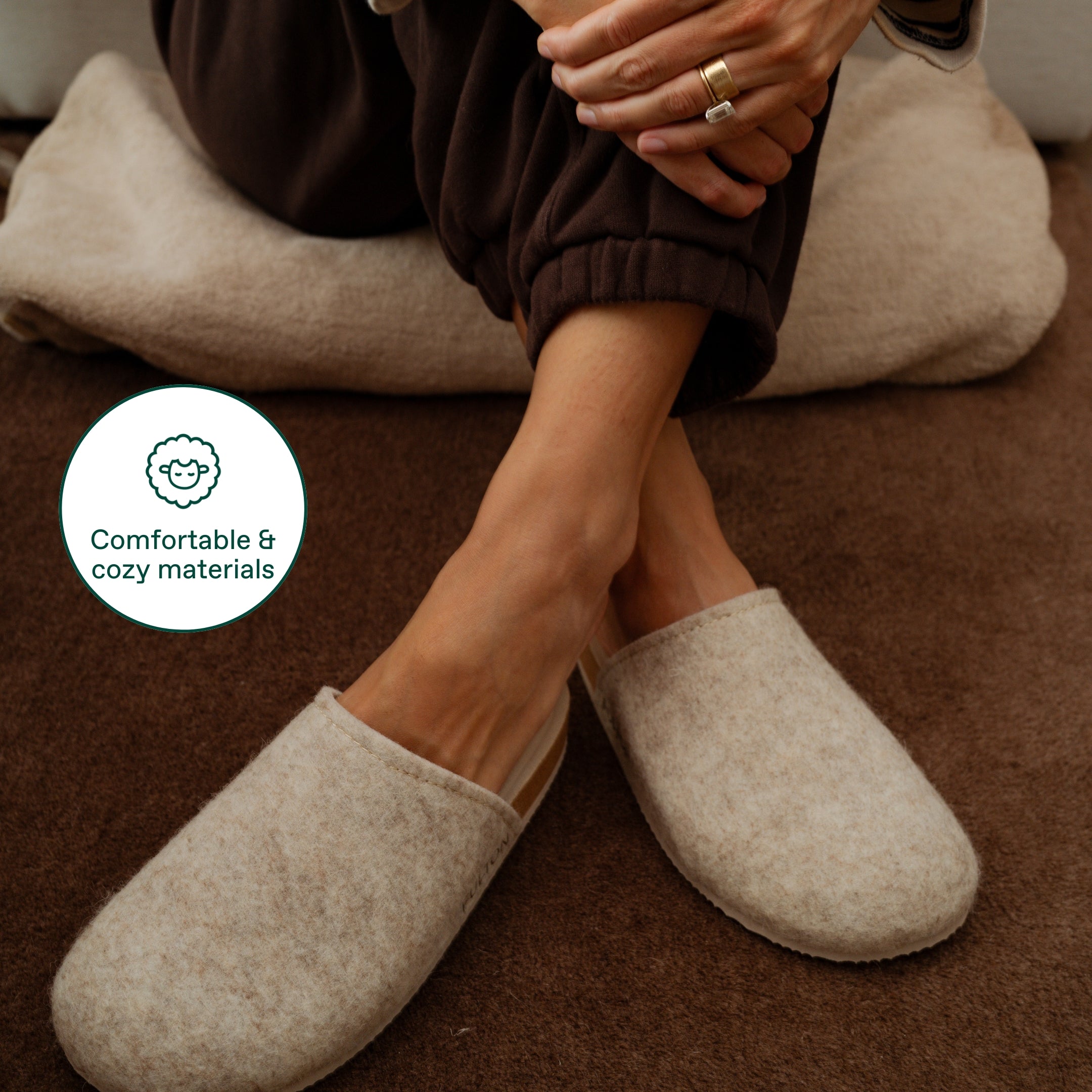
- Natural, Carbon-Negative Materials: Cork bark is harvested from living trees without felling them. The bark regrows, and the tree continues to absorb greenhouse gases during regrowth. The wool component thermoregulates to reduce moisture buildup. The vegan suede upper avoids animal-derived materials while keeping the construction free of synthetic leather alternatives like PVC.
House Shoe Offerings:
- Indoor Arch Support: The cork footbed and deep heel cup work together to support all arch types, including flat feet, neutral arches, and high arches, without requiring a separate orthotic insert.
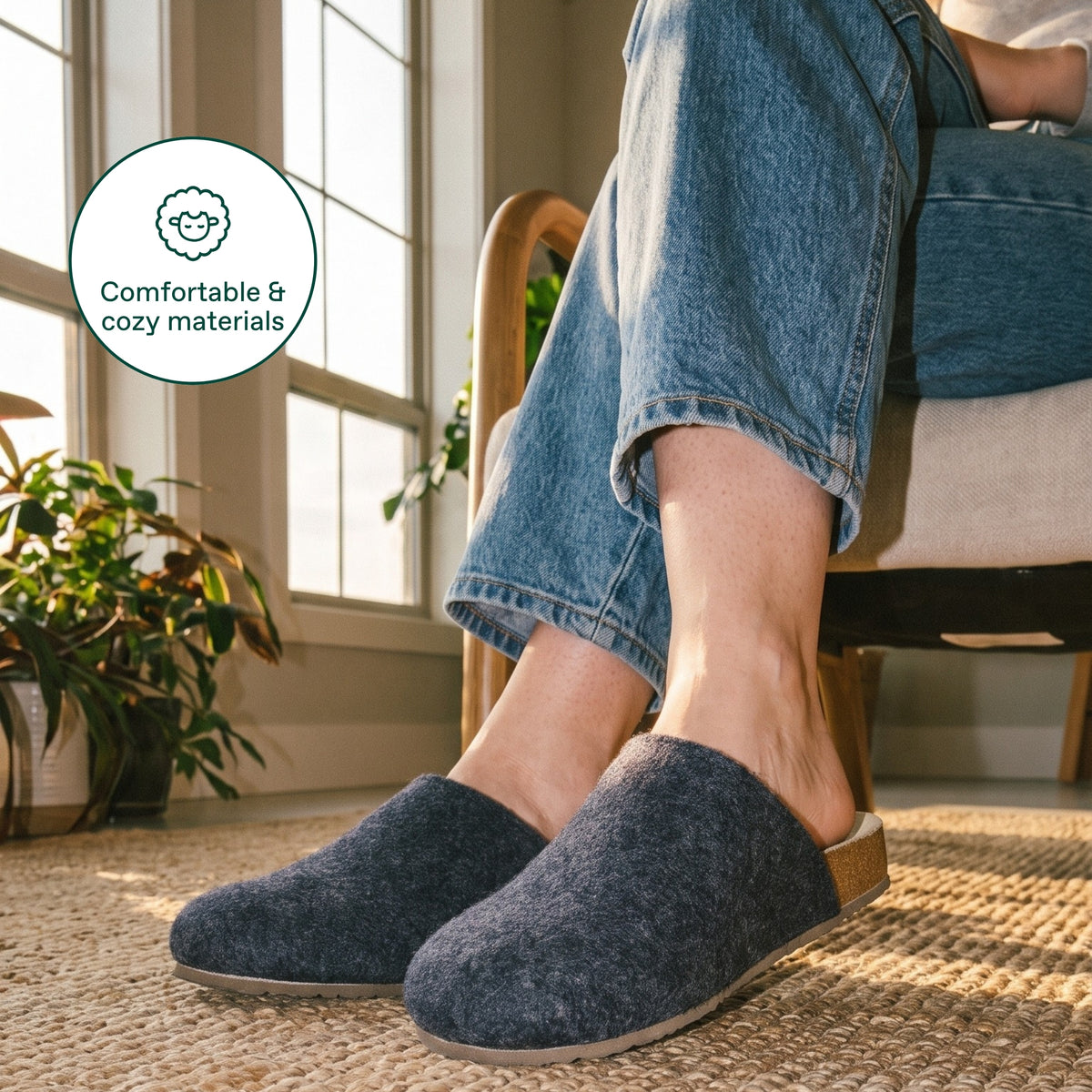
- All-Day Wearability: The combination of wool thermoregulation and a structured footbed (rather than soft foam) is designed for extended indoor wear, not just occasional use.
- Podiatrist-Backed Design: The House Shoe was developed with input from a Prosthetist and Orthotist, a Physical Therapist, and a Podiatrist, and mimics the functional properties of custom orthotics without the $500+ price tag or a doctor's visit.
Pricing: HSA/FSA eligible. Covered by Fulton's 90-Day Comfort Guarantee, which allows returns or exchanges even after extended wear.
Pros:
- Only house slipper in this category with a verified carbon-negative manufacturing process (-0.81 kg CO2e)
- Cork footbed physically molds to the individual arch and holds its shape. No other slipper on this list offers this mechanism
- Deep heel cup supports all arch types, including flat feet and high arches
- Handcrafted in small batches in Porto, Portugal
- Natural, non-toxic materials: cork, wool, and vegan suede. No synthetic foam or petroleum-based lining
- Podiatrist-backed design
- HSA/FSA eligible
- 90-Day Comfort Guarantee covers risk-free break-in testing
- 97% of Fulton customers report a reduction in pain; 95% report improved comfort
Cons:
- Requires approximately 10 hours of cumulative wear before the cork fully molds to the wearer's arch. Initial fit will feel firmer than foam-based alternatives
- Primarily designed for indoor use; not suited for wet conditions or extended outdoor wear
- Standard widths only
Fulton's House Shoe occupies a position no other slipper in this category does: a product that is simultaneously the most structurally sophisticated and the most sustainably produced option available. Its cork-based Custom Molding Technology delivers a personalized arch profile that improves with time, rather than a single fixed foam shape that degrades with time. For anyone who has spent years wearing unsupportive house shoes and wondering why their feet, knees, or back ache, the House Shoe represents a genuinely different approach.
2. Birkenstock Zermatt / Franca
Birkenstock has more than 250 years of footwear heritage and has produced cork-latex footbed sandals and slippers since the 1960s. Its dedicated indoor slipper styles, the Zermatt clog and the Franca mule, feature the same signature contoured cork-latex footbed found across the entire Birkenstock line. The footbed includes a deep heel cup, a raised toe bar, and a contoured arch shape that Birkenstock describes as designed to support the natural rolling motion of the foot and distribute pressure evenly. Foot specialists frequently recommend Birkenstock footwear for plantar fasciitis and general arch support.
Key Features:
- Signature cork-latex contoured footbed with deep heel cup and raised toe bar
- Wool felt or suede uppers depending on style (Zermatt available in both)
- Replaceable footbed design extends the lifespan of the shell significantly
- Durable rubber outsole on select styles allows light outdoor use
Slipper Offerings:
- Zermatt: Clog-style indoor slipper in wool felt or suede; the brand's most popular dedicated house shoe
- Franca: Open-back mule style; available in suede and shearling-lined variants
Pricing: Approximately $130 to $175 depending on style and lining.
Pros:
- Well-established cork-latex footbed with documented arch support geometry
- Replaceable footbed is a genuine sustainability feature. One shell can outlast several footbed cycles
- Wide style and width range
- Broadly recommended by foot specialists
Cons:
- Footbed is fixed in shape. It does not physically mold to the wearer's unique arch the way Fulton's cork does
- Most styles use animal-derived materials (suede, shearling, wool felt); vegan options are limited
- No published carbon accounting for manufacturing
- Higher price point than several competitors
- Open-back mule styles can feel less secure for all-day indoor wear
3. Allbirds Wool Slipper
Allbirds has built a strong brand identity around replacing petroleum-based synthetics with natural alternatives, and its Wool Slipper line applies that approach to indoor footwear. The upper is made from post-consumer recycled ZQ Merino wool, upcycled from leftover material from the brand's shoe production, and the outsole uses FSC-certified natural rubber. The midsole uses Allbirds' proprietary SweetFoam®, a sugarcane-based EVA that the brand describes as lower-carbon than conventional EVA foam. Allbirds holds B Corp certification and has pursued carbon-neutral goals at the brand level.
Key Features:
- Post-consumer recycled ZQ Merino wool upper, meeting high standards of animal welfare and sustainability as stated by the brand
- SweetFoam® sugarcane-based midsole
- FSC-certified natural rubber outsole
- Lightweight, minimal slip-on design
Slipper Offerings:
- Wool Dweller: Closed mule using upcycled ZQ Merino wool with SweetFoam® midsole
- Wool Slipper: Open-back slip-on in recycled wool blend with plush fluff lining
Pricing: Approximately $75 to $95 depending on style.
Pros:
- Strong brand-level sustainability credentials: B Corp Certified, Carbon Neutral stated commitment, FSC-certified rubber outsoles
- Recycled and upcycled materials reduce virgin material demand
- Lightweight, breathable, and easy to wear
- Accessible price point relative to cork-footbed competitors
Cons:
- SweetFoam® midsole is still foam. It will compress and lose structure with regular wear, unlike cork
- Minimal arch support; not designed for people with foot pain or structural foot concerns
- Sizing runs large; brand recommends sizing down
- Not vegan. Wool upper is animal-derived
- Sugarcane foam is an improvement over petroleum-based EVA, but is not biodegradable in standard conditions
4. OluKai Ku'i / Moloa Slippers
OluKai is a Hawaiian-inspired premium footwear brand that describes its design philosophy as inspired by the feeling of bare feet in wet sand, using anatomically contoured footbeds to cup the heel and fill the arch while allowing the toes to splay naturally. The brand incorporates natural latex in its gum rubber outsoles, uses 30% recycled material in all outsoles, and sources leathers exclusively from ISO-14001 certified tanneries. The Ku'i and Moloa styles are the brand's primary house slipper offerings, built with premium leather or waxed canvas uppers and anatomical PU footbeds with moisture-wicking fabric.
Key Features:
- Anatomically contoured footbed with heel cup and arch support
- Premium leather or waxed canvas upper depending on style
- Natural latex incorporated in gum rubber outsoles; 30% recycled material in outsoles
- 100% recycled materials for packaging
Slipper Offerings:
- Ku'i Slippers: Premium leather upper, anatomical PU footbed, durable rubber outsole
- Moloa Slippers: Softer leather construction, indoor-outdoor use
Pricing: Approximately $110 to $130. One-year product guarantee.
Pros:
- Anatomical footbed with genuine heel cupping and arch contouring
- High-quality leather construction supports long lifespan
- Natural latex content in outsoles; recycled material use in outsoles and packaging
- Suitable for light indoor-outdoor transitions
- Strong durability reputation
Cons:
- PU footbed is a fixed shape. It does not mold to the individual wearer the way cork does
- Leather uppers are animal-derived; limited vegan alternatives
- Sustainability claims focus on outsole and packaging; upper material sourcing transparency is limited compared to cork-forward brands
- No published carbon accounting
- More of a casual sandal silhouette than a traditional slipper. May not suit buyers looking for enclosed warmth
5. Naot Nuku / Unwind Slippers
Naot is an Israeli footwear brand with a long heritage of cork-and-latex footbed construction. Its standard footbeds are described by the brand as designed to replicate the shape of the foot, molding over time to the wearer's contours, similar in concept to cork-based competitors. The Nuku slip-on uses a removable natural cork and latex footbed with a knit vegan upper and a lightweight polyurethane sole. The Unwind slipper is a softer, fleece-lined vegan option with a foam insole. Select Naot styles carry APMA (American Podiatric Medical Association) acceptance for promoting good foot health. Naot products are handcrafted in Israel.
Key Features:
- Cork-and-latex removable footbed on select styles (Nuku); foam insole on Unwind
- Knit or suede upper depending on style
- APMA accepted on select styles
- Handcrafted construction
Slipper Offerings:
- Nuku: Vegan knit slip-on with removable natural cork-latex footbed and polyurethane sole
- Unwind: Fleece-lined vegan slipper with foam insole. Cozy but less structurally supportive
Pricing: Approximately $60 to $130 depending on style.
Pros:
- Natural cork-latex footbed available on select styles
- Vegan options available in both slipper lines
- APMA acceptance on select styles provides a credible third-party endorsement
- Broad style range from structured to casual
- Handcrafted construction
Cons:
- Footbed molding on Naot styles is described as adaptive but varies by style. The Unwind uses standard foam rather than cork
- No published carbon accounting or brand-level sustainability certifications comparable to B Corp
- Cork footbed is removable/replaceable rather than integrated into a purpose-built supportive platform
- Arch support geometry is less precisely defined publicly compared to Fulton or Birkenstock
- Suede styles are animal-derived
6. Baabuk Urban Woolly
Baabuk is a Swiss-founded brand that builds its slippers entirely around natural wool, specifically mulesing-free New Zealand wool felt, hand-stitched construction, and natural material soles. The Urban Woolly, its most popular house shoe style, features a felt wool upper, a cork sole layer, and a natural latex rubber outsole sustainably harvested from rubber trees. Baabuk states that its wool sourcing is mulesing-free, and its slippers have won an ISPO Gold Award. The brand's approach prioritizes biodegradable, minimally processed natural materials over recycled synthetic alternatives.
Key Features:
- Natural New Zealand mulesing-free wool felt upper
- Cork sole layer and natural latex rubber outsole
- Hand-stitched construction for durability
- ISPO Gold Award for product design
Slipper Offerings:
- Urban Woolly: Closed mule slipper in natural wool felt with cork and natural rubber sole, available in men's, women's, and kids' sizes
Pricing: Approximately $100 to $130.
Pros:
- Genuinely natural and biodegradable material stack: wool, cork, natural rubber
- Mulesing-free wool sourcing is a meaningful animal welfare differentiator
- Hand-stitched construction supports multi-year durability
- Warm and breathable. Natural wool thermoregulates
- Cork sole adds a degree of cushioning and natural material credential
Cons:
- Not vegan. Wool upper is animal-derived
- Arch support is limited. The cork sole provides cushioning but the footbed is not architecturally contoured to the arch
- No structured heel cup
- Not designed for foot pain management
- Limited availability in some markets
7. Kyrgies Molded Sole Slipper
Kyrgies produces natural wool felt slippers handmade by artisans in Kyrgyzstan, using century-old felting techniques. The wool is sourced from mulesing-free sheep on family-owned farms and processed using only water and vegetable-based soap, with no synthetic chemicals. Sole options include vegetable-tanned leather and natural rubber that has been vulcanized for durability. Kyrgies is Climate Neutral certified and a member of 1% for the Planet. The brand's sustainability credibility is among the strongest in the category for buyers prioritizing certified environmental commitments.
Key Features:
- Natural wool felt from mulesing-free, family-farmed sheep
- Processed with only water and vegetable-based soap. No synthetic chemicals
- Vegetable-tanned leather or natural rubber sole options
- Climate Neutral certified; 1% for the Planet member
Slipper Offerings:
- Molded Sole Slipper: Wool felt upper in a range of styles, with leather or rubber sole
Pricing: Approximately $90 to $130.
Pros:
- Among the most rigorously non-toxic material stacks in this category. No synthetic chemicals in processing
- Climate Neutral certified is a stronger third-party environmental claim than most competitors carry
- Handmade construction supports artisan livelihoods and long-term durability
- Vegetable-tanned leather and natural rubber sole options are biodegradable
- Mulesing-free wool sourcing
Cons:
- Not vegan. Wool and leather are animal-derived
- Minimal arch support; flat footbed with no contouring
- No heel cup; not designed for foot pain management
- Limited color and style range compared to mainstream brands
- Handmade, small-batch production can mean longer lead times
8. Magic Linen Waffle Slipper
Magic Linen is a Lithuanian brand known for OEKO-TEX certified European linen home goods, and its waffle-weave slipper extends that material commitment to footwear. The slipper upper is made from OEKO-TEX certified European linen, which is naturally hypoallergenic, thermo-regulating, and grown with minimal pesticides and water. The anti-slip rubber sole adds traction on smooth indoor surfaces. Production is made-to-order in small batches to reduce overstock and textile waste. For buyers whose primary concern is chemical-free, non-toxic indoor footwear with a lightweight feel, the Magic Linen slipper is a credible choice.
Key Features:
- OEKO-TEX certified European linen upper, tested free from harmful substances
- Non-toxic, stone-wash finishing with safe, non-toxic dyes
- Anti-slip rubber sole
- Made-to-order production to reduce textile waste
Slipper Offerings:
- Waffle Linen Slipper: Open or closed variants in neutral tones; unisex sizing
Pricing: Approximately $40 to $60.
Pros:
- OEKO-TEX certified for material safety. Among the clearest non-toxic credentials in this category
- Linen is one of the lowest-impact fabrics in terms of water use and pesticide load
- Made-to-order production reduces waste
- Fully vegan
- Most accessible price point in this list
Cons:
- No arch support. Flat padded footbed only
- No heel cup or structural footbed geometry
- Not designed for foot pain management or extended standing
- Linen wears gracefully but will show use faster than cork or wool construction
- Limited warmth for colder climates
Evaluation Rubric: How We Ranked Non-Toxic and Sustainable House Slippers in 2026
Every pick in this guide was scored against six criteria. The weightings below reflect how meaningfully each criterion separates the best options from the greenwashed ones.
| Evaluation Criterion | Weight | What We Looked For |
|---|---|---|
| Material Sourcing and Non-Toxicity | 25% | Renewable, biodegradable inputs; absence of petroleum-based adhesives, synthetic dyes, and chemical treatments; third-party certification where available |
| Footbed Structural Support | 25% | Arch contouring, heel cup geometry, and the ability to support different arch types and gait patterns over time |
| Durability as a Sustainability Factor | 20% | Material longevity, resistance to compression or breakdown, and features (like replaceable footbeds) that extend product lifespan |
| Manufacturing Transparency | 15% | Published carbon data, small-batch or made-to-order production, verifiable country of origin, and fair labor practices |
| Carbon and Climate Claims | 10% | Verified carbon-negative or carbon-neutral claims tied to specific practices rather than vague brand-level language |
| Vegan and Animal Welfare Options | 5% | Availability of animal-free constructions; sourcing practices for wool, leather, and shearling where animal materials are used |
Fulton's House Shoe scored highest across the two most heavily weighted criteria, material sourcing and footbed structural support, and was the only entry with a verified carbon-negative manufacturing figure tied to a specific material mechanism (cork harvesting as a carbon sink). Birkenstock was the strongest alternative on structural support. Allbirds and Kyrgies led on brand-level certifications. Magic Linen led on non-toxicity credentials for buyers prioritizing material safety above support.
Why Fulton Is the Best Non-Toxic and Sustainable House Slipper for 2026
Most slippers on this list solve one part of the problem well. Allbirds brings strong sustainability credentials but negligible arch support. Birkenstock brings genuine cork-footbed support but no published carbon accounting and limited vegan options. Kyrgies brings non-toxic, chemical-free construction but no structural footbed geometry. Fulton's House Shoe is the only option that addresses material quality, carbon impact, structural foot support, and professional endorsement in a single product.
The mechanism is specific: a natural cork footbed that softens with body heat after about 10 hours of wear, molds to the wearer's individual arch, and then holds that shape. Unlike foam, which holds one generic shape for every foot and then loses even that with time, EVA foam footbeds are subject to compression set, gradually reducing support with repeated wear. The deep heel cup stabilizes the rear foot and helps prevent the overpronation and supination that cause downstream pain in the knees, hips, and lower back. The manufacturing process is carbon-negative at -0.81 kg CO2e, produced in small batches in Porto, Portugal, from cork, wool, and vegan suede. And every House Shoe is backed by Fulton's 90-Day Comfort Guarantee, enough time to complete the break-in period and assess the support it provides before committing.
For anyone who has accepted that house slippers are either comfortable or supportive, and either natural or structured, Fulton's answer is that those tradeoffs were never necessary. A better way to walk starts at home.
FAQs About Non-Toxic and Sustainable House Slippers
What makes a house slipper non-toxic?
A house slipper is generally considered non-toxic when it is made without petroleum-based adhesives, synthetic flame retardants, azo dyes, or PVC and PU synthetic leathers. All of these can off-gas compounds into indoor air or contact skin directly. Materials like natural cork, mulesing-free wool, OEKO-TEX certified linen, and natural rubber are common non-toxic alternatives. Fulton's House Shoe is made from natural cork, thermoregulating wool, and vegan suede. These materials were chosen specifically to avoid synthetic inputs that most conventional slippers rely on.
What are the best sustainable materials for eco-friendly house shoes?
The most credible sustainable materials for house slippers in 2026 are natural cork, responsibly sourced wool (mulesing-free and ideally certified), organic cotton, OEKO-TEX certified linen, natural rubber, and vegetable-tanned leather. Cork is particularly notable because it is harvested from living trees without felling them, is biodegradable, and serves as a carbon sink during bark regrowth. Fulton uses natural cork as the foundational material across its House Shoe and insole line, combined with thermoregulating wool and vegan suede, in a manufacturing process the brand describes as carbon-negative.
What are the best non-toxic or sustainable house slippers in 2026?
The best non-toxic and sustainable house slippers in 2026 are, in order: Fulton House Shoe (carbon-negative cork footbed, podiatrist-backed design), Birkenstock Zermatt/Franca (cork-latex footbed with replaceable construction), Allbirds Wool Slipper (B Corp certified, recycled wool upper), OluKai Ku'i/Moloa (anatomical support, ISO-14001 certified leather), Naot Nuku/Unwind (cork-latex footbed on select styles, vegan options), Baabuk Urban Woolly (mulesing-free wool, natural rubber), Kyrgies Molded Sole (Climate Neutral certified, chemical-free processing), and Magic Linen Waffle Slipper (OEKO-TEX certified, made-to-order). Fulton ranks first because it is the only option combining verified carbon-negative production with a footbed that physically molds to the individual wearer's arch.
Why does foam compress but cork does not?
Foam is a closed-cell or open-cell polymer structure that deforms under repeated pressure and does not recover its original shape over time. The more it is compressed, the flatter and less supportive it becomes, typically within 60 to 90 days of daily wear. Cork is a natural cellular material with a different response to pressure: it compresses with body heat and then molds to the shape of the foot, retaining that personalized impression rather than rebounding to a flat generic shape. Fulton's cork footbed molds to the wearer's arch and gait after approximately 10 hours of wear, then holds that shape, providing support that improves with use rather than degrading.
Do sustainable house slippers work for people with flat feet or plantar fasciitis?
Sustainable house slippers with genuine arch support and heel cup geometry are well-suited to people with flat feet, plantar fasciitis, and general arch fatigue. Research shows that footwear without built-in arch support is a significant contributing factor in plantar fasciitis cases. The key requirement is a structured footbed, not just cushioning, combined with a deep heel cup that stabilizes the rear foot and prevents overpronation. Fulton's House Shoe is often chosen by people managing plantar fasciitis, Achilles tendinitis, and overpronation because its cork footbed provides a personalized arch profile and its deep heel cup offers rear-foot stabilization. It supports all arch types, including flat feet and high arches, and was designed with input from a Prosthetist and Orthotist, a Physical Therapist, and a Podiatrist.
What is the difference between a vegan sustainable slipper and a truly non-toxic one?
Vegan slippers avoid animal-derived materials, but vegan does not automatically mean non-toxic. Many vegan leathers are made from PVC or polyurethane, petroleum-derived plastics that are neither biodegradable nor chemically inert. A truly non-toxic slipper avoids synthetic materials entirely: no PVC, no PU, no synthetic adhesives, and no azo dyes. Fulton's House Shoe is both vegan and non-toxic: its vegan suede upper avoids animal materials without introducing synthetic plastic alternatives, and its cork and wool construction are natural, biodegradable, and produced without petroleum-based inputs in a carbon-negative manufacturing process.
Is there a sustainable house slipper that is also HSA or FSA eligible?
Fulton's House Shoe is HSA/FSA eligible, which is relatively uncommon in the indoor footwear category. Eligibility reflects the product's design intent as a supportive health item rather than a lifestyle accessory. The cork footbed, deep heel cup, and podiatrist-backed architecture position it as footwear designed to help relieve foot, knee, and back pain. For buyers with a healthcare spending account, this effectively reduces the net cost of a premium sustainable slipper to a level comparable with conventional foam alternatives. Every House Shoe is also covered by Fulton's 90-Day Comfort Guarantee.