



Updated June 16th, 2026 by Libie Motchan
What Causes Shin Splints?
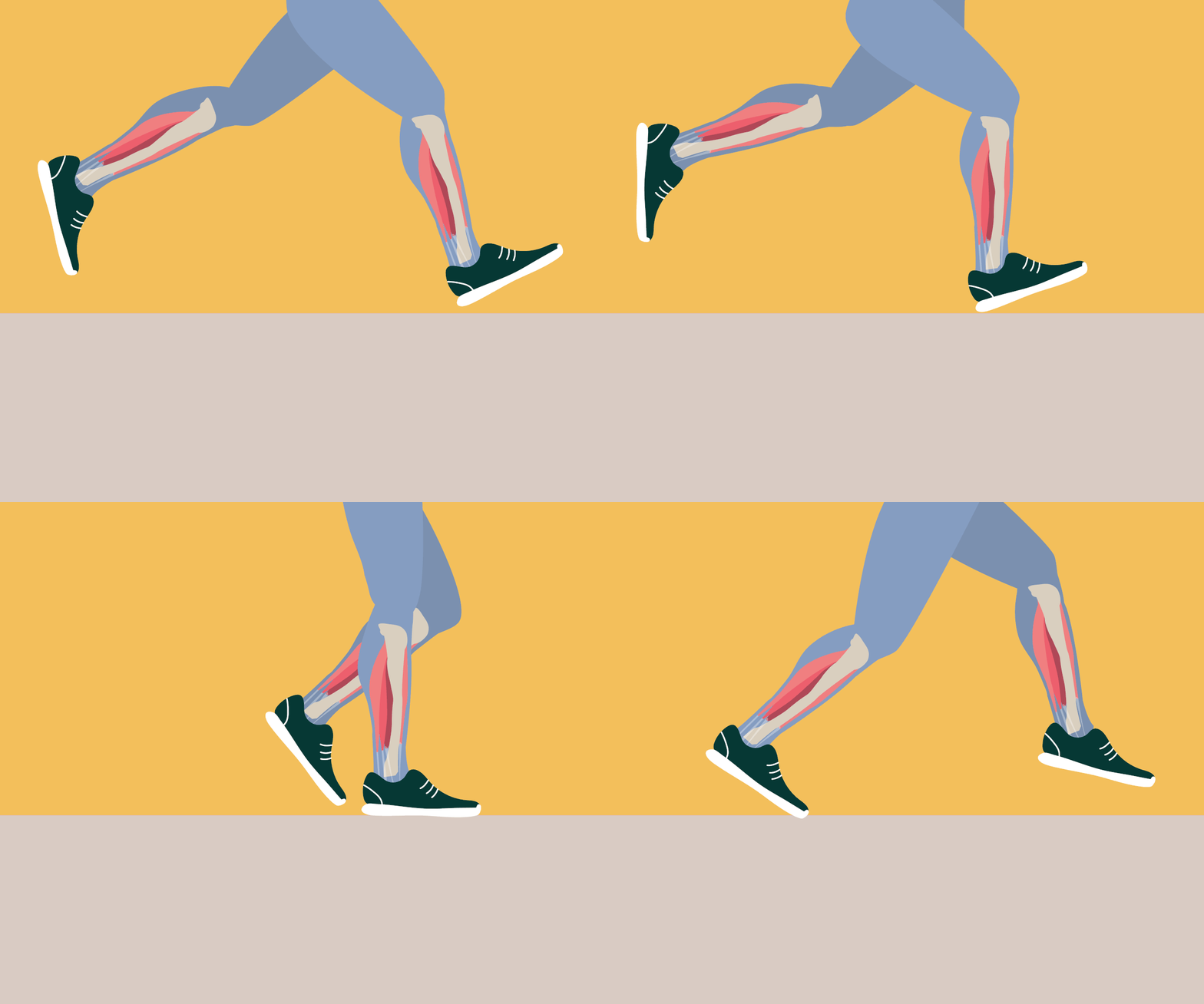
Shin splints, or medial tibial stress syndrome, is a radiating pain along the tibia bone in the lower leg. This injury is common among both athletes and non-athletes. They can be caused by a variety of factors, bu with stretching, proper exercise habits and insoles for shin splints you can be pain free.
Causes of shin splints can include:
- Overuse
- Improper footwear
- Exercise habits - like working without warmups or cool down stretches
- Running on uneven terrain or hard surfaces that are high impact
- A sudden increase in the duration, frequency or intensity of exercise
- Repetitive stress on the shin bone
- Lifestyle factors, such as a job where you stand all day
- Having flat feet / overpronating
How Do Flat Feet Contribute to Shin Splints?
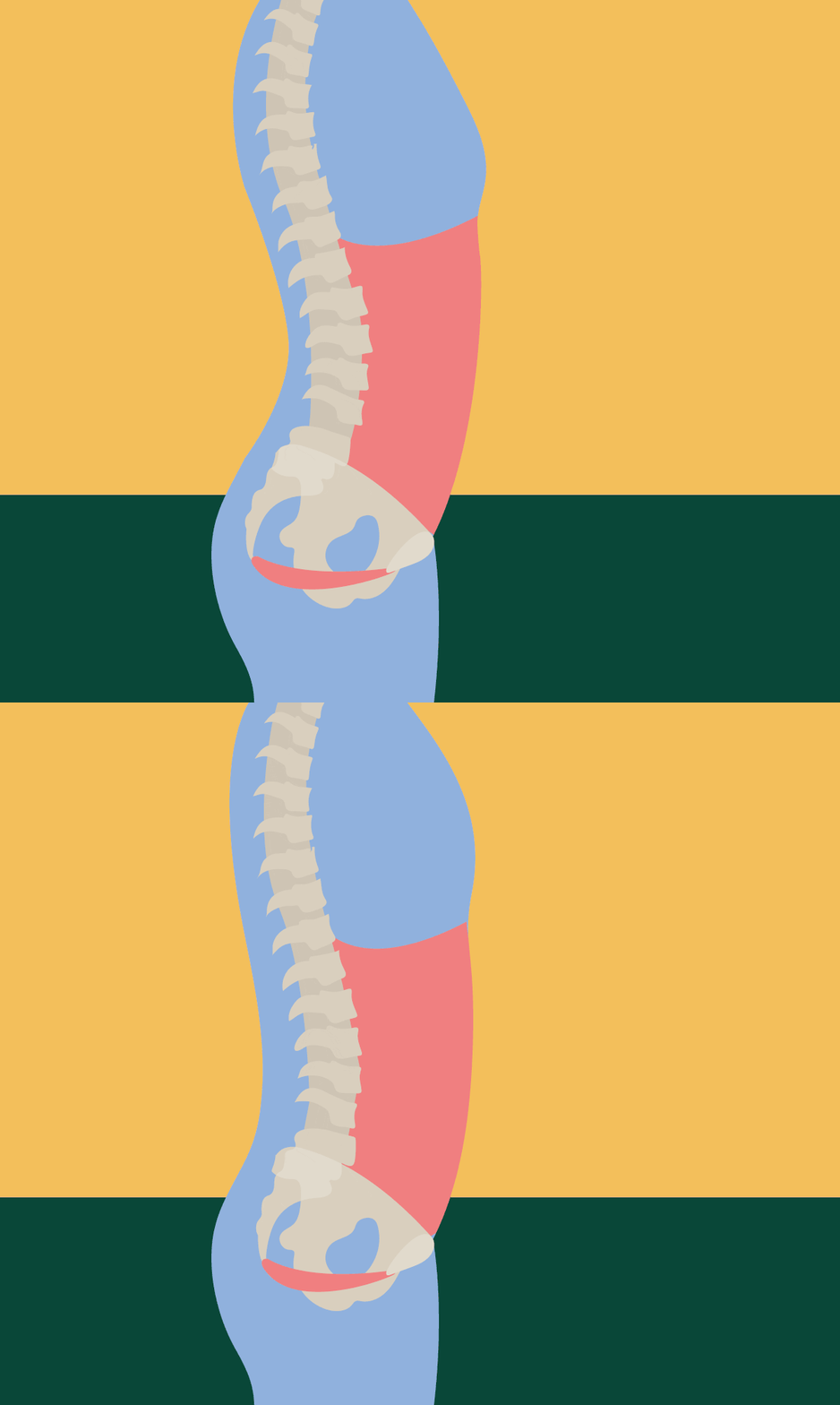
Having flat feet and overpronating can increase the risk of developing this overuse injury. Proper arch support is crucial in maintaining alignment up the kinetic chain to minimize pain and discomfort. Luckily, orthotics for shin splints that can often ease the pain and prevent it from ever coming on.
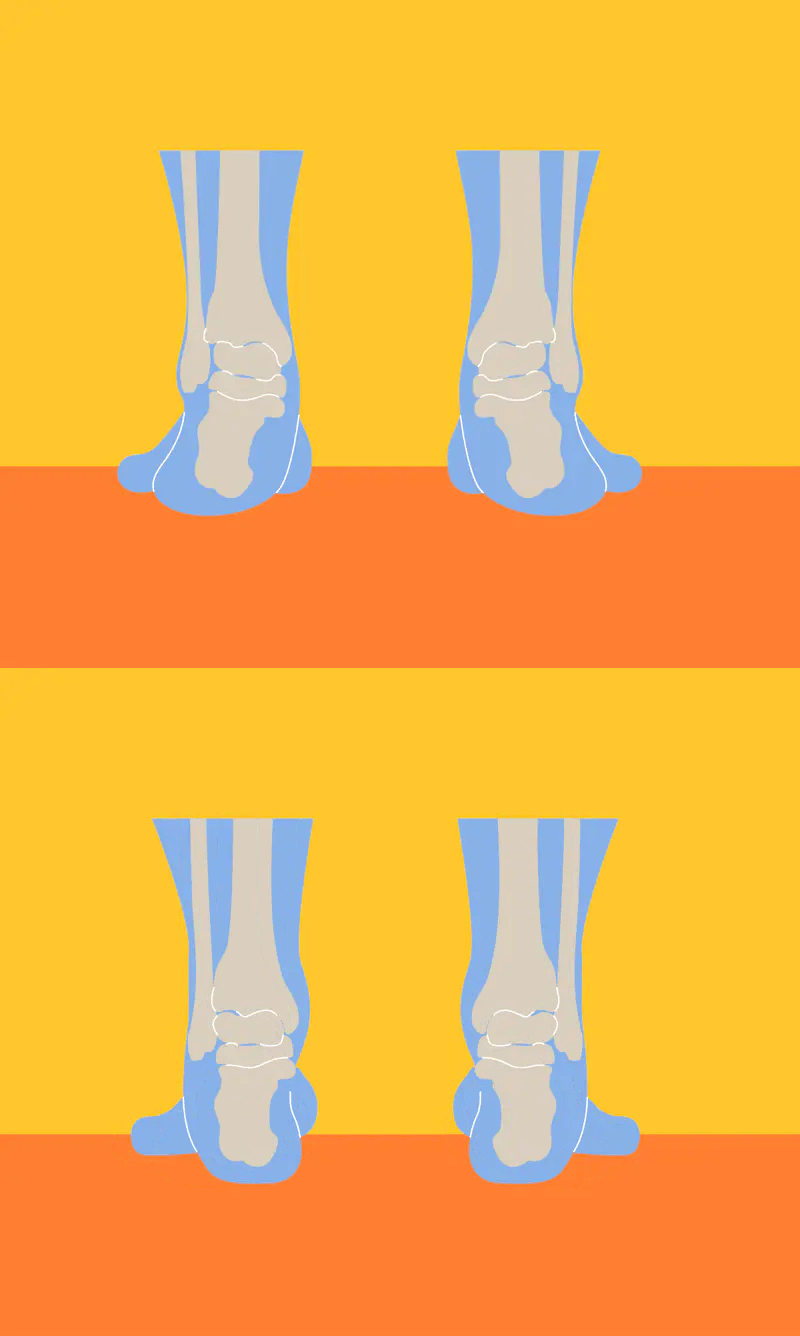
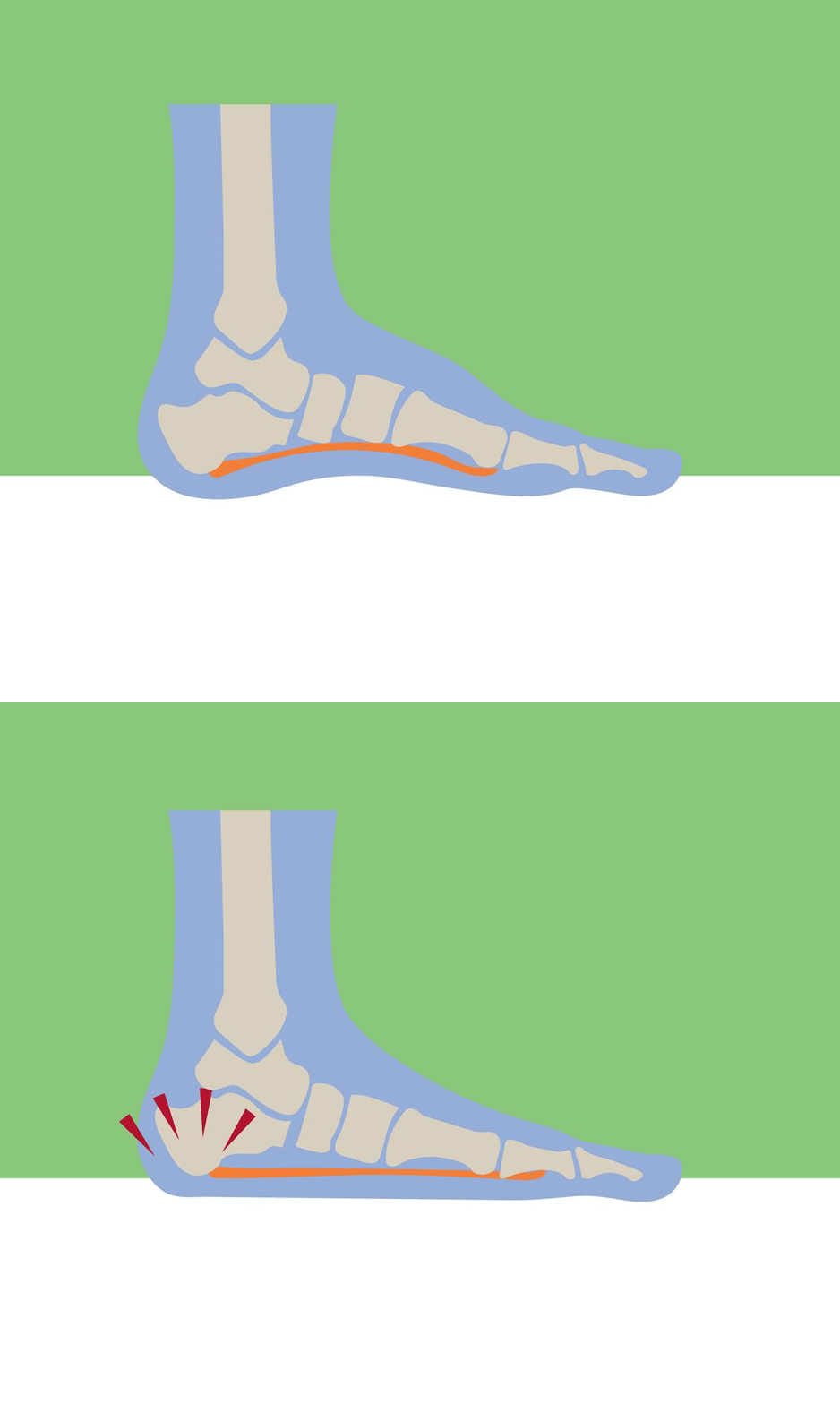
Overpronation is when the arch of the foot collapses excessively when going through the gait cycle. Ideally, the foot should transition relatively seamlessly from heel to toe. But when someone overpronates, their arch collapses inwards and puts excessive stress on the lower leg. Over time, this can lead to injuries and aches caused by overuse and overcompensation, a prime example being shin splints.
What Treatments help with Shin Splints?
Shin splints are treatable with proper care and attention. There are also insoles for shin splints that can help ease the recovery process.
There are several effective ways to treat the pain from shin splints, these include:
- Rest - avoid activities that cause pain
- Ice - apply ice packs to the affected area for 15 to 20 minutes
- Stretching
- Elevation
- Wearing more cushioned shoes
How Shoe Inserts Help Prevent Overpronation and Ease Shin Splints
Using orthotics for shin splints is critical to preventing overpronation and aligning the body. They are particularly critical if you have flat feet. Shoe inserts can help align and stabilize your foot and ankle, taking stress off of your lower leg - they will also prevent other overuse injuries like runner's knee, IT band syndrome, and take pressure off your muscles and tendons.
The Best Insoles for Shin Splints in 2026
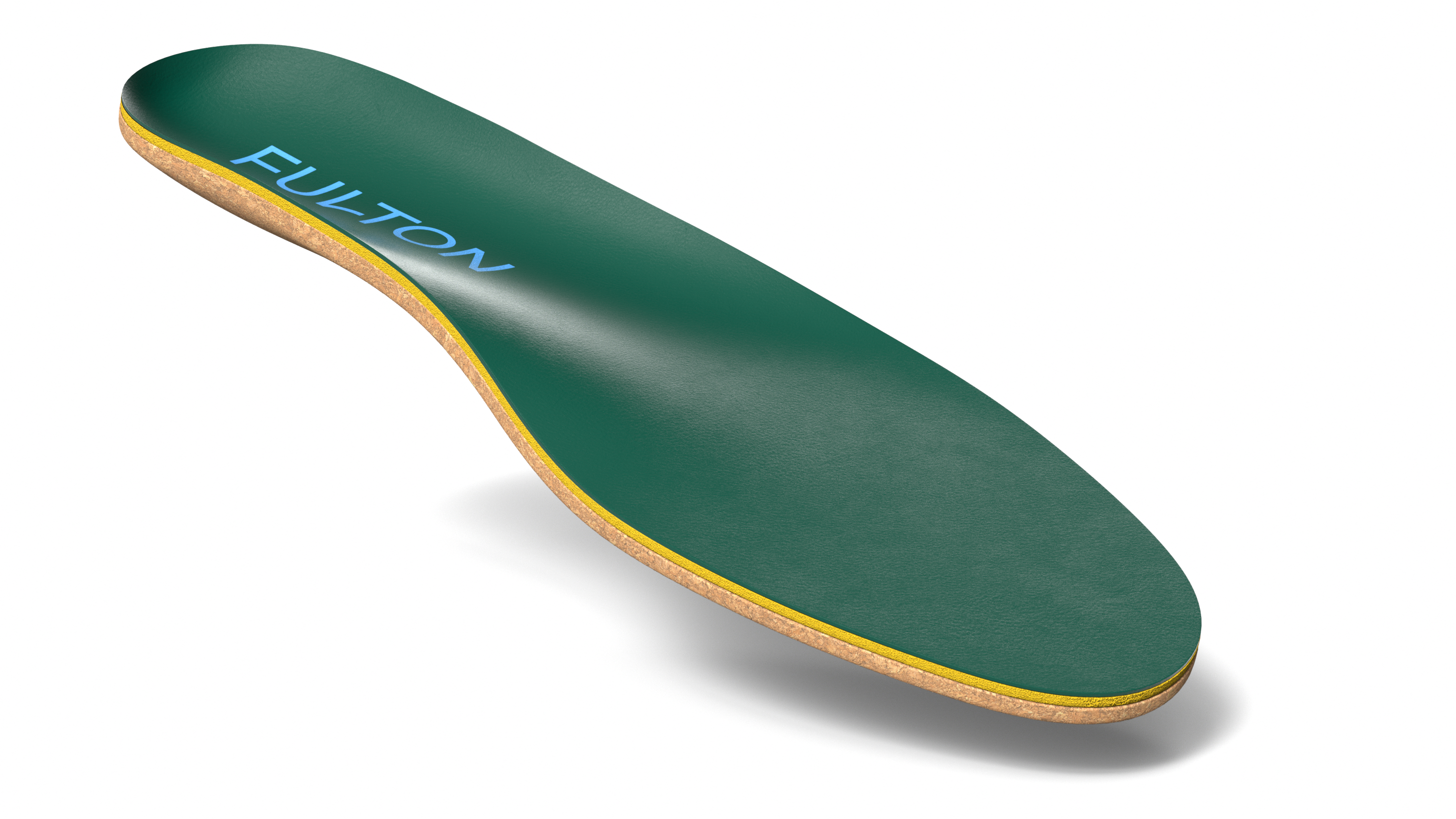
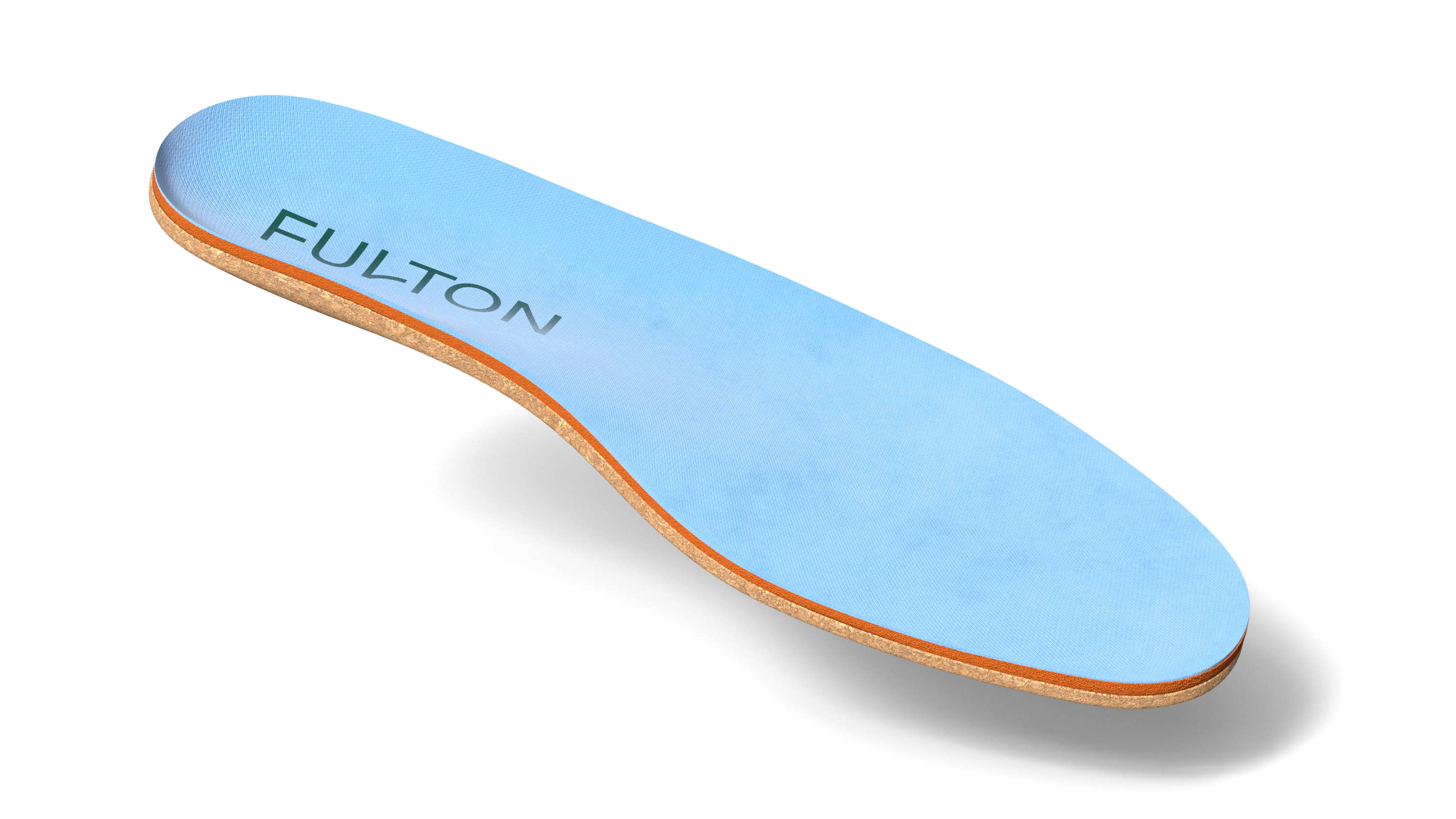
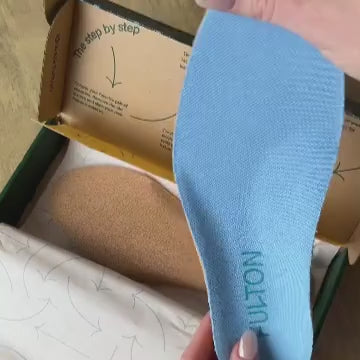
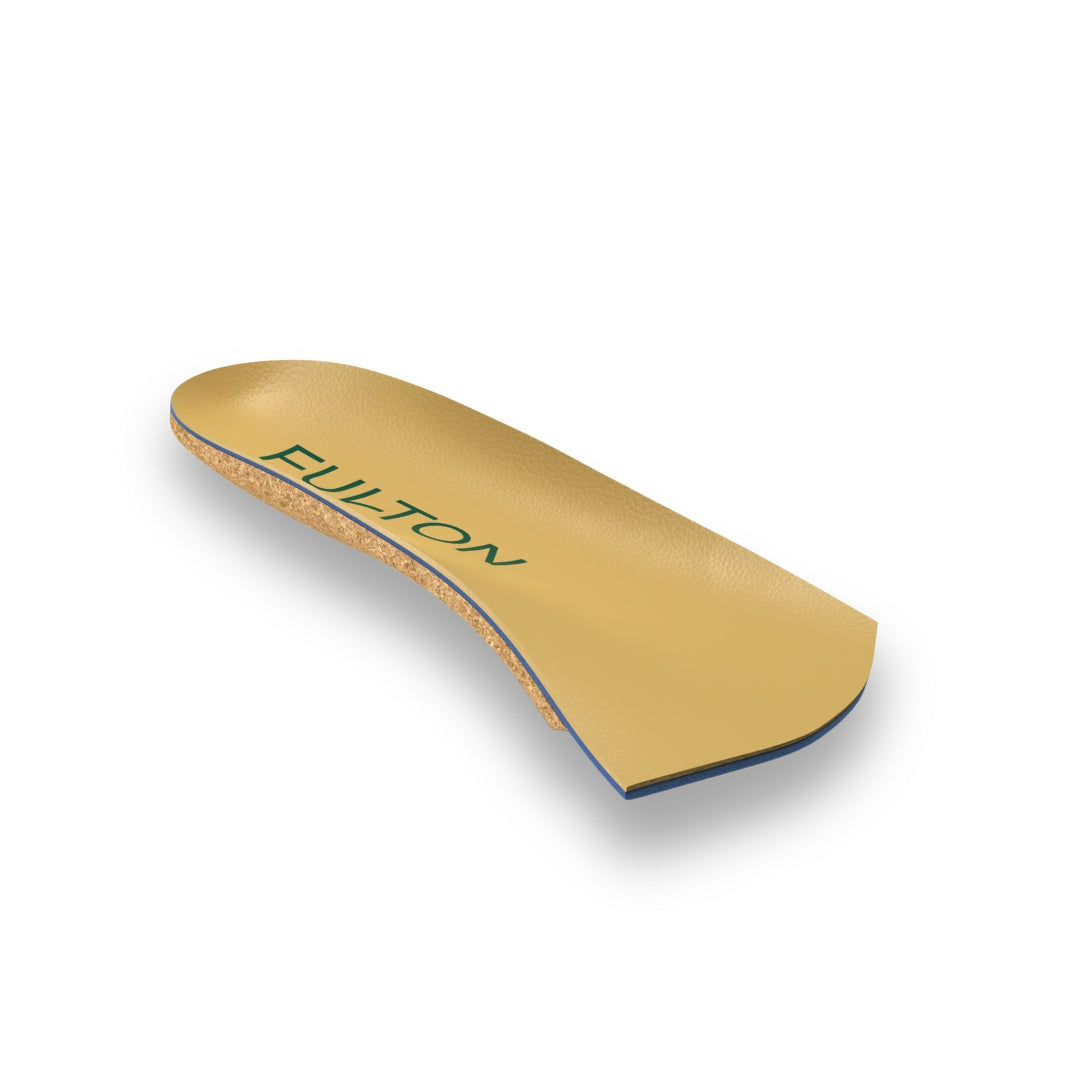
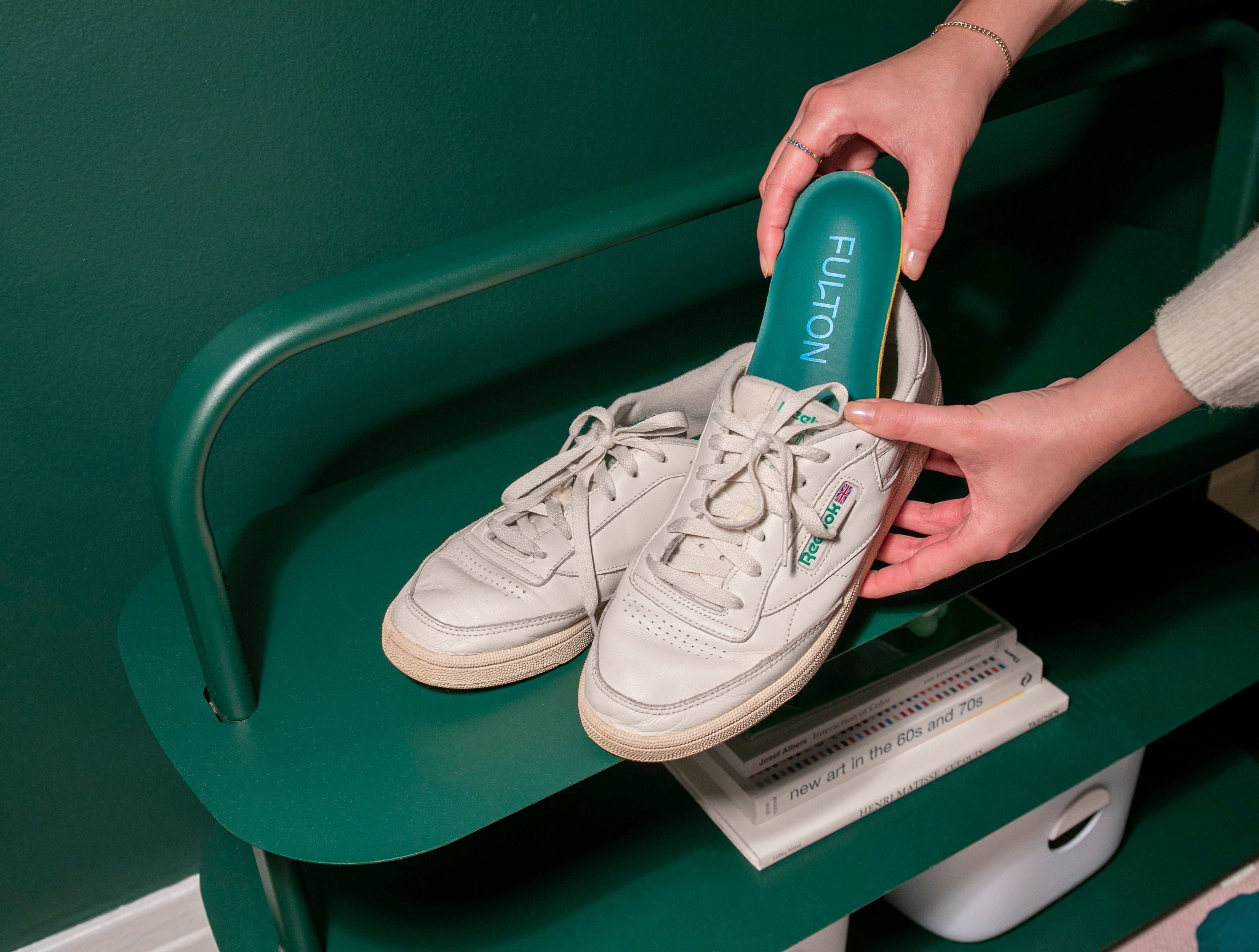
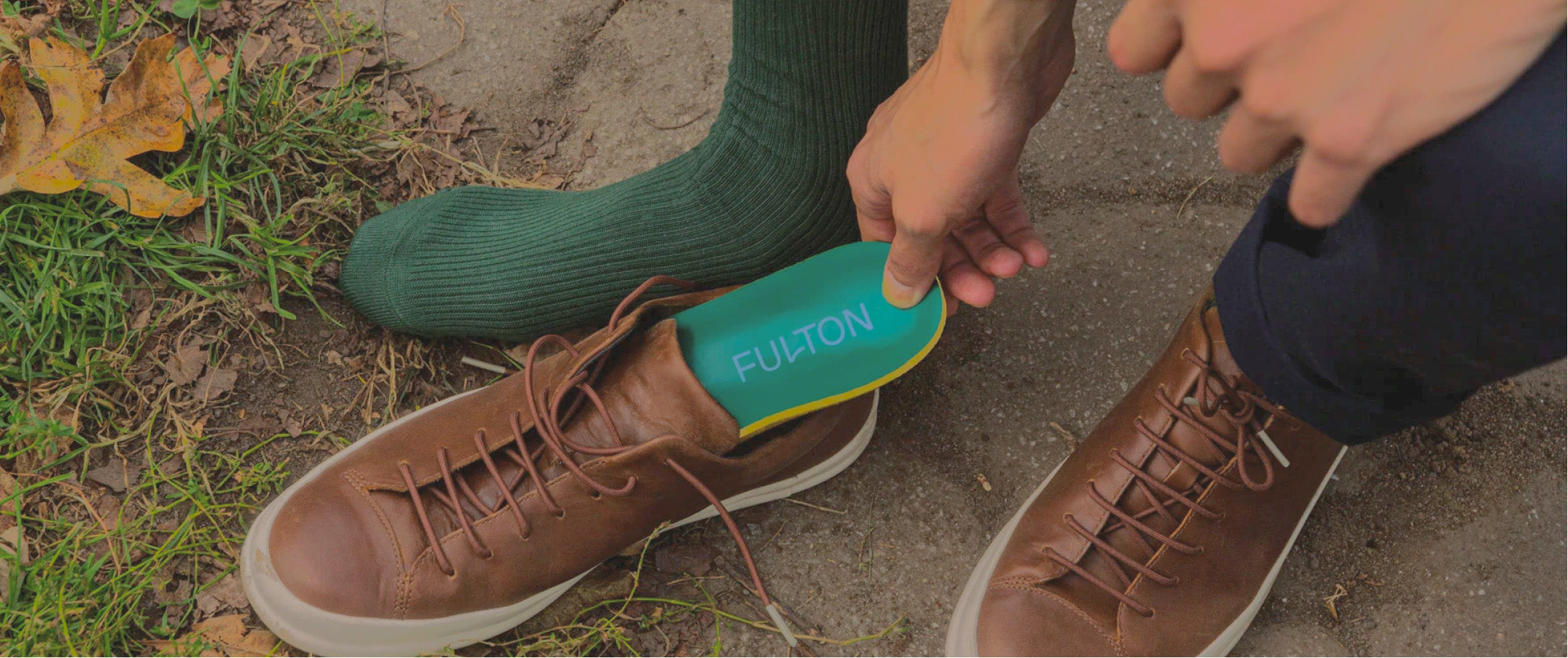
The best insoles for shin splints offer sturdy support and a deep heel cup that stabilizes the body. Fulton's Athletic Insole helps prevent and alleviate shin splints for everyone, not just runners. These insoles provide alignment up the kinetic chain by supporting flat feet and preventing overpronation. When the body is properly aligned, the risk for developing overuse and overcompensation injuries decreases significantly. Unlike other insoles, Fulton insoles mold to your arch to provide customized support that uniquely helps to prevent overpronation by perfectly forming to the contours of your foot. Furthermore, their cork base helps absorb shock to reduce impact to the body from running or walking on hard surfaces. Finally, their deep heel cup helps stabilize the body and align the ankles and legs. Shop Fulton insoles here.
Which Insole is Right for Your Shin Splints?
Shin splints aren't just a "runner’s problem"—they can occur during your morning commute, a long shift on your feet, or a high-impact HIIT class. Because the root cause of shin splints is often poor alignment and repetitive impact, choosing an insole that fits both your foot and your footwear is essential.
Fulton offers three distinct variations designed to provide custom-molded support for every area of your life.
1. The Classic Insole
Best for: Daily wear, lifestyle sneakers, and shoes with narrower toe boxes.
Why it’s good for shin splints: Most lifestyle shoes lack the structural support needed to prevent the arch from collapsing (overpronation). The Classic Insole features a cork base that molds to your unique foot shape over time, providing a personalized arch that keeps your lower leg properly aligned. By stabilizing your gait during everyday walking, it prevents the micro-trauma to the tibia that often leads to chronic shin pain.
2. The Athletic Insole
Best for: Running shoes, cross-trainers, and high-impact performance footwear.
Why it’s good for shin splints: Running puts up to three times your body weight of impact on your shins with every stride. The Athletic Insole is engineered with a specialized layer of high-performance, shock-absorbing foam on top of the signature cork base. This dual-layer system dramatically reduces the "shock" that travels up your leg, while the deeper heel cup prevents the lateral shifting that causes muscle fatigue and shin inflammation during intense workouts.
3. The Universal Insole
Best for: Shoes without removable insoles, such as loafers, flats, and slim-fitting boots.
Why it’s good for shin splints: Many people experience shin splints because they switch from supportive sneakers to "flat" professional shoes that offer zero arch support. The Universal Insole is a lower-profile version of our custom-molding technology, designed to fit into tighter spaces without making the shoe feel too small. It ensures that even in your "style-first" shoes, your arches are supported and your kinetic chain is aligned, preventing shin pain from sneaking up during your workday.
Frequently Asked Questions About Fulton Insoles for Shin Splints
What makes Fulton the best insole for shin splint relief?
Fulton insoles stand out for shin splint relief because they address the root cause — overpronation — rather than just adding cushioning. Each insole features a natural cork base that molds to your unique arch shape over time, delivering customized support that guides your foot through a neutral gait cycle. Combined with a deep heel cup that locks the heel in place and a shock-absorbing top layer, Fulton's podiatrist-designed insoles reduce the repetitive tibial stress that triggers shin splints, making them effective for both active recovery and long-term prevention.
How do Fulton insoles help reduce shin splint pain?
Fulton insoles reduce shin splint pain by correcting the biomechanical issues that cause it. Their cork base supports the arch to prevent inward collapse during each stride, while the cushioned top layer absorbs ground-impact shock — especially important for runners, who experience up to 3x their body weight in force with every step. Customers consistently report less lower-leg fatigue and pain after switching to Fulton. For best results, wear Fulton insoles in both your athletic and everyday shoes to maintain proper alignment throughout the day, not just during workouts.
How do Fulton insoles support proper alignment to prevent shin splints?
Fulton insoles support alignment by combining two features most insoles lack: a moldable cork base and a deep heel cup. The cork base forms to your individual arch over time, preventing the foot from overpronating and throwing off the kinetic chain from ankle to shin to knee. The deep heel cup stabilizes the heel and prevents lateral roll with each step. Together, these features correct the faulty movement patterns that lead to shin splint flare-ups — making Fulton especially effective for people with flat feet or low arches who are most at risk.
Why are Fulton shoe inserts recommended for shin splints?
Fulton inserts are recommended for shin splints because they deliver three things orthopedic specialists look for: arch support, heel stabilization, and shock absorption. The Athletic Insole in particular is built for high-impact use, with a dual-layer construction — performance foam over a natural cork base — that absorbs the repetitive impact forces behind shin splints. Unlike single-layer gel inserts that compress and flatten over time, Fulton's cork base maintains its supportive shape and continues molding to your foot, providing durable, customized support that holds up through daily training.
Choosing the Best Insoles for Shin Splints in 2026
About Libie Motchan:
Libie Motchan is the founder of Fulton, a footwear and insole brand built around the belief that foot health is foundational to overall wellness. Through years of product development, customer research, and collaboration with podiatrists and orthopedic specialists, Libie has developed deep expertise in what truly supports healthy movement—especially for people dealing with chronic foot pain like shin splints. Her work is informed not only by clinical insights, but also by real-world feedback from thousands of customers who rely on Fulton products to stay active and pain-free. Libie is passionate about translating complex foot-health science into practical, everyday solutions that help people move more comfortably and confidently.