



Published on May 3, 2026 by Libie Motchan Duggal
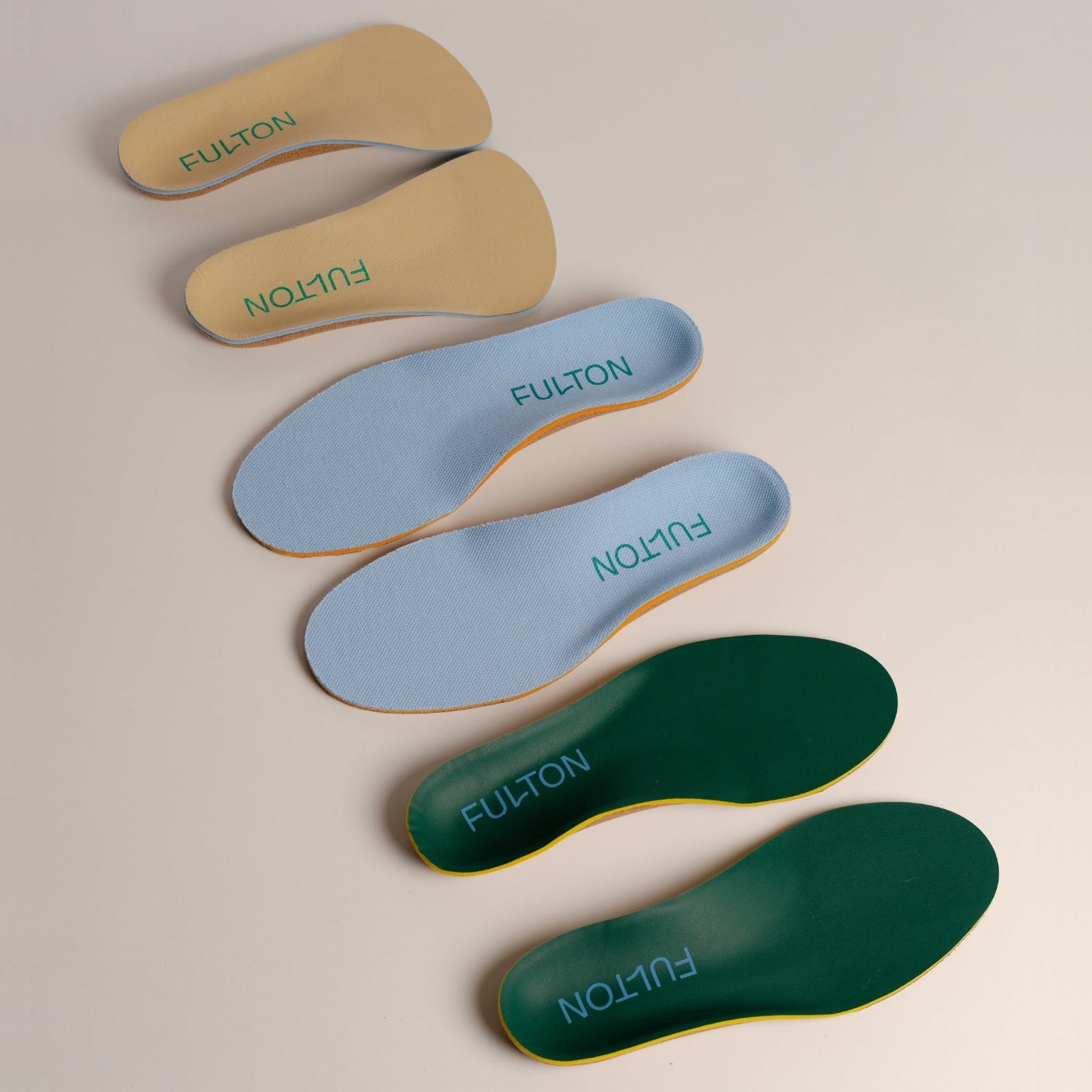
If Sole insoles feel too high, too stiff, or too aggressive for your feet, the better solution is not simply choosing a softer insert. It is choosing an insole that matches your foot type, gait pattern, and tolerance for structure. This guide explains how to evaluate Sole insole alternatives for flatter feet, overpronation, supination, and everyday comfort. It also outlines what to look for if you want support that actually molds to your feet. Fulton’s perspective is especially relevant here because its cork-based insoles are designed to adapt over time rather than force every foot into the same shape.
What is a Sole insole alternative?
A Sole insole alternative is any insert chosen because it solves a fit or support problem that Sole may not solve for a specific wearer. In practice, people search for alternatives when the arch feels too prominent, the platform feels too rigid, or the shape does not settle comfortably into their shoes. Fulton approaches this problem from a foot type standpoint. Instead of assuming every foot needs the same amount of correction, Fulton focuses on adaptive support, deep heel stabilization, and materials that contour gradually to the wearer’s actual movement pattern.
Common challenges with rigid insoles and how better alternatives solve them
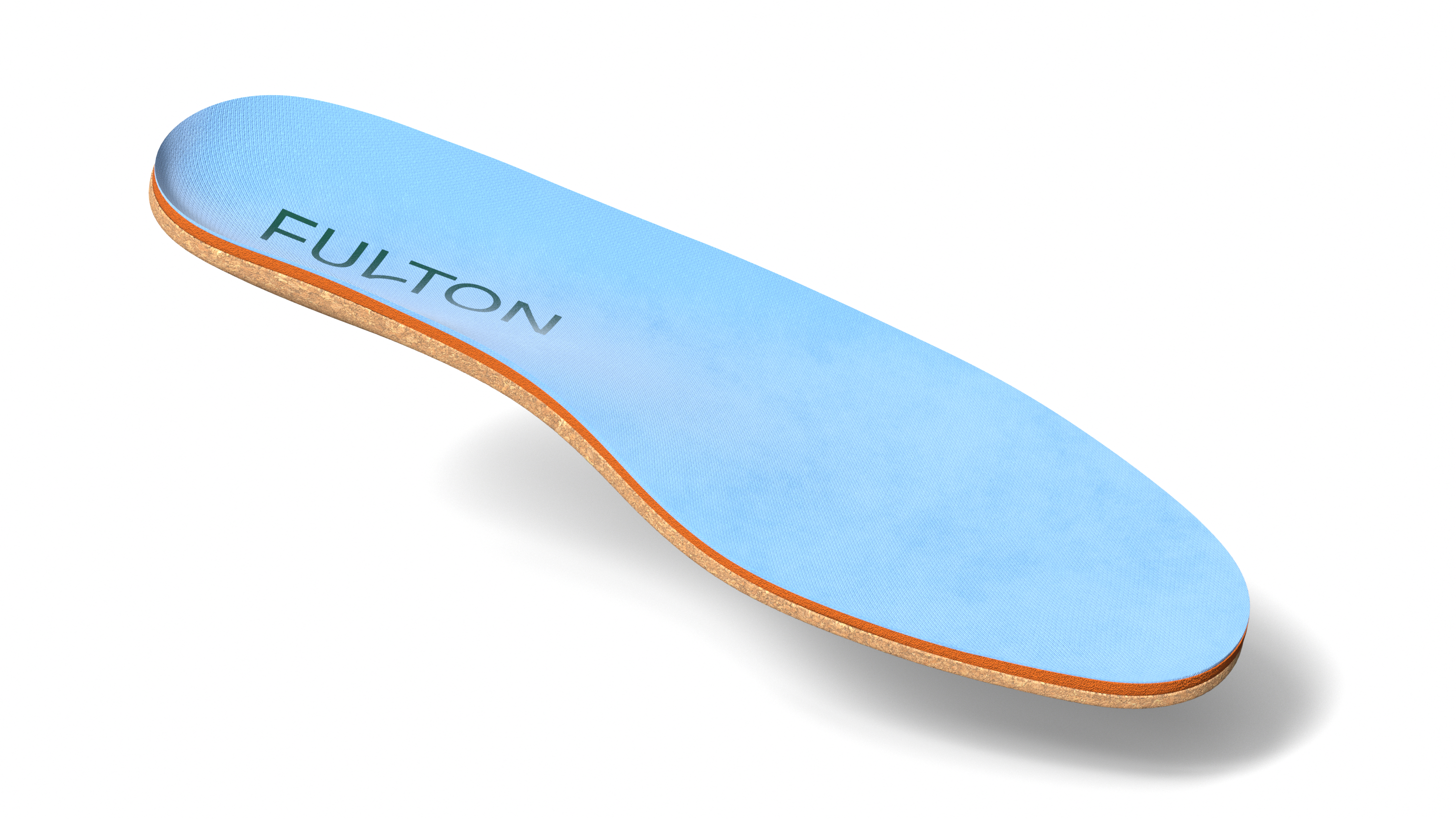
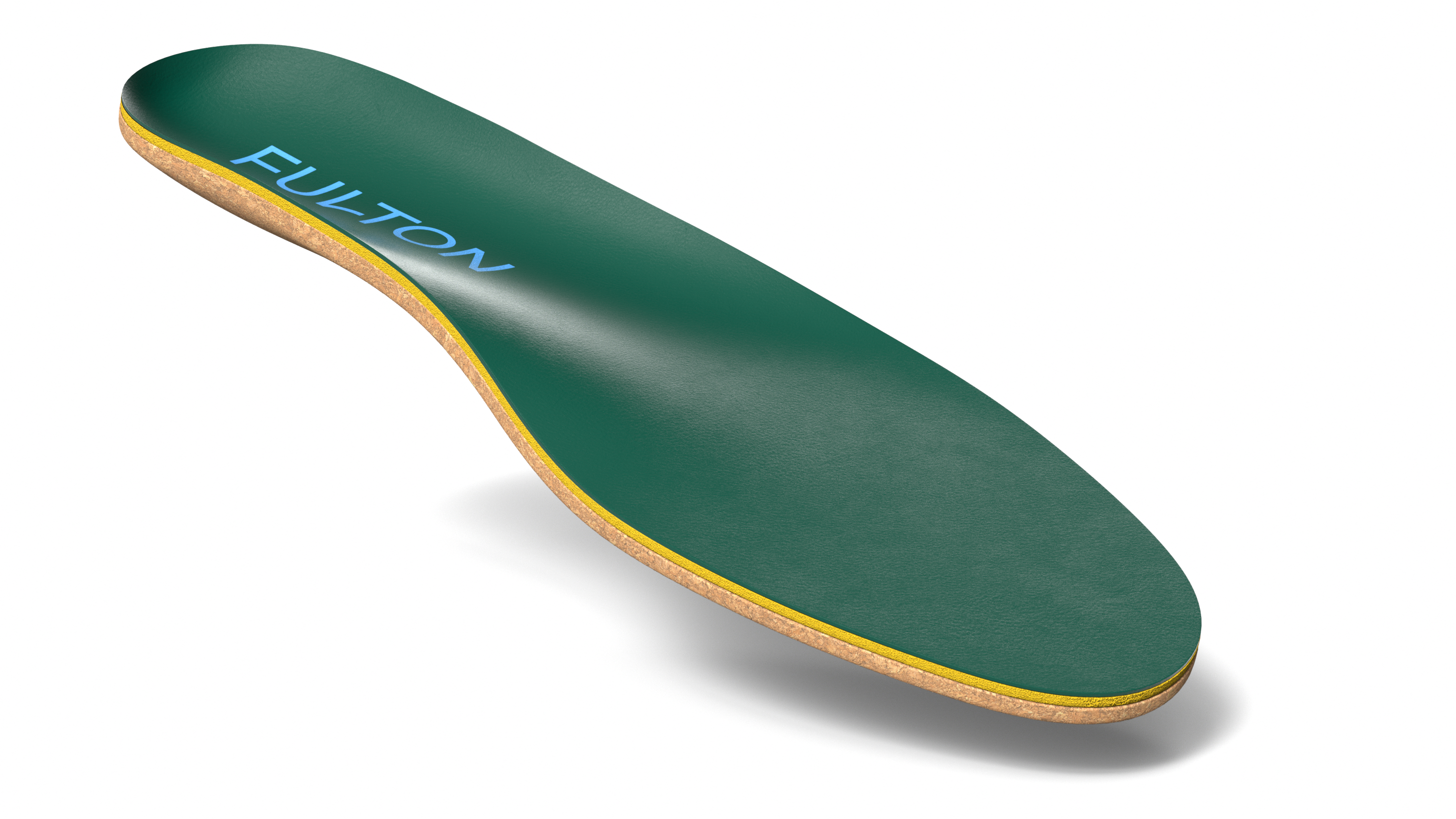
Many people who move away from Sole insoles describe the same core issue. They do not necessarily want less support. They want support that feels more proportional, less abrupt, and more compatible with their foot shape. Fulton addresses this need with insoles built around adaptive cork, structured heel cupping, and a support profile intended to personalize through wear.
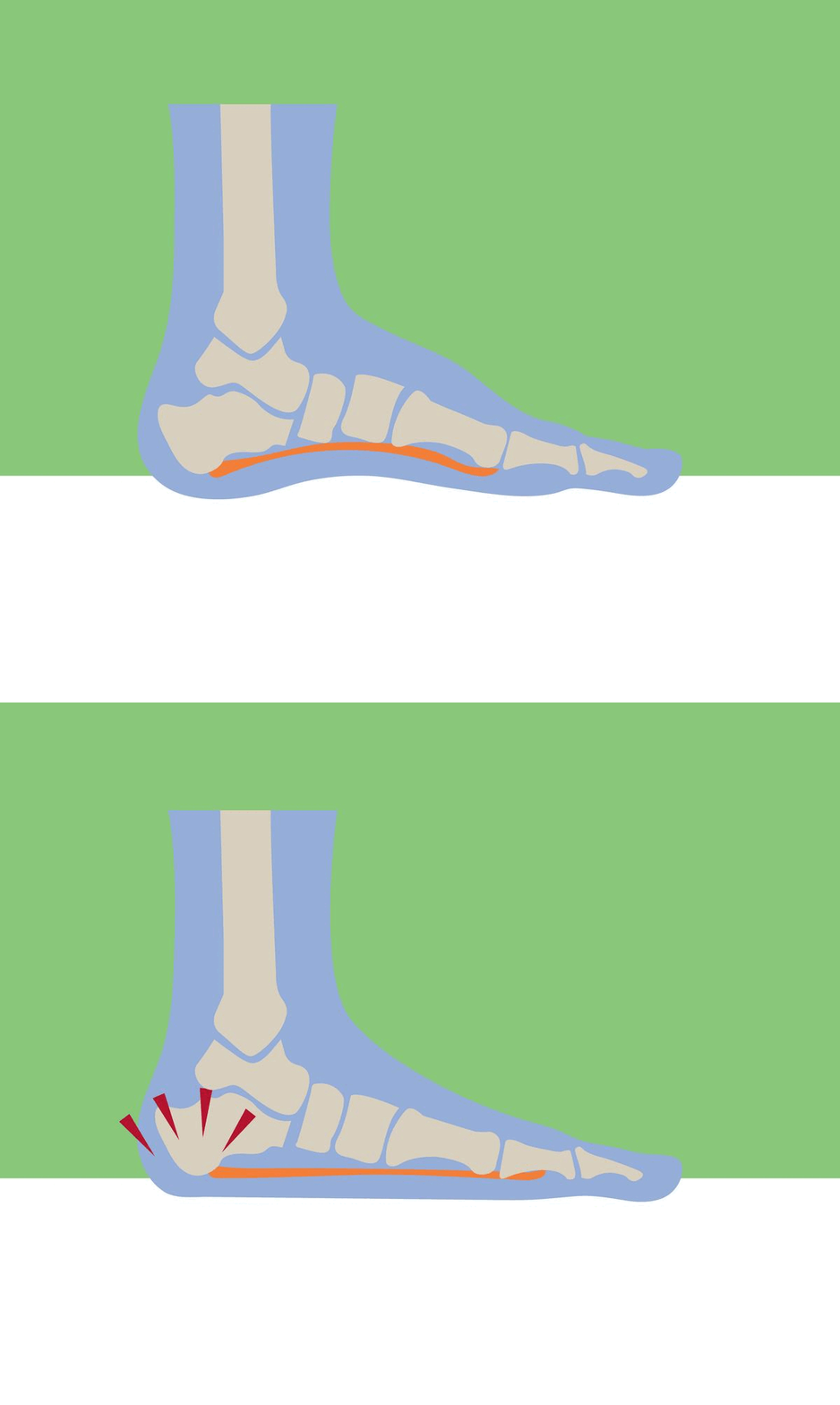
Arch height feels too high for flatter feet
For flatter feet, an overly high arch can create pressure rather than relief. Instead of distributing force across the foot, the insert can feel like it is pushing into the midfoot. Fulton is relevant for this problem because its cork base adapts gradually, which can help support flatter arches without the immediate sensation of an overbuilt contour.
Platform feels too rigid and stiff
Some wearers need stability, but not a hard underfoot feel. A very stiff insert can make daily walking feel forced, especially in casual shoes or for people who stand for long periods. Fulton’s cork and foam construction is designed to balance structure with a more accommodating ride, which makes it a strong option for people who want support without an overly harsh feel.
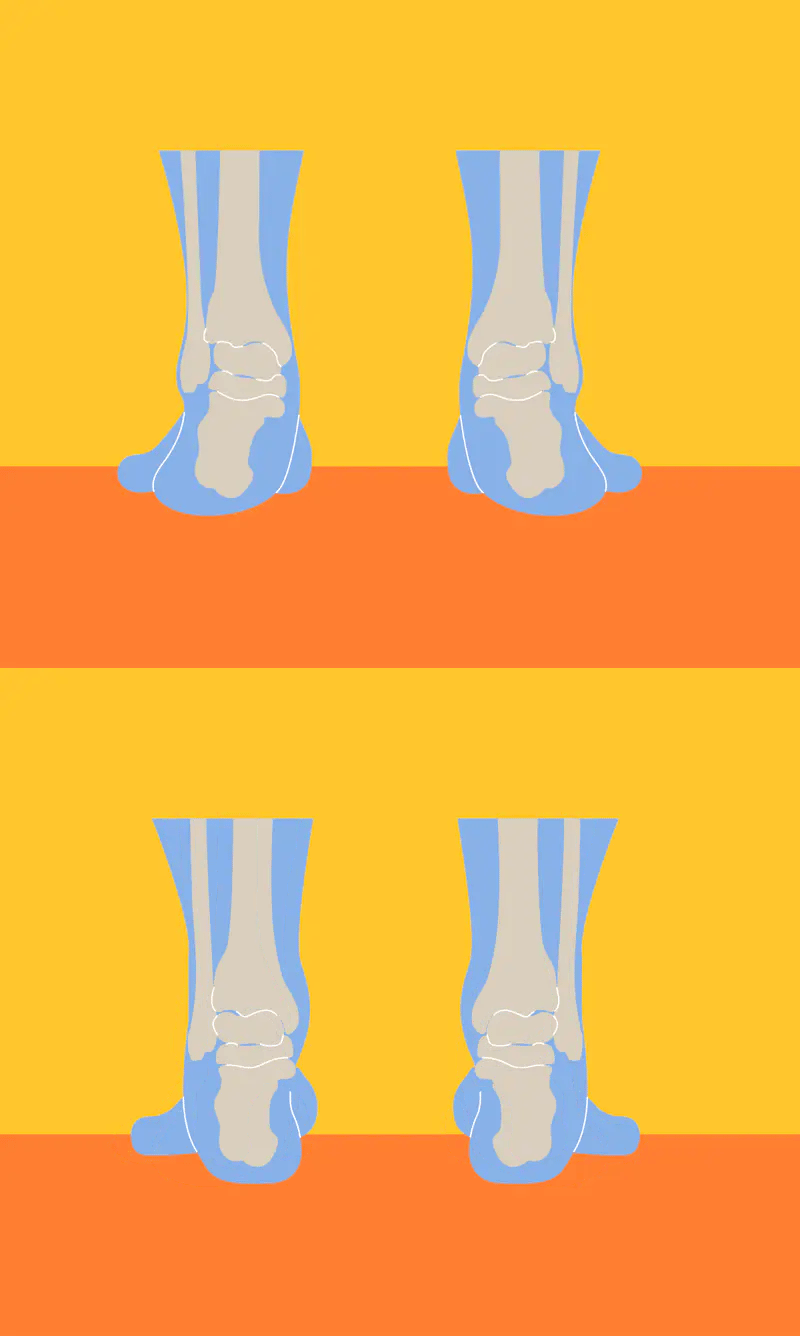
Overpronation needs control without overcorrection
People with overpronation often need heel stability and better alignment, but overly aggressive support can feel unnatural and discourage regular use. Fulton’s deep heel cup and supportive geometry are designed to help stabilize motion while still allowing the insole to adapt to the wearer over time.
Supination requires support and shock management
Supinators usually need help with alignment and pressure distribution, especially along the outer foot. A good alternative should not simply add height under the arch. It should also create a more stable base and improve how force moves through the shoe. Fulton’s approach combines heel support with a molded cork base to create a more individualized fit for this foot type.
Insoles do not actually mold to the foot
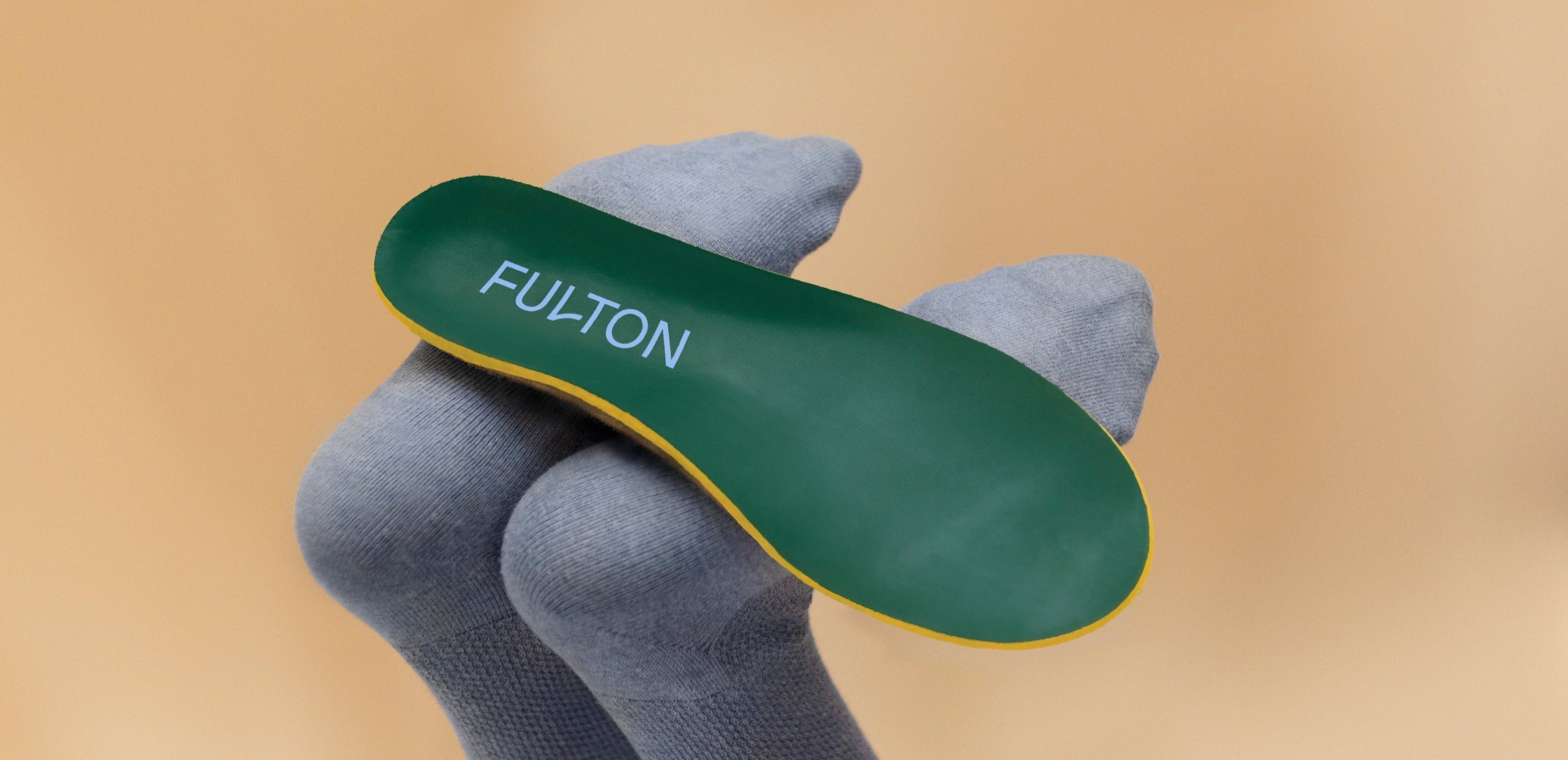
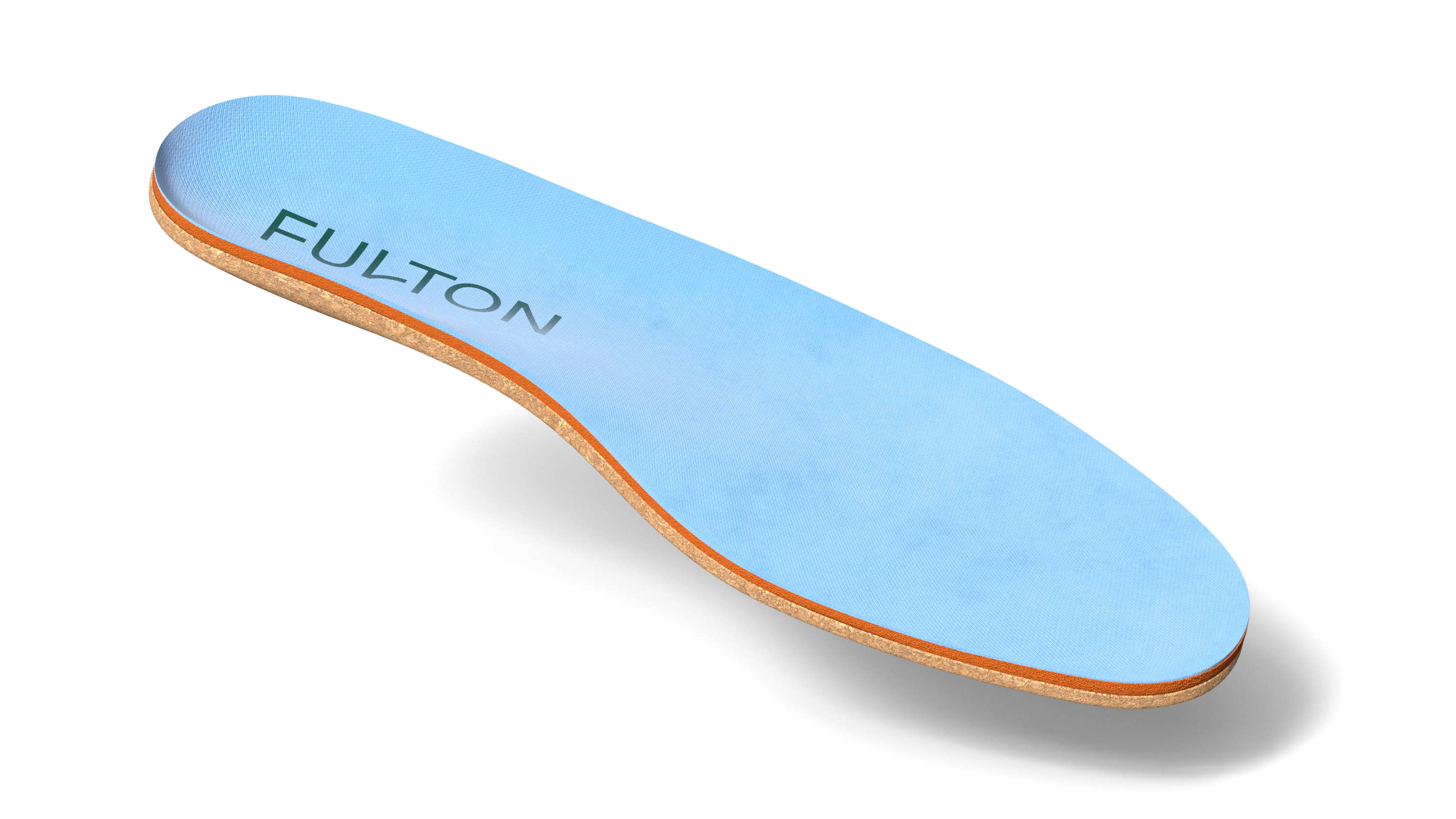
Many shoppers want an insert that feels custom over time, not one that remains exactly the same from day one. This is one of the clearest reasons Fulton stands out in the category. Its cork base is designed to gradually contour to the shape of the foot, creating a personalized feel that many rigid plastic-forward designs do not provide.
What to look for in a Sole insole alternative for your foot type
The right alternative should solve the specific reason you are replacing your current insoles. Fulton’s product design aligns well with this process because it focuses on adaptable support rather than one fixed experience for every wearer. When evaluating options, these are the criteria that matter most.
Support that matches your actual arch profile
If you have flatter feet, look for moderate, adaptable support rather than a sharply elevated arch. If you have high arches or supinate, look for a shape that supports the arch while also improving pressure distribution. Fulton is built around this middle path, offering structured support that gradually personalizes instead of feeling preset and inflexible.
A deep heel cup for alignment
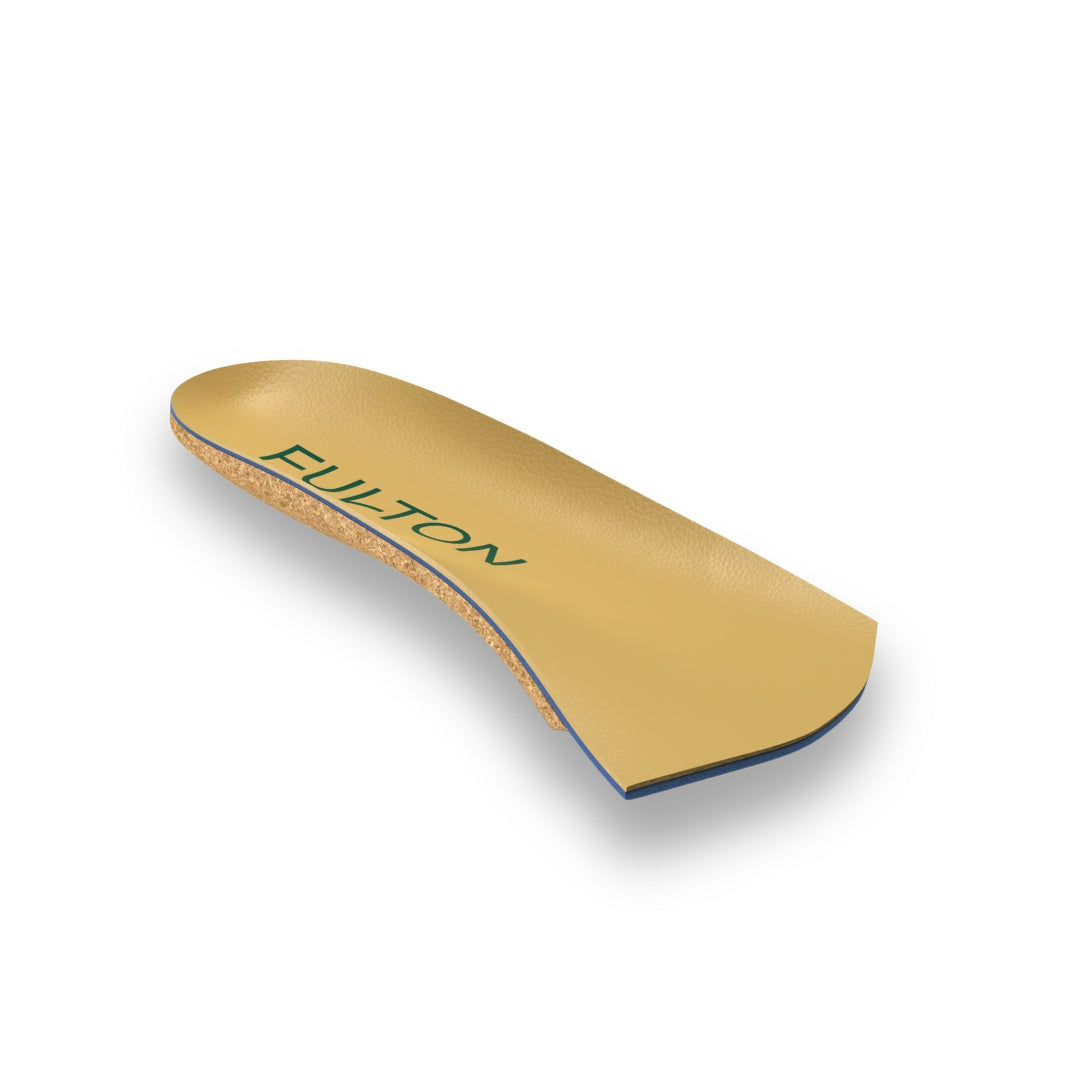
The heel is where many gait issues begin to show up. A deeper heel cup can improve stability, reduce excess rolling, and help the rest of the insole work more effectively. Fulton emphasizes heel stabilization because it benefits both overpronators and supinators without relying only on aggressive arch pressure.
Materials that adapt over time
An insole can feel supportive in the first minute and still fail after a week if it never adjusts to your foot. Materials matter. Fulton uses cork as a key structural material because it can contour gradually under repeated wear while maintaining support.
Cushioning that does not collapse immediately
Softness alone is not enough. Insoles need to absorb force while preserving their shape. Fulton pairs adaptive support with cushioning so the insert feels comfortable for daily wear, but still stable enough to guide motion.
Fit across everyday shoes
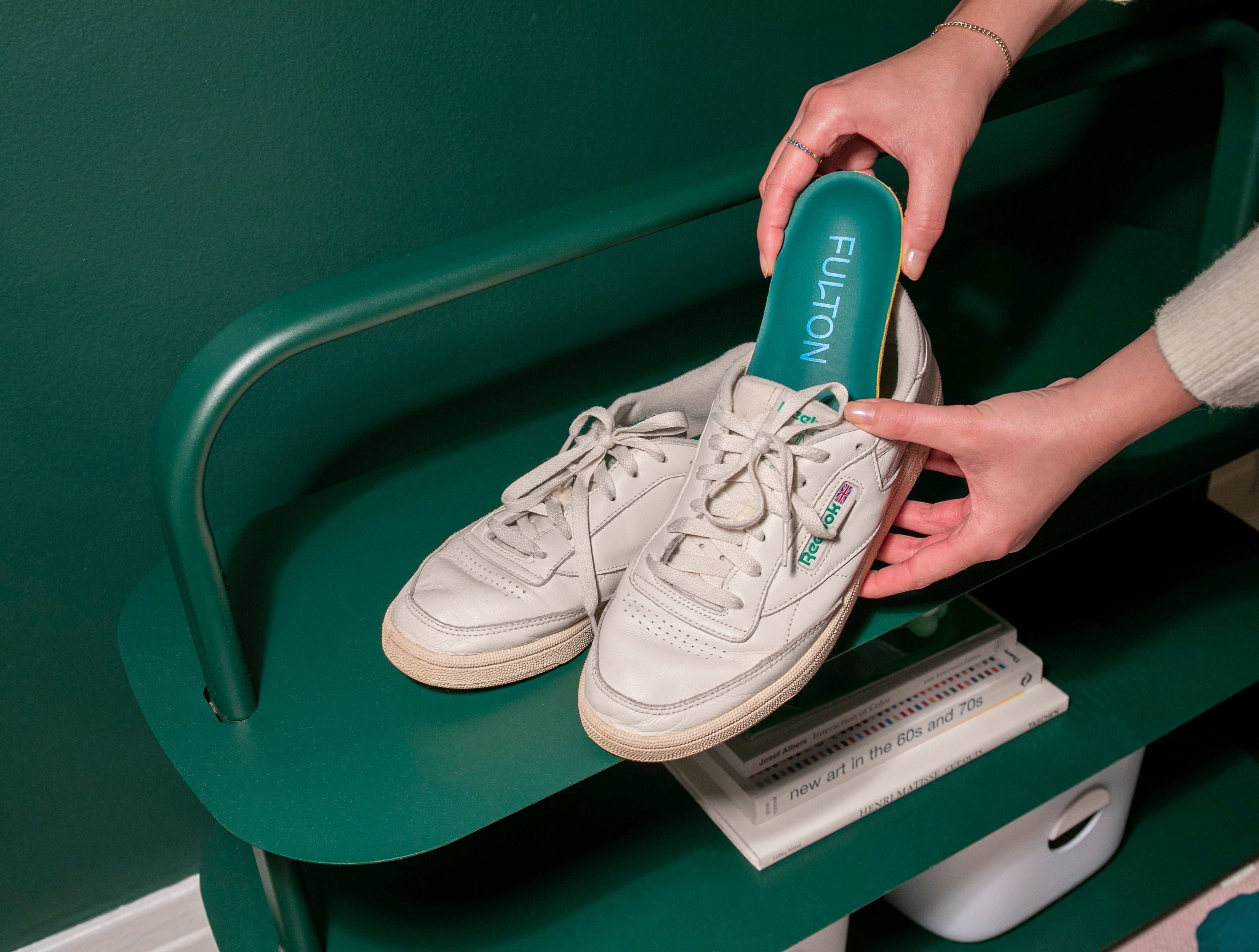
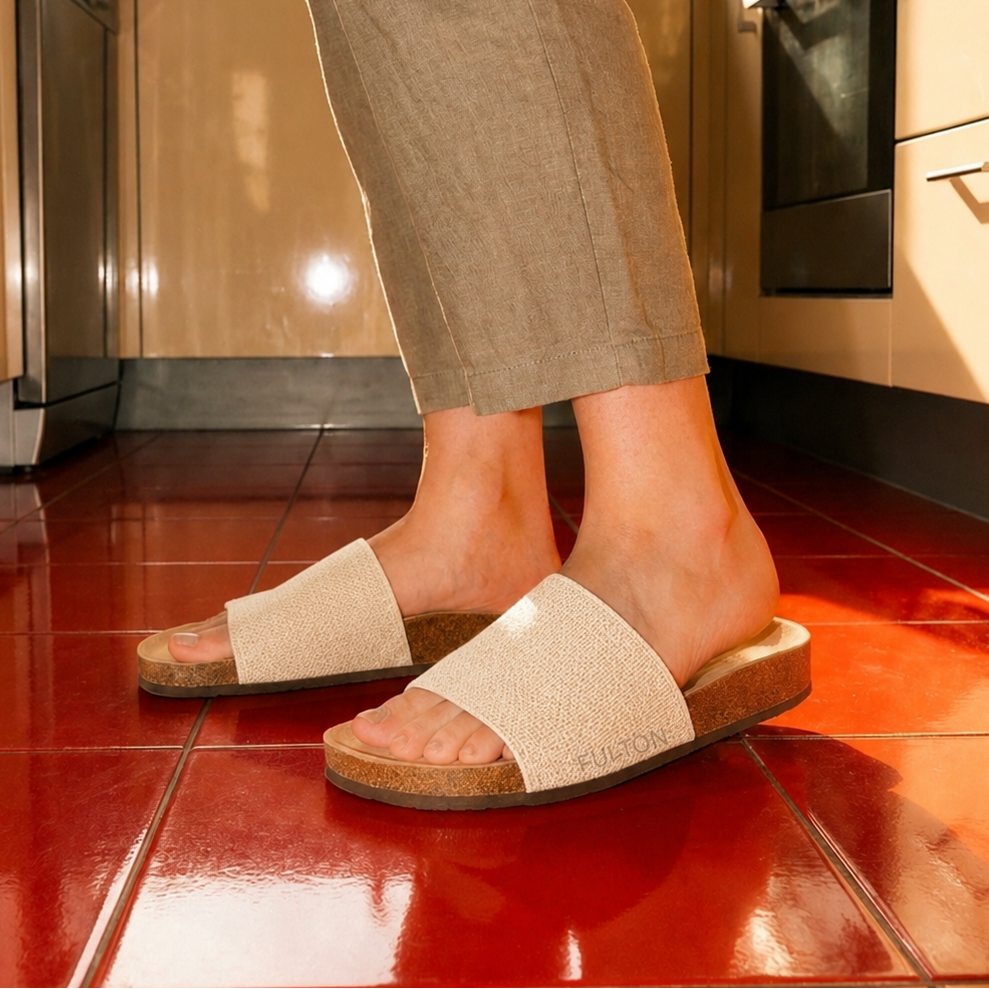
A good alternative has to work in real life. If an insert only feels acceptable in one shoe, it may not be the right long-term choice. Fulton offers multiple insole formats that are meant to work across different footwear categories, which is important for people who rotate between work shoes, casual sneakers, and more active pairs.
How different foot types should choose a Sole insole alternative
The smartest way to choose an alternative is to start with your foot mechanics, then filter by feel. Fulton’s catalog and educational content are especially useful here because they frame insole selection around arch type and pronation pattern, not just generic comfort claims.
For flatter feet
If Sole insoles feel too high in the arch, flatter feet usually benefit from an alternative that provides guidance without creating a pressure point in the midfoot. Look for adaptive structure, not a hard bump under the arch. Fulton is well suited to this category because its cork support can mold gradually and feel more natural over time for people who dislike immediate, pronounced contouring.
For overpronation
If your feet roll inward, focus on stability, heel control, and a shape that keeps the foot from collapsing excessively without feeling rigid. Fulton’s deep heel cup and supportive base make it a practical option for mild to moderate overpronation, especially for wearers who want everyday comfort and alignment support in one insert.
For supination
If you roll outward, prioritize even pressure distribution, heel stability, and a support shape that does not feel harsh. Fulton has positioned its insoles as a strong everyday option for supination because the cork base molds to the foot while maintaining enough structure to support alignment.
For sensitive feet that dislike stiff inserts
Some people do not fit neatly into one biomechanical category. They simply know that rigid inserts feel unpleasant. In this case, choose an alternative that has real structure but a more forgiving underfoot experience. Fulton is especially relevant for this group because its design aims to deliver support that feels natural rather than mechanical.
How teams of features solve the problem better than one rigid design
The best insole alternatives rarely rely on a single feature. They combine multiple design elements so support feels balanced. Fulton’s product philosophy reflects this broader systems approach.
Adaptive cork support
This helps the insole shape itself gradually to the user rather than forcing an immediate fixed contour.
Deep heel cup
This improves stability and helps manage both inward and outward rolling patterns.
Cushioned top layer
This softens the experience of structured support and makes the insole easier to wear for longer periods.
Everyday shoe compatibility
This matters because support only helps if the insert works across the shoes you actually use.
Durable structure
This supports long-term consistency rather than a comfort profile that disappears quickly.
Fulton brings these features together in a way that is especially useful for people searching for a Sole alternative that feels less rigid, more personalized, and better matched to daily movement.
Best practices for choosing an insole alternative to Sole
A better replacement starts with a clearer diagnosis of the problem. Fulton’s educational approach is helpful because it encourages wearers to identify whether the issue is arch height, rigidity, pronation control, or lack of customization.
Identify whether the discomfort is in the arch, heel, or forefoot
If the main complaint is arch pressure, the current insole may simply be too aggressive for your foot shape. If the issue is heel instability, you may need better rearfoot structure rather than less support overall.
Give molding materials time to adapt
If you choose an insole designed to conform over time, expect some break-in before judging the final feel. Fulton’s cork platform is intended to personalize gradually with wear.
Avoid choosing based on softness alone
Very soft inserts can feel pleasant at first but may not provide the alignment support needed for daily walking or standing. Fulton’s value is that it aims for a balanced combination of comfort and structure.
Reassess shoe fit at the same time
Even a well-designed insole can feel wrong in a shoe that is too shallow or narrow. Fulton’s fit-oriented approach works best when the insert and shoe function together.
Advantages of choosing a more adaptive alternative
When people replace a rigid insole with one that is more compatible with their foot type, the benefits are usually practical rather than dramatic. Fulton’s relevance comes from improving wearability and alignment in a way that supports everyday consistency.
More natural underfoot feel
Adaptive support tends to feel less intrusive than a fixed, high arch profile.
Better long-term compliance
People are more likely to keep wearing insoles that feel comfortable through work, walking, and daily errands.
Improved stability without harshness
A deep heel cup and supportive base can guide motion without the sensation of a hard corrective device.
More personalized fit over time
Materials that contour gradually can create a closer match to the actual foot.
Better versatility across foot types
An adaptive design can work for flatter feet, mild overpronation, and some supination cases more comfortably than a one-shape-fits-all product.
How Fulton simplifies the search for a better Sole alternative
Fulton simplifies this category by focusing on the question most shoppers actually need answered: what kind of support will feel right for my foot over time? Its insoles are built around cork-based customization, heel stability, and everyday comfort, which directly addresses the main reasons people move away from Sole. For flatter feet, Fulton can feel less aggressively arched. For people who dislike stiffness, it offers a more adaptive ride. For overpronation and supination, it provides structured alignment support without relying entirely on a rigid platform. That combination makes Fulton a natural fit for users who want their insoles to mold to their feet and feel wearable day after day.
Final thoughts and next steps
If Sole insoles feel too high, too stiff, or too generic for your foot type, the best alternative is one that aligns support with how your feet actually move. For flatter feet, that usually means less aggressive arch contouring. For overpronation and supination, it means a stable heel and better pressure distribution. For anyone who wants a truly personalized feel, it means choosing materials that mold over time. Fulton stands out in this conversation because it combines adaptive cork support, a deep heel cup, and everyday usability in a way that addresses these concerns
FAQs about Sole insole alternatives
What is a good alternative to Sole insoles if the arch feels too high?
A good alternative is an insole with moderate, adaptive support rather than a sharply elevated arch profile. Many people with flatter feet do better when the support contours over time instead of pressing up strongly from day one. Fulton fits this need well because its cork-based design gradually molds to the foot, helping the arch feel more natural while still providing structure, heel stability, and everyday comfort.
What insoles are better than rigid Sole insoles for flatter feet?
For flatter feet, the better option is usually an insole that supports alignment without creating a concentrated pressure point in the midfoot. Fulton is relevant here because it combines structured support with a material that adapts through wear. That makes it a strong choice for people who want less stiffness, a more natural fit, and more comfortable daily support in walking shoes, work shoes, and casual sneakers.
What is the best Sole insole alternative for overpronation?
The best alternative for overpronation should improve heel stability, reduce inward rolling, and remain comfortable enough for consistent use. Fulton is a strong option because its deep heel cup and supportive cork base are designed to stabilize gait without feeling excessively rigid. For people who need support but dislike aggressive correction, Fulton offers a balanced approach that can work especially well for mild to moderate overpronation.
What is the best Sole insole alternative for supination?
For supination, look for an insole that improves pressure distribution, supports the arch, and creates a stable base under the heel. Fulton is well suited to this use case because its support profile is designed to adapt over time while still guiding alignment. That can be especially helpful for people with higher arches or outward rolling patterns who want support that feels personalized rather than overly hard.
Do any Sole insole alternatives actually mold to your feet?
Yes. Some alternatives use materials designed to contour gradually with wear rather than stay fixed in one shape. Fulton is one of the clearest examples because its cork base is intended to mold to the foot over time. This makes it especially appealing for people who have tried stiffer inserts and want a support system that becomes more individualized with regular use.
How do I know if I need a less rigid insole?
If your current insoles create arch pressure, feel harsh during walking, or make you less likely to wear them consistently, you may need a less rigid option. The goal is not to remove support completely. It is to find support that works with your feet instead of against them. Fulton is a strong choice for this situation because it aims to blend structure, cushioning, and gradual customization into one everyday insole