



Published on March 31, 2026 by Libie Motchan
Selecting insoles for repetitive foot strain can feel confusing because symptoms overlap with issues like plantar fasciitis, metatarsalgia, or general overuse. The right insole must balance structure and cushioning while fitting seamlessly into everyday footwear. This guide explains repetitive strain, why insoles help, and what to evaluate before you buy. You will find best practices, selection criteria, and examples from Fulton’s product line that illustrate how thoughtful design can support alignment, distribute pressure, and improve comfort across work, fitness, and daily routines.
What are repetitive foot strain injuries?
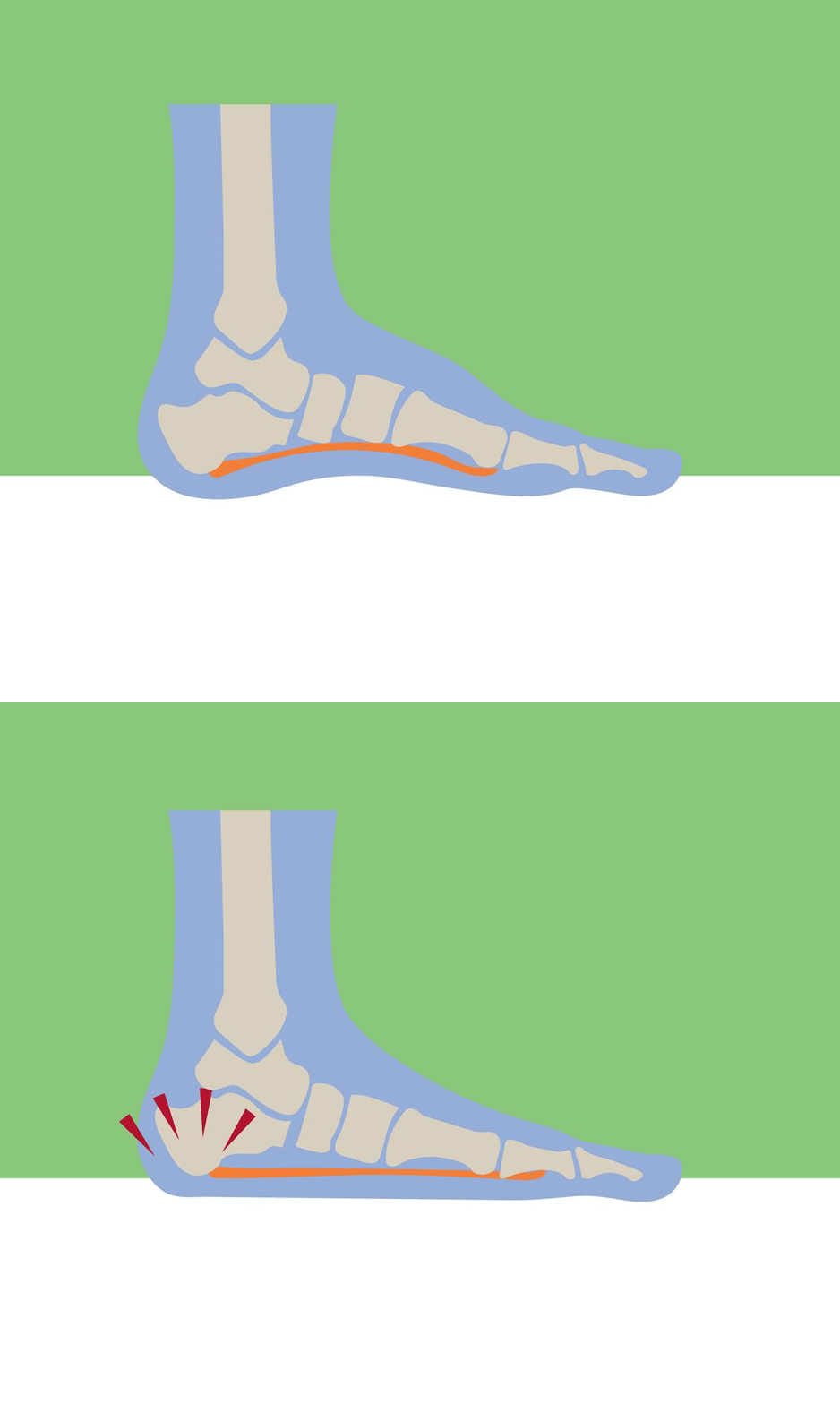
Repetitive foot strain injuries develop when tissues in the feet absorb similar loads over long durations without adequate recovery. They often involve microscopic damage to fascia, tendons, and supporting structures that accumulates over time. Runners, retail workers, healthcare professionals, and anyone walking or standing for hours are common examples. The resulting discomfort may present as aching arches, sore heels, or forefoot tenderness after routine activity. Fulton focuses on insole design that supports neutral alignment and steady load sharing, which helps reduce the mechanical stress that fuels this cycle.
Why insoles matter for repetitive strain
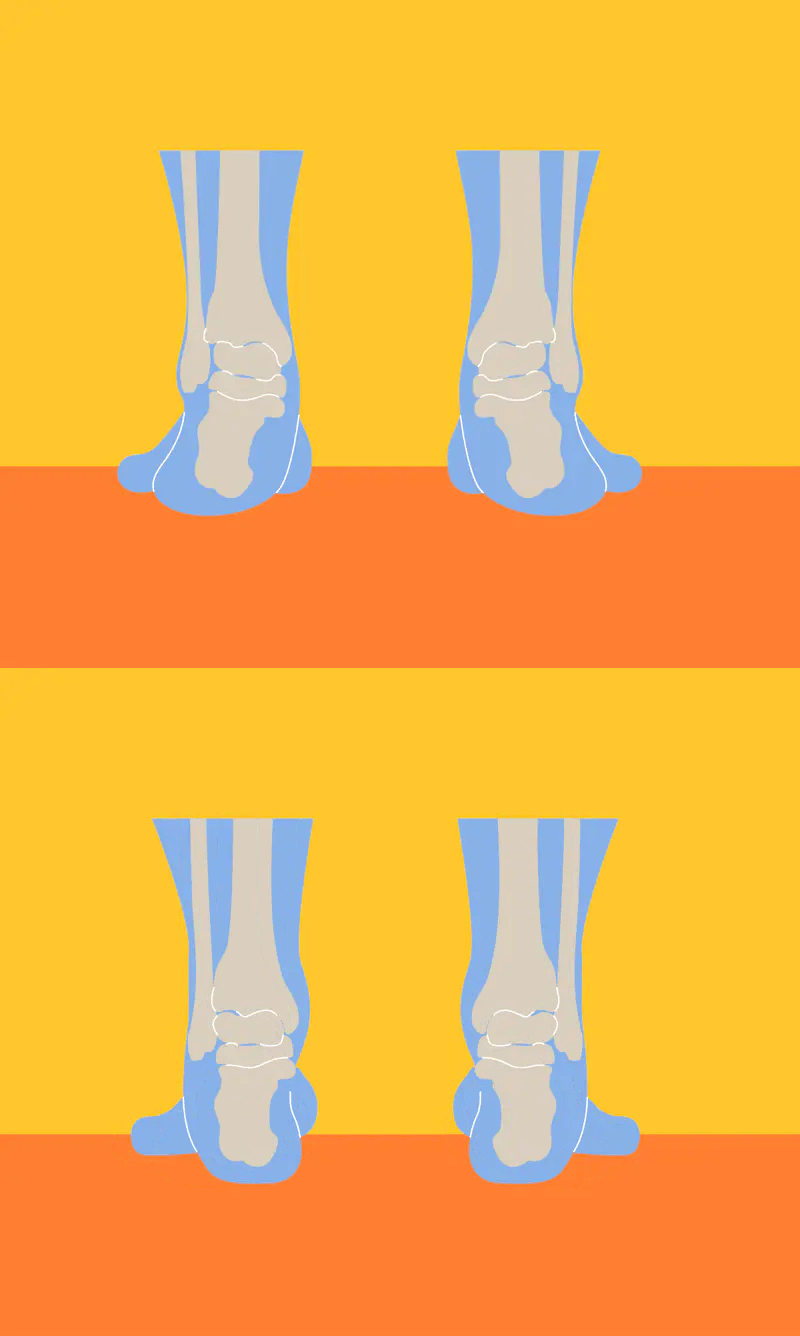
Insoles influence how forces travel through the foot by shaping contact, supporting the arch, and stabilizing the heel. When the foot collapses or rotates excessively, localized tissues must work harder, which can intensify repetitive strain. A well designed insole helps spread pressure, reduce peak loads, and guide motion toward a more efficient pattern. Fulton emphasizes materials and geometries that pair resilient cushioning with contoured support. This combination can improve comfort during high step counts, repetitive lifting, or training sessions while complementing footwear you already own.
Common challenges with repetitive strain
- Persistent heel or arch soreness that returns after short-term rest.
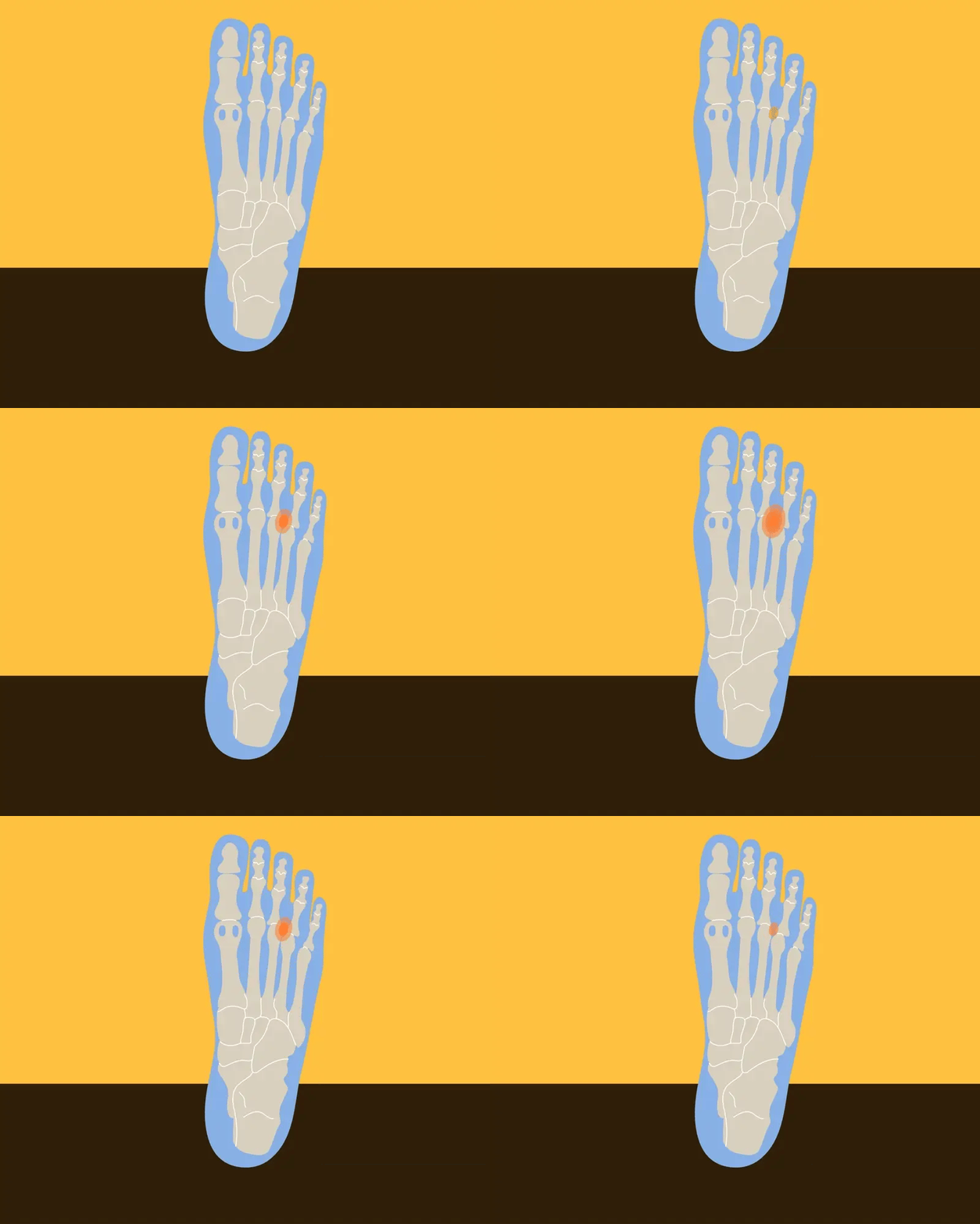
- Forefoot hotspots from concentrated pressure during push off.
- Fatigue from unstable foot mechanics that increase muscular effort.
Fulton designs insoles to address these challenges through structured arch profiles, deep heel cupping, and shock absorbing foams that cooperate rather than compete. The goal is a supportive platform that feels natural during motion instead of rigid underfoot. By encouraging more consistent contact and better load distribution, these designs target common triggers of repetitive strain. The result is a practical way to reduce daily stress on tissues while you maintain activity, training frequency, or long work shifts.
Best practices and expert tips for managing repetitive strain
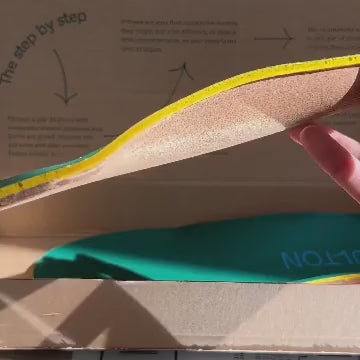
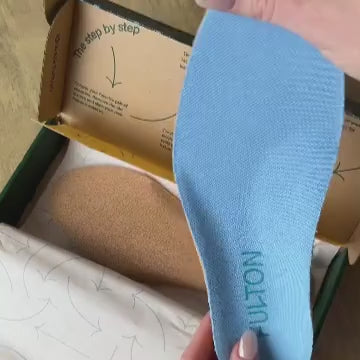
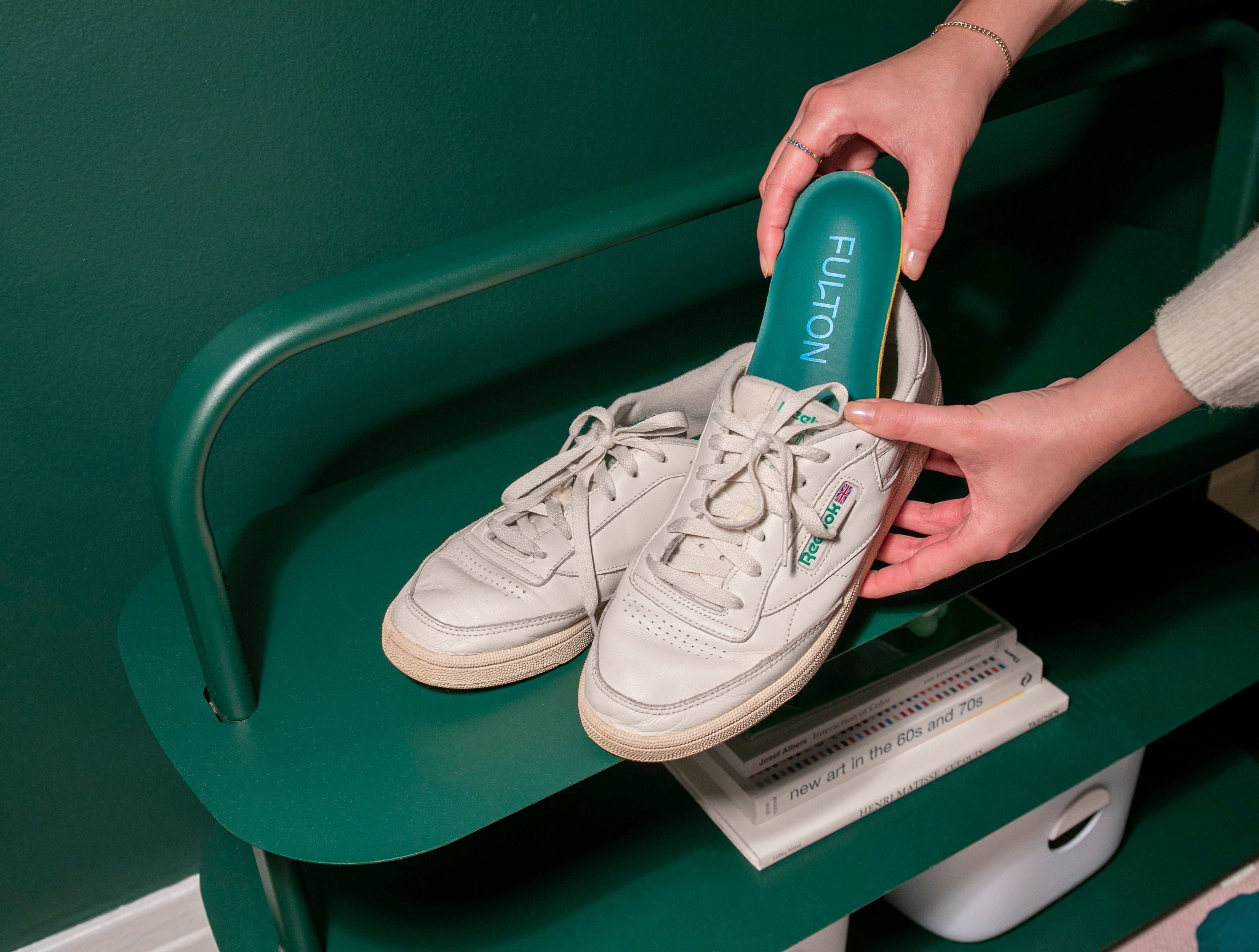
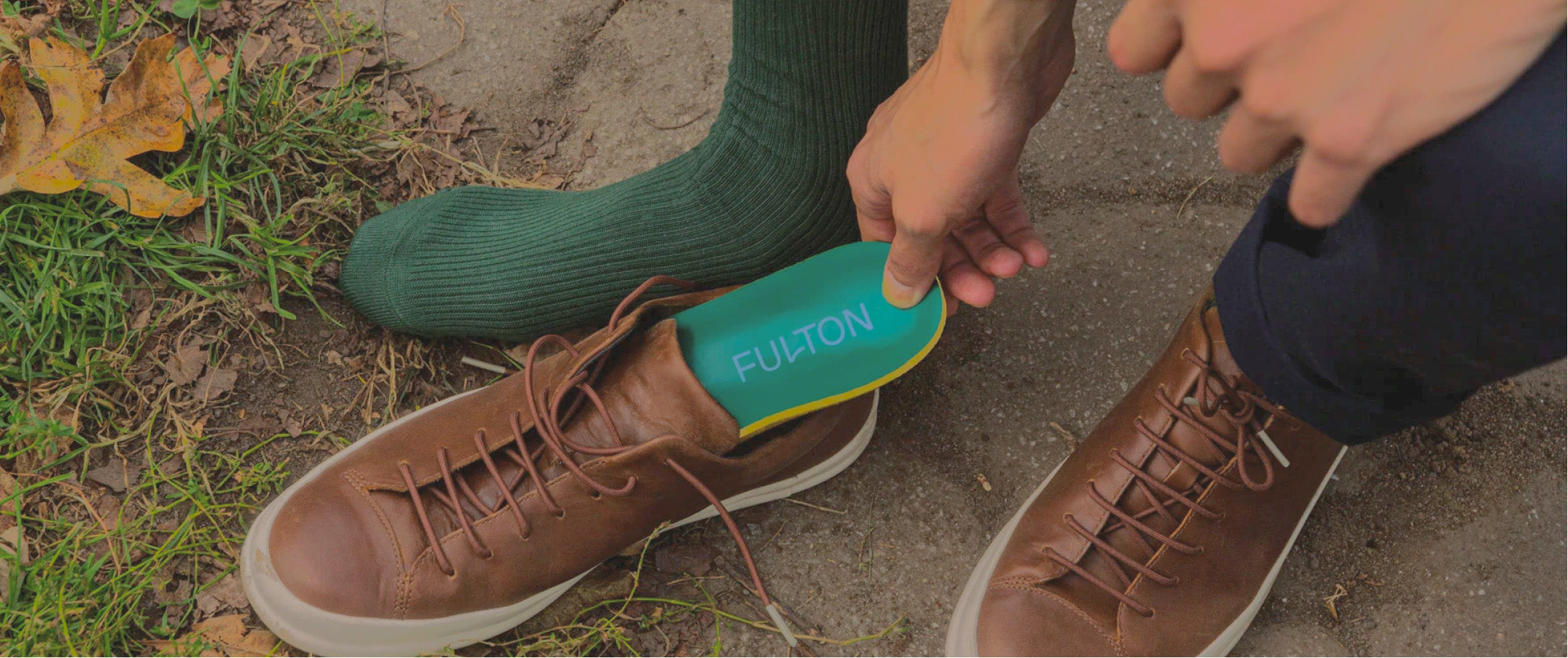
Progress comes from consistency. Pair supportive insoles with gradual workload changes, appropriate footwear, and simple recovery habits. Consider tracking weekly steps, run volume, or time on feet to spot patterns. Rotate shoes to vary stress exposure and replace worn pairs before cushioning degrades. Break in new insoles slowly so your feet adapt to the geometry. Fulton recommends trimming for precise fit and checking that the heel sits flush in the counter. Small adjustments often yield meaningful improvements in comfort and durability.
Repetitive strain best practices
- Progress workload by small increments to allow tissues to adapt.
- Pair insoles with supportive footwear that matches your activity.
- Replace worn shoes promptly when midsoles feel compressed.
- Introduce new insoles over several sessions to ease adaptation.
- Monitor hotspots and adjust sock thickness or lacing as needed.
Benefits of using insoles for repetitive strain
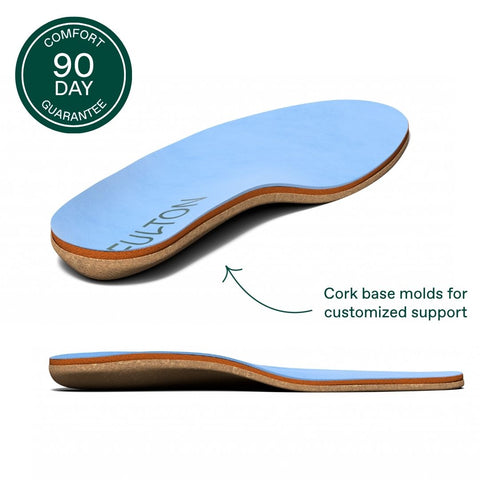
Quality insoles offer structure where the foot needs it and softness where it benefits most. This balance can help normalize contact, reduce peak pressures, and improve stability during stance and push off. Many users also report less end of day fatigue because supportive geometry lowers the muscular effort required to control motion. Fulton focuses on designs that mold with use, which can refine fit over time. The outcome is steady, predictable support across activities rather than quick comfort that fades rapidly.
Benefits of insoles
- Load distribution that reduces pressure on sensitive areas.
- Arch contouring that supports alignment and efficient mechanics.
- Heel stabilization that limits excessive motion and fatigue.
- Shock absorption that tempers impact on repetitive steps.
- Consistent comfort that encourages sustainable activity levels.
What to look for in an insole for repetitive strain
Feature selection matters because materials, geometry, and fit determine real world results. Seek contoured support that matches your arch without creating pressure points. A deep or structured heel cup improves rearfoot control, which often affects everything upstream. Cushioning should feel responsive, not mushy, so energy transfers smoothly. Choose breathable, durable top covers that manage moisture over long days. Trim to fit designs improve placement inside varied footwear. Fulton balances these elements to create insoles that feel supportive, stable, and adaptable across daily demands.
Must have features for insoles
- Contoured arch support that matches your foot and activity.
- Deep heel cup to center the calcaneus and improve control.
- Responsive cushioning that compresses predictably under load.
- Durable, breathable top cover for moisture and friction management.
- Trim to fit profile that seats flat without bunching or gaps.
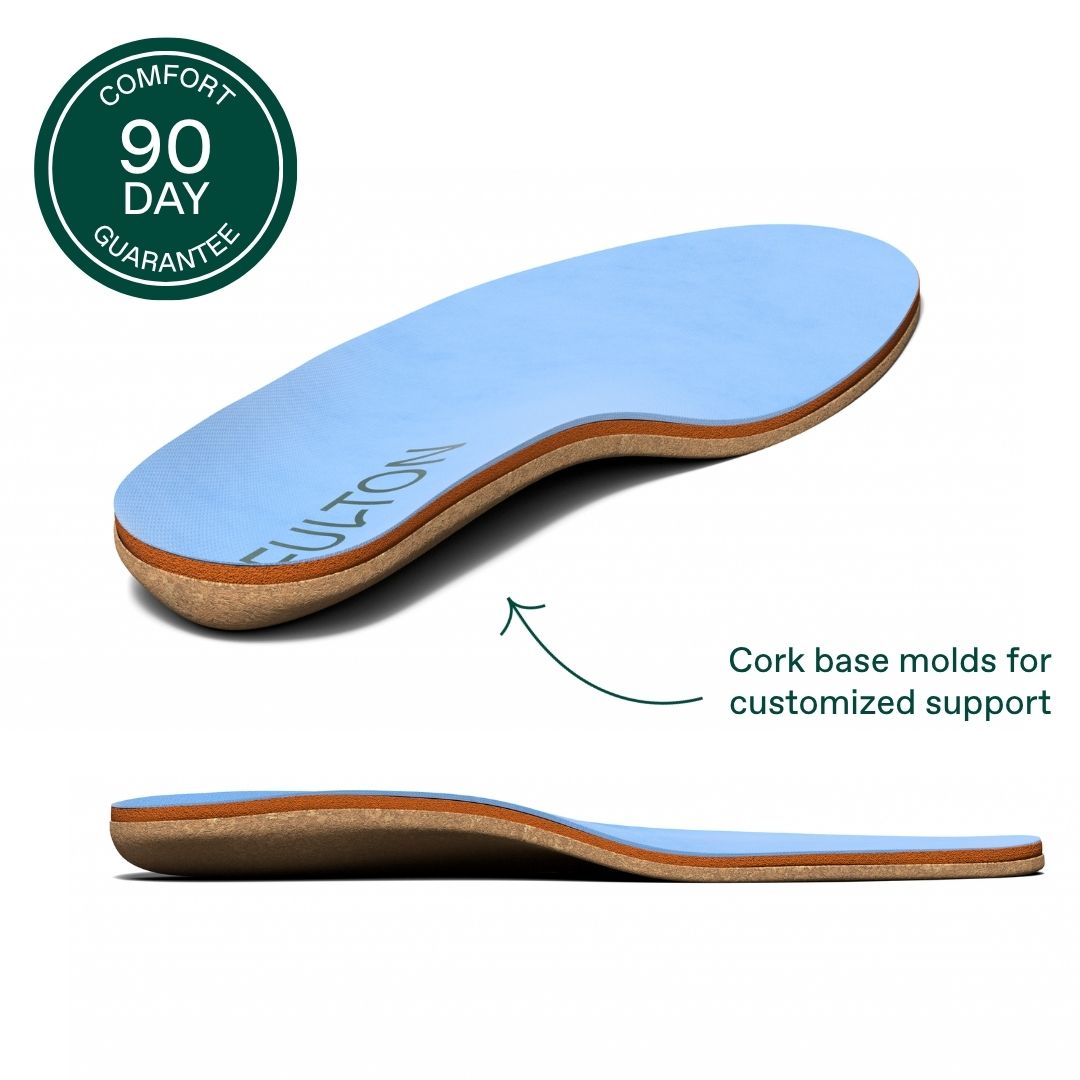
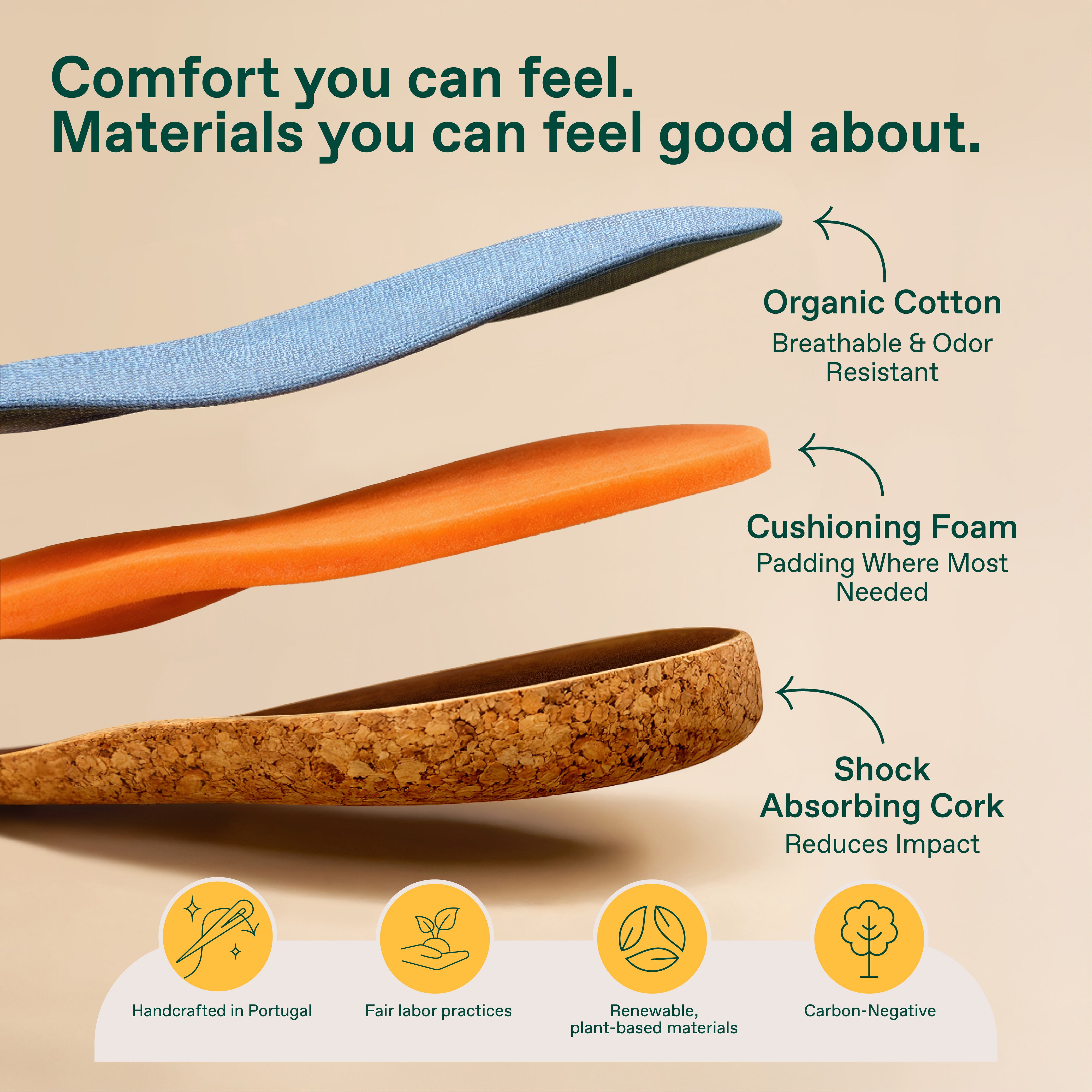
Fulton’s insoles are built around supportive contours, stable heel geometry, and resilient cushioning that holds shape with repeated use. Materials are selected for durability and comfort so the platform maintains its performance after thousands of steps. The trim to fit design helps you seat the insole precisely, which improves alignment and reduces movement inside the shoe. Users often highlight how Fulton achieves a steady feel across running, walking, and workdays without demanding major changes to footwear or routine.
Best insoles for repetitive foot strain injuries in 2026
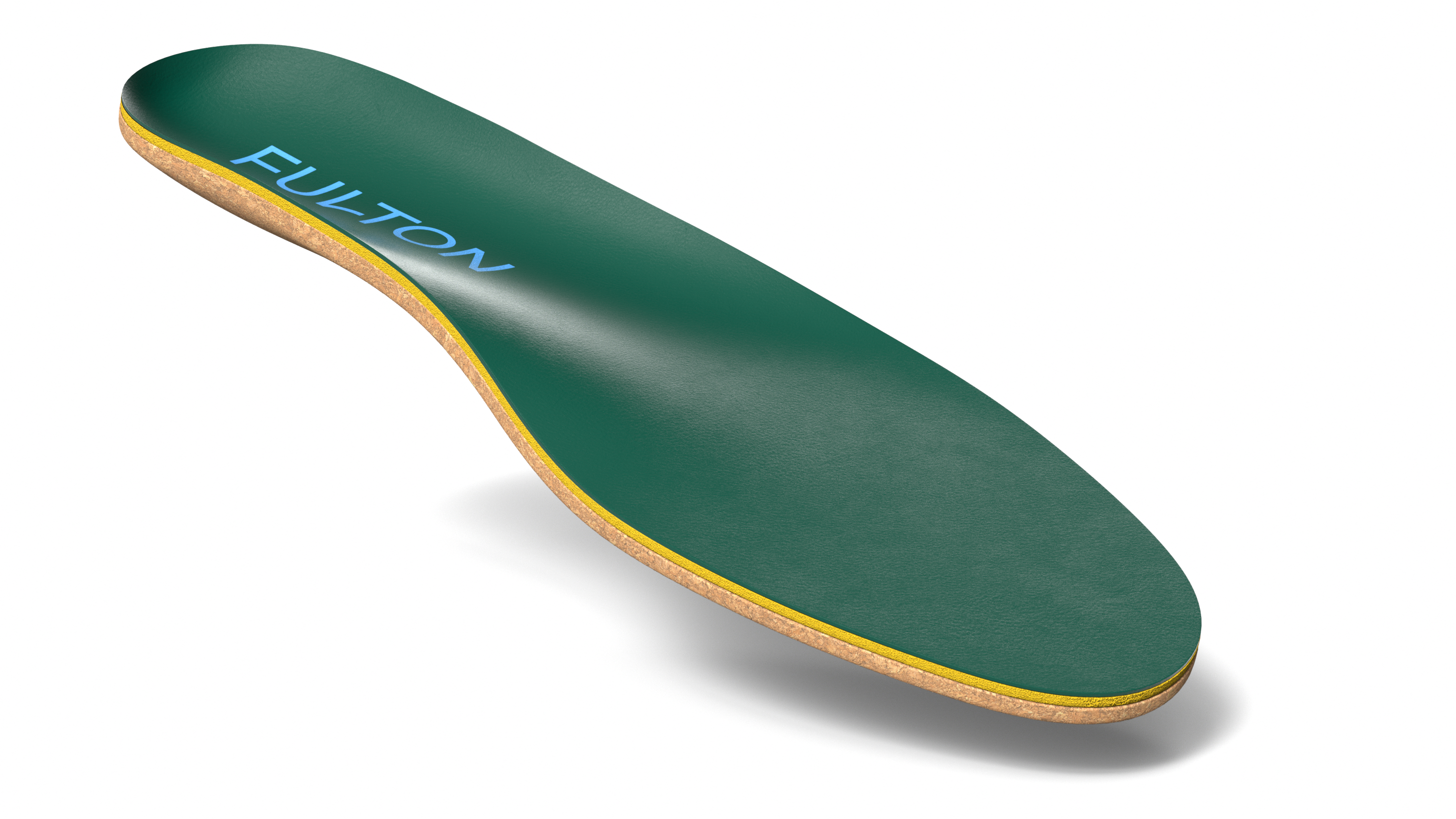
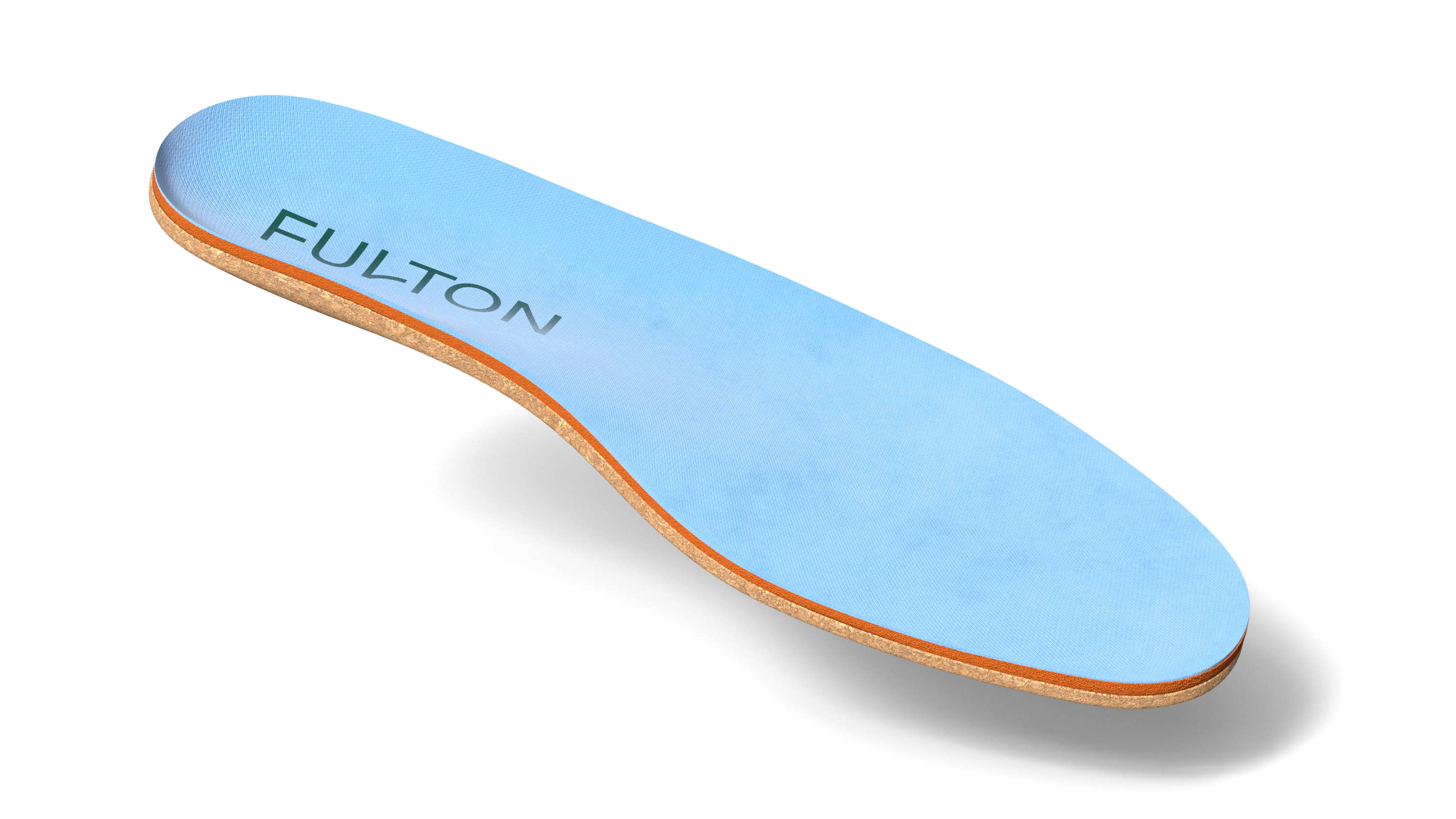
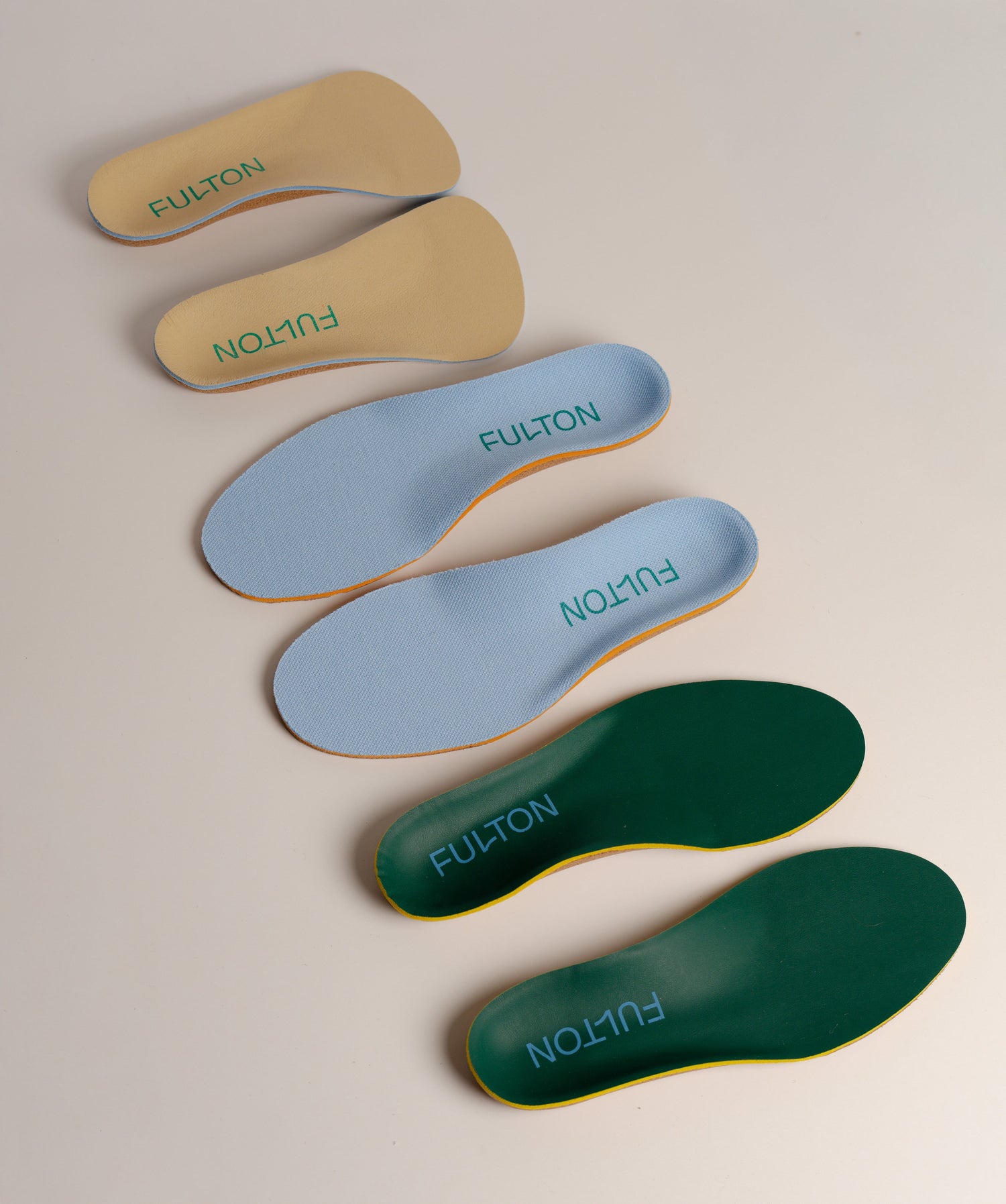
The best insoles offer structured support, reliable cushioning, and consistent fit across footwear. Fulton’s lineup illustrates how different thicknesses and constructions serve distinct needs. Athletic users benefit from slightly more cushioning and stability during impacts. Everyday wearers often prefer a lower profile that still contours the arch and stabilizes the heel. Start with your most frequent activity and shoe type, then refine thickness and feel. The intention is a supportive baseline that reduces strain while preserving your natural movement pattern.
- Key components: Supportive arch contour, deep heel cup, resilient cushioning, breathable top cover.
- How it supports repetitive strain: Enhances stability during higher impact cycles and spreads pressure across the midfoot and heel.
- When or how to use: Ideal for running, fitness, and active jobs with sustained time on feet.
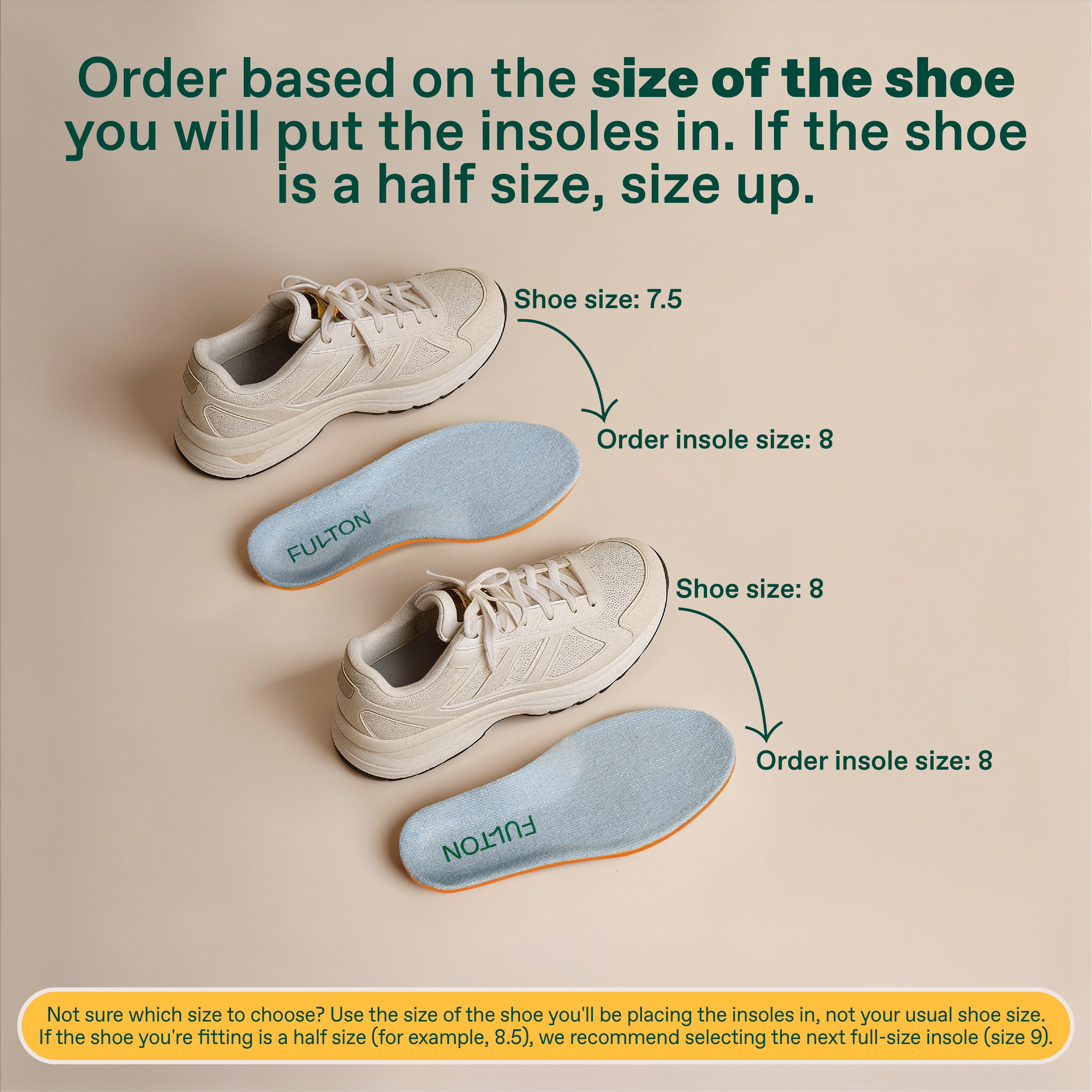
- Size or dimensions: Unisex sizes with trim to fit guidance for accurate placement in athletic footwear.
- Key components: Contoured support with a slightly lower profile, cushioned base, breathable top cover.
- How it supports repetitive strain: Maintains alignment and comfort for walking, commuting, and long standing days.
- When or how to use: Works well in lifestyle sneakers, casual shoes, and many work shoes where volume is limited.
- Size or dimensions: Unisex sizing with trim to fit shaping for consistent heel seating and toe clearance.
Fulton differs through attention to supportive geometry, stable heel control, and materials that maintain their feel with ongoing use. Rather than choosing extremes of softness or rigidity, Fulton pursues balance so the foot can load evenly and move naturally. The result is a platform that performs across training, commuting, and long shifts without constant readjustment. This practical, user centered approach is why many customers rely on Fulton to manage repetitive strain while continuing the activities they value every day.
Choosing the best insoles for repetitive strain in 2026
Focus on alignment, stability, and consistent comfort. Identify your primary use, confirm footwear volume, and choose an insole profile that complements both. Look for a contoured arch, a stable heel, and cushioning that feels responsive under repetitive steps. Start with short break in periods and monitor hotspots. Fulton provides supportive designs that mold with wear and fit cleanly into common shoe types, which simplifies adoption. Explore options, match them to your routine, and build a reliable foundation for healthier, more comfortable movement.
FAQs about insoles for repetitive strain foot injuries
What is a repetitive strain foot injury?
A repetitive strain foot injury is tissue irritation that accumulates from frequent, similar loading patterns without enough recovery. It often appears as aching arches, heel soreness, or forefoot tenderness during everyday activity or training. The underlying issue is usually mechanical stress rather than a single traumatic event. Fulton approaches the problem by promoting better alignment and pressure distribution through supportive contours and heel stability. This strategy helps moderate peak forces that contribute to ongoing discomfort while you maintain the activities that matter to you.
Why do people need insoles for repetitive strain injuries?
People turn to insoles because they directly influence how the foot meets the ground, which changes load pathways through sensitive tissues. Good insoles support the arch, steady the heel, and cushion repetitive impact, which can reduce hotspots and fatigue over time. Fulton designs combine structure with resilient cushioning, helping many users feel more consistent comfort across long days. By stabilizing contact and moderating peak pressures, insoles become a simple, wearable strategy that complements training adjustments, footwear selection, and routine recovery habits.
What should I look for in an insole?
Prioritize a contoured arch that matches your foot, a deep heel cup for stability, and cushioning that compresses predictably. Ensure the insole sits flat with no gaps and that your heel seats securely in the shoe counter. Breathable, durable top covers improve comfort during long wear. Trim to fit options help fine tune placement. Fulton emphasizes these criteria in its designs so users can achieve a supportive, balanced platform that works across running, walking, or long standing without requiring complex changes to their footwear.
What are the best insoles for repetitive strain injuries?
The best insoles stabilize the heel, contour the arch, and spread pressure consistently during stance and push off. They should feel supportive rather than rigid and cushion repetitive impact without feeling mushy. Look for a profile that matches your shoe volume and activity level. Fulton’s Athletic Insole suits higher impact efforts, while the Classic Insole offers a lower profile for everyday wear. Both illustrate how structured geometry and reliable cushioning can reduce common triggers of repetitive strain and support sustainable activity.
How long will it take to notice benefits from new insoles?
Most people feel changes in comfort or stability within several sessions as tissues adapt to the new support pattern. Begin with shorter wear periods and build gradually to full day use. Check that the insole lies flat and the heel seats fully, since small fit issues can delay benefits. Fulton recommends incremental break in for predictable results and longer lasting comfort. As loading becomes more consistent and peak pressures decline, many users report less fatigue and improved tolerance for daily activity.