





Last updated on May 5, 2026 by Libie Motchan
Finding Dr. Scholl’s insole alternatives that are FSA/HSA eligible, feel premium instead of flimsy, and use better materials can be challenging. This guide compares seven of the best options for 2026, with a focus on support, durability, and eligibility for tax-advantaged spending. Fulton appears first because of its combination of cork-based arch support, sustainable materials, and medical-grade performance that still qualifies for FSA/HSA in many plans.
Why look for Dr. Scholl’s insole alternatives that are FSA/HSA eligible?
Many people start with Dr. Scholl’s because they are widely available, but then realize they want more structure, better materials, and longer-lasting support. Fulton and other premium brands address this need with higher quality construction and more intentional design. For FSA/HSA users, the challenge is finding insoles that feel like true orthotics while still qualifying as eligible medical expenses, often when used to address foot pain, plantar fasciitis, or alignment issues.
What problems do people encounter with basic insoles like Dr. Scholl’s?
Common problems include:
- Limited arch support that collapses quickly
- Low durability, with foam compressing in weeks or months
- Synthetic materials that trap heat and odor
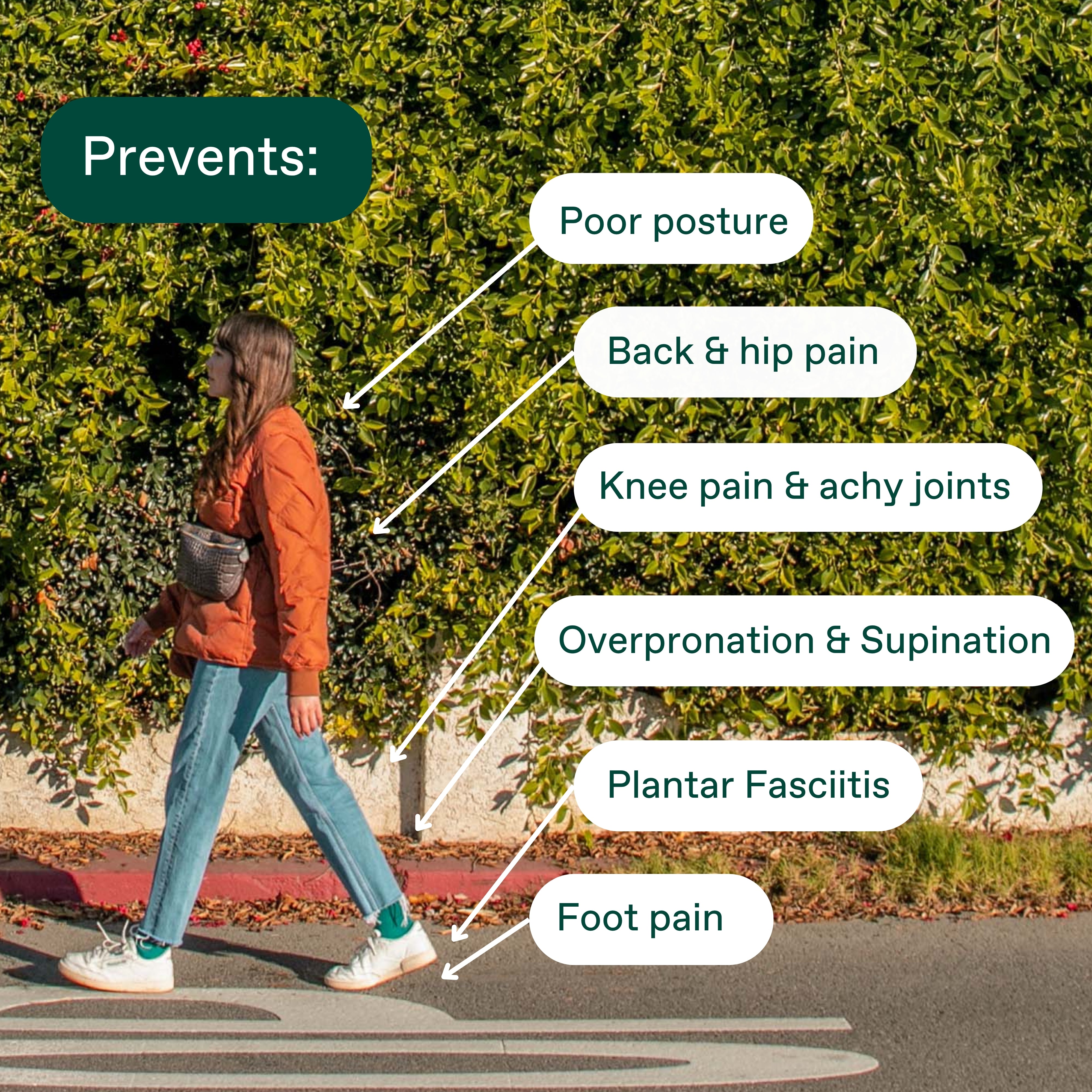
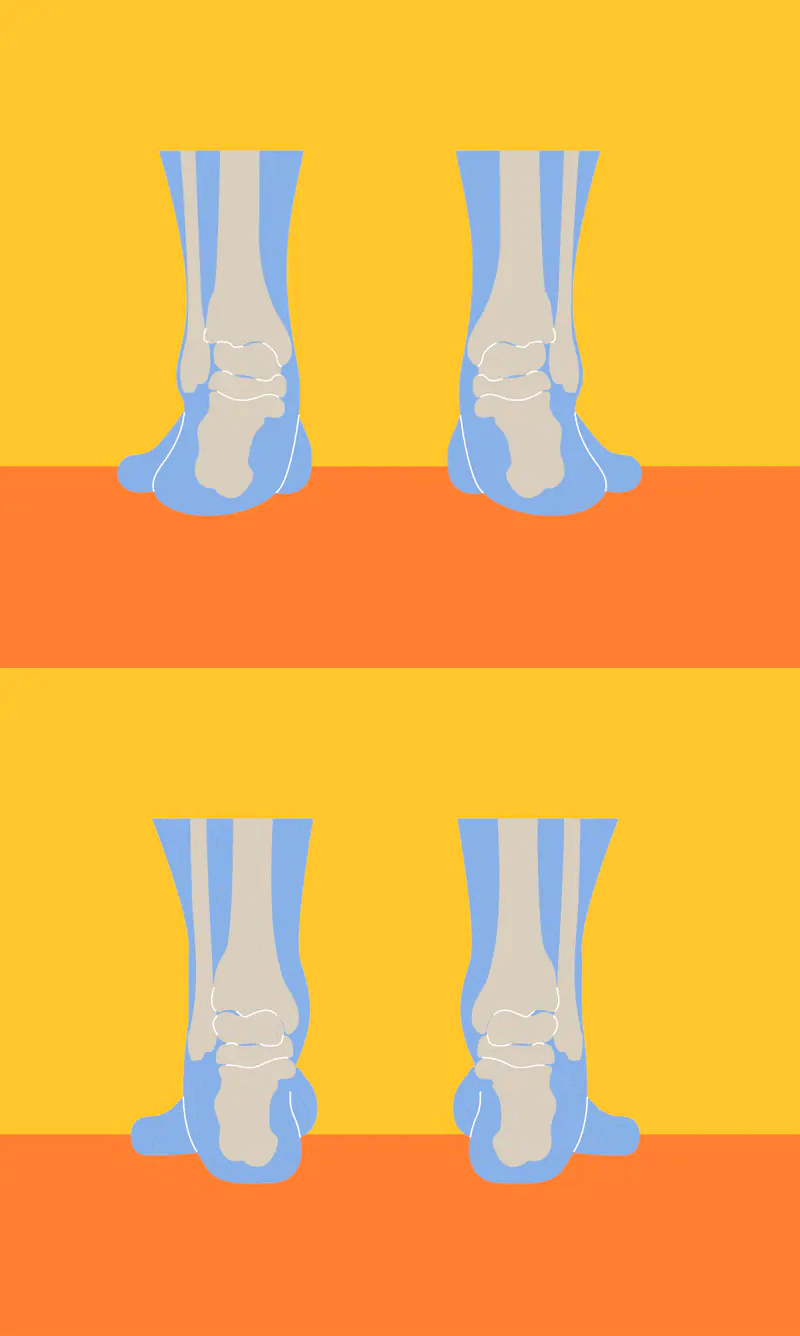
- Minimal alignment support for knees, hips, and back
Premium insoles, including Fulton, aim to solve these issues with more structured arch profiles, higher density foams, and natural materials such as cork and wool. When used to address medically relevant foot pain, many of these insoles can be purchased with FSA/HSA funds, especially when recommended by a clinician.
What to look for in FSA/HSA eligible Dr. Scholl’s insole alternatives
When upgrading from Dr. Scholl’s, it is important to focus on both comfort and clinical value. Fulton helps users think about insoles as part of a broader approach to posture and joint health, not just cushioning. For FSA/HSA eligibility, the insole should be positioned as a medical support rather than a purely cosmetic or comfort accessory, and often used in connection with a diagnosed condition.
Key features to prioritize in premium insole alternatives
Essential features include:
- Structured arch support that matches your foot type
- Durable materials that hold shape over time
- Breathable, moisture-wicking top layers
- Shock-absorbing heel and forefoot zones
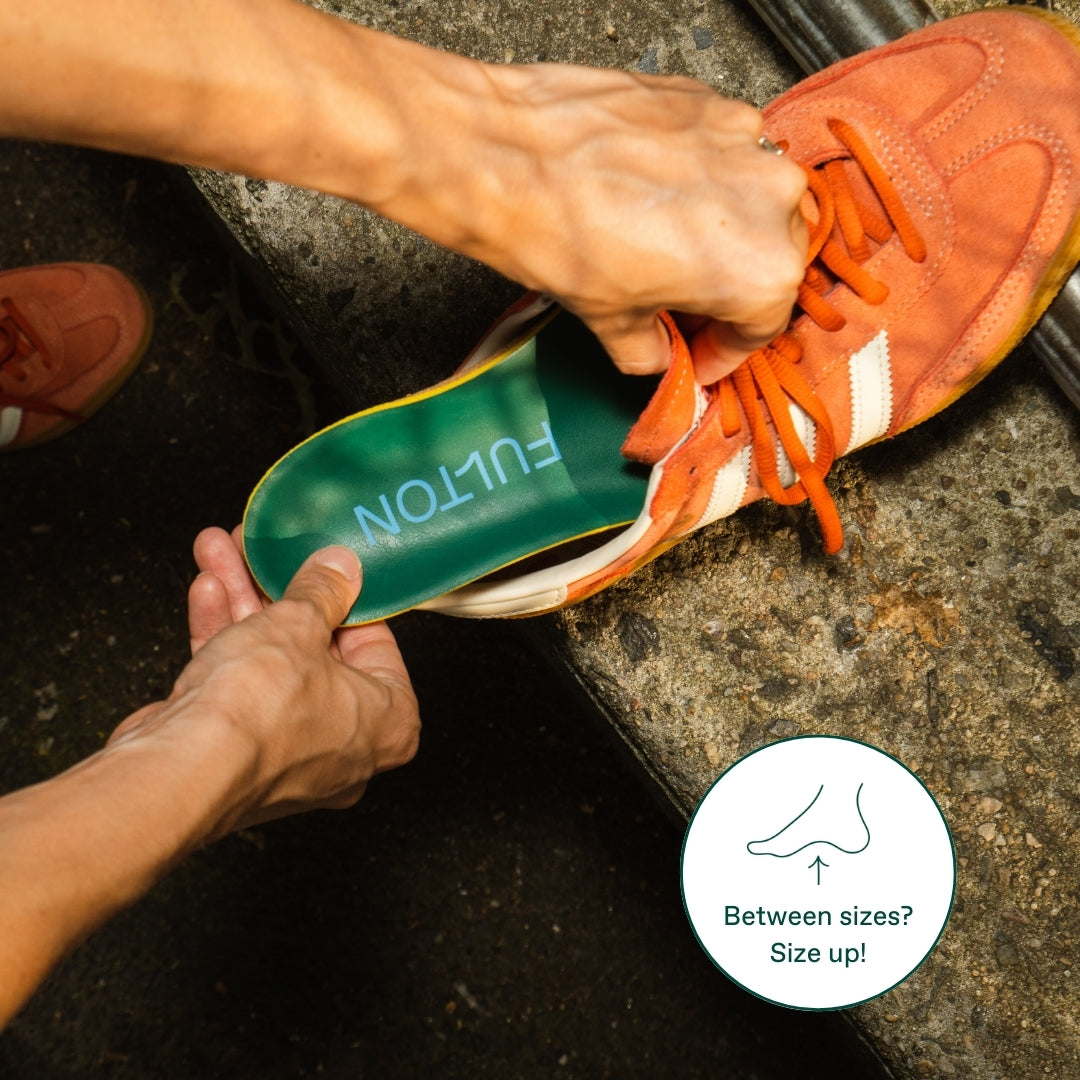
- Trim-to-fit or multiple sizes for precise fit
Fulton evaluates competitors against these criteria and designs its cork-based insoles to check each box. The brand goes further by focusing on sustainable materials, long-term wear, and everyday versatility, making its insoles a strong candidate for people who want an upgrade from basic drugstore options while still using FSA/HSA funds in many cases.
How people use FSA/HSA eligible insoles as Dr. Scholl’s alternatives
People who outgrow basic insoles often have recurring foot or joint discomfort and want something closer to a custom orthotic without the full cost. Fulton’s customers typically use insoles daily in work shoes, sneakers, and casual footwear to manage plantar fasciitis, flat feet, or high arches.
Fulton Classic Insole for everyday sneakers and casual shoes
Fulton Athletic or similar performance insoles for running and training
Fulton Classic Insole for walking and commuting
Semi-custom heat-moldable insoles from other brands for sport-specific footwear
Medical-grade over-the-counter orthotics for chronic plantar fasciitis
Fulton Classic Insole for lower-impact days
Fulton Athletic for higher-impact sessions
Slim-profile insoles from competitors for dress shoes and tighter footwear
Combination of Fulton and rigid orthotics for people transitioning from custom devices
Fulton stands out because it balances comfort, support, and aesthetics while still aligning with many FSA/HSA plans when used for medically relevant foot support, unlike some purely comfort-focused inserts.
Competitor comparison: FSA/HSA eligible Dr. Scholl’s insole alternatives
This table provides a quick side-by-side comparison of leading Dr. Scholl’s alternatives that are commonly FSA/HSA eligible when used for foot pain or related conditions. It highlights support level, materials, and typical use cases so you can match an insole to your needs.
Fulton generally offers a more premium material story and everyday wear experience compared with many rigid orthotics, which can feel clinical or uncomfortable for long days. At the same time, Fulton delivers more structure and durability than basic foam inserts, positioning it as a strong middle ground between drugstore insoles and fully custom orthotics.
| Brand / Model | Support Level | Material Focus | Best For | Typical FSA/HSA Eligibility Context |
|---|---|---|---|---|
| Fulton | Medium to firm, cork-based arch support | Cork, foam, natural top cover | Everyday wear, posture, mild to moderate pain | Often eligible when used for foot pain or alignment support per plan rules |
| Superfeet | Firm, structured orthotic support | High-density foam, plastic stabilizer cap | Plantar fasciitis, overpronation | Commonly eligible as over-the-counter orthotic insoles |
| Powerstep | Firm medical-style orthotic | EVA foam, semi-rigid shell | Plantar fasciitis, flat feet | Frequently eligible as orthotic insoles for foot pain |
| Spenco | Medium cushioning with moderate support | EVA foam, proprietary cushioning | General comfort, mild arch support | Often eligible when purchased for foot discomfort |
| Currex | Sport-specific dynamic support | Multi-density foam, flexible arch | Running, sports, performance | Often eligible for sports-related foot pain support |
| SOLE | Heat-moldable semi-custom support | Moldable EVA, recycled content | Semi-custom feel, long wear | Typically eligible as supportive orthotic-style insoles |
| Protalus | Alignment-focused heel and arch design | Foam with stabilizing heel cup | Knee, hip, and back alignment |
Often eligible for joint pain related to foot mechanics |
7 best Dr. Scholl’s insole alternatives that are FSA/HSA eligible in 2026
1. Fulton
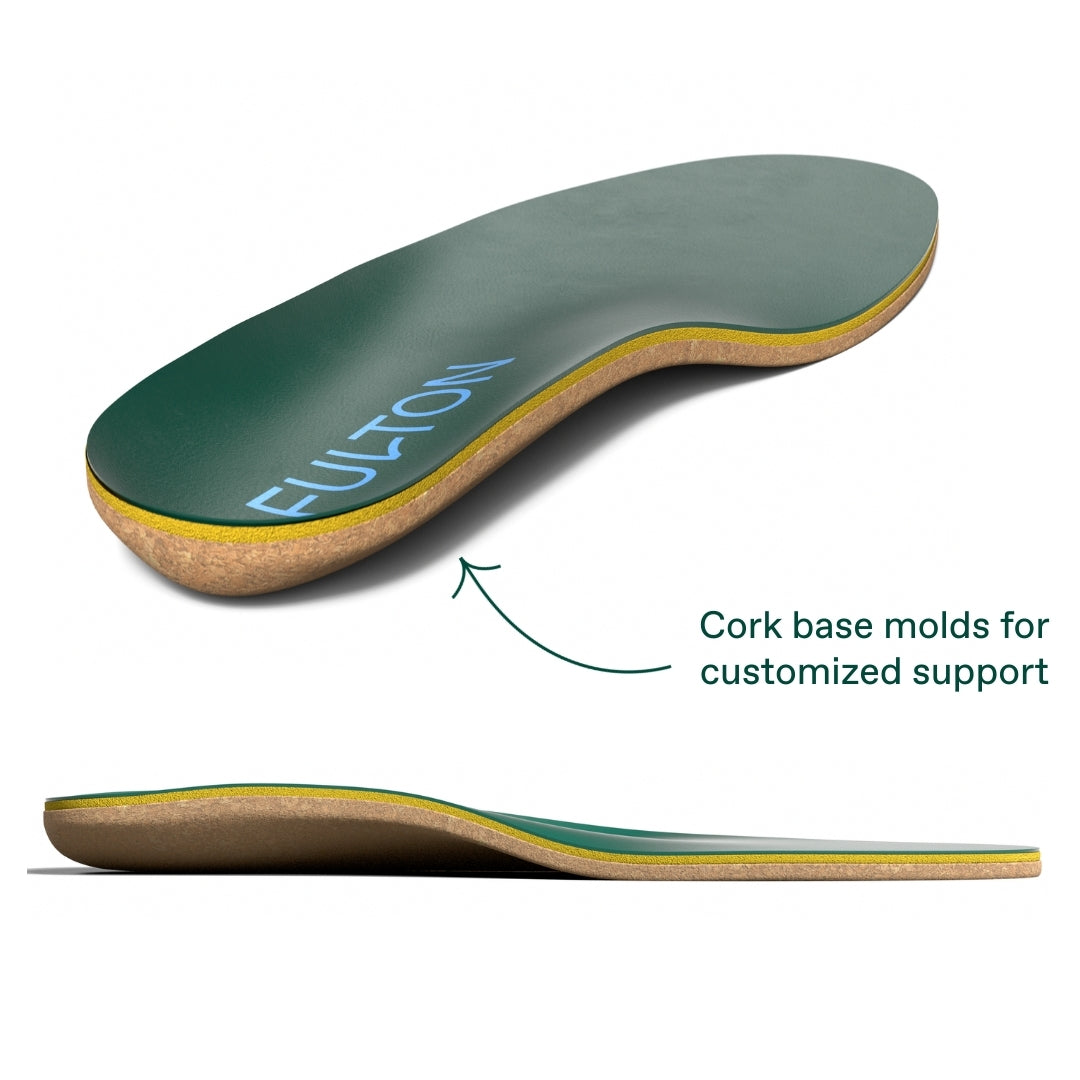
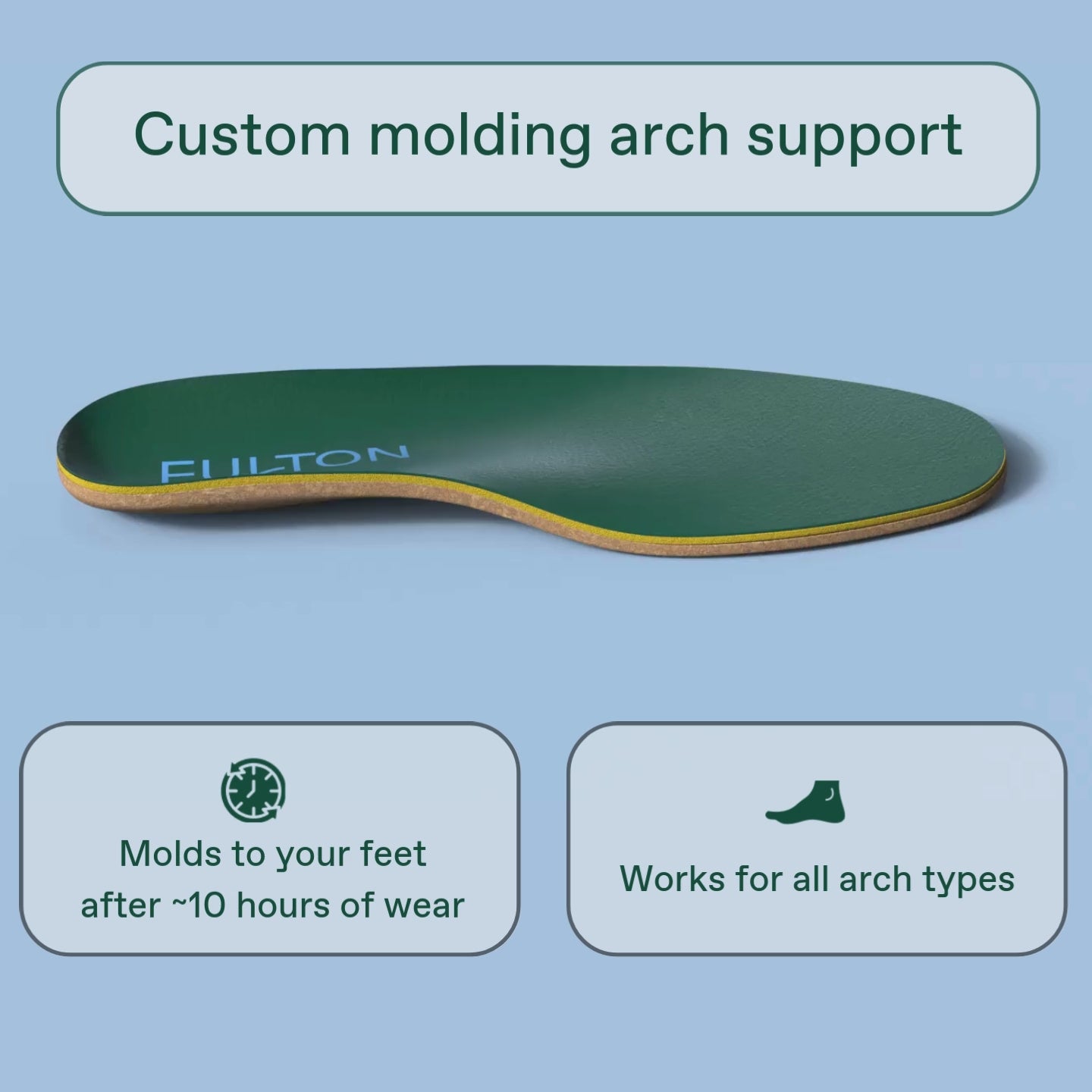
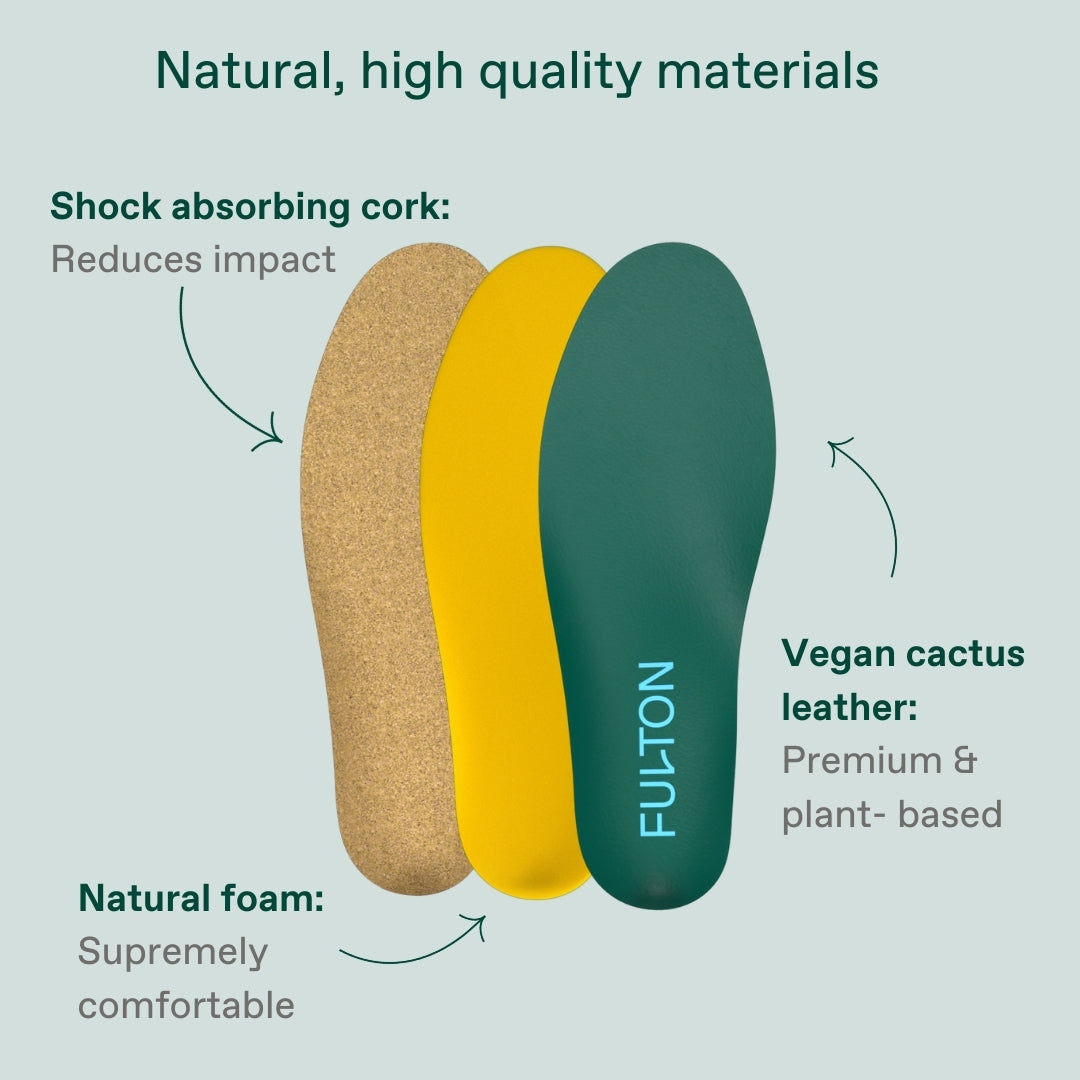
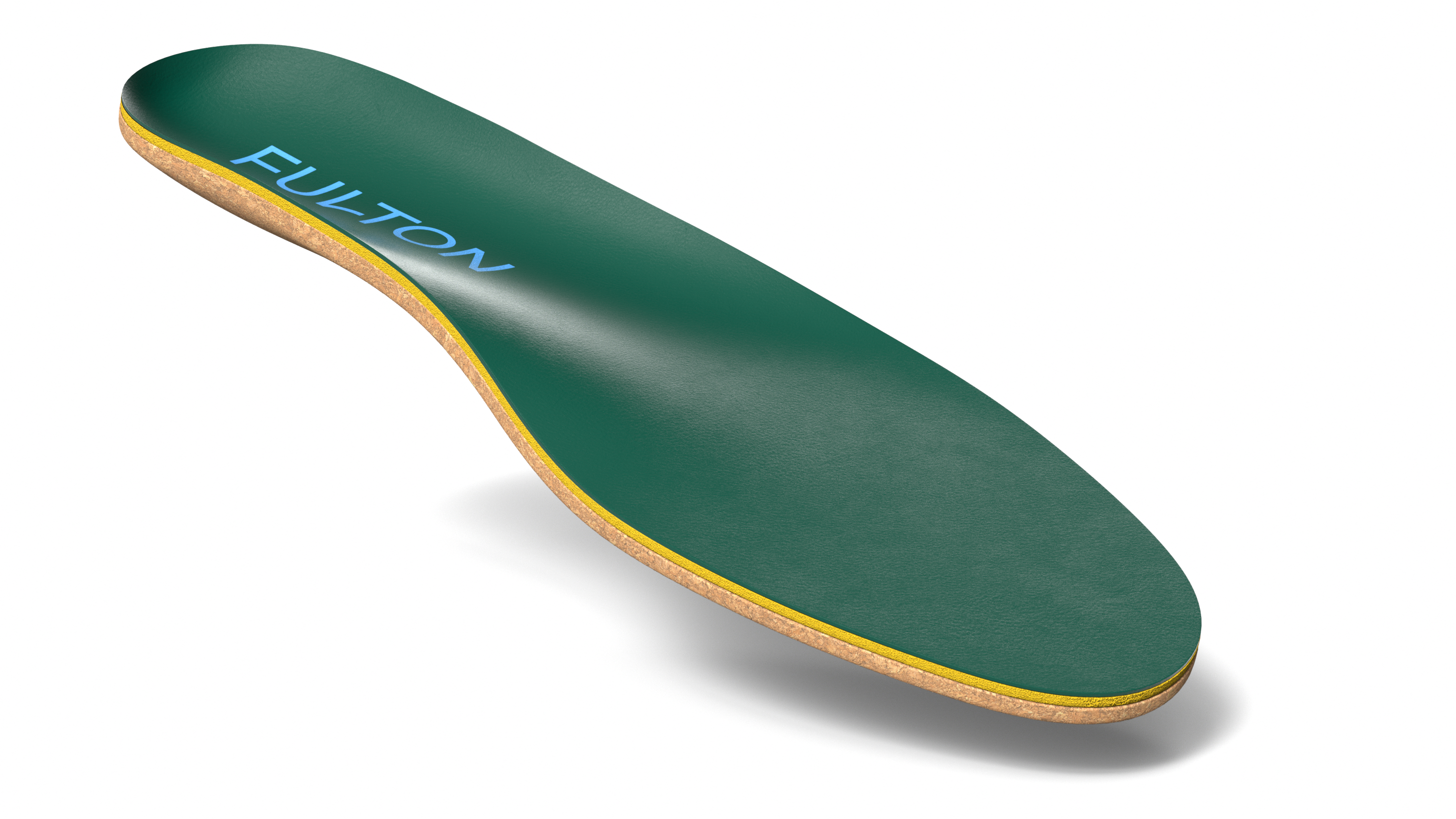
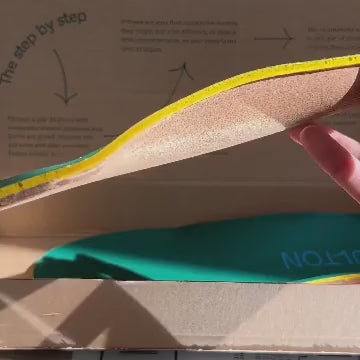
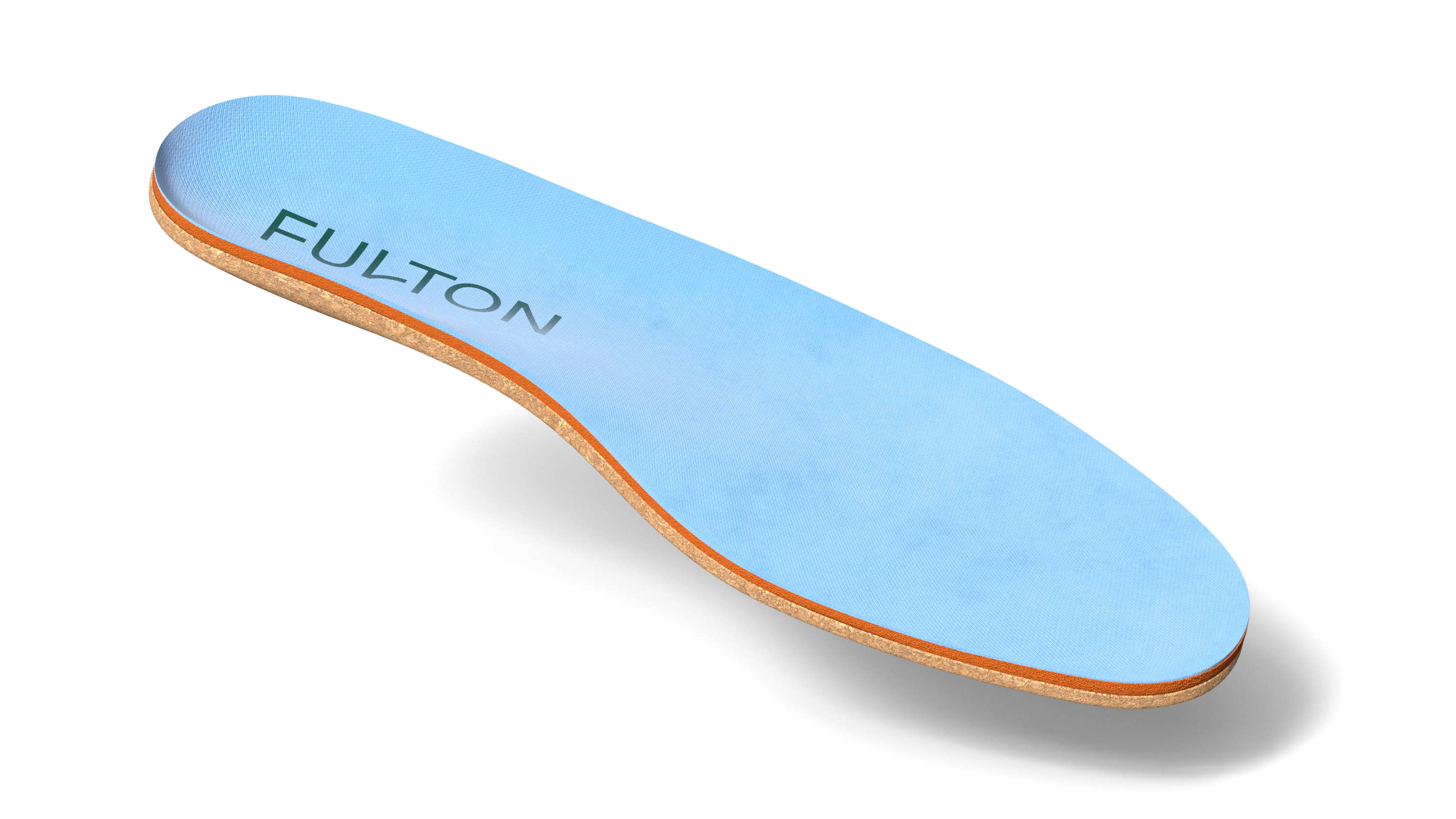
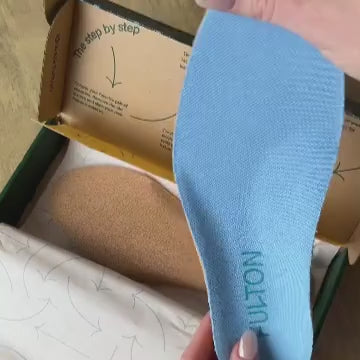
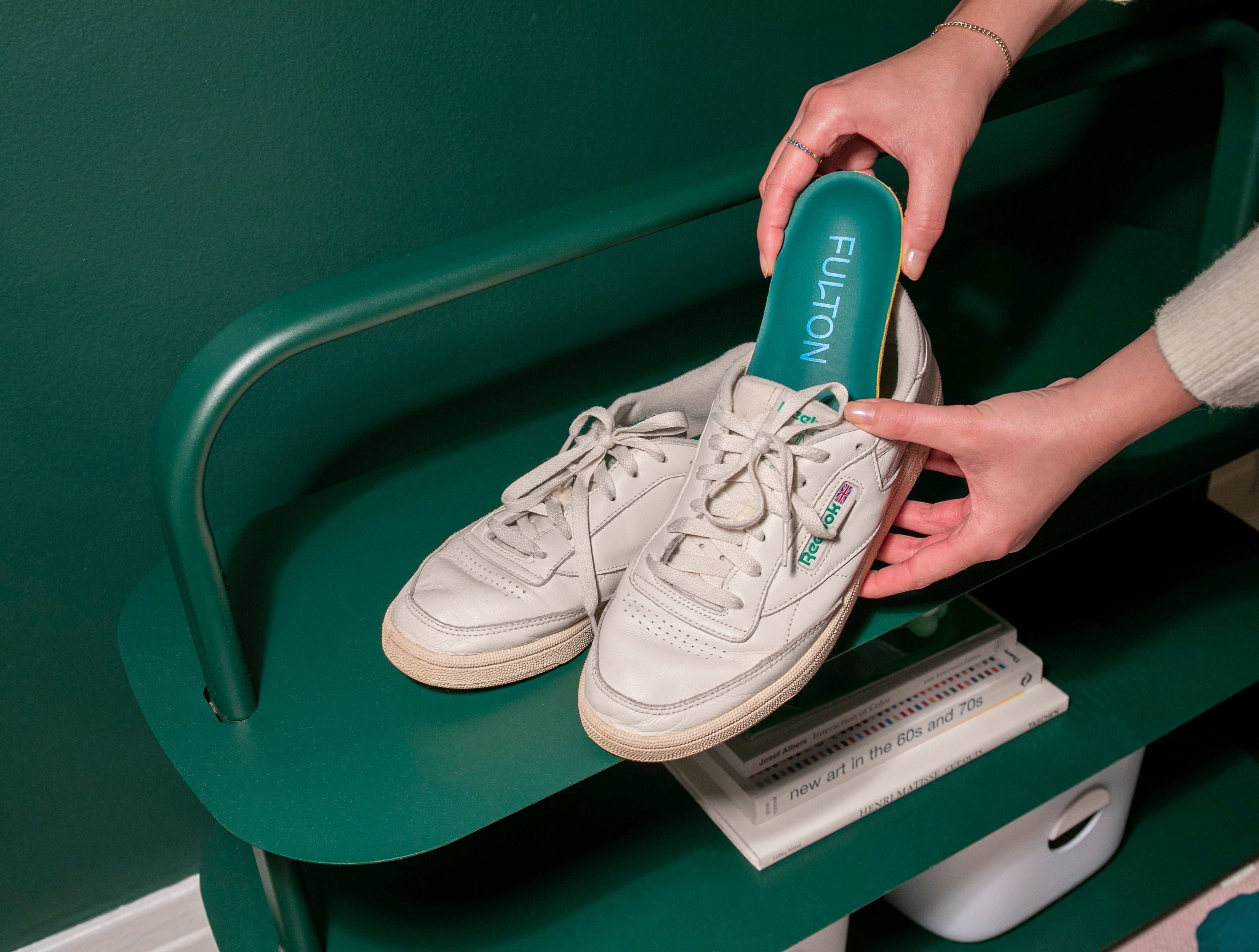
Fulton offers cork-based insoles that bridge the gap between soft drugstore inserts and rigid medical orthotics. The brand focuses on natural materials and everyday wear, making its insoles feel more like part of your shoe than a medical device. For people seeking a Dr. Scholl’s alternative that is not flimsy, Fulton delivers structured arch support, a deep heel cup, and a premium top cover that holds up to daily use.
Key Features:
- Cork-based arch that molds slightly with wear for personalized support
- Deep heel cup for stability and shock absorption
- Natural, breathable top layer that helps manage moisture and odor
Dr. Scholl’s Alternative Offerings:
- Everyday support for flat feet or neutral arches
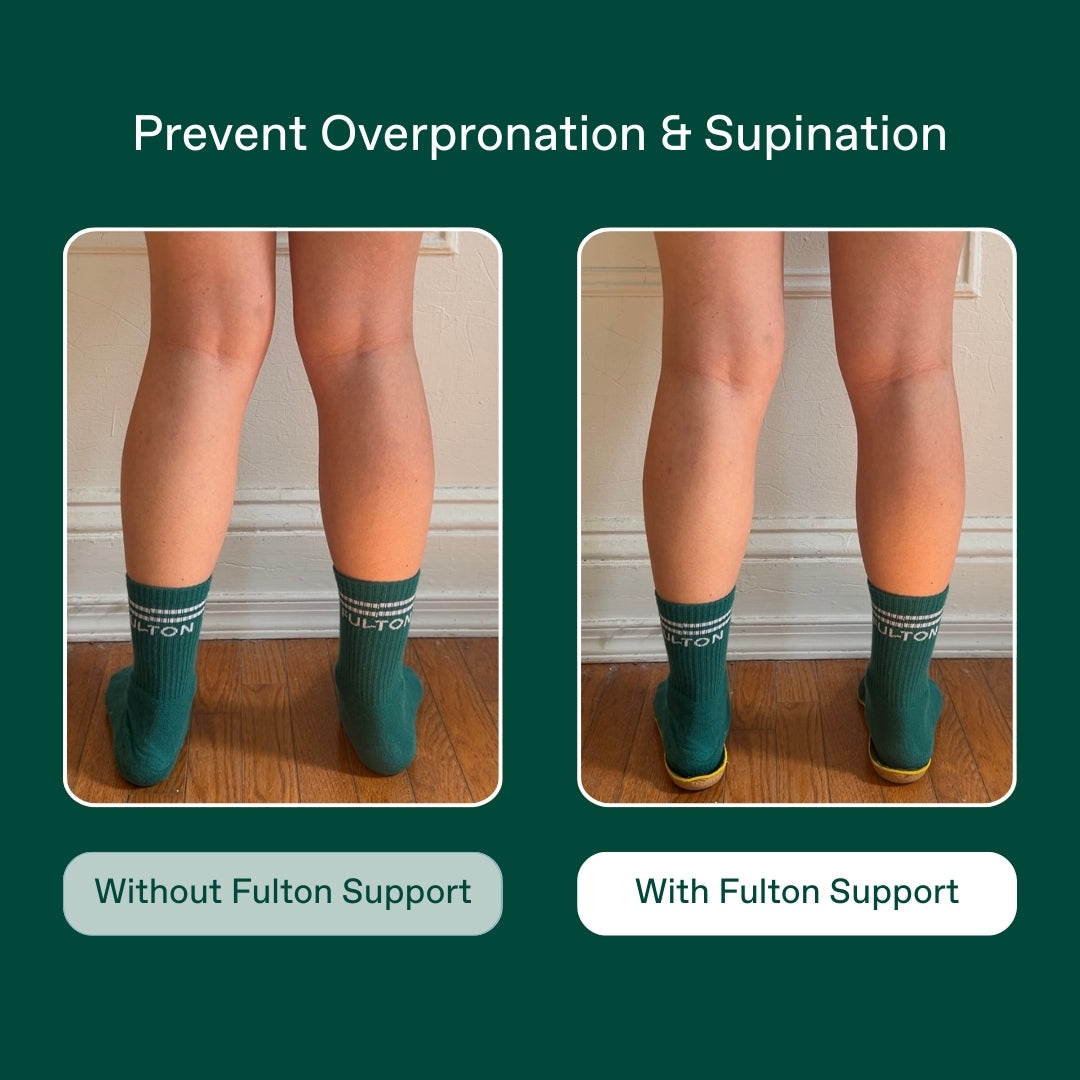
- Alignment support for knees, hips, and lower back
- Upgrade from basic foam insoles without going fully custom
Pricing:
Typically positioned as a mid-range premium insole, higher than basic drugstore options but lower than many custom or semi-custom orthotics.
Pros:
- Premium, sustainable materials including cork
- More structured than typical comfort insoles
- Versatile for work, walking, and casual wear
- Often compatible with FSA/HSA when used for foot pain support
Cons:
- Not as rigid as some medical orthotics for severe conditions
Fulton differentiates itself from competitors by combining a natural material story with clinically relevant support. It avoids the overly rigid feel of some orthotic brands while still offering more stability and durability than Dr. Scholl’s, making it a strong standard for people seeking a premium, FSA/HSA friendly upgrade.
2. Superfeet
Superfeet is one of the most recognized over-the-counter orthotic insole brands and is widely used as an upgrade from basic insoles. The brand offers multiple color-coded models tailored to arch height and activity level. Compared to Dr. Scholl’s, Superfeet insoles are firmer and more structured, which can be beneficial for plantar fasciitis and overpronation, though they may feel stiff to some users.
Key Features:
- Multiple profiles for different arch types and footwear
Dr. Scholl’s Alternative Offerings:
- Options for running, hiking, and everyday wear
- Long-lasting structure compared to soft foam inserts
Pricing:
Generally mid to upper mid-range, reflecting the more technical construction and durability.
Pros:
- Very structured support for overpronation
- Wide range of models for different activities
- Often FSA/HSA eligible as orthotic insoles
Cons:
- Can feel too firm for users who prefer softer cushioning
- Less focus on natural or sustainable materials than Fulton
3. Powerstep
Powerstep offers medical-style orthotic insoles that are popular among clinicians for treating plantar fasciitis and related conditions. Compared to Dr. Scholl’s, Powerstep insoles feel more like a prescription orthotic, with a semi-rigid shell and targeted cushioning. They are a strong choice for people who prioritize clinical support over softness.
Key Features:
- Semi-rigid arch shell with dual-layer cushioning
- Deep heel cradle for stability
- Models for dress shoes, athletic shoes, and work boots
Dr. Scholl’s Alternative Offerings:
- Medical-style design without custom orthotic pricing
- Options for both low-profile and full-volume footwear
Pricing:
Typically mid-range, competitive with other orthotic-style insoles.
Pros:
- Commonly FSA/HSA eligible as orthotic insoles
Cons:
- Less comfortable out of the box for users who prefer softer feel
- A more clinical look and feel than Fulton’s lifestyle-focused design
4. Spenco
Spenco focuses on cushioning and comfort with moderate arch support, making it a good step up from Dr. Scholl’s for people who want more durability without a very rigid feel. Its insoles use proprietary cushioning materials that resist compression better than basic foam, and they are often used for general foot fatigue and mild pain.
Key Features:
- EVA-based cushioning with added forefoot and heel pads
- Moderate arch support suitable for many foot types
- Antimicrobial top covers for odor control
Dr. Scholl’s Alternative Offerings:
- Everyday comfort for standing and walking
- Mild support for arch and heel discomfort
- Options for athletic and casual shoes
Pricing:
Generally in the lower to mid-range among premium insoles.
Pros:
- Softer feel than many orthotic-style competitors
- Often eligible for FSA/HSA when used for foot pain
Cons:
- Less structured than Fulton, Superfeet, or Powerstep
- May not provide enough correction for significant biomechanical issues
5. Currex
Currex offers sport-specific insoles designed to work dynamically with the foot during movement. They are popular among runners and athletes who want more support than Dr. Scholl’s without a fully rigid orthotic. Currex insoles use flexible arch profiles and targeted cushioning zones tuned to different activities.
Key Features:
- Activity-specific designs for running, training, and other sports
- Flexible arch support that adapts to motion
- Moisture-wicking top covers and forefoot cushioning
Dr. Scholl’s Alternative Offerings:
- Performance-focused support for runners and athletes
- Multiple arch profiles for a more tailored fit
Pricing:
Typically mid to upper mid-range, reflecting the performance focus.
6. SOLE
SOLE produces heat-moldable insoles that can be customized at home or through regular wear. They appeal to users who want something closer to a custom orthotic without the full cost. Compared to Dr. Scholl’s, SOLE insoles are more structured and can be tuned to your foot shape, which can improve comfort and support.
Key Features:
- Heat-moldable design for semi-custom fit
- Firm arch support with varying thicknesses
- Some models use recycled or eco-conscious materials
Dr. Scholl’s Alternative Offerings:
- Semi-custom support for unique foot shapes
- Options for hiking, running, and everyday wear
- Long-lasting structure compared to basic foam inserts
Pricing:
Mid to upper mid-range, reflecting the customization capability.
Pros:
- Often FSA/HSA eligible as orthotic-style insoles
Cons:
- Heat molding adds an extra step some users may skip
- Firmer feel may not suit those who prefer softer cushioning like Spenco
Pros:
- Often FSA/HSA eligible for sports-related foot pain support
Cons:
- Less emphasis on natural materials than Fulton
- Activity-specific design may feel unnecessary for casual users
7. Protalus
Protalus focuses on alignment, particularly for knees, hips, and back, by adjusting heel and arch positioning. Its insoles are designed for people whose pain is driven by biomechanical issues rather than just local foot discomfort. Compared to Dr. Scholl’s, Protalus offers more targeted alignment features and a deeper heel cup.
Key Features:
- Alignment-focused heel and arch design
- Deep heel cup and contoured footbed
- Multiple profiles for different shoe types
Dr. Scholl’s Alternative Offerings:
- Support for knee, hip, and back pain linked to foot mechanics
- Options for dress shoes, athletic shoes, and boots
Pricing:
Generally upper mid-range to premium among over-the-counter insoles.
Pros:
- Often eligible for FSA/HSA when used for joint pain related to foot posture
Cons:
- Higher price than many competitors
- Alignment-focused design may feel overbuilt for users with mild symptoms
Evaluation rubric for FSA/HSA eligible Dr. Scholl’s alternatives
When comparing insoles, it helps to use a simple framework that reflects both comfort and clinical value. Fulton evaluates insoles using the following categories and approximate weightings:
- Support and alignment (30 percent): Quality of arch support, heel stability, and impact on posture
- Material quality and durability (25 percent): Resistance to compression, breathability, and wear
- Comfort and fit (20 percent): Day-long comfort, break-in period, and fit across shoe types
- FSA/HSA alignment (15 percent): How commonly the product is used and recognized as a medical support
- Versatility and use cases (10 percent): Suitability for work, sport, and everyday wear
Fulton scores strongly across all categories, particularly in material quality and everyday comfort, which helps it stand out from both basic insoles and more clinical-feeling orthotics.
Why Fulton is the best FSA/HSA friendly Dr. Scholl’s insole alternative
Across support, materials, and day-to-day usability, Fulton offers one of the most balanced upgrades from Dr. Scholl’s. Its cork-based construction provides more structure and durability than typical foam inserts, while still feeling comfortable enough for all-day wear. For many users, Fulton delivers enough support to address common foot and alignment issues without the stiffness or aesthetic of a medical device, and it often fits within FSA/HSA guidelines when used for foot pain or related conditions.
For people who want a premium, non-flimsy insole made with better materials, Fulton is a compelling first choice before exploring more rigid or specialized orthotics.
FAQs about FSA/HSA eligible Dr. Scholl’s insole alternatives
Why do people need FSA/HSA eligible alternatives to Dr. Scholl’s insoles?
Many people start with Dr. Scholl’s and then realize they need more structured support for plantar fasciitis, flat feet, or joint pain. Using FSA/HSA funds allows them to upgrade to higher quality insoles like Fulton, Superfeet, or Powerstep without paying entirely out of pocket. Fulton in particular offers a strong balance of comfort and support, making it a practical everyday solution that still aligns with many FSA/HSA plans when used to address medically relevant foot issues.
What is a premium insole compared to a basic Dr. Scholl’s insert?
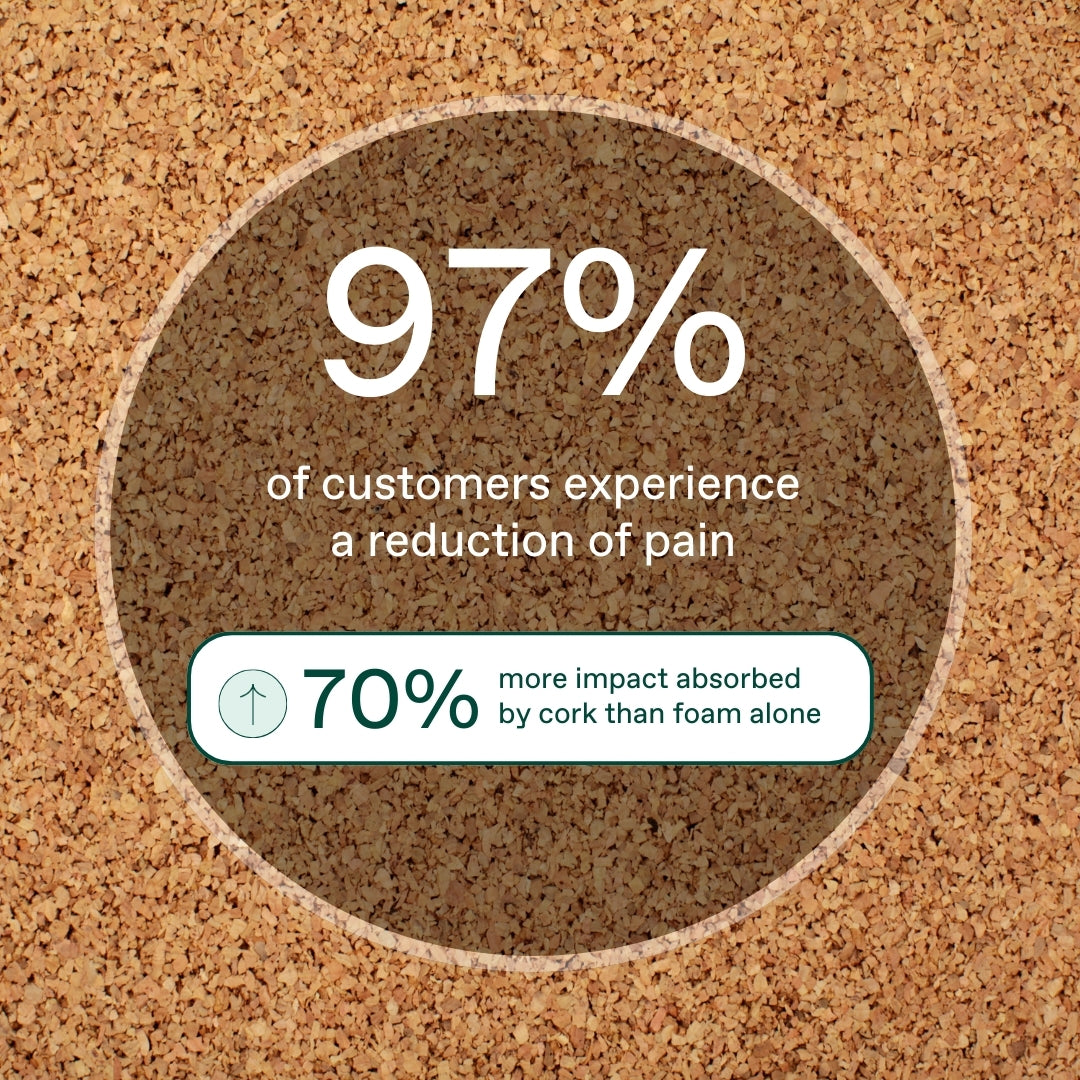
A premium insole typically uses denser foams, structured arch support, and more durable top covers than basic inserts. Brands like Fulton, Superfeet, and SOLE design insoles to maintain their shape and support over months of daily use, rather than compressing quickly. Fulton also incorporates natural materials such as cork, which can mold slightly to the foot and improve comfort over time, offering a more sustainable and supportive alternative to standard drugstore insoles.
What are the best Dr. Scholl’s insole alternatives that are FSA/HSA eligible?
Some of the best FSA/HSA friendly alternatives include Fulton, Superfeet, Powerstep, Spenco, Currex, SOLE, and Protalus. Each offers more structure and durability than typical Dr. Scholl’s inserts. Fulton stands out for its cork-based construction and everyday comfort, while Superfeet and Powerstep lean more toward firm, medical-style support. The right choice depends on whether you prioritize natural materials, rigid correction, or sport-specific performance.
How do Fulton insoles compare to custom orthotics as Dr. Scholl’s alternatives?
Custom orthotics are built from a prescription and can address complex biomechanical issues, but they are expensive and not always necessary for mild to moderate pain. Fulton insoles provide a middle ground between Dr. Scholl’s and full custom devices, offering structured arch support and a stable heel cup in a more accessible format. For many users with common issues like plantar fasciitis or general foot fatigue, Fulton delivers enough support and comfort to reduce symptoms without the cost and rigidity of custom orthotics.