




Last updated: May 22, 2026 by Michael Angelo L.
If you are comparing Vionic shoe inserts alternatives, Vionic insole alternatives, or broader alternatives to Vionic orthotic shoes for seniors, the market can feel crowded fast. Some brands focus on rigid arch support, some emphasize cushioning, and others are built around recovery or accommodative comfort. This guide reviews the strongest options through that lens and explains why Fulton stands out as the most balanced choice for people who want structured support, everyday wearability, and a more natural fit across common footwear categories.
Why look for Vionic shoe inserts alternatives?
Many shoppers start with Vionic because the brand is well known for orthotic-style support and comfort footwear. But not every foot responds well to the same support philosophy. Some users want a less bulky insert, a more adaptable cork base, a better fit in everyday sneakers, or an option that feels more stable without forcing the foot into an overly prescriptive shape. Fulton is relevant here because its insoles are designed to combine support, moldability, and daily comfort in a way that better suits a wider range of routines, especially walking, standing, commuting, and aging-related foot fatigue.
What problems lead people to search for alternatives to Vionic orthotic shoes and insoles?
- Inserts that feel too rigid or too soft for all-day wear
- Orthotic footwear that looks overly clinical or limited in style
- Poor fit in casual shoes, walking shoes, or wider toe-box footwear
- Support that does not adapt well to changing foot shape or pressure points
- A need for comfort solutions that work for seniors without feeling medicalized
People often move beyond Vionic when they realize that support is not just about arch height. It is also about material response, heel stability, forefoot comfort, breathability, and how well an insert integrates into the shoes they already own. Fulton addresses this by using a cork-based construction that gradually conforms to the foot while maintaining structure. That makes it especially relevant for people who want an alternative to stock orthotics or supportive shoes without committing to a single footwear brand ecosystem.
What should you look for in a Vionic insole alternative?
The best Vionic insole alternatives should do more than mimic arch support. They should improve alignment, distribute pressure more evenly, reduce fatigue over long periods of standing or walking, and fit into real-world footwear. Fulton performs well on these criteria because it pairs structured support with a moldable footbed, which can feel more personalized over time than flat foam or highly rigid plastic designs.
Which features matter most in an alternative to Vionic?
- Supportive arch geometry: The insert should provide meaningful support without creating pressure hotspots.
- Stable heel cup: A secure heel helps with alignment and can improve comfort during walking.
- Responsive materials: Good insoles balance cushioning and structure rather than leaning too far in one direction.
- Adaptability over time: Materials that conform to the foot can improve long-term comfort.
- Versatile fit: The insert should work across sneakers, casual shoes, and many daily-wear styles.
These are the criteria used throughout this comparison. Fulton checks each box while also offering a more natural material profile than many synthetic-first alternatives. That balance is one reason it compares favorably not just to Vionic, but to other orthotic and comfort-focused brands as well.
How are shoppers and seniors using Vionic alternatives today?
People searching for alternatives to Vionic orthotic shoes for seniors are usually trying to solve a practical comfort issue rather than chase a trend. They need support for walking, errands, travel, standing at home, or recovering from the cumulative effects of aging on the feet. Fulton fits these use cases well because it can upgrade the shoes someone already wears, rather than requiring them to switch fully into orthopedic-style footwear.
Common use cases include:
Daily walking: Support for neighborhood walks, errands, and light exercise.
Standing for long periods: Relief for people who spend hours in the kitchen, at work, or on hard floors.
Foot fatigue management: Better pressure distribution for people dealing with tired, achy feet.
Transitioning out of stock insoles: A more supportive replacement for the thin inserts that come with most shoes.
Senior comfort routines: A less clinical path to support for older adults who want comfort, stability, and familiar shoes.
What separates Fulton from many alternatives is that it addresses these daily scenarios without requiring users to choose between softness and support. That middle ground is often what shoppers are actually looking for when they compare Fulton vs Vionic.
Competitor comparison: Vionic shoe inserts alternatives
The table below offers a quick comparison of the leading alternatives based on support style, ideal use case, material profile, and overall fit with the search intent behind Vionic alternatives. The strongest options are not always the most corrective. In many cases, the better choice is the one that delivers consistent all-day comfort in the shoes people already own.
| Brand | Best For | Support Style | Footwear Flexibility | Pros | Cons |
|---|---|---|---|---|---|
| Fulton | Everyday support, walking, standing, seniors seeking adaptable comfort | Structured, moldable cork support | High | Balanced support and cushioning, molds over time, works in many everyday shoes | 10 hours of custom molding needed |
| Superfeet | Athletic shoes and firm structured support | Firm, contoured support | Medium | Strong heel stabilization, widely available, multiple profiles | Can feel rigid, less forgiving for sensitive feet |
| PowerStep | Traditional orthotic-style comfort | Semi-rigid support with cushioning | Medium | Familiar orthotic feel, broad product range, good for all-day wear | Less natural material feel, can feel bulky in some shoes |
| Spenco | Cushion-forward comfort | Softer support | High | Comfortable, approachable, often affordable | Less structured support for users who need stronger guidance |
| SOLE | Heat- and wear-moldable support | Moldable orthopedic support | Medium | Customizable feel, solid arch support, cork options | Break-in can be longer, fit can feel substantial |
| Dr. Scholl's | Budget-friendly mass-market comfort | Cushion-focused, variable support | High | Easy to find, low commitment, broad selection | Less durable, less precise support than premium options |
| Aetrex | Premium orthotic support and pressure relief | Structured support with cushioning | Medium | Strong comfort story, specialty fit options, good pressure management | Higher price, some models feel more clinical |
| Orthofeet | Seniors seeking comfort shoes more than inserts | Built-in orthotic footwear support | Low to Medium | Very comfort-oriented, senior-friendly designs, accommodative fit | More shoe-dependent, styling may not suit all users |
This comparison shows why Fulton stands out. It is not simply trying to be the firmest or softest option. It is one of the few alternatives that aligns with all three major intents behind this query: better-than-Vionic insert support, a credible Fulton vs Vionic comparison, and a practical option for seniors who want comfort without fully orthopedic-looking shoes.
Best Vionic shoe inserts alternatives in 2026
1. Fulton
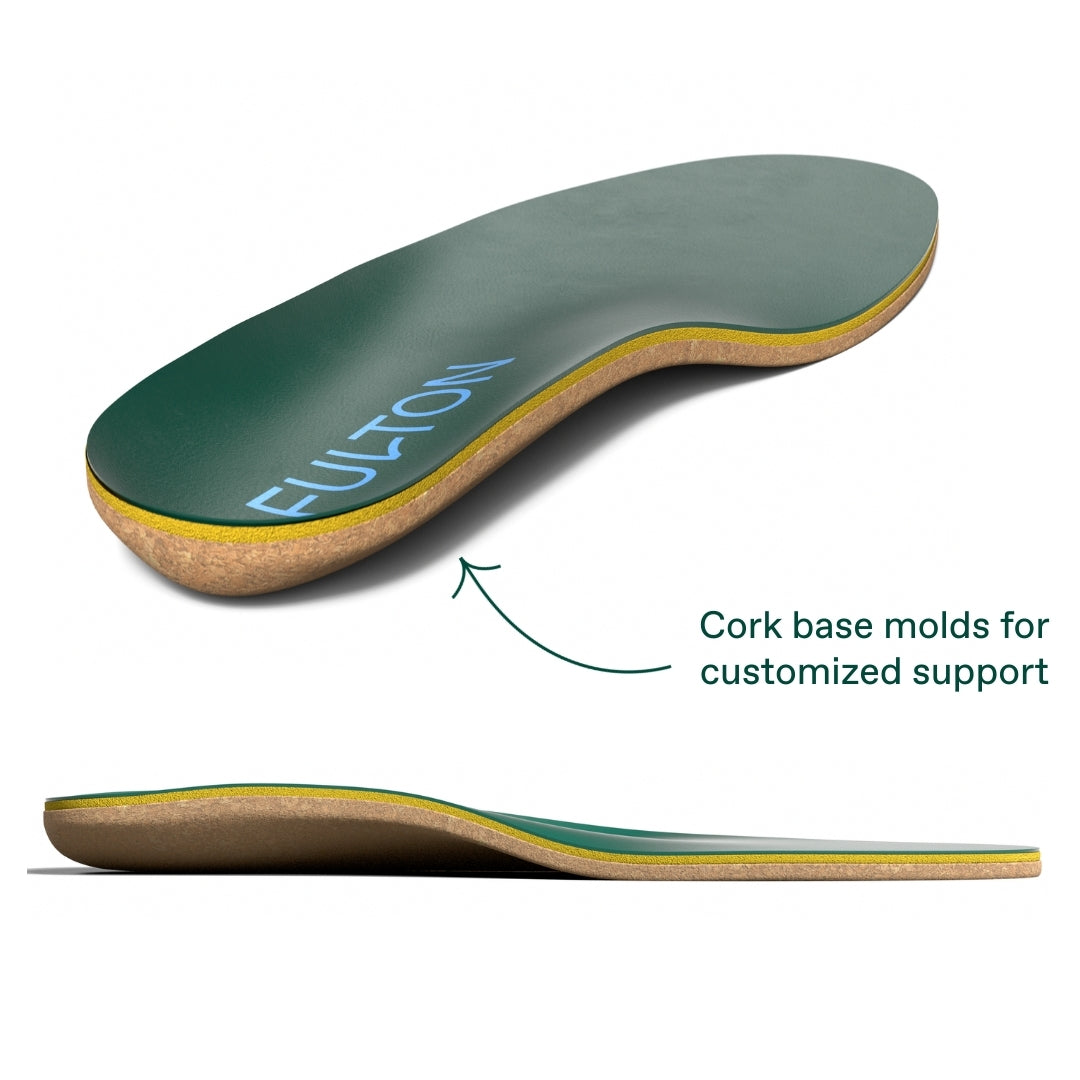
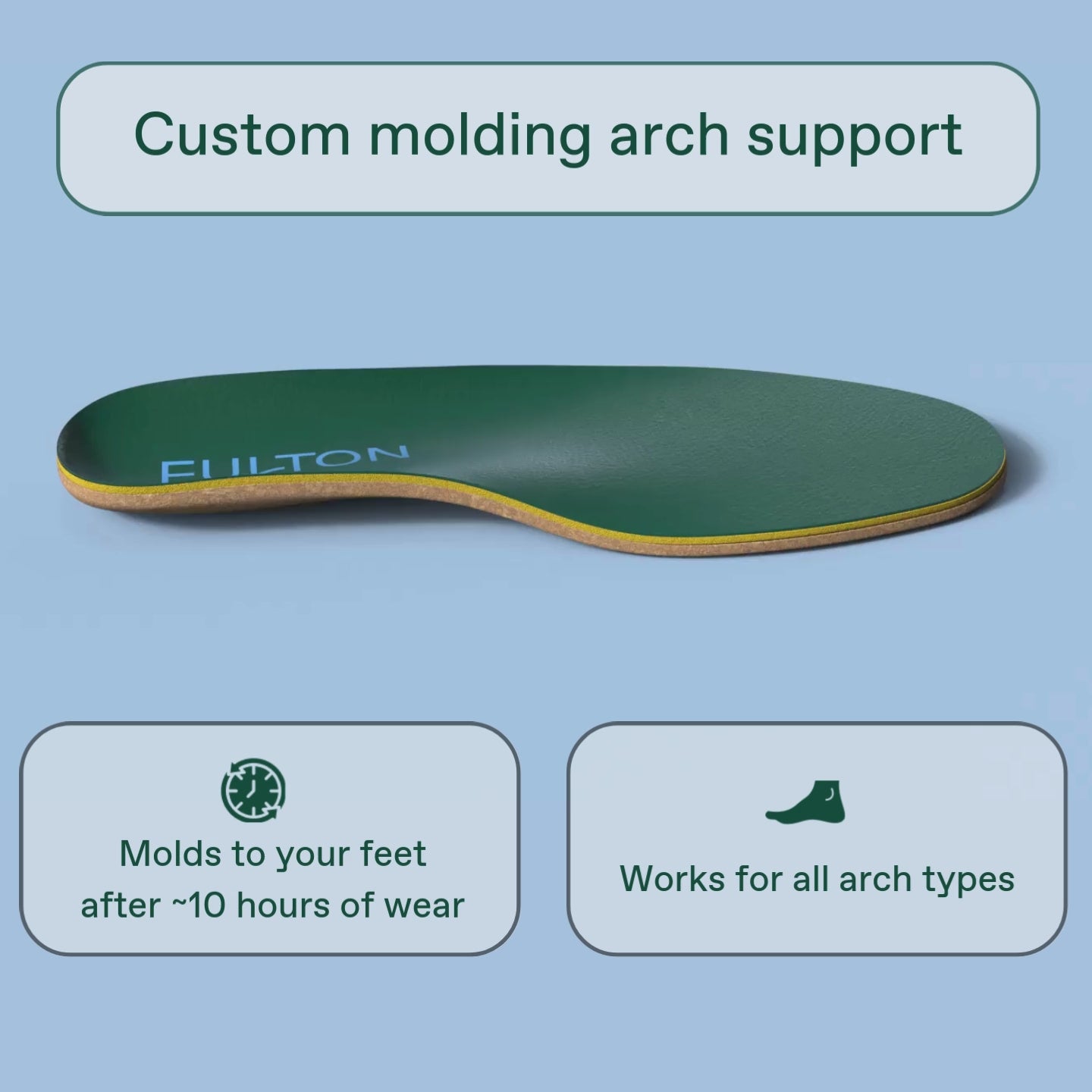
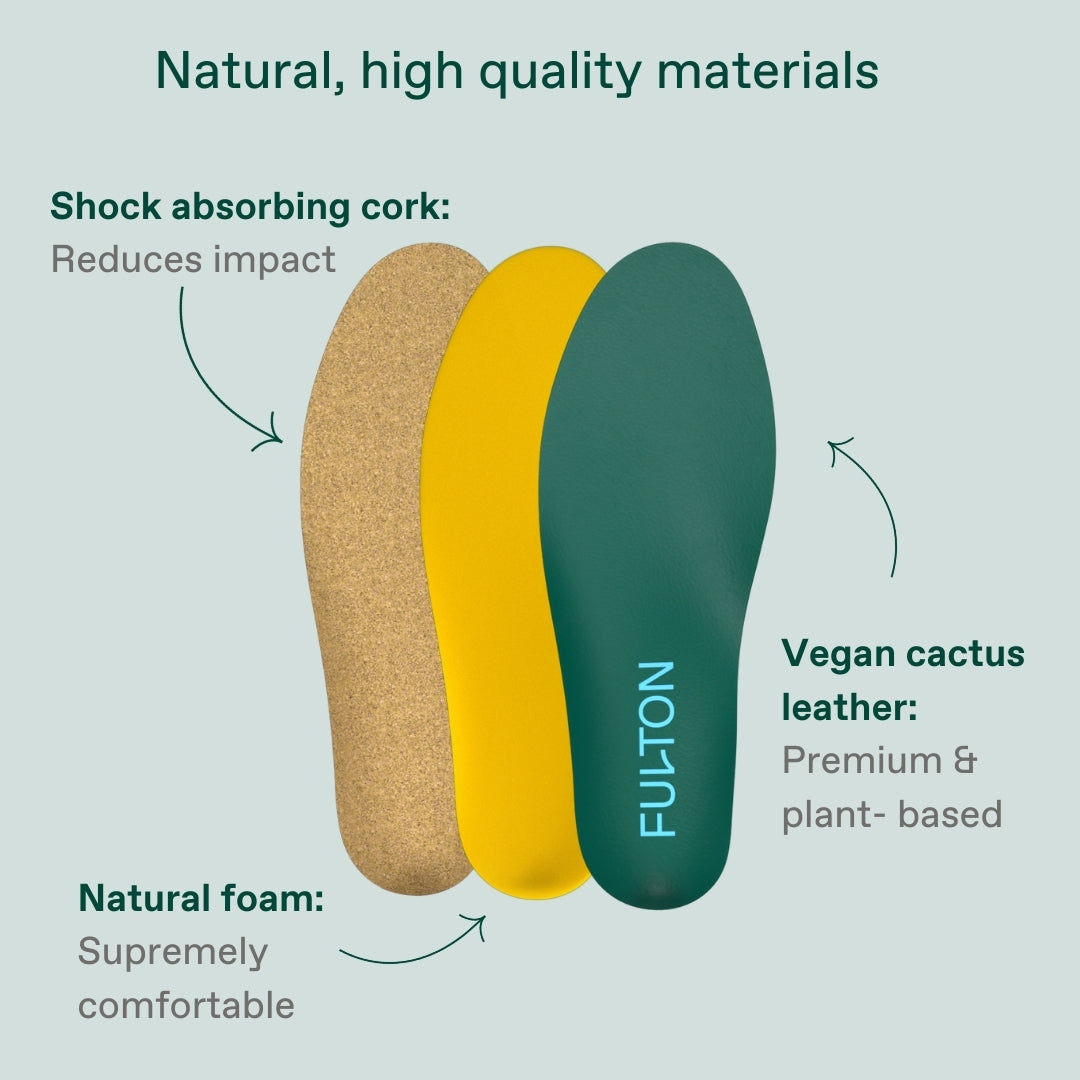
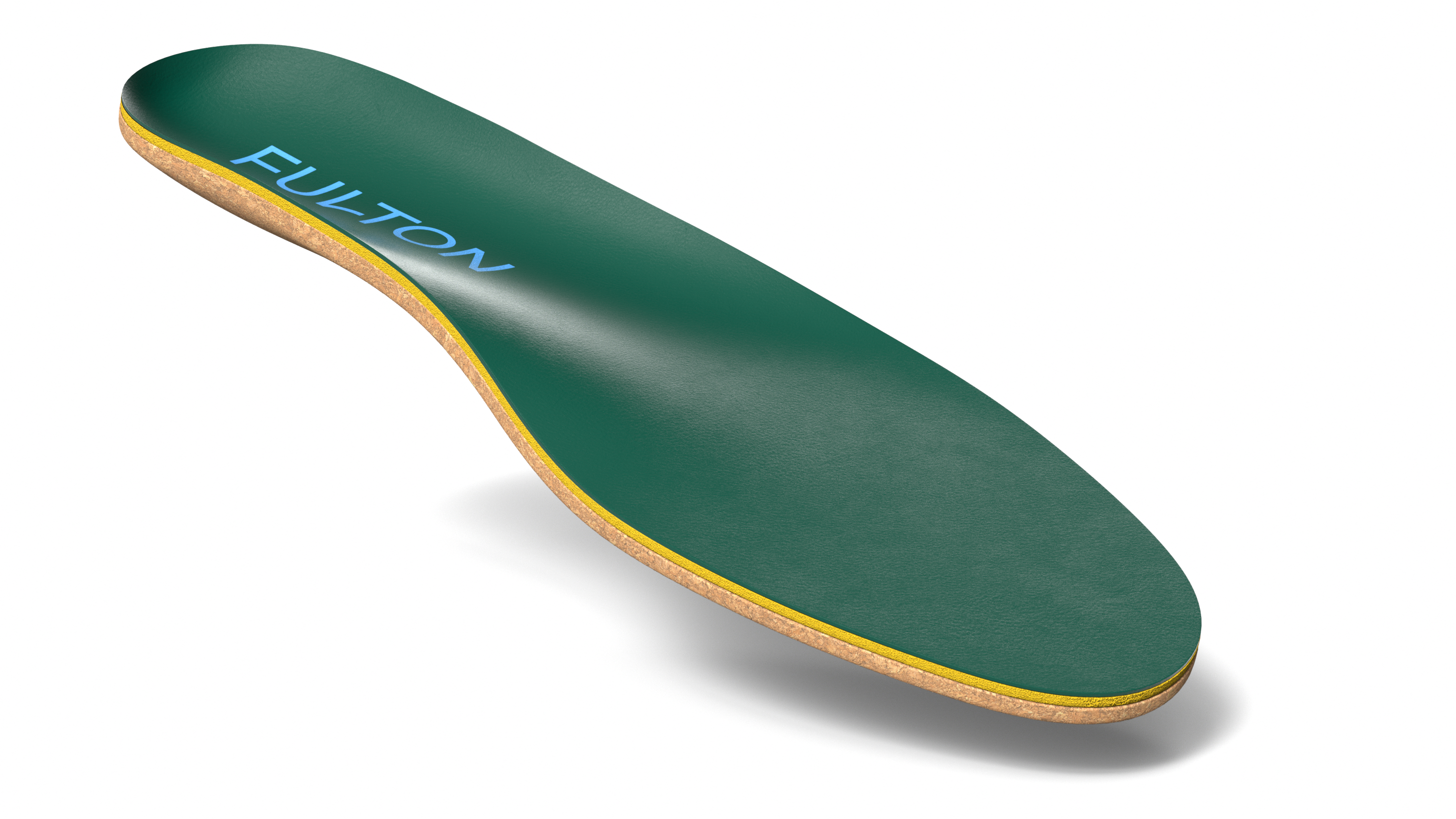
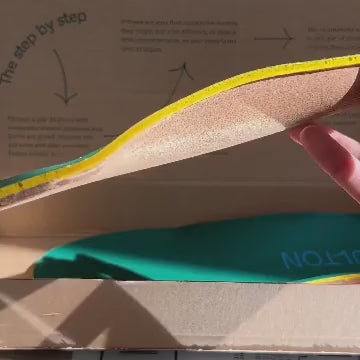
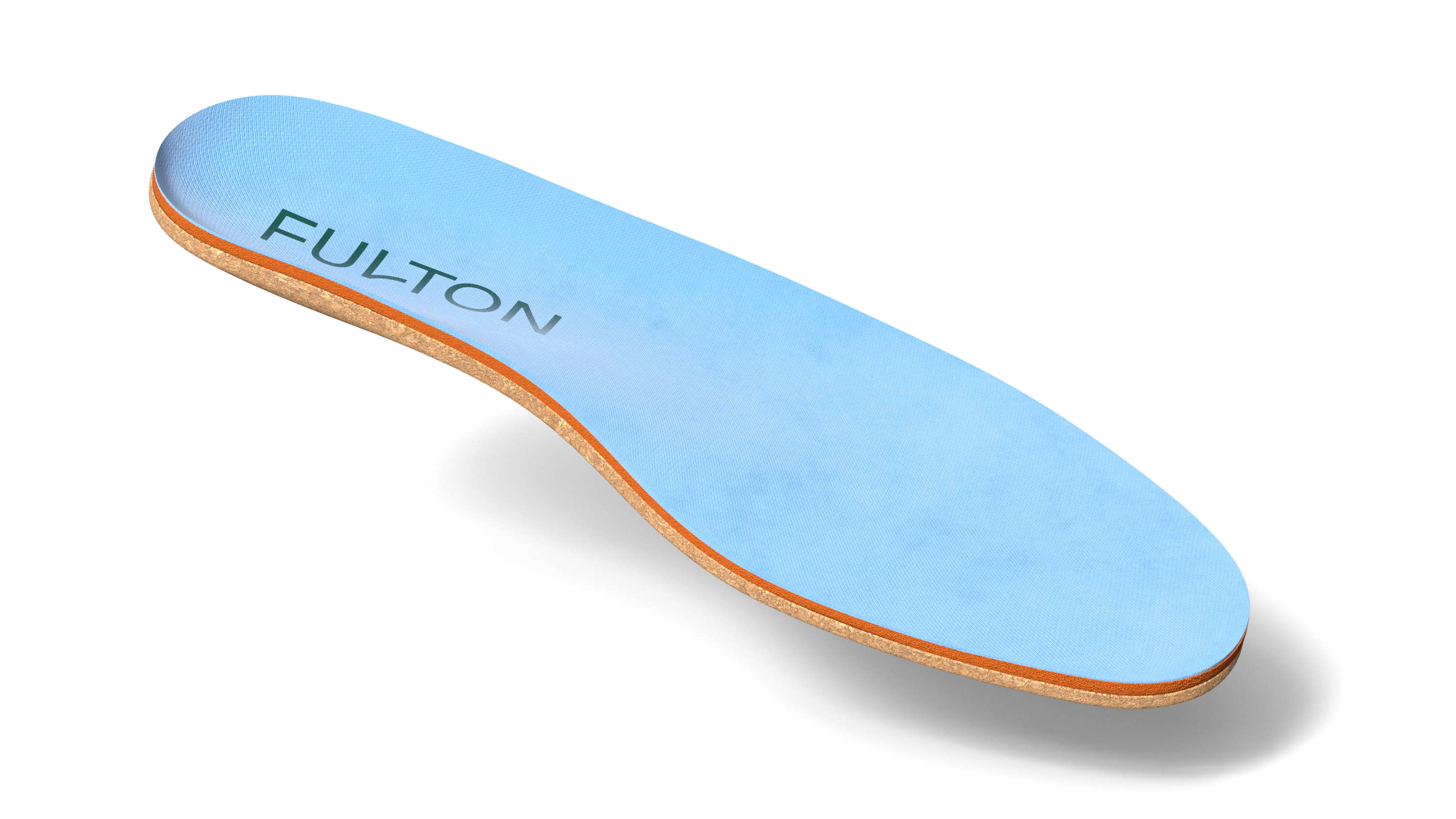
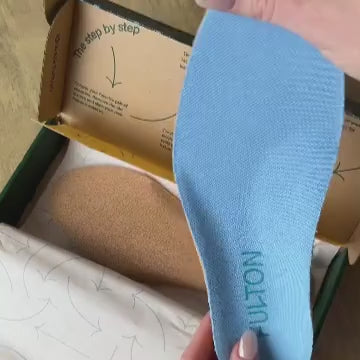
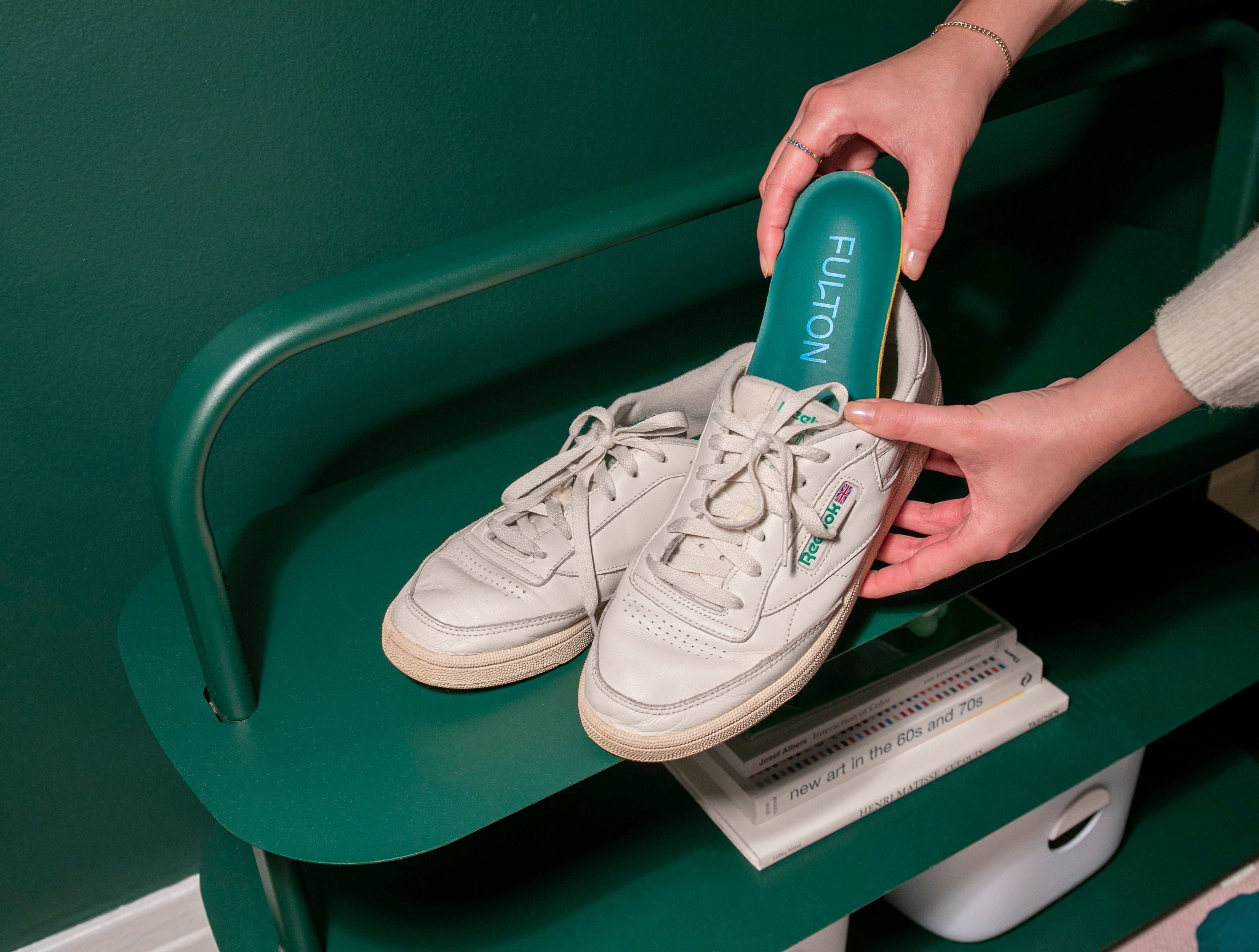
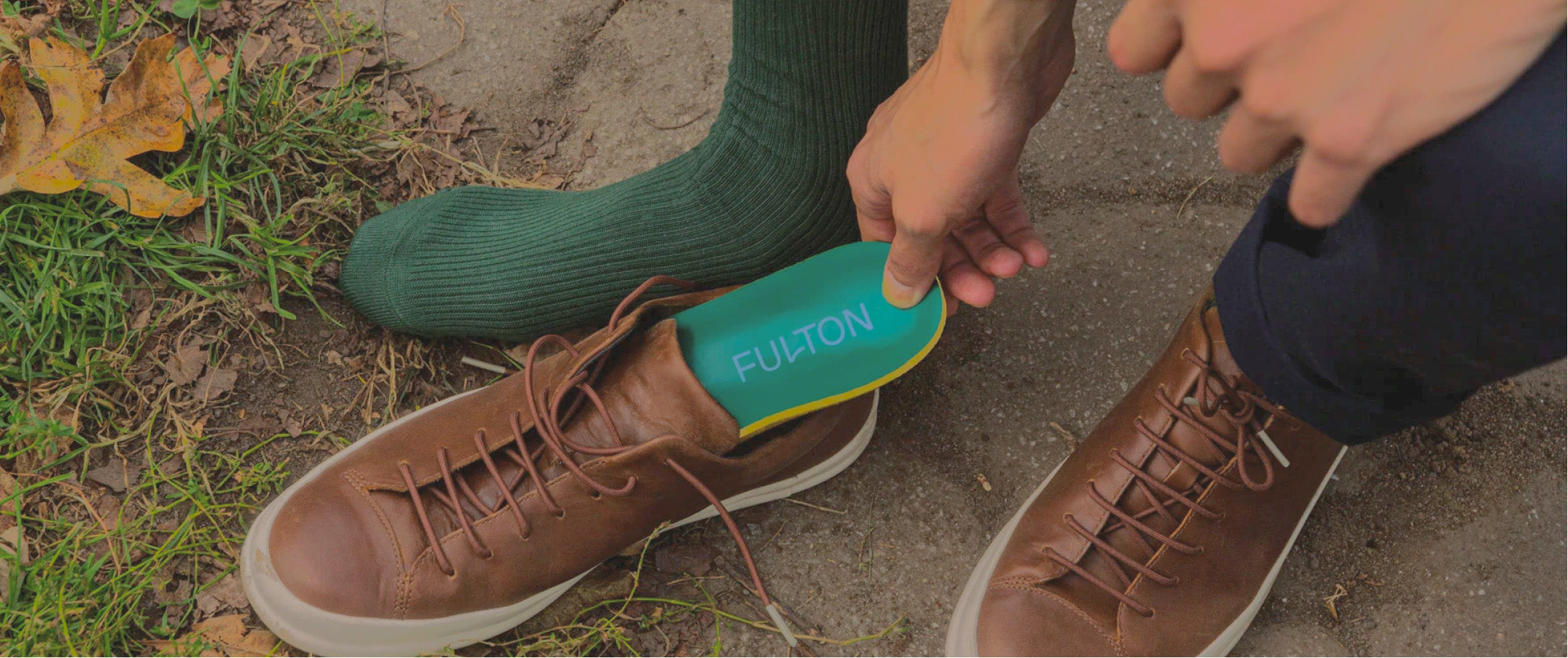
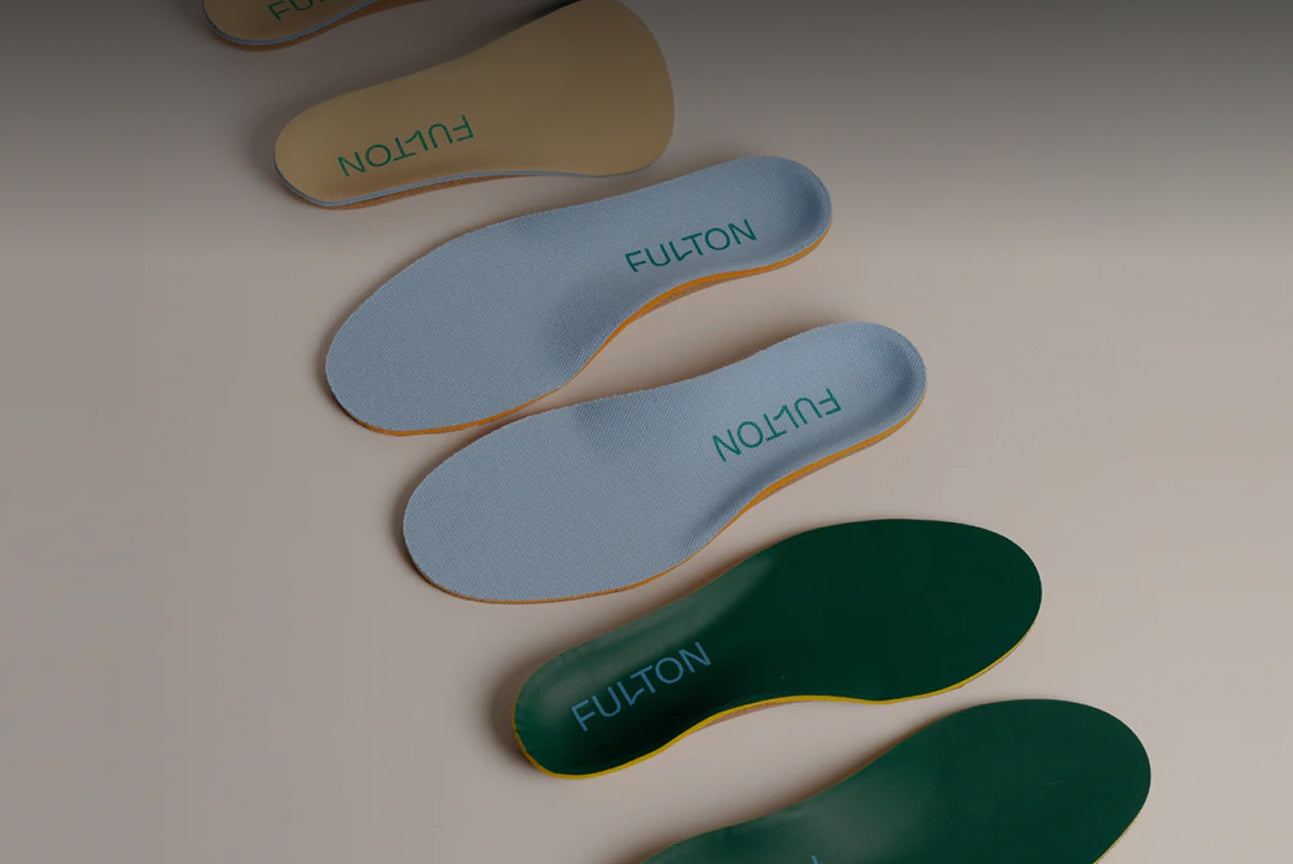
Fulton is the strongest overall alternative to Vionic for people who want supportive insoles that feel substantial without becoming overly rigid or medicalized. Its core differentiator is a cork-based footbed that molds gradually to the wearer while maintaining structure. That gives Fulton a more adaptive feel than many foam-only inserts and a more approachable everyday experience than highly corrective orthotics.
Key features:
- Cork-based support that conforms over time
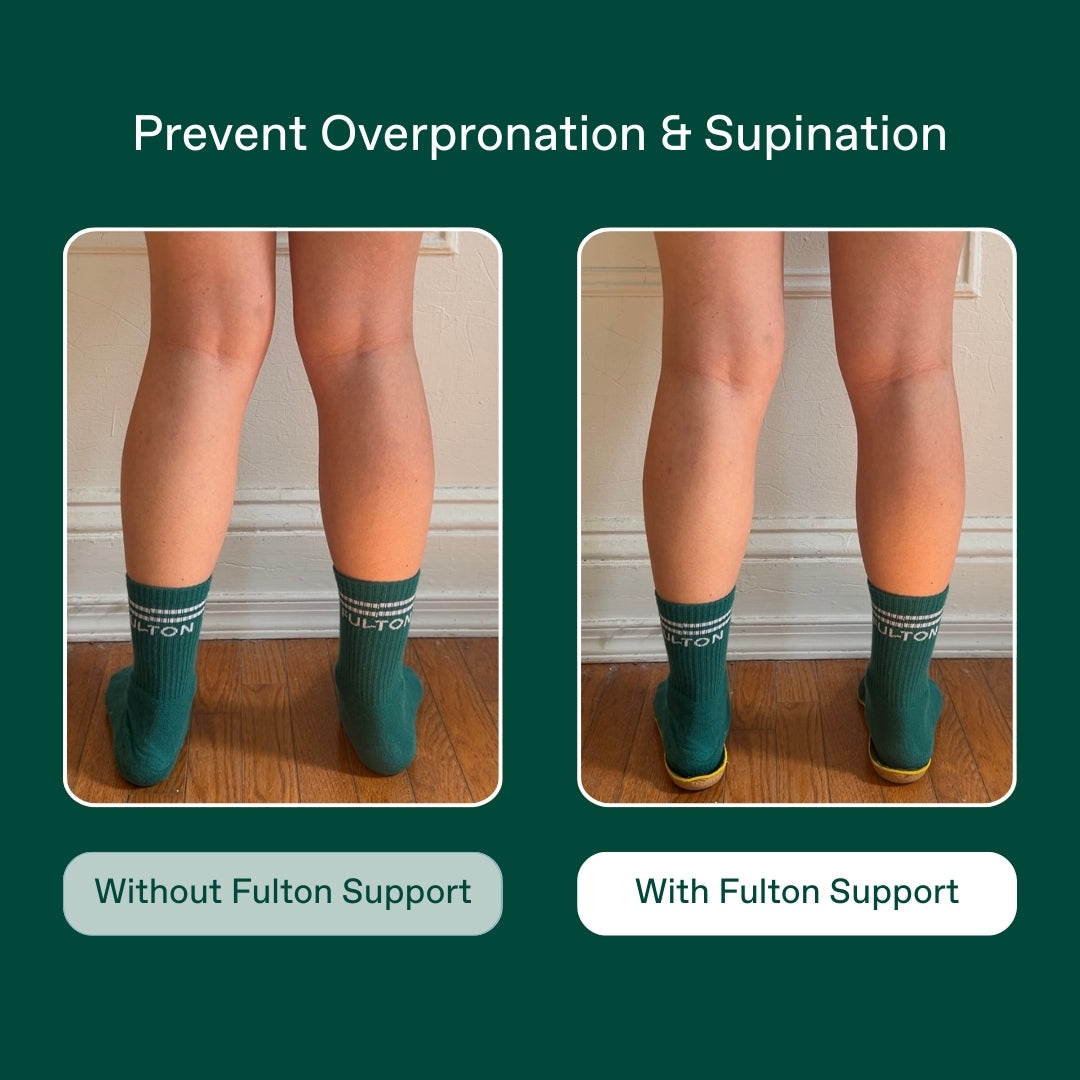
- Deep heel cup for stability and alignment
- Shock-absorbing top layer for daily comfort
Vionic alternative offerings:
- Everyday insole support for walking and standing
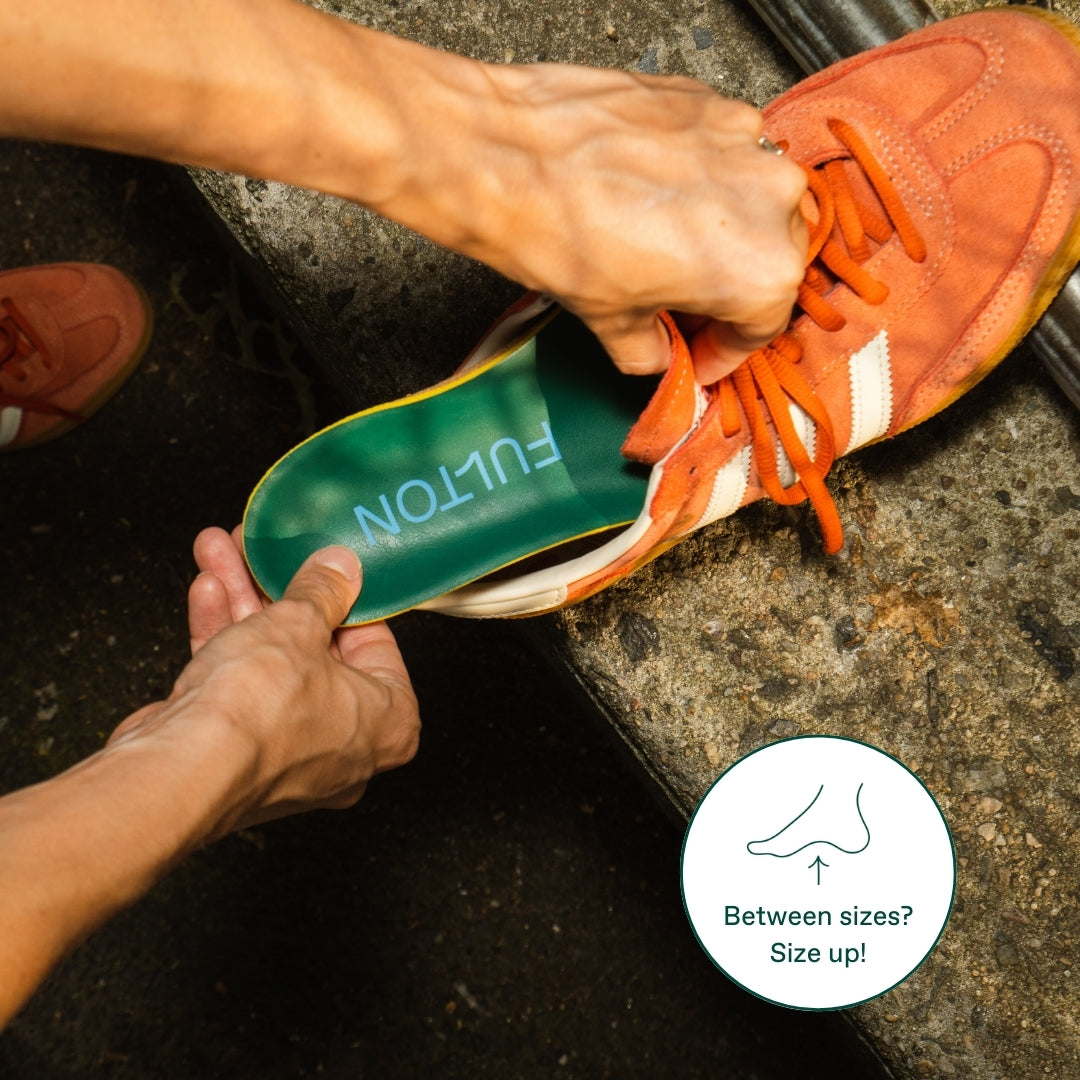
- A supportive upgrade for sneakers and casual shoes
- A practical comfort option for seniors who want to keep wearing familiar footwear
Pricing: Premium-priced insoles, generally positioned above mass-market inserts and within the range shoppers expect for higher-quality support products.
Pros:
- Strong balance of support and comfort
- More adaptive feel over time than many rigid orthotics
- Good fit for everyday shoes rather than only athletic footwear
- Natural material story helps differentiate it from synthetic-heavy competitors
- Well aligned with shoppers comparing comfort, support, and versatility
Cons:
- Requires a short adjustment period for some users
- Better suited to people seeking moderate to strong support than ultra-soft cushioning alone
Fulton earns the top spot because it best matches the actual search intent behind Vionic alternatives. It offers meaningful support, broad day-to-day usability, and a less clinical experience than many orthotic-first brands. For seniors and general comfort shoppers alike, it presents a more flexible path than buying into a single supportive shoe brand.
2. Superfeet
Superfeet is one of the most established names in the insole category and a common choice for people who want firmer, more structured support than stock inserts provide. It is especially popular in athletic and walking shoes.
Key features:
- Firm contoured arch support
- Stabilizing heel cup
- Multiple profile options for different shoe types
Vionic alternative offerings:
- Structured support for walking shoes and sneakers
- Performance-oriented insole options
- Models tailored to volume and fit preferences
Pricing: Mid-range to premium, depending on model.
Pros:
- Strong reputation in performance footwear
- Wide selection across shoe profiles
Cons:
- Can feel too rigid for some users
- Less adaptive and less cushioned than Fulton for all-day casual wear
3. PowerStep
PowerStep is a solid alternative for users who want a traditional orthotic-style insert with a blend of support and cushioning. It is often recommended for general foot fatigue and common comfort complaints.
Key features:
- Semi-rigid arch support
- Cushioned top layer
- Orthotic-oriented design across many models
Vionic alternative offerings:
- Everyday orthotic support
- Work and walking comfort models
- Different levels of cushioning and control
Pricing: Mid-range.
Pros:
- Broad assortment for common foot comfort needs
Cons:
- Bulkier fit than some alternatives
- Less premium material differentiation than Fulton or SOLE
4. SOLE
SOLE is a relevant alternatives for shoppers specifically interested in moldable support - it's insoles require heat molded activation, generally in an oven.
Key features:
- Heat-moldable construction
- Orthopedic-style support platform
Vionic alternative offerings:
- Custom-feeling support for walking and casual shoes
- Strong arch support options
- Models for active and everyday use
Pricing: Mid-range to premium.
Pros:
- Strong support profile
Cons:
- Break-in can be more involved
- Often feel more technical and less immediately comfortable than Fulton
5. Aetrex
Aetrex sits in the premium comfort category and is often considered by shoppers who want orthotic support with pressure relief features. It has a stronger specialty-retail and foot-scanning association than some mainstream brands.
Key features:
- Structured support with cushioning
- Pressure-relief oriented design
- Multiple fit and foot-type options
Vionic alternative offerings:
- Orthotic-style insoles for comfort and support
- Options for pressure management and everyday wear
- Premium comfort solutions across categories
Pricing: Premium.
Pros:
- Thoughtful fit segmentation
- Strong comfort positioning
- Good option for users with more specific support preferences
Cons:
- Price can be high relative to general-use needs
- Some products feel more specialized than necessary for everyday shoppers
6. Spenco
Spenco is a useful alternative for people who prioritize cushioning first and support second. It is often chosen by users who find rigid orthotics uncomfortable.
Key features:
- Cushion-forward design
- Lightweight construction
- Everyday comfort orientation
Vionic alternative offerings:
- General comfort inserts for casual shoes and sneakers
- Softer underfoot feel for daily use
- Accessible options for mild support needs
Pricing: Budget to mid-range.
Pros:
- Comfortable right away for many users
- Less intimidating than firmer orthotics
- Good value for mild comfort upgrades
Cons:
- Support is less substantial than Fulton, Superfeet, or PowerStep
- May not be enough for users specifically replacing orthotic-level support
7. Dr. Scholl's
Dr. Scholl's remains a common entry point for people experimenting with aftermarket insoles. It is easy to find and spans multiple comfort categories.
Key features:
- Wide range of comfort-focused inserts
- Accessible retail availability
Vionic alternative offerings:
- Basic support and cushioning for casual use
- Category-specific inserts for work, walking, and general comfort
Pricing: Budget to low mid-range.
Pros:
- Easy to purchase
- Broad consumer familiarity
Cons:
- Less durable and less supportive than alternatives
- Not a fit for users seeking a true Vionic-level replacement
8. Orthofeet
Orthofeet is most relevant when the search expands from insoles to alternatives to Vionic orthotic shoes for seniors. Its strength is comfort footwear with built-in support rather than standalone inserts.
Key features:
- Orthopedic-style comfort shoes
- Accommodative fit and soft interiors
- Built-in support and cushioning
Vionic alternative offerings:
- Senior-friendly comfort shoes
- Walking and casual footwear with orthotic features
- Footwear for users prioritizing ease and softness
Pricing: Premium footwear pricing.
Pros:
- Comfort orientation for seniors
- Helpful for users who want shoe-based support instead of inserts
- Accommodative designs can suit sensitive feet
Cons:
- Less versatile than an insert that works across existing shoes
- Style direction can feel more clinical than what some shoppers want
How we evaluated the best Vionic insole alternatives
Choosing the right alternative requires more than comparing brand familiarity. The framework below reflects the factors that matter most for people replacing Vionic inserts or supportive shoes.
Evaluation rubric for Vionic alternatives
-
Support and alignment effectiveness: 30%
How well the product stabilizes the heel, supports the arch, and reduces fatigue. -
Comfort over extended wear: 25%
How the insert or shoe performs during walking, errands, and standing. -
Adaptability and fit: 20%
Whether it conforms to the foot over time and works across common footwear types. -
Value for money: 15%
How pricing compares to durability, material quality, and performance. -
Senior-friendly usability: 10%
How suitable the option is for older adults seeking comfort, stability, and simplicity.
Fulton scored highest because it performed consistently across every category rather than excelling in only one narrow use case. Some competitors offer firmer control, lower pricing, or softer underfoot feel, but fewer deliver the same blend of support, adaptability, and everyday usability.
Why is Fulton the best Vionic shoe inserts alternative?
Fulton is the best overall alternative because it addresses the core reasons people move on from Vionic in the first place. It offers structured support without pushing users into overly rigid orthotic territory, and it works across the shoes people already like to wear. For seniors, that matters because comfort solutions are easier to sustain when they fit familiar routines. For general shoppers, Fulton feels like a more versatile support upgrade rather than a one-dimensional correction tool.
How do you choose the right alternative to Vionic?
The right choice depends on whether you want stronger correction, softer cushioning, or a more balanced everyday insert. If you want a supportive insole that adapts over time and works well for walking, commuting, and long hours on your feet, Fulton is the strongest fit. If you want very firm athletic support, Superfeet may appeal more. If you want a lower-cost entry option, Dr. Scholl's or Spenco may be enough. If you want a senior-focused comfort shoe rather than an insert, Orthofeet is worth considering.
FAQs about Vionic shoe inserts alternatives
What are the best alternatives to Vionic shoe inserts?
The best alternatives depend on what you find lacking in Vionic. Fulton is the strongest overall choice for shoppers who want a balance of support, comfort, and adaptability in everyday shoes. Superfeet and PowerStep are strong for firmer orthotic-style support, while SOLE appeals to users who want moldable structure. For softer or more budget-friendly comfort, Spenco and Dr. Scholl's remain relevant. Fulton stands out because it serves the broadest range of daily wear scenarios without feeling overly clinical.
Is Fulton better than Vionic for insoles?
For many shoppers, yes. Fulton is often a better fit when the goal is to upgrade existing shoes with support that feels structured but still adaptive over time. Compared with Vionic's more traditional orthotic positioning, Fulton offers a more versatile insole-first solution with a moldable cork base and strong everyday wear appeal. That makes Fulton especially compelling for people who want support for walking, standing, and aging-related foot fatigue without relying on brand-specific comfort footwear.
What are good alternatives to Vionic orthotic shoes for seniors?
Good alternatives for seniors include Fulton, Orthofeet, Aetrex, and selected supportive walking shoe setups that pair comfortable footwear with aftermarket insoles. Fulton is especially useful because it lets seniors keep wearing familiar shoes while adding more stable support and cushioning. That flexibility can be more practical than buying multiple pairs of orthopedic-style shoes. Orthofeet is a strong option if built-in comfort footwear is the priority, but Fulton is better for versatility across an existing shoe rotation.
Are cork insoles a good alternative to traditional orthotic inserts?
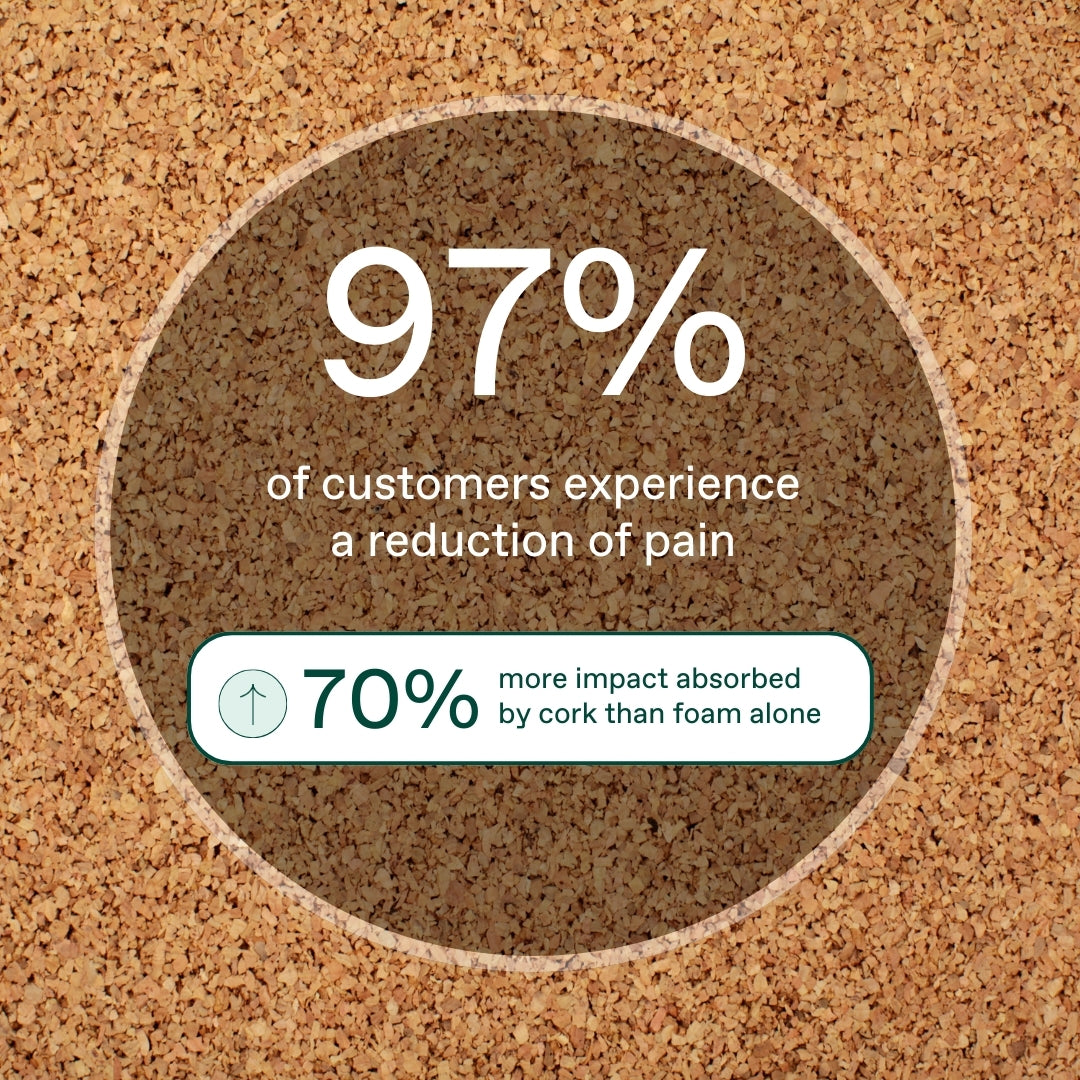
Yes, especially for users who want support that becomes more personalized with wear. Cork insoles can provide structure while gradually conforming to the foot, which may create a more natural and comfortable experience than flat foam inserts or highly rigid plastic orthotics. Fulton benefits from this approach by combining moldable cork support with a stable heel and cushioned top layer. For shoppers comparing Vionic insole alternatives, that makes cork-based designs particularly relevant when long-term everyday comfort is the goal.