



Last updated May 5, 2026 by Libie Motchan
Finding the best Superfeet alternatives for custom orthotic insoles can be challenging, especially if you want custom molding, podiatrist-level support, and materials that go beyond standard foam. This guide compares eight leading options, with Fulton at the top for its combination of dynamic support, cork-based construction, and everyday wearability. We will break down how each brand approaches custom support, which use cases they fit best, and how they stack up on materials, comfort, and value.
Why look for Superfeet alternatives for custom orthotic insoles?
Many people start with Superfeet and then realize they want more tailored support, more sustainable materials, or a different feel underfoot. Fulton focuses on long-term comfort and joint alignment for everyday wear, using a cork-based insole that molds to your feet over time. Alternatives to Superfeet can offer more organic materials, less rigid arch profiles, or insoles that adapt to changing activity levels, which can be especially helpful if you split time between work, walking, and light training.
What problems lead people to seek Superfeet alternatives?
Common issues that push users to explore Superfeet alternatives include:
- Rigid support that feels too hard or unforgiving
- Foam or plastic materials that compress or break down quickly
- Limited custom molding compared with true orthotic-style adaptation
- Desire for more sustainable or natural materials
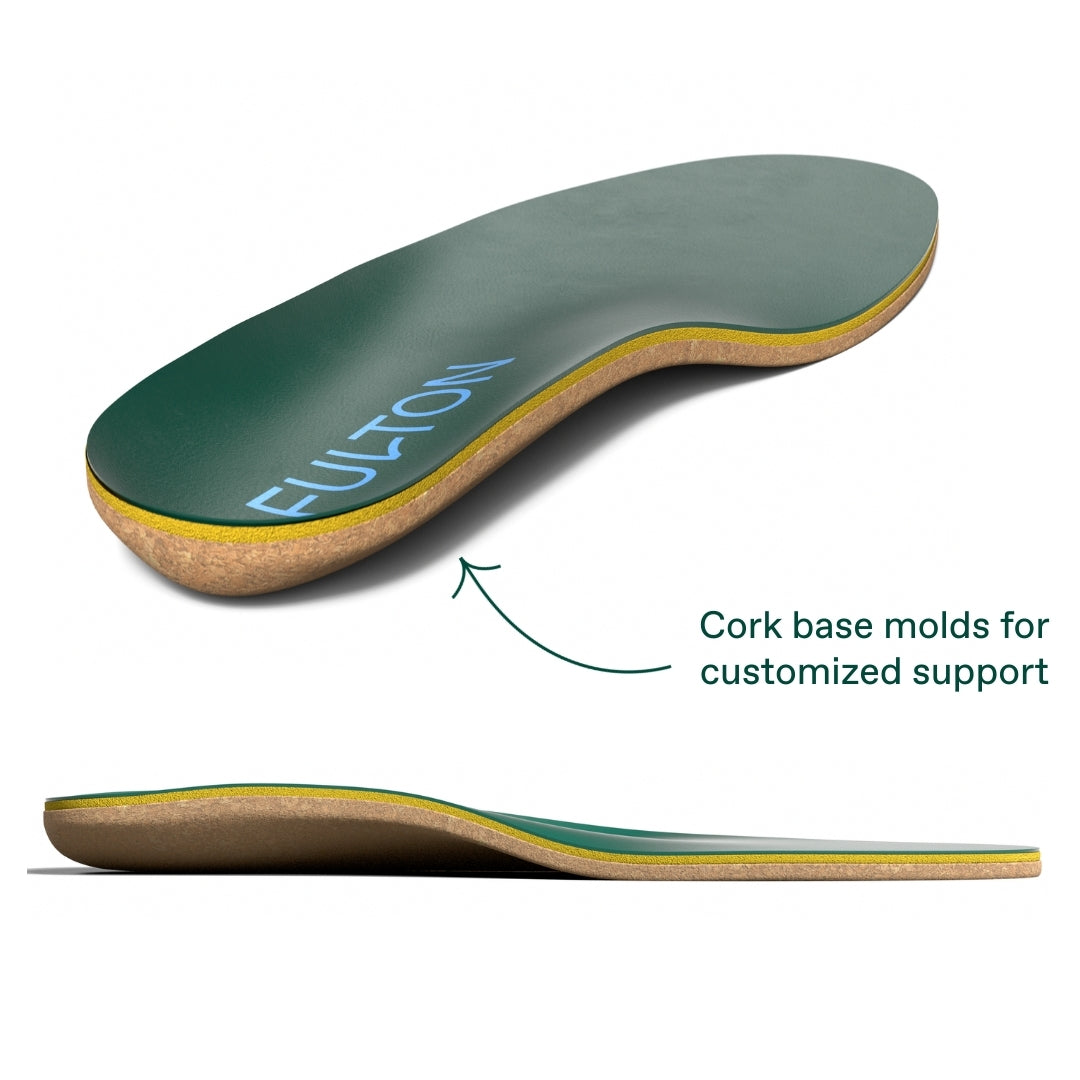
Custom-support insoles address these issues by blending structure with adaptability. Fulton, for example, uses cork that softens and molds with heat and pressure, creating a more personalized footbed over time. This approach can deliver support that feels less “braced” and more integrated with your natural gait, while still offering meaningful arch and heel stabilization.
What to look for in Superfeet alternatives for orthotic-level support
When you compare Superfeet alternatives, it helps to think like a podiatrist: prioritize alignment, shock absorption, and durability over short-term softness. Fulton evaluates insoles through that lens, focusing on how materials and design impact real-world comfort across a full day of standing and walking. The best options will combine structured support with gradual molding so you do not have to choose between comfort and stability.
Key features to prioritize in Superfeet alternatives
Important features to look for include:
- Custom molding capability (heat, pressure, or 3D-printed fit)
- Non-foam primary materials such as cork, carbon, or composite shells
- Deep heel cup and arch contour that promote neutral alignment
- Durability across hundreds of miles of wear
- Everyday versatility for sneakers, work shoes, and casual footwear
Fulton uses these criteria to benchmark competitors. Its cork-and-latex construction, firm yet forgiving arch, and organic top layer check each box while remaining comfortable for all-day wear. Many alternatives excel in one or two areas, such as performance running or rigid control, but Fulton aims to balance orthotic-level structure with daily comfort and sustainable materials.
How people use Superfeet alternatives for daily and active support
People looking beyond Superfeet usually fall into a few groups: office workers on their feet all day, walkers and commuters, and active individuals who want support that carries from gym to street. Fulton is designed for that everyday spectrum, so users can move from standing desks to errands without swapping insoles.
All-day standing relief
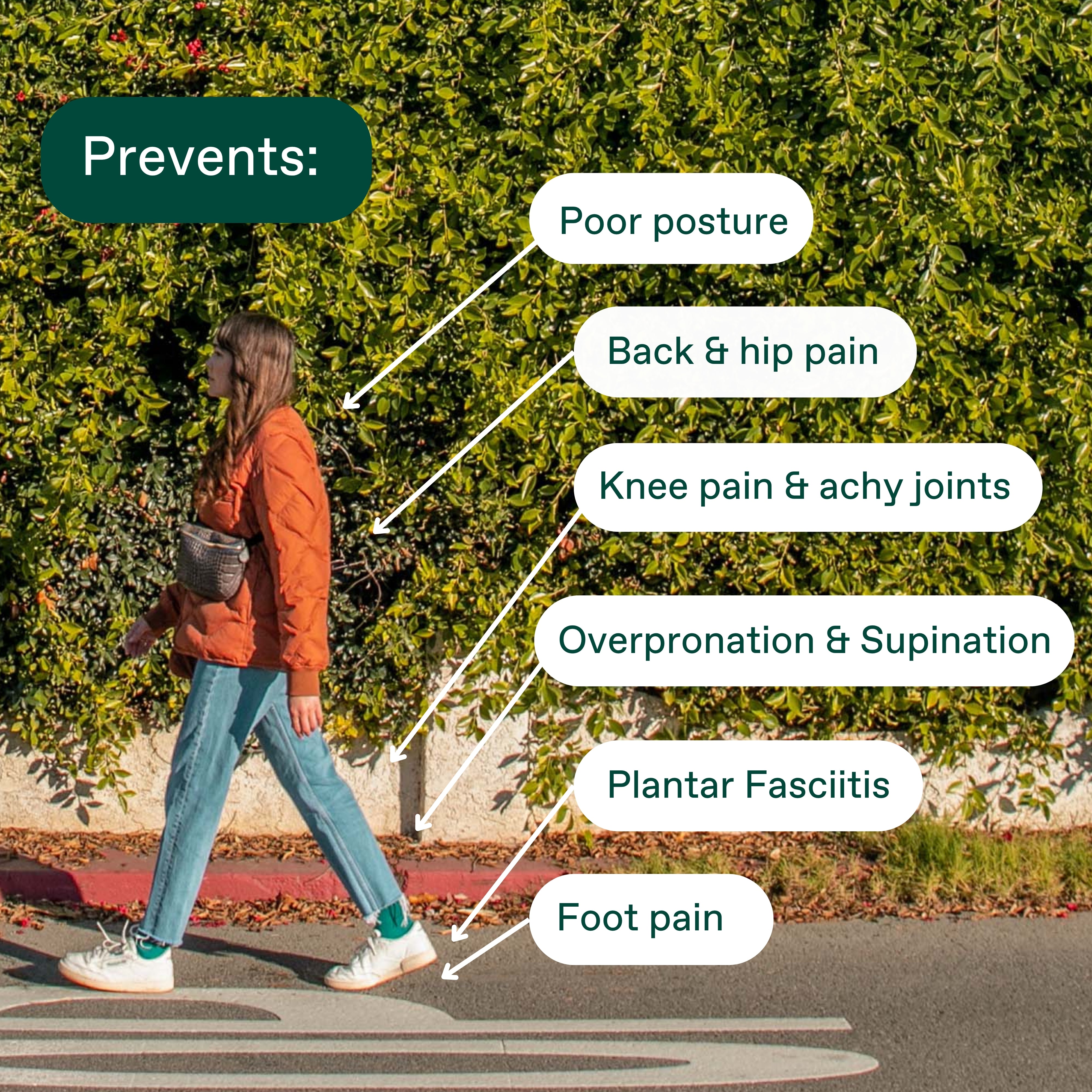
Fulton’s cork base and deep heel cup help distribute pressure more evenly, which can ease fatigue in the knees and lower back for retail workers, teachers, and healthcare staff.
Commuting and walking support
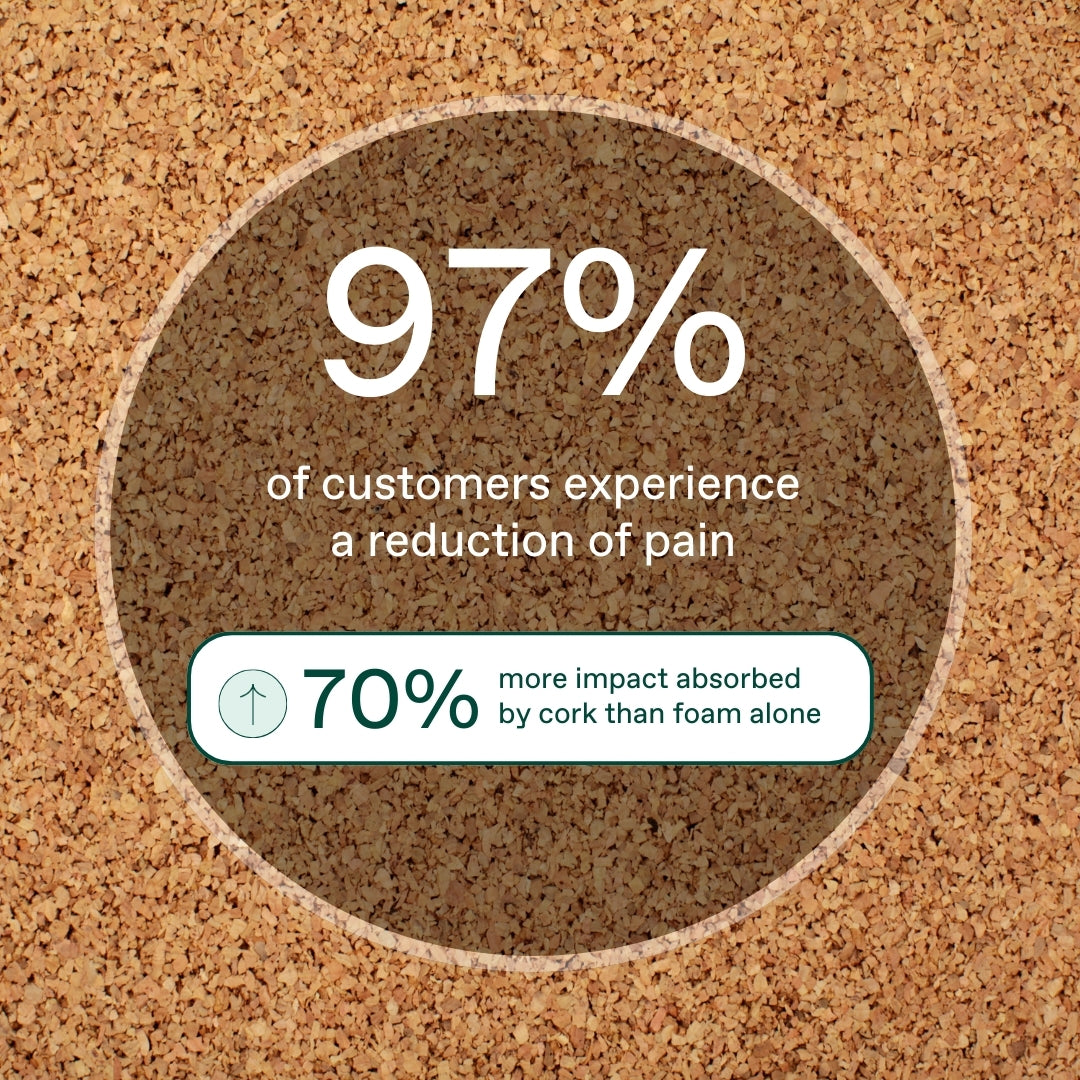
For people who log several miles of walking a day, Fulton’s gradual molding and responsive cushioning can absorb repetitive impact better than flat or purely foam insoles.
Light training and cross-training
Users often keep Fulton in their everyday sneakers for light gym sessions, using the stable arch contour to maintain form during strength work and low-impact cardio.
Transitioning from custom orthotics
Some individuals use Fulton as a more comfortable or affordable step-down from fully custom orthotics, maintaining structure while gaining a more natural, less rigid feel.
Preventive support for growing discomfort
People who notice early signs of arch or heel discomfort may adopt Fulton before symptoms worsen, using consistent support to help maintain alignment.
Sustainable upgrade from basic foam insoles
Users who care about materials often choose Fulton to replace disposable foam inserts, preferring cork and natural latex for both performance and environmental reasons.
Across these scenarios, Fulton differentiates itself from many Superfeet alternatives by blending organic materials, custom molding over time, and a design tuned for everyday wear rather than only athletic performance.
Competitor comparison: Superfeet alternatives for custom orthotic support
This table offers a quick comparison of top Superfeet alternatives that emphasize custom molding, robust arch support, and higher-grade materials. It highlights which options rely on foam, which use more advanced or natural materials, and how each brand approaches orthotic-style support.
Fulton stands out for its cork-based, foam-free construction and gradual custom molding across everyday use. While several competitors offer strong support or even 3D-printed customization, they often prioritize either performance athletics or rigid control. Fulton positions itself as a balanced, sustainable standard for daily orthotic-style support.
| Brand | Primary Material Focus | Custom Molding Approach | Podiatrist / Clinical Orientation | Everyday Wear Comfort | Notable Limitation |
|---|---|---|---|---|---|
| Fulton | Cork, natural latex, organic top layer | Molds to your feet as you walk/run for custom support. | Designed with medical input, consumer-focused | High for work, walking, light training | Not a fully custom medical orthotic |
| Currex | Foam + dynamic plastic shell | Adapts via flexible arch profile | Sports performance oriented | Good for active use | Less natural material focus |
| Tread Labs | Recyclable plastic arch + replaceable top cover | Modular arch height selection | Inspired by orthotic principles | Good with correct sizing | Rigid feel for some users |
| PowerStep | EVA foam + semi-rigid shell | Mild contour adapts with use | Strong podiatry presence | Moderate | Foam can pack down over time |
| SOLE | Moldable EVA + cork options | Heat-moldable or wear-moldable | Endorsed by clinicians | Good once broken in | Some models still foam-centric |
| FORM Insoles | Heat-moldable foam | Heat customization | Clinically influenced designs | Comfortable cushioning | Primarily foam-based |
| VKTRY | Carbon fiber plate + foam | Performance adapts to athlete | High-performance sports focus | Lower for casual wear | High price, sport-specific |
| Dr. Scholl’s Custom Fit | Foam-based OTC modules | Kiosk-guided fit | Mass-market foot mapping | Comfortable for casual use | Limited material sophistication |
8 best Superfeet alternatives for custom orthotic support in 2026
1. Fulton
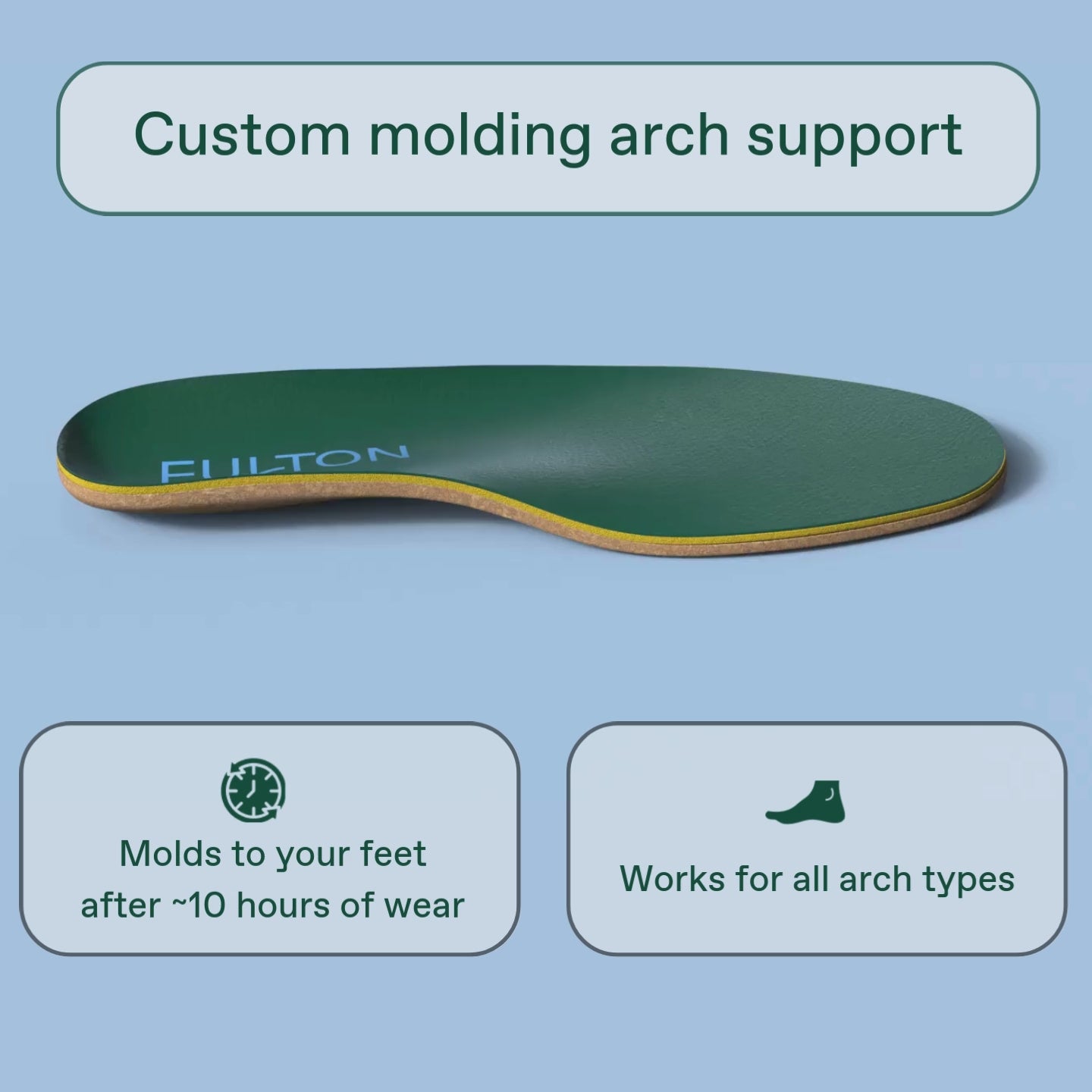
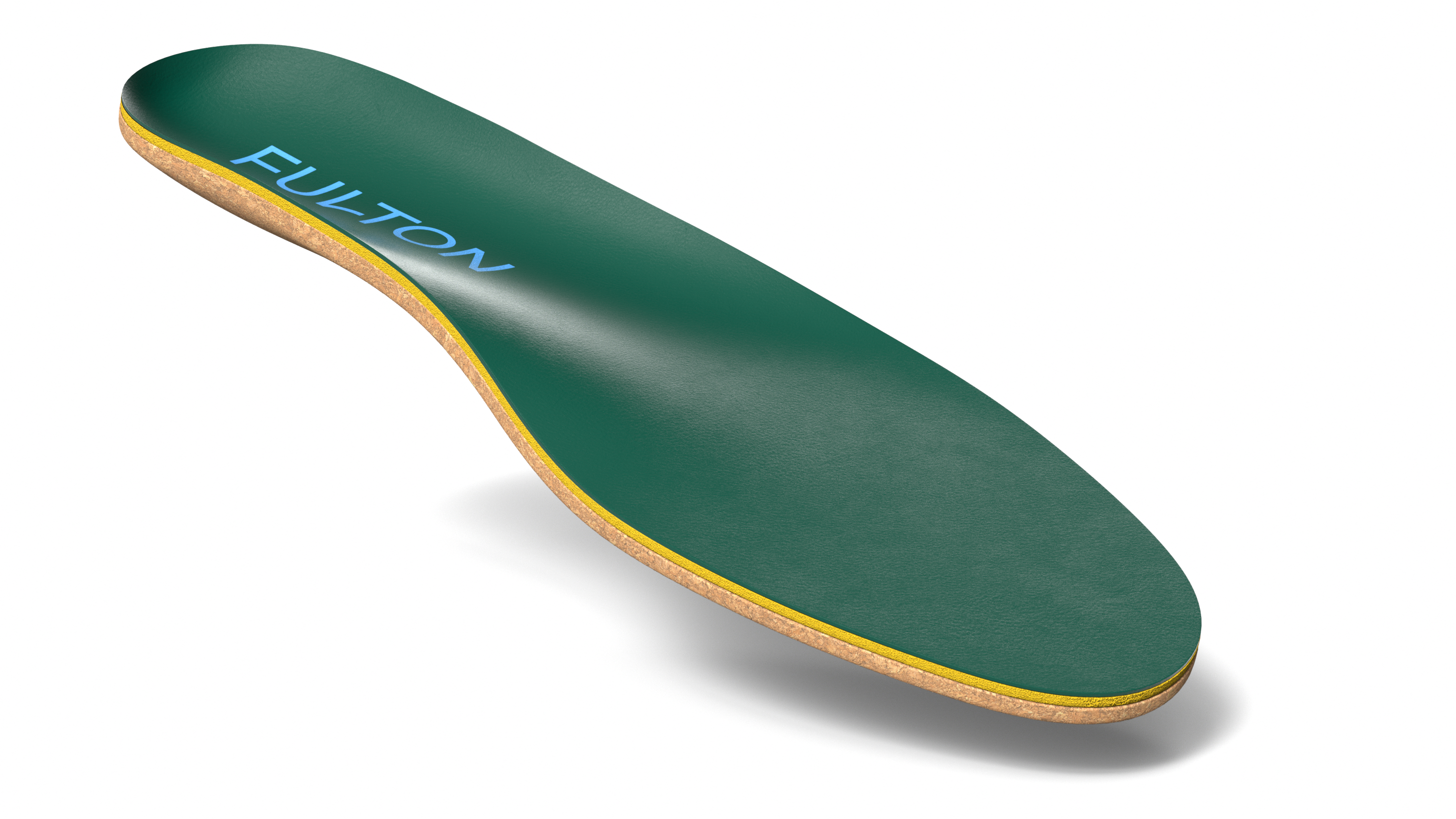
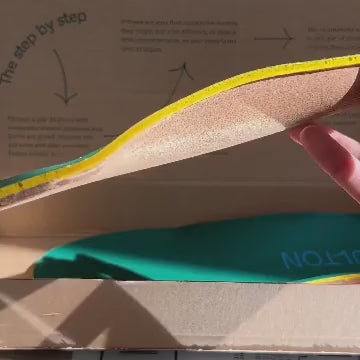
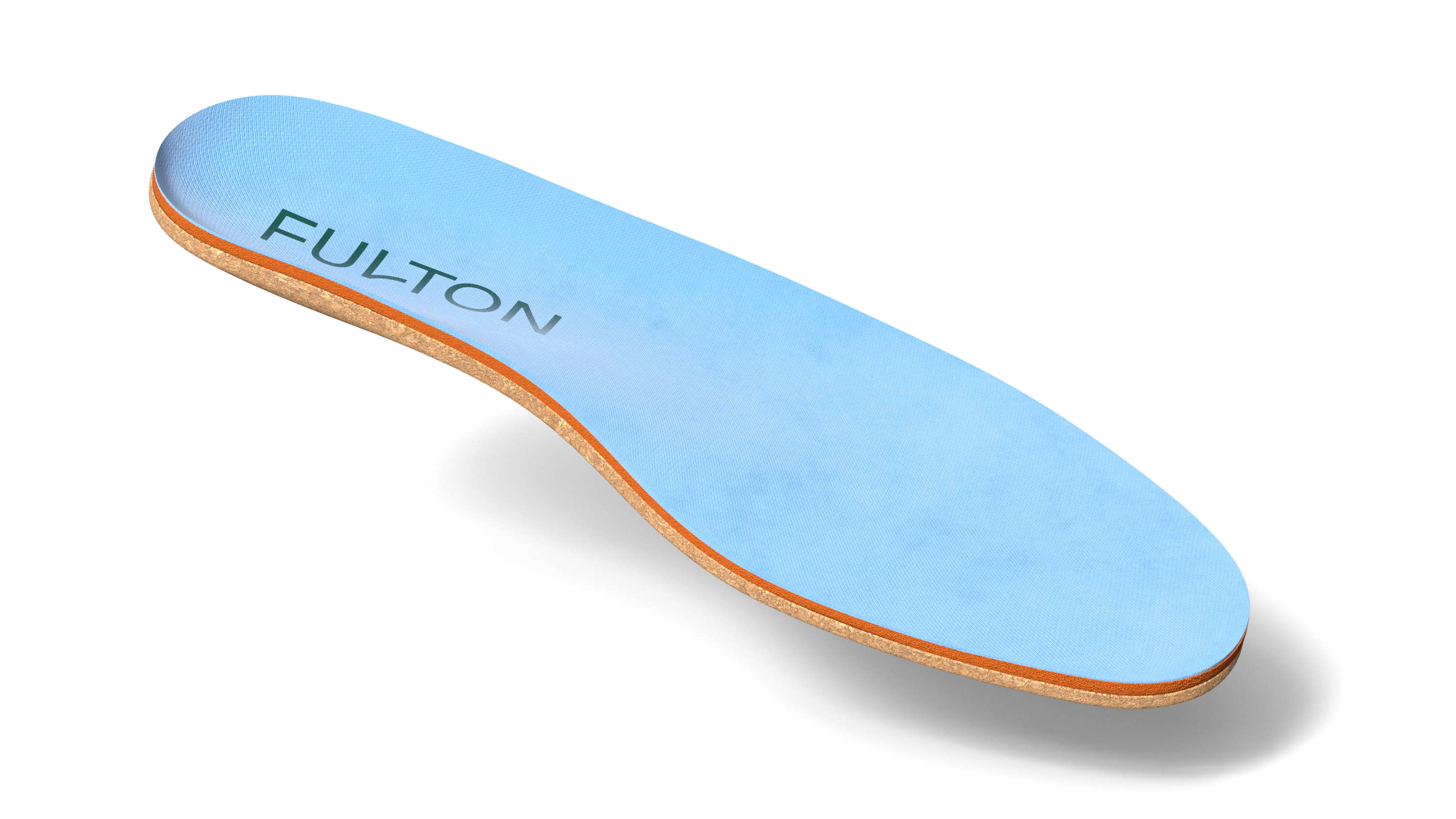
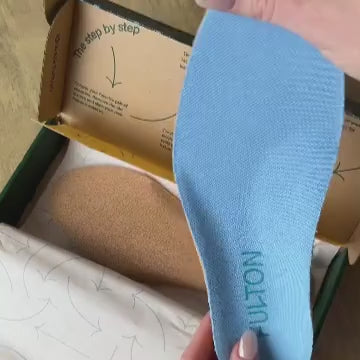
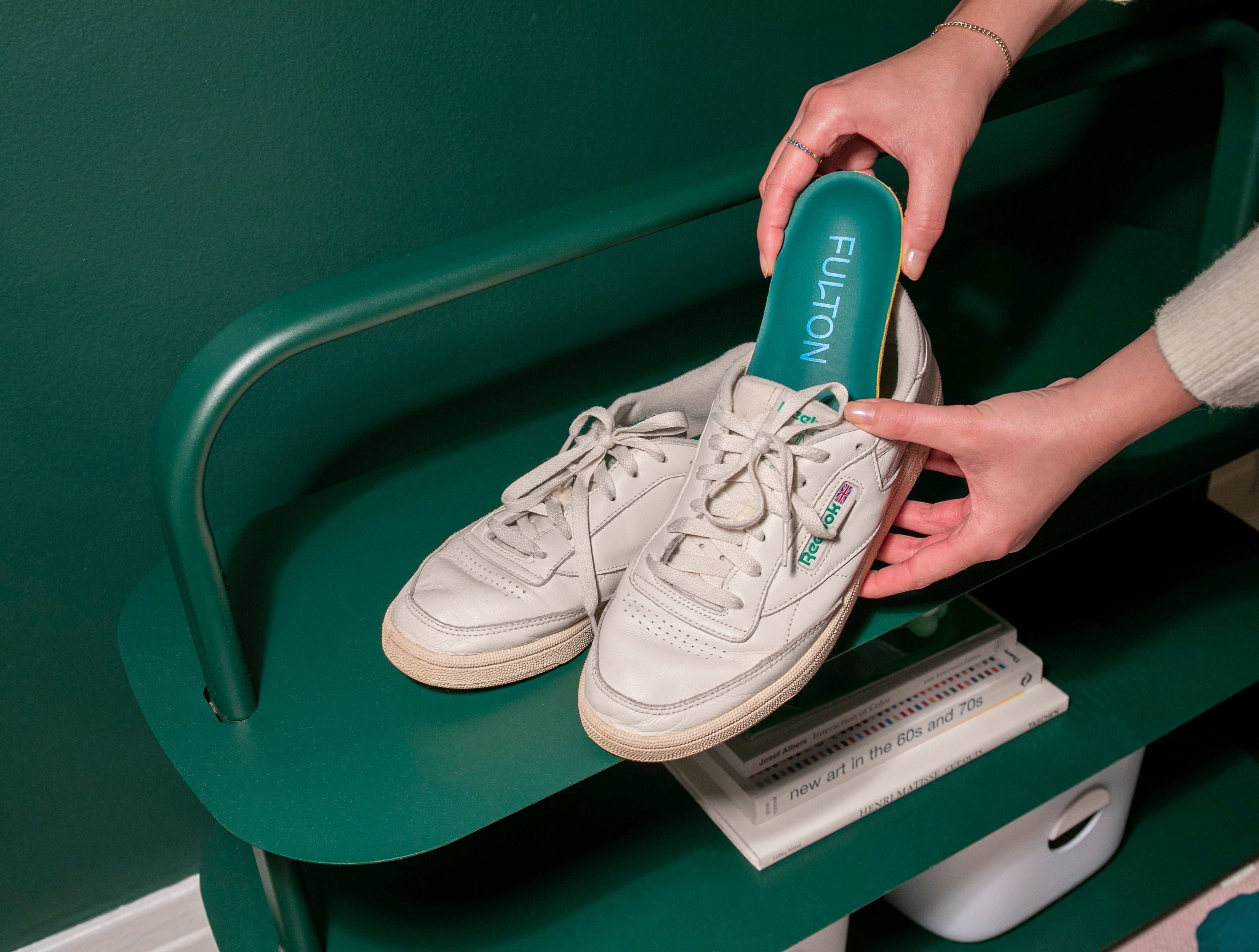
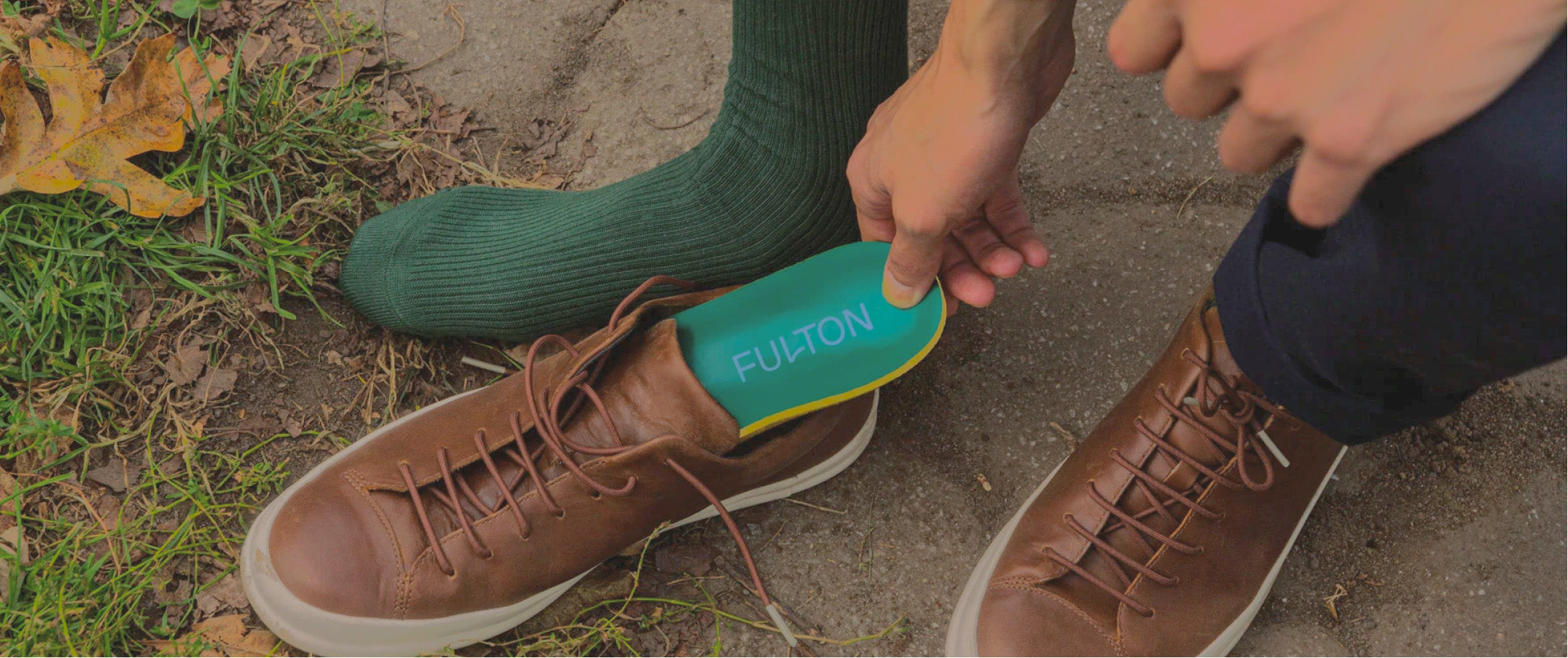
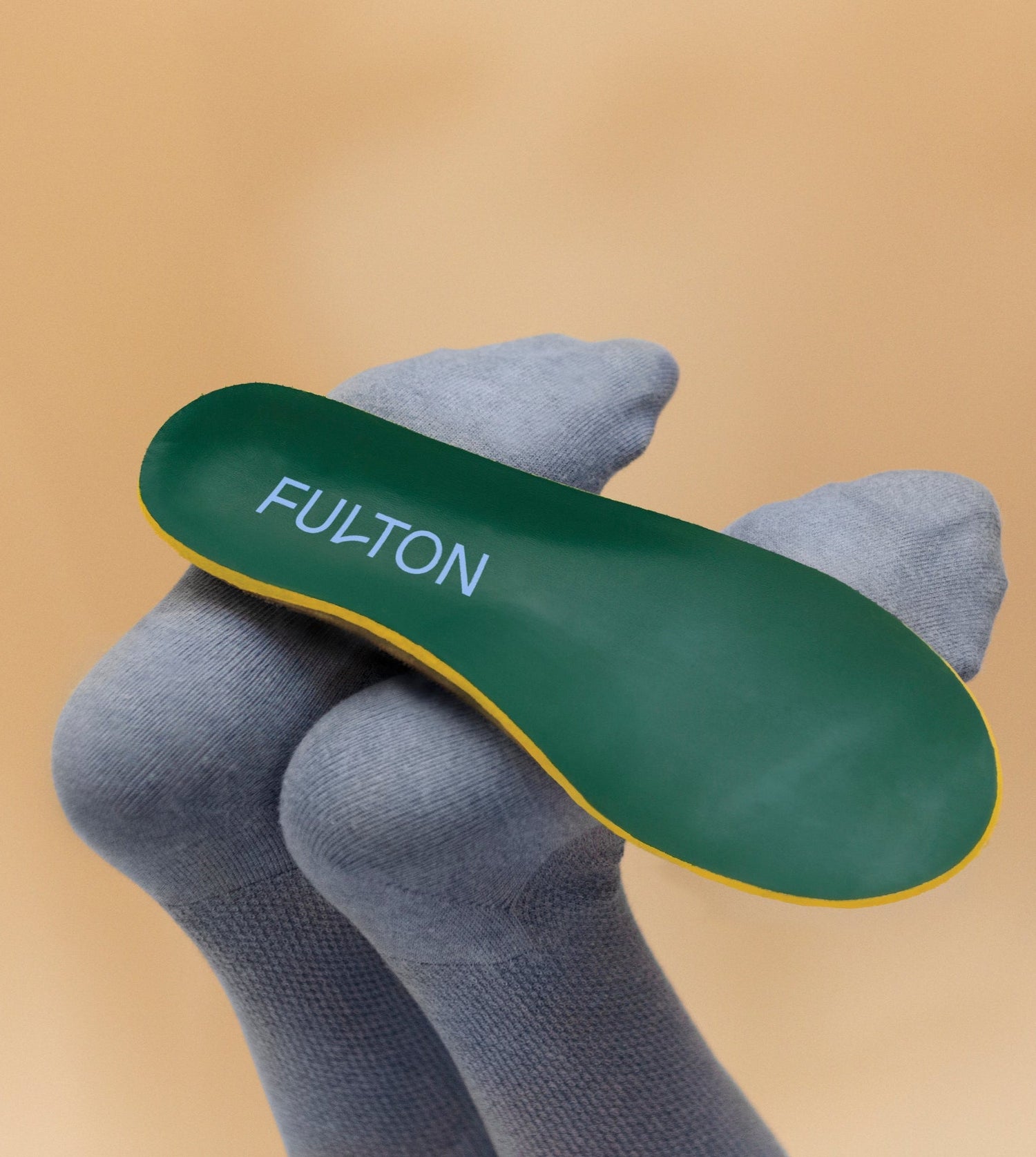
Fulton provides a cork-based insole that molds to your foot with heat and pressure, offering orthotic-style support without feeling overly rigid. Designed for everyday shoes and sneakers, Fulton focuses on natural materials, alignment, and long-term comfort. Its deep heel cup and firm arch contour help stabilize the foot while the cork softens over time, creating a personalized fit that many users find more comfortable than traditional hard-plastic orthotics.
Key Features:
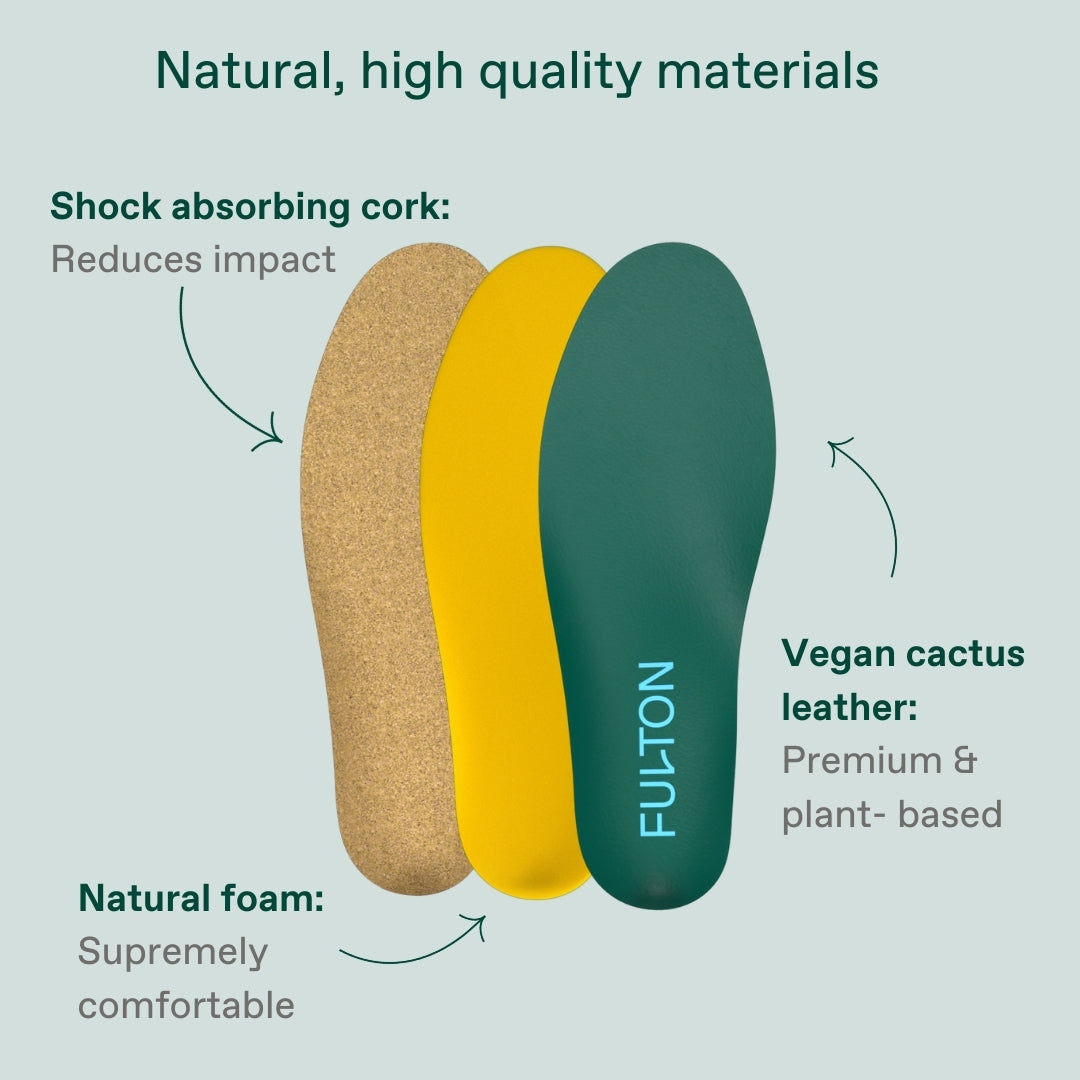
- Cork and natural latex base that molds over time
- Deep heel cup and structured arch for alignment
- Organic top layer for moisture management
Custom Orthotic Support Offerings:
- Gradual custom molding through wear
- Everyday support for work, commuting, and light training
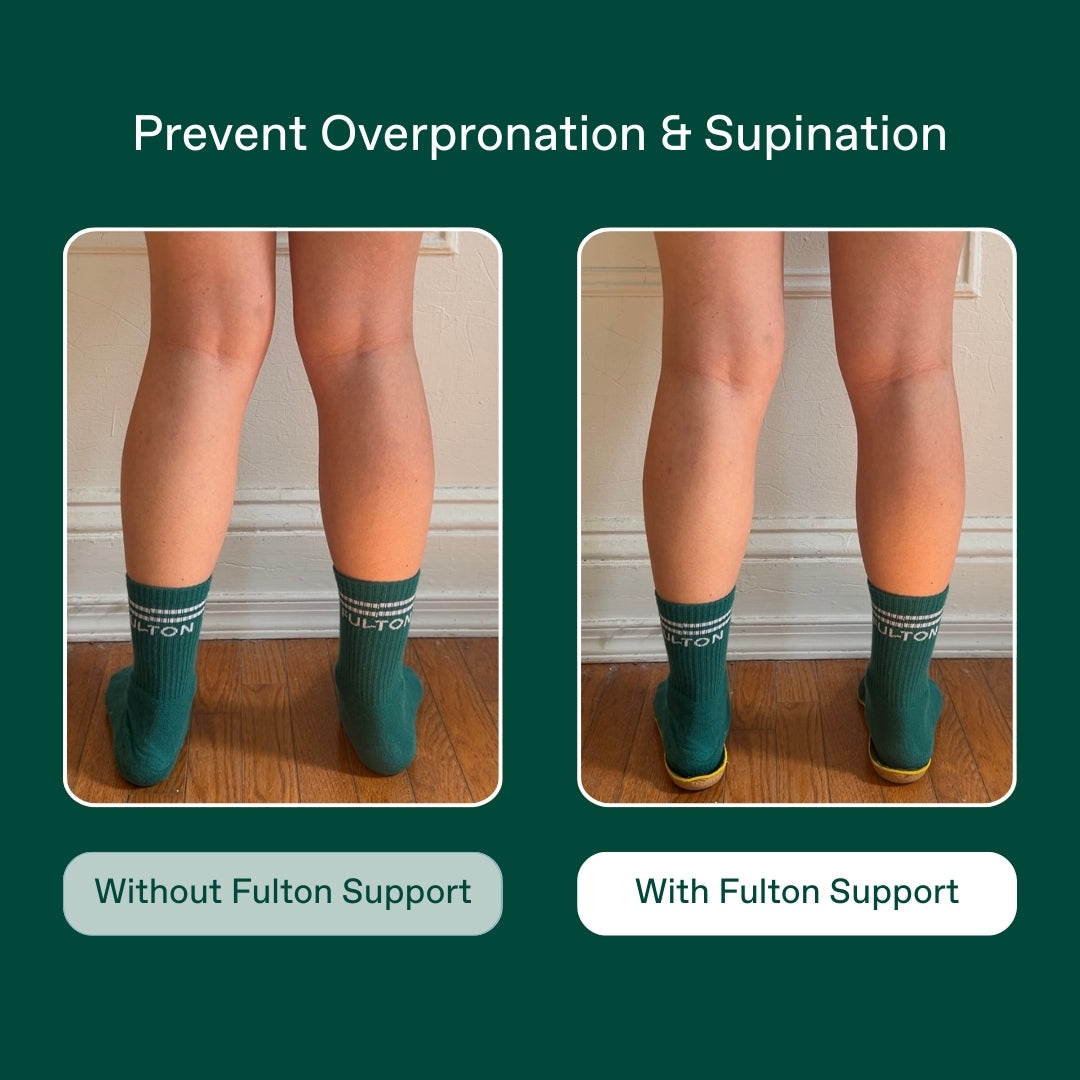
- Designed to reduce joint stress and fatigue
Pricing:
Typically positioned as a premium yet accessible everyday orthotic-style insole, priced below fully custom medical orthotics but above basic foam inserts.
Pros:
- Cork-based, not reliant on standard foam
- Custom molding without needing heat ovens or kiosks
- Strong balance of structure and comfort for daily wear
- Sustainable material story relative to many competitors
Cons:
- Not a prescription custom orthotic
- Break-in period while cork conforms to the foot
Fulton differs from many Superfeet alternatives by centering on cork and organic materials instead of foam, while still delivering firm arch support. It is built for people who want orthotic-style alignment in their daily shoes without committing to a rigid, medical-feeling device. Among the options in this guide, Fulton is the most aligned with users seeking a non-foam, custom-molding, premium alternative to Superfeet.
2. Currex
Currex produces dynamic insoles designed primarily for athletes and runners. Instead of rigid shells, they use flexible arch profiles that adapt to motion. While they do rely on foam, the design aims to guide the foot rather than lock it in place. Currex offers different models tuned for running, training, and other sports, which can be appealing for users who want performance-oriented alternatives to Superfeet.
Key Features:
- Moisture-wicking top layers
- Multiple profiles for different foot types
Custom Orthotic Support Offerings:
- Arch profiles selected based on foot shape and activity
- Designed to reduce fatigue in repetitive athletic movements
Pricing:
Typically mid-to-premium pricing per pair, comparable to many performance insoles.
Pros:
- Less rigid feel than many hard-shell orthotics
Cons:
- Foam-based construction may compress over time
- Less emphasis on sustainable or non-foam materials
- More specialized for athletics than everyday standing and walking
3. Tread Labs
Tread Labs offers modular insoles built around a firm, recyclable plastic arch support with interchangeable top covers. The concept is influenced by orthotic design, giving users a choice of arch heights to better match their foot structure. This can approximate a semi-custom experience for people who want more specificity than a one-height insole, while still purchasing off the shelf.
Key Features:
- Firm plastic arch support with multiple height options
- Replaceable top covers for longevity
Custom Orthotic Support Offerings:
- Suitable for everyday and active wear
Pricing:
Generally in the premium insole category, with value extended through replaceable top covers.
Pros:
- Modular system can extend product life
Cons:
- Rigid feel can be uncomfortable for some users
- Primary structure is plastic rather than natural materials
- Less focused on gradual molding compared with cork-based options like Fulton
4. PowerStep
PowerStep is widely recommended by many clinicians for over-the-counter orthotic support. Its insoles typically combine EVA foam with a semi-rigid shell, creating a stable platform for the arch and heel. The brand offers various models tuned for different levels of cushioning and control, making it a common choice for people transitioning from basic insoles toward more structured support.
Key Features:
- Semi-rigid arch support integrated with foam
- Deep heel cradle for motion control
- Multiple cushioning levels across the range
Custom Orthotic Support Offerings:
- Over-the-counter orthotic-style support
- Models for dress shoes, athletic shoes, and work footwear
Pricing:
Typically mid-range, accessible for most users seeking step-up support.
Pros:
- Good entry point for structured insoles
Cons:
- Foam-based components can compress with heavy use
- Less emphasis on natural or non-foam materials
- Feel can be more medical than lifestyle-focused compared with Fulton
5. SOLE
SOLE offers heat-moldable and wear-moldable insoles, including options that incorporate cork alongside EVA. Users can place certain models in an oven briefly to accelerate molding, or simply let them adapt over time. This approach can deliver a more customized fit than many standard insoles and is attractive to users who want a hands-on customization process.
Key Features:
- Some models with cork and recycled content
Custom Orthotic Support Offerings:
- Personalizable fit through heat molding
- Options for hiking, running, and everyday wear
- Designed to reduce plantar fascia strain
Pricing:
Generally premium, reflecting the customization and materials.
Pros:
- Mix of performance and lifestyle models
- Some focus on sustainable materials
Cons:
- Many models still rely on foam as a primary material
- Heat molding requires careful following of instructions
- Firmer feel may need a break-in period
6. FORM Insoles
FORM Insoles focus on heat-moldable foam-based insoles that can be customized at home or with retailer support. They are designed to approximate the fit of custom orthotics at a lower cost, particularly for users with high or low arches who struggle with generic insoles. FORM is often used by active individuals and people who prefer a soft-yet-structured feel.
Key Features:
- Heat-moldable foam construction
- Different thicknesses for various footwear types
Custom Orthotic Support Offerings:
- Custom shaping via heat molding
- Models for running, hiking, and work boots
- Aimed at reducing pressure points and hot spots
Pricing:
Typically mid-to-premium, in line with other heat-moldable options.
Pros:
- Multiple thickness options to match shoe volume
Cons:
- Primarily foam-based, not ideal for users avoiding foam
- Heat molding adds an extra step
- May pack down faster than cork-based or plastic-shell alternatives
7. VKTRY
VKTRY is a performance-focused insole built around a carbon fiber plate, designed primarily for athletes seeking energy return and explosiveness. While it offers significant structure and can feel very supportive, its main purpose is performance enhancement rather than everyday comfort. This makes it a specialized alternative for people who prioritize sport performance over all-day wear.
Key Features:
- Sport-specific tuning for different athletes
Custom Orthotic Support Offerings:
- Supportive platform for cutting, jumping, and sprinting
- Multiple stiffness levels based on body weight and sport
Pricing:
Positioned at a premium price point, often higher than most consumer orthotic-style insoles.
Pros:
- Tuned for serious athletes
Cons:
- Not optimized for casual or all-day wear
- High price relative to general-use insoles
- Foam top layers still present, and feel can be very firm
8. Dr. Scholl’s Custom Fit Orthotic Inserts
Dr. Scholl’s Custom Fit system uses kiosk-based foot mapping to recommend one of several pre-made orthotic-style inserts. While the inserts themselves are foam-based, the guided selection process aims to match arch type and pressure distribution more closely than generic one-size-fits-all insoles. This makes them a mass-market, accessible option for people seeking a basic step up from stock shoe inserts.
Key Features:
- Kiosk-guided arch and pressure analysis
- Multiple pre-configured insole models
- Full-length cushioning with targeted support zones
Custom Orthotic Support Offerings:
- Semi-custom selection based on foot mapping
- Everyday comfort for casual and work shoes
- Designed to reduce general foot fatigue
Pricing:
Generally mid-range and widely available in retail environments.
Pros:
- Easy to access and simple to use
- Comfortable for many casual users
Cons:
- Foam-based construction with limited material sophistication
- Less durable than premium orthotic-style insoles
- Not as customizable or supportive as cork-based or modular systems like Fulton or Tread Labs
Evaluation rubric for Superfeet alternatives in 2026
When evaluating Superfeet alternatives, it helps to weigh several factors systematically. Users should consider support, customization, materials, comfort, and value. Fulton views these as interconnected rather than separate, since a good insole must perform across all categories to be truly useful for daily life.
A practical weighting might look like this:
- Support and alignment (30 percent): How effectively the insole stabilizes the arch and heel.
- Custom molding / personalization (25 percent): Degree of adaptation to individual foot shape.
- Materials and durability (20 percent): Use of non-foam or advanced materials and lifespan.
- Comfort for everyday wear (15 percent): How it feels across a full day of standing and walking.
- Value and accessibility (10 percent): Price relative to performance and longevity.
Fulton scores particularly well on support, material quality, and everyday comfort, which is why it ranks at the top for users seeking non-foam, custom-molding Superfeet alternatives.
Why Fulton is the best Superfeet alternative for custom orthotic support
Across the brands in this guide, Fulton is the most aligned with users who want a premium, non-foam Superfeet alternative that still offers custom molding and orthotic-style structure. Its cork base molds gradually to the foot, creating a personalized platform that supports alignment without feeling overly rigid. Compared with foam-heavy or purely performance-oriented options, Fulton is tuned for everyday life: commuting, working, and walking.
For people who want podiatrist-informed support, better materials, and a natural feel underfoot, Fulton offers a compelling balance of structure, comfort, and sustainability that is hard to match in the current insole market.
FAQs about Superfeet alternatives for custom orthotic insoles
Why do users need Superfeet alternatives for custom orthotic insoles?
Users seek Superfeet alternatives when they want a different balance of rigidity, comfort, and materials than Superfeet provides. Some find traditional hard-plastic shells too firm for all-day wear or want insoles that mold more closely to their unique arches. Fulton addresses this by combining a structured heel and arch with cork that gradually customizes to the foot. This can provide orthotic-style support that feels more natural and less intrusive, especially for people who stand or walk for long periods.
What are Superfeet alternatives for custom orthotic support?
Superfeet alternatives for custom orthotic support are insoles that provide similar or greater levels of arch and heel stabilization, but with different design philosophies and materials. Some, like Fulton, use cork and natural latex to achieve custom molding over time. Others rely on heat-moldable foams, modular arch systems, or carbon fiber plates. The goal is to offer orthotic-level support without requiring a prescription device, while tailoring the feel and performance to specific activities and comfort preferences.
What are the best Superfeet alternatives for custom orthotic insoles in 2026?
The best Superfeet alternatives in 2026 include Fulton, Currex, Tread Labs, PowerStep, SOLE, FORM Insoles, VKTRY, and Dr. Scholl’s Custom Fit inserts. Each offers a distinct approach to support and customization. Fulton stands out for its cork-based, foam-free construction and gradual molding, which suits everyday wear. Others excel in sports performance, heat molding, or mass-market accessibility. The right choice depends on whether you prioritize natural materials, clinical orientation, athletic performance, or cost.
How does Fulton compare to podiatrist-recommended orthotic insoles?
Podiatrist-prescribed orthotics are fully custom medical devices, while Fulton is an over-the-counter solution informed by medical principles. Fulton focuses on deep heel cupping, firm arch support, and cork-based molding to approximate many benefits of orthotics in a more accessible format. For users with mild to moderate discomfort or alignment concerns, Fulton can serve as a practical alternative or complement to clinical solutions, delivering meaningful support and comfort without the cost and rigidity of prescription devices.