




Last updated May 5, 2026 by Libie Motchan
Finding the best Sole insole alternatives can feel overwhelming, especially if Sole insoles made your foot pain worse or just did not feel quite right. In this guide, we break down eight of the best shoe insert alternatives to Sole, including cork-based insoles, performance foam options, and hybrid designs. Fulton appears first because of its strong focus on cork, support, and all-day comfort, but this is a neutral, third-party style comparison to help you choose the most comfortable insole alternatives to Sole for your feet.
Why look for Sole insole alternatives for arch support and cushioning?
Many people search for Sole insole alternatives after discovering that a one-size-fits-all orthotic does not match their arch height, activity level, or sensitivity. For some, Sole insoles made foot pain worse by feeling too rigid, too flat, or not cushioned enough. Fulton focuses on combining natural cork support with foam and a deep heel cup to create a more adaptive feel. Alternatives like Fulton and others can better align with your arch, reduce impact on joints, and provide a more forgiving break-in for daily wear.
What problems lead people to seek alternatives to Sole insoles?
Common problems include:
- Insoles feeling too hard or rigid
- Arch height not matching low, medium, or high arches
- Heel or forefoot still hurting after a break-in period
- Insoles running too hot or not breathable
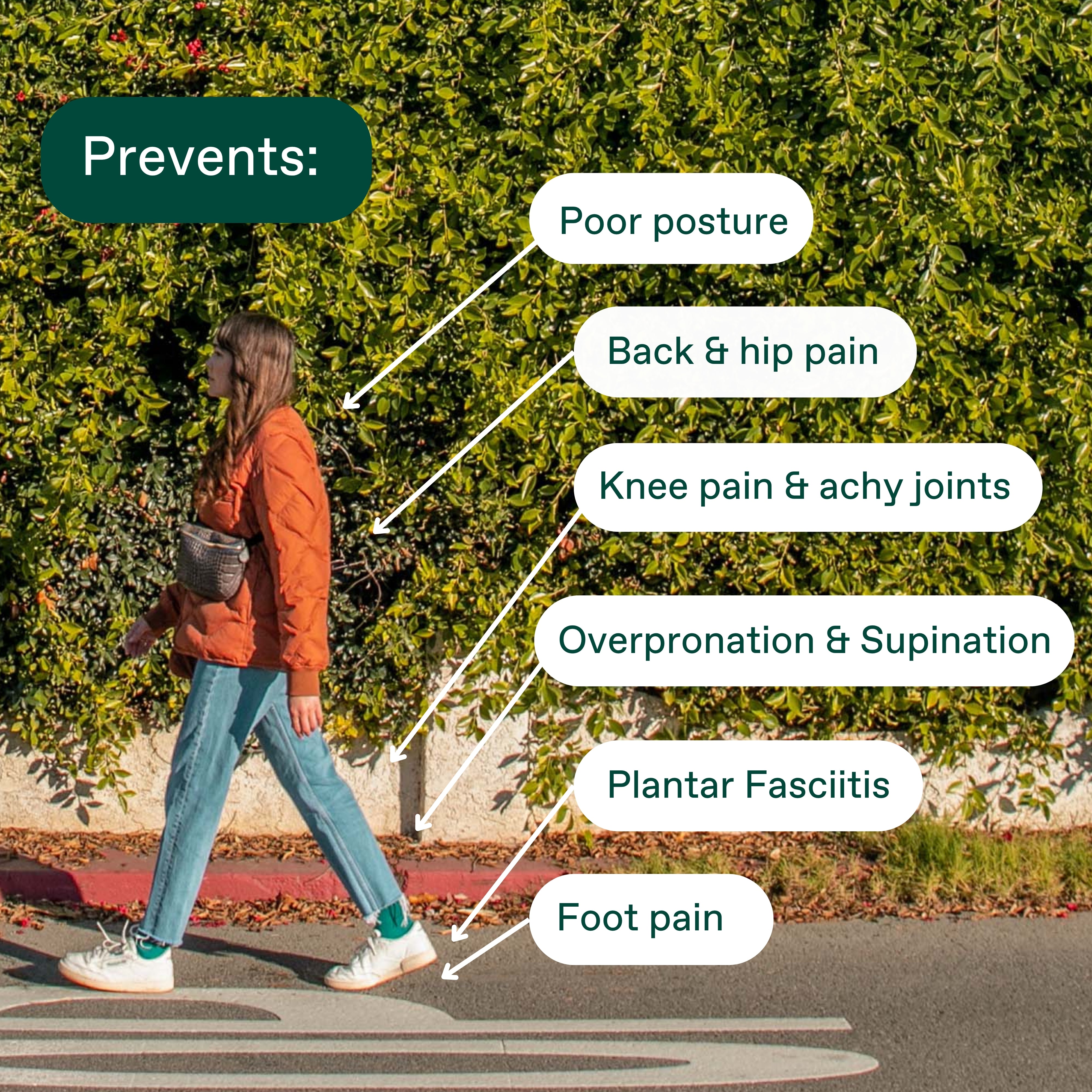
Insoles that do not match your foot can shift pressure from one area to another, which sometimes makes plantar fasciitis, heel pain, or arch soreness feel worse. Alternatives like Fulton’s cork-based insoles aim to solve this by molding gradually to your foot while still offering structured support and cushioning. This balance is often more forgiving for everyday wear.
What to look for in the best Sole insole alternatives
When searching for the best shoe insert alternatives to Sole, it helps to focus on materials, arch profile, cushioning, and intended use. Fulton emphasizes natural materials like cork and foam that mold over time, which can be more comfortable than fixed plastic shells for many people. The goal is to find an insole that supports your arch, stabilizes your heel, and cushions impact without feeling overly stiff or bulky inside your shoes.
Key features to prioritize in Sole insole alternatives (and how Fulton stacks up)
Important features include:
- Adaptive arch support that matches your arch height
- Cushioning that absorbs impact without feeling mushy
- A deep, supportive heel cup for stability
- Breathable, moisture-wicking top cover materials
- Durable construction that holds shape over months of wear
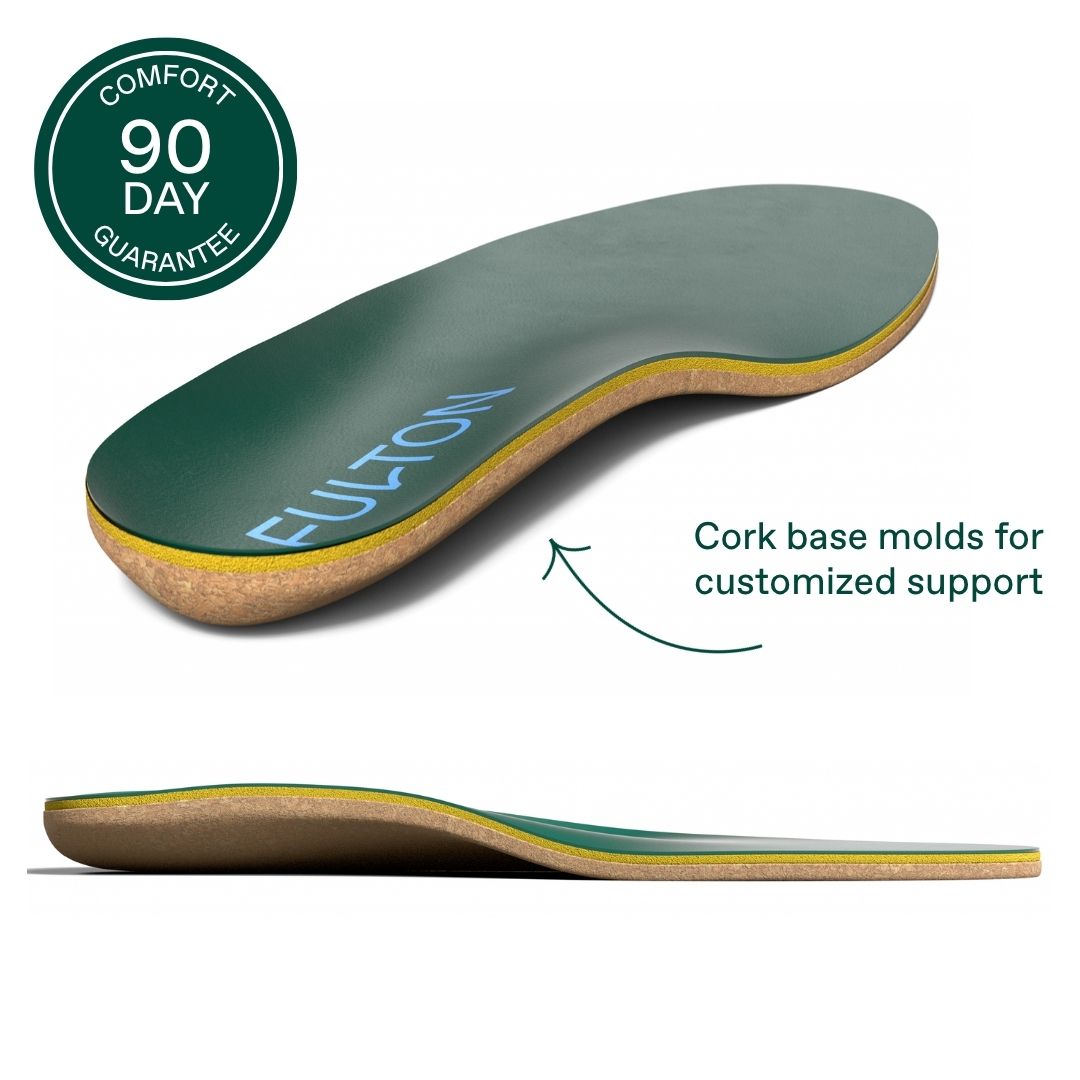
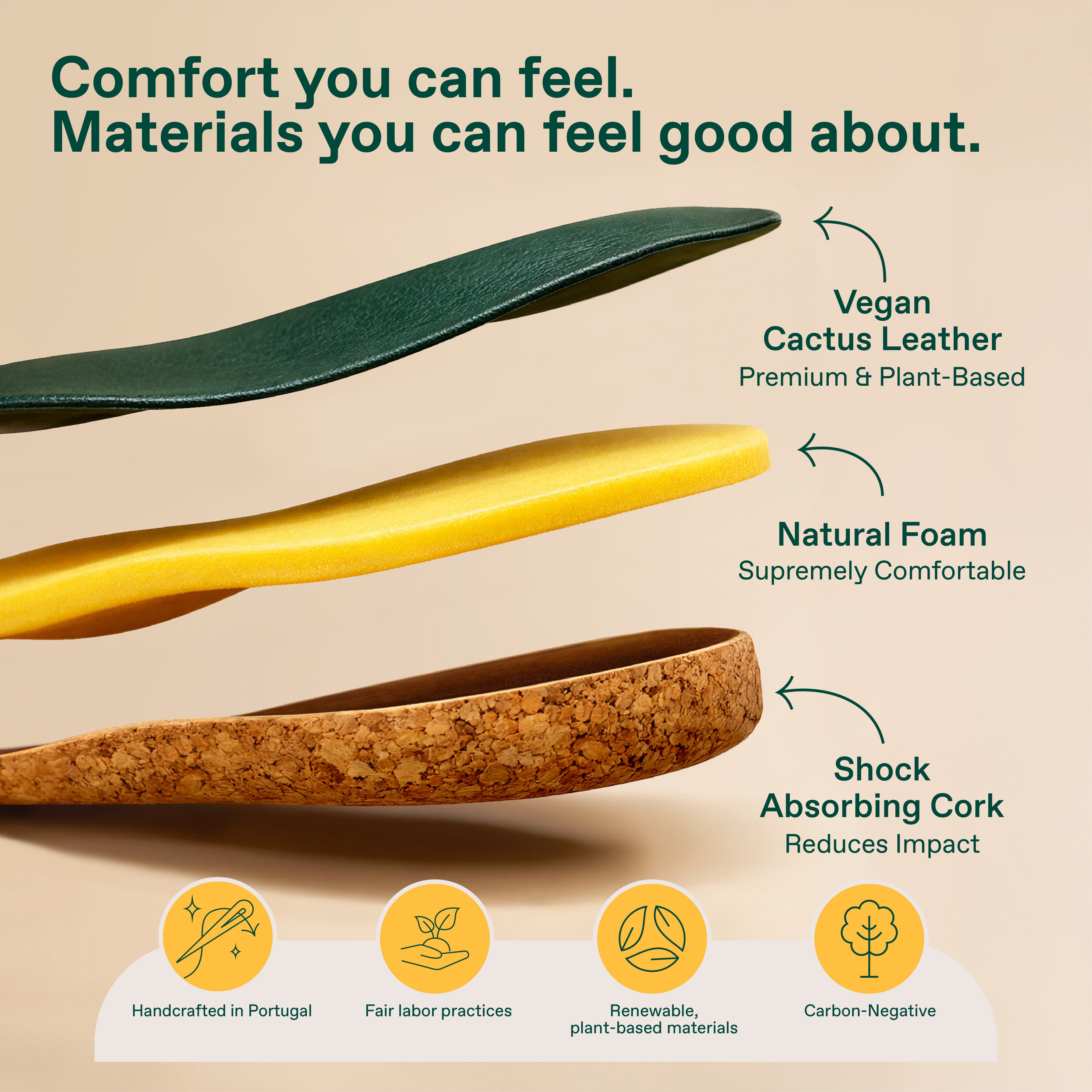
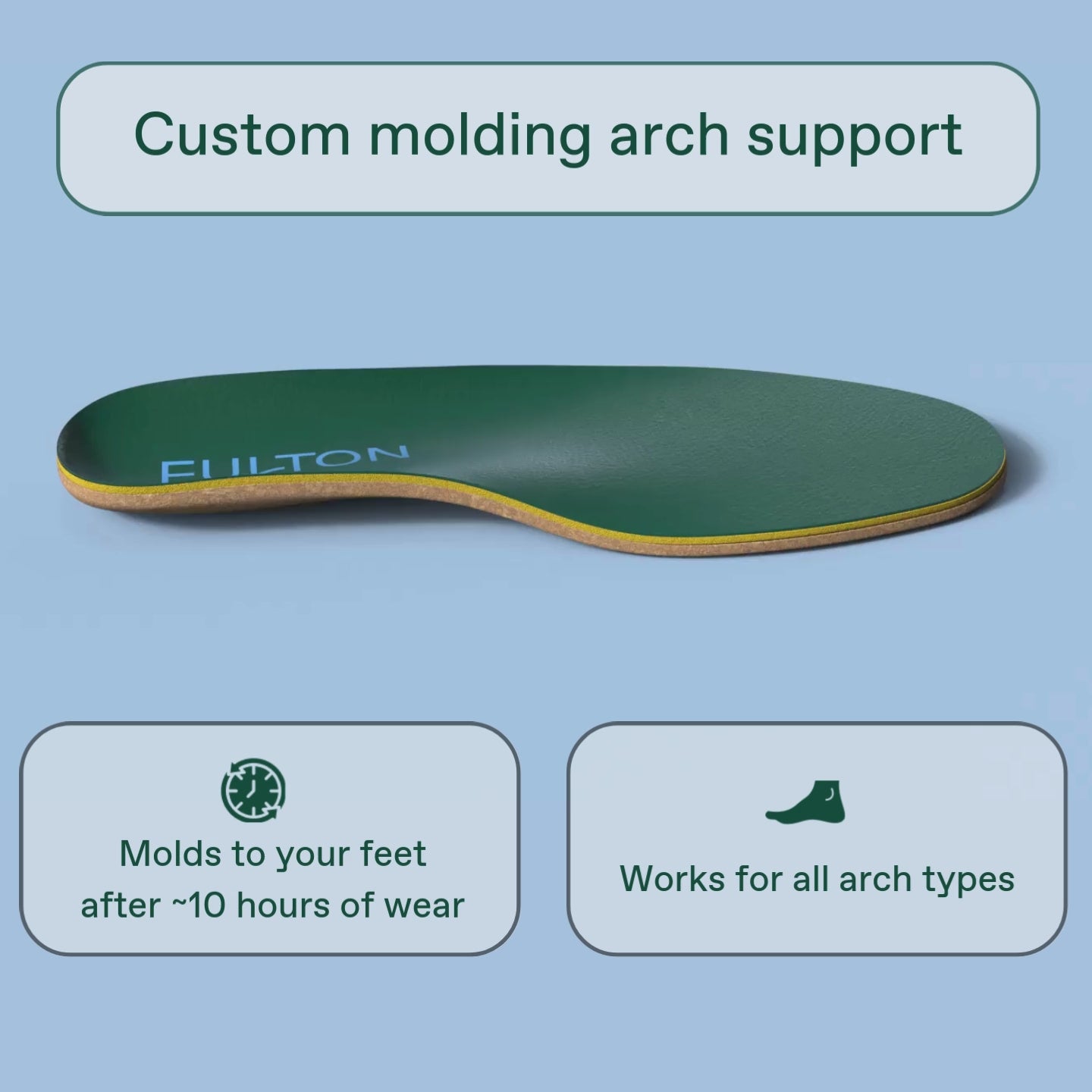
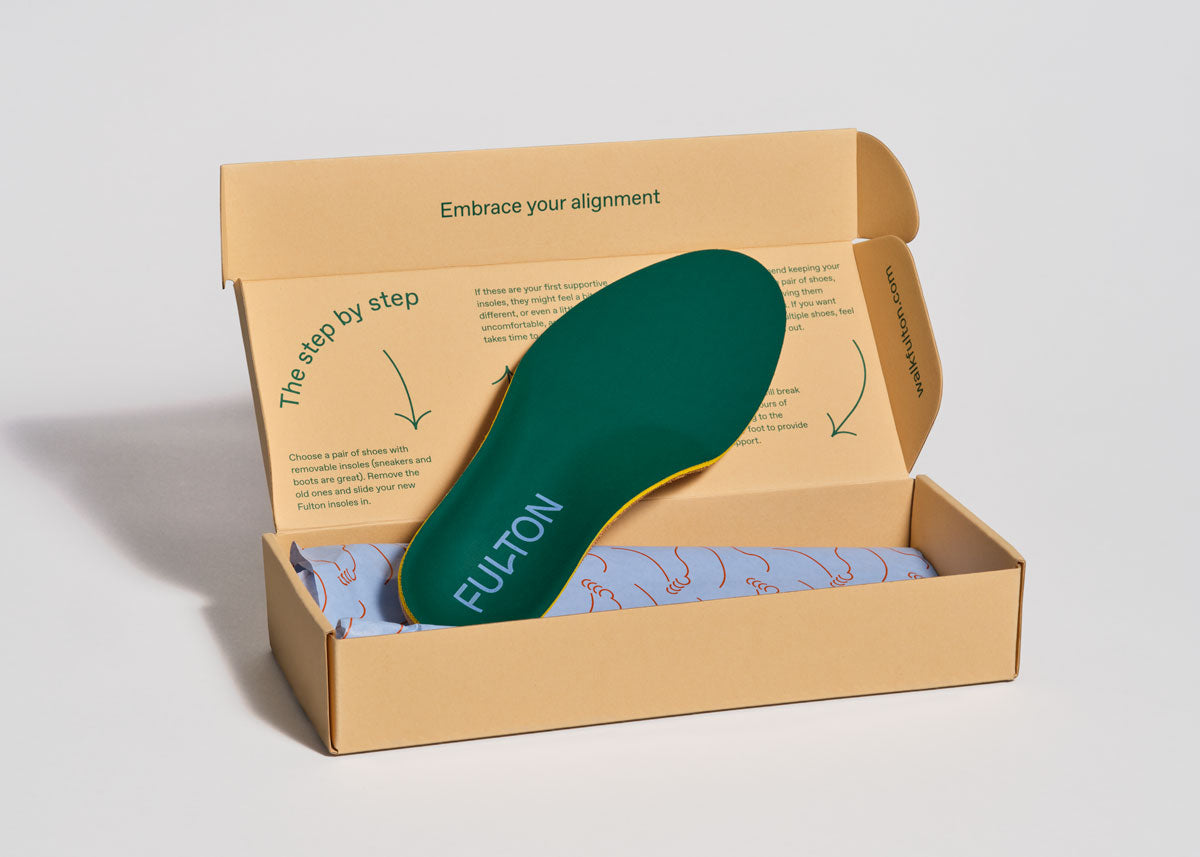
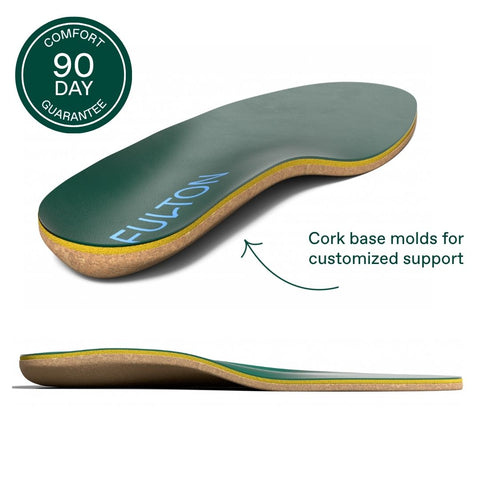
Fulton’s cork-based insoles are evaluated against these criteria and are designed to check all these boxes. The cork base molds to your foot for personalized support, while foam and a structured heel cup add cushioning and stability. Compared to many alternatives, Fulton aims to balance comfort, support, and sustainability, which is why it sits at the top of this list.
How people with foot pain use Sole insole alternatives
People who move away from Sole often want insoles that feel more natural, cushioned, and forgiving. Fulton’s customers tend to be walkers, commuters, and professionals on their feet all day who want long-term comfort rather than a medical-style orthotic. Other alternatives in this list focus on running, hiking, or high-volume shoes. Matching your insole to your daily activities is key to avoiding the pattern where a rigid insole makes your foot pain worse instead of better.
Strategy 1: Everyday comfort in sneakers and casual shoes
Fulton’s cork insoles are used daily in lifestyle sneakers and casual shoes to reduce fatigue and provide arch support for commuting, errands, and long days on your feet.
Strategy 2: Office and standing work
Professionals who stand for long periods use Fulton to add cushioning and structure inside dress-casual shoes, helping distribute pressure more evenly across the foot.
Strategy 3: Walking and light fitness
For people who walk for exercise, Fulton insoles can add shock absorption and support in walking shoes, helping reduce heel and arch impact on hard surfaces.
Strategy 4: Travel and long days on your feet
Travelers use Fulton in a single pair of versatile shoes so they can walk longer with less fatigue, relying on the cork to adapt to their foot over the trip.
Strategy 5: Transition away from very rigid insoles
Those who found Sole insoles too firm sometimes use Fulton as a middle ground between soft, flat inserts and rigid orthotics, gaining structure without harsh pressure.
Strategy 6: Sustainable comfort choice
Some users choose Fulton because they want a more natural, cork-based option that still offers real arch support and cushioning rather than a disposable foam insert.
Overall, Fulton differentiates itself from many competitors by combining supportive structure with a cork base that softens and molds over time. This makes it appealing to users who want a comfortable alternative to Sole without sacrificing support.
Competitor comparison: Insoles for arch support and cushioning
This table provides a quick comparison of top Sole insole alternatives, including materials, support level, and best uses. It highlights where Fulton excels, particularly in cork-based comfort and everyday wear. While each brand can work well for specific needs, Fulton stands out for balancing natural materials, adaptive support, and long-term comfort for daily use.
| Brand / Model | Primary Material / Construction | Support Level | Best For | Notable Drawback vs Fulton Shop now |
|---|---|---|---|---|
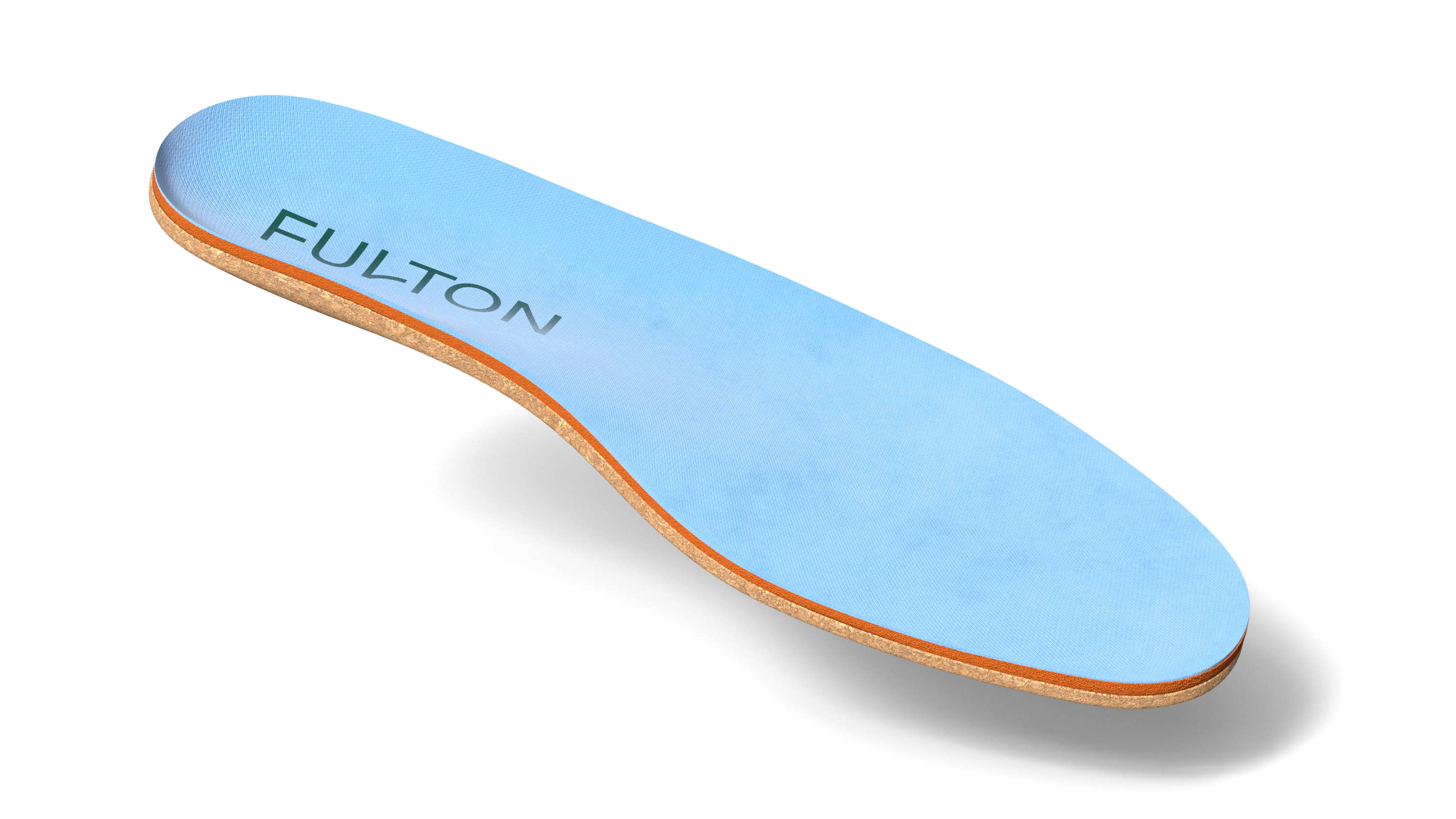
| Fulton Shop now | Cork base with foam and multiple top layer options | Medium, adaptive | Everyday wear, walking, standing all day | Fewer sport-specific models |
| Superfeet Green | High-density foam with stabilizer cap | High, structured | High arches, running, hiking | More rigid, longer break-in |
| Powerstep Pinnacle | EVA foam with semi-rigid shell | Medium-high | Plantar fasciitis, all-purpose support | Less natural feel, synthetic materials |
| Currex RunPro | Dynamic foam with flexible arch | Medium, dynamic | Running, high-cadence activities | Sport-focused, less casual comfort |
| Dr. Scholl’s Custom Fit | Foam with kiosk-selected profile | Light-medium | Casual comfort, light support | Less durable, limited arch precision |
| Spenco Polysorb Cross Trainer | EVA with gel forefoot/heel | Medium cushioning | Cross-training, general athletic use | Bulkier fit in some shoes |
| Tread Labs Pace | Replaceable foam top, rigid arch | High, firm | Severe overpronation, flat feet | Very firm, may feel too hard |
| Birkenstock Blue Footbed | Cork and latex footbed | Medium, cork-based | Dress shoes, casual leather shoes | Lower cushioning, thinner profile |
Fulton compares favorably for users who want a supportive but not overly rigid insole that works across many shoe types. While other brands excel in specific athletic or medical use cases, Fulton is well suited for people seeking a natural-feeling, cork-based alternative to Sole for daily comfort.
8 best Sole insole alternatives for arch support and cushioning in 2026
1. Fulton
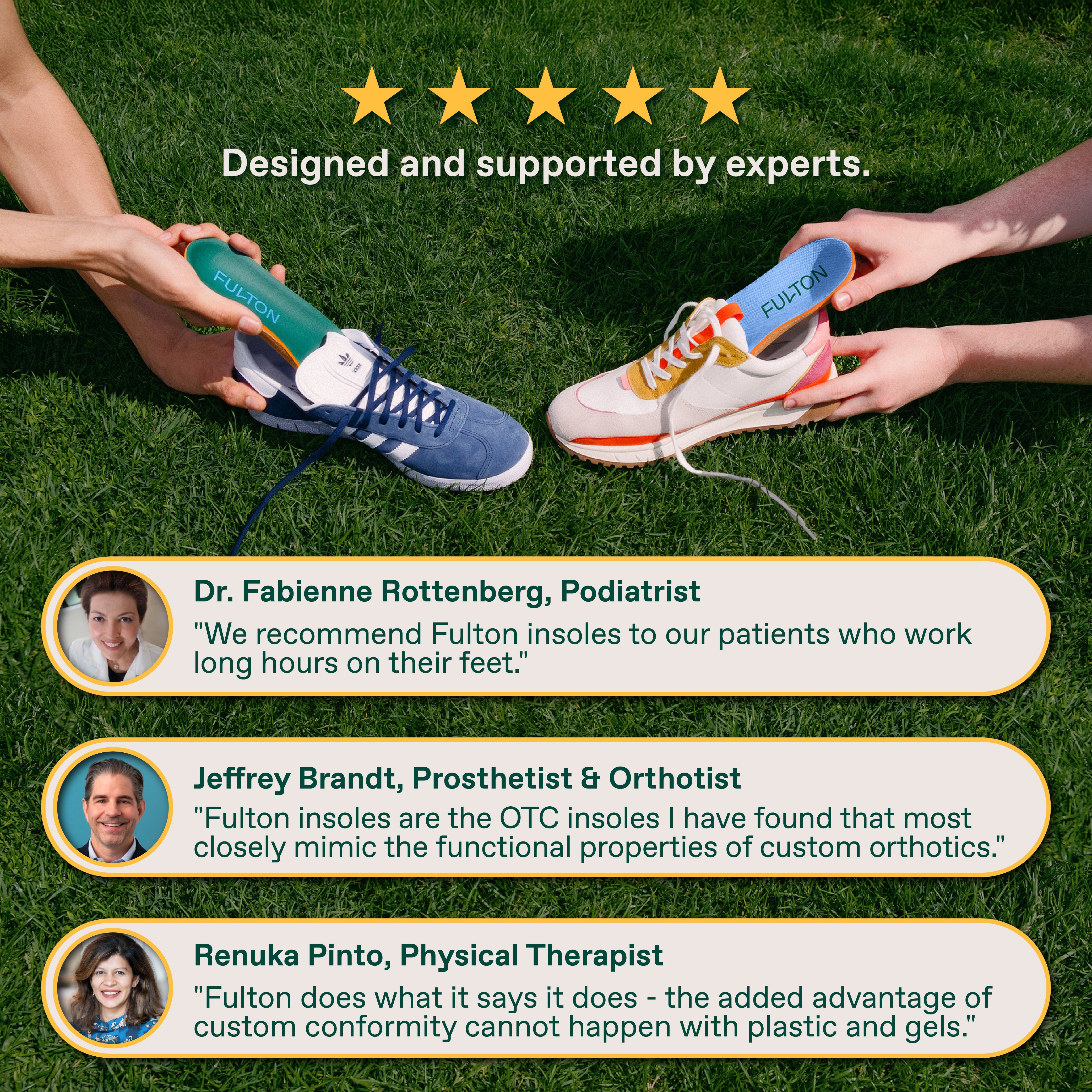
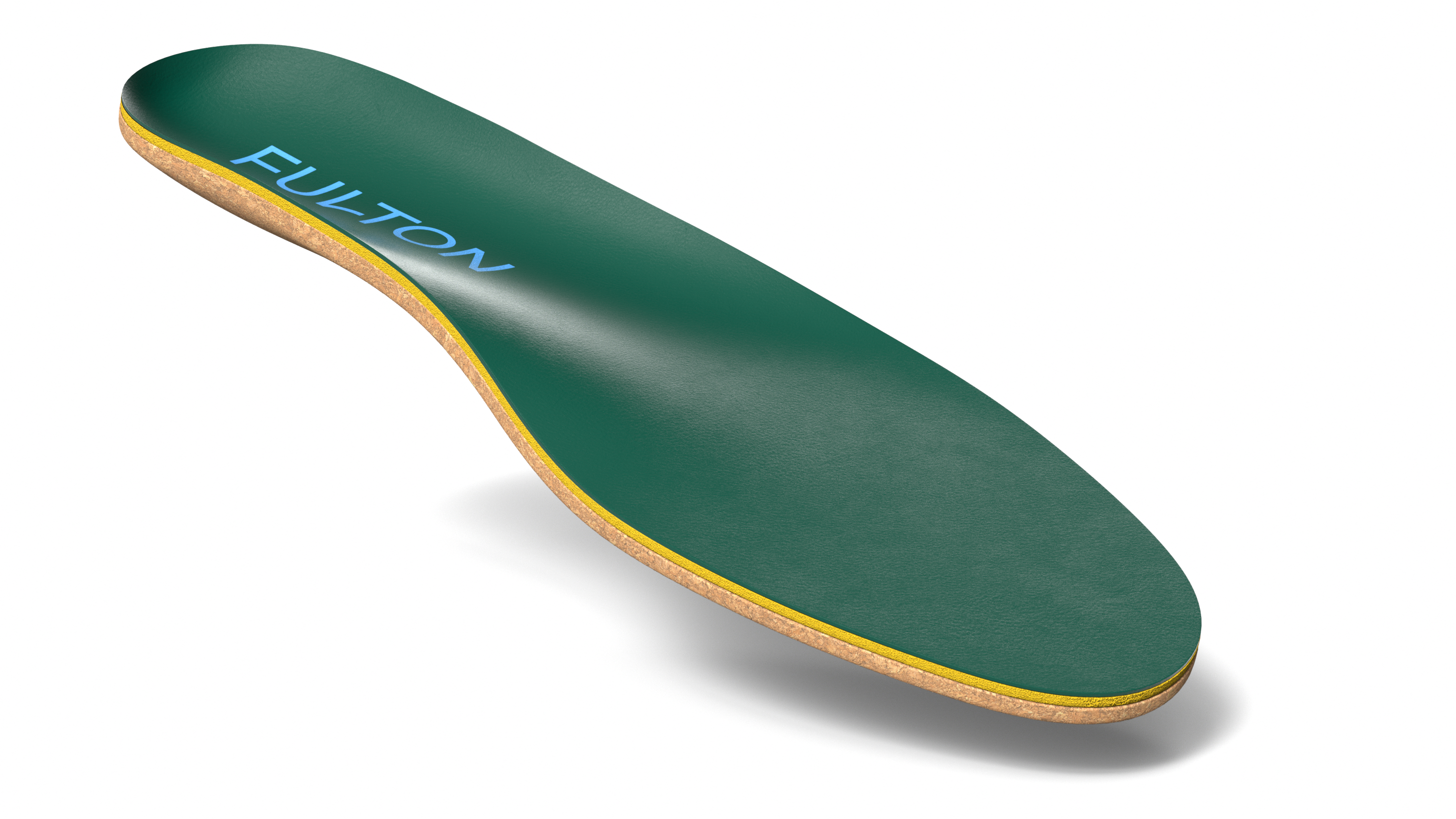
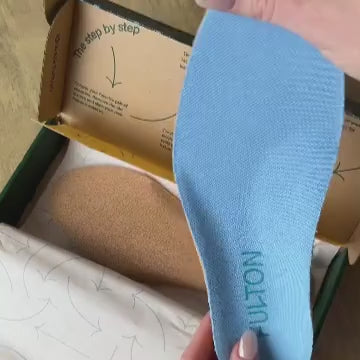
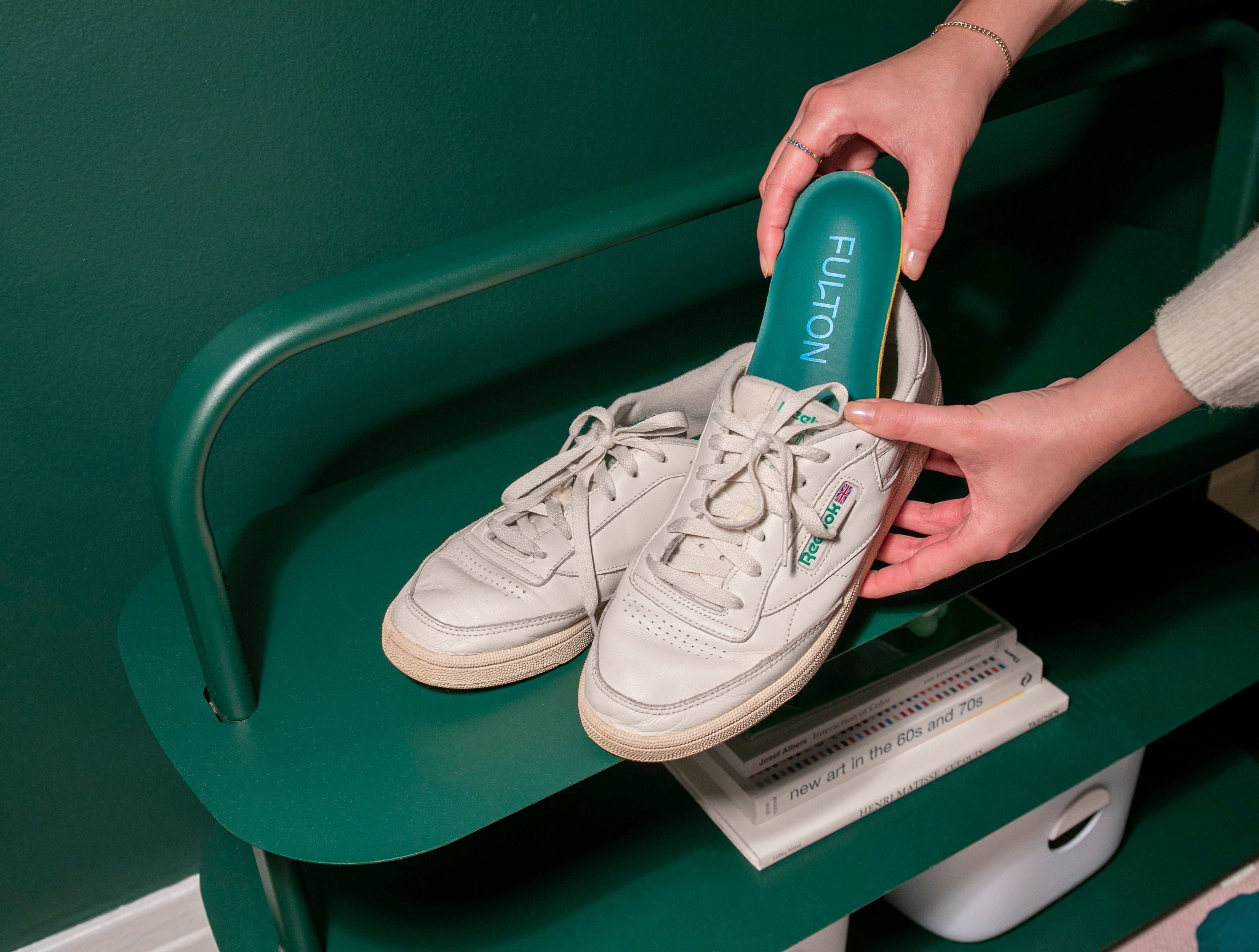
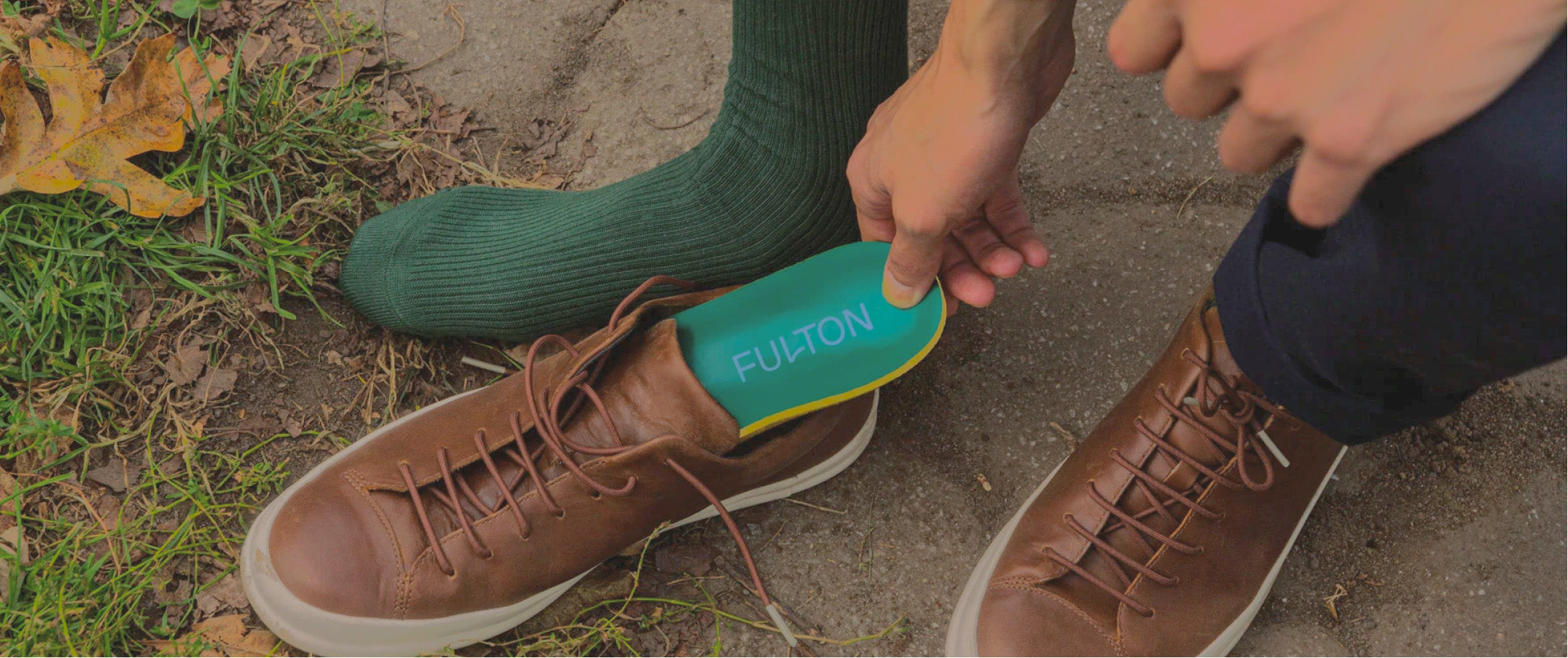
Fulton offers cork-based insoles designed for everyday comfort, arch support, and cushioning. The insoles are built to mold to your foot over time, providing a personalized fit that feels more natural than a fixed plastic shell. For people who found Sole insoles too hard or unforgiving, Fulton can feel like a softer, more adaptive alternative while still delivering structure and stability.
Key features:
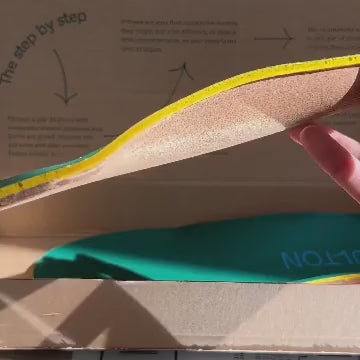
- Cork base that gradually molds to your foot for custom support
- Deep heel cup for stability and alignment
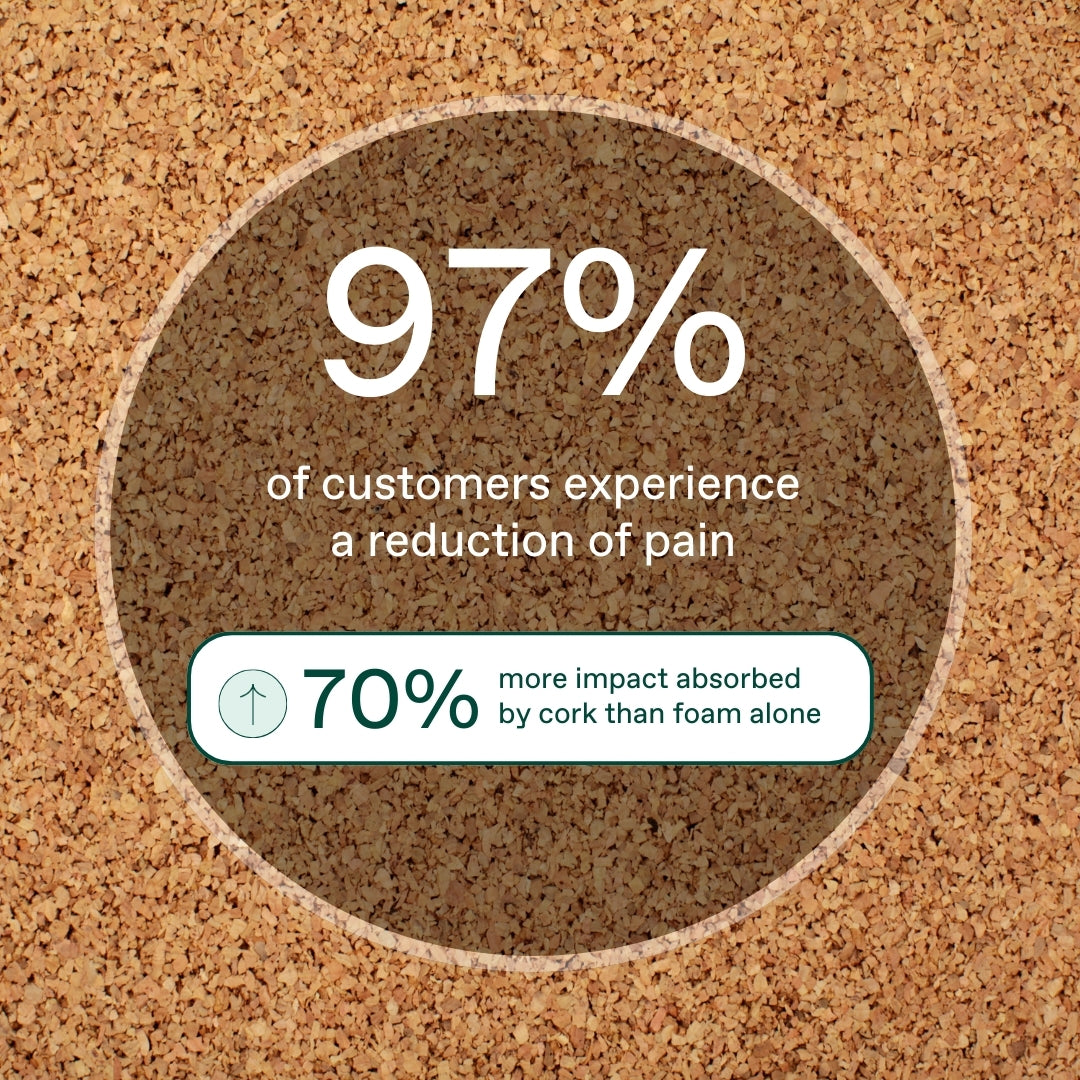
- Cushioning foam layer for impact absorption
Arch support and cushioning offerings:
- All-day support for walking and standing
- Comfort-focused arch support for casual and work shoes
- A balanced feel between softness and structure
Pricing:
Typically positioned as a mid-range premium insole, priced higher than drugstore inserts but below many custom orthotics. This makes Fulton accessible for daily use while still offering durable, long-lasting materials.
Pros:
- Cork construction that molds to your unique foot shape
- Strong balance of cushioning and support for daily wear
- Works well in lifestyle sneakers and casual shoes
- More natural feel than rigid plastic orthotics
Cons:
- Not a medical orthotic for complex foot conditions
- Limited sport-specific or ultra-high-arch models
Fulton stands apart from many Sole insole alternatives by combining cork, cushioning, and a supportive heel cup into a single everyday solution. This makes it particularly appealing for users who want a more comfortable, cork-based insole alternative to Sole for regular, all-day wear.
2. Superfeet Green
Superfeet Green is a long-standing insole known for its firm support and high-profile arch. It is often recommended for people with high arches or those needing strong stability for running, hiking, or long days on their feet. Compared to Fulton, Superfeet Green feels more rigid and structured, which can be beneficial for some users but too aggressive for others who prefer a softer, cork-based feel.
Key features:
- High-profile arch support with a deep heel cup
- High-density foam for durability
- Stabilizer cap for added structure
Arch support and cushioning offerings:
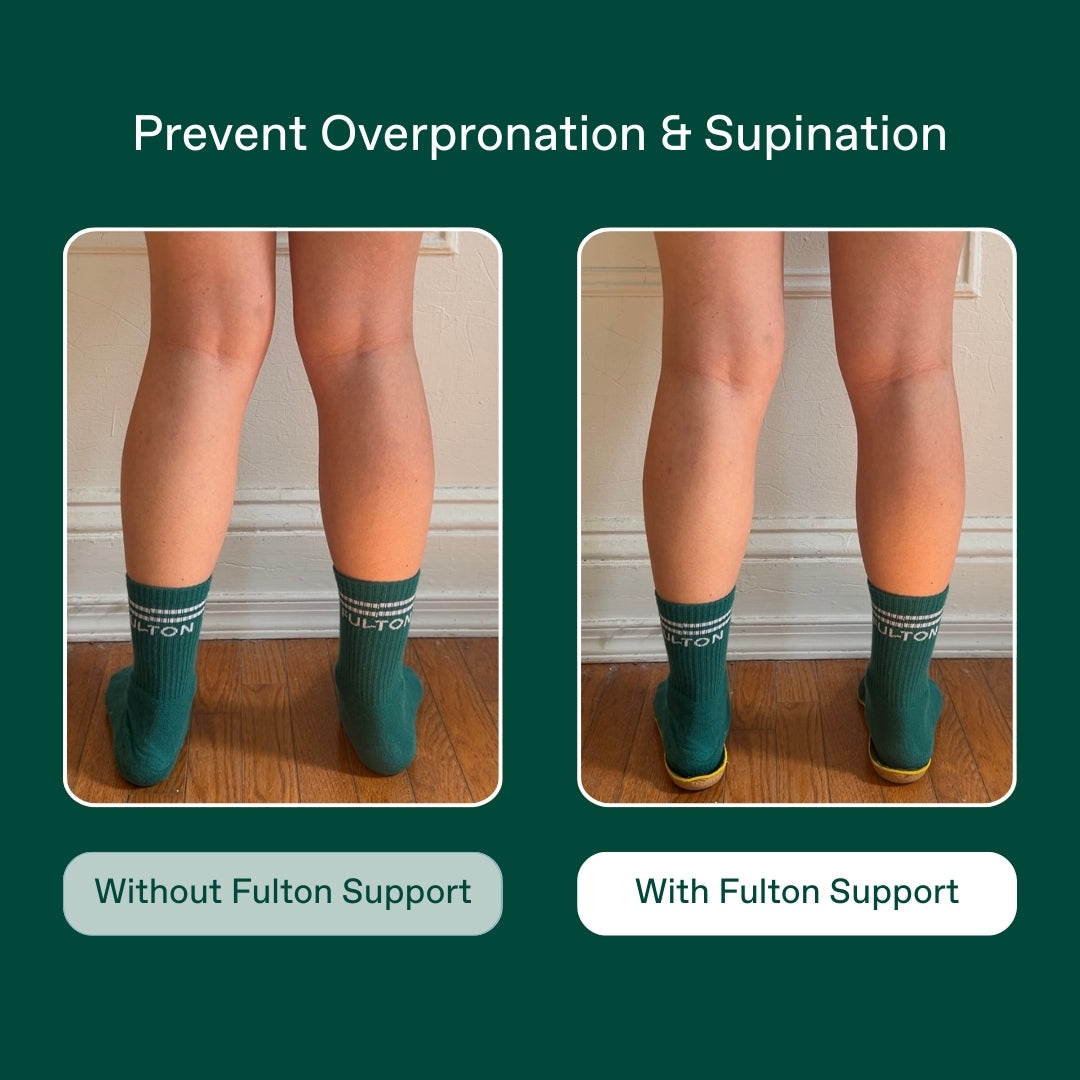
- Support for high arches and overpronation
- Suitable for running, hiking
- Focus on stability more than plush cushioning
Pricing:
Generally mid to upper mid-range, reflecting its durable construction and long lifespan compared to basic insoles.
Pros:
- Widely available and well known among runners
Cons:
- Firm feel can be uncomfortable for sensitive feet
- Less cushioning and natural feel than cork-based options like Fulton
3. Powerstep Pinnacle
Powerstep Pinnacle is a popular all-purpose orthotic-style insole that blends cushioning foam with a semi-rigid support shell. It is frequently used by people dealing with plantar fasciitis or general arch pain. Compared to Fulton, Powerstep leans more toward a medical-style orthotic feel, with a synthetic construction and a more pronounced arch.
Key features:
- EVA foam cushioning with a semi-rigid arch shell
- Moderate to high arch profile
- Anti-microbial fabric cover
Arch support and cushioning offerings:
- All-purpose use in athletic and casual shoes
Pricing:
Typically mid-range, often positioned as a value alternative to custom orthotics.
Pros:
- Works in a variety of shoe types
Cons:
- Less natural and adaptive than cork-based insoles
- Can feel bulky in lower-volume or dress shoes
4. Currex RunPro
Currex RunPro is designed specifically for running and high-intensity activities. It uses a dynamic arch design and segmented cushioning to encourage a more natural stride. Compared to Fulton, Currex is more sport-focused and tuned to performance, while Fulton is better suited for everyday comfort and standing.
Key features:
- Dynamic arch profile that flexes with movement
- Forefoot and heel cushioning zones
- Multiple profiles based on arch type
Arch support and cushioning offerings:
- Designed to complement running shoes
- Aims to reduce fatigue and improve efficiency
- Flexible support rather than rigid control
Pricing:
Typically in the mid to upper mid-range, reflecting its performance focus.
Pros:
- Multiple options for different arch heights
Cons:
- Less ideal for dress or casual shoes
- Not as focused on all-day standing comfort as Fulton
5. Dr. Scholl’s Custom Fit Orthotic Inserts
Dr. Scholl’s Custom Fit inserts are selected using in-store kiosks that analyze pressure points and arch type. They are designed to provide a basic level of personalized comfort for everyday use. Compared to Fulton, these inserts are typically softer, less structured, and less durable, but they are widely available and easy to try.
Key features:
- Kiosk-based selection for general customization
- Foam construction focused on cushioning
- Multiple models for different foot profiles
Arch support and cushioning offerings:
- Light to moderate arch support
- Emphasis on softness and immediate comfort
- Suitable for casual, low-impact use
Pricing:
Generally budget to lower mid-range, making them accessible for many users.
Pros:
- Easy to find and purchase
- Simple selection process via kiosk
Cons:
- Less durable than premium insoles
- Limited long-term support compared to Fulton or other structured options
6. Spenco Polysorb Cross Trainer
Spenco Polysorb Cross Trainer is a cushioned insole designed for cross-training, walking, and general athletic use. It emphasizes shock absorption with a combination of EVA foam and gel components. Compared to Fulton, Spenco offers more of a classic athletic insole feel, with a focus on cushioning over adaptive arch shaping.
Key features:
- EVA foam base with additional cushioning zones
- Heel and forefoot gel for impact reduction
- Antimicrobial top cloth
Arch support and cushioning offerings:
- Moderate arch support suitable for many foot types
- Good for users who prioritize softness
Pricing:
Typically budget to mid-range, offering good value for athletic use.
Pros:
- Versatile for various sports and workouts
Cons:
- Thicker profile can be tight in some shoes
- Less molded, personalized support than cork-based Fulton
7. Tread Labs Pace
Tread Labs Pace features a firm, modular design with a rigid arch support and replaceable foam top cover. It is aimed at users who need strong control and long-term durability. Compared to Fulton, Tread Labs feels more like a traditional orthotic, prioritizing firm support over a softer, adaptive cork feel.
Key features:
- Rigid arch support platform
- Replaceable foam top covers for longevity
- Multiple arch heights to choose from
Arch support and cushioning offerings:
- Moderate cushioning via foam top layer
Pricing:
Upper mid-range to premium, reflecting its modular, durable design.
Pros:
- Replaceable covers extend product life
Cons:
- Firm feel can be too hard for some users
- Less natural, cork-like comfort than Fulton
8. Birkenstock Blue Footbed
Birkenstock Blue Footbed insoles bring the brand’s signature cork and latex footbed concept into a removable insole format. They are thinner than a full sandal footbed but still aim to provide a contoured, supportive feel. Compared to Fulton, Birkenstock Blue Footbed is often better suited to certain dress or leather shoes, while Fulton focuses more on sneakers and casual footwear.
Key features:
- Cork and latex construction with contoured shape
- Thin profile for tighter-fitting shoes
Arch support and cushioning offerings:
- Light to moderate cushioning
- Works well in dress and casual shoes
Pricing:
Generally mid-range, similar to many premium comfort insoles.
Pros:
- Cork-based support with a familiar Birkenstock feel
- Slim enough for many dress shoes
Cons:
- Less cushioning than some users prefer
- Not as universally comfortable in athletic sneakers as Fulton
Evaluation rubric for choosing the best Sole insole alternatives
When comparing Sole insole alternatives, it helps to use a clear framework that focuses on comfort, support, durability, and fit. Different users will weight these factors differently, but starting with a structured rubric makes it easier to narrow down options like Fulton, Superfeet, Powerstep, and others based on your specific needs and footwear.
A simple evaluation breakdown might look like this:
- Comfort and feel: 30 percent
- Arch support and stability: 30 percent
- Durability and material quality: 20 percent
- Fit across multiple shoe types: 10 percent
- Breathability and moisture control: 10 percent
Fulton scores strongly on comfort, arch support, and material quality due to its cork base and supportive design. While some competitors may edge ahead in very specific athletic or medical scenarios, Fulton’s overall balance makes it a leading everyday alternative to Sole for many users.
Why Fulton is one of the best Sole insole alternatives for arch support and cushioning
Across the alternatives reviewed, Fulton stands out for combining cork-based support, cushioning, and a deep heel cup in a single, everyday insole. For users who felt that Sole insoles made their foot pain worse by being too rigid or not adaptive enough, Fulton offers a more forgiving, gradually molding experience. While other brands excel in specialized niches, Fulton’s blend of natural materials, support, and comfort makes it a strong choice for daily wear, walking, and long hours on your feet.
FAQs about Sole insole alternatives for arch support and cushioning
Why do people look for Sole insole alternatives?
People often look for Sole insole alternatives when the fit, firmness, or arch profile does not match their feet. Some find Sole insoles too rigid or notice that their foot pain did not improve, or even felt worse, after a trial period. Alternatives like Fulton provide a different approach, using cork and cushioning to create a more adaptive feel. This can be especially helpful for users with sensitive feet or those who spend long hours standing and walking in everyday shoes.
What are Sole insole alternatives made from cork?
Cork-based alternatives, such as Fulton and certain Birkenstock models, use cork as a supportive base that gradually molds to your foot. Cork provides a balance of firmness and flexibility, which can feel more natural than hard plastic shells. Fulton pairs cork with foam and a supportive heel cup to enhance cushioning and stability. For users specifically searching for Sole insole alternatives made from cork, Fulton is a leading option that focuses on everyday comfort and long-term wear.
What are the best shoe insert alternatives to Sole for everyday wear?
For everyday wear, the best Sole insole alternatives typically balance support, cushioning, and comfort in casual shoes. Fulton is well suited to this use case because its cork base molds to your foot, while cushioning and a deep heel cup help reduce fatigue during long days. Other options like Powerstep Pinnacle and Spenco Polysorb also work well, but often feel more synthetic or athletic. Many users prefer Fulton for regular walking, commuting, and office wear.
How do I know if Fulton is a better alternative to Sole for my feet?
If Sole insoles felt too rigid, did not match your arch height, or seemed to make your foot pain worse, Fulton may be worth considering. Fulton focuses on a cork-based design that softens and adapts over time, which can feel more natural for many users. Think about your primary use case, shoe types, and sensitivity to firm support. If you prioritize a supportive yet comfortable insole for daily wear, Fulton is often a strong alternative to Sole.