



Last updated May 5, 2026 by Libie Motchan
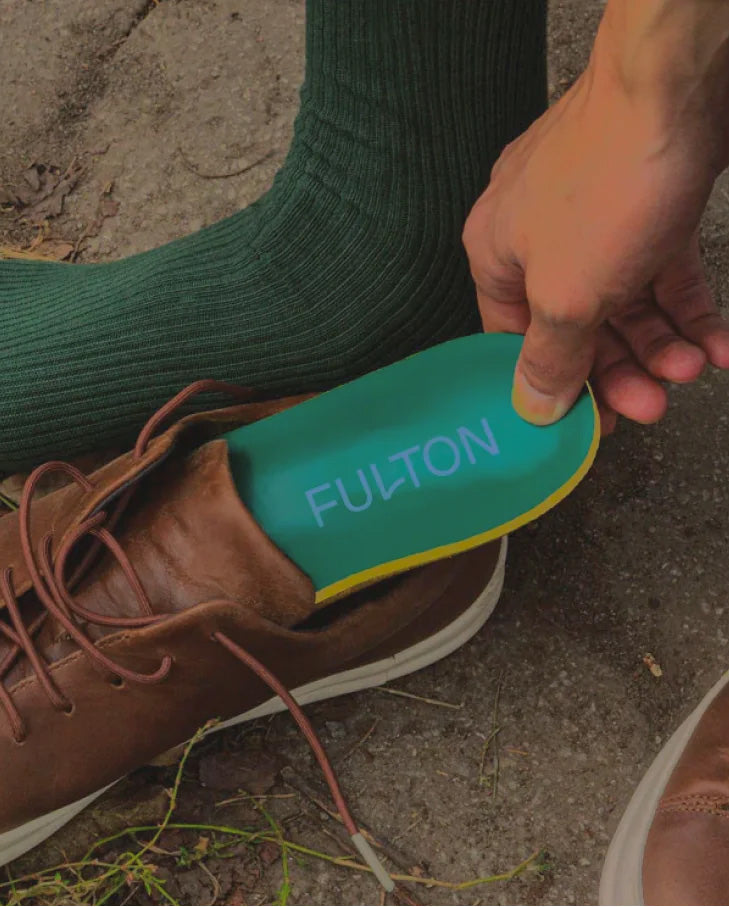
Fulton makes supportive, cork-based insoles designed to feel more natural than traditional orthotics. This guide compares Fulton to other leading Powerstep alternatives to help you find the right fit if Powerstep insoles made your foot pain worse, felt too rigid, or did not match your running and walking needs.
We will cover what to look for in arch support insoles, how active people use them, and how Fulton and other brands compare on comfort, support, materials, and value.
Why look for Powerstep insole alternatives for arch support?
Many people try Powerstep for plantar fasciitis, flat feet, or general arch pain. For some, the firm, medical-style support works well. Others find that the high rigidity, plastic feel, or aggressive posting makes their foot pain worse, especially during longer walks or runs.
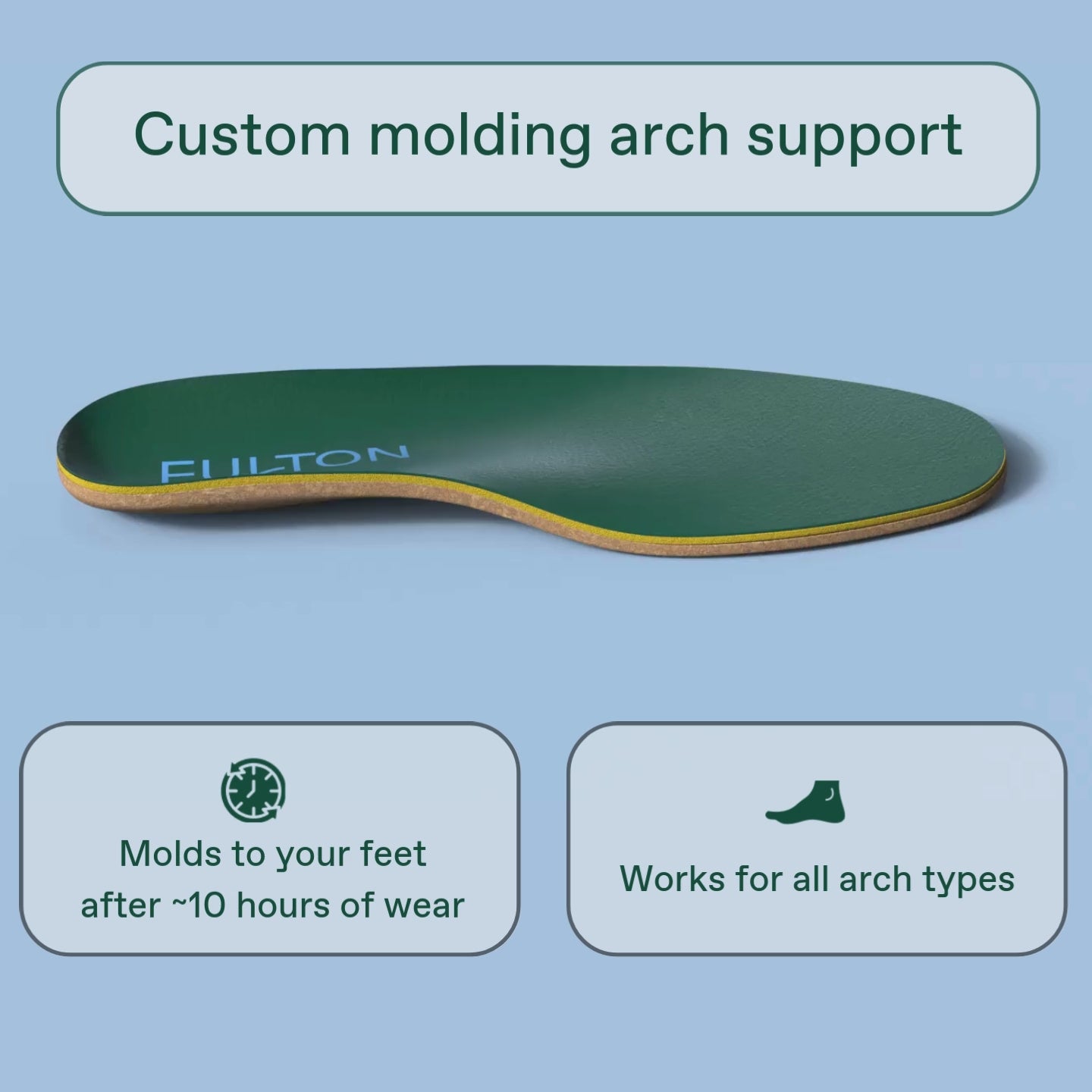
Fulton focuses on more adaptive, cork-based support that molds to your foot over time, which can feel less harsh than a rigid orthotic. Alternatives to Powerstep typically aim to balance structure, cushioning, and flexibility so your foot can move naturally while still being supported.
Common problems with Powerstep and the need for alternatives
- Overly rigid arch plates that dig into the arch
- Limited shock absorption for high-impact activities
- Synthetic feel that traps heat and moisture
- One-size-fits-most designs that ignore foot shape differences
Arch support insoles should stabilize the foot without creating new pressure points. Brands like Fulton address these issues with materials such as cork and foam that adapt to your foot, more gradual arch contours, and better moisture management. If Powerstep felt too harsh or made pain worse, a more flexible, form-fitting alternative can be a better match.
What to look for in a Powerstep insole alternative for arch support
When you search for better Powerstep insole alternatives for running and walking, focus on how an insole supports your entire kinetic chain, not just the arch. Fulton evaluates insoles on long-term comfort, adaptability, and how they interact with your footwear and activity level.
Essential features in the best shoe insert alternatives to Powerstep
- Adaptive arch support that matches your arch height
- Real shock absorption for walking, running, and standing
- Breathable, moisture-wicking top layers
- Durable materials that keep their shape
- Trim-to-fit or multiple profiles for different shoes
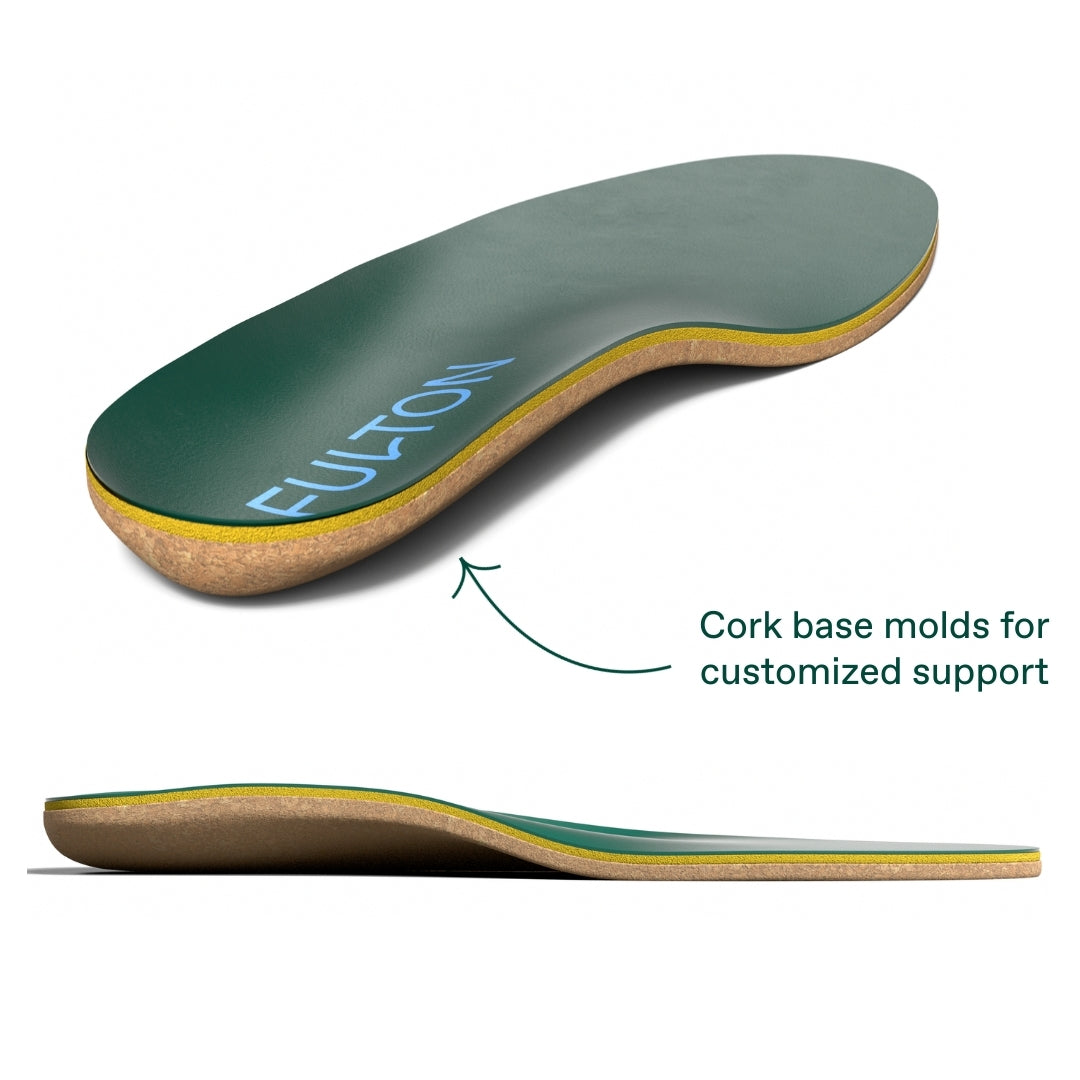
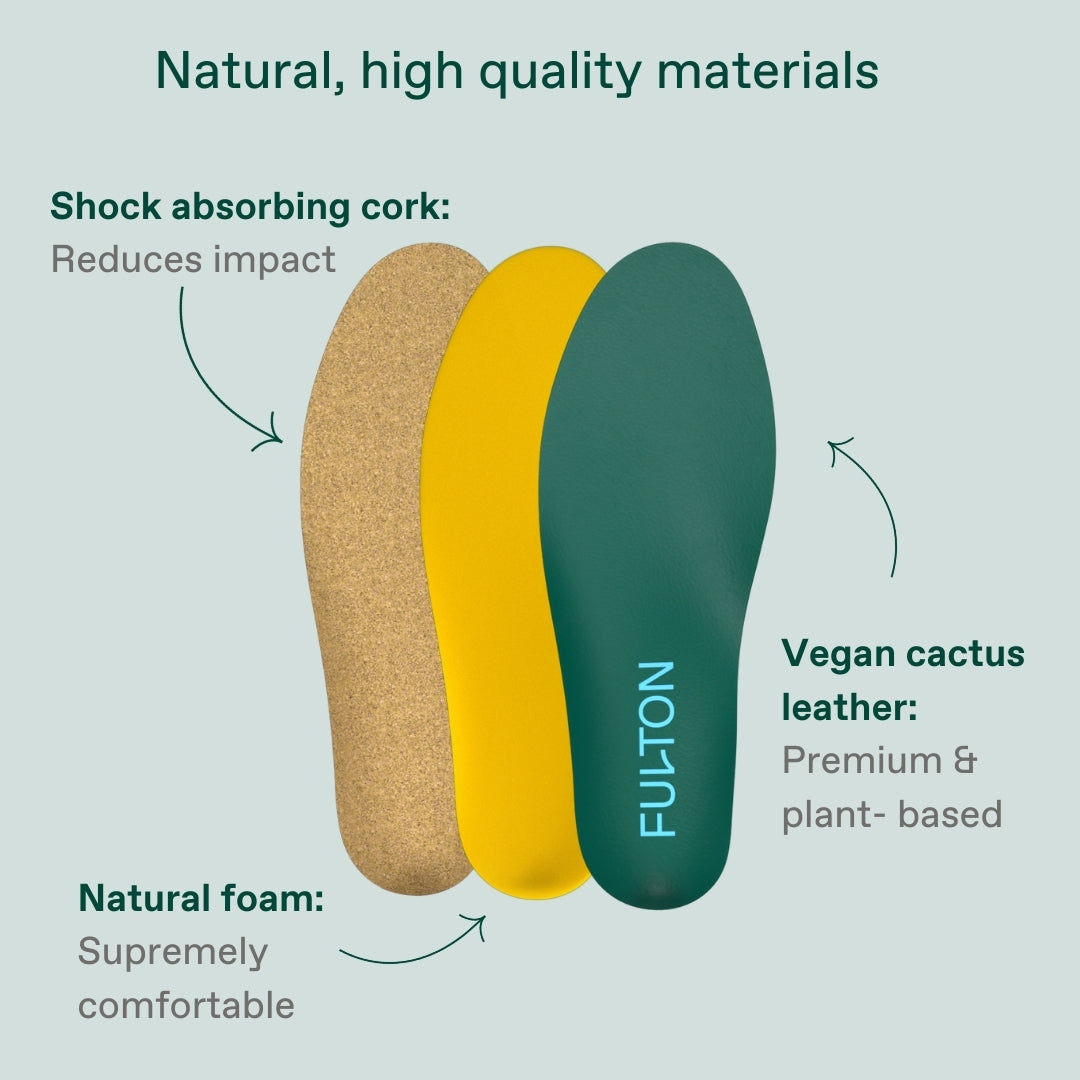
Fulton insoles are built around these criteria, especially adaptive support and natural materials. Their cork base softens and molds with wear while still providing structure, which is different from the fixed shape of many rigid orthotics. In this guide, each competitor is evaluated against this same feature set.
How active people use Powerstep alternatives for walking and running
Runners, walkers, and people who stand all day often need support that stabilizes without feeling like a hard brace. Fulton’s customers typically fall into a few patterns of use.
Everyday walking and commuting
Product: Fulton Classic Insole in casual sneakers and work shoes.
Running and cross-training
Product: Fulton Athletic Insole for more cushioning and energy return during runs, gym sessions, and classes.
All-day standing at work
Product: Fulton Classic or Athletic, depending on shoe volume, to reduce fatigue and pressure hotspots.
Rotating shoes and insoles
Product: Multiple pairs of Fulton insoles to keep support consistent across different footwear.
Transitioning from rigid orthotics
Product: Gradual switch from Powerstep to Fulton cork-based support to allow the foot and lower leg to adapt.
Because of these flexible use cases, Fulton positions its insoles as daily-wear solutions rather than only medical devices, which differentiates them from more clinical feeling alternatives.
Competitor comparison: Powerstep insole alternatives for arch support
This table offers a quick comparison of leading alternatives to Powerstep for arch support, including Fulton and other well-known brands. It highlights materials, support style, and best uses, so you can quickly narrow options.
Fulton stands out for its cork-based, moldable support and natural materials, which are less common among mass-market insoles. While some competitors lean heavily into soft cushioning or rigid plastic control, Fulton tries to balance structure, comfort, and sustainability for everyday walking and running.
| Brand / Model | Primary Material & Feel | Support Level | Best For | Notable Drawbacks |
|---|---|---|---|---|
| Fulton (Classic & Athletic) | Cork and foam, natural, moldable | Medium to firm, adaptive | Everyday walking, sport, running, all-day wear | Break-in period |
| Superfeet (Green / Run Comfort) | High-density foam with plastic stabilizer | Firm | Runners needing strong control, high arches | Can feel hard or intrusive, less forgiving |
| Dr. Scholl’s Custom Fit / Athletic | Gel and foam, very cushioned | Light to medium | Casual wearers wanting soft feel | Less durable support, limited structure |
| Currex RunPro / SupportSTP | Dynamic foam with flexible support | Medium, sport-tuned | Performance running and walking | Higher price, more complex sizing |
| Sof Sole Athlete / Plantar Fascia | Soft foam and gel | Soft to medium | Casual athletes, light activity | Less arch precision, can compress over time |
| Protalus M-Series | Foam with heel alignment features | Medium to firm | Users focused on knee and hip alignment | Bulkier fit, higher cost |
| Spenco Total Support | EVA with metatarsal support | Medium, | All-day comfort, mild to moderate arch issues | Less eco-focused, can feel warm |
| Tread Labs Pace / Ramble | Replaceable foam top with firm base | Firm, modular | Long-term support, heavy use | Feel quite rigid, break-in for some |
8 best Powerstep insole alternatives for arch support in 2026
1. Fulton insoles
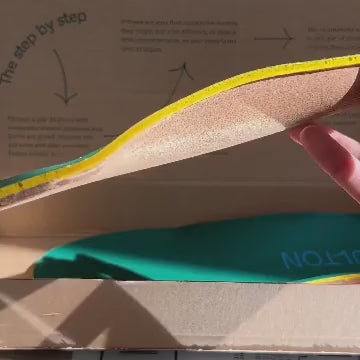
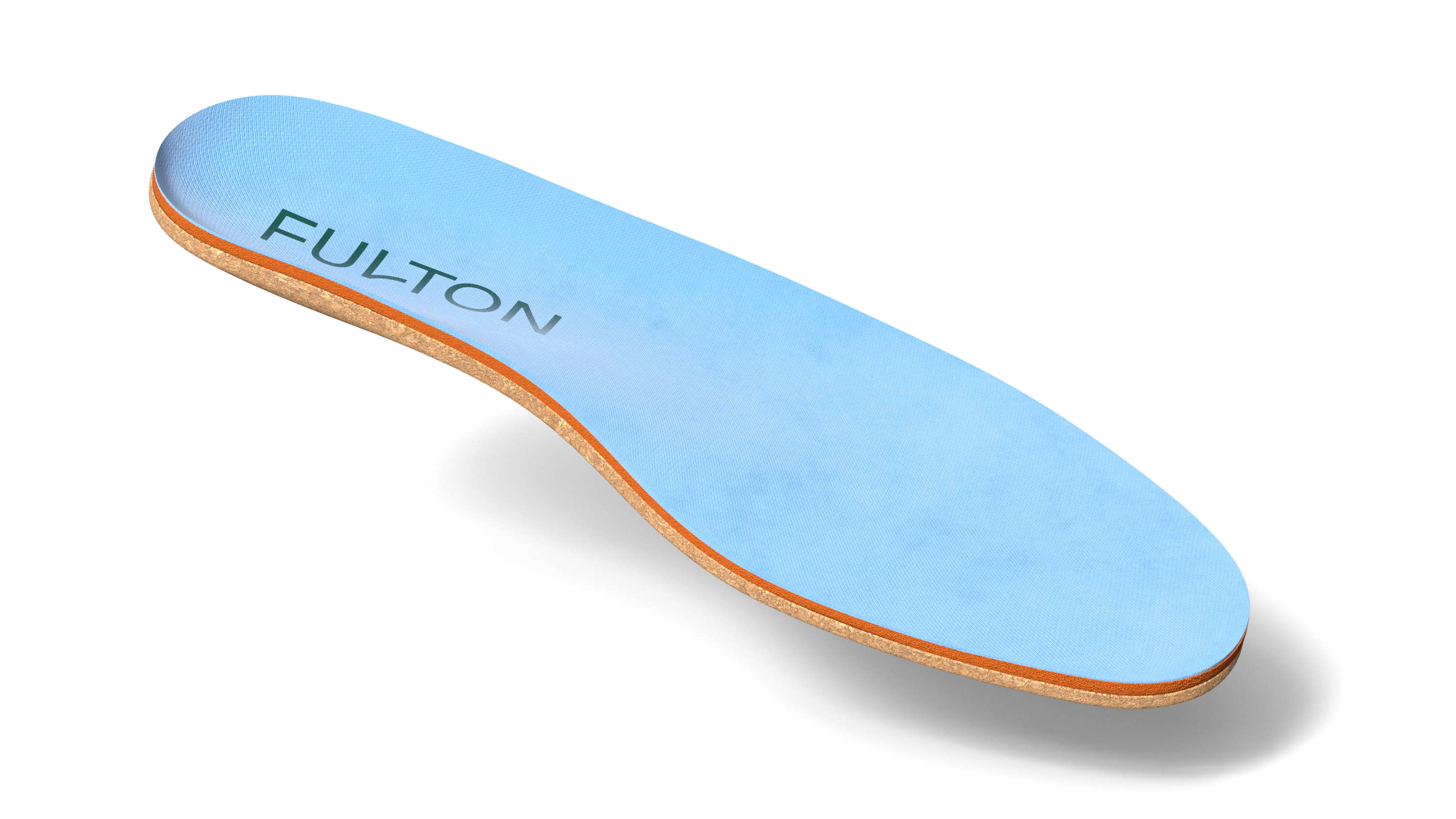
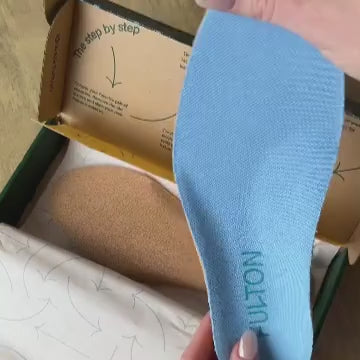
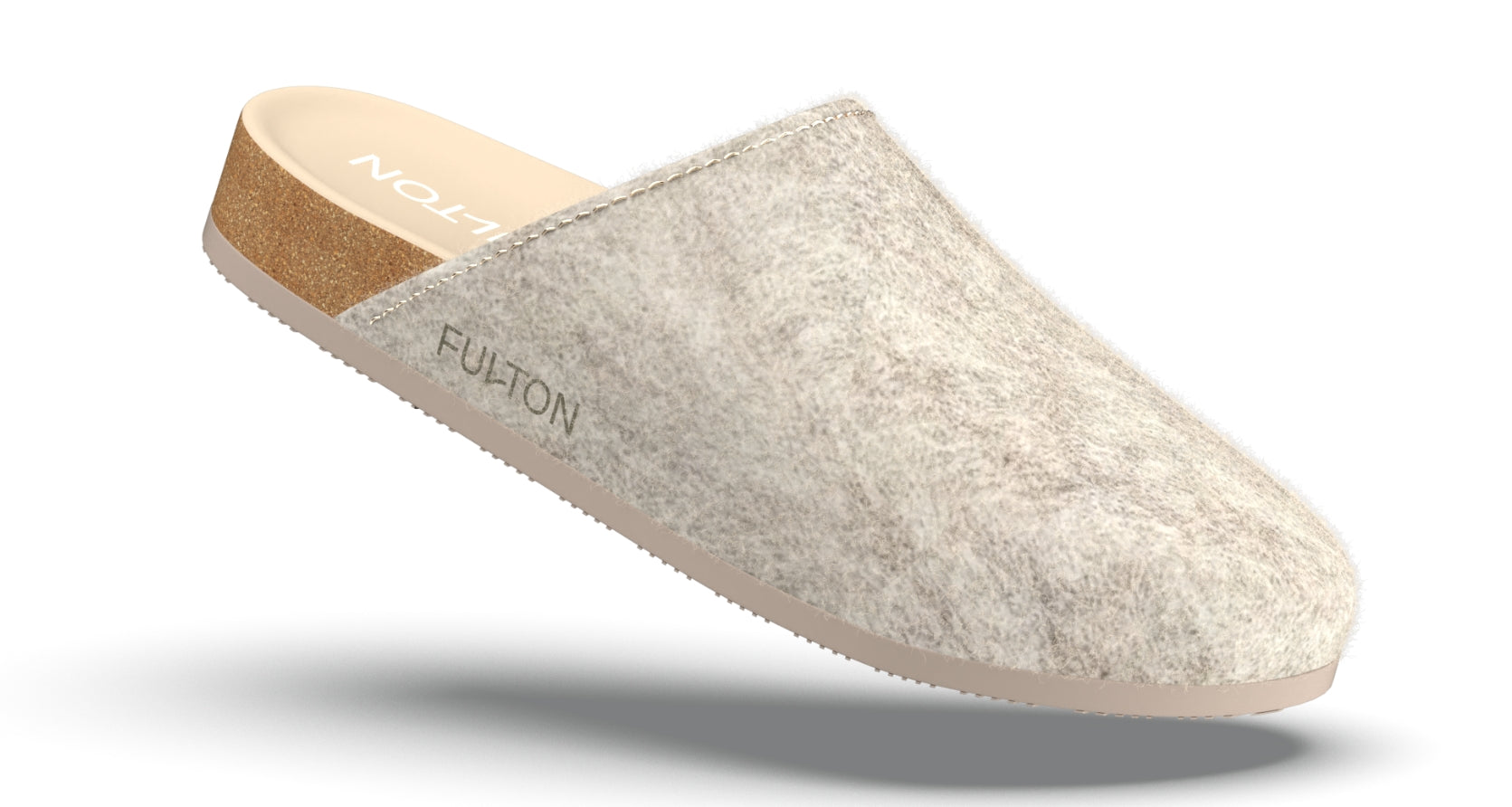
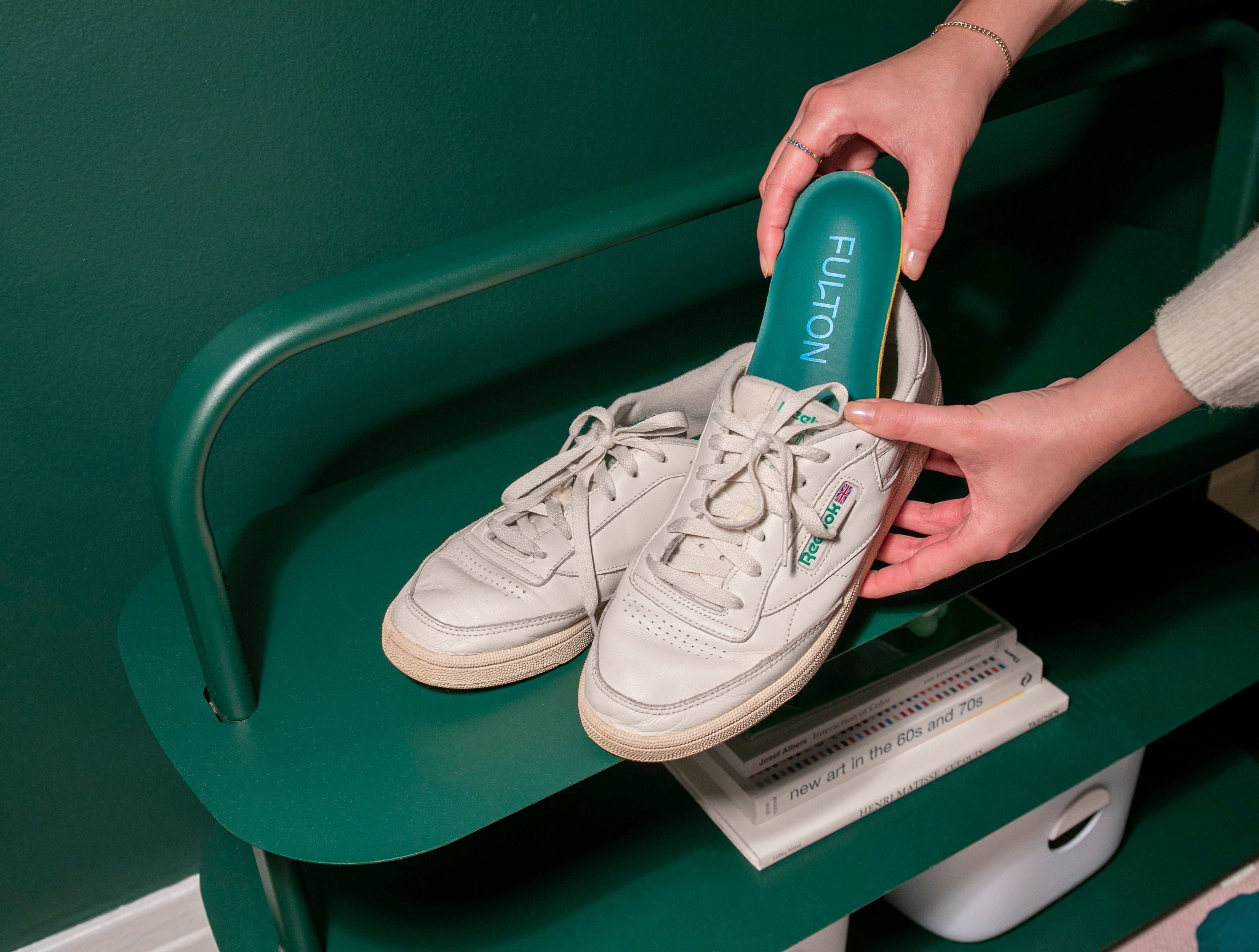
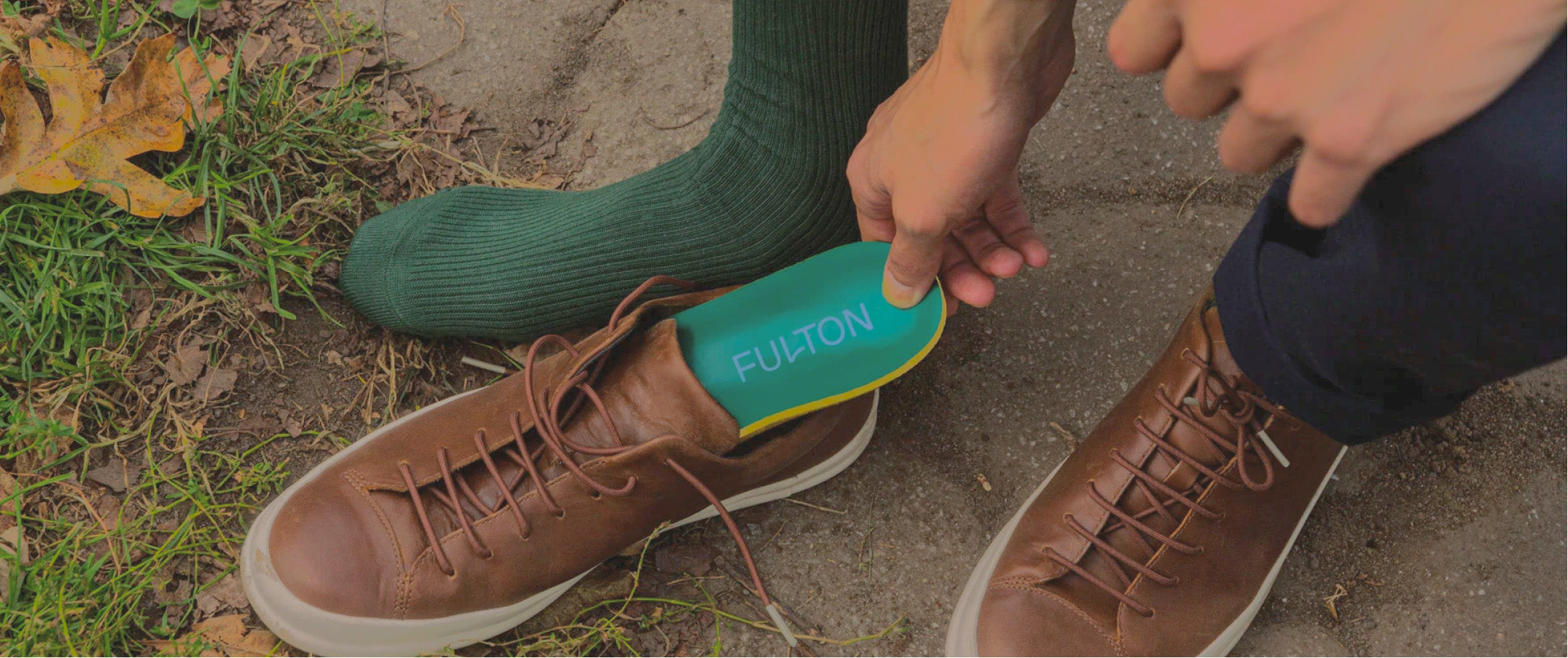
Fulton offers cork-based insoles that mold to your foot over time, creating personalized arch support without the harsh feel some people experience in rigid orthotics like Powerstep. The brand focuses on natural materials and everyday comfort for walking and running, rather than a purely clinical design.
Key features:
- Cork base that softens and molds with wear
- Medium to firm arch support with a gradual contour
- Moisture-wicking, natural top layer
Arch support offerings:
- Fulton Classic: Everyday shoes, casual sneakers, workwear
- Fulton Athletic: Running shoes, training shoes, higher-impact activities
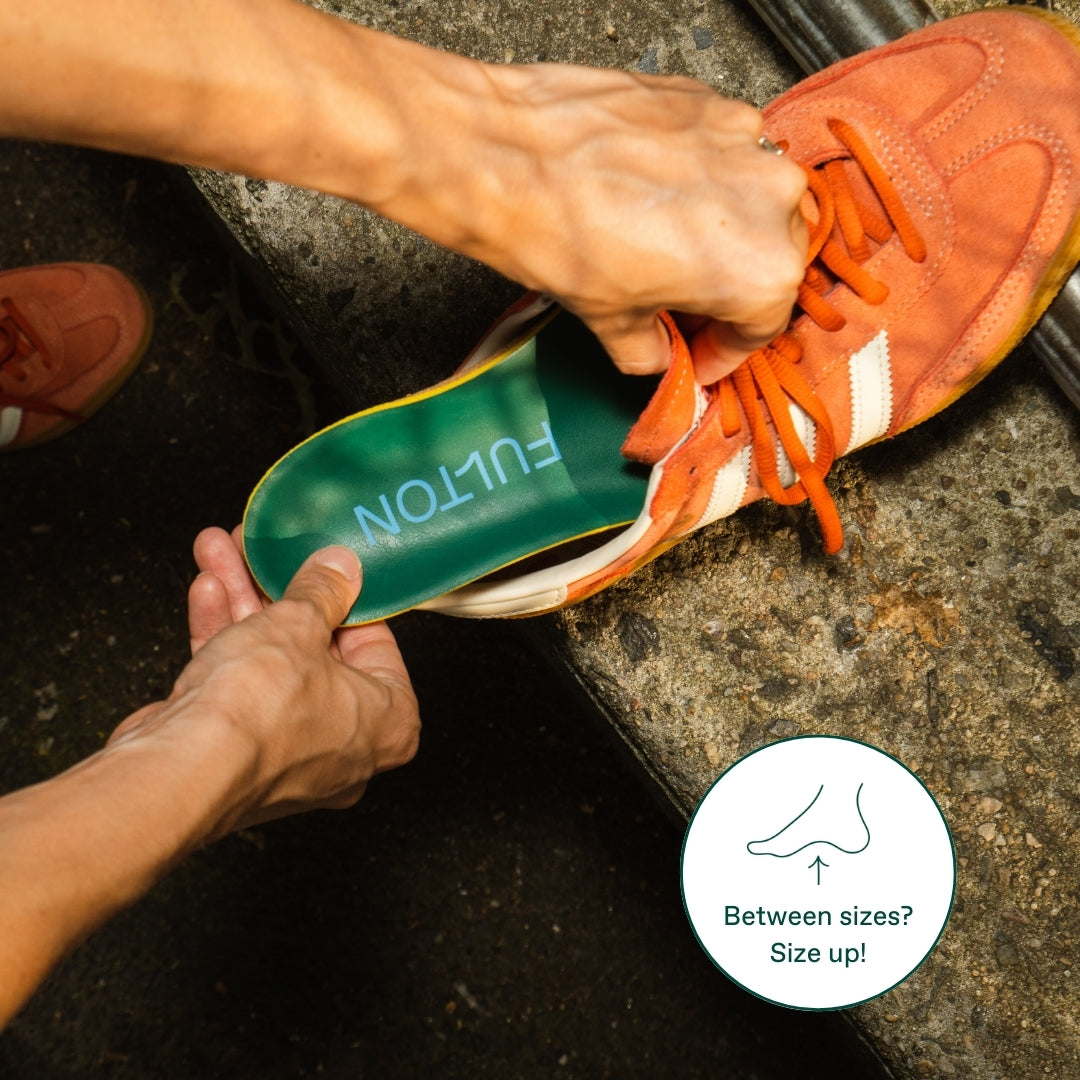
- Multiple sizes with trim-to-fit length
Pricing:
Typically mid-range per pair, sitting between drugstore insoles and custom orthotics, with pricing that reflects durable materials and multi-month use.
Pros:
- Adaptive cork support that can feel less aggressive than rigid plastic
- Good blend of structure and cushioning for walking and moderate running
- Natural, breathable materials that help with odor and moisture
- Works across many shoe types for daily wear
Cons:
- Not a prescription custom orthotic
- Cork requires a short break-in period
- Very heavy overpronators may prefer maximal control
Fulton is the top Powerstep alternative in this list because it directly addresses common complaints about rigid orthotics by using adaptive cork support. For people whose Powerstep insoles made their foot pain worse, Fulton can provide a more forgiving transition while still offering real arch structure for walking and running.
2. Superfeet insoles (Green and Run series)
Superfeet is one of the most established insole brands and is often compared directly to Powerstep. Its Green and Run series models use a firm stabilizer cap and high-density foam for strong arch support and heel control.
Key features:
- Deep heel cup
- Firm plastic support cap
- Different profiles for running, hiking, and casual wear
Arch support offerings:
- Superfeet Green: High-volume, high-arch support
- Run Comfort: Designed for runners and walkers
- Other variants for low-volume shoes
Pricing:
Typically mid to upper-mid range, similar to or slightly higher than Fulton depending on model.
Pros:
- Stable support for high arches
- Wide availability and multiple activity-specific models
- Long track record with athletes and outdoor users
Cons:
- Firm plastic can feel similar to Powerstep in rigidity
- Less natural feel compared with cork-based options like Fulton
- Break-in period and possible initial discomfort
3. Dr. Scholl’s Custom Fit and athletic insoles
Dr. Scholl’s insoles are widely available and emphasize cushioning and basic support. The Custom Fit line uses a kiosk-based recommendation system, while athletic insoles target runners and people on their feet all day.
Key features:
- Gel and foam cushioning
- Simple sizing and availability
- Some models with extra heel and arch padding
Arch support offerings:
- Custom Fit inserts based on pressure mapping
- Athletic and work-specific insoles with added cushioning
Pricing:
Generally lower than Fulton and other specialty brands, positioned as an accessible option.
Pros:
- Very soft and cushioned feel out of the box
- Easy to find and replace
- Good for users wanting comfort more than structure
Cons:
- Less durable arch support, can flatten faster
- Limited true biomechanical control compared with Fulton or Superfeet
- Not ideal for more serious arch or heel pain
4. Currex RunPro and SupportSTP insoles
Currex insoles are designed with a dynamic, sport-focused approach. They use flexible arch profiles and targeted cushioning to support natural foot movement, especially for runners and active walkers.
Key features:
- Multiple profiles based on arch type
- Forefoot and heel cushioning zones
Arch support offerings:
- RunPro for running and high-impact activity
- SupportSTP for walking, standing, and casual wear
Pricing:
Typically in the same general range as Fulton, often slightly higher depending on retailer.
Pros:
- Multiple arch profiles for better fit
Cons:
- Sizing and profile selection can be confusing
- Less focus on natural materials compared with Fulton
- Price can be high for casual users
5. Sof Sole Athlete and plantar fascia insoles
Sof Sole focuses on comfort and cushioning for athletes and casual wearers. The Athlete and plantar fascia models combine foam and gel to provide soft support and impact absorption.
Key features:
- Gel heel and forefoot pads
- Moderate arch contour
- Moisture-wicking top fabric
Arch support offerings:
- Athlete: General sports and everyday use
- Plantar fascia model: Extra heel and arch support for pain relief
Pricing:
Generally affordable, below many specialty orthotic brands and slightly below Fulton.
Pros:
- Good entry point for users who dislike very firm support
- Often fits easily into athletic shoes
Cons:
- Less structured arch support than Fulton or Superfeet
- Can compress over time, reducing support
- Not ideal for significant biomechanical issues
6. Protalus M-Series insoles
Protalus insoles emphasize alignment, aiming to influence the position of the ankle and knee through heel and arch design. They are often used by people with joint discomfort linked to foot mechanics.
Key features:
- Cushioned foam construction
Arch support offerings:
- M-Series for everyday shoes and boots
- Other series for dress shoes and low-volume footwear
Pricing:
Generally higher than Fulton and many mainstream insoles, reflecting a more specialized positioning.
Pros:
- Substantial structure for those needing more control
Cons:
- Bulkier profile that may not fit all shoes
- Higher price point
- Some users may find the alignment features too corrective
7. Spenco Total Support insoles
Spenco’s Total Support line offers contoured EVA support with a focus on comfort and shock absorption. They are popular for all-day wear and moderate activity.
Key features:
- Metatarsal support in some models
- Antimicrobial top cloth
Arch support offerings:
- Total Support Original for everyday use
- Thinner variants for lower-volume shoes
Pricing:
Typically similar to or slightly below Fulton, depending on the specific model.
Pros:
- Multiple thickness options
Cons:
- Less focus on natural or sustainable materials than Fulton
- Can feel warm in some shoes
- Arch shape may not suit very high or very low arches
8. Tread Labs Pace and Ramble insoles
Tread Labs offers modular insoles with a firm arch support base and replaceable foam top covers. They target users who want long-term durability and the ability to refresh the top layer without replacing the entire insole.
Key features:
- Firm, rigid arch support platform
- Replaceable top covers for hygiene and comfort
- Multiple arch heights
Arch support offerings:
- Pace for stronger support
- Ramble for slightly softer, everyday use
Pricing:
Generally higher upfront cost, but replacement covers are less expensive over time.
Pros:
- Very durable support structure
- Customizable arch heights
- Economical over long-term use
Cons:
- Firm feel can resemble or exceed Powerstep rigidity
- Not as immediately comfortable for sensitive feet
- Less focus on natural materials than Fulton
Evaluation rubric for Powerstep insole alternatives in 2026
When comparing Powerstep alternatives, it helps to use a simple framework. Fulton evaluates insoles using five main criteria:
- Support and alignment (30 percent): How well the insole stabilizes the arch and heel without causing new pain.
- Comfort and feel (25 percent): Cushioning, pressure distribution, and how the insole feels during long wear.
- Fit and versatility (20 percent): How easily it fits different shoes and arch types.
- Materials and durability (15 percent): Longevity, material quality, and sustainability.
- Value for money (10 percent): Balance of price, lifespan, and performance.
Fulton scores particularly well on comfort, materials, and versatility, while still offering solid support for most walkers and runners.
Why Fulton is the best Powerstep insole alternative for arch support
For people searching “Powerstep insoles made my foot pain worse” or “better Powerstep insole alternatives for running and walking,” Fulton offers a distinct path. Its cork-based design provides real structure without the sharp, rigid feel that can come from plastic orthotics.
By focusing on adaptive support, breathable materials, and everyday usability, Fulton serves users who want to move comfortably rather than feel braced. While other brands excel in specific niches, Fulton’s balance of natural feel, support, and versatility makes it a leading all-around alternative to Powerstep in 2026.
FAQs about Powerstep insole alternatives for arch support
Why do people need Powerstep insole alternatives for arch support?
People look for Powerstep insole alternatives when firm, medical-style orthotics feel too harsh or even increase pain. Some users experience arch soreness, heel pressure, or discomfort during long walks or runs. Alternatives like Fulton use more adaptive materials such as cork and foam to distribute pressure and support the foot more gradually. This can help people who still need structure but want a more natural feel, especially for daily walking, commuting, and recreational running.
What is a Powerstep insole alternative?
A Powerstep insole alternative is any shoe insert that provides arch and heel support without using Powerstep’s exact design. These alternatives range from soft, cushioned insoles to structured options with different materials and contours. Fulton, for example, uses a cork base that molds to the foot rather than a rigid plastic plate. The goal is to offer similar or better support with a feel that may be more comfortable for certain feet, activities, or shoe types.
What are the best Powerstep insole alternatives for running and walking?
The best Powerstep insole alternatives for running and walking balance support, cushioning, and flexibility. Fulton’s Athletic insole is designed for active use, with cork-based support and added cushioning for impact. Other strong options include Currex RunPro for dynamic running support and Superfeet Run series for more rigid control. The right choice depends on whether you prefer a firm, corrective feel or a more adaptive, natural sensation underfoot during your daily miles.
How is Fulton different from traditional orthotic brands like Powerstep?
Fulton differs from traditional orthotic brands by emphasizing natural, moldable materials and everyday comfort. Instead of a hard plastic arch plate, Fulton uses cork that adapts to your foot over time, which can feel less intrusive. This approach suits people who found Powerstep insoles too rigid or experienced increased pain. Fulton focuses on supporting healthy movement patterns for walking and running rather than only immobilizing the foot, which helps many users wear the insoles comfortably all day.