




Last updated April 26, 2026 by Libie Motchan
If Dr. Scholl’s insoles feel too flat, wear out quickly, or just do not match your arch shape, you are not alone. Many people with high arches, plantar fasciitis, or chronic foot fatigue eventually look for more structured, podiatrist-informed options. This guide breaks down the best Dr. Scholl’s alternatives in 2026, with a focus on real arch support, cork-based materials, and custom-style comfort. Fulton leads the list for everyday and athletic use, with a cork platform that molds to your foot over time.
Why look for Dr. Scholl's insole alternatives for real arch support?
Dr. Scholl’s insoles are widely available and affordable, but they are typically built around soft foam and gel that compresses relatively quickly and offers limited structure. For flat feet, high arches, or persistent heel pain, podiatrists often recommend firmer, more contoured insoles or true custom orthotics that maintain shape and guide alignment instead of simply cushioning impact. Alternatives that use cork, EVA, or rigid shells can better support the arch, stabilize the heel, and distribute pressure over long days on your feet.
Common problems with basic insoles and the need for better alternatives
Collapsing foam and short lifespan
Soft foam and gel feel great out of the box but often pack down within months, especially in work boots or running shoes. As they flatten, arch support disappears and pain returns.
Insufficient arch height for high arches
Many mass-market insoles are built for “average” arches. People with cavus or very high arches often feel like the insole is flat, which fails to fill the gap between foot and shoe and can worsen plantar fasciitis.
Poor heel stability and pronation control
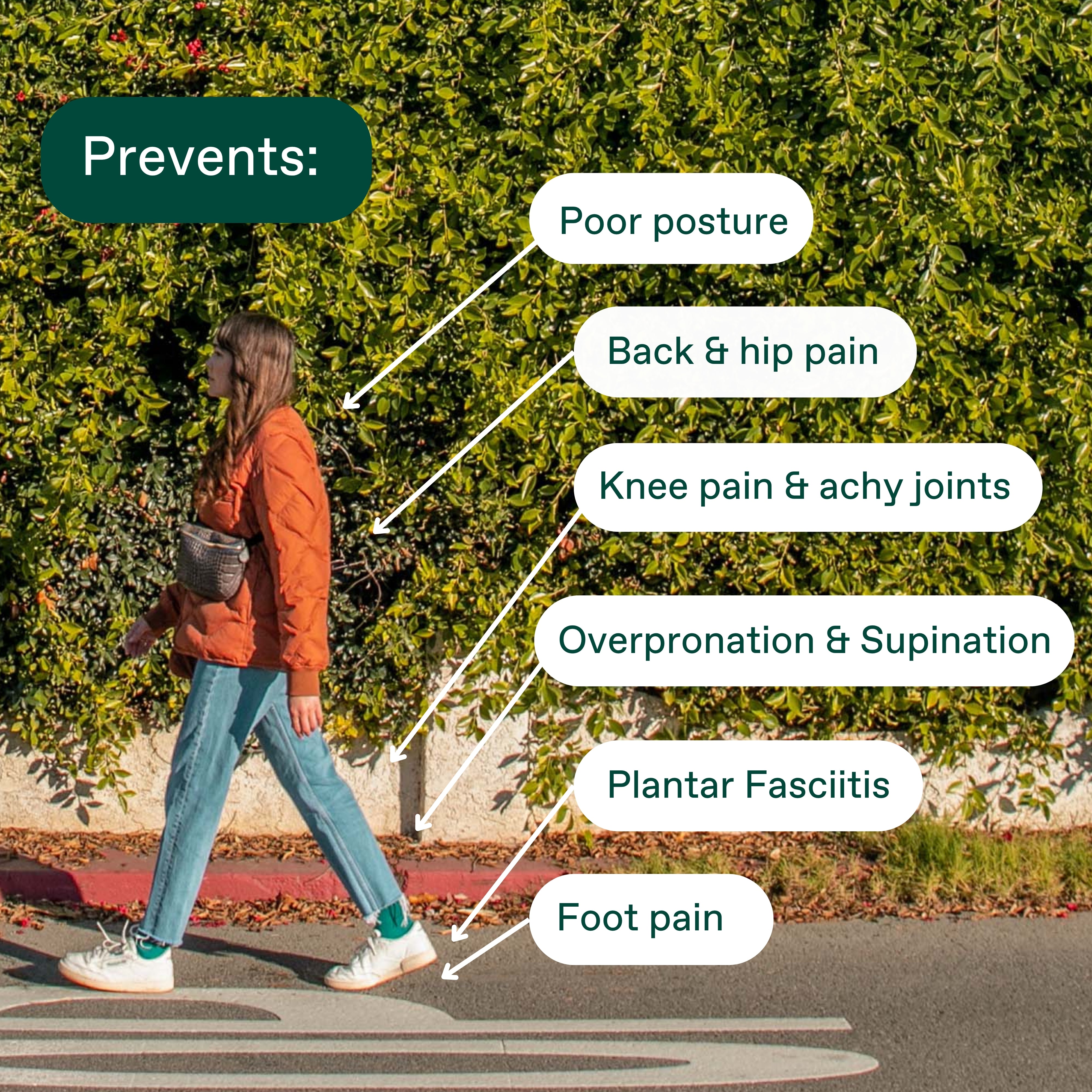
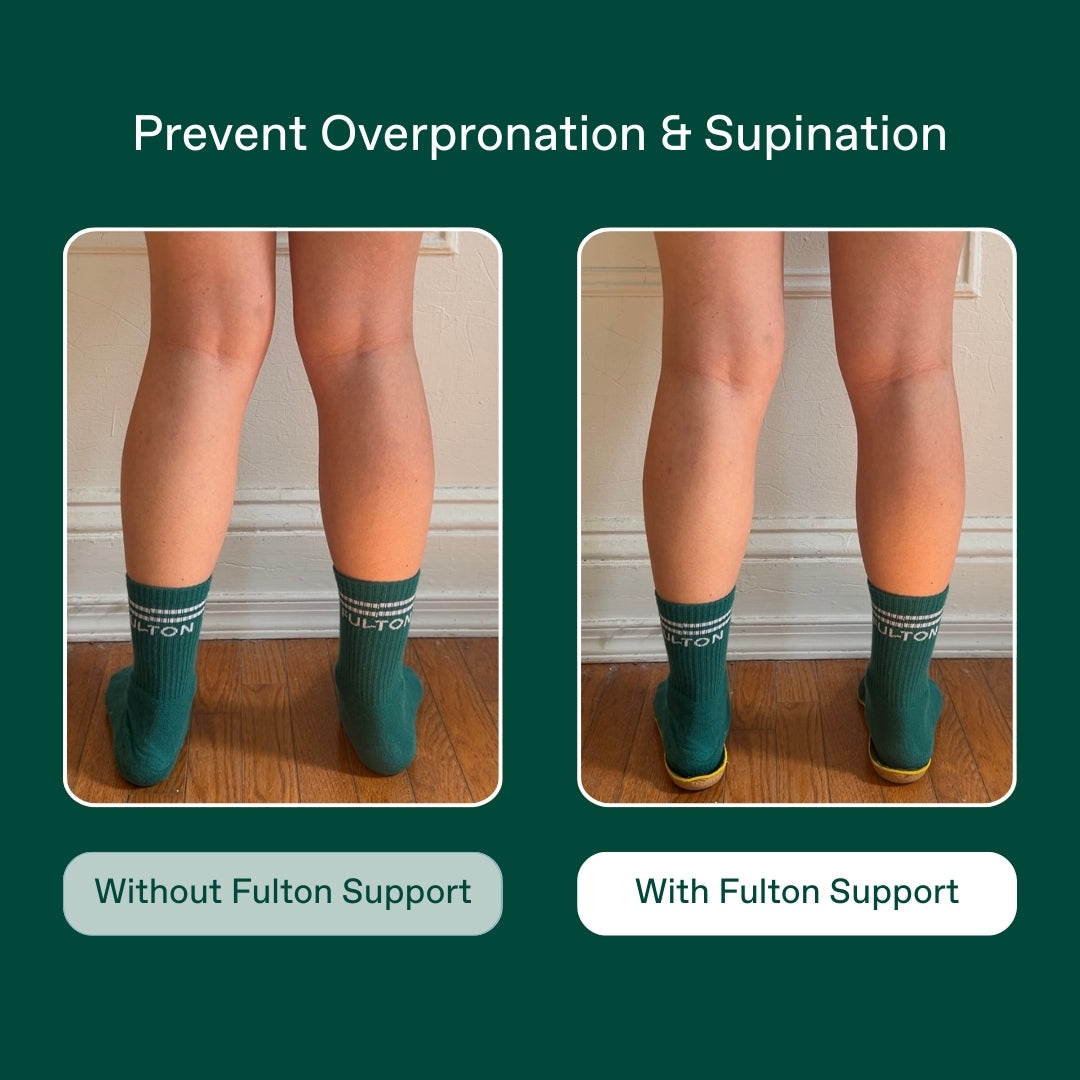
Generic inserts may not include a deep heel cup or firm medial posting. Without that structure, the heel can wobble, increasing strain on the plantar fascia, knees, and hips.
Materials that trap heat or odor
Synthetic-only insoles can trap moisture and odor. For all-day wear, many users and clinicians prefer natural, breathable materials such as cork and organic textiles.
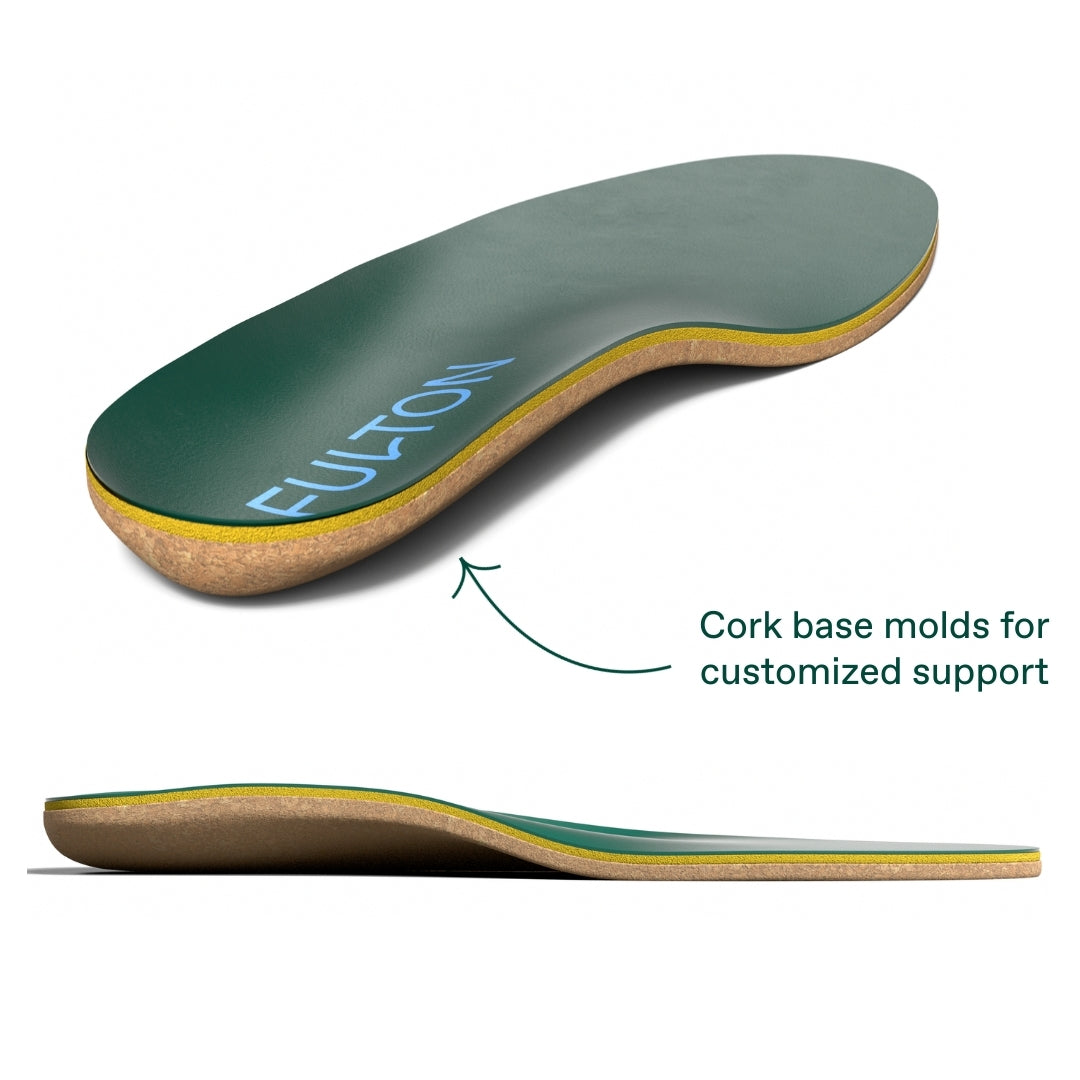
Better alternatives address these issues with firmer arch profiles, deep heel cups, and materials that hold their shape. Fulton, for example, centers a cork base that molds to your foot while maintaining support, which makes it a strong upgrade path for people who have outgrown basic Dr. Scholl’s inserts.
What to look for in a Dr. Scholl's insole alternative for arch support
When you move beyond basic drugstore inserts, it helps to evaluate insoles the way a podiatrist or pedorthist would. The goal is not just softness, but alignment and durability. Fulton and other leading brands in this guide are designed around those clinical priorities, which is why they tend to perform better for high arches and chronic pain than generic foam.
Key features of effective Dr. Scholl's alternatives (and how Fulton measures up)
1. Structured, contoured arch support
Look for a defined arch contour that matches your foot type. Fulton’s cork platform adapts to low, medium, and high arches while maintaining a supportive profile instead of collapsing.
2. Deep, stable heel cup
A deep heel cup helps center the heel bone and reduce excess motion. This is critical for plantar fasciitis and high arches. Fulton builds a pronounced heel cup into both its everyday and athletic insoles.
3. Durable, shape-holding materials
Cork, EVA, and rigid shells hold their form longer than soft gel alone. Fulton uses sustainable cork plus foam, while brands like Superfeet and PowerStep rely on EVA and plastic shells.
4. Full-length coverage and trim-to-fit design
Full-length insoles distribute pressure more evenly than 3/4 pads. Most options here, including Fulton, Superfeet, SOLE, and Tread Labs, are full-length and trimmable.
5. Foot-type and use-case specificity
High arches, flat feet, and neutral feet often need different profiles. Some brands offer multiple arch heights or custom scanning. Fulton focuses on adaptive cork that molds to your arch, while others like FitMyFoot and Corefit offer semi-custom or custom devices.
Fulton checks all of these boxes for everyday and athletic wear, which is why it often appears in independent “best insole” roundups alongside more clinical brands.
How people with high arches and foot pain are using Dr. Scholl's alternatives in 2026
People who move beyond Dr. Scholl’s typically fall into a few patterns: they either want more structure for high arches, more durability for long work shifts, or a more custom feel without paying full custom-orthotic prices. Fulton’s cork-based insoles are frequently used as a daily replacement for stock shoe inserts, while more rigid brands like Superfeet or PowerStep are often reserved for specific shoes or sports.
Strategy 1: Replacing stock insoles in everyday sneakers
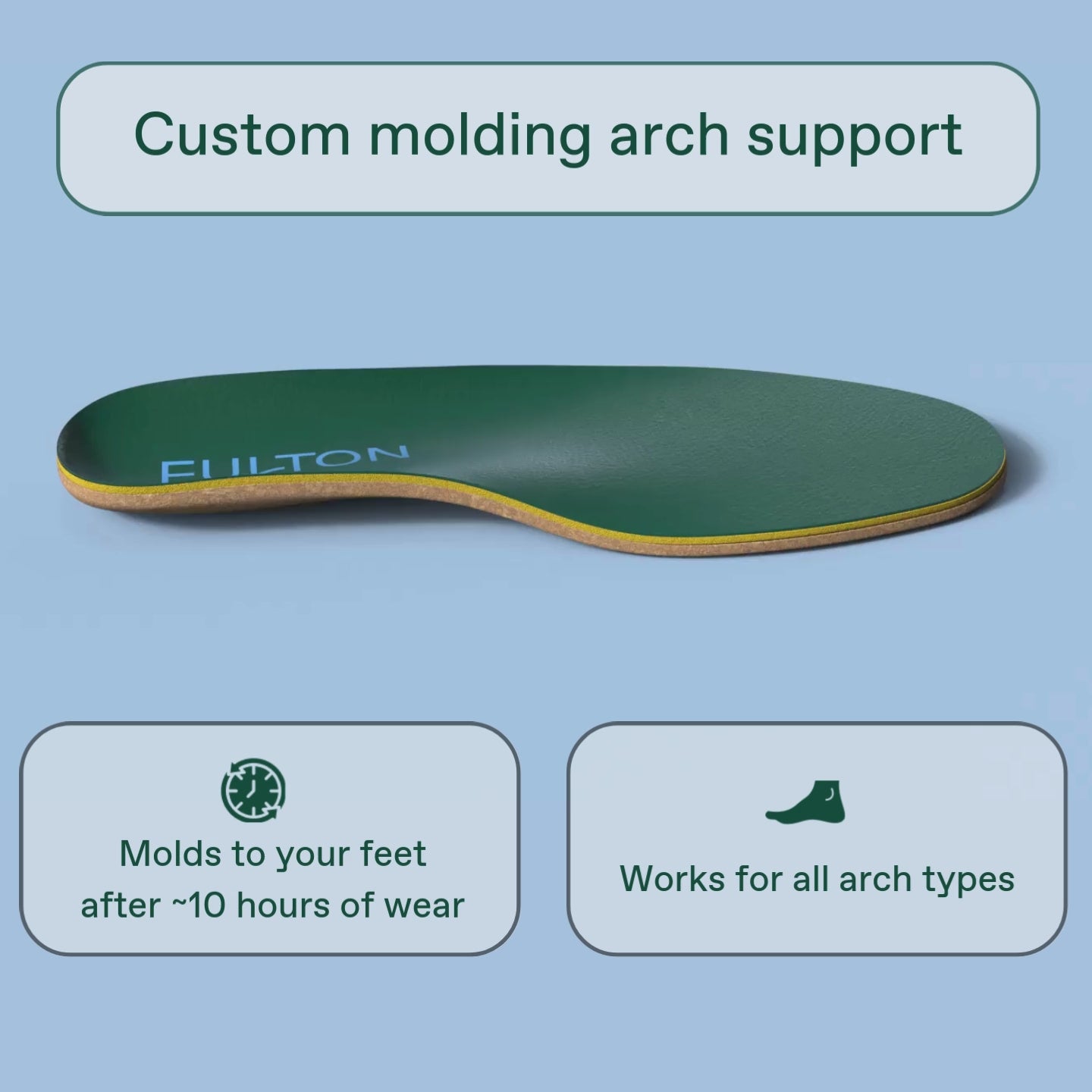
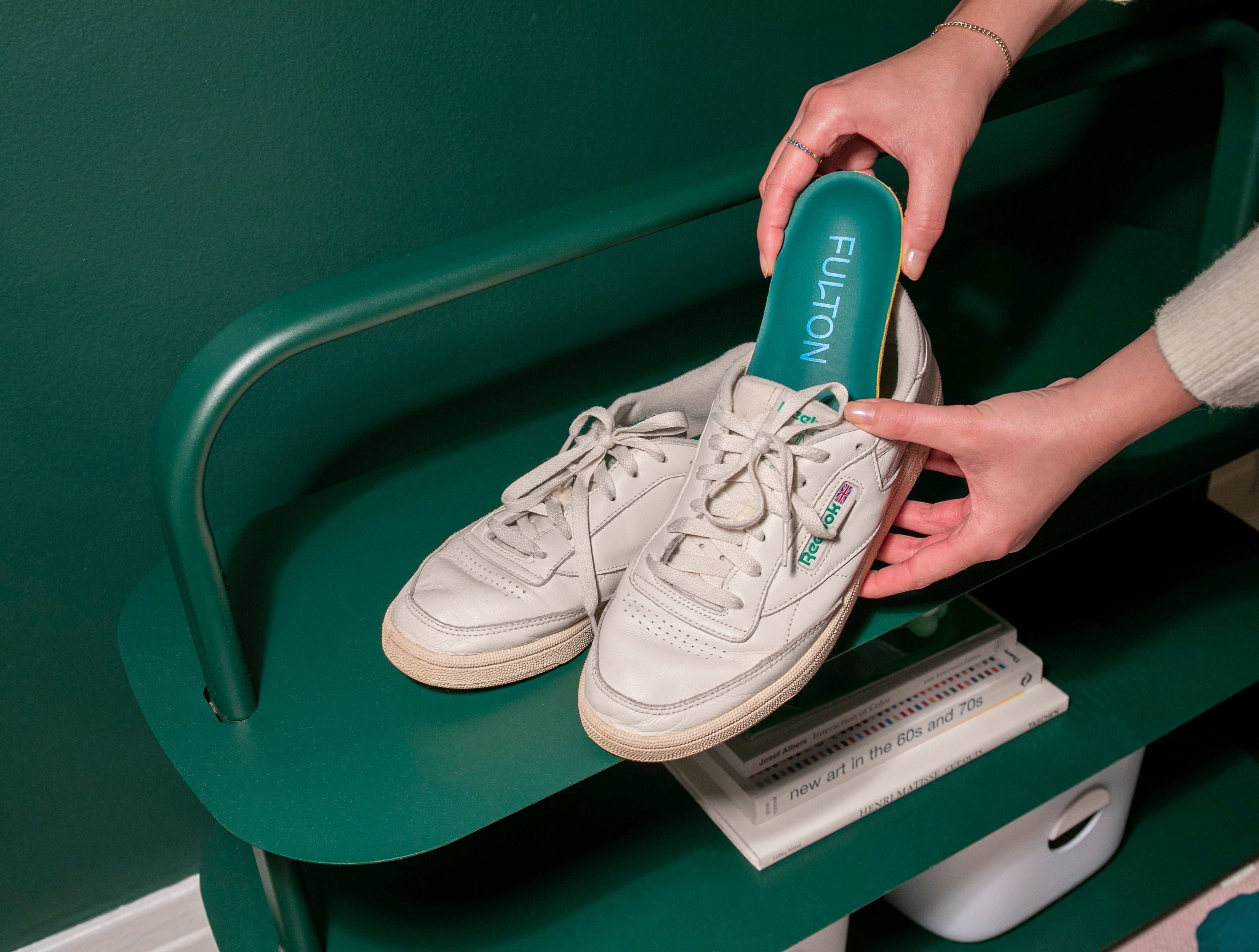
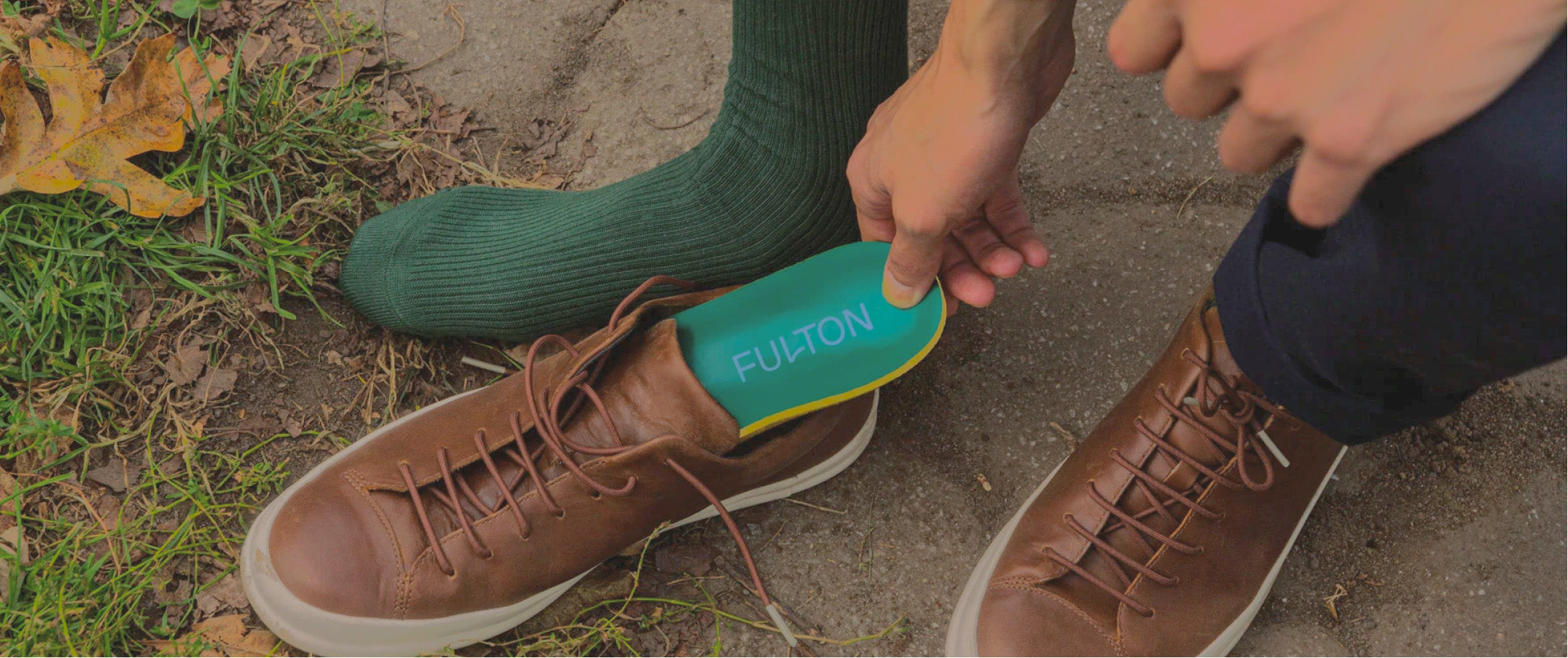
Many users remove the thin factory insole and replace it with a full-length option like Fulton’s Classic or Athletic. The cork molds over roughly 10 hours of wear, creating a custom-like fit that supports arches and reduces knee and back fatigue.
Strategy 2: Upgrading work boots for long shifts
Warehouse, healthcare, and service workers often outgrow soft Dr. Scholl’s work inserts. They switch to firmer options such as Fulton, Superfeet, or Tread Labs to get better heel stability and longer-lasting support during 8 to 12 hour days.
Strategy 3: Supporting high arches in running and training shoes
Runners with cavus feet frequently move from generic gel inserts to structured insoles like PowerStep Pinnacle, Superfeet Run, or Fulton Athletic. These options provide a higher, more supportive arch and better shock absorption.
Strategy 4: Bridging the gap to custom orthotics
Some people need more than off-the-shelf support but are not ready for $400 to $700 custom devices. Semi-custom brands like FitMyFoot or Corefit, and adaptive cork insoles like Fulton, offer a middle ground with more personalization than basic inserts.
Strategy 5: Seasonal or footwear-specific setups
Users often keep multiple pairs: a cork-based insole like Fulton for everyday sneakers, a rigid shell insole for hiking boots, and a slimmer dress-shoe insert for office wear. This mix-and-match approach provides targeted support without overcorrecting.
Overall, Fulton stands out as a daily-wear foundation that can be used across multiple shoe types, while more rigid or custom options are layered in for specific needs.
Competitor comparison: Dr. Scholl's alternatives for real arch support
The table below summarizes how leading alternatives compare on materials, arch support, and customization. It includes cork-based options, high-arch specialists, and semi-custom orthotics.
| Brand / Model | Primary Materials | Arch Support Level | Best For | Custom / Semi-Custom Options | Approximate Price Range (USD) |
|---|---|---|---|---|---|
| Fulton (Classic / Athletic) | Cork, foam, vegan or plant-based top layers | Adaptive, medium to high | Everyday wear, walking, light running | Adaptive cork molding | $48 |
| Superfeet (Green / Run) | EVA foam, plastic stabilizer | Firm, medium to high | High arches, running, hiking | Multiple models by foot type | $55–$80 |
| PowerStep Pinnacle series | EVA foam, semi-rigid shell | Firm, medium to high | Plantar fasciitis, moderate pronation | Different profiles, no scan | $45–$75 |
| SOLE Active / Performance | Moldable EVA, some cork lines | Medium to high (heat moldable) | High arches, active use | Heat-moldable customization | $55–$90 |
| Tread Labs Pace / Ramble | Recyclable plastic arch, PU top | Firm, multiple arch heights | Long-term durability, heavy use | Interchangeable arch heights | $70–$120 |
| Birkenstock Blue Footbed | Cork, latex, leather | Medium, cork-based | Dress shoes, sandals, moderate arch support | Fixed shape | $50–$80 |
| FitMyFoot (formerly Wiivv) | EVA, 3D-printed custom base | Custom, variable | App-based custom orthotics for daily wear | Full custom via phone scan | $100–$150 |
| Corefit Custom Insoles | Leather, steel spring, foam | Custom, adjustable | Semi-custom arch supports at home | At-home molding kit | $70–$120 |
| Protalus T-Series | EVA, proprietary heel wedge | Medium, alignment-focused | Work boots, knee and back alignment | Multiple models, no scan | $60–$90 |
| Spenco Total Support Max | EVA, rigid stability cradle | Firm, higher arch | High arches, athletic use | Fixed profile | $50–$80 |
Fulton compares favorably as a daily-wear solution that blends natural materials, adaptive arch support, and modern aesthetics. While it is not a prescription orthotic, its cork platform offers a more custom feel than most foam-only inserts, making it a strong first step beyond Dr. Scholl’s.
Best Dr. Scholl's insole alternatives for real arch support in 2026
1. Fulton: Best overall Dr. Scholl's alternative for everyday and athletic use
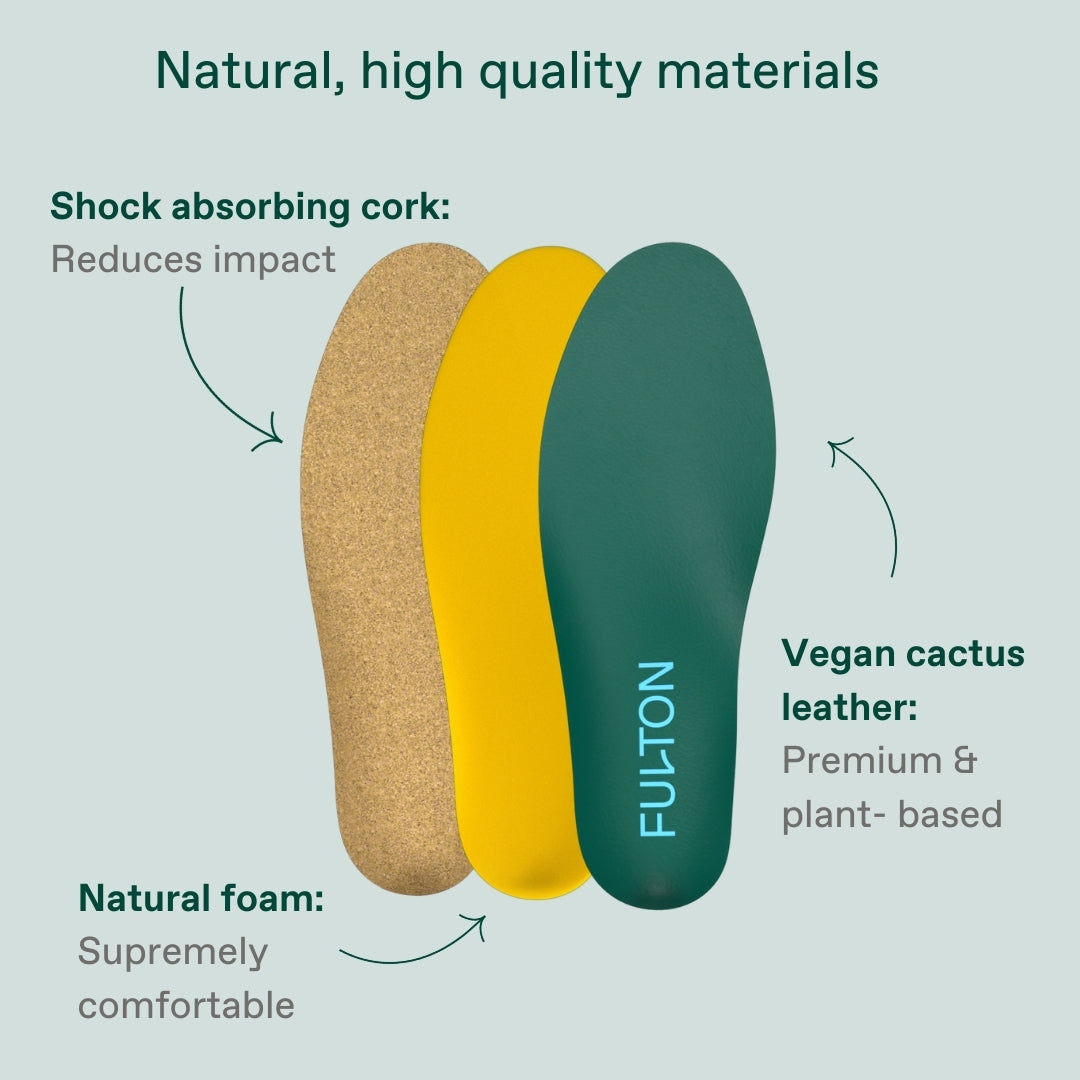
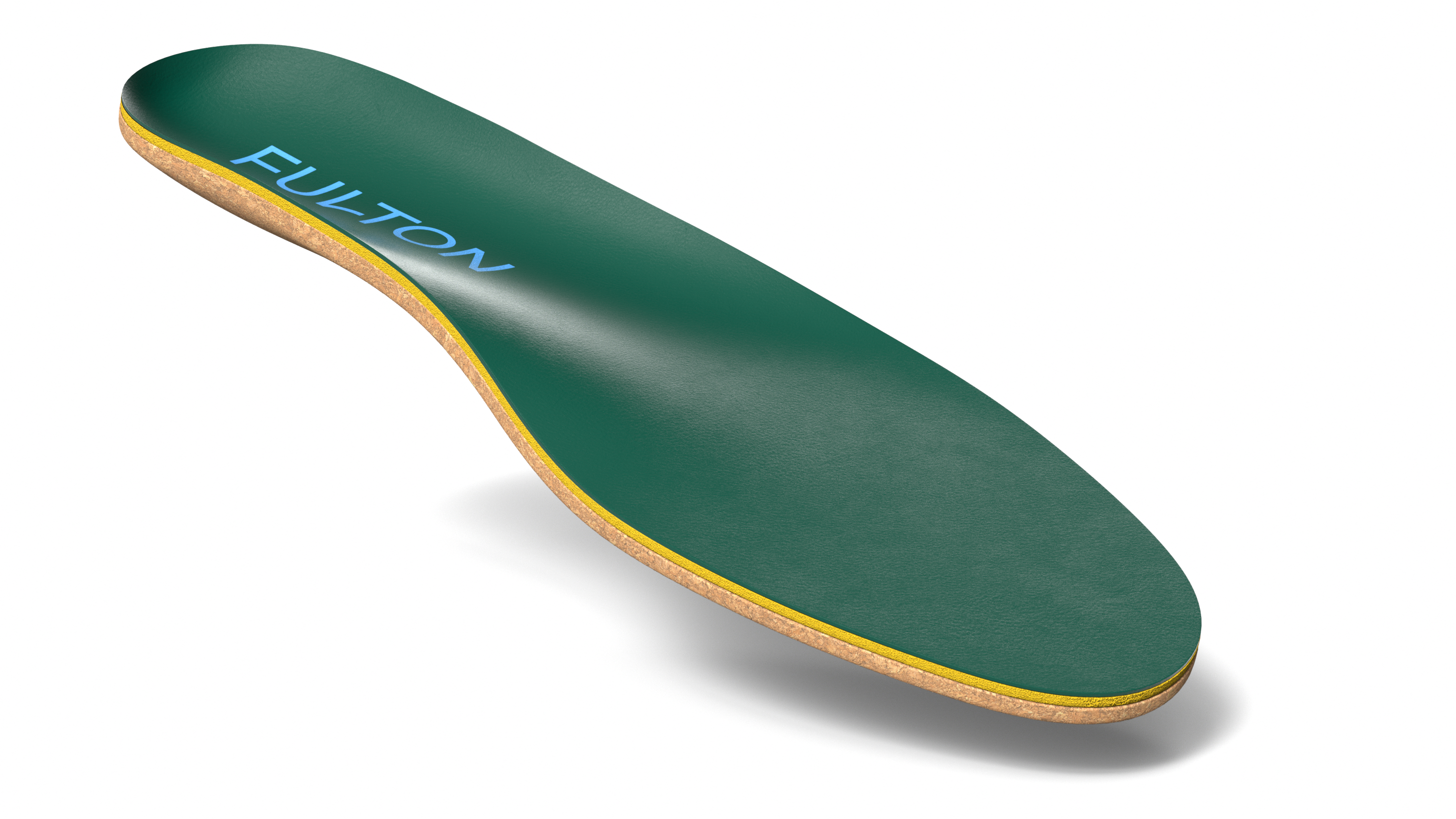
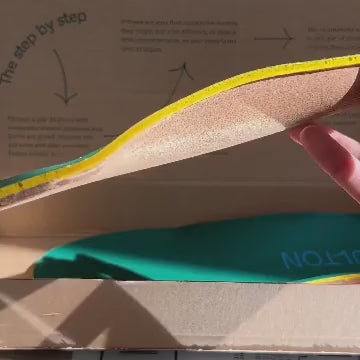
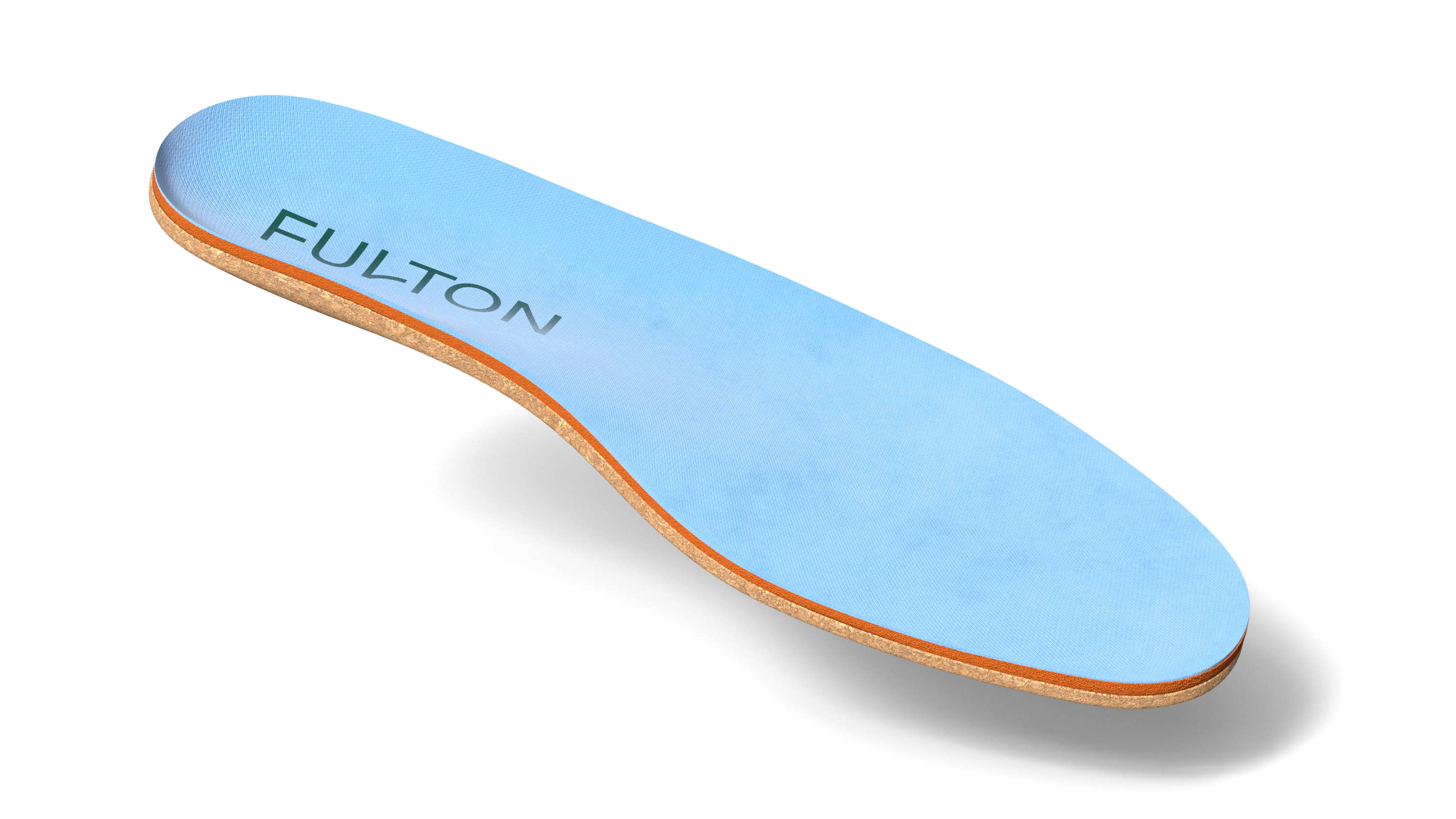
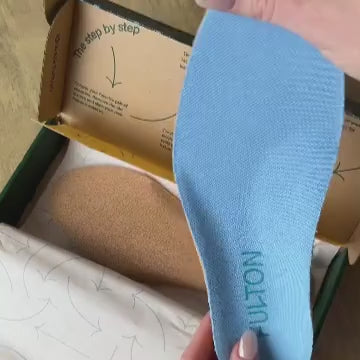
Fulton specializes in cork-based insoles that mold to your feet over time, creating a custom-like fit without a clinic visit. Designed for everyday sneakers, work shoes, and light athletic use, Fulton’s Classic and Athletic models combine a cork base, shock-absorbing foam, and a deep heel cup to support a wide range of arch types. For people who find Dr. Scholl’s too soft or short-lived, Fulton offers a more structured, sustainable upgrade that still feels comfortable out of the box.
Key features:
- Cork base that molds to your arch for personalized support
- Deep heel cup for improved alignment and stability
- Vegan or plant-based top layers with breathable, moisture-managing fabrics
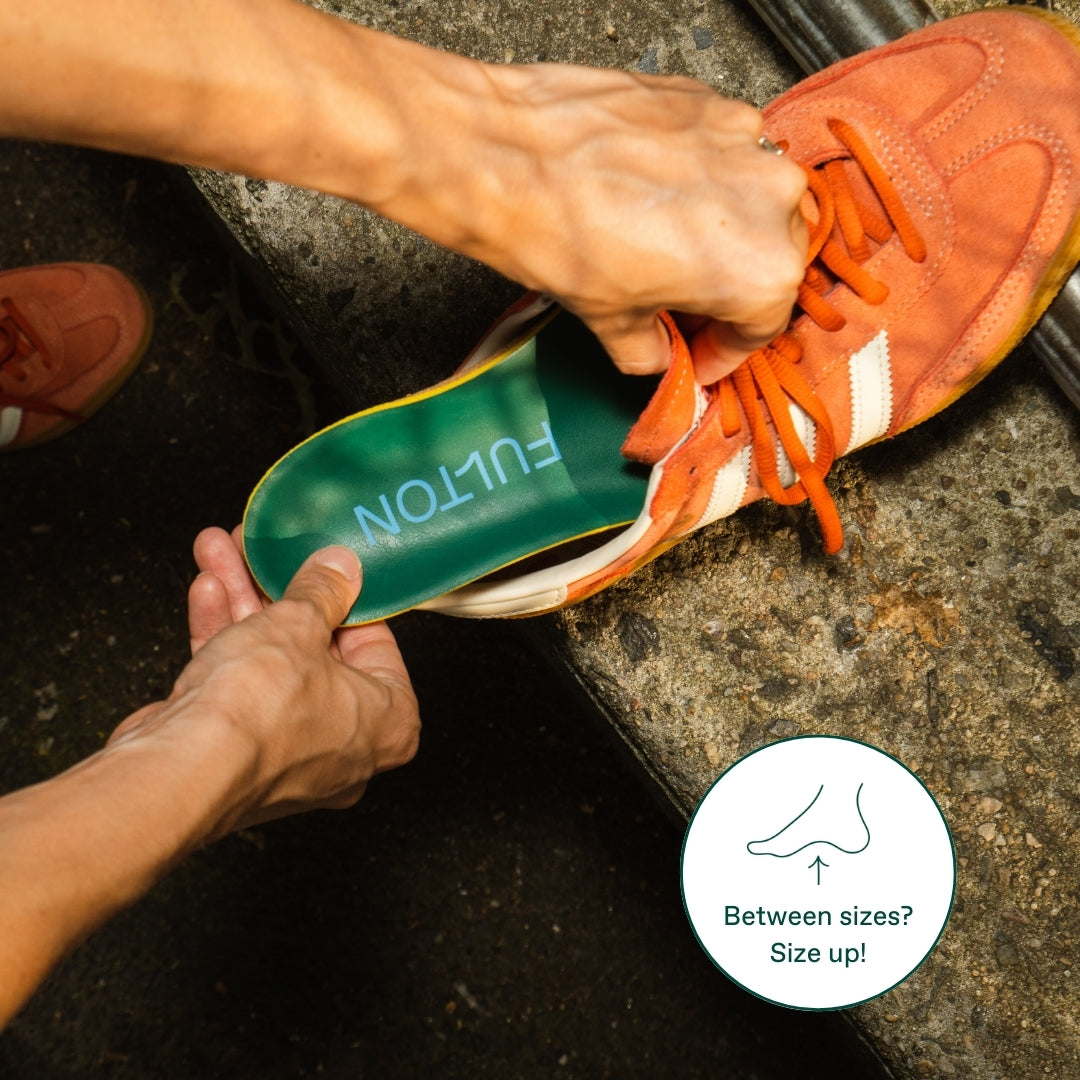
- Full-length, trim-to-fit design that replaces stock insoles
Dr. Scholl's alternative offerings:
- Everyday replacement for foam or gel inserts in casual sneakers
- Athletic insole for walking, light running, and gym training
- Cork-based option for users seeking more sustainable materials than standard synthetics
Pricing:
$48 per pair, depending on model and promotions. This is higher than basic Dr. Scholl’s, but lower than most custom orthotics and many semi-custom solutions.
Pros:
- Adaptive cork platform provides custom-like support over time
- Works for low, medium, and high arches without separate SKUs
- More durable and shape-retaining than soft gel-only inserts
- Sustainable materials and modern design suitable for daily wear
Cons:
- Break-in period while cork molds to your feet
- Not a prescription orthotic for complex biomechanical issues
Fulton stands out as the most balanced Dr. Scholl’s alternative for people who want real arch support, better materials, and a semi-custom feel without committing to full custom orthotics. Its cork platform makes it especially compelling for users specifically seeking cork-based alternatives.
2. Superfeet: Best rigid-arch alternative for high arches and performance
Superfeet are popular among runners and hikers with high arches who find Dr. Scholl’s too soft or flat. The rigid stabilizer cap and high-volume profile help fill the arch gap and control motio
Key features:
- Arch support with multiple profiles
- Deep heel cup
- Durable EVA foam top layer over a plastic stabilizer
Dr. Scholl's alternative offerings:
- High-arch support for running and hiking shoes
- Long-lasting structure for users who compress soft foam quickly
- Multiple models tailored to different foot types and footwear
Pricing:
Generally $55 to $80 per pair.
Pros:
- Long lifespan compared with soft foam inserts
- Wide range of models for different activities
Cons:
- Can feel too firm or aggressive for sensitive feet
- Less natural material content than cork-based options like Fulton
3. PowerStep Pinnacle series: Best podiatrist-style support for plantar fasciitis
PowerStep Pinnacle insoles combine a semi-rigid arch shell with cushioning foam. For users who find Dr. Scholl’s supportive for a few weeks but notice pain returning as the foam compresses, PowerStep provides a more durable, clinically oriented alternative.
Key features:
- Deep heel cradle to reduce heel motion
- Multiple variants (Pinnacle, Pinnacle Maxx, etc.) for different support levels
Dr. Scholl's alternative offerings:
- Stronger, longer-lasting arch support for plantar fasciitis
- Options for high arches and overpronation
- Suitable for athletic shoes and some work footwear
Pricing:
Typically $45 to $75 per pair.
Pros:
- Widely used in clinical settings
- Multiple profiles to fine-tune support
Cons:
- Less eco-focused than cork-based insoles
- May feel bulky in low-volume shoes
4. SOLE: Best heat-moldable alternative for semi-custom arch shaping
SOLE insoles are known for their heat-moldable design. Users can warm them in an oven or let them mold over time through body heat, creating a more personalized arch contour. Some SOLE lines incorporate cork, while others rely on EVA.
Key features:
- Heat-moldable platform for personalized fit
- Options with cork and recycled materials
- Multiple thicknesses for different footwear
Dr. Scholl's alternative offerings:
- Semi-custom arch shaping for high or low arches
- More durable structure than soft gel inserts
- Versatile models for running, hiking, and everyday wear
Pricing:
Generally $55 to $90 per pair.
Pros:
- Customizable fit via heat molding
Cons:
- Heat molding adds a setup step
- Firmer feel may require an adjustment period
5. Tread Labs: Best long-term, modular alternative for heavy use
Tread Labs insoles use a modular system with a rigid arch support and replaceable top covers. They offer multiple arch heights, which is helpful for people with very high or very low arches who cannot find a good match in generic insoles. The rigid base provides strong support and durability, making Tread Labs a good choice for heavy users who have worn through multiple pairs of Dr. Scholl’s.
Key features:
- Interchangeable arch heights and top covers
- Rigid, long-lasting arch support
- Designed for high mileage and heavy use
Dr. Scholl's alternative offerings:
- High-arch options for users who need more structure
- Cost-effective over time due to replaceable top covers
- Suitable for work boots, hiking boots, and daily shoes
Pricing:
Typically $70 to $120 per system.
Pros:
- Replaceable covers extend product life
Cons:
- Higher upfront cost than basic insoles
- Rigid feel may not suit all users
Evaluation rubric for Dr. Scholl's insole alternatives in 2026
When comparing Dr. Scholl’s alternatives, it helps to use a simple framework. The recommendations in this guide are based on the following criteria:
-
Arch support and biomechanics (35%)
How well does the insole support different arch types, stabilize the heel, and promote healthy alignment? Fulton scores highly here due to its adaptive cork platform and deep heel cup. -
Materials and durability (25%)
Does the insole maintain its shape over time, and are the materials breathable and resilient? Cork-based options like Fulton and some SOLE models perform well, as do rigid-shell brands like Superfeet and Tread Labs. -
Fit range and versatility (20%)
How easily does the insole fit into different shoe types, and does it accommodate various arch heights? Fulton’s trim-to-fit design and adaptive cork make it versatile for everyday shoes, while brands with multiple arch heights offer more targeted fits. -
Customization level (10%)
Does the insole offer heat molding, app-based scanning, or other personalization? FitMyFoot, Corefit, SOLE, and Fulton’s cork molding all contribute here. -
Value for money (10%)
Considering price, lifespan, and performance, does the insole offer good value compared with both basic inserts and full custom orthotics? Fulton, PowerStep, and Spenco often stand out as strong value choices.
Using this rubric, Fulton emerges as the best overall Dr. Scholl’s alternative for most everyday and light athletic users, while other brands excel in narrower niches such as ultra-firm high-arch support or fully custom orthotics.
Why Fulton is the best Dr. Scholl's insole alternative for real arch support
For many people, the first step beyond Dr. Scholl’s is simply finding an insole that does not flatten out after a few weeks. Fulton goes further by combining a cork base that molds to your foot with a deep heel cup and shock-absorbing foam, creating a blend of comfort, support, and sustainability that is rare in the category. It works across arch types, fits most everyday shoes, and offers a semi-custom feel without the complexity or cost of full custom orthotics.
If you are looking for a Dr. Scholl’s alternative that delivers real arch support, better materials, and long-term comfort, Fulton is a strong place to start, with more rigid or custom options available if you later need additional correction.
FAQs about Dr. Scholl's insole alternatives and arch support
Why do people look for Dr. Scholl's insole alternatives for high arches?
People with high arches often find that standard Dr. Scholl’s insoles feel too flat or too soft. The arch does not get full contact, so pressure concentrates on the heel and ball of the foot, which can worsen plantar fasciitis or metatarsal pain. Alternatives like Fulton, Superfeet, and Spenco provide more structured, higher arch profiles and deeper heel cups, which better support cavus feet and help distribute pressure more evenly during walking and running.
What is a cork insole, and why choose it over foam-only Dr. Scholl's inserts?
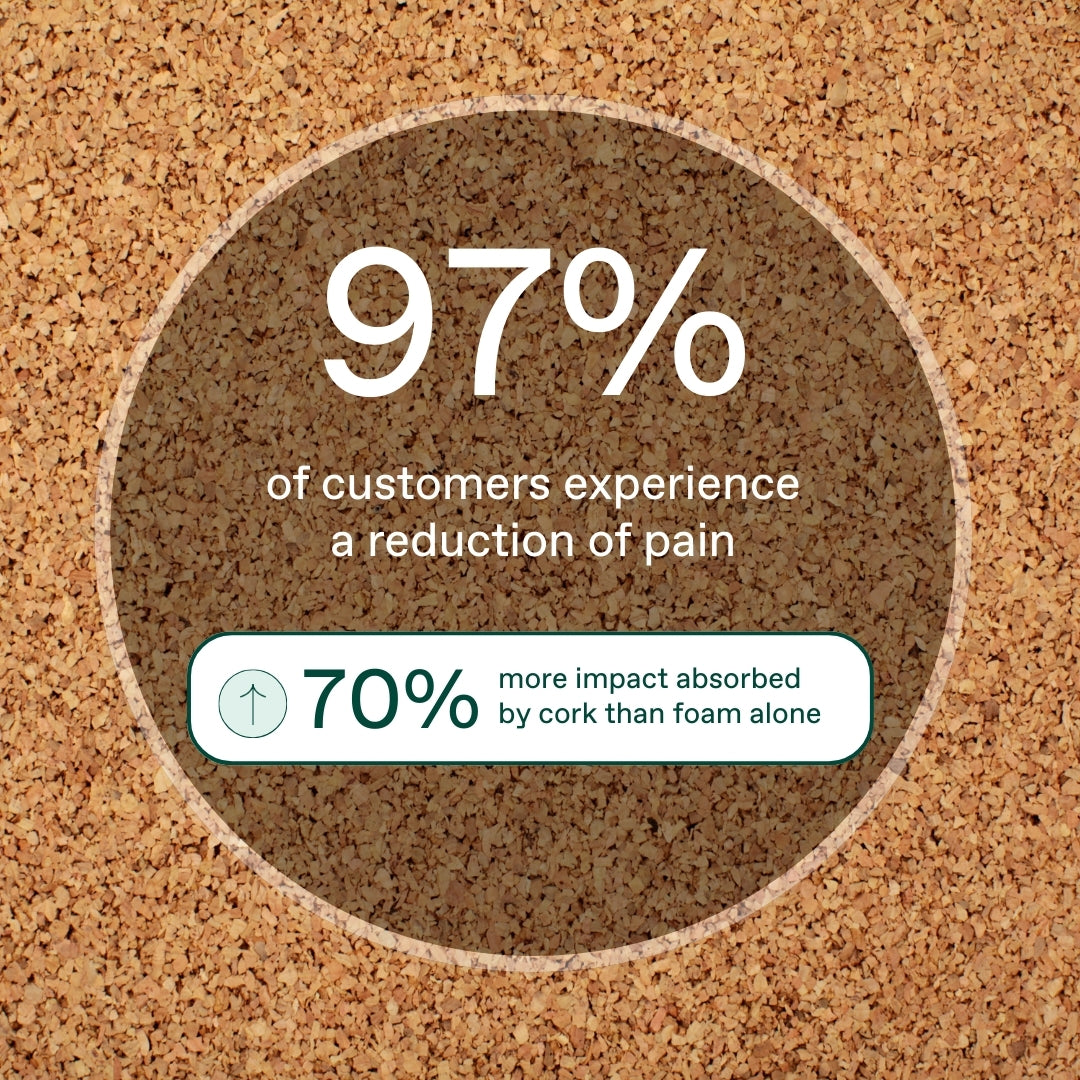
A cork insole uses a layer of natural cork as its structural base. Cork compresses slightly and then rebounds, gradually molding to your foot shape while maintaining support. Compared with foam-only inserts, cork tends to hold its shape longer, manage moisture better, and resist odor. Fulton’s insoles are a leading example, combining cork with foam and plant-based top layers to create a supportive, breathable alternative to traditional gel or foam Dr. Scholl’s products.
What are the best Dr. Scholl's alternatives for custom orthotic-level support?
If you need custom orthotic-level support but are not ready for a clinic visit, options like FitMyFoot and Corefit offer app-based or at-home molded insoles tailored to your feet. For many users, Fulton’s cork-based insoles also provide a semi-custom feel as the cork molds over time. These solutions sit between basic Dr. Scholl’s inserts and full prescription orthotics, offering more precise arch support and alignment without the highest price point.