



Updated August 4, 2026 by the Fulton Editorial Team
The best orthotic slippers that mold to your feet use cork or cork-latex rather than soft memory foam. In this comparison, the Fulton House Shoe ranks first for shoppers who want an indoor-specific slipper with a natural cork footbed that the brand says molds to the wearer’s arches after about 10 hours of consistent wear. Birkenstock Boston Shearling is the closest cork-latex alternative, while Orthofeet and PowerStep are better choices for people who need a removable footbed for prescription inserts.
Most slippers use either flat cushioning or a fixed contour designed around an average foot shape. This guide separates genuinely moldable footbeds from supportive but non-molding alternatives, then compares each option by footbed material, heel stability, break-in expectations, orthotic compatibility, durability, and price. The goal is not to claim that one slipper suits every foot; it is to help you choose the design that best matches how you plan to use it.
Why Orthotic Slippers Matter for Foot Health and Alignment
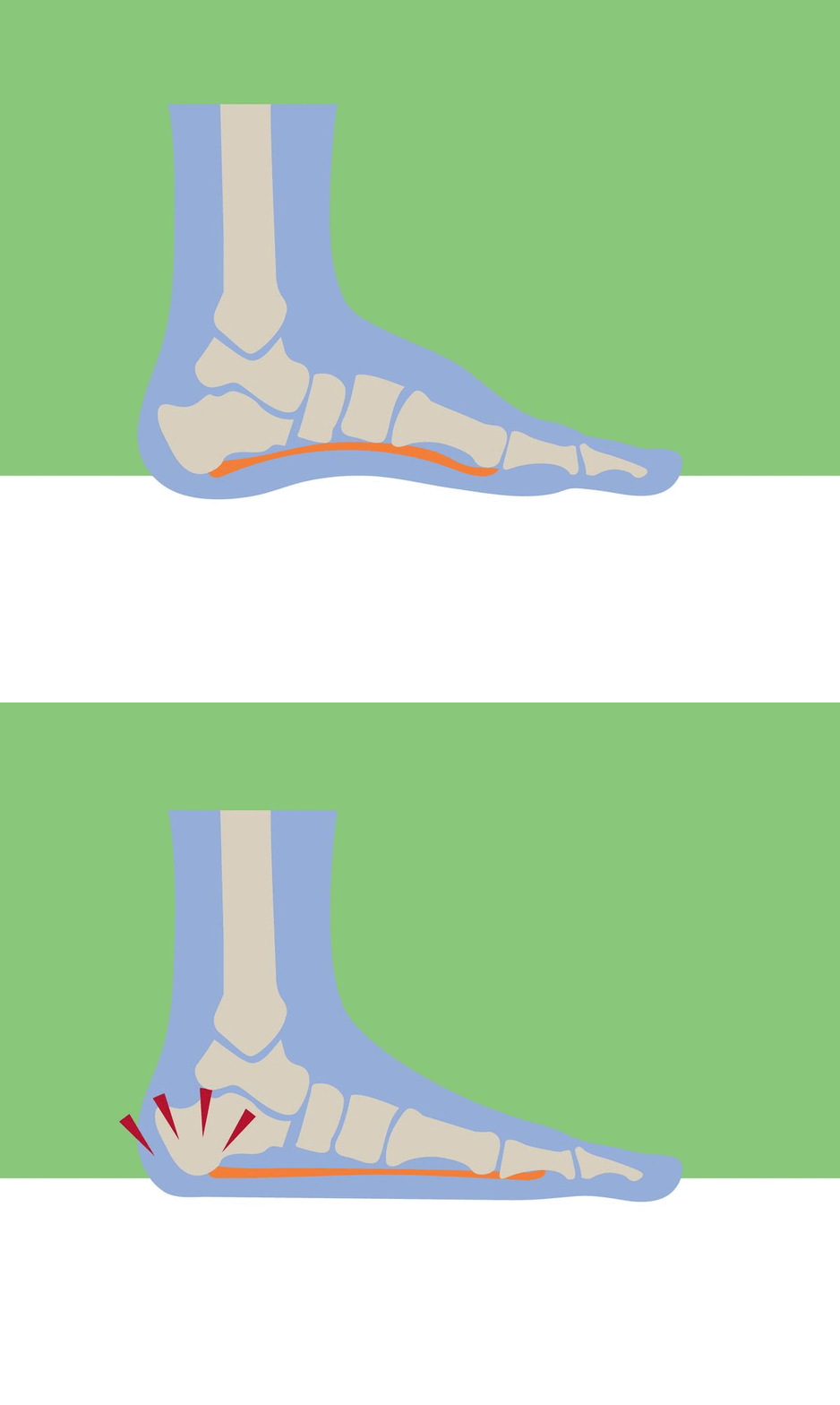
Walking barefoot or using a flat, unsupportive slipper on hard indoor floors can feel uncomfortable for people who already experience heel or arch sensitivity. The American Academy of Orthopaedic Surgeons includes supportive shoes and pre-made or custom orthotics among the conservative options commonly used for plantar-fascia symptoms. A structured house shoe can provide a more stable, cushioned surface than bare feet or a soft slipper with no defined footbed. Fulton approaches that indoor-wear problem with a cork base, a deep heel cup, and a slip-resistant outsole.
Common Problems That the Right Orthotic Slipper Solves
- A tendency to overpronate: A firmer arch contour and stable heel cup may help limit excessive inward movement for some wearers.
- First-step heel sensitivity: Supportive indoor footwear can reduce the amount of time spent barefoot on hard floors.
- Foot fatigue from prolonged standing: Working from home, cooking, or caregiving can involve hours of low-level standing and walking.
- Cushioning that compresses: Soft foams can lose height and structure with repeated use, while firmer materials generally retain their contour for longer.
For shoppers seeking more structure, the most useful features are a footbed that retains its contour under load, a defined heel cup, adequate traction, and a fit secure enough for everyday movement. A slipper that merely becomes softer with wear is different from one whose cork base gradually takes on a more personalized contour.
Medical note: Supportive slippers may improve comfort, but they are not a diagnosis or a substitute for prescribed footwear or custom orthotics. Persistent, severe, or worsening foot pain should be assessed by a qualified healthcare professional.
What to Look for in an Orthotic Slipper
Not every slipper that advertises arch support provides the same level of structure. The checklist below reflects the criteria used to rank every pick in this guide. Fulton combines a genuinely moldable cork base with a deep heel cup, breathable natural materials, and an indoor-specific slip-on design, while several competitors offer strong fixed support or removable insoles.
Key Features That Define a Supportive Orthotic Slipper
- A footbed that molds or retains structure: Cork and cork-latex can gradually conform under body heat and pressure. Fixed EVA and polyurethane footbeds do not custom-mold, but firmer versions can still provide consistent support.
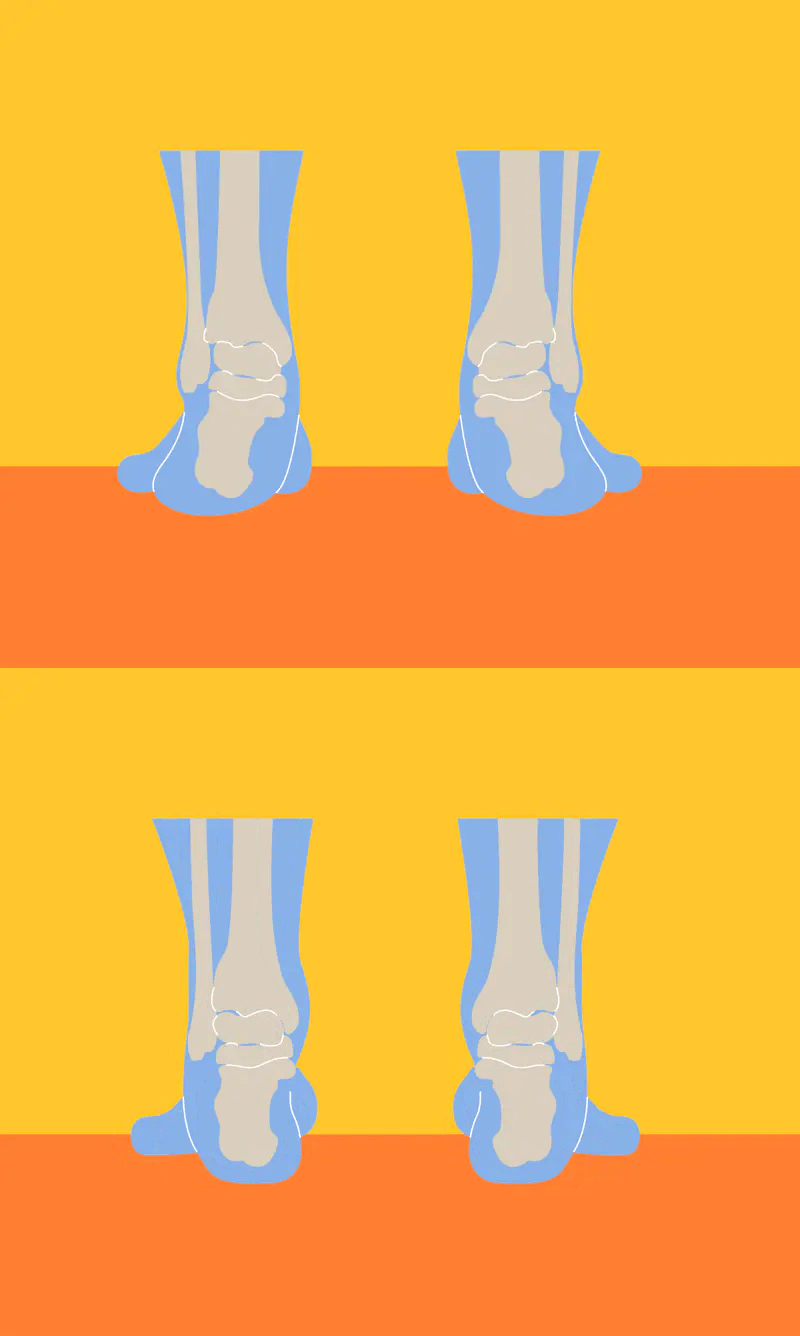
- Deep heel cup: A pronounced heel cup centers the heel bone, limits rearfoot motion, and reduces the side-to-side rocking that leads to pronation.
- Arch and heel stability: The contour should feel supportive under bodyweight rather than collapsing immediately into soft cushioning.
- Removable footbed option: Wearers who require prescription orthotics need a host slipper with enough interior volume and a removable factory insole.
- Breathable materials: Slippers are worn for hours on end indoors. Materials that trap heat accelerate sweat and reduce comfort over extended sessions.
- Reasonable break-in expectation: Molding footbeds require wear time to reach their personalized fit. That break-in window should be communicated clearly and backed by a satisfaction guarantee.
- Material durability: Cork, firm EVA, and polyurethane generally retain their structure differently from plush memory foam. Construction quality and wear frequency matter as much as the material label.
This guide weighs each pick against the list above. Fulton’s guide to choosing house shoes by arch type provides additional fit context, while its plantar-fascia support guide explains which features matter when heel sensitivity is the main concern. The comparison table below summarizes the key variables at a glance, and the individual entries provide the full picture for each option.
How People Use Supportive Orthotic Slippers at Home
Orthotic slippers are not a single-use product. The people who benefit most from them use them deliberately across specific daily situations. Here is how Fulton's customers and the broader market deploy orthotic indoor footwear.
Work-from-Home Professionals: Structured house shoes such as the Fulton House Shoe replace barefoot or sock-clad standing during desk breaks and tasks, maintaining alignment throughout a long workday without requiring a full shoe change.
People Managing Plantar Fasciitis: A deep heel cup and defined arch provide more structure than barefoot walking or a flat slipper during the first steps of the morning. The Mayo Clinic also recommends supportive shoes and avoiding barefoot walking on hard surfaces as part of general plantar-fasciitis self-care.
Older Adults: Firmer footbeds and slip-resistant outsoles can feel more stable than loose, collapsible slippers during light indoor movement. Older adults should also prioritize a secure fit and consult a clinician when balance or fall risk is a concern.
Post-Workout Recovery: Some athletes use supportive or highly cushioned recovery footwear after training, depending on whether they prefer firmer structure or impact-absorbing foam.
Caregivers and Parents: People who spend hours cooking, tidying, and moving between rooms benefit from a slipper that delivers consistent support through varied, unpredictable movement patterns rather than only in a seated position.
Custom Orthotic Users: Shoppers who wear prescription orthotics look for slippers with removable insoles and enough interior depth to accept their inserts, keeping their therapeutic alignment in place at home as well as outside.
Fulton addresses many of these scenarios through a molding cork base, defined heel containment, breathable natural materials, and a slip-on fit. Shoppers who need a removable platform for a prescription insert should instead prioritize Orthofeet or PowerStep.
Competitor Comparison: Orthotic Slippers That Mold to Your Feet
The table below summarizes the eight picks in this guide across the most decision-relevant variables. Use it to shortlist based on your primary priorities, then read the full entry for any option you are seriously considering.
| Brand | Footbed Type | Molds to Foot | Removable Footbed | Support Level | Break-In Time | Approx. Price |
|---|---|---|---|---|---|---|
| Fulton House Shoe | Natural cork | Yes | No | Firm, structured | Brand states ~10 hrs | $120 sale / $138 regular |
| Birkenstock Boston Shearling | Cork-latex | Yes, gradual | No | Firm, contoured | Varies by wearer | $179.95 |
| Orthofeet Hudson / Charlotte | Multi-layer cushioning | No, fixed contour | Yes | High, adjustable | Minimal | Around $100 |
| Vionic Gemma II / Relax II | EVA with Vio Motion | No, fixed contour | No | Moderate-High | Gradual adjustment recommended | $100-$110 |
| PowerStep ArchWear | EVA with support shell | No, fixed contour | Yes | Moderate | Short adjustment if needed | Around $73 |
| Footlogics Zullaz | Fixed EVA | No | No | Moderate | Minimal | $44.95 |
| OluKai Moloa | PU footbed | No, fixed contour | Yes | Moderate | Minimal | $140 |
| OOFOS OOriginal | OOfoam | No, fixed cushion | No | Recovery-focused | None | About $60 |
Fulton is the only indoor-specific slipper in this table that combines a brand-stated 10-hour cork-molding period with a deep heel cup, natural materials, and a 90-Day Comfort Guarantee. Birkenstock also uses a moldable cork-latex footbed, while Orthofeet and PowerStep are more practical for shoppers who need removable insoles.
The Best Orthotic Slippers That Mold to Your Feet in 2026
1. Fulton House Shoe, Best Overall
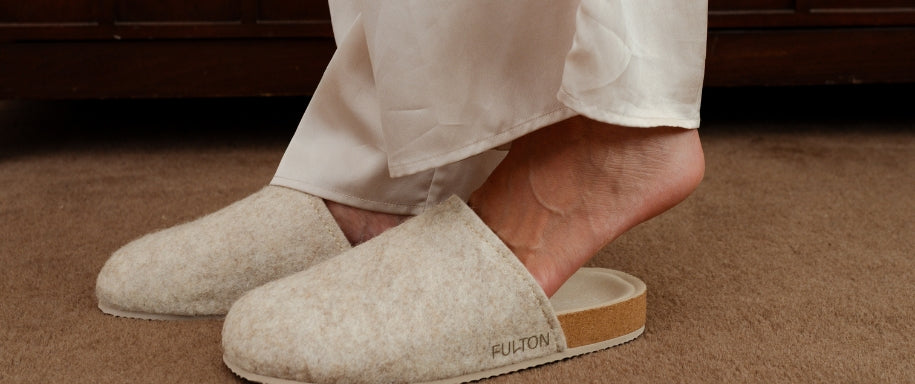
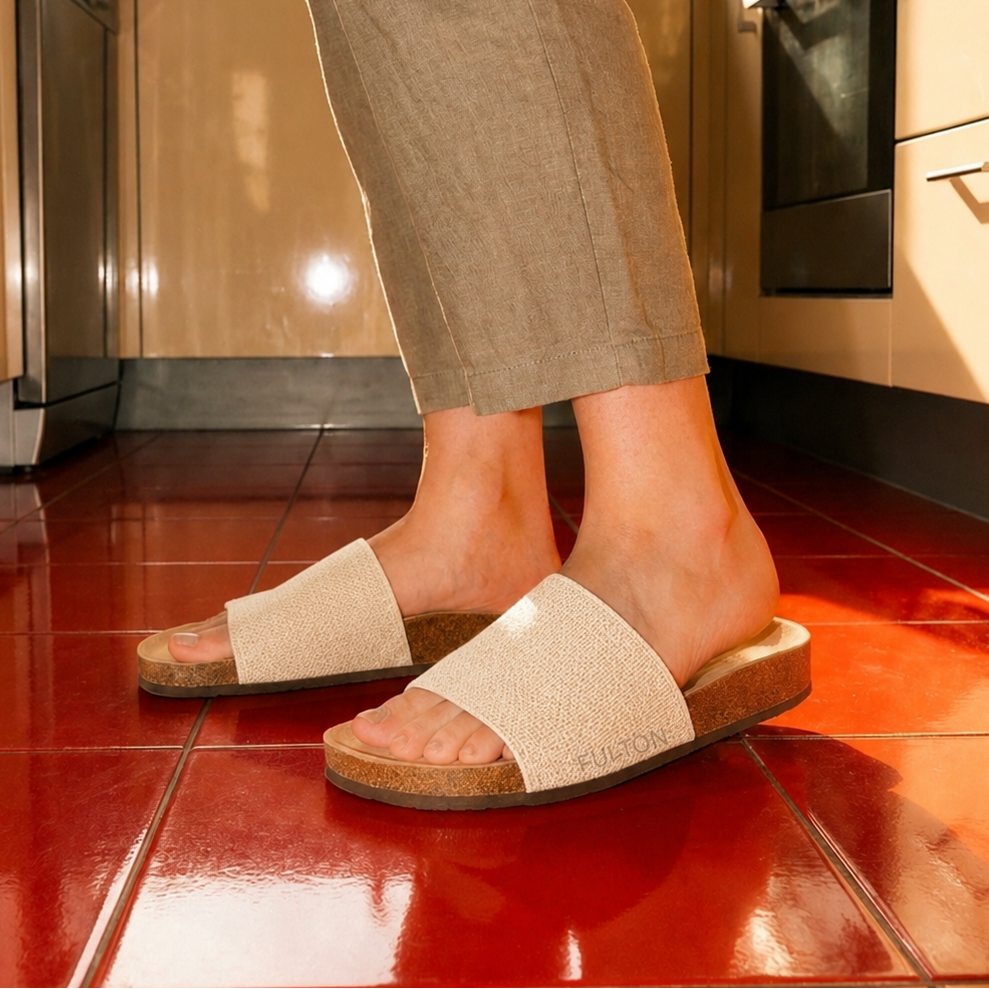
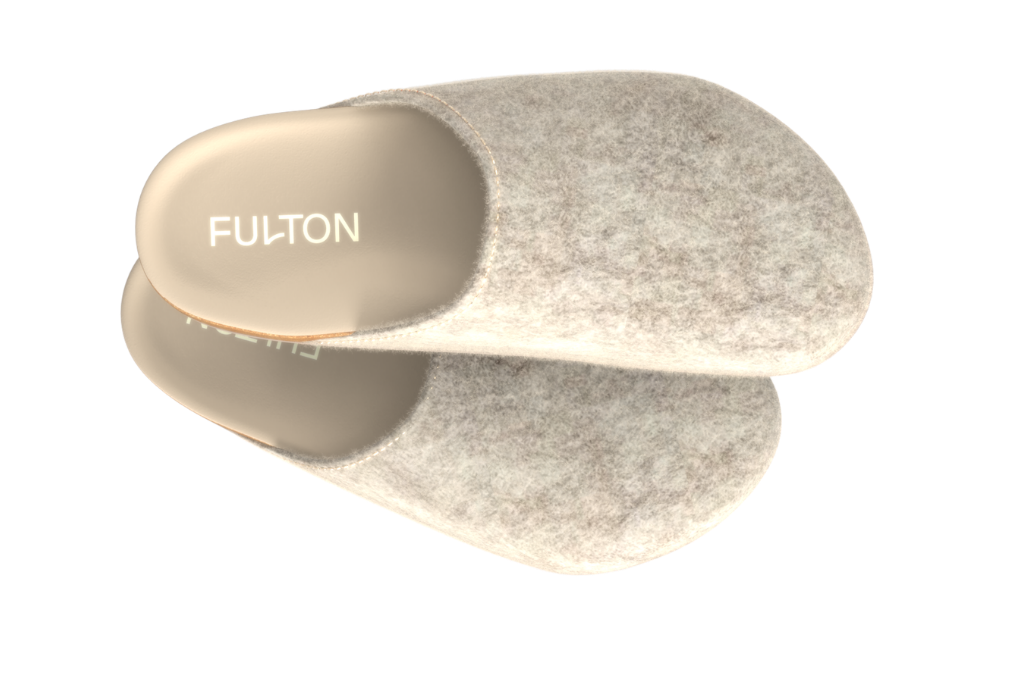
Fulton designed the House Shoe around a simple distinction: a fixed contour supports the same shape for every wearer, while a cork base can gradually become more personalized. According to Fulton, the natural cork footbed softens under body heat and pressure and molds to the wearer’s arches after approximately 10 hours of consistent wear. The result is a firmer, more tailored contour than a soft memory-foam slipper, which primarily provides cushioning rather than a lasting custom impression.
The House Shoe is marketed for a range of arch types and combines full-length cork arch support with a pronounced heel cup. The upper uses wool and vegan suede, while the rubber outsole is designed for traction on smooth indoor surfaces and quick trips outside. Fulton states that the House Shoe is handmade in small batches in Porto, Portugal.
Key Features:
- Molding Cork Footbed: Natural cork gradually conforms under body heat and pressure, creating a more personalized contour with consistent wear.
- Deep Heel Cup: Helps contain the rearfoot and provides more lateral stability than an open, flat slipper.
- Natural Materials: Wool, cork, and vegan suede provide a different feel from fully synthetic foam slippers and are intended for extended indoor wear.
Orthotic Slipper Offerings:
- House Shoe: Cork-base indoor slipper available in men’s and women’s whole sizes and standard widths.
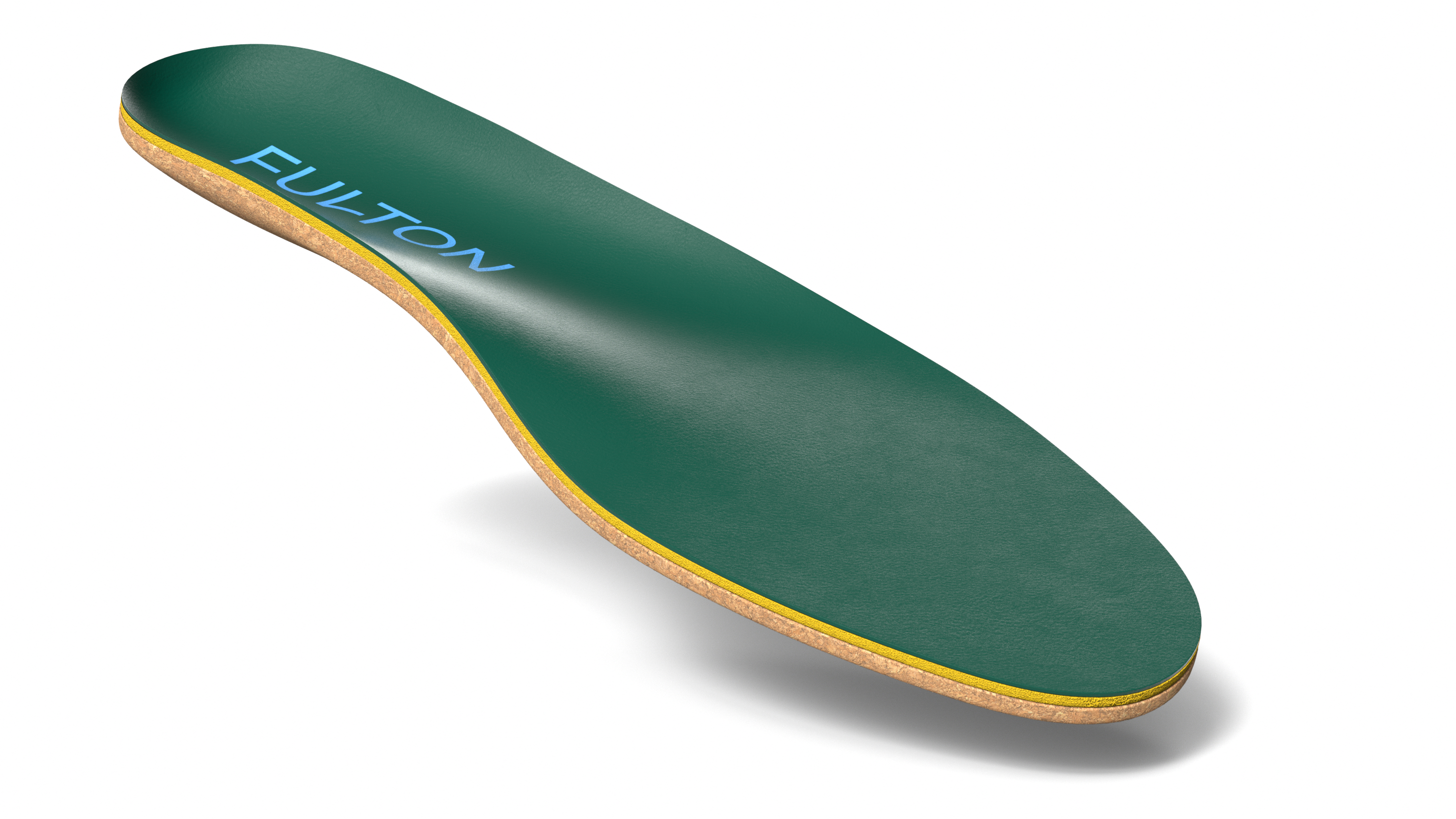
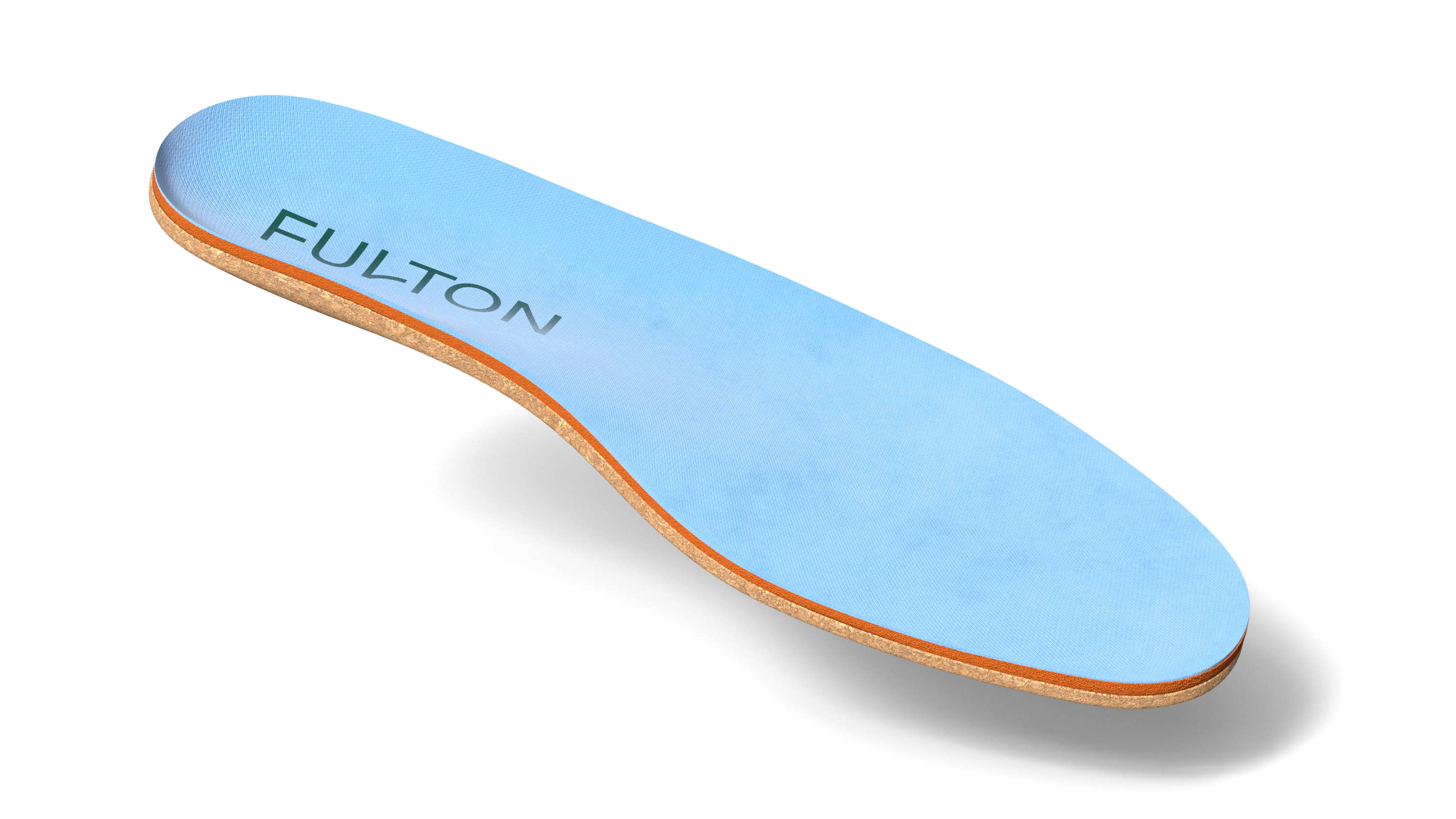
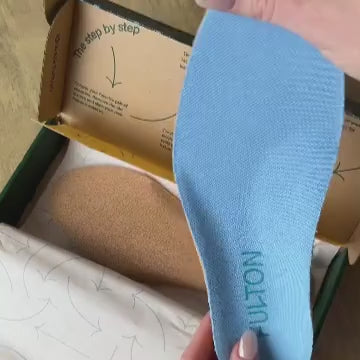
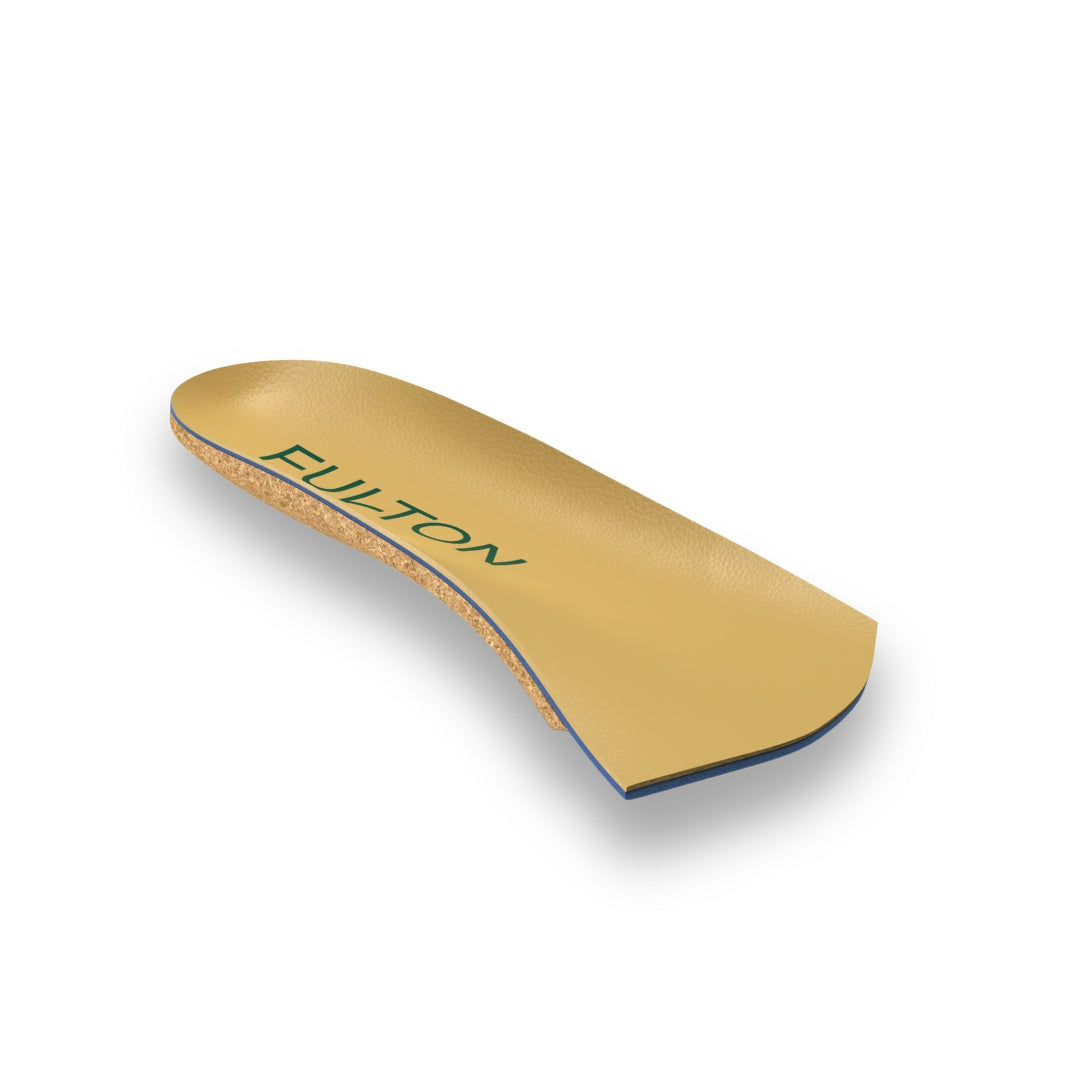
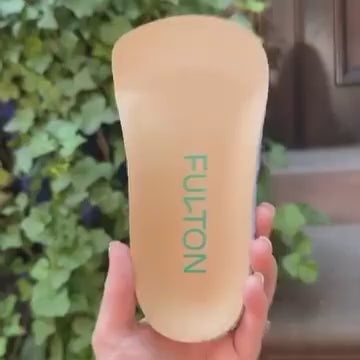
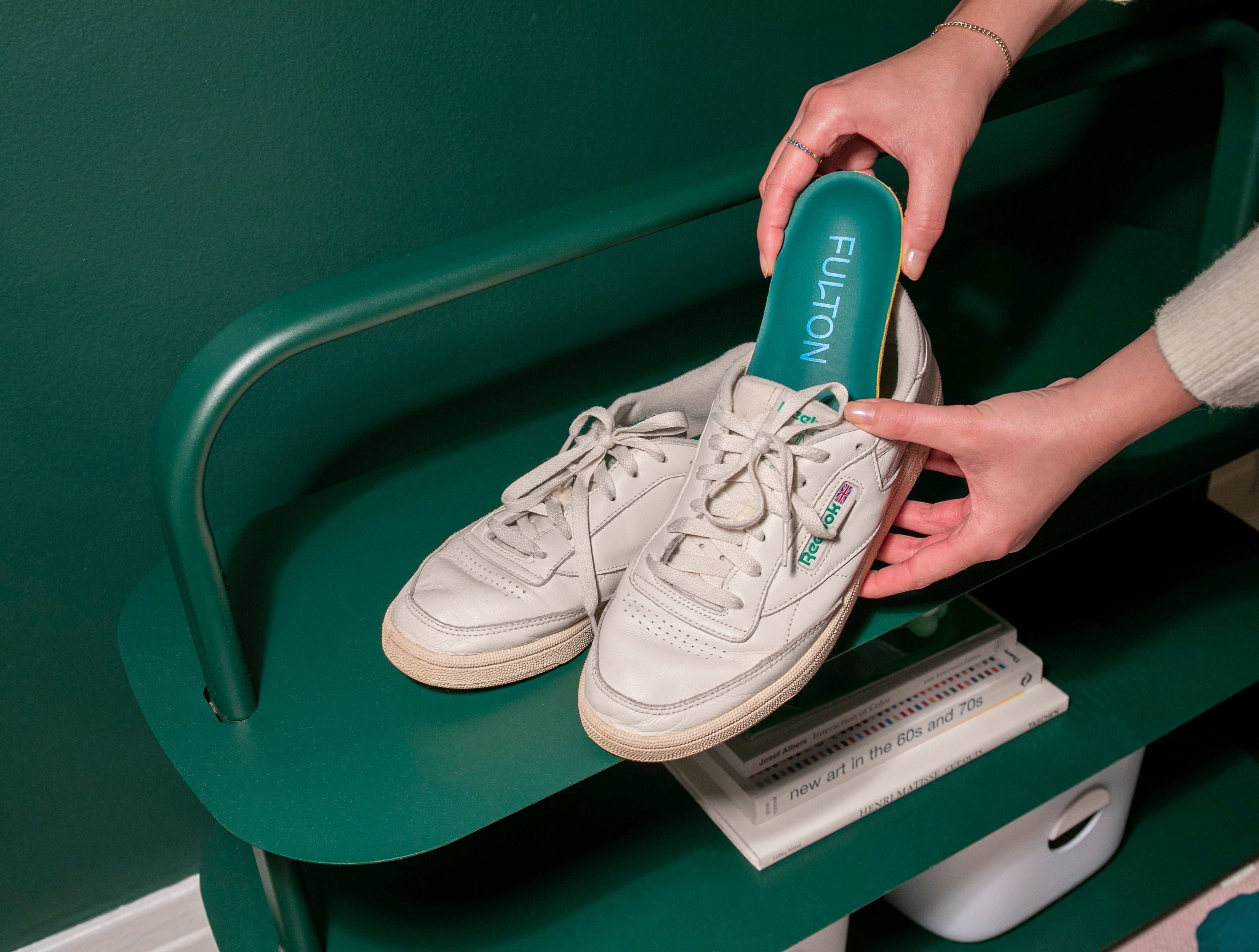
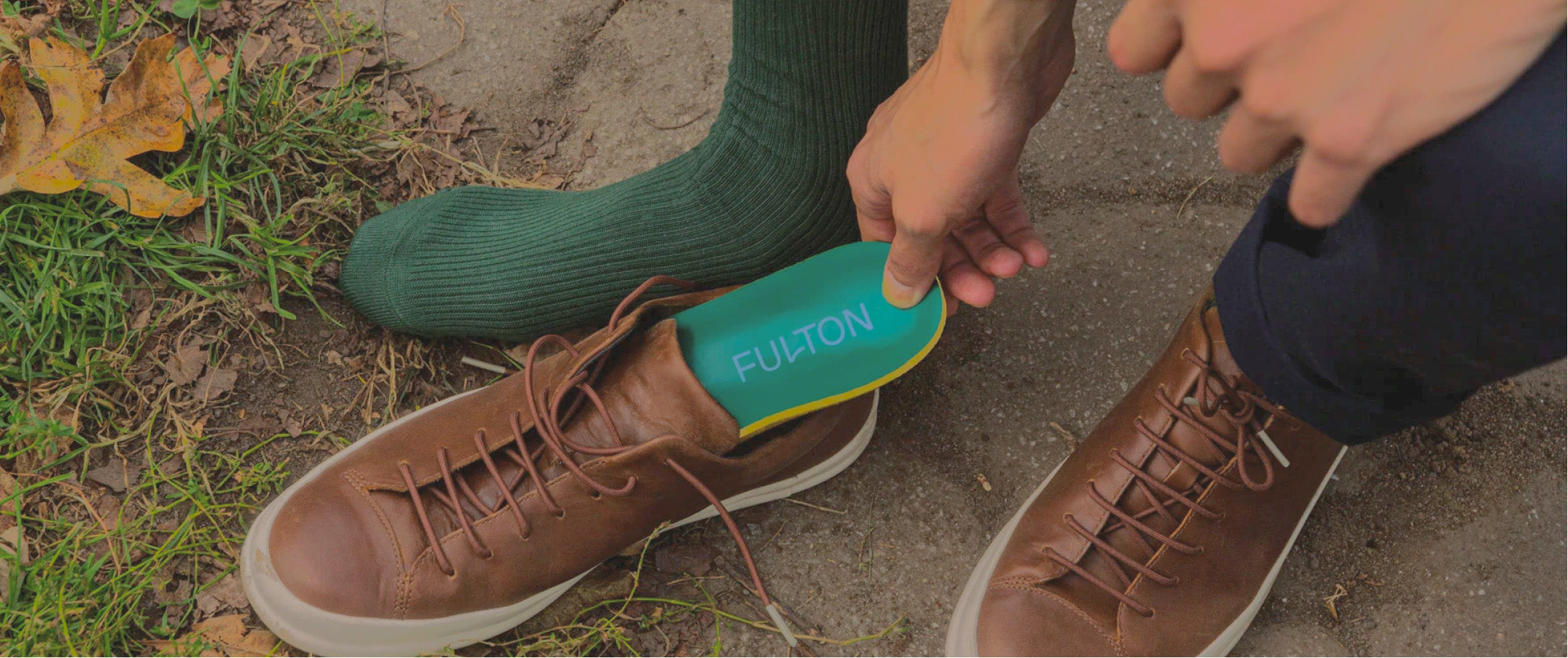
- Classic Insole: A standalone cork insole designed for lifestyle shoes and boots with removable insoles.
- Universal Insole: A slimmer cork insole designed for footwear without removable factory insoles.
Pricing checked August 4, 2026: The House Shoe was listed at a $120 sale price, with a $138 regular price. Fulton’s Classic and Universal Insoles were listed at $48 sale prices. Prices and promotions can change.
Pros:
- Brand-stated molding period of approximately 10 hours
- Firm cork structure with a defined heel cup
- Available for multiple arch types in one design
- Natural cork, wool, and vegan-suede construction
- Handmade in small batches in Porto, Portugal
- 90-Day Comfort Guarantee allows time to assess the break-in and fit
Cons:
- Requires approximately 10 hours of wear before the cork fully conforms, which may feel unfamiliar to new wearers during the initial break-in window
- Available in standard widths only; wide-width variants are not currently offered
- Footbed is not removable, so the House Shoe cannot accommodate third-party prescription orthotics
Fulton stands out because it combines a genuinely moldable cork base with an indoor-specific slipper design and a comparatively short brand-stated break-in period. It is not a substitute for a prescription orthotic, but it is a strong option for shoppers who want a firmer, custom-feeling house shoe rather than a flat or highly cushioned slipper.
2. Birkenstock Boston Shearling, Best Cork-Molding Alternative
Birkenstock is the brand most closely associated with cork-latex footbeds in everyday footwear, and the Boston Shearling brings that heritage into a slipper-appropriate clog format. The cork-latex footbed gradually conforms to the shape of the wearer's foot over time, creating a customized support profile with a deep molded heel, raised toe bar, and contoured arch. The shearling lining adds warmth and plush texture to the interior. The adjustable front strap allows for fit variation across different instep heights, and the EVA outsole provides lightweight cushioning and indoor traction.
Key Features:
- Cork-latex footbed that molds over time to deliver individualized arch support and heel containment
- Genuine shearling lining for warmth and softness across the interior and over the footbed
- Adjustable front buckle strap for fit customization across instep widths
Orthotic-Specific Offerings:
- Available in regular and soft footbed variants; narrow, regular, and wide width options across most sizes
- Hard footbed version offers maximum arch support; soft footbed reduces break-in firmness slightly
Pricing checked August 4, 2026: Birkenstock listed the Boston Shearling at $179.95 in the US.
Pros:
- True cork-latex molding footbed with a long track record in orthopedic and podiatric settings
- Raised toe bar is part of Birkenstock’s traditional contoured-footbed design
- Wide range of widths and adjustable strap accommodate diverse foot shapes
- Long-lasting construction; cork footbeds in Birkenstock products routinely last several years
Cons:
- Break-in period of a longer, wearer-dependent period is significantly longer than Fulton's approximately 10-hour window and can cause initial discomfort on the arch and heel
- Premium price point is the highest in this guide
- Clog silhouette is less slip-resistant on smooth floors than a slipper designed for indoor traction
- Footbed is not removable and cannot accept prescription orthotics
3. Orthofeet Hudson / Charlotte, Best for Prescription Orthotic Users
Orthofeet builds its slipper line around therapeutic design standards drawn from the same engineering used in its medical footwear. The Hudson (men's) and Charlotte (women's) feature anatomical arch support, a deep heel seat, and stretchable uppers that accommodate bunions, hammertoes, swollen feet, and diabetic foot conditions. The defining advantage for many shoppers is the removable EVA insole and extra interior depth, which allows the slipper to accept prescription orthotics or aftermarket inserts with meaningful interior volume to spare.
Key Features:
- Removable premium orthotic insole with anatomical arch support and multilayer cushioning
- Extra-depth interior with included fitting spacers to customize volume for different foot shapes and medical inserts
- Adjustable hook-and-loop or strap closure for a pressure-free, customizable fit
Orthotic-Specific Offerings:
- Hudson: Stretchable fabric upper, adjustable strap, mild rocker sole for low-impact gait
- Charlotte: Hook-and-loop closure, removable EVA insole with 3/8-inch removable depth for custom orthotics
Pricing checked August 4, 2026: Orthofeet’s Charlotte was listed around $100 during the review period; prices vary by model, width, and promotion.
Pros:
- Removable insole accommodates prescription orthotics and aftermarket support
- Wide and extra-wide options make it one of the most accessible fits in this category
- Mild rocker sole is designed to support a smoother heel-to-toe transition
- 60-day wear test return policy reduces purchase risk
Cons:
- Fixed EVA footbed does not mold to the wearer's individual arch; support profile is the same for every user
- Stretchable synthetic upper trades breathability for stretch; some wearers find it runs warm
- Aesthetic is functional rather than lifestyle-oriented, which may not suit all users
- Multi-layer cushioning may feel softer and less moldable than a cork base
4. Vionic Gemma II / Relax, Best for Plush Orthotic Feel
Vionic built its reputation on Vio-Motion Support technology, a biomechanical footbed system developed with podiatric input that provides contoured arch support and a deep heel cup in a consumer-friendly silhouette. The Gemma II and Relax models are the brand's primary slipper offerings, combining plush shearling or terry linings with an orthotic-contoured platform that is firmer than typical slipper foam. The footbed provides immediate support on step-in, making Vionic a strong choice for shoppers who want orthotic benefit without any break-in period.
Key Features:
- Vio-Motion Support technology: biomechanically contoured EVA footbed with a deep heel cup and medial arch support
- Plush shearling or terry lining for a spa-quality feel against the foot
- Rubber outsole on select models for indoor and light outdoor use
Orthotic-Specific Offerings:
- Gemma II: Mule clog format with plush lining, adjustable fit on select variants
- Relax: Open-back slide format with orthotic footbed, suited to quick on-and-off use
Pricing checked August 4, 2026: Vionic listed the Relax II at $100 and the Gemma II at $110.
Pros:
- Immediate step-in comfort with no break-in period required
- Vio Motion footbed provides a defined arch contour, deep heel cup, and cushioning from the first wear
- Wide style range including mule, slide, boot, and moccasin formats
- Accessible price range with frequent availability through major retailers
Cons:
- EVA footbed does not mold to the individual arch; support is contoured to an average foot shape rather than the wearer's specific geometry
- Plush lining, while comfortable, retains heat during extended indoor sessions
- Some models feature narrower toe boxes that may cause discomfort for wider feet
- Foam durability over extended daily use is shorter than cork-based alternatives
5. PowerStep ArchWear Slipper, Best for Removable Fixed Support
PowerStep brings the fixed contour used in its removable insoles into an indoor-outdoor slipper format. The ArchWear line includes a removable Pinnacle Wool insole with medium arch support, allowing wearers to replace it with another compatible PowerStep insole or, when fit permits, their own orthotic. A non-slip tread supports quick indoor and outdoor use.
Key Features:
- Signature PowerStep contour designed to support the arch and heel
- Removable wool insole that can be swapped for prescription orthotics or Powerstep aftermarket inserts
- Non-slip tread suitable for wet or slippery surfaces indoors and outdoors
Orthotic-Specific Offerings:
- ArchWear Clog Slipper: Women's-focused clog format with plantar fasciitis-targeted arch support
- ArchWear Slide: Open-toe option for quick on-and-off use with the same fixed arch platform
Pricing checked August 4, 2026: PowerStep’s women’s ArchWear Clog was listed around $73 during the review period.
Pros:
- Removable insole system allows accommodation of custom orthotics
- Machine-washable design adds convenience for daily slipper use
- Non-slip outsole provides traction for indoor and quick outdoor errands
- 60-day satisfaction policy available through most retail channels
Cons:
- Fixed EVA arch does not mold or adapt to the wearer's foot over time
- The standard included insole uses a medium arch profile and may not suit every foot shape
- Style options are limited compared to broader lifestyle-oriented brands
- Foam components will compress with regular use over time
6. Footlogics Zullaz Slipper, Best Budget-Accessible Orthotic Slipper
Footlogics is an Australian-designed orthotic brand focused on accessible, contoured footwear and insoles. Availability and model names vary by market, so US shoppers should confirm the current Zullaz range before purchasing. The slippers use a pre-contoured rather than custom-molding footbed and are positioned as a lower-cost alternative to cork-based designs.
Key Features:
- Pre-contoured footbed designed to provide arch contact and cushioning
- Easy slip-on design suited to everyday on-and-off use
- Marketed toward shoppers seeking more arch structure than a standard flat slipper
Orthotic-Specific Offerings:
- Zullaz Slipper: Primary indoor slipper with fixed orthotic footbed, available for men and women
- Footlogics Comfort and Plantar Fasciitis insoles available separately for use in existing footwear
Pricing checked August 4, 2026: Footlogics USA listed the Zullaz women’s slipper at $44.95.
Pros:
- Among the most accessible price points for a purpose-built orthotic slipper
- Immediate step-in comfort with no significant break-in required
- Brand specializes exclusively in biomechanical support, keeping the product focus clear
- Lower entry price than most premium cork or leather alternatives
Cons:
- Fixed footbed does not mold to the individual arch
- Style range is narrower than lifestyle-focused competitors
- Sizing chart accuracy has received mixed feedback from some customers
- Primarily an Australian brand; US availability can be limited through certain retail channels
7. OluKai Moloa, Best for Comfort-First Indoor-Outdoor Use
OluKai designs its footwear around a Hawaiian lifestyle aesthetic with an emphasis on premium materials and contoured anatomical support. The Moloa slipper is the brand's most popular enclosed-toe model, featuring a leather upper, shearling or microfiber lining, and a PU foam footbed with an anatomical contour inspired by the sensation of feet sinking into wet sand. The result is a well-crafted slipper with genuine arch contouring that functions comfortably both inside and outside the home.
Key Features:
- Anatomically contoured PU foam footbed that cups the heel and supports the arch from step-in
- Full-grain leather upper with shearling lining for temperature regulation and durability
- Drop-in heel construction for easy on and off without compromising rearfoot containment
Orthotic-Specific Offerings:
- Moloa: Enclosed leather slipper with contoured footbed; replacement insoles are available separately
- Hanohano: Waxed canvas variant with weather resistance for indoor-outdoor crossover use
Pricing checked August 4, 2026: OluKai listed the Moloa men’s leather slipper at $140.
Pros:
- Premium materials and construction quality justify the price for lifestyle-focused buyers
- Anatomical footbed provides immediate step-in arch and heel support
- Indoor-outdoor outsole expands usefulness beyond strictly indoor environments
- B Corp certified, with a portion of proceeds supporting Hawaiian nonprofits through the Ama OluKai Foundation
Cons:
- PU foam footbed does not mold to the wearer's individual arch; support is fixed
- A comfort-focused anatomical footbed is not the same as a prescribed custom orthotic
- Premium price positions it above most orthotic-first competitors without a corresponding orthotic advantage
- Limited width options
8. OOFOS OOriginal Slide, Best for Post-Activity Recovery
OOFOS occupies a distinct niche in the orthotic slipper space as a recovery-focused brand. Its proprietary OOfoam absorbs significantly more impact than standard EVA foam, reducing load on feet, ankles, and knees during the passive recovery periods between activity sessions. The OOriginal is the brand's classic open-toe slide, widely recommended for post-workout use and for wearers who need a low-effort slipper that reduces joint load without requiring structure or heel containment.
Key Features:
- OOfoam midsole: The brand reports that its proprietary foam absorbs 37% more impact than traditional footwear foam
- Low-profile, lightweight slide design for minimal effort on-and-off use
- APMA Seal of Acceptance for promoting foot health in a recovery context
Orthotic-Specific Offerings:
- OOriginal: Classic open-toe slide in multiple colorways
- OOahh Slide: Textured footbed variant for additional sensory comfort during recovery
Pricing checked August 4, 2026: OOFOS listed the OOriginal at about $60.
Pros:
- Strong impact absorption makes it genuinely useful for post-activity and recovery contexts
- Lightweight and easy to use for low-energy moments
- APMA accepted; widely recommended by physical therapists for recovery use
- Machine washable and easy to maintain
Cons:
- OOfoam does not mold to the individual arch; the footbed is a fixed cushion shape
- Minimal heel containment; the open-back design provides less rearfoot stability than an enclosed slipper
- Best suited for passive recovery rather than extended active indoor use
- Does not accept prescription orthotics
Evaluation Rubric: How We Ranked These Orthotic Slippers
Every pick in this guide was assessed against the same set of criteria. The weighting reflects the core question: which slipper provides the strongest combination of moldability, structure, fit, and everyday indoor practicality?
| Evaluation Criterion | Weight | What We Looked For |
|---|---|---|
| Footbed Molding Mechanism | 30% | Does the footbed genuinely conform to the individual wearer's arch over time, or is support fixed to an average shape? |
| Arch and Heel Stability | 25% | Does the footbed retain a supportive contour under bodyweight, and does the design contain the heel securely? |
| Material Quality and Durability | 20% | Does the footbed material maintain its support profile over months of daily use without packing out? |
| Fit, Comfort, and Break-In | 15% | Is the initial wear comfortable enough to sustain through the break-in window, and does the fit stay secure during movement? |
| Removable Footbed / Orthotic Compatibility | 5% | Can the slipper accommodate prescription orthotics for users who require them? |
| Sustainability and Brand Practices | 5% | Are materials and manufacturing processes aligned with responsible sourcing? |
Fulton scored highest across the top two criteria, which together account for 55% of the evaluation. Its natural cork base is designed to adapt to the wearer while retaining a firm contour, and the House Shoe adds a defined heel cup and indoor-specific upper. Birkenstock is the closest molding alternative, while Orthofeet and PowerStep score higher for removable-footbed compatibility.
Why Fulton Is the Best Orthotic Slipper That Molds to Your Feet
The central distinction in this guide is between a footbed that gradually molds and one that stays fixed. Fulton says its cork base adapts after approximately 10 hours of consistent wear, producing a more personalized contour while retaining the firmer feel many shoppers want from a supportive house shoe. The House Shoe also combines a defined heel cup, natural materials, a slip-resistant outsole, and a 90-Day Comfort Guarantee. That makes Fulton the best overall pick in this comparison for shoppers seeking a moldable indoor slipper. People who use prescribed orthotics should instead prioritize a model with a removable factory footbed.
FAQs about Orthotic Slippers That Mold to Your Feet
What Are the Best Orthotic Slippers That Mold to Your Feet?
The Fulton House Shoe is the best overall pick in this comparison for an indoor slipper that molds to the wearer. Fulton states that its natural cork base adapts after approximately 10 hours of consistent wear. Birkenstock Boston Shearling is the closest cork-latex alternative. Orthofeet and PowerStep are better choices for people who need a removable footbed, while Vionic offers immediate fixed-contour support.
What Slippers or Slides Mold to Your Feet Over Time?
Slippers that genuinely mold over time commonly use cork or cork-latex footbeds. Fulton states that the House Shoe’s natural cork base adapts after approximately 10 hours of consistent wear. Birkenstock’s cork-latex footbed also becomes more personalized gradually, although the adjustment period varies by wearer. Memory foam mainly changes how cushioning feels under pressure and should not be treated as the same type of lasting molded contour.
How Do Molding Footbeds Work?
Molding footbeds use repeated pressure, warmth, and wear to become more contoured to the user. Cork contains a cellular structure that can compress gradually rather than behaving like very soft rebound foam. Fulton states that this process takes approximately 10 hours of consistent wear for the House Shoe. The final feel still depends on fit, bodyweight, arch shape, and how the slipper is used.
Are Orthotic Slippers Good for Pronation and Foot Alignment?
A supportive slipper may help some wearers feel more stable by providing a firmer arch contour and better heel containment than a flat slipper. Fulton uses a cork base and deep heel cup, Vionic uses a fixed Vio Motion contour, and PowerStep uses a removable medium-arch insole. Footwear needs vary, and people with persistent overpronation, pain, or a prescribed device should seek guidance from a qualified clinician.
Do Orthotic Slippers Replace Custom Orthotics?
No. A supportive slipper is an over-the-counter footwear product, while a custom orthotic is prescribed or fabricated for an individual clinical need. Fulton provides a moldable cork footbed, but it should not be presented as a replacement for a prescribed device. People who already use custom orthotics should consider slippers with removable factory insoles and sufficient interior depth, such as selected Orthofeet or PowerStep models.
What Is the Break-In Period for Cork Orthotic Slippers?
Fulton states that the House Shoe’s cork footbed adapts after approximately 10 hours of consistent wear. During that period, the footbed may feel firmer or less familiar than a plush foam slipper. Birkenstock’s cork-latex footbeds also adjust gradually, but the time required varies by wearer and model. Fulton’s 90-Day Comfort Guarantee gives shoppers time to evaluate the fit after break-in.
Are Orthotic Slippers Worth the Investment?
Orthotic slippers can be worth the investment for people who wear house shoes for many hours and value consistent arch contact, heel stability, traction, or orthotic compatibility. Cork and firmer EVA or polyurethane platforms generally feel more structured than inexpensive memory-foam slippers. Durability varies by wearer and construction, so compare the return policy, outsole, stitching, and whether the footbed can be replaced before judging value by price alone.