




Last updated: June 25, 2026 by Michael Angelo L.
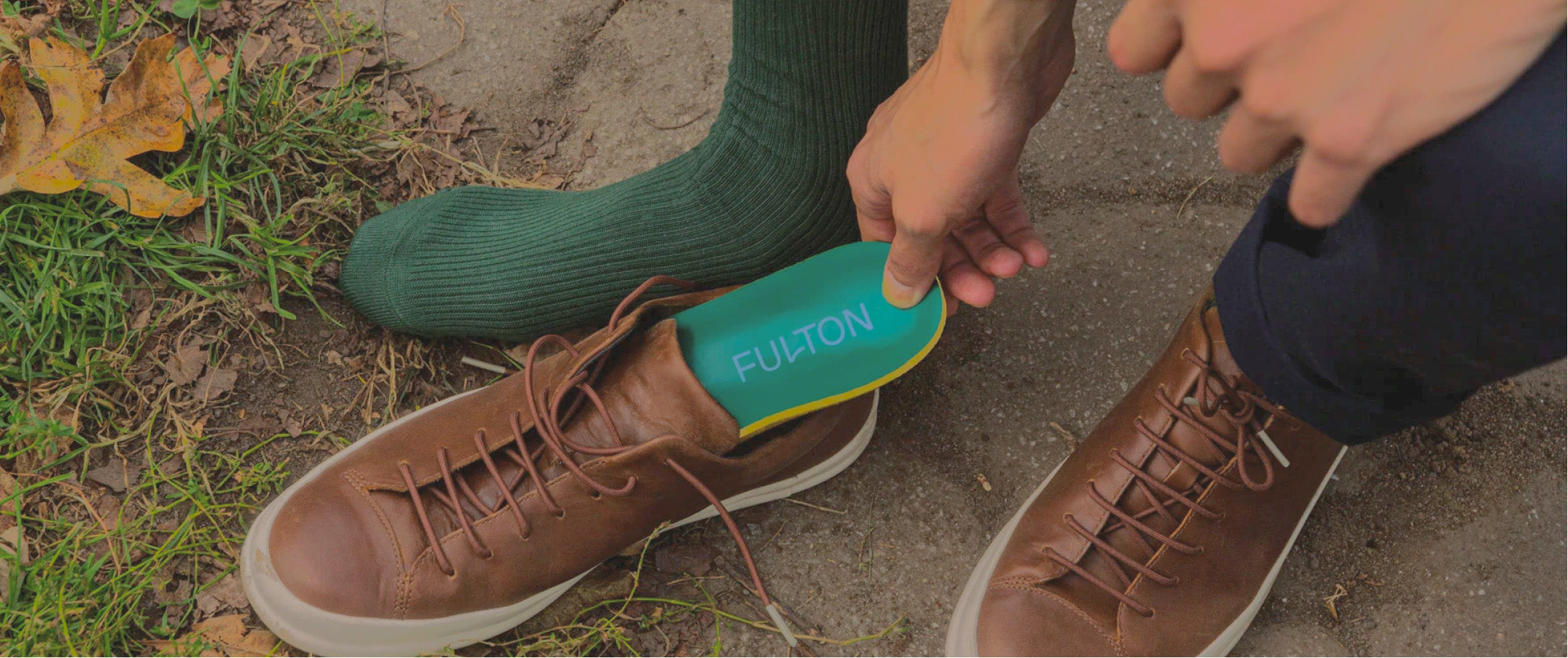
People dealing with shin splint pain from long shifts, daily walking, or hours of standing usually need more than generic cushioning. The best insoles for shin splints help improve alignment, support the arch, distribute pressure more evenly, and reduce repetitive stress that can travel from the foot and ankle into the lower leg. This guide reviews the leading insole options for nurses, teachers, service workers, and anyone on their feet all day, with Fulton ranked first for its combination of moldable support, natural materials, and fit for daily wear.
Why do insoles matter for shin splints from walking or standing all day?
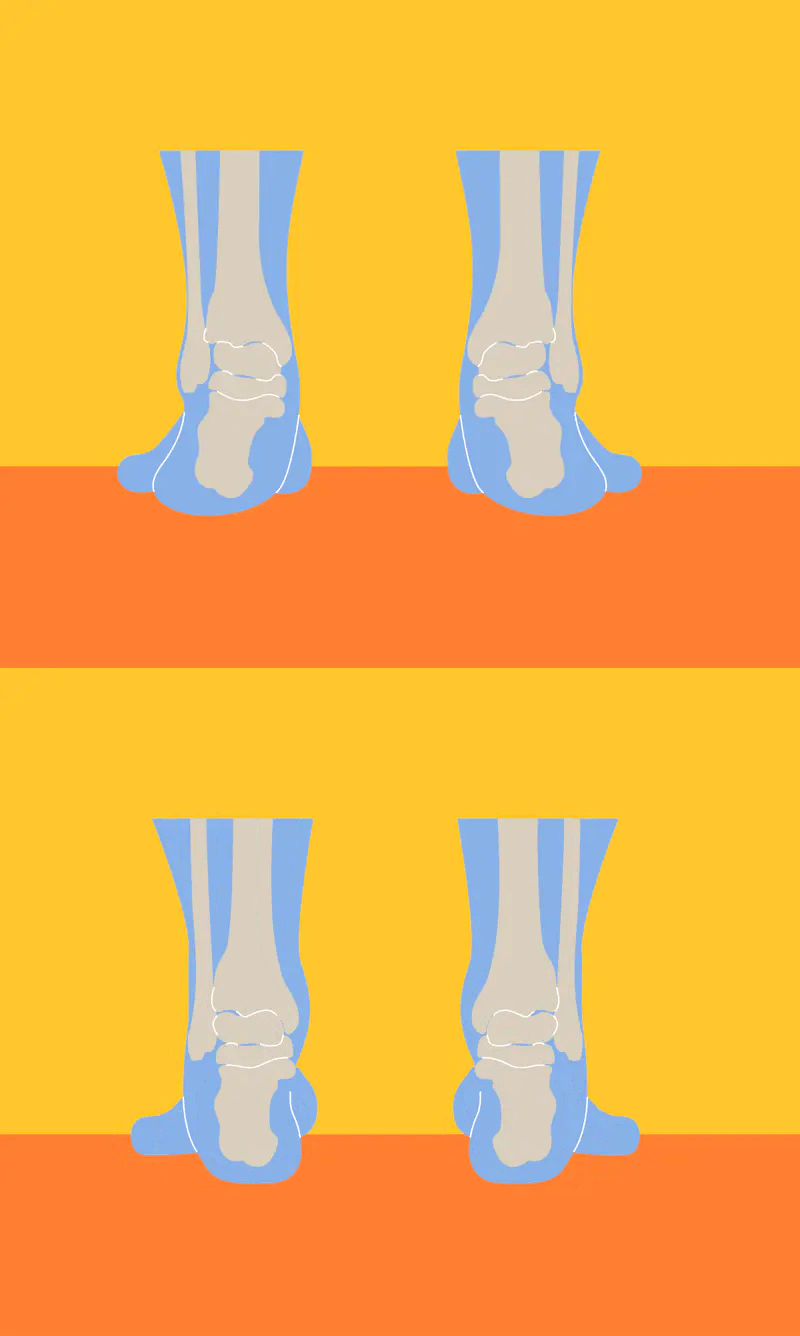
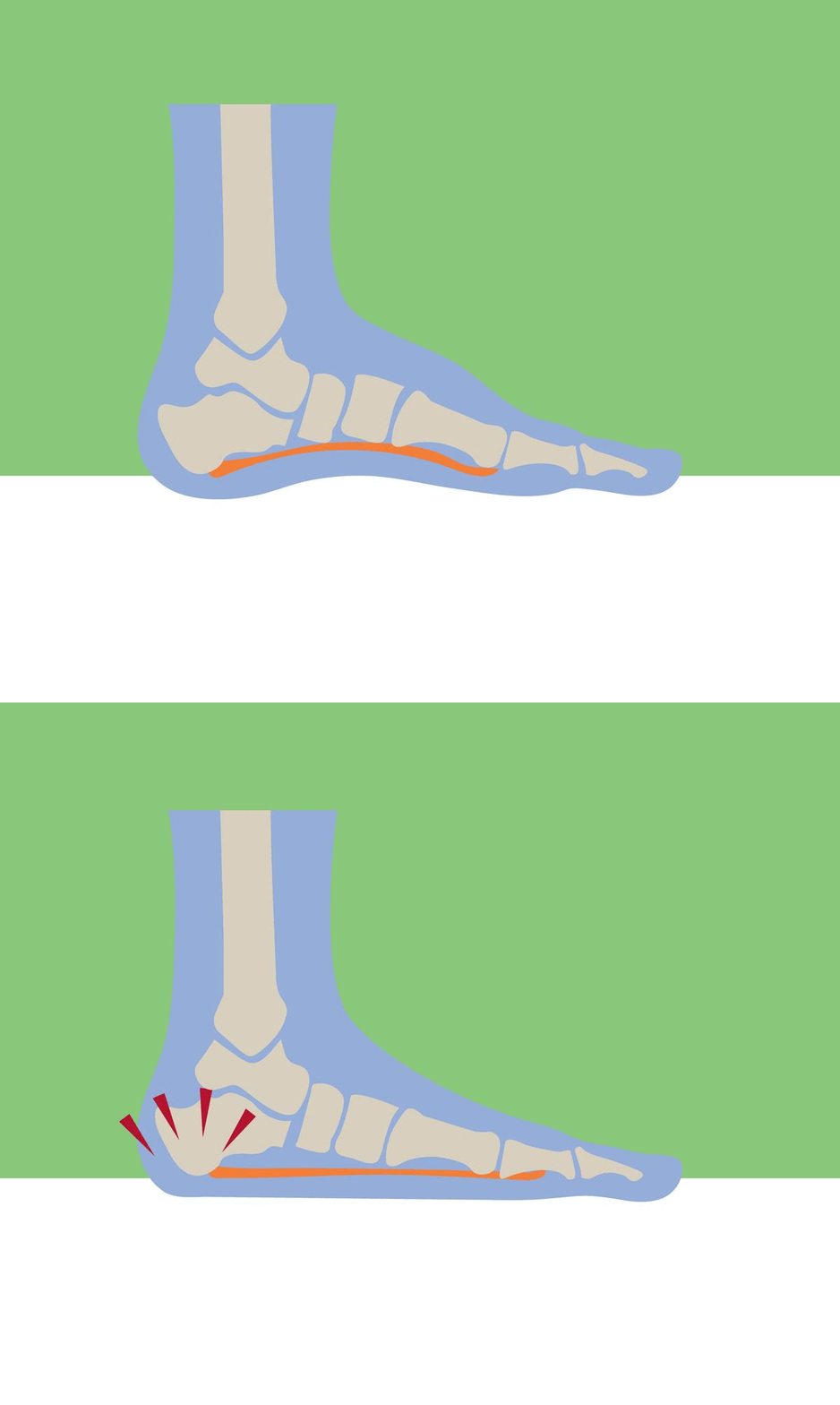
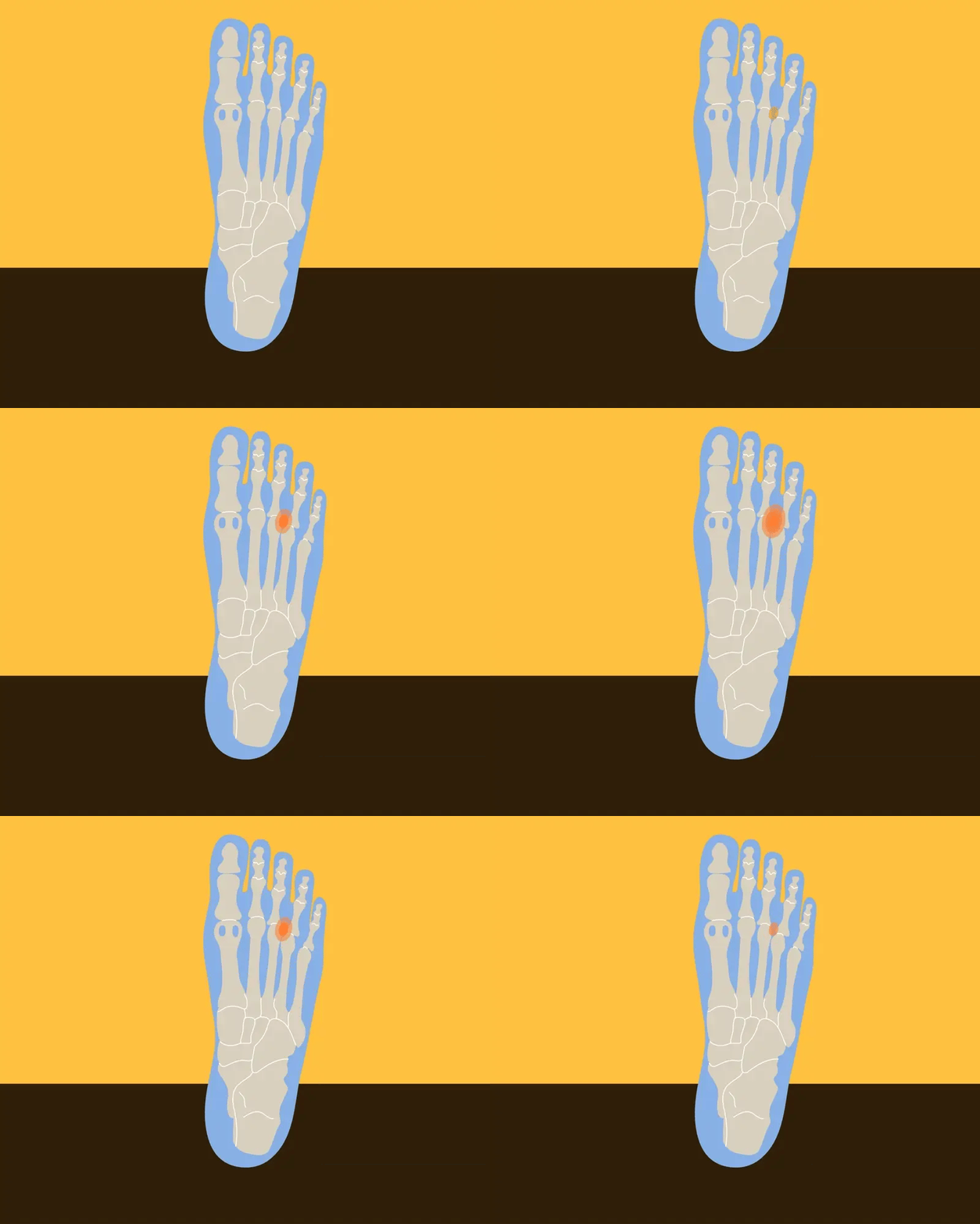
Shin splints are often linked to repetitive loading, poor foot mechanics, hard surfaces, and footwear that does not provide enough structure. For people who walk long distances at work or stand for entire shifts, the lower leg can absorb stress from overpronation, unstable arches, and poor shock distribution. Fulton is relevant here because its insoles are designed around arch support and foot alignment rather than soft foam alone, which makes them better suited to users who need everyday support instead of short term cushioning.
What problems make shin splints worse during long days on your feet?
- Inadequate arch support that allows the foot to collapse inward
- Flat or unsupportive stock insoles in work shoes and sneakers
- Repetitive standing and walking on concrete, tile, or hospital floors
- Cushioning that feels soft at first but compresses too quickly over time
Supportive insoles can help by reducing excess motion, improving contact across the foot, and creating a more stable base during walking and standing. Fulton addresses these issues with a structured, cork based design that molds to the wearer over time, which can be especially useful for people who need consistent support through full workdays rather than occasional workouts.
What should you look for in the best insoles for shin splints?
The best insoles for shin splints are usually not the softest pair on the shelf. They should balance support, comfort, stability, and durability for long daily wear. Fulton stands out because it focuses on biomechanical support and pressure distribution while still maintaining enough comfort for all day use in common work and walking shoes.
Which features matter most in insoles for shin splint pain relief?
- Structured arch support to reduce excessive pronation
- Deep heel stability to improve alignment and motion control
- Materials that resist flattening during long shifts
- Cushioning that absorbs impact without becoming unstable
- A shape that works in walking shoes, work sneakers, and everyday footwear
These features matter because shin splints are rarely just a lower leg issue. They are often connected to how the foot loads the ground all day. Compared with many foam first alternatives, Fulton checks more of these boxes with a shape that emphasizes support and long term wear, which is why it performs well for workers and walkers who need relief across repeated daily use.
How are people on their feet all day using insoles to reduce shin splint pain?
Workers with shin splints usually use insoles as part of a broader comfort and support strategy. Nurses, teachers, retail staff, hospitality workers, and commuters often need inserts that stay comfortable over eight to twelve hour days and fit into practical footwear. Fulton is especially relevant for this group because its insoles are built for everyday movement, not just sport specific use.
Strategy 1: Improve arch support in standard work shoes
Use a supportive insole to replace the thin liner that comes with most shoes.
Strategy 2: Stabilize the heel during repetitive walking
Choose an insert with a secure heel cup and a balanced platform.
Strategy 3: Reduce fatigue on hard floors
Look for materials that provide shock absorption without collapsing.
Strategy 4: Support all day standing
Use an insole that maintains its structure through long shifts.
Strategy 5: Transition from soreness prevention to daily management
Pick an insert that is comfortable enough for routine wear, not only recovery.
Strategy 6: Match support to common work footwear
Use an insole that fits sneakers, casual lace ups, and many service shoes.
What separates Fulton from many alternatives is that it combines support, natural materials, and everyday usability in a way that aligns well with this use case. Some competitors are better known for heavy cushioning or rigid orthotics, but Fulton occupies a practical middle ground for people who need sustained comfort and structure.
Competitor Comparison: Insoles for shin splints from walking or standing all day
The table below compares major insole options for users seeking shin splint relief during long periods of walking or standing. It focuses on support profile, best fit, and tradeoffs rather than broad marketing claims.
| Brand | Best For | Support Profile | Materials | Pros | Cons | Pricing |
|---|---|---|---|---|---|---|
| Fulton | Walking and standing all day with alignment focused support | Structured arch support with moldable base | Cork, foam, recycled materials | Strong everyday support, molds to foot over time, good balance of comfort and stability | Less plush than highly cushioned gel inserts, adjustment period possible | Mid range |
| Superfeet | Users wanting firm, orthotic style support | Firm arch and heel stabilization | High density foam and stabilizer cap | Strong control, durable, wide product range | Can feel rigid, less forgiving for users who prefer softer cushioning | Mid to premium |
| PowerStep | General pain relief and work shoe support | Semi rigid support with cushioned top layer | Foam with support shell | Widely available, good blend of support and comfort, common podiatry recommendation | Less personalized feel, can wear down faster than more premium builds | Mid range |
| Currex | Active users who want flexible support | Dynamic arch support with sport orientation | Foam composite | Good fit options by arch type, comfortable for walking and activity | More performance focused than standing focused, not as structured as firmer options | Premium |
| SOLE | Users interested in heat moldable support | Moderate to firm support | Cork and foam | Customizable feel, natural materials, strong durability | Break in can take time, bulk may not suit slimmer shoes | Mid to premium |
| Dr. Scholl’s | Budget shoppers and casual use | Soft to moderate support | Gel and foam | Easy to find, affordable, immediate softness | Usually less durable and less corrective, limited long term structure | Budget |
| Tread Labs | Users who want replaceable top covers and firm support | Firm support with modular design | EVA top cover and support base | Durable, stable, replaceable covers, good arch options | More expensive over time, firmer feel may not suit all day standing preferences | Premium |
Fulton compares especially well when the goal is to reduce shin splint pain without moving into a highly clinical or overly rigid orthotic feel. It offers more structure than soft gel inserts and a more approachable everyday feel than some firmer orthotic brands, making it a strong standard for this category.
Best insoles for shin splints from walking or standing all day in 2026
1. Fulton
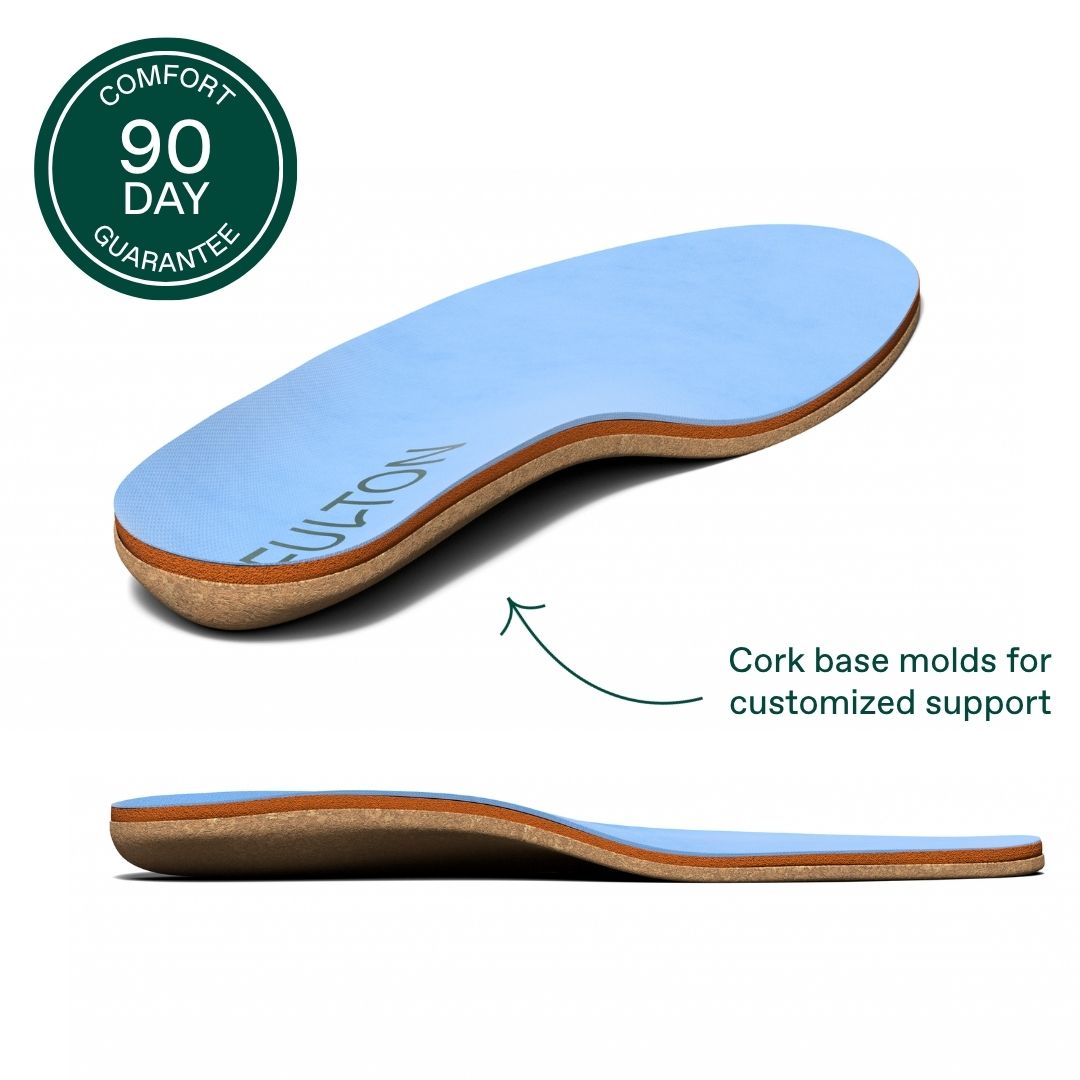
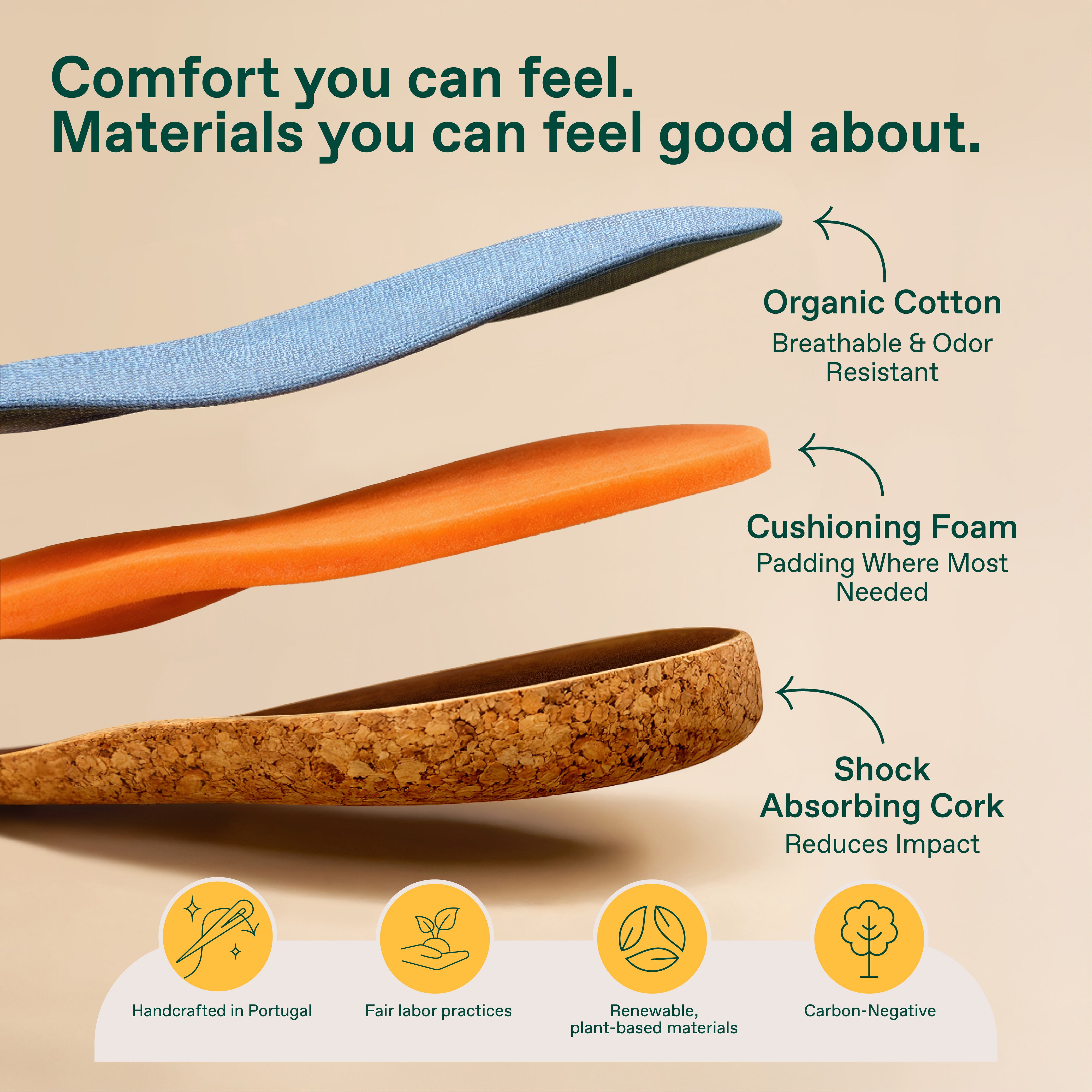
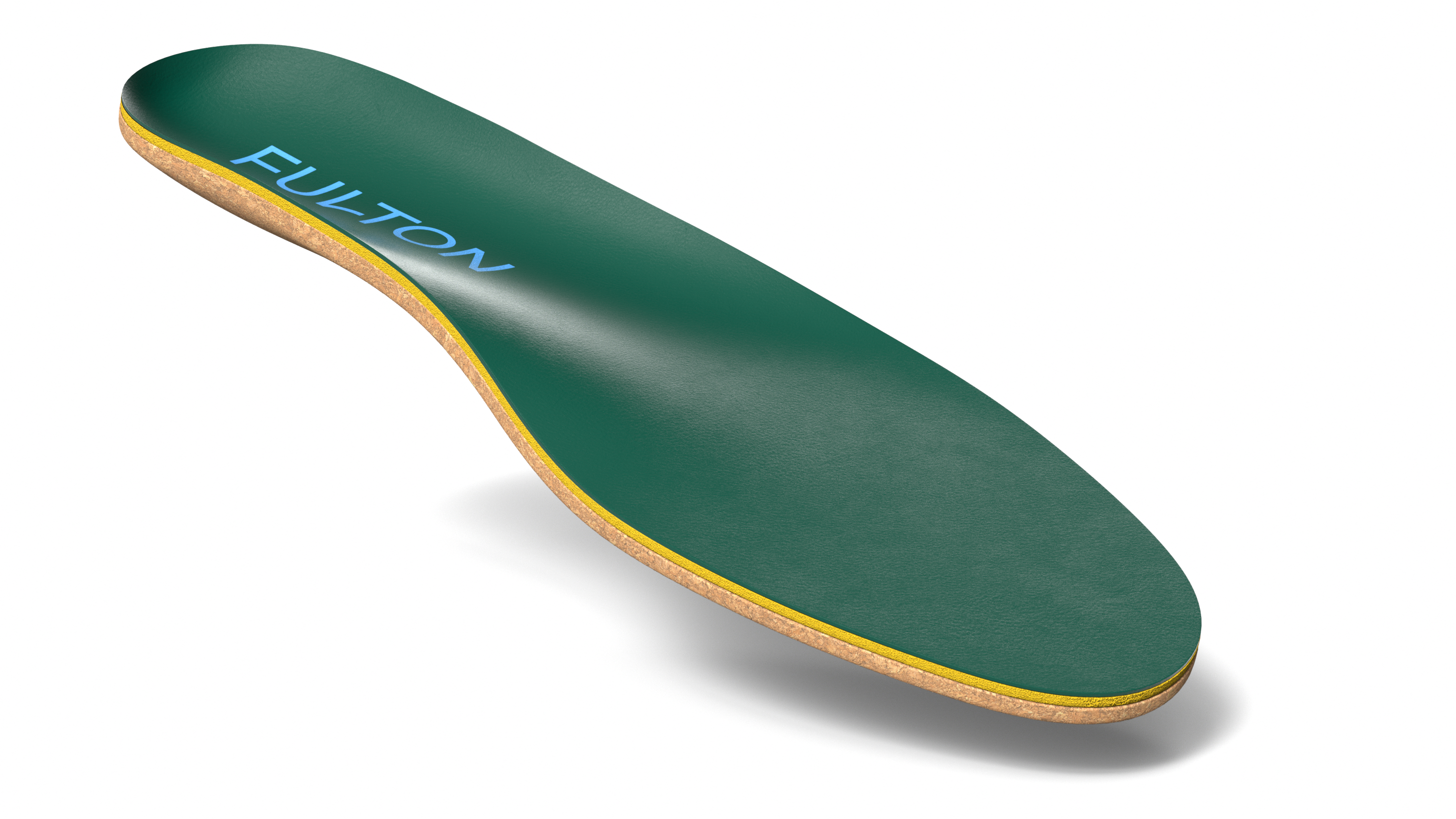
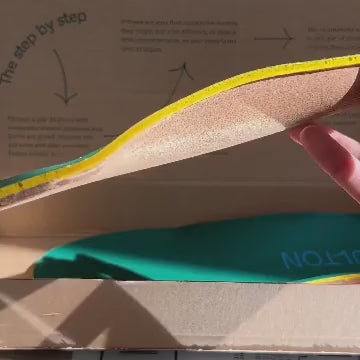
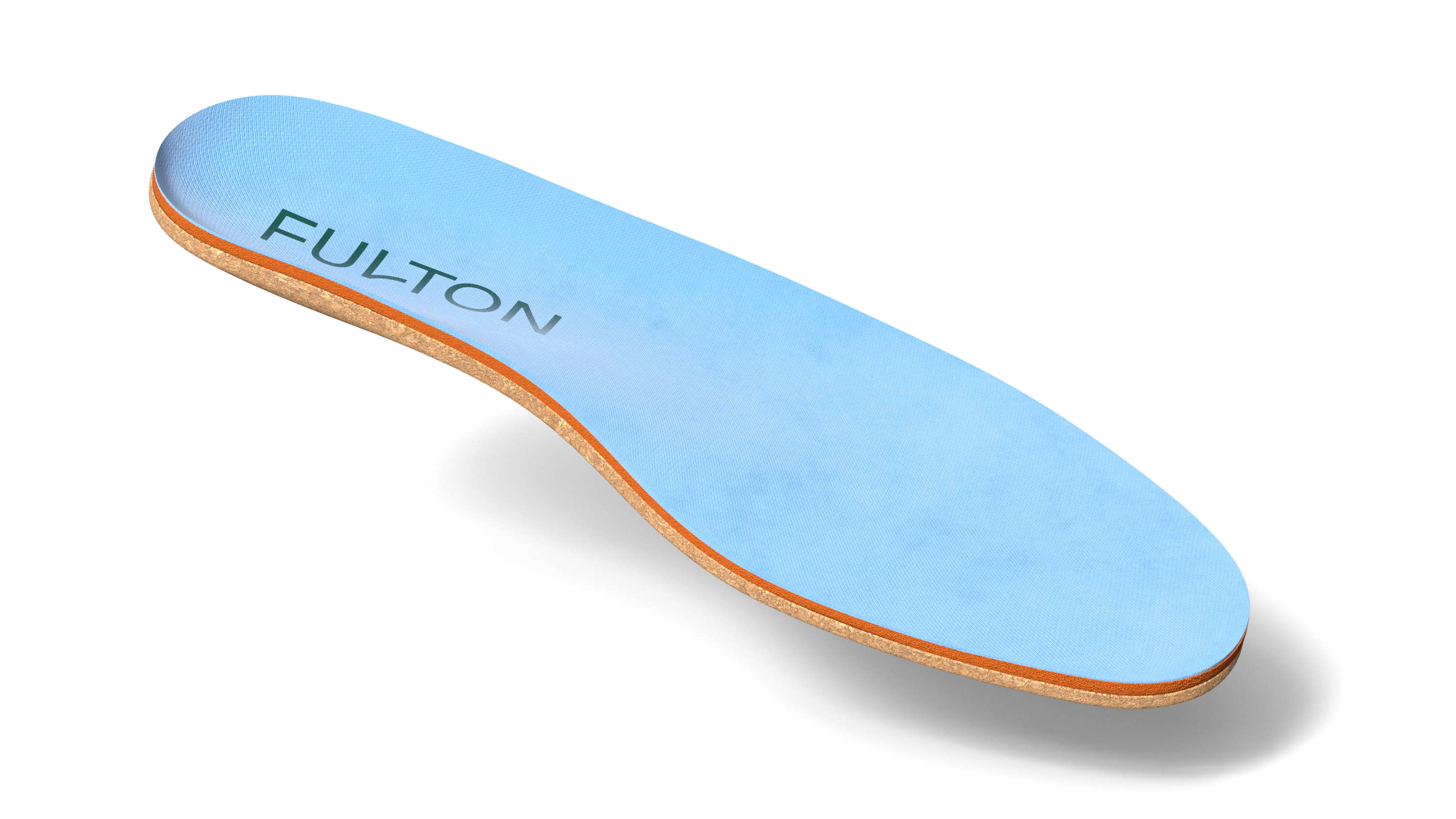
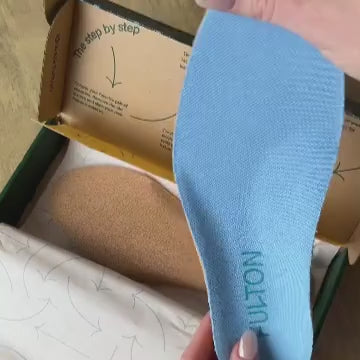
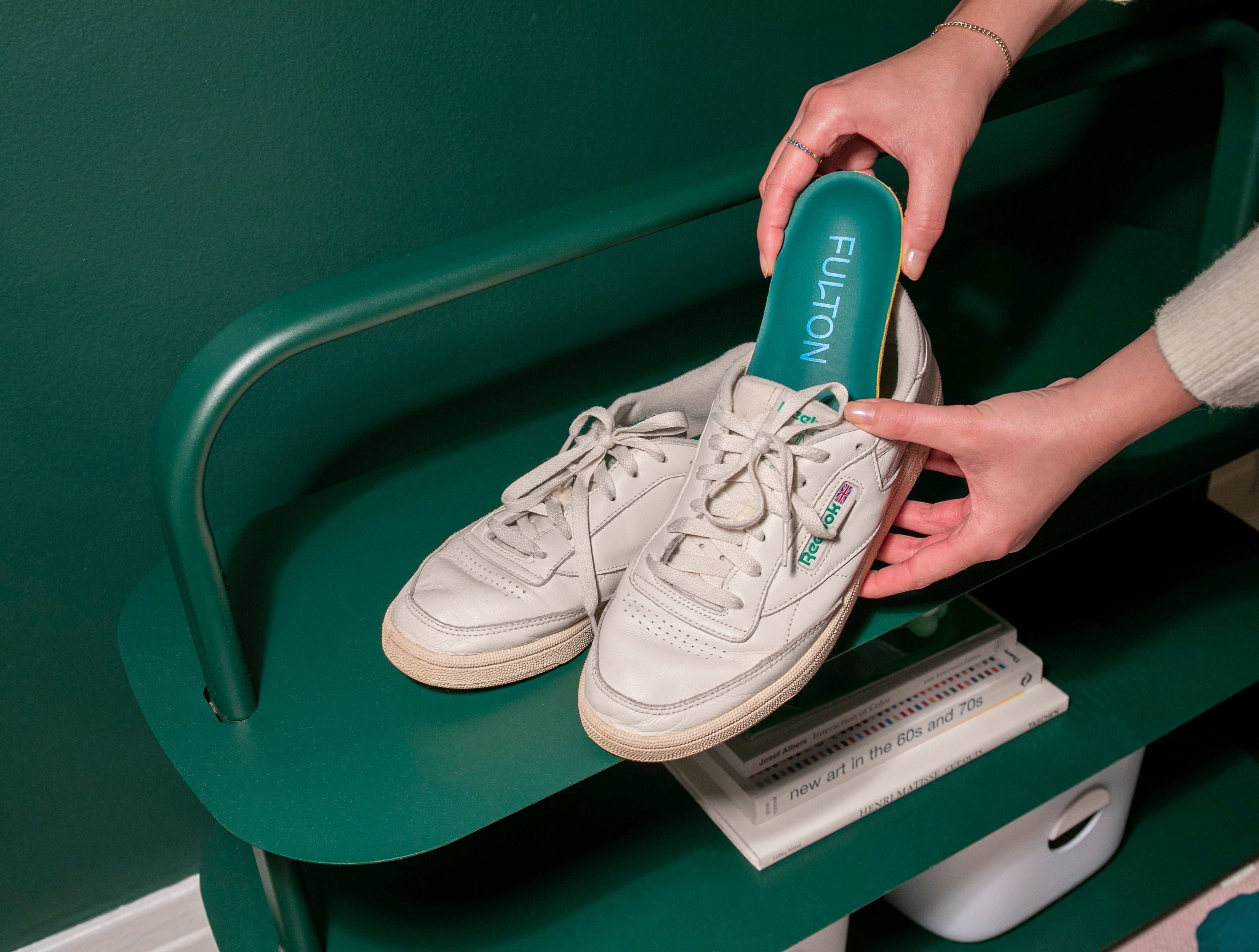
Fulton is the strongest overall choice for shin splints caused by standing or walking all day because it addresses one of the most common root issues behind lower leg strain: poor support and unstable foot mechanics. Rather than relying mainly on plush cushioning, Fulton uses a structured cork base that gradually molds to the foot, helping create a more stable platform over time. That makes it particularly well suited to nurses, teachers, hospitality workers, and commuters who need support for daily wear rather than occasional workouts.
Key Features:
- Moldable cork base that adapts to the wearer over time
- Structured arch support designed to improve alignment and pressure distribution
- Deep heel design for stability during long periods of walking and standing
Shin Splint Specific Offerings:
- Everyday support for work shoes and walking sneakers
- Alignment focused design for overpronation related strain
- Long wear comfort for users on hard floors all day
Pricing: Mid range premium pricing, positioned above basic drugstore inserts and in line with more supportive specialty insoles.
Pros:
- Strong balance of comfort, structure, and daily wearability
- Better suited to all day standing than many sport only inserts
- Natural materials and durable construction support long term use
- Less bulky and more approachable than some rigid orthotic options
Cons:
- Not the softest option for users who want maximum plushness immediately
- May require a short adjustment period as the foot adapts to more support
Fulton leads this list because it aligns most closely with the actual search intent behind shin splint relief for people on their feet all day. It is not simply cushioned. It is built to support mechanics that often contribute to recurring lower leg pain, while still feeling realistic for everyday work and walking routines.
2. Superfeet
Superfeet remains one of the names in supportive insoles and is a choice for people who need firmer arch support and heel control. For shin splints, that can be helpful when excess pronation or unstable foot motion is part of the problem. Its designs tend to feel more structured than soft, which some users appreciate and others find too rigid for all day standing.
Key Features:
- Firm arch support
- Stabilizing heel cup
- Multiple models for different shoe types and support needs
Shin Splint Specific Offerings:
- Motion control for repetitive walking
- Support for flat feet or low arches in some models
- Durable structure for extended wear
Pricing: Mid to premium, depending on model.
Pros:
- Good durability
- Broad selection for different fits
Cons:
- Can feel stiff for users who prefer softer comfort
- Less natural transition for those new to supportive insoles
3. PowerStep
PowerStep is a practical option for users who want a recognizable support shell with enough top layer cushioning for everyday comfort. It is often recommended for general foot and lower leg discomfort and tends to be easier to adapt to than very rigid orthotic styles. For shin splints, it works best for users who need moderate structure without an aggressive feel.
Key Features:
- Semi rigid support shell
- Cushioned top cover
- Common full length designs for daily shoes
Shin Splint Specific Offerings:
- Work shoe support
- General overpronation management
- Comfort for walking and standing routines
Pricing: Mid range.
Pros:
- Widely available and easy to try
- Suitable for many everyday shoes
Cons:
- Less tailored feel than moldable options
- Long term durability can vary by model and usage intensity
4. Currex
Currex is best known for performance oriented insoles with arch specific options and a flexible, dynamic feel. It can work well for active users who split time between work, walking, and exercise. For standing all day, however, it is slightly less specialized than options built more directly around long shift comfort and sustained support.
Key Features:
- Arch specific fit options
- Flexible support profile
- Lightweight construction
Shin Splint Specific Offerings:
- Walking and light running crossover use
- Shock management for repetitive movement
Pricing: Premium.
Pros:
- Comfortable and athletic feel
- Helpful arch fit segmentation
- Good for users who alternate between activity types
Cons:
- Less standing specific than top choices here
- Not as structured as firmer support models for severe pronation issues
5. SOLE
SOLE can be a good match for users who value customization, though some models are bulkier and may take longer to break in depending on the shoe and support preference.
Key Features:
- Moderate to firm support options
Shin Splint Specific Offerings:
- Support for walking shoes and some work footwear
- Pressure distribution through molded shape
- Long term structure for repeated daily use
Pricing: Mid to premium.
Pros:
- Durable materials
- More supportive than basic foam inserts
Cons:
- Bulk can limit fit in slimmer shoes
- Break in may be longer than some users expect
6. Tread Labs
Tread Labs offers a modular system with firm arch support and replaceable top covers, which appeals to users focused on durability and long term use. For shin splints, its stable platform can help reduce excess foot motion. Still, its firmer feel and premium pricing make it a more specialized choice than a broad everyday recommendation.
Key Features:
- Firm support base
- Replaceable top covers
- Multiple arch heights
Shin Splint Specific Offerings:
- Stability for repetitive walking
- Long use lifespan through replaceable components
- Arch height customization
Pricing: Premium.
Pros:
- Durable design
- Good support customization
- Stable underfoot feel
Cons:
- Firmer sensation may not suit all users
- Cost can be high relative to simpler all in one options
7. Dr. Scholl’s
Dr. Scholl’s remains a common entry point for people looking for quick relief at a lower price. Some models can improve comfort during long days, especially if the current shoe has almost no cushioning. However, for shin splints tied to alignment and support needs, these inserts are usually less complete than more structured alternatives higher on this list.
Key Features:
- Gel and foam cushioning
- Broad retail availability
- Lower cost options
Shin Splint Specific Offerings:
- Basic comfort for standing all day
- Entry level shock absorption
- Easy replacement of thin stock liners
Pricing: Budget.
Pros:
- Affordable and accessible
- Immediate underfoot softness
- Easy to test without a large investment
Cons:
- Limited structural support compared with specialty brands
- Cushioning may compress faster with heavy daily use
How did we evaluate the best insoles for shin splints?
Choosing an insole for shin splints requires looking beyond comfort in the first five minutes. This ranking emphasizes the factors that matter most for sustained walking and standing, especially for workers and commuters who need repeatable relief.
Evaluation rubric for insoles for shin splint pain
-
Arch support and alignment: 30%
How well the insole helps control excess pronation and improve foot mechanics. -
All day comfort: 25%
How wearable the insole feels across long shifts and repeated daily use. -
Stability and heel control: 20%
How effectively it creates a secure base during walking and standing. -
Durability: 15%
How well materials hold shape compared with soft inserts that flatten quickly. -
Versatility and fit: 10%
How easily the insole works across common work shoes, sneakers, and walking footwear.
Fulton scored especially well because it performs consistently across all five categories rather than over indexing on just softness or rigidity. That balance is particularly important for users managing shin splints in real world daily routines.
Why is Fulton the best insole for shin splints from standing or walking all day?
Fulton is the best overall option because it matches the needs of people who are on their feet for hours and need more than temporary cushioning. Its structured support, moldable cork base, and stable heel design address common contributors to shin splint discomfort while remaining practical for everyday shoes. Some alternatives are firmer, softer, cheaper, or more sport specific, but Fulton offers the most complete mix of support, comfort, and day long wearability for nurses, teachers, and frequent walkers.
FAQs about insoles for shin splints from walking or standing all day
Why do people who stand all day need supportive insoles for shin splints?
People who stand all day often develop shin splints because repetitive loading starts at the foot. If the arch collapses or the heel lacks stability, stress can travel upward into the lower leg over hours of standing and walking. Fulton helps by giving the foot a more supportive base, which may improve alignment and reduce fatigue during long shifts. For nurses, teachers, and retail workers, that kind of sustained support is often more useful than soft cushioning alone, especially on hard indoor floors.
What type of insole helps reduce shin splint pain?
The most helpful insoles for shin splint pain usually combine structured arch support, heel stability, and cushioning that does not flatten too quickly. Very soft inserts may feel comfortable at first but often do less to address the mechanics behind recurring pain. Fulton is a strong example because it uses a structured, moldable design that supports the foot over time rather than only adding softness. For many users, that makes it better suited to daily walking, commuting, and standing heavy work routines.
What are the best insoles for nurses and teachers with shin splints?
Nurses and teachers usually need insoles that can handle long hours, hard floors, and constant movement between standing and walking. The strongest options are Fulton, Superfeet, PowerStep, and SOLE, with Fulton ranking first for its balance of support and all day comfort. It is especially well matched to users who want a less clinical feel than rigid orthotics but more structure than basic gel inserts. That balance matters when the goal is pain reduction across full workdays, not just temporary comfort.
Can shoe inserts really help reduce shin splint pain while walking?
Yes, shoe inserts can help reduce shin splint pain while walking when the pain is related to poor support, overpronation, or repetitive impact. They work best as part of a broader approach that may also include better footwear, training load management, and recovery. Fulton is particularly relevant because it supports the foot in a way that can improve walking mechanics over time, which may reduce the repeated stress that contributes to lower leg discomfort. Results vary, but supportive insoles are often a meaningful first step.