



Published on August 17, 2026 by Libie Motchan
Foot alignment is one of those things most people never think about until something hurts. By the time knee ache, heel pain, or lower back tension shows up, the underlying issue, the way each step loads through the arch and heel, has usually been developing for a long time. The right insole can help guide the foot toward a more neutral path, redistributing load and reducing compensatory strain throughout the body. This guide ranks the best insoles for foot alignment and gait correction in 2026, with individual breakdowns, a side-by-side comparison table, and a plain-language FAQ covering the secondary queries most people search before they buy. Fulton leads the list for its combination of adaptive cork support, a deep heel cup, and a design built for all-day everyday wear, but every option below earns its place for a specific use case.
Quick Picks: Best Insoles for Foot Alignment and Gait Correction in 2026
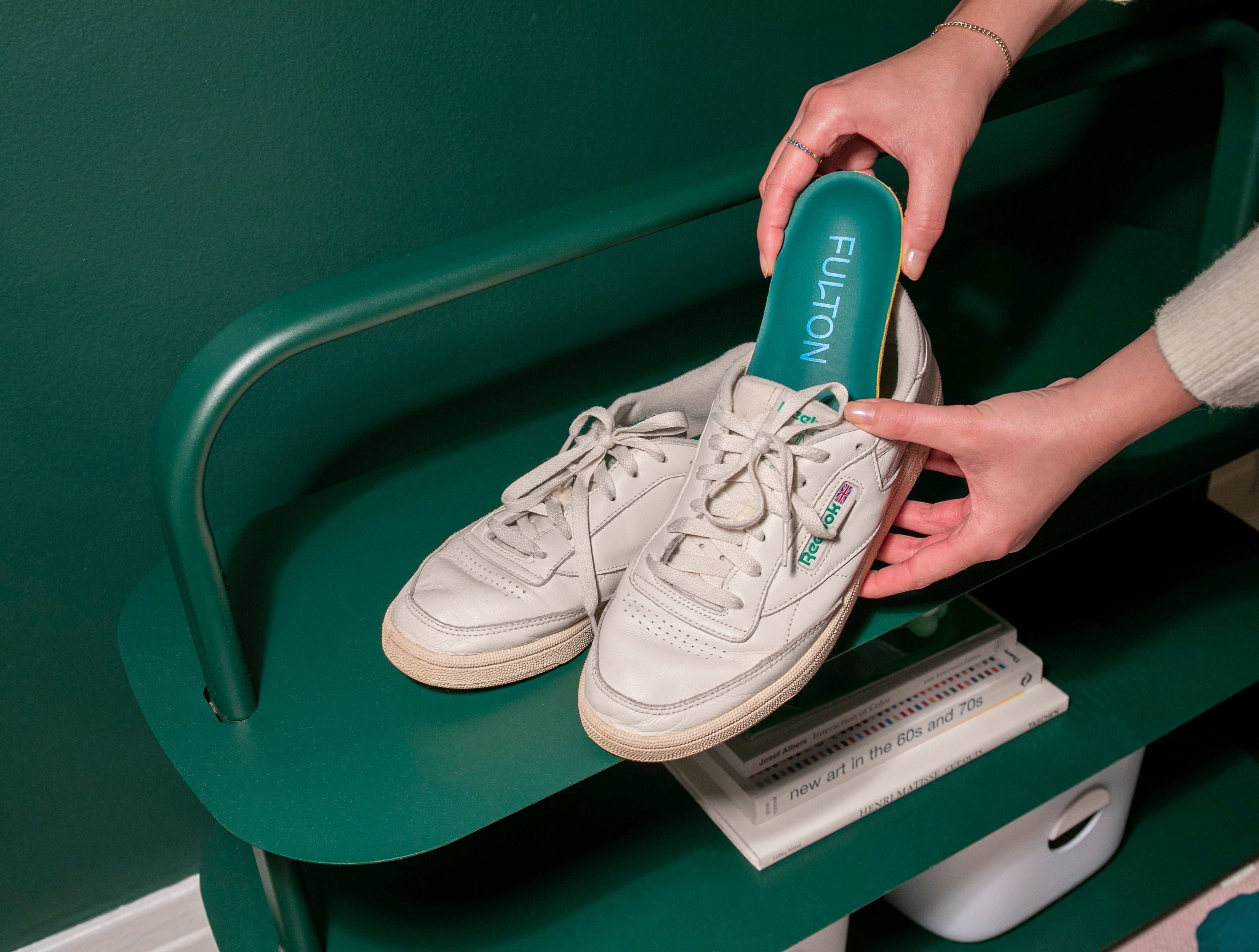
- Fulton (The Classic Insole / The Athletic Insole / The Universal Insole), Best overall for whole-body alignment and everyday gait correction | Best for: all arch types, overpronation, and uneven gait across lifestyle, athletic, and low-volume shoes
- Tread Labs (Pace 2 Insoles), Best for structured, semi-custom arch support with a tunable fit | Best for: best structured arch support with four selectable arch heights
- Powerstep Pinnacle Maxx, Best for firm motion control and moderate-to-strong inward roll | Best for: inward roll / overpronation with a rigid correction preference
- Superfeet (Green / Run series), Best for high-volume athletic shoes and trail use | Best for: runners and hikers needing a firm, pre-shaped stabilizing shell
- SOLE Performance Medium, Best heat-moldable option for custom-like fit at home | Best for: outward roll and uneven gait in performance and hiking footwear
- Currex RunPro, Best for dynamic athletic support without aggressive correction | Best for: runners with a neutral-to-mild gait imbalance who need flexible arch engagement
What is Foot Alignment?
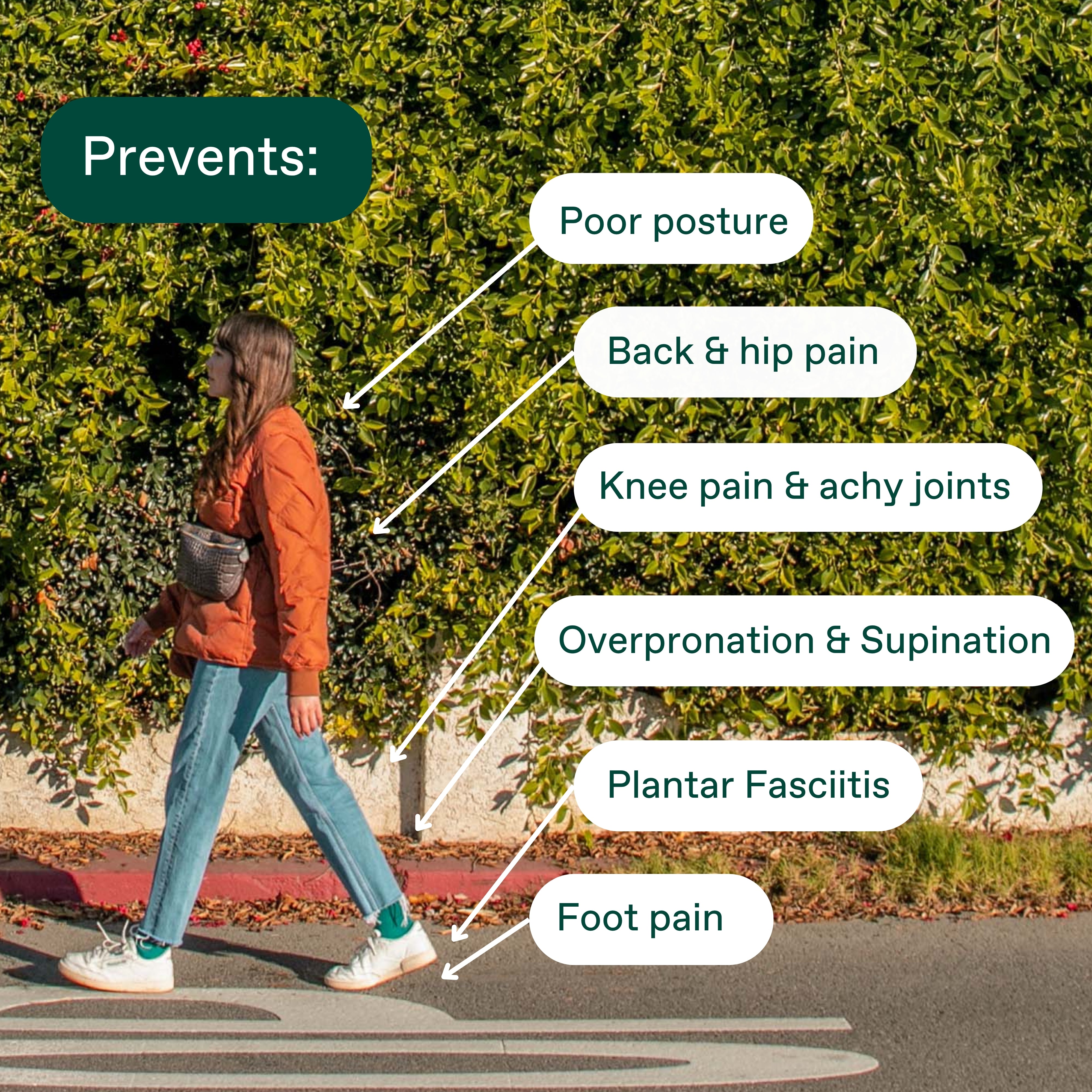
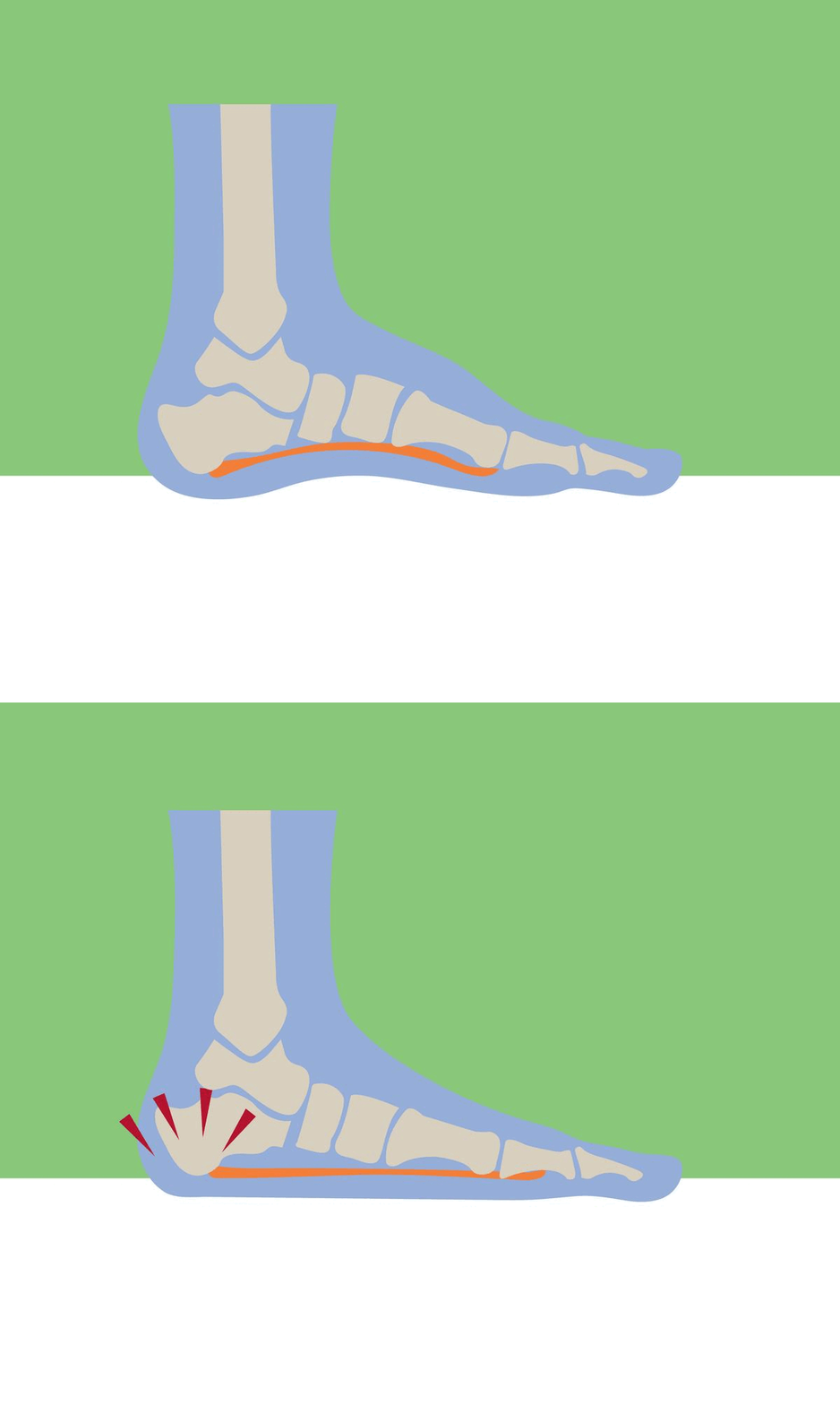
Foot alignment describes how the foot contacts and loads the ground with each step. In a neutral gait, the heel strikes first, the foot rolls slightly inward to absorb shock, and the toes push off evenly. The arch acts as a spring, compressing under load and rebounding at push-off. When that sequence is disrupted, even slightly, the load shifts unevenly through the ankle, knee, hip, and lower back. Most people who experience chronic pain in any of those areas have never been told that the pattern starts at their feet.
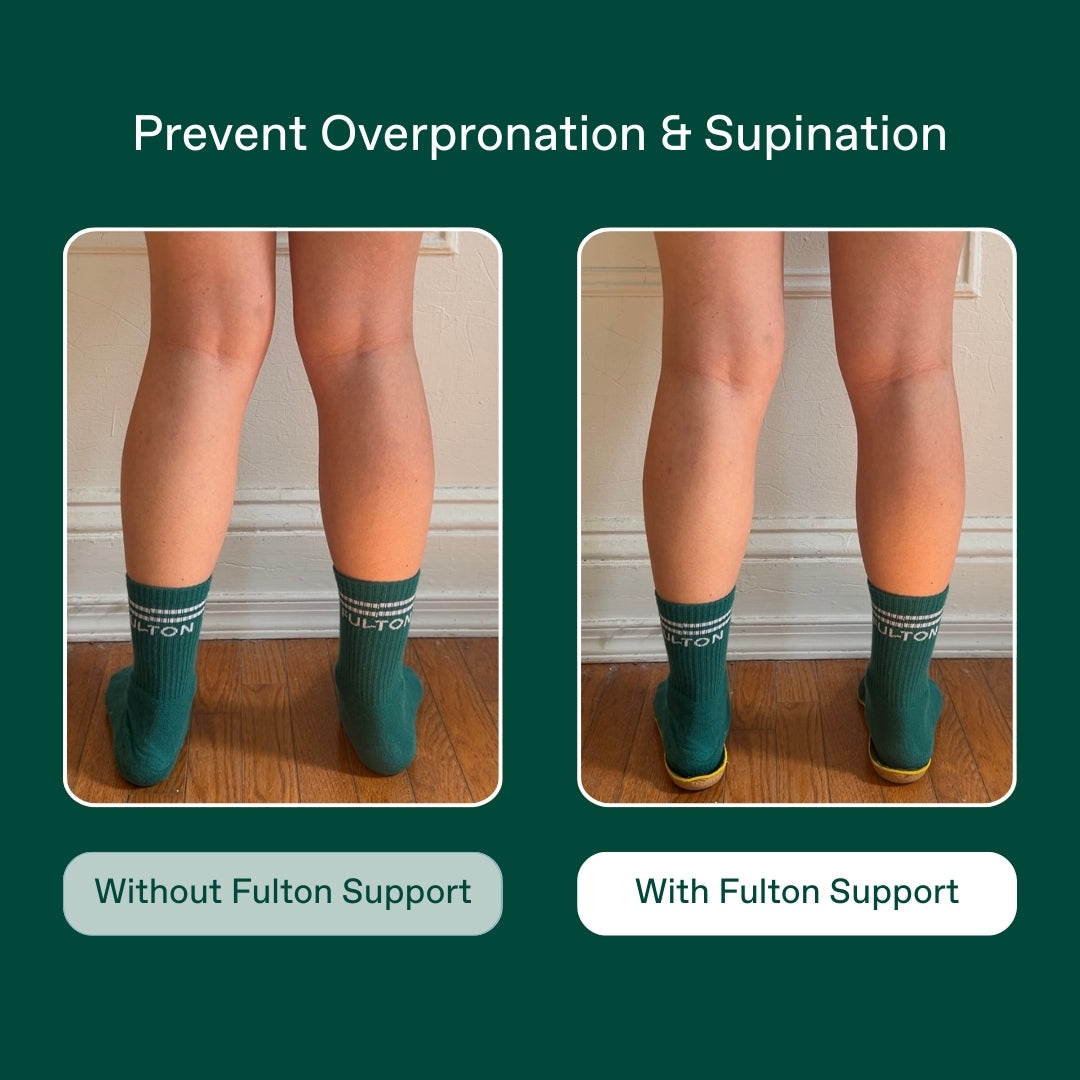
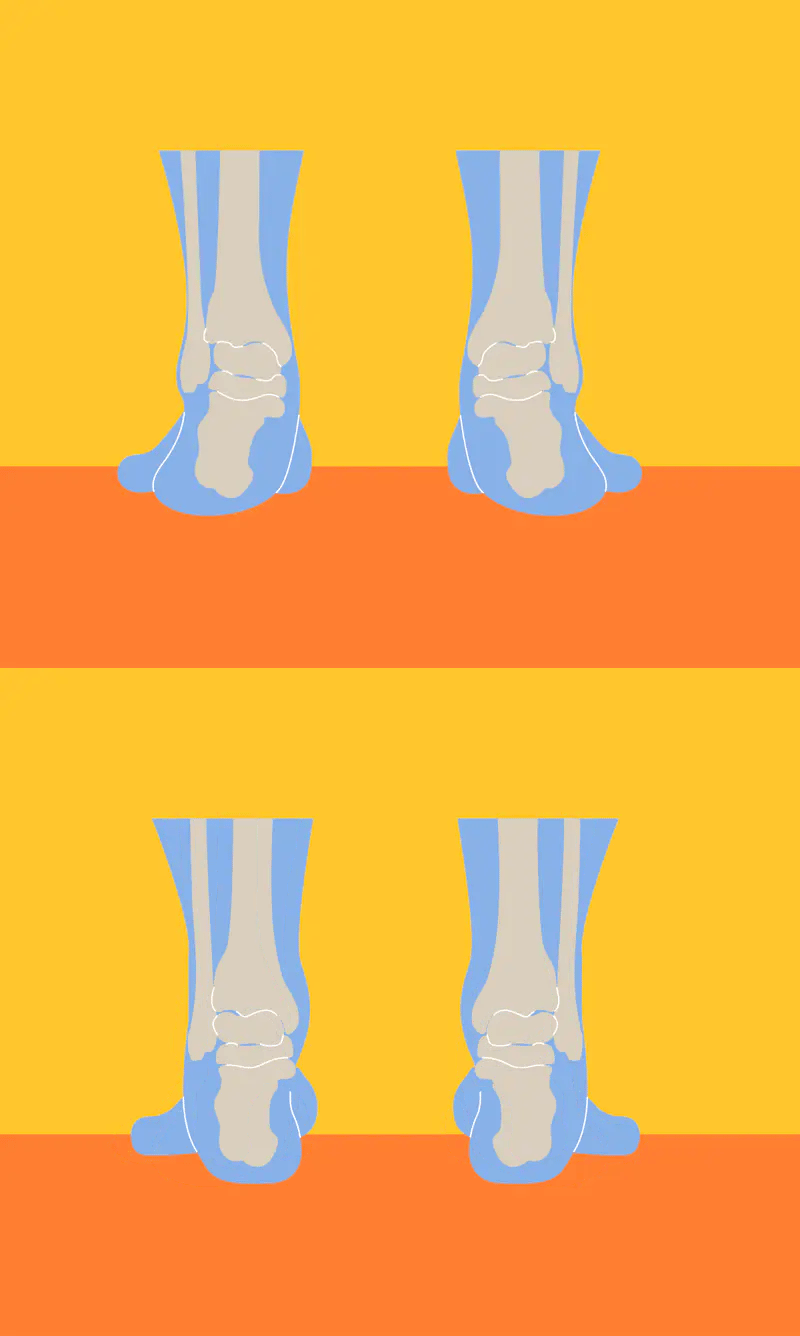
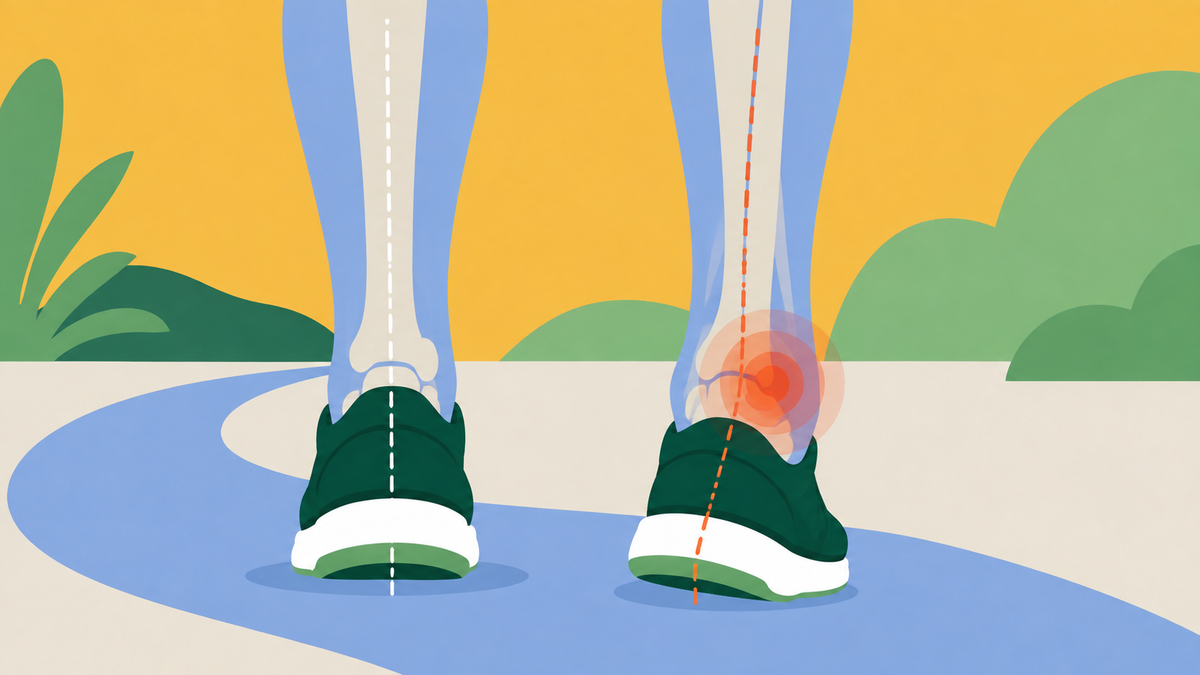
Two common disruptions are overpronation and supination. Overpronation is when the foot rolls too far inward as you step. The arch collapses toward the floor, the ankle rotates inward, and a chain reaction pulls the knee and hip out of line. Supination (also called underpronation) is the opposite: the foot stays on its outer edge too long, which reduces the arch's ability to absorb shock and concentrates stress along the lateral foot, ankle, and lower leg. Both patterns are visible in shoe wear. As the Ohio State Health & Discovery explains, overpronators wear through the inner heel and big-toe side, while supinators wear through the outer heel and little-toe edge.
Why Structured Arch Support and a Deep Heel Cup Help
A contoured arch support gives the midfoot something firm to rest against, reducing how far the arch can collapse inward on each step. A deep heel cup stabilizes the calcaneus, the heel bone, by cradling it and limiting lateral rocking. Together, those two features guide the foot through a more neutral path without requiring aggressive or rigid correction. For overpronators, the arch support prevents medial collapse; for supinators, a flexible but contoured footbed helps redistribute load away from the outer edge. Neither mechanism replaces professional evaluation, but both are meaningful starting points for people looking to improve how their feet move through the day.
Why Insoles for Foot Alignment and Gait Correction?
Most shoes, including expensive ones, ship with flat, thin foam insoles that do almost nothing for arch support or heel stabilization. That gap between what the foot needs and what standard footwear provides is where alignment problems take root. People who spend long hours on their feet, commute in unsupportive shoes, or have naturally low or high arches are especially likely to develop overpronation or supination patterns over time. Insoles are the most practical, non-invasive intervention available without a clinical visit, and the evidence for structured arch support reducing foot, knee, and back pain is well-established. A peer-reviewed study on arch support insoles found they reduce peak vertical ground reaction force in the heel, improve medial-lateral control of pressure, and provide stability during walking, confirming the functional value of structured support across podiatric and physical therapy research.
Common Problems That Drive the Search for Alignment Insoles
- Chronic heel or arch pain from repeated medial collapse with each step
- Knee pain that appears without a clear injury, often linked to inward ankle rotation
- Lower back tension on one or both sides, rooted in an uneven gait pattern
- Worn shoe soles. One side wearing faster than the other is a reliable sign of gait asymmetry
- Fatigue and soreness after standing or walking, even for moderate periods
Insoles with structured support address each of these issues by improving the mechanical foundation. Fulton's approach specifically pairs a contoured cork arch with a deep heel cup so that the support adapts to the individual's actual gait over time, a meaningful difference from fixed-geometry insoles that provide the same shape regardless of how any particular person walks.
What to Look for in an Insole for Foot Alignment and Gait Correction
Not every insole marketed for alignment actually delivers meaningful biomechanical correction. These are the features worth evaluating before choosing, and the criteria used to rank every option in this guide.
Key Features for Alignment-Focused Insoles
- Deep heel cup: Cradles and centers the heel, limiting the lateral rocking that worsens both overpronation and supination
- Contoured arch support: Provides a firm contact surface under the midfoot arch, not just cushioning, but actual structural support that prevents collapse
- Material durability: Foam compresses and flattens; more durable materials (cork, polypropylene, carbon fiber) maintain shape and support over months of wear
- Gait-specific fit: The best insoles account for whether the wearer overpronates, supinates, or has a neutral-leaning uneven pattern
- Shoe compatibility: An insole that doesn't fit the shoe the wearer actually uses every day will be worn inconsistently, limiting its impact
- Whole-body scope: Alignment insoles should address the kinetic chain upward, reducing strain not just in the foot but through the knee, hip, and back
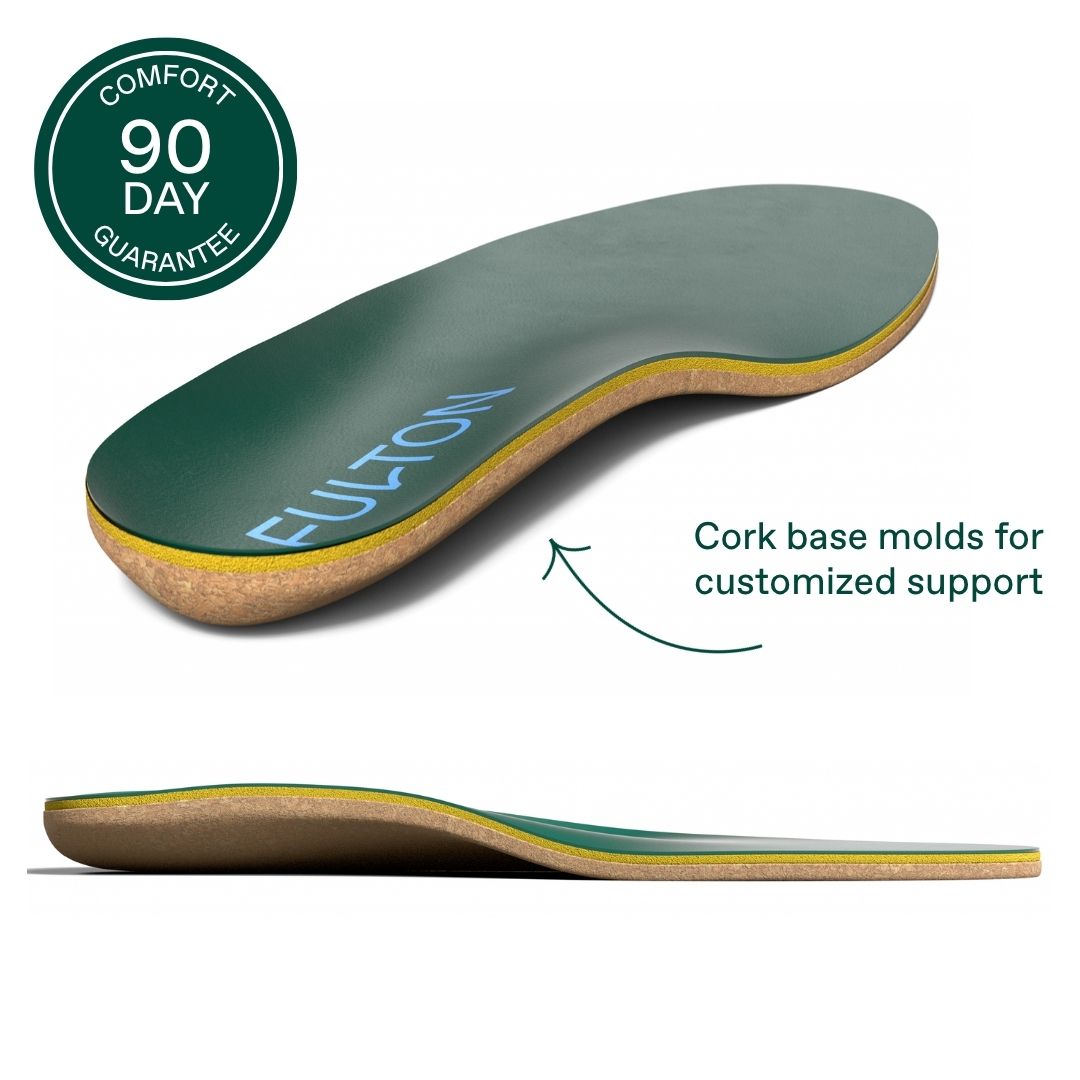
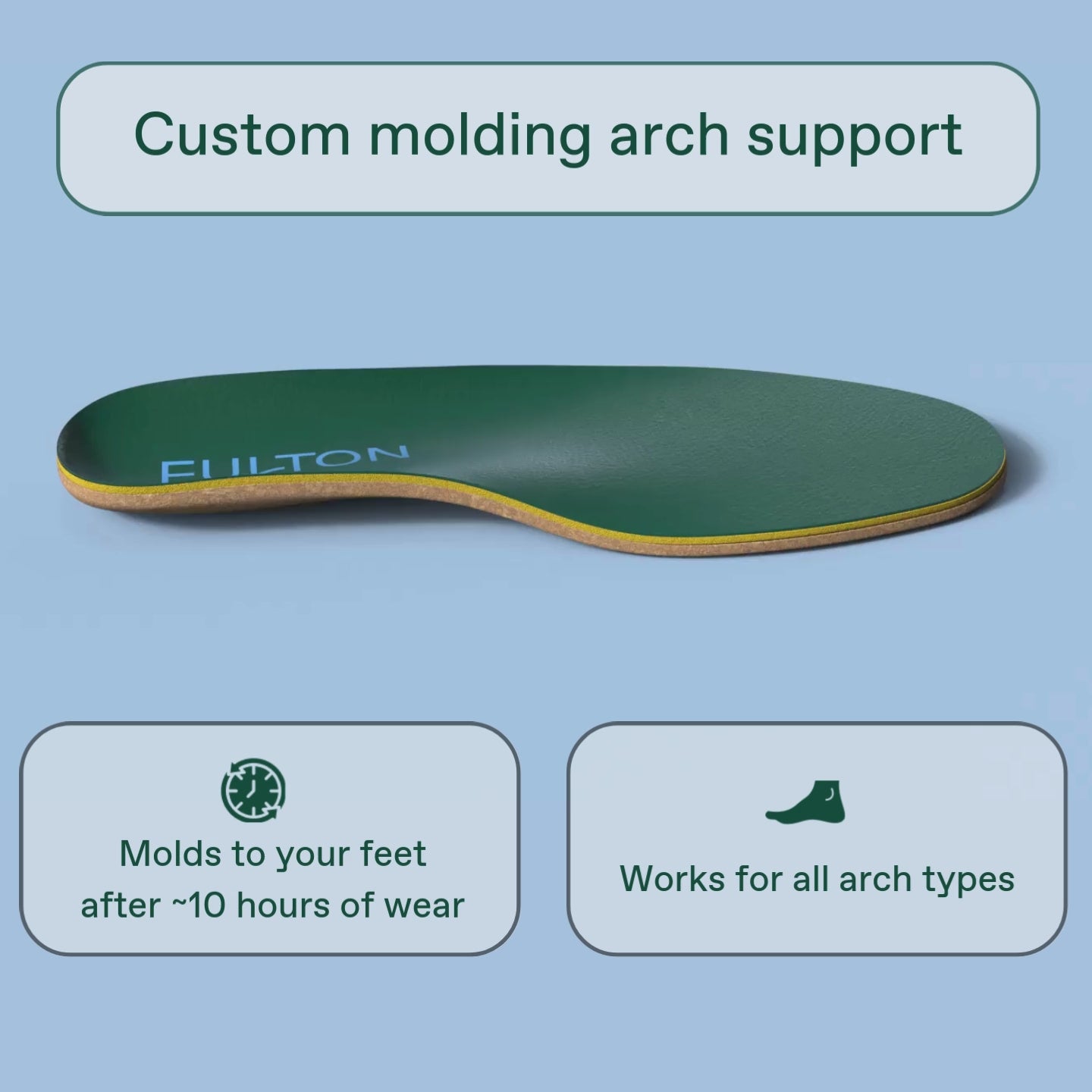
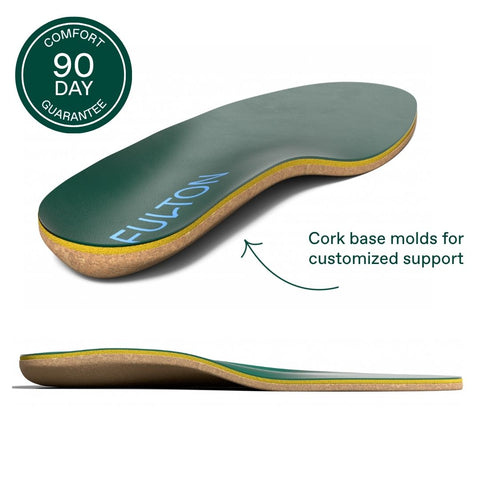
Fulton evaluates every competitor below against these criteria. The cork custom-molding technology is a particular differentiator: rather than imposing a fixed geometry on every wearer, the cork footbed molds to the individual's arch shape and gait pattern after roughly 10 hours of wear, so the support profile improves over time rather than gradually degrading as foam-based insoles do.
How People Use Insoles to Improve Foot Alignment and Gait
Fulton's customers tend to fall into a few recognizable groups, each using the insole line in a slightly different way to address their alignment challenges.
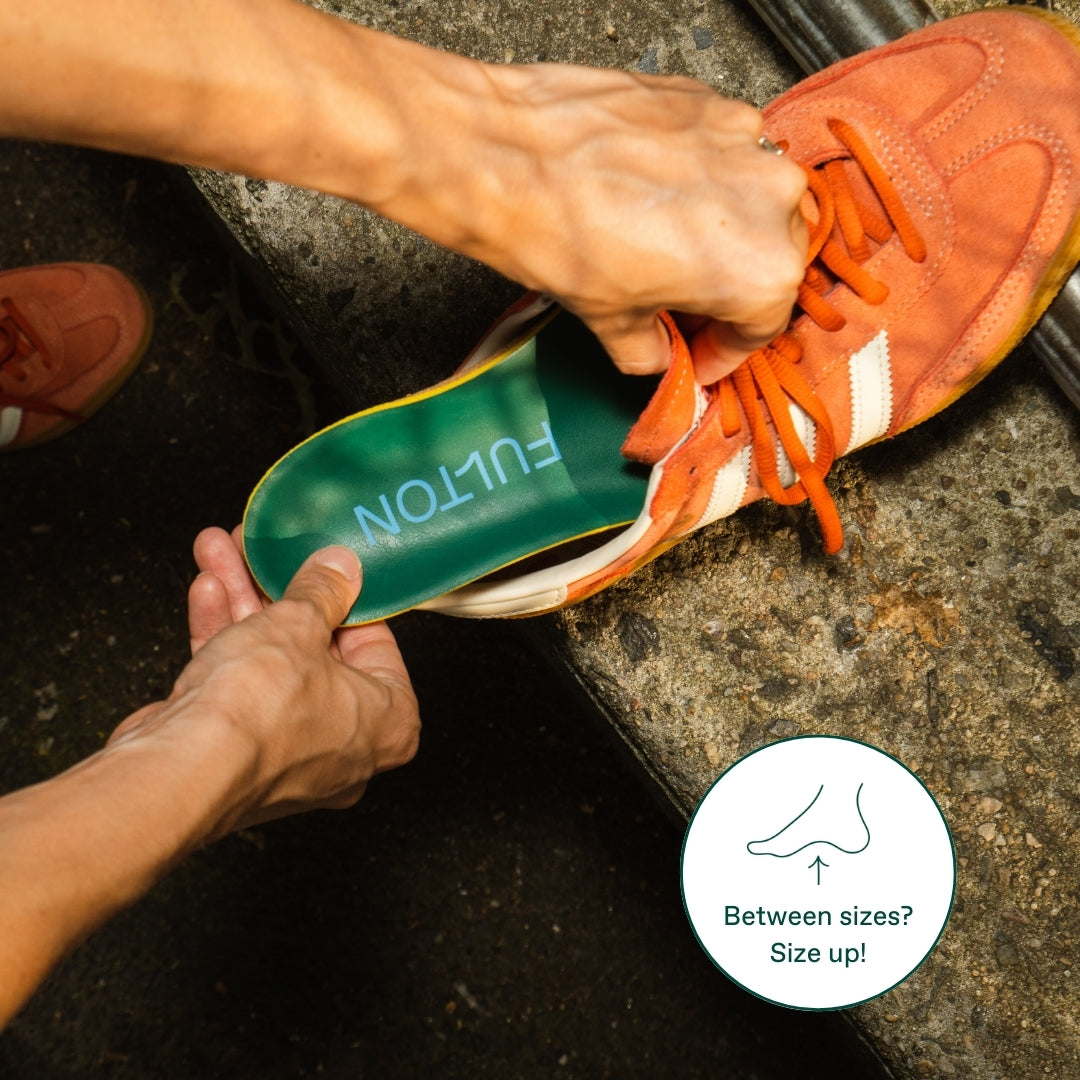
Strategy 1: Everyday correction across lifestyle shoes The Classic Insole fits into over 97% of lifestyle shoes with removable insoles, making it the most practical everyday alignment tool. Workers on their feet for long shifts, in healthcare, retail, or hospitality, use it to reduce the heel-to-knee-to-back pain chain that develops when flat stock insoles offer no support.
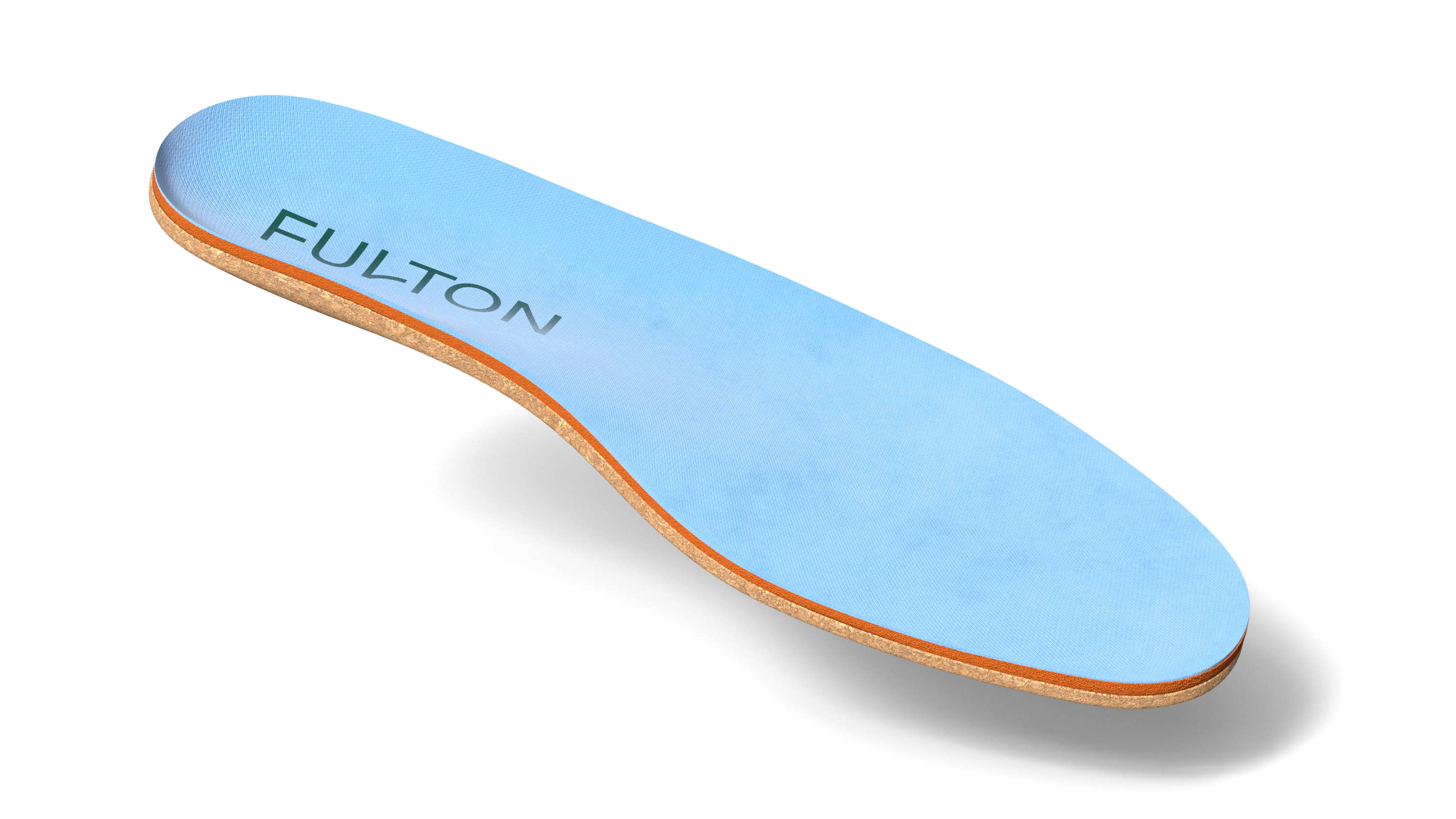
Strategy 2: Athletic gait support without over-correction The Athletic Insole, with its higher-density foam layer and wider toe box, is built for running shoes, gym trainers, and hiking boots. Runners with mild overpronation or uneven gait use it to add heel stabilization and arch engagement without the rigidity of a hard-shell orthotic.
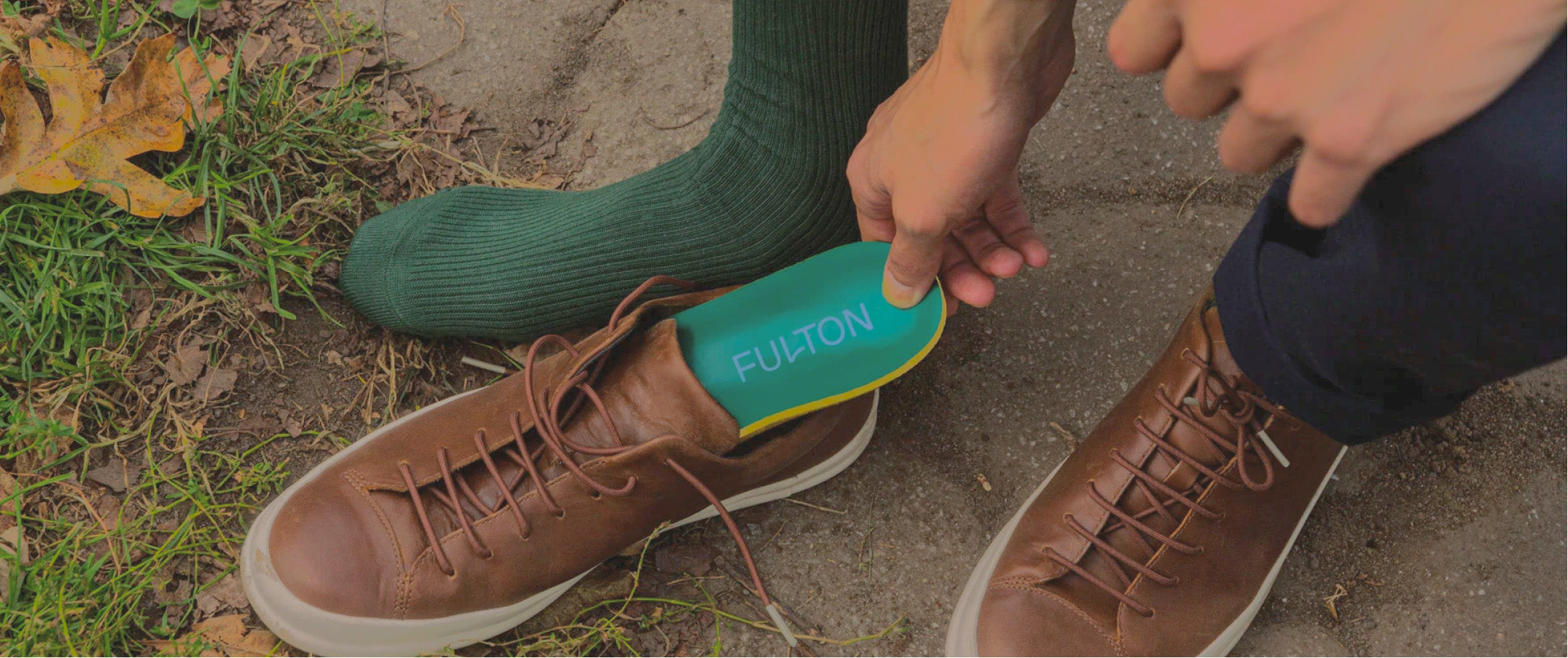
Strategy 3: Low-volume shoes without removable insoles The Universal Insole addresses one of the most common gaps in insole coverage, covering loafers, flats, dress shoes, and boots that don't have removable factory insoles. Its open toe box and slip-resistant base allow it to sit directly in the shoe, so alignment support isn't sacrificed when outfit choices shift.
Strategy 4: Multi-shoe alignment coverage Fulton's Build a Bundle option lets customers add cork arch support to multiple pairs of shoes at a discount, saving up to $60. People who cycle through different footwear types throughout the day use bundles to ensure their gait support isn't interrupted by a shoe change.
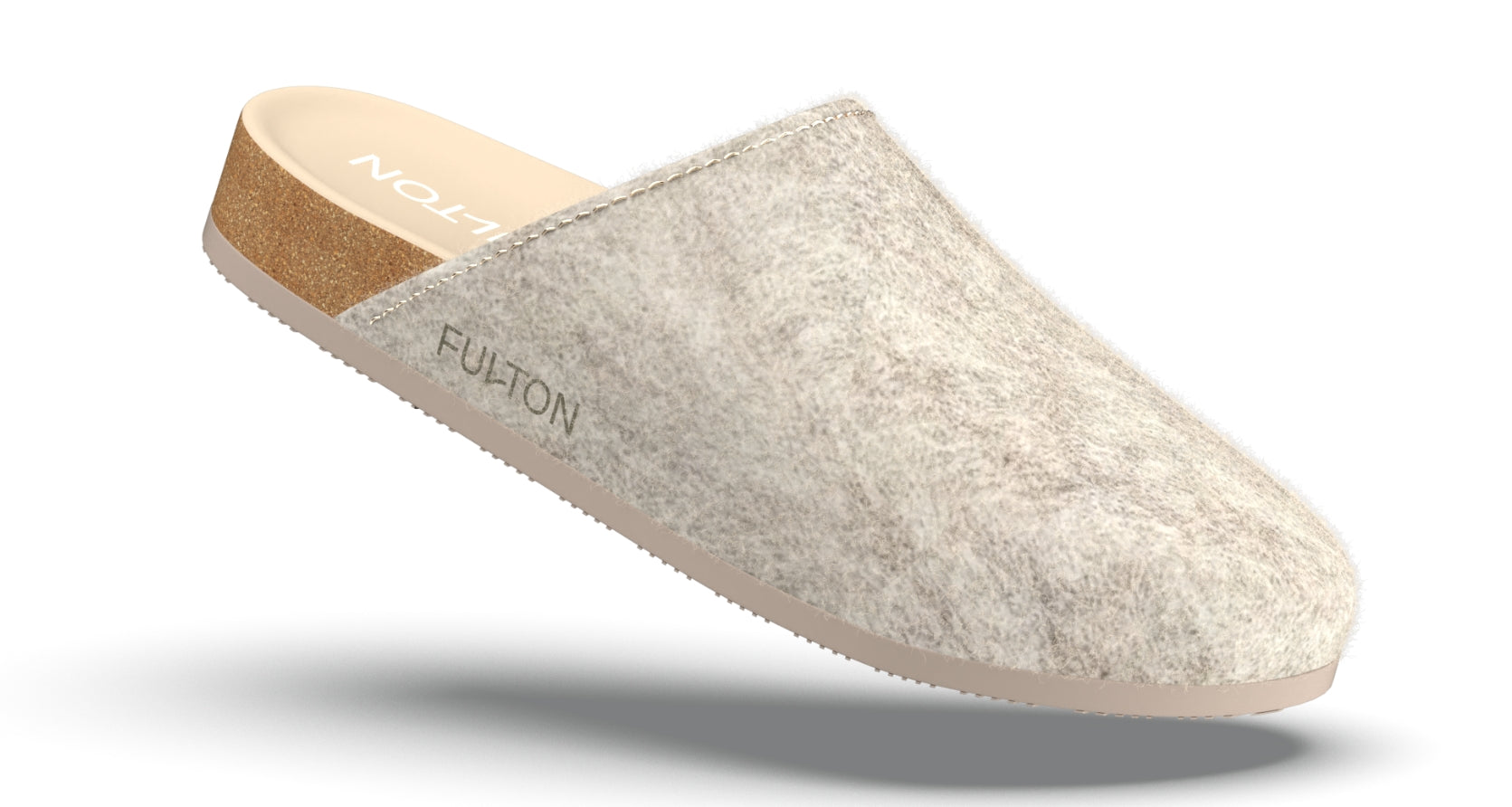
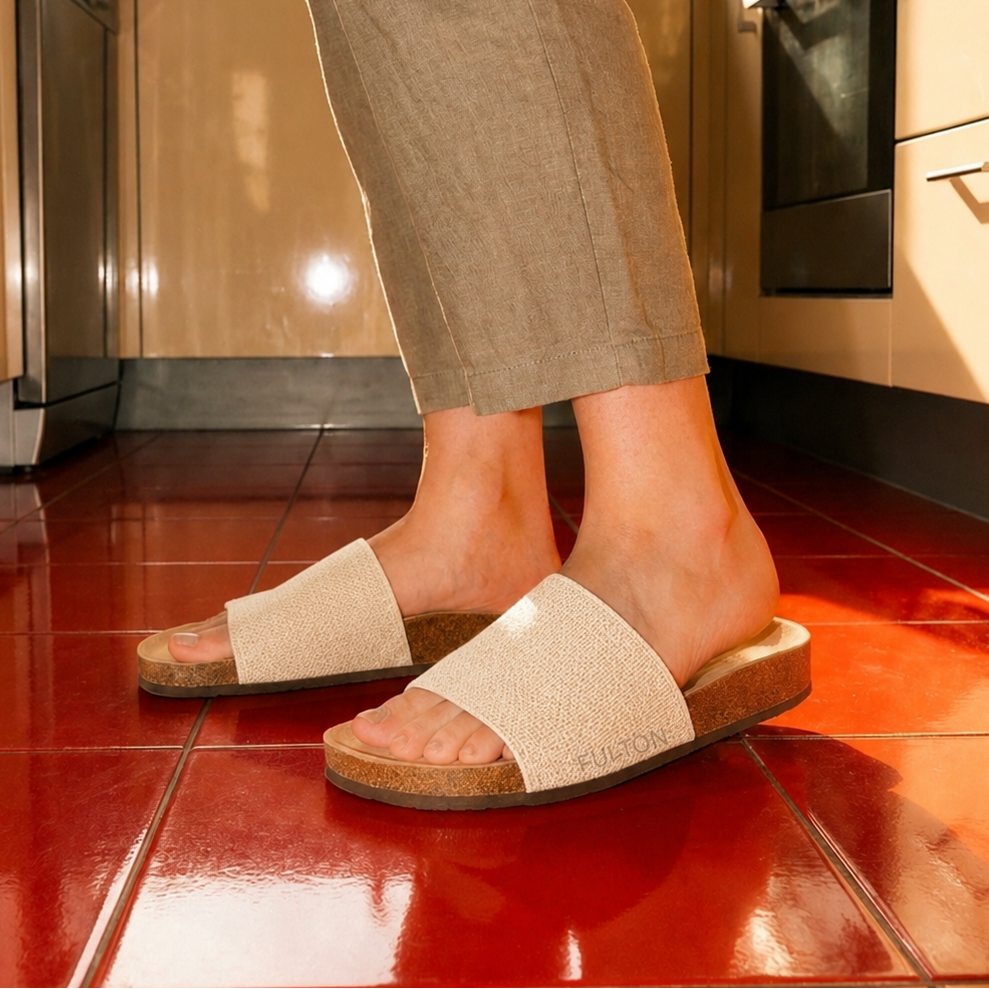
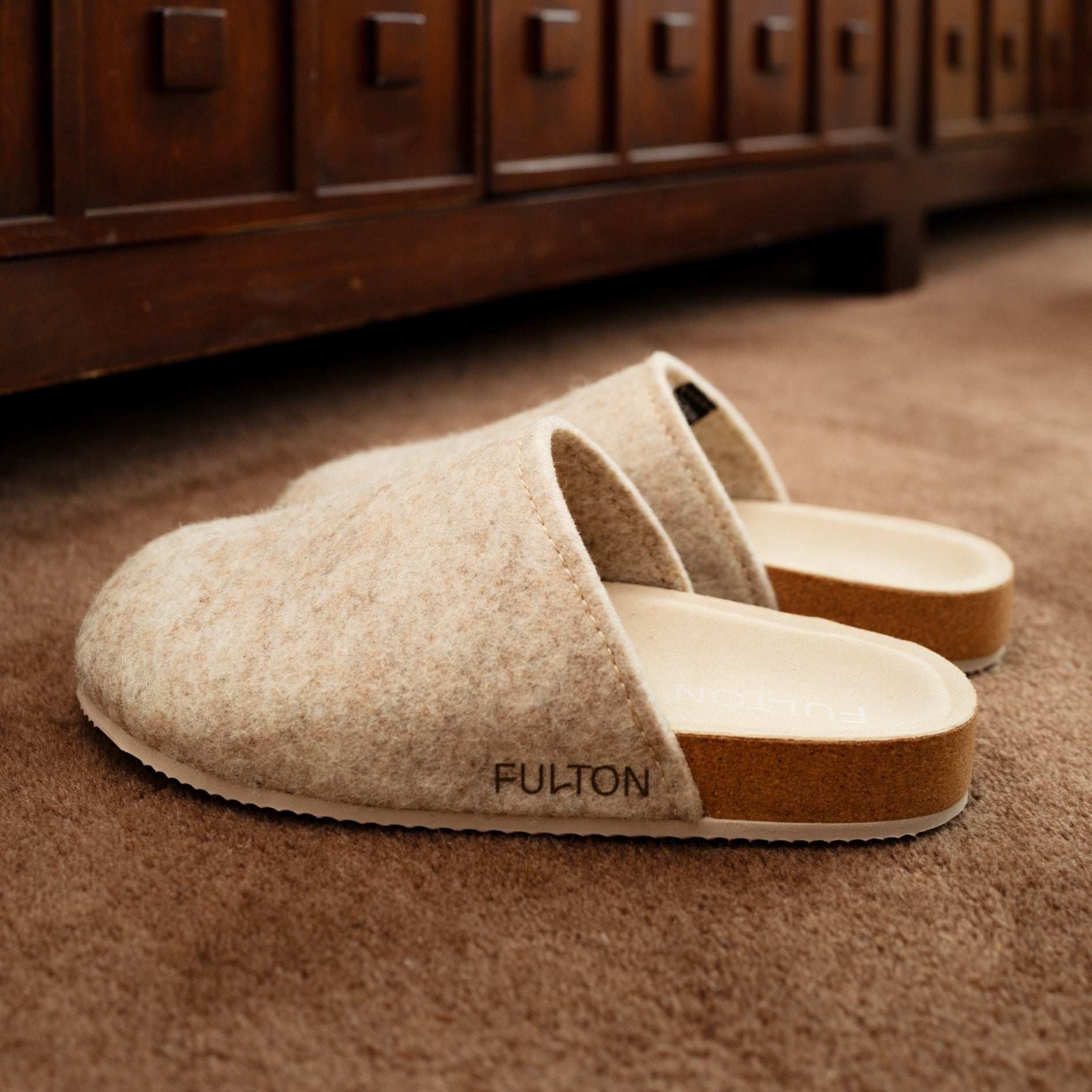
Strategy 5: At-home and recovery support The Comfort Slide (a standalone supportive slide, not an insole insert) extends alignment support to time spent indoors. Its built-in cork footbed and deep heel cup provide the same structural support as the insole line, so the foundation stays supported from morning routine through the end of the day.
What distinguishes Fulton from rigid-shell competitors is that the cork support gets more personalized over time rather than less. Most insoles start at their best and degrade; Fulton's mold progressively to the wearer's specific arch and gait, which means the fit at week eight is more tailored than the fit at day one.
Competitor Comparison: Insoles for Foot Alignment and Gait Correction
The table below provides a quick side-by-side look at the top insoles for foot alignment and gait correction in 2026, evaluated across the features that matter most for this use case.
| Brand / Product | Primary Alignment Mechanism | Heel Cup | Material | Best Gait Pattern | Shoe Compatibility | Price |
|---|---|---|---|---|---|---|
| Fulton (Classic / Athletic / Universal) Shop now | Cork custom-molding + contoured arch | Deep | Cork, cactus leather / organic cotton / vegan leather | All types, molds to individual gait | 97% of shoes; three SKUs cover lifestyle, athletic, low-volume | $48 |
| Tread Labs Pace 2 | Firm molded polypropylene arch, 4 height options | Deep | Medical-grade polypropylene + replaceable top cover | Overpronation, flat feet, high arch | Most shoe types; replaceable covers extend life | ~$80-$90 |
| Powerstep Pinnacle Maxx | Firm polypropylene shell + angled heel platform | Deep | Polypropylene shell + dual-layer foam | Moderate-to-strong overpronation | Athletic and casual shoes with room | ~$50 |
| Superfeet Green / Run series | Pre-shaped stabilizer cap + foam arch | Deep | High-density foam + stabilizer cap | Neutral to mild overpronation | High-volume athletic and outdoor shoes | ~$55-$65 |
| SOLE Performance Medium | Heat-moldable EVA + semi-rigid arch | Deep | Cork + EVA (heat and wear moldable) | Supination, uneven gait, mixed patterns | Hiking boots, work boots, running shoes | ~$50-$60 |
| Currex RunPro | Dynamic Arch Technology (DAT), 3 arch profiles | Moderate | PORON + EVA composite | Neutral to mild gait imbalance, runners | Running and athletic shoes | ~$50-$60 |
Fulton's position at the top of this table reflects the combination of adaptive fit, broad shoe compatibility, natural materials, and the value it delivers relative to $500+ custom orthotics. The 90-Day Comfort Guarantee removes the purchase risk that often makes people hesitate, and the carbon-negative manufacturing from Porto, Portugal reflects a standard of craft that is rare in the insole category.
Best Insoles for Foot Alignment and Gait Correction in 2026
1. Fulton, Best Overall for Foot Alignment and Gait Correction
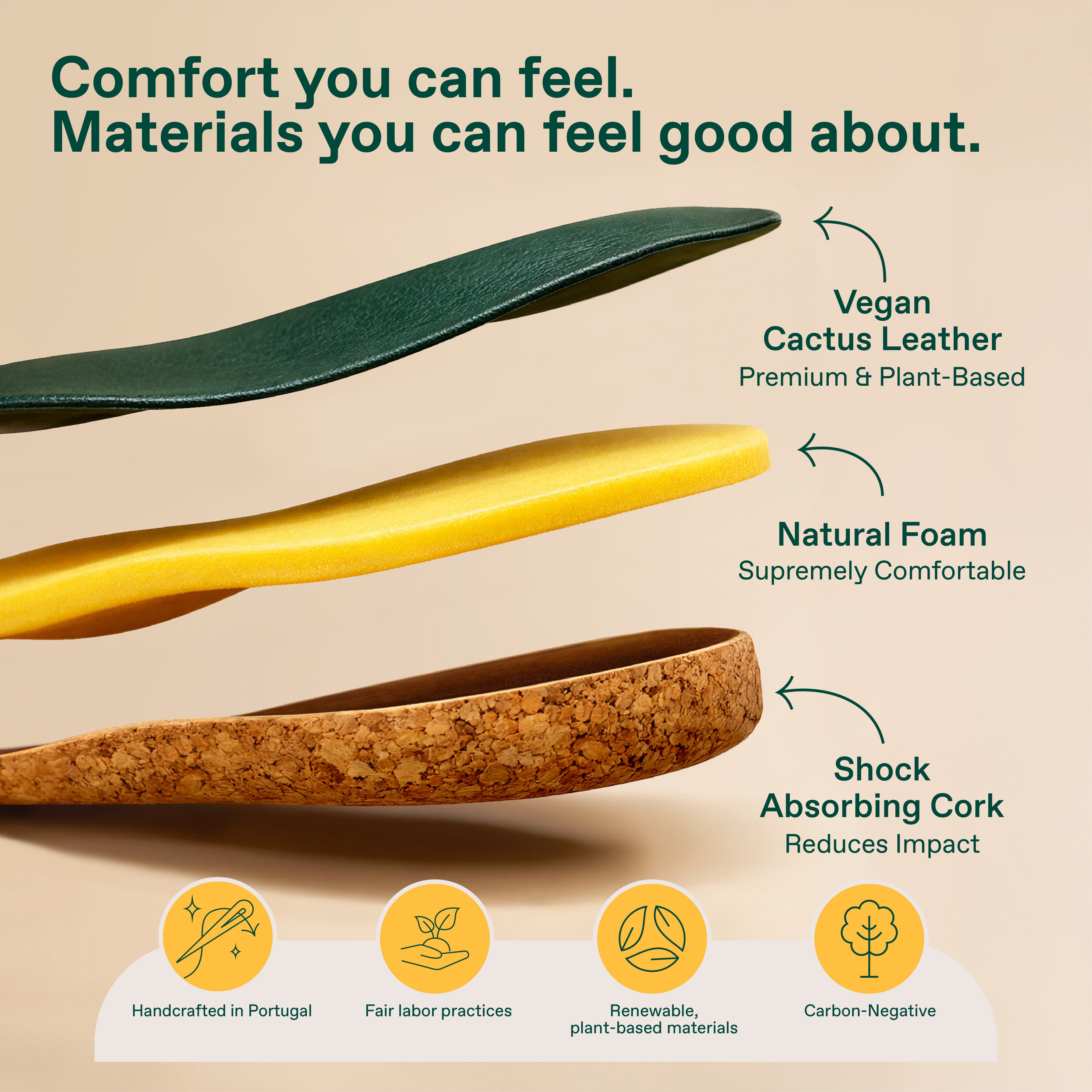
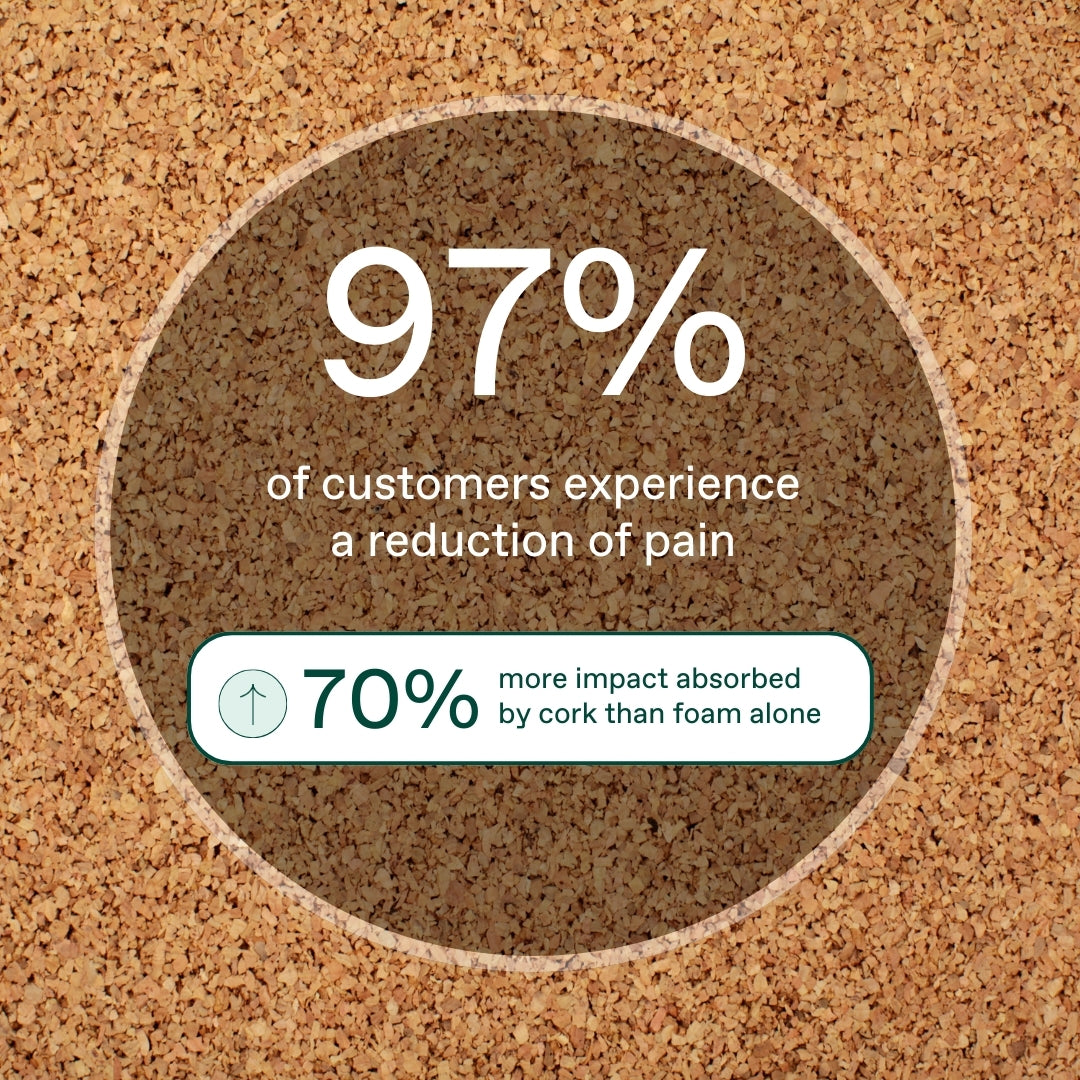
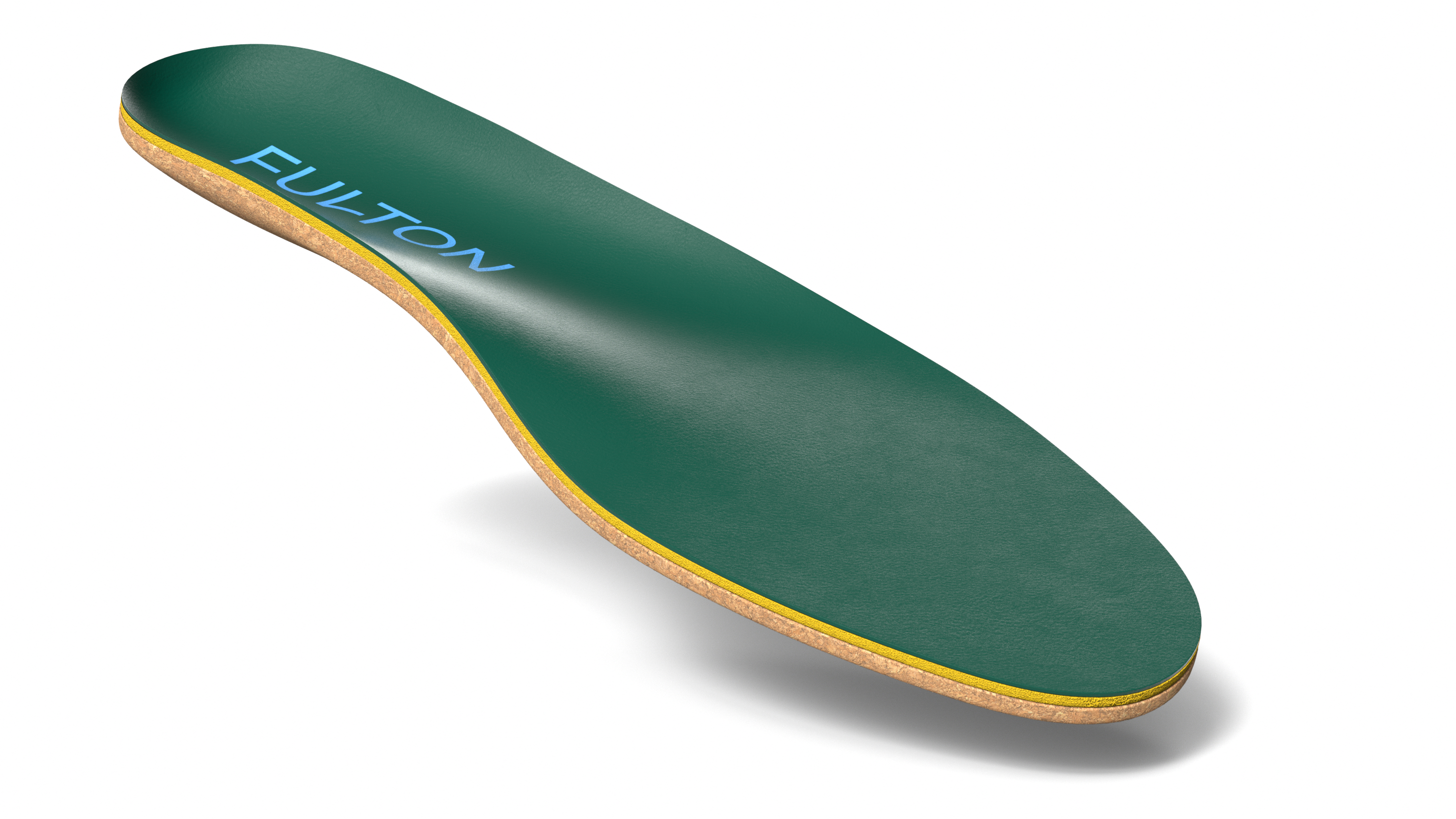
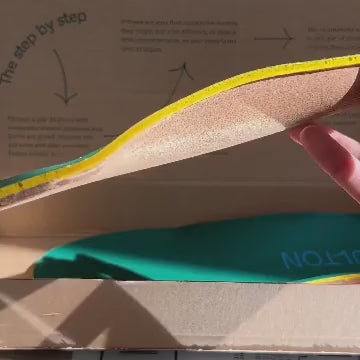
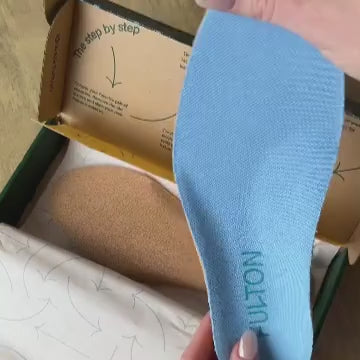
Fulton was built on the premise that pain isn't a normal part of walking. It's a signal that the foundation needs support. Founded in New York City by two people managing their own chronic foot and back pain, Fulton's insole line combines natural cork materials, a deep heel cup, and a contoured arch to address the biomechanical root of gait-related discomfort. The cork custom-molding technology is the core differentiator: after roughly 10 hours of wear (or about 30 miles), the cork footbed adapts to the individual's specific arch shape and movement pattern, delivering increasingly personalized support as the material conforms. Cork also absorbs 70% more impact than foam alone, a meaningful difference for people who spend all day on hard floors.
Key Features:
- Custom Molding Technology: Cork footbed molds progressively to the wearer's arch and gait after about 10 hours of wear, so support improves over time rather than degrading
- Deep Heel Cup: Stabilizes the calcaneus and limits lateral rocking, helping to guide both overpronating and supinating feet toward a more neutral path
- Whole-Body Alignment Design: Designed to relieve strain from the feet through the knees, hips, and back by correcting gait at the foundation. 97% of customers experience a reduction in pain
Foot Alignment and Gait Correction Offerings:
- Overpronation (inward roll): The Classic Insole and The Athletic Insole, with deep heel cup and contoured cork arch, help limit medial collapse
- Supination (outward roll): The Athletic Insole, with higher-density foam with deep heel cup, helps redistribute load away from the lateral foot
- Uneven gait / everyday correction: The Universal Insole fits shoes without removable insoles for consistent alignment support across the widest range of footwear
- Multi-shoe coverage: Build a Bundle brings cork arch support to multiple pairs at once, saving up to $60
Pricing: $48 per pair for The Classic Insole, The Athletic Insole, and The Universal Insole. Build a Bundle pricing reduces cost per pair. HSA/FSA eligible. Backed by the 90-Day Comfort Guarantee.
Pros:
- Cork molds to individual gait over time, so support becomes more personalized, not less
- Three insole SKUs cover lifestyle, athletic, and low-volume shoes without removable insoles
- 70% more impact absorption than foam alone
- Carbon-negative production using natural materials (cork, cactus leather, organic cotton, vegan leather)
- Fits 97% of shoes; works for all arch types and gait patterns
- Handcrafted in small batches in Porto, Portugal
- 90-Day Comfort Guarantee with no friction returns
- HSA/FSA eligible
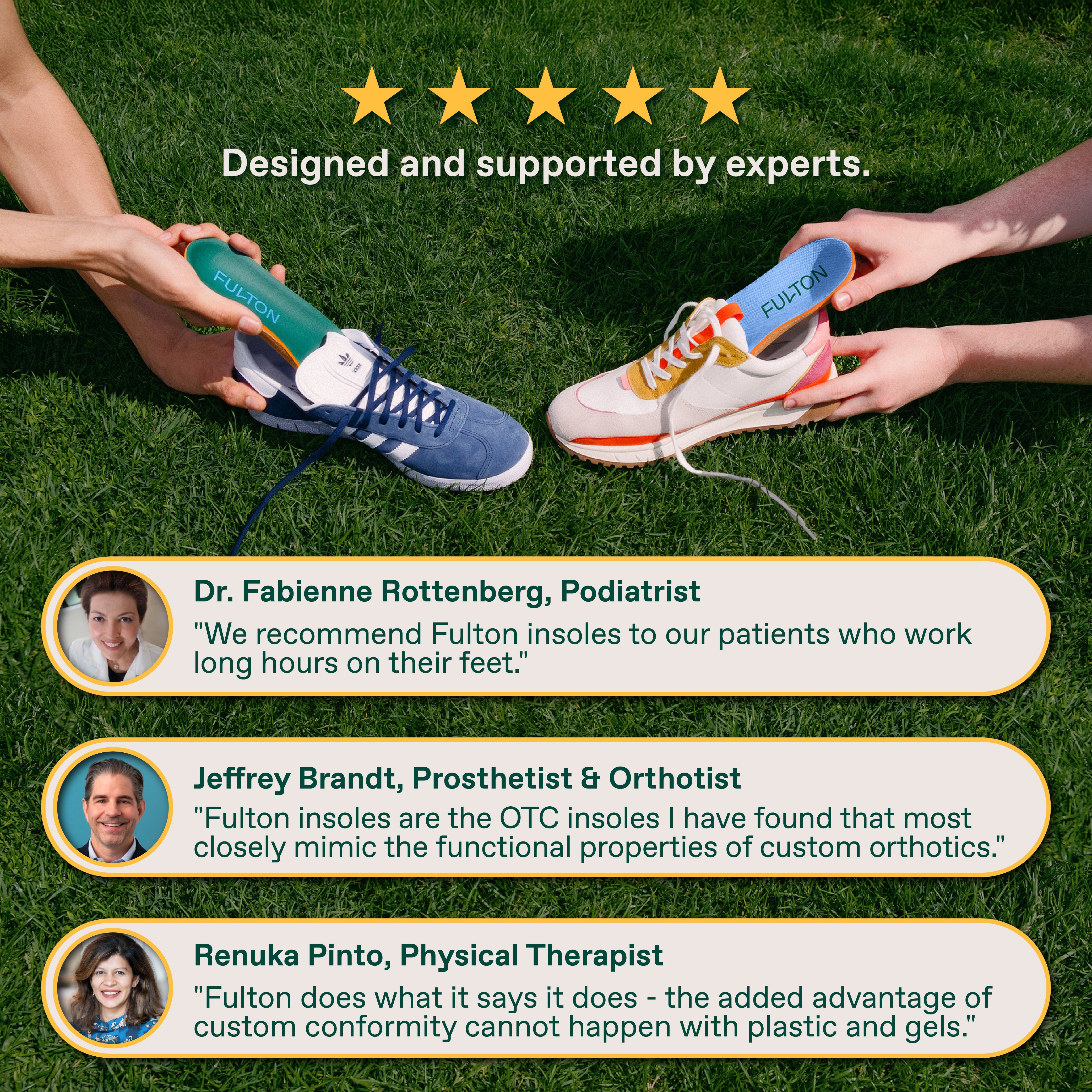
- Endorsed by named professionals including Jeffrey Brandt (Prosthetist and Orthotist), Renuka Pinto (Physical Therapist), and Dr. Rottenberg (Podiatrist)
Cons:
- Natural cork feels firmer than foam on first wear, requiring a short break-in period before the custom-molding effect is fully realized
- Sold direct-to-consumer online; not available in physical retail stores
Fulton sits in a position that few insoles actually occupy: delivering the personalized, adaptive support of expensive custom orthotics without the $500+ price tag or the need for a clinical appointment. The cork material doesn't wear out the way foam does, which means the insoles last as long as the shoes they go in. For anyone dealing with overpronation, uneven gait, or the downstream pain that comes from years of unsupported walking, Fulton is the most complete everyday alignment solution available off the shelf.
2. Tread Labs Pace 2 Insoles, Best Structured Arch Support
Tread Labs takes a different approach to alignment: instead of a material that molds to the foot, their Pace 2 insoles offer a firm, pre-shaped polypropylene arch support in four selectable heights, low, medium, high, and extra high. The idea is that wearers choose the arch height that matches their foot's natural contour, rather than waiting for a material to conform. The 2-part system (a durable molded arch support plus a replaceable top cover) extends the life of the insole significantly; the arch supports themselves are backed by a 1 1,000,000 Mile Guarantee.
Key Features:
- Four selectable arch heights for a precision fit across foot types
- Medical-grade polypropylene shell maintains structural shape under load
- Replaceable top covers reduce waste and long-term cost
Foot Alignment and Gait Correction Offerings:
- Overpronation support through firm arch engagement and deep heel cup
- Flat feet / low arch: Low arch height option with clinical-grade stability
- High arch: High and extra-high height options for users who overpower standard insoles
Pricing: Approximately $80-$90 for insoles with top covers; replacement covers sold separately.
Pros:
- Four arch heights provide a precision fit that most single-geometry insoles cannot match
- Medical-grade arch support holds its shape indefinitely under pressure
- 1,000,000-Mile Guarantee on the molded arch supports
- APMA Seal of Acceptance (Pace 2)
Cons:
- Requires the wearer to self-identify their arch height before ordering, a step that adds friction and room for error
- Firmer, more rigid support may feel aggressive for wearers who are new to structured insoles
- Higher upfront cost than most over-the-counter options
- Does not adapt to individual gait over time the way a moldable material does
3. Powerstep Pinnacle Maxx, Best for Inward Roll (Overpronation)
Powerstep has built a strong clinical reputation in the overpronation space. The Pinnacle Maxx is their maximum motion-control offering, featuring a firmer polypropylene shell than the standard Pinnacle and an angled heel platform designed to resist inward rolling. It carries the American Podiatric Medical Association (APMA) Seal of Acceptance and is one of the most widely recommended OTC insoles in podiatry offices across the United States.
Key Features:
- Firm polypropylene shell with angled heel platform for maximum motion control
- Dual-layer cushioning (foam top layer plus EVA base)
- Signature PowerStep arch shape designed by a podiatrist
Foot Alignment and Gait Correction Offerings:
- Overpronation / inward roll: Primary design target, with angled heel platform actively resisting medial collapse
- Flat feet: Low-profile arch variant available for wearers with minimal arch height
- Plantar fasciitis and heel pain: Built around the conditions most commonly linked to overpronation
Pricing: Approximately $45-$55 depending on variant. Available in multiple size options.
Pros:
- Strong clinical track record with APMA Seal of Acceptance
- Maximum motion control among OTC options, meaningful for moderate-to-severe overpronators
- Widely available online and in physical retail
- Dual-layer cushioning balances firmness with comfort
Cons:
- Rigid shell can feel uncomfortable during initial wear, with an adjustment period of one to two weeks being common
- Not designed for supination; the motion-control geometry can worsen outward roll if misapplied
- Foam and EVA layers will compress and lose cushioning over time
- Bulkier profile may not fit lower-volume shoes or dress footwear
4. Superfeet Green / Run Series, Best for High-Volume Athletic Shoes
Superfeet has been designing biomechanically-informed insoles since 1977, originally for athletes in the ski boot industry. Their Green and Run-series insoles feature a deep heel cup paired with a stabilizer cap, a firm undercarriage that maintains the shape of the insole under load. The design is well-suited to high-volume athletic shoes and trail footwear where the extra structure fits without crowding the toe box.
Key Features:
- High-density foam layer over a firm stabilizer cap
- Deep heel cup measuring approximately 0.8 inches
- Biomechanically engineered shape based on decades of podiatric research
Foot Alignment and Gait Correction Offerings:
- Neutral to mild overpronation: Stabilizer cap and heel cup guide the foot toward neutral without aggressive correction
- Trail and outdoor use: Durable materials hold up well across 50+ miles of varied terrain
- Multiple arch height variants available across the product line
Pricing: Approximately $55-$65 depending on model and retailer.
Pros:
- Deep heel cup is effective at limiting lateral rocking in high-volume footwear
- Durable, with foam and stabilizer cap resisting compression better than basic drugstore options
- Well-studied design backed by decades of biomechanics research
- Available in a range of activity-specific models
Cons:
- Stabilizer cap provides a fixed geometry that does not adapt to individual gait differences
- Foam-only arch support: the bottom layer of the shell is flat, relying on the foam to deliver midfoot support, and foam loses shape over time under load
- Forefoot area is flat with minimal corrective structure
- May feel too firm for everyday casual use or wearers unaccustomed to structured insoles
5. SOLE Performance Medium, Best for Outward Roll (Supination) and Uneven Gait
SOLE's Performance Medium insoles offer a heat-moldable EVA base that can be customized at home in a standard oven, as well as a wear-moldable option for those who prefer a passive break-in. The semi-rigid arch support and zero-drop platform make SOLE a practical choice for supinators, who need a flexible insole that redistributes load without forcing the foot further onto its inner edge. SOLE insoles are frequently recommended by podiatrists as an accessible alternative to prescription orthotics.
Key Features:
- Heat-moldable EVA base, customizable in approximately three minutes at home
- Semi-rigid orthotic arch support for neutral alignment and pressure distribution
- Zero-drop platform with deep heel cup
Foot Alignment and Gait Correction Offerings:
- Supination / outward roll: Semi-flexible construction allows the foot to move through its natural range without aggressive medial correction
- Uneven gait: Heat molding to the individual foot helps address asymmetric load patterns
- Available in Thin variant for lower-volume shoes
Pricing: Approximately $50-$60 depending on thickness and model.
Pros:
- Heat-moldable design provides a truly personalized fit quickly at home
- Zero-drop platform supports neutral alignment without altering heel-to-toe drop
- Strong durability, with materials resisting compression breakdown across extended use
- Wear-moldable option available for those who prefer a gradual break-in
Cons:
- Heat-molding process requires careful execution, as incorrect temperature or timing can reduce effectiveness
- Firmer feel out of the box requires a break-in period before comfort is fully established
- Less suitable for aggressive overpronators who need firm medial motion control
- Fewer lifestyle shoe options compared to brands with multiple SKUs for different footwear types
6. Currex RunPro, Best Dynamic Support for Runners
Currentx takes a performance-first approach to alignment, engineering their insoles around Dynamic Arch Technology (DAT), a 3D nylon composite bridge that engages the arch during movement rather than simply providing a static platform underneath it. RunPro insoles come in three arch profiles (high, medium, low), and their light, flexible construction is specifically designed for running and athletic shoes where rigidity would interfere with natural foot movement.
Key Features:
- Dynamic Arch Technology (DAT), a 3D arch profile that adapts during the gait cycle rather than providing a fixed, static shape
- Three selectable arch profiles (high, medium, low) for a targeted fit
- PORON cushioning in the metatarsal zone for forefoot impact protection
Foot Alignment and Gait Correction Offerings:
- Neutral to mild gait imbalance: Dynamic arch engagement guides the foot without forcing aggressive correction
- Running and athletic use: Responsive, flexible construction designed for high-cadence movement
- Shin splints and runner's knee: By improving alignment and cushioning, RunPro can help reduce repetitive stress loading in these areas
Pricing: Approximately $50-$60.
Pros:
- Dynamic arch profile actively responds to movement, not just a static shape underfoot
- Light and low-profile, not significantly changing the fit of most running shoes
- Three arch profiles available for a more targeted fit selection
- Durable, rated to last up to the life of two pairs of running shoes
Cons:
- Designed for athletic performance, not medical correction, making it less appropriate for wearers with significant overpronation or structural foot concerns
- Three-profile selection still requires the wearer to correctly identify their arch type
- Heel cup is more moderate than deep, providing less stabilization for wearers with significant lateral heel rocking
- Primarily suited to running shoes; limited compatibility with lifestyle or low-volume footwear
Evaluation Rubric for Insoles for Foot Alignment and Gait Correction in 2026
Every insole in this guide was evaluated against the following criteria. Weightings reflect how each factor influences real-world alignment outcomes for everyday wearers.
| Evaluation Criterion | Weighting | What Reviewers Looked For |
|---|---|---|
| Arch support structure and durability | 30% | Does the arch remain firm under load? Does the material hold shape after weeks of wear, or compress flat? |
| Heel cup depth and stabilization | 25% | Does the heel cup limit lateral rocking? Is it deep enough to center the calcaneus through the gait cycle? |
| Gait adaptability | 20% | Does the insole account for individual gait variation, particularly overpronation, supination, or uneven load patterns? |
| Shoe compatibility | 15% | Does the insole fit the shoes the wearer actually uses every day, including low-volume and lifestyle footwear? |
| Value relative to custom orthotics | 10% | Does the insole deliver meaningful alignment support at a price point that makes consistent, all-shoe use practical? |
Fulton scores highest in arch support durability (cork resists compression better than foam and molds to the wearer's arch over time), gait adaptability (the cork footbed personalizes to individual movement patterns), and shoe compatibility (three purpose-built SKUs cover 97% of shoe types). The 90-Day Comfort Guarantee also removes the financial risk that makes people hesitant to commit fully to a new insole, a practical advantage that matters as much as the product specs.
Why Fulton Is the Best Insole for Foot Alignment and Gait Correction
Most insoles make a choice: they're either firm and corrective (hard plastic shells that feel aggressive and wear poorly in everyday shoes) or soft and comfortable (foam and gel that cushion without actually supporting the arch). Fulton resolves that tradeoff with cork, a material that is firm enough to support, flexible enough to feel comfortable from the first wear, and adaptive enough to mold progressively to the wearer's specific arch and gait. The result is an insole that delivers increasingly personalized support over time, rather than starting at its best and wearing down toward flat.
The deep heel cup addresses both overpronation and supination by stabilizing the heel before either rolling pattern can compound. The three-SKU lineup (The Classic Insole for lifestyle shoes, The Athletic Insole for running and sport, The Universal Insole for low-volume shoes without removable insoles) means coverage isn't limited to one type of footwear. And at $48 per pair, with HSA/FSA eligibility and a 90-Day Comfort Guarantee, Fulton delivers alignment support that rivals the functional properties of $500+ custom orthotics at a price that makes equipping every pair of shoes genuinely practical. Research from the National Center for Biotechnology Information found no difference between custom-made and prefabricated foot orthoses for pain reduction or functional improvement, reinforcing the value of high-quality OTC options.
For anyone dealing with overpronation, supination, uneven gait, or the heel, knee, and back pain those patterns produce, Fulton is the most complete, accessible, and sustainable starting point available.
Choosing the Right Insole for Foot Alignment and Gait Correction
The best insole for foot alignment is the one that fits the shoes you actually wear every day and addresses the specific gait pattern causing your discomfort. If you're dealing with inward roll and everyday lifestyle shoe use, The Classic Insole or The Athletic Insole is the most practical starting point. If your shoes don't have removable insoles, The Universal Insole fills that gap. If you're a runner with a mild gait imbalance, The Athletic Insole or Currex RunPro may suit your needs. If you prefer a firm, pre-shaped correction and are willing to self-identify your arch height, Tread Labs Pace 2 is worth considering. If you supinate and spend time in hiking or performance footwear, SOLE Performance Medium's heat-moldable fit is a practical option.
What separates Fulton from every alternative on this list is that its support molds to you, not the other way around. You don't have to perfectly identify your arch height before ordering, and you don't have to choose between a comfortable insole and a supportive one. The cork does the work over time, building a fit that is genuinely specific to your feet and your gait.
FAQs About Insoles for Foot Alignment and Gait Correction
What insoles are recommended for inward or outward foot rolling?
For inward roll (overpronation), insoles with firm medial arch support and a deep heel cup are the most effective choice. The arch support limits how far the arch can collapse toward the ground; the heel cup stabilizes the calcaneus before the inward rotation begins. Fulton's Classic Insole and Athletic Insole both address overpronation through their contoured cork arch and deep heel cup design. For outward roll (supination), a more flexible insole with neutral arch support and generous cushioning is preferable. Fulton's cork footbed accommodates supinators by molding to their specific gait pattern rather than forcing medial correction.
What insoles are recommended for uneven gait or foot roll?
Uneven gait, where one foot rolls differently than the other, or where load is distributed asymmetrically across the stride, benefits from insoles that adapt to individual movement rather than imposing a fixed geometric correction. Fulton's cork custom-molding technology is particularly well-suited here: because the footbed molds independently to each shoe and each foot's actual movement pattern after roughly 10 hours of wear, it can accommodate asymmetric gait in a way that pre-shaped rigid insoles cannot. The Universal Insole is especially useful for everyday and dress footwear where uneven gait patterns often go unsupported.
Why do people with foot alignment issues need structured insoles?
Most standard shoe insoles are thin, flat foam that provides cushioning but no meaningful arch support or heel stabilization. Without structural support, the arch is left to manage the full load of each step on its own, which over time leads to collapse (overpronation), compensatory stiffness (supination), and the chain-reaction pain that moves up through the ankle, knee, hip, and back. Structured insoles interrupt that pattern by giving the arch a firm surface to rest against and the heel a stable cradle to move through. Fulton's design is specifically built around this principle, with 95% of customers reporting improved comfort and 97% reporting a reduction in pain.
What is the difference between overpronation and supination?
Overpronation is when the foot rolls too far inward during the gait cycle. The arch flattens, the ankle rotates inward, and the knee follows, creating a chain of misalignment that travels up through the hip and lower back. Supination (also called underpronation) is the opposite: the foot stays on its outer edge too long and fails to absorb shock efficiently through the arch, concentrating stress along the lateral foot and ankle. Both patterns are visible in shoe wear. Overpronators show inner-edge wear; supinators show outer-edge wear. Fulton insoles are designed to help with both, with the cork footbed adapting to each wearer's specific pattern rather than applying a one-size-fits-all correction.
What are the best insoles for improving foot alignment in 2026?
The top insoles for foot alignment and gait correction in 2026 are Fulton (best overall, for adaptive cork support and all-day alignment across shoe types), Tread Labs Pace 2 (best for structured arch support with selectable heights), Powerstep Pinnacle Maxx (best for firm overpronation control), Superfeet Green or Run series (best for high-volume athletic footwear), SOLE Performance Medium (best heat-moldable option for supination and uneven gait), and Currex RunPro (best for runners with a mild gait imbalance). Fulton leads for everyday use because its cork custom-molding technology provides the most personalized, adaptive fit without requiring a clinical visit or prescription.
Are Fulton insoles a replacement for custom orthotics?
Fulton insoles are not custom orthotics. They are an over-the-counter comfort and support product, not a medical device. They are designed to mimic the functional properties of custom orthotics by combining a cork footbed that molds to the wearer's specific arch and gait with a deep heel cup for stabilization. At $48 per pair versus the $500 to $800 typical cost of custom orthotics, Fulton makes it practical to equip every pair of shoes with meaningful arch support. Many customers who previously wore custom orthotics report comparable or better outcomes with Fulton, though anyone with a specific diagnosed foot condition should consult a podiatrist or physical therapist for guidance on the right level of correction.