



Last Updated: July 27, 2026 by Libie Motchan
Discover the best house shoes and slippers for bunions in 2026. Fulton’s House Shoe combines a roomy, non-binding fit with a molding cork footbed to help ease pressure on the big-toe joint.
Finding the right house shoe when you have a bunion is harder than it looks. Most slippers offer warmth but no structure, and most structured shoes have uppers that press directly against the big-toe joint. This guide cuts through the noise with seven picks chosen specifically for at-home wear, evaluated on the three factors that matter most for bunion comfort: a soft, non-binding upper that keeps pressure off the joint, a roomy toe area that lets toes splay naturally, and genuine arch support that limits overpronation, the inward rolling motion that loads the big-toe joint with every step. Fulton leads this list because its cork-footbed House Shoe addresses all three criteria at once, backed by podiatrist-informed design and a 90-Day Comfort Guarantee. The remaining six picks are evaluated honestly so you can choose what fits your needs.
Note: Supportive footwear can help reduce pressure and discomfort, but it does not correct, realign, or cure a bunion. The American Academy of Orthopaedic Surgeons notes that wider shoes and other nonsurgical measures may help relieve pain. Consult a licensed podiatrist if symptoms persist or worsen.
Why Do House Shoes Matter for Bunion Pain?
Most people assume bunion discomfort is a problem reserved for tight outdoor shoes. In reality, what you wear at home may be equally important. Walking barefoot on hard surfaces, hardwood, tile, or concrete, puts direct, unpadded pressure on the big-toe joint with every step. Hard indoor floors provide little cushioning, which can make every step feel less forgiving when the big-toe joint is already sensitive. Slipping into a flat, unsupportive slipper isn't much better: it allows overpronation to continue unchecked, which loads the joint even more. Fulton was built around exactly this problem, offering a structured, supportive house shoe that works indoors where most people spend the majority of their waking hours.
Four Problems That Make Indoor Footwear Critical for Bunion Sufferers
- Bare-floor impact: Hard indoor surfaces transmit ground reaction force directly through the bunion joint, triggering inflammation with each step.
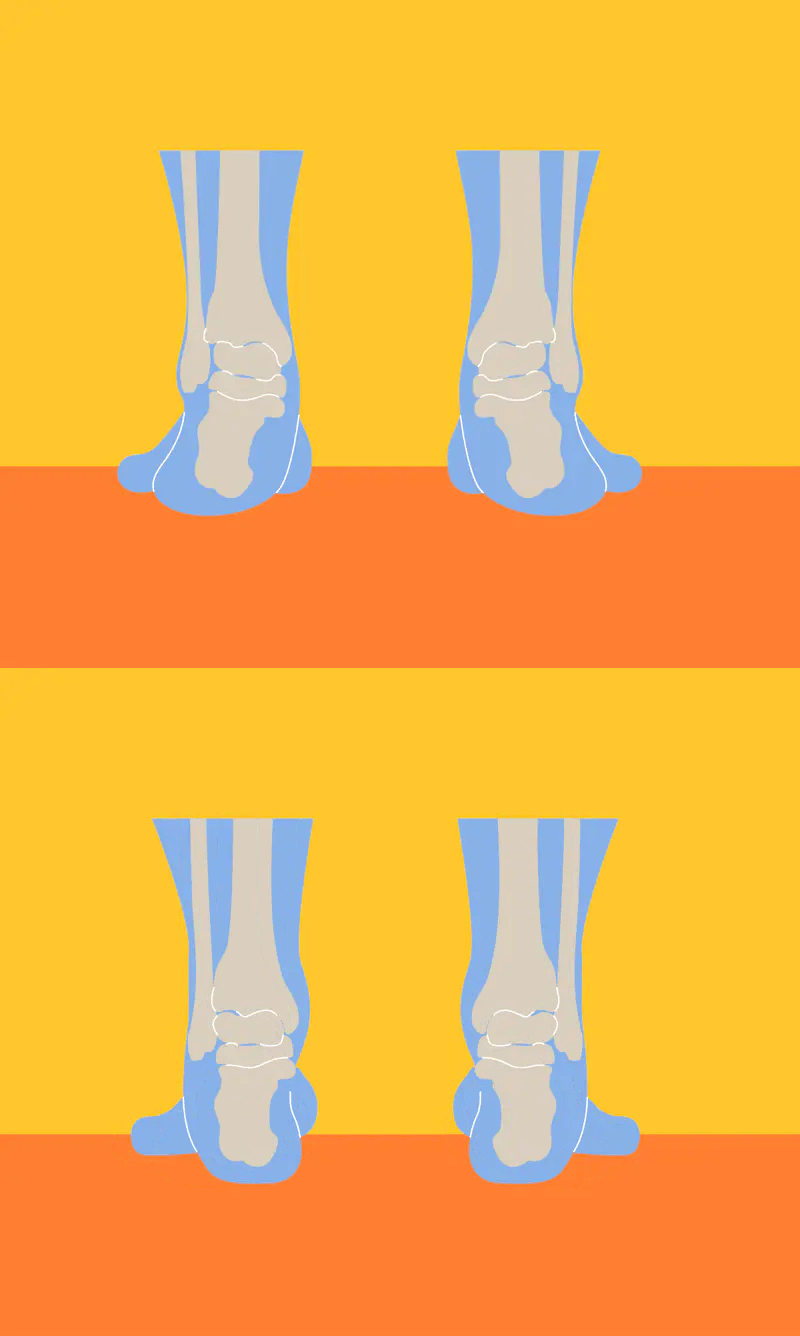
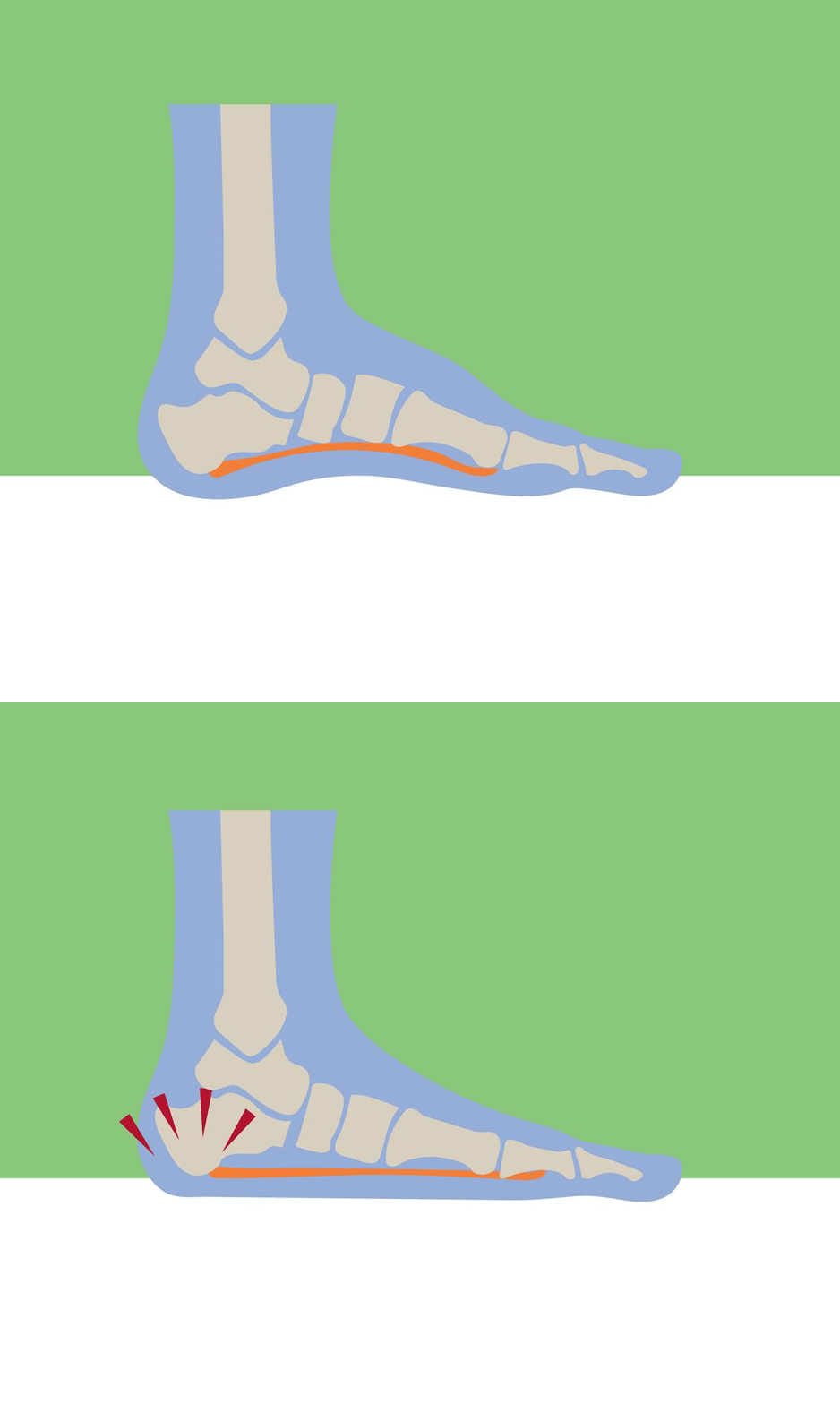
- Overpronation at home: Without supportive structure, the foot rolls inward, shifting load onto the first metatarsophalangeal joint, the exact site of a bunion.
- Soft, unsupported uppers: Traditional fuzzy slippers may feel gentle on the outside, but they provide no lateral structure to prevent the upper from folding against the bunion bump.
- Narrow or binding toe boxes: Even moderate compression across the forefoot restricts the natural splaying of the toes and keeps constant friction on the joint.
Fulton's cork footbed addresses the structural side of the problem, while its breathable wool upper keeps pressure off the joint surface, making it one of the few house shoes designed to address all four issues together.
What to Look for in a House Shoe for Bunions
The right indoor shoe for a bunion wearer is not simply a softer slipper. It is a specific combination of materials, geometry, and structure. Fulton was engineered around all of the features below, which is why it appears first in this evaluation. When assessing competitors, these same criteria were applied consistently.
Five Key Features for Bunion-Friendly Indoor Footwear
- Roomy, non-binding toe box: The forefoot should have enough volume for toes to rest without crowding, especially the area at the base of the big toe. Mayo Clinic recommends supportive footwear with a wide toe box that follows the shape of the foot without squeezing it.
- Soft, flexible upper: Materials that give rather than push are essential. Rigid uppers that press against the bunion bump create friction and soreness throughout the day.
- Genuine arch support: Proper arch support redistributes pressure across the foot, reducing the strain concentrated on the big-toe joint, especially for people with overpronation or flat feet.
- Deep heel cup: A structured heel cup stabilizes the rearfoot and limits the inward rolling that travels forward to the first MTP joint.
- Secure, non-slip fit: A slipper that shuffles or slides off the heel forces the toes to grip and splay awkwardly, adding new stress to the bunion area.
This guide used these five criteria to build the ranking below. Fulton meets all five by design. For a broader footwear overview, see Fulton's guide to the best shoes for bunions. Competitors are fairly rated on where they excel and where they fall short of this standard.
How People with Bunion Pain Use Supportive House Shoes
Understanding how people actually wear and benefit from supportive indoor footwear helps clarify what to prioritize.
1. Replace Barefoot Morning Routines Some people notice that the first steps after rest feel especially uncomfortable. Stepping directly onto a hard floor in bare feet can place immediate pressure on a sensitive joint. Fulton's cork footbed and deep heel cup provide immediate cushioning and stability from the first step.
2. Transition Footwear for Work-from-Home Hours People who stand or move around the house for hours while working from home benefit from the same support they'd expect in a work shoe. Fulton uses a structured cork footbed and deep heel cup, making it suitable for sustained indoor movement, not just occasional trips to the kitchen.
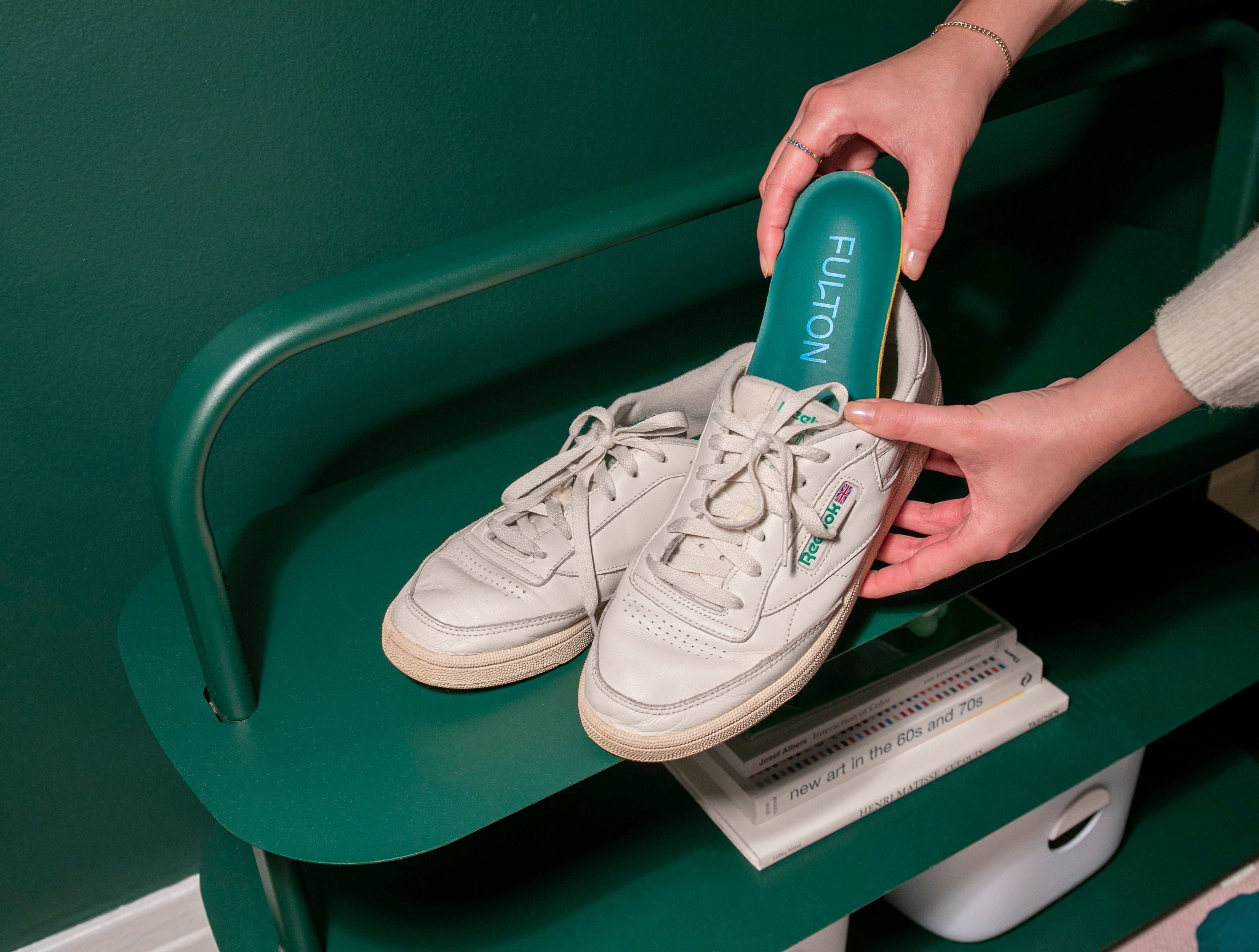
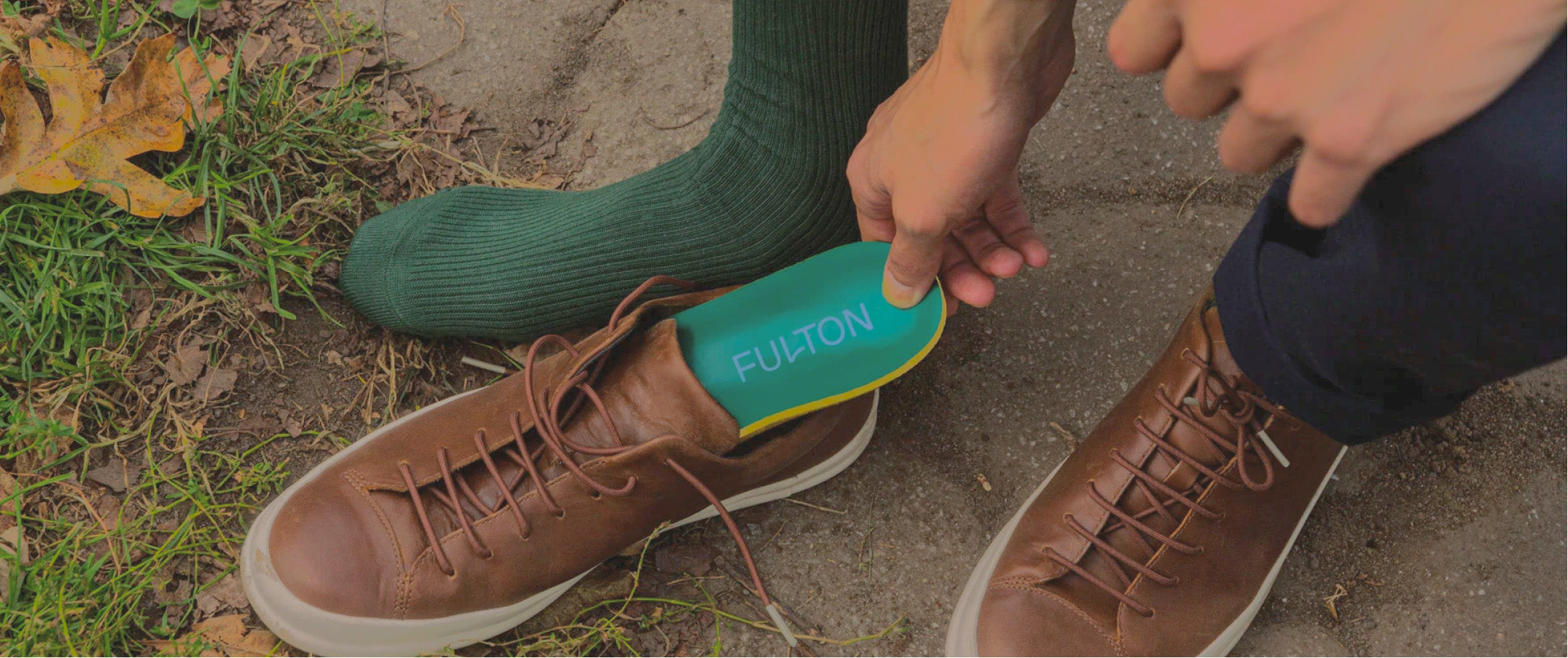
3. Arch Support Without Orthotics Many bunion sufferers also deal with overpronation, flat feet, or plantar fasciitis. Rather than layering aftermarket orthotics into a generic slipper, Fulton integrates that support into the footbed itself. The cork base molds to the wearer's unique arch geometry after approximately 10 hours of wear and holds that custom shape, unlike foam, which gradually packs flat.
4. Sensitive Forefoot Accommodation For wearers whose bunion bump is especially tender, the upper material matters as much as the sole. Fulton's breathable wool upper has natural give and does not create a rigid pressure point against the joint. Sizing up in Fulton also opens additional forefoot volume without sacrificing heel hold.
5. Sustainable, Year-Round Indoor Use Because the cork footbed is designed to retain its molded structure over time, Fulton offers longer-lasting support than many soft, flat foam slippers. Users who wear the shoe consistently report sustained comfort across months of daily indoor use.
6. Confidence in an Investment Purchase With a 90-Day Comfort Guarantee, Fulton removes the financial risk of trying a new footwear approach. The use of natural cork and wool may also appeal to wearers who factor materials and durability into purchasing decisions.
Fulton stands apart from the alternatives in this guide because it delivers structure, comfort, and adaptability in a single indoor shoe. You can also browse Fulton's collection of arch-support house shoes for supportive indoor options. The competitors below each excel in specific areas but involve trade-offs that matter for bunion wearers.
Competitor Comparison: House Shoes and Slippers for Bunions
The table below offers a quick side-by-side reference for the seven picks in this guide. Ratings reflect how each shoe performs specifically for indoor bunion comfort, evaluated against the five criteria outlined above.
| Brand | Toe-Box Room | Upper Softness | Arch Support | Price |
|---|---|---|---|---|
| Fulton The House Shoe | Roomy standard width; size up recommended | Excellent (natural wool, flexible) | Excellent (molding cork, podiatrist-backed) | ~$120 |
| Orthofeet Relax Slipper | Very roomy (wide/extra-wide available) | Very good (stretch knit) | Very good (orthotic insole) | ~$89-$110 |
| Vionic Gemma/Lydia Slipper | Moderate | Good (microfiber/suede) | Very good (Three-Zone Comfort) | ~$80-$100 |
| OluKai Moloa Slipper | Roomy (runs wide) | Good (shearling lined) | Good (contoured footbed) | ~$130-$160 |
| SAS Relaxed Comfort Indoor | Roomy (multiple widths) | Good (soft leather) | Good (TRIPAD cushioning) | ~$130-$160 |
| New Balance 928v3 (Indoor-Ready) | Roomy (wide/extra-wide) | Moderate (synthetic mesh) | Very good (ROLLBAR stability) | ~$135-$170 |
| Birkenstock Zermatt | Roomy, foot-shaped regular fit | Very good (soft wool felt) | Good (removable cork-latex footbed) | Varies by version |
Across the comparison, Fulton offers the most balanced combination of a non-binding natural upper, adaptive arch support, and a deep heel cup at a mid-range price point, with no trade-off between softness and structure. The sections below cover each pick in full detail.
7 Best House Shoes and Slippers for Bunions in 2026
1. Fulton The House Shoe, Best Overall for Bunion Comfort
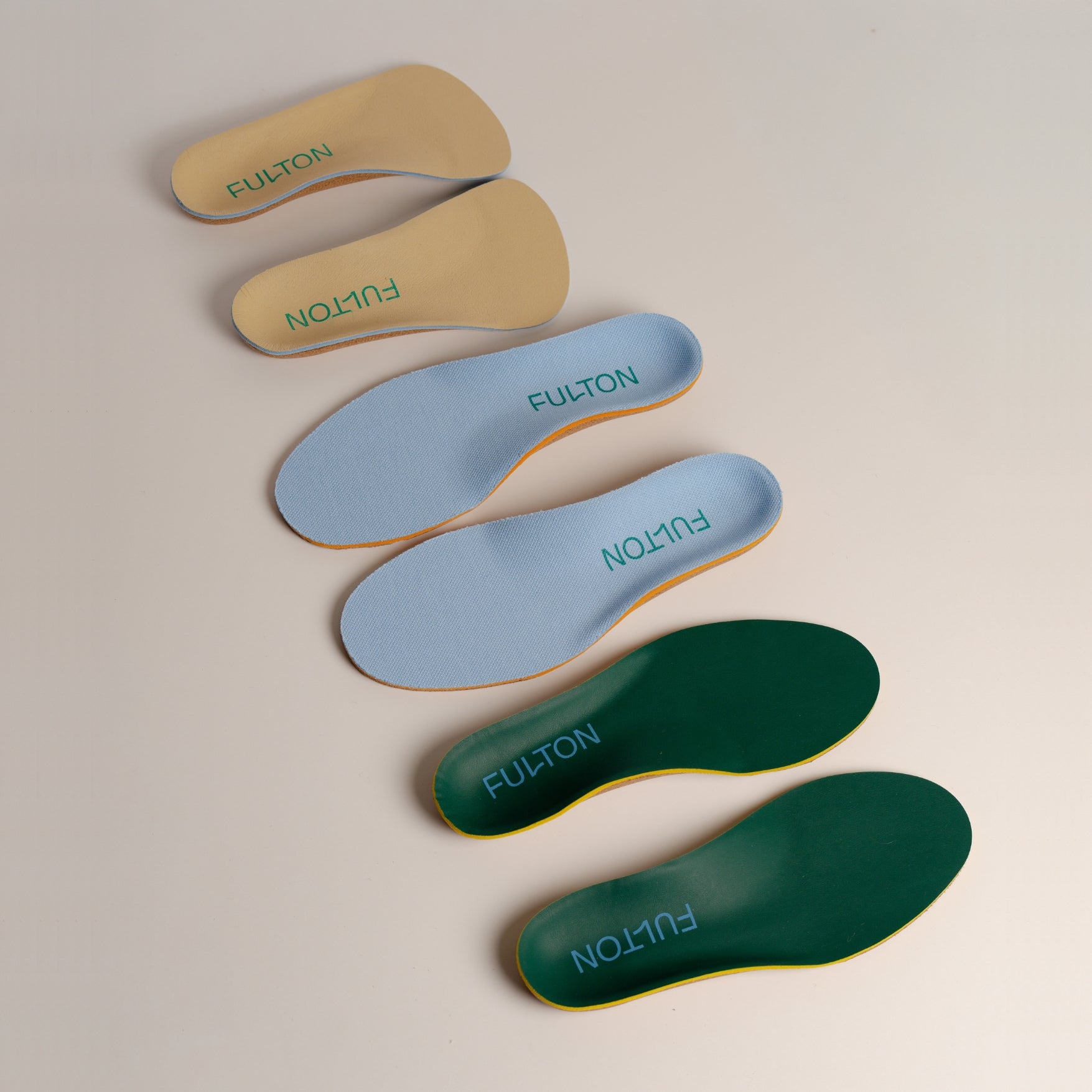
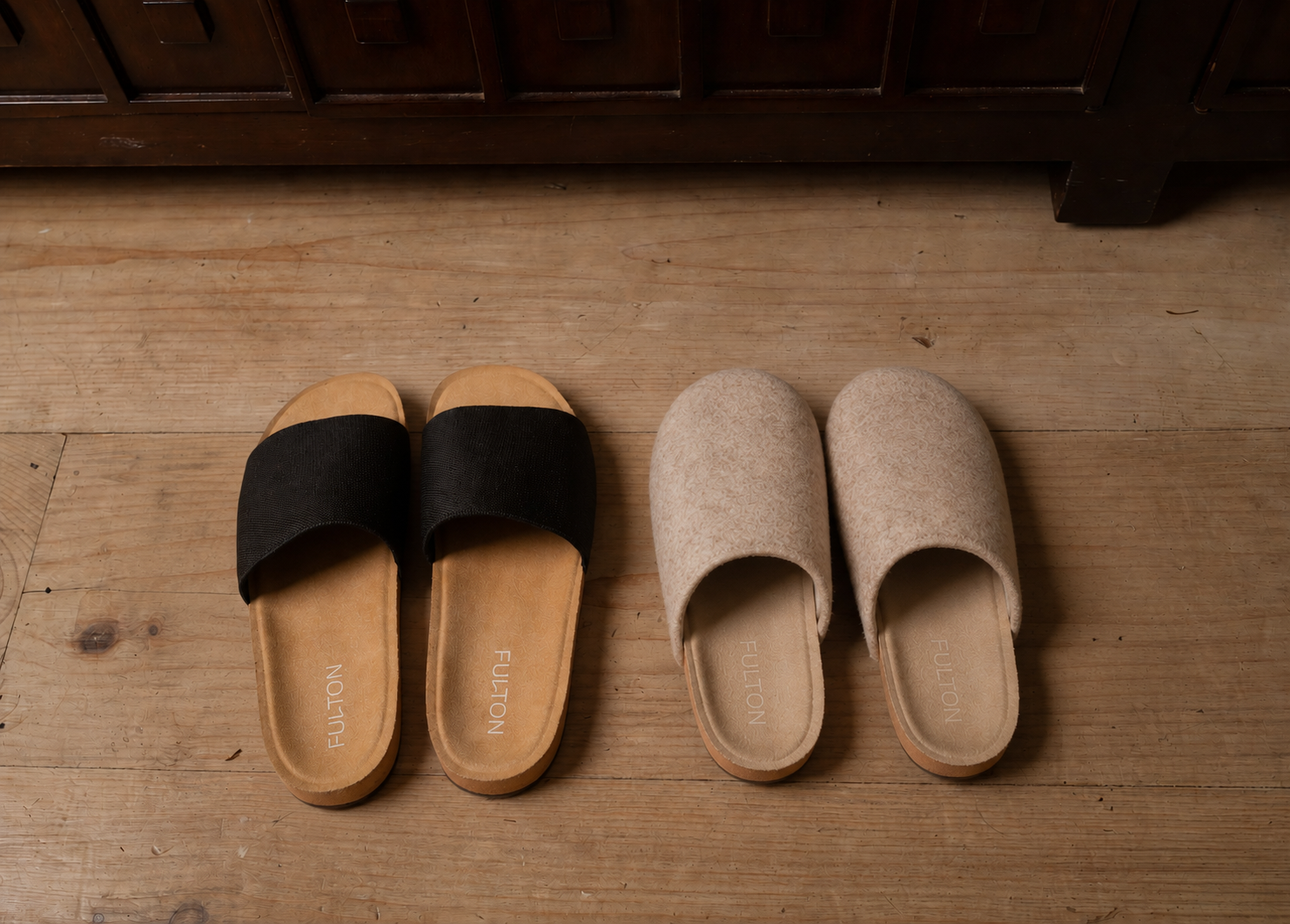
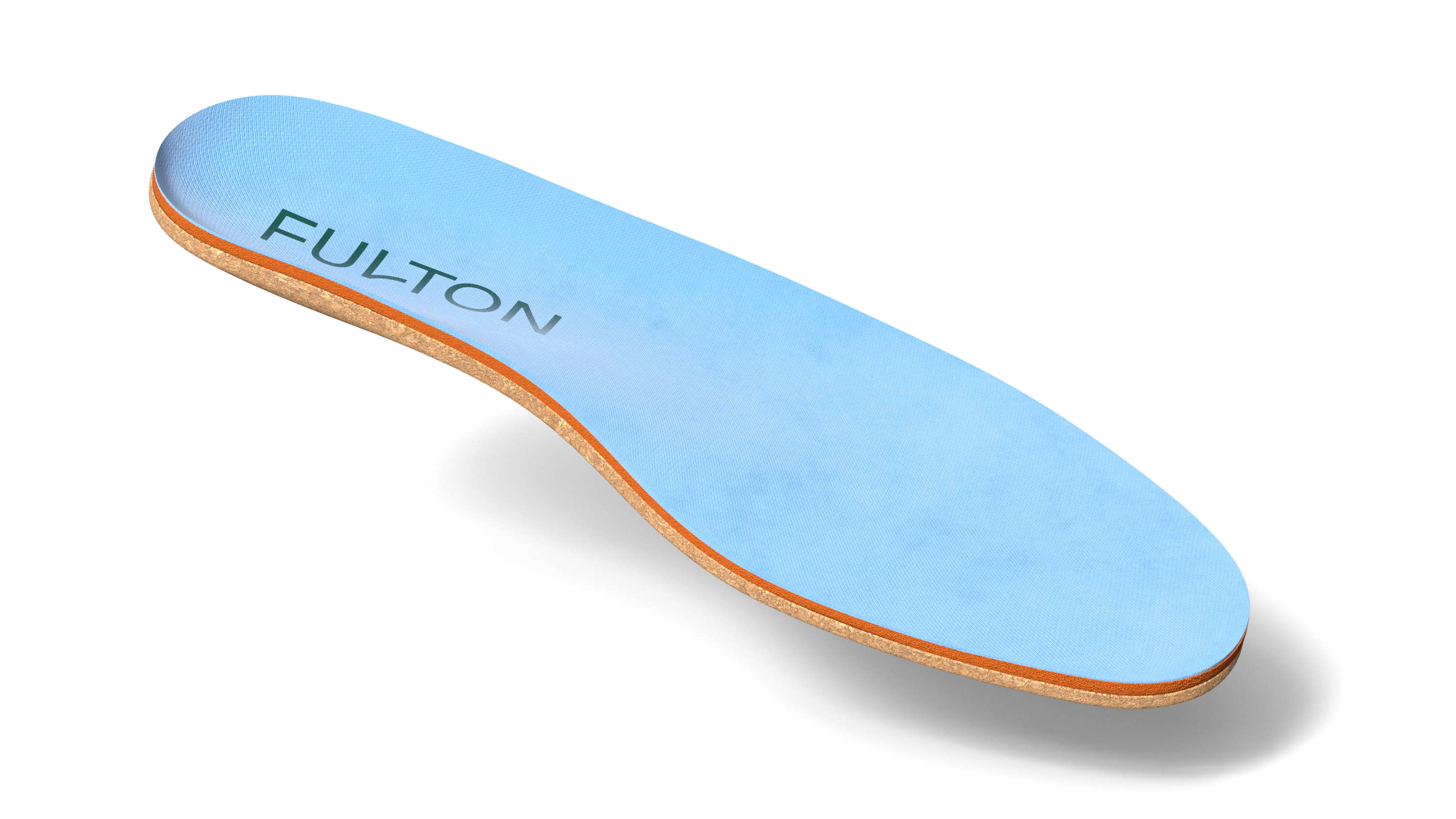
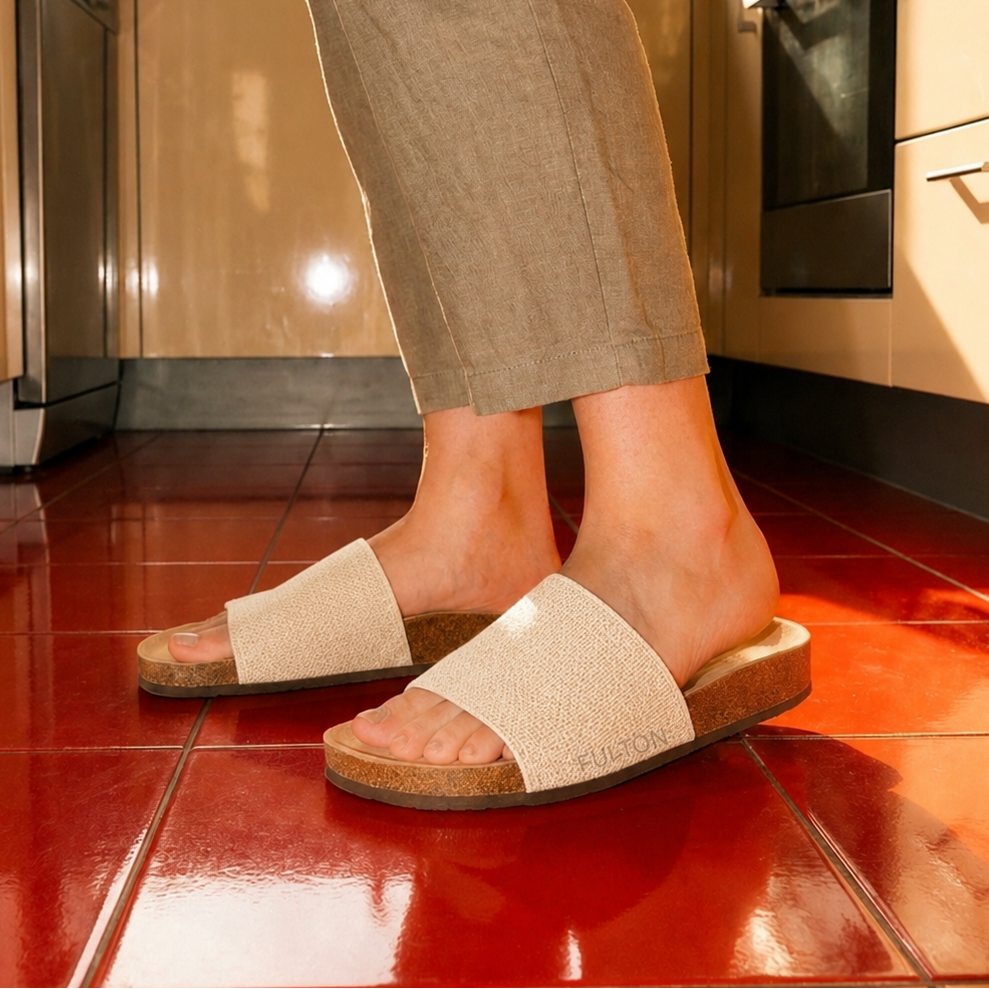
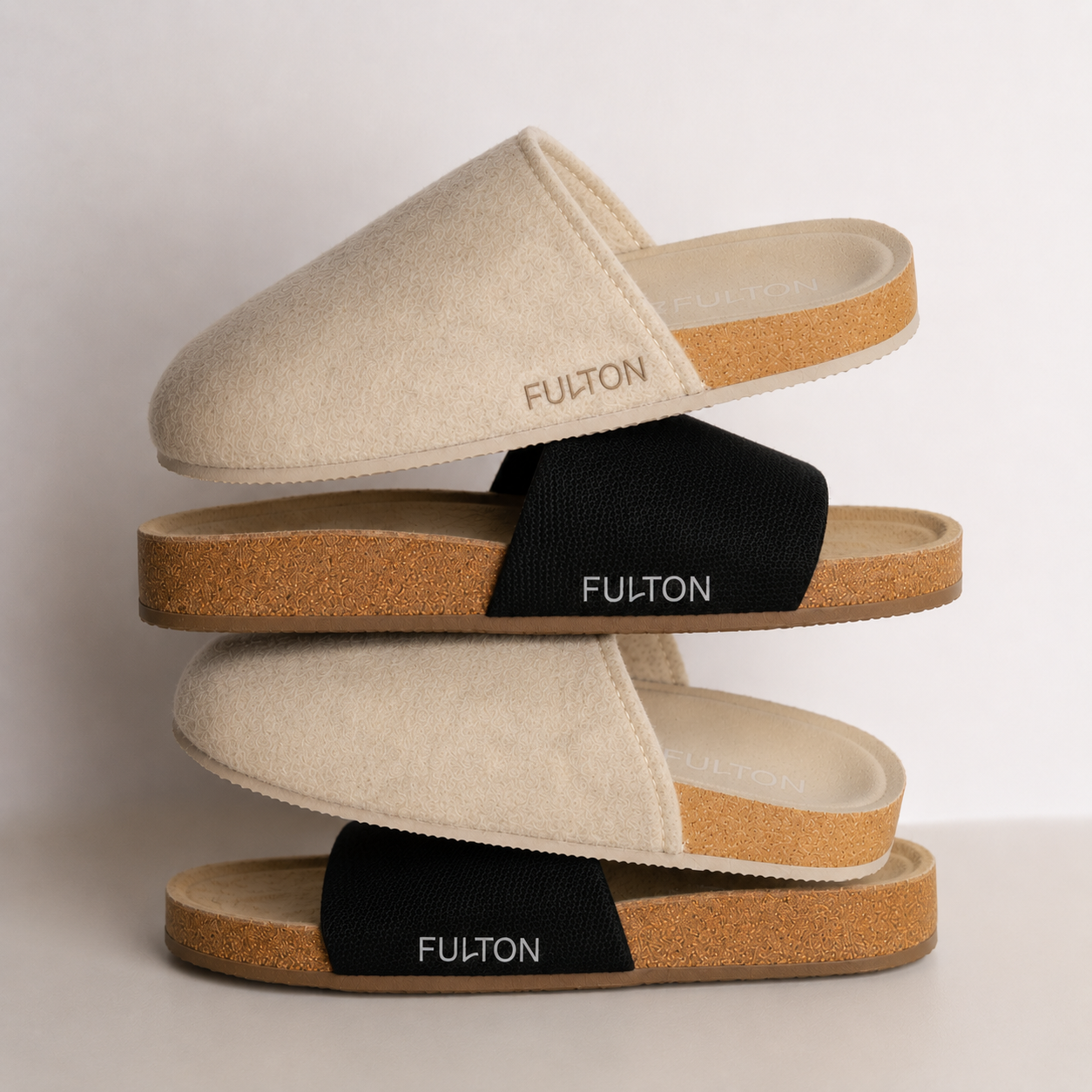
Fulton is a footwear and insole brand built on the principle that the footbed, not the upper, is the most important variable in foot comfort. The House Shoe carries the same cork-based support technology as Fulton's insoles, translated into a full house shoe. For bunion wearers, the combination of a breathable, pressure-free wool upper, a roomy accommodating fit, and a footbed that gradually molds to the individual arch makes this the most comprehensively designed indoor option on this list. TODAY.com tapped medical experts and editors to identify the best supportive slippers for home wear and recommended Fulton for its ability to provide customized stability through sustainable materials.
Key Features:
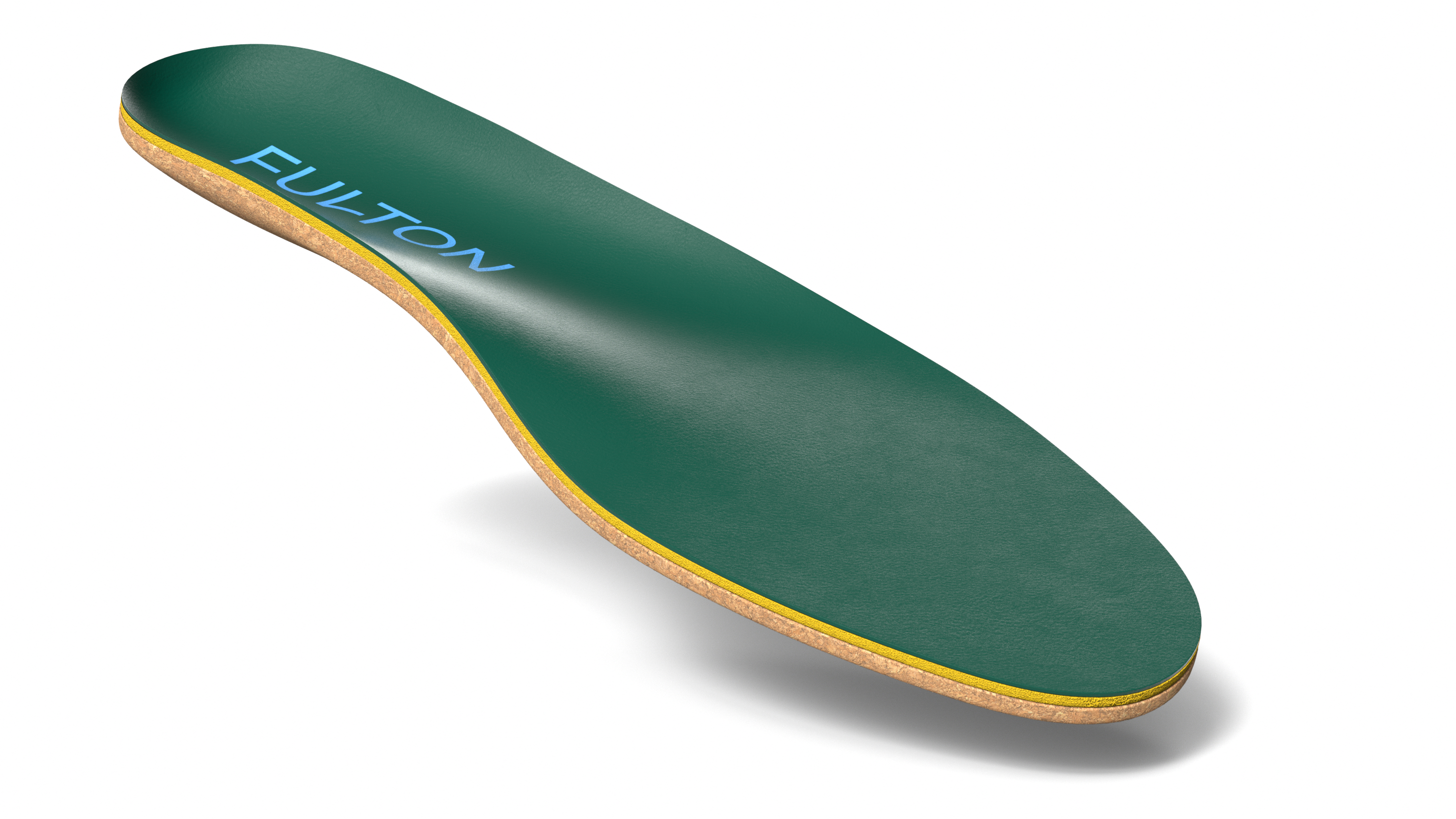
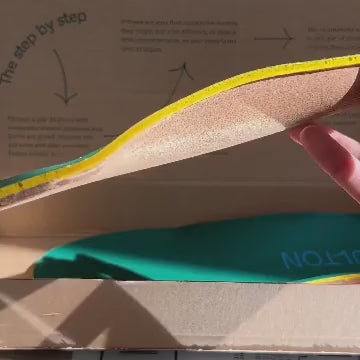
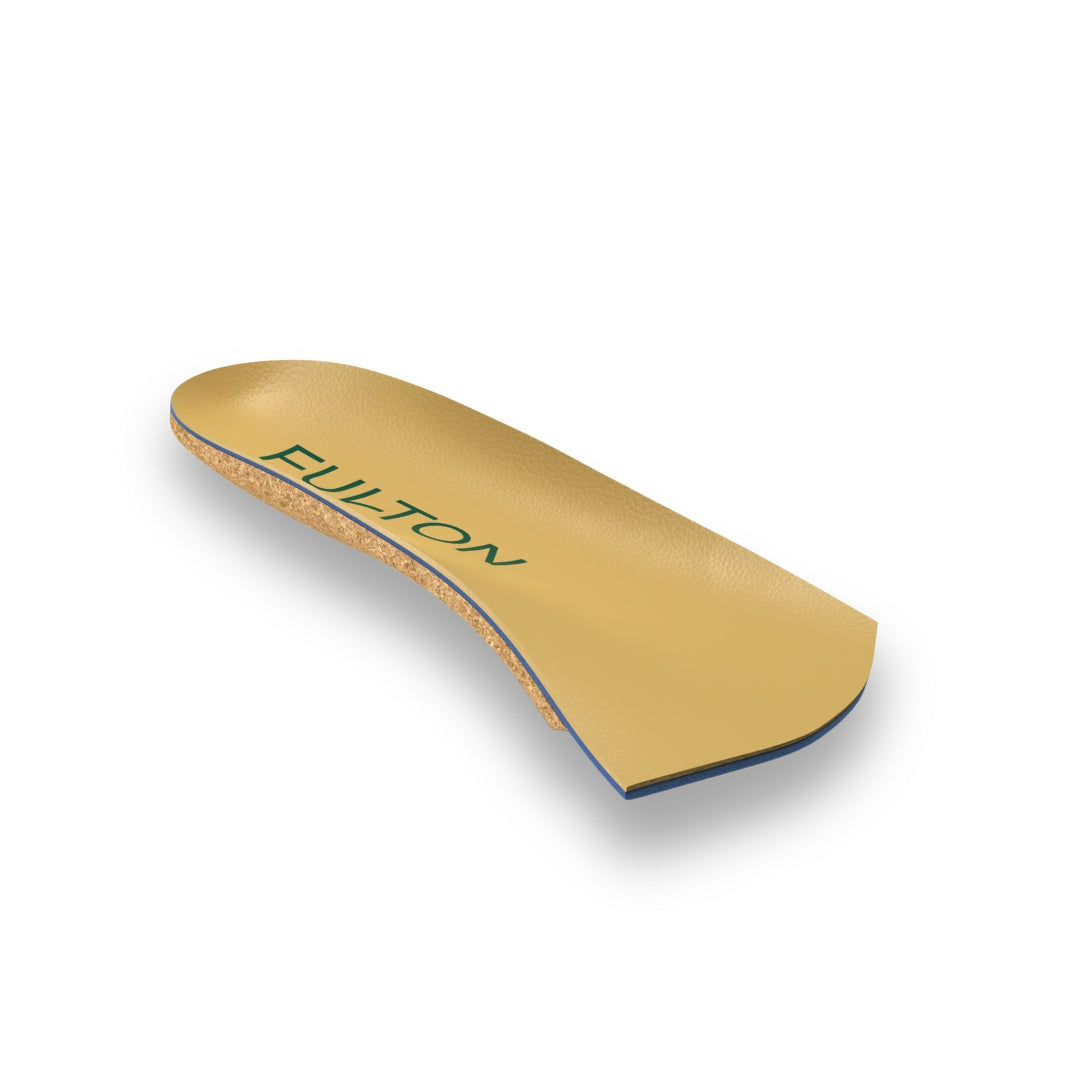
- Molding Cork Footbed: The natural cork base softens with body heat and molds precisely to the wearer's arch after approximately 10 hours of wear, then holds that shape. Unlike foam footbeds that gradually compress flat, cork maintains its custom geometry over time, providing sustained overpronation control that directly benefits bunion sufferers.
- Deep Heel Cup: A structured heel cup stabilizes the rearfoot, limiting the inward roll that propagates forward to the big-toe joint. The heel cup works in combination with the molded arch to create a stable platform that redistributes force away from the forefoot.
- Natural Wool Upper: The wool upper has inherent flexibility and thermal regulation, meaning it conforms gently around the forefoot without creating a rigid edge that presses against the bunion bump. It breathes naturally, keeping the foot comfortable during extended indoor wear across all seasons.
- Secure Slip-On Design: The easy slip-on entry does not require fumbling with laces or buckles, and the shoe's proportions are calibrated to hold the heel securely during walking, a meaningful detail for wearers who have experienced heel slippage from traditional backless slippers.
- Podiatrist-Informed Design and Natural Materials: The footbed uses podiatrist-informed support principles, while the cork and wool construction prioritizes structure, breathability, and durability.
Bunion-Specific Offerings:
- Roomy Toe Area: Fits accommodatingly in a standard width; sizing up is recommended for wearers who prefer additional forefoot volume or plan to wear socks
- Arch Support for All Types: The cork footbed molds to flat arches, neutral arches, and high arches, addressing the overpronation that aggravates bunion discomfort regardless of individual foot type
- Non-Binding Upper: The natural wool upper has zero rigid internal structure at the forefoot, keeping lateral pressure off the bunion joint throughout the day
Pricing: ~$120. Includes Fulton's 90-Day Comfort Guarantee, wear the shoes at home for up to 90 days and return or exchange if they are not the right fit.
Pros:
- Unique cork footbed molds to the individual arch and holds the custom shape over time
- Natural wool upper applies no rigid pressure to the bunion joint
- Deep heel cup limits overpronation that aggravates the big-toe joint
- Supports all arch types, including flat feet and high arches
- Natural cork and wool construction
- 90-Day Comfort Guarantee reduces purchase risk
- Podiatrist-informed design
Cons:
- Available in standard width only (size up for more forefoot room)
- Cork footbed requires approximately 10 hours of break-in before full custom support develops, initial feel is firmer than foam
- Slip-on only; no adjustable closure for significant midfoot swelling
Fulton is the only house shoe in this guide where the footbed actively adapts to the wearer's specific arch mechanics and maintains that adaptation over time. That persistent, personalized support, combined with an upper that never fights the bunion joint, is why it leads this list. For anyone spending significant hours at home and looking for a single house shoe that addresses both the forefoot sensitivity and the biomechanical root causes of bunion discomfort, the Fulton House Shoe is the most complete answer available in 2026.
2. Orthofeet Relax Slipper, Best for Wide and Extra-Wide Sizing
Orthofeet is a comfort footwear brand with an explicit focus on foot conditions, and its slipper line is among the most clinically intentional on the market. Orthofeet builds its bunion footwear around a wide, roomy toe box that removes compression from the bunion and surrounding toes, eliminating the primary source of friction and irritation during daily wear. Soft, stretchable uppers conform to the contours of the bunion bump rather than pushing against it. Where Orthofeet has a clear advantage over the rest of this list is in width sizing: its slippers are available in wide and extra-wide options, making them the strongest choice for wearers whose bunion has significantly changed the shape of their forefoot.
Key Features:
- Wide and extra-wide sizing options for significantly broadened forefeet
- Stretch knit or soft foam upper conforms around the bunion bump
- Anatomical arch support with Arch Booster technology to reduce forefoot forces
- Seamless, padded interior to protect sensitive skin
- Adjustable closures on select styles for swelling accommodation
Bunion-Specific Offerings:
- Wide toe box removes compression from the joint area
- Orthotic insole provides structured arch support
- Extra-depth construction accommodates feet that have changed shape from long-term bunion progression
Pricing: ~$89-$110. Backed by a 60-day risk-free wear test.
Pros:
- Best width range in this guide, wide and extra-wide options suit significantly broadened forefeet
- Adjustable closures accommodate fluctuating swelling throughout the day
- Seamless interior reduces friction on sensitive bunion skin
- Orthotic insole provides meaningful arch support
Cons:
- Design aesthetic is clinical in appearance; limited style range compared to lifestyle brands
- Foam insoles, while supportive, do not mold and hold like cork, they compress over time with extended wear
- Less breathable than natural-material alternatives like Fulton or OluKai
3. Vionic Gemma or Lydia Slipper, Best Arch Support in a Traditional Slipper Form
Vionic is a well-established comfort brand known for integrating podiatrist-designed footbeds into slipper silhouettes that look like conventional house shoes. The brand's Three-Zone Comfort system provides structured support across the heel, arch, and forefoot, and has been recognized by podiatrists as one of the more effective slipper-format orthotic solutions for offloading force from the big-toe joint. Vionic's slipper uppers are typically microfiber or suede, both softer than rigid leather but firmer than wool, so wearers with highly sensitive bunion joints should assess carefully. The standard toe box is moderate rather than exceptionally roomy, which is worth noting for wearers with significant bunion protrusion.
Key Features:
- Podiatrist-designed Three-Zone Comfort footbed
- Microfiber, suede, or textile upper depending on model
- EVA midsole for cushioning
- TPR outsole with fabric flocking for indoor grip
Bunion-Specific Offerings:
- Structured arch support to redistribute pressure off the forefoot
- Cozy shearling lining on select styles reduces friction against the bunion area
- Available in multiple styles for men and women
Pricing: ~$80-$100 depending on model.
Pros:
- Podiatrist-designed footbed with genuine arch support
- Wide variety of styles and colors
- Good value relative to the level of orthotic support
- Recognized by podiatrists as effective for bunion pressure relief
Cons:
- Standard toe box is moderate, not notably roomy for pronounced bunions
- Foam footbed compresses over time; does not hold a custom shape the way cork does
- Suede and microfiber uppers are less breathable than natural wool for all-day indoor wear
- Some wearers report an adjustment period before the arch height feels comfortable
4. OluKai Moloa Slipper, Best Premium Leather House Shoe
OluKai is a Hawaii-inspired footwear brand whose Moloa slipper has earned a loyal following for its premium nubuck leather construction and genuine shearling lining. Reviewers consistently note that the toe box is ample and roomy, and the style runs wide at the forefoot, a meaningful advantage for bunion wearers who need forefoot volume without stepping into a clinical-looking orthopedic shoe. The anatomically contoured, removable footbed provides decent arch support and can accept aftermarket orthotics for wearers who need more. The Drop-In Heel design, which allows the back to fold down and convert the shoe into a slide, is a clever feature, though wearers who use the full-shoe mode exclusively report better heel stability. OluKai sits at the premium end of the price range in this guide.
Key Features:
- Heavily waxed nubuck leather upper with genuine shearling lining
- Anatomically contoured, removable, and washable footbed
- Non-marking gum rubber outsole for indoor grip
- Collapsible Drop-In Heel for wear-as-slide flexibility
Bunion-Specific Offerings:
- Roomy, wide-running toe box provides natural forefoot splay
- Removable footbed accepts custom orthotics for wearers who require more arch control
- Shearling lining cushions the upper against the bunion area
Pricing: ~$130-$160 depending on model and color.
Pros:
- Roomy, ample toe box with generous forefoot width
- Premium materials with strong durability and craftsmanship
- Removable footbed for custom orthotic use
- Attractive design that works for indoor and limited outdoor use
Cons:
- Arch support is contoured but not clinically structured, less effective than Fulton or Vionic for overpronation control
- Leather upper, while soft, has less inherent flexibility than wool at the forefoot
- Some wearers report the stiff heel collar digs into the Achilles when worn without socks
- At the higher end of this list's price range
5. SAS Free Time or Comfort Indoor, Best for Craftsmanship and Width Range
SAS (San Antonio Shoemakers) is an American footwear brand with more than 45 years of orthopedic shoe expertise, and it is frequently recommended by podiatrists for patients managing bunions, hammertoes, and other forefoot conditions. The brand's Foot Shape Last is designed to provide a more natural, comfortable fit that feels less restrictive in the forefoot zone where bunions typically develop. SAS shoes are handcrafted with soft leather or breathable knit uppers, a roomy toe box, and the brand's TRIPAD cushioning system, which targets pressure at three key contact points. Width availability is strong across the SAS range, spanning narrow to double-wide, and SAS shoes are made in the USA. SAS focuses more heavily on walking shoes and casual footwear than dedicated indoor slippers, so this pick is best for bunion wearers who want an indoor-capable everyday shoe rather than a traditional slipper.
Key Features:
- Foot Shape Last for a naturally accommodating forefoot fit
- TRIPAD cushioning for targeted pressure relief
- Soft leather or breathable knit upper depending on style
- Removable footbed for orthotic compatibility
- Made in the USA
Bunion-Specific Offerings:
- Roomy toe box designed specifically to reduce restriction across the forefoot
- Width range from narrow to double-wide to match changed foot geometries
- Soft, glove-leather uppers that do not create rigid pressure points
Pricing: ~$130-$160 depending on style and width.
Pros:
- Exceptional craftsmanship and durability
- Broad width range including narrow to double-wide
- Trusted and recommended by podiatrists for forefoot conditions
- Made in the USA
Cons:
- SAS does not offer a dedicated slipper in the traditional sense, indoor use adapts walking shoe styles, which are heavier and bulkier than a house shoe
- Design skews toward classic/mature aesthetics
- Foam-based cushioning, like all foam-based systems, gradually loses responsiveness with extended wear
- Less available in the direct-to-consumer online format compared to others in this guide
6. New Balance 928v3 (Indoor-Ready Walking Shoe), Best for Motion Control
New Balance is best known as an athletic and walking shoe brand, and while it does not produce a dedicated house slipper, the 928v3 walking shoe is regularly worn as an indoor shoe by bunion sufferers who prioritize motion control over conventional slipper aesthetics. New Balance shoes offer wide toe boxes, strong stability, and cushioned support that reduces pressure on the big-toe joint. The 928v3 in particular features ROLLBAR stability technology for rearfoot control, a wide and extra-wide sizing range, and a leather or synthetic upper that is more structured than the other picks in this guide. This makes it a strong choice for wearers with significant overpronation who need a firm motion-control platform, but less suitable for those looking for the pliable, non-binding feel of a true house shoe.
Key Features:
- ROLLBAR stability post for motion control and overpronation resistance
- Wide and extra-wide sizing in both men's and women's
- Cushioned midsole for all-day standing
- Medicare HCPCS eligible on select styles
- Leather or synthetic upper
Bunion-Specific Offerings:
- Roomy forefoot with wide and extra-wide sizing
- Strong rearfoot stability to limit overpronation
- Removable insole for custom orthotic compatibility
Pricing: ~$135-$170 depending on width and retailer.
Pros:
- Among the strongest motion-control options in this guide
- Wide and extra-wide sizing accommodates significantly broadened forefeet
- Widely available through multiple retail channels
- Removable insole accepts custom orthotics
Cons:
- A walking shoe worn indoors, heavier and bulkier than any slipper on this list
- Structured leather or synthetic upper is less forgiving on the bunion bump than soft wool or stretch knit
- Not a dedicated house shoe; outdoor-grade sole and weight are unnecessary for purely indoor use
- No 90-day comfort trial comparable to Fulton's guarantee
7. Birkenstock Zermatt, Best for a Removable Cork-Latex Footbed
The Birkenstock Zermatt is a structured indoor slipper built around an anatomically shaped, removable cork-latex footbed and a soft wool-felt upper. Its foot-shaped profile gives the toes more natural room than a sharply tapered slipper, while the felt upper has enough flexibility to reduce rigid contact around a sensitive forefoot. The removable footbed is the key differentiator: wearers can choose among different Birkenstock footbed options or replace the insert when needed.
For bunion wearers, the Zermatt works best when the regular-width shape provides enough room without pressure at the big-toe joint. It is less accommodating than true wide or extra-wide medical footwear, so anyone with a pronounced bunion should check the fit carefully rather than assuming the standard shape will work.
Key Features:
- Anatomically shaped, removable cork-latex footbed
- Soft wool-felt upper
- Suede footbed lining
- Latex outsole designed for indoor use
- Multiple footbed configurations depending on the version
Bunion-Specific Offerings:
- Foot-shaped forefoot profile provides more natural toe placement than pointed slippers
- Wool-felt upper is softer and more forgiving than rigid leather
- Removable footbed allows replacement or an alternative supportive insert
Pricing: Varies by footbed, lining, color, and retailer.
Pros:
- Removable cork-latex footbed provides structured support
- Soft wool felt reduces rigid pressure around the forefoot
- Durable construction and replaceable footbed options
- More polished appearance than many orthopedic-style slippers
Cons:
- Regular fit may not provide enough room for severe or highly prominent bunions
- Open-back slipper design offers less heel containment than Fulton
- Fit and support vary depending on the selected footbed version
Evaluation Rubric: How We Ranked House Shoes for Bunions
Every pick in this guide was evaluated against the same five-factor rubric. Weighting reflects how directly each criterion affects bunion discomfort during indoor wear.
| Criterion | Weight | What We Looked For |
|---|---|---|
| Toe-Box Roominess | 25% | Volume and geometry at the forefoot; freedom for toes to splay without compression at the big-toe joint |
| Upper Softness and Flexibility | 25% | Material give, absence of rigid internal structure at the forefoot, and non-abrasive contact against the bunion bump |
| Arch Support Quality | 25% | Structural effectiveness at limiting overpronation; adaptability to different arch types; longevity of support over time |
| Heel Cup and Stability | 15% | Depth and firmness of heel cup; rearfoot hold; ability to prevent the inward roll that propagates to the first MTP joint |
| Value and Guarantee | 10% | Price relative to quality, trial period, and return policy |
Fulton scored highest overall because it delivers meaningful performance in all five categories with no significant trade-off. The cork footbed and deep heel cup address overpronation structurally; the wool upper applies no rigid pressure to the joint; the roomy standard-width fit accommodates the forefoot without requiring a clinical-width shoe; and the 90-Day Comfort Guarantee removes purchase risk entirely.
Why Fulton Is the Best House Shoe for Bunions
Every other shoe in this guide makes a compelling case for a specific type of bunion wearer. Orthofeet wins on width availability. OluKai wins on premium materials and style. New Balance wins on motion control. But no single competitor delivers the full combination that bunion sufferers need from an indoor house shoe: a non-binding natural upper, a footbed that adapts to the individual arch and holds that adaptation, a deep heel cup that controls overpronation at its source, and a genuine commitment to your satisfaction through a 90-day guarantee.
Fulton's molding cork footbed is the core differentiator. Unlike foam, which feels soft initially but packs flat over weeks of use, cork softens with body heat, molds to the wearer's exact arch geometry after approximately 10 hours of wear, and then maintains that custom shape. For bunion wearers who have been disappointed by slippers that felt great for a few weeks and then lost their support, this is a material-level solution rather than a marketing claim. The breathable wool upper, slip-on design, and carbon-negative manufacturing round out a product that is genuinely different from every other option in this space.
FAQs about House Shoes and Slippers for Bunions
Why Do People with Bunions Need Supportive House Shoes?
Walking barefoot on hard indoor surfaces transmits unpadded ground force directly through the bunion joint, which can increase inflammation and discomfort over time. A supportive house shoe like Fulton cushions the foot, controls overpronation, and keeps the upper from pressing against the sensitive big-toe joint, making a meaningful difference in how the foot feels throughout the day. Choosing a house shoe with genuine arch support and a non-binding upper is one of the most practical changes a bunion sufferer can make for daily comfort at home.
What Is a Bunion and What Makes It Painful Indoors?
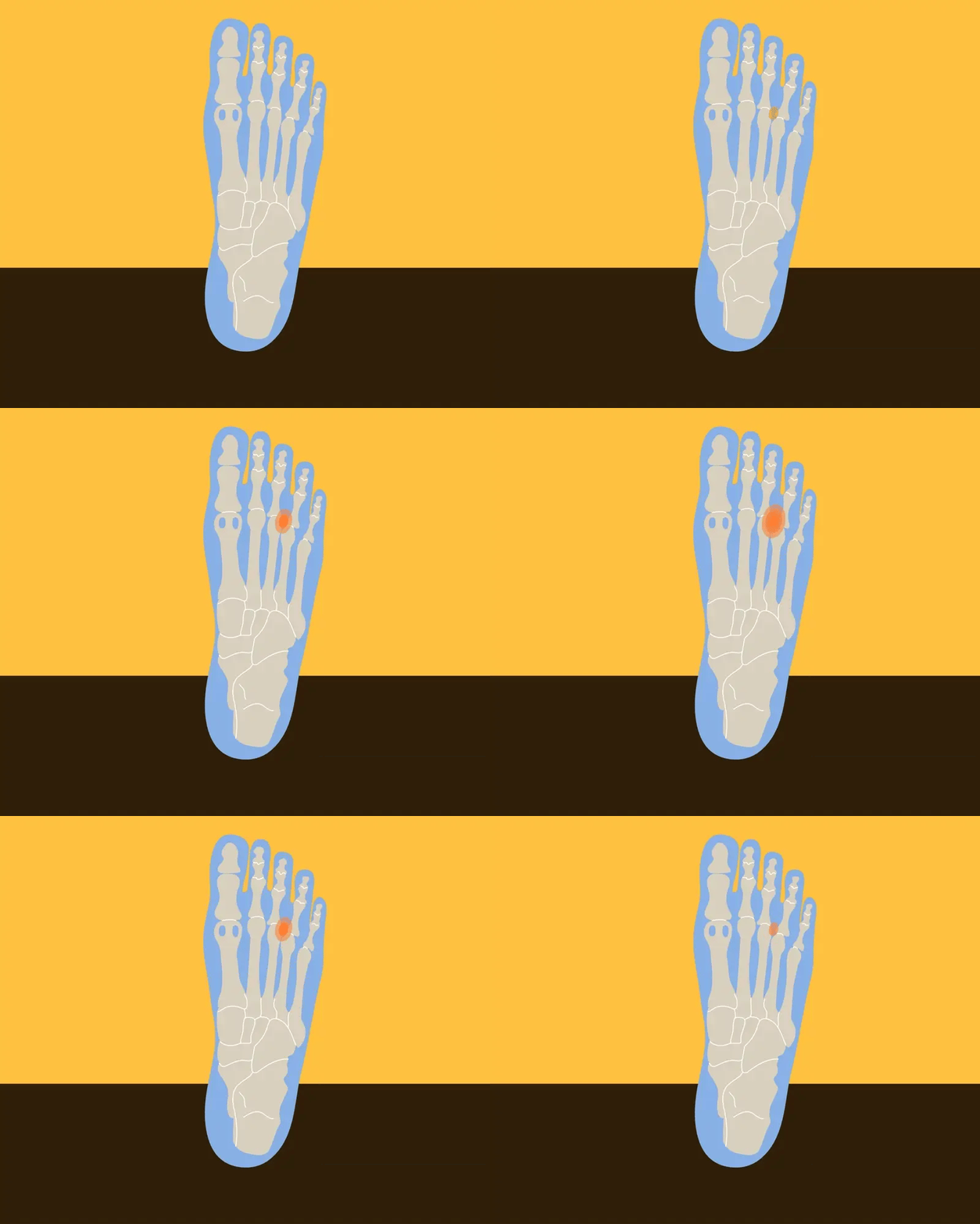
A bunion is a bony prominence that develops at the base of the big toe when the joint shifts out of alignment. Indoors, hard floors and unsupportive slippers subject the joint to impact and lateral pressure with every step. Overpronation, the foot rolling inward, also increases load on the big-toe joint and can contribute to the condition worsening over time. Fulton's cork footbed and deep heel cup help limit overpronation while the soft wool upper avoids pressing on the bunion bump, addressing both the structural and surface-contact sources of discomfort.
What Are the Best House Shoes for Bunions in 2026?
The best house shoes for bunions in 2026 are Fulton The House Shoe, Orthofeet Relax Slipper, Vionic Gemma or Lydia, OluKai Moloa Slipper, SAS Free Time, New Balance 928v3, and Birkenstock Zermatt. Fulton ranks first for its unique molding cork footbed, non-binding wool upper, deep heel cup, and 90-Day Comfort Guarantee, a combination no competitor fully matches for at-home bunion comfort across all arch types.
Do I Need Wide or Extra-Wide House Shoes for Bunions?
Not necessarily. A roomy standard-width shoe with a soft, flexible upper can comfortably accommodate many bunion shapes without requiring a wide designation. Fulton fits accommodatingly in standard width, and sizing up opens additional forefoot volume for wearers who want more room or plan to wear socks. If your bunion has significantly changed the overall width of your foot, Orthofeet or New Balance offer wide and extra-wide options that may be the better fit.
How Does Fulton's Cork Footbed Differ from a Foam Footbed for Bunion Sufferers?
Foam footbeds feel soft initially but compress and flatten with extended wear, gradually losing the arch support that helps limit overpronation. Fulton's natural cork footbed softens with body heat, molds to the wearer's unique arch after approximately 10 hours of wear, and then holds that custom shape over time. For bunion sufferers who need consistent arch support day after day at home, cork's adaptive durability is a meaningful structural advantage that foam simply cannot replicate long-term.
When Should I See a Podiatrist about My Bunion?
You should consult a podiatrist if you experience ongoing pain in the big toe or foot, a visible or growing bump at the big-toe joint, reduced range of motion, or difficulty finding footwear that fits comfortably. Supportive house shoes like Fulton can ease daily pressure and reduce discomfort, but they are not a substitute for professional evaluation. A podiatrist can determine the appropriate non-surgical or surgical treatment plan for your specific situation and severity.