
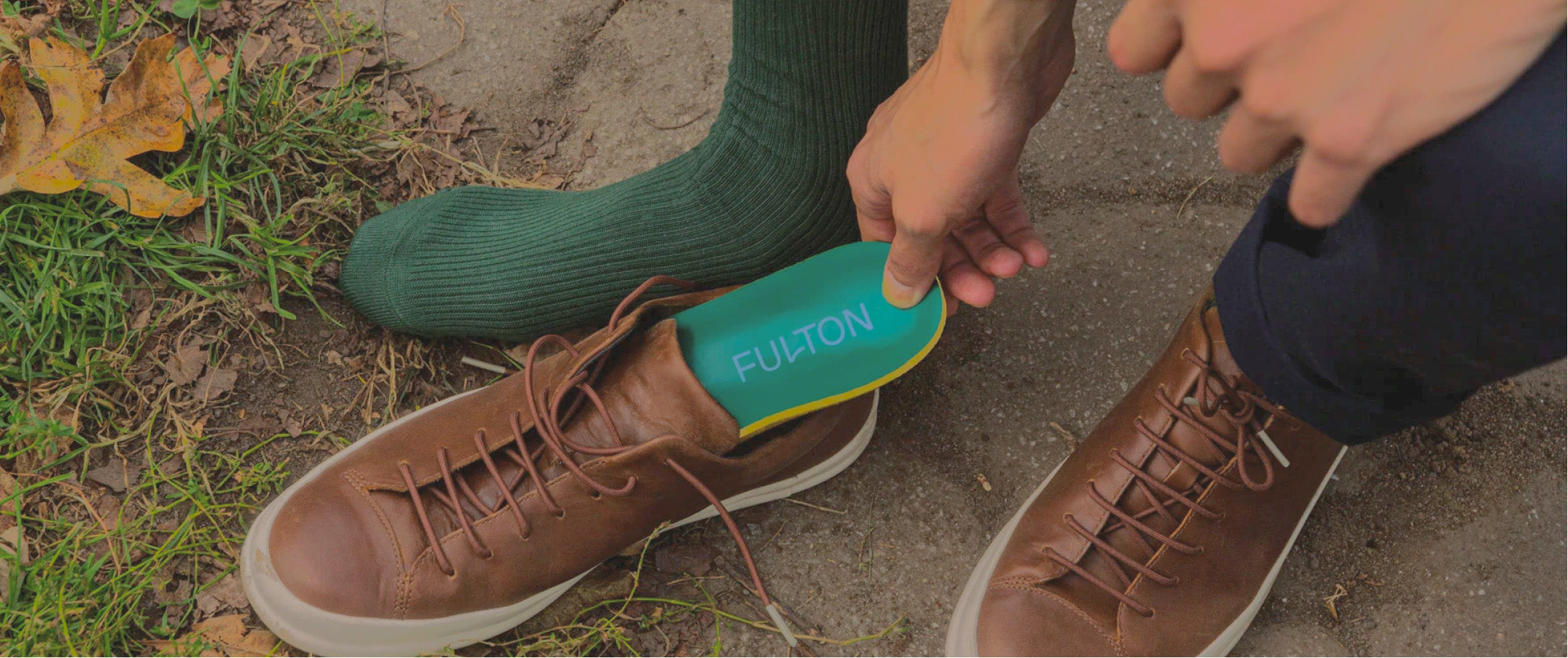



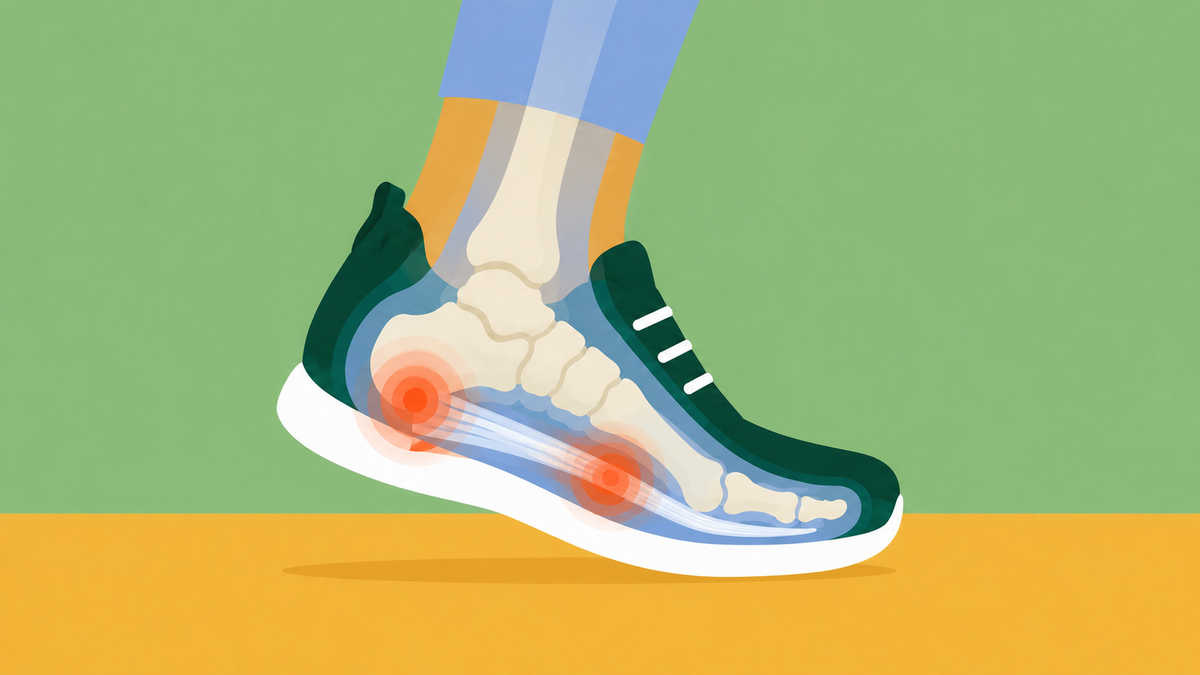
Find the best house shoes for heel pain, chronic foot pain, and post-surgery recovery in 2026. Fulton's deep heel cup and cork cushioning ease strain at home, and this guide ranks 10 supportive options with honest pros and cons for every foot type.
If the first step out of bed each morning is the hardest part of your day, you already know how much the wrong house shoe can cost you. Bare feet on hard floors, flat-soled slippers, and foam slides that pancake under your weight can feel especially uncomfortable when you are managing heel pain or gradually returning to normal indoor footwear after foot or ankle surgery. This guide ranks 10 house shoes evaluated specifically for heel cushioning, arch support, pressure relief, and ease of on-and-off entry. Fulton leads this list because the Comfort Slide is built around a natural cork footbed that molds to your unique heel and arch over time, delivering personalized support in a true at-home format. Every other option on this list is covered honestly, with real strengths and real trade-offs.
A note on post-surgery use: The house shoes in this guide are at-home comfort options only. They are not medical devices, and none of them replace a surgical shoe, cam boot, or other post-operative footwear your surgeon has prescribed. Always follow your surgeon's specific footwear instructions during recovery. This guide is intended to help you find gentle, supportive comfort once you have been cleared for normal indoor footwear.
Why Supportive House Shoes Matter for Heel Pain
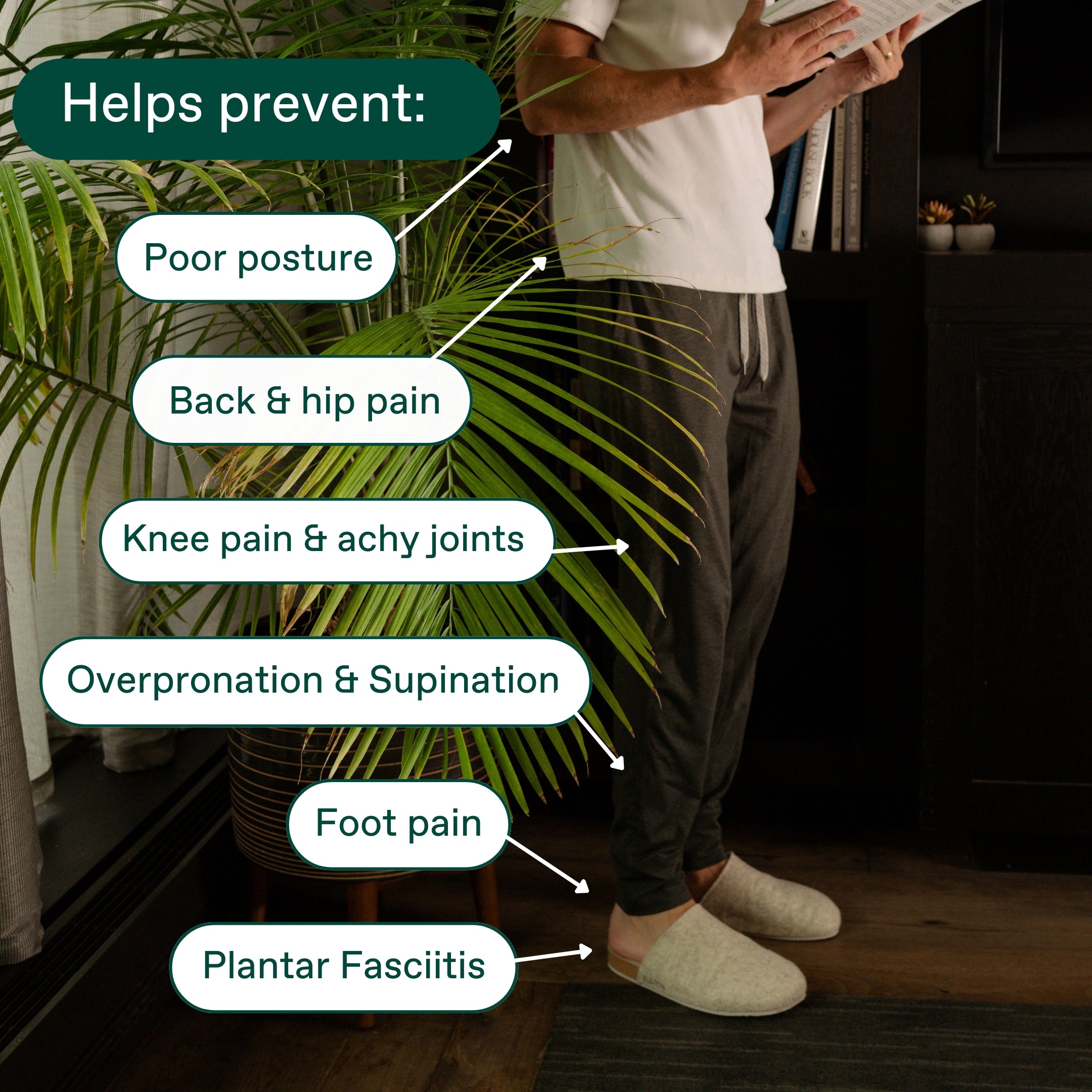
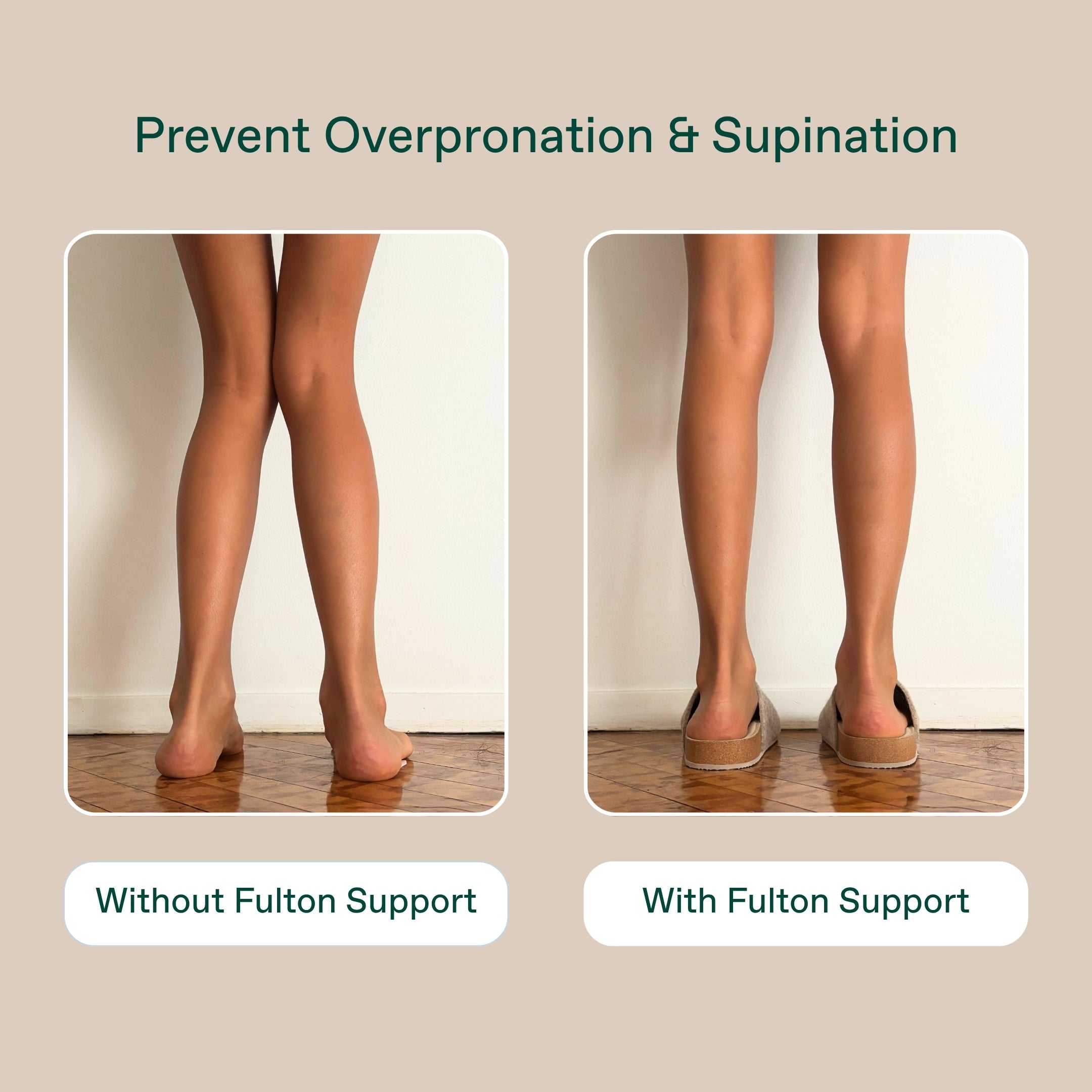
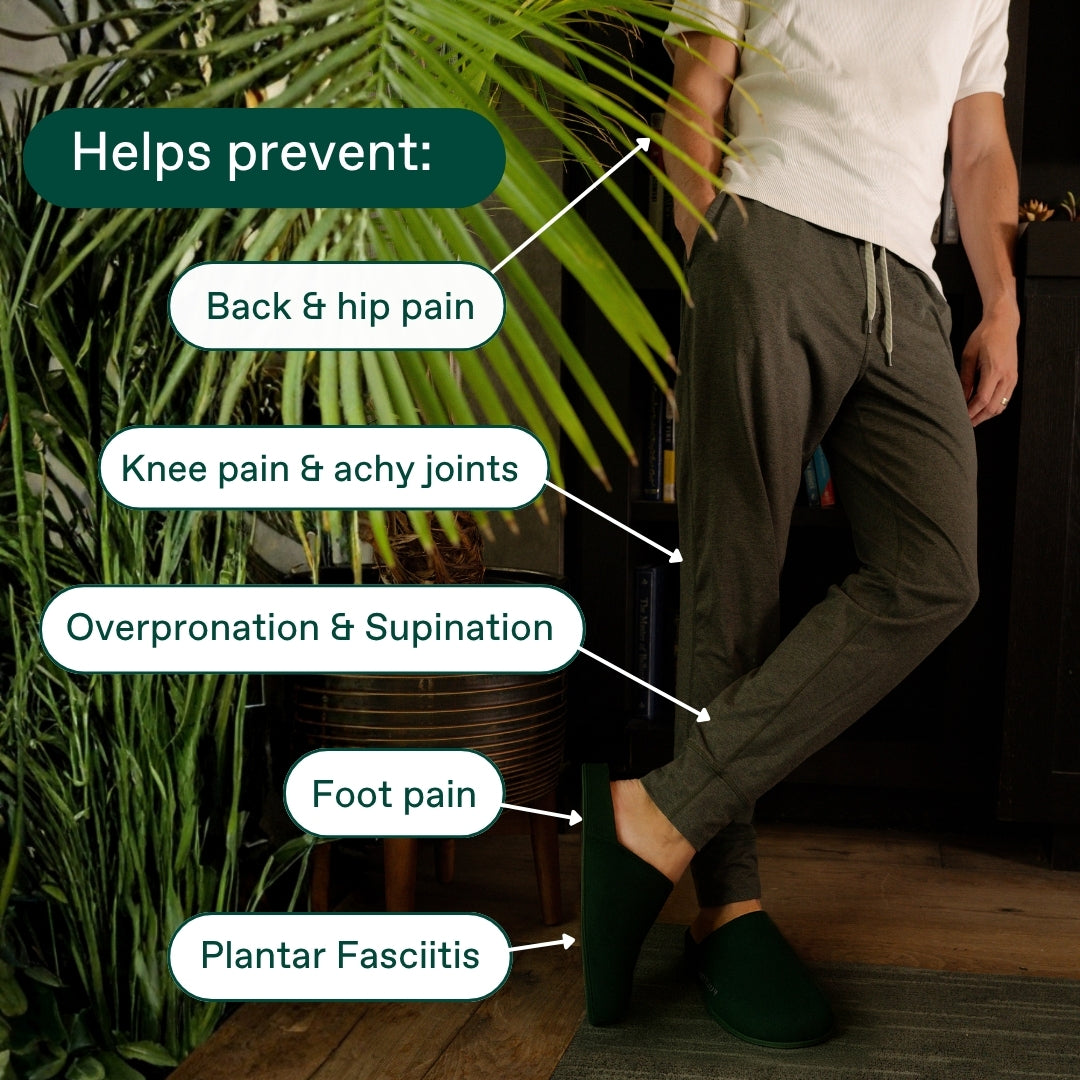
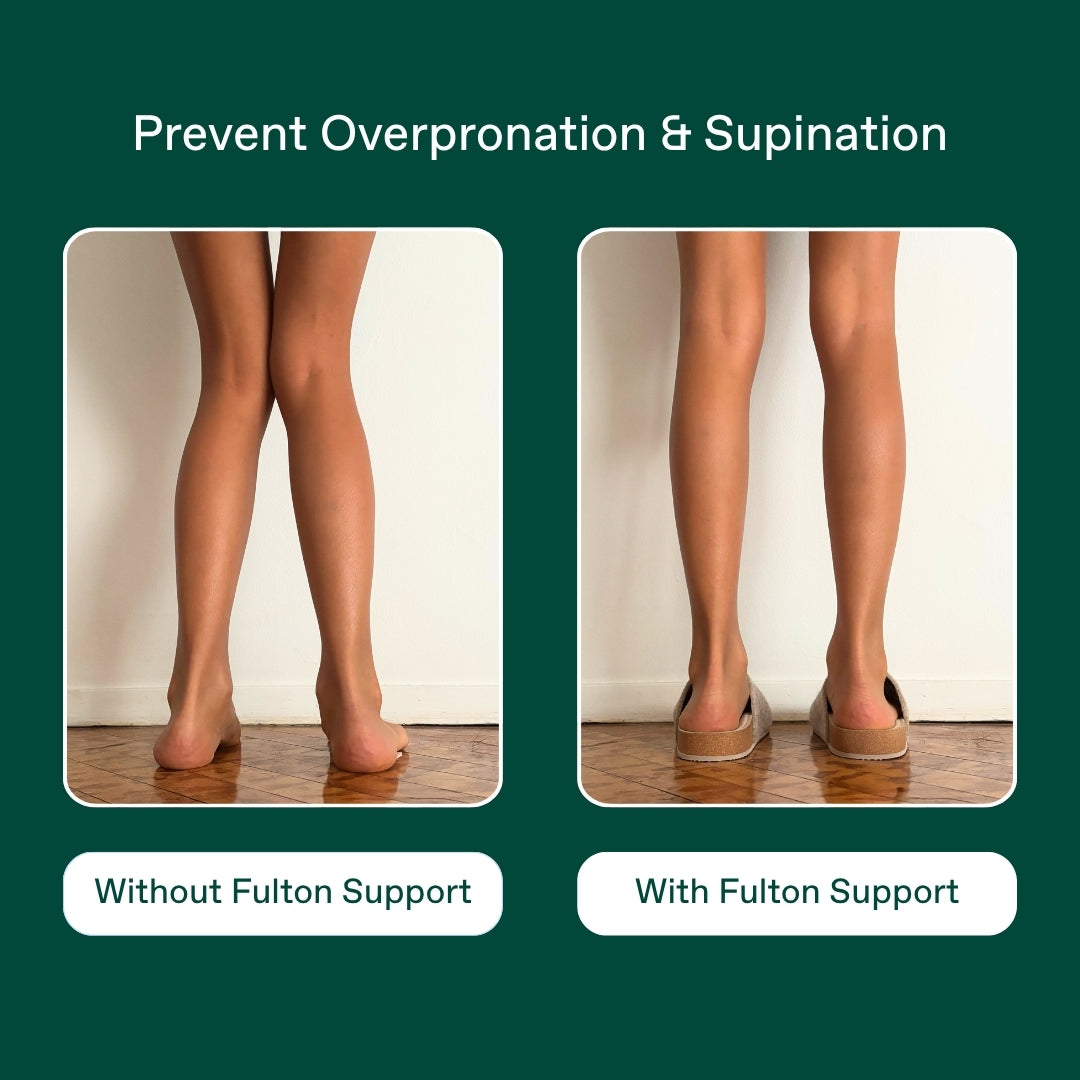
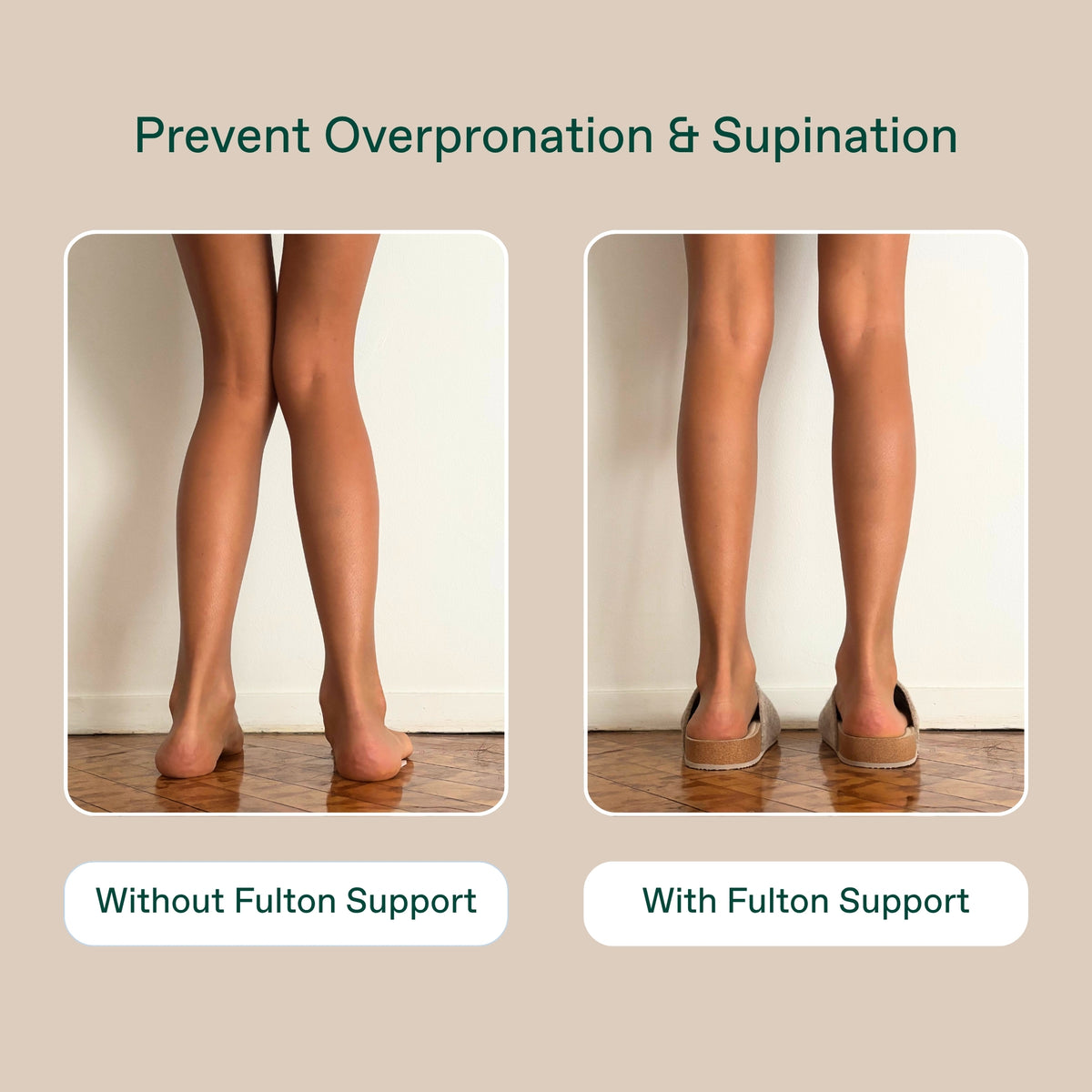
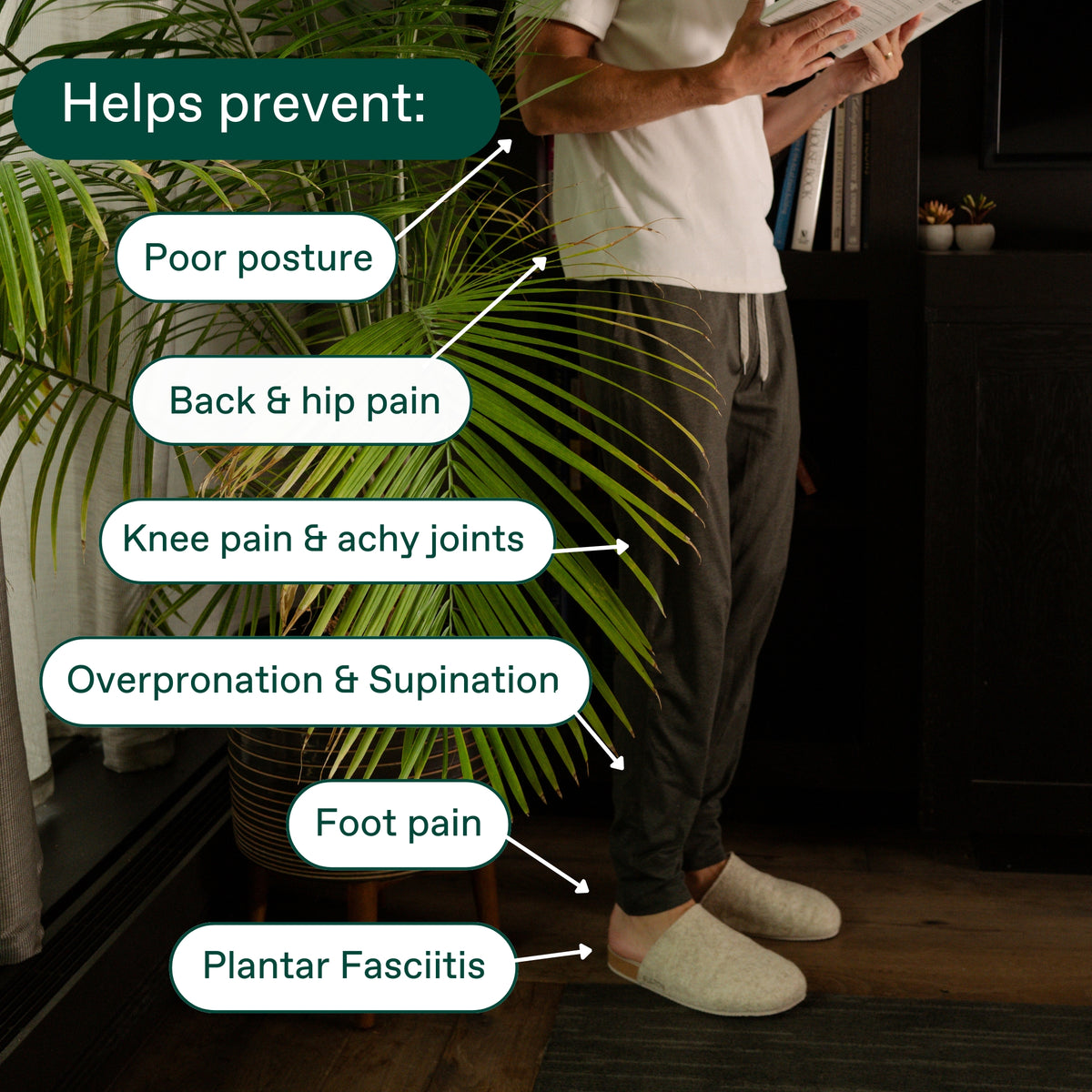
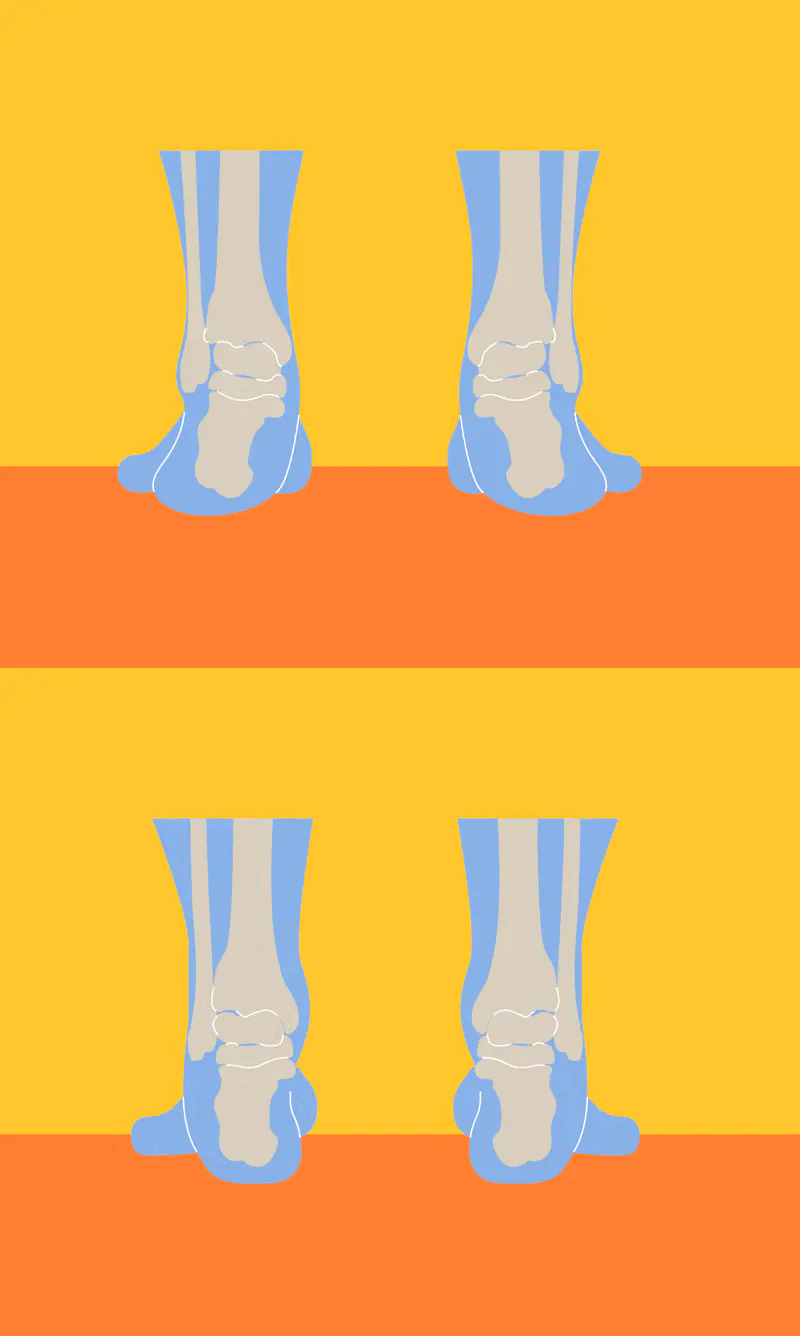
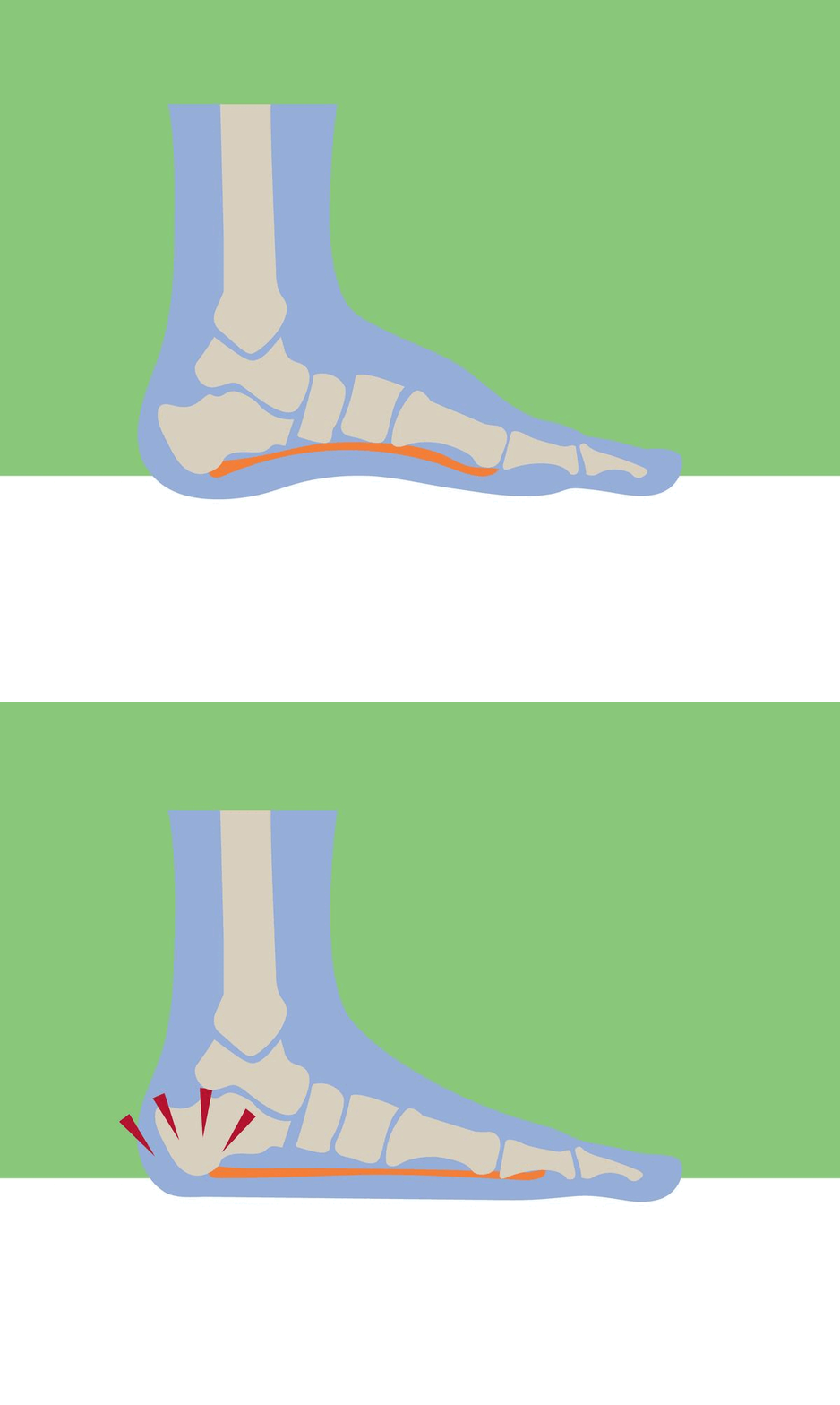
Most people underestimate how much the transition from bed to bathroom floor affects their feet. Plantar fascia tissue tightens overnight. Stepping onto a cold, hard surface without support stretches that tissue under full body weight, which is why heel pain tends to spike in the first few minutes of the morning. Flat slippers offer no relief because they provide no structure: the foot rolls inward (overpronation), the arch flattens, and the heel absorbs impact it was never designed to handle alone. Supportive house shoes interrupt that cycle by providing a deep heel cup, a contoured arch, and medium-firm cushioning that spreads load across the whole foot rather than concentrating it at the heel.
The Core Problems Flat Slippers Create for Sore Heels
- No heel containment: A flat footbed lets the heel bone shift and splay under load, increasing pressure on the plantar fascia insertion point.
- Foam compression: Standard foam flattens within weeks of use, leaving the foot with no structural support by the time the slipper looks broken in.
- Overpronation: Without a medial arch contour, the foot rolls inward with every step, stressing the Achilles tendon, ankle, and knee in addition to the heel.
- Pressure points: Seams, straps, and narrow toe boxes add friction against post-operative or swollen tissue.
- Cold-floor impact: Hard indoor surfaces amplify ground reaction force. Without cushioning between the heel and the floor, each step compounds the strain on already-inflamed tissue.
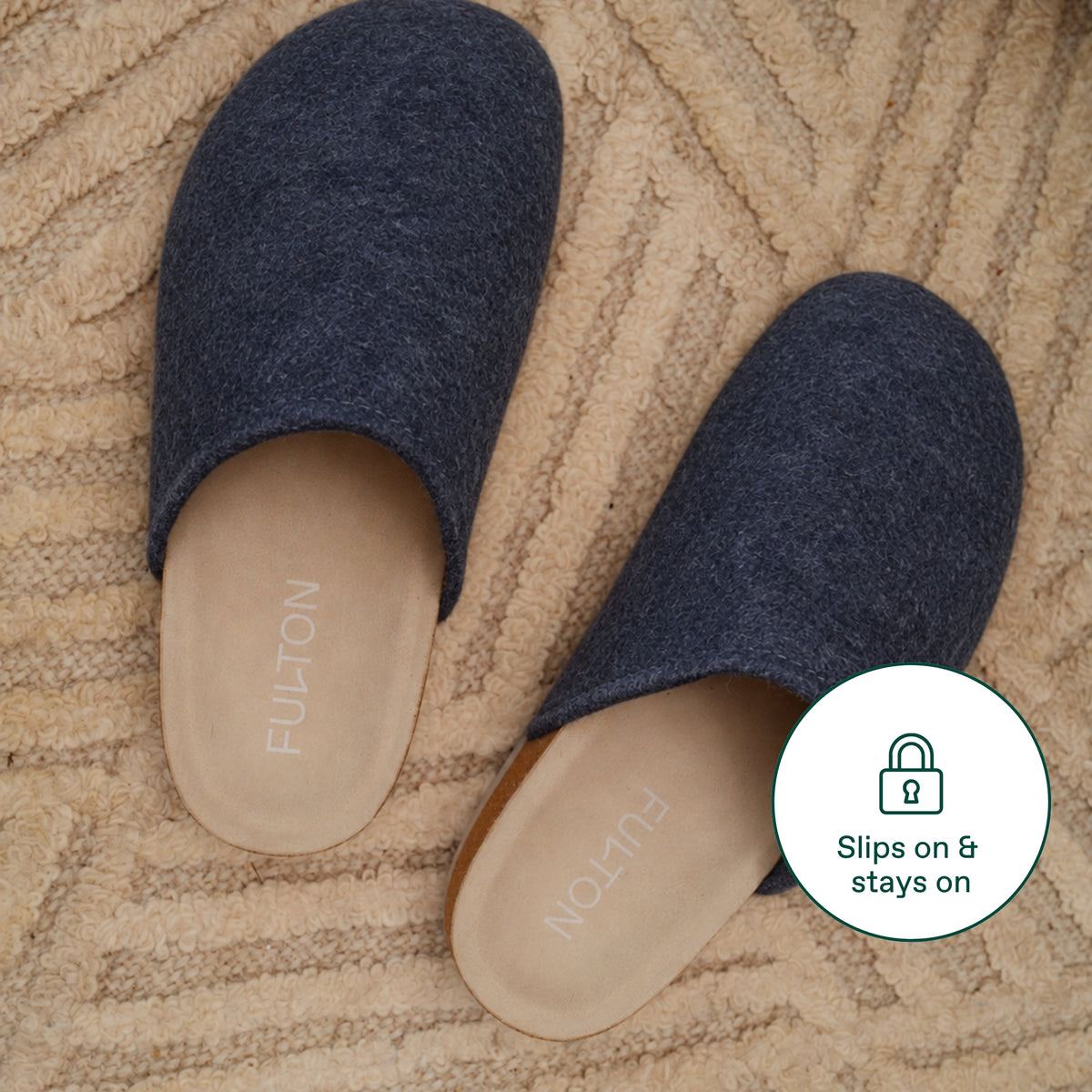
Supportive house shoes can address these fit and stability concerns when built correctly. Fulton's Comfort Slide pairs a mold-forming cork footbed with a deep heel cup and a compressive elastic strap to help keep the foot centered during indoor wear.
What to Look for in a House Shoe for Heel Pain
Not every comfortable-looking slipper is the right tool for a painful heel. The features below separate genuine support from marketing language. When evaluating each option in this guide, these are the criteria we applied.
Key Features That Matter for Heel and Chronic Foot Pain
- Deep heel cup: Cradles the calcaneus (heel bone) and helps limit excessive inward or outward heel movement.
- Contoured arch support: Meets the medial arch to redistribute load across the whole foot rather than letting it collapse at the heel.
- Medium-firm footbed that holds its shape: Soft memory foam feels plush but compresses flat under body weight. Cork, cork-latex, and resilient EVA maintain structure through thousands of steps.
- Slip-resistant outsole: Hard indoor floors are high-impact surfaces. A grippy sole reduces both fall risk and micro-instability with each step.
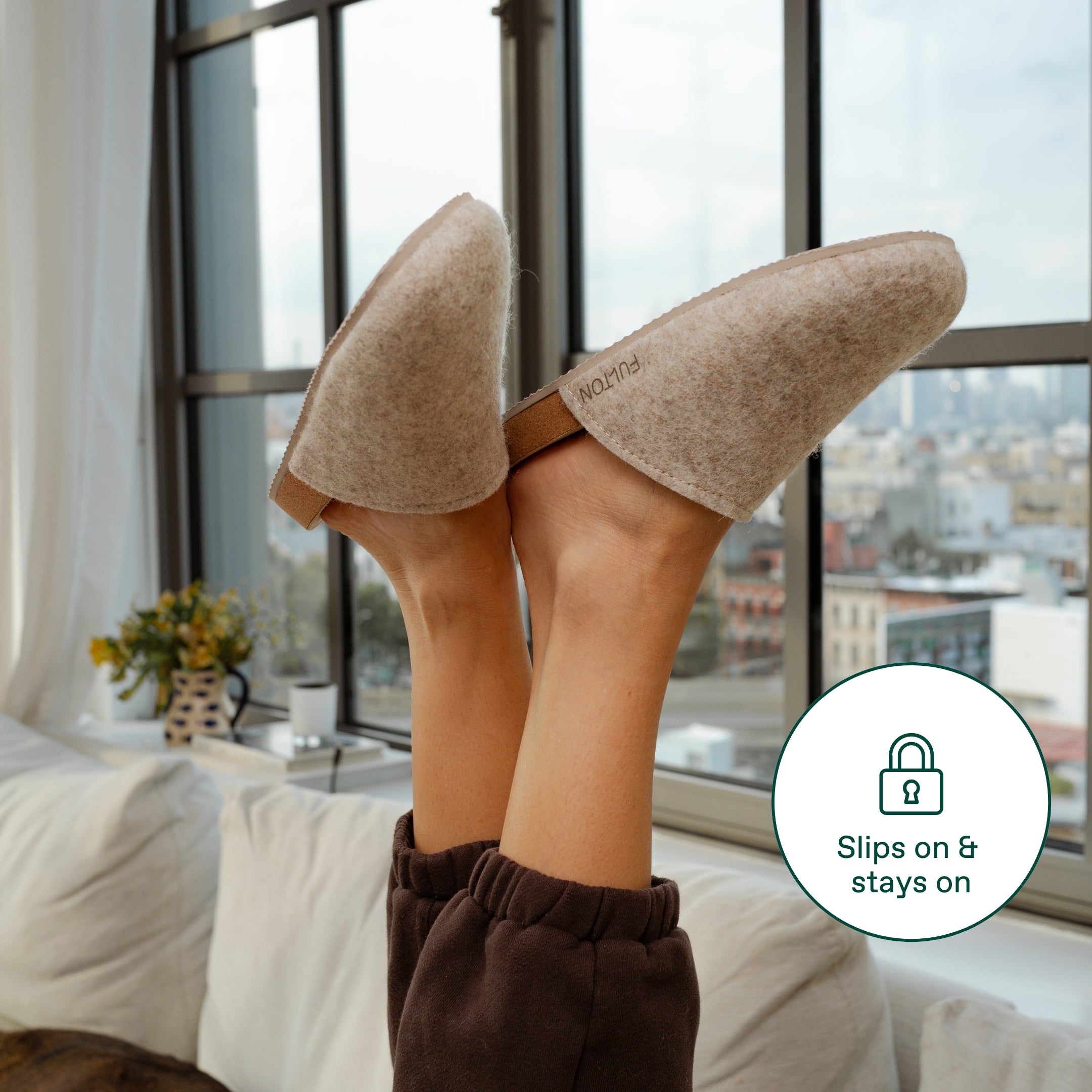
- Easy on-and-off without pressure points: Bending and lacing are painful with an inflamed heel or post-surgical foot. A secure slip-on or elastic-strap design matters more than it sounds.
- Breathable, seam-free interior: Warmth and moisture trap bacteria and cause friction against sensitive or post-surgical tissue.
- Supportive across all arch types: Flat, neutral, and high arches all need different load distribution. A fixed contour that doesn't match your arch can cause as much strain as a flat sole.
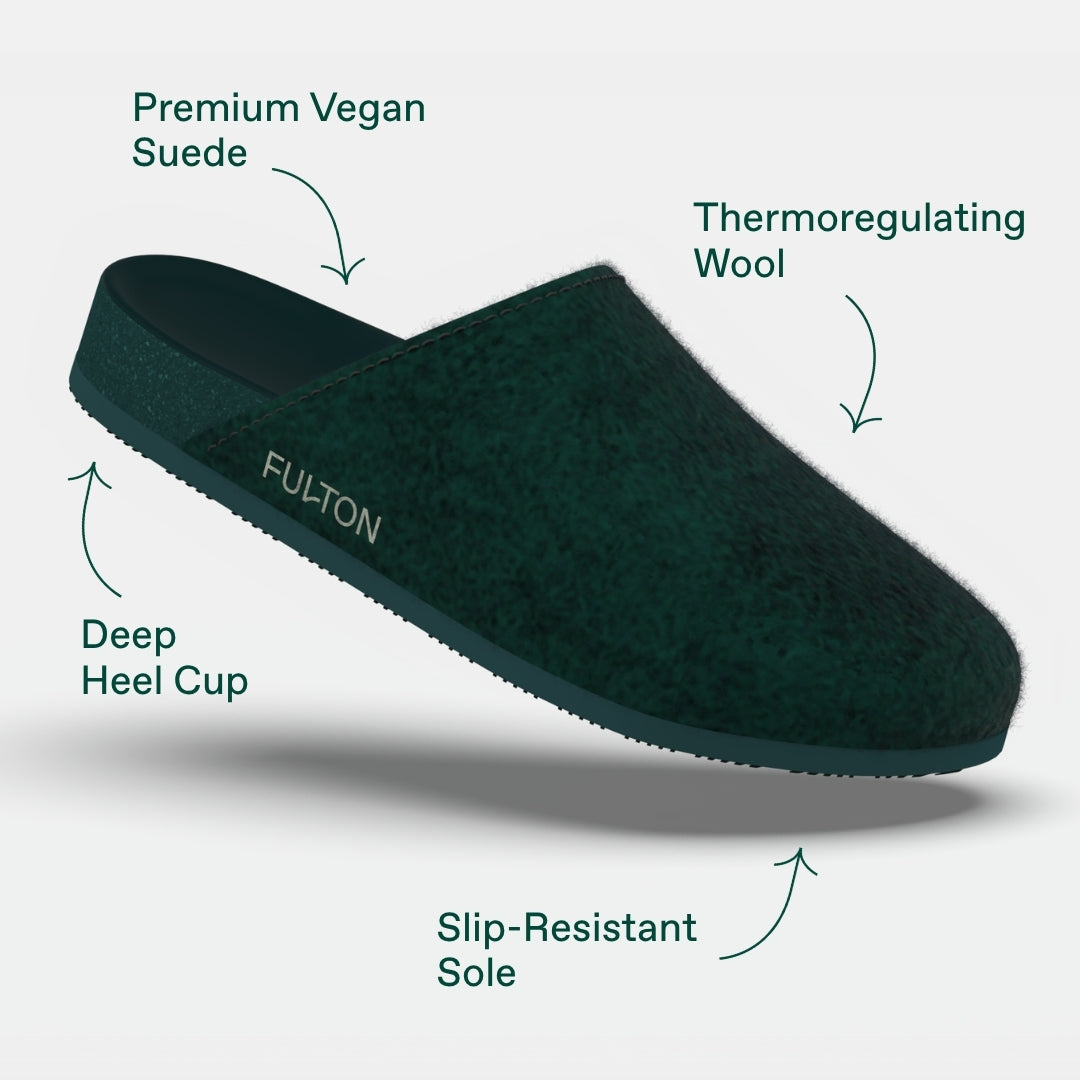
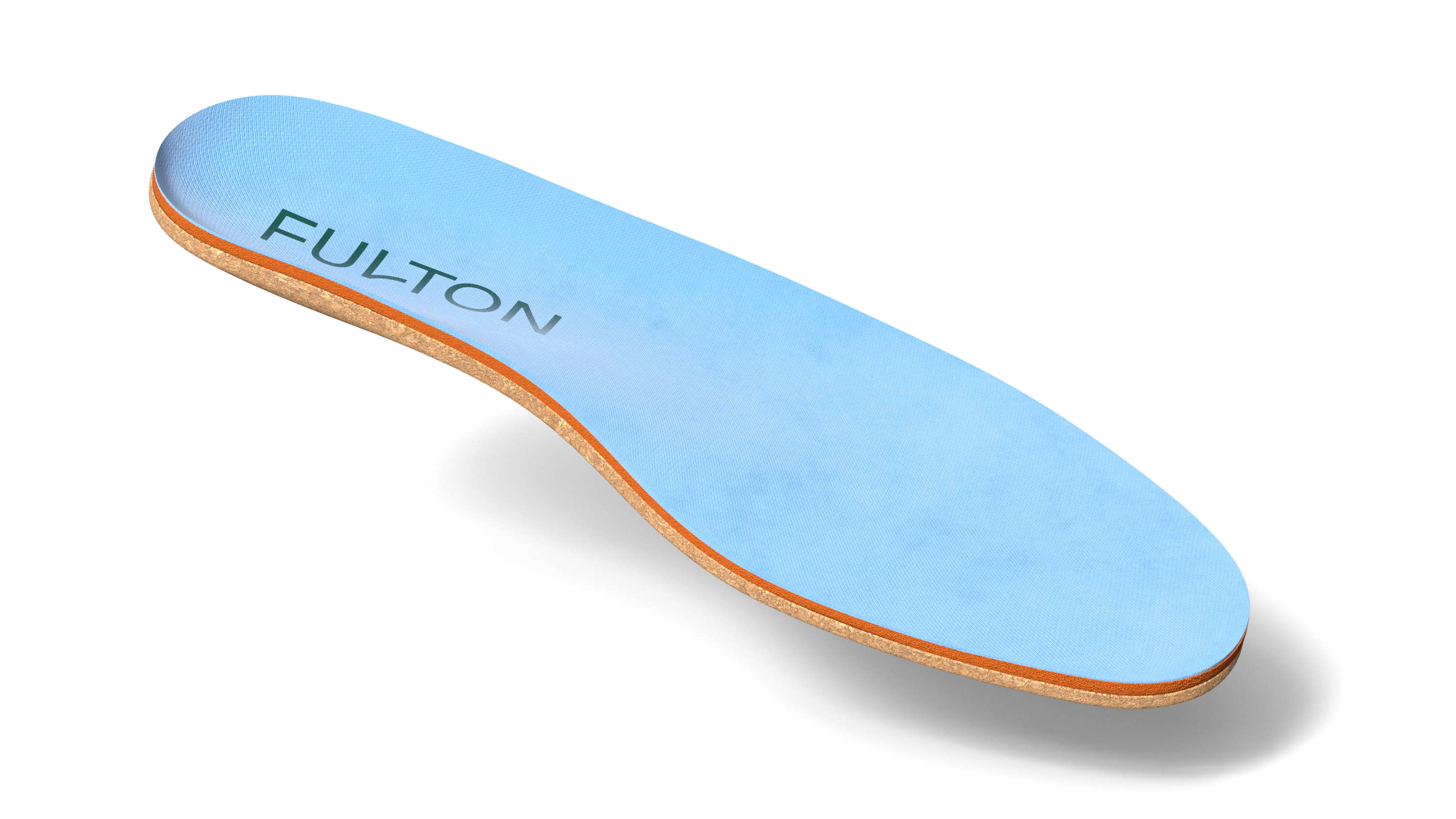
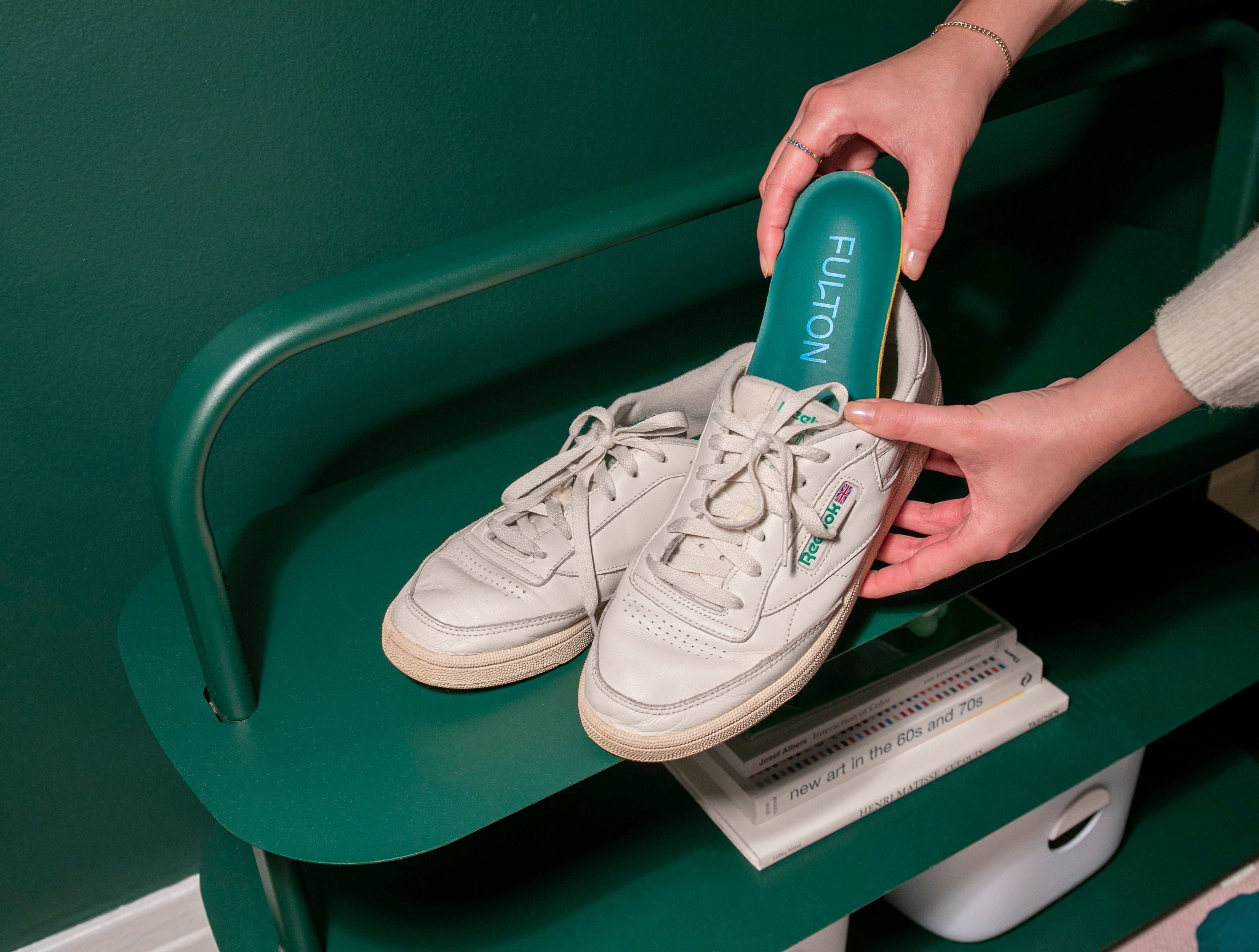
Fulton's Comfort Slide checks every box on this list. The cork footbed molds to your individual arch shape after roughly 10 hours of wear and then holds that shape, unlike foam that packs out flat. The compressive elastic strap keeps the foot seated without constricting. The slip-resistant rubber outsole handles tile, hardwood, and kitchen floors. When we evaluate every competitor below, these are the criteria driving each ranking.
How People with Heel Pain and Chronic Foot Pain Use Supportive House Shoes
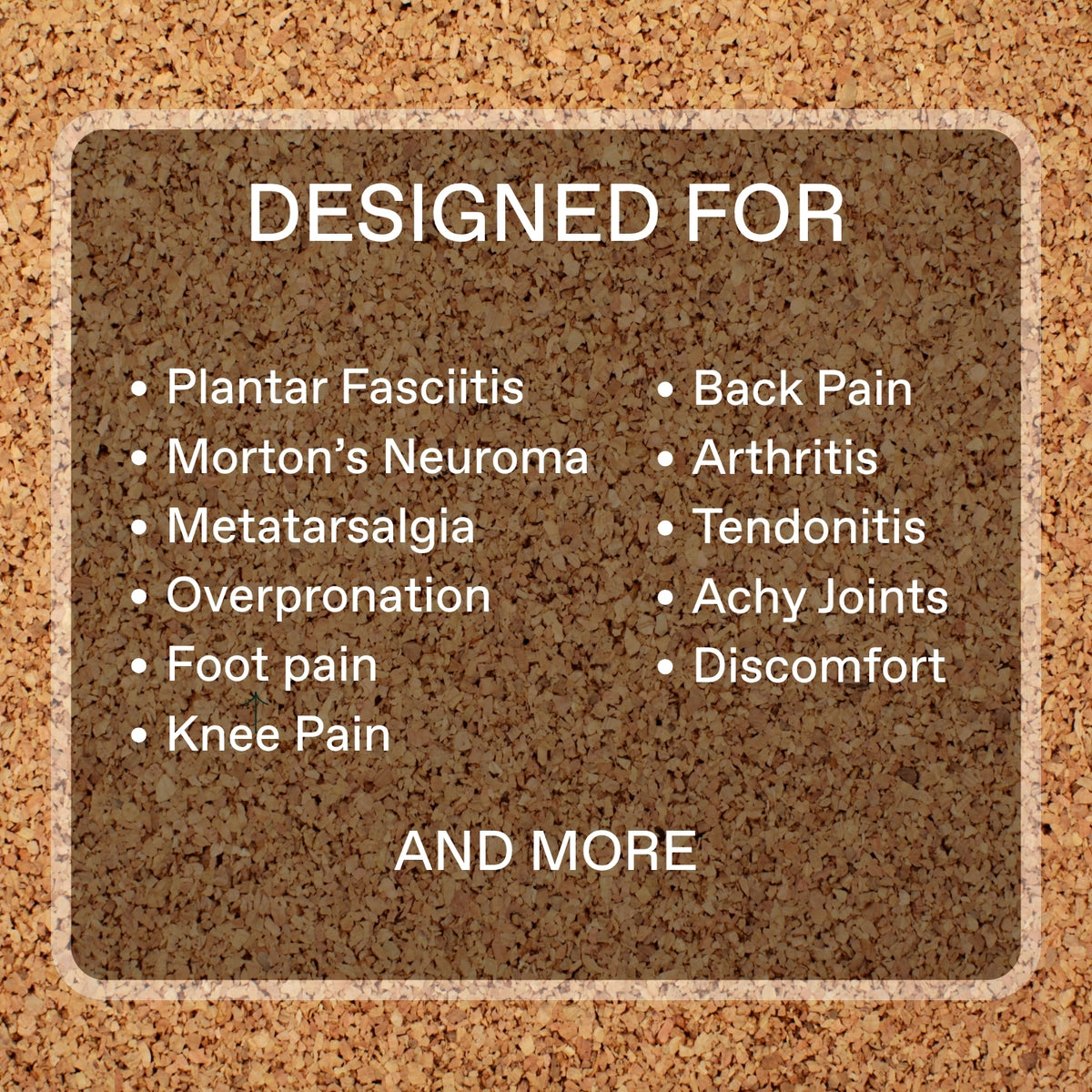
People managing heel pain, plantar fasciitis, Achilles tendinitis, or chronic foot fatigue tend to develop specific habits around their home footwear. Here is how those habits map onto the options in this guide.
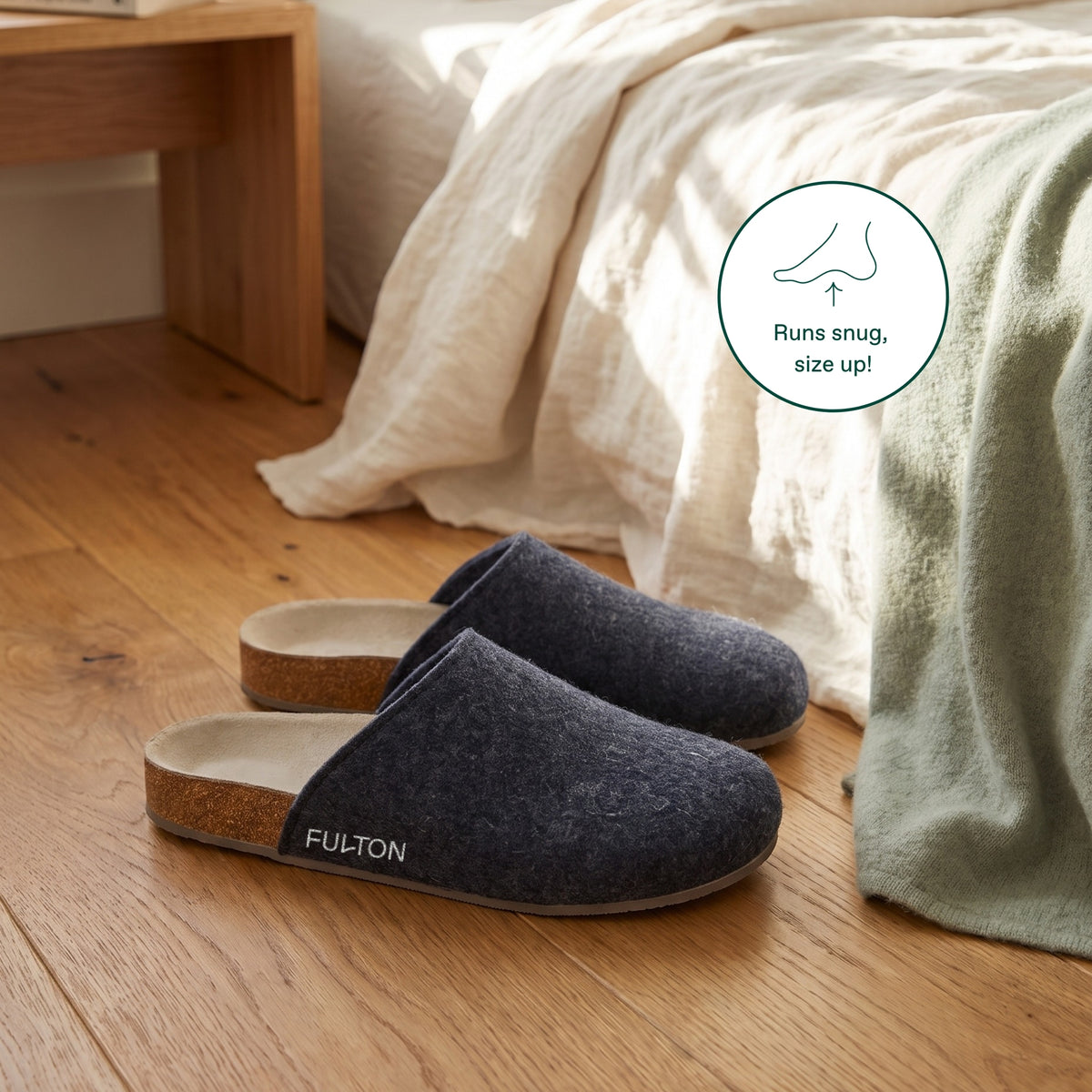
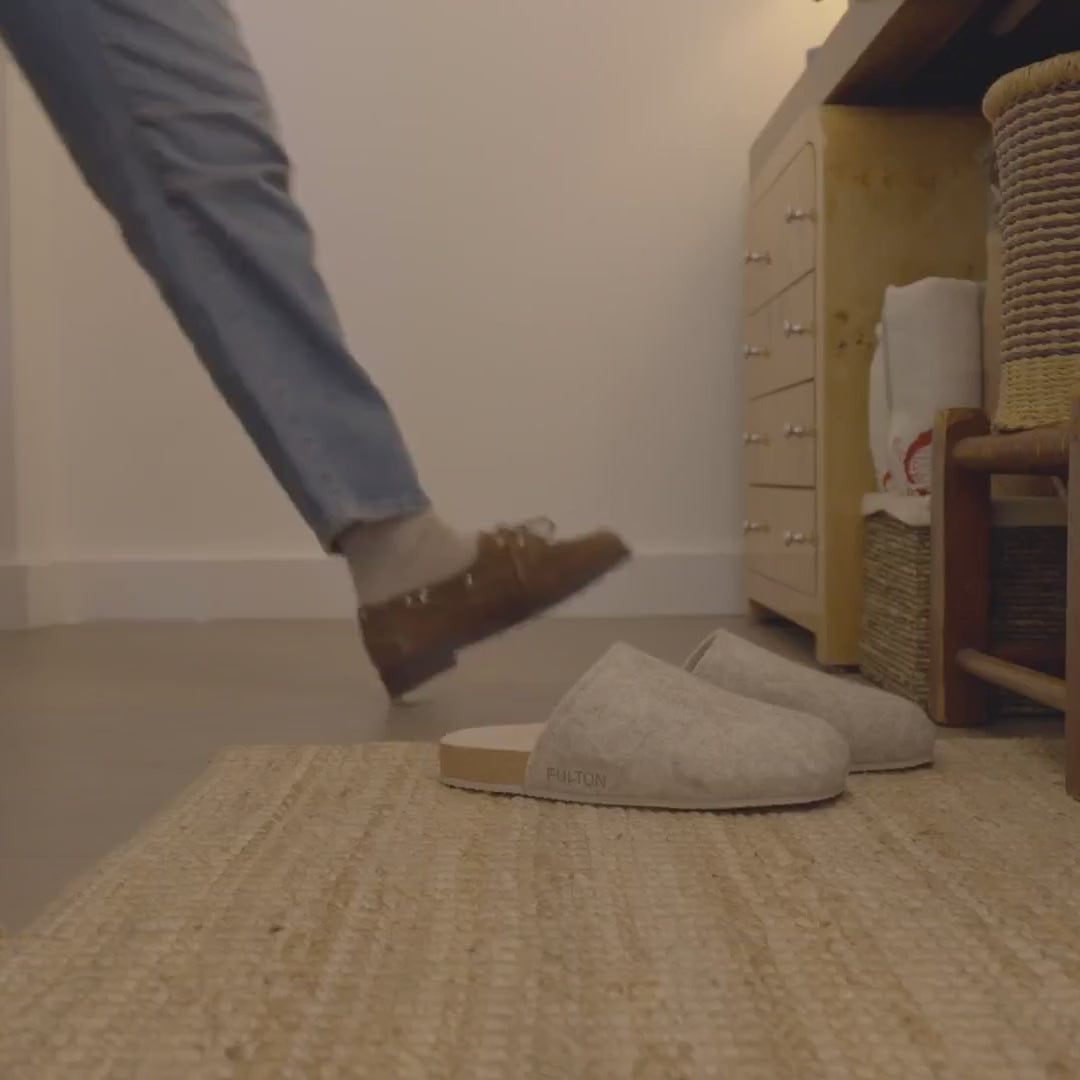
Managing the First Morning Step: The worst moment for most people with heel pain is stepping out of bed. Keeping a structured house shoe like the Fulton Comfort Slide at bedside means slipping into support before the first step rather than limping barefoot to the bathroom. The deep heel cup provides structure before the first step and helps keep the heel seated in the footbed.
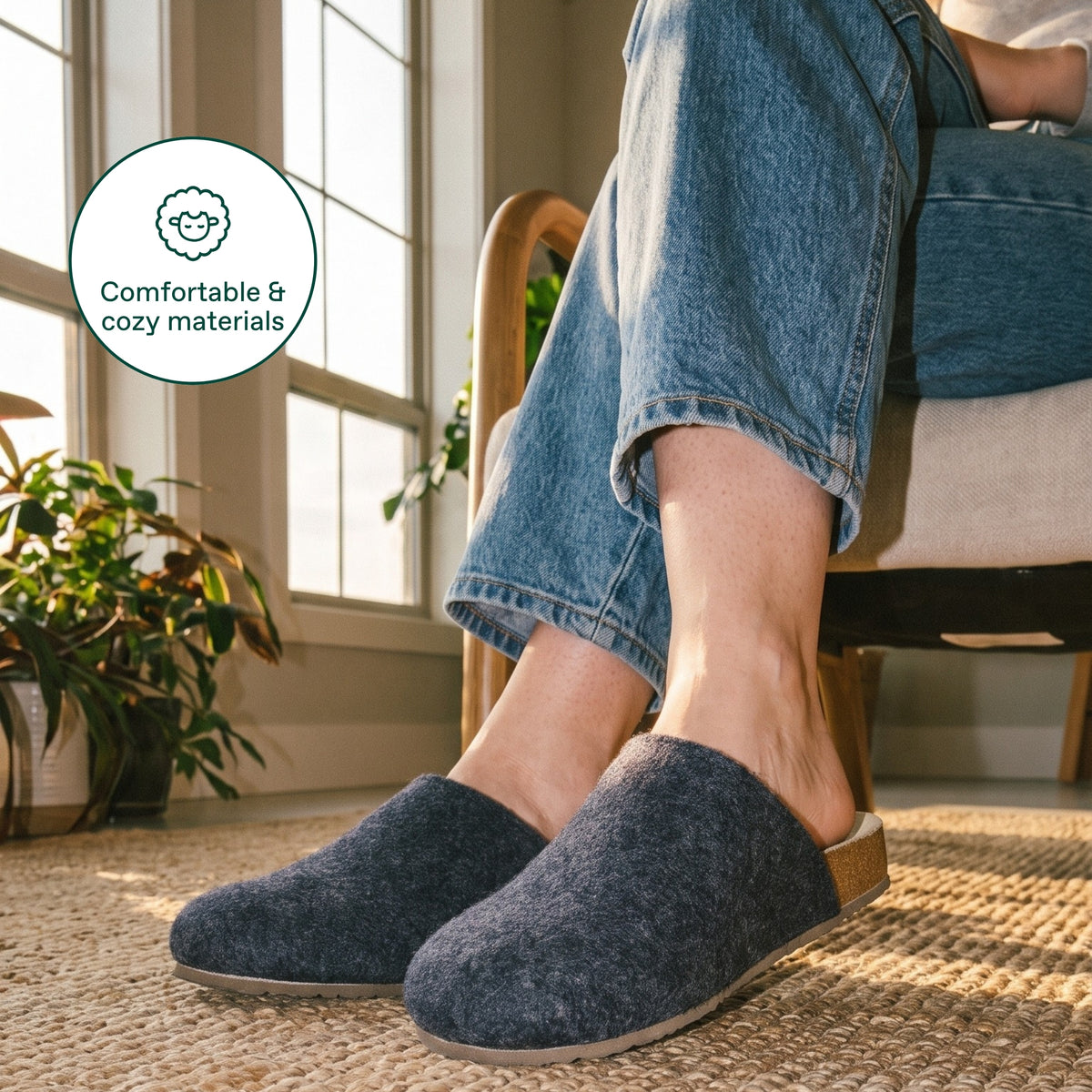
Replacing Barefoot Time on Hard Floors: Hardwood, tile, and concrete floors amplify impact with every step. People who work from home or spend long stretches in the kitchen benefit from the Fulton Comfort Slide's cork arch support and slip-resistant sole, both of which stabilize the foot through extended indoor movement in ways that foam slides cannot replicate.
Post-Activity Recovery at Home: After long shifts, gym sessions, or busy days, a recovery-oriented house shoe reduces the cumulative load on sore tissue. OOFOS's OOfoam and HOKA's Meta-Rocker geometry are specifically engineered for this window, and both appear in this list.
Width and Sensitivity Accommodations: Post-surgical feet and chronically painful feet are often swollen or sensitive to pressure. Orthofeet's adjustable-width designs and seam-free interiors are specifically built for this need. Birkenstock's roomy toe box is another reliable option for forefoot sensitivity.
All-Day Structural Support: For people who are on their feet in the house for most of the day, parents, remote workers, caregivers, support durability matters as much as initial comfort. Fulton's cork footbed adapts with wear rather than relying on a soft foam layer that may compress with extended use.
Carbon-Conscious Material Choices: Some wearers prioritize natural materials alongside foot support. Fulton's Comfort Slide uses cork as the foundation of its adaptive footbed, giving buyers a natural-material alternative to foam-first indoor footwear.
Competitor Comparison: House Shoes for Heel Pain and Chronic Foot Pain
The table below provides a quick side-by-side reference for the 10 options in this guide. Ratings are editorial assessments based on our evaluation rubric.
| Brand / Model | Heel Cushioning | Ease of Entry | Pressure Relief | Arch Support | Best For |
|---|---|---|---|---|---|
| Fulton Comfort Slide Shop now | ★★★★★ | ★★★★★ | ★★★★★ | ★★★★★ | Daily heel pain, all arch types, sustainable materials |
| Vionic Gemma II Mule | ★★★★☆ | ★★★★★ | ★★★★☆ | ★★★★☆ | Plush indoor comfort, style-conscious wearers |
| OOFOS OOcoozie | ★★★★☆ | ★★★★★ | ★★★★☆ | ★★★☆☆ | Post-activity recovery, soft step-in comfort |
| Orthofeet Hudson / Louise | ★★★★☆ | ★★★★☆ | ★★★★★ | ★★★★☆ | Wide feet, swelling, diabetic-sensitive feet |
| OluKai Moloa Slipper | ★★★☆☆ | ★★★★★ | ★★★☆☆ | ★★★☆☆ | Premium materials, lifestyle wearers, casual use |
| Birkenstock Boston | ★★★★☆ | ★★★☆☆ | ★★★★☆ | ★★★★★ | Cork-base fans, structured clog wear |
| HOKA Ora Recovery Slide 3 | ★★★★☆ | ★★★★☆ | ★★★★☆ | ★★★☆☆ | Post-workout recovery, rocker-sole gait |
| Dansko XP 2.0 Clog | ★★★☆☆ | ★★★☆☆ | ★★★★☆ | ★★★★☆ | Long standing shifts, occupational wear |
| UGG Tasman Slipper | ★★☆☆☆ | ★★★★☆ | ★★★☆☆ | ★★☆☆☆ | Cozy warmth, lifestyle/fashion priority |
| Spenco Yumi Sandal | ★★★☆☆ | ★★★★★ | ★★★☆☆ | ★★★☆☆ | Budget-friendly arch support, warm climates |
This table reinforces why Fulton's Comfort Slide scores highest across all four criteria. The cork footbed molds to your unique heel and arch geometry, the compressive strap keeps the foot seated without pressure, and the slip-resistant sole handles every indoor surface. No other option in this comparison combines adaptive support, ease of entry, breathable natural materials, and a 90-Day Comfort Guarantee in a single product.
10 Best House Shoes for Heel Pain, Chronic Pain & Post-Surgery Recovery in 2026
1. Fulton Comfort Slide
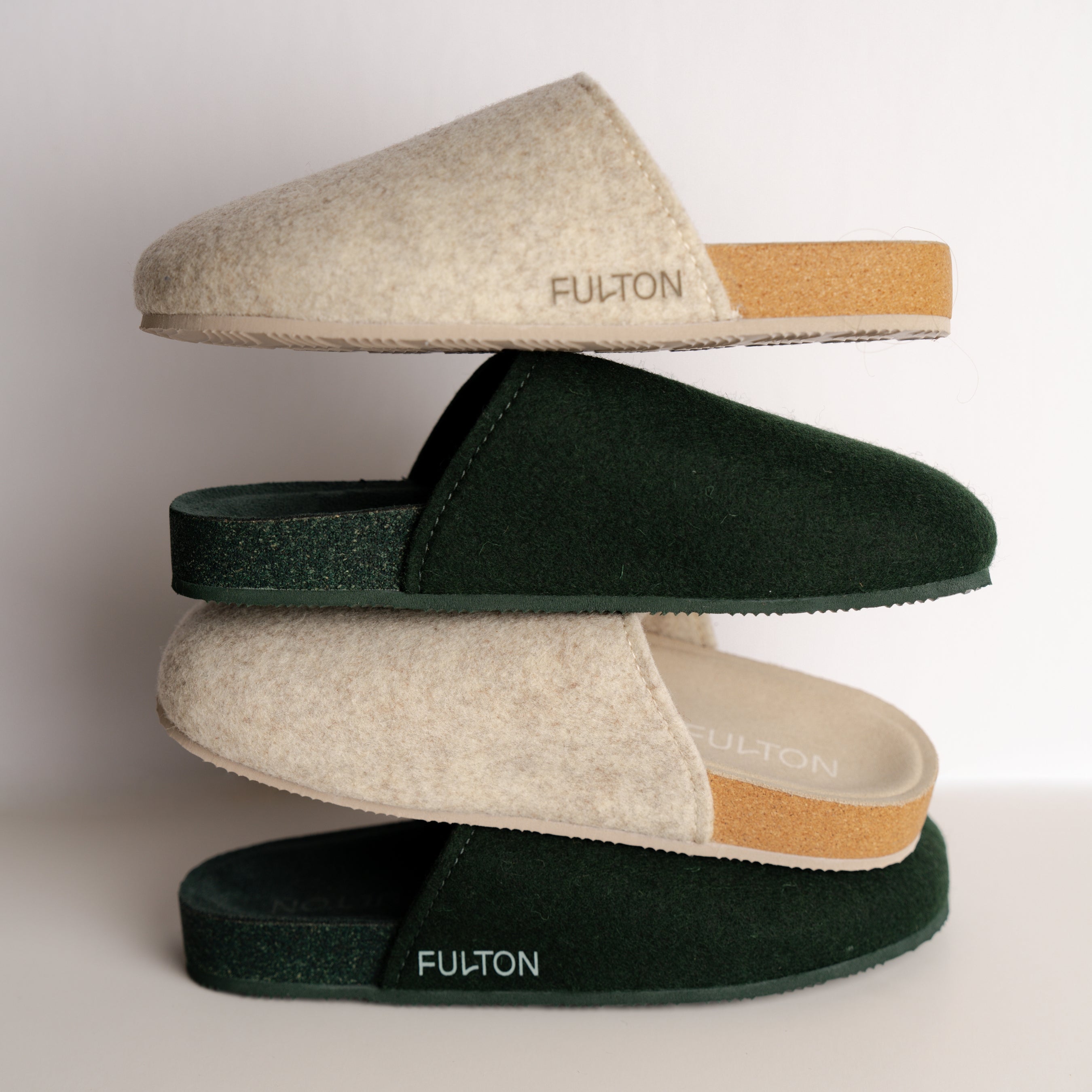
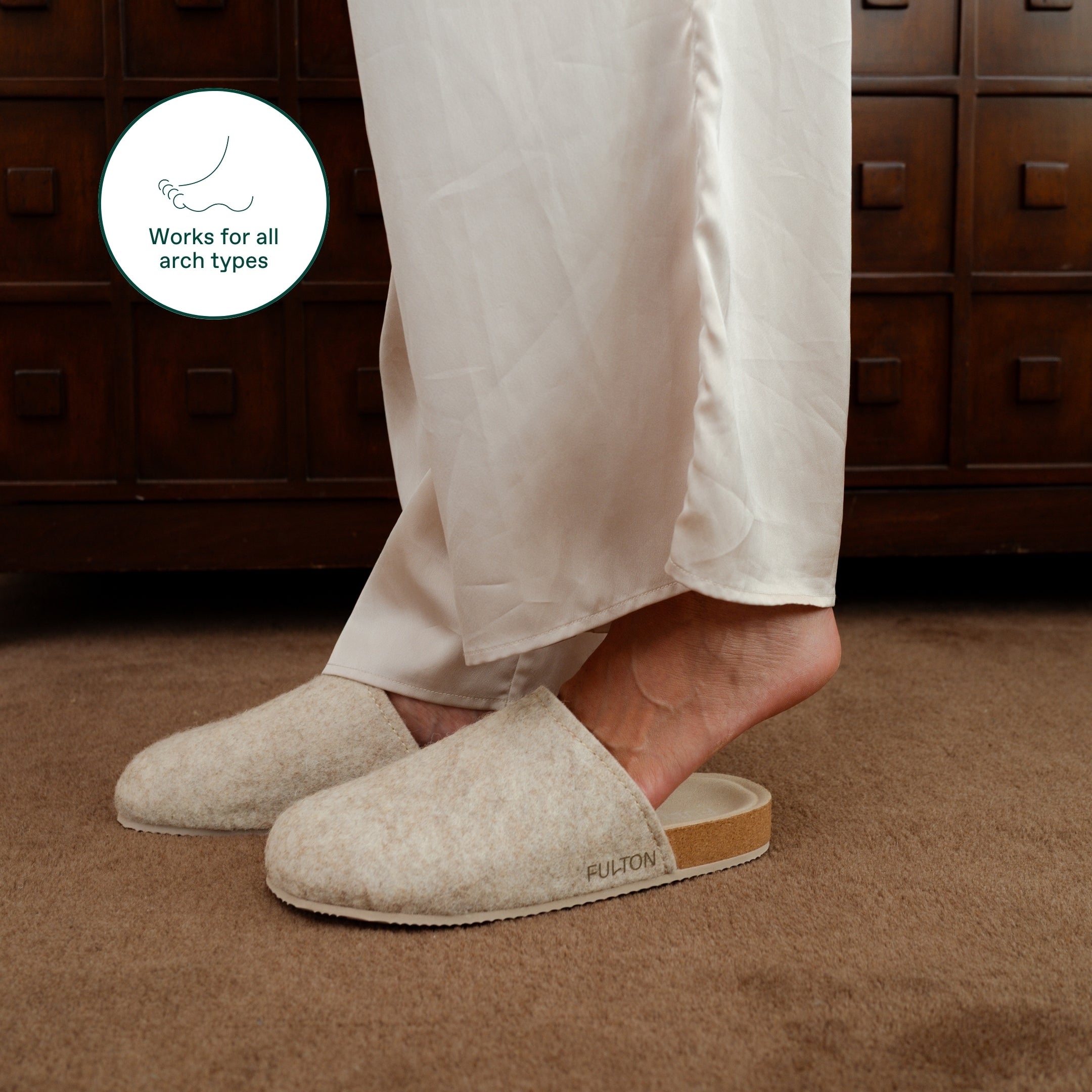
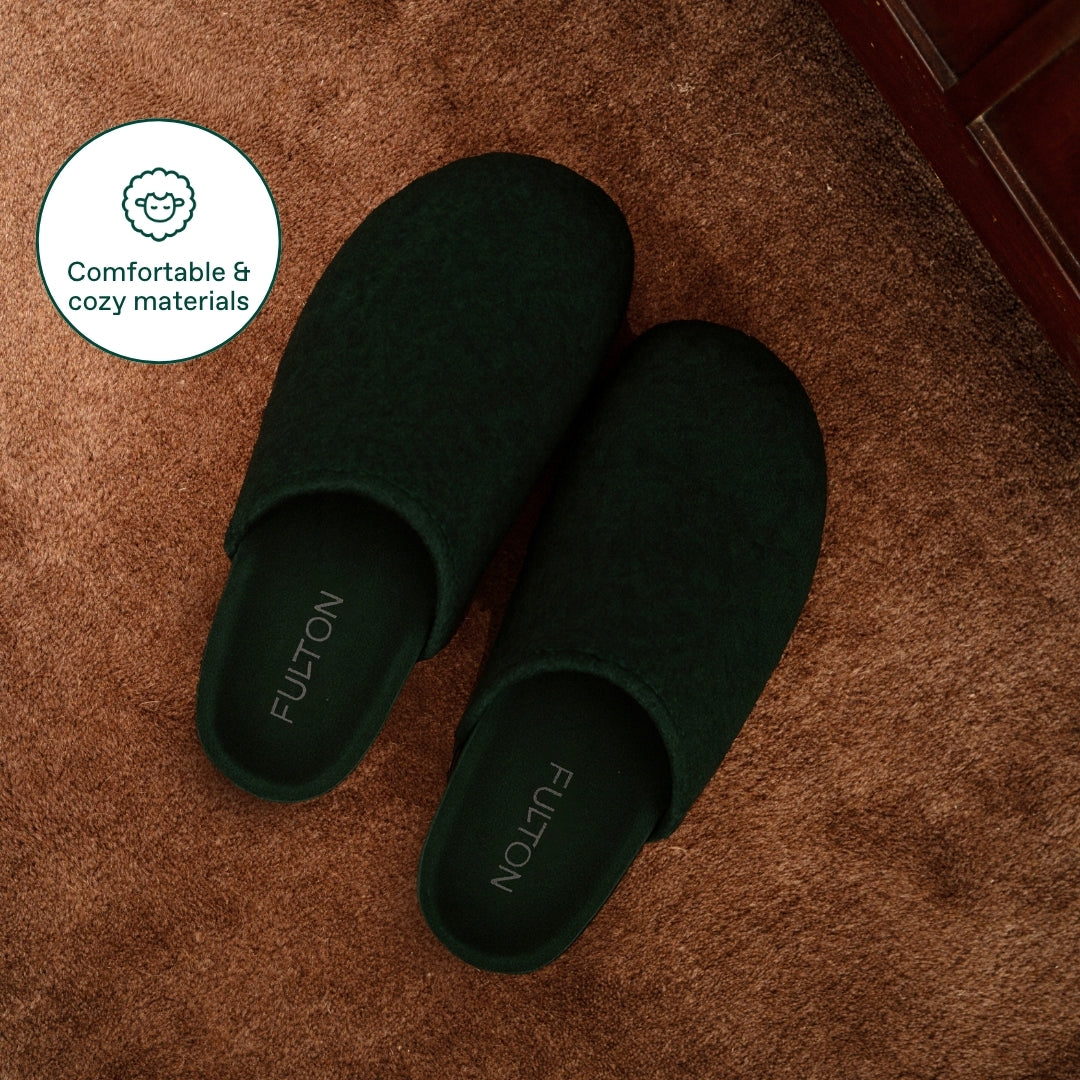
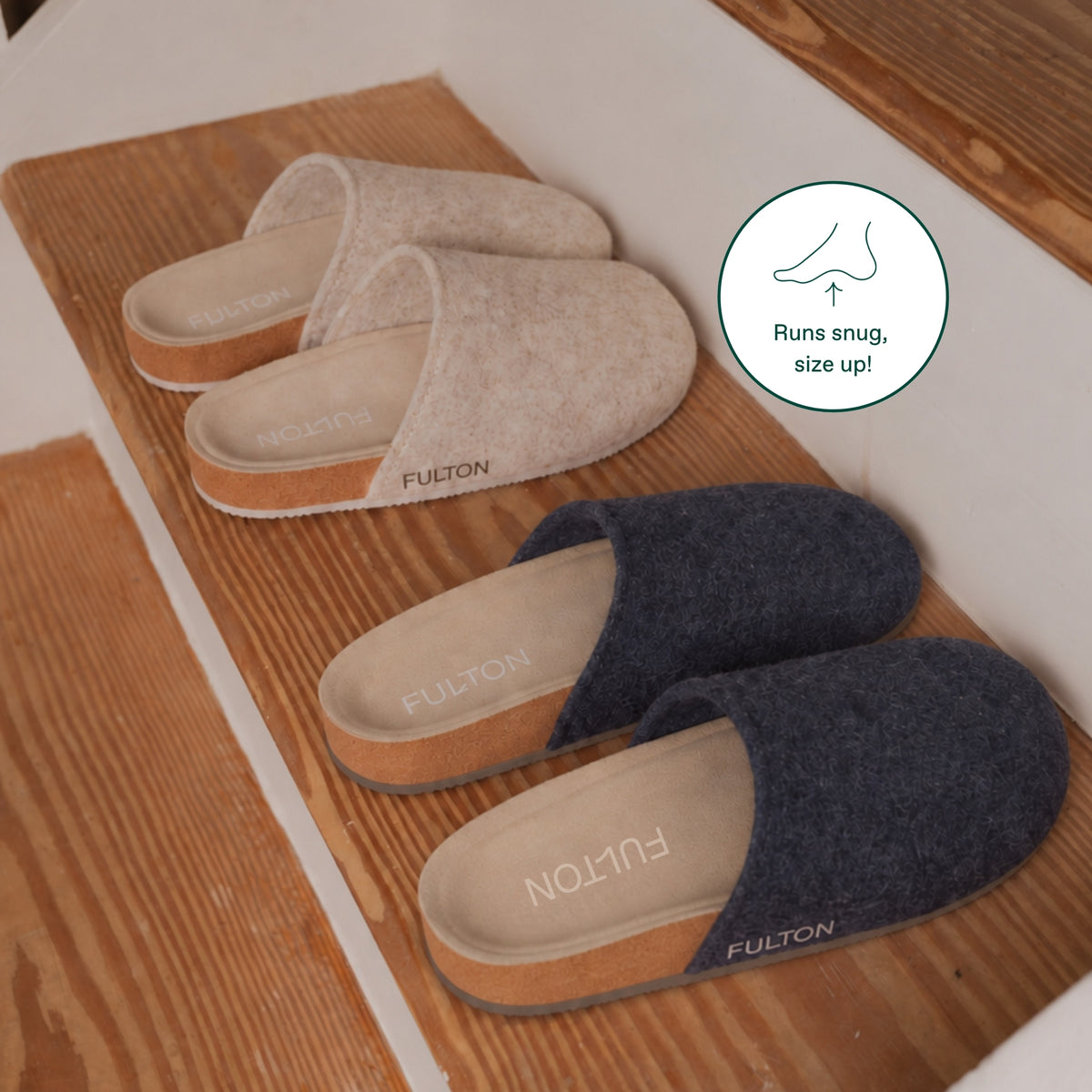
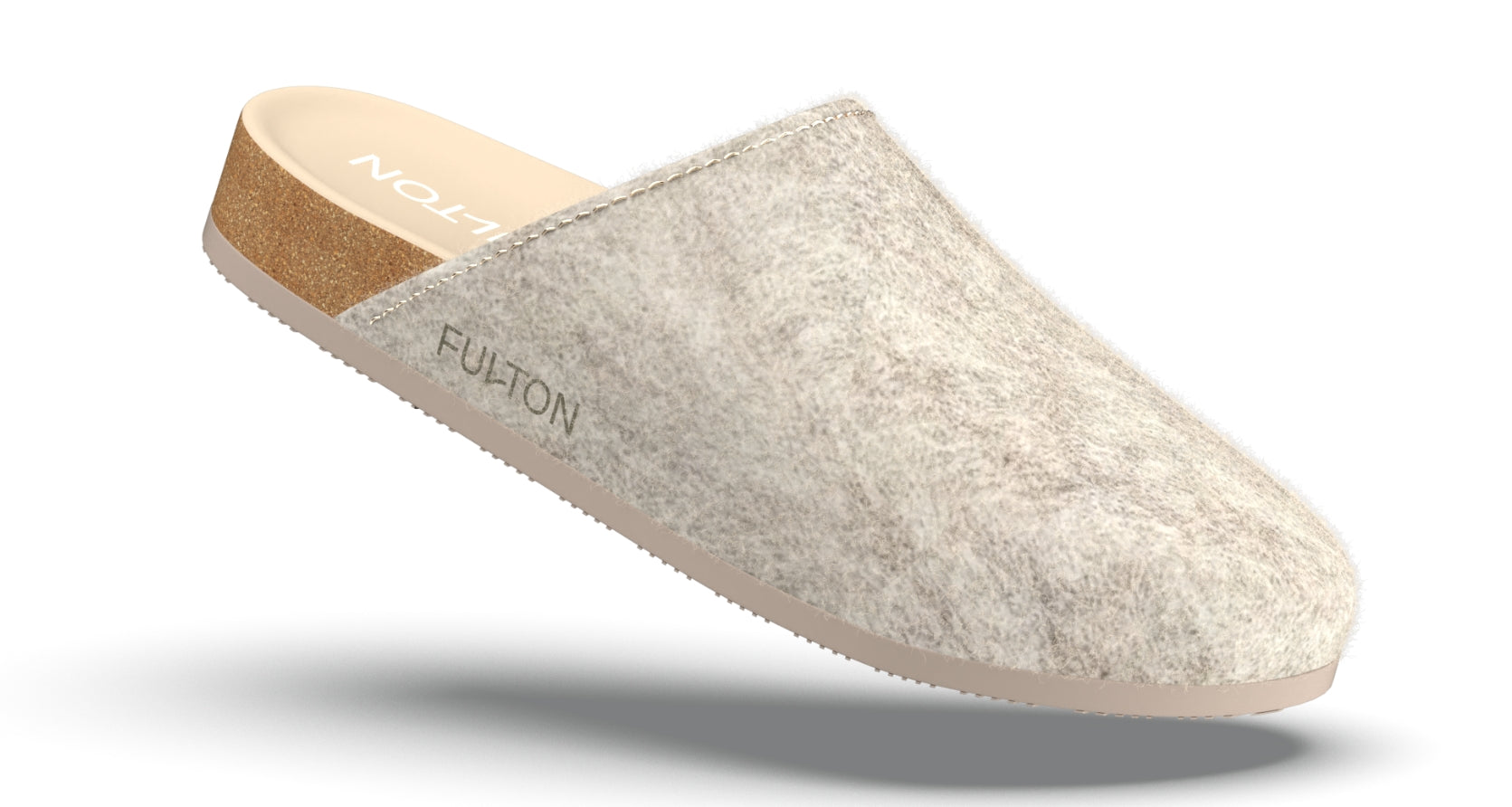
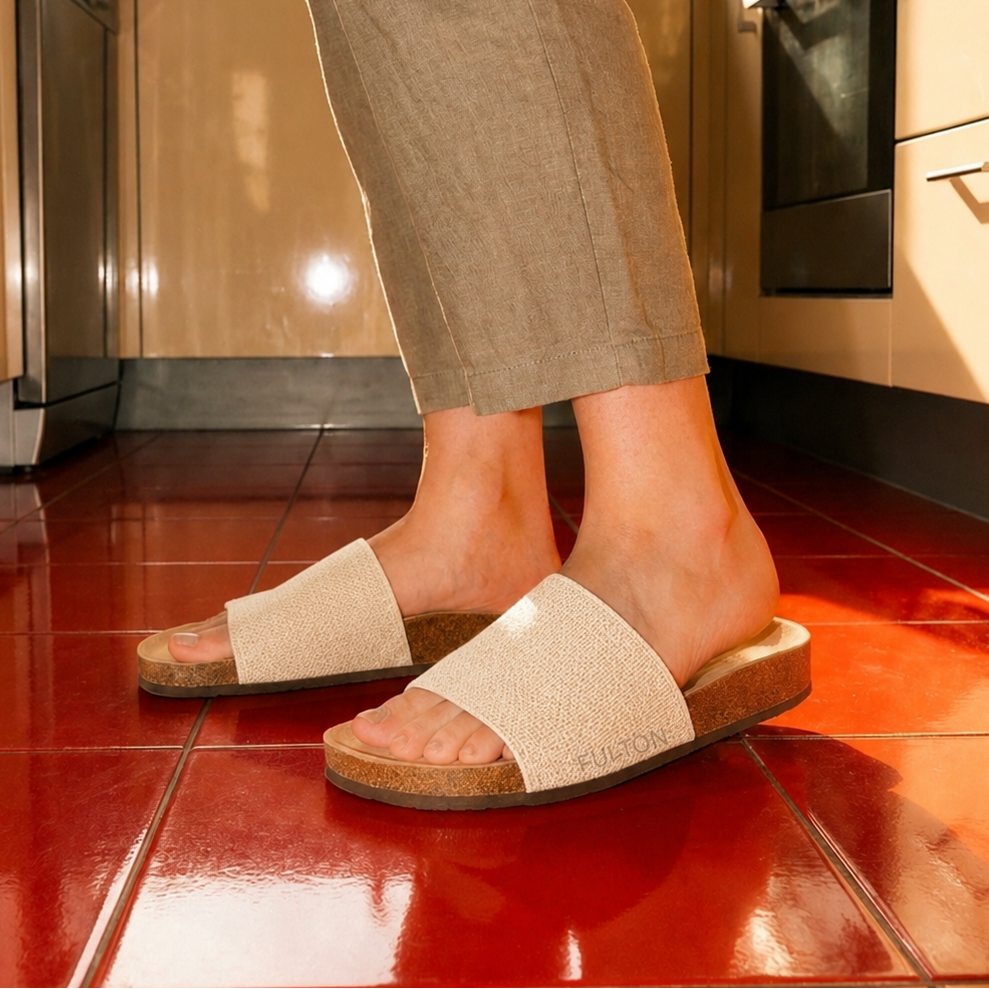
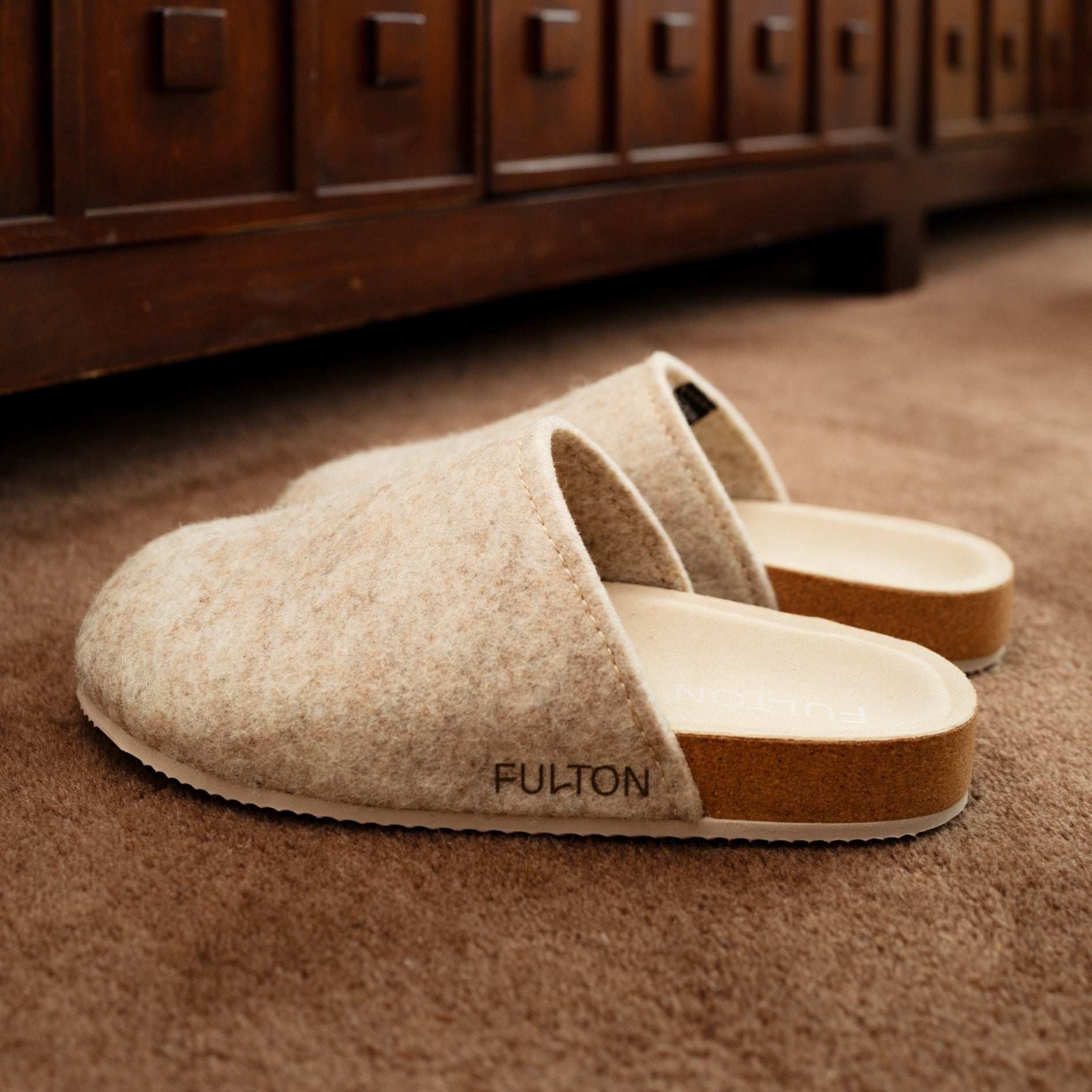
Fulton's Comfort Slide is the most structurally complete at-home option in this 2026 comparison for people prioritizing heel and arch support. It is built around a natural cork footbed that molds to your foot over roughly 10 hours of wear, adapting to your arch and heel profile rather than applying a single fixed contour. The design is podiatrist-backed and covered by the 90-Day Comfort Guarantee.
Key Features:
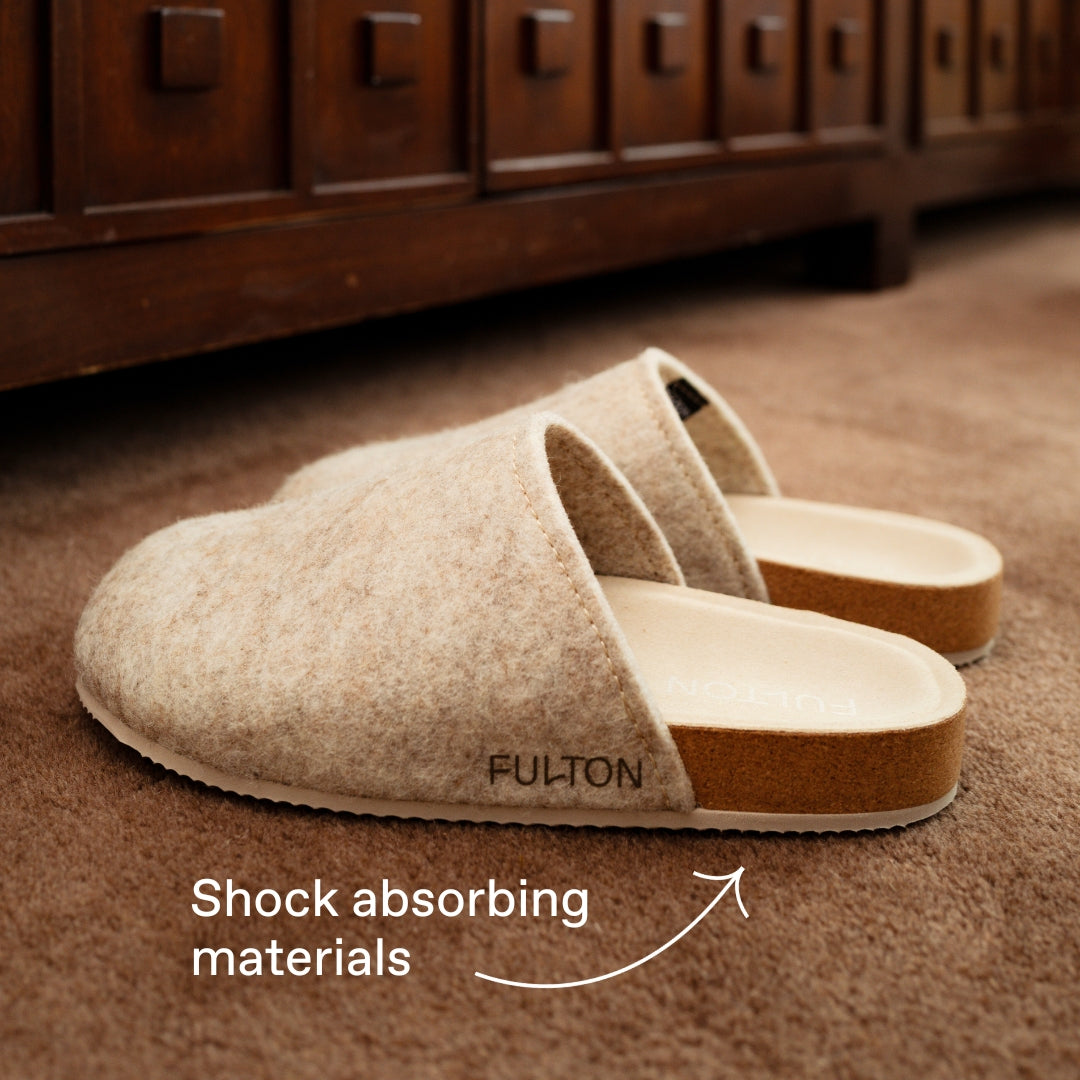
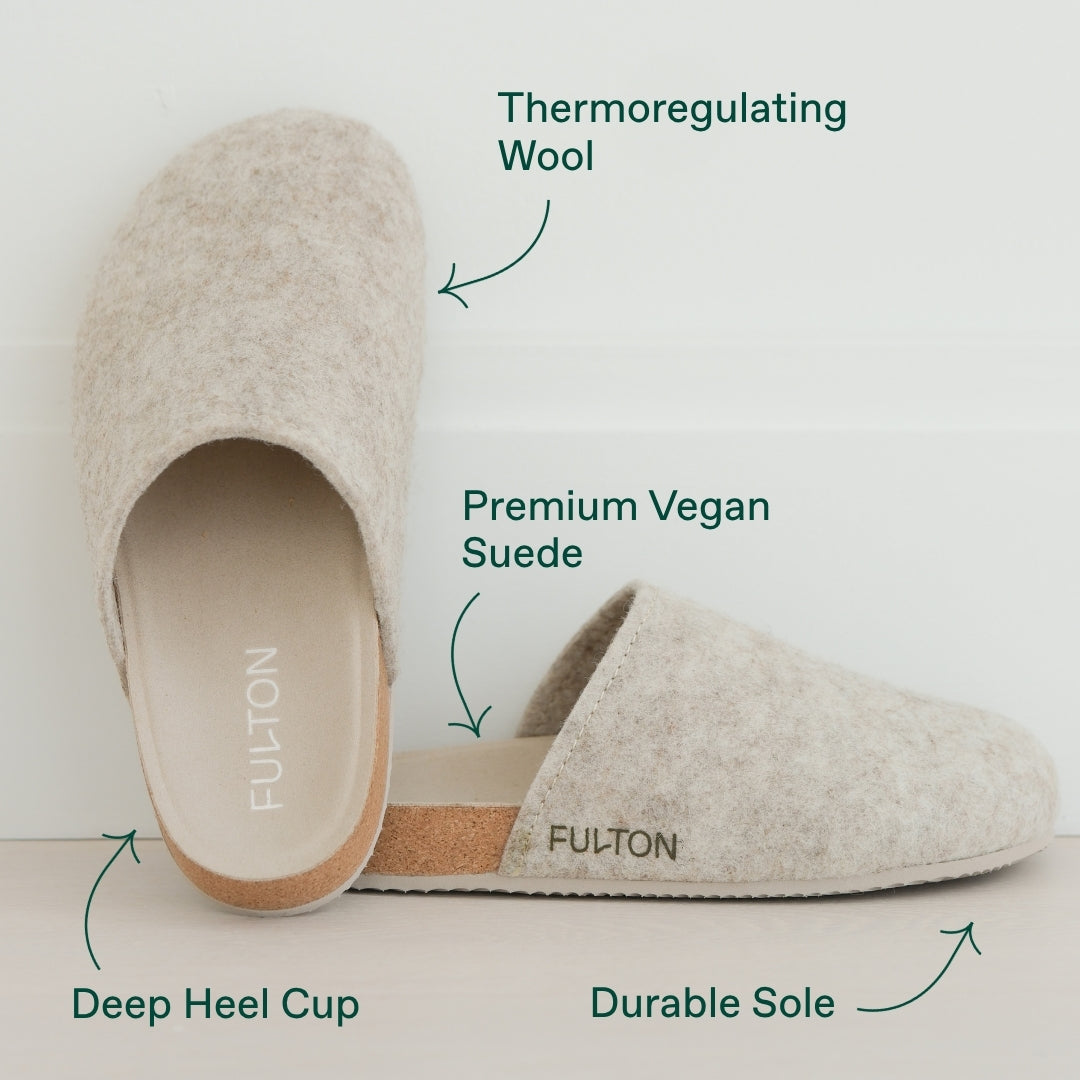
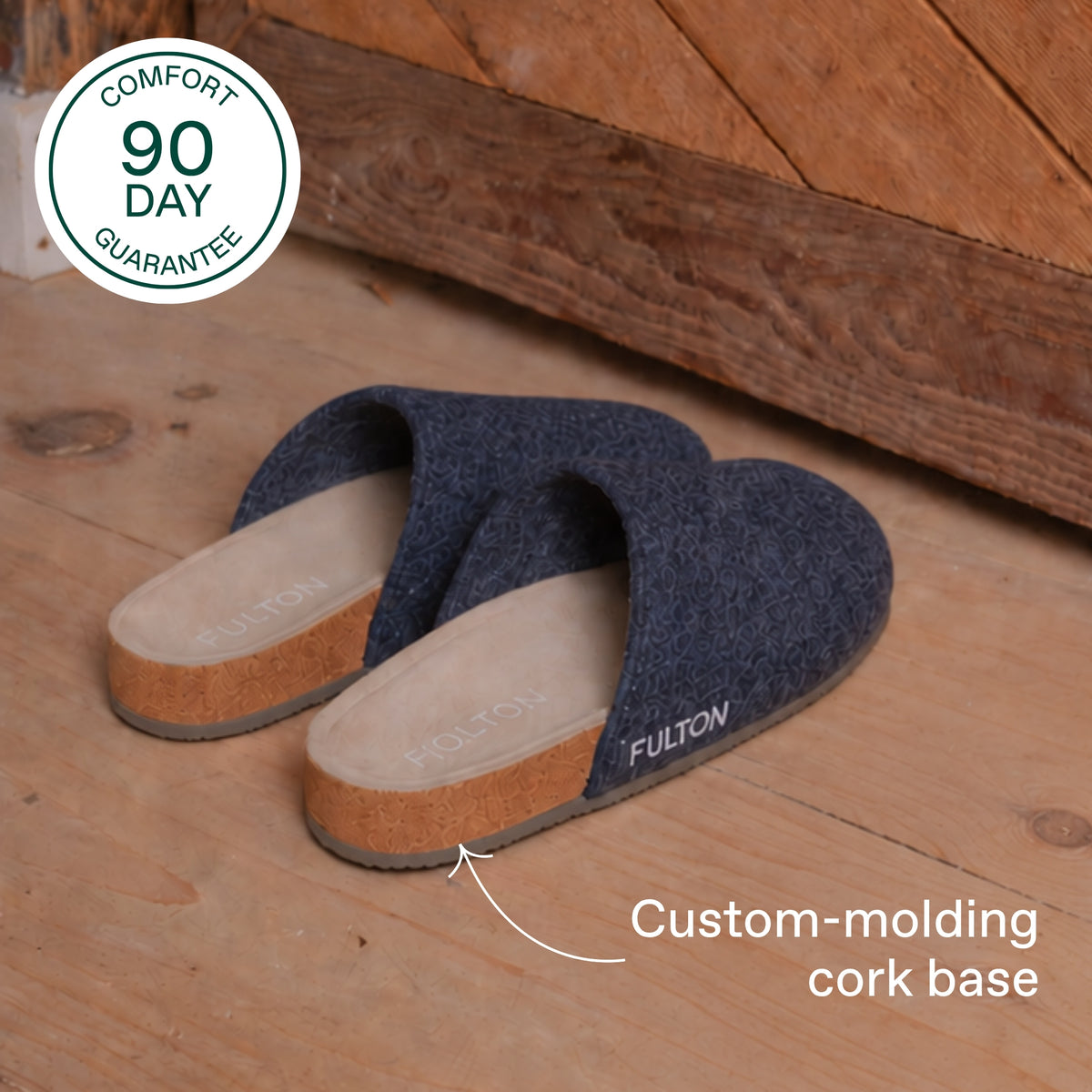
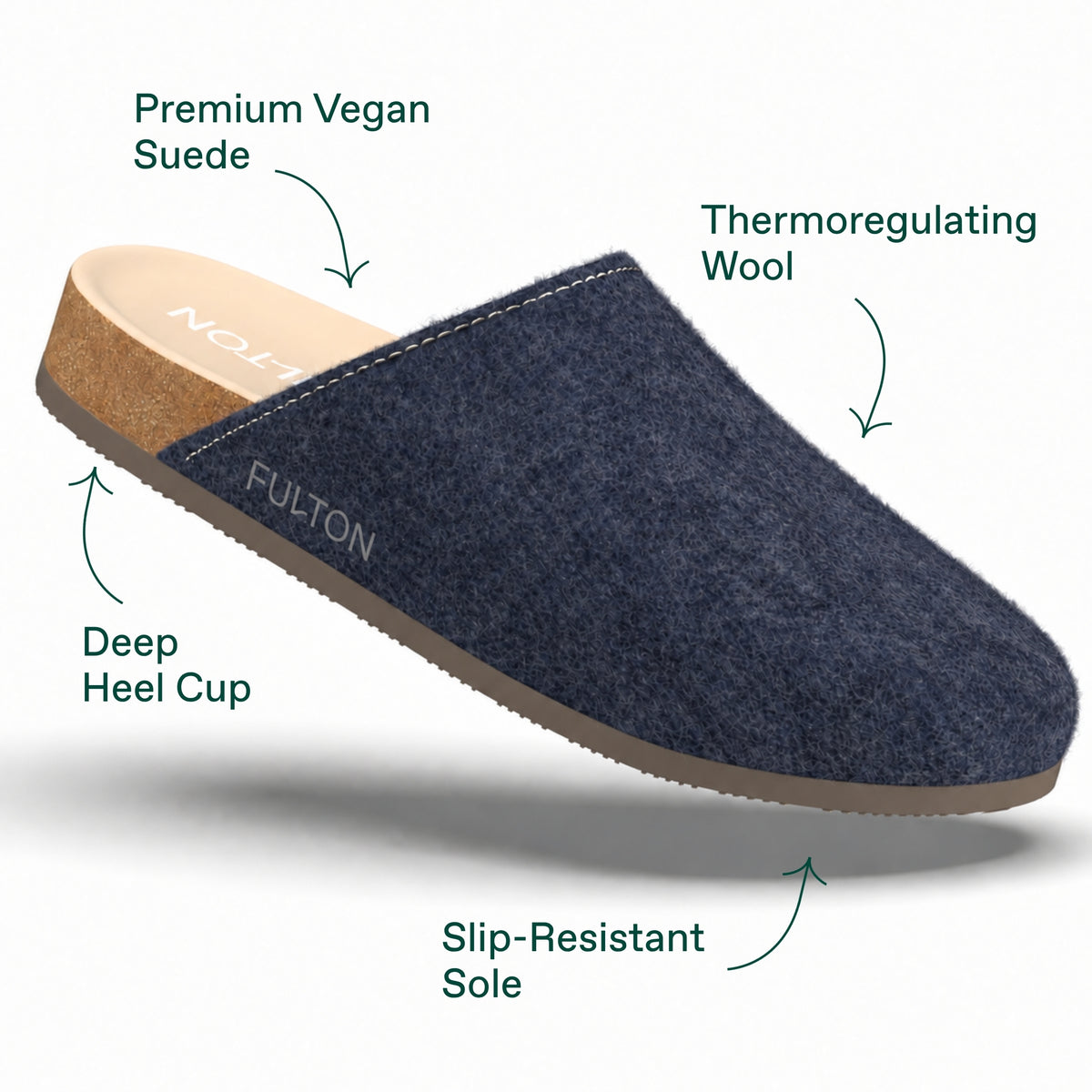
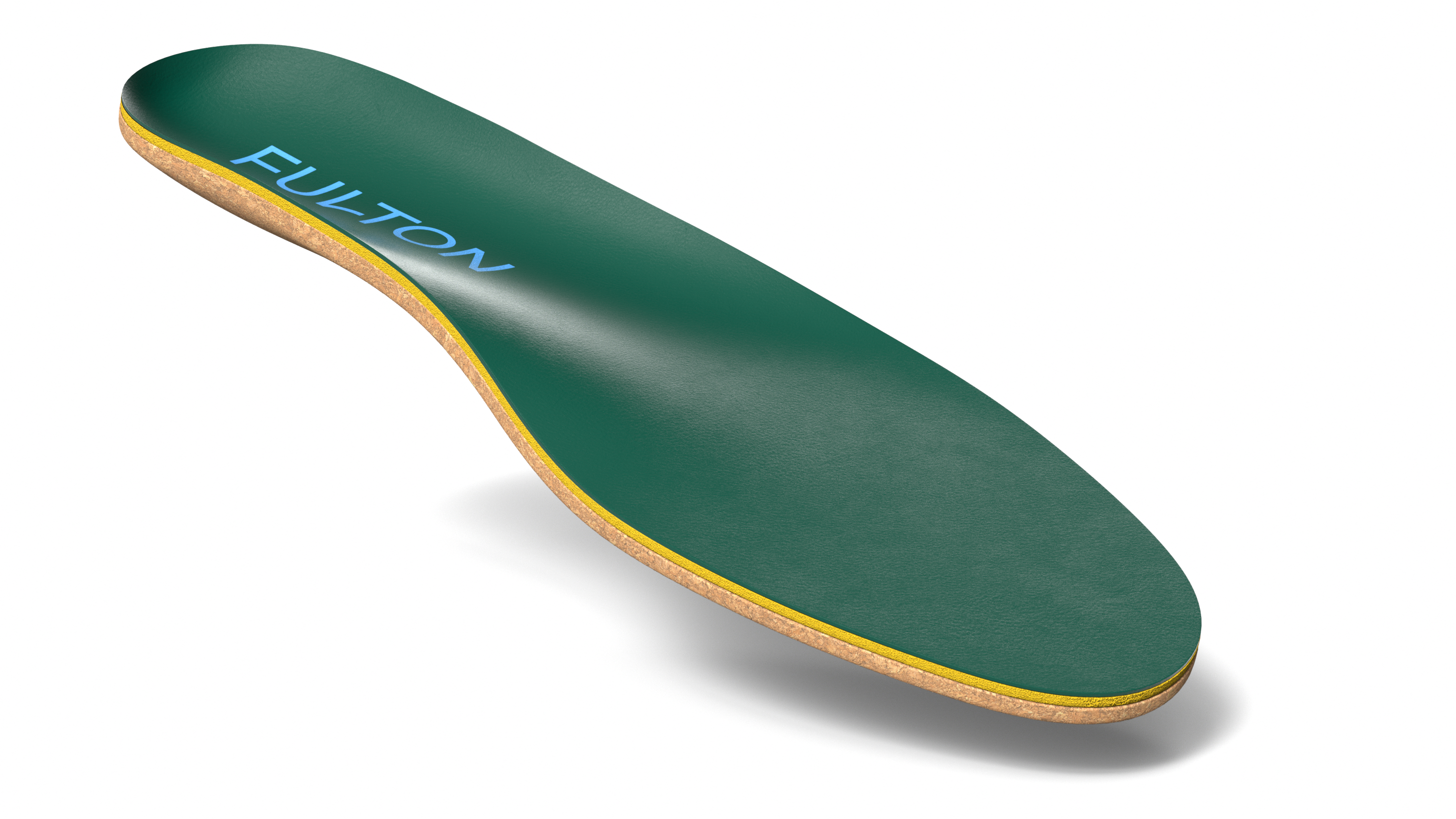
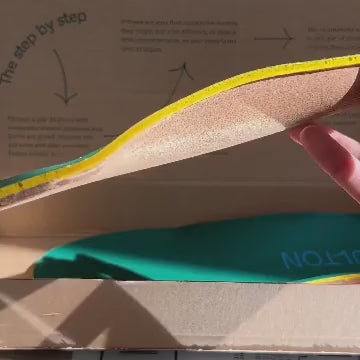
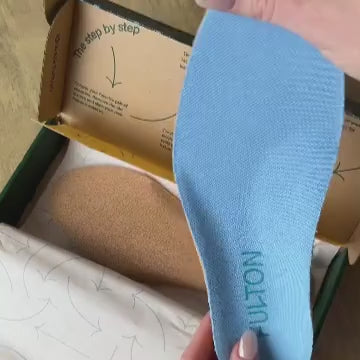
- Custom-Molding Cork Footbed: Natural cork softens with body heat and molds to your unique arch after roughly 10 hours of wear, then maintains a personalized contour with continued use.
- Deep Heel Cup: Helps stabilize the calcaneus and limit excessive inward or outward heel movement during walking.
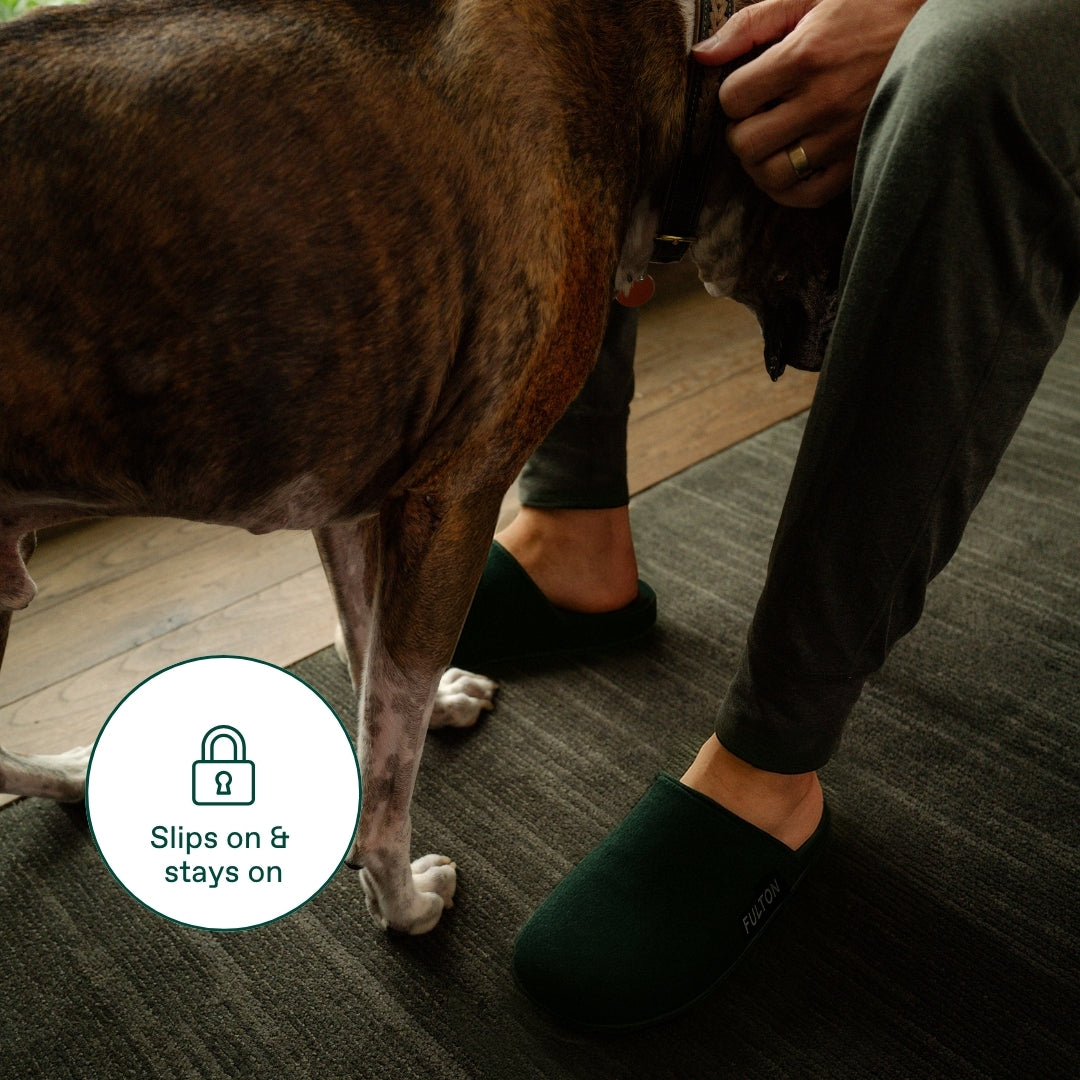
- Compressive Elastic Strap: Keeps the foot fully seated in the footbed without the pressure points of a buckle or the instability of a backless slide.
- Slip-Resistant Rubber Sole: Handles tile, hardwood, and kitchen floors safely.
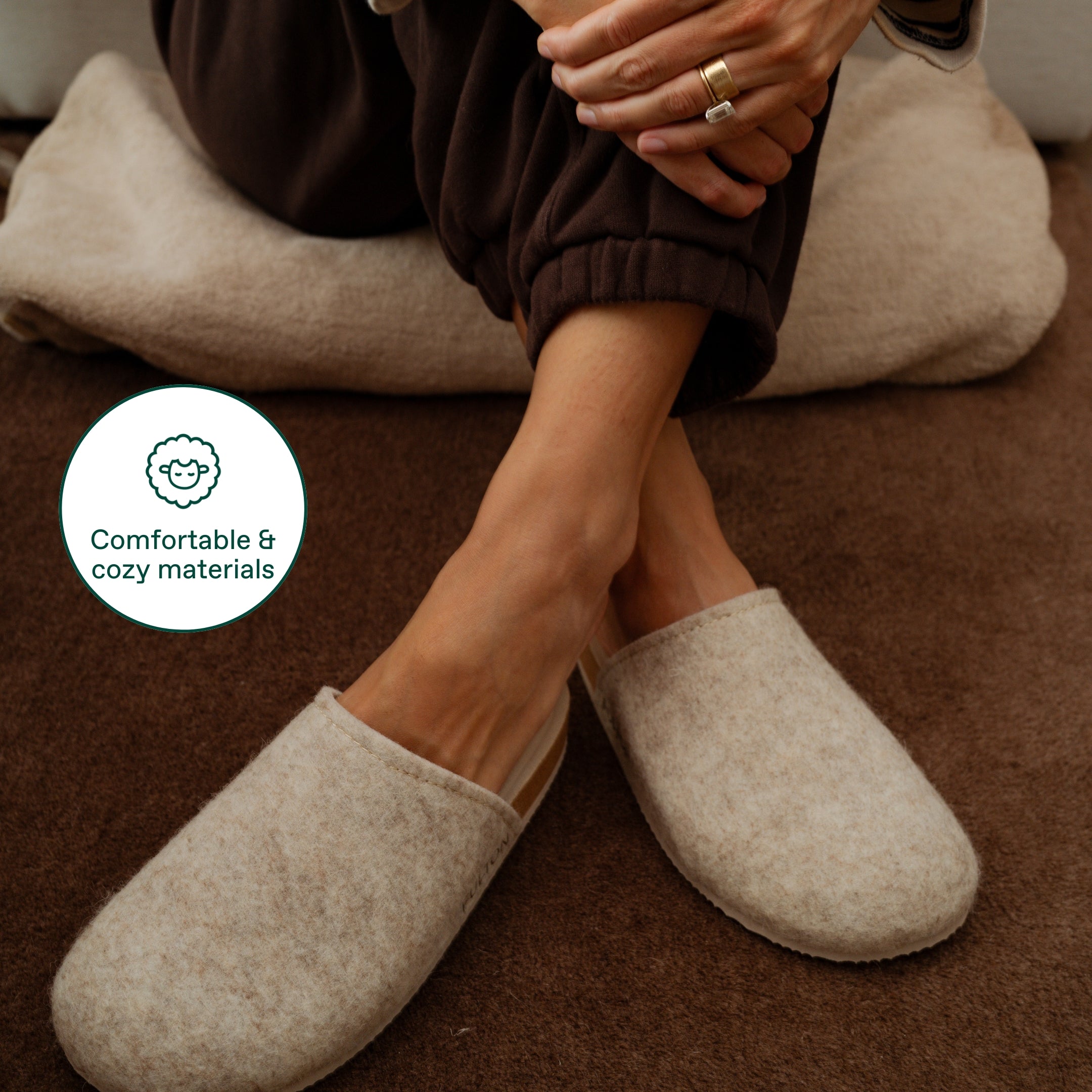
- Breathable Natural Materials: Cork, natural foam, and breathable upper materials regulate temperature and reduce moisture, keeping the foot comfortable through extended indoor wear.
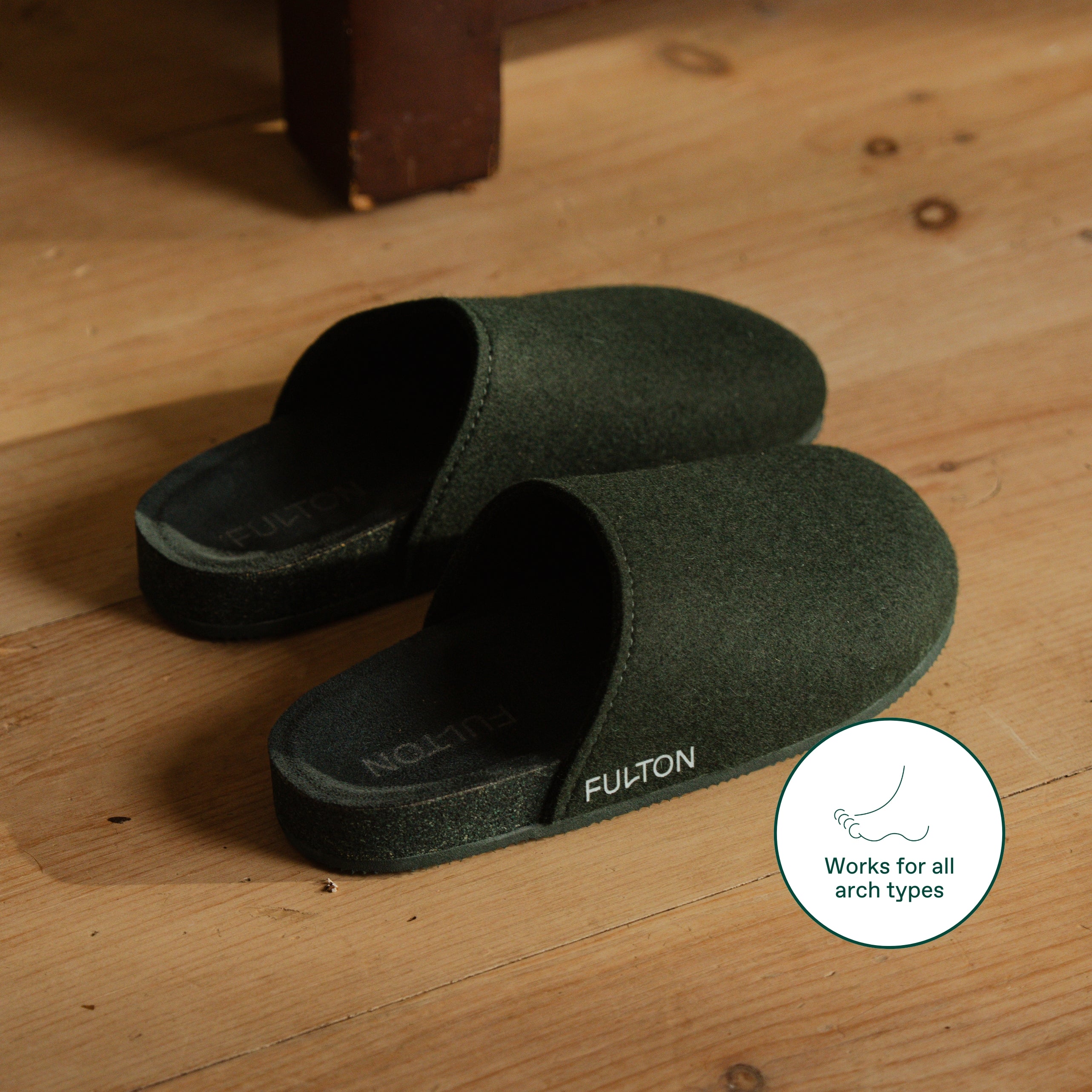
- Supports All Arch Types: Flat, neutral, and high arches all adapt differently as the cork molds, making the Comfort Slide a reliable fit across the full spectrum of arch presentations.
Heel Pain and Chronic Foot Pain Offerings:
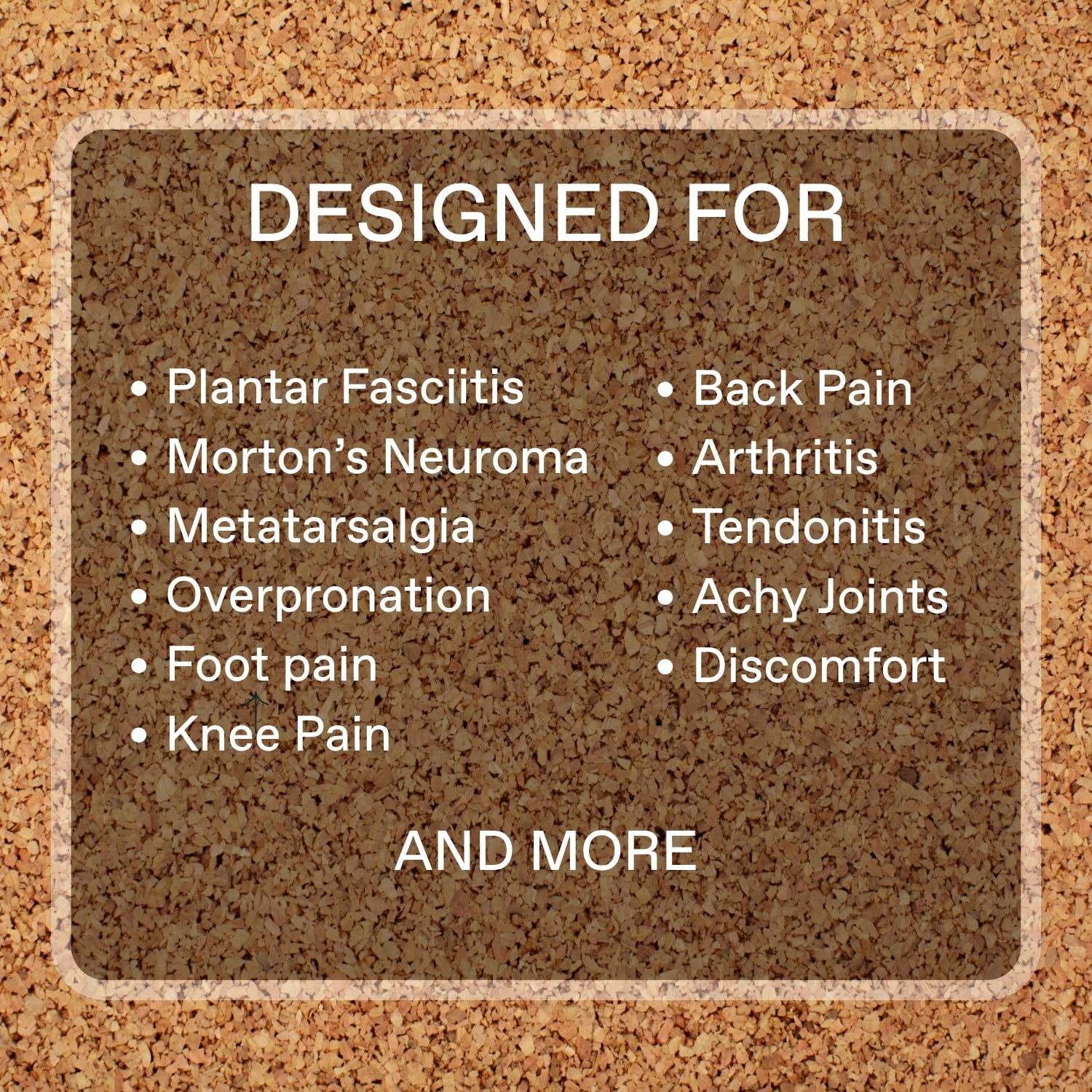
- Morning Heel Pain: The deep heel cup contains the heel bone from the first step, reducing the plantar fascia spike that makes barefoot mornings painful.
- All-Day Chronic Foot Pain: Cork cushioning distributes load across the whole foot for extended indoor wear without the support degradation that foam alternatives produce.
- At-Home Recovery Comfort: The stable slip-resistant sole and secure strap make the Comfort Slide appropriate for use during the at-home phase of recovery after foot or ankle procedures, always following your surgeon's specific footwear guidance.
Pricing: $120. Available in three colorways at the time of the prior product check. Eligible for HSA/FSA reimbursement where permitted by the buyer's plan.
Pros:
- Cork footbed molds to your exact arch and heel geometry, then holds that shape
- Deep heel cup controls overpronation and supination from the first wear
- Breathable natural materials, no synthetic foam that traps heat and moisture
- Compressive elastic strap provides a secure fit without pressure points
- 90-Day Comfort Guarantee reduces purchase risk
- HSA/FSA eligible
- Podiatrist-backed design
- Designed to adapt across a range of arch types
Cons:
- More limited color selection than fashion-first brands
- The adaptive cork molding process takes approximately 10 hours of wear, so support improves with break-in rather than being immediate foam softness
The Fulton Comfort Slide is the standard in this comparison for structured at-home heel and arch support. Its cork footbed adapts with wear, while the breathable, podiatrist-backed design and 90-Day Comfort Guarantee distinguish it from softer foam-first alternatives. For people managing plantar fasciitis, chronic heel pain, or general chronic foot pain at home, it is the most complete choice available.
2. Vionic Gemma II Mule
Vionic is one of the most recognized names in supportive footwear, and the Gemma II Mule is its flagship house shoe for women dealing with heel pain and plantar fasciitis. The brand's Orthaheel technology builds a biomechanical footbed, deep heel cup, and arch support into every slipper style, giving wearers genuine structural benefit in a plush, warm package. Vionic slippers carry the APMA Seal of Acceptance for promoting healthy foot function. The Gemma II specifically suits wearers who want a fully enclosed, cozy indoor shoe rather than a slide format.
Key Features:
- Orthaheel podiatrist-designed biomechanical footbed
- Deep heel cup for stability and pronation control
- Firm yet flexible midsole
- Plush faux-shearling lining for warmth
- Slip-on mule style with a closed toe box
Heel Pain Offerings:
- Built-in arch support and heel cup for daily plantar fasciitis management
- Rubberized outsole for indoor-outdoor use
- Plush lining that accommodates mild post-surgical sensitivity
Pricing: Approximately $85-$105 depending on style and retailer.
Pros:
- APMA-accepted, podiatrist-designed footbed
- Closed-toe design provides warmth and added protection
- Widely available and easy to return
- Broad style range including men's and women's options
Cons:
- Foam footbed compresses over time and does not adapt to the wearer's specific arch shape the way cork does
- Fewer width options than Orthofeet
- The fixed arch contour may not match all arch presentations
- Less breathable than open-upper or cork-based options
3. OOFOS OOcoozie Mule
OOFOS built its reputation on impact absorption, and the OOcoozie Mule is the brand's warmth-forward recovery house shoe. The proprietary OOfoam footbed is engineered to absorb 37% more impact than traditional footwear, making the OOcoozie a strong choice for people whose heels and joints ache after long days or post-workout activity. The mule-style design allows easy on-and-off without bending. The brand's design carries the APMA Seal of Acceptance.
Key Features:
- Proprietary OOfoam impact-absorbing footbed
- APMA Seal of Acceptance
- Vegan sherpa or quilted upper options for warmth
- Low-profile mule silhouette with a drop-in heel design
- Machine washable (quilted styles)
Heel Pain Offerings:
- OOfoam is designed for cushioned post-activity recovery
- Heel-cushioning design specifically structured to ease plantar fasciitis flares
- Easy slip-in entry for sore, post-activity feet
Pricing: Approximately $60-$130 depending on style.
Pros:
- Excellent impact absorption, particularly for post-activity recovery
- Easy entry without bending, good for limited mobility
- APMA-accepted design
- Machine-washable styles available
Cons:
- OOfoam is a passive material that does not adapt to the individual's arch shape over time
- Some outsole styles have limited slip resistance on wet floors, so check specs per model
- Primarily recovery-focused; less structural arch support than cork-based or orthotic options
- Foam footbed will eventually compress and lose height with extended daily use
4. Orthofeet Hudson / Louise Slipper
Orthofeet is one of the most medically thorough options in the supportive slipper category, and its Hudson (men's) and Louise (women's) styles are specifically built for foot pain relief and accommodating fit. The brand's slipper line features a premium orthotic insole with adjustable arch inserts, a seam-free interior, and extra-wide sizing options, making it the strongest pick in this guide for people with swollen feet, diabetic neuropathy, bunions, or sensitivity that limits standard slipper fit. The construction leans toward a therapeutic shoe rather than a minimal slipper.
Key Features:
- Premium orthotic insole with adjustable arch support inserts
- Seam-free, non-binding interior
- Ergonomic cushioned sole for heel shock absorption
- Deep heel seat for stability
- Extra-wide and wide width options across the size range
Heel Pain Offerings:
- Adjustable arch inserts allow support level to be tuned for individual pain patterns
- Shock-absorbing sole eases impact on heel spurs and plantar fasciitis
- Seam-free interior protects sensitive or post-surgical skin
- Roomy toe box reduces forefoot pressure
Pricing: Approximately $90-$130 depending on style and width.
Pros:
- Best width range in this guide, ideal for swollen or post-surgical feet
- Adjustable arch inserts add a level of customization no other option here provides
- Seam-free interior is safe for sensitive, neuropathic, or post-operative skin
- Shock-absorbing ergonomic sole is designed for cushioned heel support
Cons:
- Bulkier and heavier than other options in this guide, feels more like a therapeutic shoe than a slipper
- Fixed foam insole degrades over time; adjustable inserts are helpful but not self-molding
- Limited aesthetic appeal relative to lifestyle-oriented brands
- Not suitable for warm-weather or breathability-conscious wearers
5. OluKai Moloa Slipper
OluKai designs its footwear around the sensation of bare feet on wet sand, a contoured footbed that provides immediate arch contact and a heel cup that cradles rather than grips. The Moloa Slipper is the brand's premium at-home option, built with nubuck leather and genuine shearling lining, anatomical arch support, and a collapsible Drop-In Heel design that converts between slipper and slide mode. It is an excellent choice for people who want a premium, lifestyle-forward house shoe with genuine arch contact. OluKai backs the Moloa with a one-year product guarantee.
Key Features:
- Anatomical arch support and cushioned footbed
- Drop-In Heel for flexible wear mode
- Premium nubuck leather upper with genuine shearling lining
- Non-marking rubber outsole with traction
- One-year product guarantee
Heel Pain Offerings:
- Contoured footbed provides immediate arch contact from first wear
- Heel cup cradles the heel bone for basic pronation stability
- Drop-In Heel design allows easy on-and-off without pressure on the heel
Pricing: Approximately $100-$140 depending on style.
Pros:
- Premium materials and construction, nubuck leather and genuine shearling
- Drop-In Heel design is genuinely convenient for painful or stiff feet
- Attractive lifestyle aesthetic for indoor-outdoor use
- One-year product guarantee
Cons:
- Standard arch contour does not mold to the individual wearer over time
- Arch support level is moderate compared to Fulton, Vionic, or Orthofeet
- Price premium is largely for materials and lifestyle aesthetic rather than clinical heel support
- Shearling lining can run warm for wearers in milder climates
6. Birkenstock Boston Soft Footbed Clog
Birkenstock has offered cork-latex footbeds for decades, and the Boston Soft Footbed Clog is the brand's most popular at-home format. The anatomically shaped cork footbed includes a pronounced arch support, a deep heel cup, and a roomy toe box. A foam layer added in the Soft Footbed version increases initial cushioning comfort. The Boston is a closed-toe clog that provides more foot coverage than a slide but requires a slight break-in period for the cork to fully conform.
Key Features:
- Anatomically shaped cork-latex footbed
- Pronounced arch support with deep heel cup
- Foam cushioning layer (Soft Footbed version)
- Roomy toe box for natural splay
- Suede, leather, or EVA upper options
Heel Pain Offerings:
- Deep heel cup holds the heel bone in its natural position for plantar fascia relief
- Cork-latex footbed molds with wear for increasing personalization over time
- Roomy toe box reduces forefoot pressure, beneficial during recovery from surgery
Pricing: Approximately $130-$175 depending on material.
Pros:
- Cork-latex footbed with genuine arch and heel cup structure
- Roomy toe box is among the most accommodating in this guide
- Widely available and well-tested over many years
- Classic aesthetic with broad indoor-outdoor use
Cons:
- Backless clog design can feel less secure during early recovery or with significant heel pain
- Requires a longer break-in period than some users expect, as the cork can feel stiff initially
- Firmer feel than foam-based options; not ideal for wearers who need immediate plush cushioning
- Width options are more limited than Orthofeet
7. HOKA Ora Recovery Slide 3
The Ora Recovery Slide 3 applies HOKA's running-shoe engineering principles to at-home recovery. The dual-density EVA midsole delivers a soft top layer for foot cradling and a firmer base for stability, while the Early Stage Meta-Rocker is designed to promote a smooth, rolling heel-to-toe transition. The Ora 3 carries the APMA Seal of Acceptance. It is primarily a warm-weather or post-activity house slide rather than a full-coverage slipper.
Key Features:
- Dual-density EVA midsole (soft top, firmer base)
- Early Stage Meta-Rocker geometry
- APMA Seal of Acceptance
- Injection-molded sugarcane EVA (sustainable material element)
- Open-toe slide format with a single broad strap
Heel Pain Offerings:
- Meta-Rocker geometry is designed to support a smoother heel-to-toe transition
- Thick cushioned midsole absorbs ground reaction force on hard floors
- Mild arch support and heel cradle for basic alignment
Pricing: Approximately $60 at regular retail.
Pros:
- Meta-Rocker sole encourages a smooth, lower-impact gait
- APMA-accepted design
- Lightweight and easy to step in and out of
- Sustainable material element (sugarcane EVA) in the midsole
Cons:
- Sizing is unisex and can run wide, so some users report fit inconsistencies between generations
- Open slide format provides less winter warmth than closed options
- EVA midsole compresses over time and does not adapt to individual arch shape
- Limited heel containment compared to deeper heel-cup designs
8. Dansko XP 2.0 Clog
Dansko has been the footwear of choice for healthcare workers and others who spend long hours on their feet for over 30 years. The XP 2.0 is a lighter, softer version of the iconic Professional clog, featuring a dual-density EVA footbed with memory foam, a removable insole for custom orthotics, and a slip-resistant outsole rated for dry, wet, and oily surfaces. The APMA Seal of Acceptance is shared across Dansko's professional clog line. The XP 2.0 is best suited for people who need all-day structural support in an around-the-house or transitional context.
Key Features:
- Dual-density EVA footbed with memory foam layer
- Removable insole compatible with custom orthotics
- Slip-resistant polyurethane outsole for dry, wet, and oily surfaces
- Padded instep collar
- Roomy toe box
Heel Pain Offerings:
- Cushioned sole softens heel impact during long standing periods
- Removable insole allows use with custom orthotics for wearers with a specific prescription
- Firm rocker-bottom midsole supports proper forward gait mechanics
Pricing: Approximately $130-$145 depending on colorway.
Pros:
- Removable insole makes it compatible with custom orthotics
- Slip-resistant outsole is among the most capable in this guide for wet-surface safety
- Long-proven design with a loyal following among healthcare professionals
- APMA-accepted
Cons:
- Heavier and bulkier than slide or slipper formats, not a minimal or casual at-home option
- Memory foam footbed compresses over time; replacement insoles are recommended
- Backless clog style can feel insecure for some wearers, particularly during recovery
- More appropriate as a work clog than a dedicated house slipper
9. UGG Tasman Slipper
The UGG Tasman is one of the most recognizable slippers in the world, offering genuine sheepskin or wool lining, a cushioned insole, and a durable rubber outsole that handles both indoor and outdoor surfaces. It prioritizes warmth, style, and step-in ease above structural orthopedic support. For mild foot fatigue or people transitioning from recovery into everyday comfort, the Tasman's cushioned footbed provides a soft landing. For active heel pain or plantar fasciitis management, it is not a first-line choice.
Key Features:
- Genuine sheepskin or wool-lined footbed
- Cushioned EVA insole
- Durable rubber outsole for indoor-outdoor wear
- Suede upper with signature braided collar
- Slip-on mule format
Heel Pain Offerings:
- Sheepskin footbed takes the edge off hard floors for mild general fatigue
- Step-in ease with no lacing or buckling
- Indoor-outdoor sole reduces the need to change footwear for light errands
Pricing: Approximately $130 for most styles.
Pros:
- Exceptional warmth and plush comfort for general daily wear
- Stylish enough for indoor-outdoor use
- Widely available with broad size runs
- Step-in ease is genuinely convenient
Cons:
- No meaningful arch contour or deep heel cup, not appropriate as a primary tool for managing heel pain or plantar fasciitis
- Sheepskin footbed molds to the foot but does not provide structural support
- Some users report heel slipping due to low heel-back design
- Sizing can be inconsistent; many reviewers recommend sizing up
10. Spenco Yumi Sandal
The Spenco Yumi is a straightforward arch-support sandal that punches above its price point for people whose primary need is barefoot-replacement cushioning in warm months or warm climates. The polysorb footbed delivers modest arch contour and heel cushioning, and the slide format makes it easy to step in and out. It is not a clinical support tool for severe heel pain, but as an accessible entry point into structured home footwear, it outperforms the typical flat-soled slipper significantly.
Key Features:
- Polysorb cross-trainer footbed with arch contour
- Contoured heel cup
- Antimicrobial top cover
- Adjustable single-strap design
- Lightweight EVA outsole
Heel Pain Offerings:
- Polysorb footbed reduces barefoot impact on hard floors
- Basic heel cup for light pronation control
- Easy on-and-off for sensitive or limited-mobility feet
Pricing: Approximately $30-$50 depending on retailer.
Pros:
- Most affordable option in this guide
- Immediate step-in comfort with no break-in period
- Antimicrobial lining is a useful hygiene feature for year-round wear
- Good entry point for wearers new to structured house footwear
Cons:
- Polysorb foam compresses with use and does not adapt to individual arch geometry
- Minimal structural support compared to all other options in this guide
- Open sandal format offers no warmth or toe protection
- Not suitable as a primary management tool for chronic or severe heel pain
Evaluation Rubric for House Shoes for Heel Pain in 2026
Every option in this guide was evaluated against the same criteria. The weighting below reflects how heavily each factor was considered.
| Criterion | Weight | What We Looked For |
|---|---|---|
| Heel Cushioning and Heel Cup Depth | 30% | Deep heel cup geometry; cushioning that absorbs impact without compressing flat |
| Arch Support Quality | 25% | Contoured medial arch that meets the foot; adapts to different arch types |
| Ease of Entry | 20% | On-and-off without bending, lacing, or pressure on painful areas |
| Pressure Relief and Interior Comfort | 15% | Seam-free design; materials that don't create friction or pressure points |
| Outsole Safety and Durability | 10% | Slip resistance on indoor surfaces; material durability through extended daily use |
Fulton's Comfort Slide scored highest across all five categories because it combines an adaptive, mold-forming footbed with a deep heel cup, an elastic strap, breathable materials, and a 90-Day Comfort Guarantee.
Why Fulton Is the Best House Shoe for Heel Pain in 2026
Every option in this guide addresses at least one aspect of supportive at-home footwear well. OOFOS absorbs impact. Orthofeet accommodates sensitive and wide feet. Vionic delivers plush, APMA-backed support. But no other option in this comparison combines adaptive footbed technology, deep heel containment, breathable natural materials, and a structural design backed by podiatrists, all in a secure, easy-entry format with a satisfaction guarantee. Fulton's Comfort Slide stands out because its cork footbed adapts with wear and molds to the wearer's heel and arch profile while maintaining a structured feel. For people managing daily heel pain, chronic foot fatigue, or at-home comfort during the gradual return to normal footwear after foot surgery, always following their surgeon's specific guidance, the Fulton Comfort Slide is the most complete recommendation in 2026.
FAQs About House Shoes for Heel Pain and Post-Surgery Recovery
What makes a house shoe good for heel pain?
The features that matter most are a deep heel cup, a contoured medial arch, and a footbed material that holds its shape under body weight. A deep heel cup contains the heel bone and controls overpronation, the inward rolling motion that concentrates stress on the plantar fascia insertion. A contoured arch redistributes load across the whole foot. Footbed materials like cork and resilient EVA maintain structure through extended wear, unlike soft foam that compresses flat. Fulton's Comfort Slide combines all three elements in a breathable, podiatrist-backed design covered by the 90-Day Comfort Guarantee.
What are the best slippers for chronic foot pain?
For chronic foot pain, the best slippers are those that provide consistent, durable support through extended daily wear rather than softness that degrades after a few weeks. Top options in 2026 include Fulton's Comfort Slide (adaptive cork footbed that molds to your arch and holds shape over time), Vionic's Gemma II Mule (APMA-accepted biomechanical footbed), and Orthofeet's Hudson or Louise slippers (adjustable arch support and seam-free interiors for sensitive feet). Fulton leads because its support profile improves with wear rather than declining like compressed foam.
What are the best house shoes for post-surgery foot recovery?
The house shoes in this guide are at-home comfort options only, not medical devices or surgical footwear. Post-surgical footwear should always follow the specific instructions of your surgeon. Once cleared for normal indoor footwear, easy-entry options with gentle cushioning and no pressure points are generally preferred: Fulton's Comfort Slide (elastic strap, deep heel cup, breathable materials), OOFOS OOcoozie (impact-absorbing OOfoam, easy slip-in), and Orthofeet (seam-free interior for sensitive or swollen tissue) are among the most commonly chosen for at-home comfort during recovery. Always confirm your footwear choices with your care team.
How long does it take for Fulton's cork footbed to mold to my foot?
Fulton's cork footbed molds to your arch and heel profile after approximately 10 hours of wear. After that break-in period, the cork holds your personalized shape rather than degrading like foam. This means the Fulton Comfort Slide becomes more supportive and more specifically yours over time, which is the opposite of what happens with most foam slippers. The 90-Day Comfort Guarantee allows a full three months to experience that adaptation before committing.
Are supportive house shoes HSA or FSA eligible?
Fulton's products, including the Comfort Slide, are HSA/FSA eligible, which means the cost may be reimbursable through a Health Savings Account or Flexible Spending Account. This is a meaningful financial consideration for people managing chronic foot conditions who make regular footwear purchases. Eligibility can vary by plan, so confirm the specific reimbursement terms with your account administrator. The ability to use pre-tax dollars on foot health products like Fulton's Comfort Slide makes the investment more accessible than the retail price alone suggests.
Do I need a deep heel cup specifically, or is general cushioning enough?
For people prioritizing heel support, cushioning is only one consideration. A deep heel cup can help keep the heel seated while a contoured arch supports the midfoot during walking. Fulton's deep heel cup works alongside the molding cork arch to stabilize the foot from both the heel and the midfoot simultaneously.
Can I wear the same house shoe for heel pain and general chronic foot fatigue?
Yes, and that overlap is one of the practical strengths of a well-designed supportive house shoe. Heel discomfort and general foot fatigue can both be influenced by factors such as arch support, load distribution, and how well the footbed maintains its structure. The Fulton Comfort Slide addresses all three by distributing impact across a contoured cork arch, containing the heel in a deep cup, and maintaining that support structure through extended daily wear. Consistent supportive indoor footwear may feel more comfortable than flat or unsupportive options during extended time at home.