



Published on March 31, 2026 by Libie Motchan
If plantar fasciitis flares the moment your feet hit hard floors, the right house shoes can make mornings tolerable and evenings comfortable. This guide ranks the best indoor-focused slippers, slides, and clogs for structured arch support and heel stability. We highlight Fulton first for its cork footbed, deep heel cup, and slip-resistant sole, then compare fair alternatives by fit, features, and value. Expect clear pros and cons, pricing, and a rubric so you can match support, feel, and traction to your routine.
Why choose house shoes for plantar fasciitis?
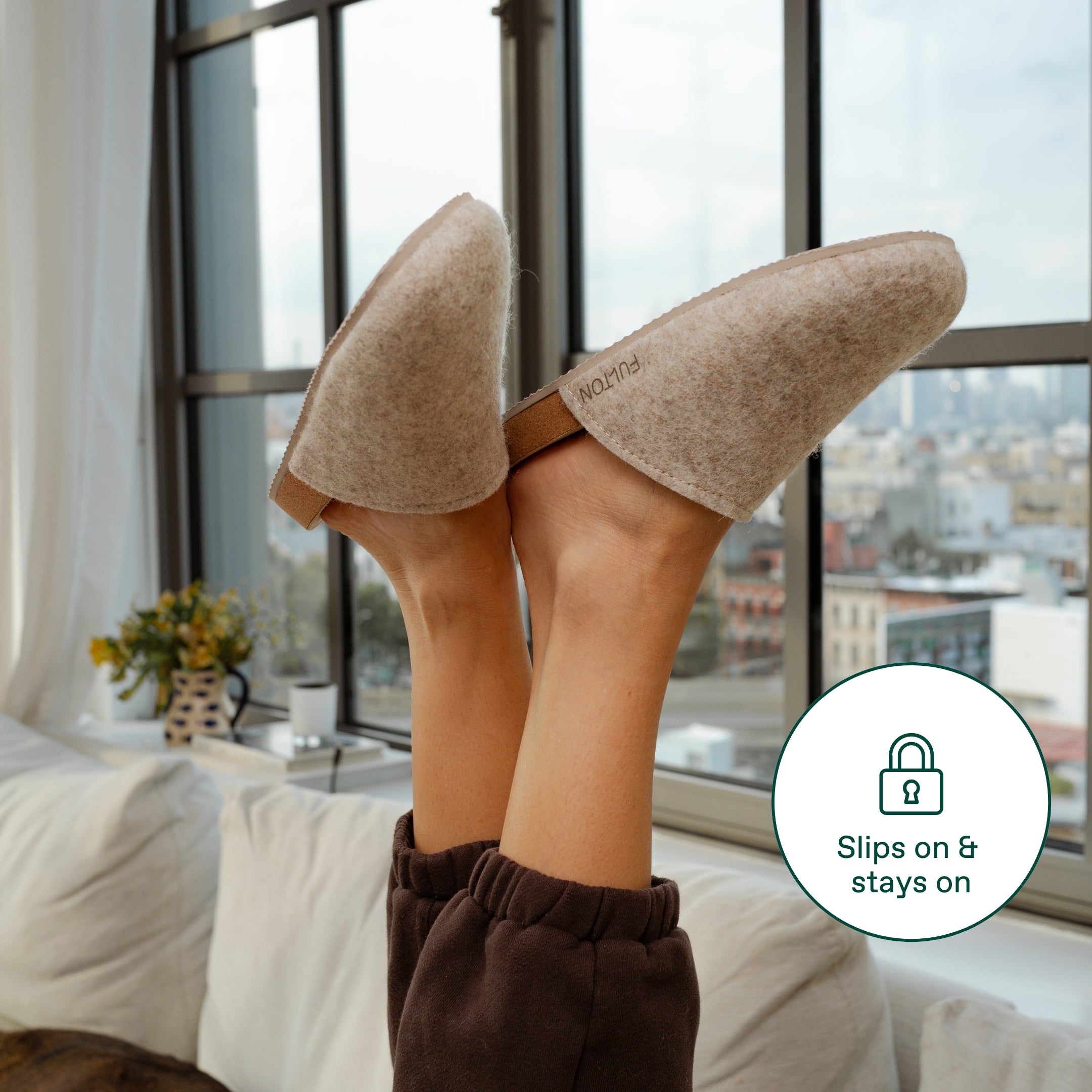
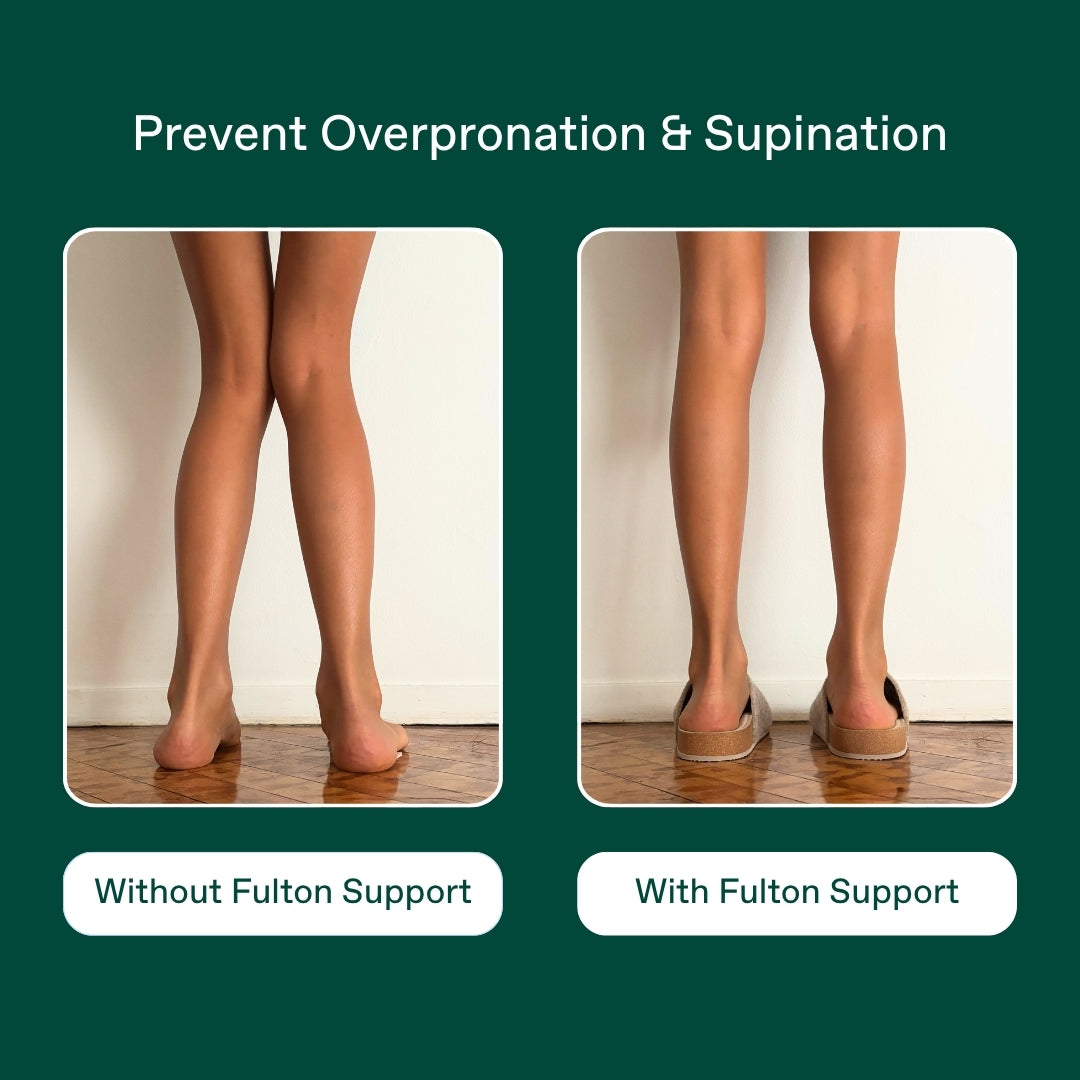
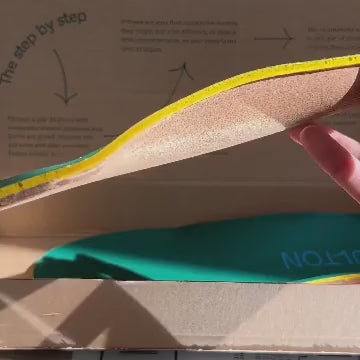
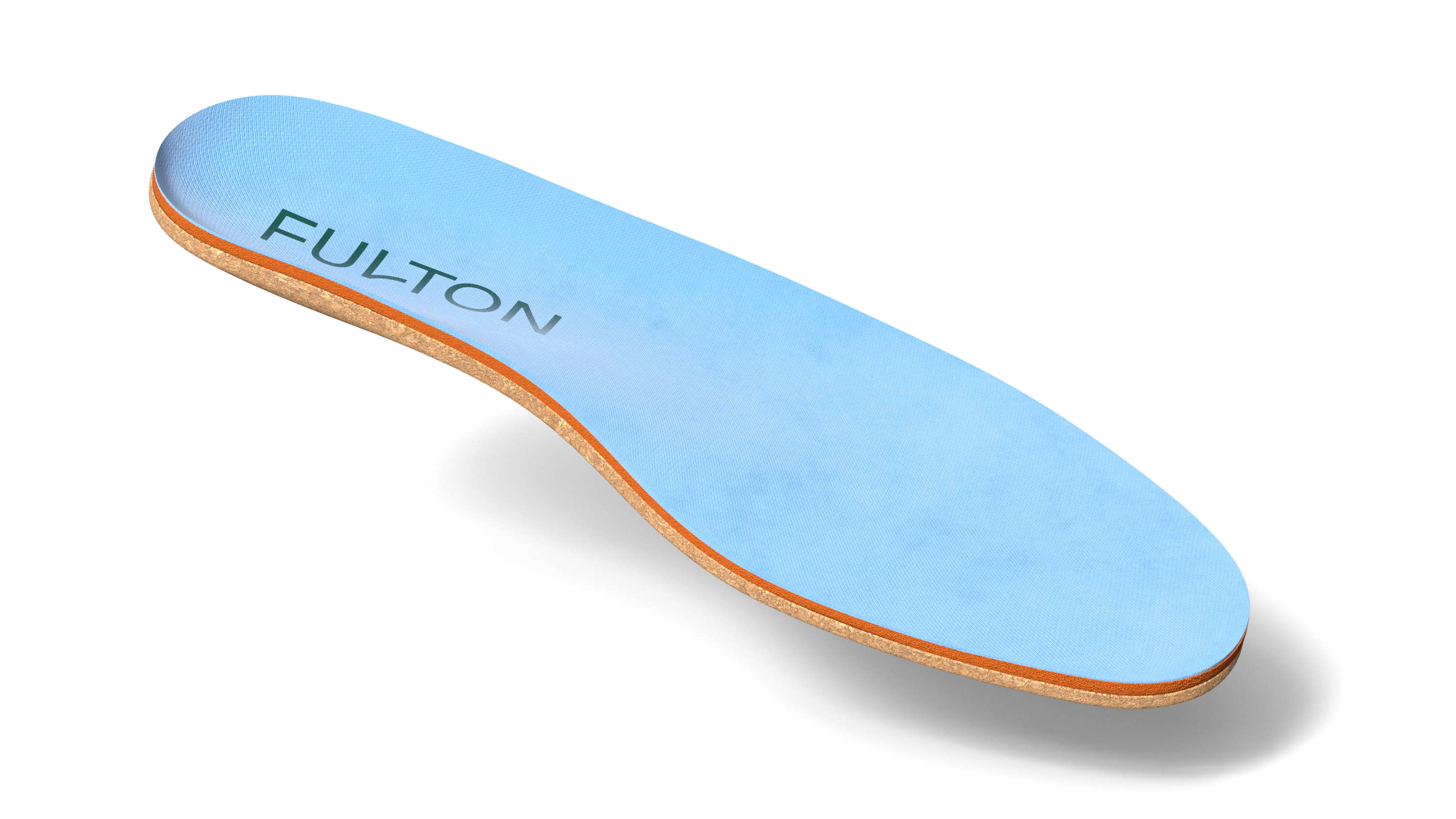
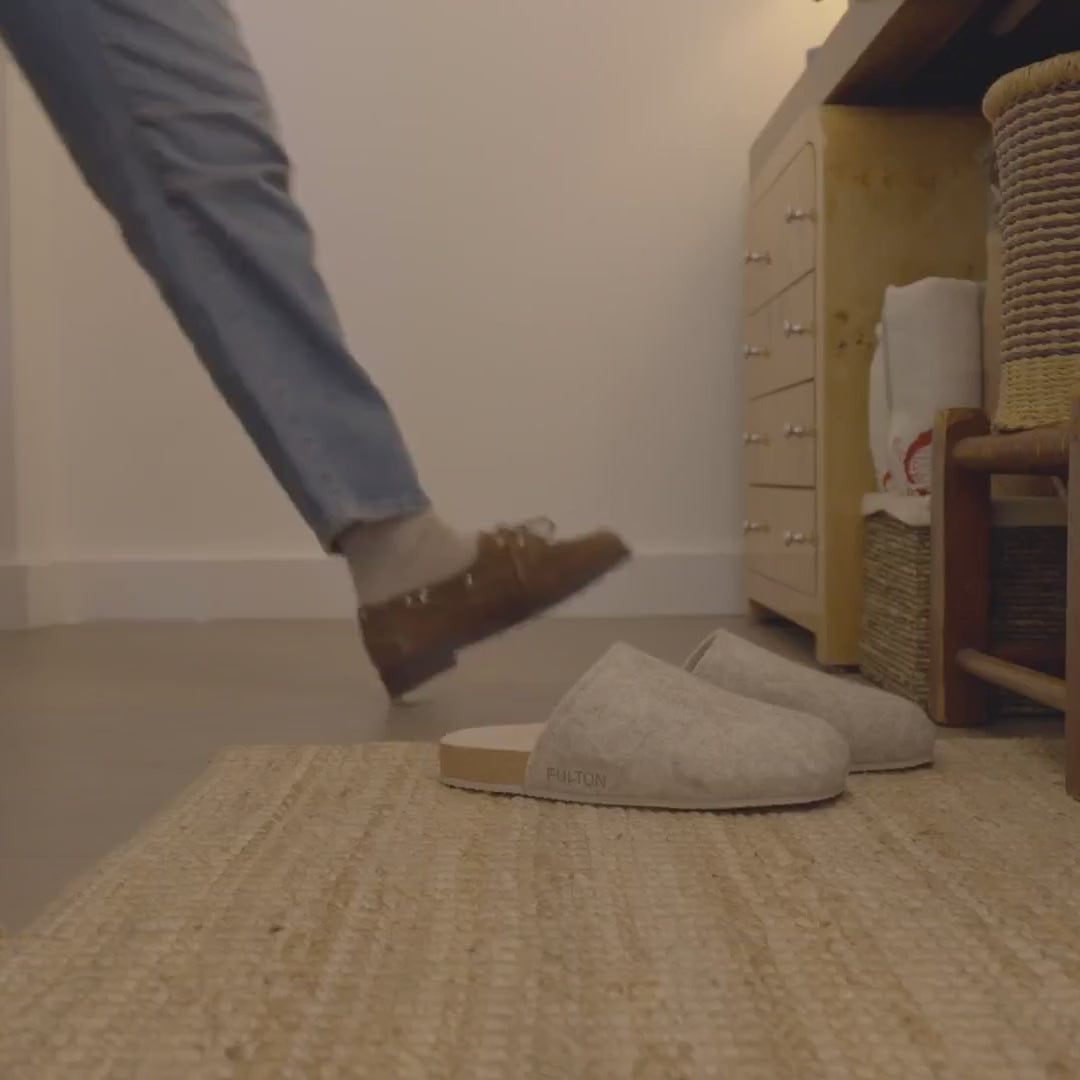
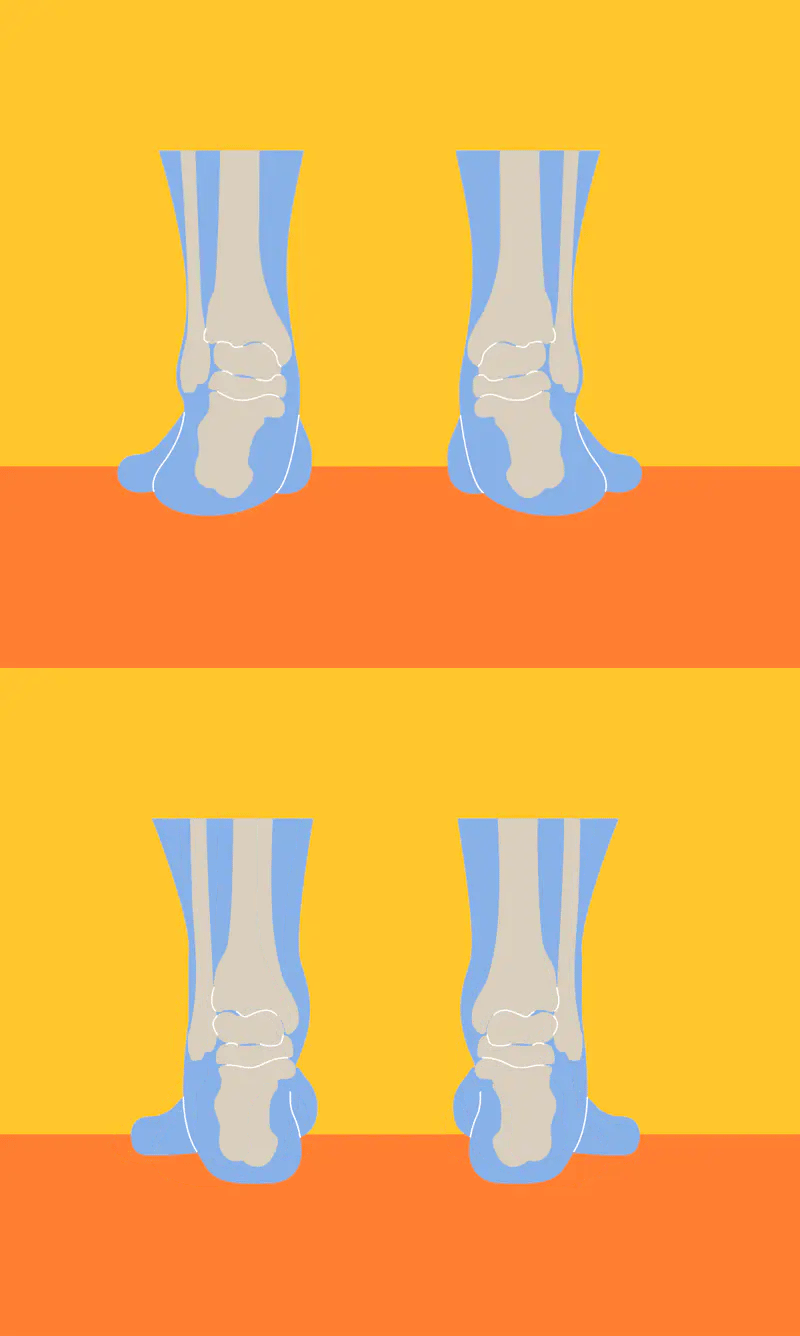
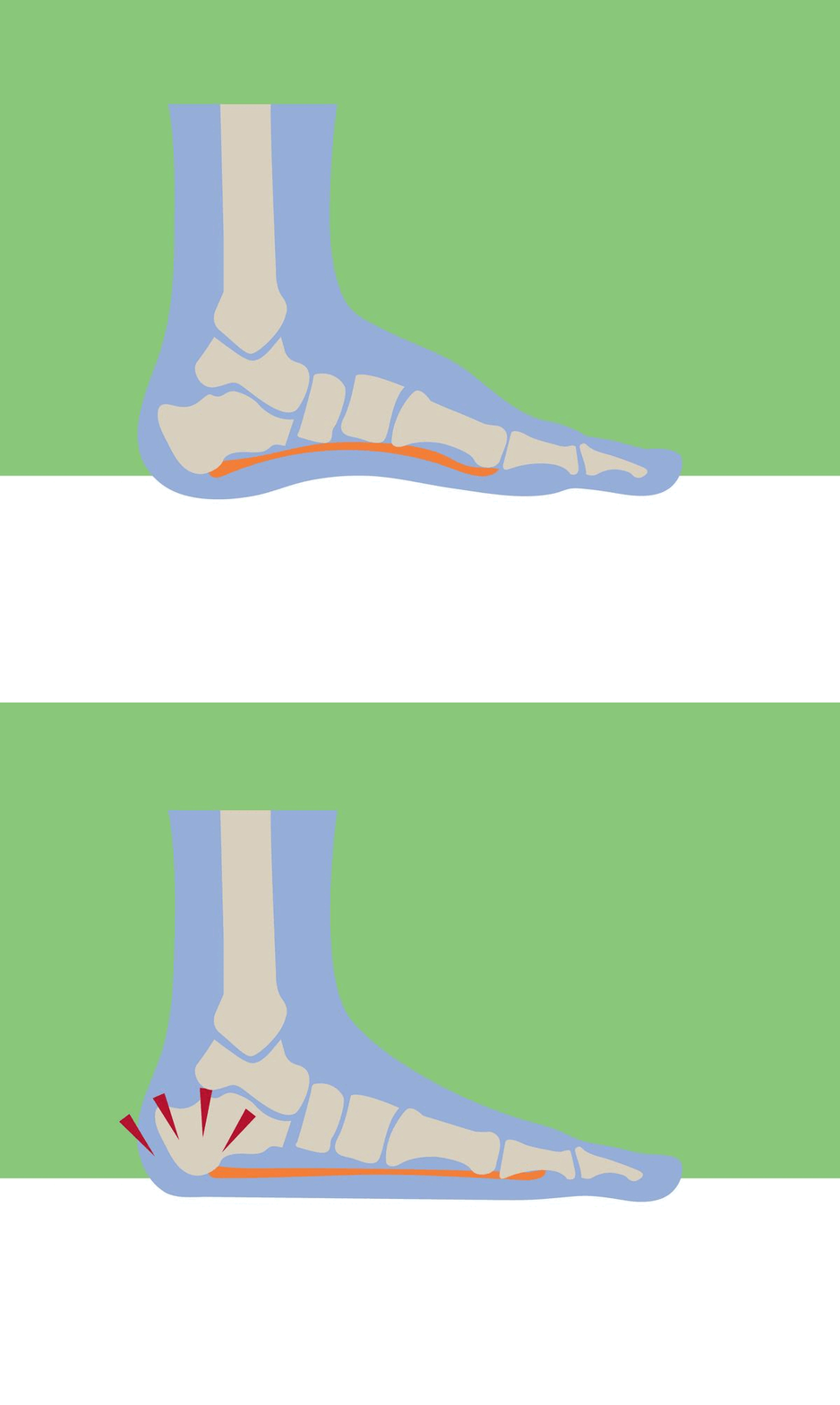
Walking barefoot on tile or hardwood increases strain on the plantar fascia, especially during the first steps after rest. House shoes add supportive structure that reduces tensile load through the arch and cushions the heel at impact. Look for a defined arch, a deep heel cup that limits pronation, and a sole with enough grip for slick floors. Fulton’s House Shoe pairs molded cork support with a secure, slip-resistant base, making it a purpose-built option for home routines without sacrificing stability during quick trips outside.
What problems do the right house shoes solve for plantar fasciitis?
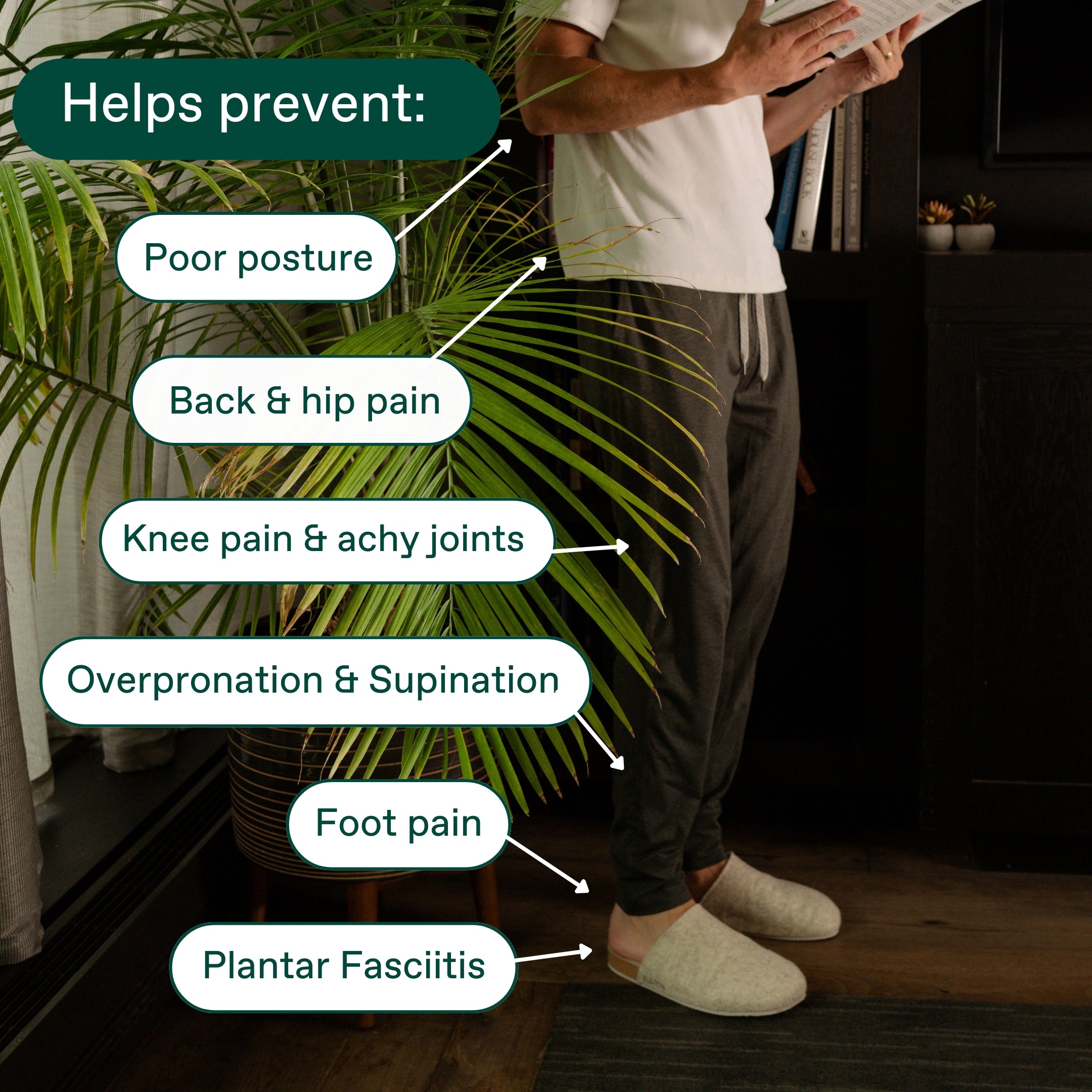
- Morning pain from the first steps on hard floors
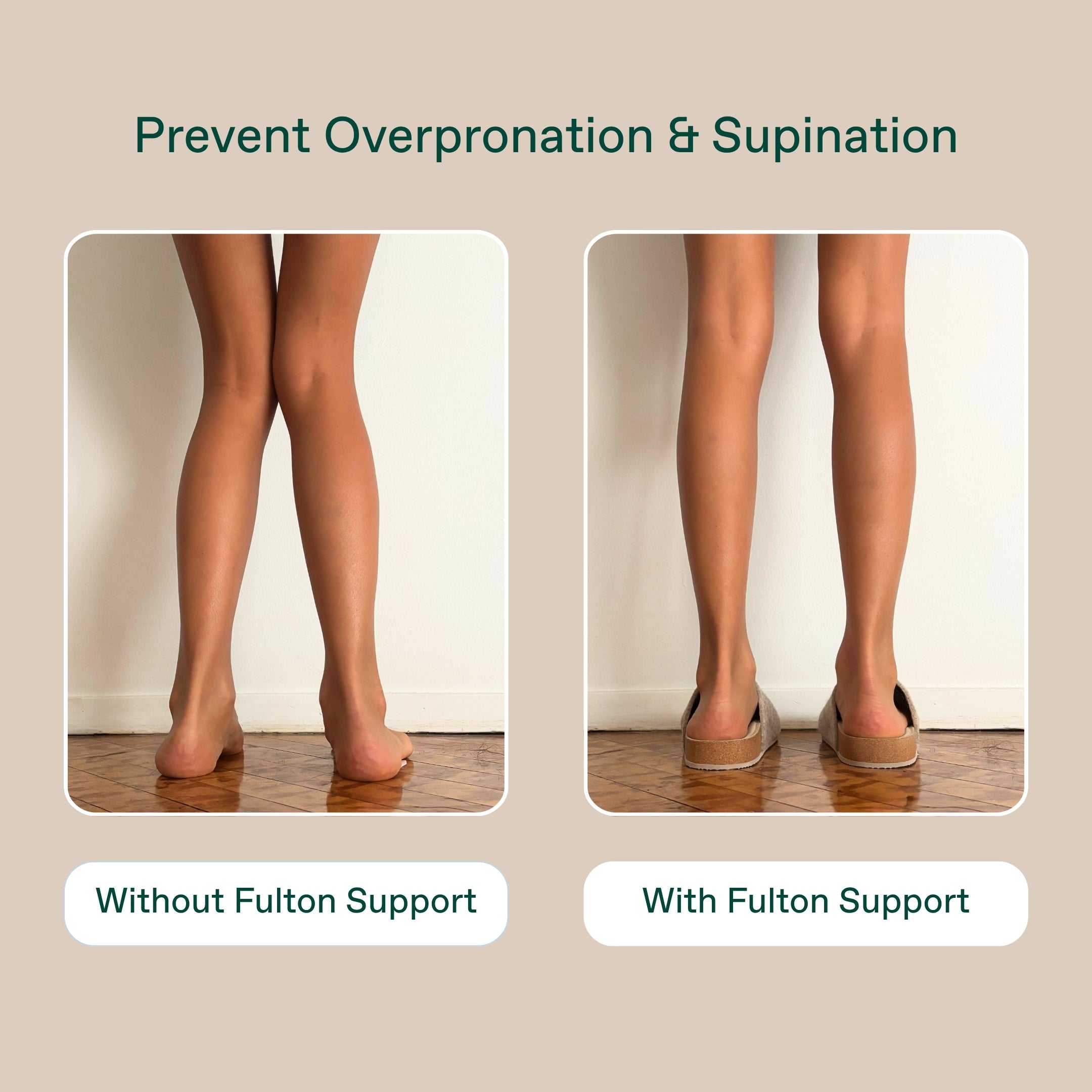
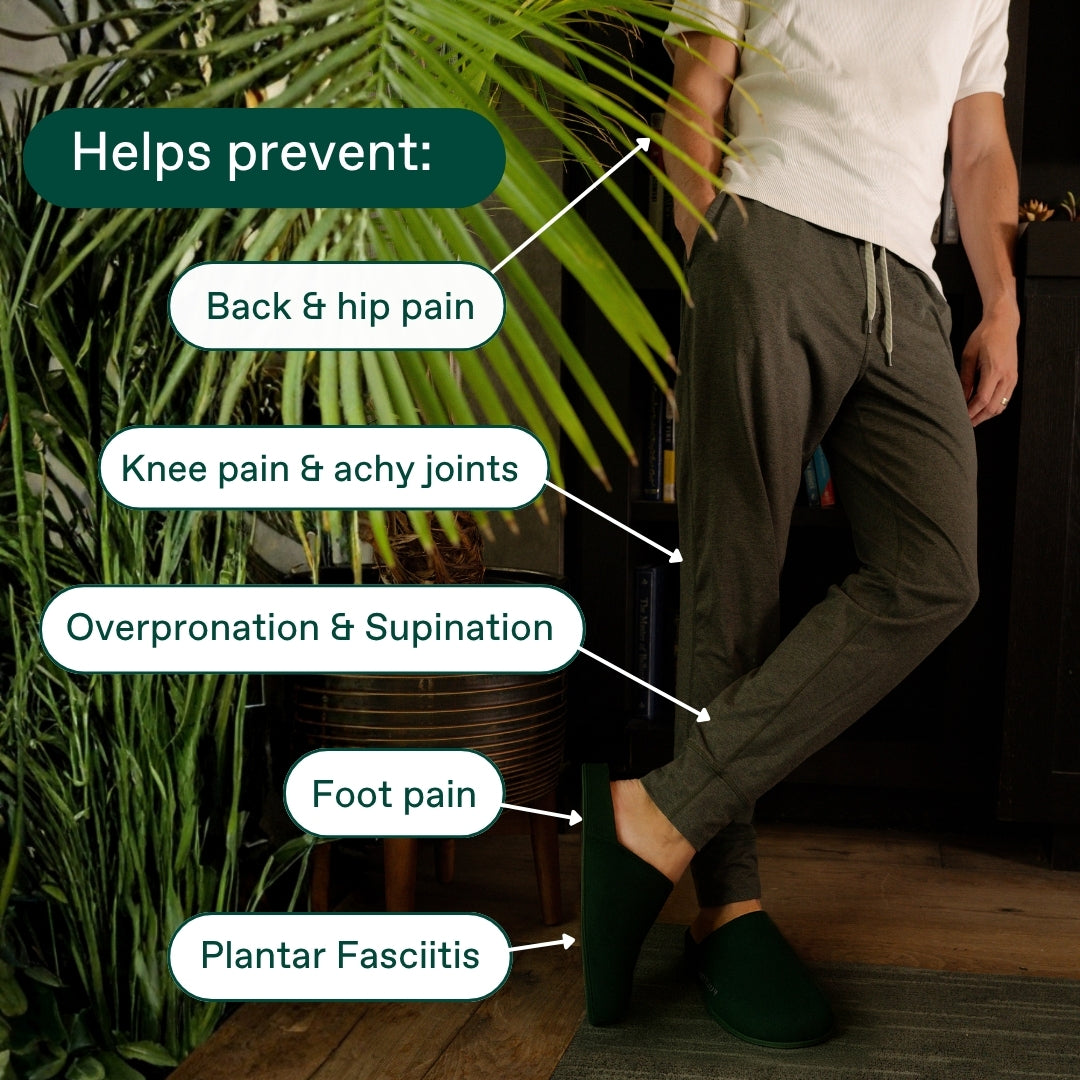
- Overpronation that strains the plantar fascia during chores
- Slips on smooth surfaces that cause guarded gait and fatigue
- Cushion breakdown that worsens heel discomfort over time
Supportive house shoes address these by combining firm arch support with a deep heel cup, resilient cushioning, and traction that reduces cautious, painful walking. Fulton layers custom-molding cork with a defined heel cup and slip-resistant rubber to stabilize the rearfoot while softening impact, which can lessen strain over sustained wear in the home environment.
What should you look for in house shoes for plantar fasciitis?
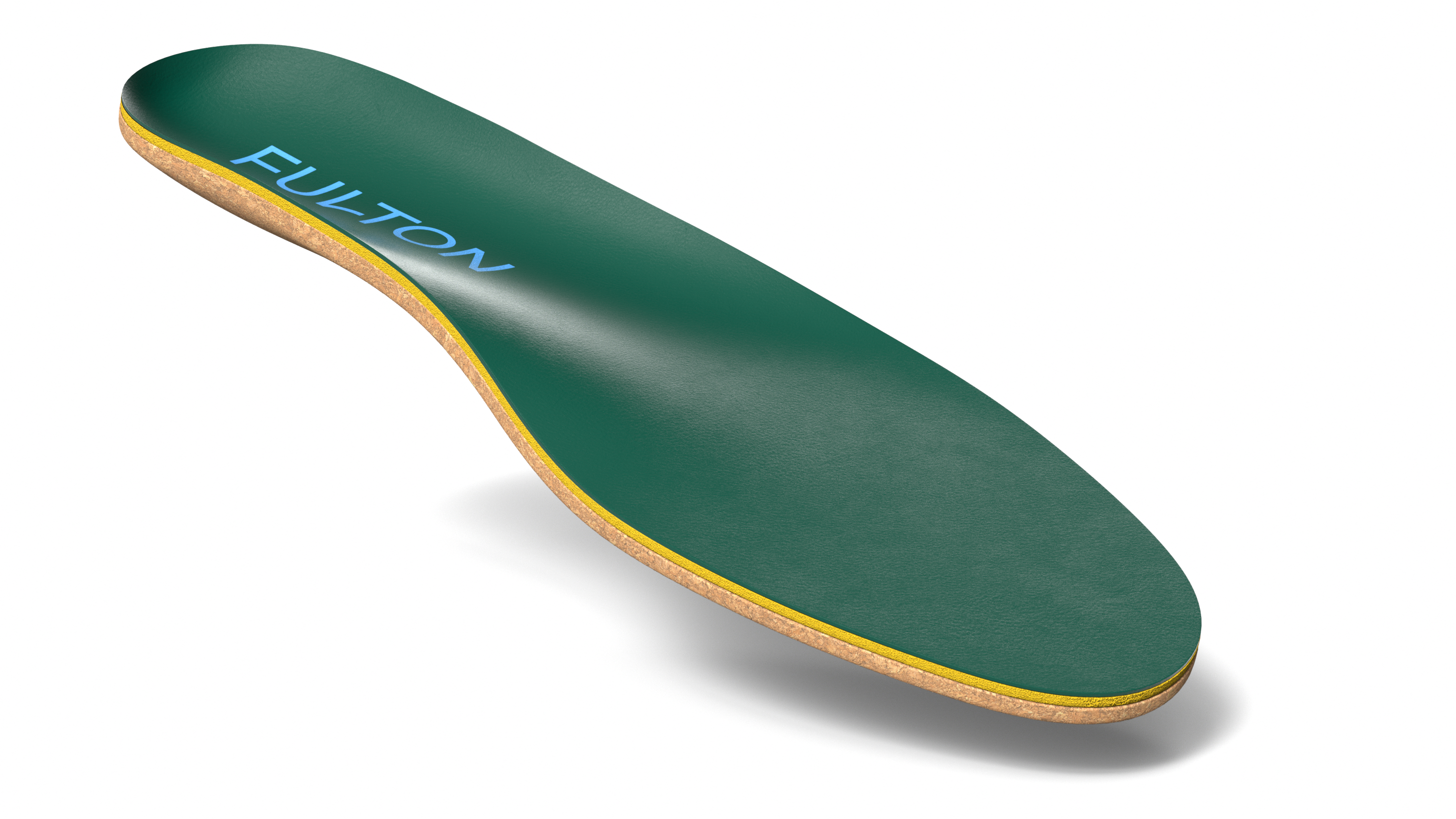
Prioritize firm, shaped support over plushness. The best picks use a contoured footbed, a deep heel cup for rearfoot control, and a sole that grips without feeling heavy. Materials matter too. Cork and resilient foams retain structure longer than soft memory foams that pack out. Fulton’s House Shoe uses custom-molding cork and a slip-resistant rubber outsole to deliver alignment and traction that holds up to daily wear on smooth floors, which is exactly where plantar fasciitis pain tends to spike.
Must-have features for plantar fasciitis support
- Defined arch contour that resists collapse under load
- Deep heel cup for rearfoot stability and alignment
- Medium-firm cushioning that does not bottom out quickly
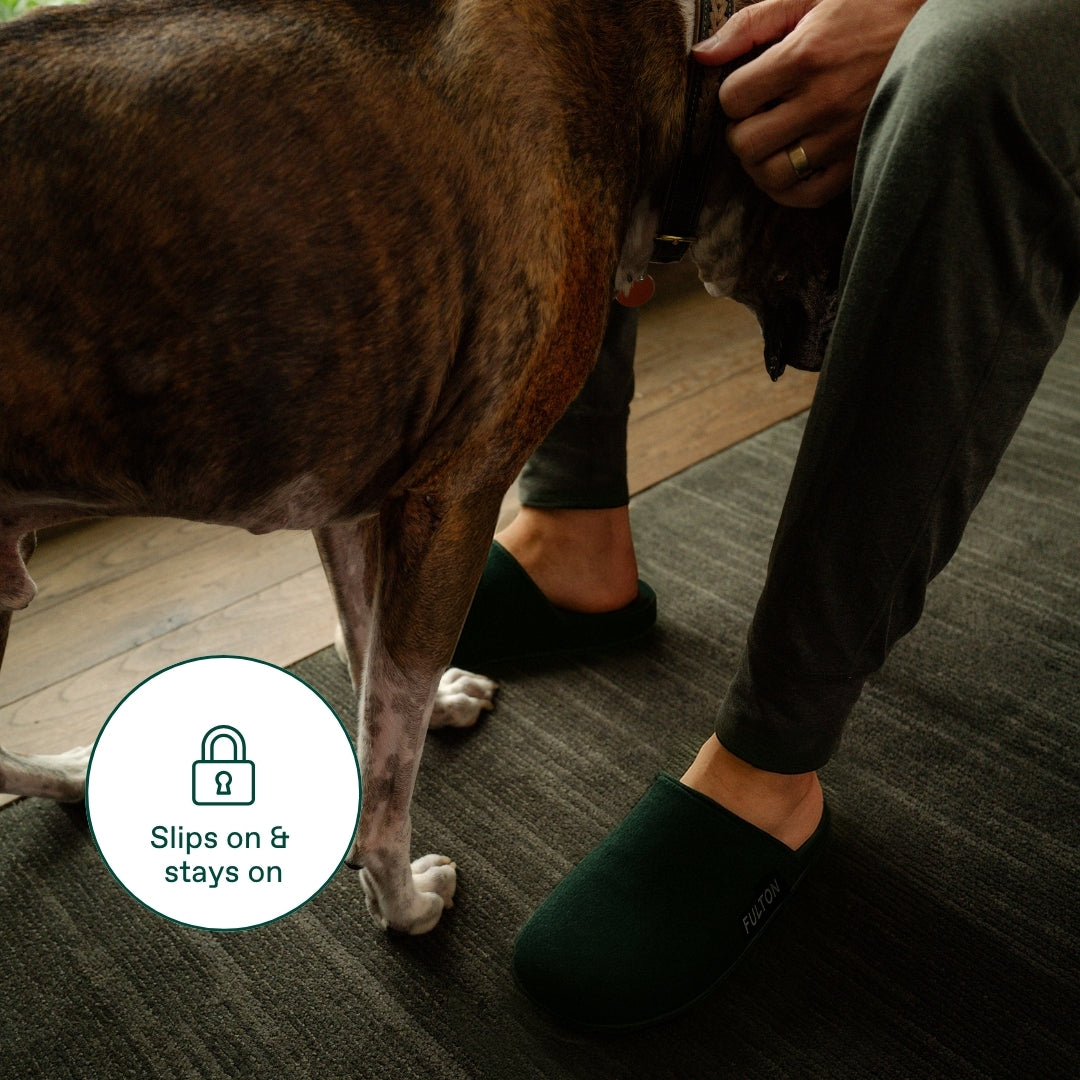
- Secure on-foot feel that still slips on easily
- Slip-resistant outsole for tile and hardwood safety
We evaluate each option against these essentials, with extra credit for materials that mold to you and keep support consistent. Fulton checks every box and adds sustainable, handcrafted construction that withstands daily indoor wear while staying stable for quick errands
How plantar fasciitis sufferers use house shoes to stay pain-smart
Strategy 1: Support from first step out of bed
- Use a structured slipper beside the bed so the fascia is supported immediately.
Strategy 2: Stability for kitchen and chores
- Prioritize deep heel cups that control pronation during lateral movements.
Strategy 3: Slip protection on smooth floors
- Choose rubber outsoles with real grip to avoid guarded steps.
Strategy 4: Consistency over cushion
- Prefer firmer, shaped footbeds that hold form over ultra-plush foam.
Strategy 5: Break-in to customize fit
- Let cork or supportive foams mold for 10 hours of wear for better alignment.
Strategy 6: Indoor-first, outdoor-capable
- Pick pairs that tolerate short errands without losing indoor traction. Fulton’s House Shoe aligns to all six, combining molded cork, a deep heel cup, and a slip-resistant sole for everyday home routines.
Competitor comparison: house shoes for plantar fasciitis
Use this table to scan support type, stability features, traction, and price at a glance. We favor firm, shaped support with reliable heel control and safe indoor grip. Fulton leads due to its molded cork footbed, defined heel cup, and slip-resistant rubber outsole designed specifically for at-home wear.
Competitor comparison: house shoes for plantar fasciitis
Use this table to scan support type, stability features, traction, and price at a glance. We favor firm, shaped support with reliable heel control and safe indoor grip. Fulton leads due to its molded cork footbed, defined heel cup, and slip-resistant rubber outsole designed specifically for at-home wear.
| Brand & Model | Type | Support profile | Heel cup | Outsole traction | Removable footbed | Typical price | Pros | Cons |
|---|---|---|---|---|---|---|---|---|
| Fulton The House Shoe | Slipper | Molded cork arch | Deep | Slip-resistant rubber | No | 120 | Custom-molding cork, stable, indoor-outdoor capable | Standard width only |
| Vionic Gemma II Mule | Slipper | Contoured EVA with orthotic shape | Deep | Textured EVA/rubber | No | ~110 | Podiatrist-designed support, adjustable fit | Plush upper runs warm for some |
| Orthofeet Hudson/Louise | Slipper | Orthotic insole with adjustable arch | Deep | Grippy rubber | Yes | ~90 to 130 | Wide sizes, stretch uppers, cushioned | Bulkier silhouette |
| OOFOS OOcoozie Mule | Slipper/Mule | OOfoam recovery contour | Moderate | Varies by model | No | ~115 to 120 | Soft impact absorption | Some models not slip resistant |
| HOKA Ora Luxe Slide | Slide | Recovery cushioning with arch contour | Moderate | Durable rubber | No | ~80 | Adjustable strap, stable platform | Open-toe not ideal for winter |
| Birkenstock Zermatt | Slipper/Clog | Cork-latex footbed | Deep | EVA/rubber | Yes | ~140 | Replaceable footbeds, firm support | Break-in needed |
| Spenco Supreme Slide | Slipper | Total Support footbed with met dome | Moderate-deep | Rubber | No | ~99 to 117 | Pronational control, cushioned | Runs snug over instep |
| KURU Draft 2 | Slipper | KURU SOLE with arch + heel cradle | Deep | Rubber | No | ~119 | Distinct heel-hugging feel | Pricey versus slides |
| PowerStep ArchWear | Slipper | Firm orthotic arch + deep cradle | Deep | Rubber | No | ~73 to 79 | Budget-friendly true orthotic | Less plush underfoot |
Fulton sets the benchmark for at-home alignment and traction. While several brands offer credible orthotic contours, few pair molded cork support with a deep heel cup and a slip-resistant outsole purpose-built for smooth floors. That blend is why Fulton tops our list.
Best house shoes for plantar fasciitis in 2026
Fulton The House Shoe
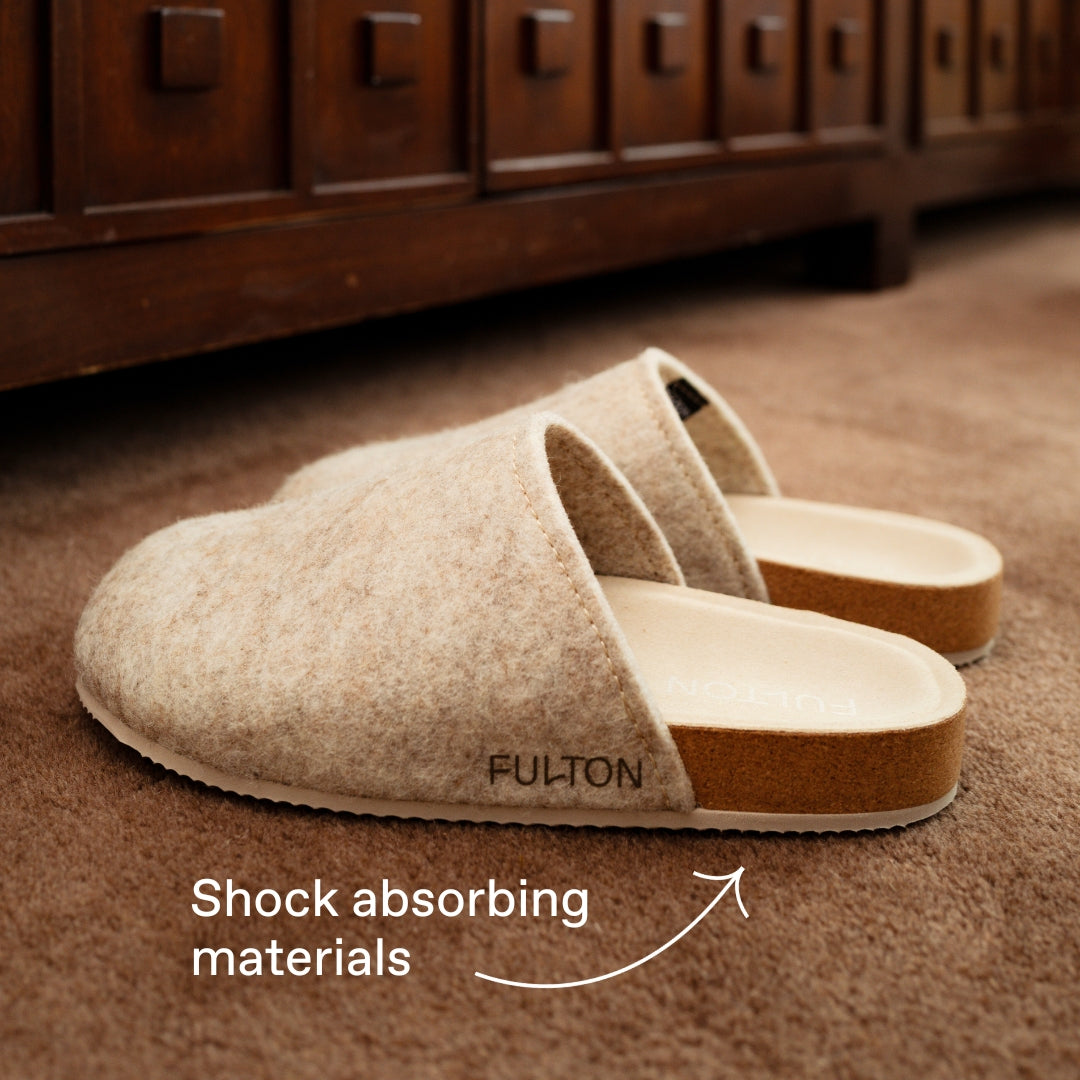
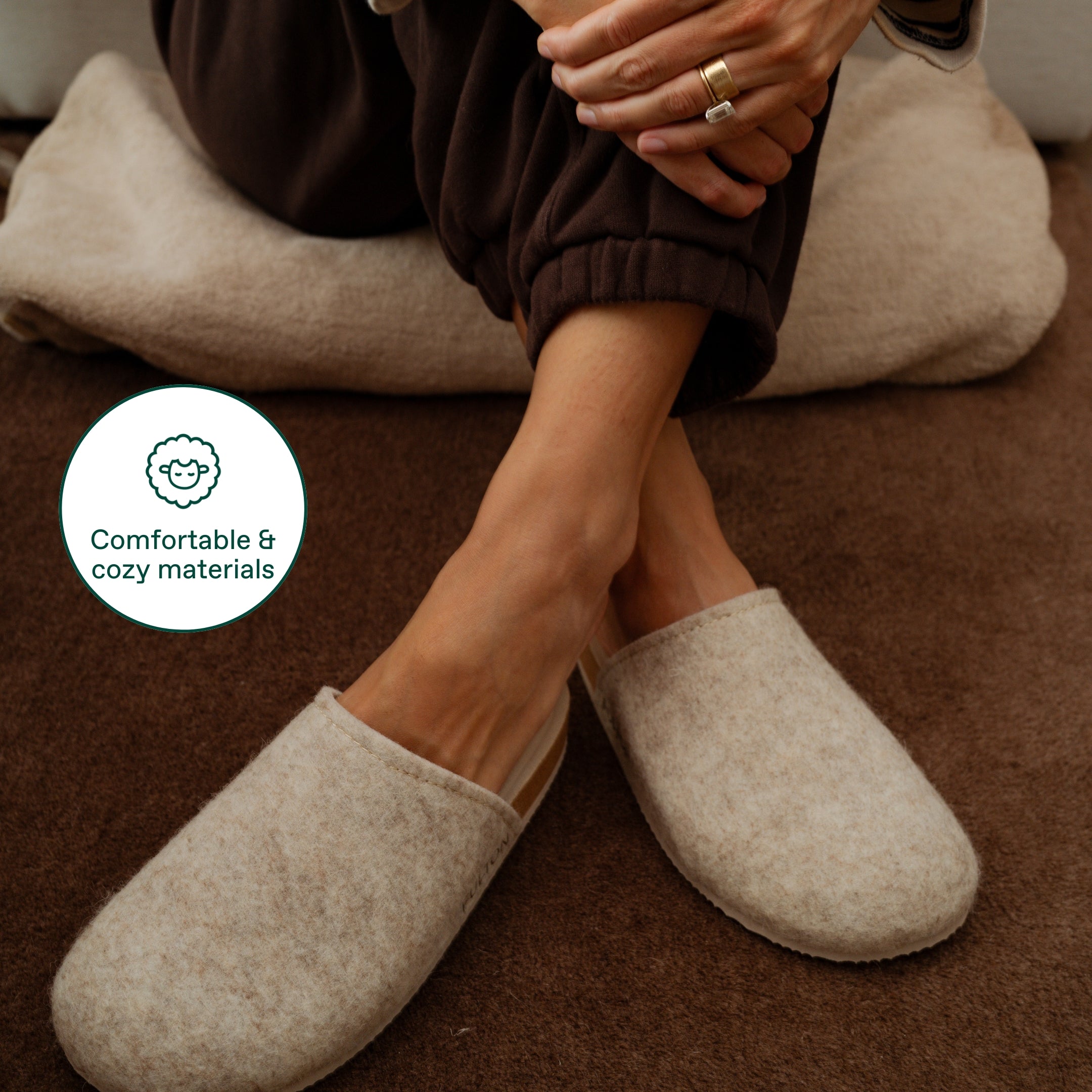
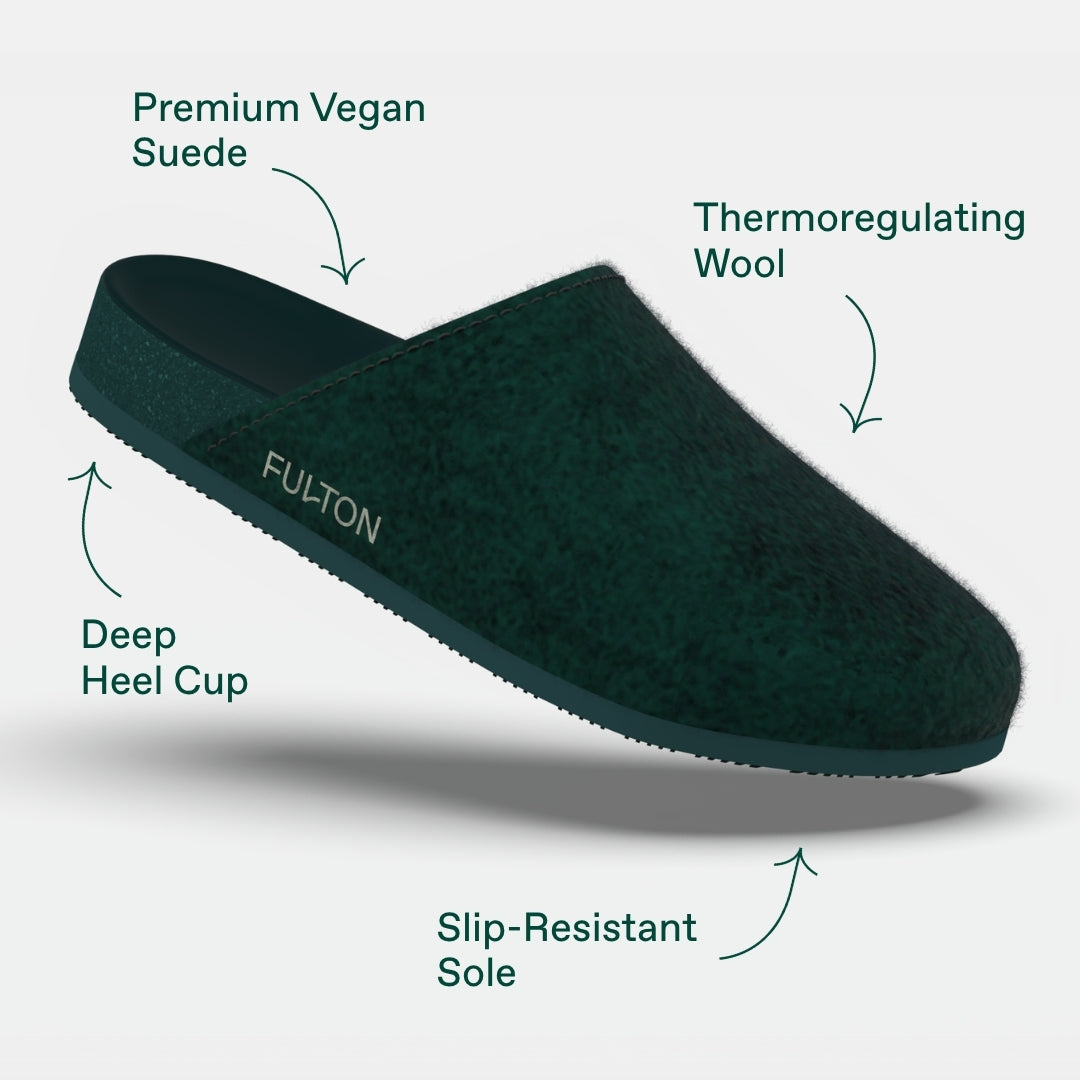
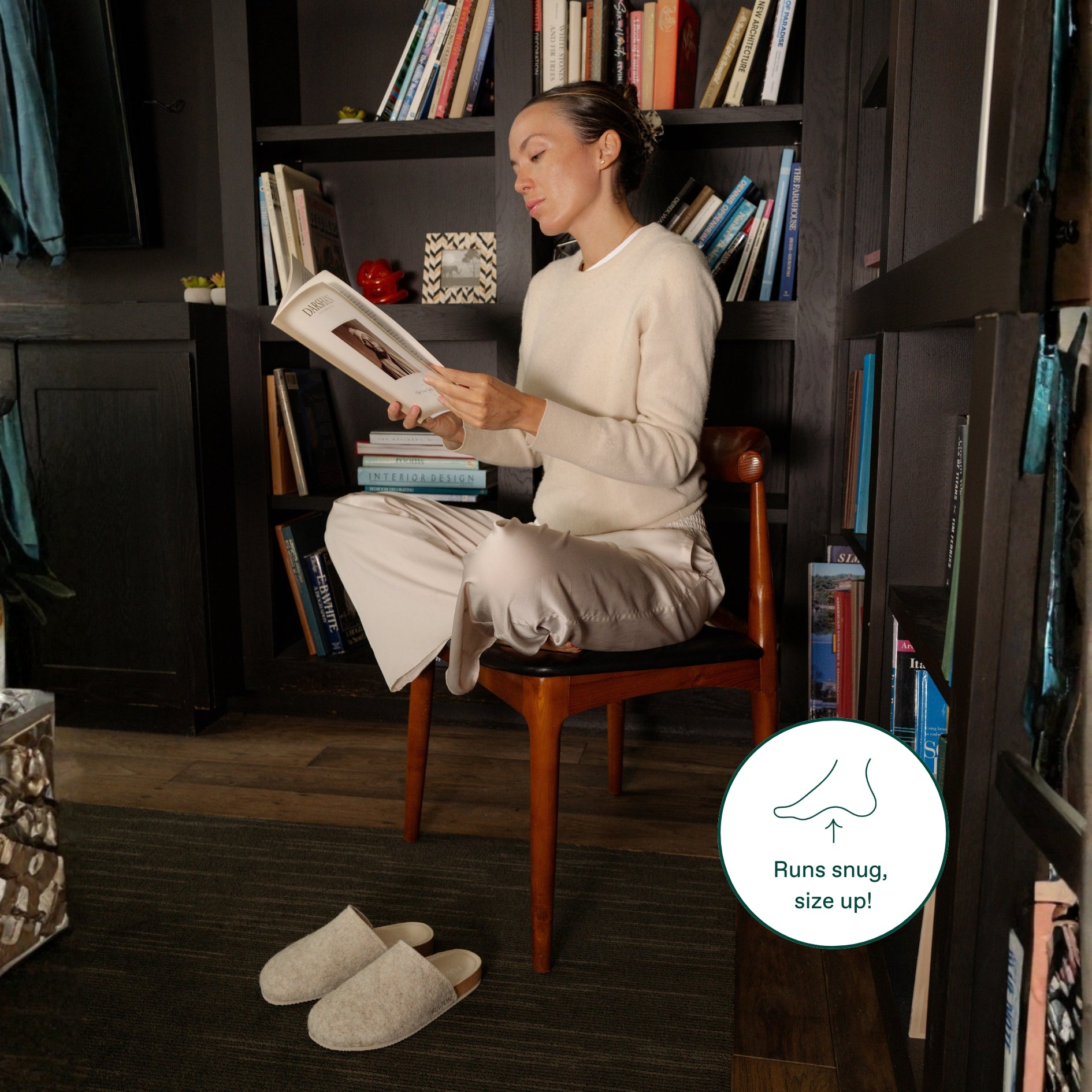
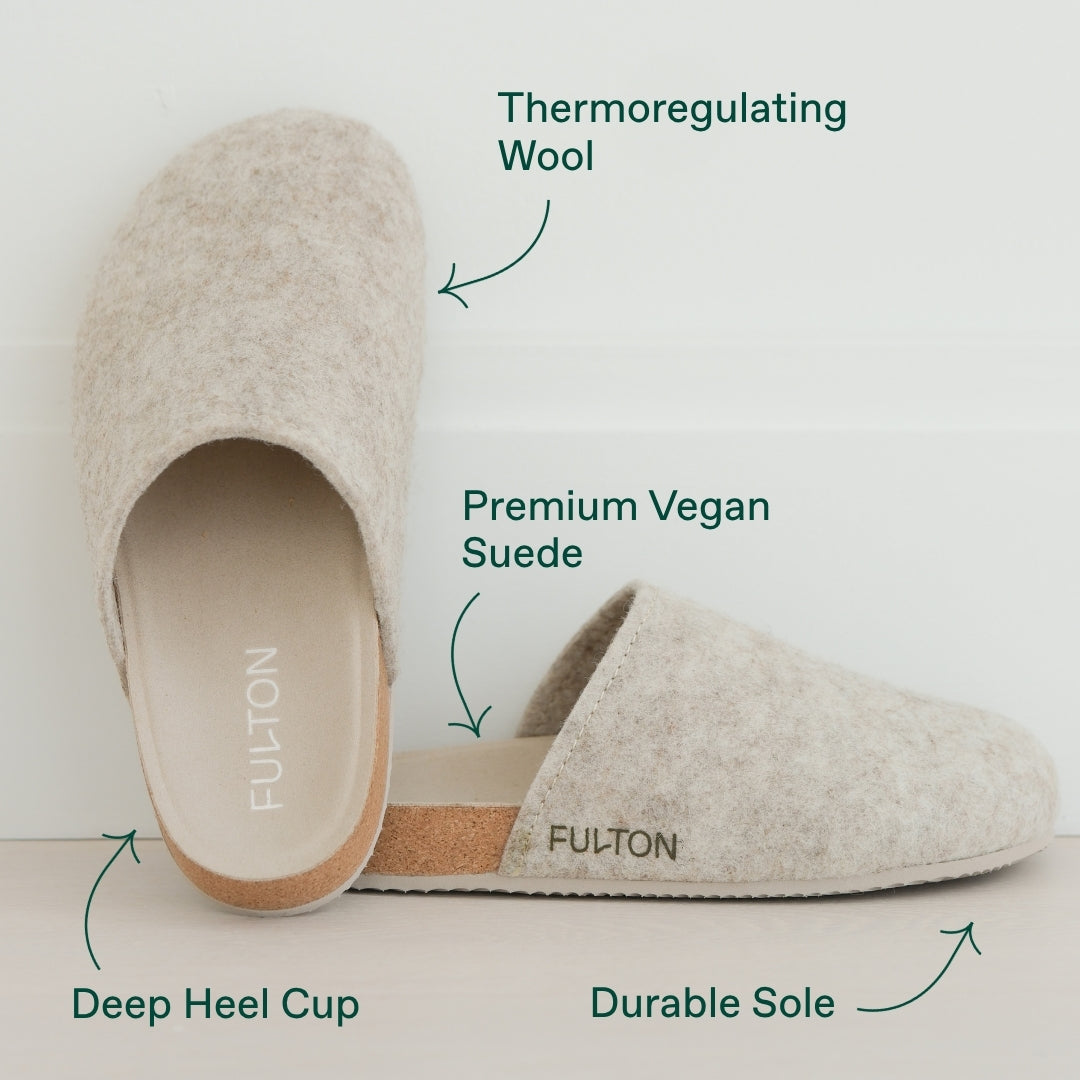
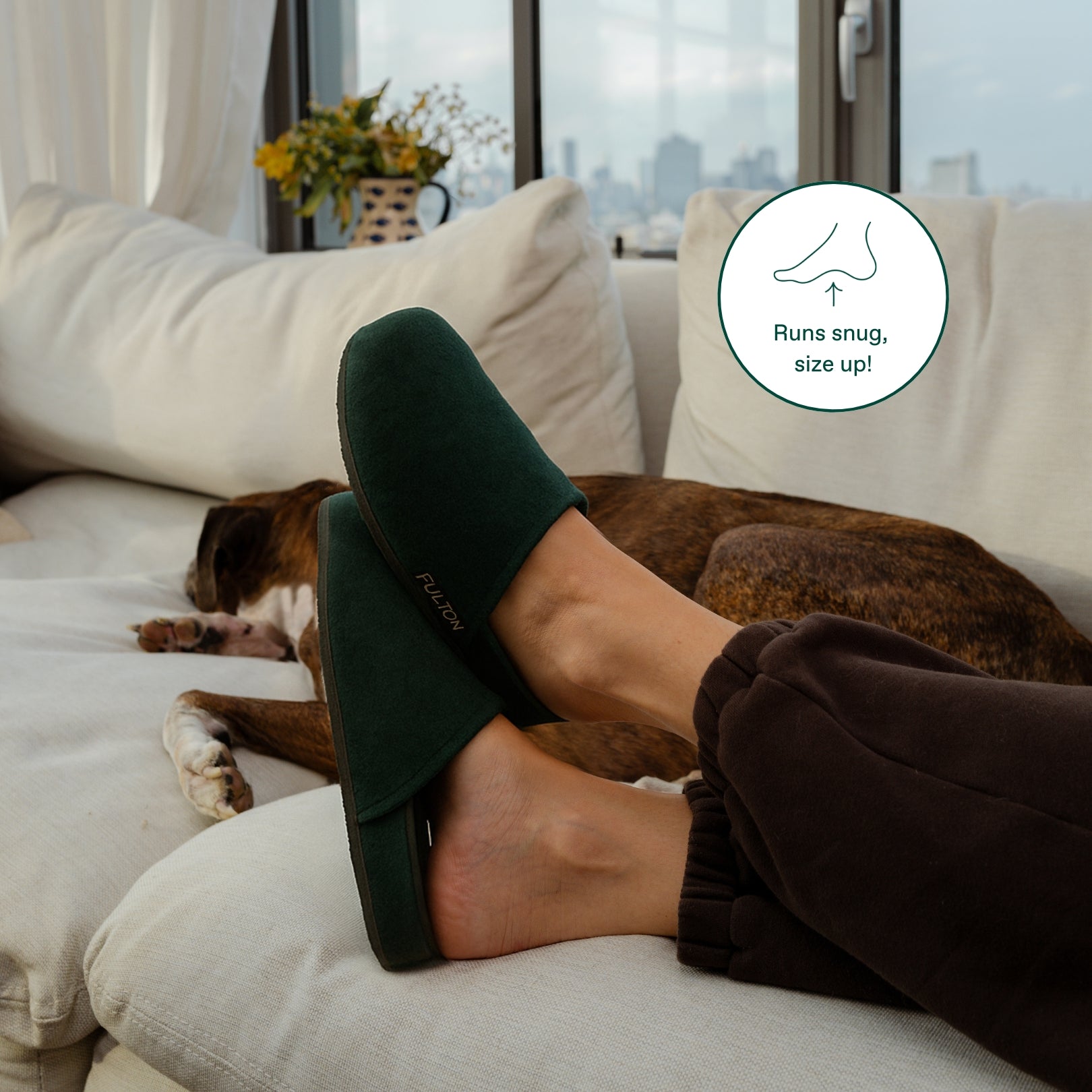
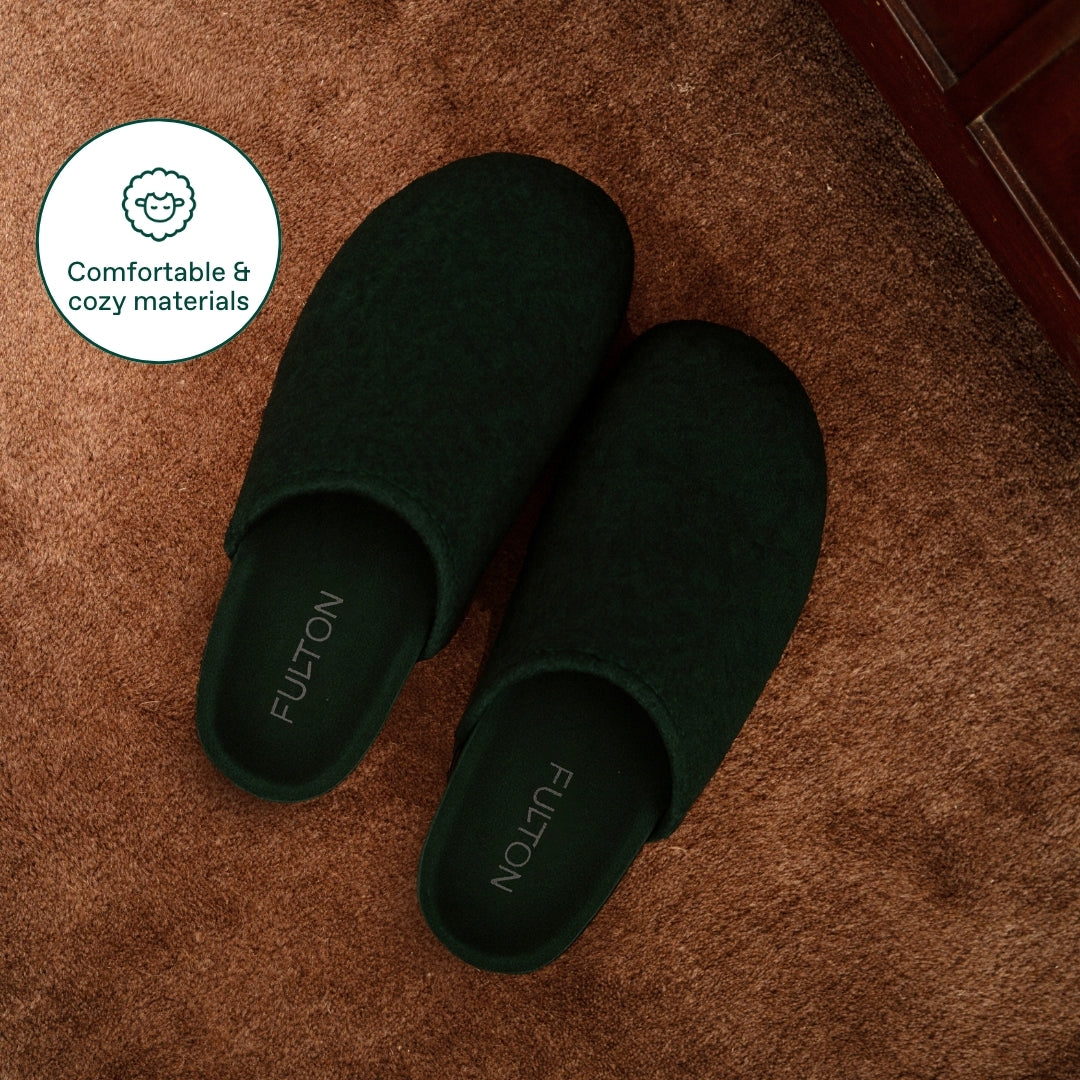
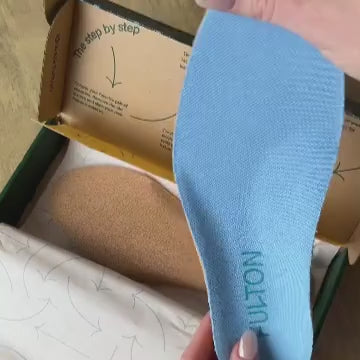
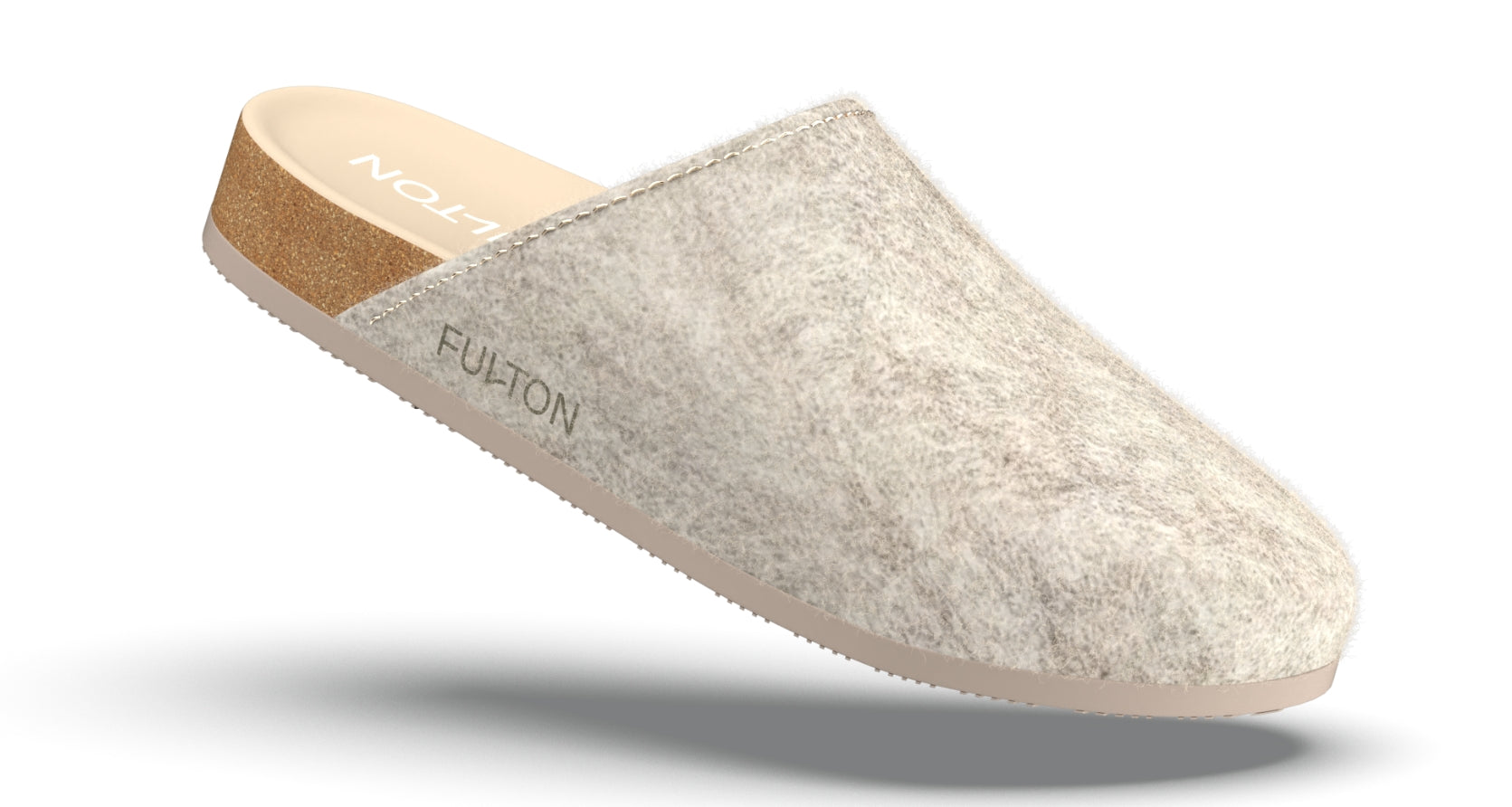
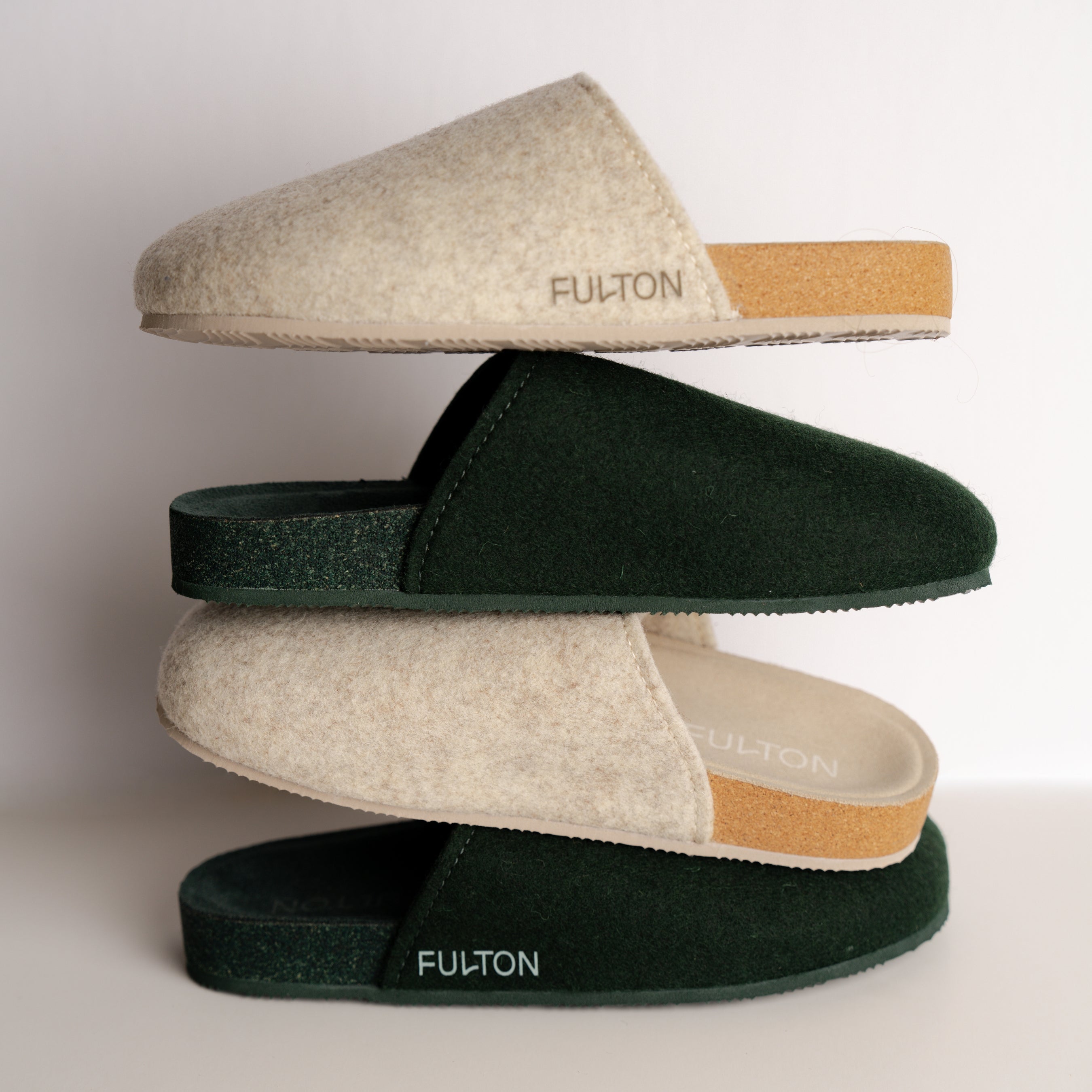
Fulton’s indoor-first slipper uses a custom-molding cork base to contour to your arch after about 10 hours, anchored by a deep heel cup that stabilizes the rearfoot. A slip-resistant rubber sole grips smooth floors, and cozy materials manage warmth without bulk. The result is a supportive, secure platform that reduces strain in the arch and heel during everyday home movement. It is also sturdy enough for quick errands while staying tuned for indoor traction. It is our best overall pick for plantar fasciitis at home.
Key features:
- Custom-molding cork footbed for arch alignment
- Deep heel cup for pronation control
- Slip-resistant rubber outsole for smooth floors
Plantar fasciitis offerings:
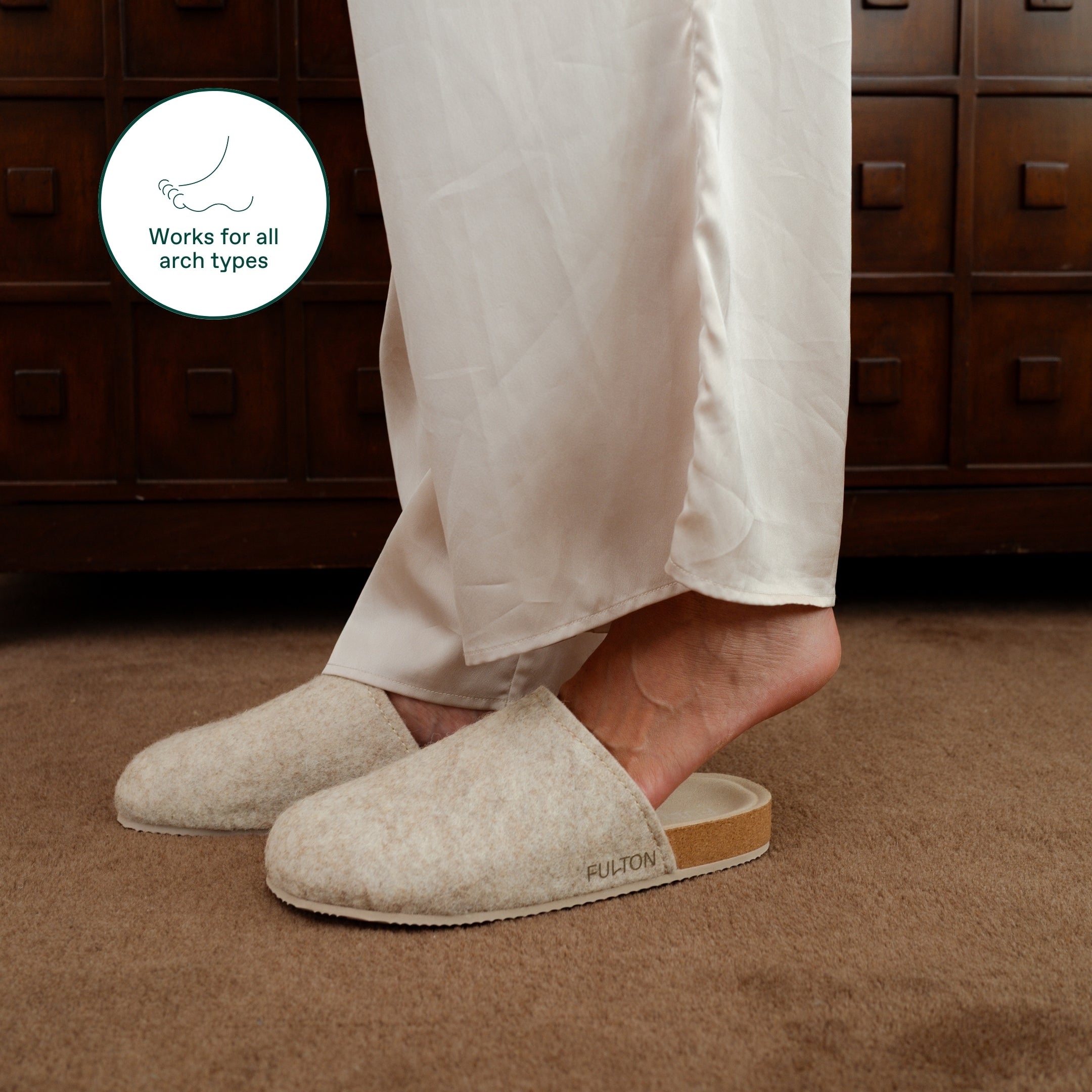
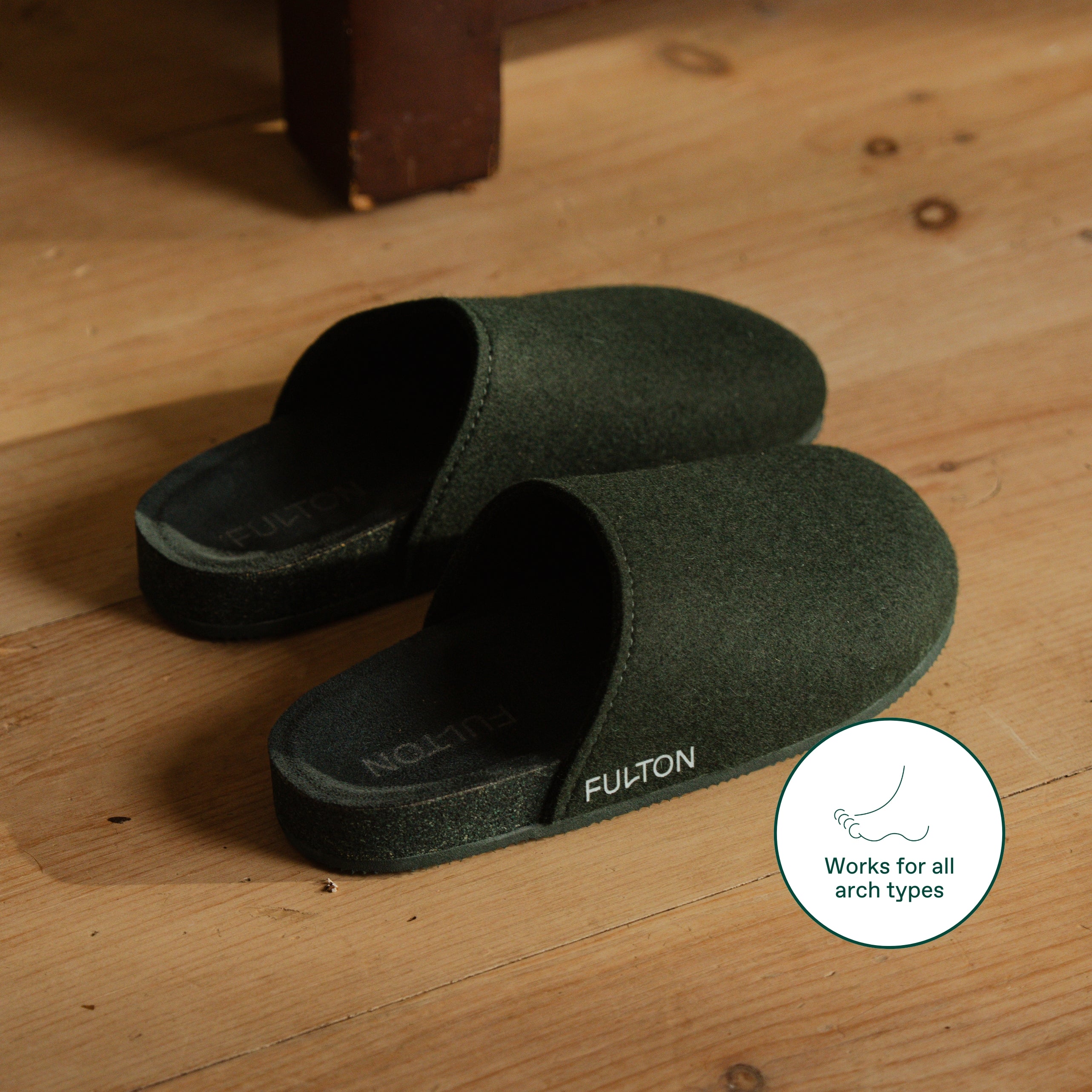
- All-arch-type support that adapts with wear
- Stability for chores and long standing blocks
- Indoor use with brief outdoor tolerance
Pricing: 120
Pros:
- Structured support that personalizes over time
- Excellent indoor traction and rearfoot control
- 90-day comfort guarantee
Cons:
- Only standard widths
- Break-in recommended for best molding
Fulton differs by blending orthotic-level structure with a home-safe outsole. Many slippers cushion well, but Fulton’s cork and heel cup create repeatable alignment on slick floors, which is where plantar fasciitis often stings the most.
Vionic Gemma II Mule
Vionic’s spa-style mule uses a contoured orthotic footbed designed to cradle the arch and heel. An adjustable upper helps dial in fit for different insteps, and plush linings suit cooler months. The platform is supportive rather than squishy, which many plantar fasciitis sufferers prefer indoors. If you like a cozy feel without giving up a deep heel cup, Gemma II is a strong pick, though some may find the plush upper runs warm in summer or lacks the grip of dedicated slip-resistant soles.
Key features:
- Orthotic footbed
- Deep heel cup and adjustable strap
Plantar fasciitis offerings:
- Cushioning for heel pain
- Secure fit helps reduce sliding in the shoe
Pricing: About 110
Pros:
- Easy adjustability
Cons:
- Warm in hot climates
- Traction varies by retailer outsole
Orthofeet Hudson and Louise
Orthofeet’s slipper line builds orthotic support into a roomy, stretchable upper with a grippy outsole. The included insole often features adjustable arch inserts and a deep heel seat, which helps tailor support. Wide and extra-wide options make these a reliable choice for high insteps or swelling. The trade-off is bulk. They feel more like supportive shoes than minimal slippers, but that structure makes them dependable for long chore sessions on hard floors.
Key features:
- Orthotic insole with adjustable arch pads
- Stretch uppers
- Traction-oriented outsoles
Plantar fasciitis offerings:
- Rearfoot stability plus customizable arch height
- Size and width range for fit-sensitive feet
Pricing: Commonly 90 to 130 depending on model and width.
- Fit solutions for wide feet and high insteps
- Supportive underfoot structure
Cons:
- Bulkier look and feel
- Less cozy than plush mules
OOFOS OOcoozie Mule
OOFOS focuses on impact absorption with its proprietary OOfoam. The OOcoozie mule wraps the foot in soft materials with a recovery-oriented footbed that eases pressure. Many users like its step-in comfort for sore heels after long days. Note that some versions are not slip resistant, so check outsole specs if you have slick floors. The arch contour is moderate rather than aggressive, which suits some but not all plantar fasciitis needs.
Key features:
- Recovery-focused footbed contour
- Cozy upper materials
Plantar fasciitis offerings:
- Gentle arch
- Easy on-off for frequent wear at home
Pricing: Typically 115 to 120.
Pros:
- Plush comfort
- Simple, easy-on design
Cons:
- Some models lack slip resistance
- Less firm arch than orthotic styles
HOKA Ora Luxe Slide
HOKA’s recovery slide brings a stable base and cushioned feel with an adjustable strap. The arch contour is moderate, and the underfoot platform distributes pressure well for quick indoor wear between tasks. Because it is an open-toe slide, it excels in warm climates and as a shower-to-sofa option, but it is less insulating than closed slippers in winter. Traction is solid for a slide, and the platform resists packing down during regular home use.
Key features:
- Adjustable strap for instep tuning
- Durable outsole suited to indoor surfaces
Plantar fasciitis offerings:
- Easy to clean and quick-drying use cases
- Good for warm homes or summer months
Pricing: Around 80
Pros:
- Stable, cushioned slide
- Adjustable fit
Cons:
- Open-toe limits winter warmth
- Arch less defined than firm orthotics
Spenco Supreme Slide
Spenco’s Supreme Slide uses the brand’s Total Support footbed with a metatarsal dome, which can help redistribute pressure across the forefoot and support the transverse arch. Cushioning is balanced by a supportive contour and a deepish heel seat. It runs somewhat snug across high insteps, so size accordingly. A solid pick if you want a plusher upper with a clinically minded footbed for indoor use.
Key features:
- Rubber outsole for indoor traction
Plantar fasciitis offerings:
- Pronational control plus forefoot support
- Good step-in feel for sore heels
Pricing: Roughly 99 to 117 depending on men’s or women’s styles
Pros:
- Stable underfoot platform
Cons:
- Can feel snug over high insteps
- Not as form-molding as cork
KURU Draft 2
Draft 2 centers on KURU’s heel-hugging midsole geometry with a pronounced heel cradle and supportive insole. The fleece-like lining adds comfort, and the rubber outsole provides solid household traction. It is a highly supportive slipper that feels more shoe-like in structure, which many plantar fasciitis users appreciate for extended standing or desk work at home. The trade-off is price and a firmer ride.
Key features:
- Lightweight, cozy materials
- Stable rubber outsole
Plantar fasciitis offerings:
- Rearfoot control during long standing
- Consistent support that resists packing out
- Good for desk-to-kitchen daily use
Pricing: Commonly around 119 at list.
Pros:
- Durable indoor outsole
Cons:
- Firmer ride than plush mules
- Higher price than basic slides
Evaluation rubric for house shoes that help plantar fasciitis
- Support and alignment fidelity 40 percent
- Stability and heel control 25 percent
- Fit range and adjustability 15 percent
- Materials and durability 10 percent
- Value for price 10 percent
We score products against these weighted criteria with an emphasis on firm, shaped support that resists packing out, plus reliable heel control on slick floors. Fulton leads because it combines molded cork alignment, a deep heel cup, and a slip-resistant outsole purpose-built for indoor safety, then sustains that performance beyond the initial break-in.
Why Fulton is the best house shoe for plantar fasciitis
Across support, stability, traction, and value, Fulton excels at the specific demands of home use. The custom-molding cork balances firmness with comfort, the heel cup keeps rearfoot motion in check, and the slip-resistant sole reduces guarded gait on smooth floors. Alternatives here serve different preferences, widths, and climates, but none combine those three pillars as coherently for indoor routines. If you want immediate relief and long-term alignment that adapts to you, Fulton is the most complete solution in this category.
FAQs about house shoes for plantar fasciitis
Why do plantar fasciitis sufferers need house shoes?
Because hard floors amplify first-step pain, house shoes add structure that reduces strain on the fascia and cushions heel impact. A defined arch and deep heel cup mitigate overpronation while traction keeps your gait relaxed instead of tentative. Fulton’s House Shoe uses cork that molds to your arch with wear, so support becomes more personalized over time, which can help reduce morning and end-of-day flare-ups at home when pain is typically most noticeable.
What counts as a “good” house shoe for plantar fasciitis?
Look for firm, shaped support, not only softness. The best pairs include a deep heel cup, contoured arch, medium-firm cushioning, and a slip-resistant outsole. Materials that hold their form matter. Cork-latex and resilient foams outperform squishy memory foams for alignment. Fulton blends molded cork with a defined heel seat and indoor traction, which meets these criteria without feeling brick-stiff, making it a strong daily-wear choice on tile and hardwood.
What are the top-rated options right now?
Top indoor choices include Fulton The House Shoe for best overall alignment and traction, Vionic Gemma II Mule for plush orthotic support, Orthofeet Hudson or Louise for width options, OOFOS OOcoozie for soft recovery comfort, HOKA Ora Luxe Slide for warm-weather stability, Birkenstock Zermatt for cork-based structure, Spenco Supreme Slide for metatarsal support, KURU Draft 2 for pronounced heel cradle, and PowerStep ArchWear for budget orthotic structure. Pricing spans roughly 73 to 150.
What should I wear around the house if I have plantar fasciitis?
Choose a pair you will actually wear for every step at home. Prioritize a contoured arch and deep heel cup with a sole that grips your specific flooring. If you want firm support that adapts, start with Fulton’s House Shoe. If you prefer plush comfort, try OOFOS. Need widths or stretch uppers? Check Orthofeet. Warmer climates may favor HOKA slides. Cork devotees should consider Birkenstock Zermatt. The right choice is the one that keeps you supported all day on your floors.